
On This Date: Fordham vs. Waynesburg, the First Football Game Ever on TV (Sept. 30, 1939)
On Sept. 30, 1939, NBC televised Fordham vs. Waynesburg, the first football game ever on TV. Fordham won 34-7, but little Waynesburg scored the first touchdown.
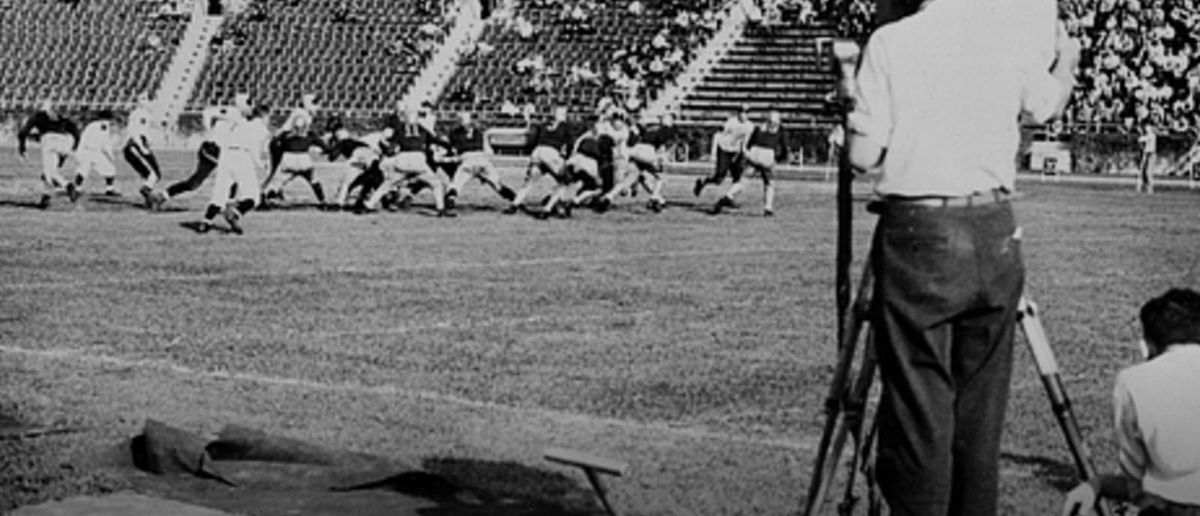
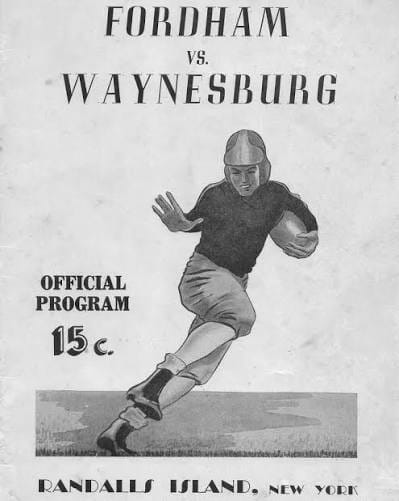
On Sept. 30, 1939, about 9,000 people went to Triborough Stadium on Randall's Island in New York to watch Fordham play a small school from southwestern Pennsylvania called Waynesburg. A few hundred more watched it somewhere else, on small black-and-white screens.
It was the first football game ever shown on television. Fordham won, 34-7. Waynesburg scored the first touchdown.
Why this game?
It was the only game in range.
In 1939 there was one TV station in New York that mattered: NBC's experimental W2XBS, which is WNBC today. It had been on the air in earnest only since April, when RCA showed off television at the New York World's Fair. That spring NBC had tried a college baseball game, Princeton vs. Columbia. In August it did the first major league game, the Reds against the Brooklyn Dodgers.
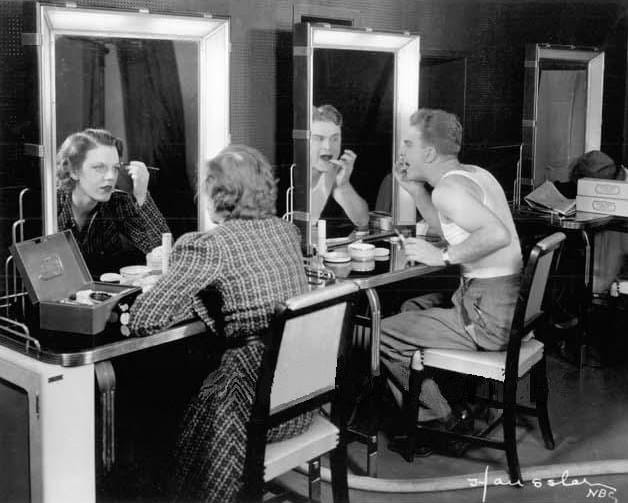
Football was next. NBC's signal went from the stadium to a transmitter on top of the Empire State Building and reached about 50 miles. On the last Saturday of September, the local powers NYU and Manhattan were both playing away. So the game NBC got was Fordham, one of the best teams in the country, against Waynesburg, a school most New Yorkers had never heard of.
The broadcast
One announcer. One camera, or maybe 2. Maybe 1,000 TV sets.
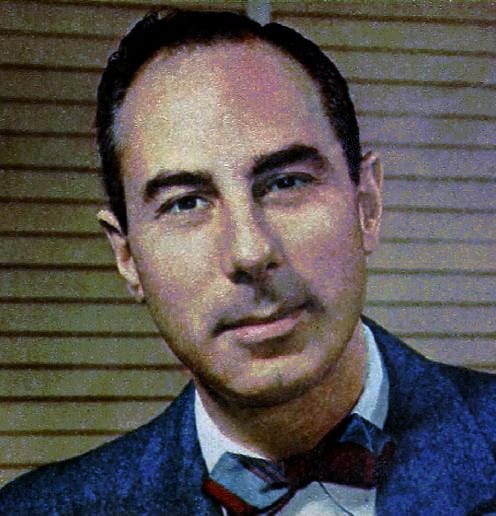
Bill Stern called the game. Accounts disagree on the equipment: most say NBC used a single camera on the sideline, and Fordham's own history says 2.
Nobody knows exactly how many people watched. Estimates run from about 500 homes to about 1,000 sets. A good set cost around $600 in 1939, close to the price of a new car, and a lot of the audience watched on sets at RCA's pavilion at the World's Fair.
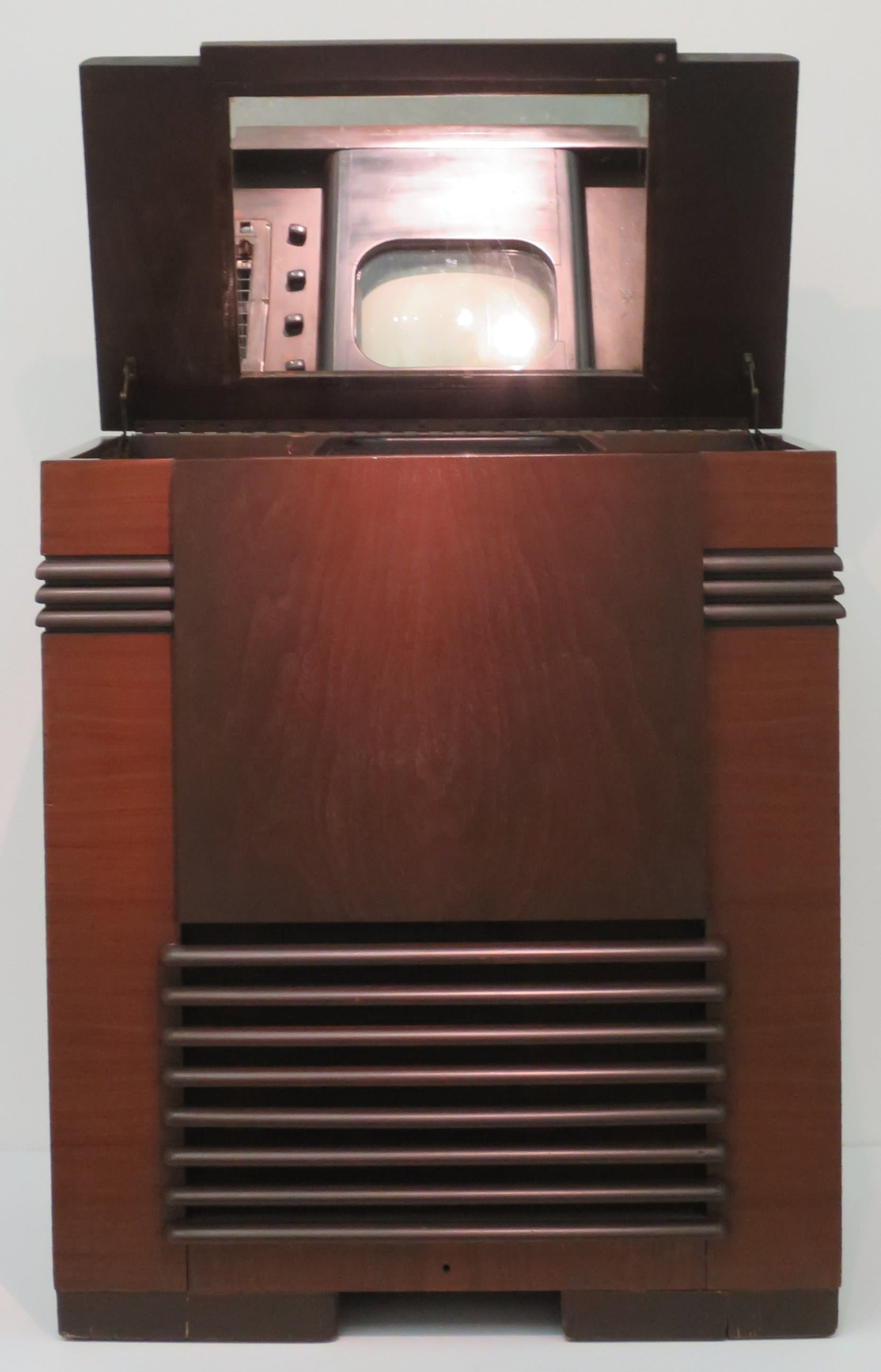
There's a story that Stern, who was famous on radio for stretching the truth, found out TV didn't let him do that, because the audience could see the play he was describing. It's a good story. Nobody has ever found a source for it from the time, and Stern told a lot of good stories.
Waynesburg drew first blood
A 63-yard touchdown run, 4 minutes and 19 seconds into the season.
Waynesburg had made the trip in a convoy of cars, 42 players and staff driving about 400 miles from Greene County, Pa. Nobody back home could watch. Waynesburg was way outside the 50-mile range.
Which is too bad, because Waynesburg got the ball on its own 37, and on the 3rd play halfback Bobby Brooks went through left tackle. Fordham quarterback Krywicki got both arms around him, and Brooks pulled away and ran down the sideline for a 63-yard touchdown. John Stefanik kicked the extra point. The first touchdown and the first extra point in television history both belong to Waynesburg, and the school still says so on its website.
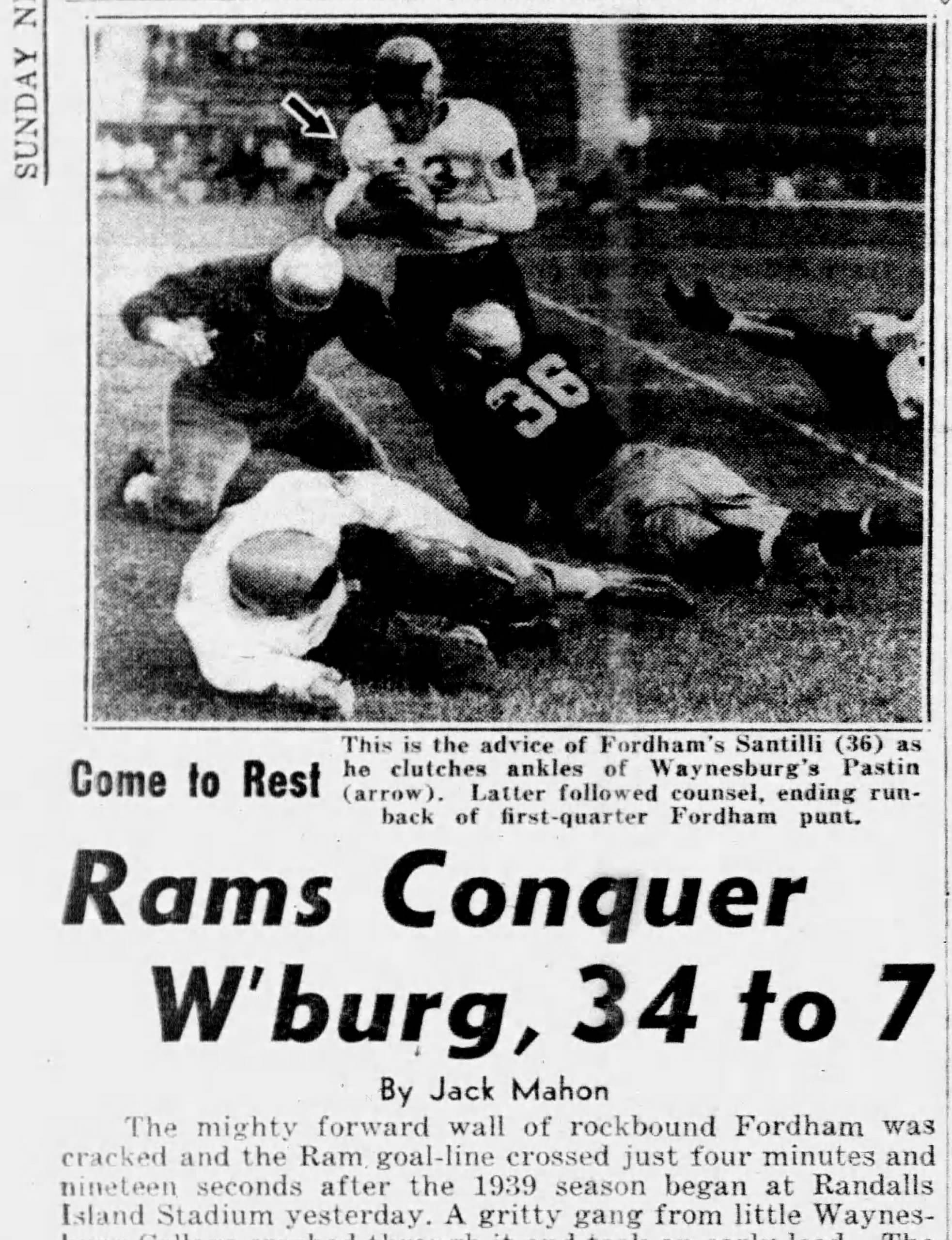
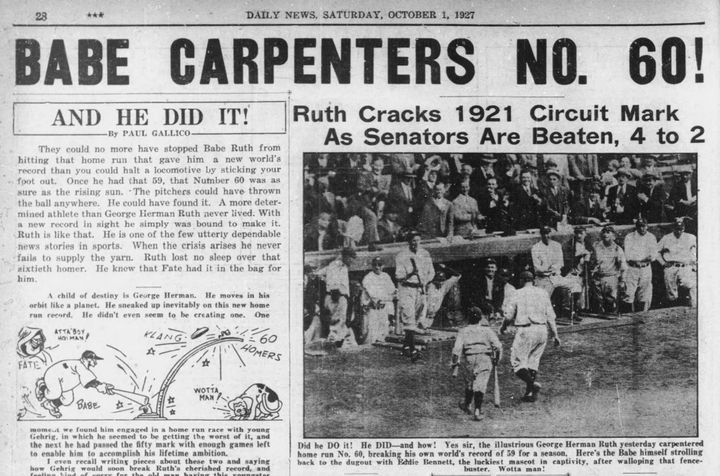
"The Rams were greeted by thunderous silence as they filed down the field to receive the kick-off," Jack Mahon wrote in the next morning's New York Daily News. "So they were the pride of New York, eh? The boys got mad then and, in six plays, tied up the game." It was 7-7 after one quarter, and Fordham scored the last 34 points.
Fordham takes over
5 touchdowns, all on the ground.
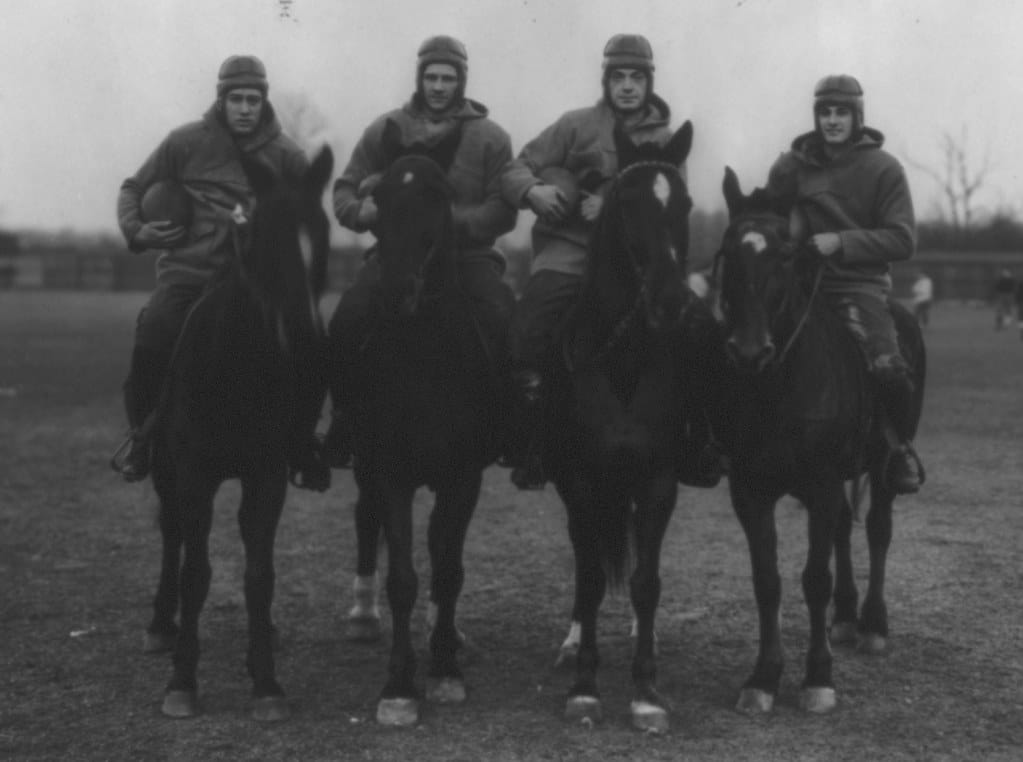
This was a Fordham team that had been picked to contend for the national championship. The coach was Jim Crowley, one of Notre Dame's famous Four Horsemen in the 1920s. Just 2 years earlier, Fordham's line had been known as the Seven Blocks of Granite, and one of those blocks was a guard named Vince Lombardi. He'd graduated by 1939, but the program he helped build was still rolling.
Ralph Friedgen scored 2 touchdowns. Kazlo, Len Eshmont and Dominic Principe each scored one, Principe on a reverse. By the end, Fordham had 337 yards and 16 first downs. Waynesburg had 157 yards and 5.
Fordham went 6-2 and finished No. 17 in the AP poll. Its losses were by one point to Alabama and a touchdown to Tulane.
What came next
3 weeks later, on Oct. 22, 1939, NBC did it again with the pros: the Brooklyn Dodgers beat the Philadelphia Eagles, 23-14, at Ebbets Field in the first NFL game ever televised.
A few hundred people watched Fordham and Waynesburg. Today, college football fills TV screens every Saturday from noon to midnight, and every one of those broadcasts goes back to a Saturday afternoon in 1939 and one announcer on Randall's Island.
Waynesburg played on. One of the players on the field that day, Jack Wiley, later played for the Pittsburgh Steelers, and the Yellow Jackets' home field is named for him.
And to this day, Waynesburg can say it scored the first touchdown in the history of televised football.
Did you know Waynesburg was part of TV history? Tell us in the comments.
Comments ()