
On This Date: J.R. Richard Strikes Out 15 in His Debut — the Start of Baseball's Great What-If (Sept. 5, 1971)
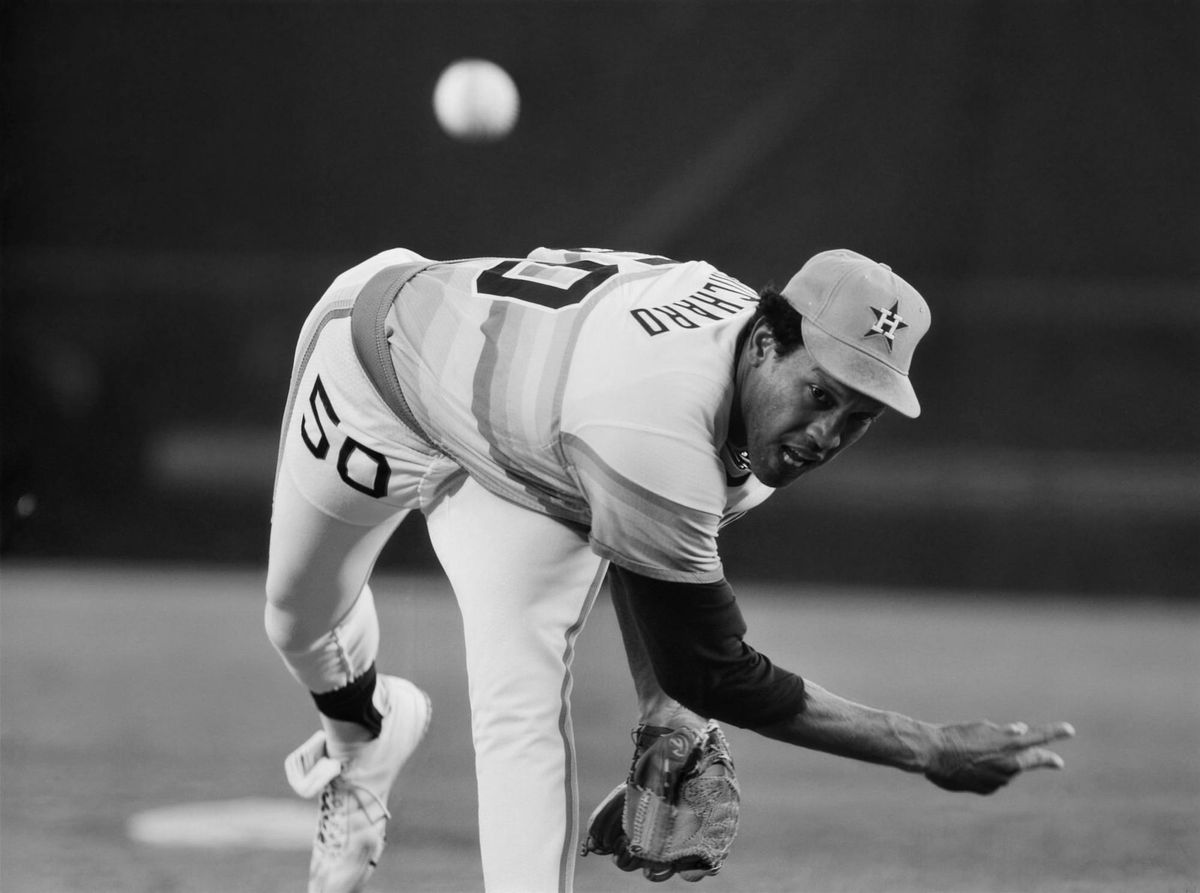
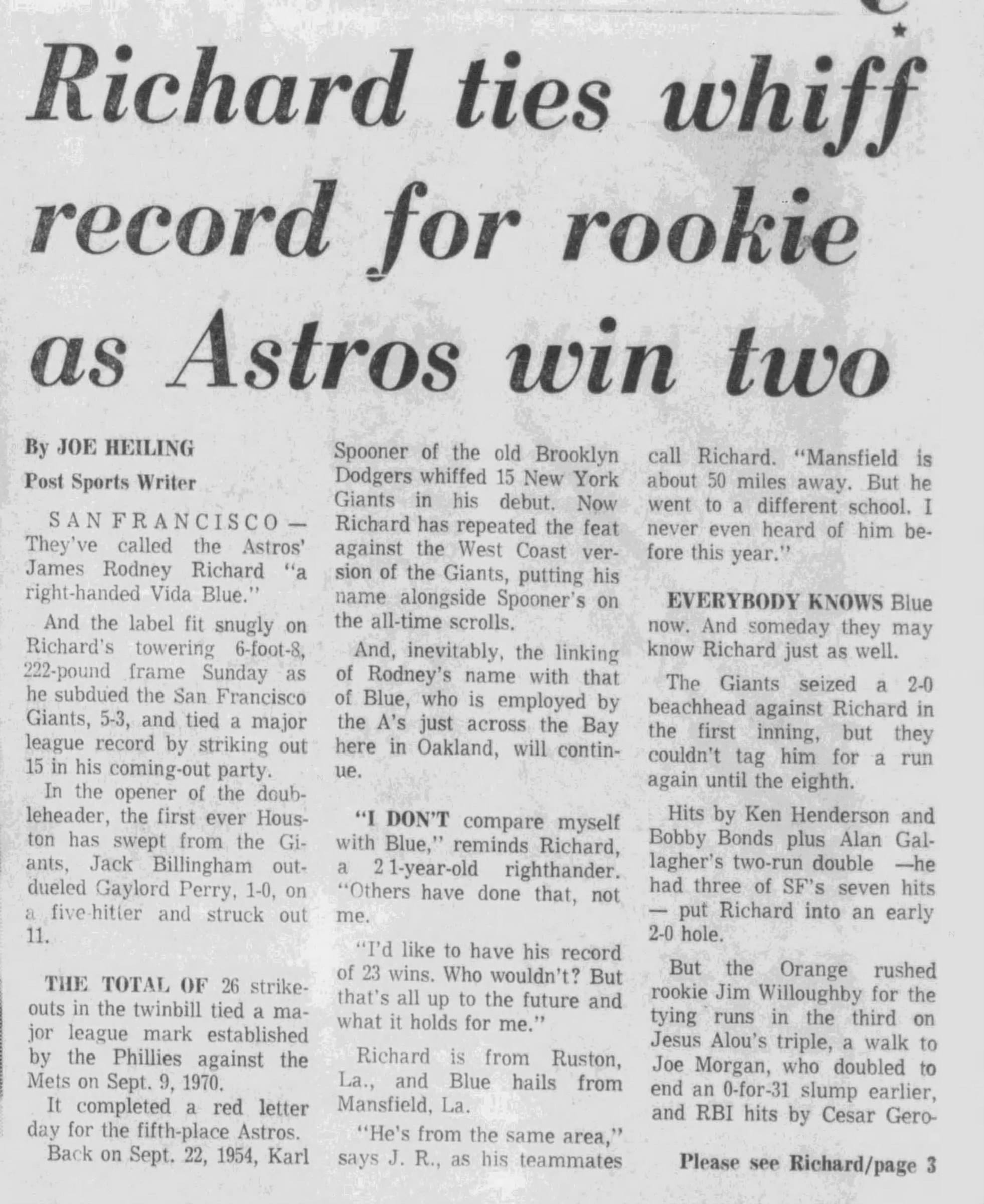
On this date in 1971, in the second game of a doubleheader at Candlestick Park, the Houston Astros handed the ball to a 21-year-old making his major-league debut. He was 6-foot-8. He threw 100 miles an hour. And over 9 innings and roughly 155 pitches, James Rodney Richard struck out 15 San Francisco Giants — including Willie Mays, three times — in a 5-3 complete-game win.
Fifteen strikeouts tied Karl Spooner's 1954 record for a debut, a mark that still stands more than half a century later. Nobody has matched it since. And that game opened one of the most electrifying — and ultimately heartbreaking — careers baseball has ever seen.
The Most Terrifying Arsenal in the League
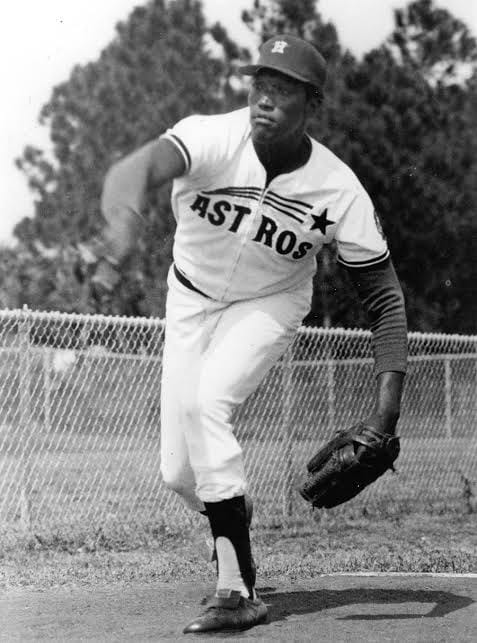
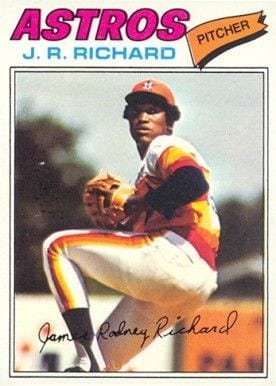
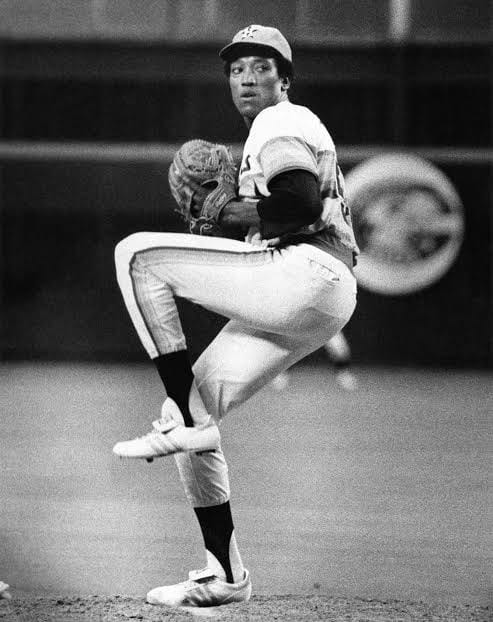
Richard was an original: a man the size of a power forward with a fastball that touched triple digits and a slider clocked at 93-94 mph — a pitch that arrived at fastball speed and then disappeared. For a few early seasons the package was too wild to harness; he led the National League in walks three straight years. Then it clicked, and the results read like a video game: four straight seasons of 18 or more wins from 1976-79, 303 strikeouts in 1978 and 313 in 1979 — the first National League right-hander ever with back-to-back 300-strikeout seasons — and the 1979 NL ERA title at 2.71.
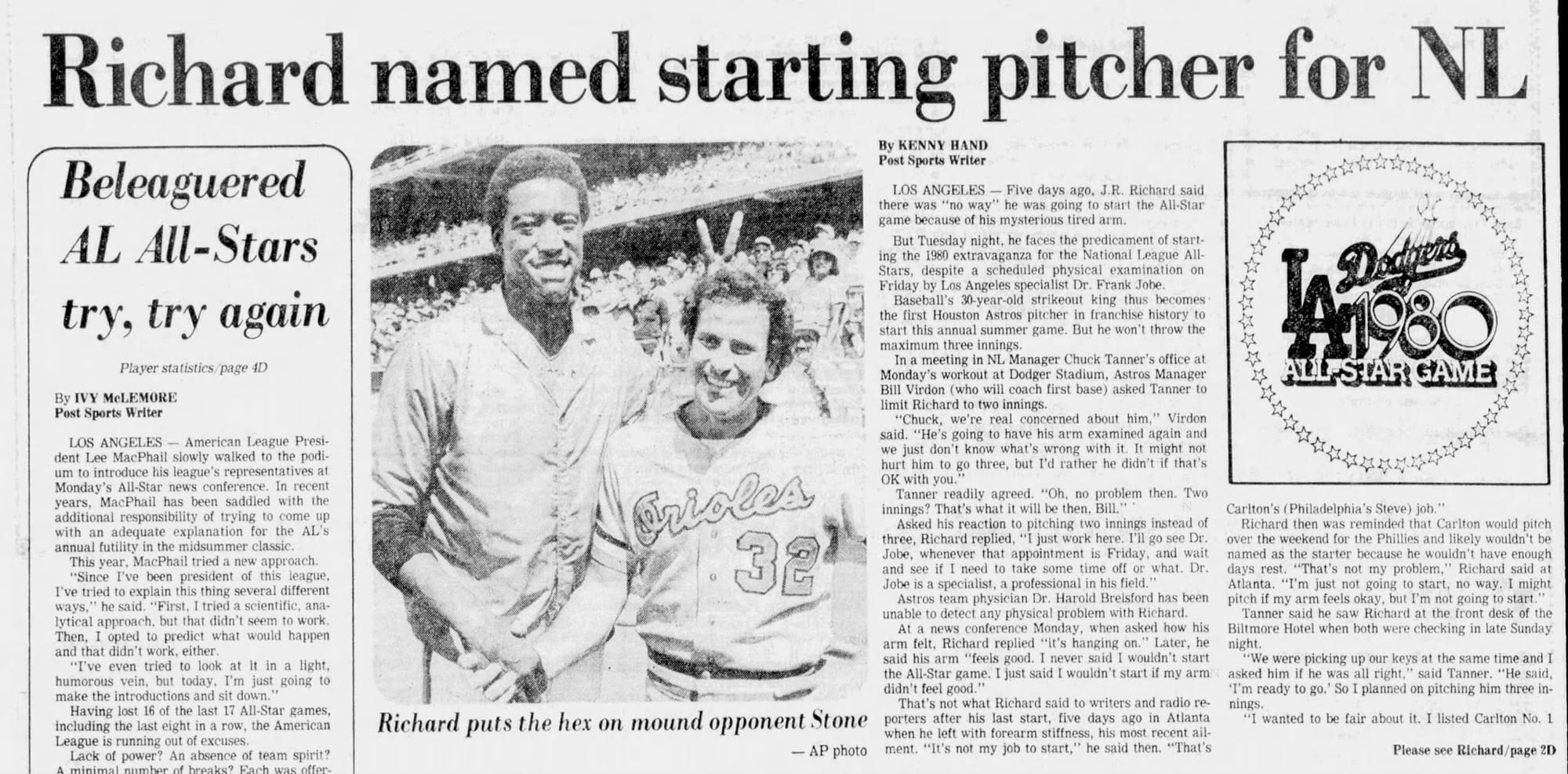
By 1980 Houston had paired him with Nolan Ryan, baseball's first million-dollar-a-year player, and Richard was out-pitching him: 10-4, a league of hitters in open fear, and the starting nod for the National League in the All-Star Game. He threw 2 scoreless innings. He was 30 years old, at the absolute summit.
He would never win another big-league game.
The Doubted Man
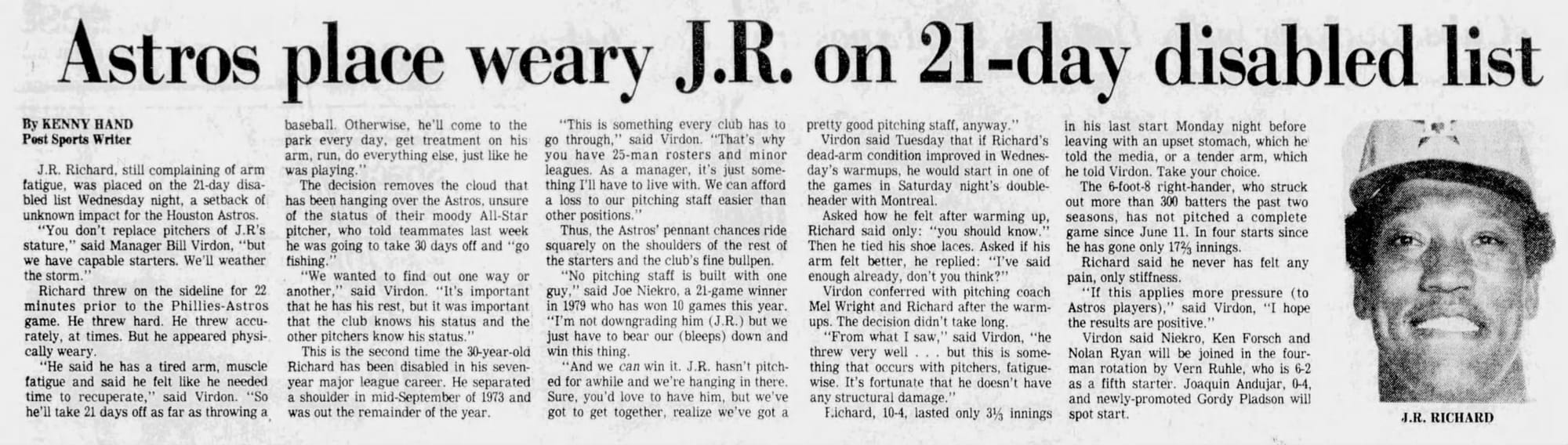
Here's the part that still stings. Beginning that June, Richard told the Astros his arm felt dead — fatigue, numbness, trouble seeing the catcher's signs. He'd take himself out of starts early. And because he was huge, durable — he hadn't missed a start in 5 years — and standing next to Ryan's new contract, an ugly narrative formed instead of a diagnosis: he was loafing. Jaking it. Jealous. Media and even some teammates said it out loud, during a pennant race.
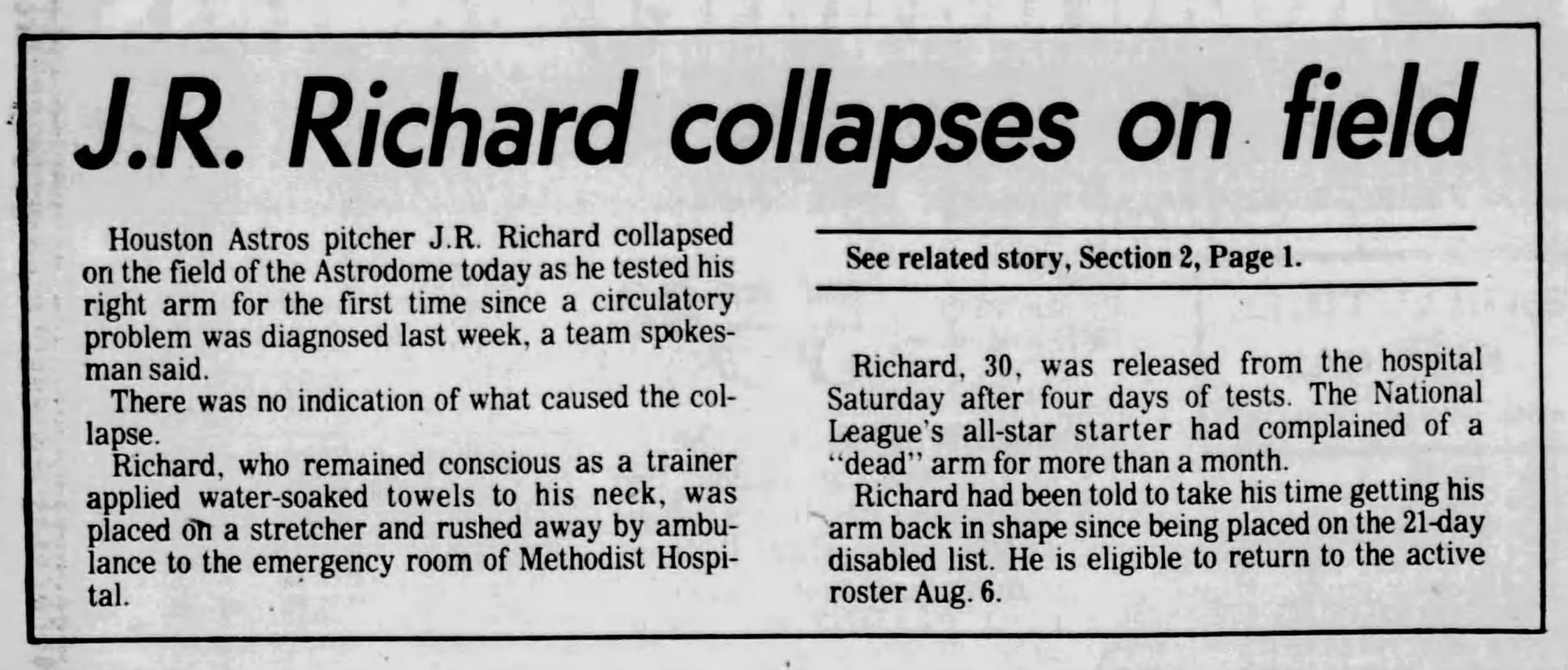
In late July, tests actually found an arterial blockage — and doctors judged it not immediately dangerous. Days later, on July 30, 1980, playing catch during a light workout at the Astrodome, Richard collapsed. A clot had fully blocked his right carotid artery. He'd had a major stroke at 30. Emergency surgery saved his life, but the career — the balance, the vision, the left side — was gone. He fought through minor-league comeback attempts from 1981-83, never threw another big-league pitch, and was released in 1984. His final season line sits frozen where the doubters left it: 10-4, 1.90.
What Might Have Been
The what-if is almost unbearable. At the moment of the stroke, Richard was arguably the most feared power pitcher alive — alongside his own teammate. He was the same age Ryan had been when Ryan still had 2,400 strikeouts left in his arm. A healthy Richard pitching into the late 1980s next to Ryan isn't a fantasy; it was the plan, already paid for, already in the rotation.
Life after baseball hit him harder still: failed investments and a divorce left him broke, and by 1994 J.R. Richard — two years removed from 300-strikeout seasons and 14 from an All-Star start — was living under the U.S. 59 overpass at Beechnut Road in Houston. The city eventually found him there, and the climb back was real: he became a minister, worked with Houston kids, reconciled with the franchise, and in 2019 was inducted into the inaugural class of the Astros Hall of Fame. He died in August 2021, at 71.
But on this date in 1971, all of it — the peak, the doubt, the fall, the grace — was still ahead. There was just a 21-year-old the size of a doorway, at Candlestick, throwing smoke past Willie Mays. Fifteen strikeouts. A record that has now outlived him. And the greatest what-if in the history of the pitcher's mound.
What's the biggest "what might have been" career in sports? Comments below.
Comments ()