
On This Date: Johnny Mize Homers in His 15th Ballpark — Right Before the Map Exploded (Sept. 7, 1952)
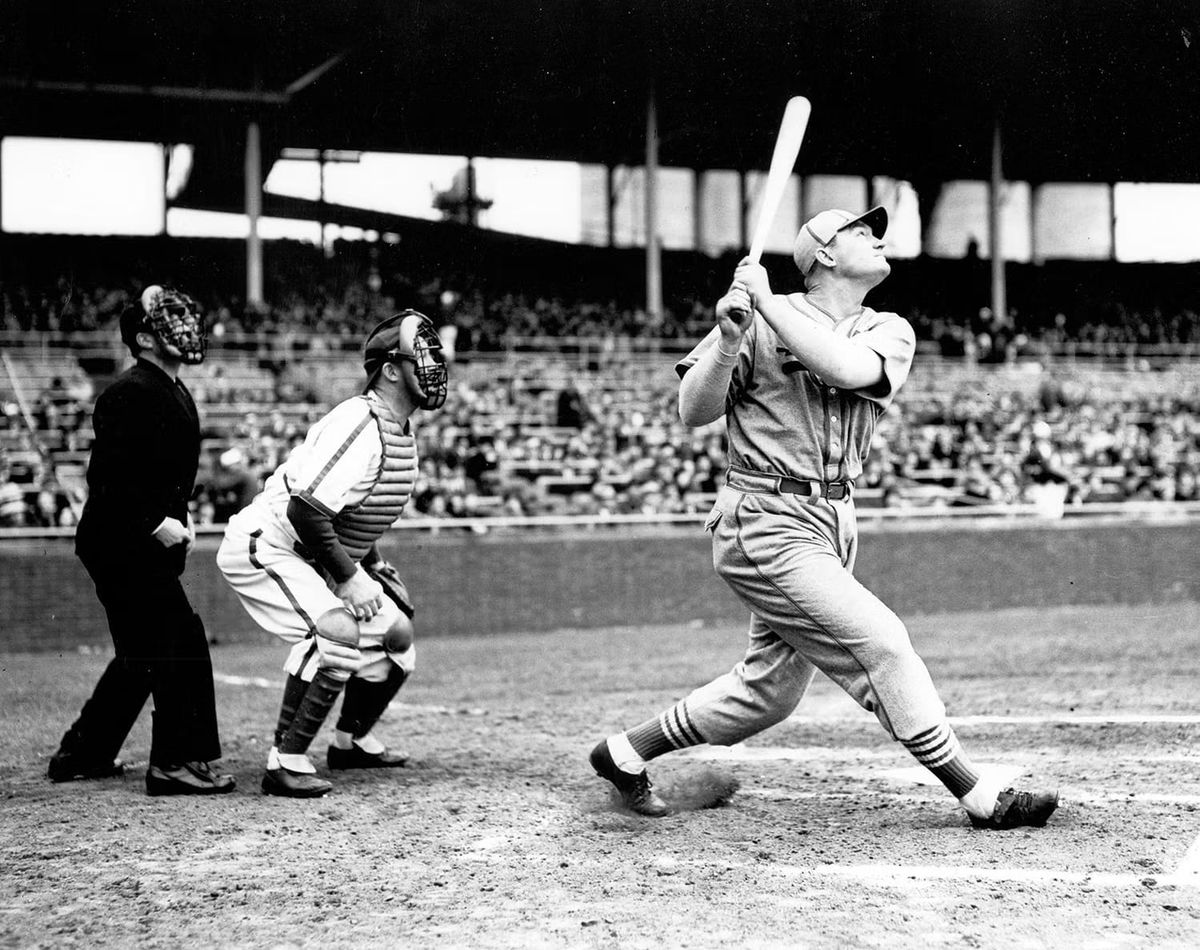
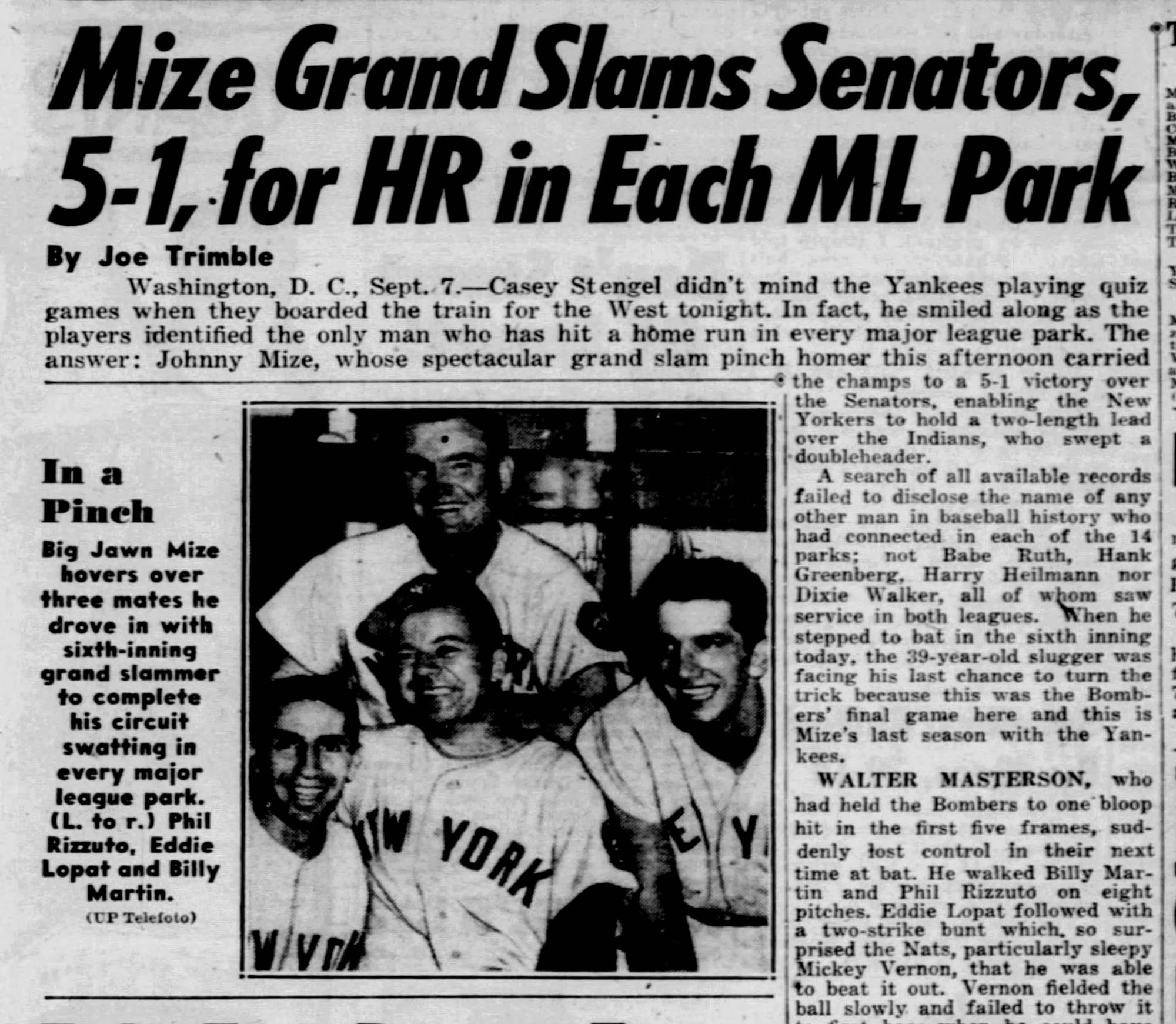
On this date in 1952, at Griffith Stadium in Washington, a 39-year-old pinch-hitter stepped in for the Yankees with the bases loaded and nobody out in the 6th, down 1-0. Johnny Mize turned on a Walt Masterson slider and put it deep into the right-field seats — a pinch-hit grand slam, career homer No. 354, then the most of any active player.
And with that swing, the Big Cat completed one of the quietest, coolest feats in baseball history: he had now homered in every big-league ballpark he ever played in — all 15 of them. A feat contemporaries believed was without parallel. And one that was about to become impossible, because the frozen little world that made it countable was six months from blowing apart.
Wait — 15? The Park Math
Sixteen teams played in the majors in 1952, but only 14 ballparks — because two of them were timeshares. In Philadelphia, the A's and Phillies both played at Shibe Park (the Phillies had abandoned their own crumbling home in 1938). In St. Louis, the Cardinals and Browns split Sportsman's Park. So a hitter could see every team in baseball while visiting just 14 buildings.
Mize's count reached 15 because of a ghost: the Baker Bowl, the Phillies' rickety pre-1938 home, where a young Cardinal named Mize had homered before the Phillies moved out. By 1952 the Baker Bowl was abandoned — which means Mize had homered in every park in use plus one that no longer was. Fourteen active cathedrals and one ruin: the complete set.
The Big Cat
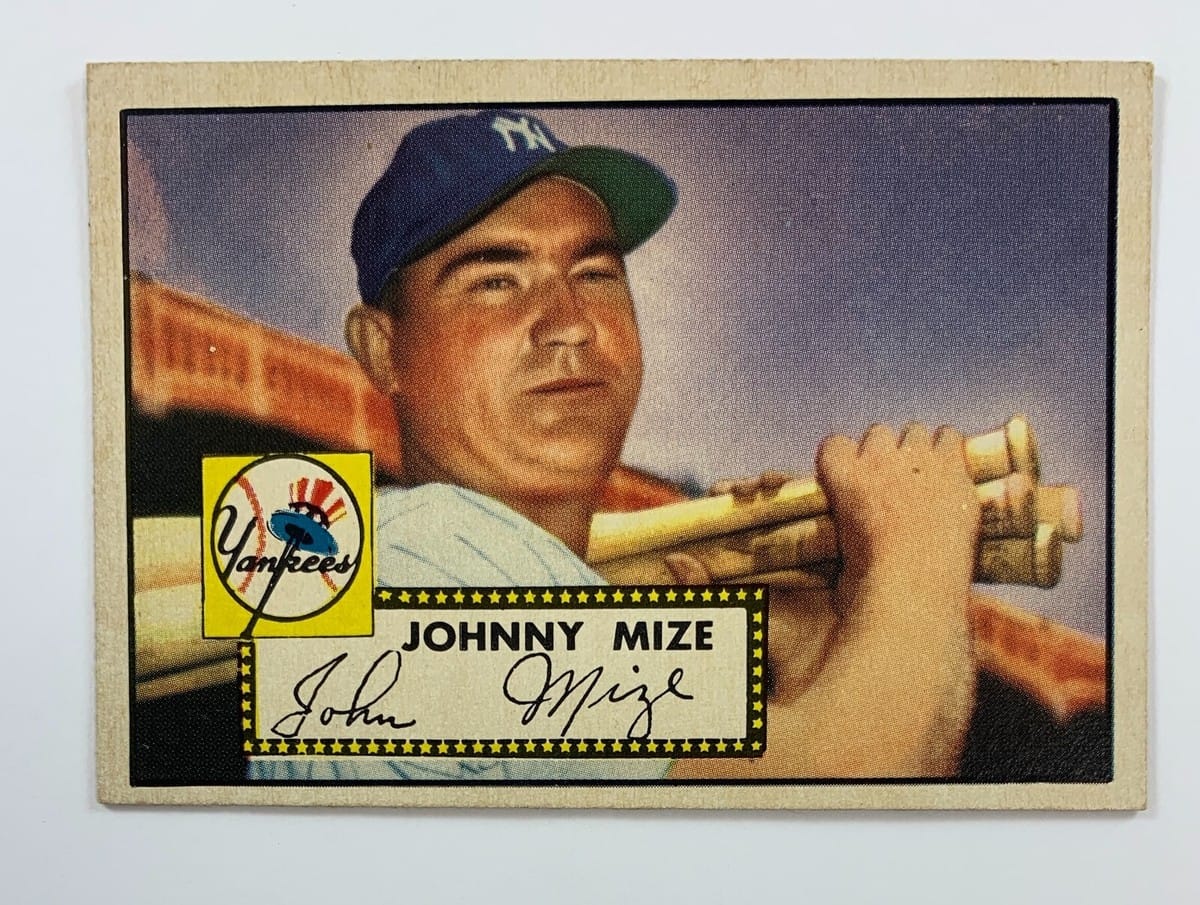
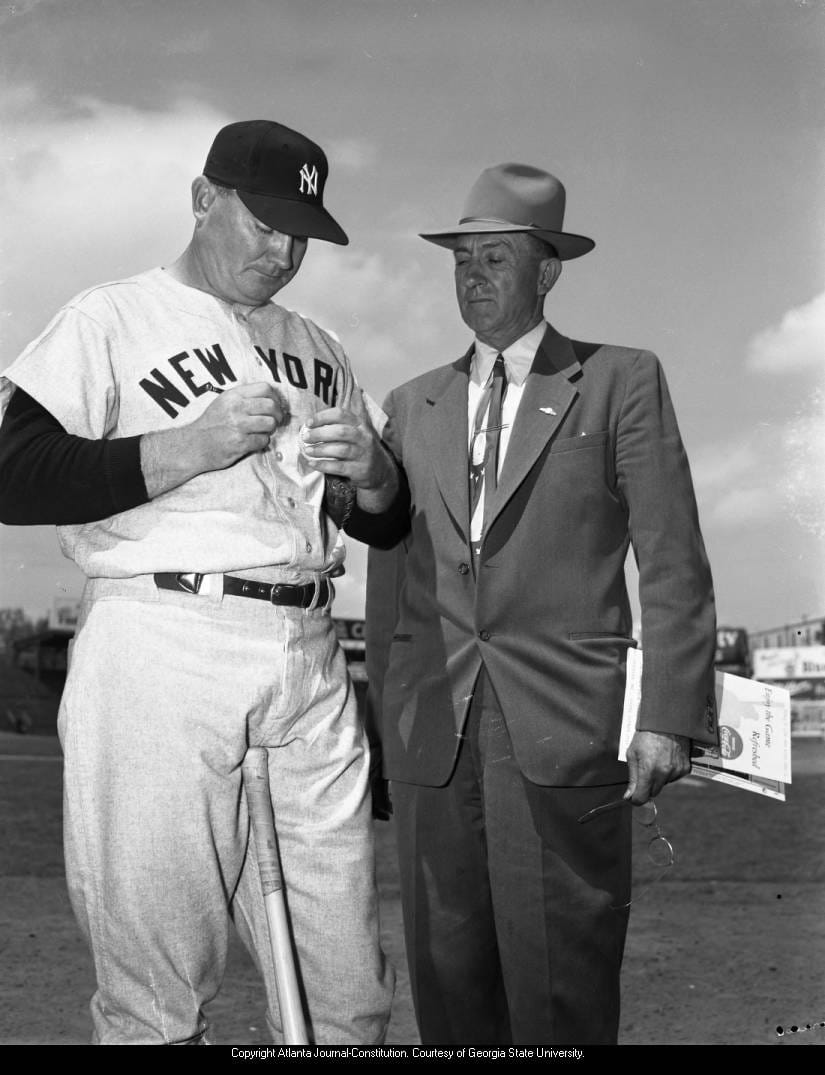
The man who finished the set was one of the great overlooked sluggers ever. Mize hit .312 for his career with 359 home runs, and in 1947 did something nobody has done before or since: 51 home runs with only 42 strikeouts — the only 50-homer season in history with fewer than 50 whiffs. The Giants sold him to the Yankees for $40,000 in August 1949, supposedly finished at 36; all he did was collect five straight World Series rings (1949-53) as the game's most feared elder pinch-hitter. A month after this grand slam, the 39-year-old hit .400 with 3 home runs against Brooklyn in the 1952 Series — homering in three straight games, an award-worthy performance in the days before a Series MVP existed. He'd told reporters he'd never even hit a batting practice homer at Griffith Stadium before this date. The Hall of Fame finally called in 1981.
Six Months Later, the Map Started Moving
Here's what makes the timing perfect: Mize completed the set at almost the last moment in history when the set was closed. Baseball's map had been frozen for half a century — same 16 teams, same 10 cities, everything reachable by train, no franchise had moved since 1903. Then, in March 1953, the Boston Braves bolted for Milwaukee — and the ice broke all at once:
- 1953: Braves → Milwaukee (the first franchise move in 50 years)
- 1954: Browns → Baltimore, reborn as the Orioles
- 1955: A's → Kansas City (ending Philadelphia's timeshare)
- 1958: the earthquake — Dodgers → Los Angeles and Giants → San Francisco, big-league baseball on the Pacific
- 1961: Senators → Minnesota as the Twins, with an expansion Senators team and the Los Angeles Angels added
- 1962: Houston (Colt .45s) and the New York Mets
- 1969: four at once — Kansas City Royals, Seattle Pilots, San Diego Padres, and the Montreal Expos, the first team outside the United States. (The Pilots lasted exactly one season before becoming the Milwaukee Brewers — but that's another article.)
In 17 years, "every park in baseball" went from 14 buildings in 10 train-linked cities to a continental sprawl no hitter could reasonably sweep — and the old parks themselves started falling to wrecking balls. Mize's 15-park set can never be replicated, because the version of baseball it measured no longer exists.
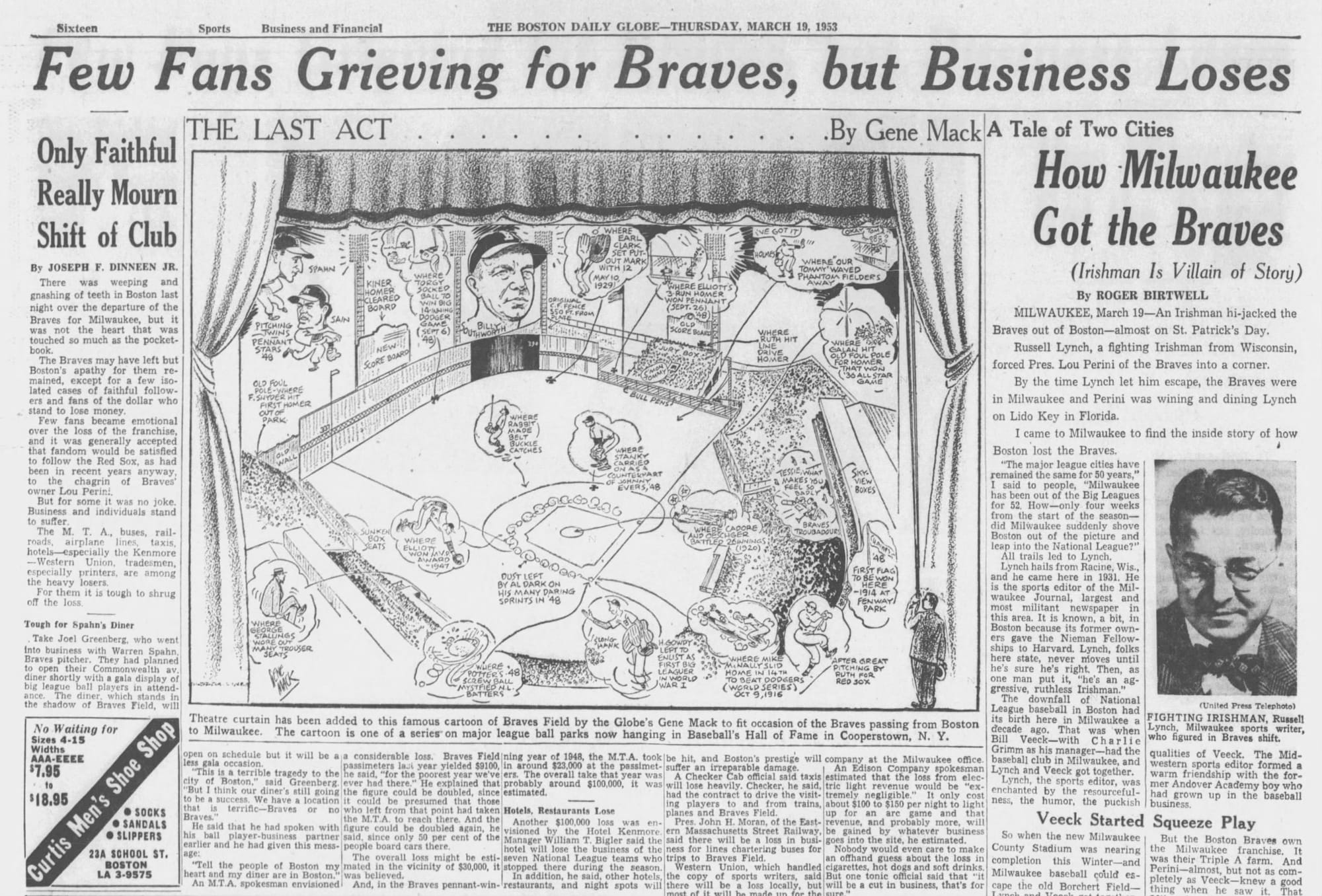
On this date in 1952: bases loaded, a 39-year-old legend, one swing — and the last complete tour of a world that was about to vanish.
What's the most impressive "collect-them-all" feat in sports? Comments below.
Comments ()