
The 10 Greatest Late-Summer Debuts in Baseball History
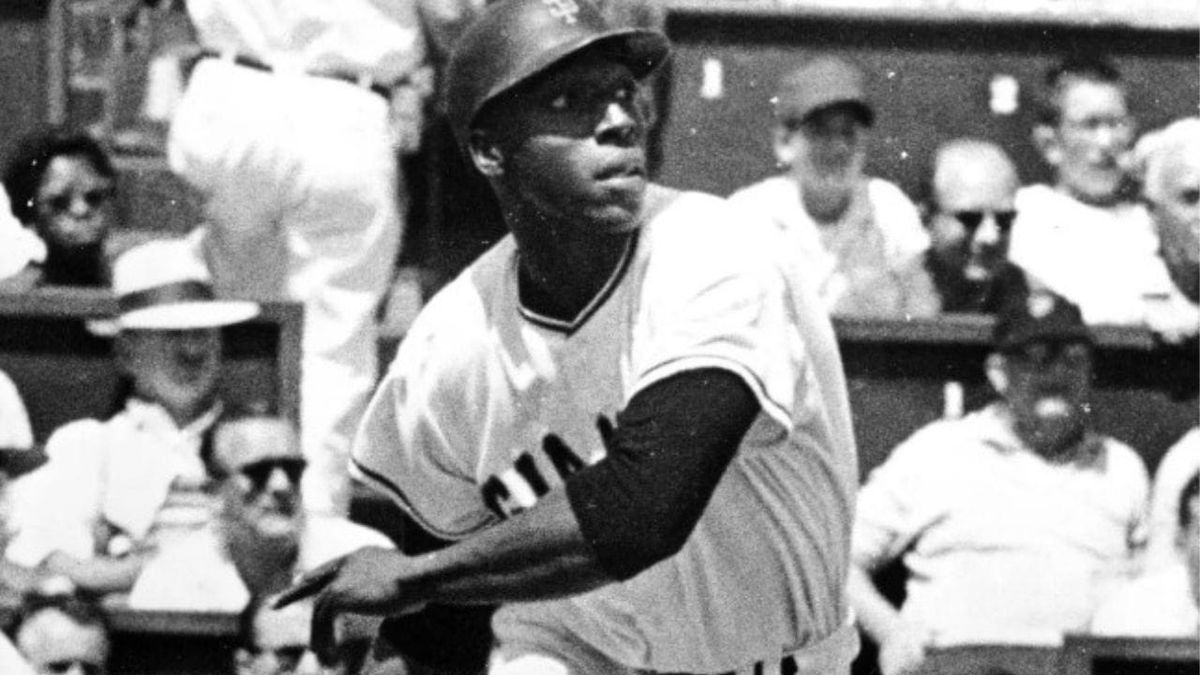
On Aug. 15, a 23-year-old Cardinals outfielder named Joshua Báez walked into Wrigley Field for his first major league game and homered on the first pitch he saw — 449 feet to dead center. Then he homered again. Then he homered a third time. Nobody in the history of baseball had ever homered in his first three career plate appearances.
"It became must-watch TV," his manager said. "No matter what you were doing, you were going to stop to watch it."
Then he went roughly 2-for-29.
That's the dog days in a nutshell. Rosters expand, prospects arrive, and for a few weeks in the late summer some kid looks like the future of the sport — and the only thing we never know is which kind of story we're watching. Here are the ten best late-summer debuts ever, and what happened next.
10. Evan Carter, Rangers — Sept. 8, 2023
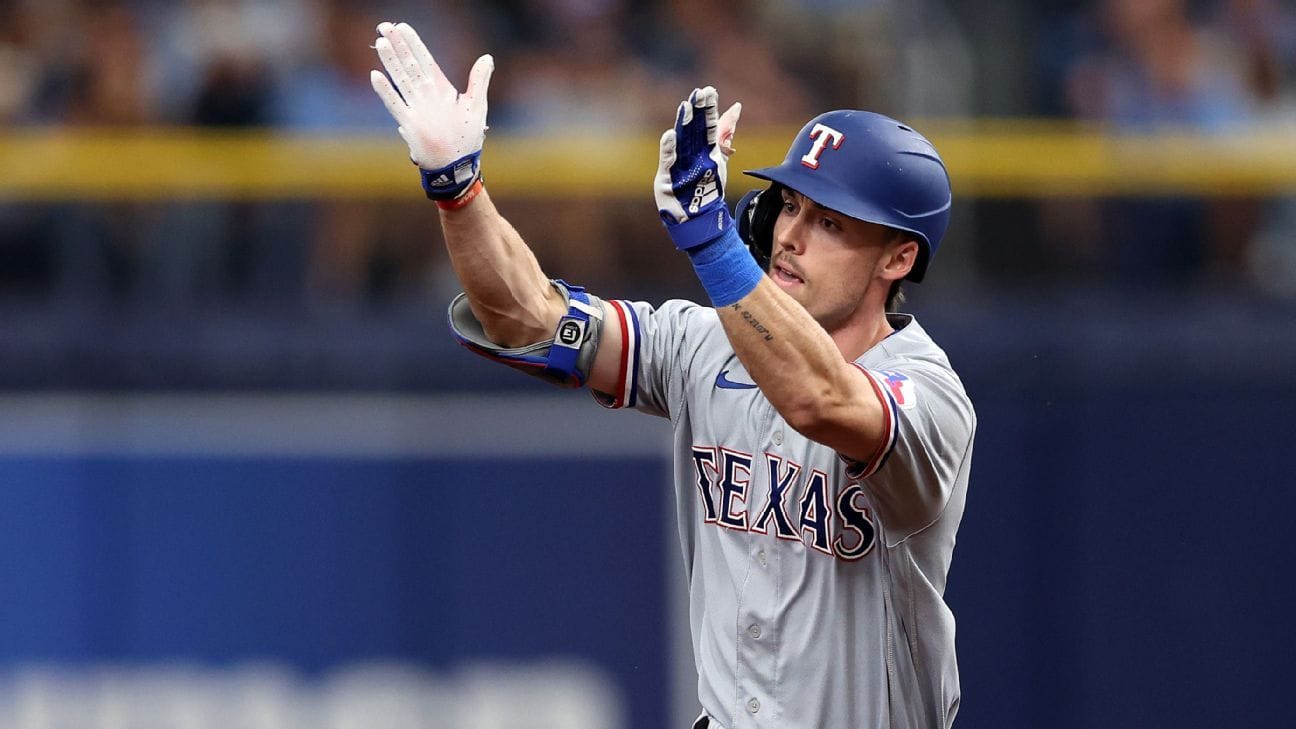
Hit .306 with five homers in 23 September games, then hit .300 through the postseason as a 21-year-old starting outfielder on a World Series champion, setting a single-postseason record with nine doubles. Then his back gave out. Injuries have limited him to a handful of games since. The talent was never the question.
9. Gary Sánchez, Yankees — recalled Aug. 3, 2016
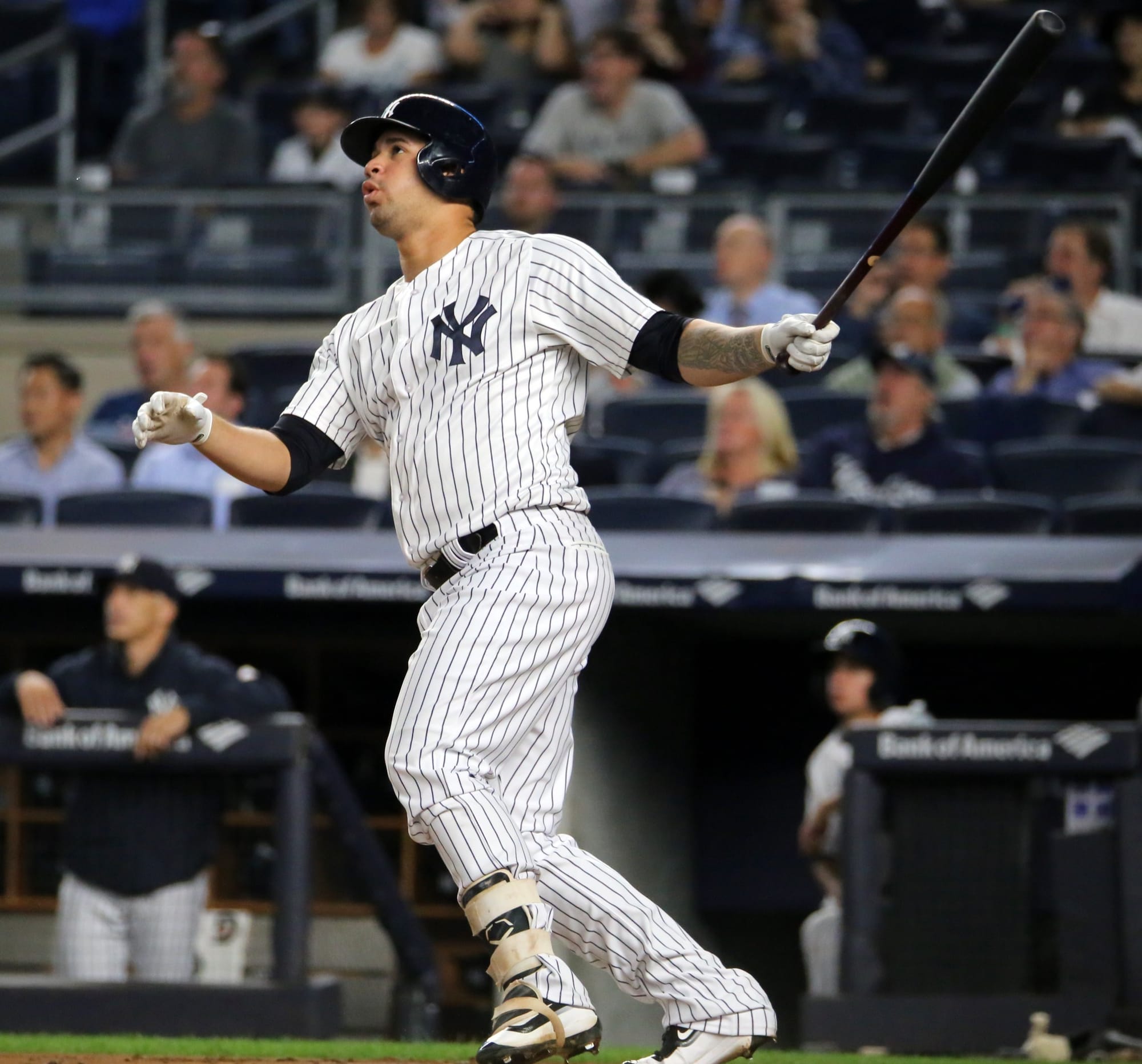
Twenty home runs in 53 games. He was the fastest player in major league history to 11 career homers, won AL Player of the Month for August, and finished second in Rookie of the Year voting despite barely playing a third of a season. The Kraken never hit like that again.
8. Rhys Hoskins, Phillies — Aug. 10, 2017
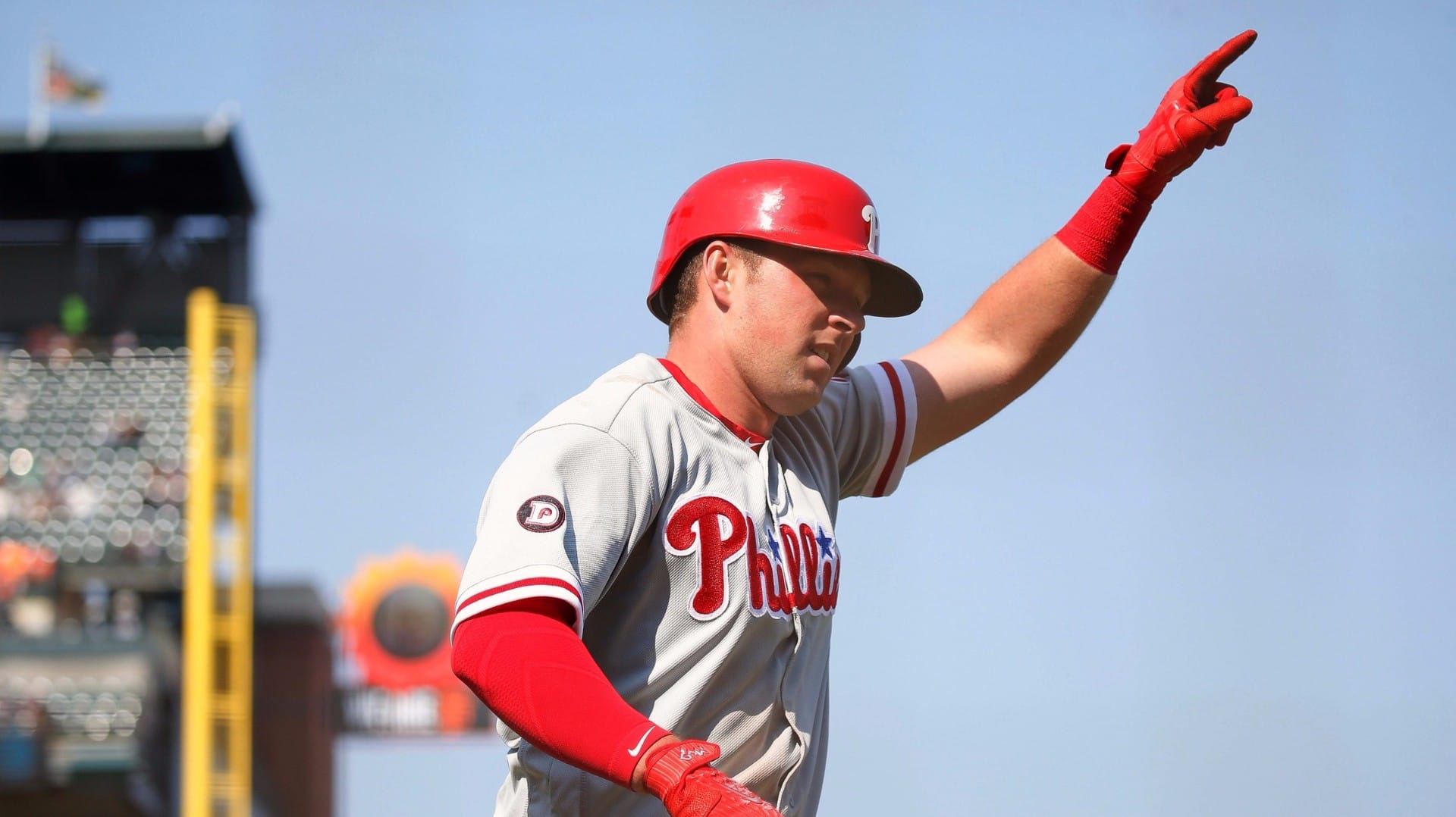
Eighteen home runs in his first 34 games — the fastest any player has ever reached 10, 11, 12, and on up through 18 career home runs. A good career followed. Not that one.
7. Andruw Jones, Braves — Aug. 15, 1996
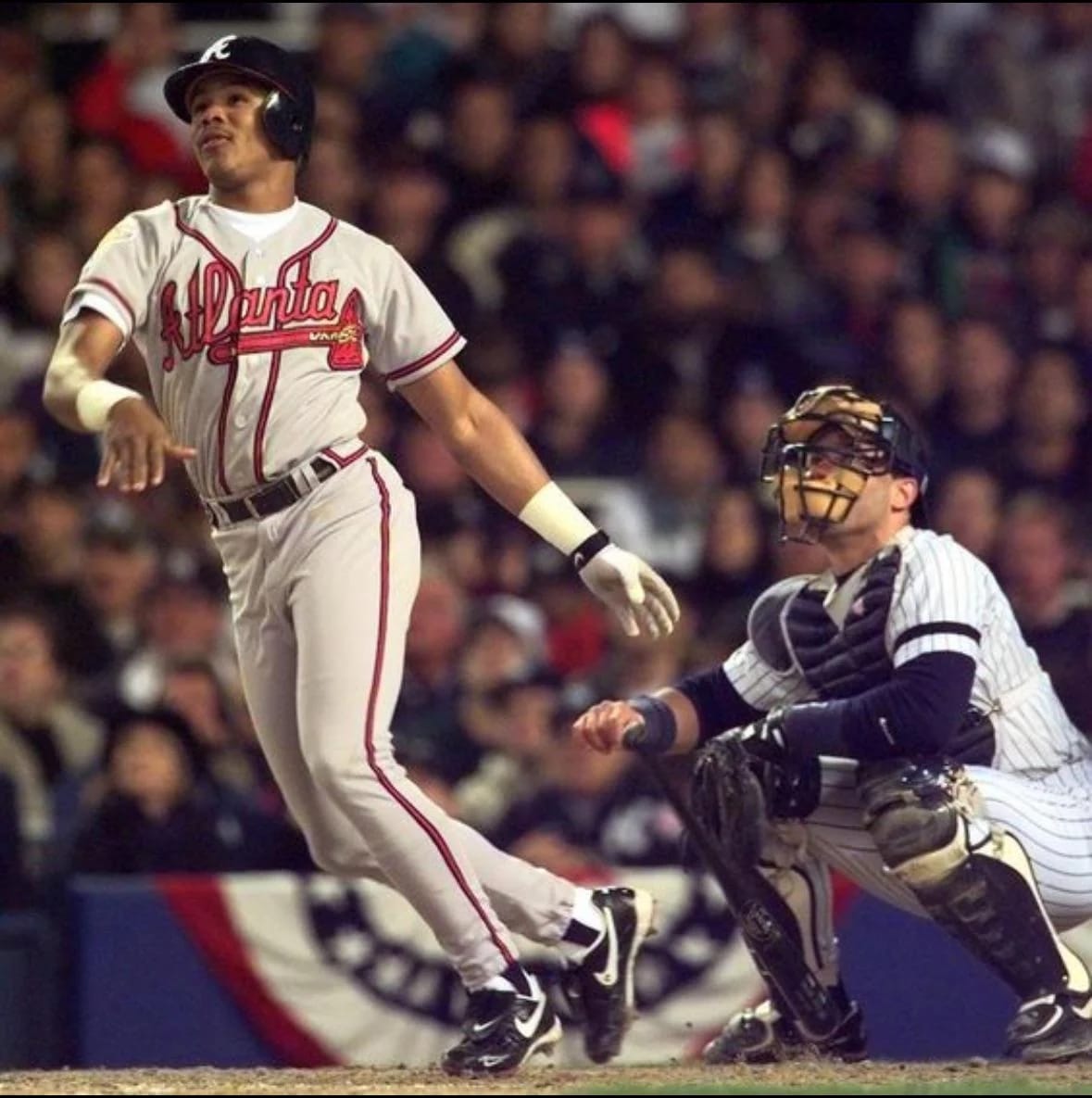
The regular season was ordinary: .217 with five homers. Then came October, and Game 1 of the World Series at Yankee Stadium, where the 19-year-old hit two home runs — the first teenager ever to go deep in a World Series game. Thirty years later, in July 2026, he was inducted into the Hall of Fame.
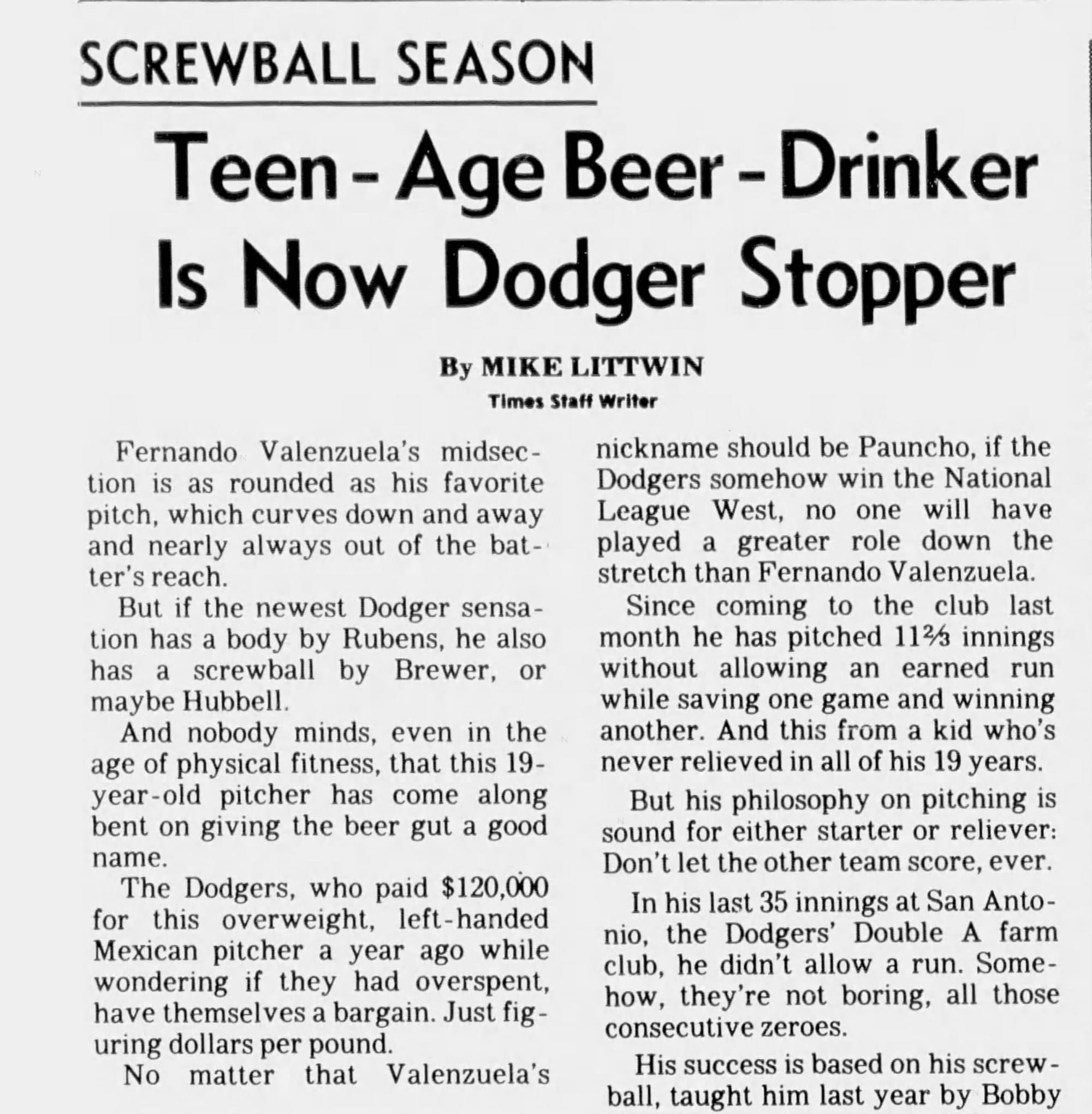
6. Fernando Valenzuela, Dodgers — Sept. 15, 1980
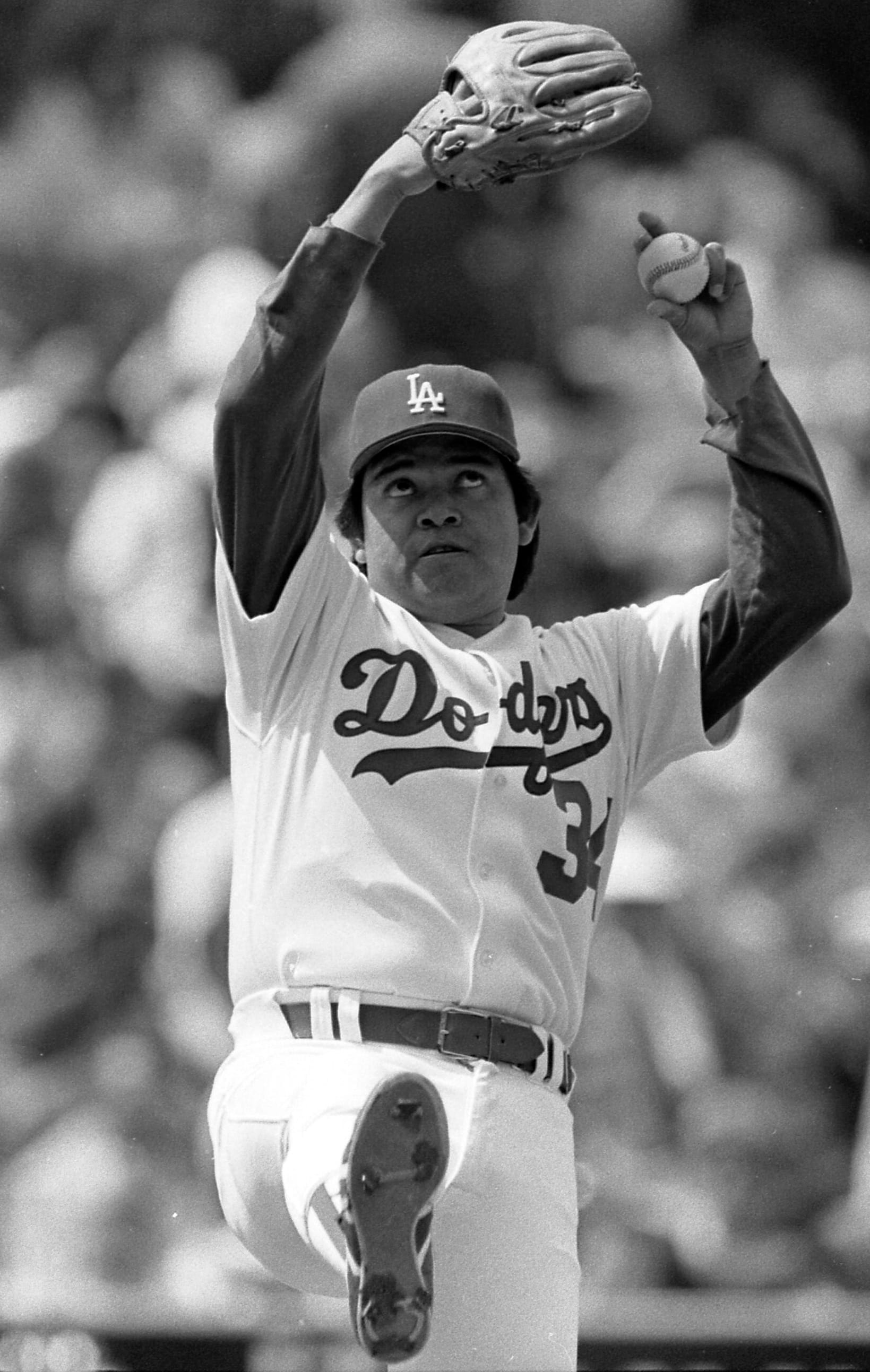
A 19-year-old lefty came up for the last three weeks and threw 17⅔ scoreless innings out of the bullpen. The following spring, Fernandomania: Rookie of the Year and the Cy Young Award in the same season, and a World Series ring. Nobody has ever won both awards in one year again.
5. Shane Spencer, Yankees — September 1998
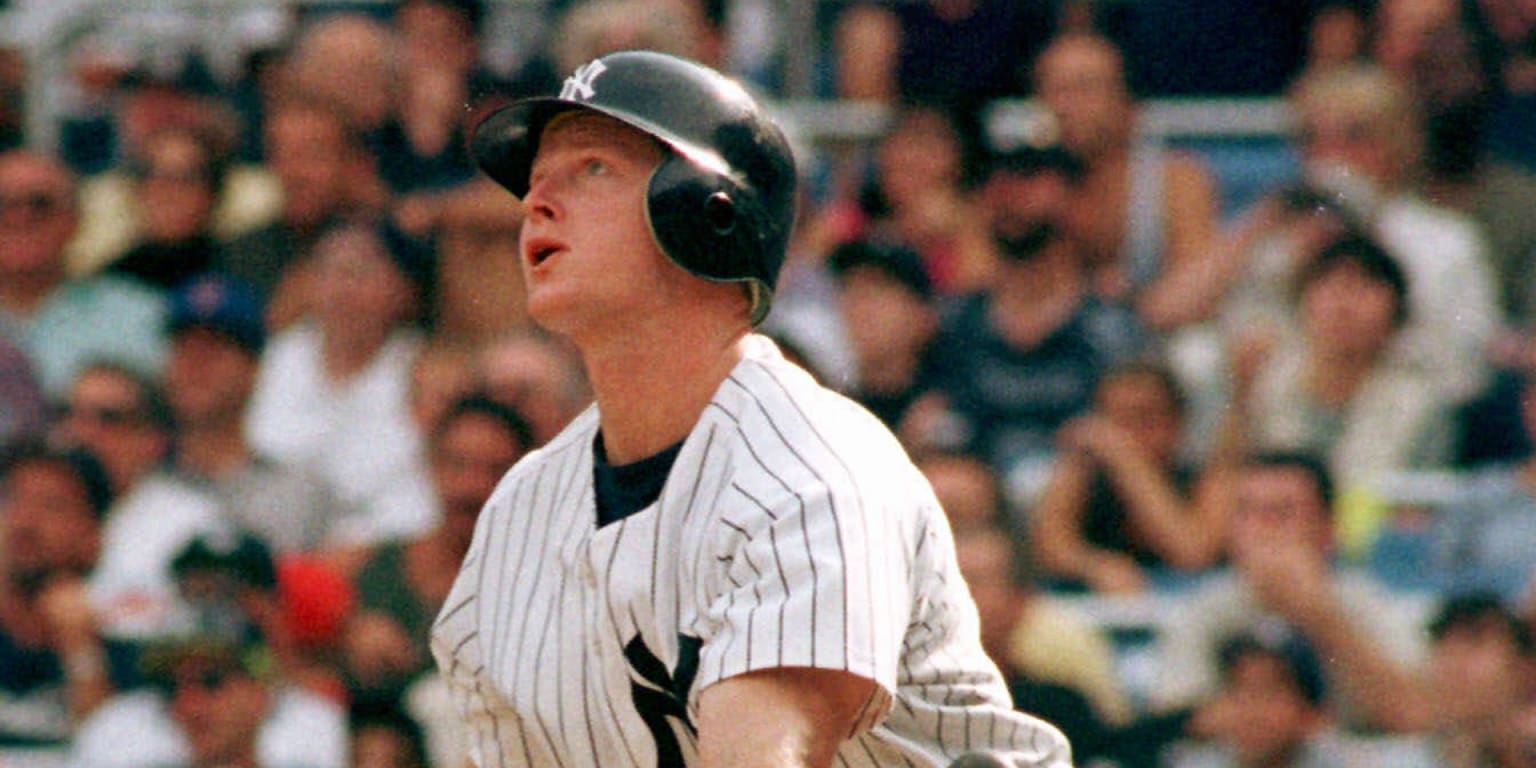
The most preposterous month on this list. Spencer hit 10 home runs in 67 at-bats — batting .373 with 27 RBI in 27 games — including three grand slams in a ten-day span, on the greatest regular-season team ever assembled. They called him Roy Hobbs. He finished with a journeyman's career, and one September nobody who saw it has forgotten.
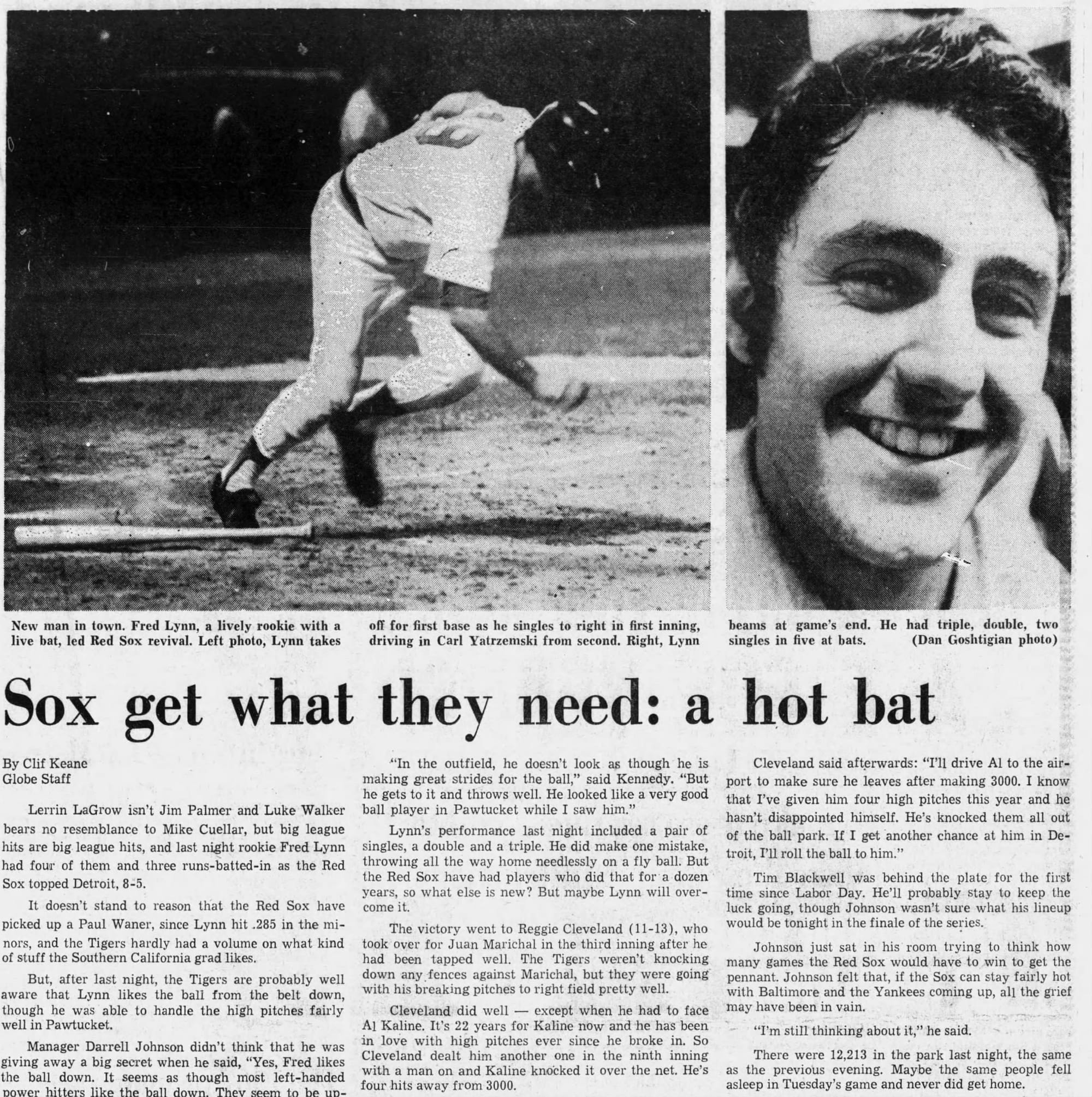
4. Fred Lynn, Red Sox — Sept. 5, 1974
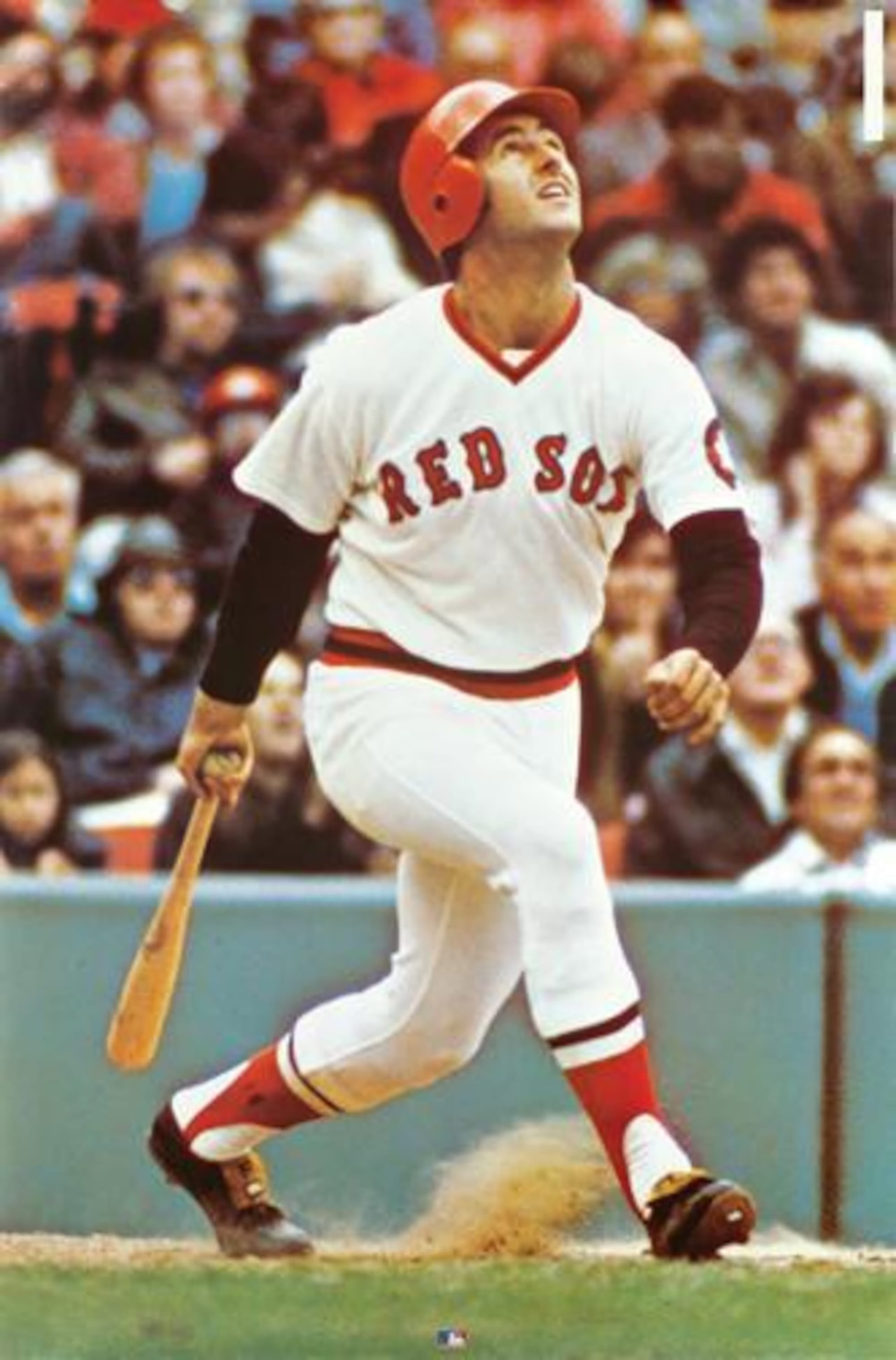
Hit .419 in 15 September games. Then, in 1975, did something no player had ever done: won Rookie of the Year and Most Valuable Player in the same season, added a Gold Glove, and carried Boston to the World Series. The rare case where the September preview undersold what was coming.
3. Aaron Judge, Yankees — Aug. 13, 2016
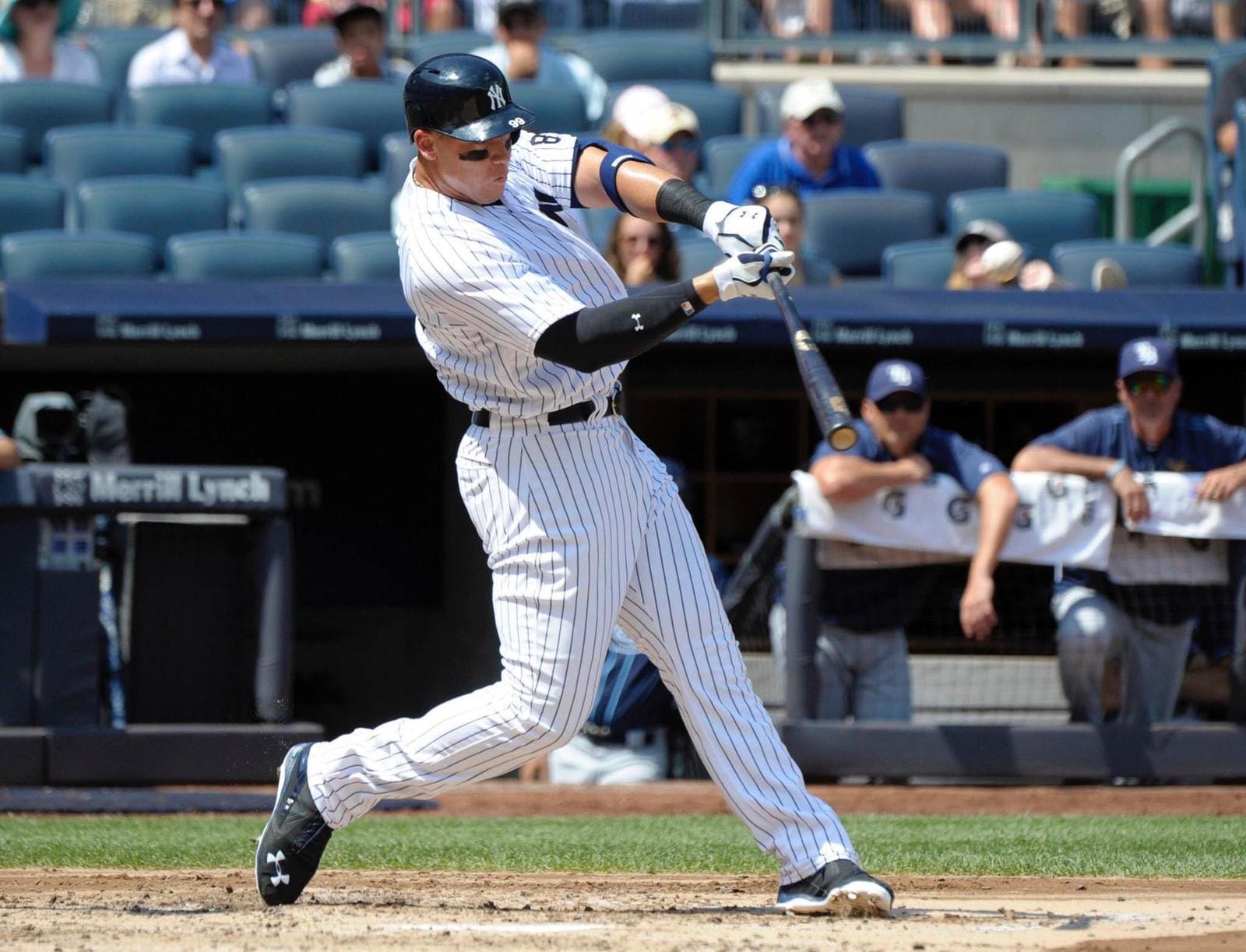
Judge homered in his first major league at-bat. What makes it unique is that Tyler Austin homered in the at-bat immediately before his — the only time in history two teammates have homered in their first career at-bats in the same game.
Then Judge hit .179 the rest of the way and struck out in 44% of his at-bats before an oblique tear ended his season. The Yankees' GM said publicly he'd have to earn a roster spot in spring training. He hit 52 home runs the next year and won Rookie of the Year unanimously. Both halves of that are the point.
2. Karl Spooner, Dodgers — Sept. 22, 1954
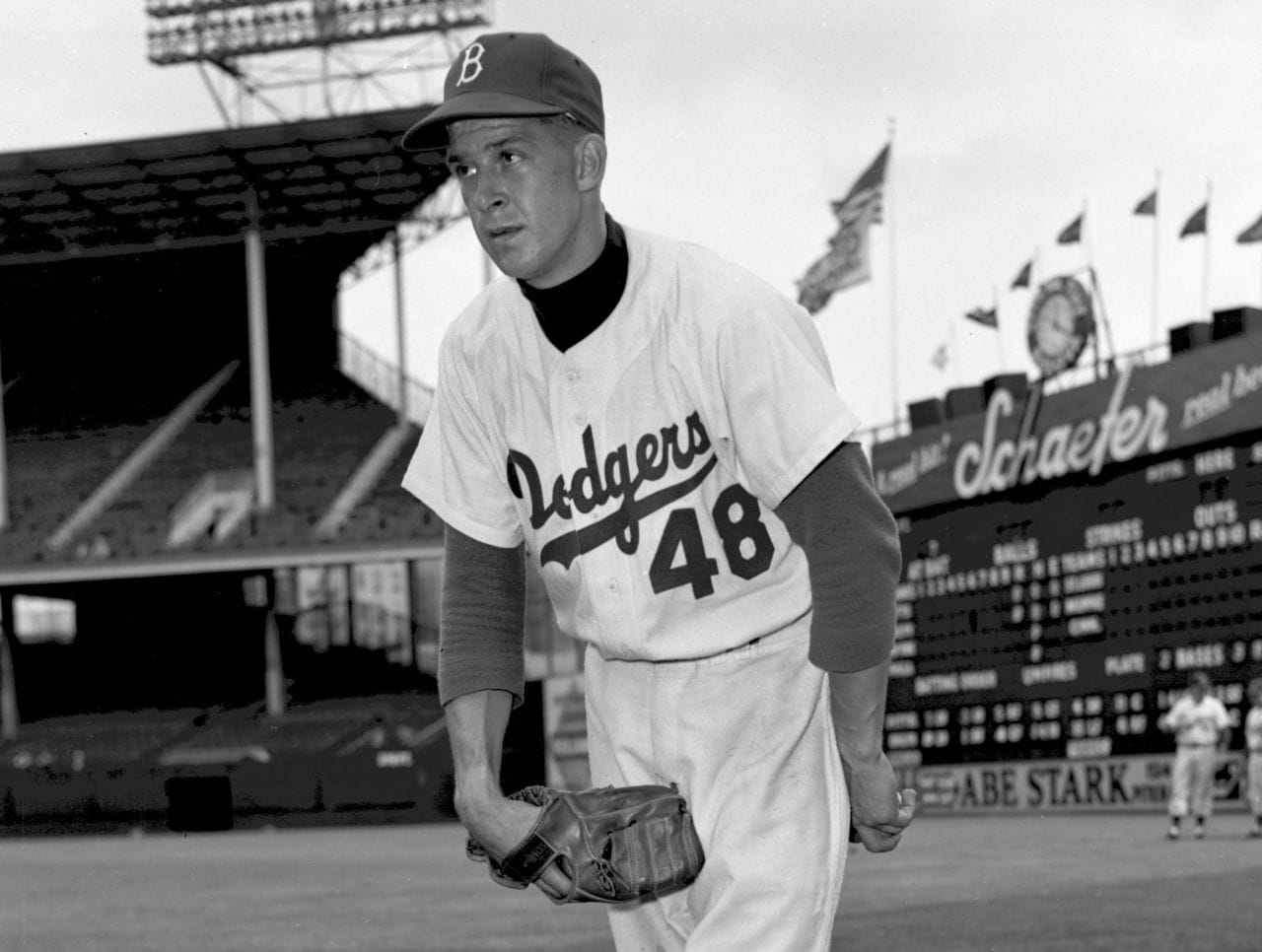
The best two-game career in baseball history. Spooner debuted with a 15-strikeout shutout of the Giants — still the record for a major league debut. Four days later he threw a 12-strikeout shutout of the Pirates. Twenty-seven strikeouts in his first two games, and those were his only two appearances of the season.
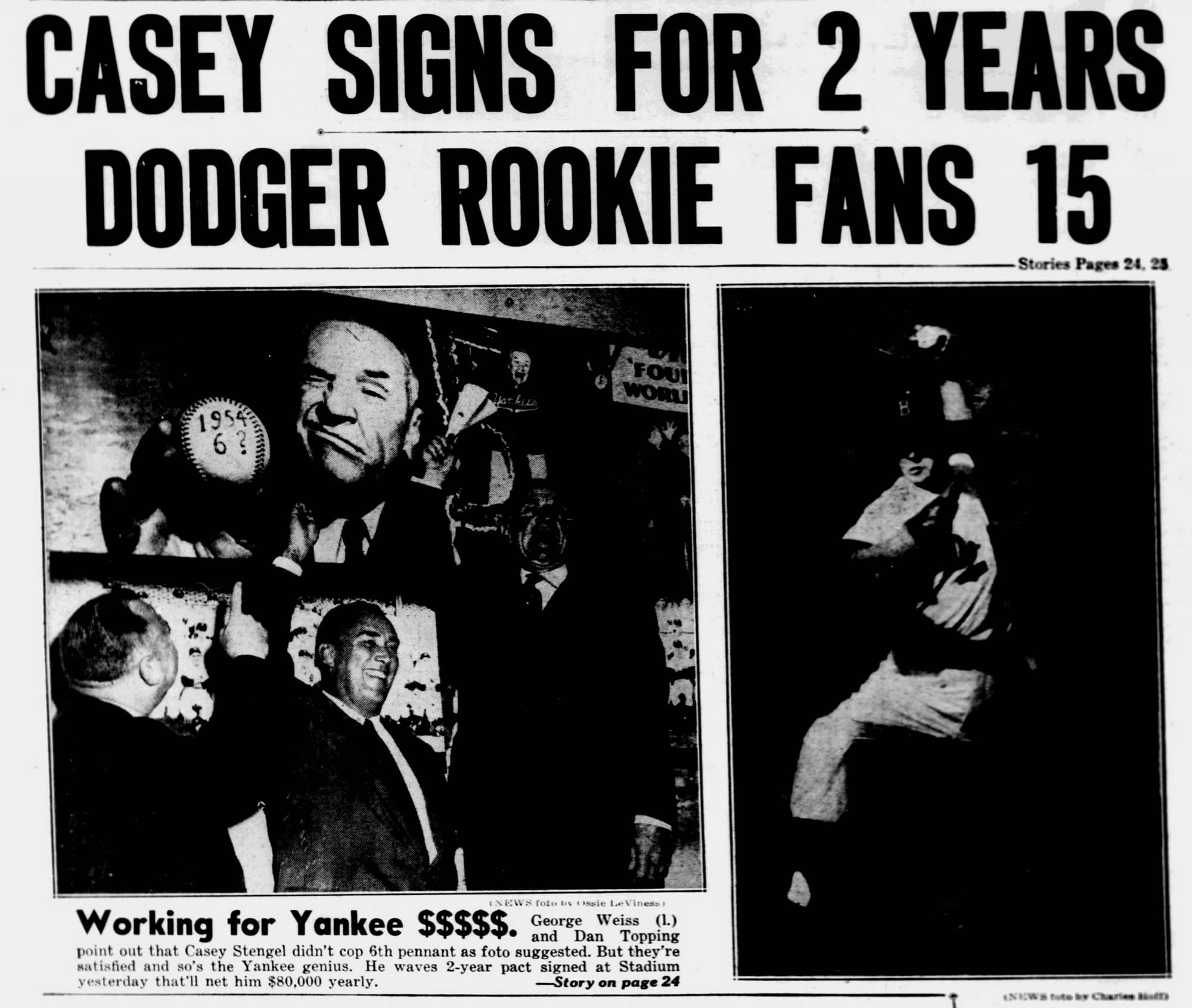
He hurt his shoulder the following spring, went 8-6, and threw his last major league pitch in September 1955. He was 24. (Seventeen years later, a rookie named J.R. Richard tied his debut strikeout record — and had his own career cut short by a stroke at 30.)
1. Willie McCovey, Giants — July 30, 1959
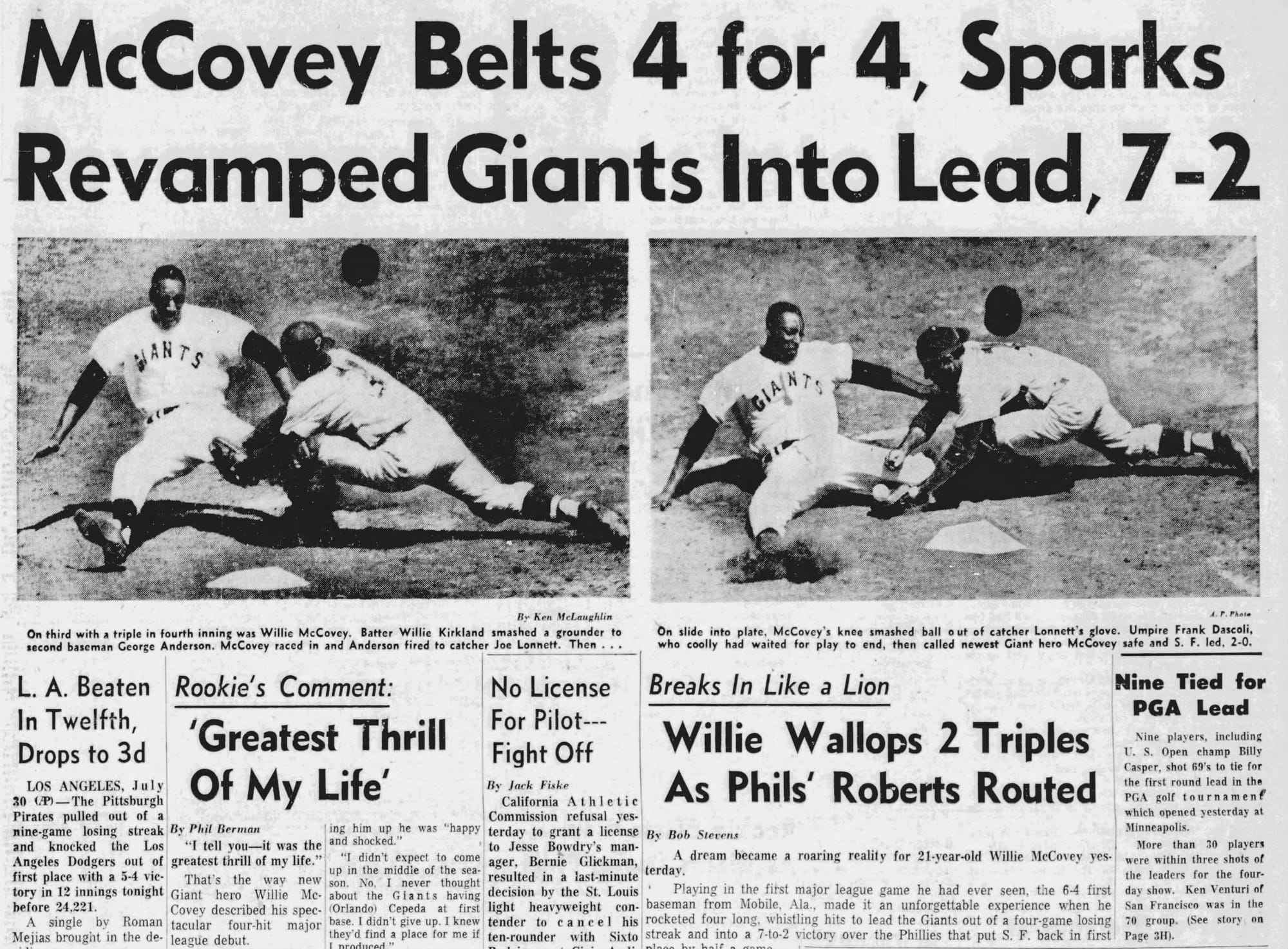
He flew into San Francisco that morning from Phoenix, took no batting practice, borrowed a teammate's bat, and wore uniform pants that didn't fit. Then he went 4-for-4 with two triples off Robin Roberts, a future Hall of Famer, hitting four line drives in his first four major league at-bats.
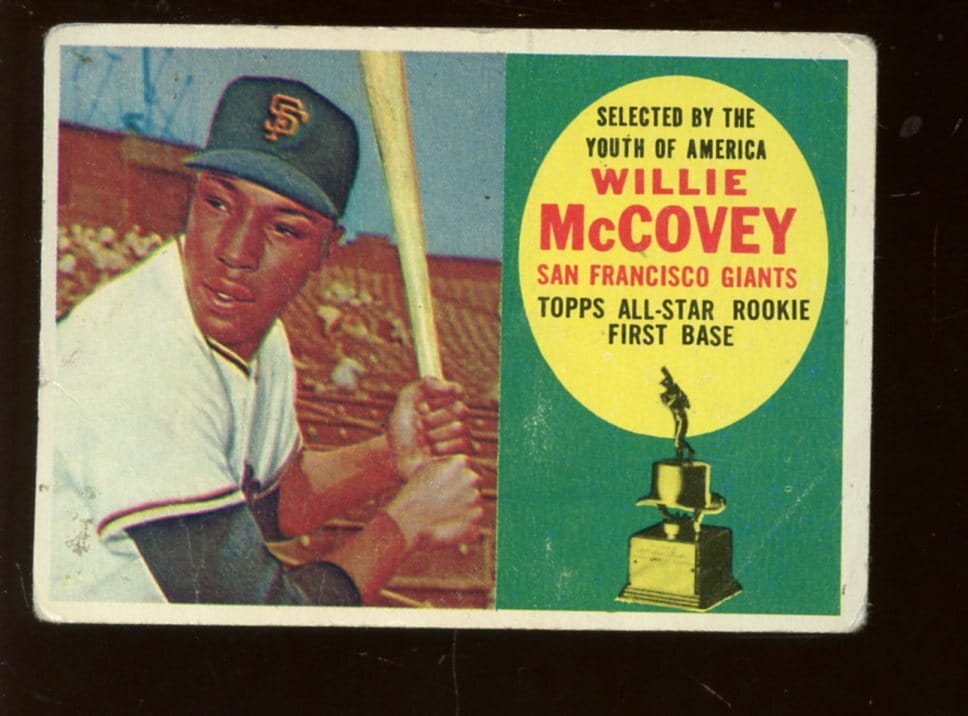
"Never has a rookie busted into the big show like this," his manager said.
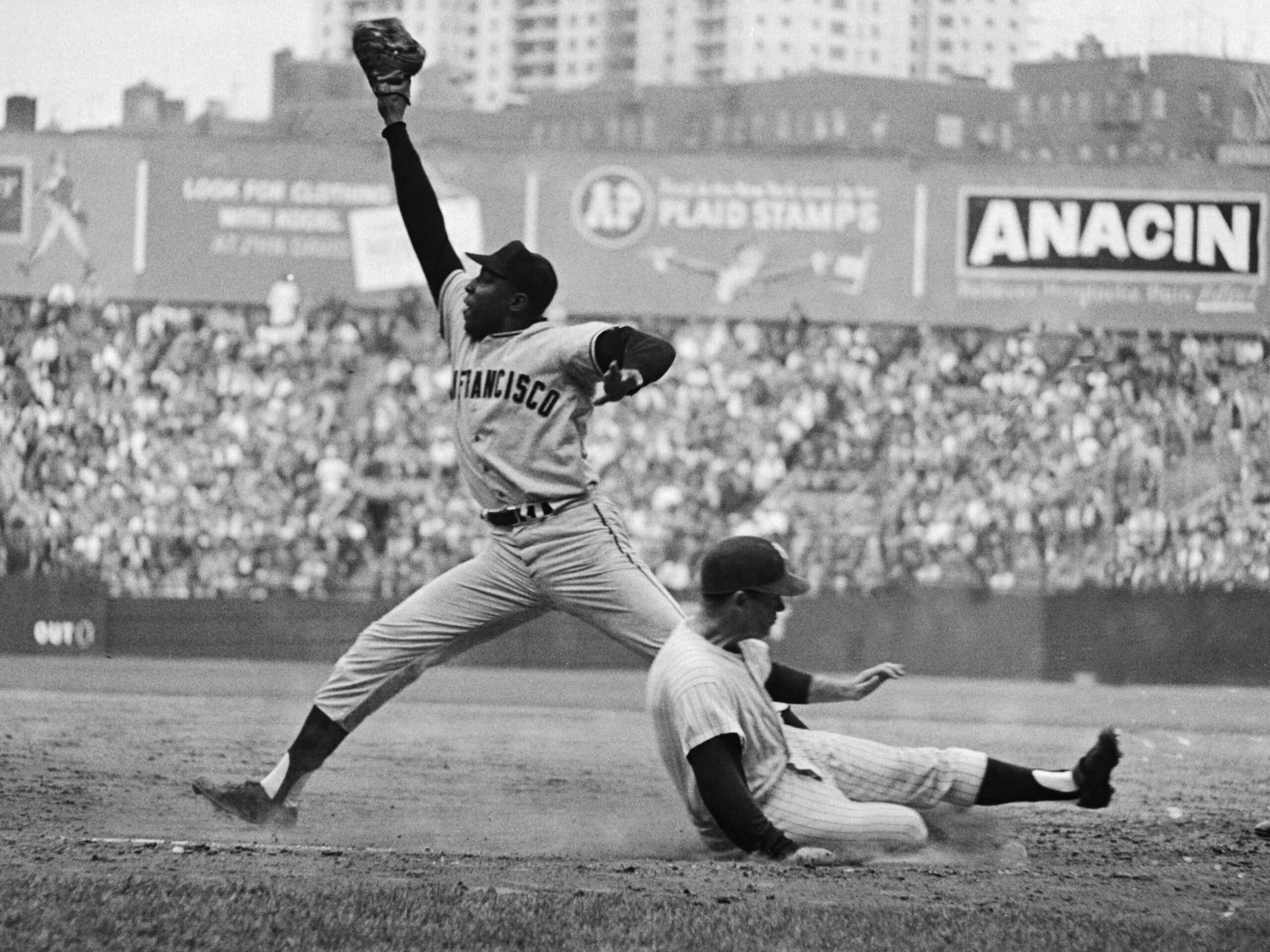
McCovey finished the year hitting .354 with 13 home runs in 52 games and was named unanimous National League Rookie of the Year — so obviously deserving that the writers amended their own eligibility rules that September to let a man who'd played a third of a season qualify. He hit 521 home runs and went to Cooperstown.
Honorable mentions: Shoeless Joe Jackson hit .387 in the final month of 1910; Manny Ramírez homered twice at Yankee Stadium in his second game with his family from Washington Heights watching; J.R. Richard struck out 15 in his 1971 debut, fanning Willie Mays three times; Bo Jackson's first major league hit was an infield single he beat out against Steve Carlton; and Bob Feller struck out 15 in his first career start at age 17.
As for Joshua Báez — as of this week, he's hitting .238 with seven homers in 24 games, and nobody has the faintest idea whether he's McCovey or Spooner. That's the fun part.
Who's the best September call-up you ever saw? Comments below.
Comments ()