
The Heidi Game and 9 Other Times TV Botched a Big Game
TV cut away, lost the signal, erased the tapes and once skipped the announcers on purpose. Ten times TV botched a big game.
Television made sports what they are. It also cut away at the wrong time, lost the signal, erased the tapes, and once forgot to hire announcers on purpose. Here are 10 times TV and a big game didn’t get along, counted down to the one that changed the rules for every network.
10. The Super Bowl Blackout (2013)
The lights went out, and CBS went with them.
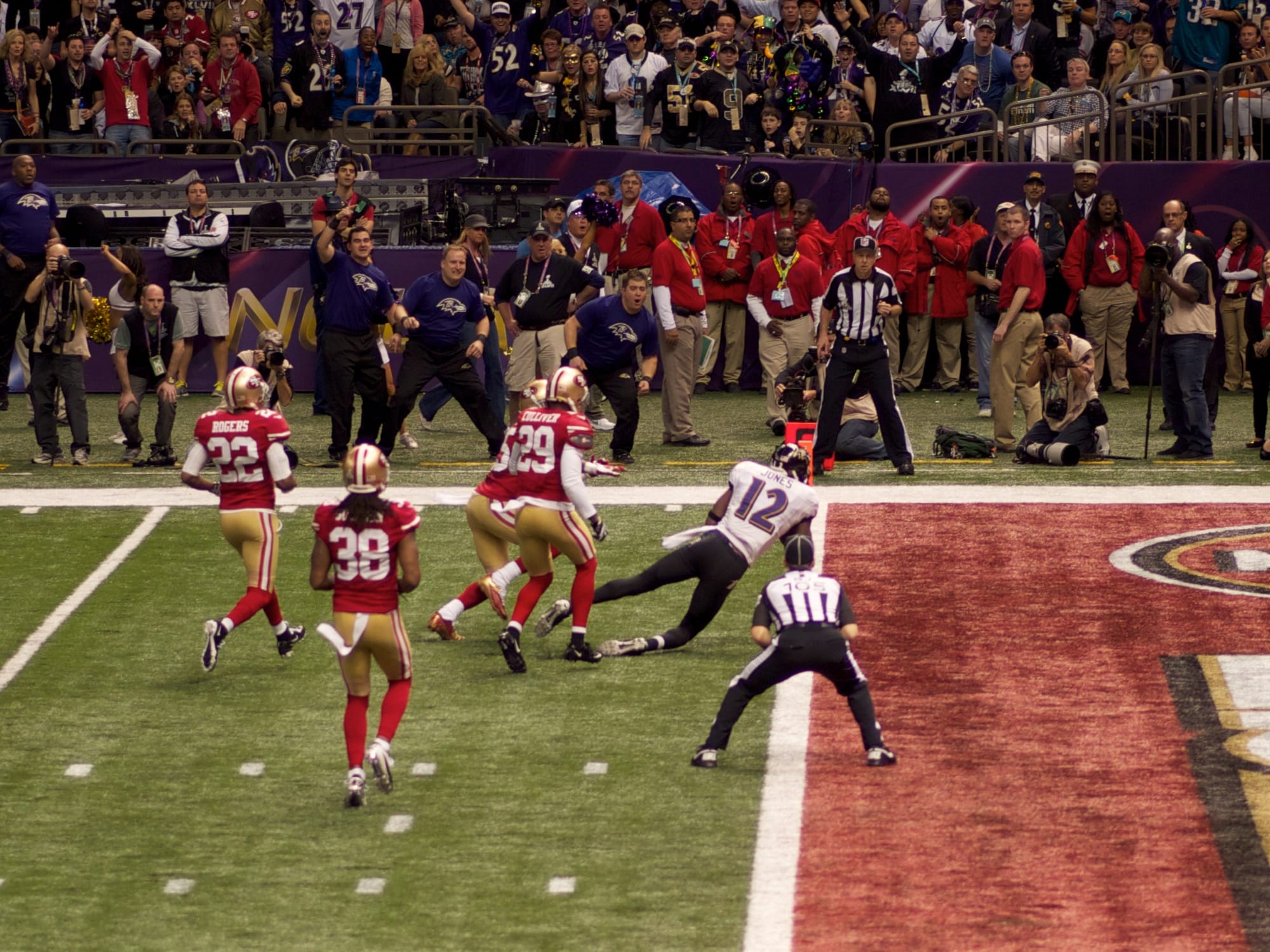
The Baltimore Ravens led San Francisco 28-6 early in the third quarter of Super Bowl XLVII, after Jacoby Jones returned the second-half kickoff 108 yards. Then half the lights in the Superdome went out. The game stopped for 34 minutes, and CBS’s broadcast booth lost power too, so for a while the sideline reporters were the whole show. When the lights came back, the 49ers nearly came all the way back. Baltimore won 34-31.
9. The Game With No Announcers (1980)
NBC tried it once. Once.
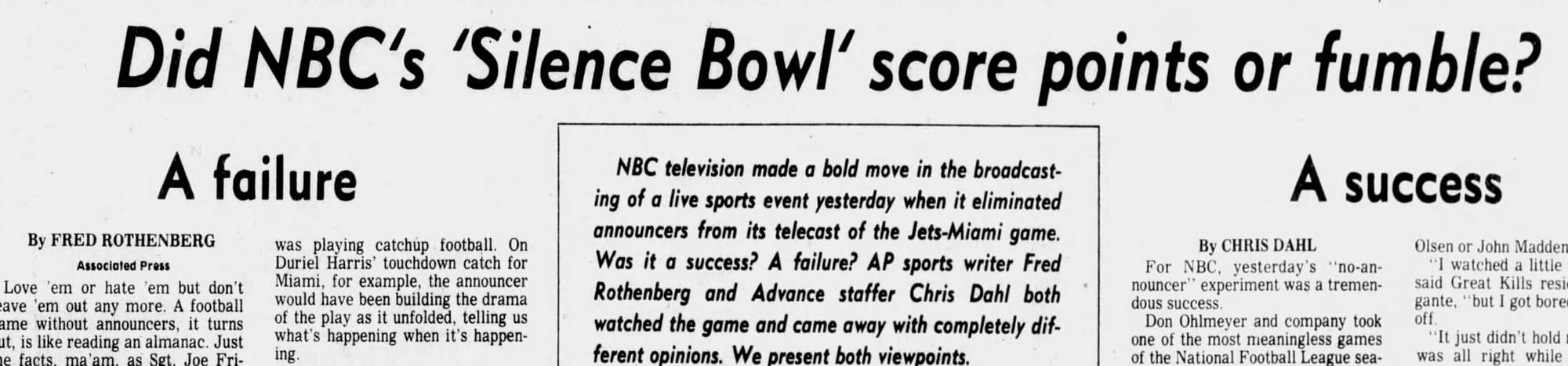
The Jets and Dolphins met in Miami on Dec. 20, 1980, in a game that meant nothing. The Jets were 3-12. So NBC producer Don Ohlmeyer tried an experiment: no announcers at all. Viewers got crowd noise, field microphones, the stadium’s public-address announcer and extra on-screen graphics. The Jets won 24-17. The ratings were close to normal. The reviews weren’t.
8. The Fog Bowl (1988)
Nobody could see it. Not the fans, not the announcers, not the TV audience.
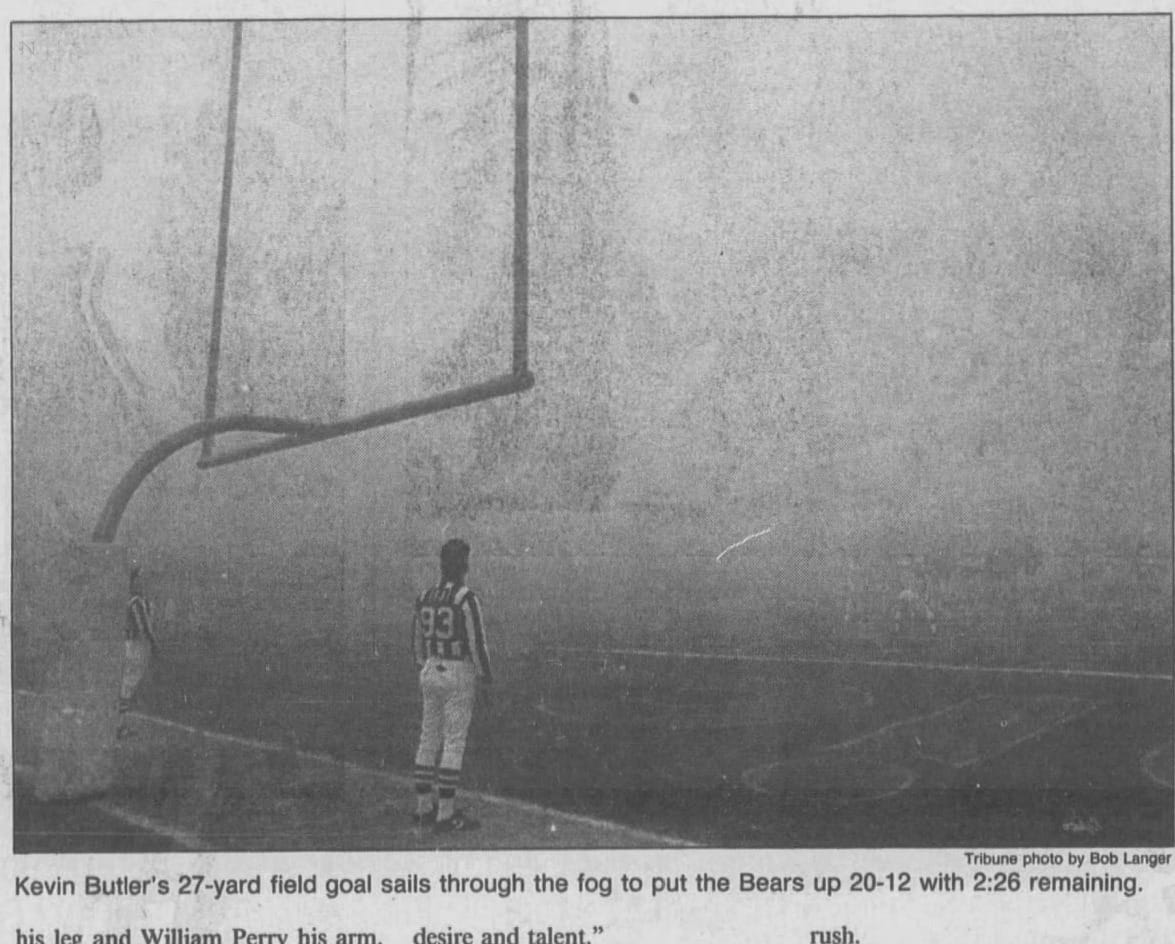
In the second quarter of a Dec. 31, 1988, playoff game between the Eagles and Bears in Chicago, a fog bank rolled off Lake Michigan and sat on Soldier Field. From the press box, and on TV, the players disappeared. Randall Cunningham threw for 407 yards that almost nobody saw. The Bears won 20-12.
7. The Earthquake World Series (1989)
ABC was on the air when the ground started moving.
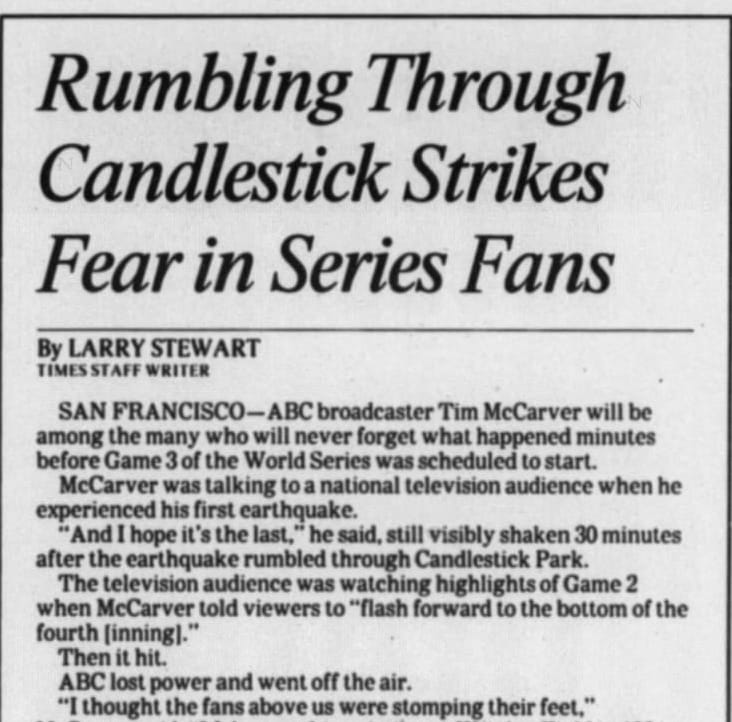
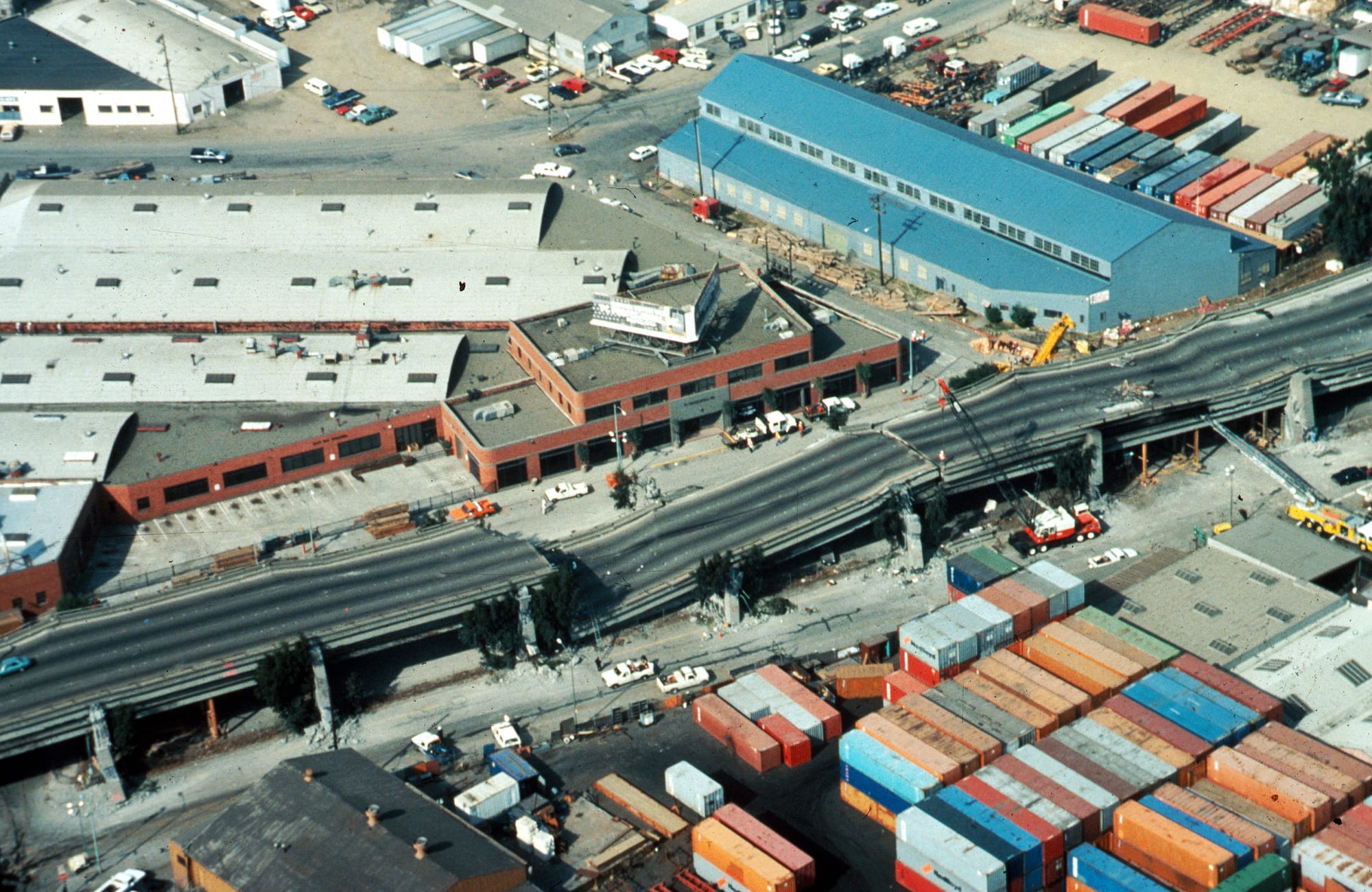
At 5:04 p.m. on Oct. 17, 1989, just before Game 3 of the A’s-Giants World Series at Candlestick Park, ABC’s Al Michaels and Tim McCarver were showing highlights when the Loma Prieta earthquake hit. The picture shook, and then the network lost its signal. The game was postponed. Dozens of people died across the Bay Area. The Series didn’t resume for 10 days.
6. Super Bowl I (1967)
NBC missed the kickoff, so they kicked it again. Then both networks erased the tapes.
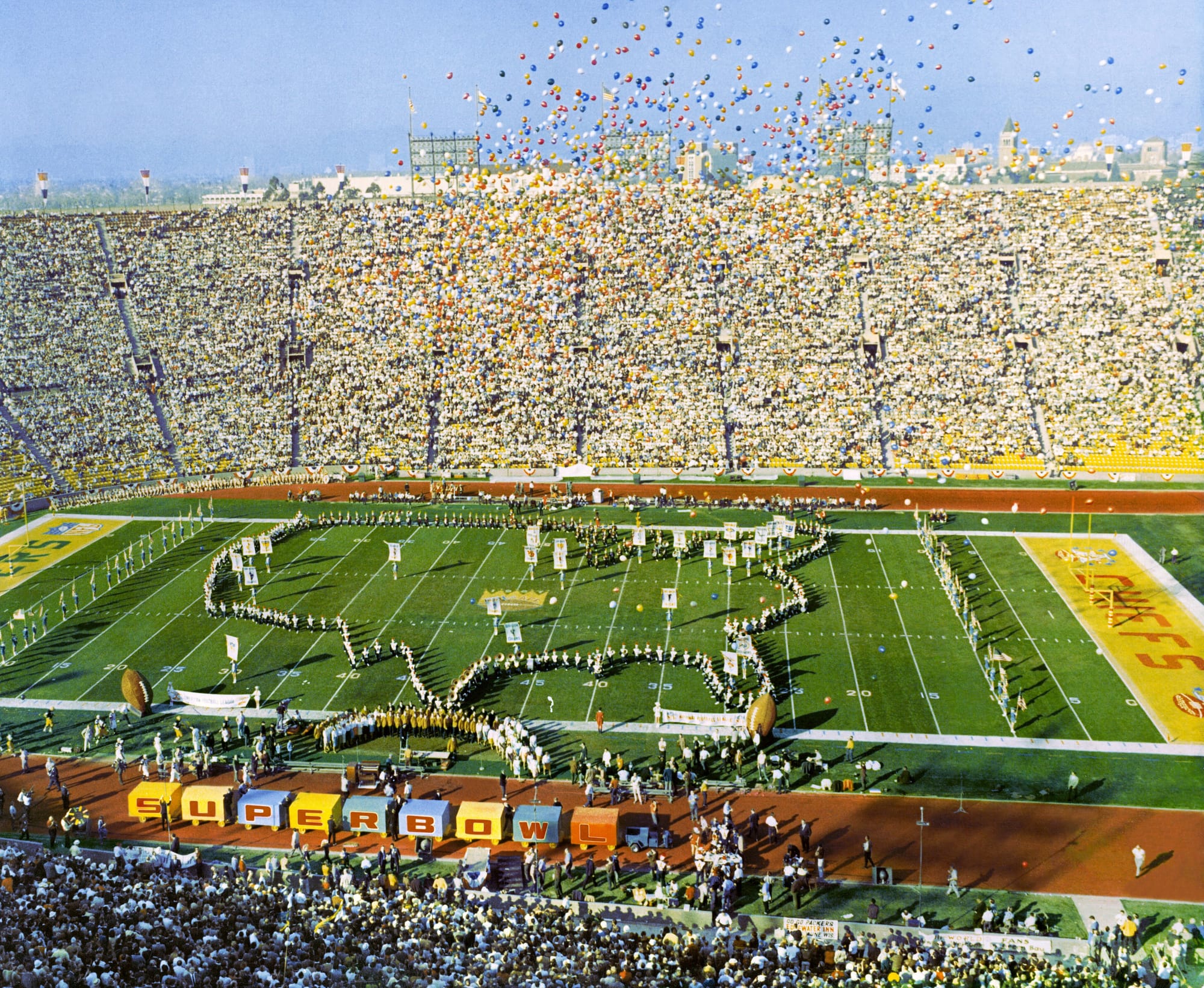
The first Super Bowl aired on CBS and NBC at the same time. When the second half started, NBC was still in a commercial, so the officials had the Packers kick off a second time. Green Bay won 35-10. Then both networks taped over the broadcast. For decades, no complete copy was known to exist, until a man found most of the CBS broadcast in his attic, taped by his father.
5. Mazeroski’s Home Run (1960)
NBC didn’t keep it. Bing Crosby did.
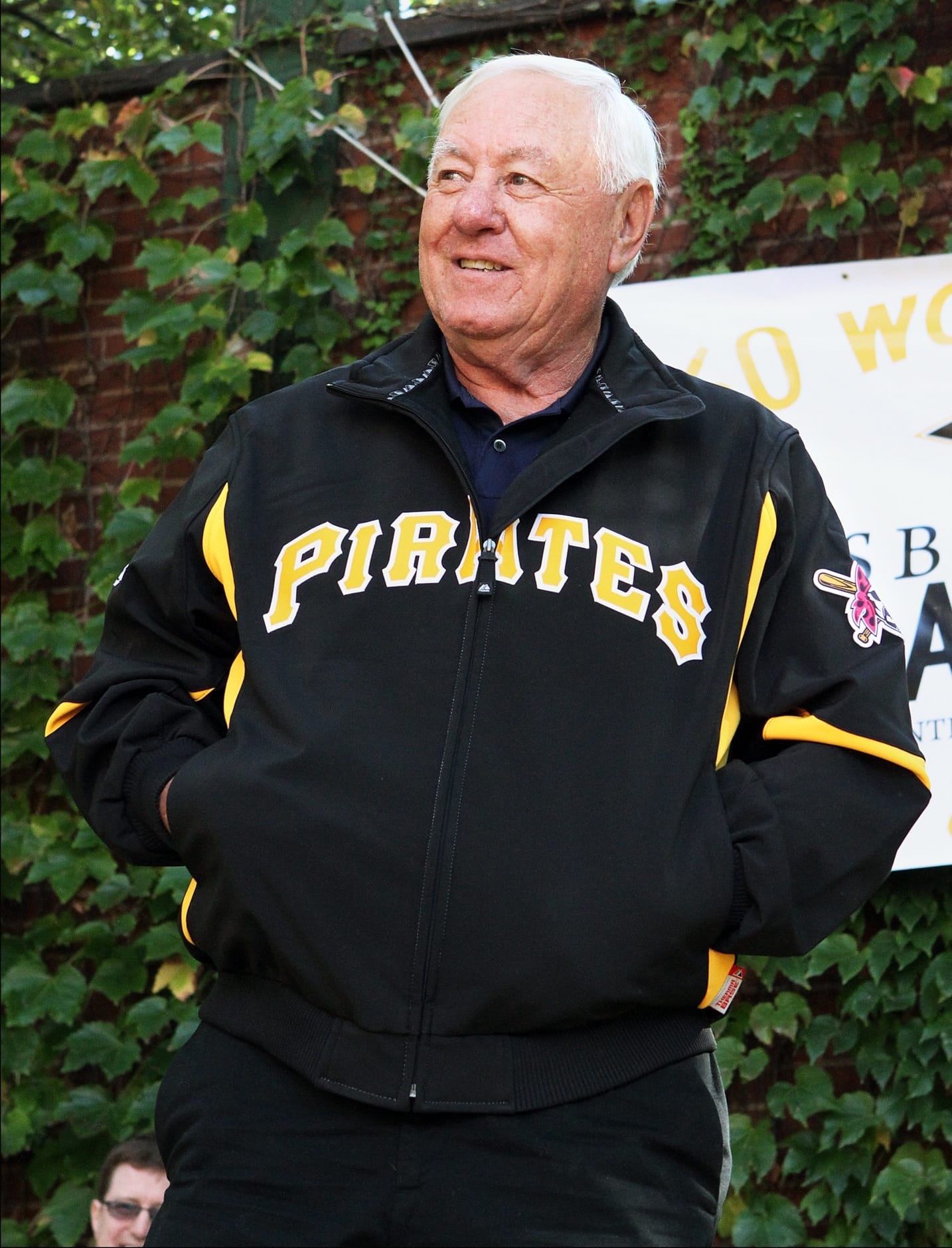
Bill Mazeroski’s home run won Game 7 of the 1960 World Series, the only Game 7 to end on a home run. The networks didn’t save the broadcast. For almost 50 years, the full game was thought to be lost. In 2009, a copy turned up in Bing Crosby’s wine cellar. Crosby, a part-owner of the Pirates, was too nervous to watch and had arranged to have the broadcast recorded on film.
4. The Greatest Game Ever Played (1958)
The signal died at the worst possible time.
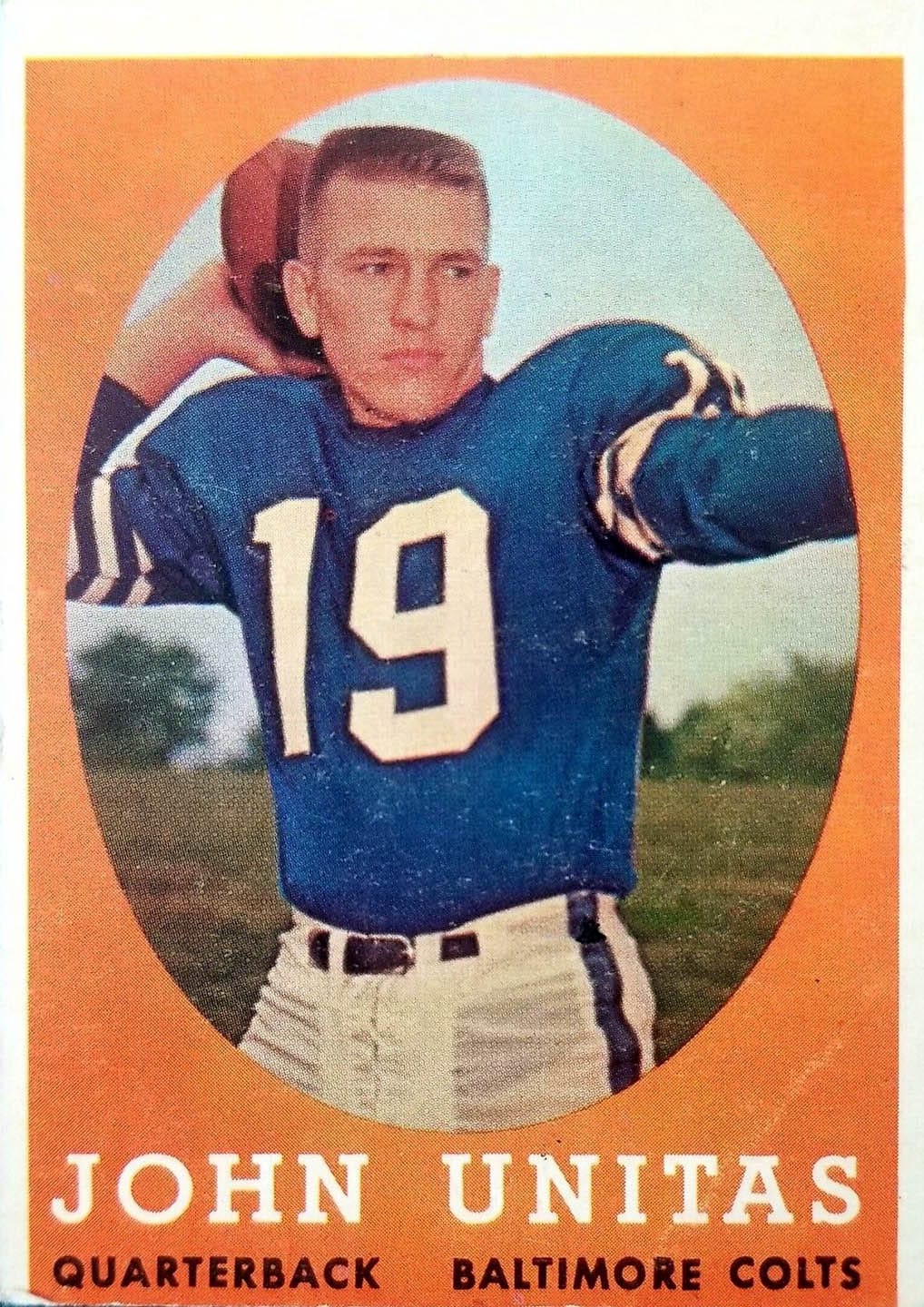
Late in the 1958 NFL Championship between the Colts and Giants at Yankee Stadium, NBC lost its picture. The network got back on the air as Johnny Unitas drove Baltimore to the tying field goal. During overtime, a man ran onto the field and held up the game, and the story that’s been told for years is that the delay gave NBC time to fix a loose cable. Nobody has ever proven who he was. The Colts won 23-17.
3. The Immaculate Reception (1972)
Pittsburgh couldn’t watch it.
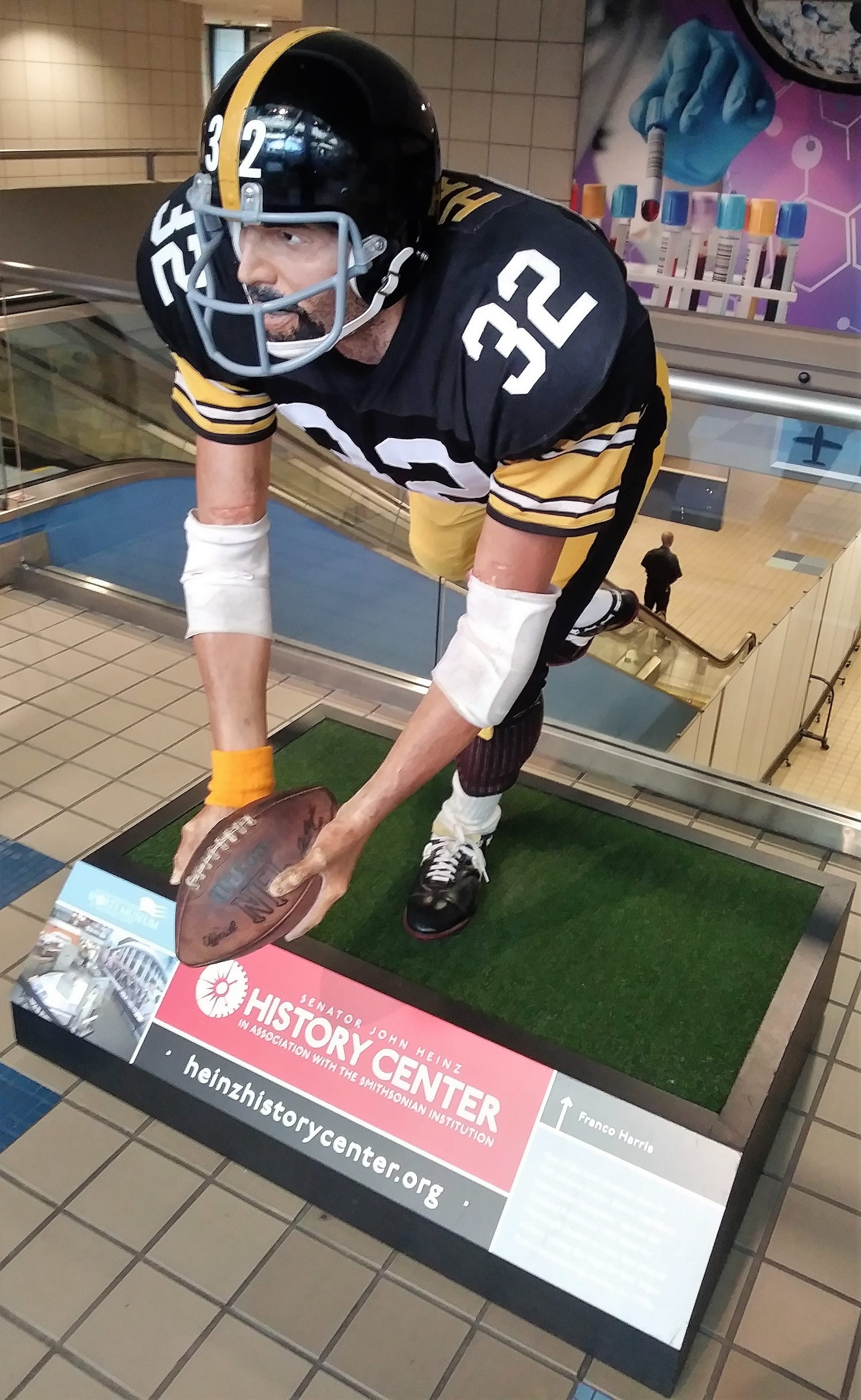
In 1972, NFL home games were blacked out on local TV even when they sold out. So when Franco Harris caught a deflected pass and ran it in to beat Oakland on Dec. 23, 1972, most people in Pittsburgh heard it on the radio. Congress forced the league to change the blackout rule the next year.

2. Carlton Fisk Waves It Fair (1975)
The cameraman missed the ball. Thank goodness.
In the 12th inning of Game 6 of the 1975 World Series, Carlton Fisk hit a long fly down the left-field line at Fenway and waved his arms to keep it fair. NBC’s cameraman inside the Green Monster, Lou Gerard, was supposed to follow the ball. He later said a rat distracted him, so he stayed on Fisk. That accident gave TV the reaction shot, and every network has used it since.
1. The Heidi Game (1968)
The one that changed the rules.
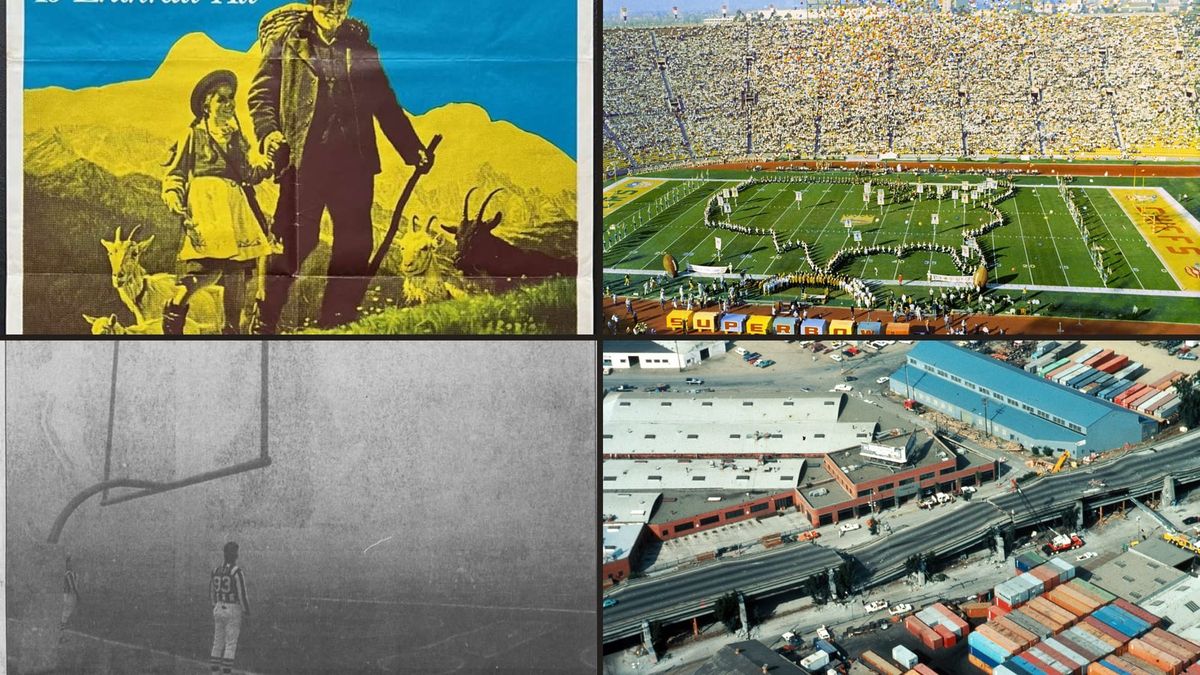
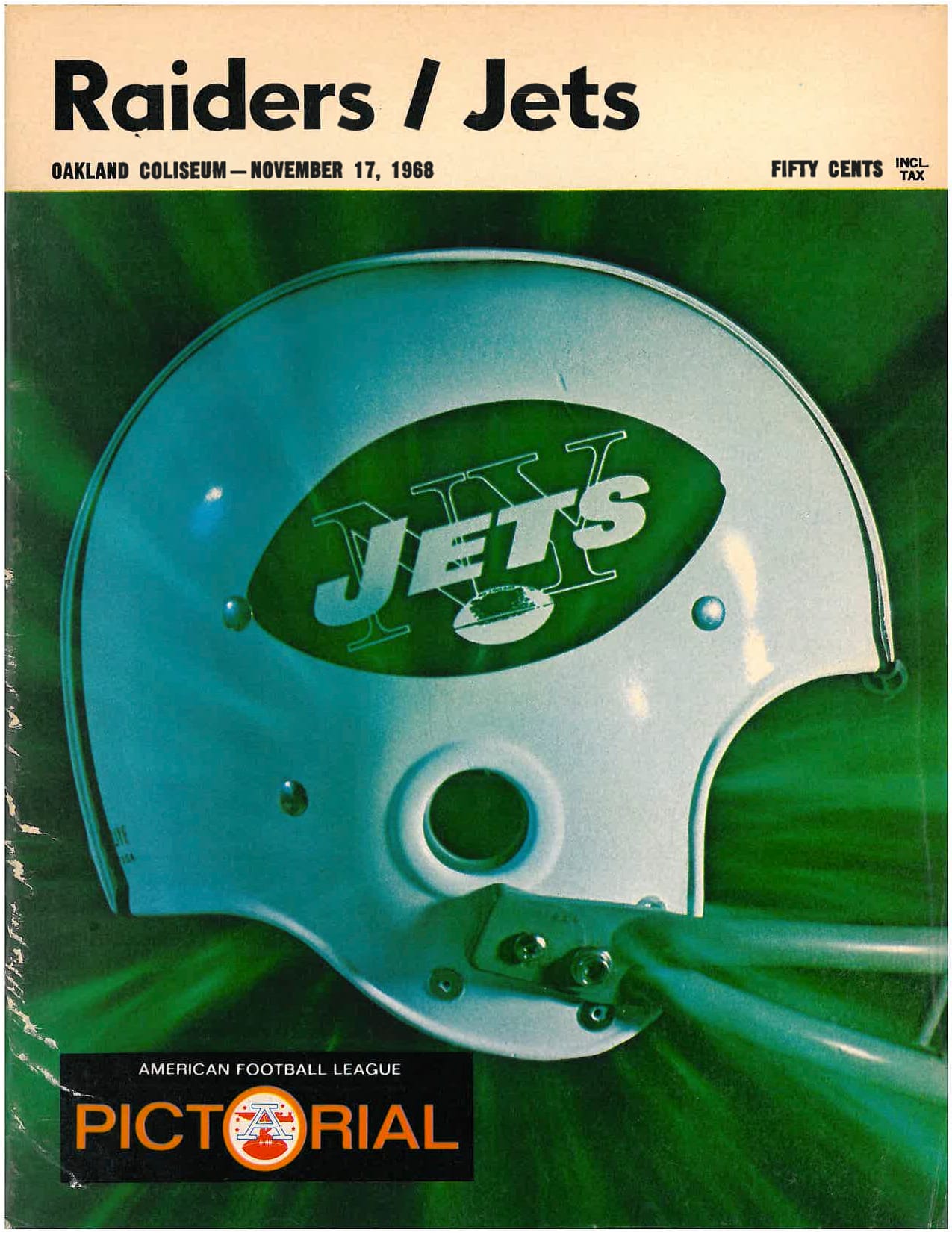
On Nov. 17, 1968, with the Jets leading the Raiders 32-29 and 65 seconds left, NBC cut away from the game at 7 p.m. Eastern to start the movie Heidi on time. Oakland scored 2 touchdowns in 9 seconds and won 43-32, and most of the country found out from a crawl across the bottom of the movie. NBC’s switchboard melted down. Since then, networks stay with games until they end. (Here’s the full story.)

The Bottom Line
TV has missed kickoffs, lost signals and erased the first Super Bowl. The best accident it ever had came from a rat.
Which one did you see live, or not see? Tell us in the comments.

Comments ()