
The Play and 9 Other Football Plays So Famous They Have Names
The Immaculate Reception, The Catch, the original Hail Mary and 7 more plays famous enough to get names, and where the names came from.

Most plays are forgotten by the next Sunday. A few get names, and once a play has a name, it never goes away. Five days ago we told the story of The Play, Cal’s 5-lateral kickoff return through the Stanford band. Here are 10 named plays, and how each one got its name.
10. The Philly Special (2018)
A quarterback’s question on the sideline.
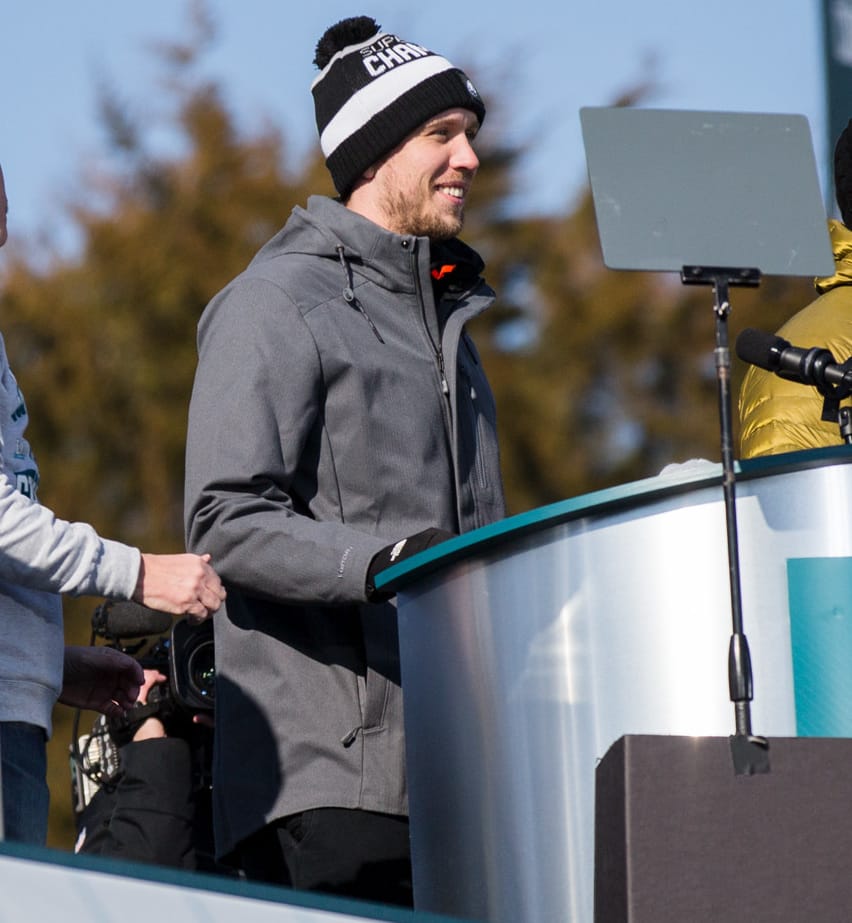
Fourth-and-goal at the New England 1, end of the first half of Super Bowl LII. Eagles quarterback Nick Foles walked over to coach Doug Pederson and asked, “You want Philly Philly?” Pederson said yes. The ball was snapped directly to running back Corey Clement, who pitched it to tight end Trey Burton, who threw it to a wide-open Foles in the end zone. The play’s name in the Eagles’ playbook was the Philly Special. Philadelphia won its first Super Bowl, 41-33.
9. The Minneapolis Miracle (2018)
Ten seconds left, no timeouts, 61 yards.
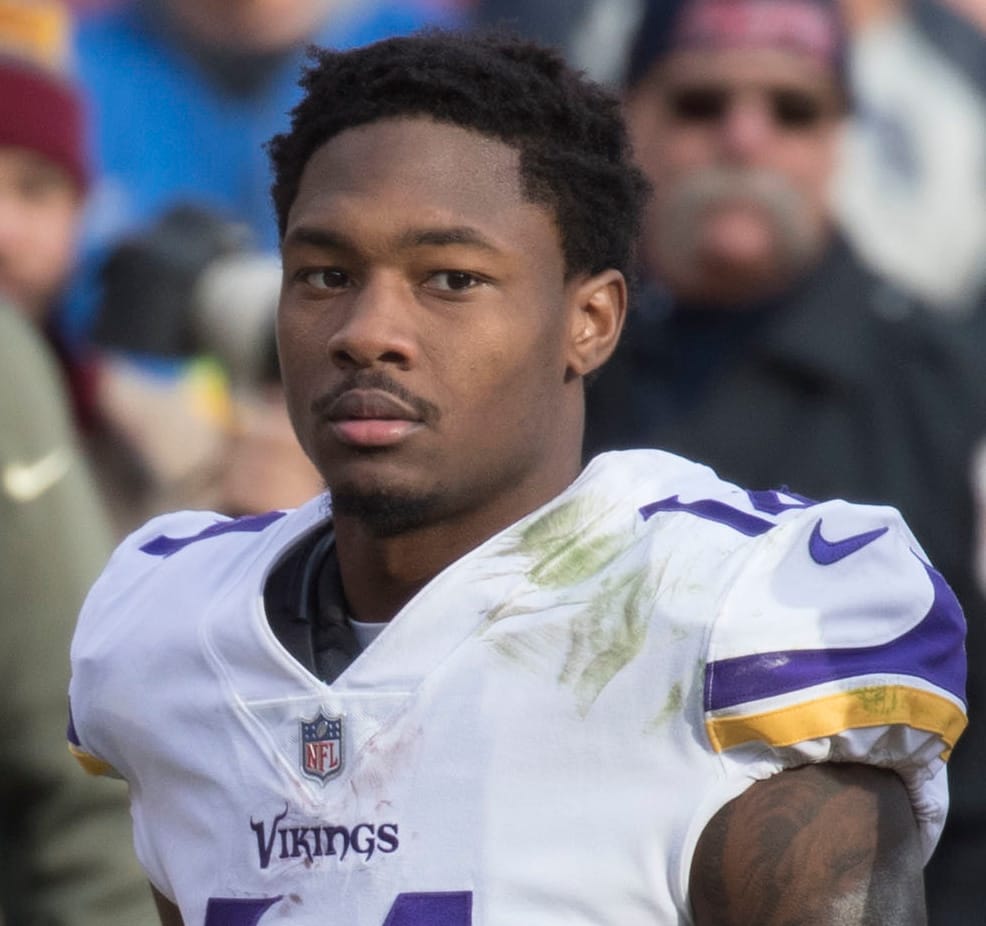
On Jan. 14, 2018, the Vikings trailed the Saints 24-23 with 10 seconds left in a playoff game. Case Keenum threw to Stefon Diggs near the sideline, a Saints defender missed the tackle, and Diggs ran the rest of the way as time ran out. Vikings 29, Saints 24. The name was on TV before Diggs stopped running.
8. The Music City Miracle (2000)
The Titans called it “Home Run Throwback.”
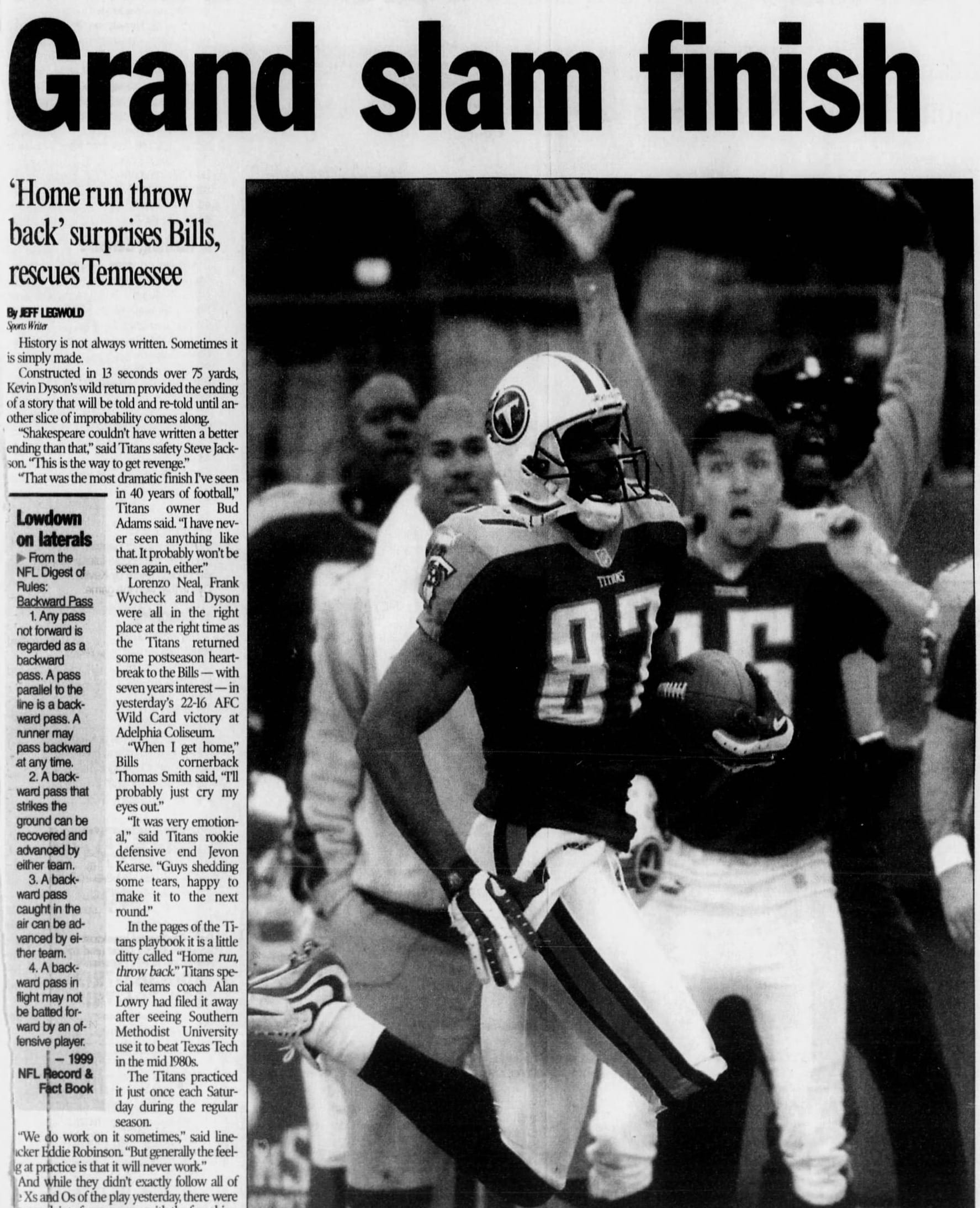
On Jan. 8, 2000, Buffalo kicked a field goal to lead Tennessee 16-15 with 16 seconds left in a wild-card game. On the kickoff, Frank Wycheck caught the ball and threw it across the field to Kevin Dyson, who ran 75 yards for the winning touchdown. Buffalo said the lateral went forward. Replay said it didn’t. The Titans’ name for it was Home Run Throwback. Everybody else’s name for it came later.
7. The Miracle at the Meadowlands (1978)
All the Giants had to do was kneel.
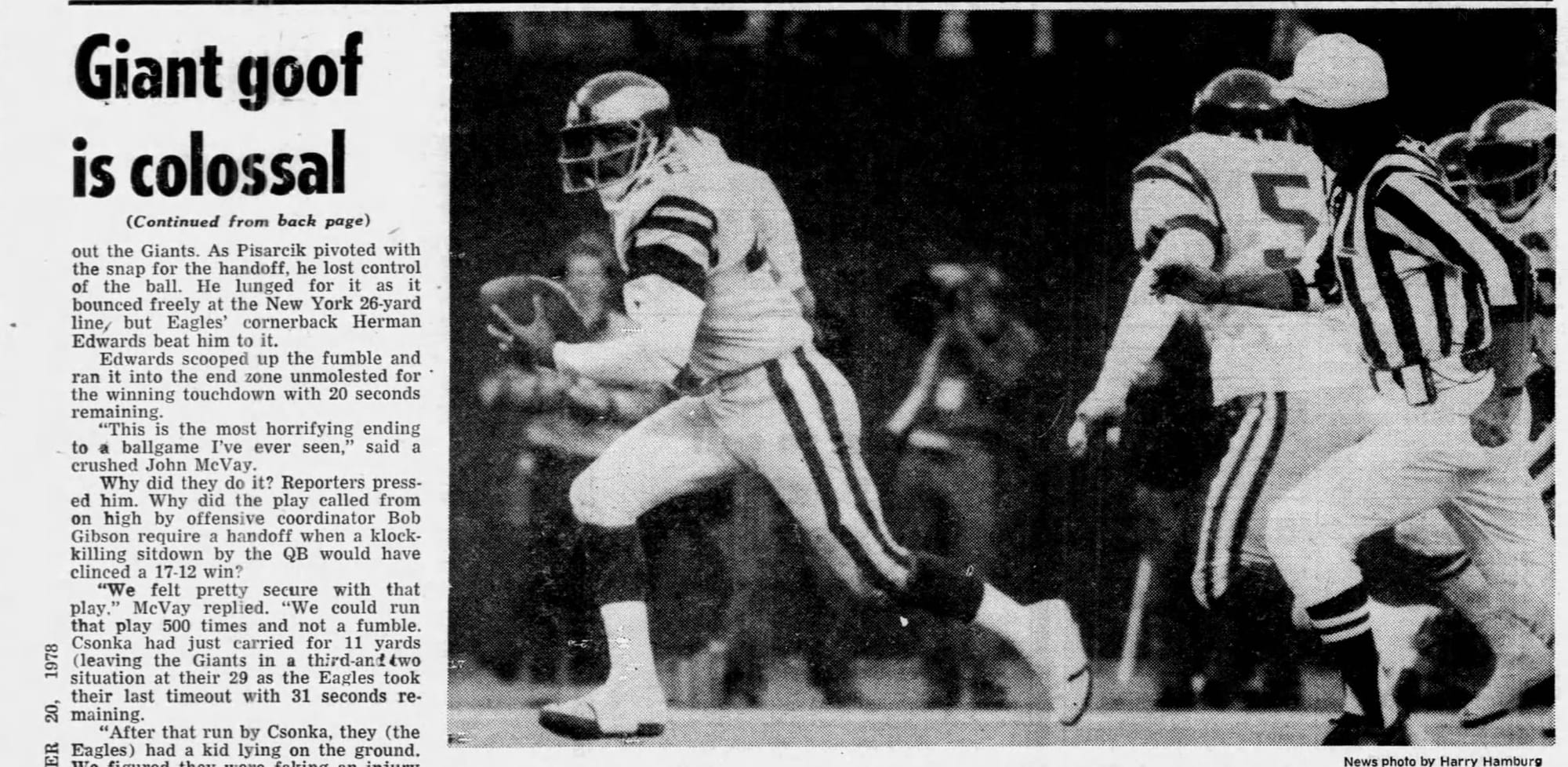
On Nov. 19, 1978, the Giants led the Eagles 17-12 with 31 seconds left and the ball. Instead of kneeling, they called a handoff. Quarterback Joe Pisarcik fumbled it, and Eagles cornerback Herman Edwards picked it up and ran it in. Philadelphia won 19-17. The Giants fired their offensive coordinator the next day. It’s the reason every team now kneels on the ball at the end.
6. The Holy Roller (1978)
A fumble that changed the rulebook.
On Sept. 10, 1978, the Raiders trailed San Diego 20-14 on the last play. Ken Stabler, about to be sacked, flipped the ball forward. Pete Banaszak batted it toward the goal line, and tight end Dave Casper kicked and pushed it into the end zone and fell on it. Raiders 21, Chargers 20. Chargers fans called it the Immaculate Deception. The NFL changed the rule the next season, so that on fourth down or in the last 2 minutes, only the player who fumbled can advance it.
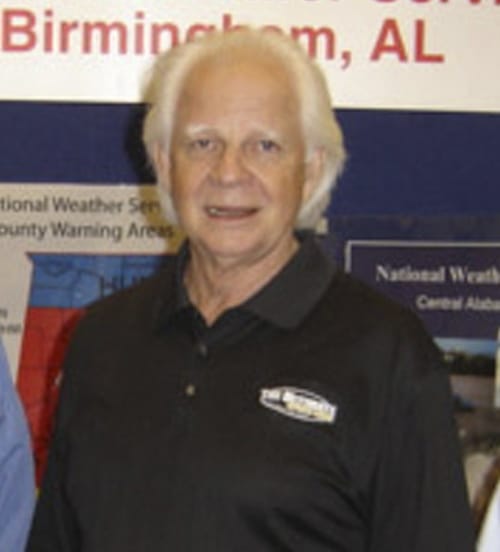
5. Hail Flutie (1984)
A Hail Mary with a pun on it.
Six seconds left, Boston College down 45-41 at Miami. Doug Flutie threw it about 65 yards in the air, and Gerard Phelan caught it in the end zone. (Here’s the full story.)
4. The Play (1982)
The name says it all, at least in Berkeley.
Five laterals, 4 seconds, and the Stanford band on the field. Cal 25, Stanford 20. (Here’s the full story.)

3. The Hail Mary (1975)
The play that named all the others.
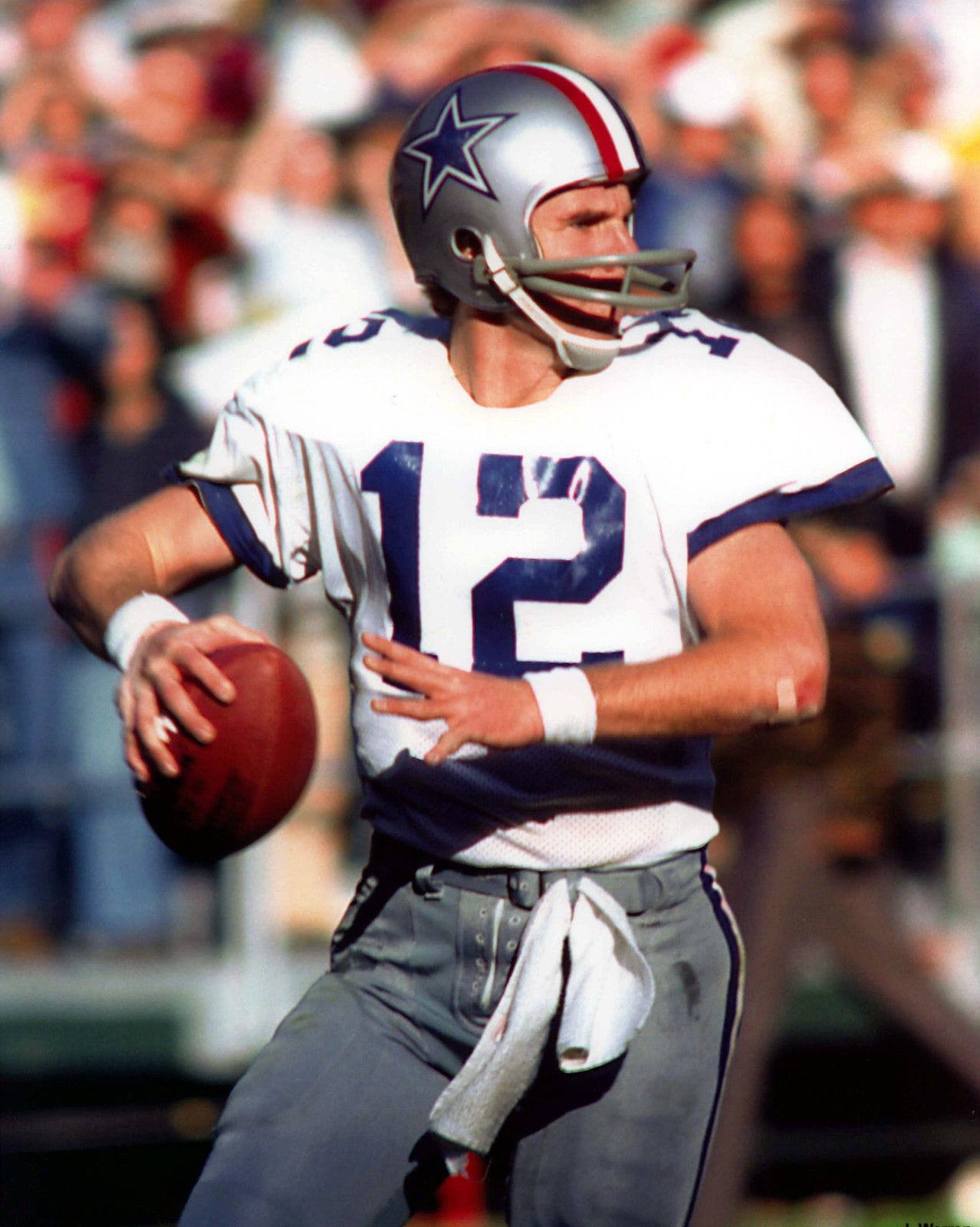
On Dec. 28, 1975, in a playoff game at Minnesota, Dallas trailed 14-10 with under a minute left. Roger Staubach threw deep to Drew Pearson, who caught it against his hip and stepped into the end zone with 24 seconds left. The Vikings said he pushed off. Afterward, Staubach said he’d closed his eyes and said a Hail Mary. Every desperation pass since has been named after that sentence.
2. The Catch (1982)
Two words, and every 49ers fan knows which catch.
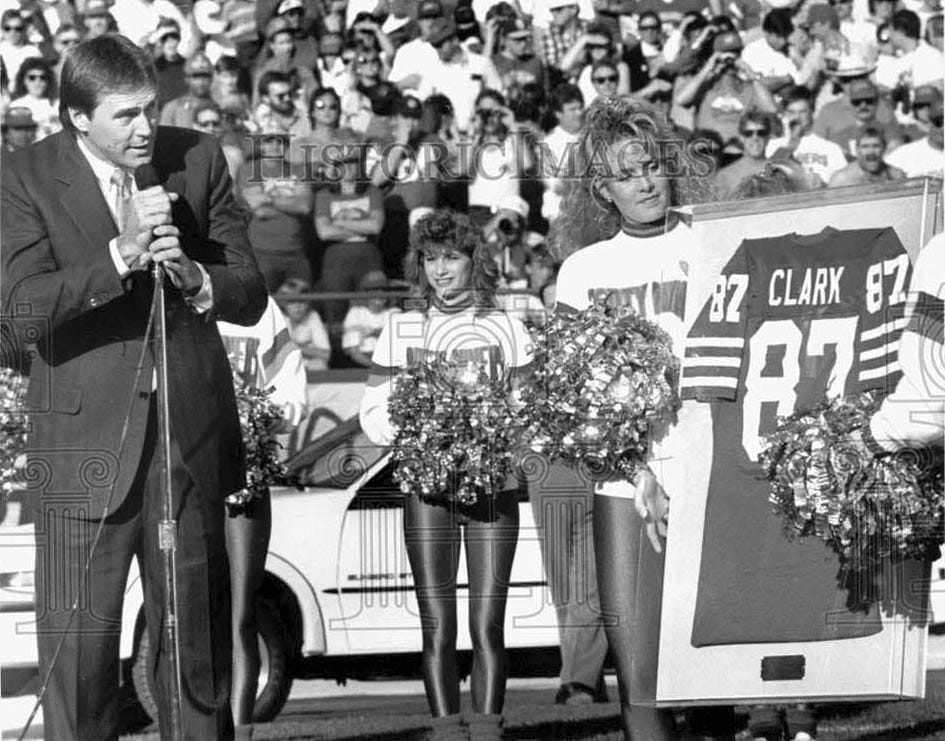
On Jan. 10, 1982, San Francisco trailed Dallas 27-21 in the NFC Championship. Joe Montana rolled right, under pressure, and threw high toward the back of the end zone. Dwight Clark jumped and caught it with 51 seconds left. The 49ers won 28-27 and went to their first Super Bowl. It’s The Catch, with a capital C, in San Francisco.
1. The Immaculate Reception (1972)
A fan named it the same night, on the radio.
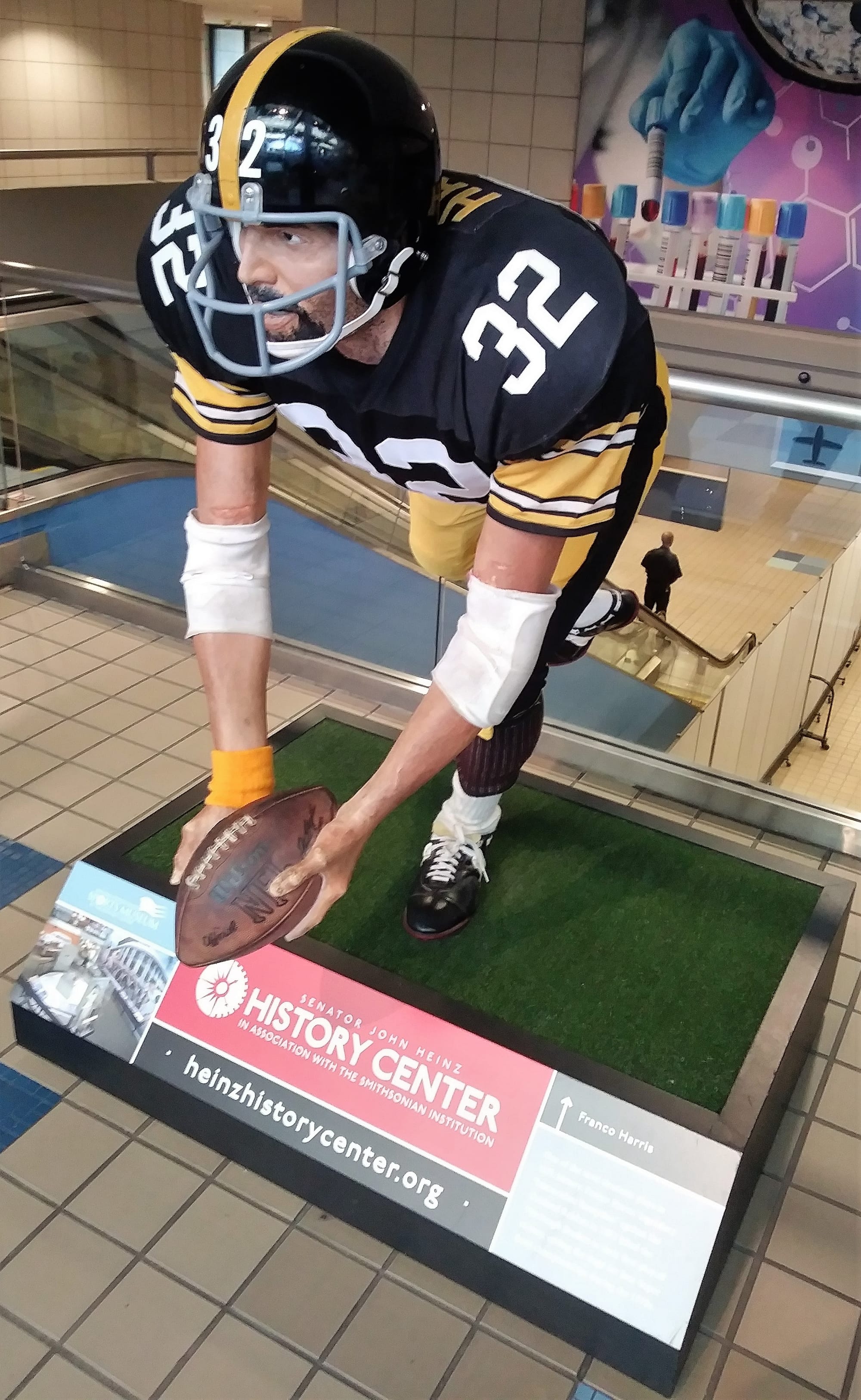
On Dec. 23, 1972, Pittsburgh trailed Oakland 7-6 with 22 seconds left in a playoff game. Terry Bradshaw’s pass bounced off a collision between the Raiders’ Jack Tatum and the Steelers’ Frenchy Fuqua, and Franco Harris scooped it up just before it hit the ground and ran it in. That night, a fan named Michael Ord called Pittsburgh broadcaster Myron Cope and suggested a name, since it was almost Christmas: the Immaculate Reception. Cope used it on the air. It stuck for good.

The Bottom Line
Half of these got their names from a reporter, a fan or a pun. One got its name from a quarterback’s prayer, and now every last-second heave in America carries it.
Which named play did we miss? Tell us in the comments.
Comments ()