
Wes Unseld: The Where's Waldo of 1970s Basketball Cards
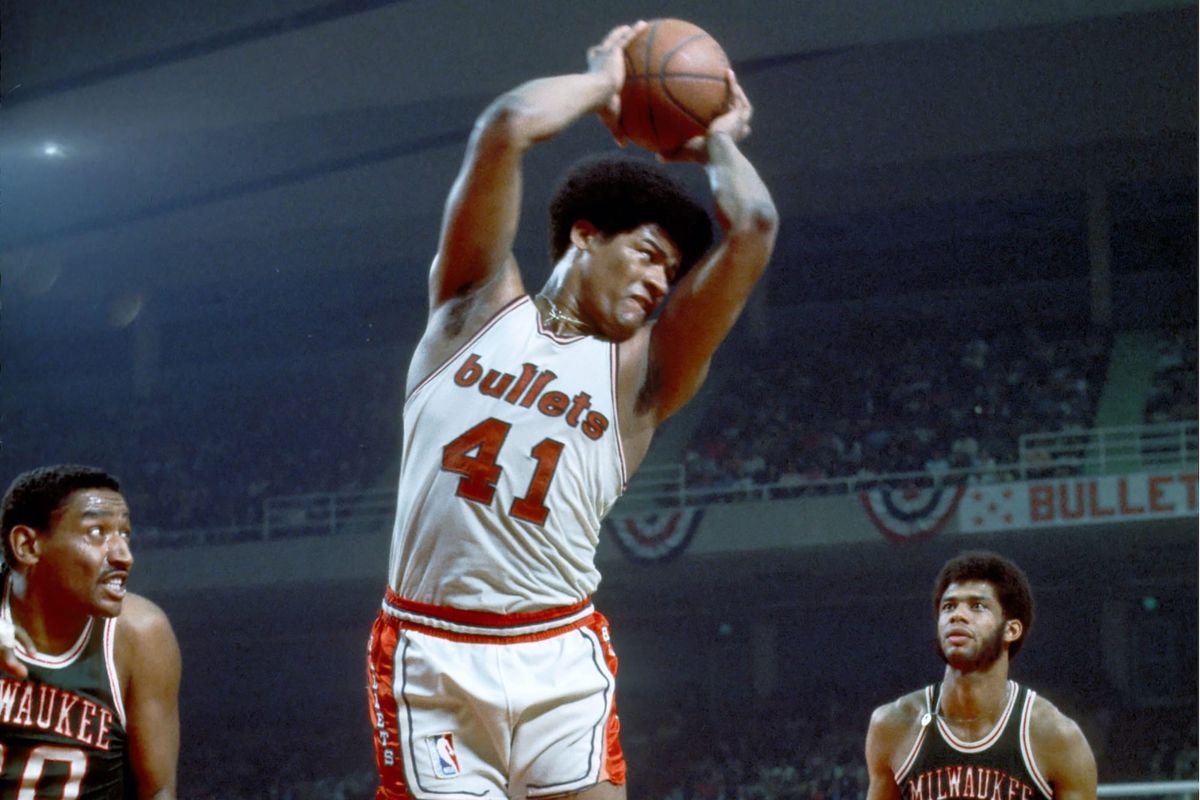
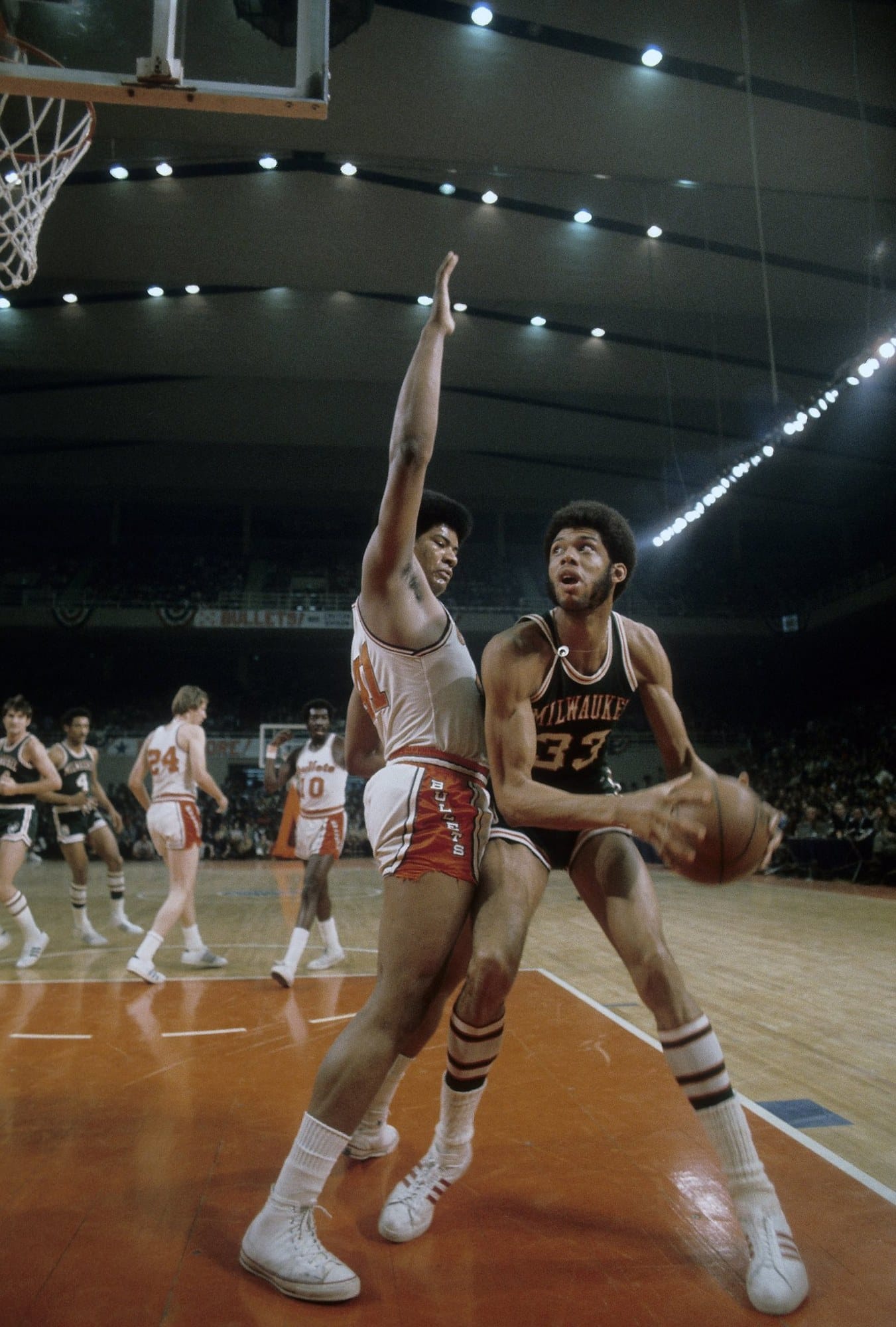
Spend enough time with 1970s Topps basketball cards and you start seeing him. A wide, unmistakable No. 41, planted like a fire hydrant behind Bob McAdoo. Behind Austin Carr. Behind Kareem. Behind Julius Erving. Different cards, different stars, different years — and there, in the background, over and over: Wes Unseld, playing defense for eternity.
He is the Where's Waldo of 1970s basketball cards. And the universe committed to the bit: Waldo hides in a red-and-white striped shirt, and Unseld's Bullets spent the era in red, white and blue striped uniforms — stars included. Once you start looking for the stripes, you cannot stop finding him.
It feels like a glitch. It's actually one of the great open secrets of the hobby — and the explanation tells you exactly how the sausage of vintage sports cards got made.
The Evidence
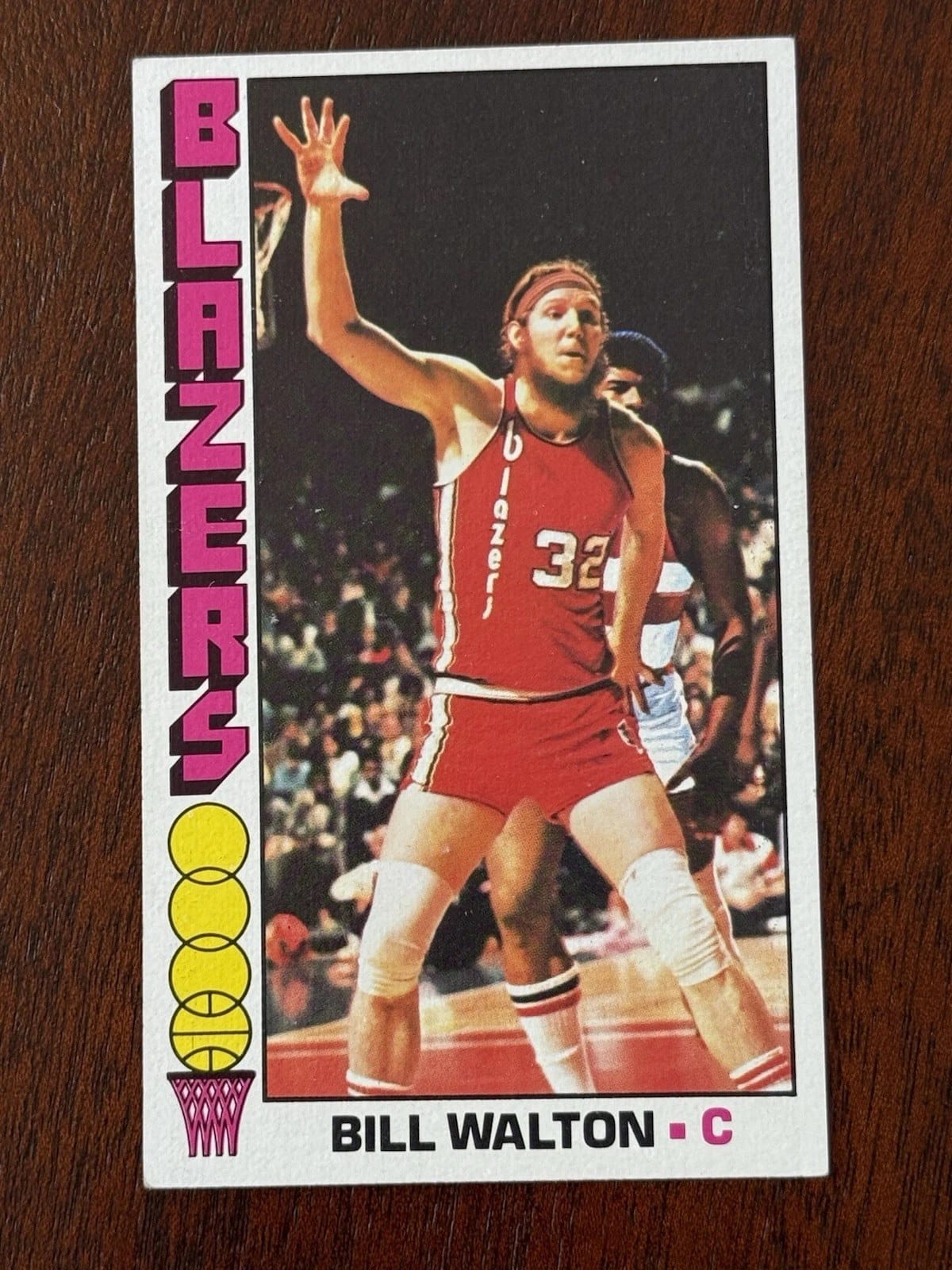
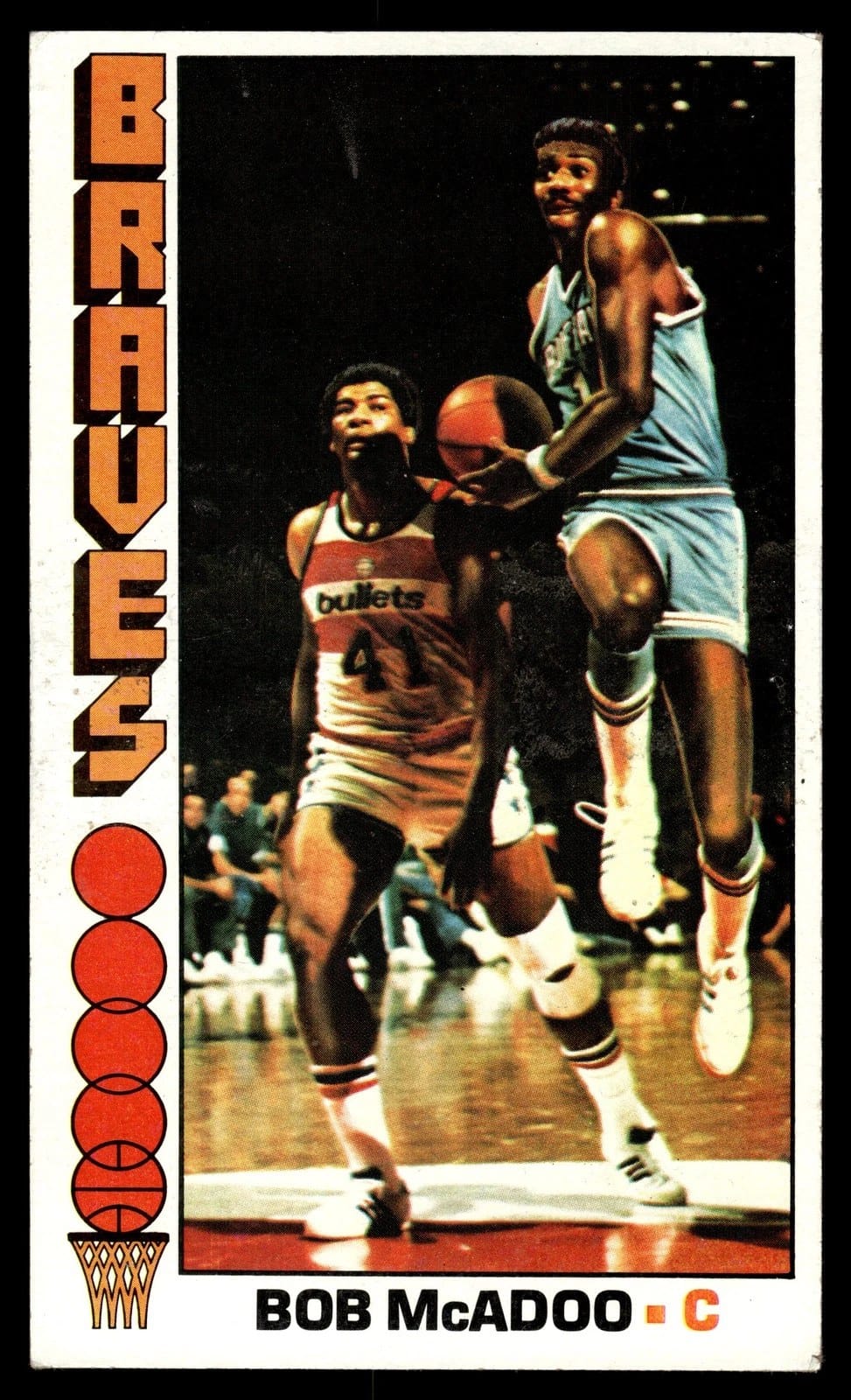
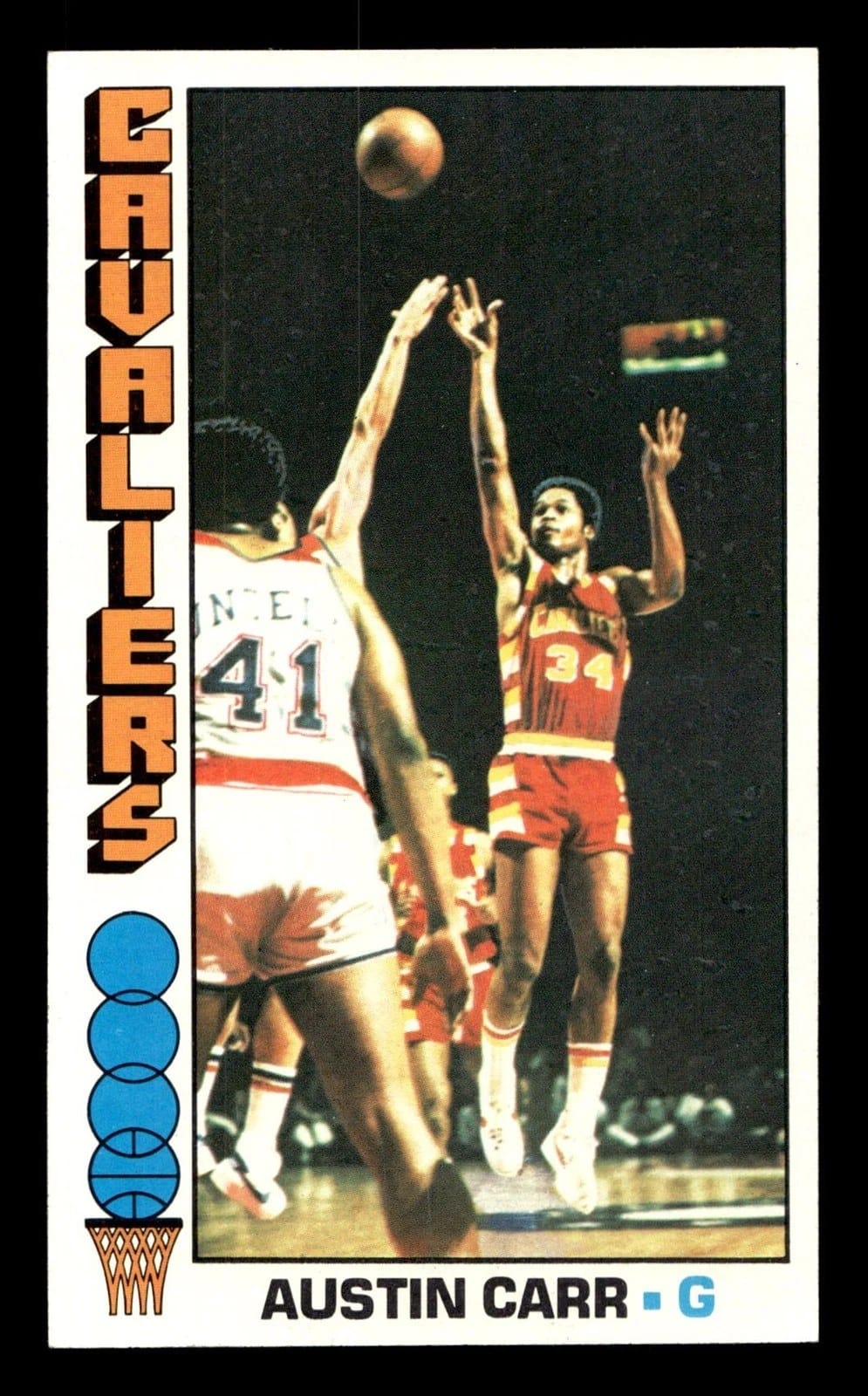
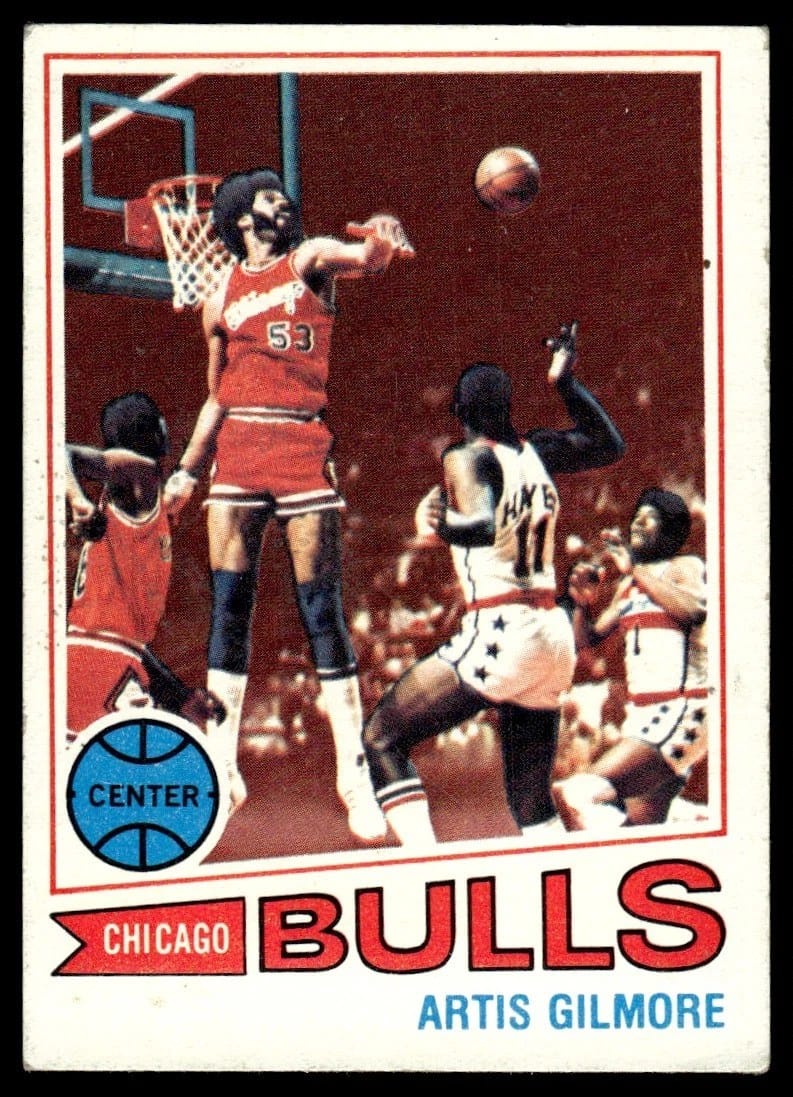
This isn't collector pareidolia. Hobby historians have documented Unseld cameos across the 1976-77 Topps set alone — his own card (#5), plus the backgrounds of Campy Russell (#23), Austin Carr (#53), Phil Jackson (#77), Bob McAdoo (#140) and the famous oversized Bill Walton (#57), where Walton posts up in Portland's road uniform. All these visiting stars, photographed in one building.
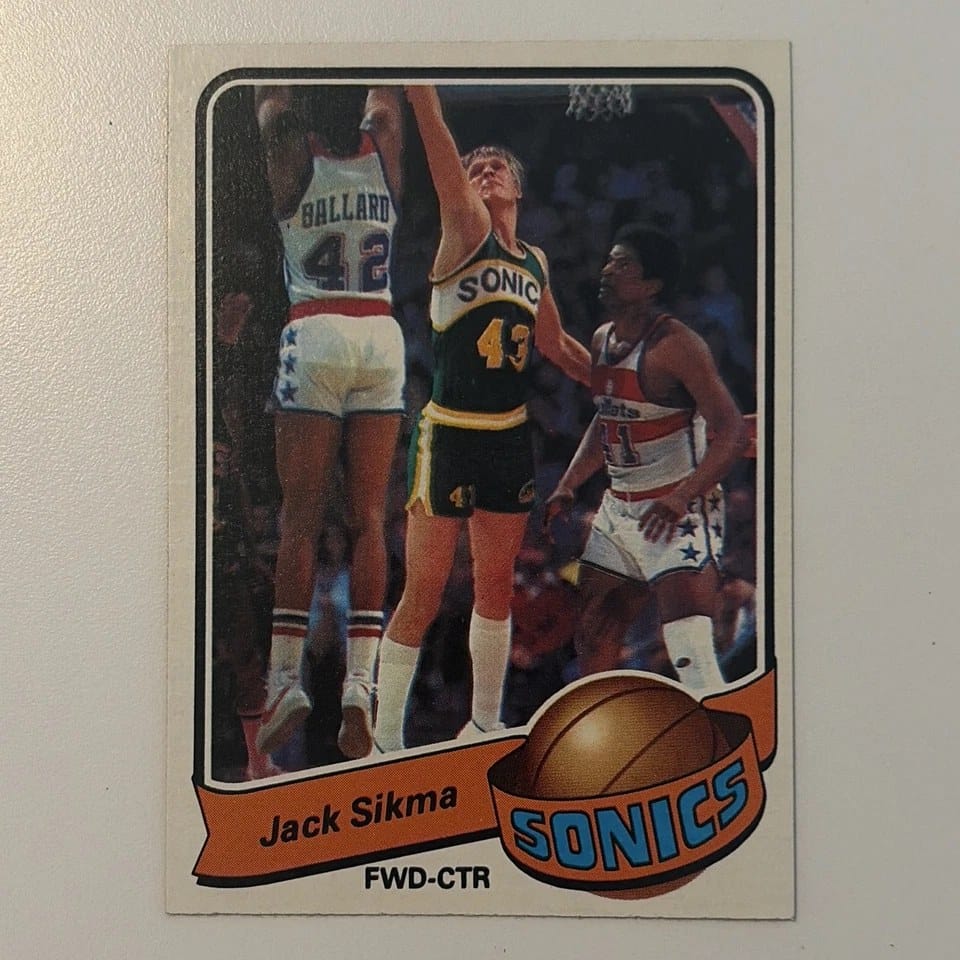
And once we started flipping cards for this story, the list kept growing: there's No. 41 checking Kareem Abdul-Jabbar on Kareem's 1978-79 card. Guarding Julius Erving. Contesting Moses Malone at the rim. Bullets stripes lurking behind Bob Lanier, Artis Gilmore, Robert Parish, Marvin Webster and Jack Sikma. Sports Collectors Digest said the quiet part out loud years ago: Topps' game photographer "must have been located in the nation's capital, since almost all of the game action shots were taken at the home games of the Washington Bullets." PSA's set guides reach the same verdict.
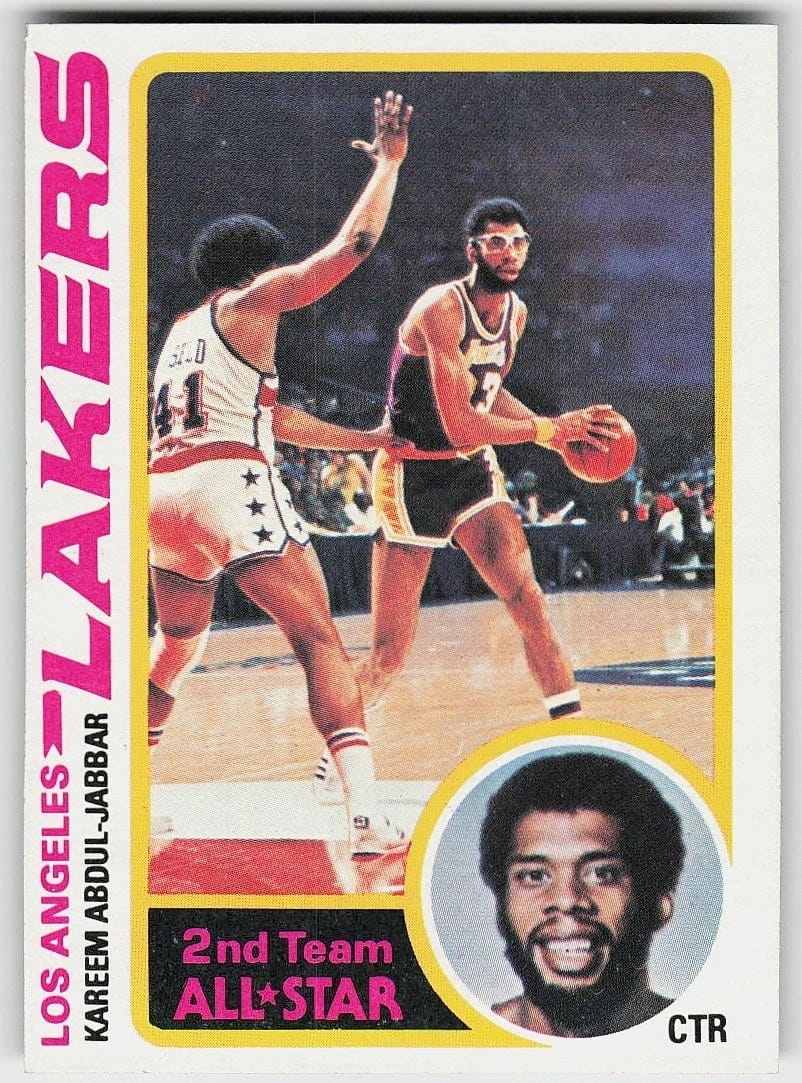
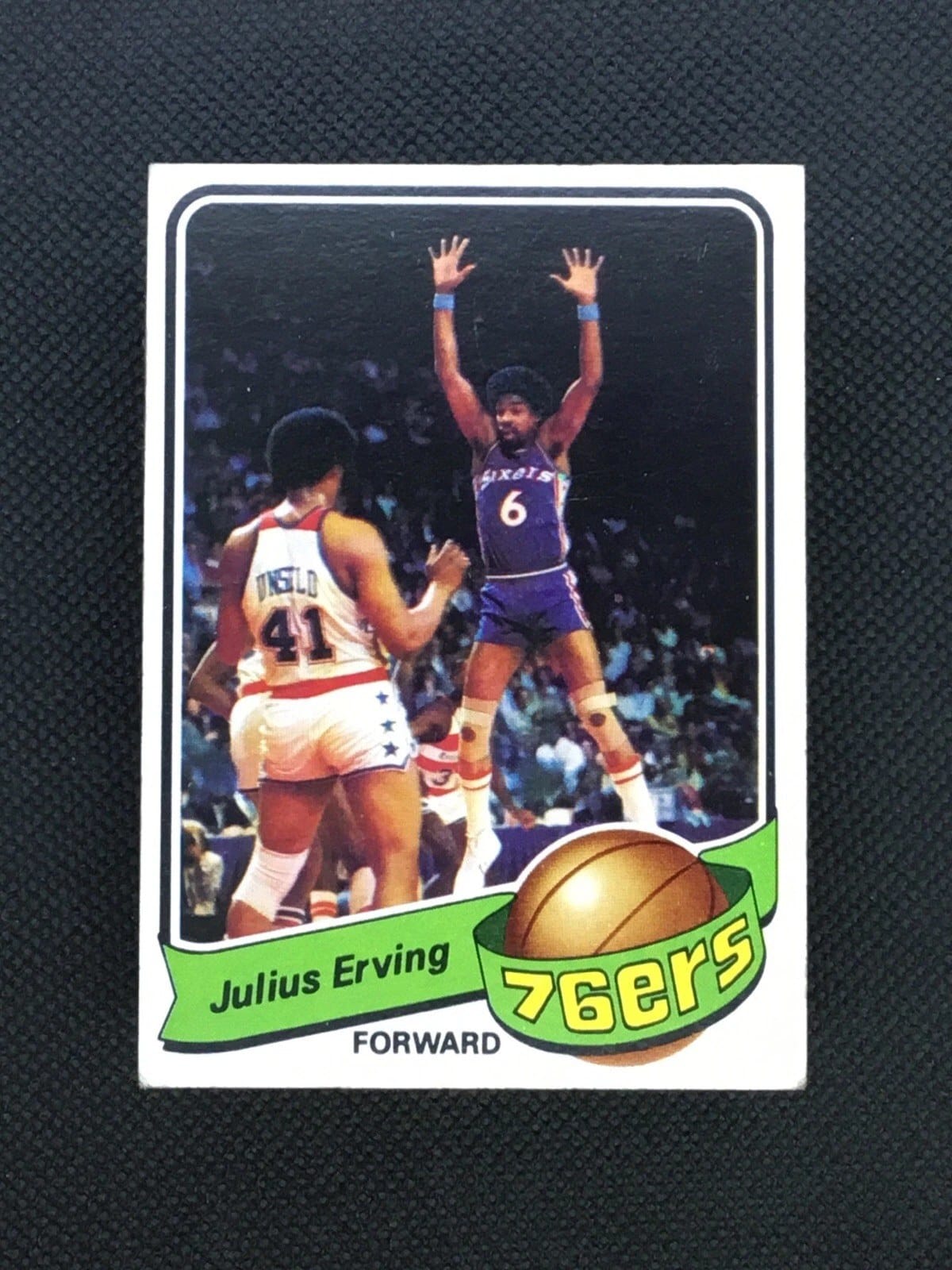
How Topps Actually Shot the NBA
The mechanics, courtesy of Butch Jacobs, Topps' longtime director of photography: Topps didn't keep staff shooters courtside in every city. It bought film from freelancers — "we required a minimum of 20 rolls per game" — and basketball was the low-budget sport of the portfolio.
It got scrappier. Early-'70s basketball portraits were shot in locker rooms, hallways and practice gyms against cinder block — Jacobs called them "the bathroom photos." And because Topps didn't have rights to team nicknames, players in posed shots often wore their jerseys backward, city name forward.
So when Topps went heavy on game action in the mid-'70s, the economics wrote themselves. You don't fly a photographer to 17 cities. You hire one reliable freelancer in one market and let the league come to him. Every team visits the Bullets at least once a year. Shoot enough home games at the Capital Centre in Landover — opened December 1973, right as the action-photo era began — and you'll eventually capture every star in the NBA. Playing against Washington. Which meant playing against Wes Unseld, who guarded the paint every single night.
Accidentally, the Perfect Witness
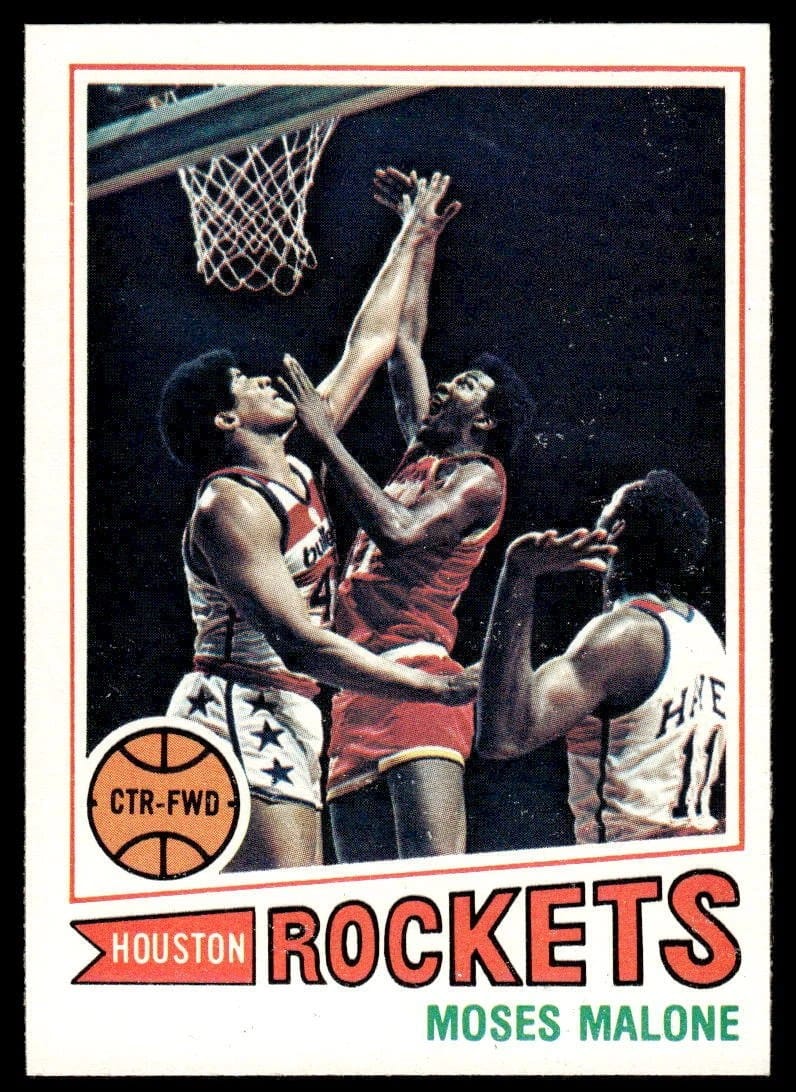
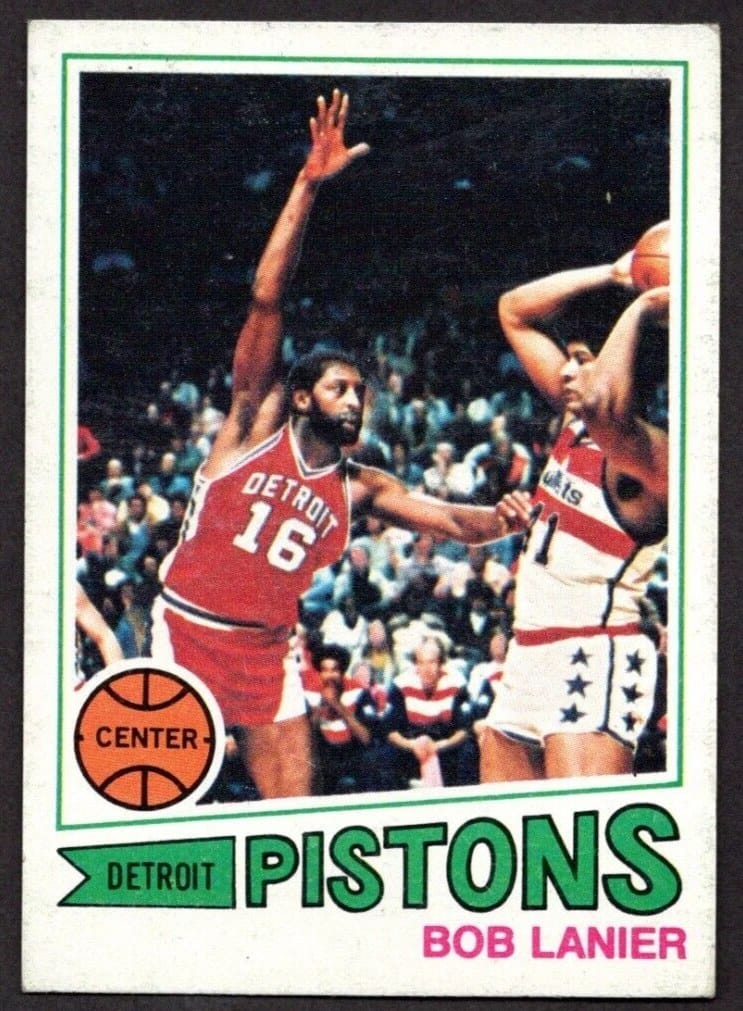
Here's what makes the accident beautiful: the 1970s were the golden age of the big man — Kareem, Wilt, Walton, Lanier, Gilmore, Moses, Spencer Haywood — and the anonymous photographer's beat meant one undersized, immovable center ended up photographed against nearly all of them. The cards are a survey of the era's giants, conducted involuntarily by the man assigned to stop them.
And Unseld could not have been a better subject. At 6-foot-7 he gave up half a foot to everyone on this list and out-rebounded most of them anyway. He remains one of only two players in NBA history to win MVP and Rookie of the Year in the same season — 1968-69; Wilt Chamberlain is the other — and a decade later he added the 1978 title and Finals MVP. His game was picks, outlet passes, and position: exactly the unglamorous work that never makes your own highlight, but shows up in the background of everyone else's.
Topps Did This in Every Sport
The Bullets pattern is the company's fingerprint, not a one-off. When Topps first put game action on baseball cards in 1971, every action photo in the set was taken at Yankee Stadium or Shea — Topps was a Brooklyn company, and the league came to New York. And hockey delivered the ultimate version: Boston freelancer Steve Babineau shot for Topps from his seats at the Garden, and film from one single game in 1979 landed on 16 different cards — including a visiting rookie center from Edmonton named Wayne Gretzky. The $3.75 million rookie card exists because a hometown shooter photographed whoever visited his building that night.
The Mystery Man
Nobody knows who the Washington photographer was. Babineau got famous; baseball's Louis Requena got a lifetime achievement award; the freelancer whose commute put a Hall of Famer in the background of an entire era was never credited and has never been identified.
Which brings us to the quiet part about Unseld himself. He's become one of the most under-remembered legends in the sport — an MVP, a champion, a Hall of Famer who rarely comes up in modern greatest-ever debates because his game produced rebounds and outlet passes instead of highlight reels. But he achieved a strange cardboard immortality anyway. Flip through a box of 1970s basketball cards and the era's forgotten giant is everywhere — stripes, headband, No. 41, eternally between his man and the basket.
Waldo hides. Unseld never did.
Found an Unseld cameo we missed? Tell us the card below — the list is still growing.
Comments ()