
10 College Football Coaches Who Stayed Too Long
On Sept. 5, LSU hung 51 points on Clemson — 644 yards to 145 — in the worst loss of Dabo Swinney's 18 years in Death Valley, and by the fourth quarter a familiar question was trending: has Dabo stayed too long? It's the cruelest arc in the sport. The wins pile up, the statue goes up, the buyout balloons — and then one day the game passes a legend by, and everybody can see it but him.
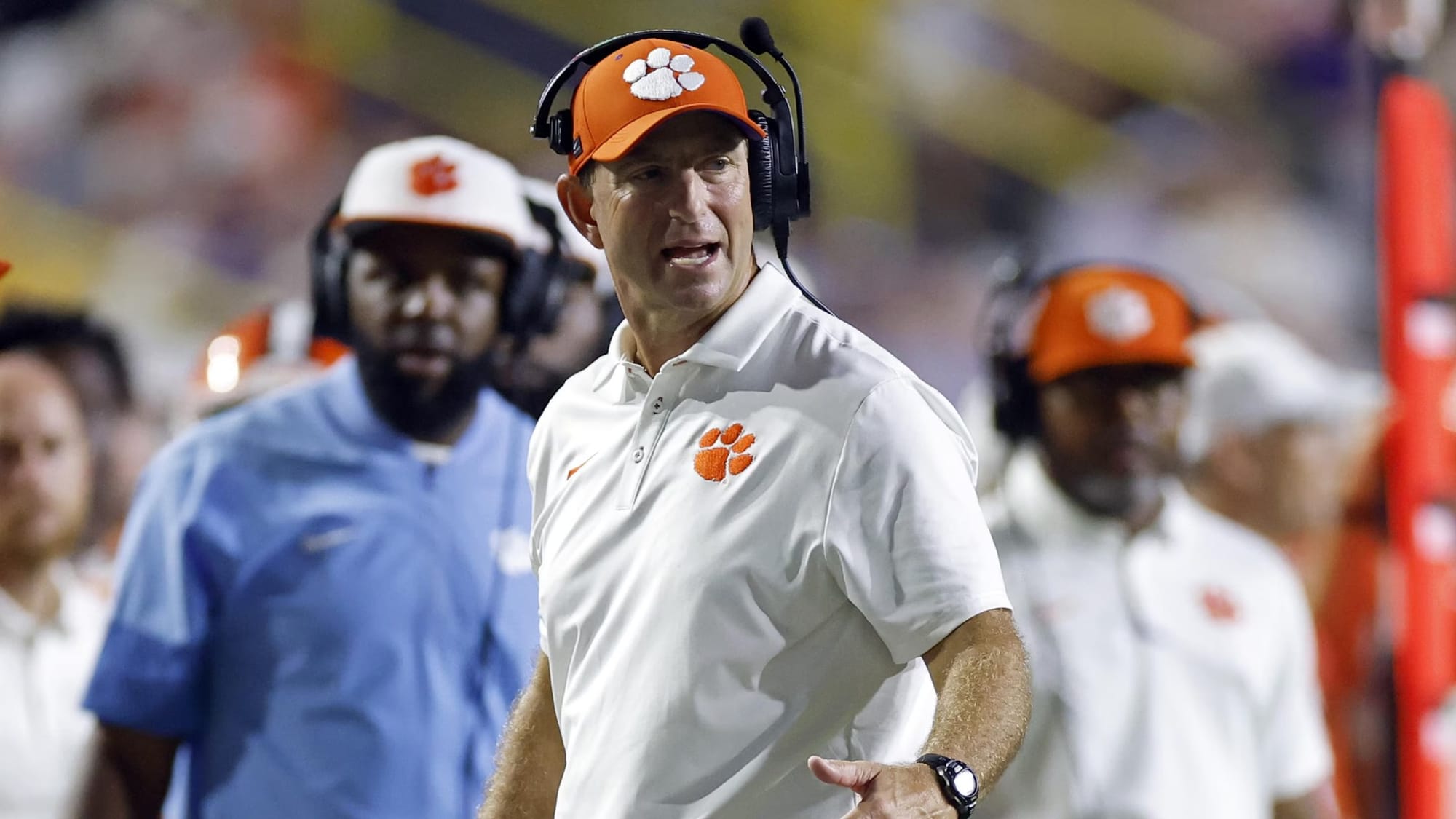
Swinney's chapter isn't written yet. These 10 are. A ranking of the coaches who should have walked away one season — or one decade — sooner.
10. Phillip Fulmer — Tennessee (the slow bleed)
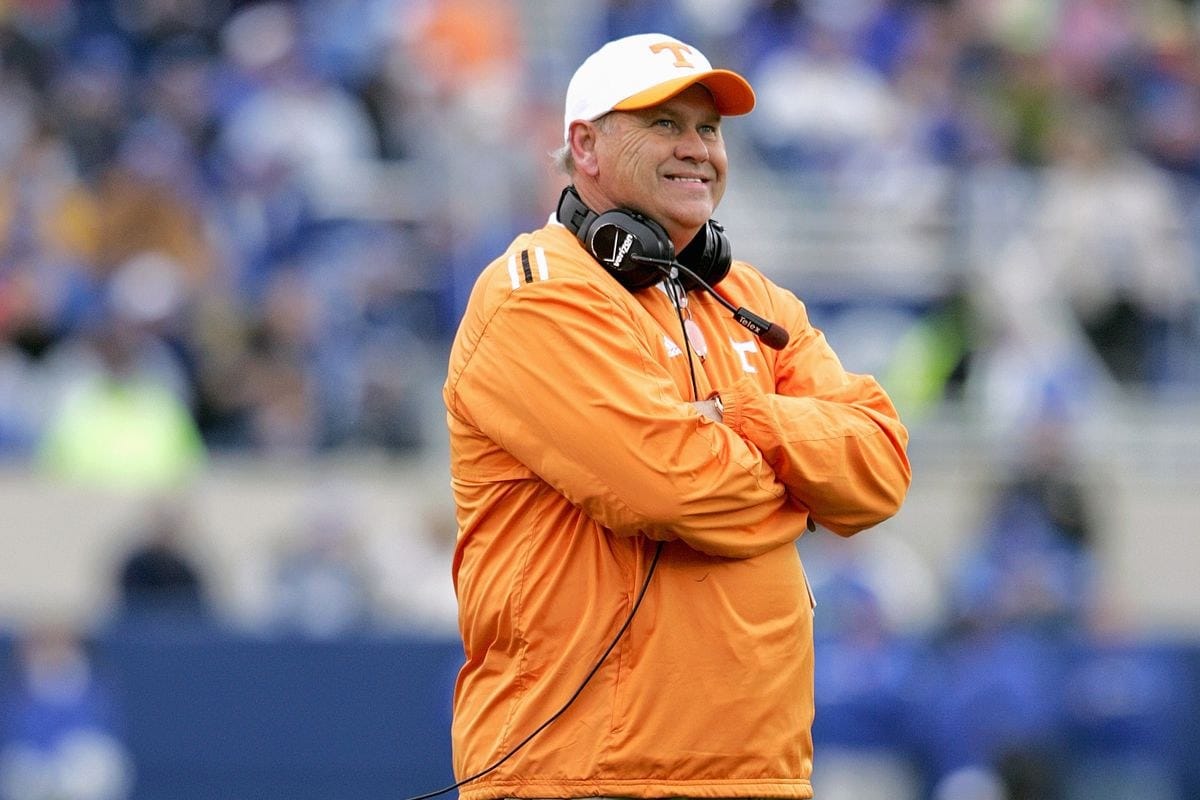
Ten years after a 13-0 national title, Fulmer was drowning in the SEC arms race he'd once dominated. A 5-6 collapse in 2005, another slide toward 5-7 in 2008, and Tennessee had seen enough. His tearful resignation press conference came in November 2008 with the Vols sitting 3-6, and a $6 million buyout paid out over four years. The comeback: he returned to Tennessee in 2017 — as the athletic director.
9. John Cooper — Ohio State (couldn't beat the one that mattered)
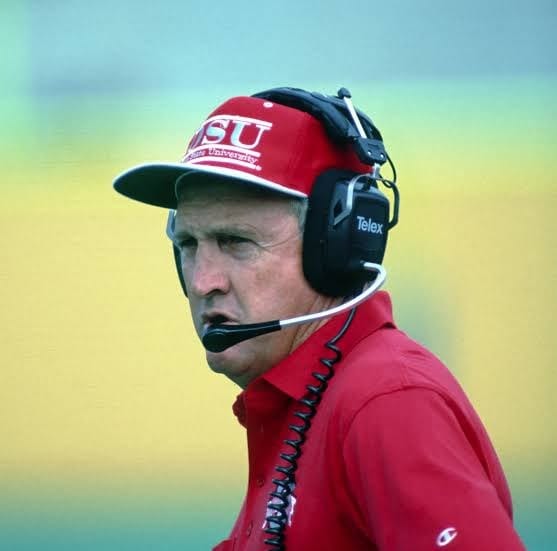
Cooper won a lot of games in Columbus. He also went 2-10-1 against Michigan and 3-8 in bowls, and in a place where exactly one of those things is unforgivable, he chose the wrong one. Fired after the 2001 Outback Bowl. Michigan students declared a "John Cooper Day." His replacement, Jim Tressel, beat Michigan immediately — and the point was made.
8. Frank Beamer — Virginia Tech (the fade after Beamerball)
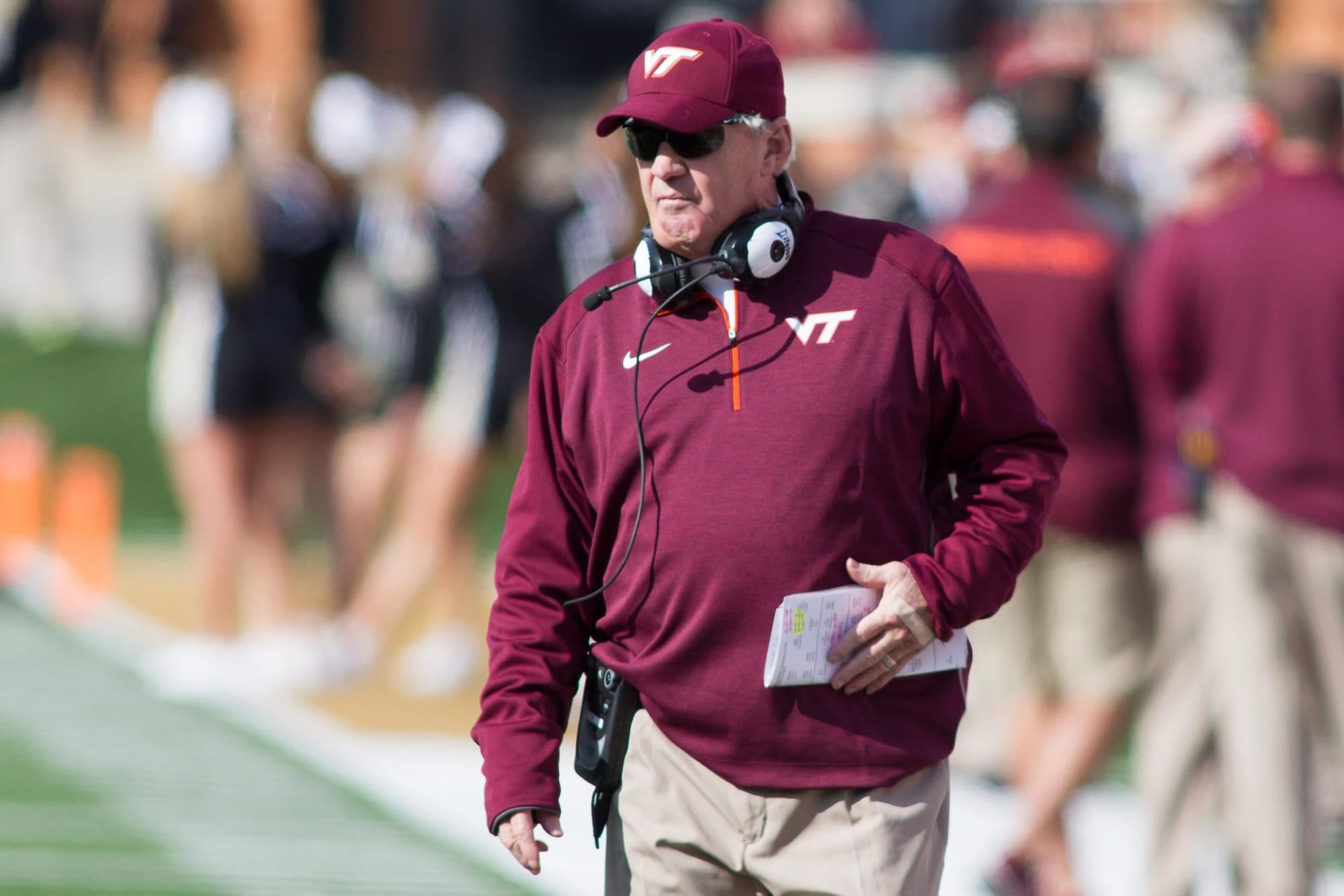
Beamer built Virginia Tech from a 2-9 probation case into a machine — eight straight 10-win seasons from 2004 to 2011. Then the machine wore out: four consecutive 5-and-6-loss years, an offense stuck in a previous decade, a fan base that started grumbling at the man who'd built everything. He read the room and retired after 2015, going out with a bowl win. Overstayed only slightly — but the last four years dented a perfect legacy.
7. Bill Snyder — Kansas State (the second goodbye)
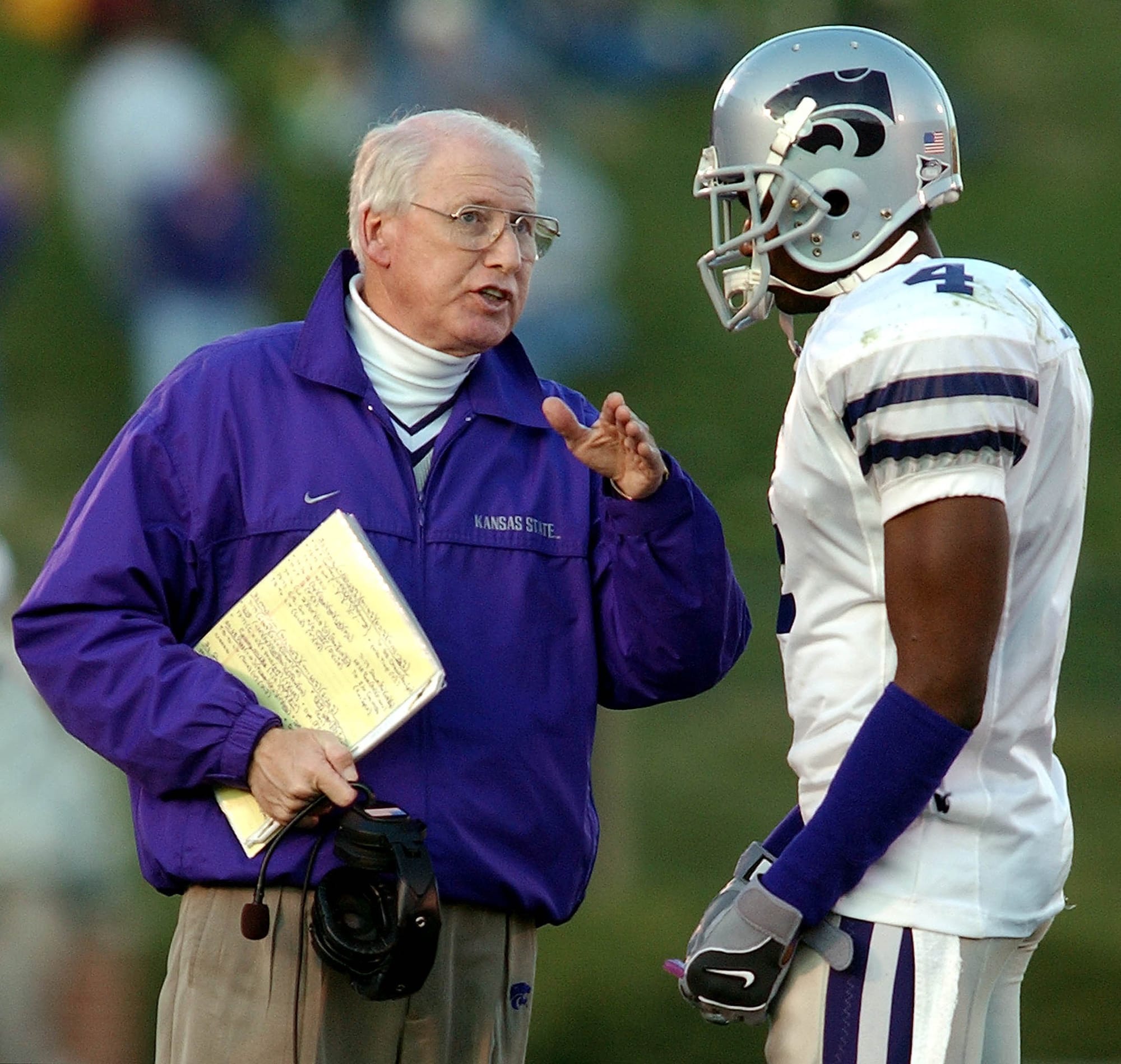
Snyder performed the greatest rebuild in the sport's history — twice — which is exactly the problem. He retired in 2005 (they'd already named the stadium after him, while he was still coaching), then came back in 2009 and stayed until a 5-7 finish in 2018 at age 79. The exit turned bitter: he'd spent years openly angling for his son Sean to succeed him, the AD hired someone else, and Sean left for rival Kansas. A legend who couldn't quite write his own ending.
6. Mack Brown — Texas (the malaise), and then North Carolina
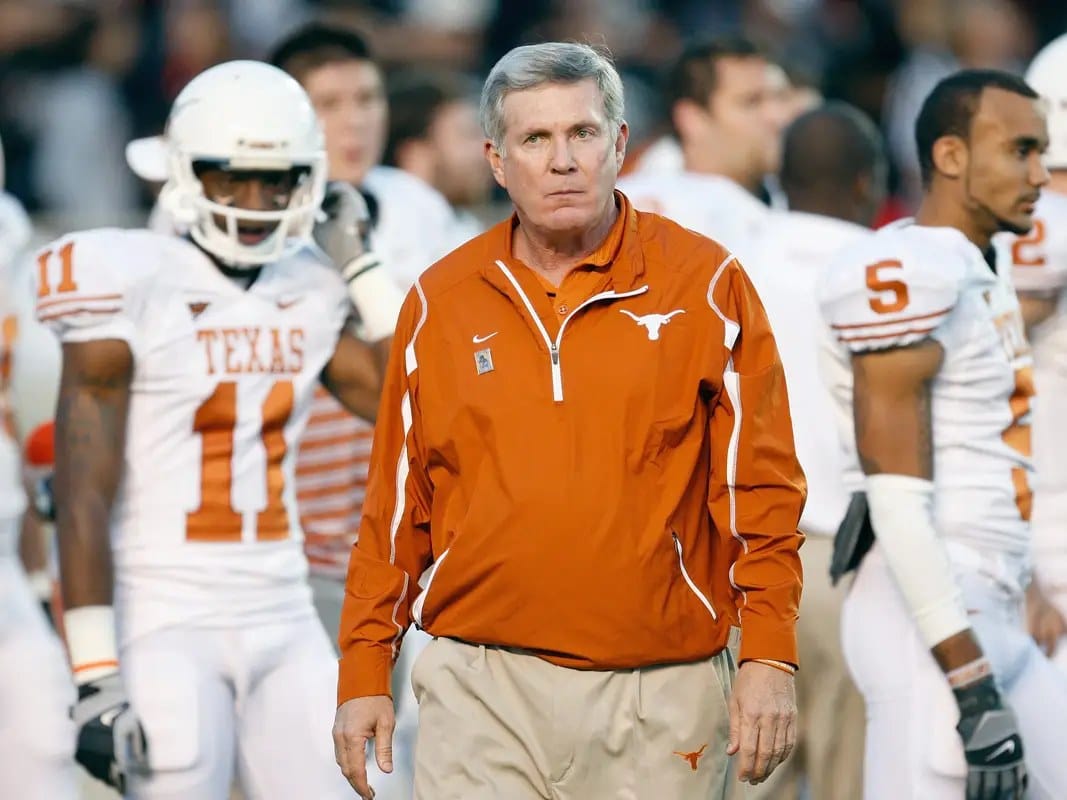
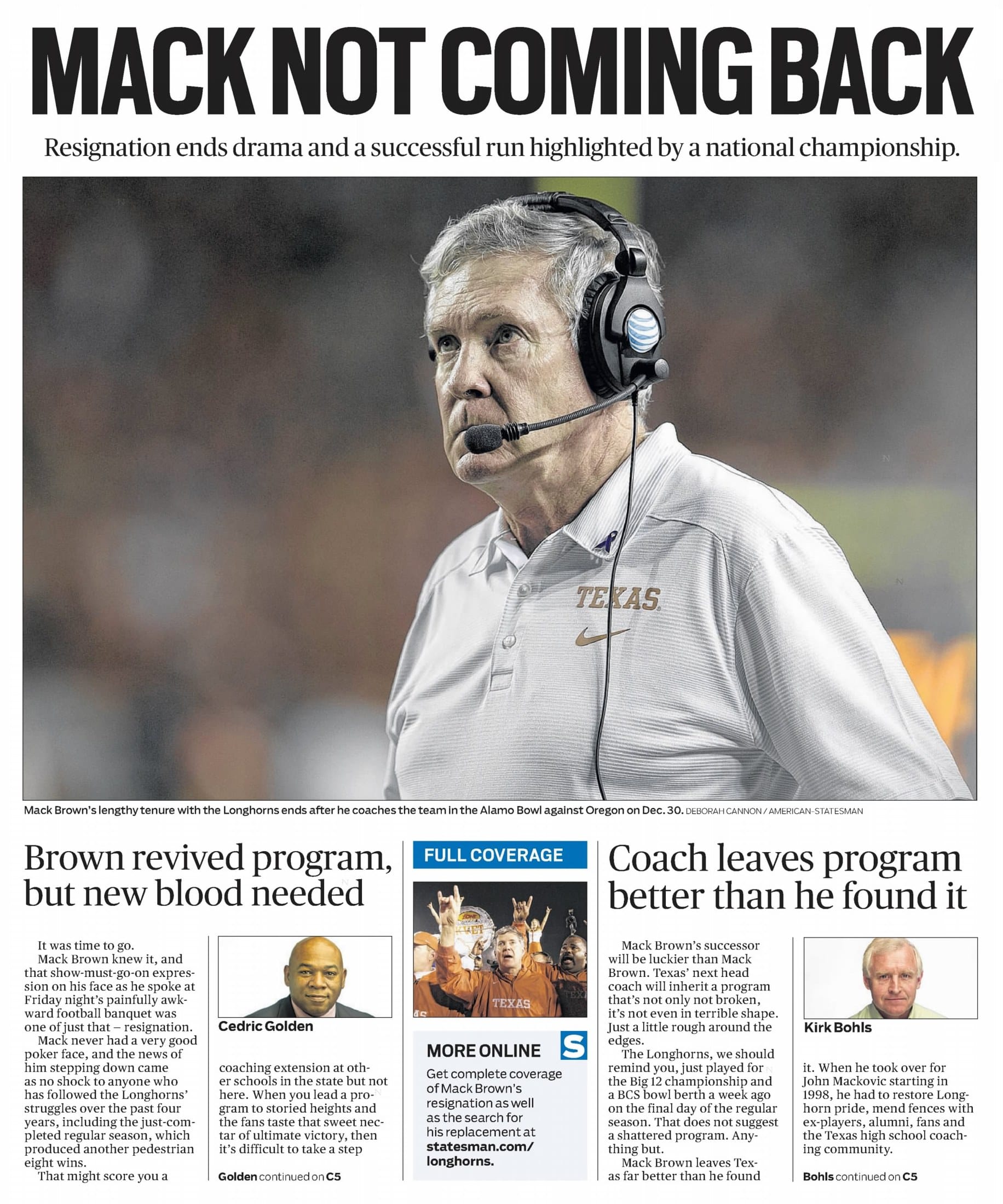
Two years after a national title and one after a title-game trip, Brown's Texas curdled: four straight seasons of four-plus losses, a program treading water while the sport sped up. He resigned after 2013. But Mack couldn't stay retired — he took over North Carolina in 2019 at age 68, and UNC pushed him out again in November 2024 at 73, one day after he publicly said he'd be back. His replacement in Chapel Hill: Bill Belichick. Some coaches overstay one job. Brown did it at two.
5. Steve Spurrier — South Carolina (the honest one)
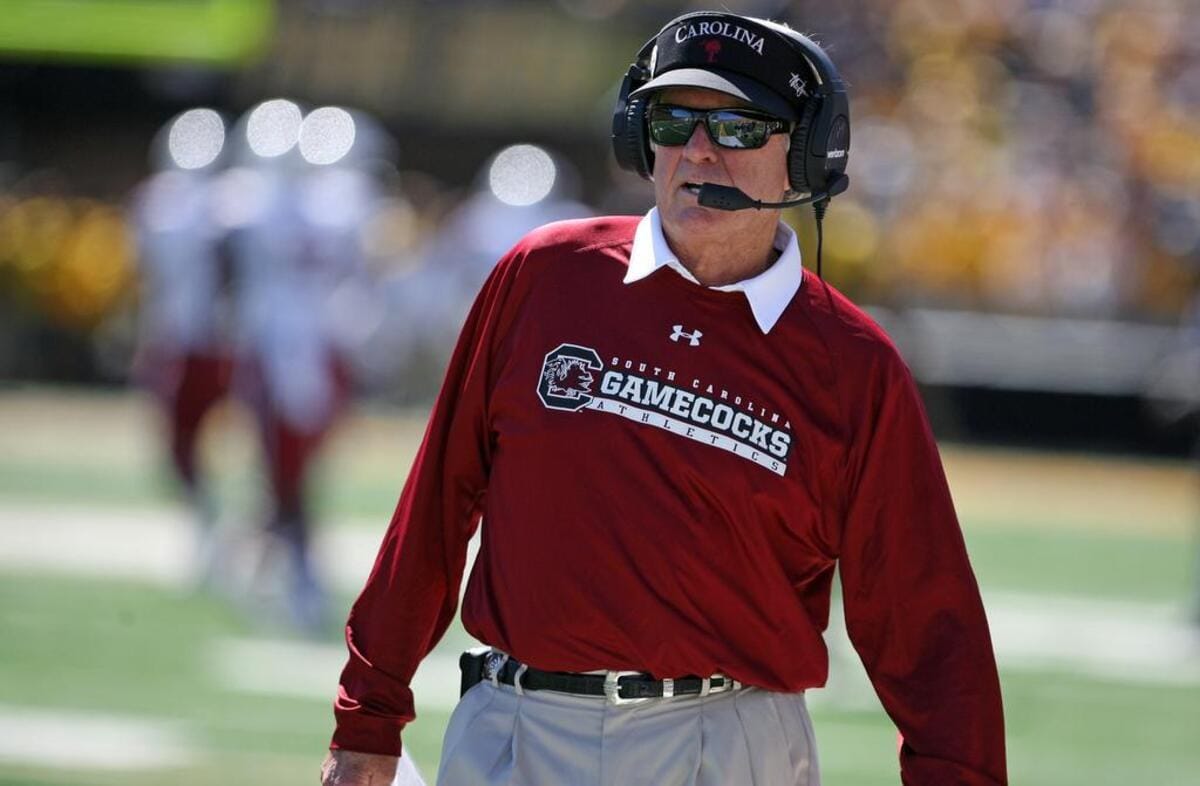
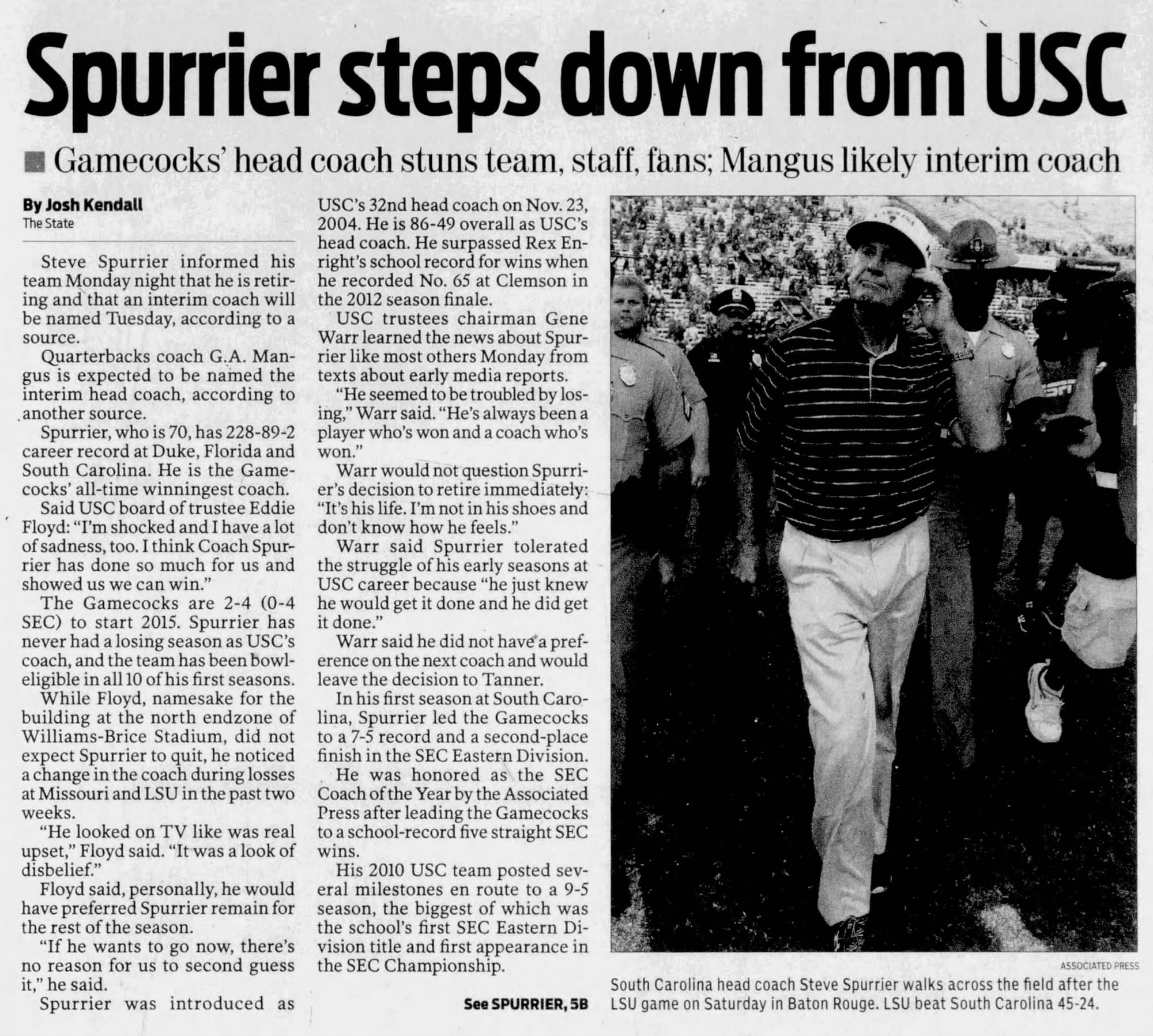
Give the Head Ball Coach this: he saw it himself. After three straight 11-2 seasons, South Carolina cratered, and Spurrier — rather than limp to the finish — quit mid-season, in October 2015, at 2-4, over his own administration's objections. He refused to call it retiring. Later he was blunter than any fan could be: "I fired myself," and, "I probably should have walked away after the bowl game." The rare legend who diagnosed his own overstay in real time.
4. Bobby Bowden — Florida State (pushed out, no doubt about it)
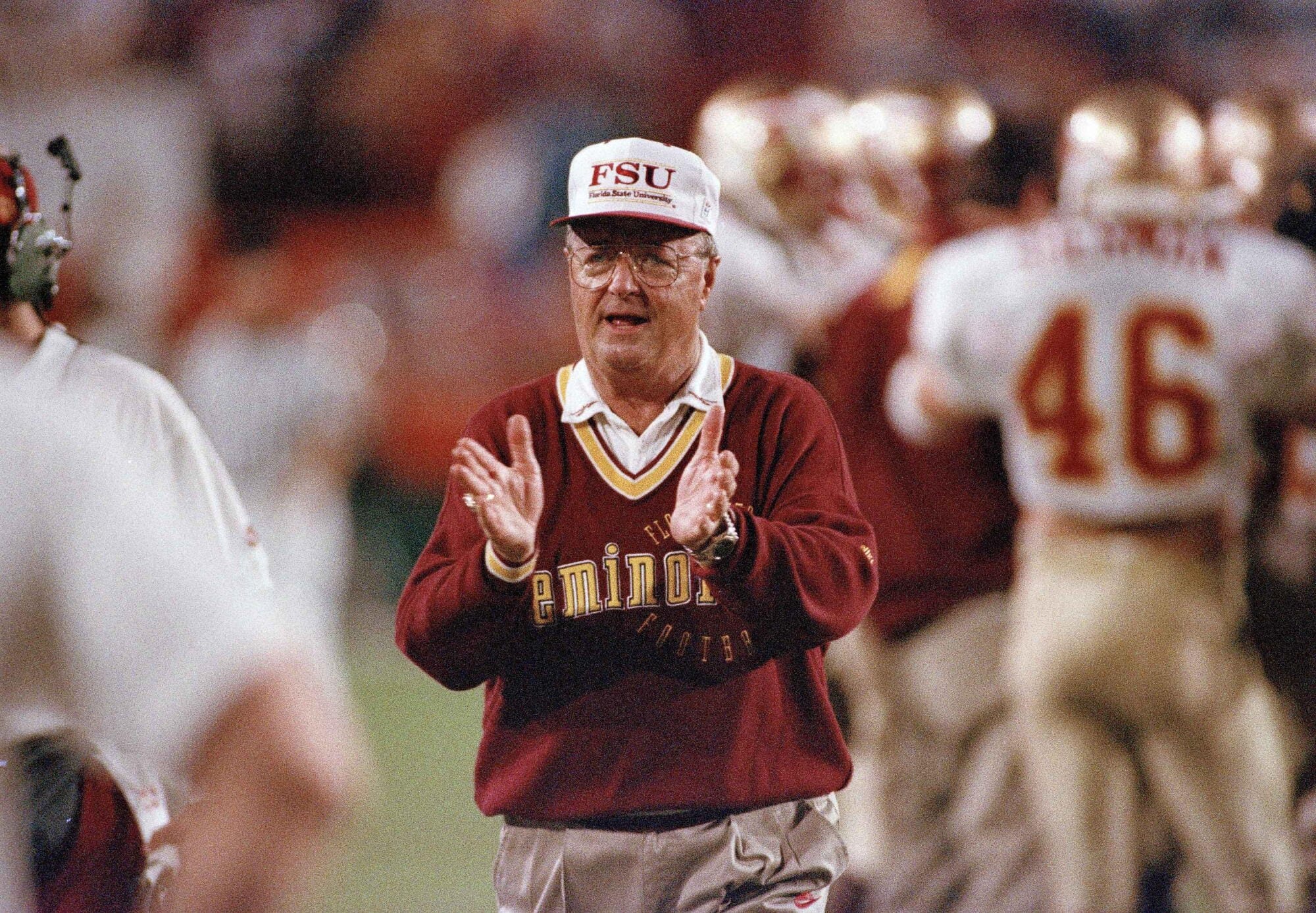
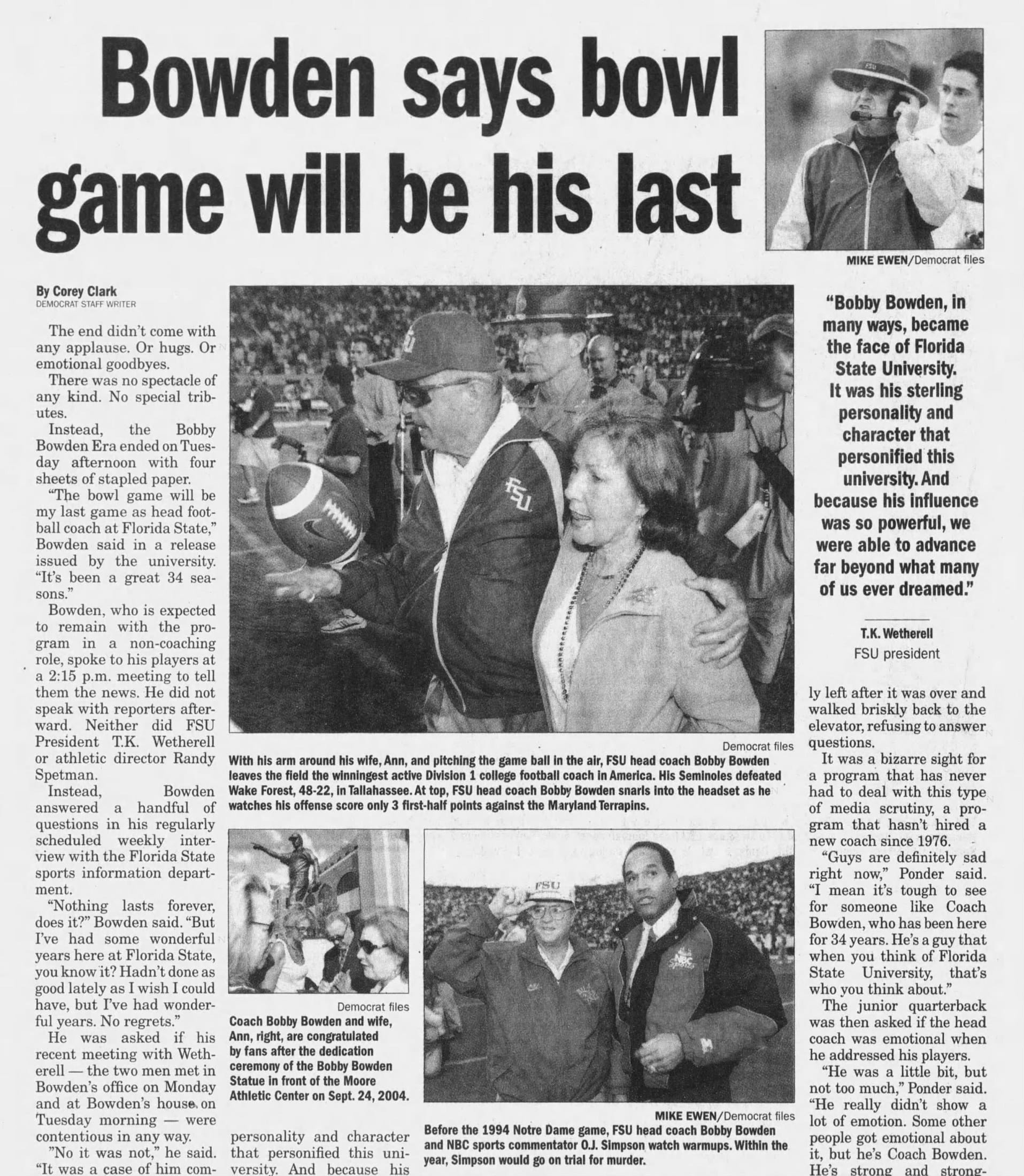
Fourteen straight top-5 finishes from 1987 to 2000 built one of the great dynasties ever. Then it sagged — the "Jeff Bowden years," his son running a stalling offense until a booster-funded buyout in 2006 — and a music-class cheating scandal cost the program 12 vacated wins, quietly ending his career wins race with Joe Paterno. Forced out after 2009 at age 80, offered a figurehead "ambassador" role he declined, Bowden summed it up with total clarity: "Pushed out ain't bad. I was pushed out, no doubt about it."
3. Joe Paterno — Penn State (the tragedy)
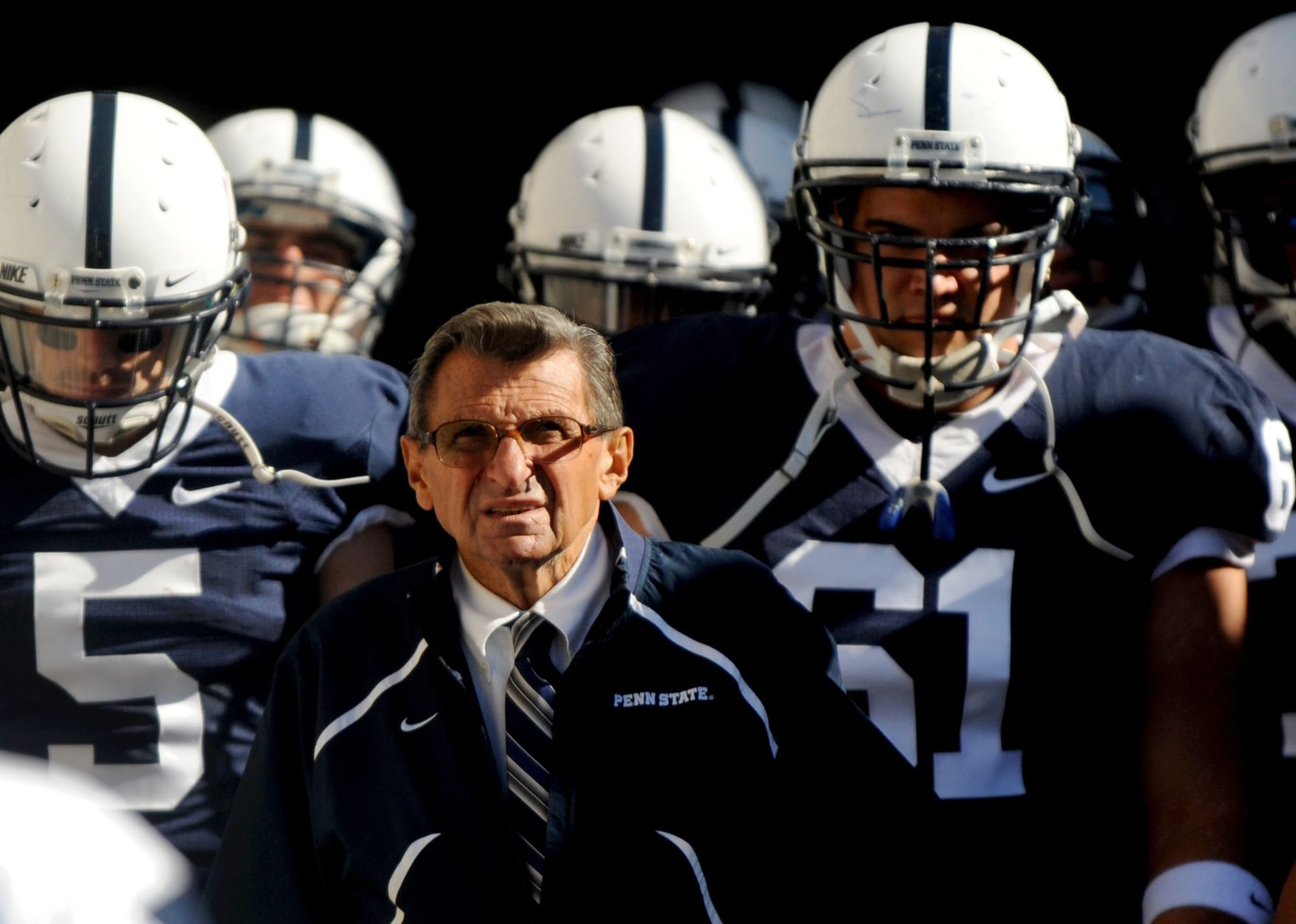
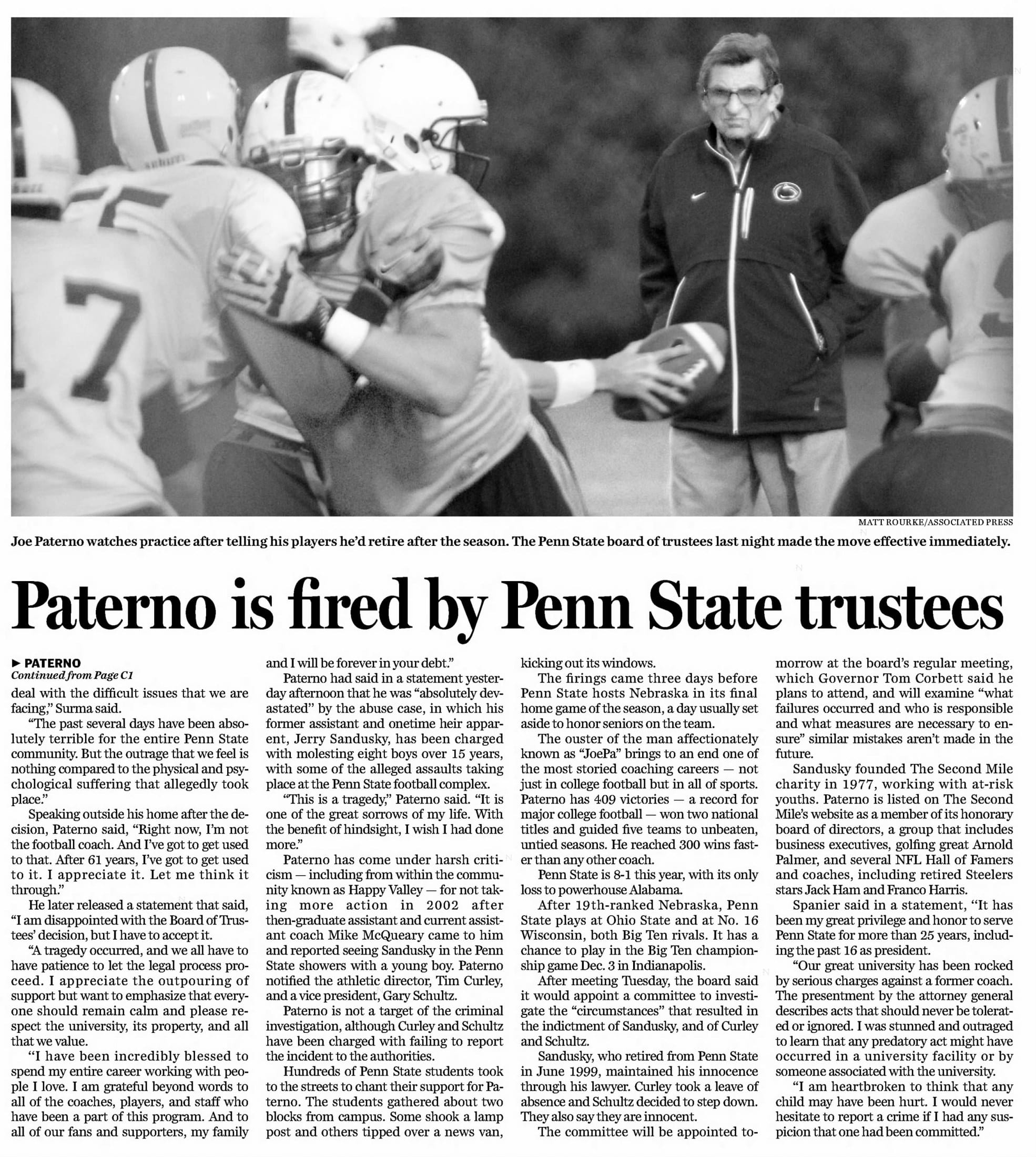
The most staggering fall in the sport's history. Paterno coached Penn State for 46 years — through four losing seasons in the early 2000s when the school first, gently, raised retirement at his own kitchen table, and he refused. On Oct. 29, 2011, he won game No. 409 to become the winningest coach in major-college history. Eleven days later, the Board of Trustees fired him by phone as the Sandusky scandal engulfed the program. He died 74 days after that. His 409 wins were vacated, then restored in 2015 — a career, and an ending, that no ranking can really hold.
2. Woody Hayes — Ohio State (the punch)
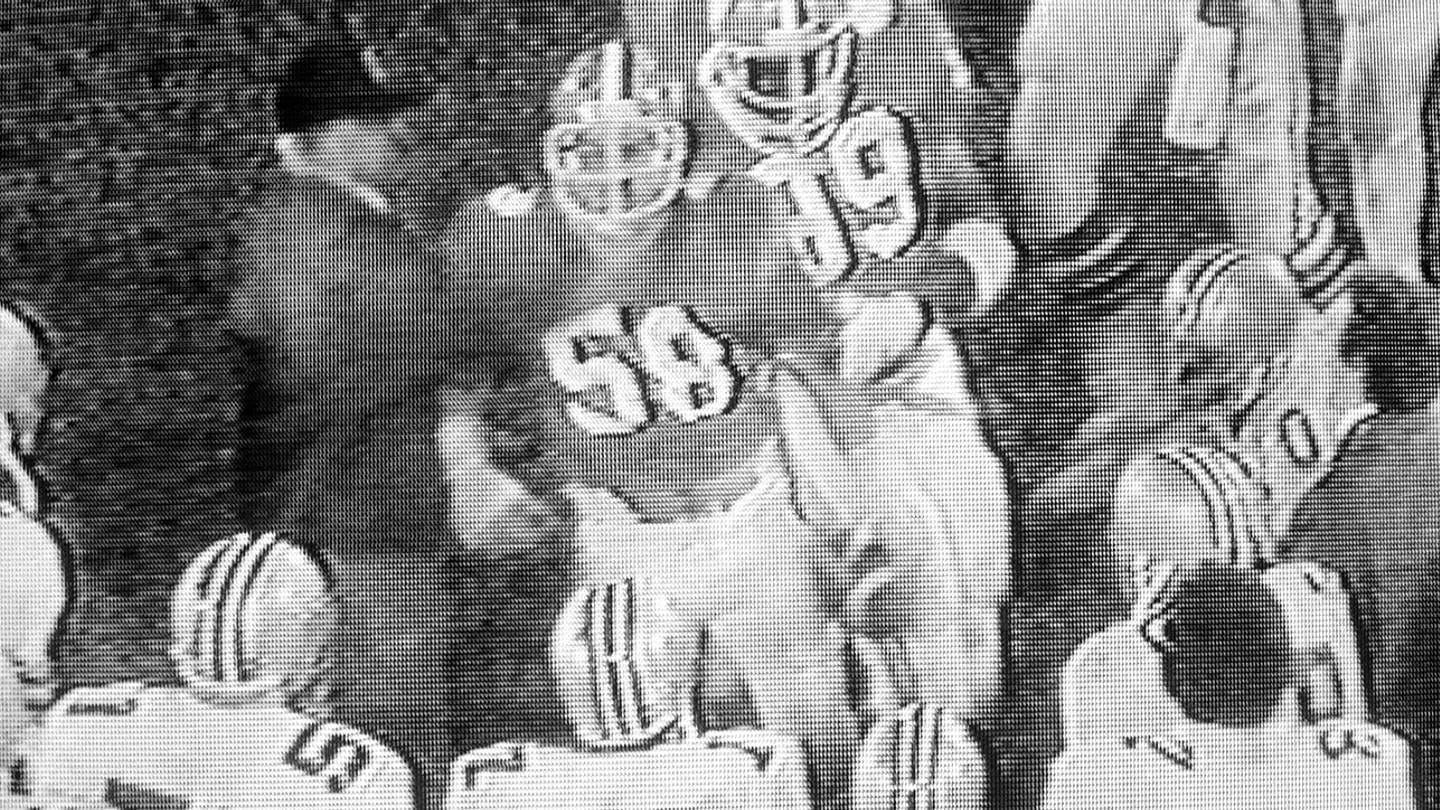
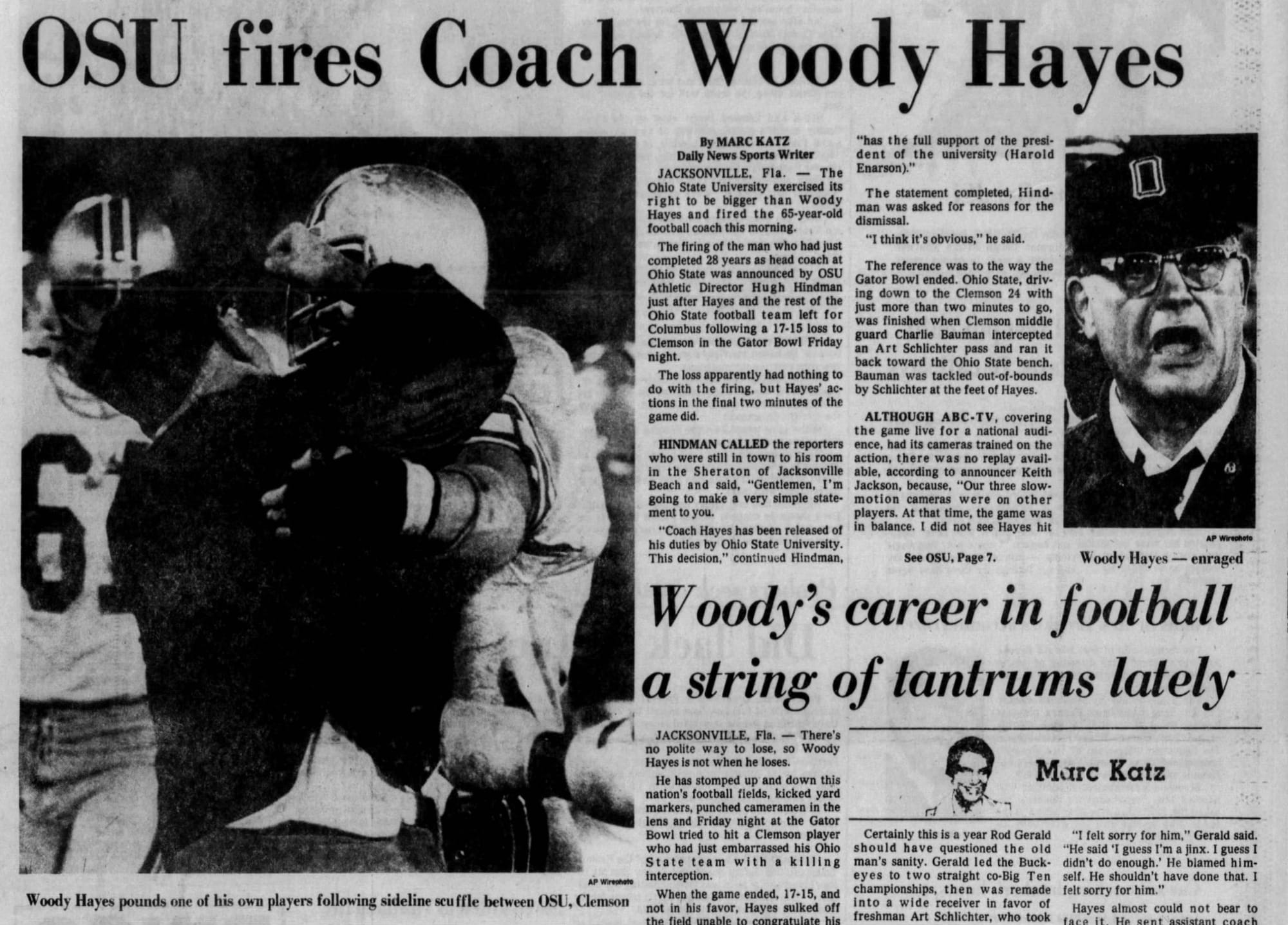
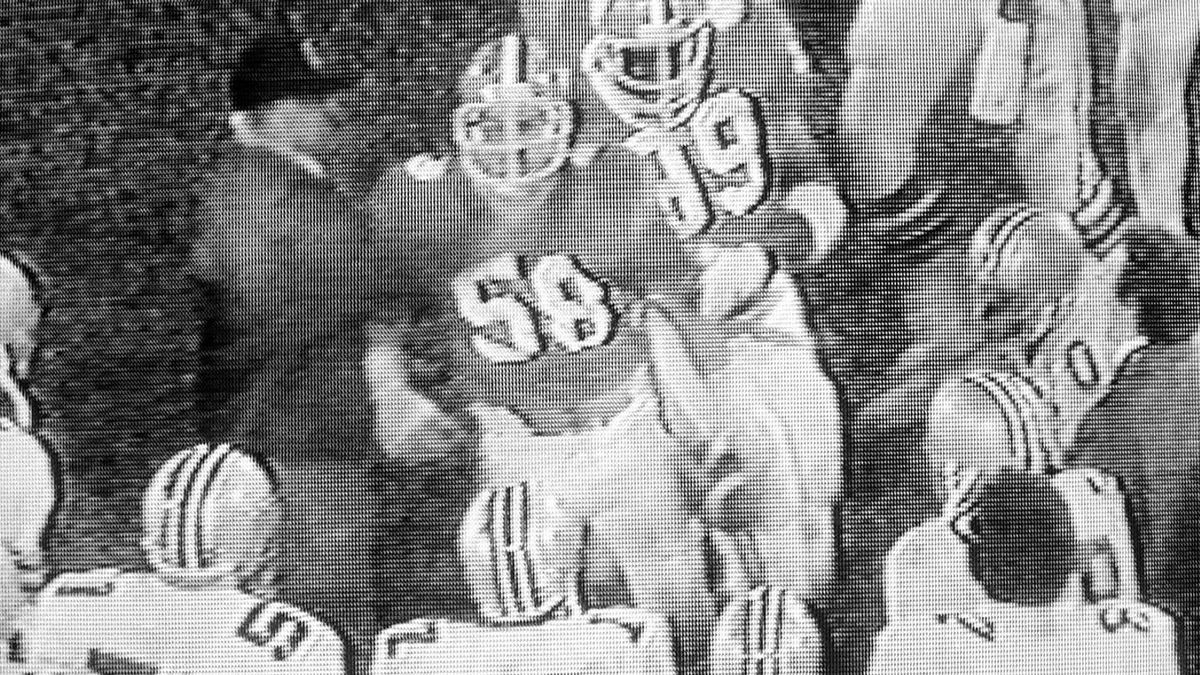
Not a decline story — a temper story, which is its own kind of staying too long. Hayes had won at Ohio State for 28 years when, in the 1978 Gator Bowl, a Clemson player intercepted a pass near the OSU sideline and Woody punched him in the throat, on national television, and had to be restrained by his own players. Offered the chance to resign, Hayes refused with a snarl: "That would make it too easy for you. You had better go ahead and fire me." They did, the next morning. Thirty years of greatness, ended by three seconds nobody could unsee.
1. Amos Alonzo Stagg — Chicago (the man who wouldn't leave)
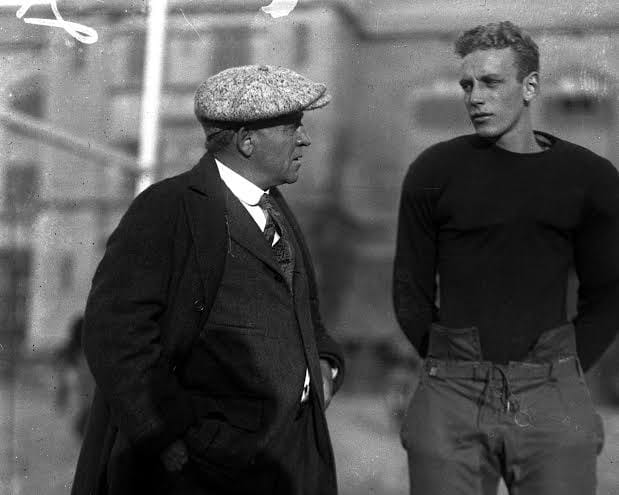
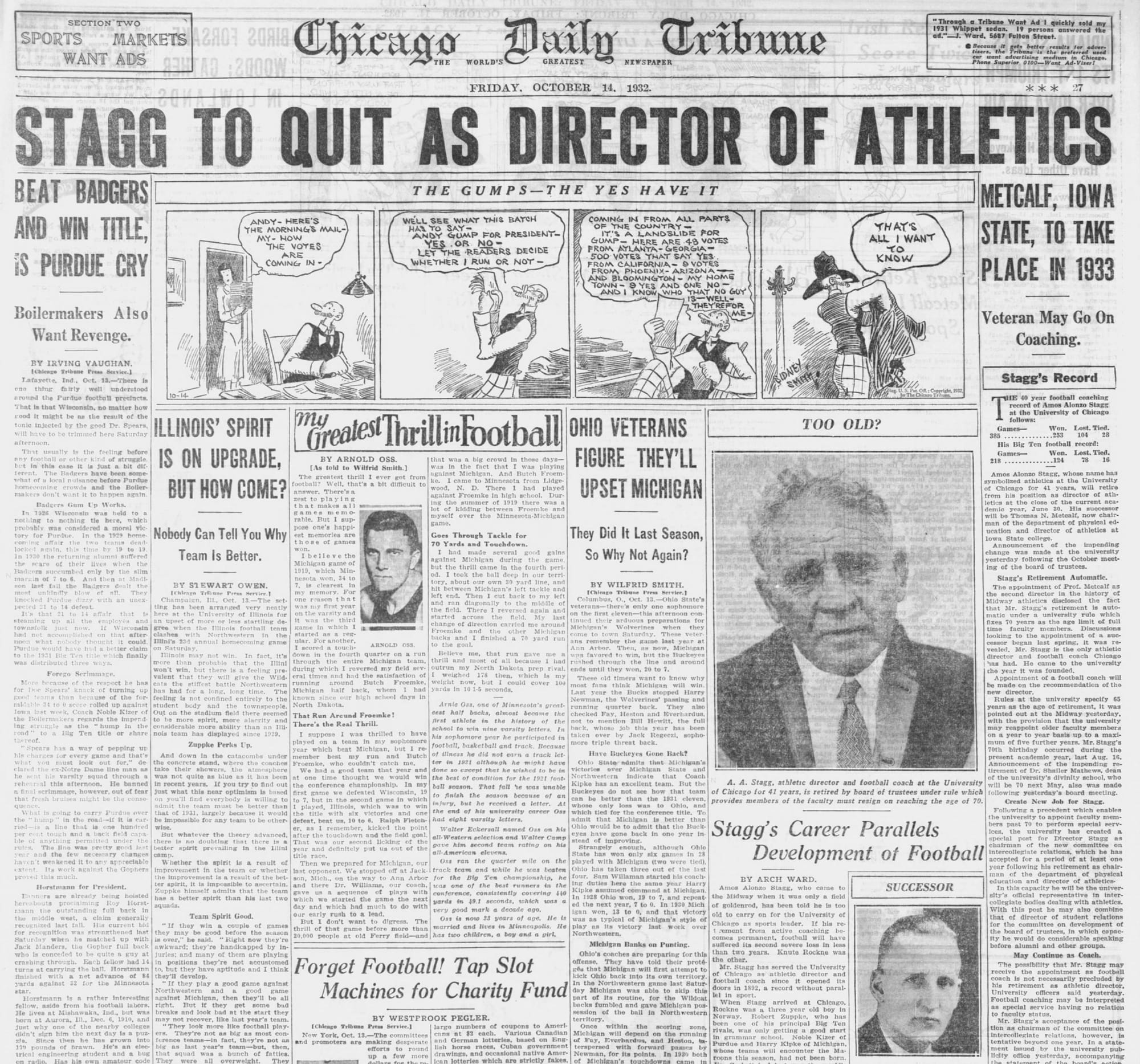
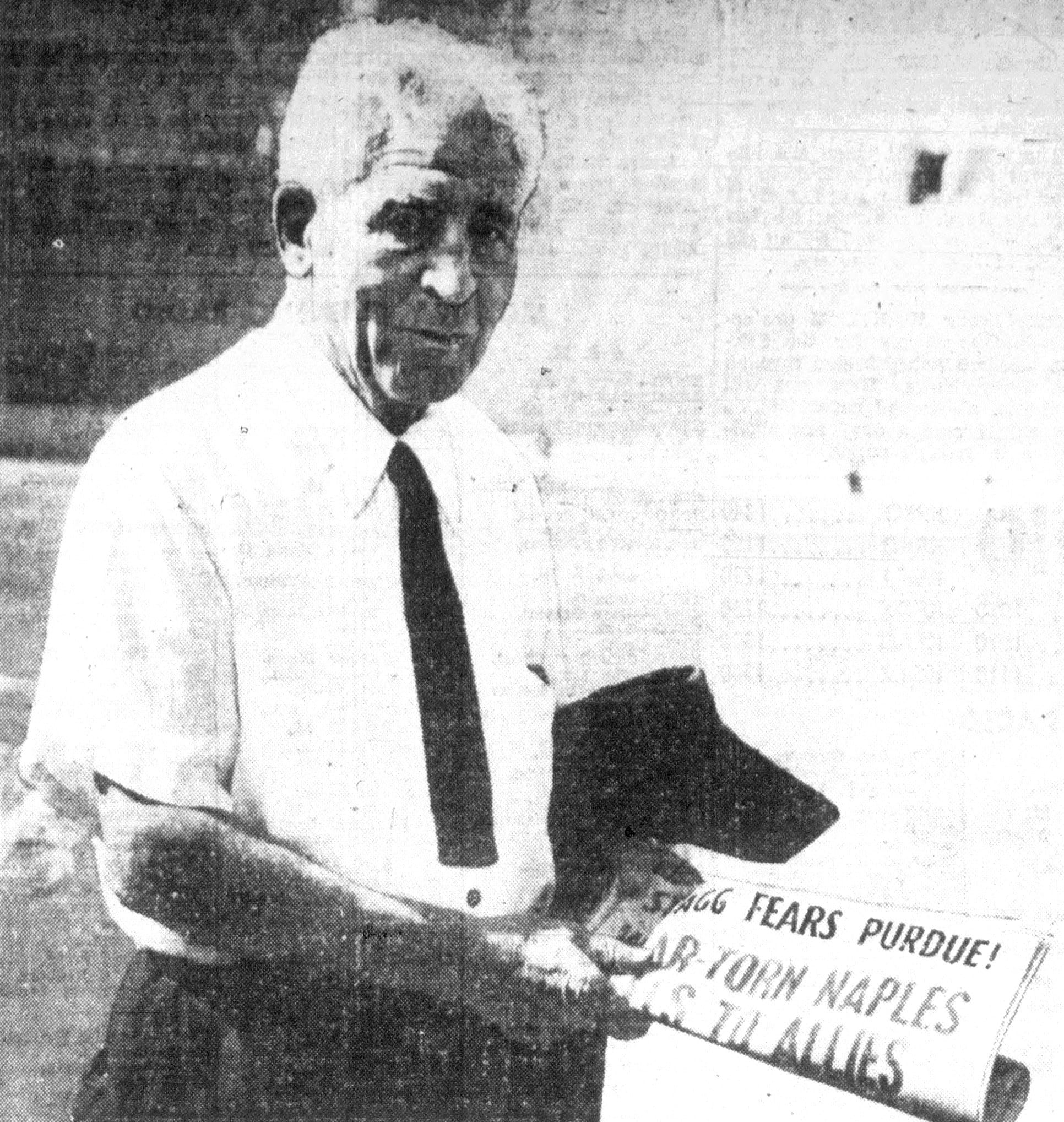
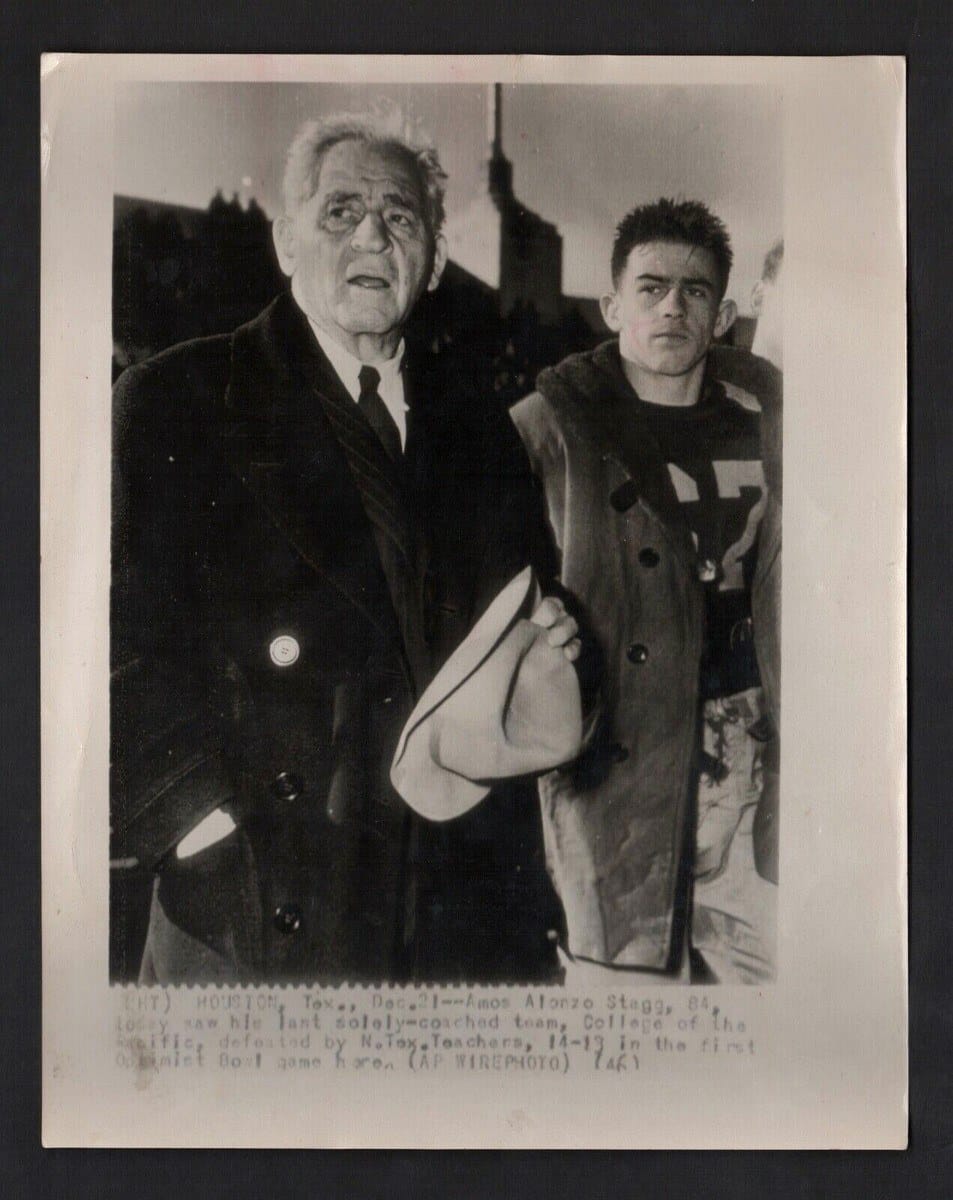
The patron saint of overstaying — and somehow, gloriously, the exception that mocks the rule. Stagg coached the University of Chicago for 41 years, inventing half of football along the way, until the university invoked its retirement-age policy and forced him out in 1932 at 70. So he simply... kept coaching. He became the head coach at the College of the Pacific until he was 84, winning national Coach of the Year at 81. Then he coached under his own son at Susquehanna into his 90s, and worked as a kicking coach until he was 96. Everyone else on this list stayed a few years too long. Stagg stayed roughly a quarter-century past his forced retirement, purely because they'd have to physically remove him from a football field — and he'd have fought that too.
Honorable mentions: Les Miles (fired four games into 2016, a clock-management disaster the final straw two years after LSU had carried him off the field); Johnny Majors (eased out at Tennessee in 1992 while recovering from heart surgery, to install the interim coach who'd gone 3-0 in his place); and Dabo Swinney, whose entry on a future version of this list is being written in real time.
Which legend most needed someone to take the keys? Comments below.
Comments ()