
On This Date: A Grand Jury Votes to Indict 8 White Sox Players (Sept. 28, 1920)
On Sept. 28, 1920, Eddie Cicotte and Joe Jackson confessed and a Chicago grand jury voted to indict 8 White Sox players for fixing the 1919 World Series.
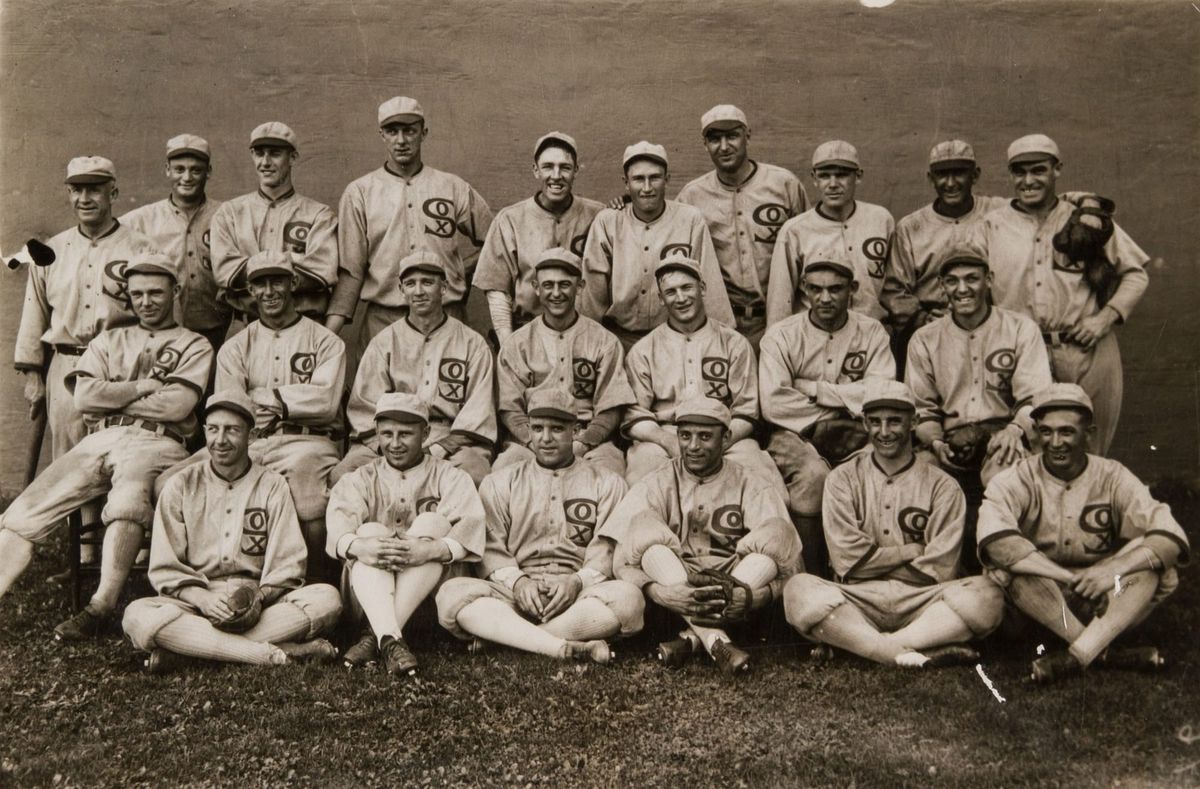
On the morning of Sept. 28, 1920, the Chicago White Sox were in a pennant race. By that night, their season was over.
That day, Eddie Cicotte, one of the best pitchers in baseball, walked into a Cook County grand jury room and admitted that he'd been paid to lose the 1919 World Series. Shoeless Joe Jackson testified the same afternoon. Before the day was done, the grand jury had voted to indict 8 White Sox players for fixing the Series.
It's the biggest scandal in baseball history. Here's what happened.
The fix
$10,000 under a pillow and a pitch in the back.
The 1919 White Sox were the best team in baseball. They were heavy favorites to beat the Cincinnati Reds in the World Series, which that year was a best-of-9.
The idea came from the players, led by first baseman Chick Gandil, who went looking for gamblers willing to pay them to lose. He found them. The money came through a string of middlemen, including former featherweight champion Abe Attell, and much of it was bankrolled by the New York gambler Arnold Rothstein.
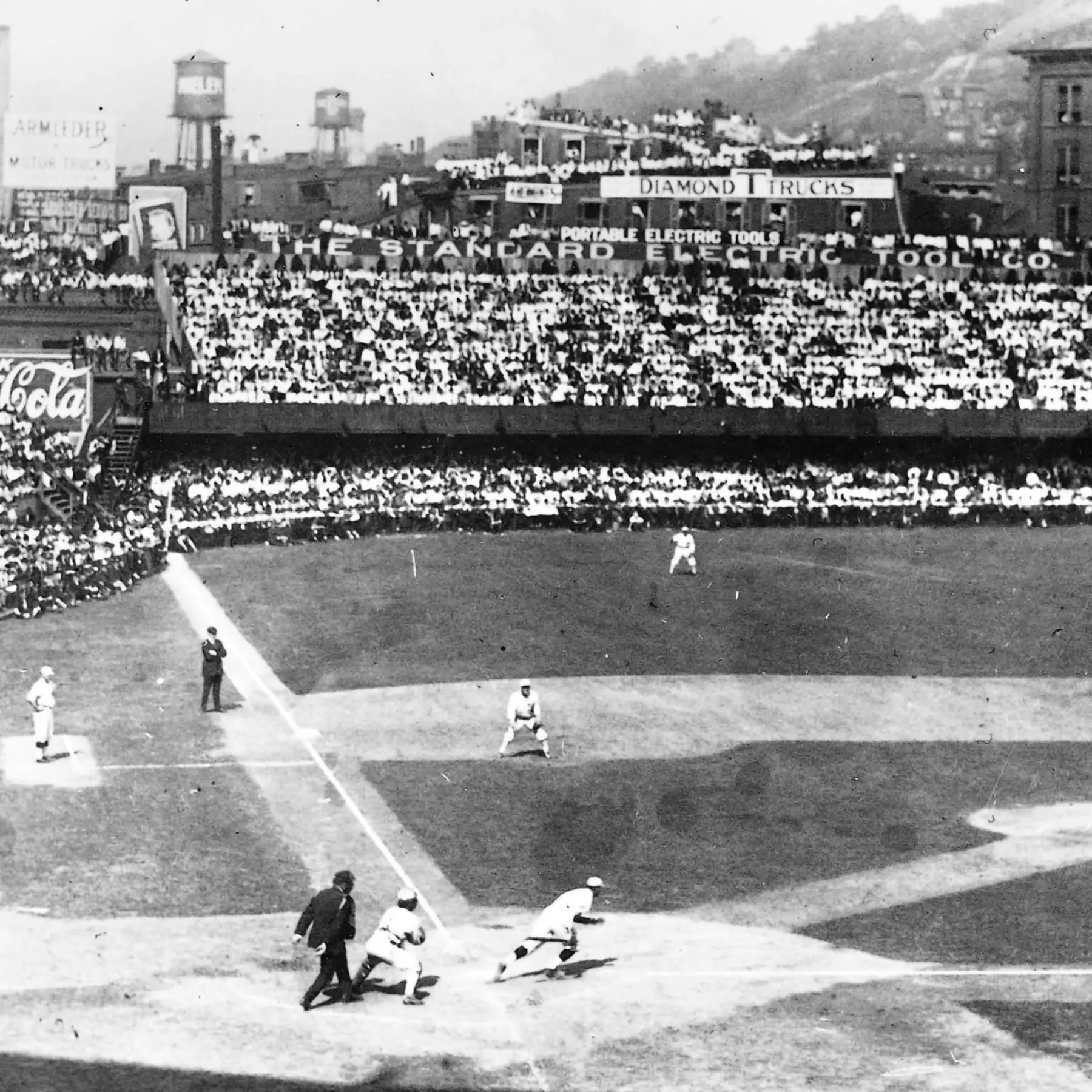
The signal that the fix was on came in Game 1. Cicotte hit Reds leadoff man Morrie Rath in the back with his 2nd pitch. Cincinnati won the Series, 5 games to 3.
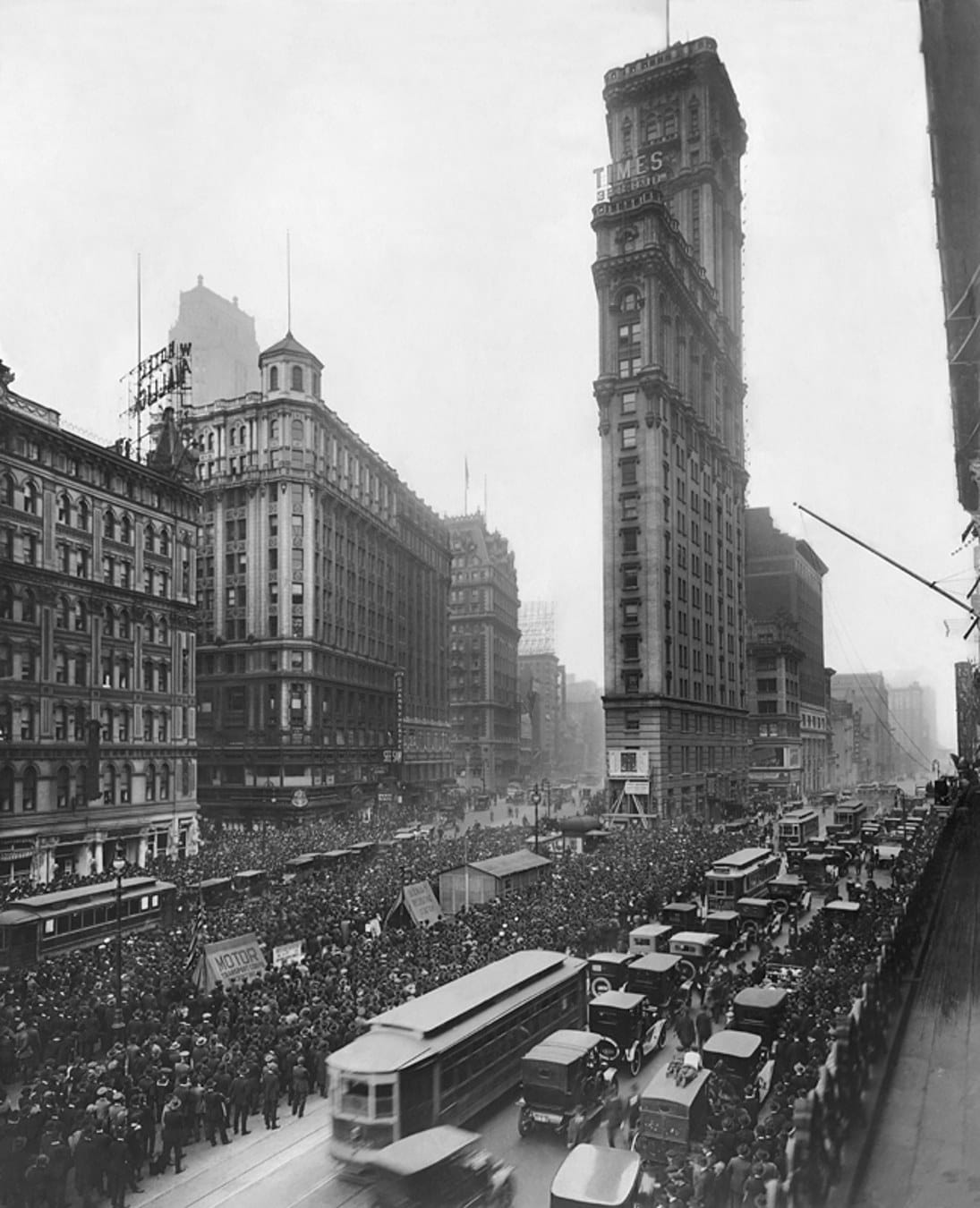
Cicotte got $10,000. Jackson got $5,000 of the $20,000 he said he'd been promised. Gandil was reported to have kept about $35,000.
Sept. 28, 1920
"I muffed the ball on purpose."
Rumors had been going around since the 1919 Series. In September 1920, a Cook County grand jury started looking into gambling in baseball, and the story came apart.
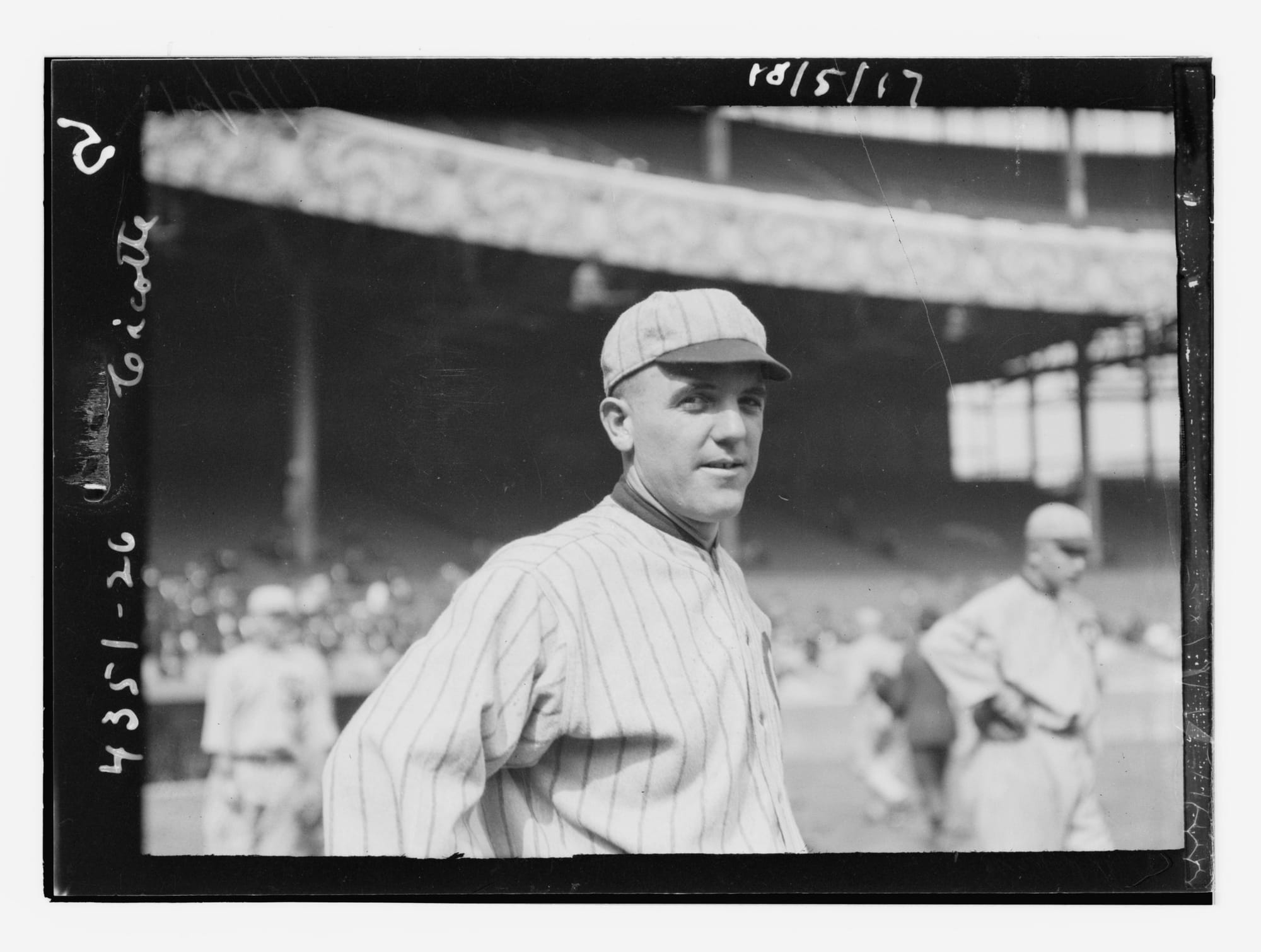
Cicotte went first. He'd already admitted it to the team's lawyers, and he told the grand jury how he'd thrown Game 4, including a ball he deliberately bobbled. Jackson testified that afternoon. He admitted he'd taken the money, but said he played to win. His .375 batting average and 12 hits in the Series, which tied the World Series record, have been his defense ever since.
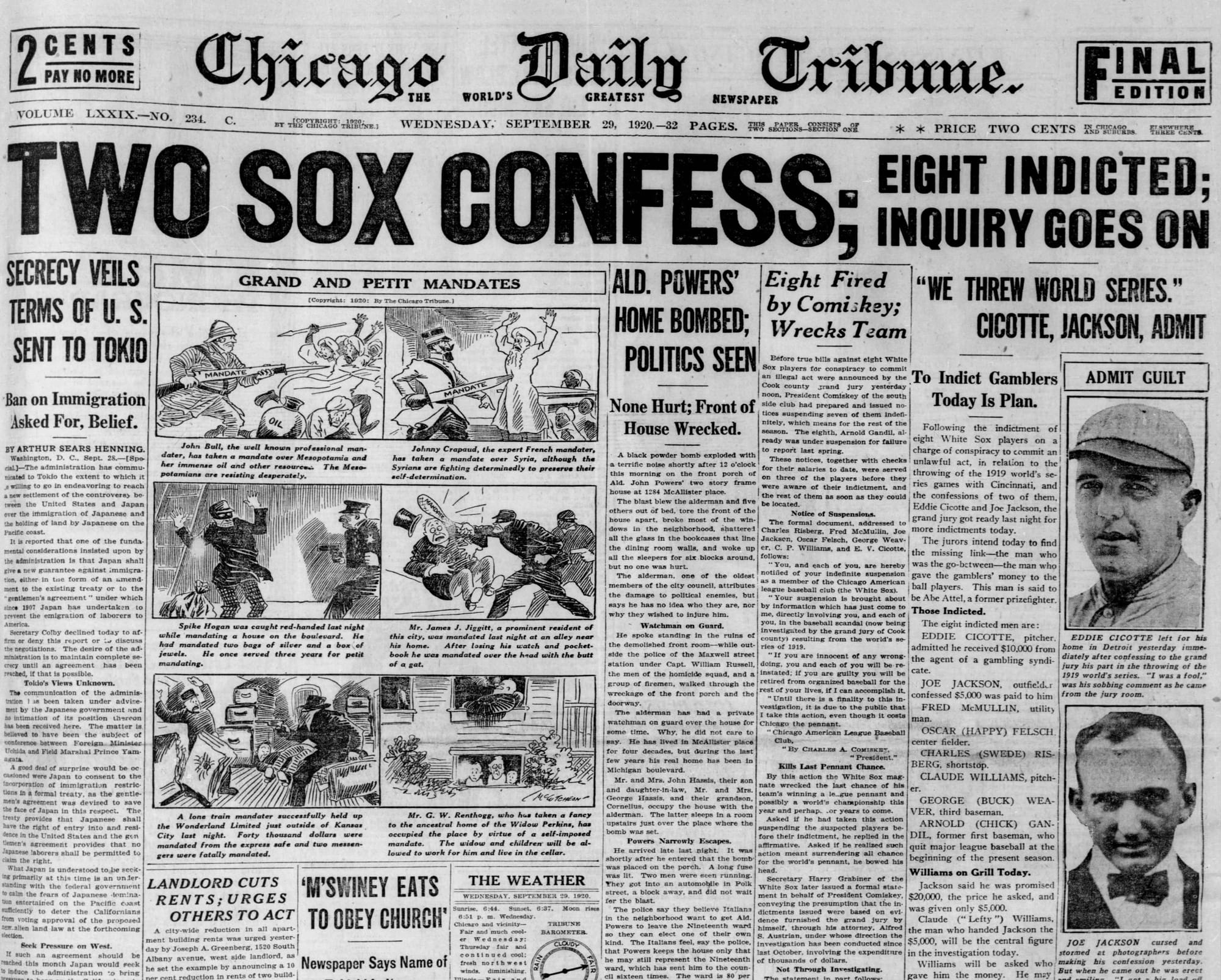
When Cicotte came out of the jury room, the Tribune reported, he was sobbing. "I was a fool," he said. He left for his home in Detroit that same day. Jackson, the paper said, cursed and stormed at the photographers on his way in.
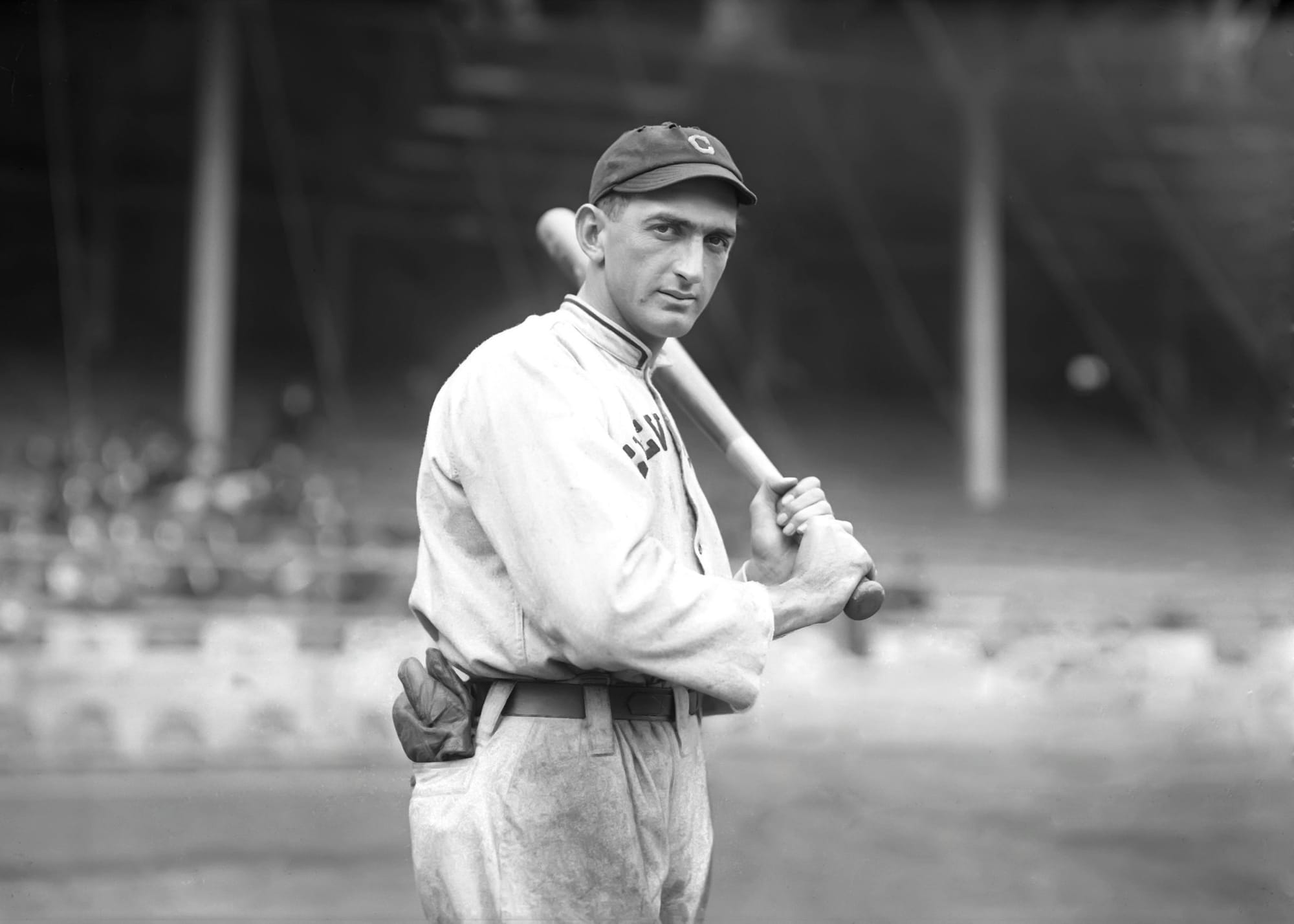
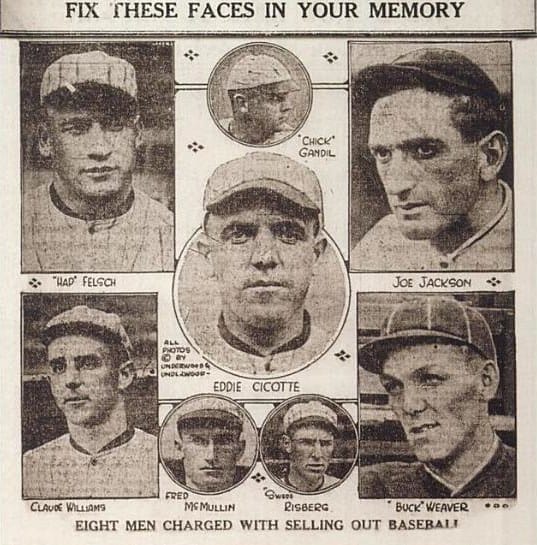
Around noon, the grand jury announced it had voted to indict 8 players:
Eddie Cicotte, pitcher. Lefty Williams, pitcher. Joe Jackson, left field. Happy Felsch, center field. Chick Gandil, first base. Swede Risberg, shortstop. Fred McMullin, utility. Buck Weaver, third base.
Williams testified the next day. Weaver never took any money. He sat in on the meetings where the fix was planned, and he never told anyone.
The suspension
"...even though it costs Chicago the pennant."
Team owner Charles Comiskey didn't wait for the indictments to be announced. He had notices ready suspending the 7 players who were still on the team (Gandil had quit after 1919), and they were served along with checks for the players' pay to date. The Tribune printed the whole thing:
You, and each of you, are hereby notified of your indefinite suspension as a member of the Chicago American League Baseball Club. ... If you are innocent of any wrongdoing, you and each of you will be reinstated; if you are guilty you will be retired from organized baseball for the rest of your lives, if I can accomplish it. Until there is a finality to this investigation, it is due to the public that I take this action, even though it costs Chicago the pennant.
It came at the worst possible moment. The White Sox had 3 games left, and they were half a game behind the Cleveland Indians. They'd had 4 pitchers win 20 games that year, and 2 of them, Cicotte and Williams, were now suspended. Without them the Sox went 1-2 and finished 2 games back. Cleveland won the pennant and the World Series.
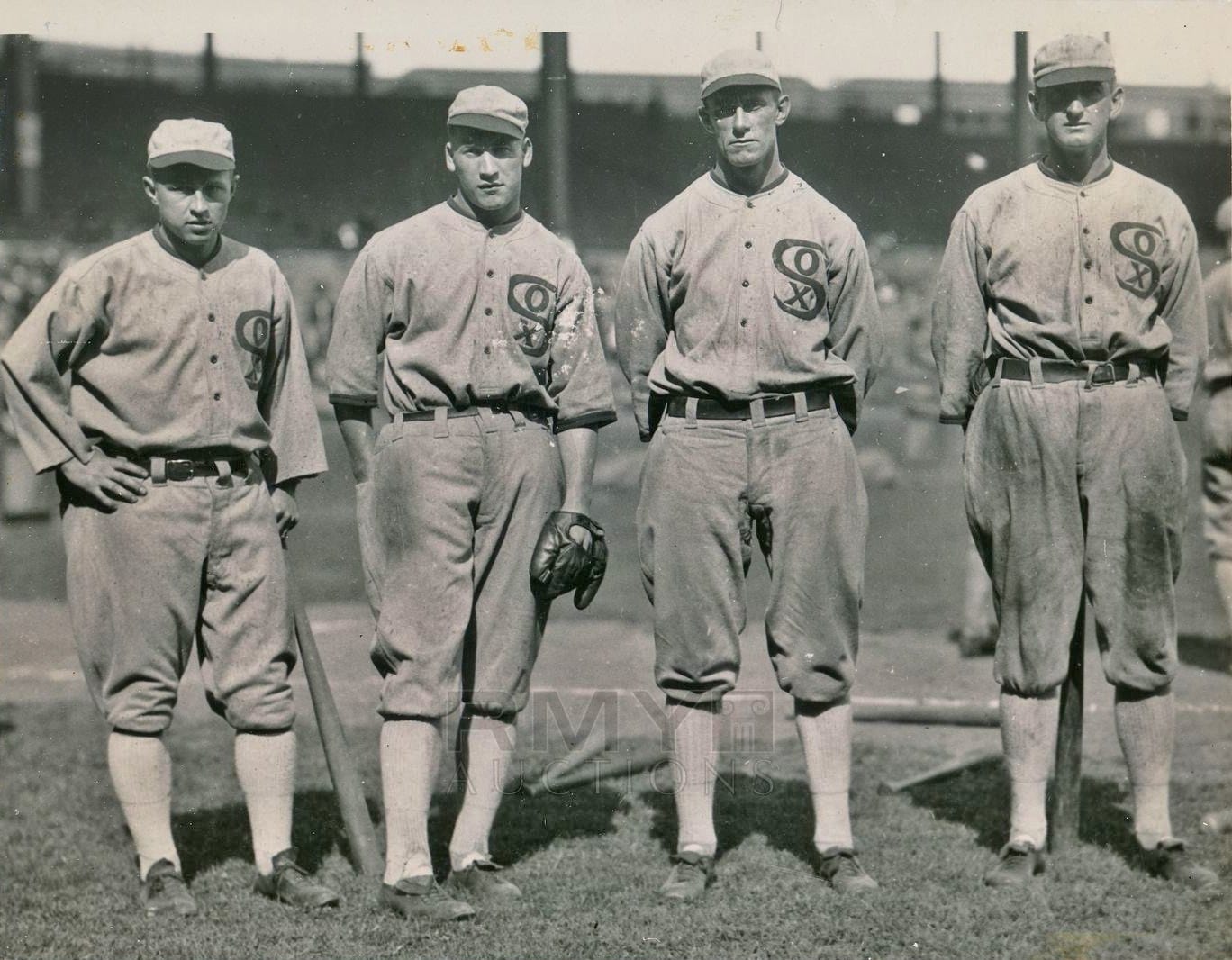
"Say it ain't so, Joe"
Probably never happened.
The most famous line of the scandal comes from a story that a small boy stopped Jackson outside the courthouse and begged, "Say it ain't so, Joe." The earliest version, by Chicago Daily News writer Charley Owens, ran the next day. It got better with each retelling.
Jackson spent the rest of his life denying it. "There wasn't a bit of truth in it," he told Sport magazine in 1949.
Acquitted, then banned
The jury let them go. The commissioner didn't.
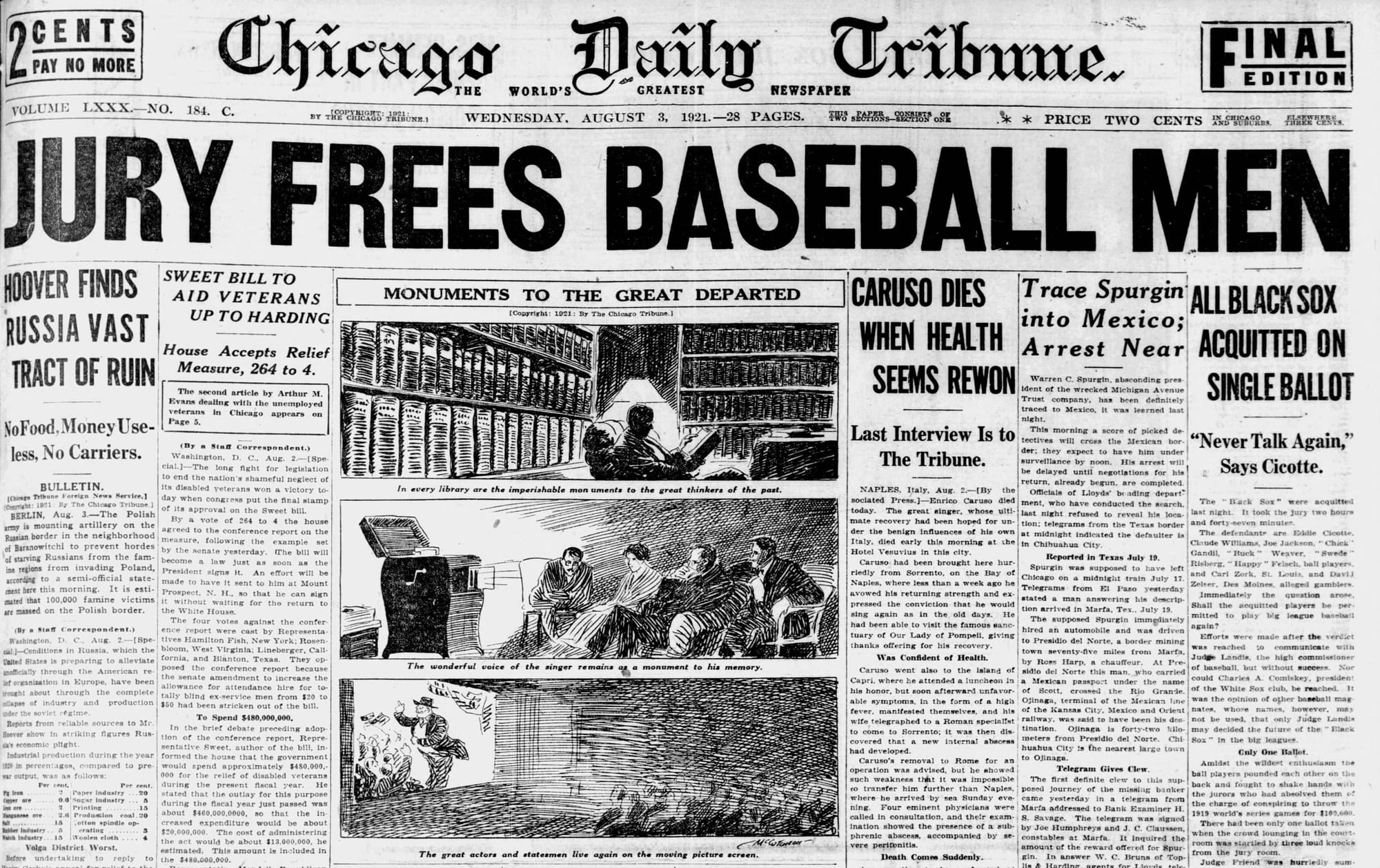
The case went to trial in the summer of 1921. The players' signed confessions had gone missing, and on Aug. 2, 1921, a jury found all 8 not guilty.
It took the jury 2 hours and 47 minutes and a single ballot. When the verdict came in, the players pounded each other on the back and fought to shake hands with the jurors.
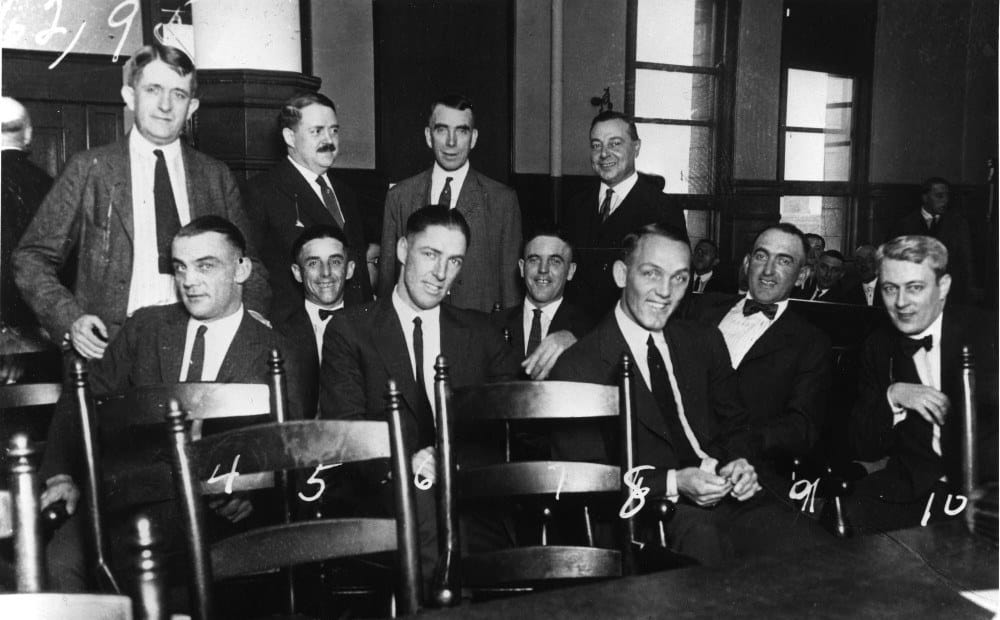
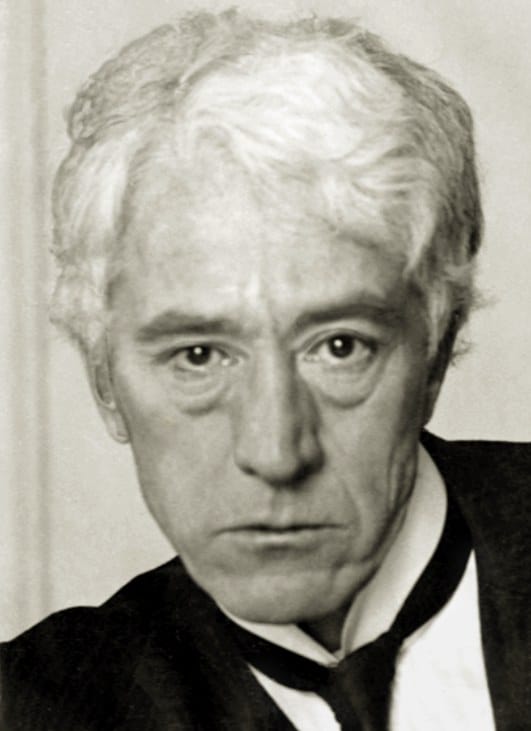
It didn't matter. Baseball had just hired its first commissioner, federal judge Kenesaw Mountain Landis, and the next day he banned all 8 for life:
Regardless of the verdict of juries, no player who throws a ball game, no player who undertakes or promises to throw a ball game, no player who sits in confidence with a bunch of crooked ballplayers and gamblers, where the ways and means of throwing a game are discussed and does not promptly tell his club about it, will ever play professional baseball.
That line about sitting in confidence was aimed at Buck Weaver. He asked to be reinstated again and again until he died in 1956, and never was.
A myth or 2
A lot of what people think they know about the Black Sox comes from the 1963 book Eight Men Out and the 1988 movie made from it. Researchers at the Society for American Baseball Research have taken apart several of the favorite stories. The biggest: Comiskey wasn't especially cheap. The White Sox had the highest opening-day payroll in the majors in 1919, and the famous story that Comiskey benched Cicotte to keep him from earning a 30-win bonus isn't true. Cicotte's contract had no bonus.
106 years later
The White Sox didn't win another pennant until 1959, or another World Series until 2005.
In May 2025, Major League Baseball ruled that a lifetime ban ends when the player dies. That took Joe Jackson, who died in 1951, off the ineligible list for the first time in more than a century. He can now be considered for the Hall of Fame. The first chance is the Classic Baseball Era committee in 2027.
Should Shoeless Joe be in Cooperstown? Tell us in the comments.

Comments ()