
We Are Marshall and 9 Other Great Sports Movies Based on True Stories: What They Got Right and What They Made Up
Hoosiers, Rudy, Miracle, Remember the Titans, and more: 10 great sports movies based on true stories, with what each one got right and what it made up.
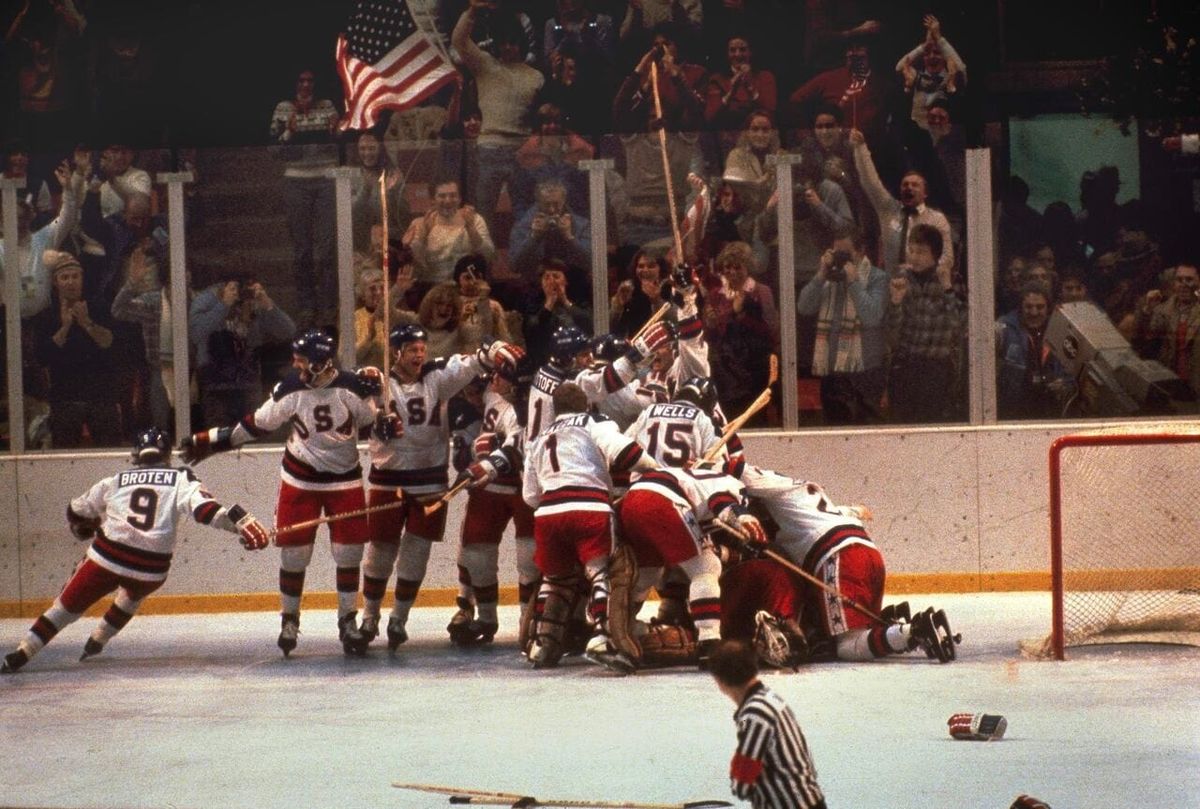
On Nov. 14, 1970, a plane carrying the Marshall University football team crashed near Huntington, W.Va., and killed all 75 people on board. (Here’s the full story.) 36 years later, Hollywood turned the rebuilding of that program into We Are Marshall.
Like every sports movie based on a true story, it changed things. Some changes are harmless. Some rewrite real people. Here are 10 great sports movies based on true stories, with what each one got right and what it made up.
1. We Are Marshall (2006)
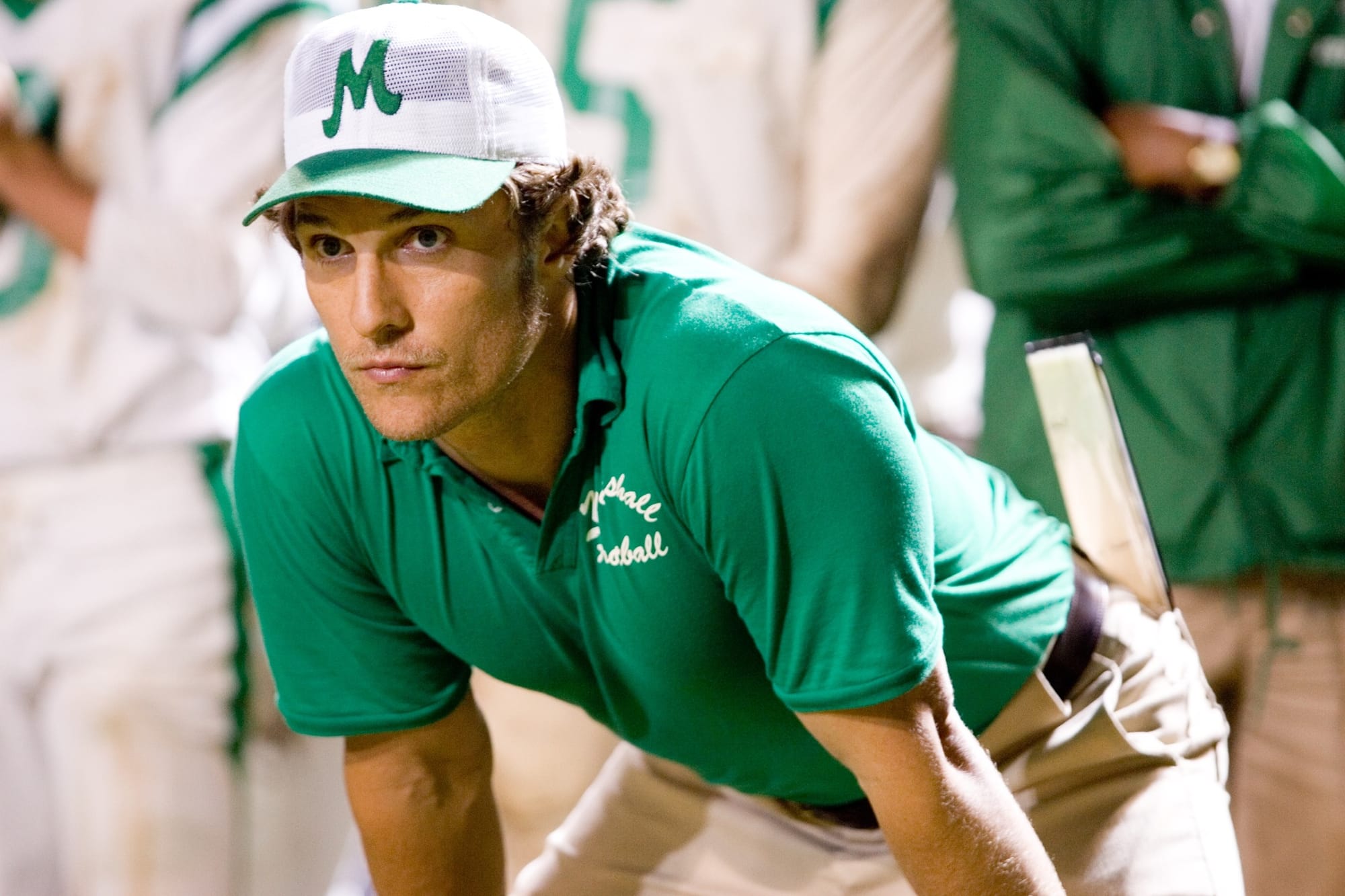
The story: Marshall rebuilds its football program after the 1970 plane crash, with new coach Jack Lengyel (Matthew McConaughey) and a roster of freshmen and walk-ons.
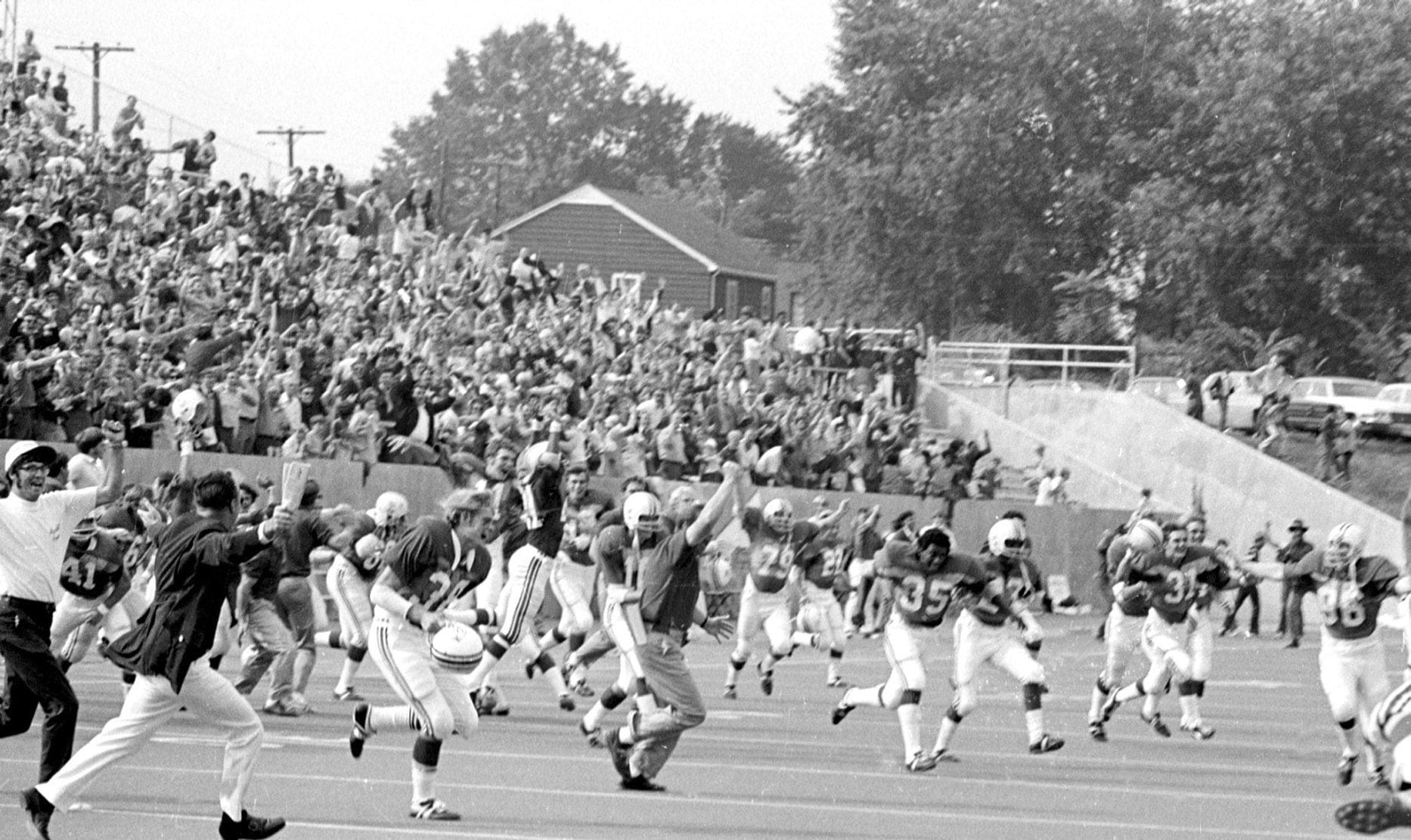
What it got right: The ending. Marshall really did beat Xavier 15-13 in 1971 on a touchdown on the last play of the game. West Virginia coach Bobby Bowden really did help Lengyel install his offense, and Lengyel really did take his players to the graves of the 6 unidentified crash victims.

What it made up: Lengyel wasn’t the only coach willing to take the job. Georgia Tech assistant Dick Bestwick accepted it first, then backed out. The famous “We Are... Marshall!” chant didn’t exist in 1971. Lengyel said it “was never a part of our game.” And the winning play against Xavier was a 13-yard screen pass, not the crossing route in the movie.
2. Hoosiers (1986)
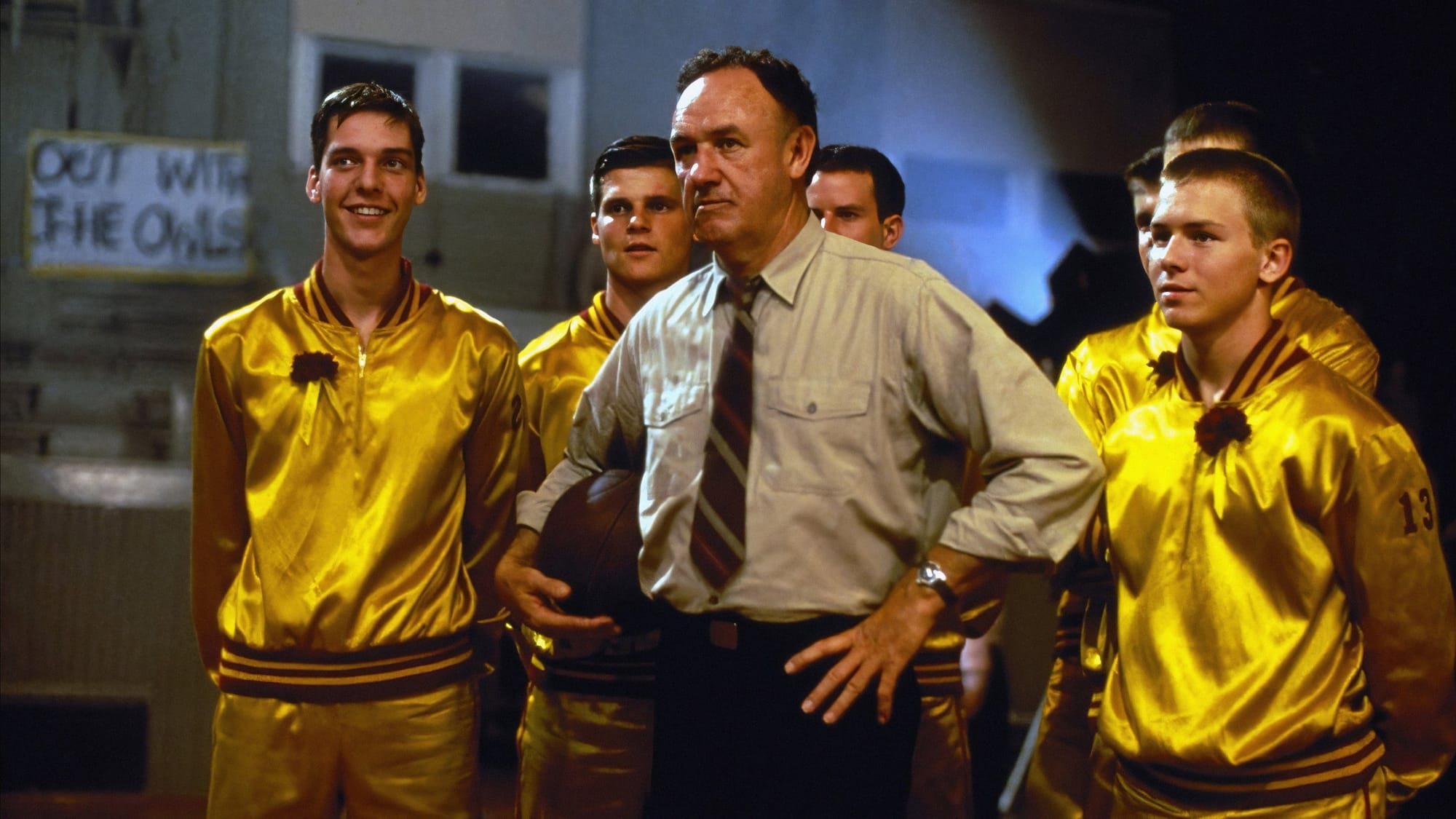
The story: Tiny Hickory High, led by a coach with a past (Gene Hackman), wins the Indiana state championship.
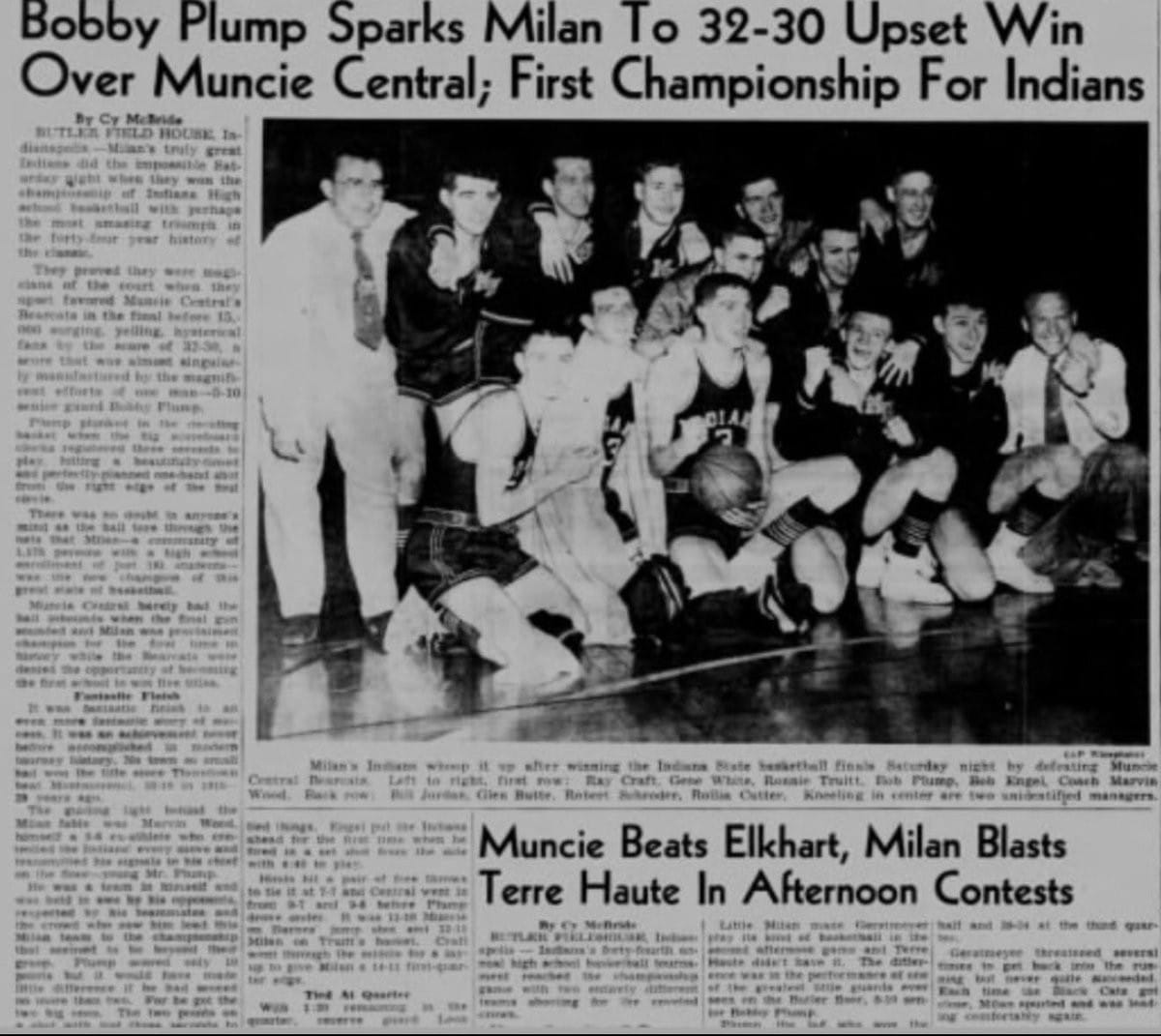
What it got right: Milan High, with about 161 students, really did win the 1954 Indiana state title, 32-30 over Muncie Central, on a last-second shot by Bobby Plump. The movie’s final shot was filmed in the same building, Butler Fieldhouse, from nearly the same spot on the floor.

What it made up: Almost everything else. Hickory, Norman Dale, and Jimmy Chitwood are fictional, and Milan wasn’t a nobody. It had reached the state semifinals the year before and went 19-2 in the 1954 regular season. Plump himself said, “The final 18 seconds were the only thing factual in the movie about the Milan-Central game.”
3. Miracle (2004)
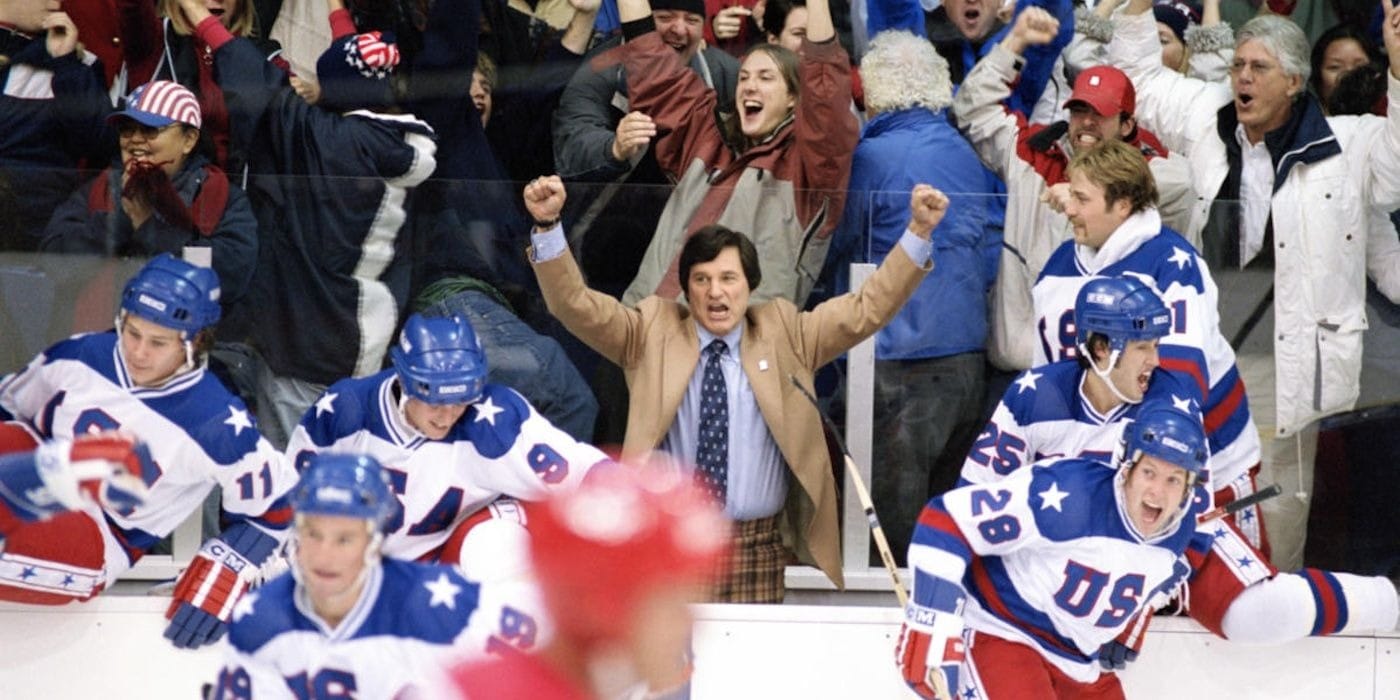
The story: Herb Brooks (Kurt Russell) builds the 1980 U.S. Olympic hockey team that beat the Soviet Union.
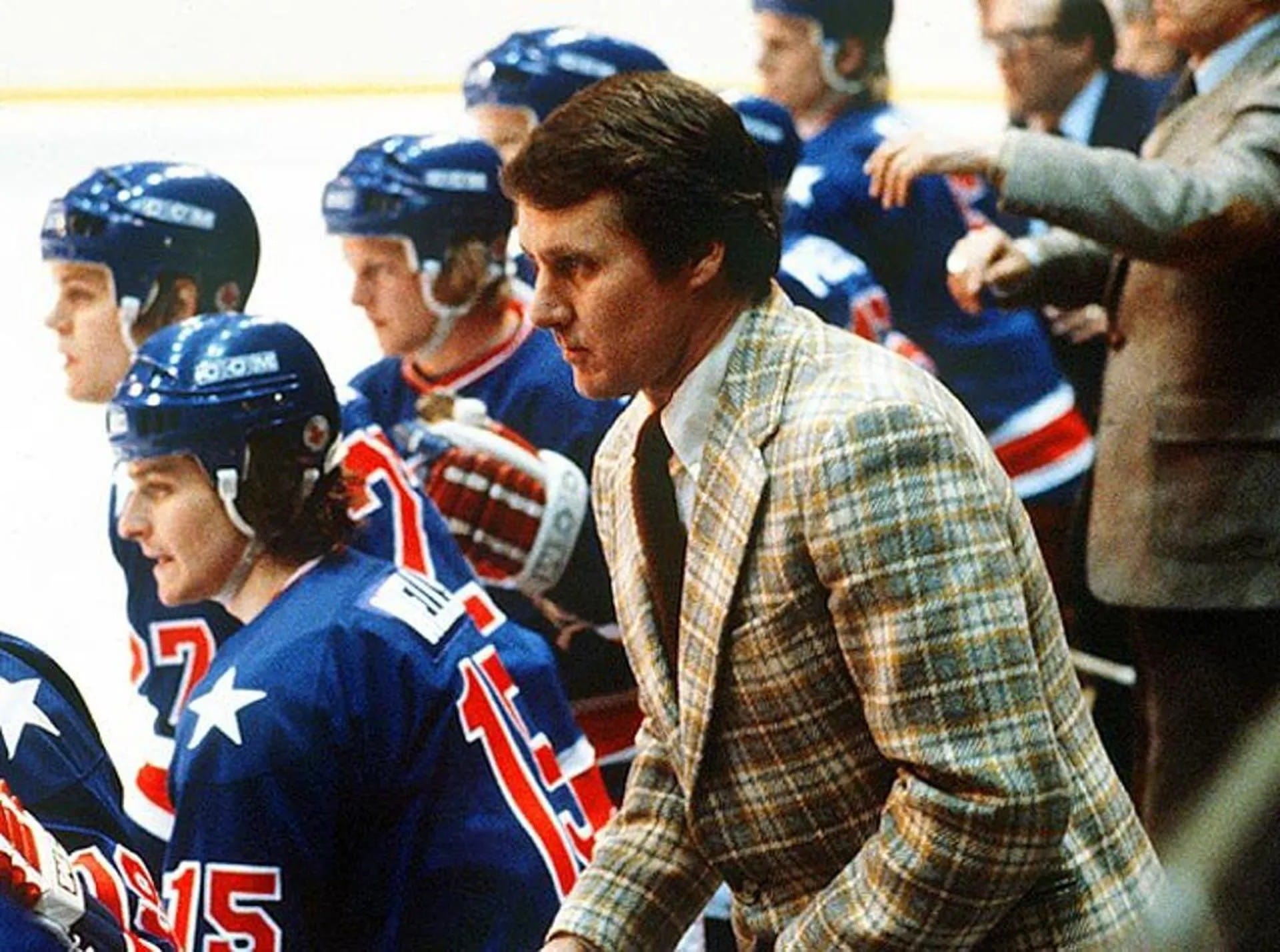
What it got right: The Norway scene. After a 3-3 exhibition tie in Norway in September 1979, Brooks made his players skate sprints for more than an hour after the game, and when the lights went out, they kept skating. “Again” was really his word. The movie also uses Al Michaels’ real “Do you believe in miracles?” call.
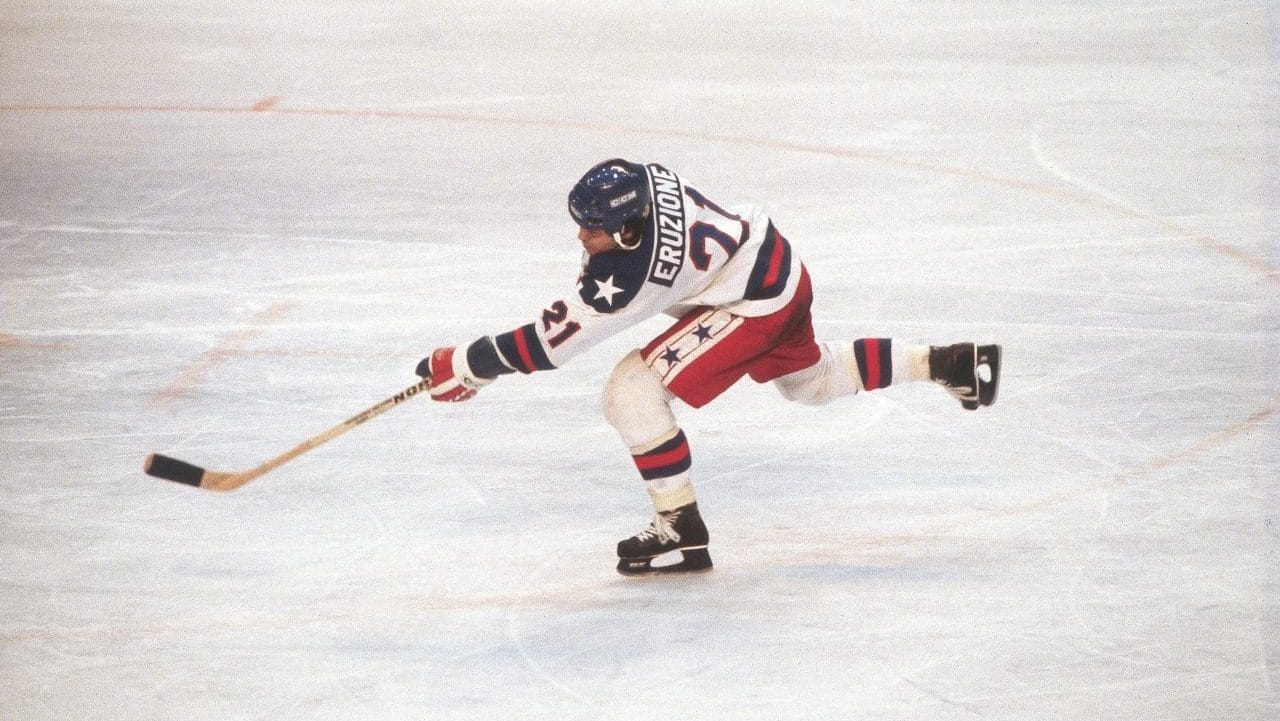
What it made up: The movie has assistant Craig Patrick blowing a whistle to start each sprint. It was just Brooks. Jack O’Callahan says his fight with Rob McClanahan is fiction, though he called the movie “pretty darn close.” And Brooks’ language was cleaned up a lot for a PG rating.

4. Rudy (1993)
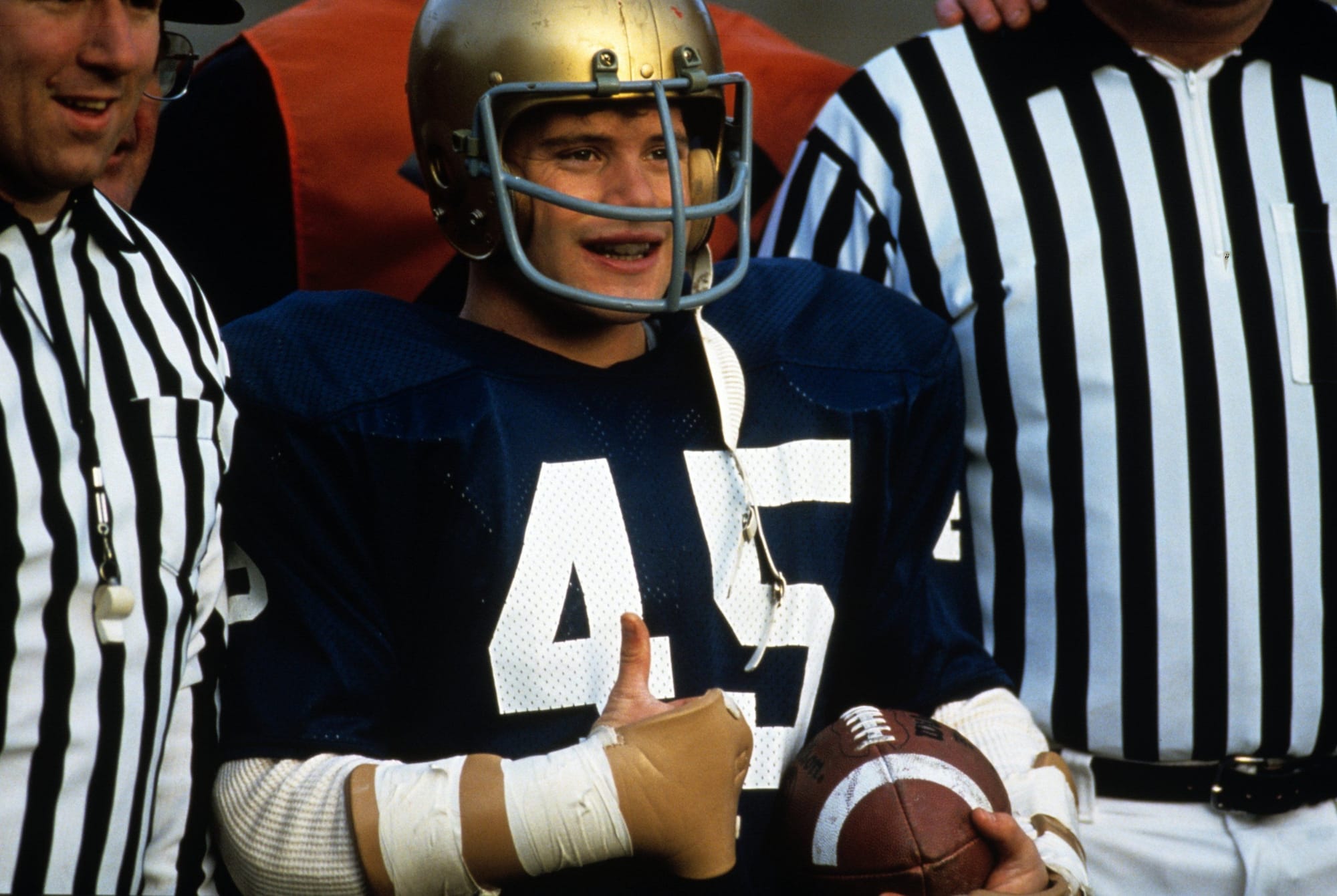
The story: Rudy Ruettiger (Sean Astin), too small and too slow, walks on at Notre Dame and finally gets into a game.
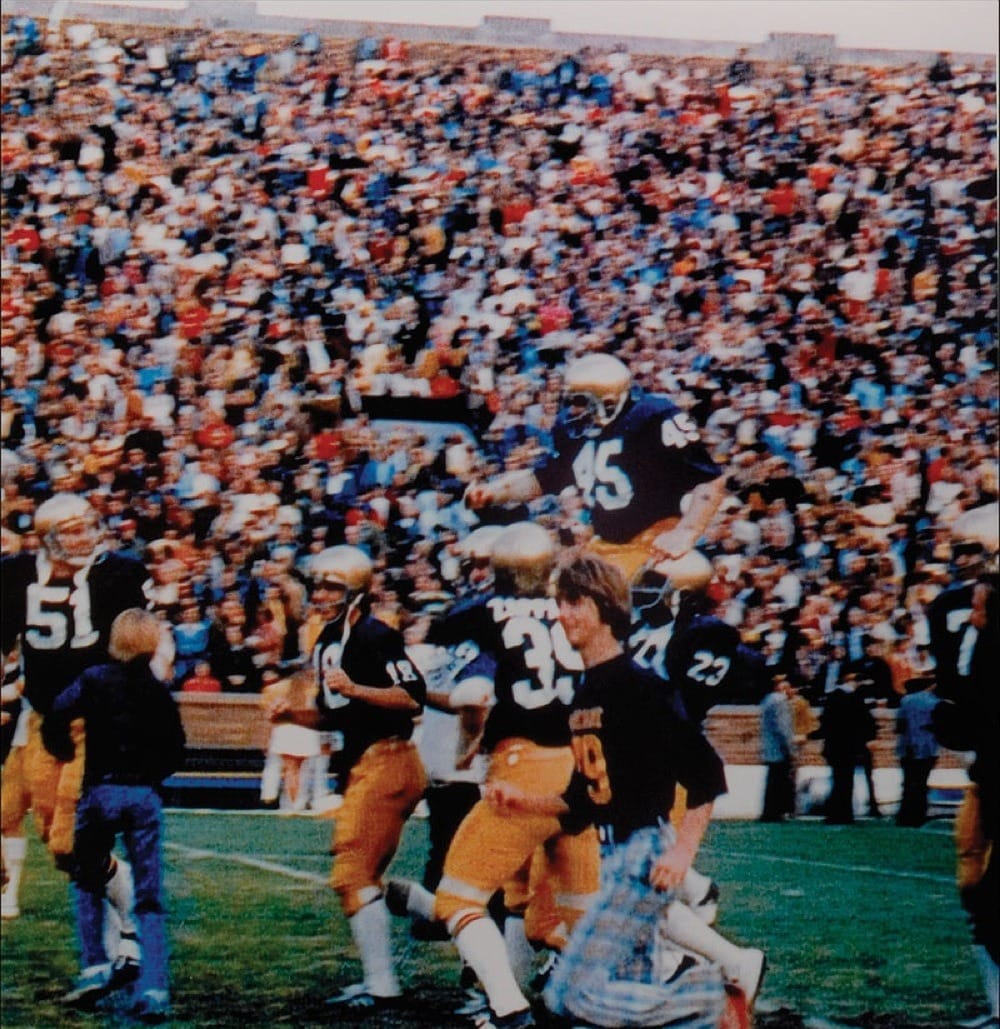
What it got right: On Nov. 8, 1975, against Georgia Tech, Ruettiger got into his last home game and sacked the quarterback on the final play. He was carried off the field, the first Notre Dame player ever to get that honor.
What it made up: The best-known scene. No players laid their jerseys on coach Dan Devine’s desk. In real life, a few seniors told the coaches they wanted Ruettiger to dress ahead of them, and Devine agreed. Devine called the scene “unforgivable. It’s a lie and untrue.” Joe Montana, a sophomore on that team, said there was no crowd chant either. Ruettiger has called the movie about 92% true.

5. Remember the Titans (2000)
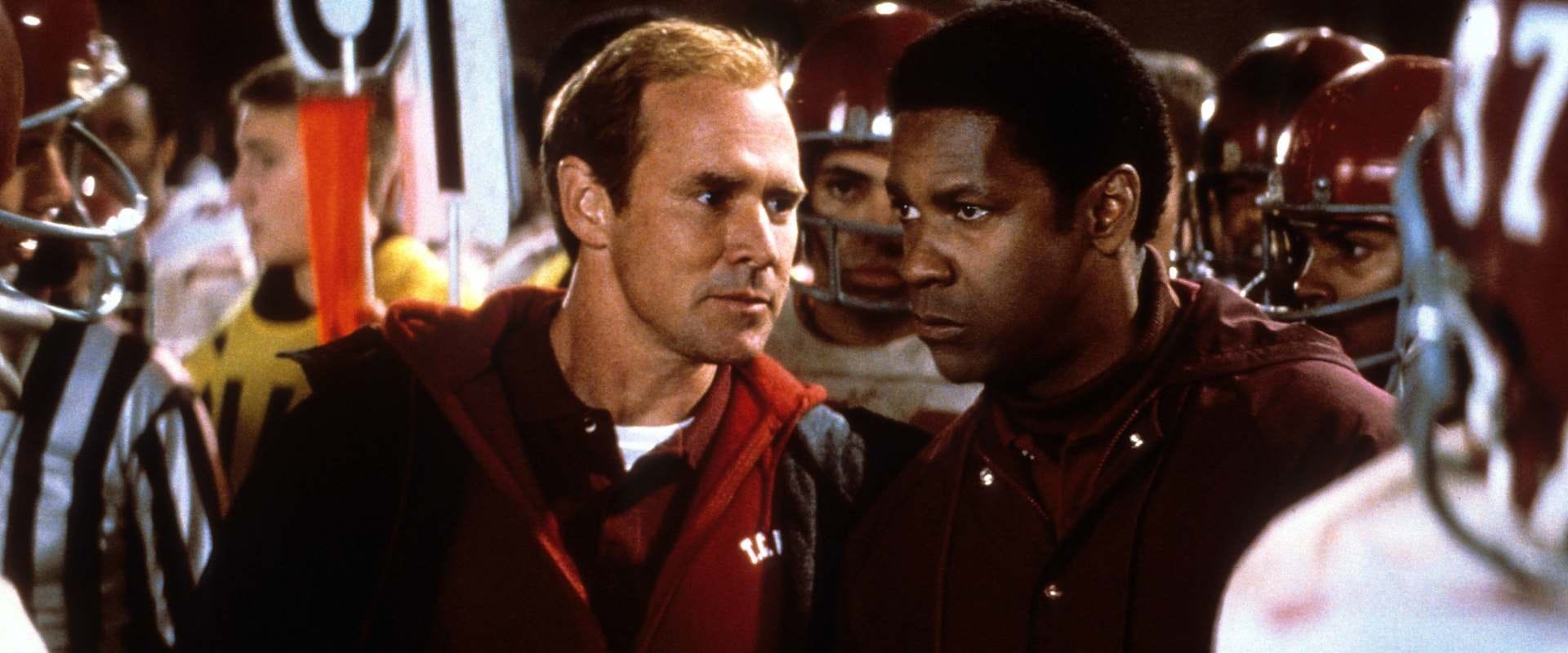
The story: Herman Boone (Denzel Washington) takes over the newly integrated T.C. Williams High team in Alexandria, Va., in 1971.
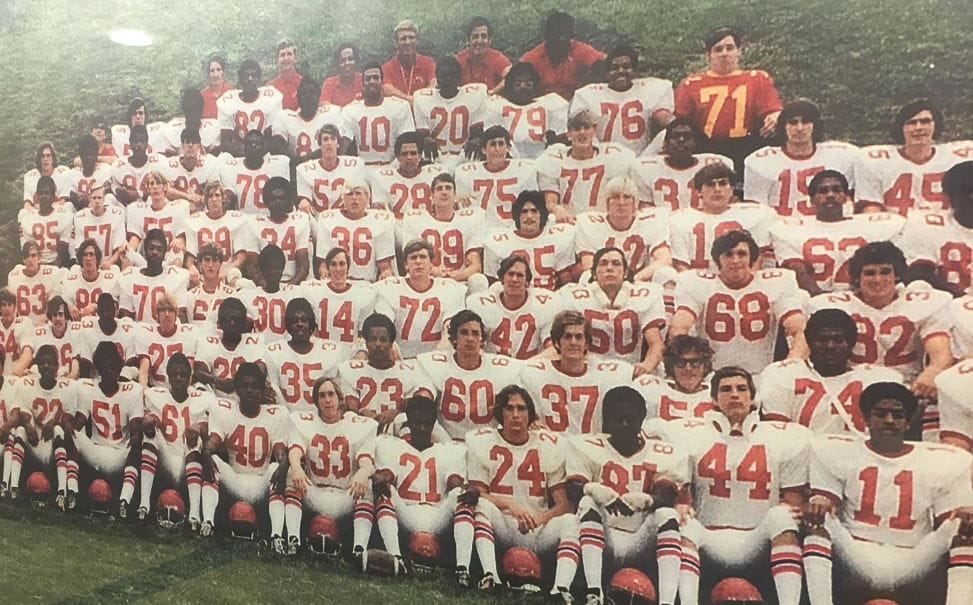
What it got right: The 1971 team was real, preseason camp at Gettysburg College was real, and Boone really was named head coach over Bill Yoast.
What it made up: The drama. The real Titans went 13-0 and weren’t in danger in the state final. They won it 27-0. The movie’s last-second win over Marshall High was really a 21-16 regular-season game. Gerry Bertier’s car accident, which the movie puts before the championship, happened after the season, on the way home from the team’s awards banquet. The 3 a.m. run to the Gettysburg cemetery, the brick through Boone’s window, and the speech never happened.

6. Eight Men Out (1988)
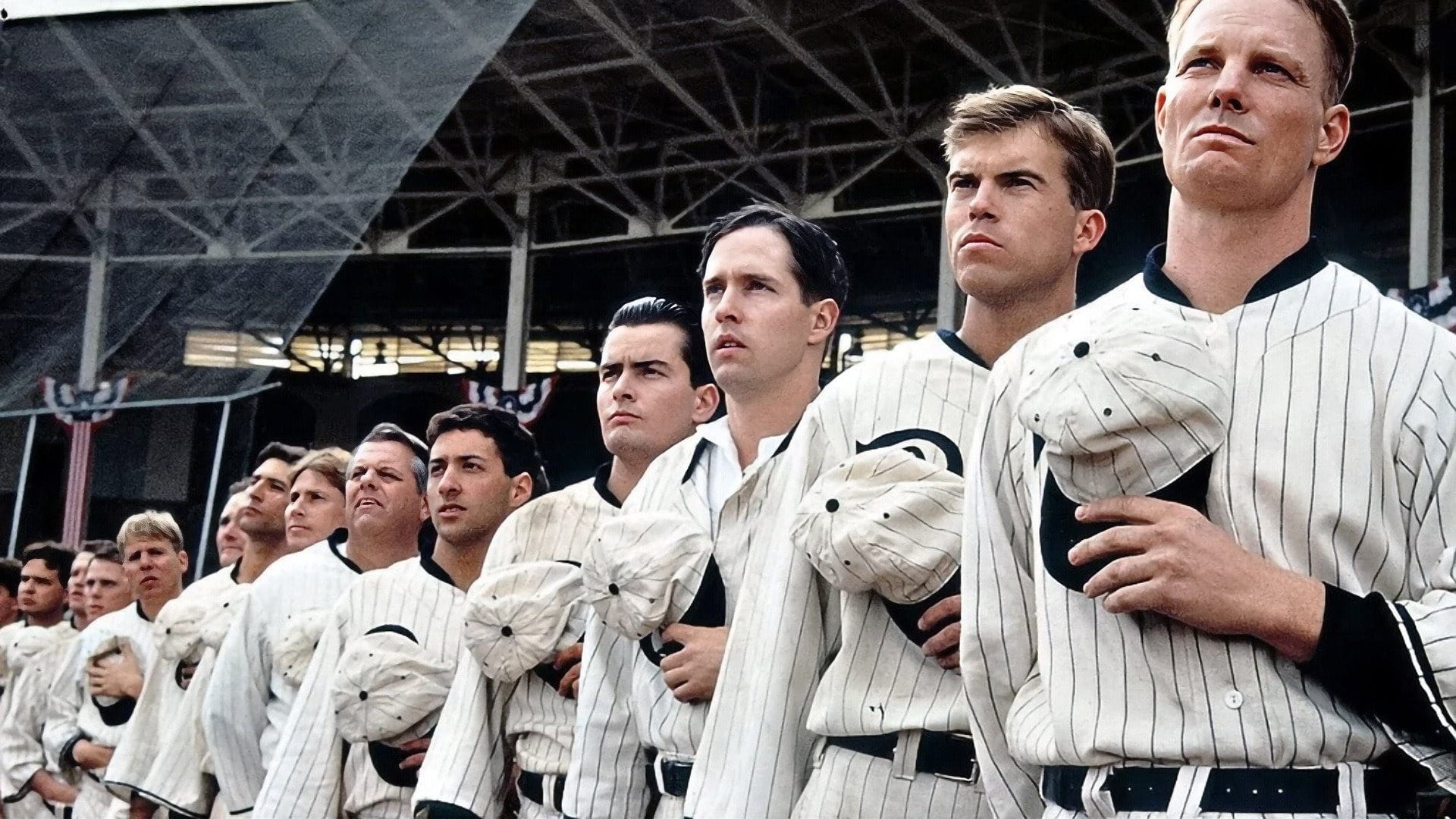
The story: 8 Chicago White Sox players take money from gamblers to throw the 1919 World Series.
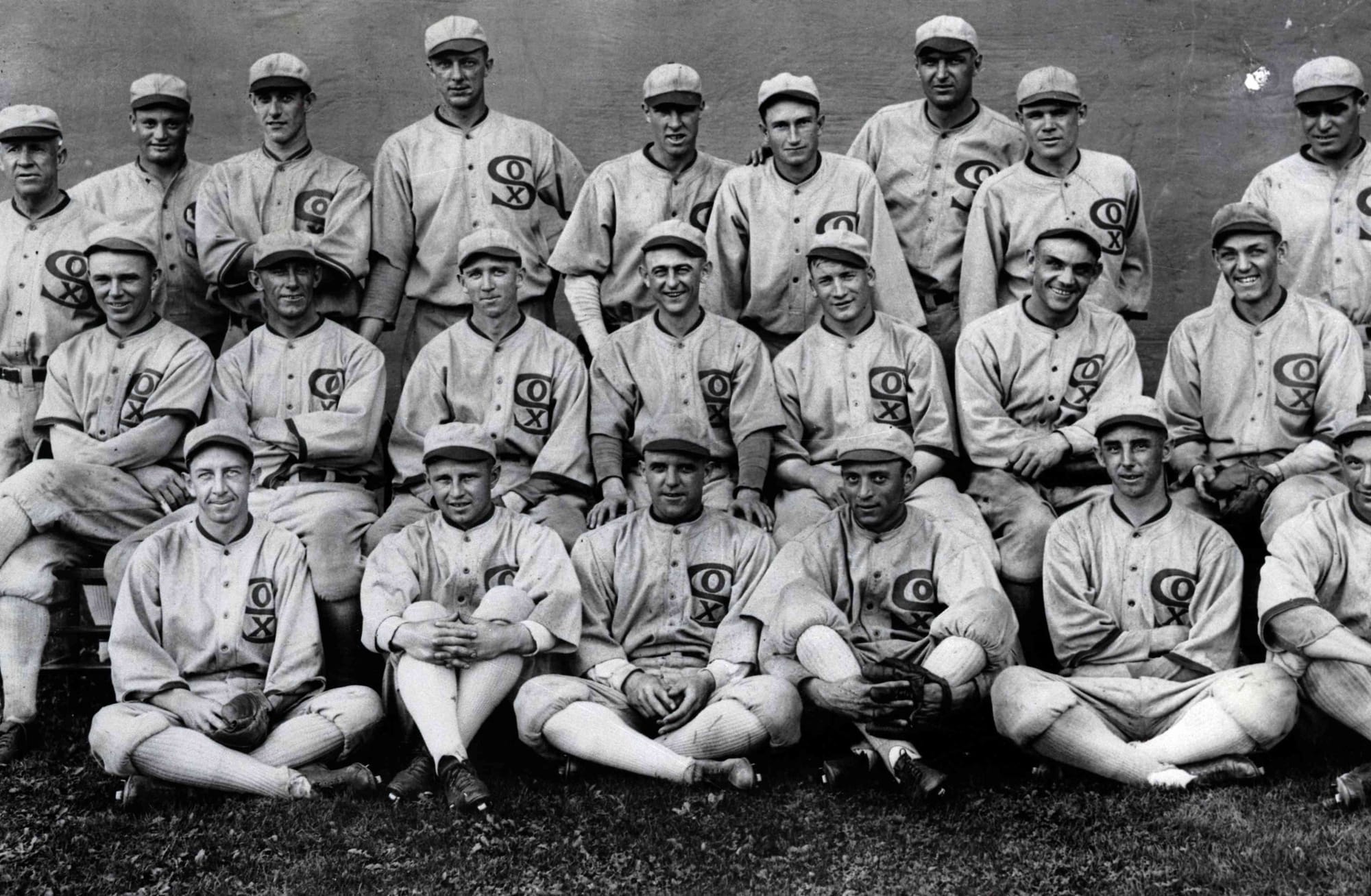
What it got right: The baseball. Director John Sayles had a former White Sox player as a technical adviser, and the game scenes hold up. The fix, the trial, and the lifetime bans are all real. (Here’s the day a grand jury voted to indict them, and where it ranks among the biggest gambling scandals in sports.)

What it made up: The gangster who threatens Lefty Williams’ wife was invented. And the movie’s version of owner Charles Comiskey as a miser is mostly myth. According to SABR’s research, the scene where he refuses Eddie Cicotte a 30-win bonus never happened, and the 1919 White Sox had one of the highest payrolls in baseball. The final scene, with Shoeless Joe Jackson playing semipro ball under a fake name, is imaginary too.
7. Cinderella Man (2005)
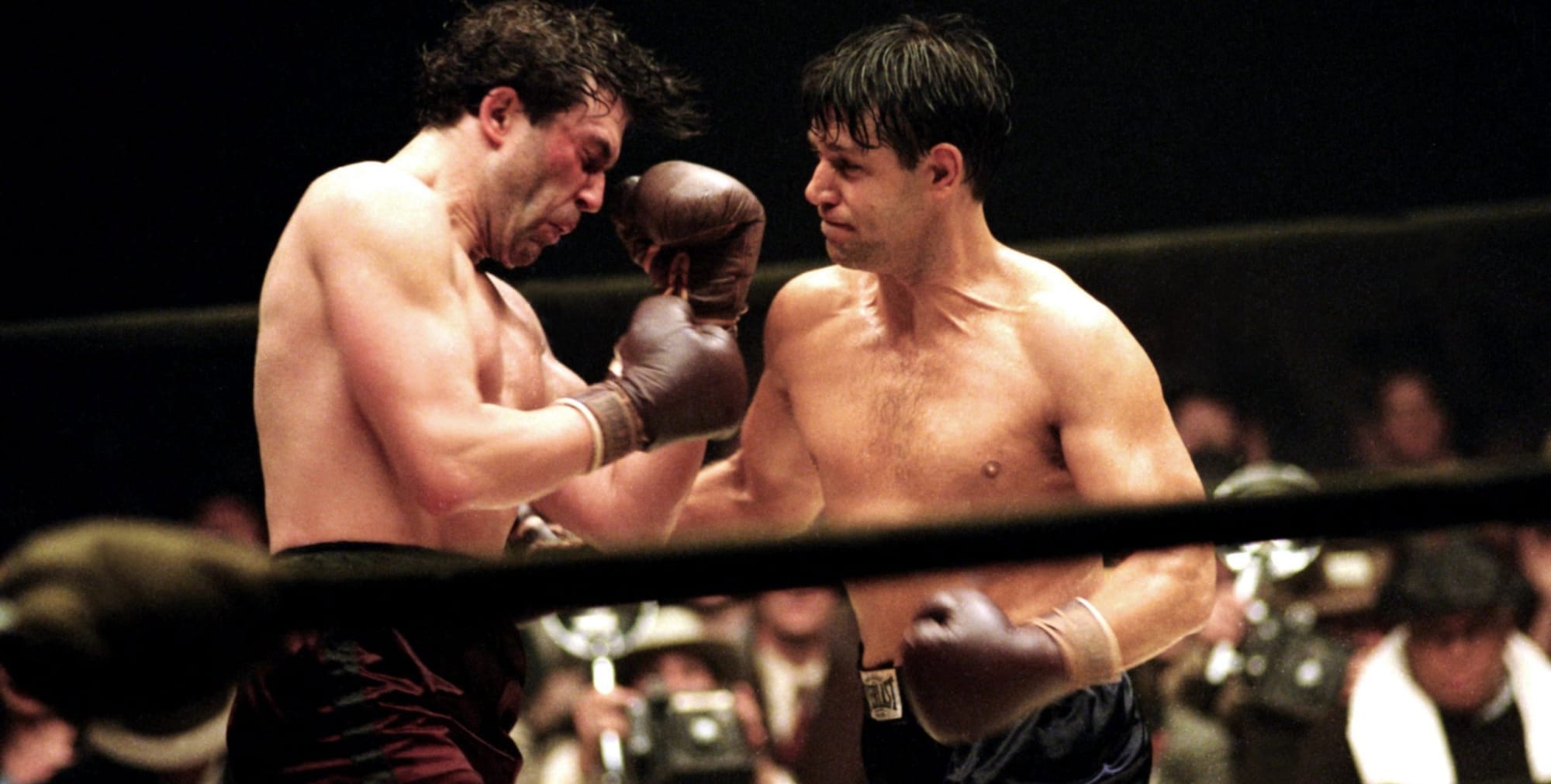
The story: James J. Braddock (Russell Crowe), broke and on relief during the Depression, comes back to win the heavyweight title.
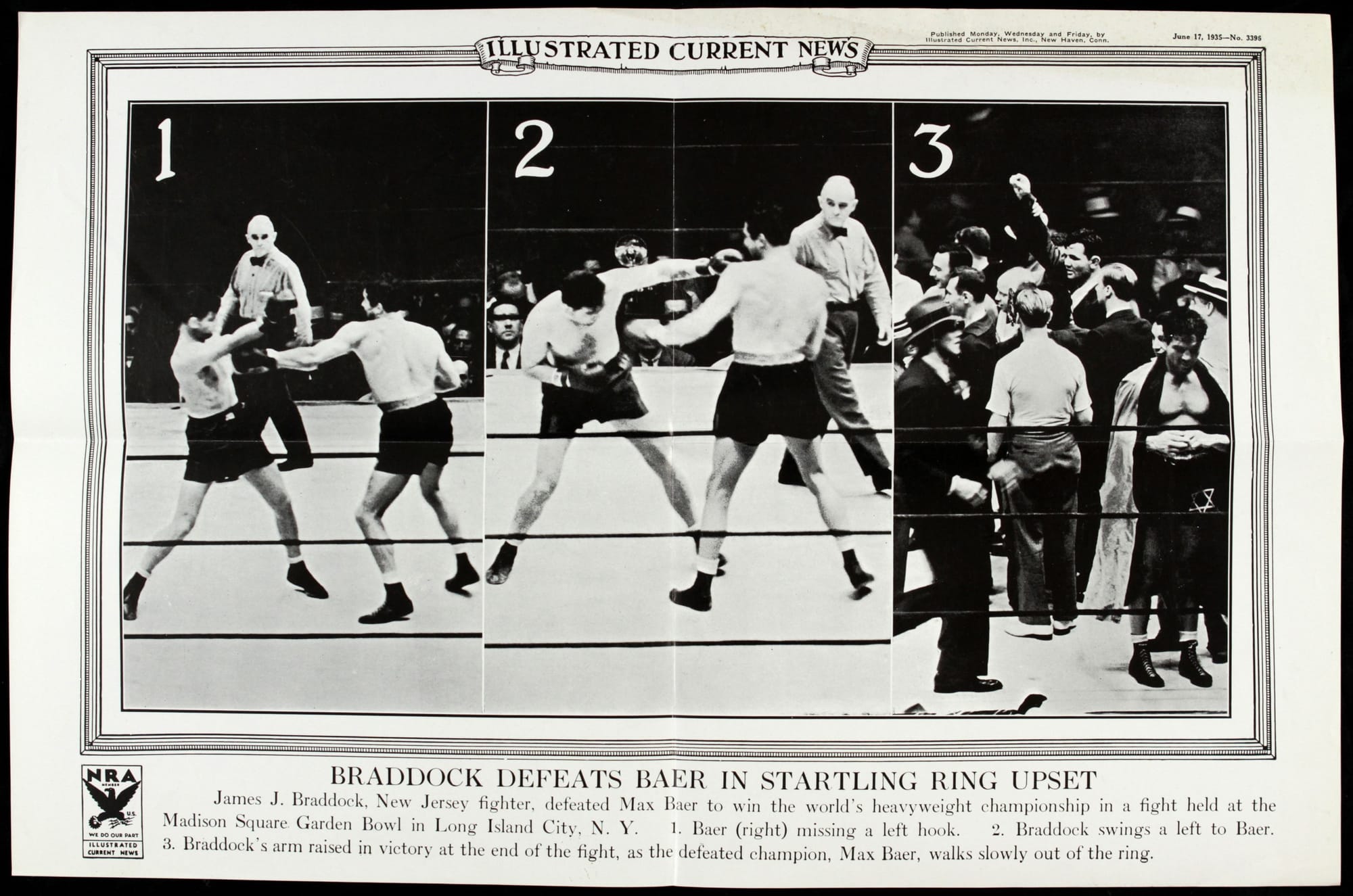
What it got right: Braddock really did go on government relief, and really did pay it back. On June 13, 1935, he beat Max Baer for the title by unanimous decision as a big underdog. Damon Runyon really did name him the Cinderella Man.
What it made up: Max Baer. The movie makes him a sneering villain who brags about killing 2 men in the ring. Only 1 man, Frankie Campbell in 1930, died after a fight with Baer, and Baer was haunted by it. He fought to raise money for Campbell’s family. His son, Max Baer Jr., said the portrayal “couldn’t have been more wrong.”

8. Glory Road (2006)
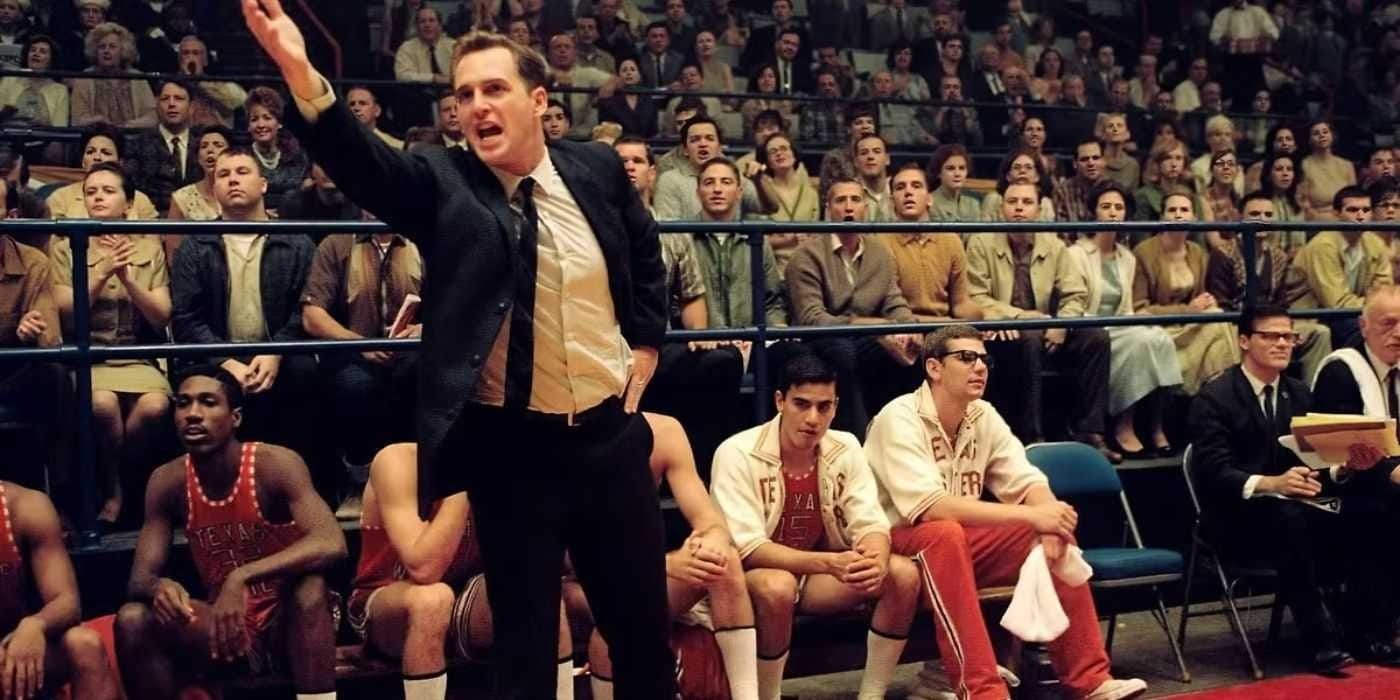
The story: Texas Western coach Don Haskins (Josh Lucas) starts 5 Black players against all-white Kentucky in the 1966 national championship game.
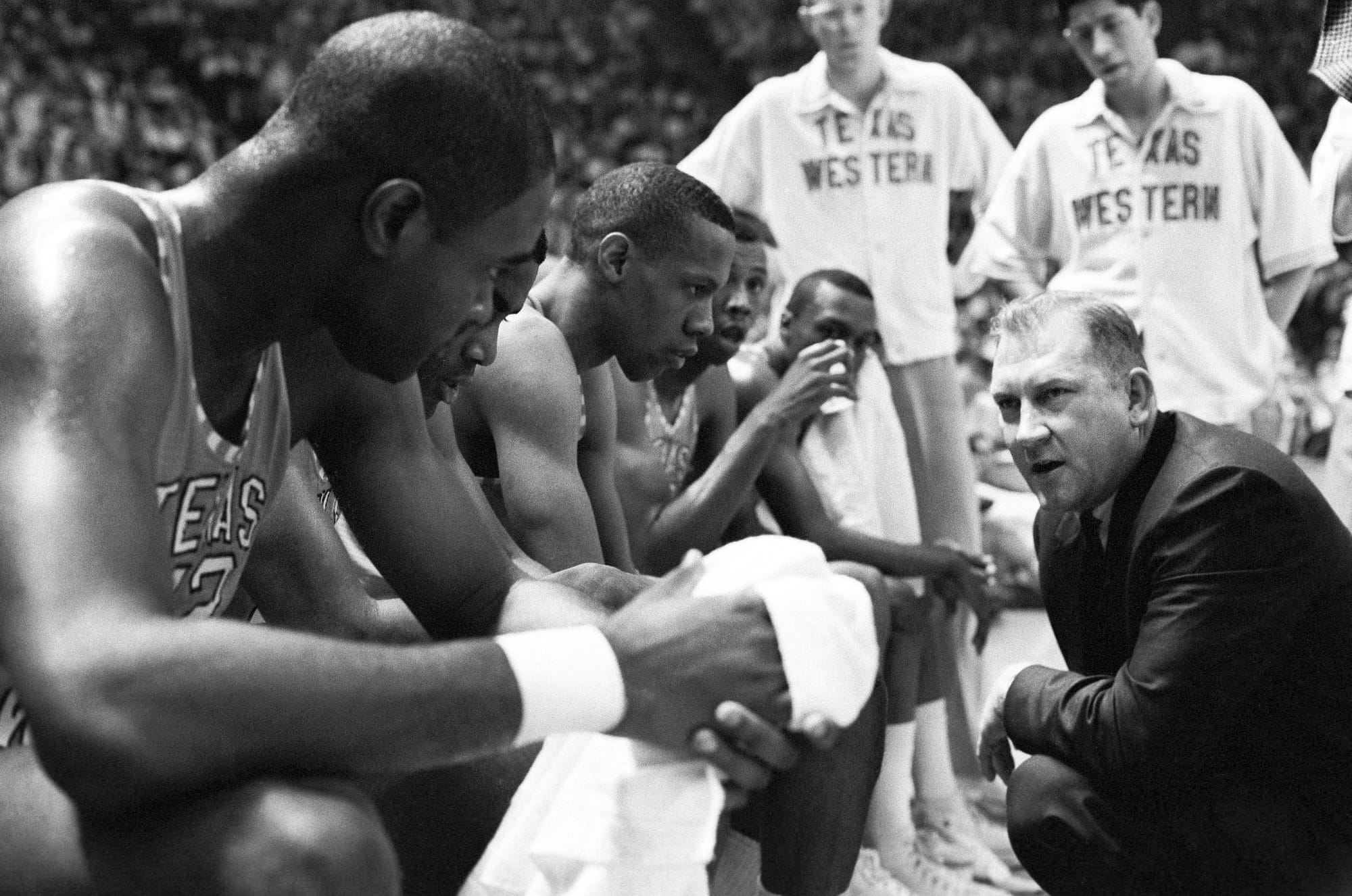
What it got right: Texas Western beat Adolph Rupp’s Kentucky 72-65 on March 19, 1966, the first NCAA title won with an all-Black starting lineup. Haskins really had coached high school girls’ basketball. Players say the scene where he threatens to send Nevil Shed home happened about the way it’s shown.

What it made up: The timeline. Haskins arrived at Texas Western in 1961, not the year of the title run, and his team had already been good. Shed says he was never attacked in a diner. And Haskins never made a speech about starting 5 Black players to prove a point. He started his best players.
9. Moneyball (2011)
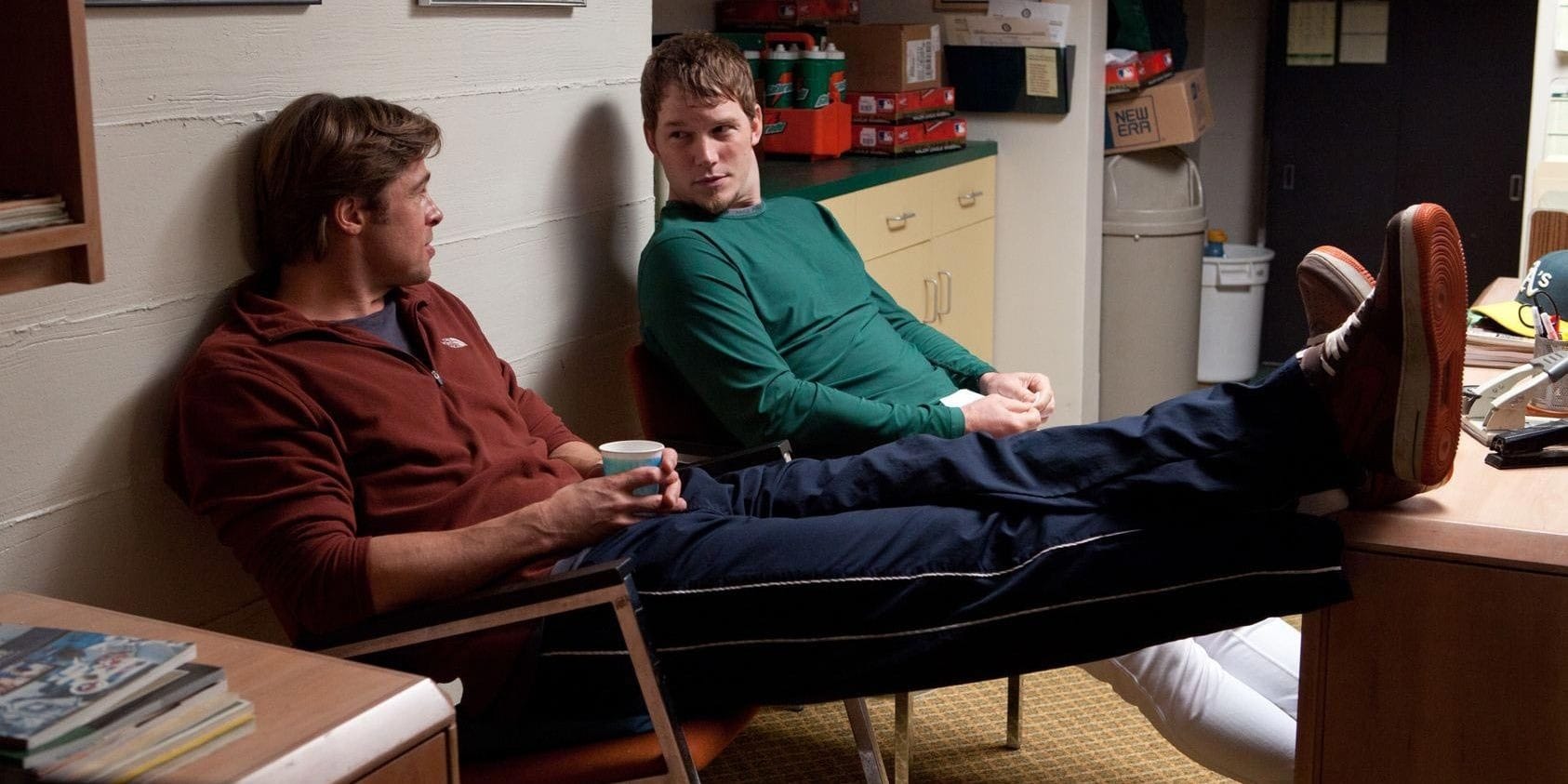
The story: A’s general manager Billy Beane (Brad Pitt) uses statistics to build a contender on a tiny budget in 2002.
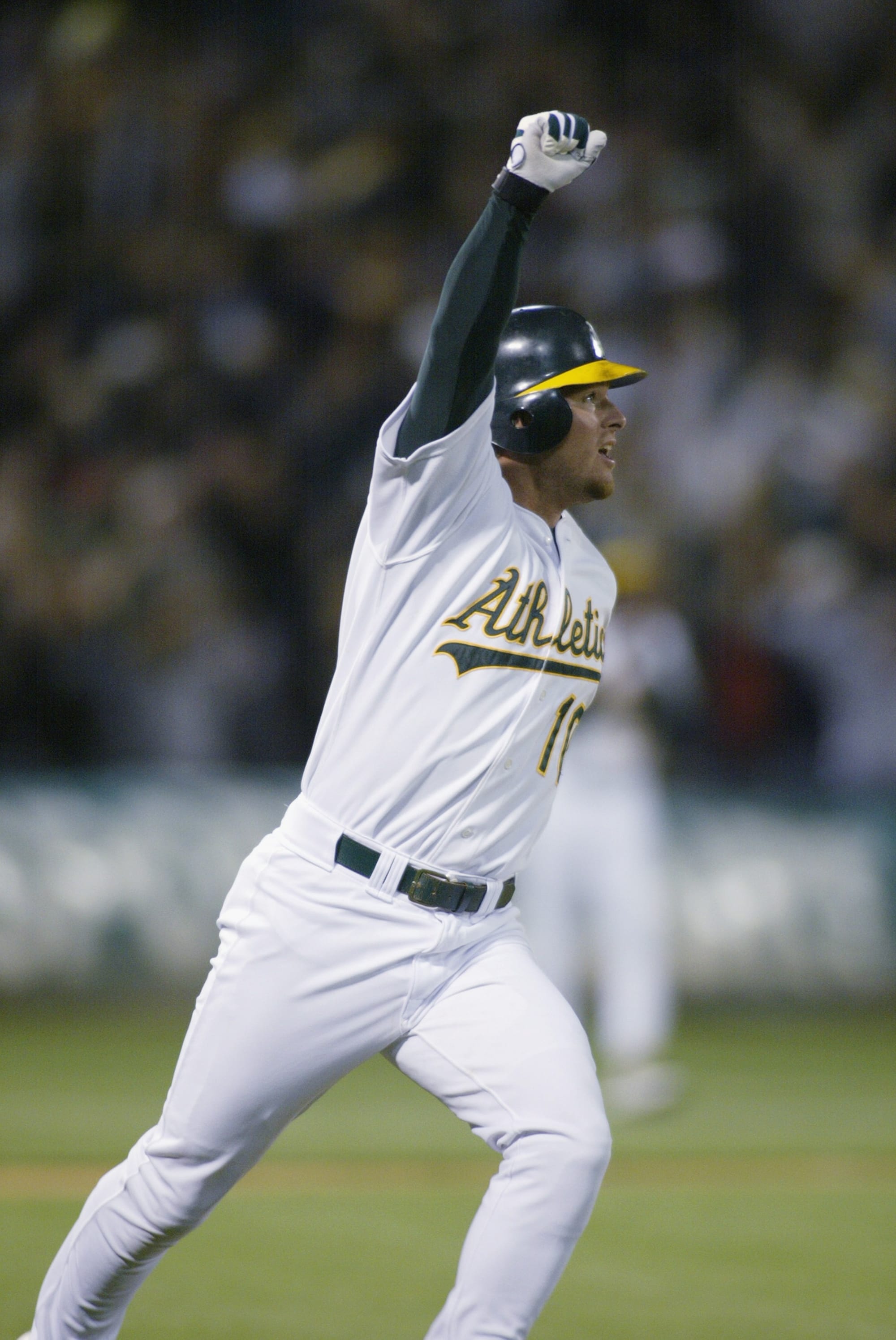
What it got right: The A’s really did lose Jason Giambi, Johnny Damon, and Jason Isringhausen, and really did rebuild around players who got on base. Catcher Scott Hatteberg really was turned into a first baseman. The A’s won 20 straight games, and Hatteberg won the 20th with a walk-off home run.
What it made up: Peter Brand (Jonah Hill) isn’t a real person. He’s loosely based on Paul DePodesta, who asked that his name not be used. Manager Art Howe comes off as an obstacle, and Hatteberg pushed back on that: “Art Howe was a huge supporter of mine.” The movie also barely mentions Barry Zito, Tim Hudson, Mark Mulder, Miguel Tejada, and Eric Chavez. All of them were found by old-fashioned scouting, and Tejada was the AL MVP.

10. 42 (2013)
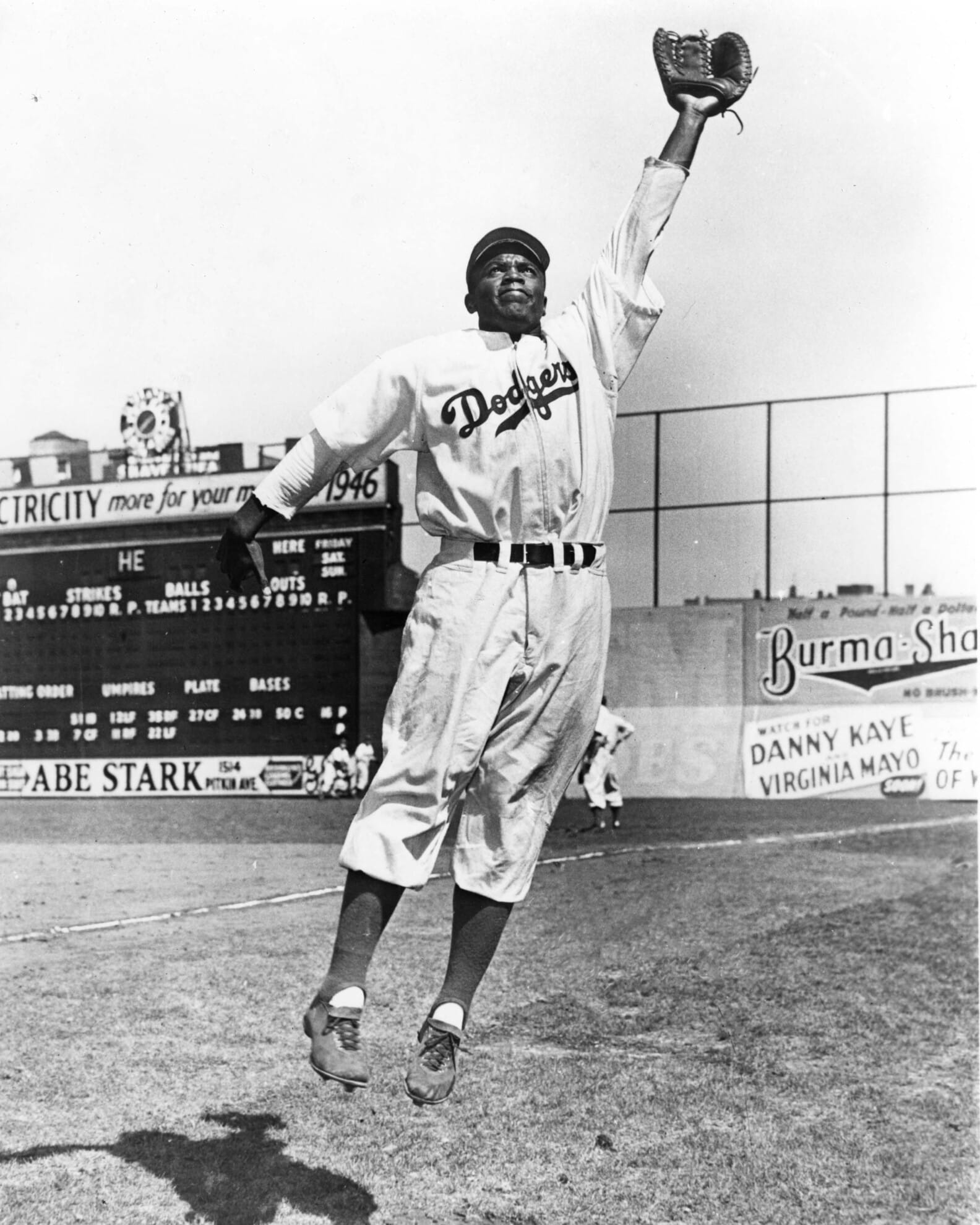
The story: Jackie Robinson (Chadwick Boseman) breaks baseball’s color line with the Brooklyn Dodgers in 1947.

What it got right: Phillies manager Ben Chapman’s racist abuse of Robinson in April 1947 was every bit as bad as the movie shows. Robinson wrote about it himself. Afterward, Chapman and Robinson really did pose together for a staged photo.
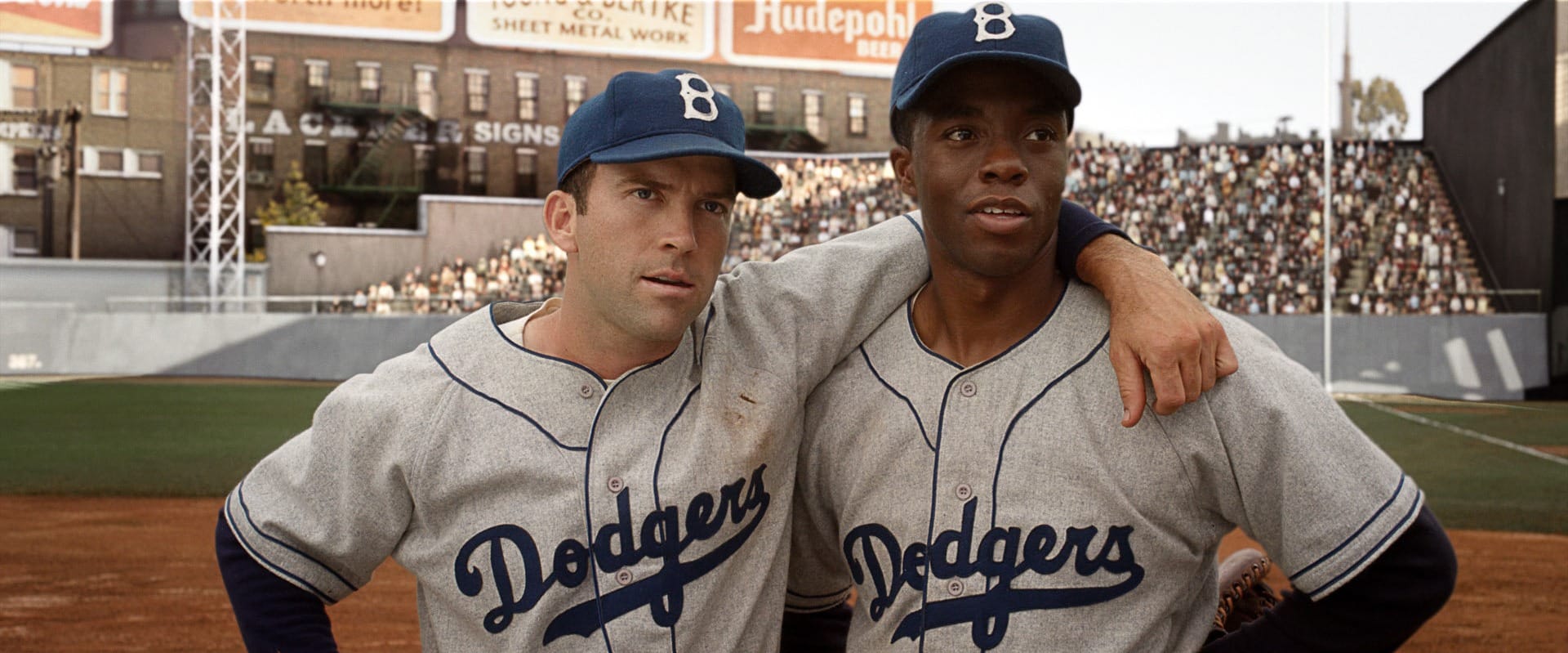
What it made up: The movie puts Pee Wee Reese’s famous arm around Robinson’s shoulder in Cincinnati in 1947. Researchers have found little evidence of it from that season, and Robinson himself placed the moment in 1948. Writer-director Brian Helgeland said fitting the story into 2 hours forced him to “cheat a little bit.”
Honorable Mentions
- Invincible (2006): Vince Papale really did make the 1976 Eagles at 30. But it wasn’t an open tryout. It was a private workout, and he’d already played 2 seasons in the World Football League.
- The Express (2008): Ernie Davis, the first Black Heisman winner, really did die of leukemia without playing a pro game. The racist mob scene at West Virginia is fabricated. The 1959 game was played in Syracuse.
- Seabiscuit (2003): The 1938 match race against War Admiral is faithfully done. Red Pollard’s injury came months earlier than the movie shows.
Which true-story sports movie did we miss? Tell us in the comments.
Comments ()