
The 10 Biggest Gambling Scandals in Sports History
From the 1919 Black Sox and Pete Rose to an NBA referee, rigged pitches and the 2025 NBA arrests, these are the 10 biggest gambling scandals in sports history.
In November 2025, federal prosecutors charged 2 Cleveland Guardians pitchers with selling individual pitches. Not games. Not innings. Single pitches, thrown out of the strike zone on purpose so bettors could cash prop bets on whether the pitch would be a ball.
It sounded like a scandal only the smartphone era could produce. It wasn't. Gamblers have been getting to athletes, coaches and referees for as long as there have been games worth betting on. What changes is the method. Here are the 10 biggest gambling scandals in sports history.
10. The 1946 NFL Championship Game
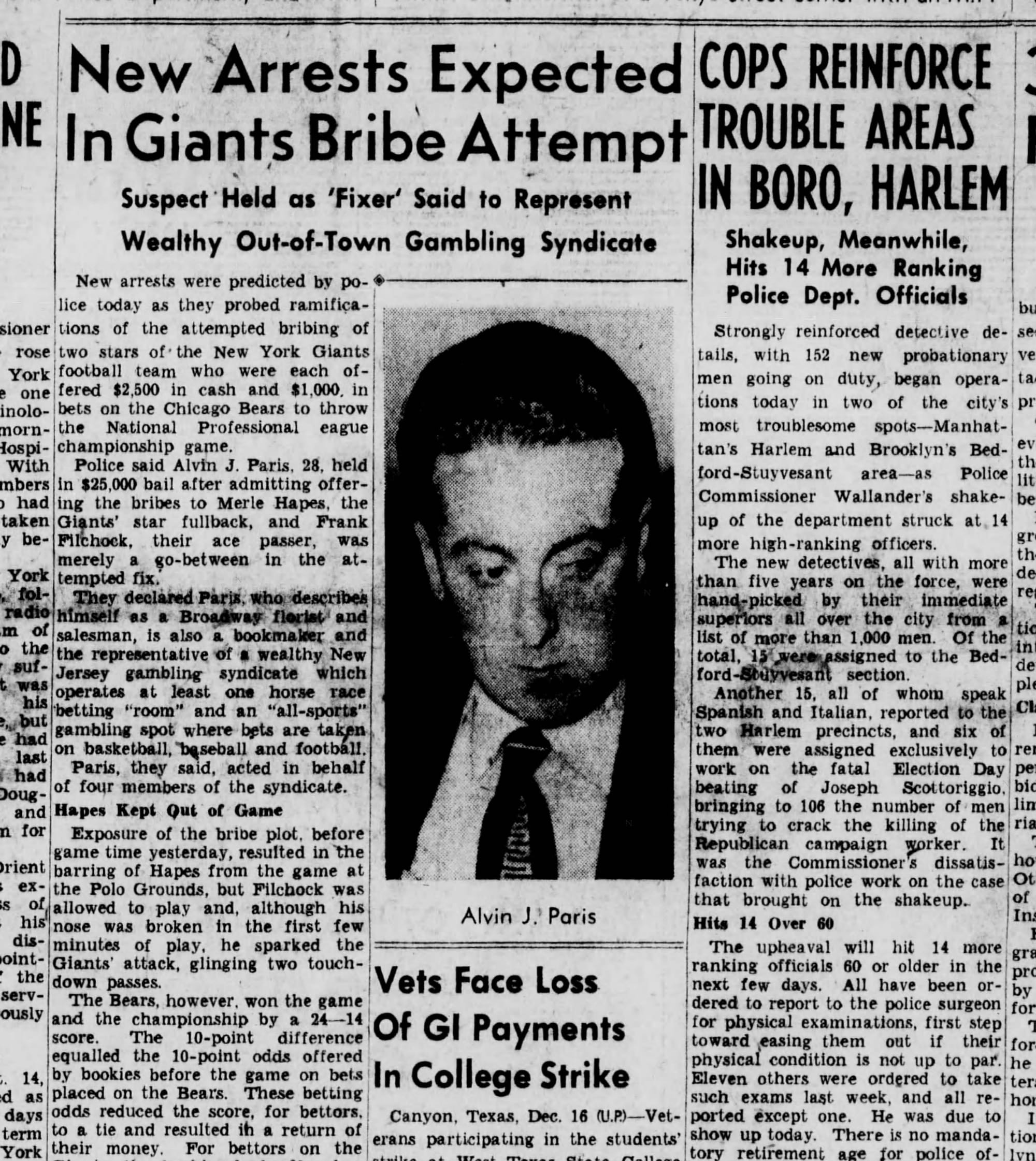
On the morning of the 1946 NFL title game, Commissioner Bert Bell learned that a gambler named Alvin Paris had offered 2 New York Giants, fullback Merle Hapes and quarterback Frank Filchock, money to make sure the Bears covered the spread.
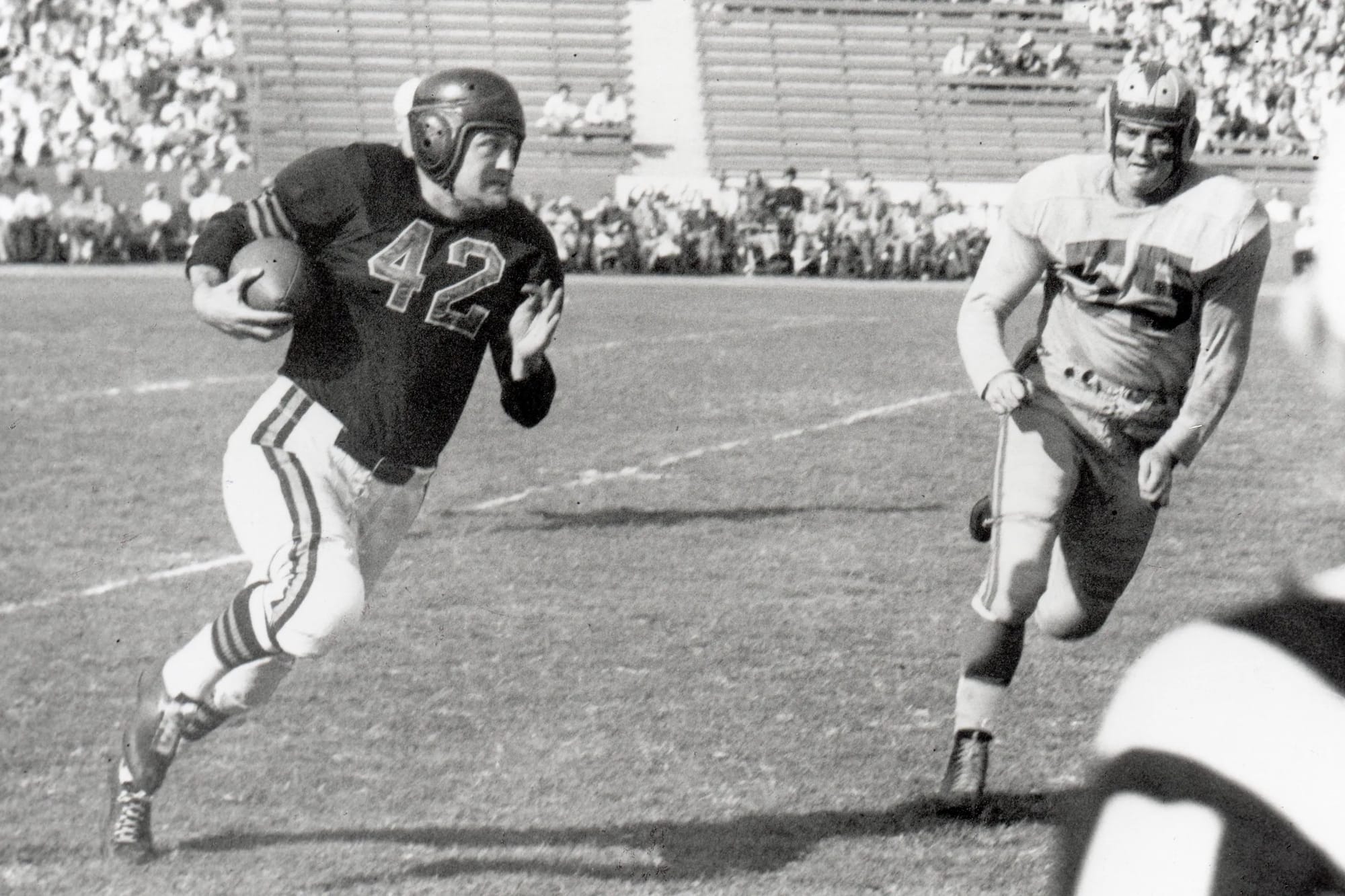
Neither man had reported the offer. Bell benched Hapes on the spot. Filchock swore he'd never been approached, so Bell let him play. Filchock threw 2 touchdown passes and 6 interceptions, and the Bears won 24-14.
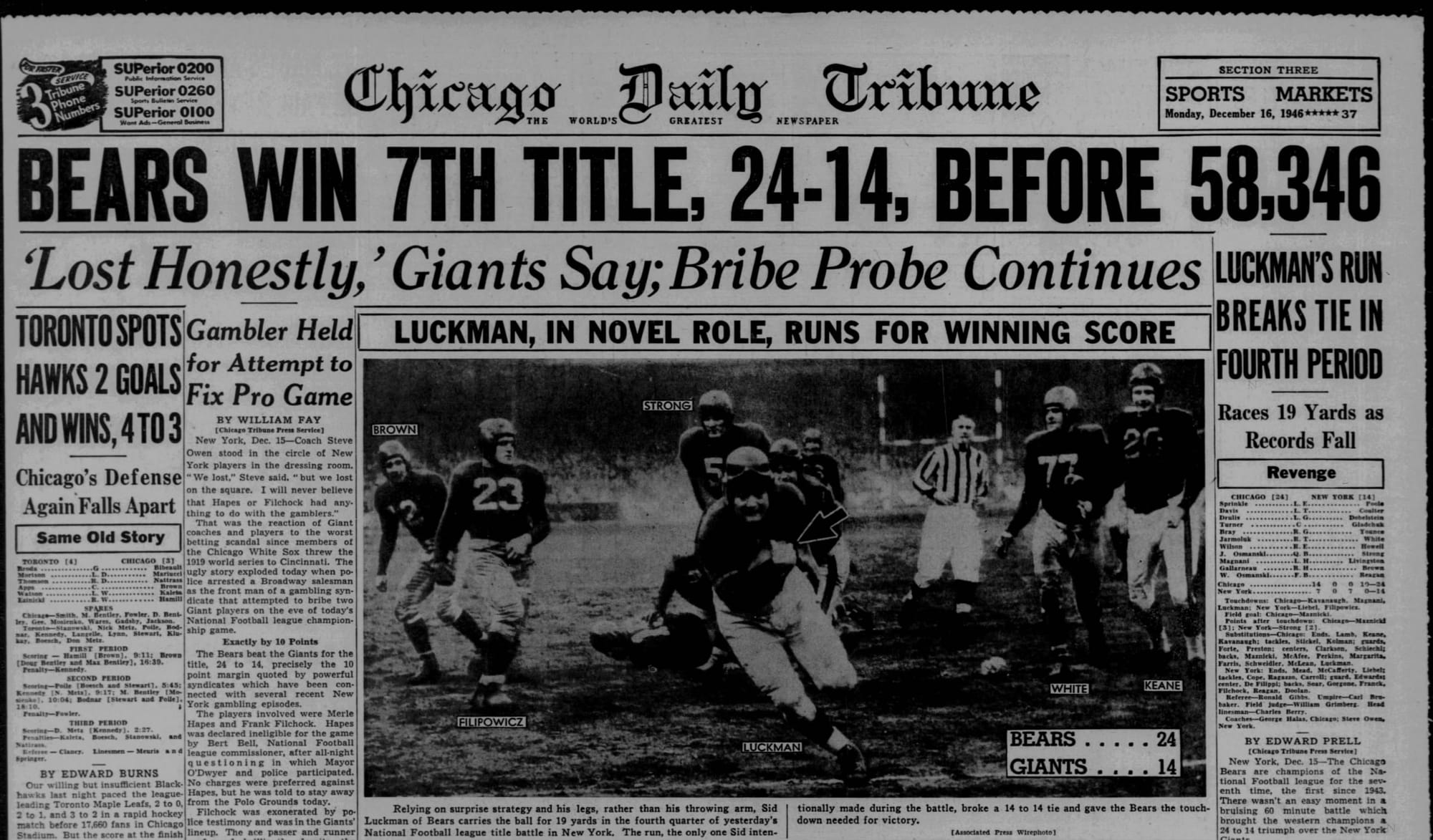
At Paris's trial weeks later, Filchock admitted under oath that he had been offered a bribe. Bell suspended both players indefinitely. Filchock spent the next several years in Canada and was reinstated in 1950. Hapes never played in the NFL again.
9. Paul Hornung and Alex Karras, 1963
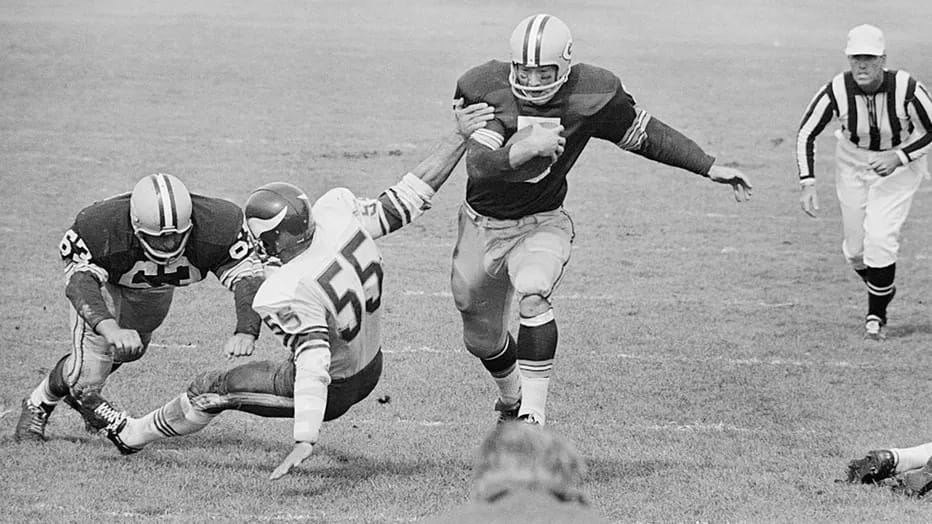
The NFL's 2 biggest names of the early '60s were the Packers' Golden Boy and a Lions defensive tackle who was as good as anybody at his position. On April 17, 1963, Commissioner Pete Rozelle suspended both of them indefinitely for betting on NFL games.
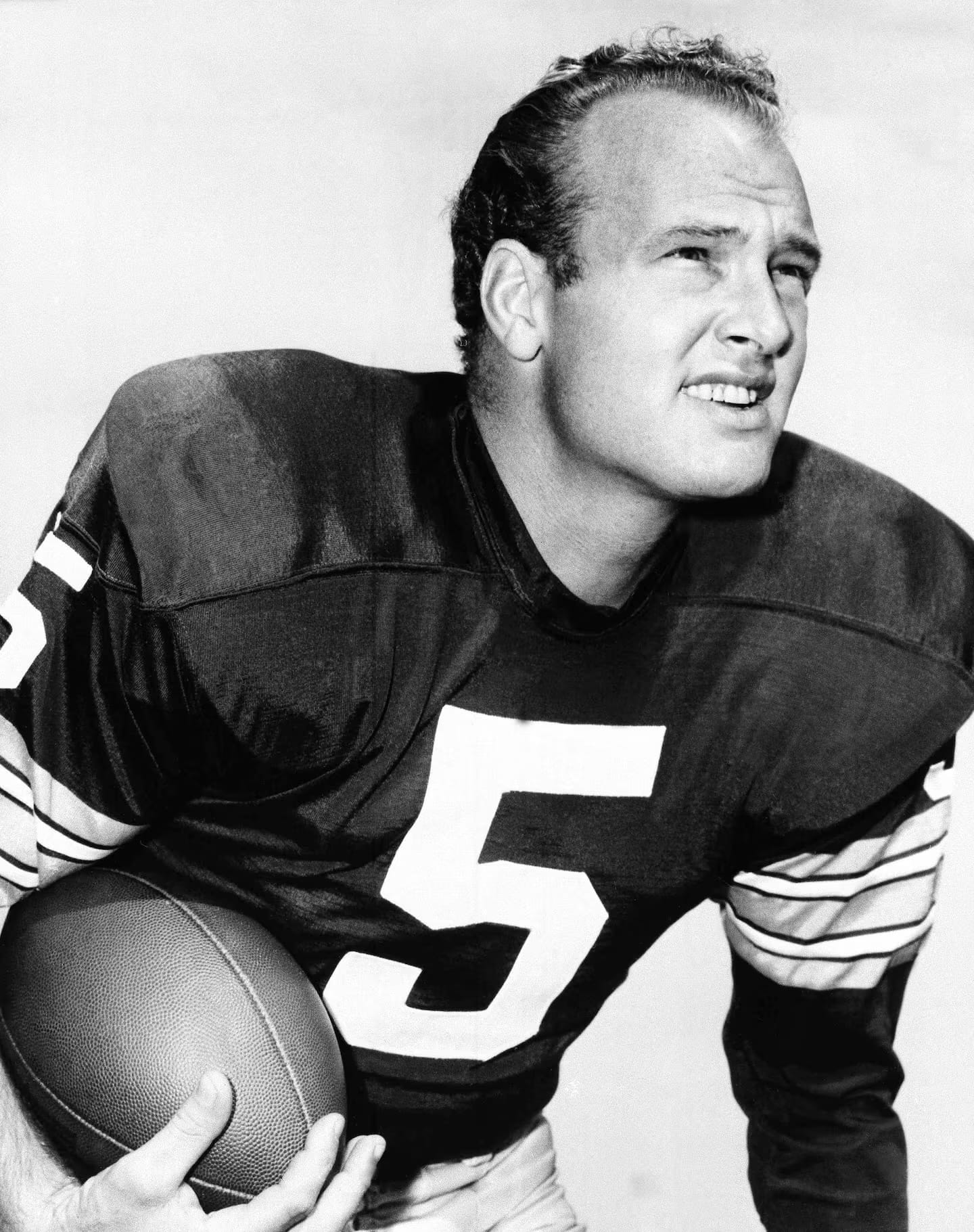
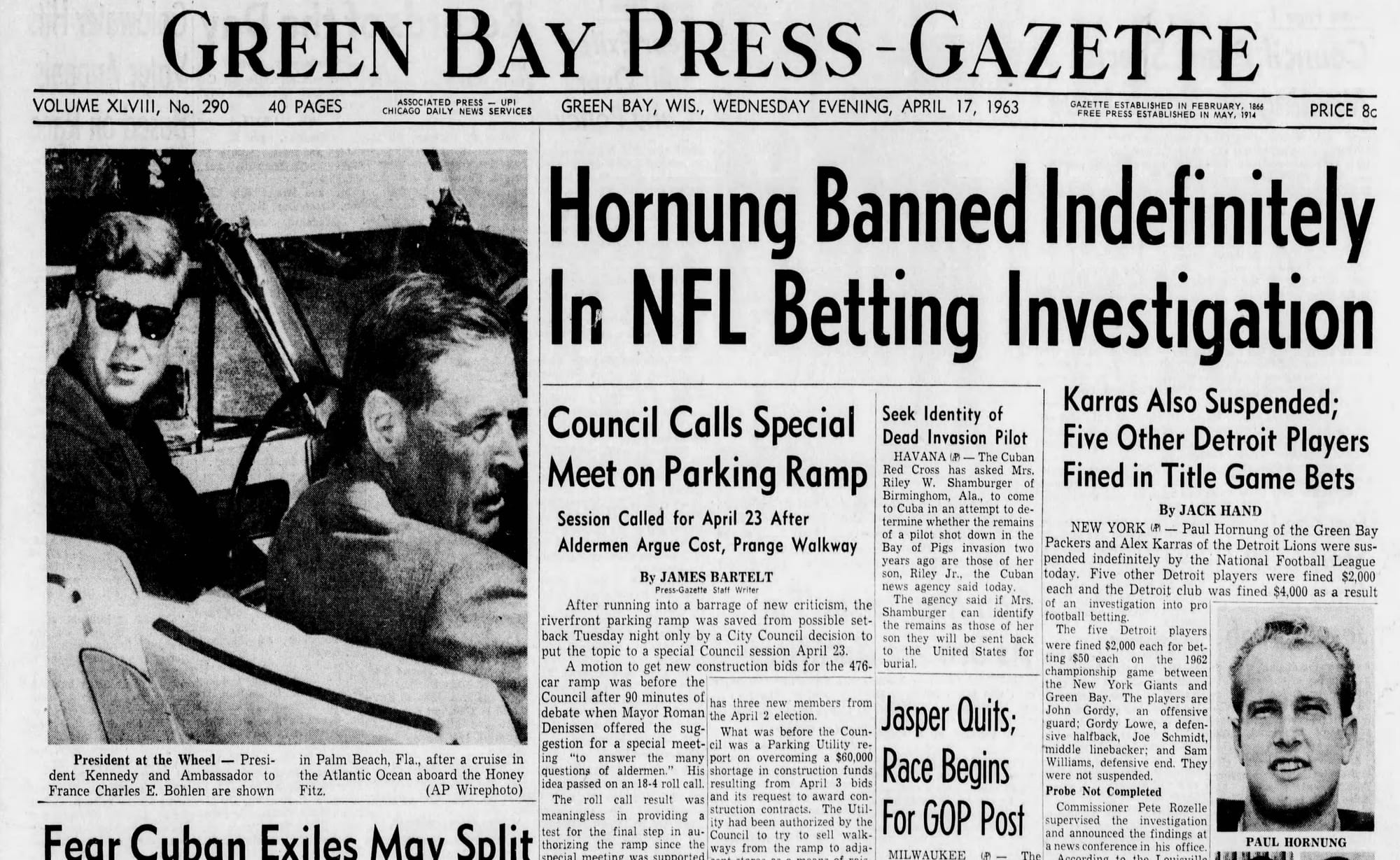
Nobody accused either man of fixing anything. Hornung had bet on games, the Packers included, in amounts of a few hundred dollars. Karras had bet too, and owned part of a Detroit bar that the league said was a hangout for gamblers. Rozelle also fined 5 other Lions $2,000 apiece for betting on the 1962 NFL Championship Game, a game they weren't even playing in.
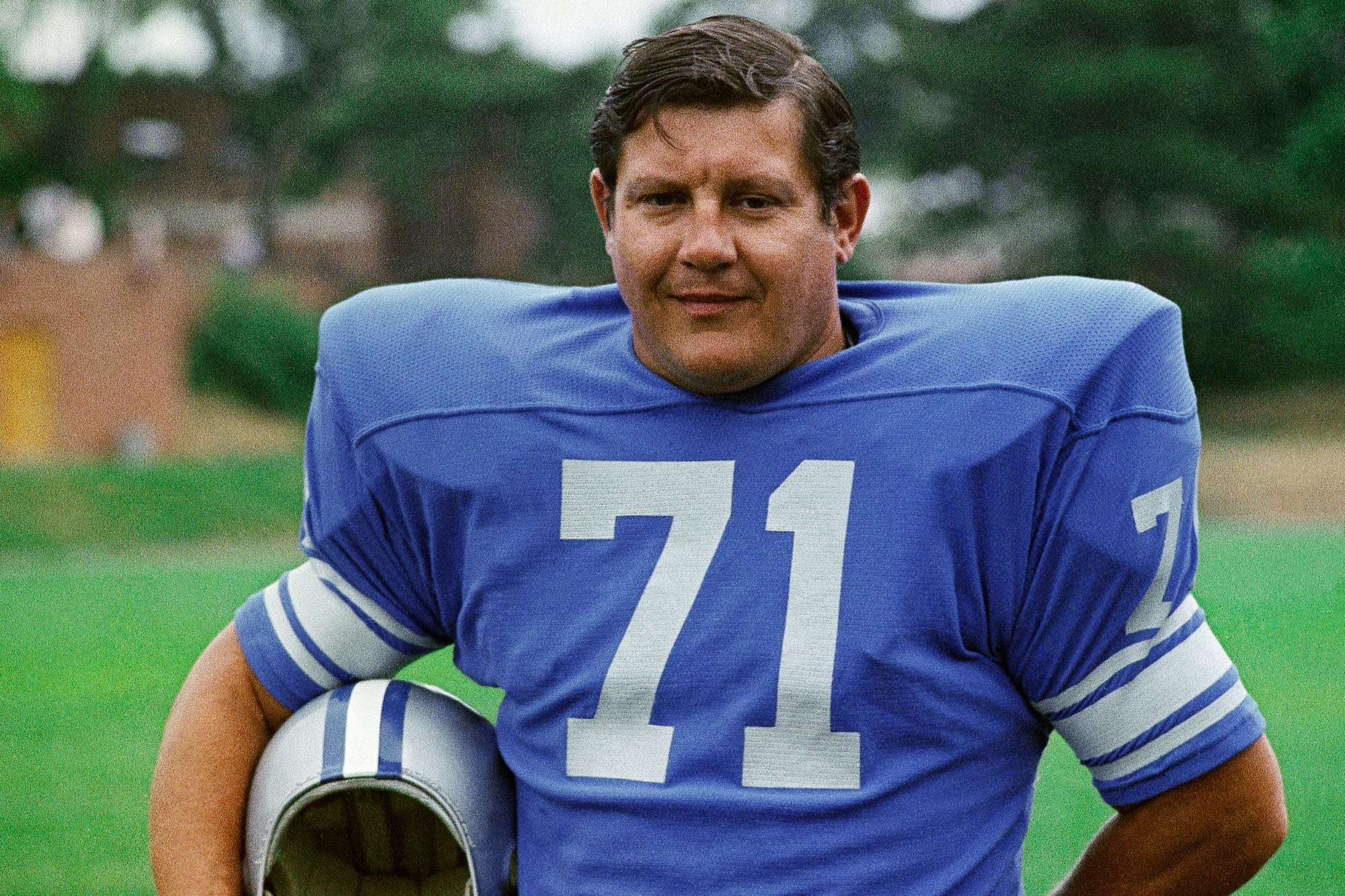
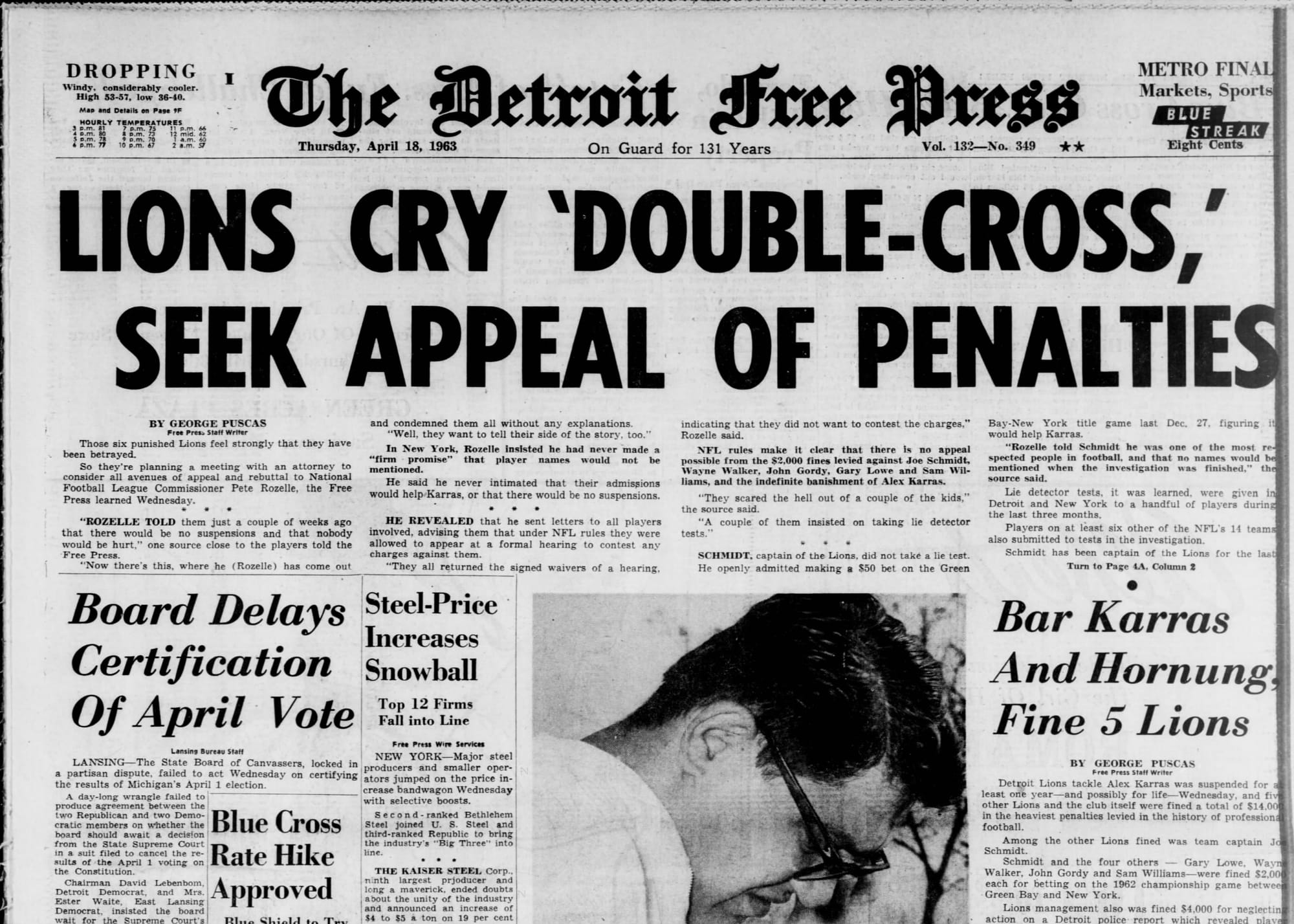
Both stars sat out the entire 1963 season and were reinstated in March 1964. Hornung is in the Pro Football Hall of Fame. So, finally, is Karras, elected in 2020, 8 years after his death.
8. Ippei Mizuhara, 2024
For 6 years, Ippei Mizuhara went everywhere Shohei Ohtani went: interpreter, driver, catch partner, best friend. In March 2024, during the Dodgers' season-opening series in Seoul, the team fired him.
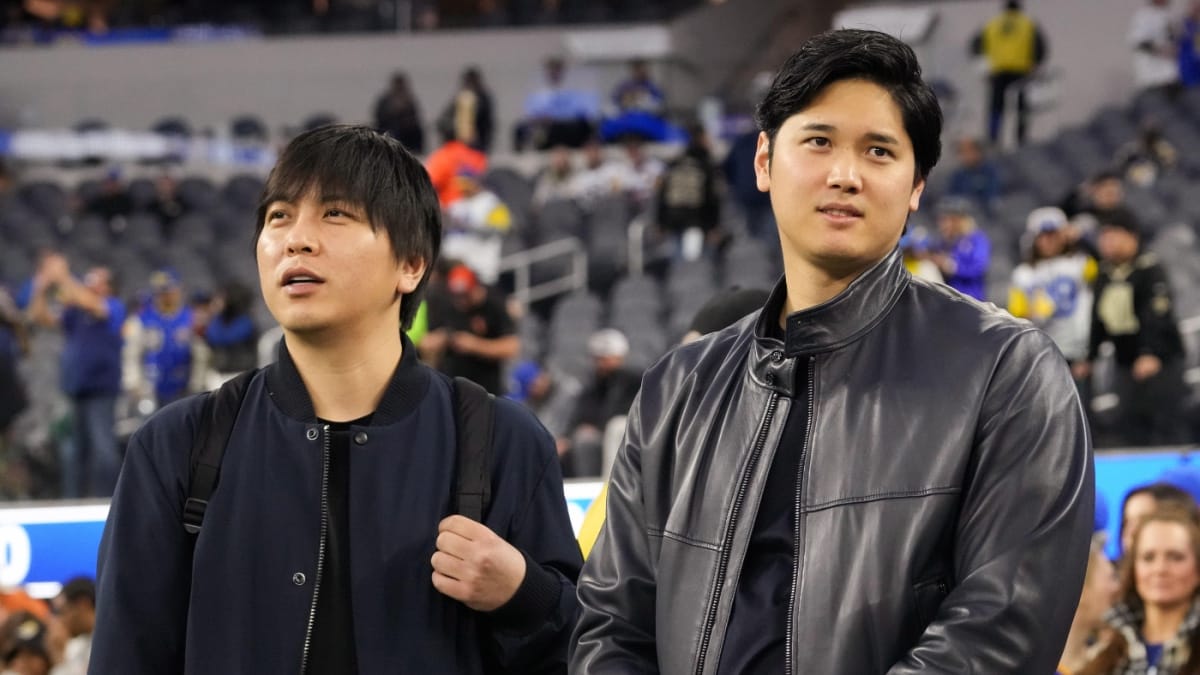
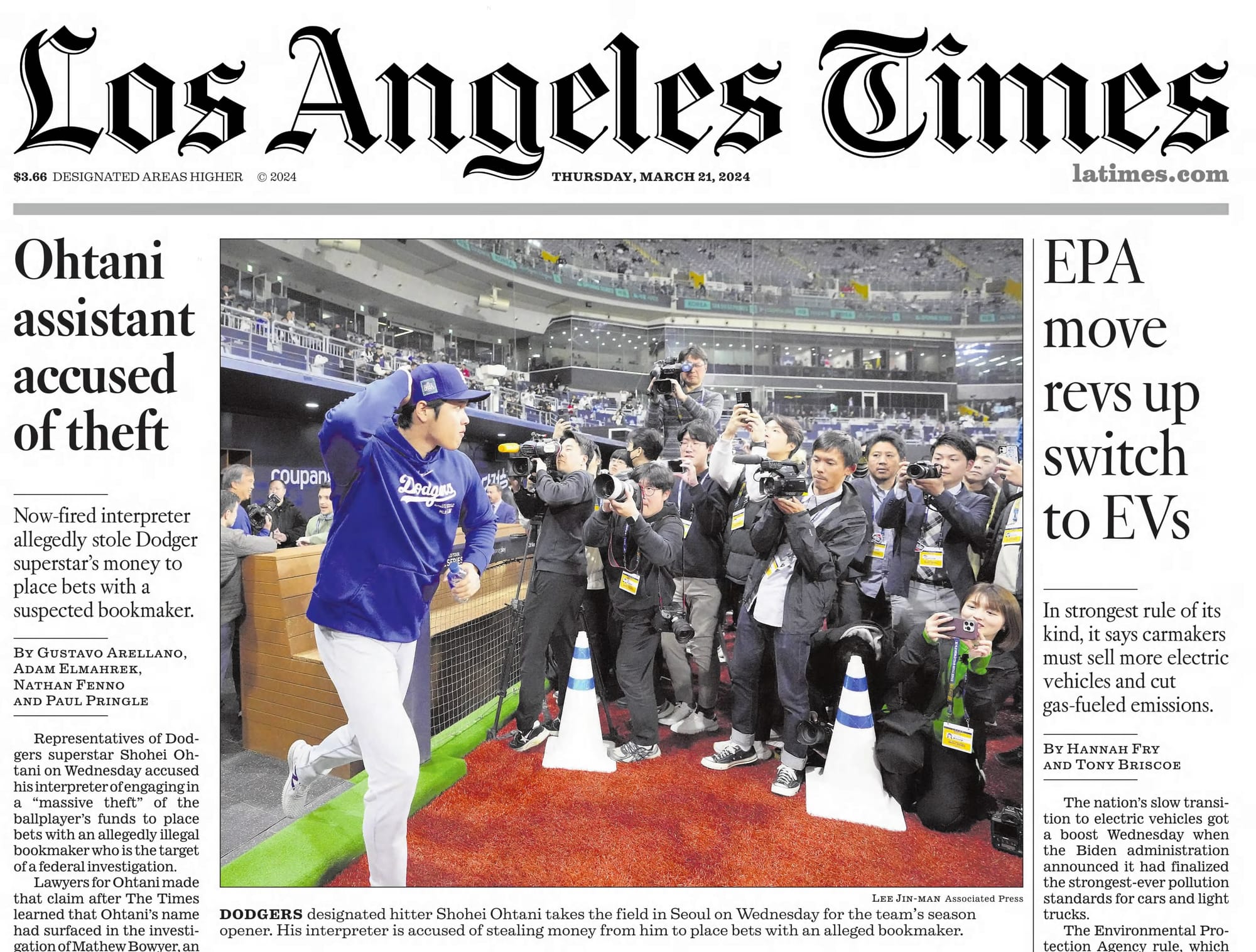
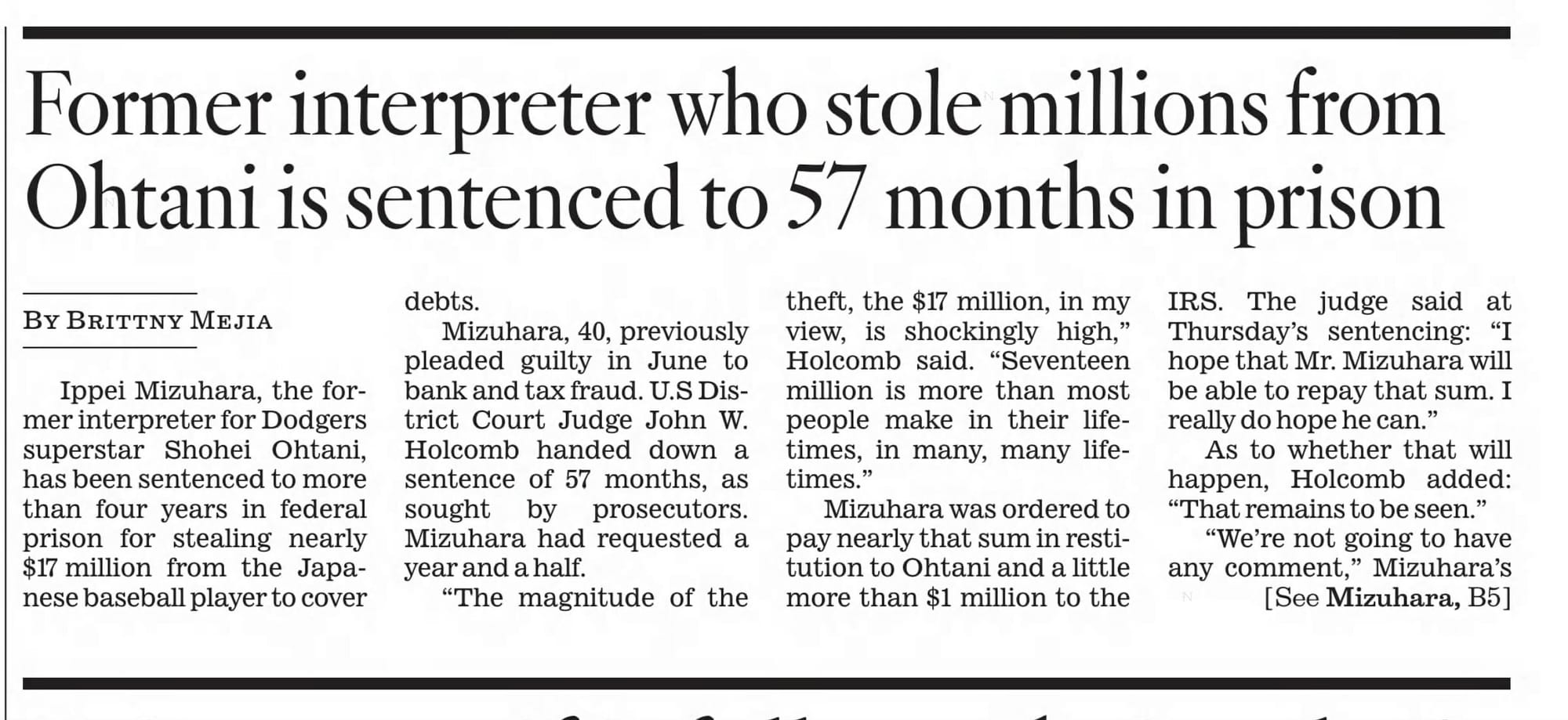
Federal prosecutors laid out the rest. Mizuhara had run up enormous gambling debts with an illegal bookmaker in Southern California, and to pay them he had stolen nearly $17 million from Ohtani's bank account, changing the account's contact information so the bank's security calls came to him and impersonating Ohtani on the phone.
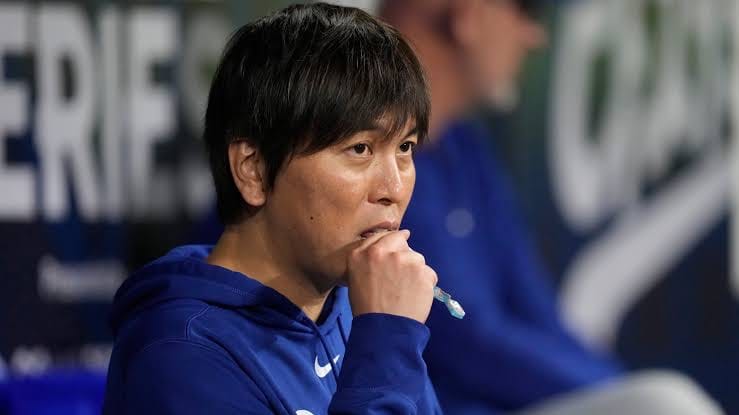
Investigators found no evidence Mizuhara ever bet on baseball, and Ohtani was cleared. Mizuhara pleaded guilty to bank fraud and filing a false tax return and in February 2025 was sentenced to 57 months in federal prison.
7. Boston College Basketball, 1978–79
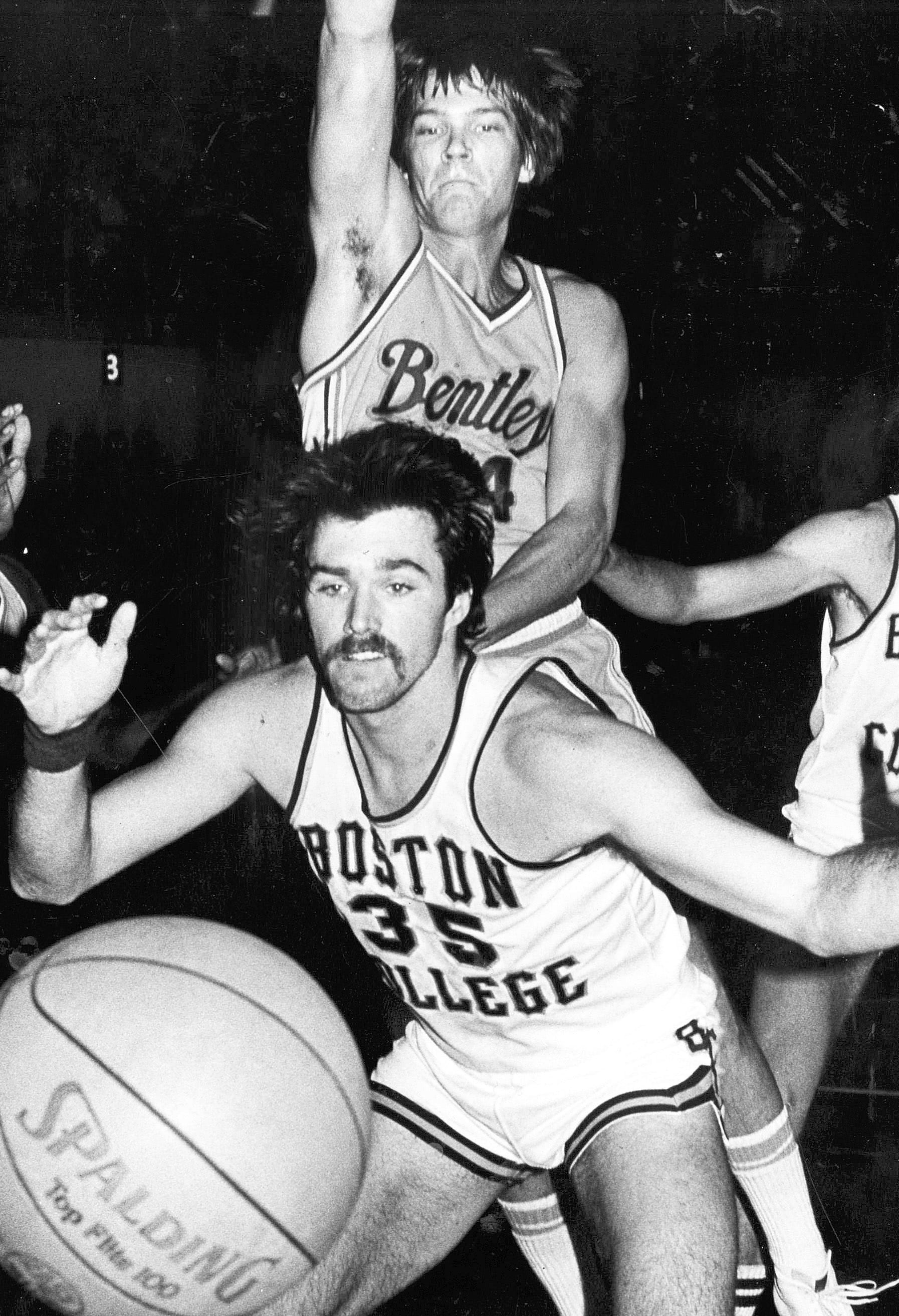
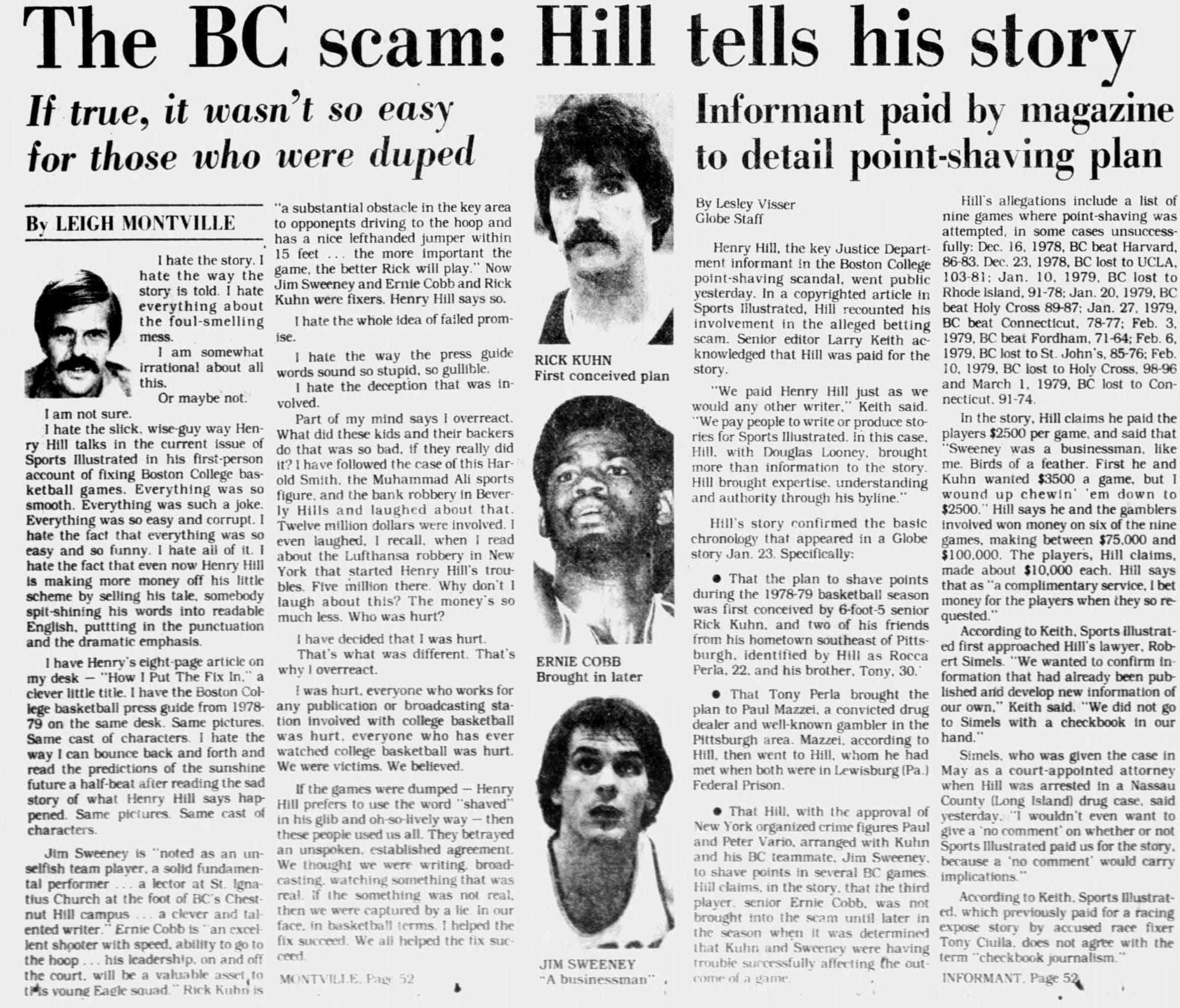
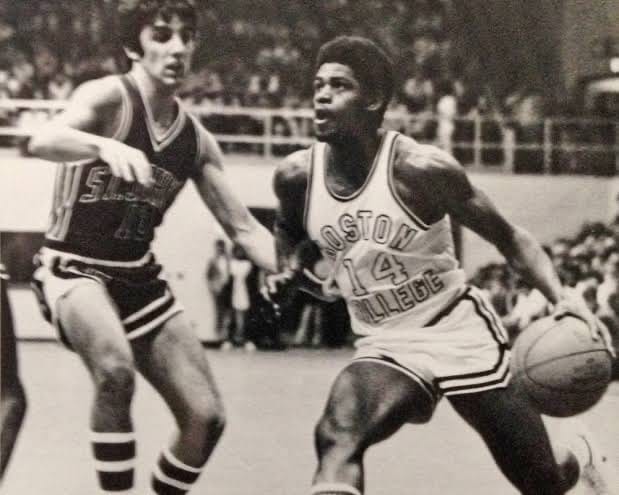
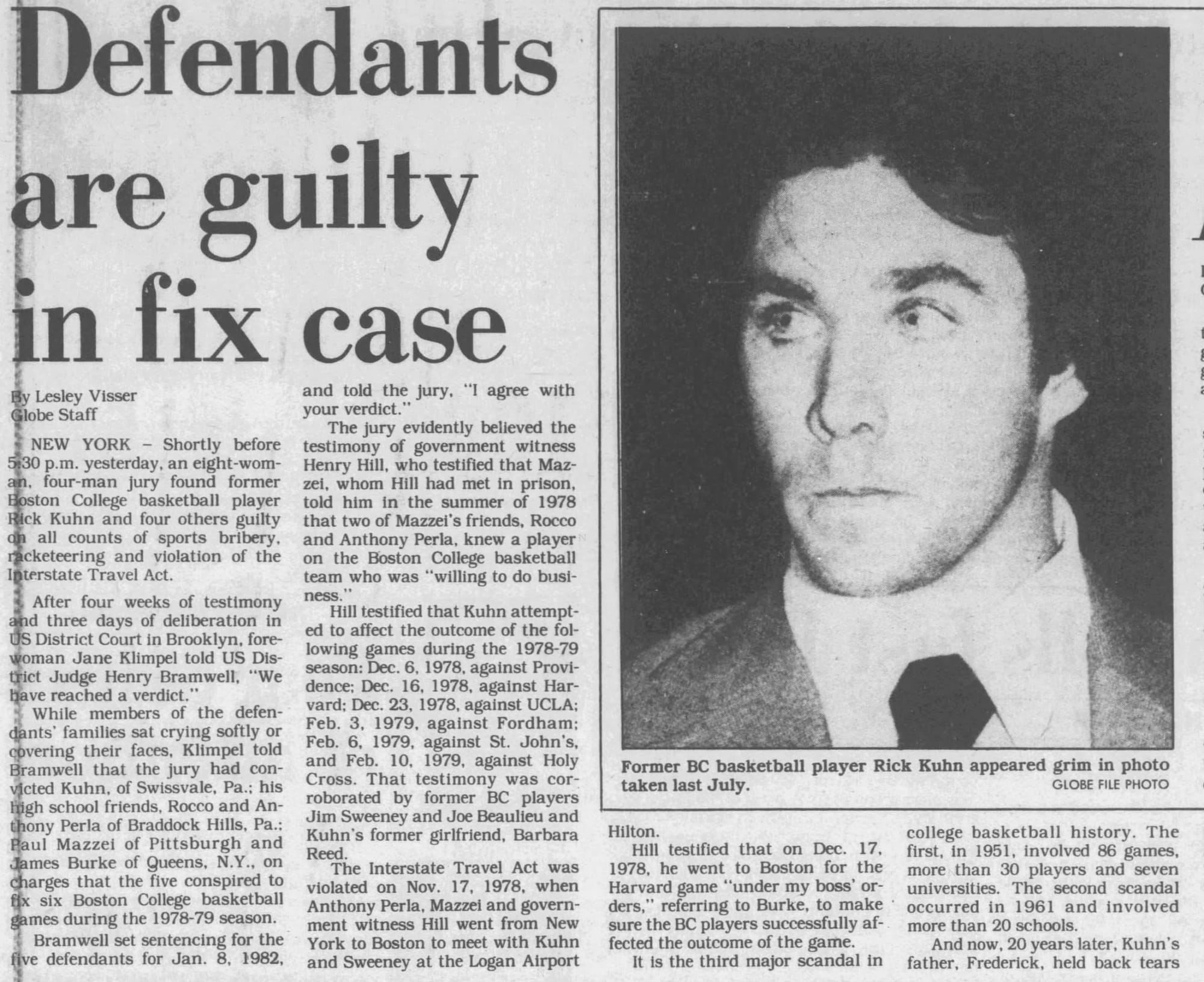
The scheme ran out of a Pittsburgh hotel room and a Queens mob crew. Henry Hill, an associate of the Lucchese crime family, and his partners paid Boston College forward Rick Kuhn to shave points during the 1978–79 season. Hill's boss, Jimmy Burke, put money down on the games.
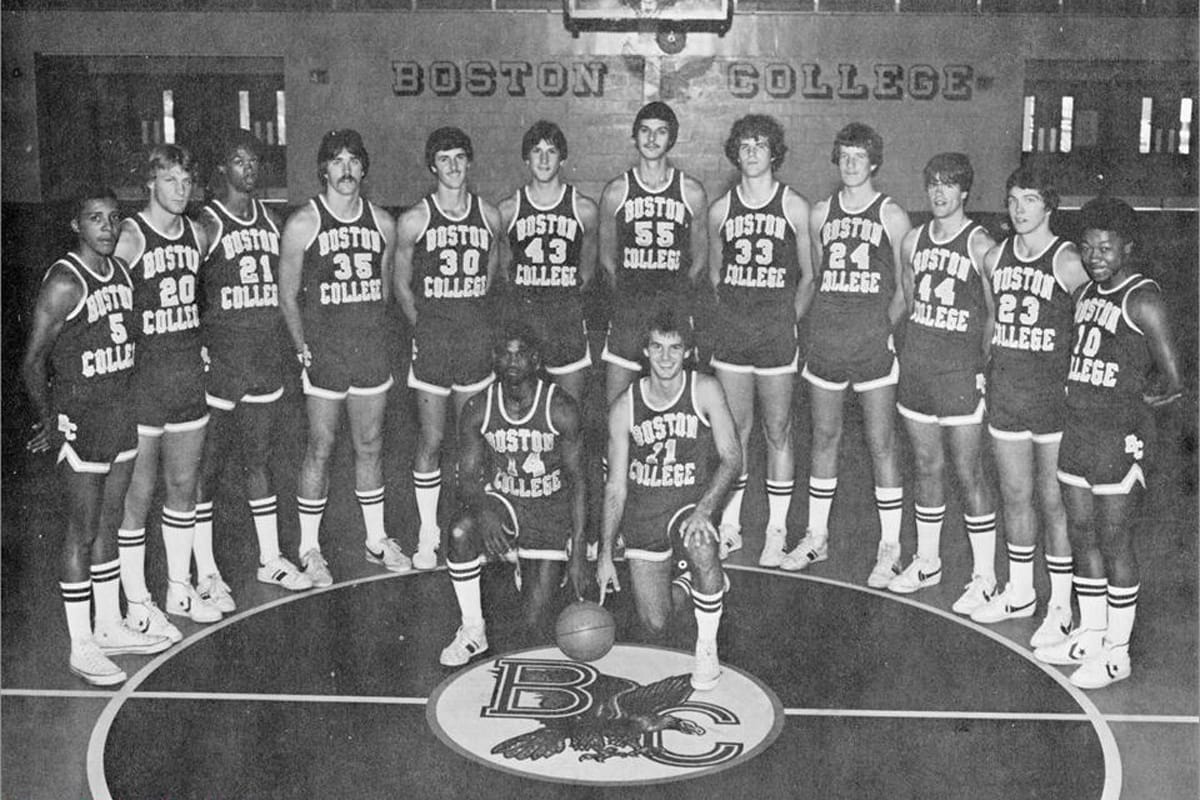
It unraveled after Hill was arrested on drug charges in 1980 and became a government witness. He told the story himself in a 1981 Sports Illustrated cover story, "How I Put the Fix In." Kuhn was sentenced to 10 years in prison, later reduced to 28 months. Burke got 12 years. Hill claimed Burke put his foot through a TV after losing $50,000 on the Holy Cross game.
If those names sound familiar, it's because Hill's life became the book "Wiseguy" and then Martin Scorsese's "Goodfellas." Ray Liotta played Hill. Robert De Niro played Burke.
6. Emmanuel Clase and Luis Ortiz, 2025
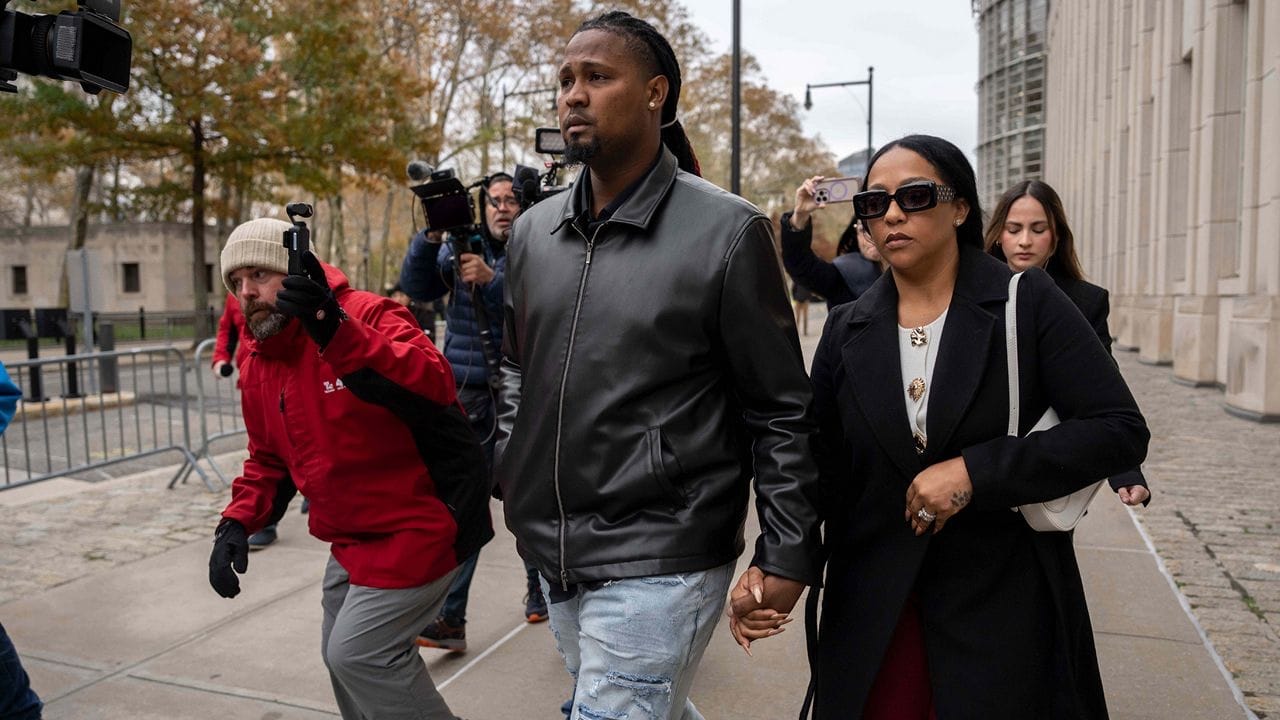
Emmanuel Clase led the American League in saves 3 straight seasons. Luis Ortiz was a 26-year-old starter in his first year in Cleveland. In July 2025, MLB put both on leave. In November, a federal indictment in Brooklyn explained why.
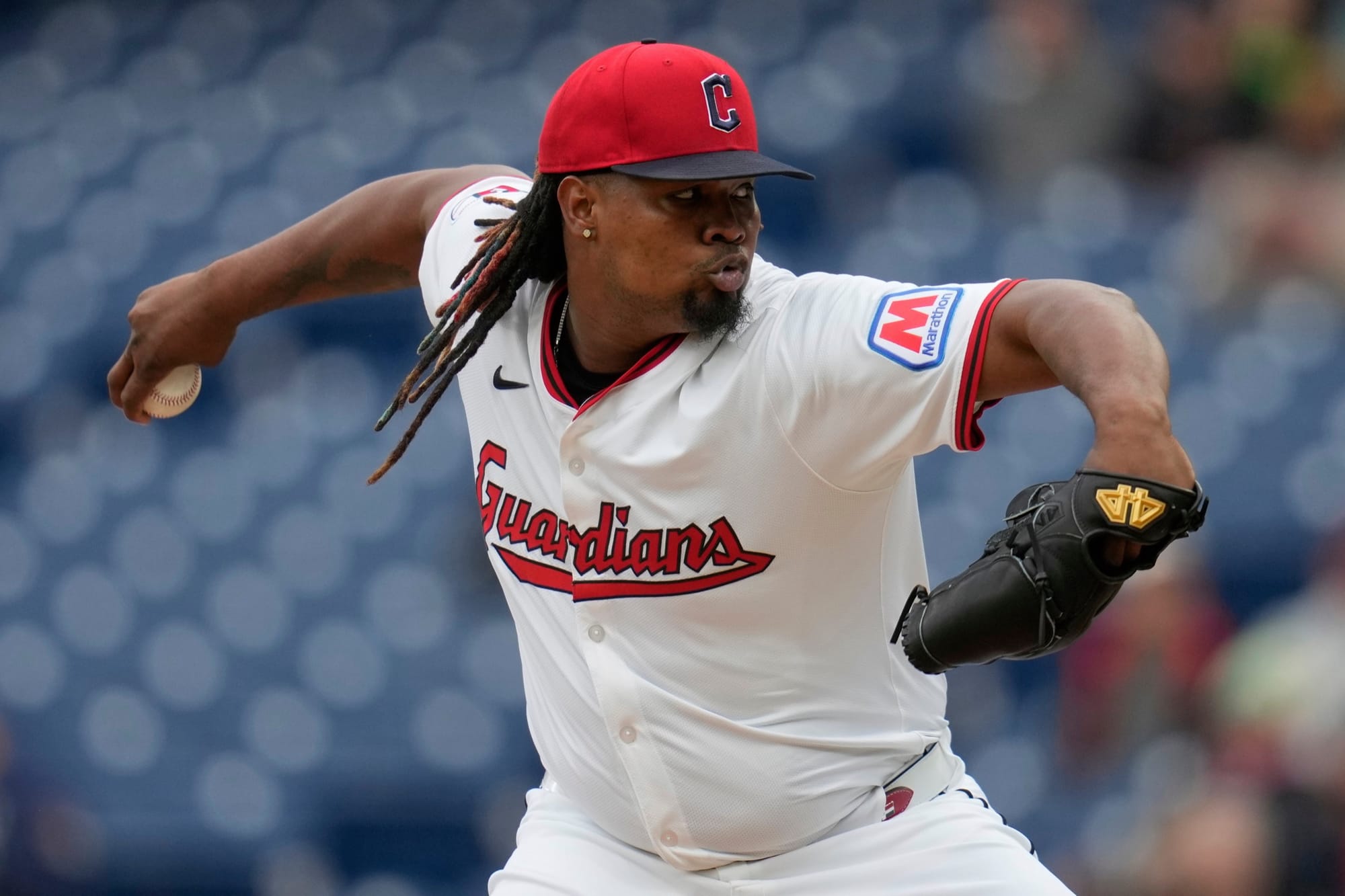
Prosecutors said the 2 pitchers took bribes to throw specific pitches out of the strike zone, and in Clase's case to control pitch velocity, so that bettors who knew in advance could win prop bets on those individual pitches. According to the indictment, Clase had been doing it since May 2023, and bettors won at least $450,000. One Clase pitch on May 19, 2023, was worth $27,000 to them. Ortiz allegedly agreed to $5,000 and $7,000 for 2 specific balls in 2025.
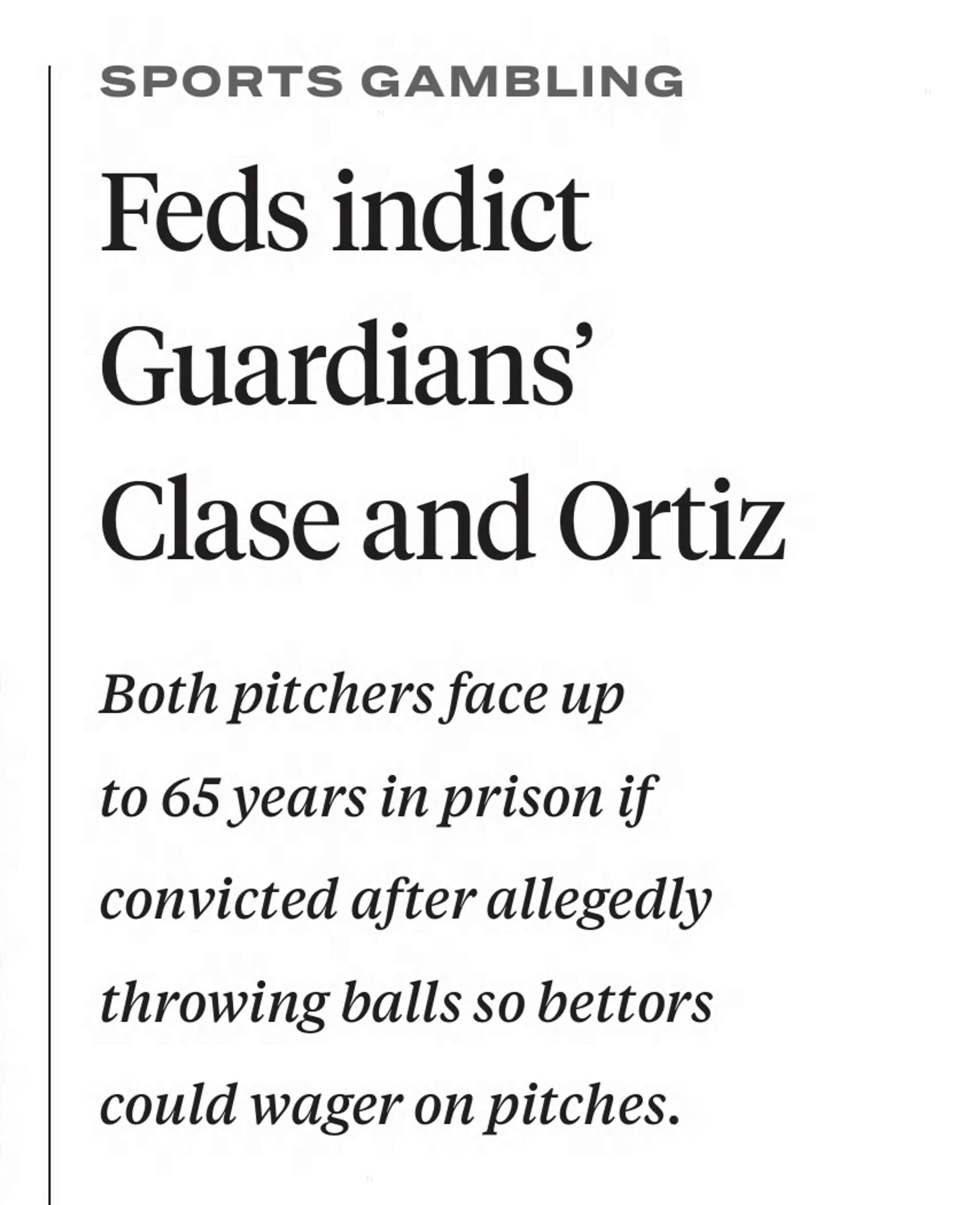
Both pitchers pleaded not guilty, and jury selection in their joint trial is set for Nov. 2, 2026, in Brooklyn.
It was the first major betting scandal built entirely around the micro-bets that legal sports books now take on almost every pitch. Days after the indictment, MLB and its licensed sportsbooks capped bets on individual pitches at $200 and pulled them out of parlays.
5. The NBA's 2025 Indictments
The NBA had already banned Raptors forward Jontay Porter for life in April 2024, after an investigation found he'd bet on NBA games, including one against his own team, and pulled himself out of games early so bettors could cash his "under" props. He later pleaded guilty.
That turned out to be the warm-up. On Oct. 23, 2025, the FBI announced 2 cases with more than 30 defendants. In one, Heat guard Terry Rozier was charged with tipping associates that he would leave a March 2023 Hornets game early. He played 9 minutes, then left citing a foot injury. In the other, Trail Blazers head coach and Hall of Famer Chauncey Billups was charged with helping lure victims into rigged, Mafia-backed poker games that used X-ray card tables and doctored shuffling machines. Former NBA player and assistant coach Damon Jones was charged in both.
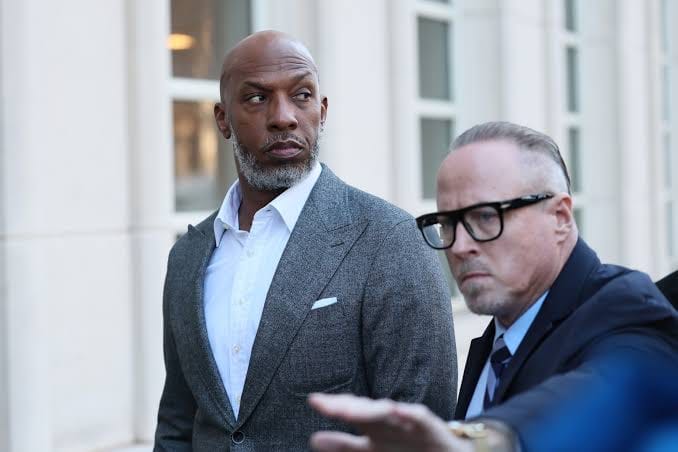
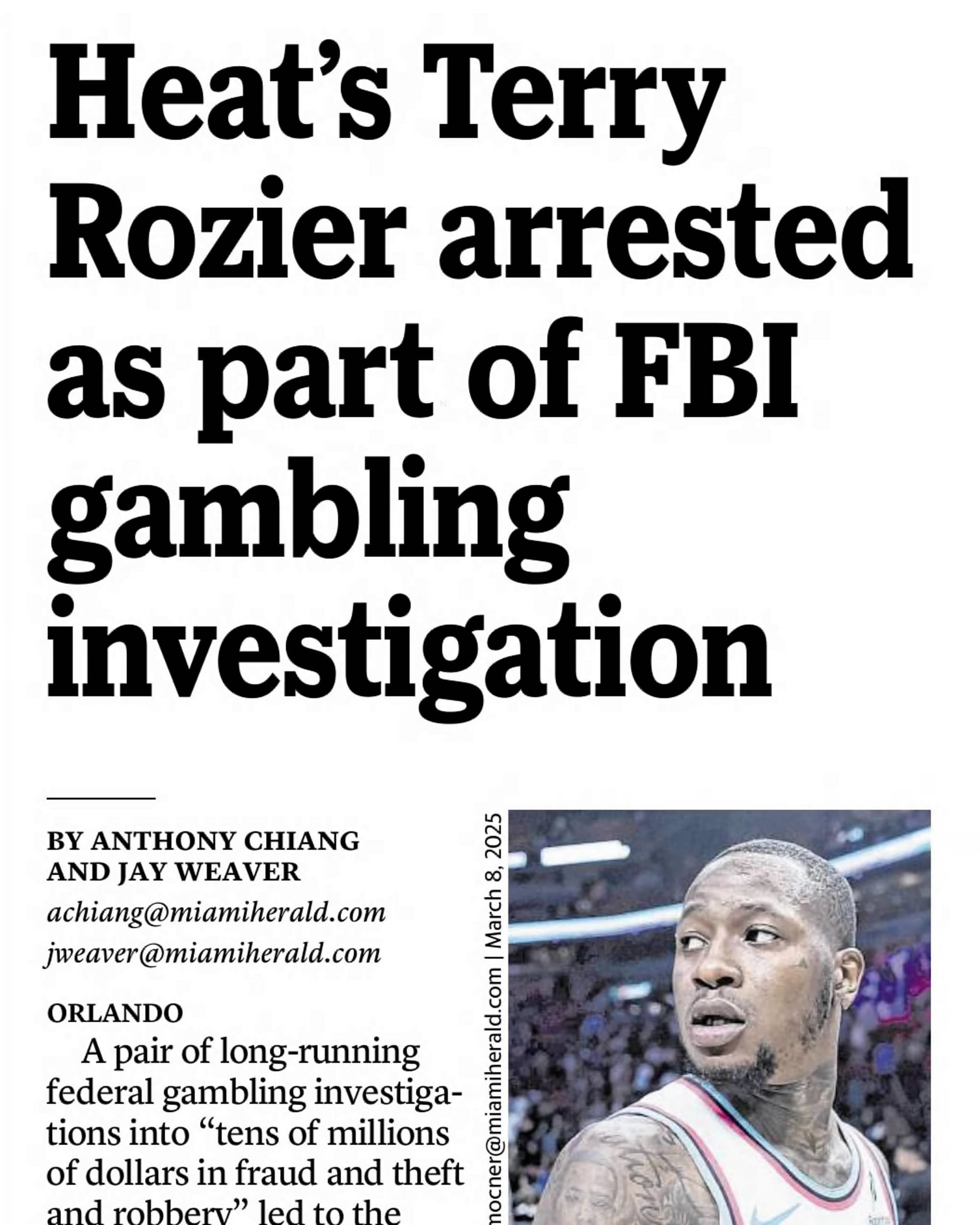
An active player and a sitting head coach, arrested within 24 hours. Nothing like it had ever happened in American pro sports.
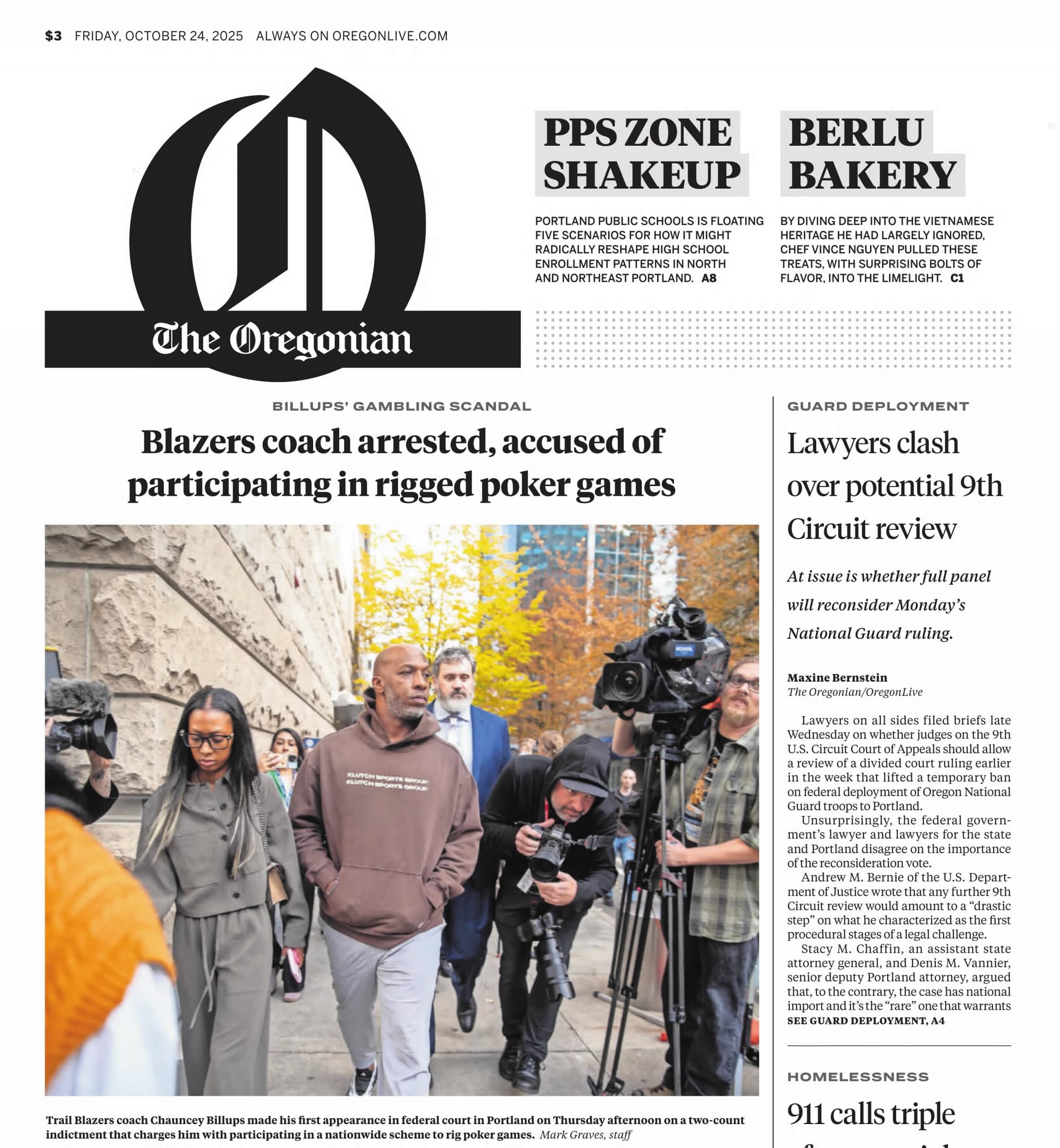
It kept growing. Jones pleaded guilty in April 2026. A superseding indictment in May accused Rozier of taking a $100,000 bribe, and the Heat had already waived him. In June, former players Malik Beasley and Ed Davis were indicted on charges of rigging Beasley's prop bets with the Bucks. Rozier and Billups have pleaded not guilty. Billups' trial is set for November 2026 and Rozier's for February 2027. On Oct. 16, 2026, the NBA had sportsbooks drop some player prop bets altogether.
4. Tim Donaghy, 2007
Players can throw games. A referee can decide them. That's what made the Tim Donaghy case the NBA's worst nightmare.
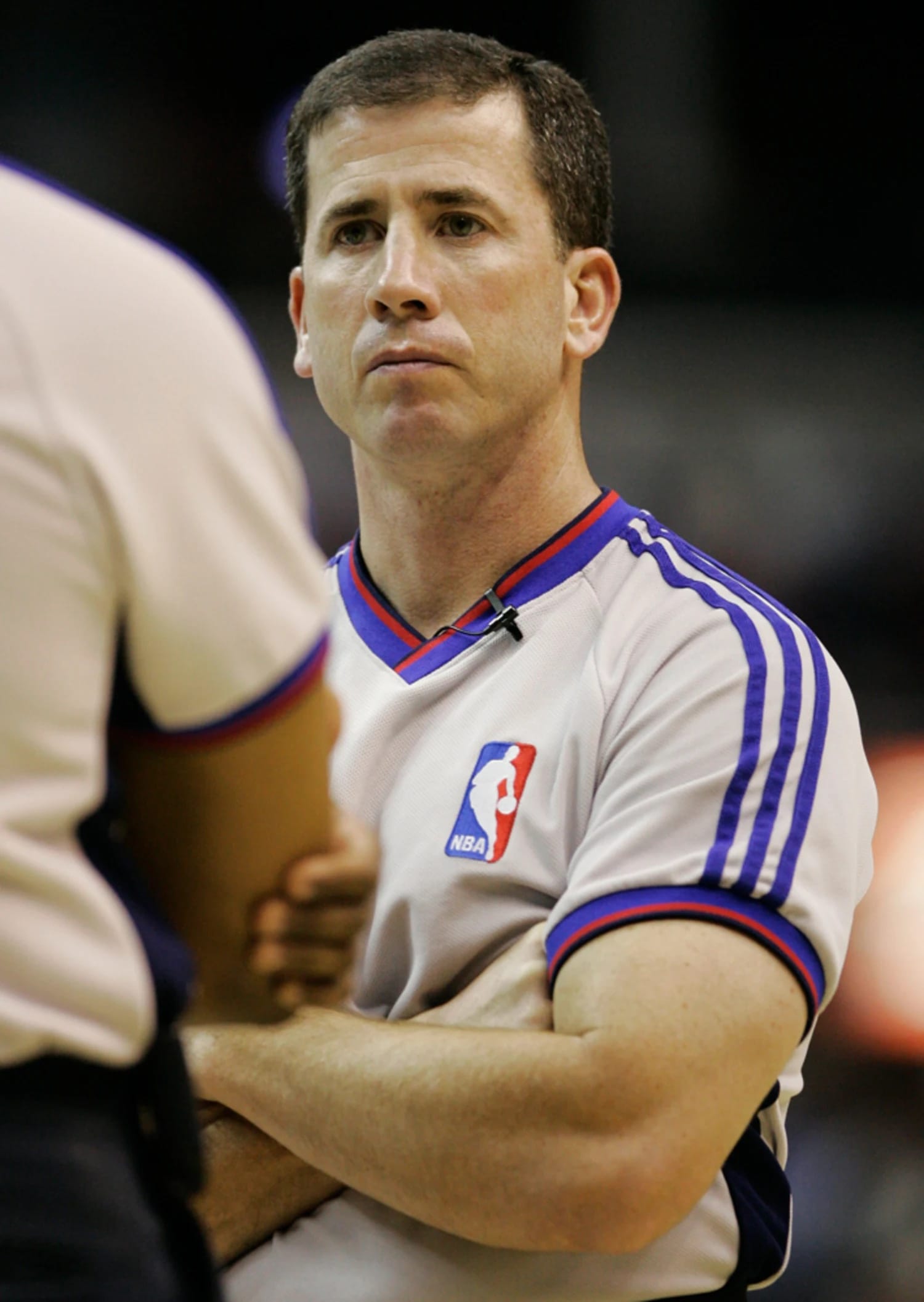
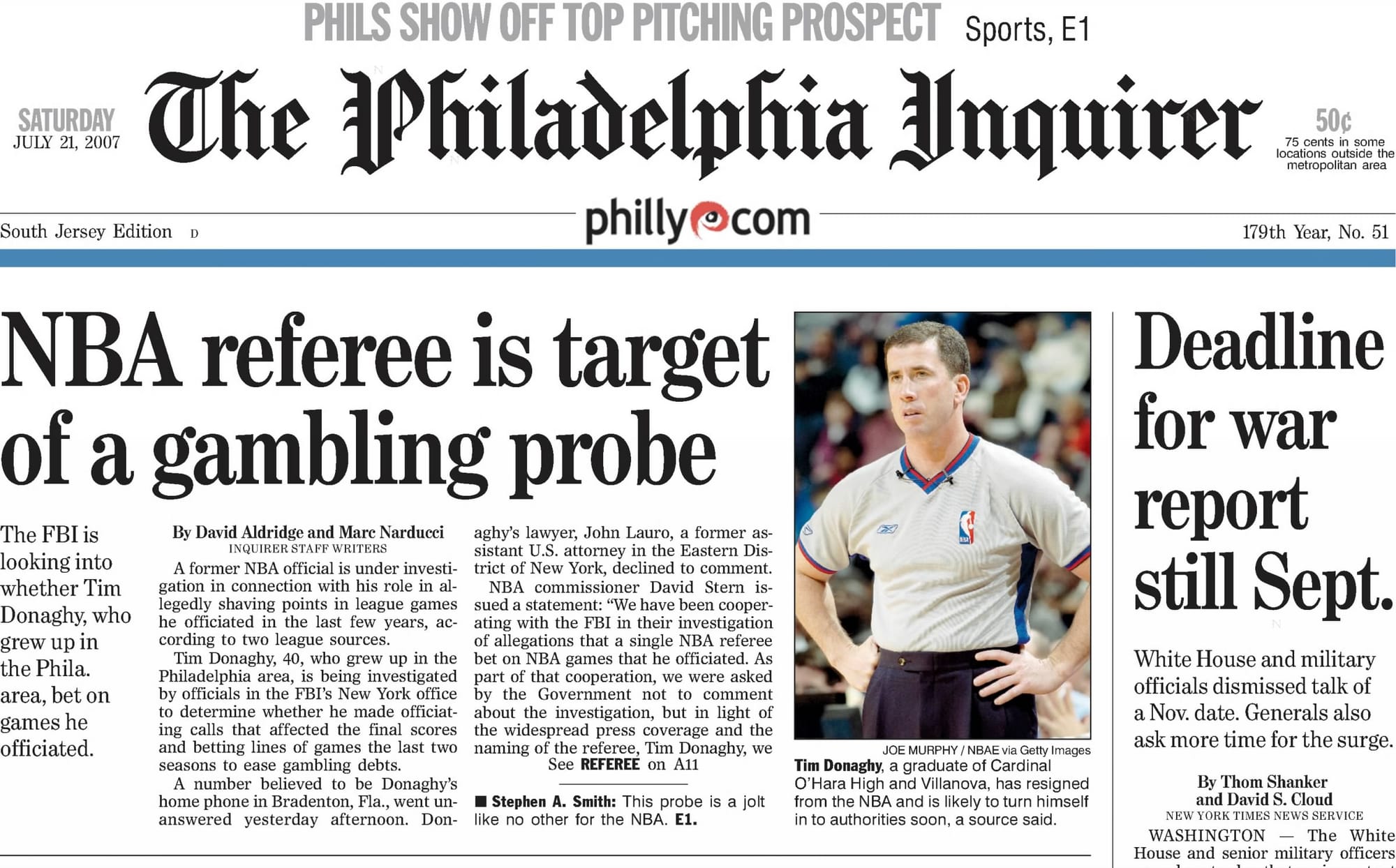
Donaghy officiated in the league for 13 seasons. In July 2007, news broke that the FBI was investigating him for betting on games, including games he worked. He later admitted betting on games he officiated for 4 seasons, starting in 2003–04. By the end he was passing picks to a pair of gamblers who paid him $2,000 for every winner, later raised to $5,000. In August 2007 he pleaded guilty to 2 federal felonies, and he was later sentenced to 15 months in prison.
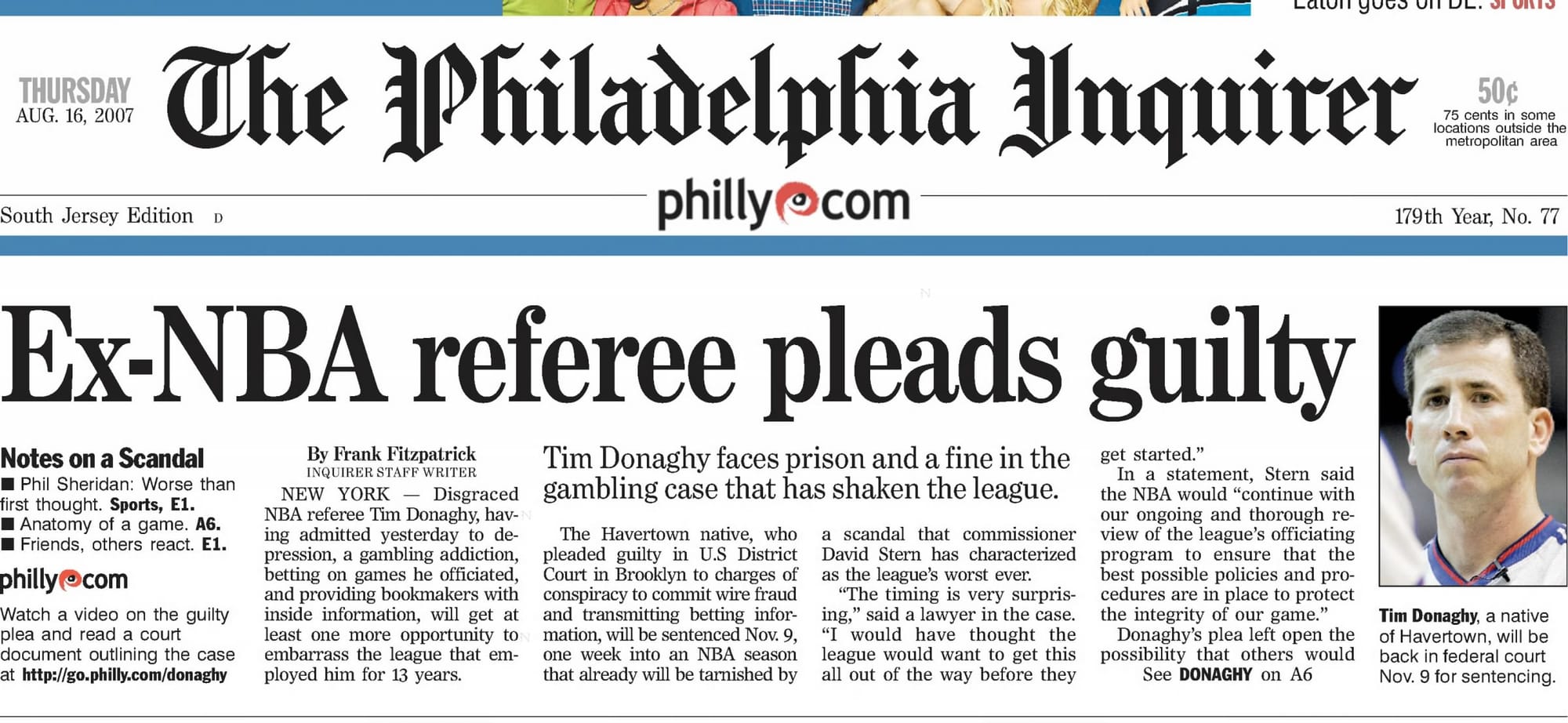
Commissioner David Stern called Donaghy "a rogue, isolated criminal." Donaghy has spent the years since claiming otherwise, most notably about Game 6 of the 2002 Western Conference Finals between the Kings and Lakers, in which Los Angeles shot 27 free throws in the 4th quarter alone.
3. College Basketball's Point-Shaving Scandal, 1951
In 1950, City College of New York became the only team ever to win the NCAA Tournament and the NIT in the same season. A year later, 3 of its players were arrested at Penn Station.
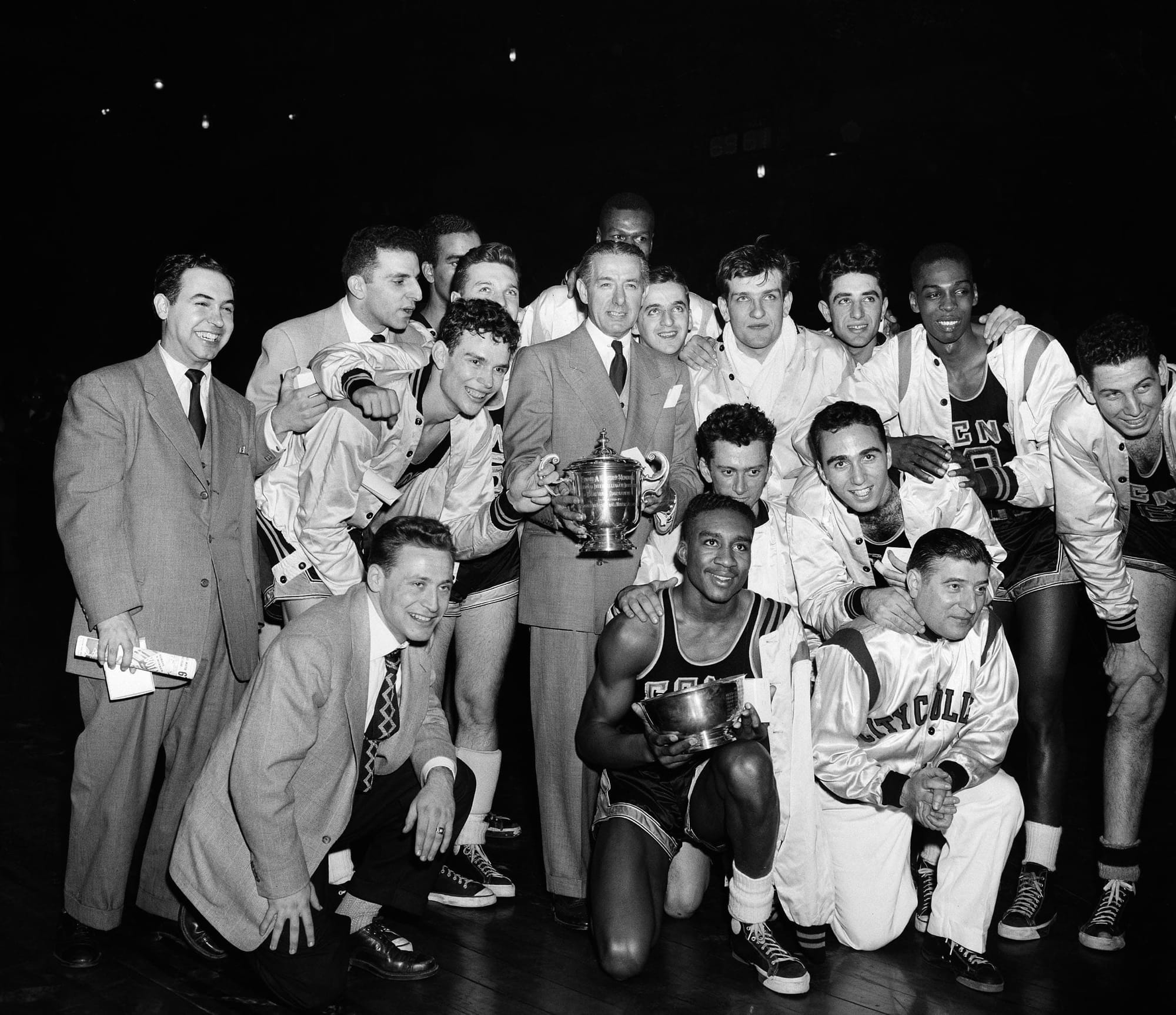
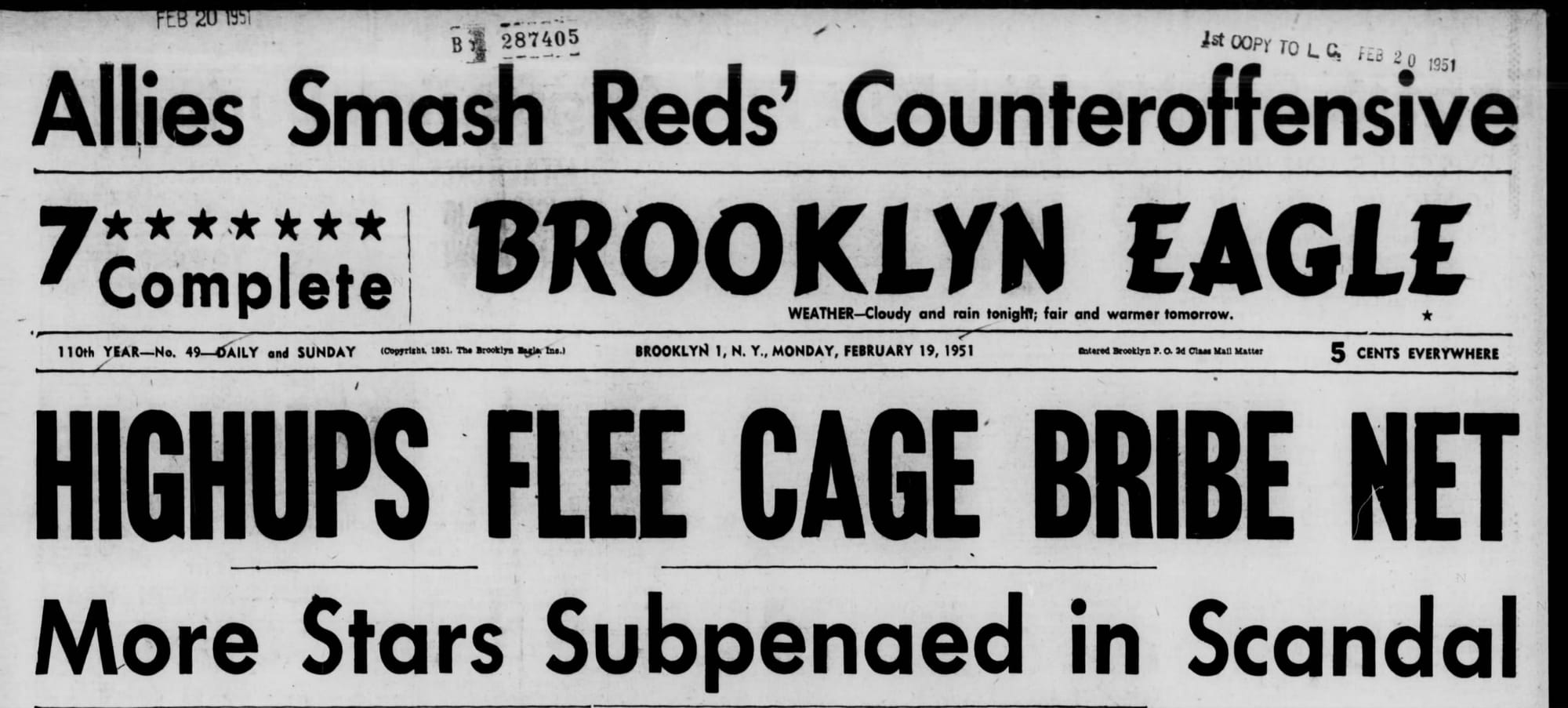
The case broke open in January 1951, when Manhattan College center Junius Kellogg reported a $1,000 bribe offer to his coach. Manhattan District Attorney Frank Hogan's investigation grew from there. By the time it was over, more than 30 players from 7 schools were implicated in fixing 86 games between 1947 and 1950.
It reached all the way to Kentucky, where Adolph Rupp had insisted gamblers couldn't touch his players "with a 10-foot pole." Three members of his 1948 national champions, Alex Groza, Ralph Beard and Dale Barnstable, admitted taking money. Groza and Beard, by then NBA stars, were banned for life. Kentucky's entire 1952–53 season was canceled. CCNY never played big-time basketball again.
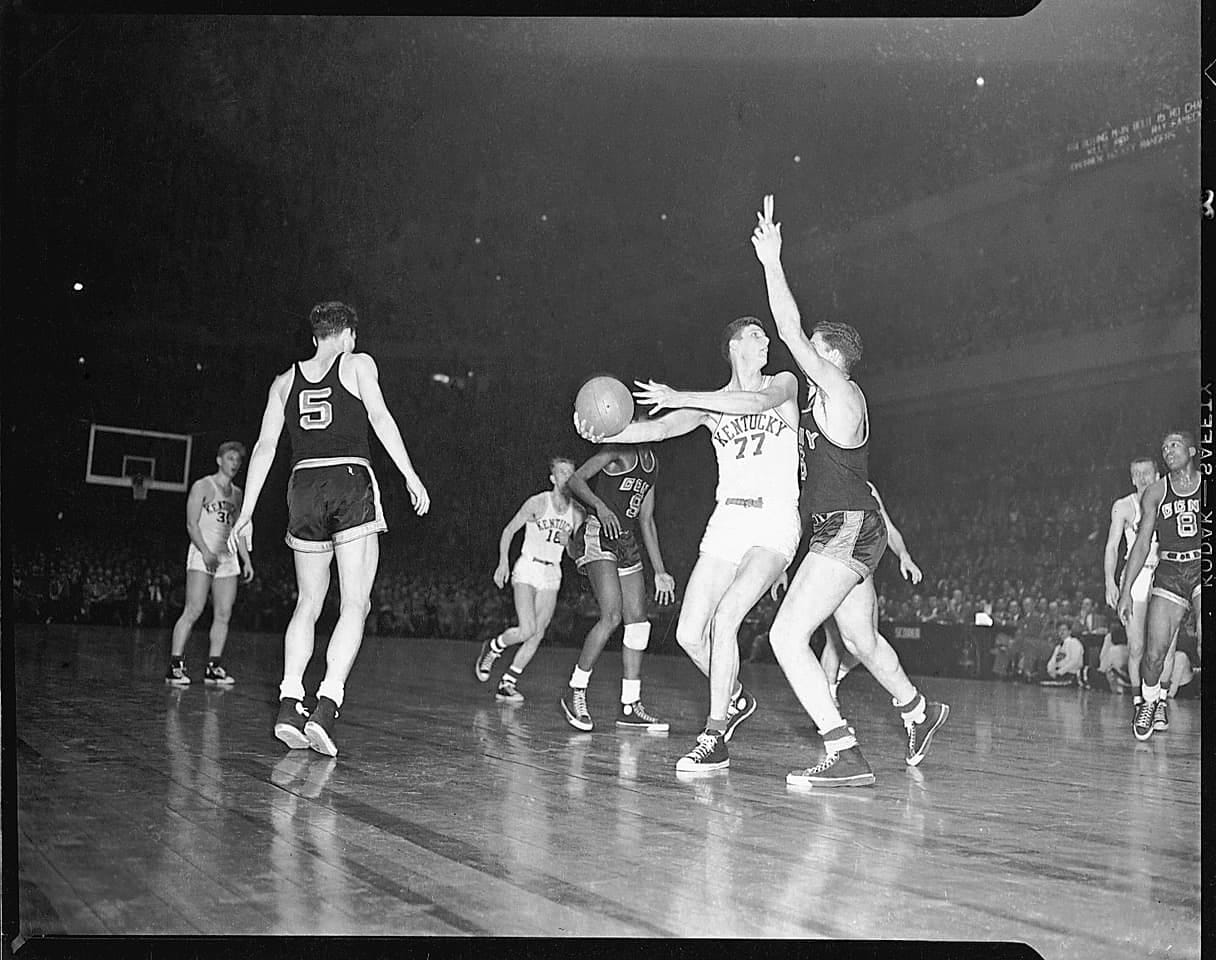
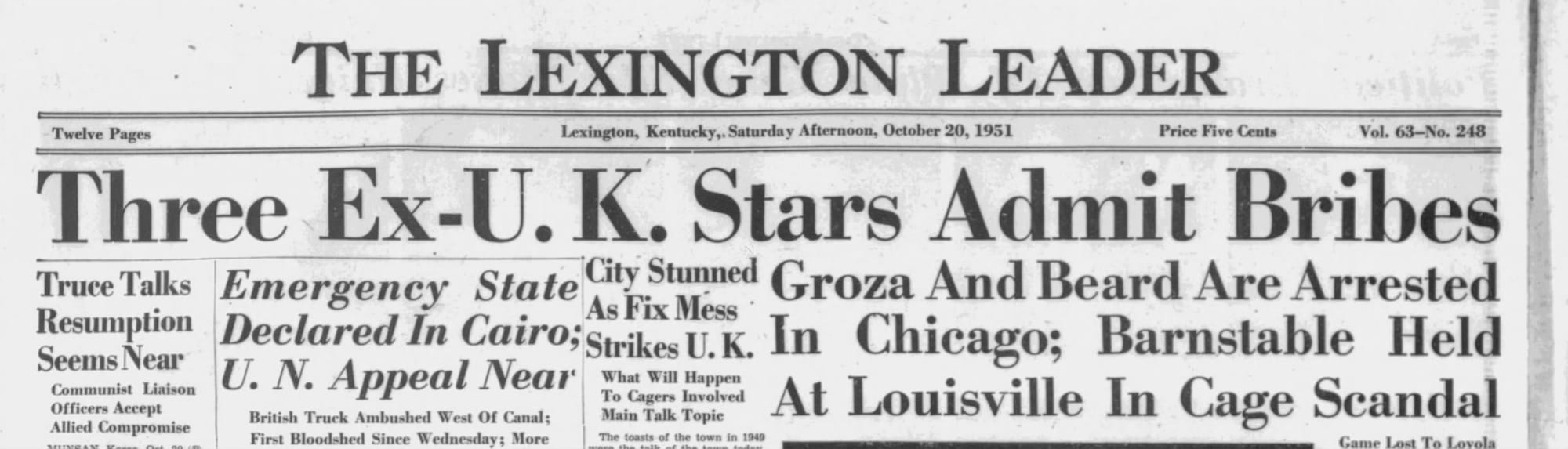
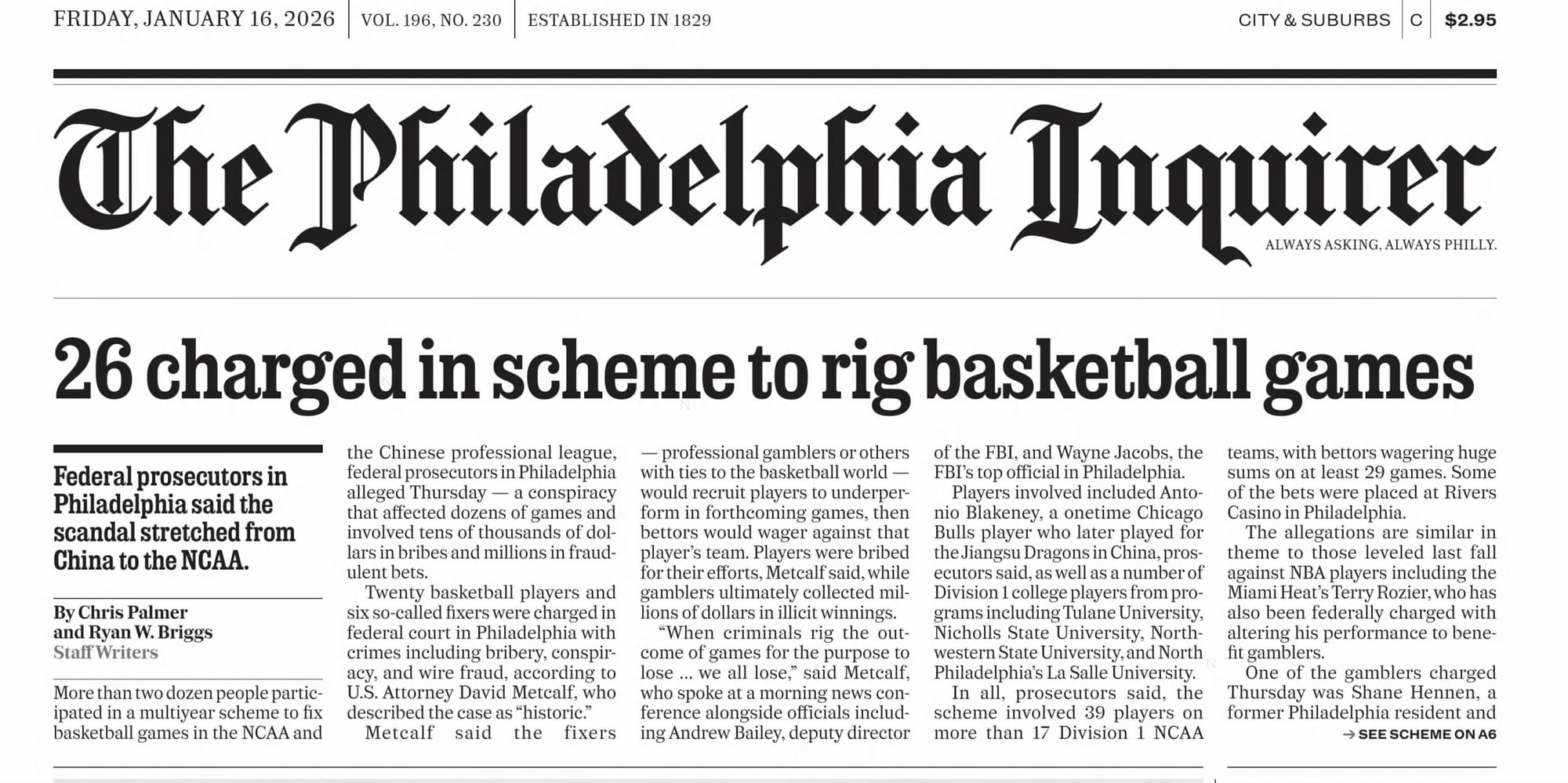
It wasn't the last time. A 1961 ring caught more than 35 players from 22 schools. And in January 2026, federal prosecutors in Philadelphia charged 26 people, 22 of them former players, in a scheme they said fixed at least 29 Division I games across the 2023–24 and 2024–25 seasons, with bribes of $10,000 to $30,000 a game. Prosecutors called it possibly the biggest college basketball scandal since 1951.
2. Pete Rose, 1989
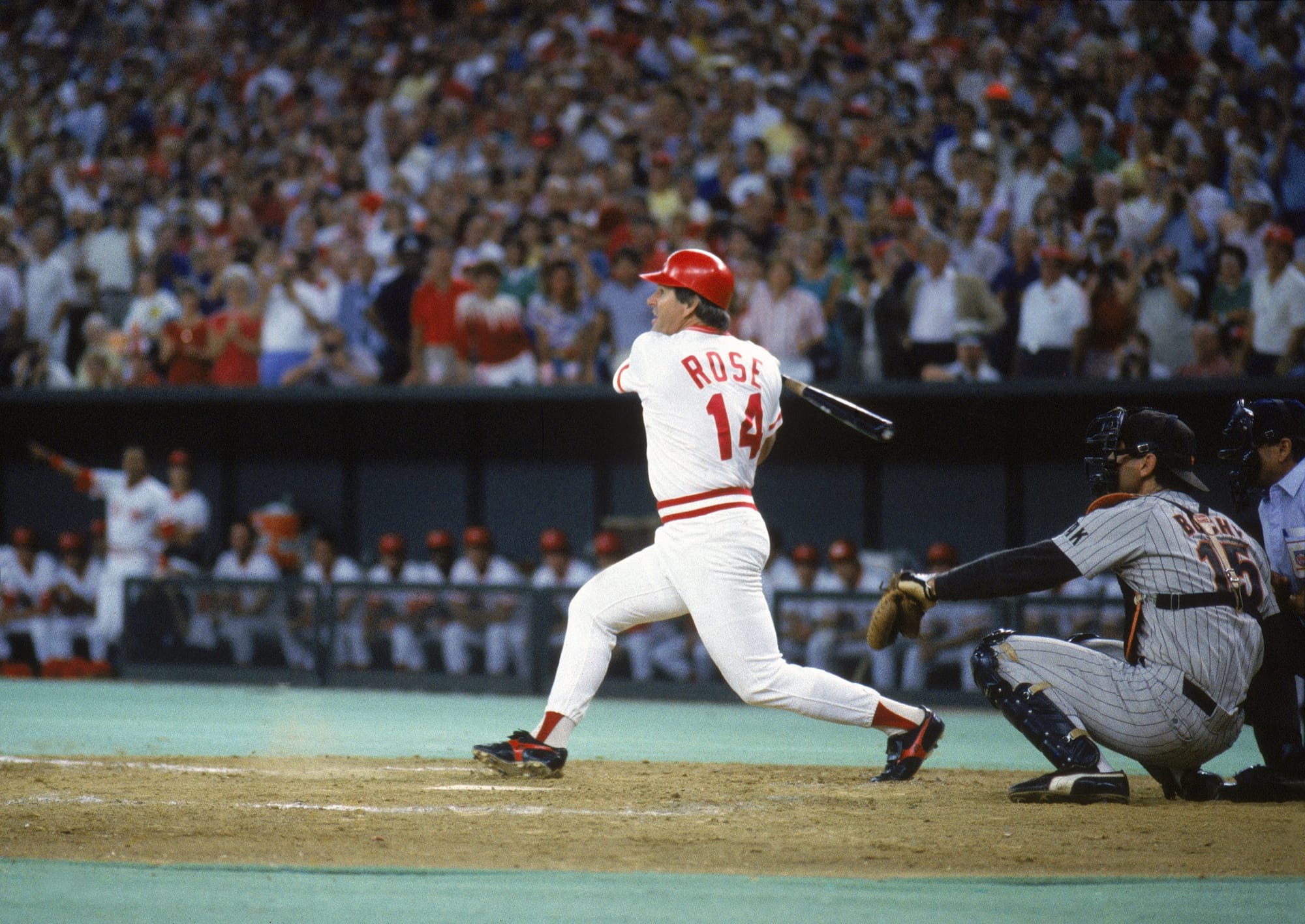
Baseball's career hits leader has 4,256 of them, and for 35 years he wasn't allowed in the Hall of Fame.
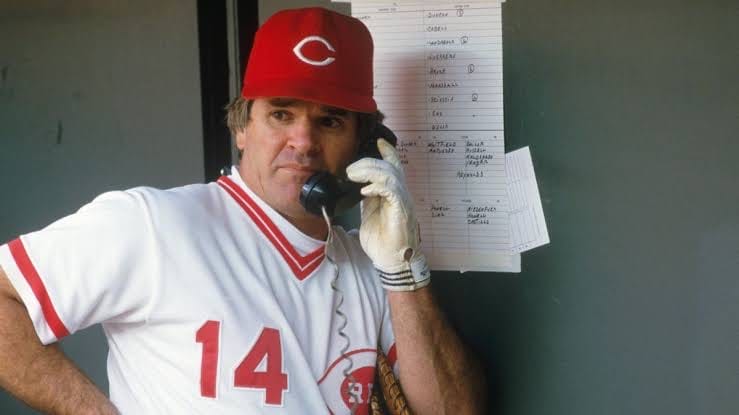
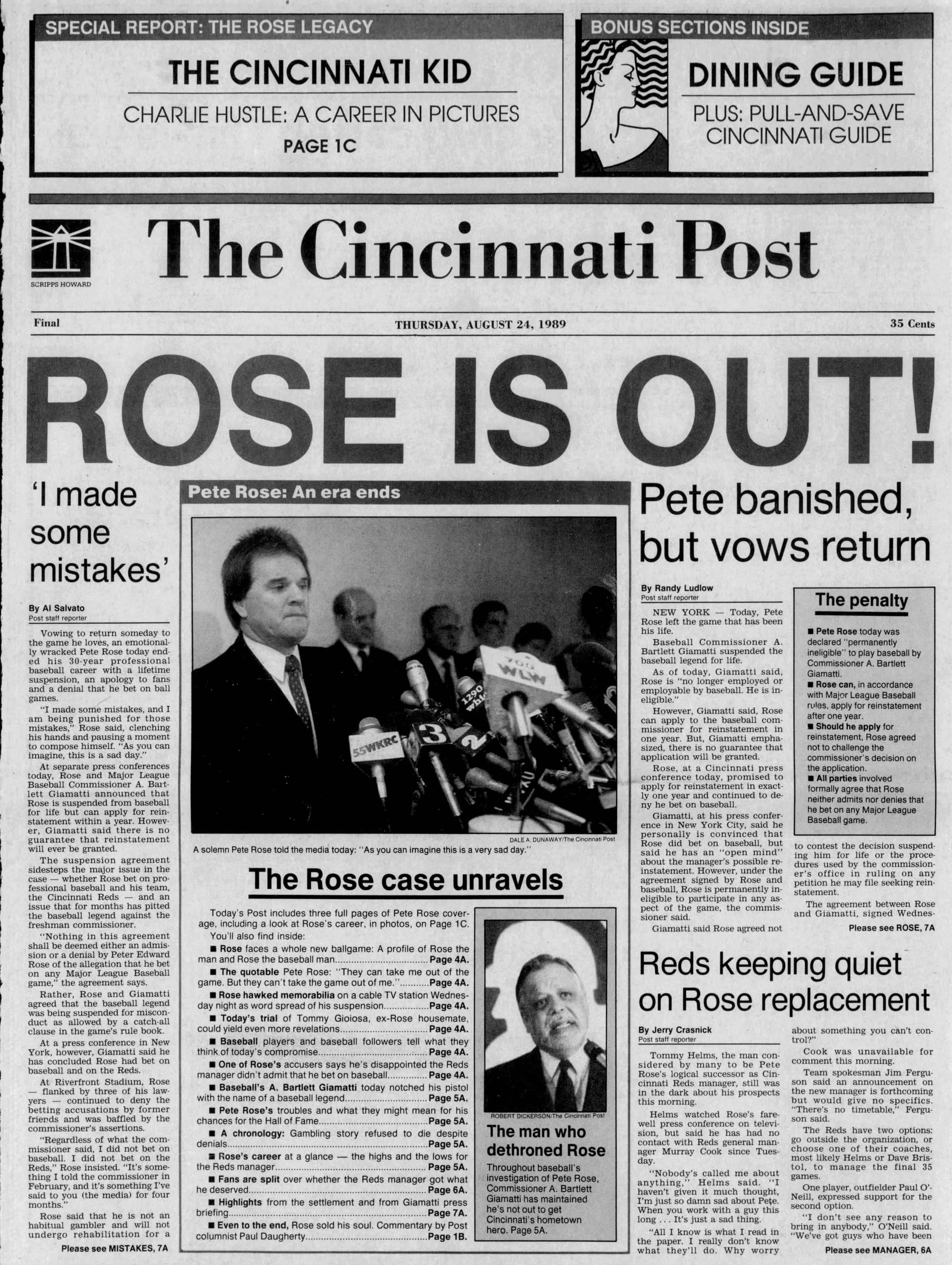
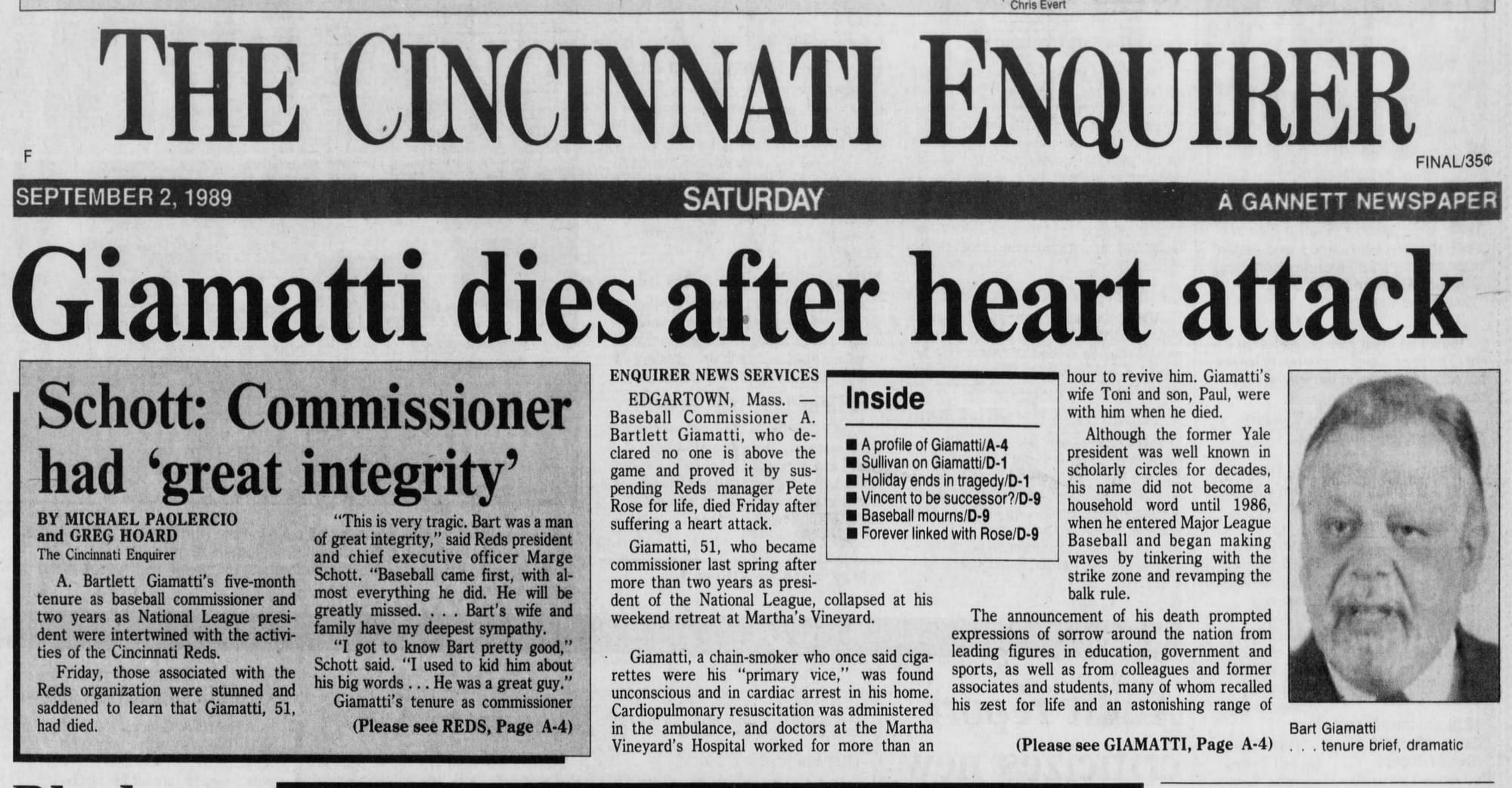
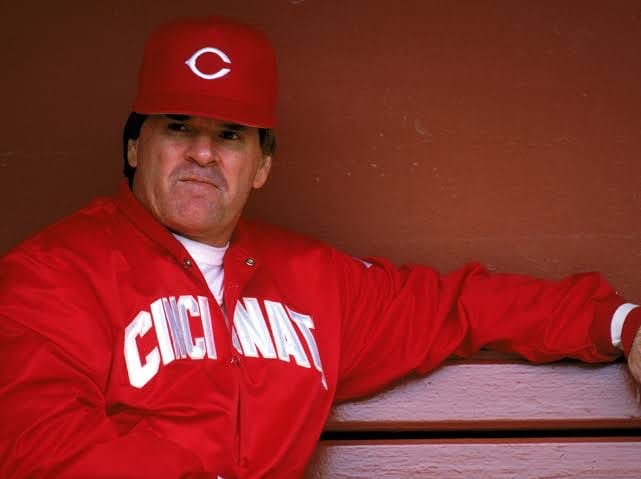
In 1989, an investigation led by lawyer John Dowd concluded that Rose had bet on baseball, including on the Reds, while managing them from 1985 to 1987. On Aug. 24, 1989, Rose signed an agreement with Commissioner Bart Giamatti accepting permanent ineligibility. Giamatti died of a heart attack 8 days later. Rose denied betting on baseball for the next 15 years, until he admitted it in his 2004 autobiography.
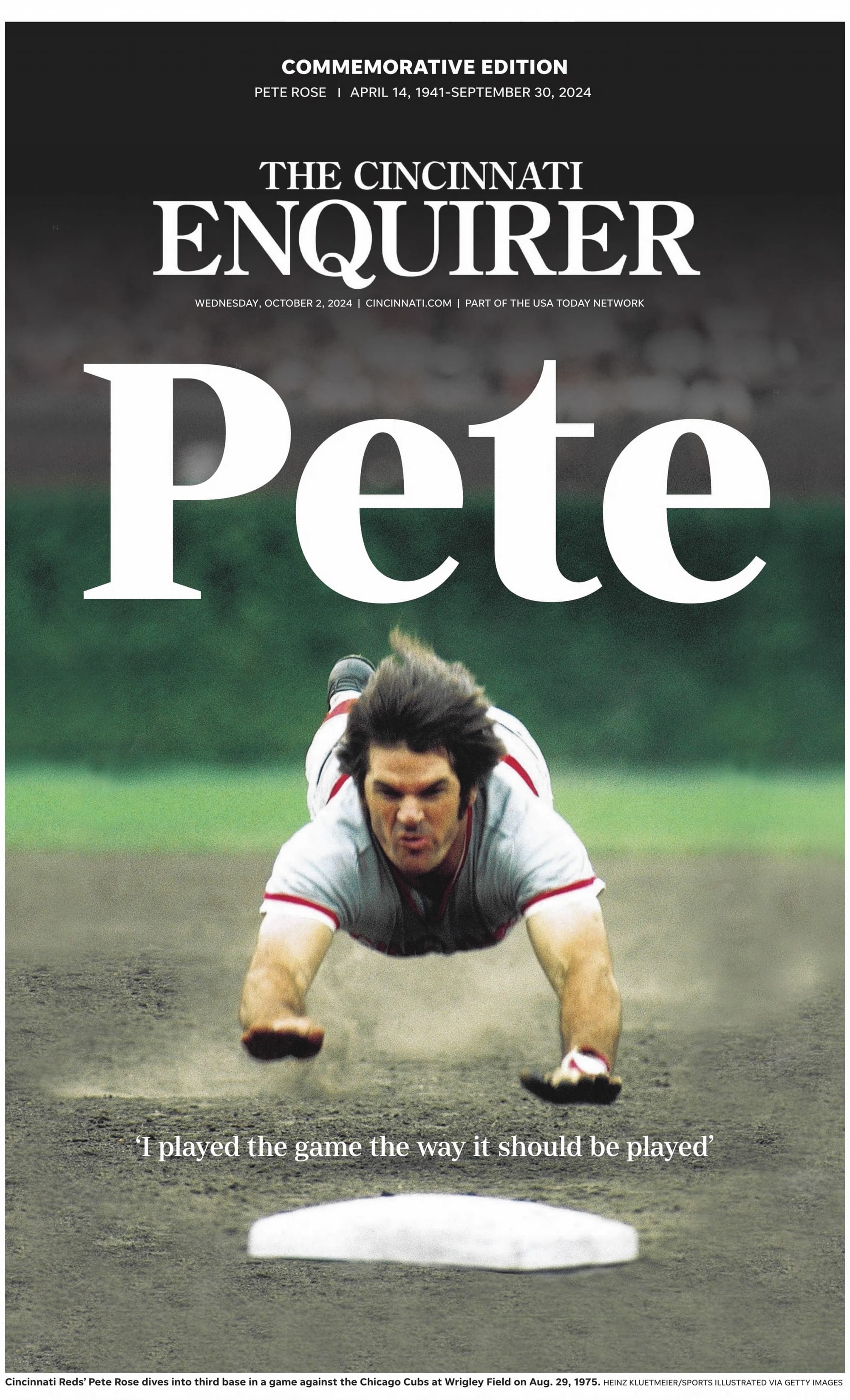
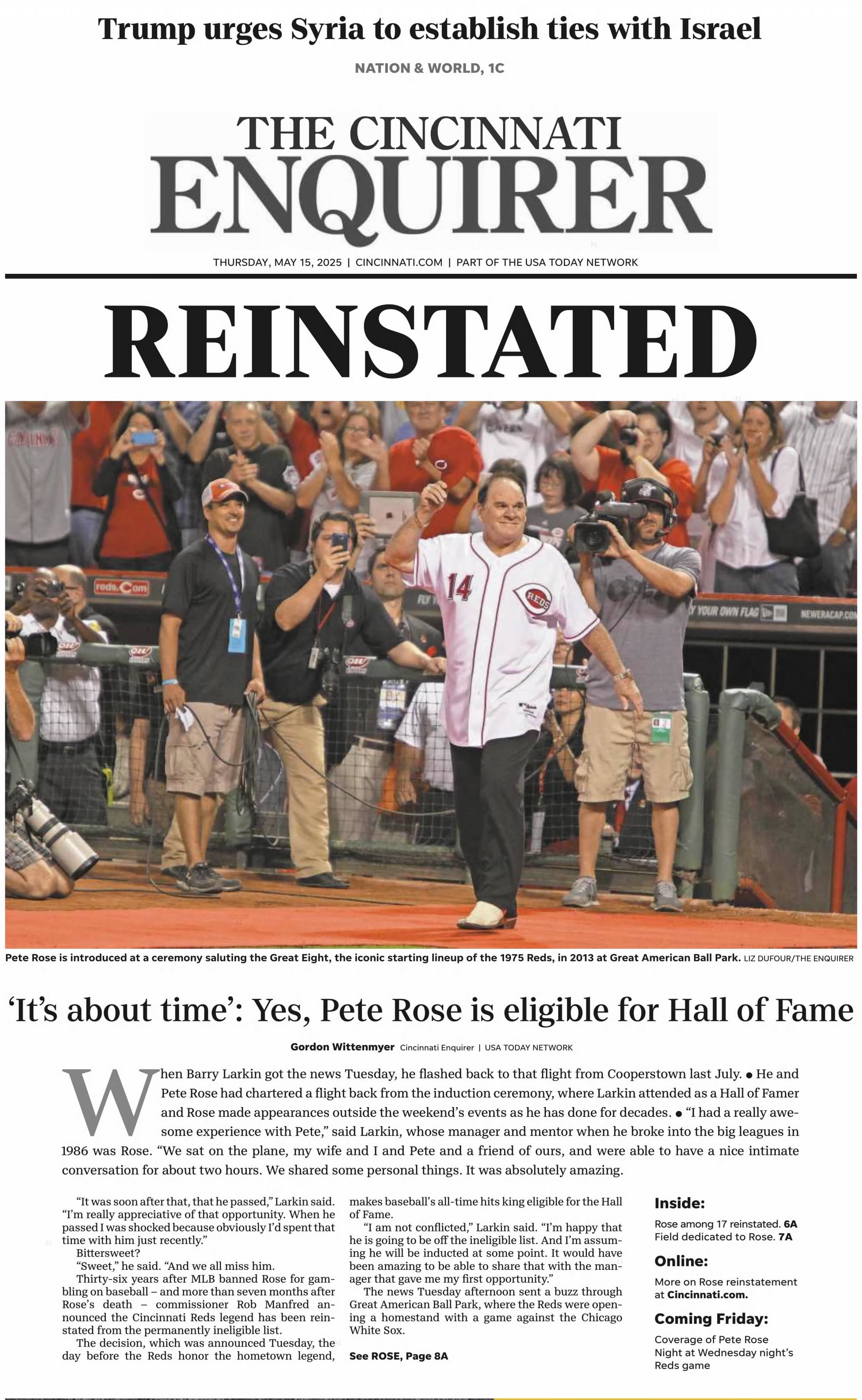
Rose passed Ty Cobb in 1985 and died on Sept. 30, 2024, at 83, still banned. In May 2025, Commissioner Rob Manfred ruled that permanent ineligibility ends at death, which removed Rose and 16 other dead players from the list. Rose's first shot at the Hall of Fame is expected in December 2027, when the Classic Baseball Era Committee meets.
1. The Black Sox, 1919
Every gambling scandal on this list gets measured against this one.
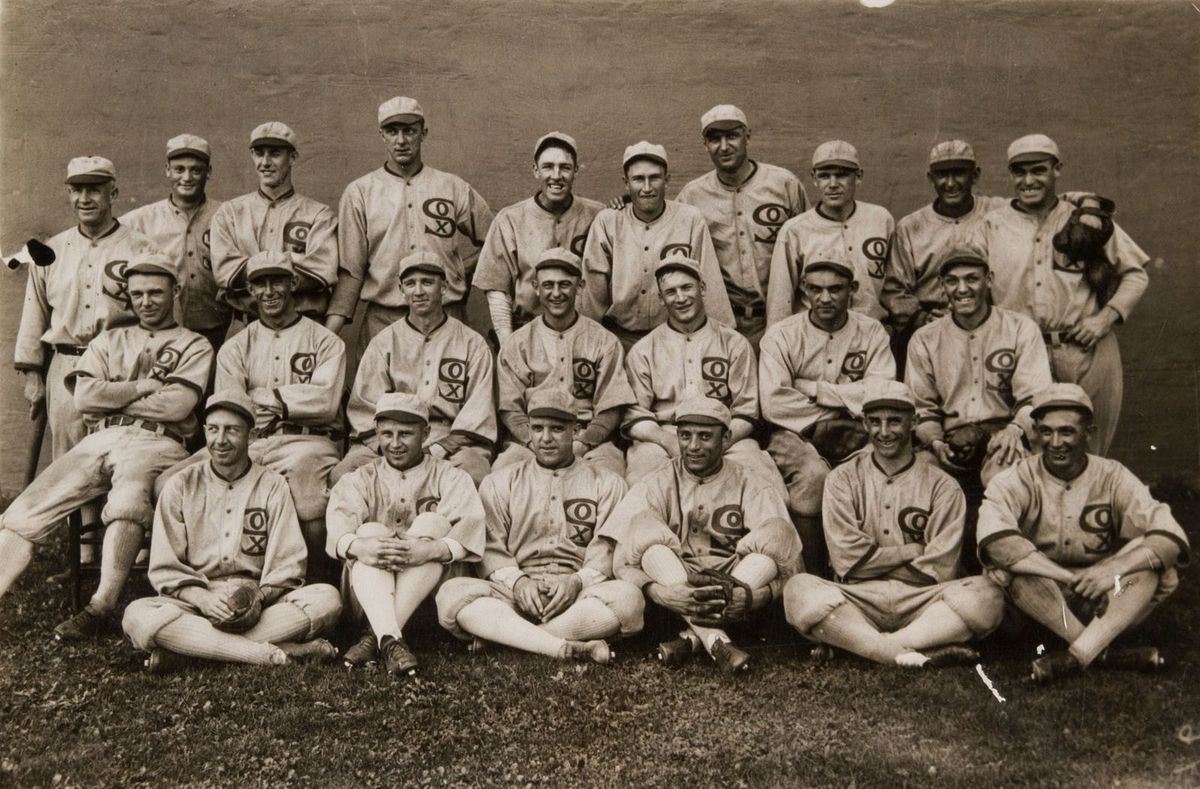
The 1919 Chicago White Sox were heavy favorites to beat the Cincinnati Reds in the World Series. Instead, 8 of their players agreed to lose it for money from gamblers tied to New York's Arnold Rothstein. Starting pitcher Eddie Cicotte hit the first batter of Game 1, Morrie Rath, with his 2nd pitch. That was the signal to the gamblers that the fix was on. The Reds won the best-of-9 Series 5 games to 3.
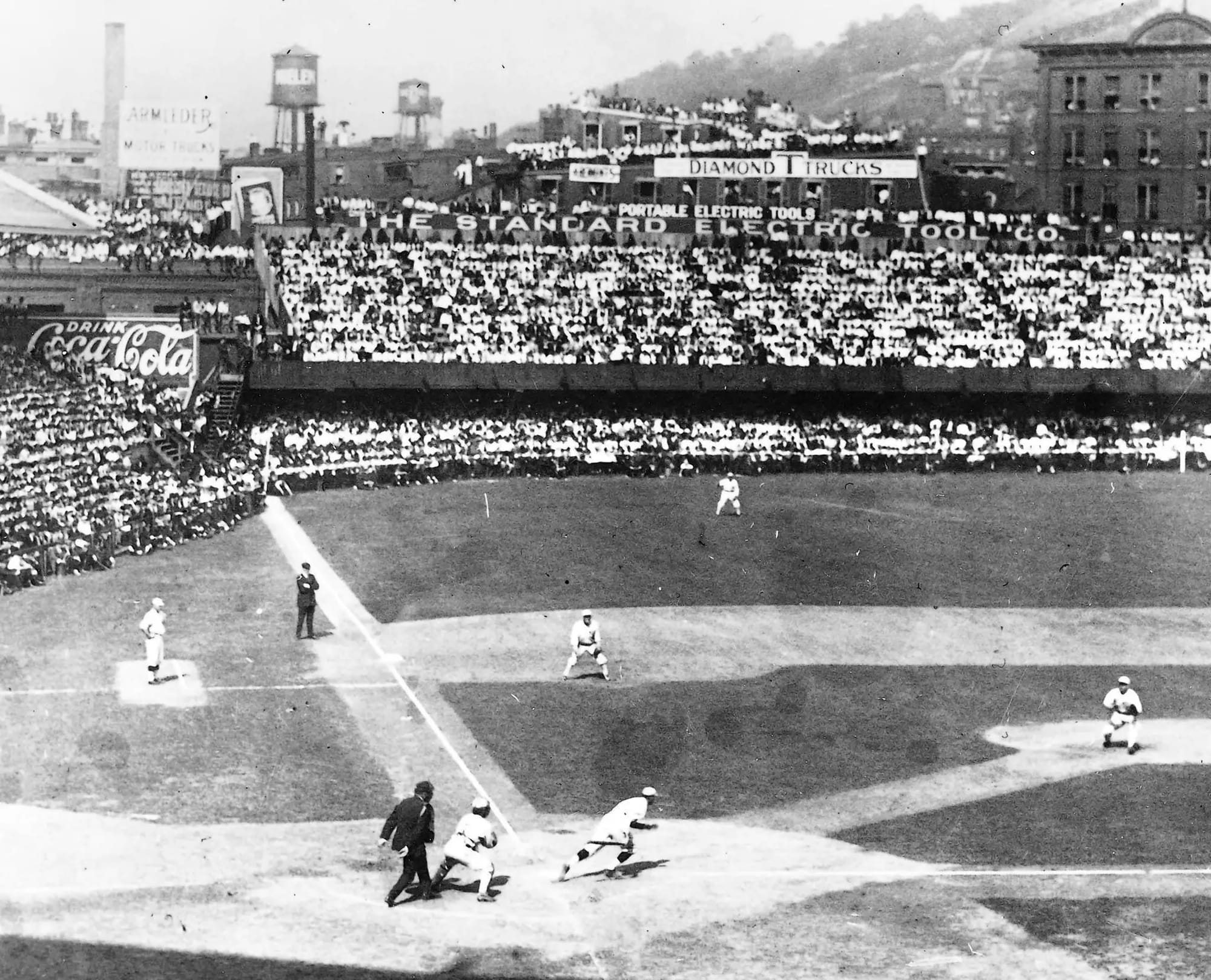
A Chicago grand jury indicted the 8 players in September 1920, and a jury acquitted all of them on Aug. 2, 1921. It didn't matter. The next day, baseball's new commissioner, Kenesaw Mountain Landis, banned all 8 for life anyway: "Regardless of the verdict of juries, no player that throws a ball game... will ever play professional baseball."
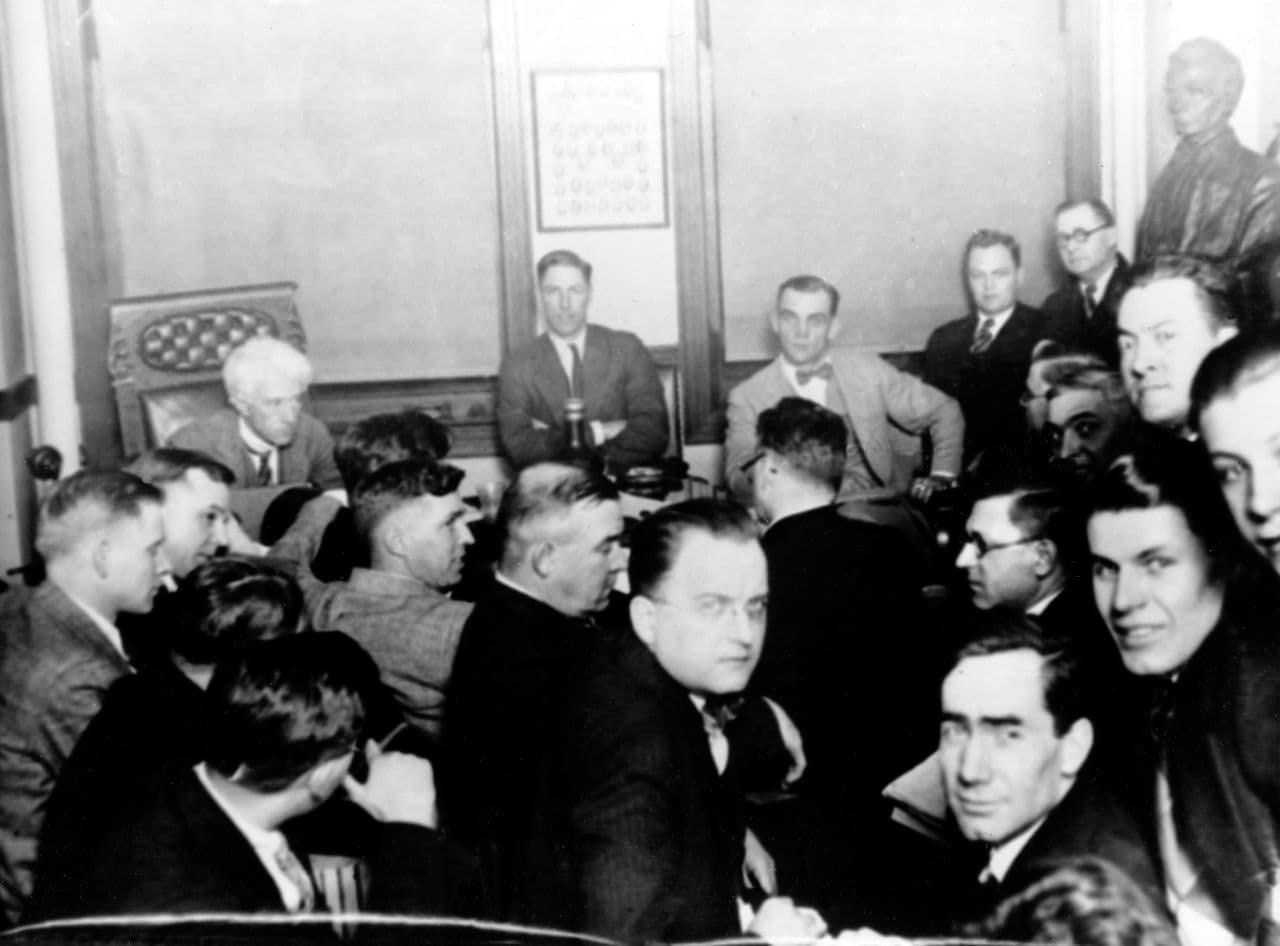
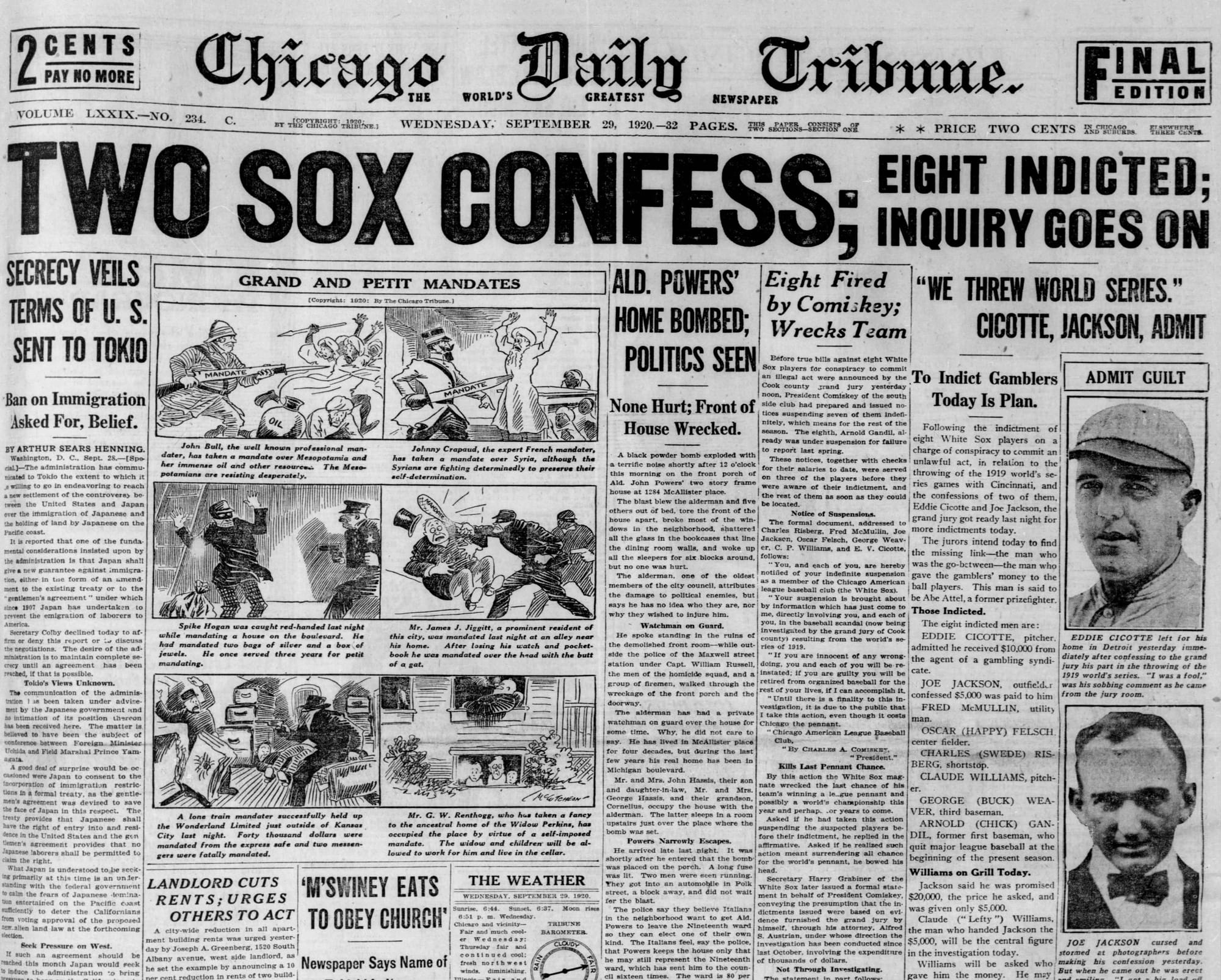
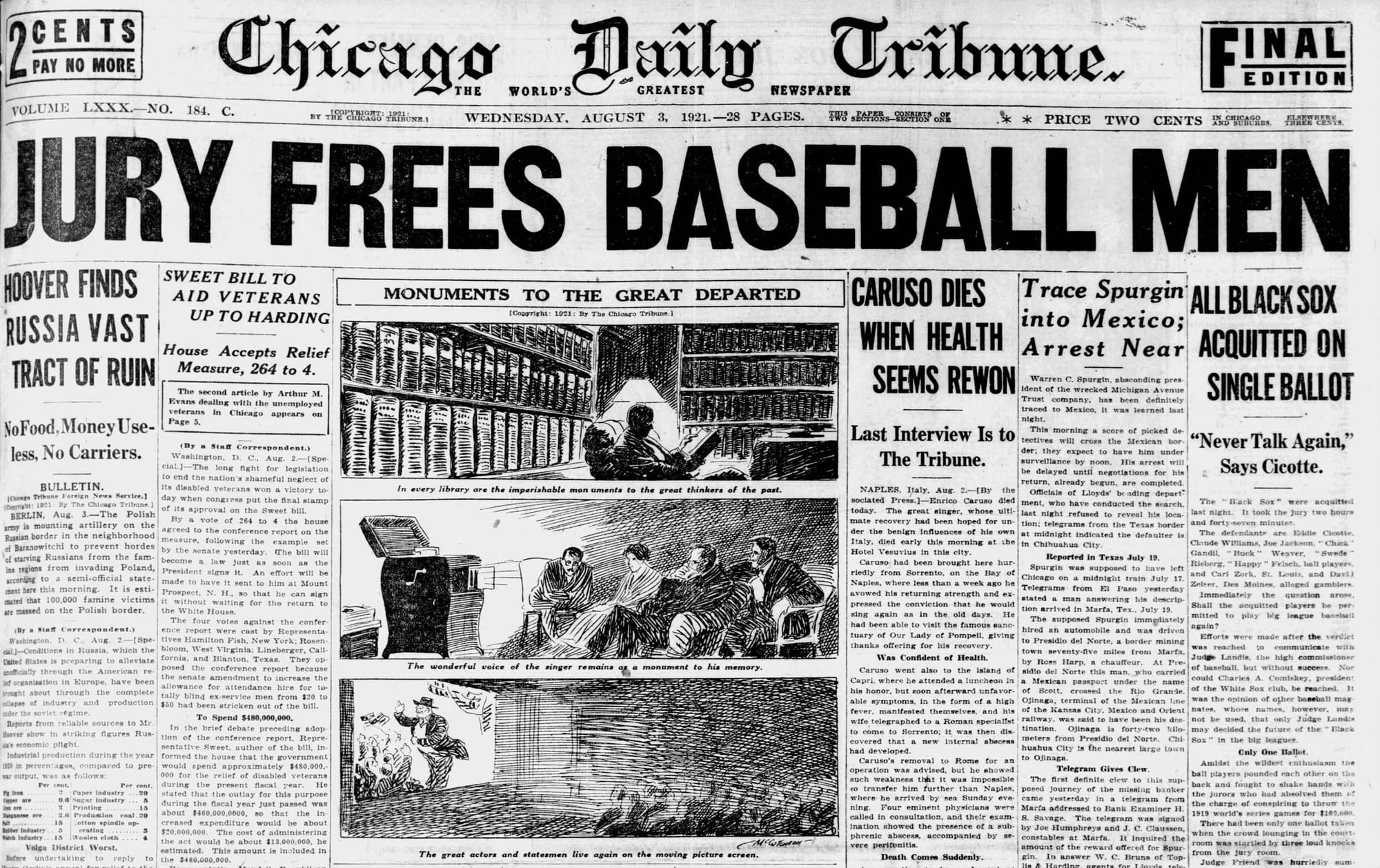
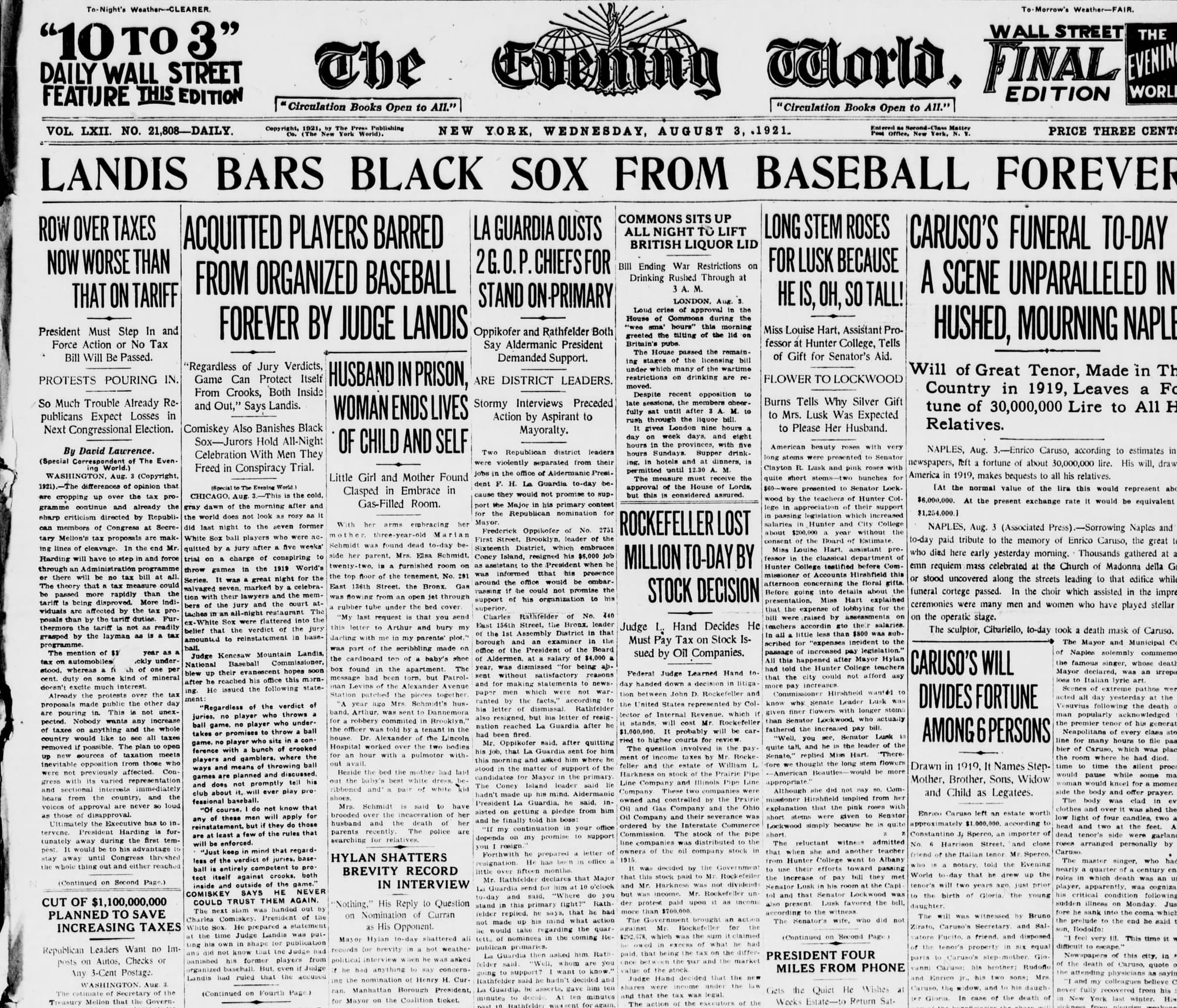
That included "Shoeless" Joe Jackson, who hit .375 with the Series' only home run, and 3rd baseman Buck Weaver, who never took a dime but knew about the fix and didn't report it. Those same 8 players came off the ineligible list with Rose in May 2025, more than a century later. Landis's ruling created the commissioner's office as we know it, and every gambling suspension since, from Hornung to Rose to Porter, traces back to it.
Honorable mentions
- Louisville Grays, 1877: 4 players banned for throwing games in the National League's 2nd season, baseball's first big fixing scandal.
- Jack Molinas: the former NBA player, banned in 1954 for betting, became the mastermind of the 1961 college point-shaving ring.
- Denny McLain, 1970: baseball's last 30-game winner was suspended for half a season for his involvement in a bookmaking operation.
- Arizona State, 1994: guard Stevin "Hedake" Smith shaved points in 4 games and went to prison.
- Hansie Cronje, 2000: South Africa's cricket captain admitted taking money from bookmakers and was banned for life.
- Operation Slap Shot, 2006: Coyotes assistant Rick Tocchet pleaded guilty to running a gambling ring. No NHL games were bet on.
- Tucupita Marcano, 2024: the first active player banned for life for betting since 1924. He bet on Pirates games while on the injured list.
Which scandal did we rank wrong? Tell us in the comments.

Comments ()