
On This Date: Bob Hayes Runs 10.0 in a Borrowed Shoe and Wins the Olympic 100 Meters (Oct. 15, 1964)
On Oct. 15, 1964, Bob Hayes won the Olympic 100 meters in Tokyo from a raked-over lane 1 in a borrowed shoe. Then he became Bullet Bob of the Dallas Cowboys.
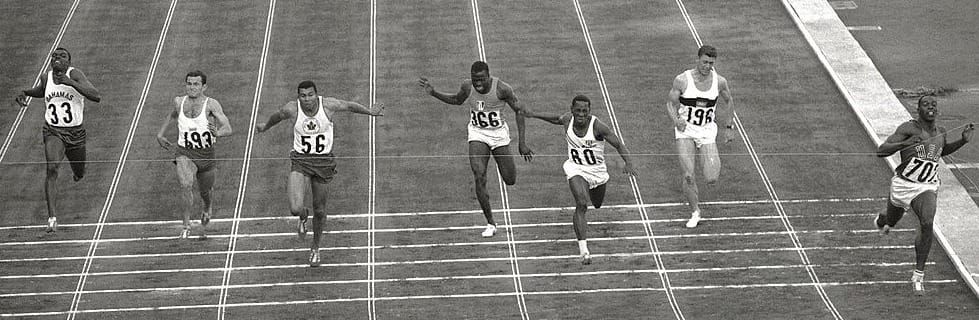
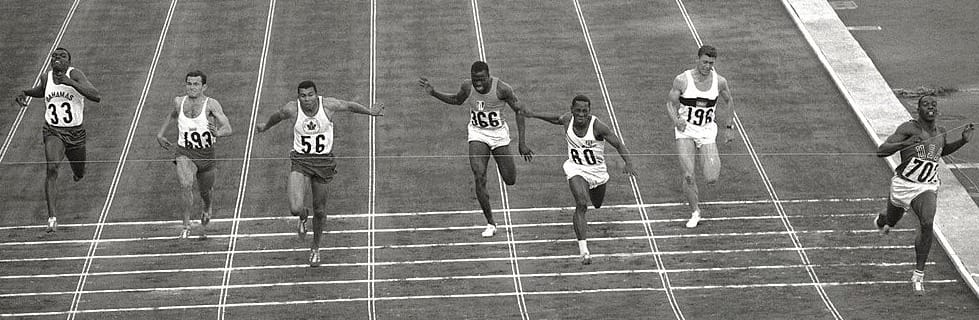
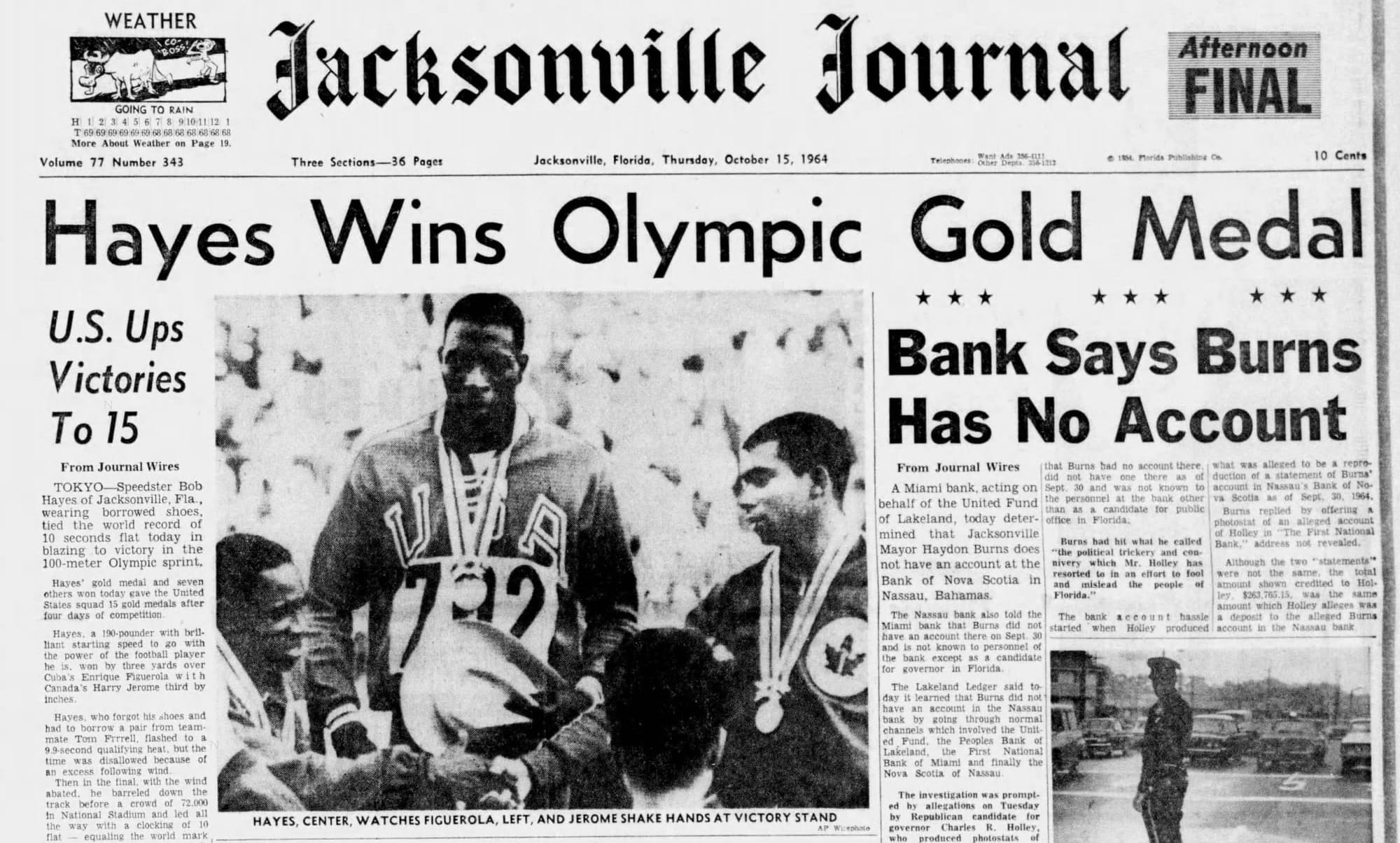
On the afternoon of Oct. 15, 1964, Bob Hayes settled into the blocks at Tokyo's National Stadium in the worst lane on the track, wearing a shoe that wasn't his. About 10 seconds later he was the fastest man in the world. He won the Olympic 100 meters in 10.0, tied the world record, and beat the rest of the field by about 2 meters.
Three years later, in the coldest game the NFL has ever played, he was a wide receiver for the Dallas Cowboys, and his own hands were giving away his team's plays.
A football player who ran track
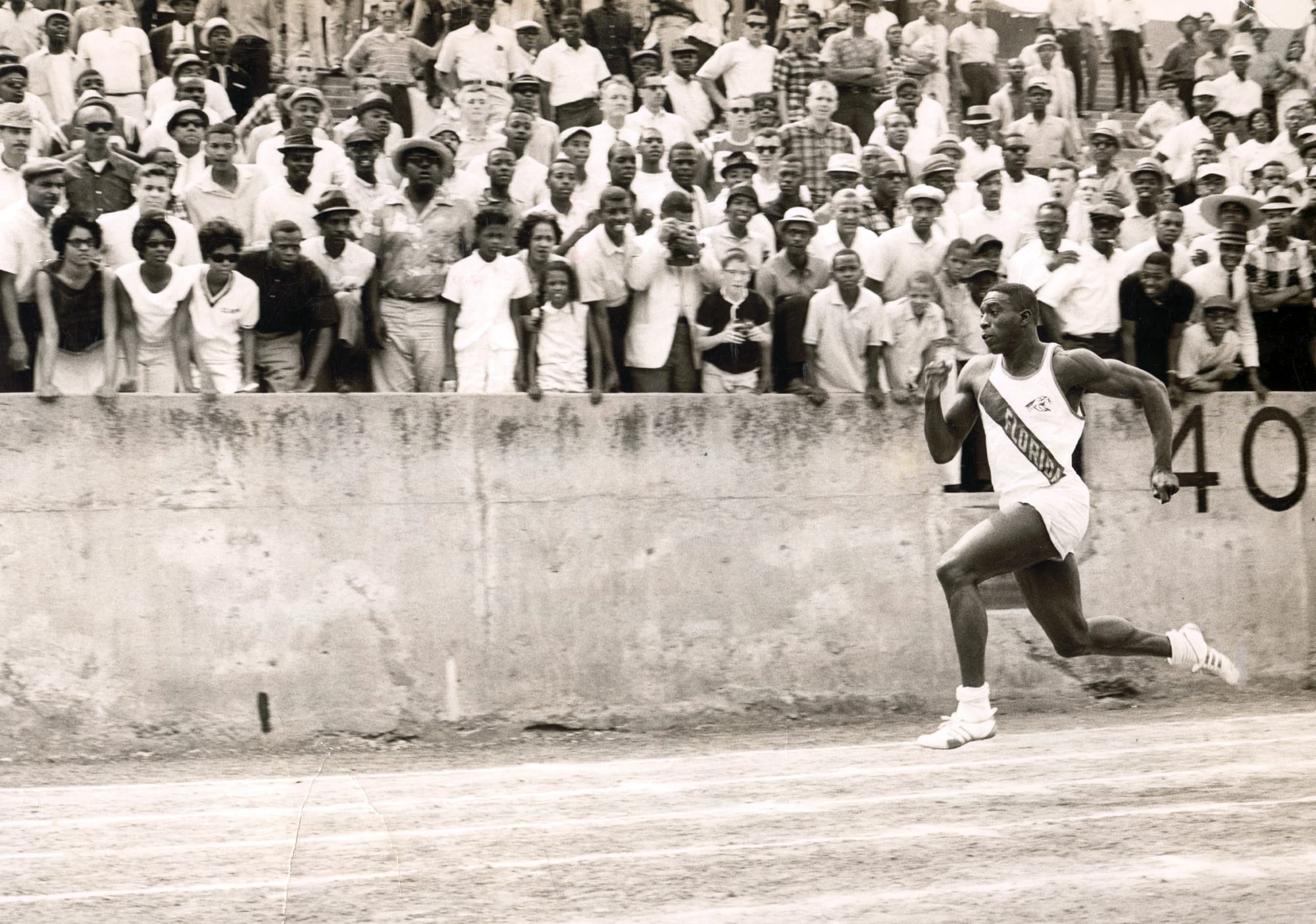
Robert Lee Hayes grew up in Jacksonville, Florida, and starred at Matthew Gilbert High School before taking a football scholarship to Florida A&M, the historically Black university in Tallahassee. His coach was Jake Gaither, who won 203 games at FAMU with players he wanted "agile, mobile and hostile." Gaither's line on Hayes was that he was a football player who happened to run track.
The track part got hard to ignore. In 1963, Hayes ran 100 yards in 9.1 seconds, a world record. He ran 60 yards indoors in 5.9, the first man under 6 seconds. He won three straight AAU titles at 100 yards and the 1964 NCAA title at 200 meters. By the time he got on the plane to Tokyo, he hadn't lost a race at 100 yards or 100 meters since 1962.
Lane 1, and one shoe
The semifinals and final of the 100 meters were both run on Oct. 15. The same day, the 20-kilometer walk started inside the stadium, and the walkers did their opening laps on the inside lanes of the cinder track. Lane 1 was so torn up that workers raked it before the final. Hayes drew lane 1.
He also had a shoe problem. By his own account, he got to the track with only his right shoe; the other had been kicked under a bed in the Olympic Village. Teammate Tom Farrell, who wore the same size and the same model, lent him one.
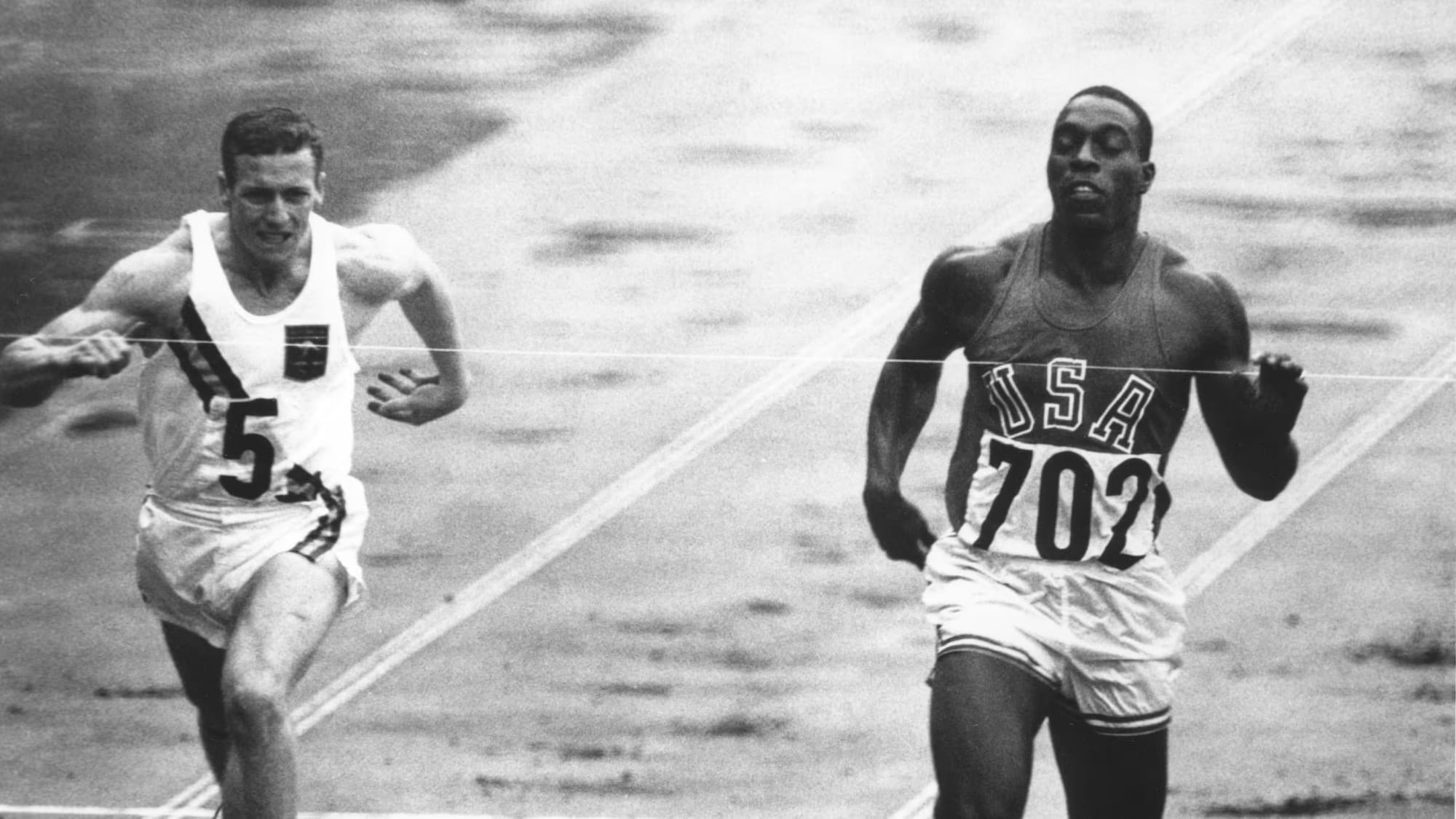
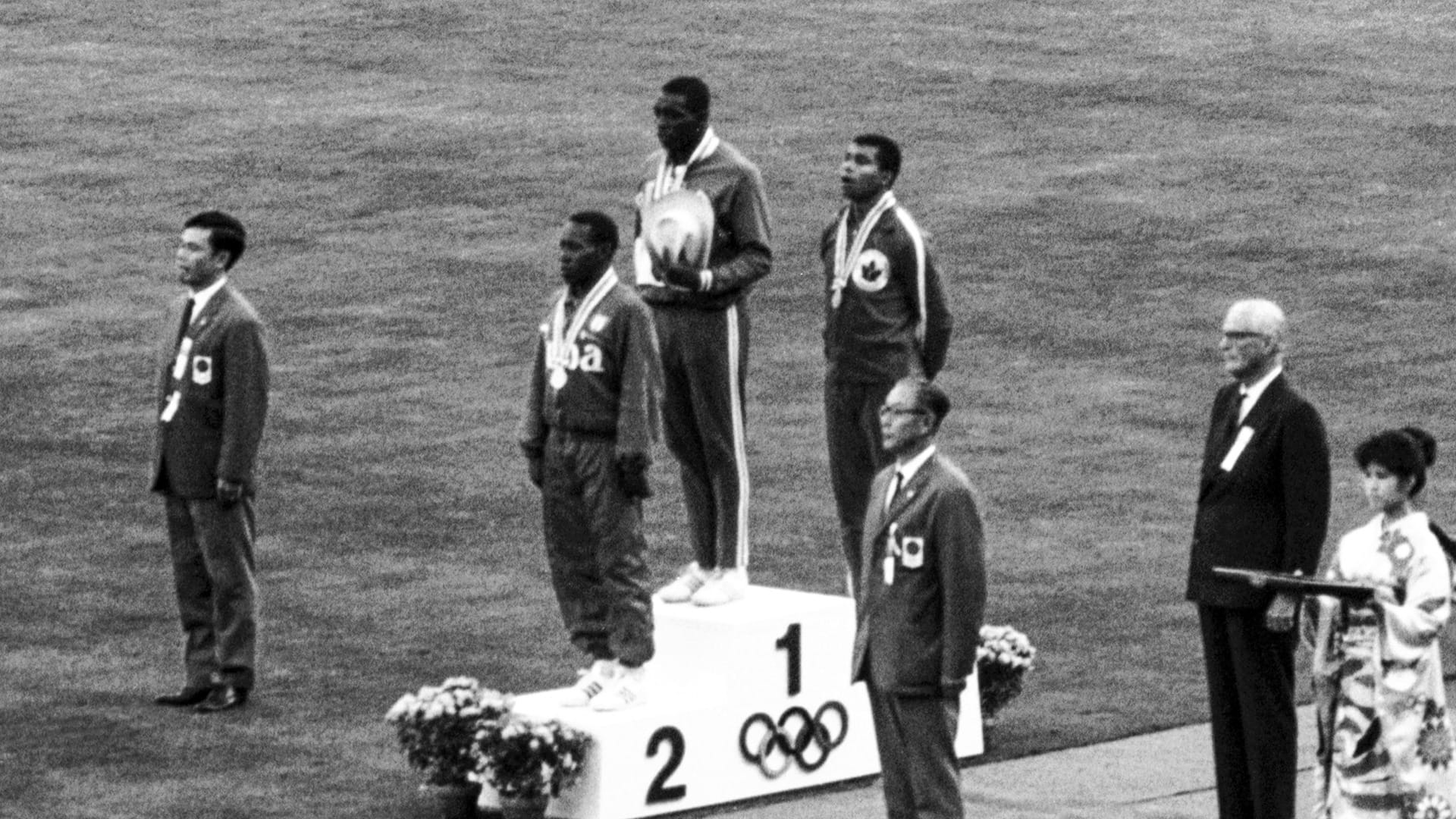
None of it mattered. In the semifinal, Hayes ran 9.9 with a tailwind too strong to count for a record. In the final, he ran 10.0 (10.06 on the automatic clock), tying the world record. Enrique Figuerola of Cuba and Harry Jerome of Canada were next, both in 10.2. Track & Field News called the margin "insulting" to an Olympic final field.
The relay leg
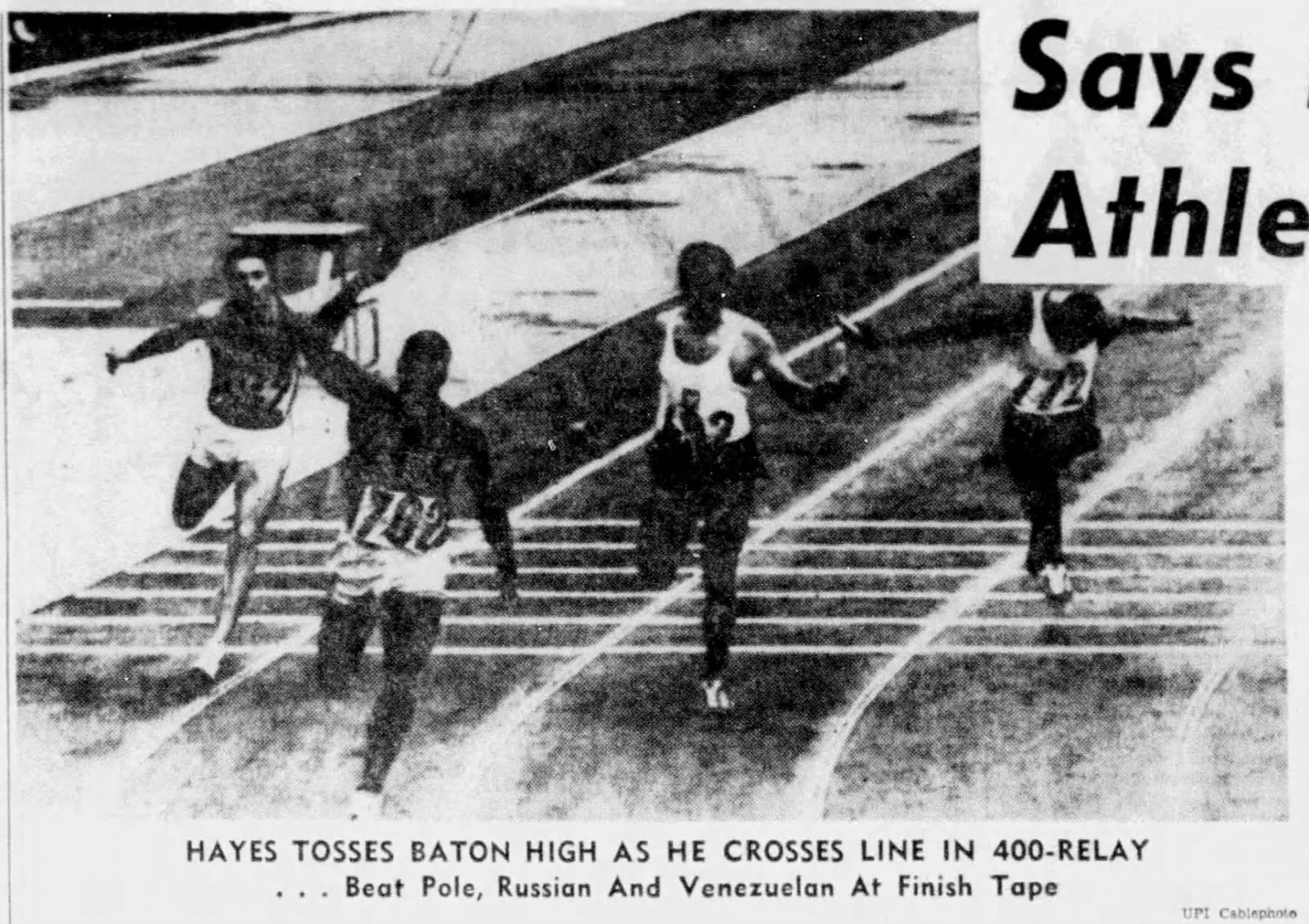
Six days later, on Oct. 21, Hayes anchored the U.S. in the 4x100-meter relay. When the baton reached him, the Americans were behind France, Jamaica, the Soviet Union and Poland, about 3 meters back of the leader. Hayes caught all of them and won by about 3 meters. The U.S. set a world record of 39.0.
Nobody officially timed his leg, but hand-timed estimates have run from 8.5 to 8.9 seconds, with 8.6 the number most people repeat. Twenty years later, Hayes described it this way: "We were behind in the relay about six or seven yards... I caught four or five athletes." It was the last track race he ever ran.
Bullet Bob
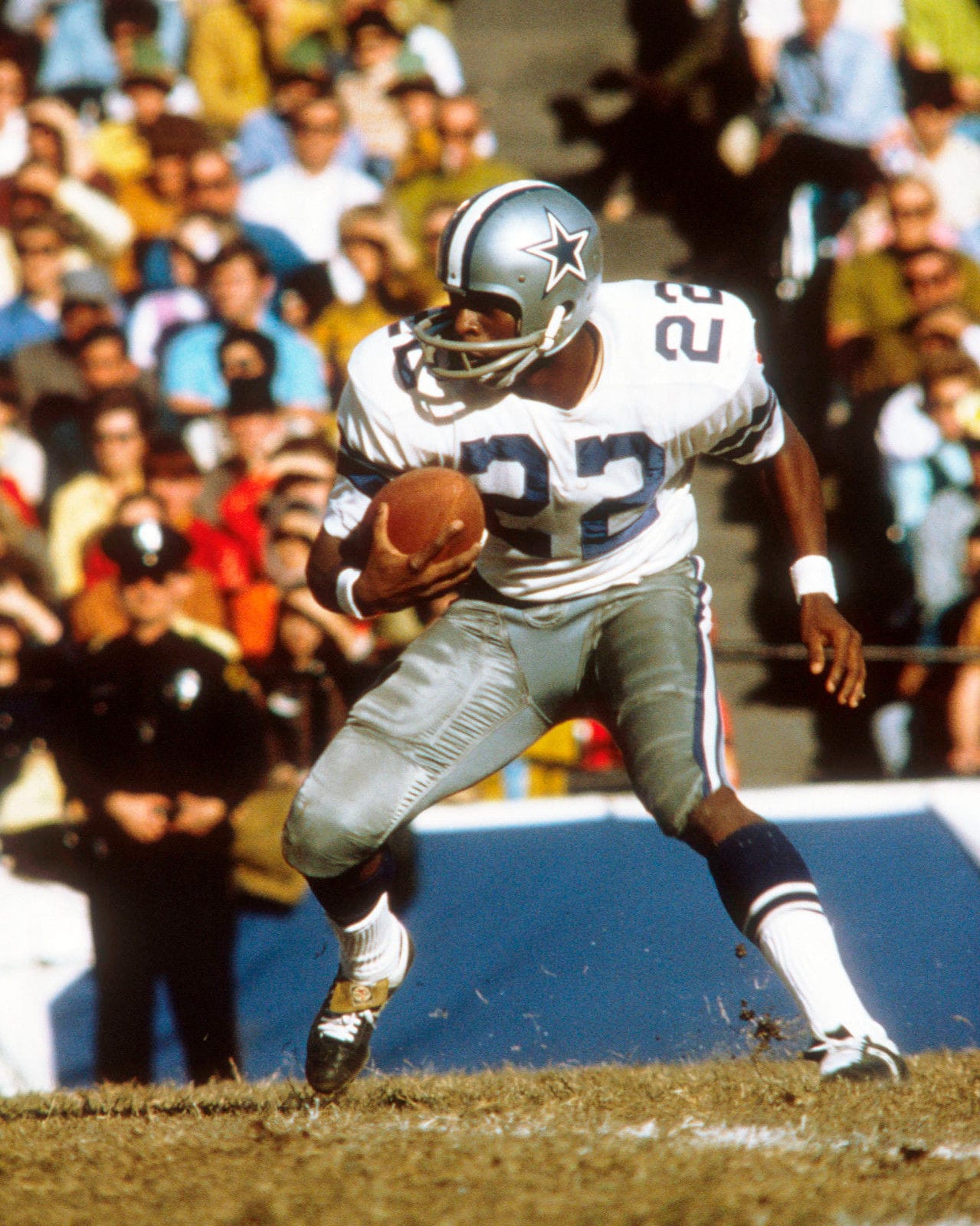
The Cowboys had drafted Hayes in the seventh round in 1964 as a future pick, and he arrived in Dallas in 1965. As a rookie, he caught 46 passes for 1,003 yards and led the NFL with 12 touchdown catches. In 1966, he caught 64 for 1,232 yards and led the league again with 13. That year he had 246 receiving yards in one game against Washington, a Cowboys record that stood until 2009.
Nobody could run with him. Hayes is widely credited with pushing NFL defenses toward zone coverage. At Hayes' Hall of Fame induction, Roger Staubach recalled Raiders cornerback Willie Brown saying the bump-and-run got more physical because of him: you had to hit Hayes at the line, because you couldn't let him run. He finished his career with 71 touchdown catches and 20.0 yards per catch, still a Cowboys record.
The Ice Bowl tell
On Dec. 31, 1967, the Cowboys played the Packers for the NFL championship at Lambeau Field. The temperature at kickoff was 13 below zero, with a wind chill around 48 below.
Hayes, from Jacksonville, Florida, did what you'd expect. On running plays, when the ball wasn't coming his way, he kept his hands tucked into his pants. On passing plays, he took them out. Cowboys personnel director Gil Brandt said later that anyone watching the film could tell what was coming: "Bob Hayes puts his hands in his pocket. That means we're going to run." Cowboys tight end Pettis Norman said the same thing. In NFL Films' account, Packers cornerbacks Herb Adderley and Bob Jeter keyed on it, and Packers guard Jerry Kramer called it "the first mistake of the day."
Hayes caught 3 passes for 16 yards. Green Bay won, 21-17, on Bart Starr's quarterback sneak with 13 seconds left.
The ring, and the wait
Four years later, Hayes got his championship. The Cowboys beat Miami, 24-3, in Super Bowl VI in January 1972, with Hayes catching 2 passes for 23 yards alongside teammates like Mike Ditka. That made him the only person ever to win both an Olympic gold medal and a Super Bowl.
Life after football was harder. In 1979, Hayes was convicted on drug charges in Texas and served about 10 months in prison. He went back to Florida A&M and finished his degree in 1994. The Cowboys put him in their Ring of Honor in 2001. He died of kidney failure in Jacksonville on Sept. 18, 2002, at 59.
The Pro Football Hall of Fame passed on him in 2004, and writer Paul Zimmerman quit the selection committee in protest. Hayes was finally elected as a senior candidate in 2009 and enshrined that August, with Staubach presenting him. His son, Bob Hayes Jr., accepted for the family and guessed what his father would have said: "It's about time, y'all."
For more from those Games, read about the 1964 Tokyo Olympics and the 5 moments nobody forgot.
Was Bob Hayes the greatest pure athlete of the 1960s? Let us know in the comments.
Comments ()