
On This Date: The Tokyo Olympics Open — Oct. 10, 1964 — and the 5 Moments Nobody Forgot
62 years ago today, the first Asian Olympics opened in Tokyo. Bullet Bob Hayes, Billy Mills, Abebe Bikila and the 5 moments from Tokyo 1964 nobody forgot.
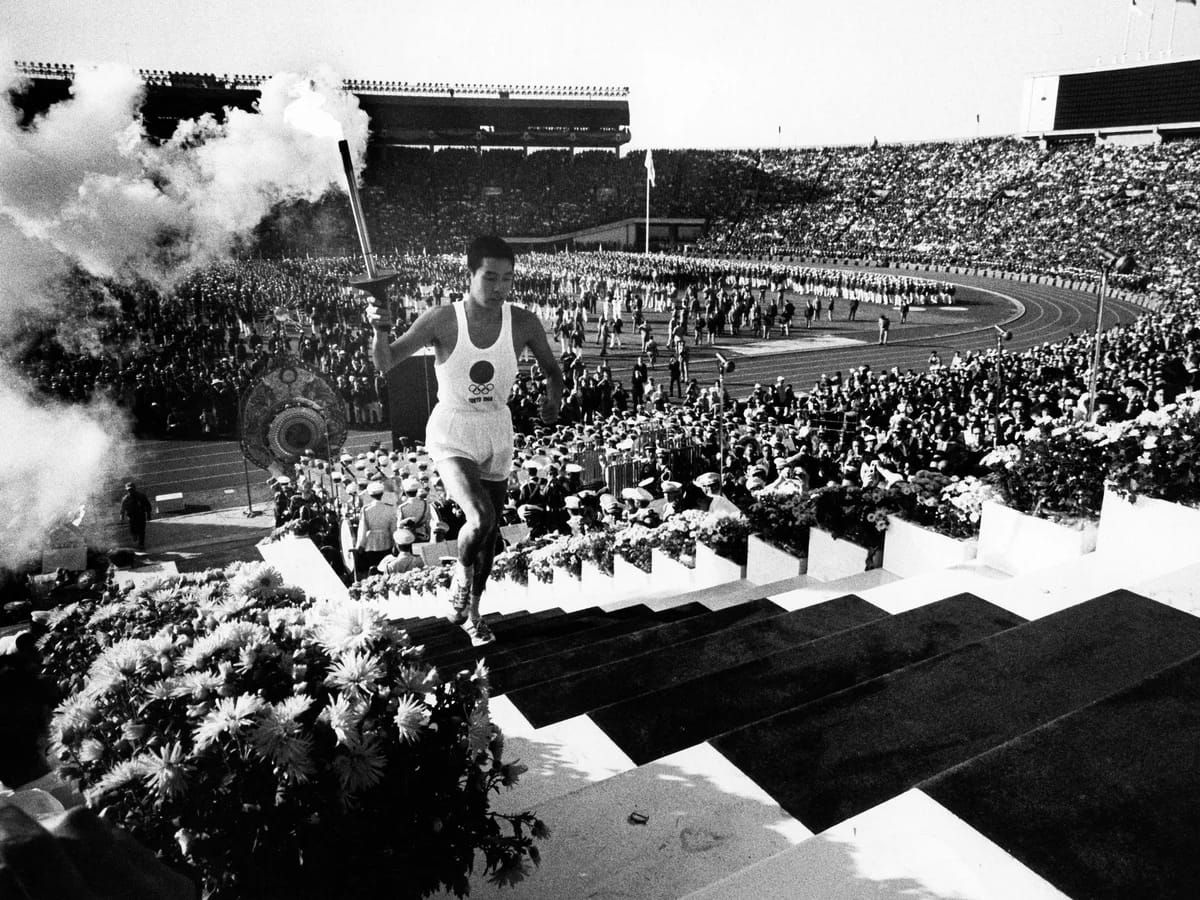
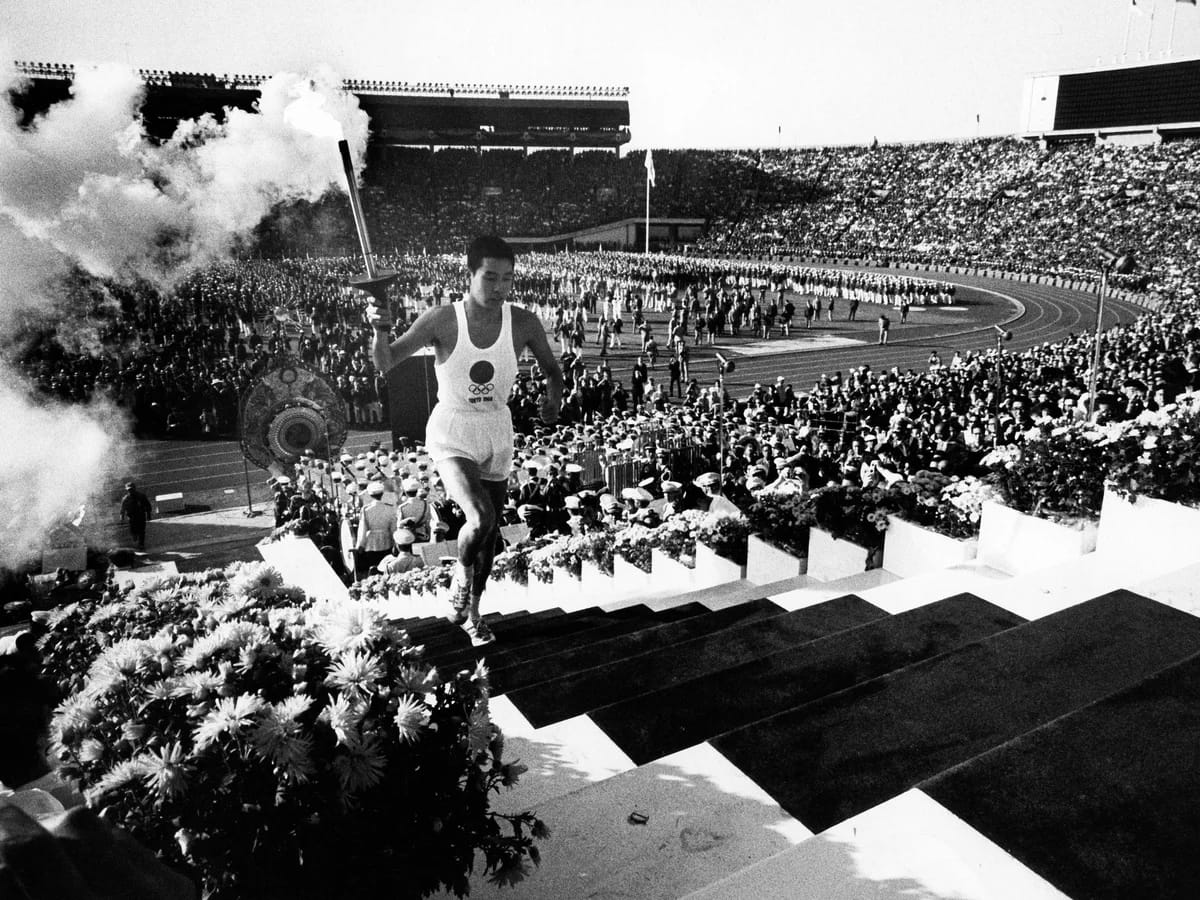
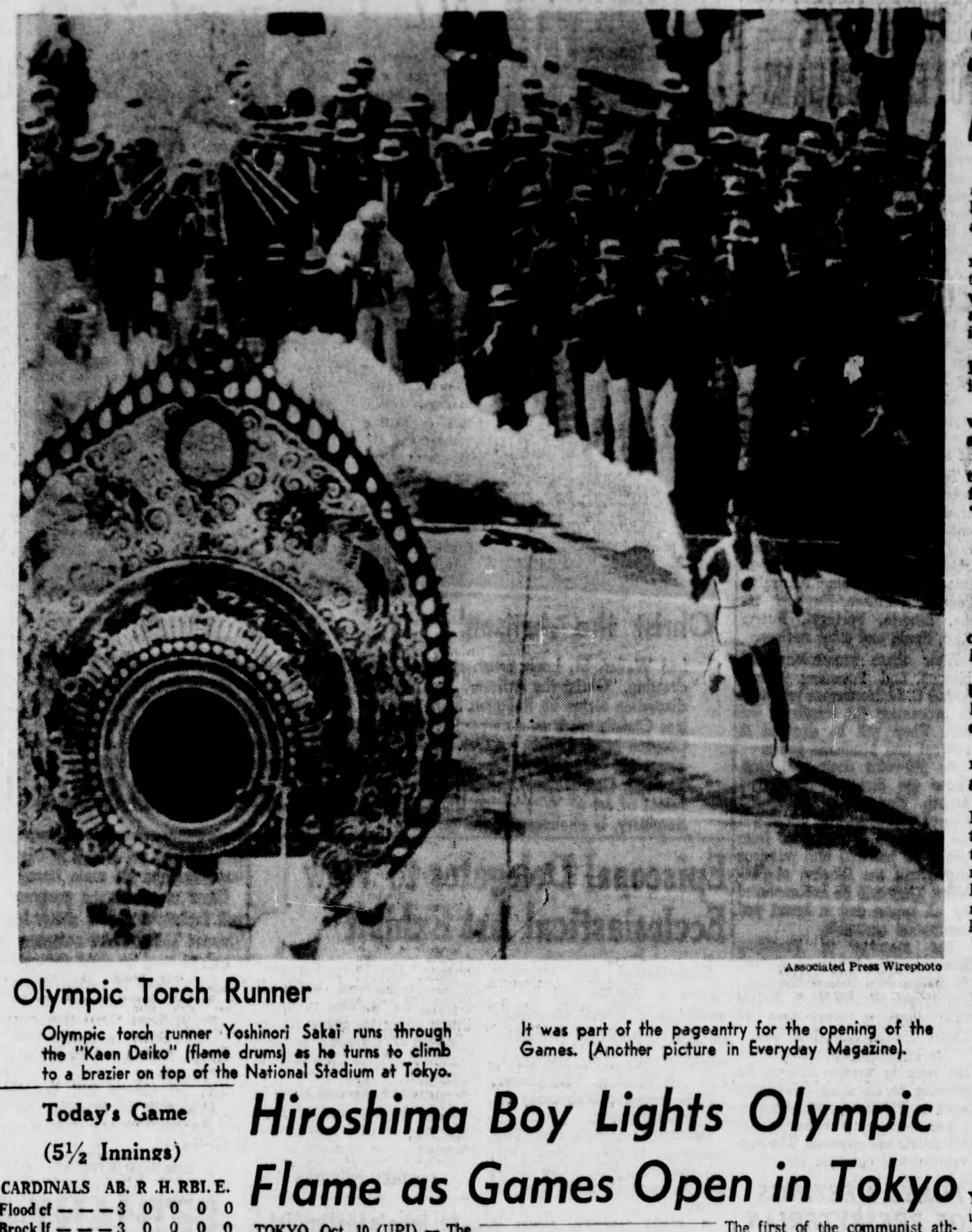
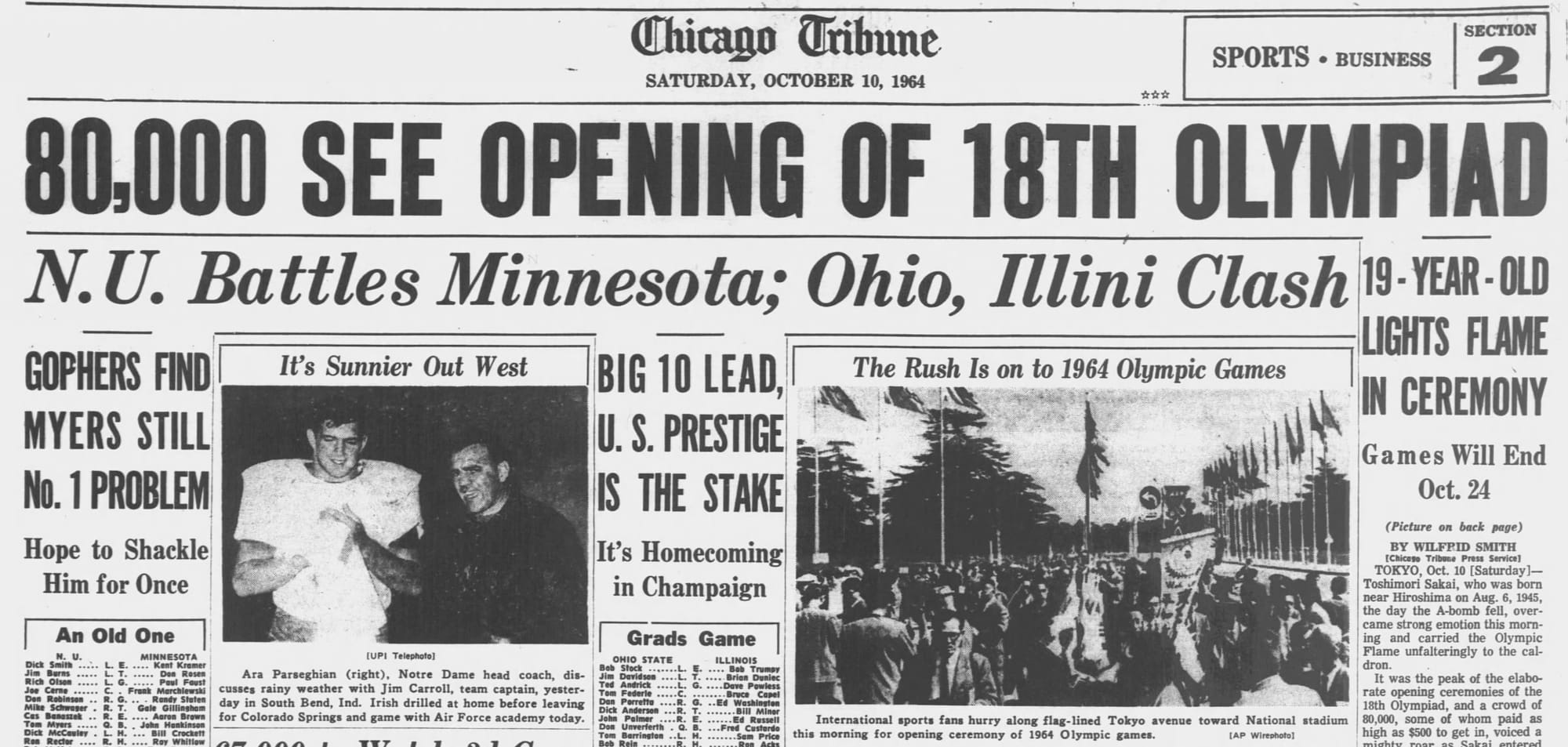
On the afternoon of Oct. 10, 1964, a 19-year-old college runner named Yoshinori Sakai carried the Olympic flame up the steps of the National Stadium in Tokyo and lit the cauldron. He had never competed in an Olympics, and he never would. He was picked for one reason. He was born in Hiroshima Prefecture on Aug. 6, 1945, the day the atomic bomb fell on Hiroshima.
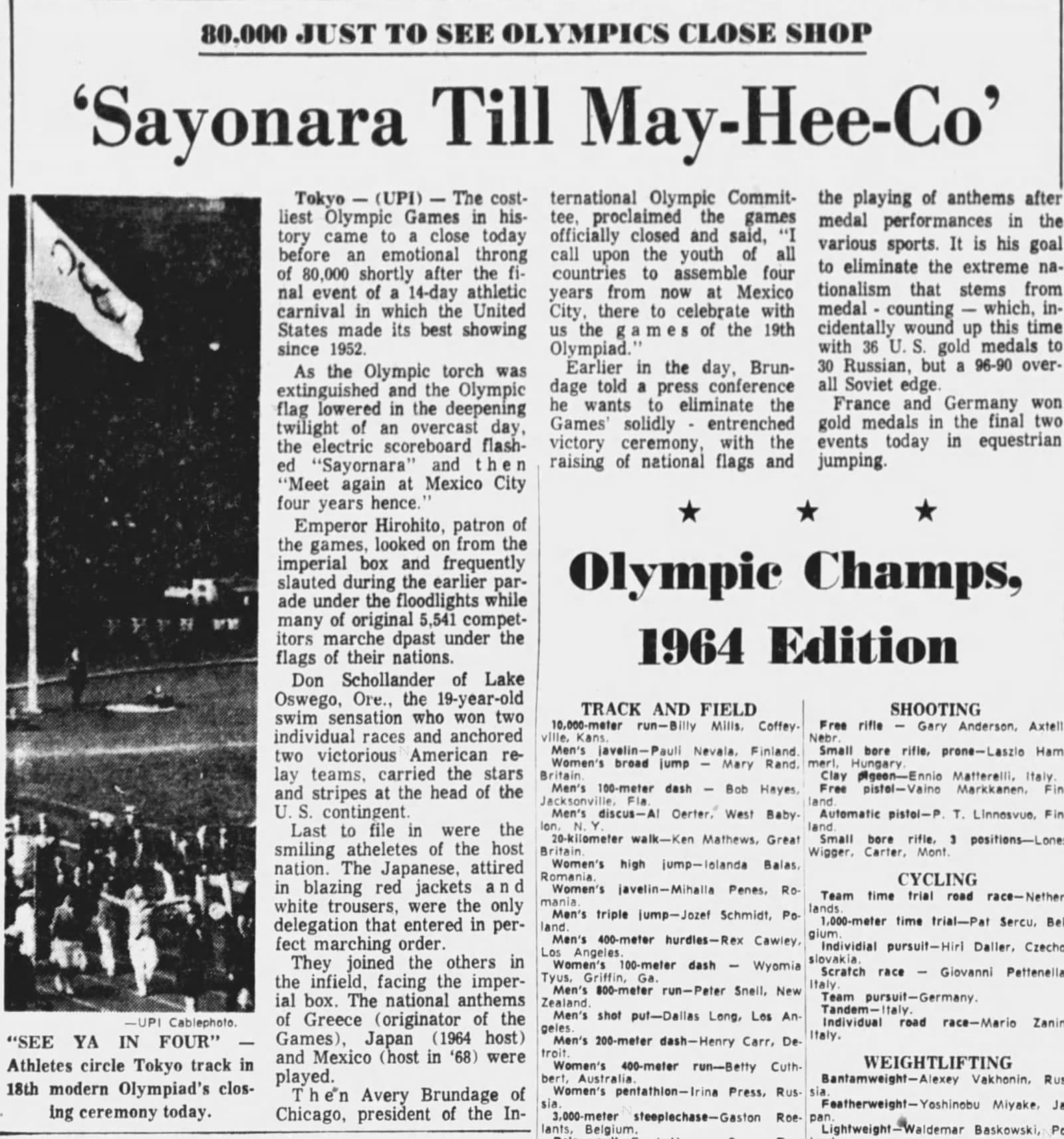
19 years later, Japan was hosting the world. These were the first Olympics ever held in Asia, opened by Emperor Hirohito in front of more than 70,000 people, with 93 nations and about 5,100 athletes competing in 163 events. They were also the first Olympics beamed overseas by satellite. Syncom 3, launched just 7 weeks earlier, carried the opening ceremony live across the Pacific to North America, and a second satellite, Relay 1, relayed it on to Europe. Before Tokyo, Americans watched the Olympics on film flown home the next day.
Japan had spent the better part of a decade rebuilding for this. The bullet train between Tokyo and Osaka opened 9 days before the ceremony. Then, for 2 weeks, the world watched the greatest sprinter alive, an unknown Marine, a barefoot legend in shoes and a factory volleyball team. Here are the 5 moments from Tokyo that nobody forgot.
If you liked our look back at the 1988 Seoul Olympics, this is where Asia's Olympic story started.
5. The Witches of the Orient
Oct. 23: Japan 3, Soviet Union 0. 66.8% of Tokyo-area TV sets tuned in.
Women's volleyball was making its Olympic debut, and Japan's team was built around the company team of one textile maker, Nichibo, from the town of Kaizuka near Osaka. Their coach, Hirofumi Daimatsu, ran practices that went late into the night, every night, for years. The foreign press nicknamed them the "Witches of the Orient."
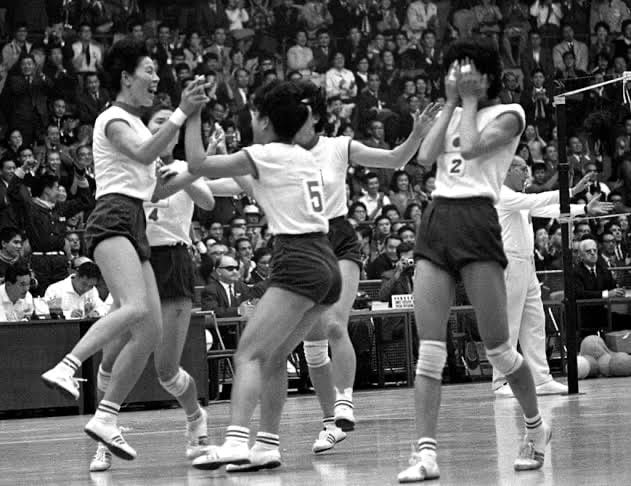
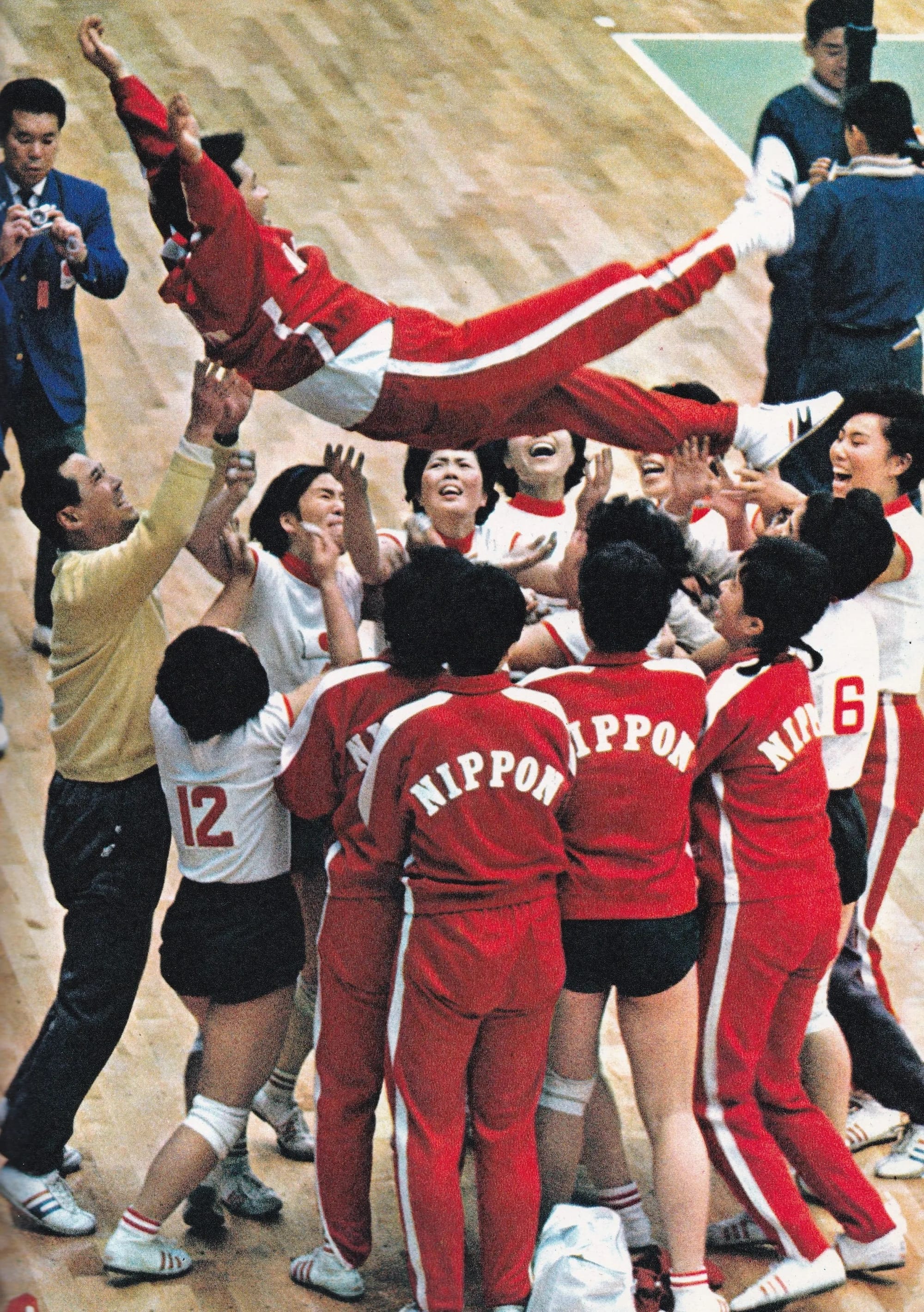
The tournament was a round robin, and it came down to the last match: Japan against the Soviet Union, both unbeaten. Japan won 15-11, 15-8, 15-13. NHK's broadcast drew an average rating of 66.8% in the Tokyo area, still one of the highest ever recorded in Japan for a sporting event.
4. Geesink bows first
Oct. 23, Nippon Budokan: Anton Geesink of the Netherlands wins the open-category judo gold.
Judo was Japan's sport, and it was added to the Olympics for Tokyo. Japan won the first 3 weight classes, as expected. The open category, where size didn't matter, was supposed to be the crown.
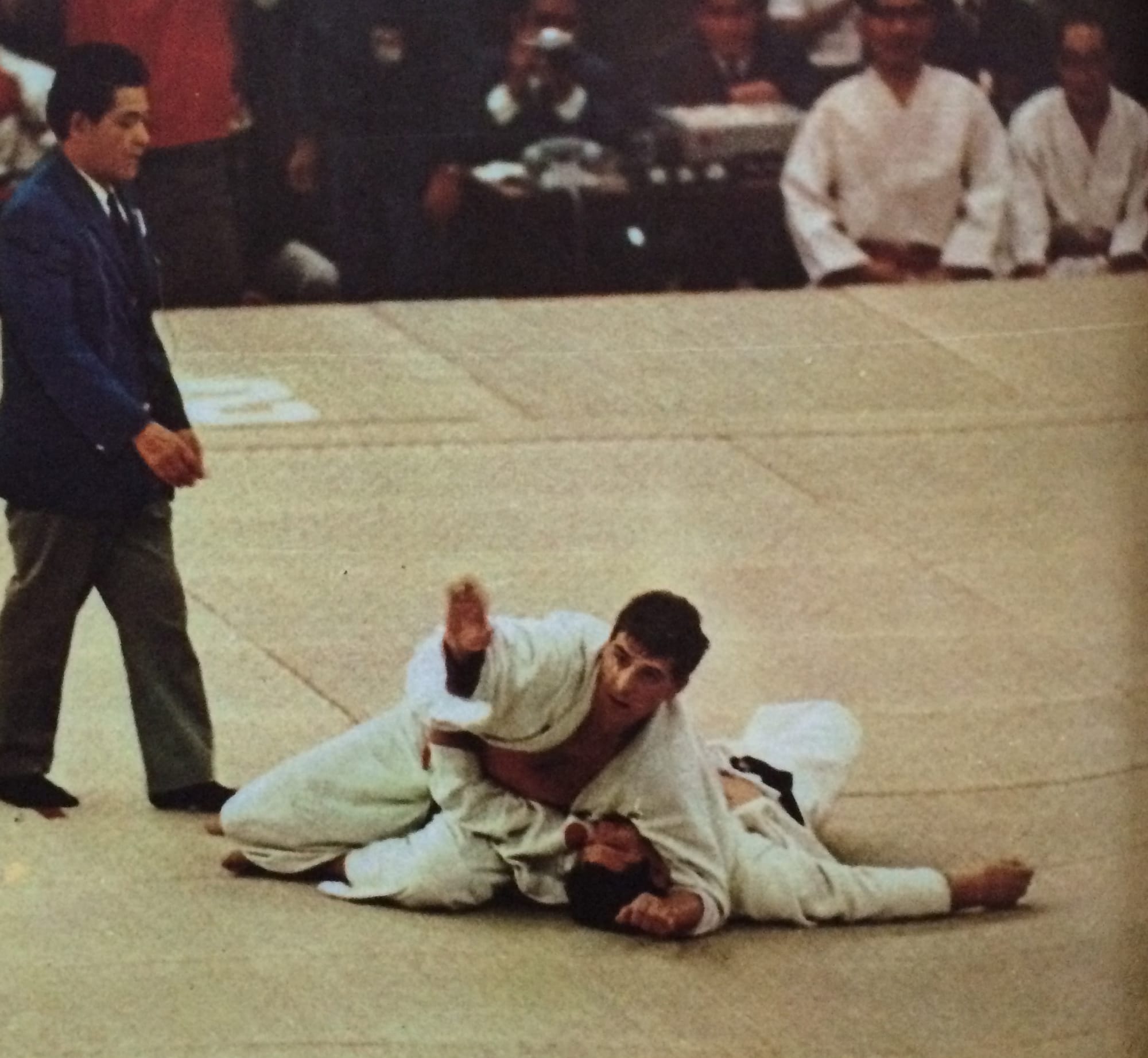
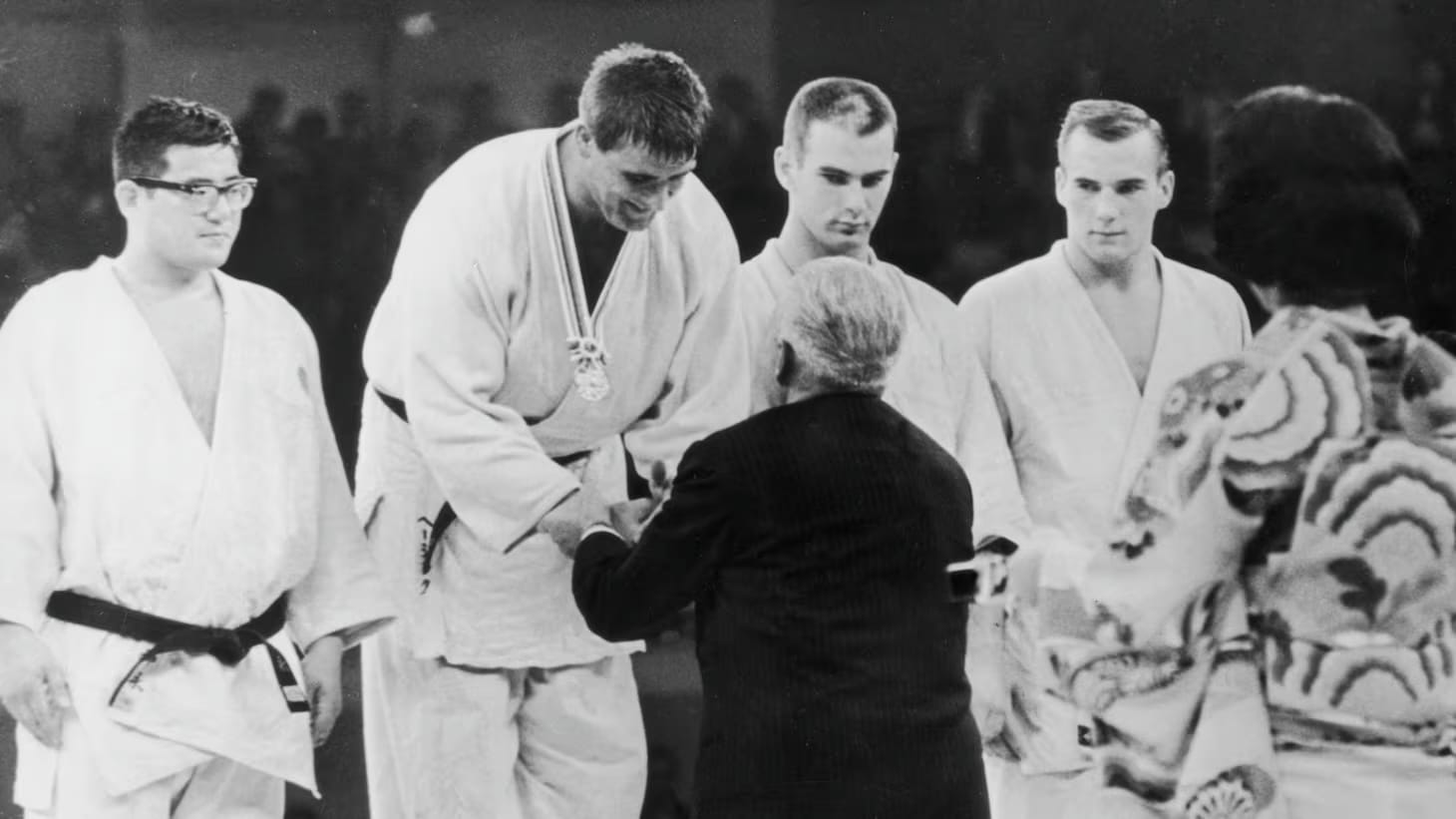
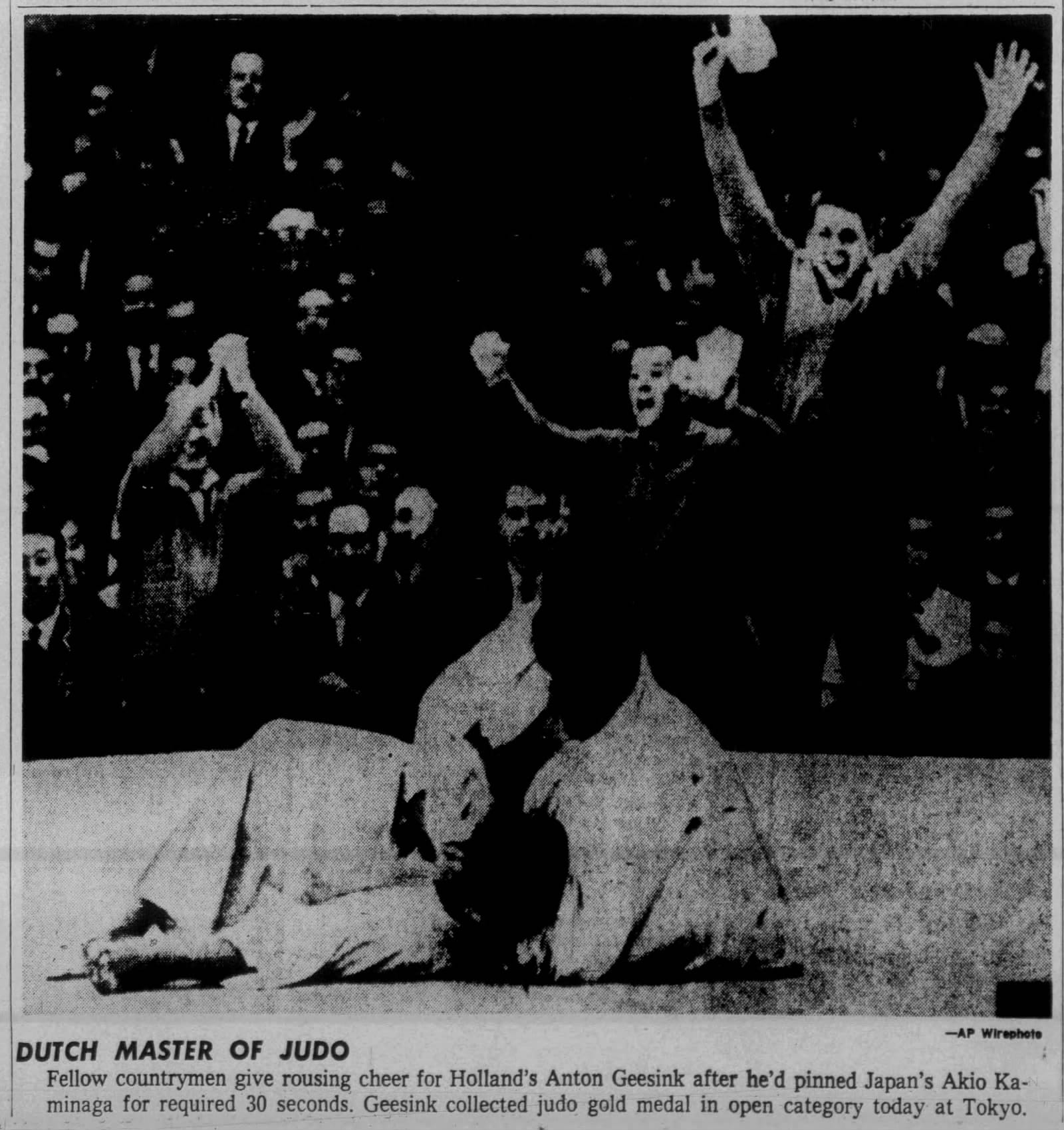
Instead, the 6-foot-6 Dutchman Anton Geesink pinned Japan's Akio Kaminaga in the final and held him down for the win. The Budokan went silent. Then a group of Dutch supporters rushed toward the mat to celebrate, and Geesink raised his hand and waved them back, so he could finish the match properly and bow to his opponent first. Japan lost the gold that day. Judo became a world sport.
3. Abebe Bikila, 35 days after surgery
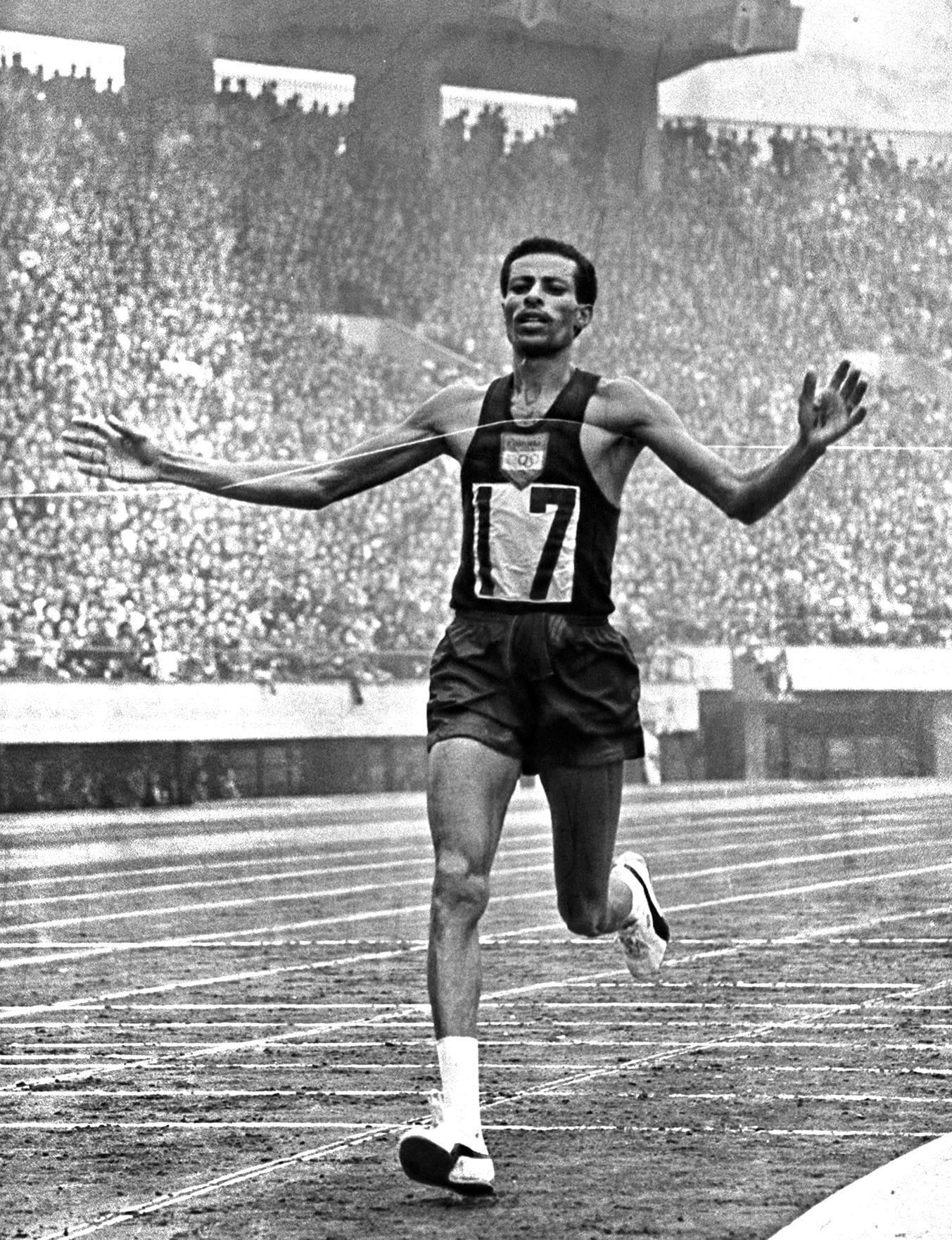
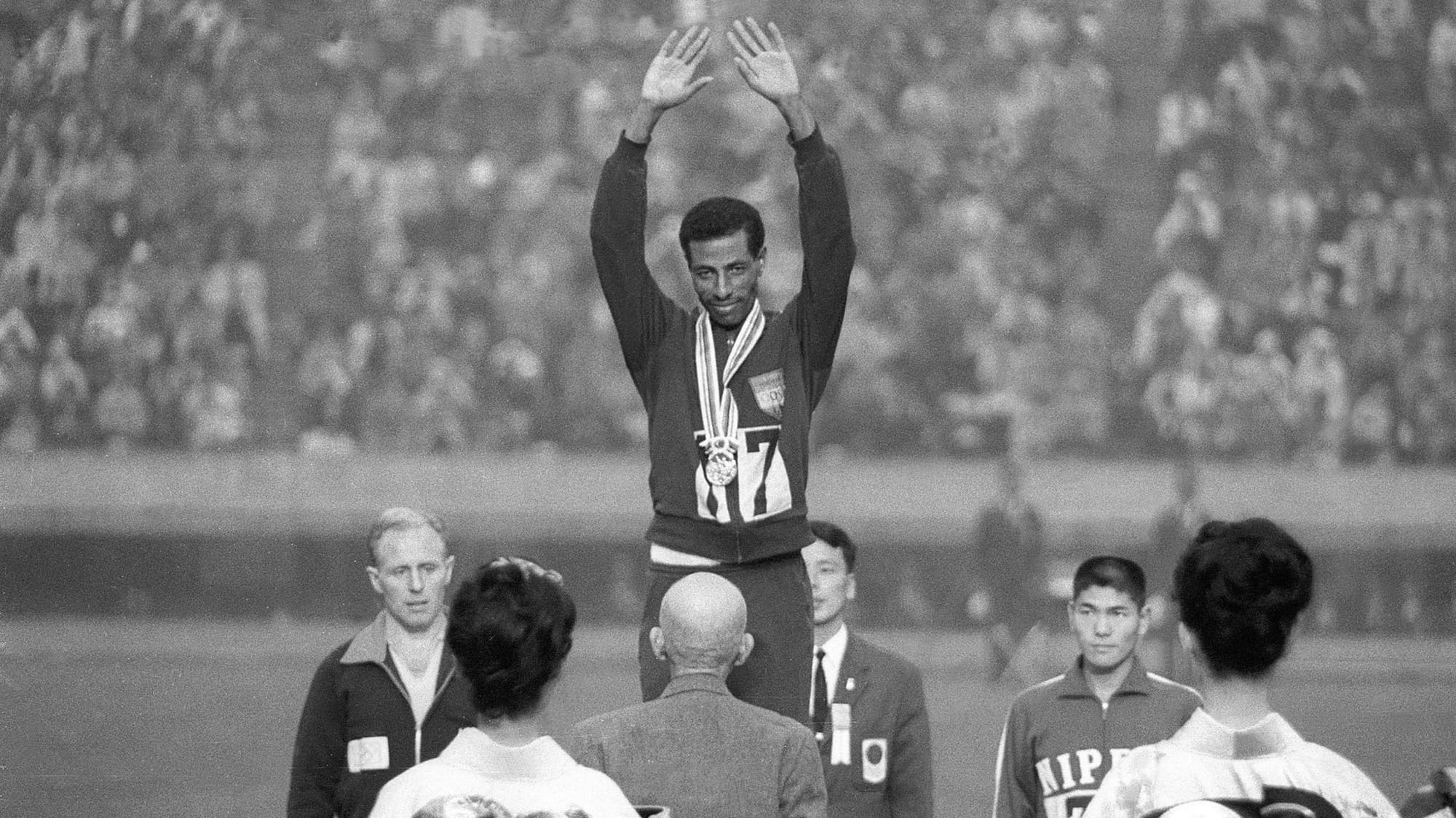
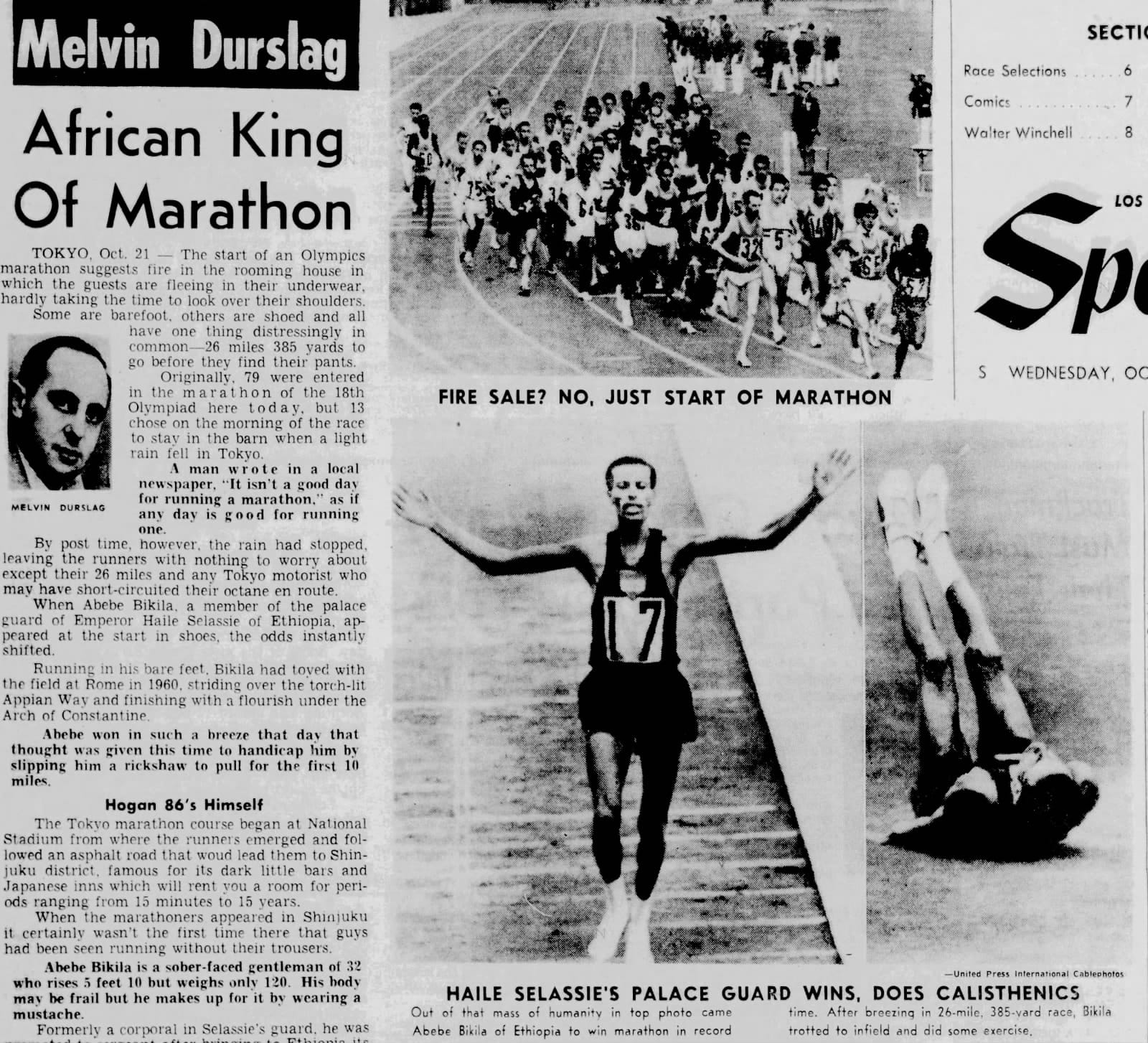
Oct. 21: the marathon, in a world best 2:12:11.2.
4 years earlier in Rome, Abebe Bikila of Ethiopia had won the Olympic marathon barefoot. On Sept. 16, 1964, he had his appendix taken out. 35 days later he lined up in Tokyo, this time wearing shoes.
He ran alone for most of the race, won by more than 4 minutes and set a world best. Then, while the rest of the field was still out on the course, he jogged to the infield and started doing calisthenics: toe touches, then lying on his back and cycling his legs in the air. He was the first person to win 2 Olympic marathons.
2. Look at Mills!
Oct. 14: Billy Mills wins the 10,000 meters in an Olympic-record 28:24.4.
Nobody had Billy Mills on their list. He was an Oglala Lakota from the Pine Ridge Reservation in South Dakota, orphaned by 12, and a first lieutenant in the Marine Corps Reserve. The favorite was Australia's Ron Clarke, the world record holder.
On the last lap, Mills was boxed in and shoved wide as Tunisia's Mohammed Gammoudi pushed between him and Clarke. He fell several meters back. Then, in the homestretch, he swung wide and sprinted past both of them. On NBC, analyst Dick Bank lost it on the air, shouting over the play-by-play: "Look at Mills! Look at Mills!" He was reportedly fired for it.
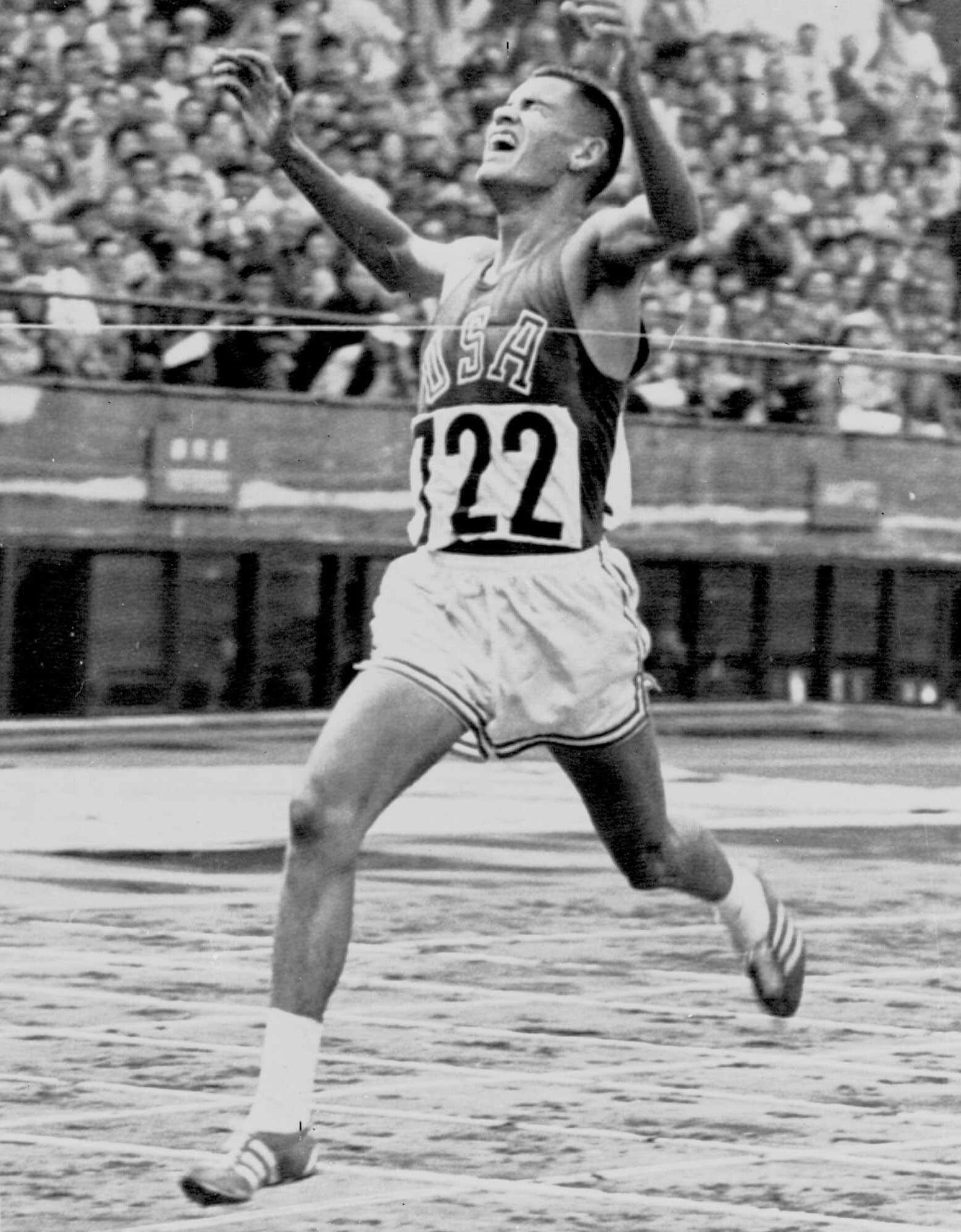
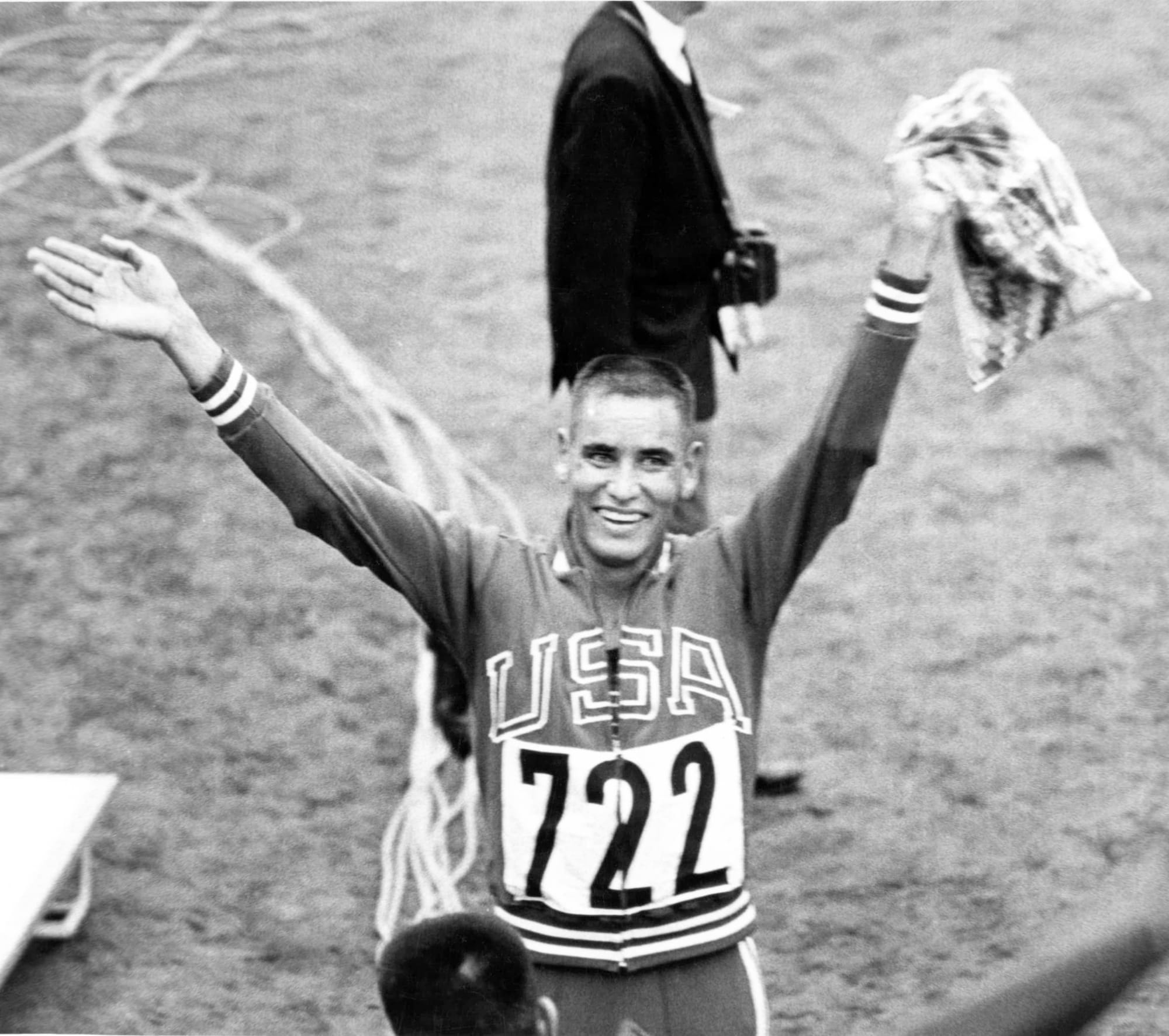
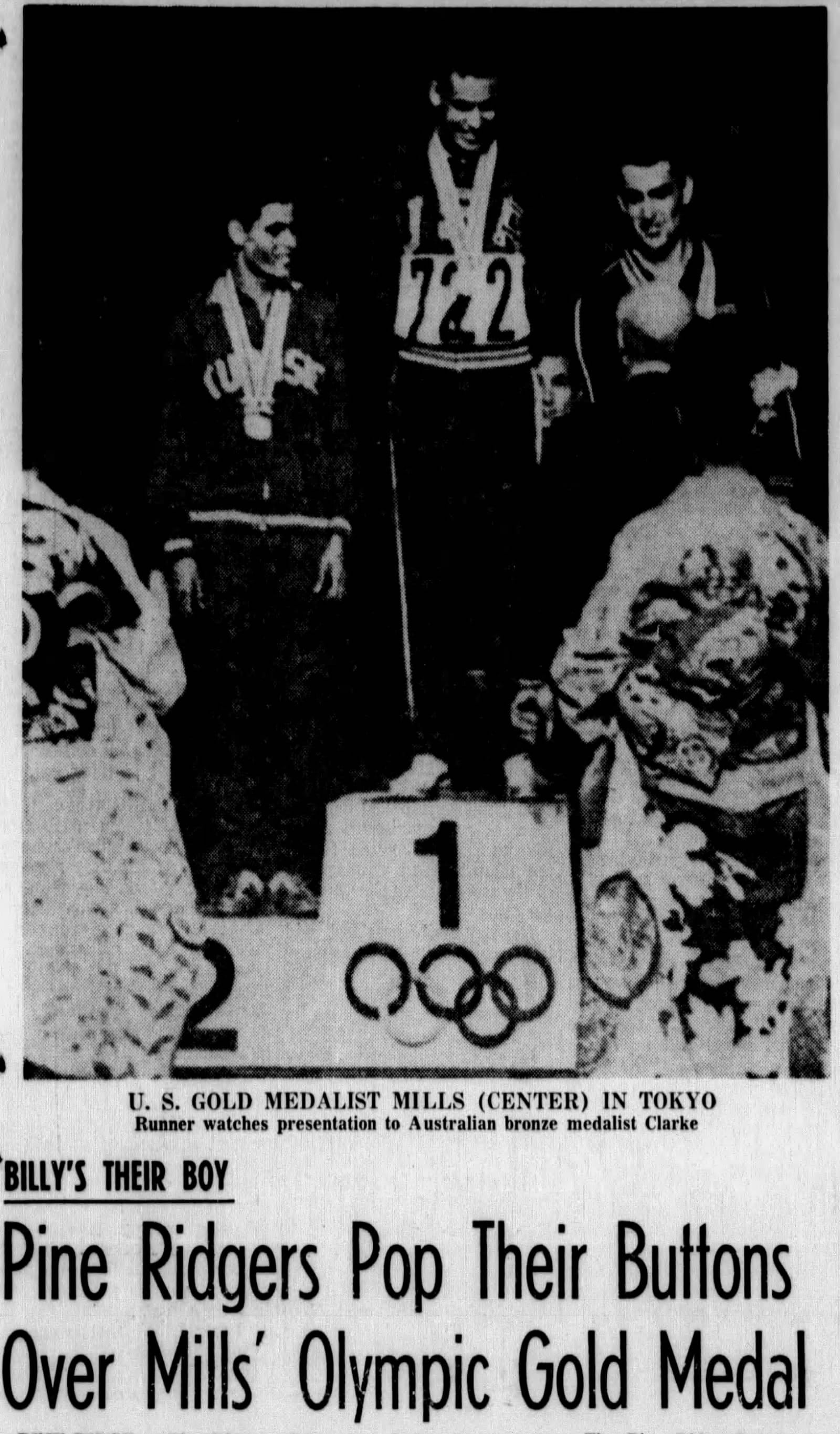
Mills ran nearly 50 seconds faster than he ever had. No other American man has won the Olympic 10,000 meters, before or since.
1. Bullet Bob Hayes
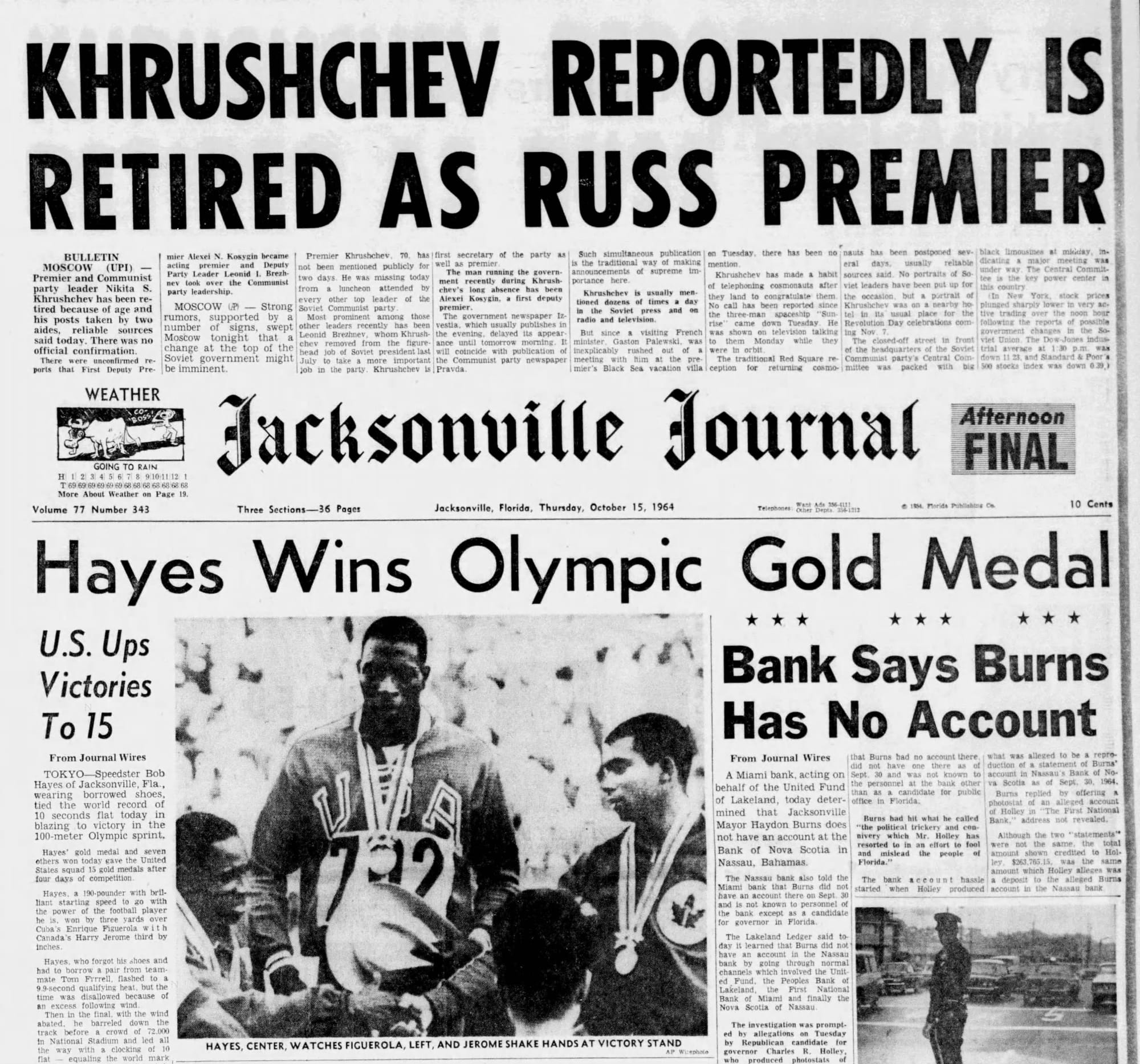
Oct. 15: the 100 meters in a world-record-tying 10.0. Oct. 21: the greatest relay leg anyone had ever seen.
Bob Hayes came to Tokyo as the fastest man alive, a 21-year-old from Florida A&M who'd go on to play wide receiver for the Dallas Cowboys. Then he almost didn't have shoes. One of his spikes went missing before the semifinal, and he ran the semifinal and final in a pair borrowed from teammate Tom Farrell, an 800-meter runner.
He also drew lane 1, which had been chewed up by the walkers who'd used it earlier in the Games. He won anyway, in 10.0, tying the world record, by about 2 meters. Track & Field News called it "insulting to an Olympic final field."
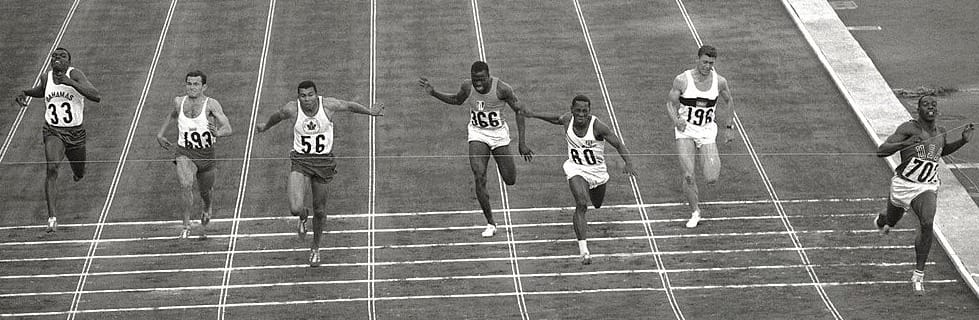
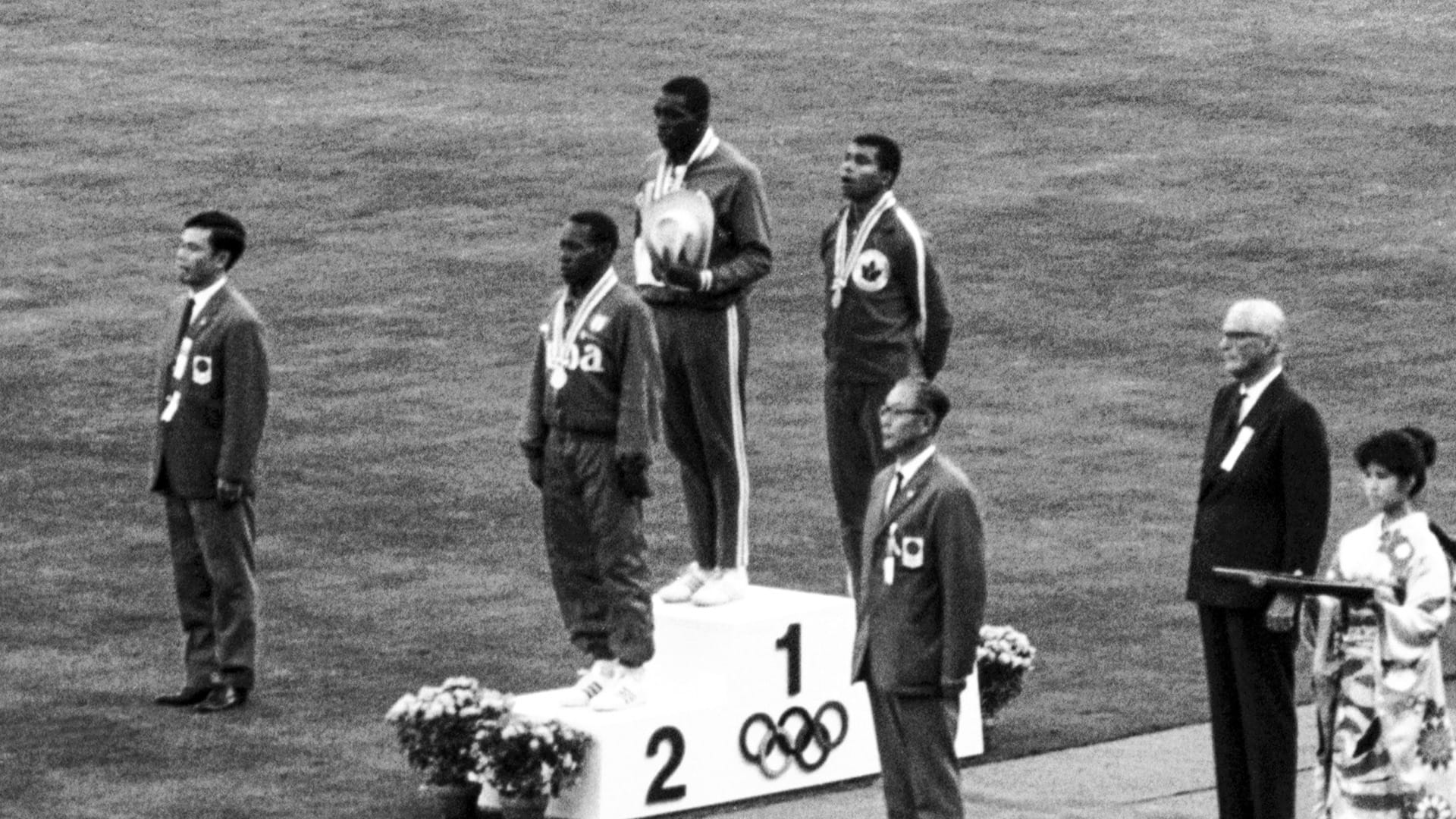
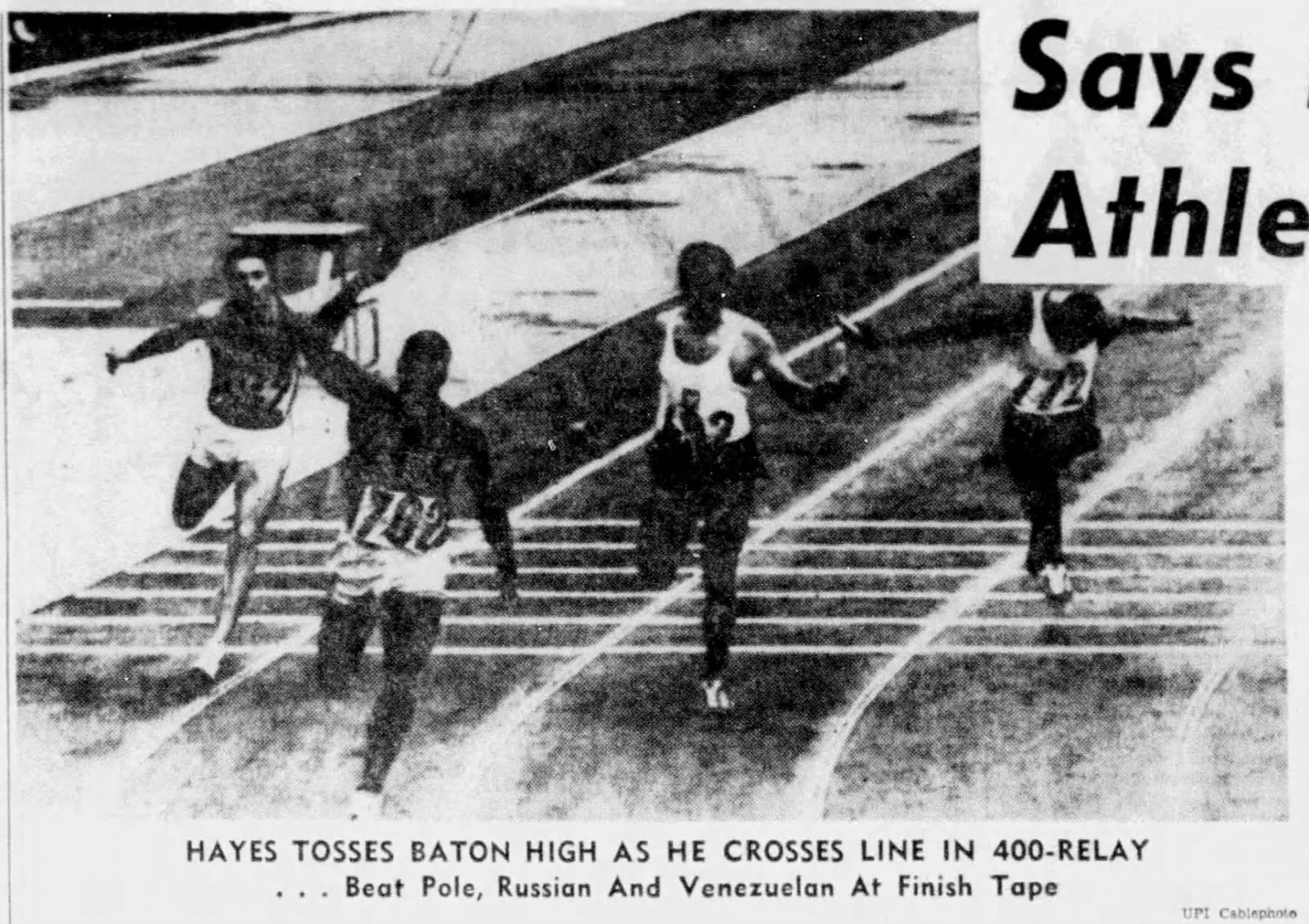
6 days later he did something even better. In the 4x100 relay final, the U.S. was in trouble when Hayes got the baton, about 3 meters behind the leader, France's Jocelyn Delecour, in the middle of the pack. Hayes caught everybody. His anchor leg was hand-timed at an estimated 8.6 seconds, a number that still gets passed around track circles like a ghost story. The U.S. won in a world record 39.0.
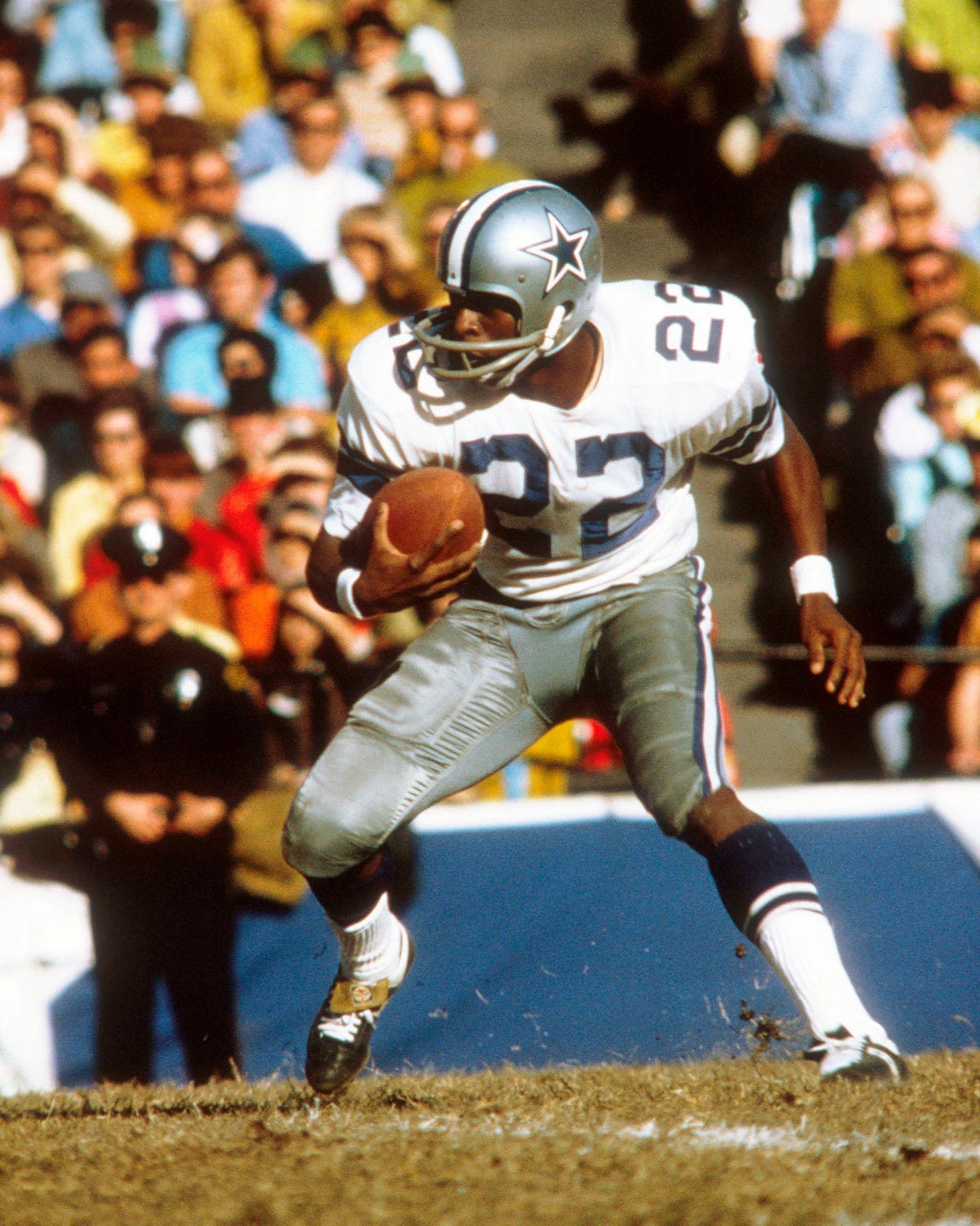
Then he went to Dallas. Hayes changed pro football the way he changed the 100. He's widely credited with pushing NFL defenses into zone coverage, because nobody could run with him man to man. In January 1972, he and teammate Mike Ditka won Super Bowl VI against Miami. Hayes is still the only person ever to win an Olympic gold medal and a Super Bowl. He went into the Pro Football Hall of Fame in 2009, 7 years after he died.
Honorable mentions
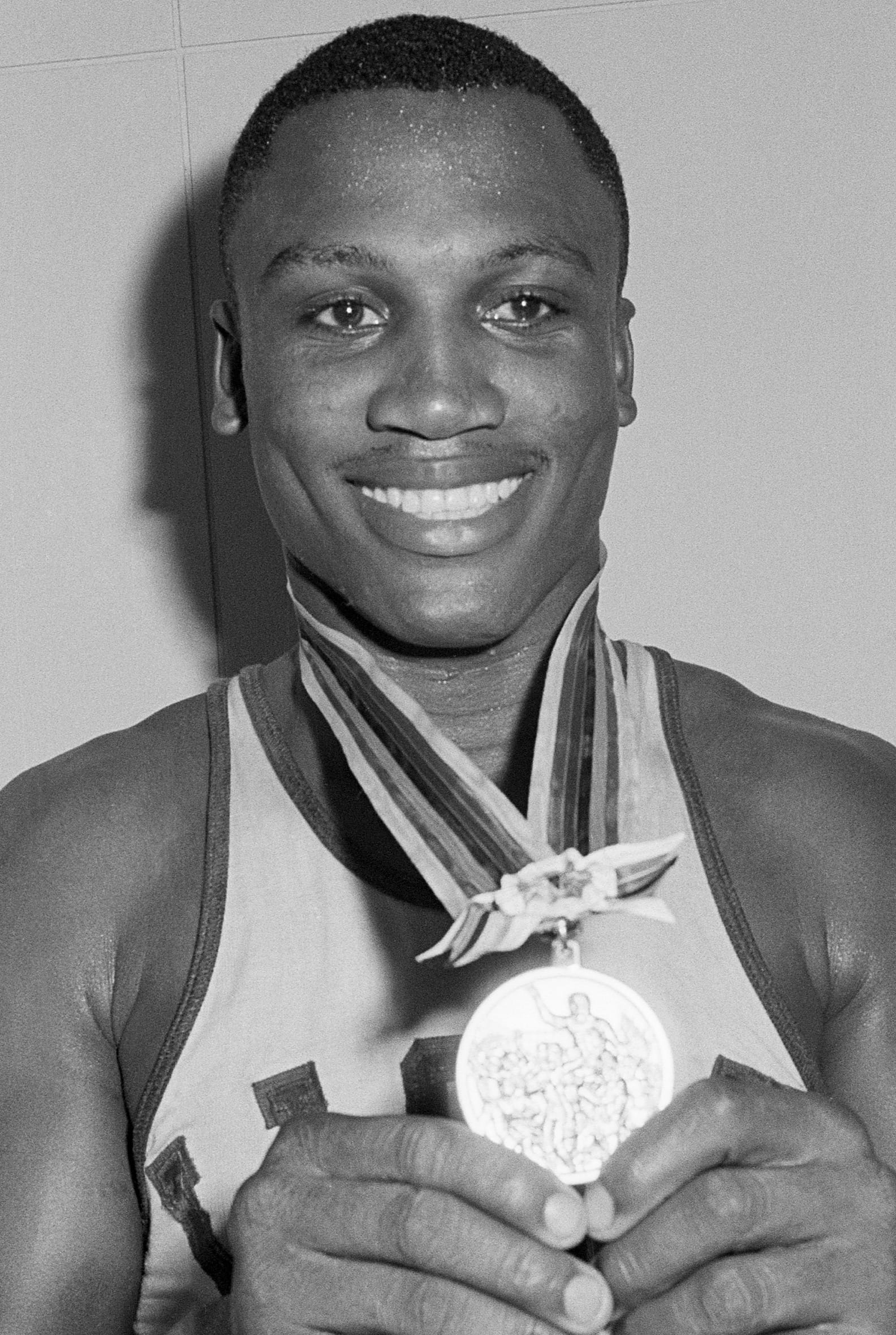
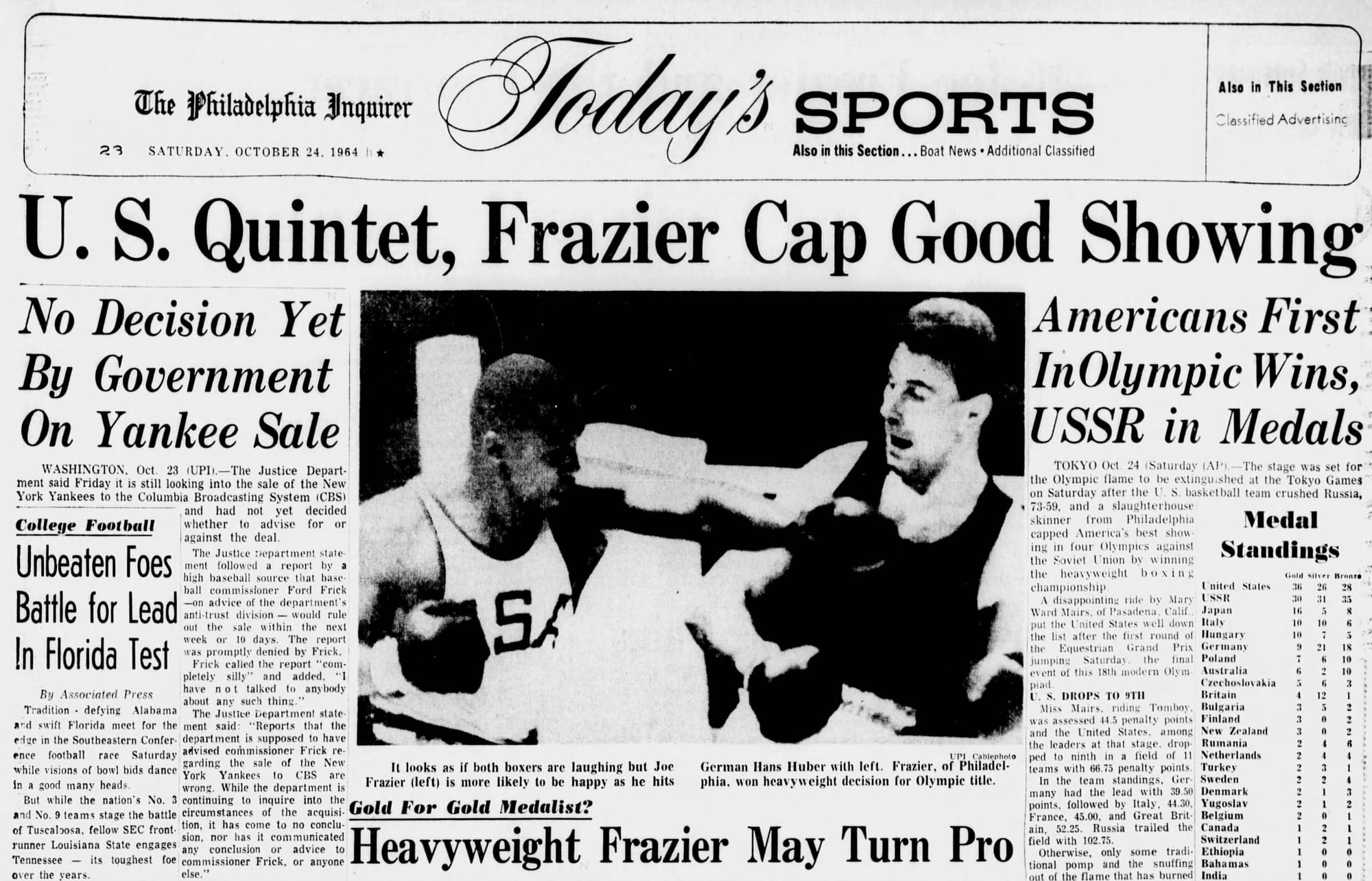
Joe Frazier's broken thumb. Frazier went to Tokyo as an alternate after losing the Olympic Trials final to Buster Mathis, and got in only when Mathis hurt his hand. He broke his left thumb in the semifinal, told almost no one, and beat Germany's Hans Huber in the heavyweight final on Oct. 23 for the gold.
Don Schollander. The 18-year-old from Oregon won 4 swimming gold medals, the first swimmer to win 4 at a single Games.
Dawn Fraser and Larisa Latynina. Australia's Fraser won her 3rd straight 100-meter freestyle, then got arrested for taking an Olympic flag from outside the Imperial Palace. (She was released without charge, and later given the flag.) The Soviet gymnast Latynina won 6 more medals in Tokyo, running her career total to 18, a record that stood until Michael Phelps broke it 48 years later.
Zambia. Northern Rhodesia marched in the opening ceremony. On Oct. 24, the day of the closing ceremony, the country became independent, and its athletes walked into the stadium carrying a new sign that said Zambia.
Which Tokyo moment would you have ranked No. 1? Tell us in the comments.


Comments ()