
On This Date: Sandy Koufax Sits Out Game 1 for Yom Kippur, Then Wins Game 7 (Oct. 14, 1965)
Sandy Koufax wouldn't pitch Game 1 of the 1965 World Series because it fell on Yom Kippur. On Oct. 14, on 2 days' rest, he shut out the Twins in Game 7.
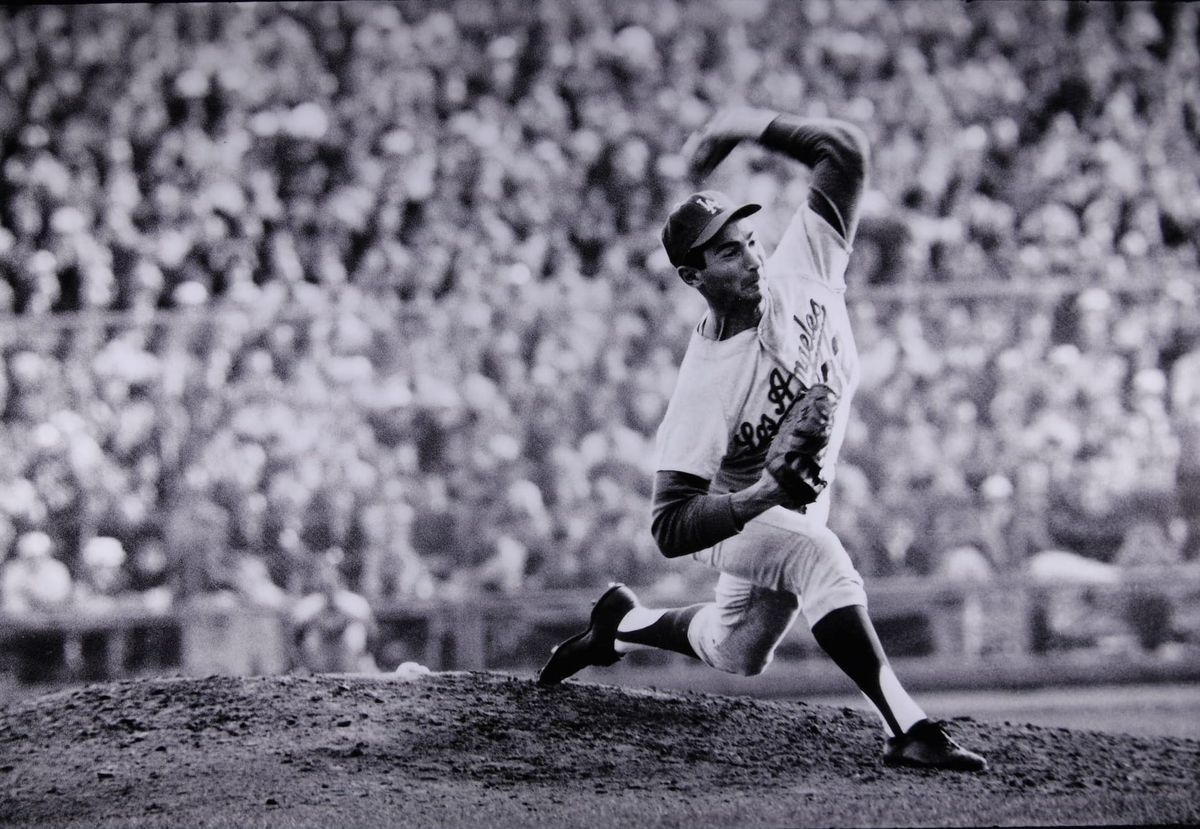
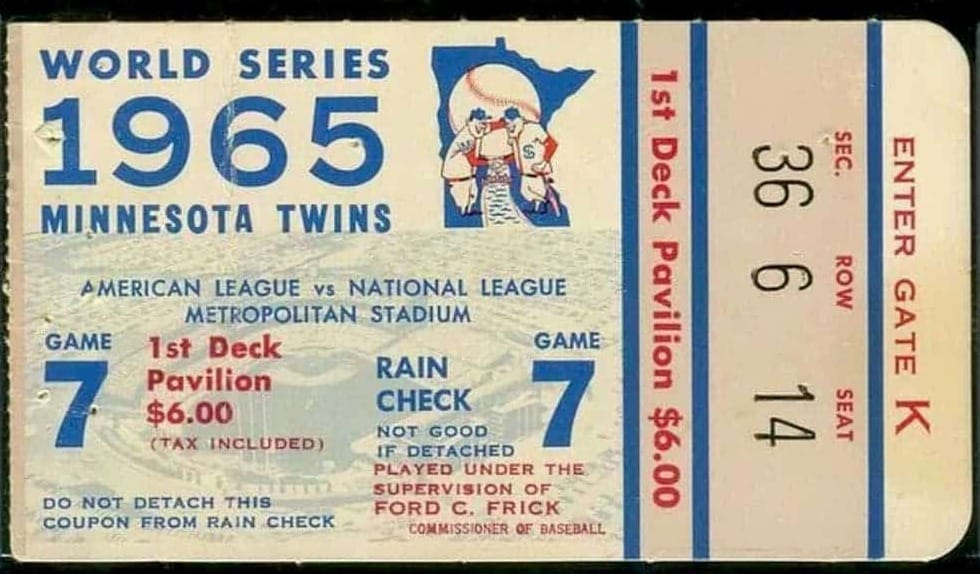
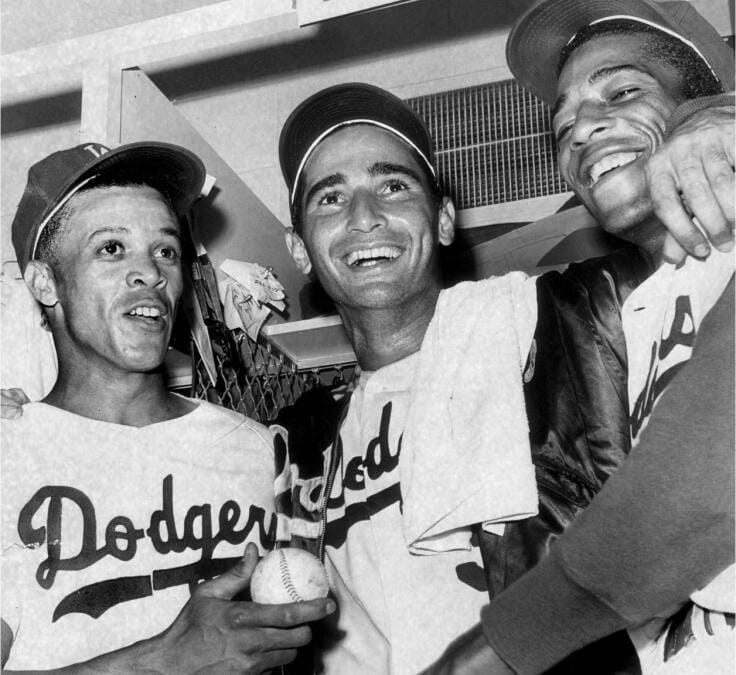
On Thursday afternoon, Oct. 14, 1965, Sandy Koufax walked to the mound at Metropolitan Stadium in Bloomington, Minnesota, for Game 7 of the World Series. He was pitching on 2 days' rest, his elbow was arthritic, and by the 3rd inning his curveball had abandoned him. He threw a 3-hit shutout anyway. The Los Angeles Dodgers beat the Minnesota Twins, 2-0, and won their 3rd championship since leaving Brooklyn.
The story of that Series doesn't start with Game 7, though. It starts 8 days earlier, with the game Koufax refused to pitch.
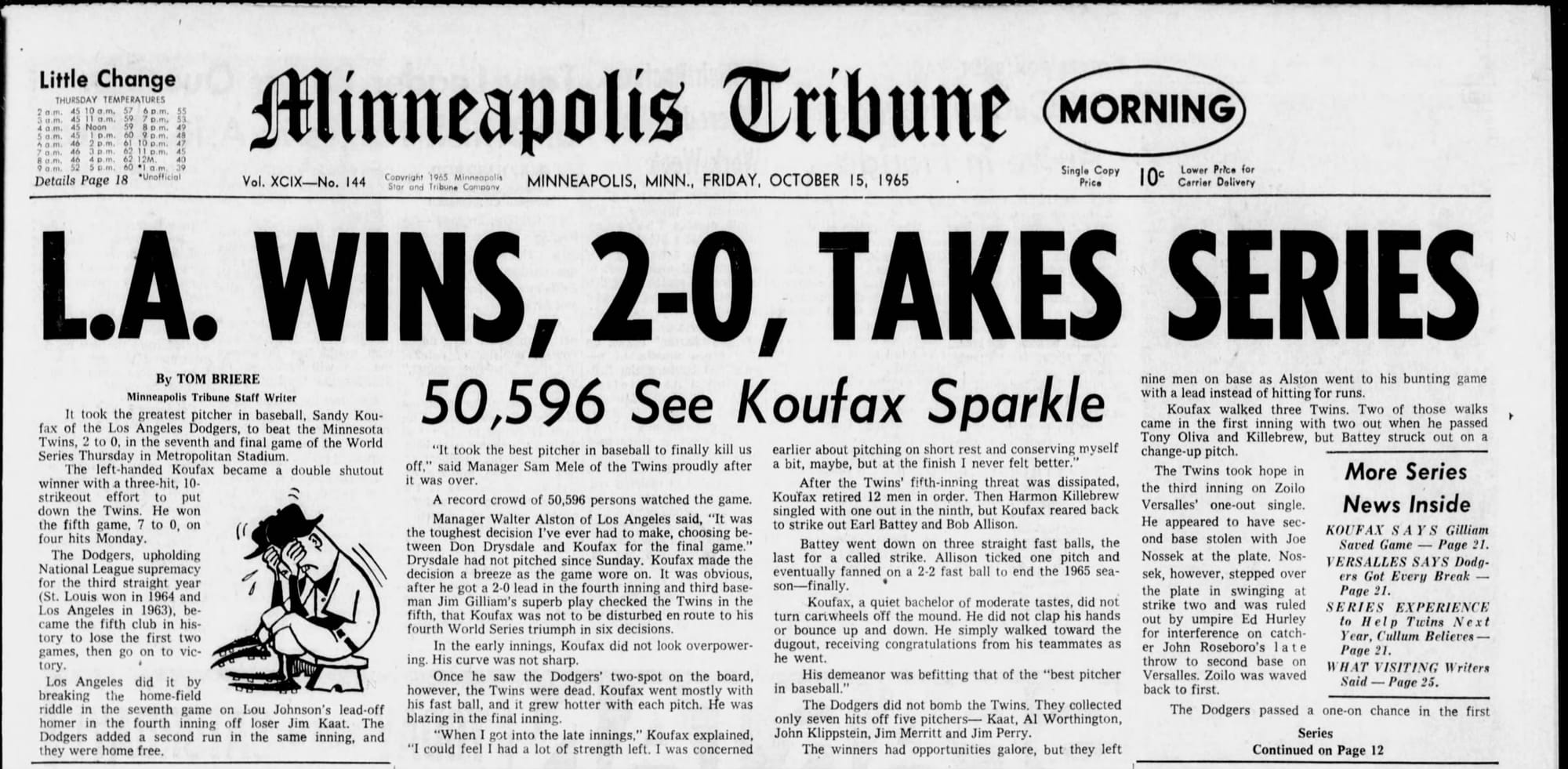
Yom Kippur at the Met
In 1965, Koufax was the best pitcher alive. He went 26-8 with a 2.04 ERA, struck out 382 batters (a modern record at the time), threw a perfect game against the Cubs on Sept. 9 and won the Cy Young Award unanimously. He was the obvious choice to start Game 1 of the World Series.
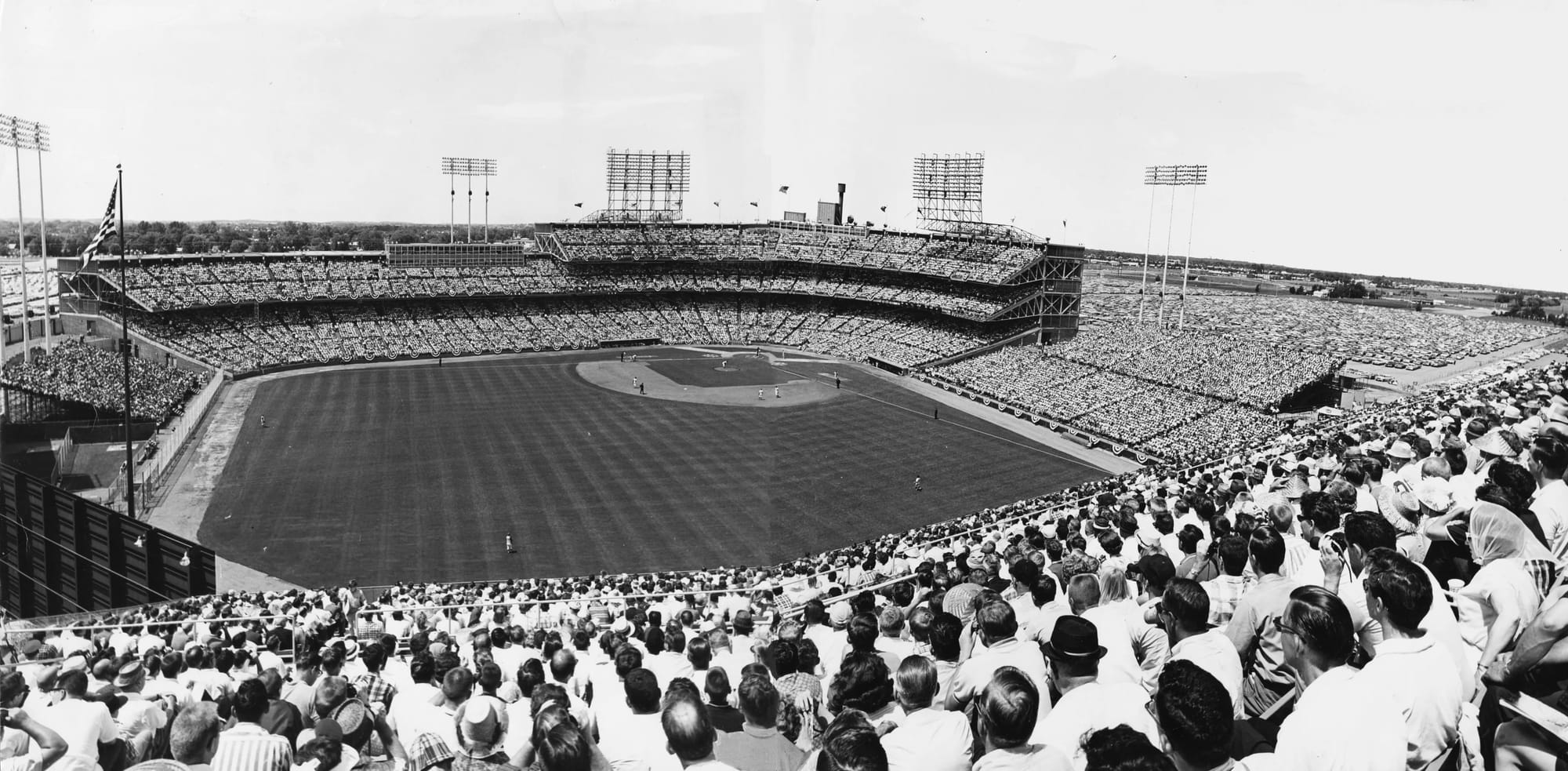
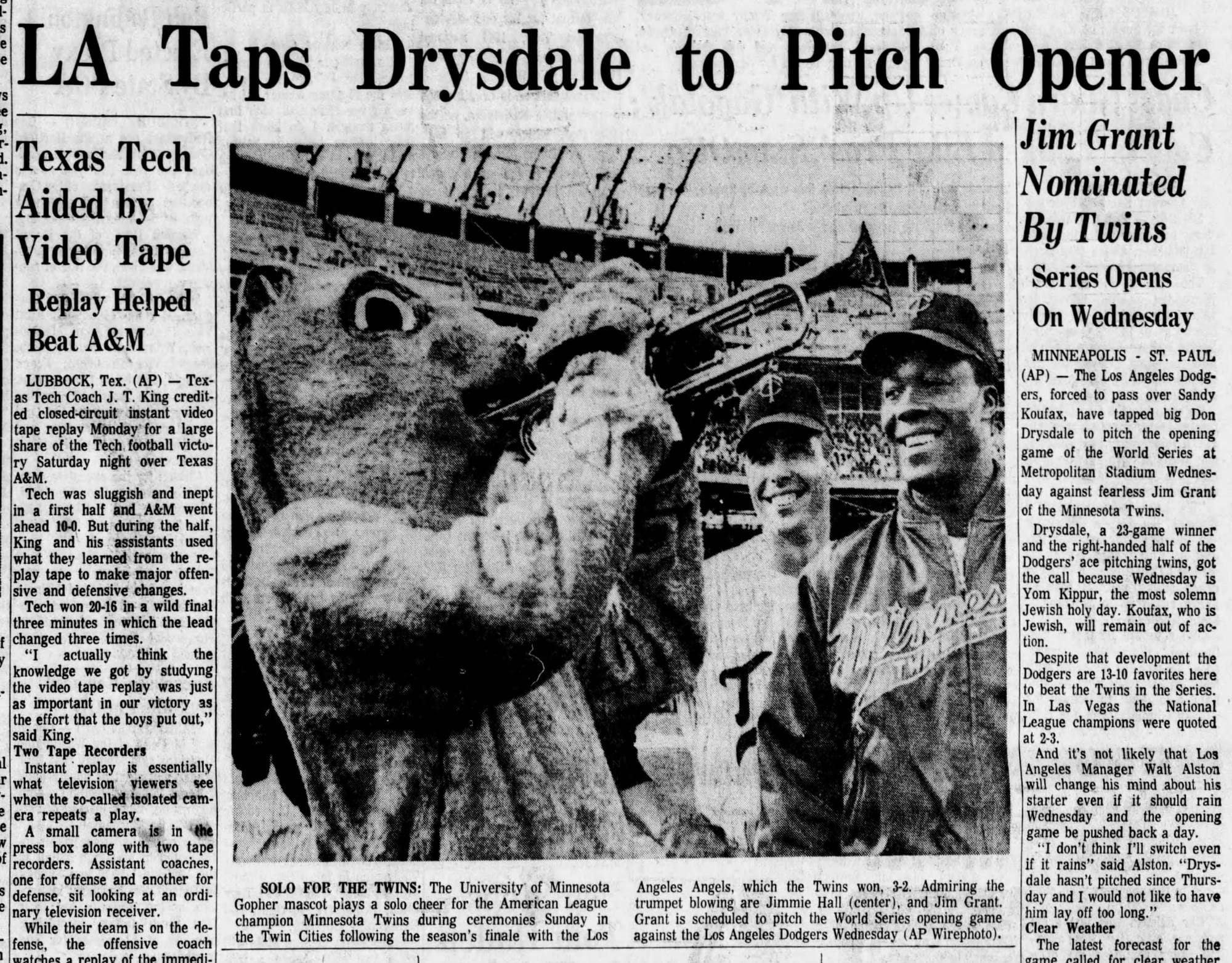
But Game 1 was set for Wednesday, Oct. 6, and that was Yom Kippur, the holiest day of the Jewish year. Koufax said he would not pitch. The Dodgers didn't argue. Manager Walter Alston gave the ball to Don Drysdale, a 23-game winner and a future Hall of Famer in his own right.
Koufax wasn't the first Jewish star to make that call. In September 1934, with the Tigers in a pennant race, Hank Greenberg played on Rosh Hashanah and sat out Yom Kippur. But Greenberg's choice cost Detroit a regular-season game. Koufax was sitting out the World Series.
"I bet right now you wish I was Jewish, too"
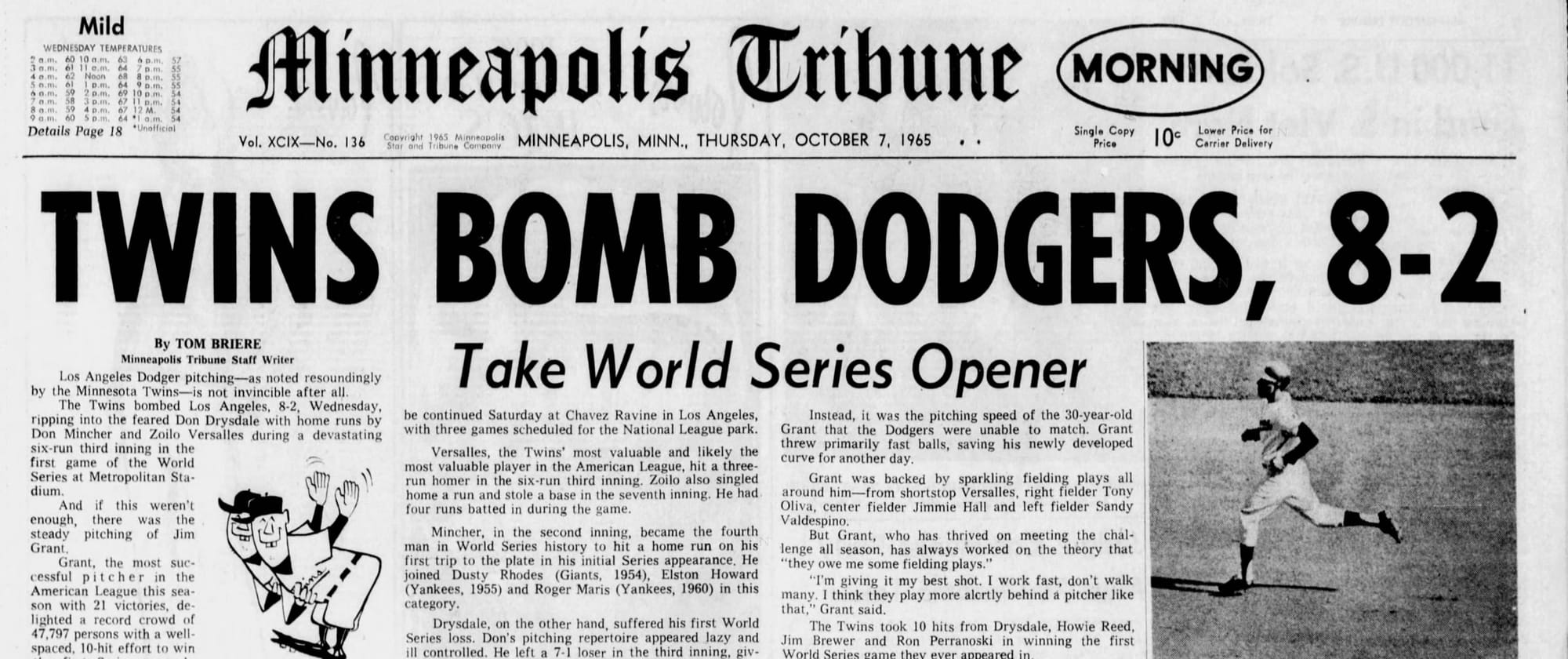
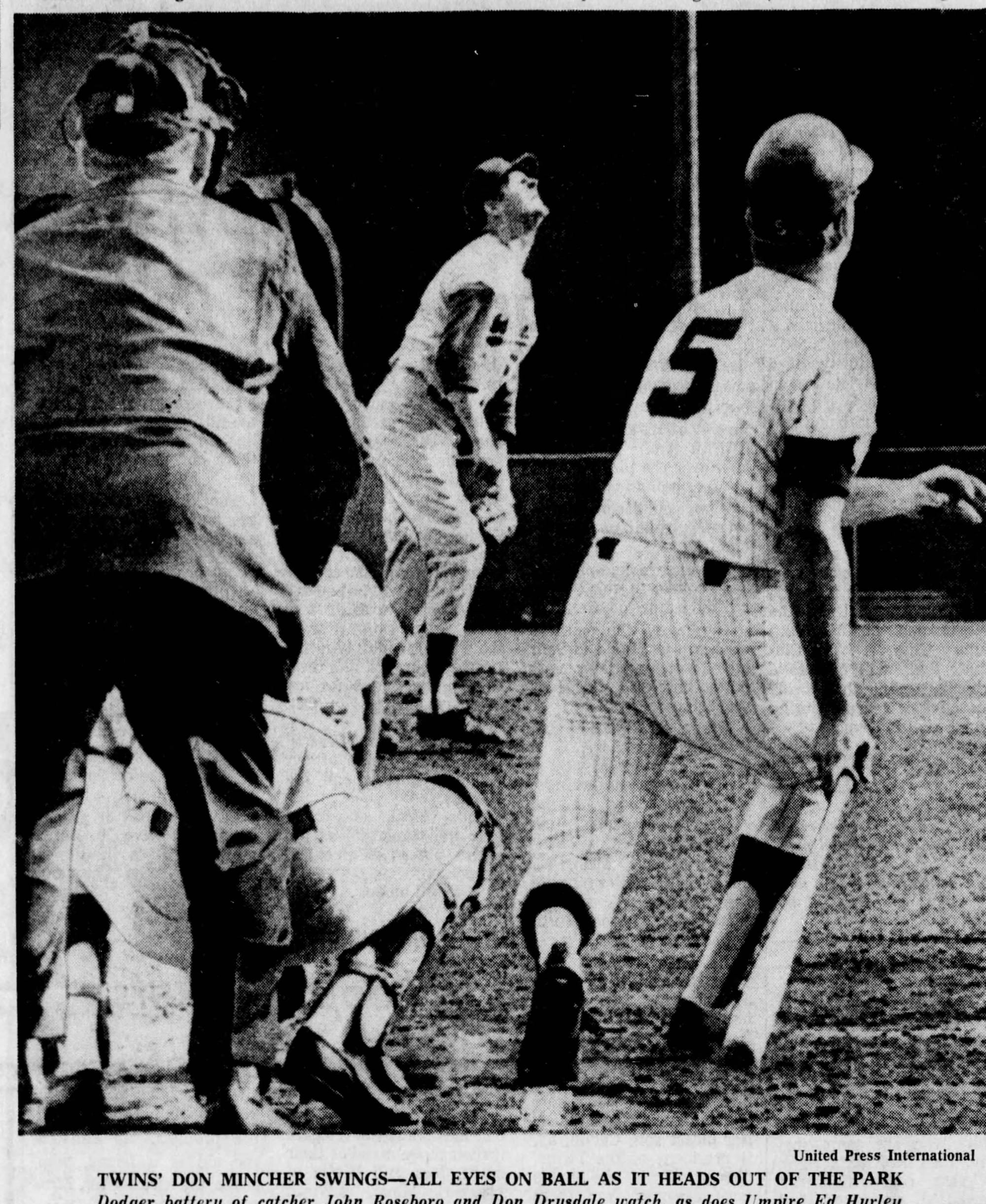
Drysdale didn't last 3 innings. The game was tied 1-1 going into the bottom of the 3rd. Then Frank Quilici doubled, Jim Lefebvre made an error, and Twins shortstop Zoilo Versalles, that year's American League MVP, hit a 3-run homer. By the time the inning was over, Minnesota led 7-1. The Twins won 8-2.
When Alston came out to take the ball, Drysdale reportedly told him, "I bet right now you wish I was Jewish, too." The exact wording changes depending on who's telling it, but every version has the same punchline.
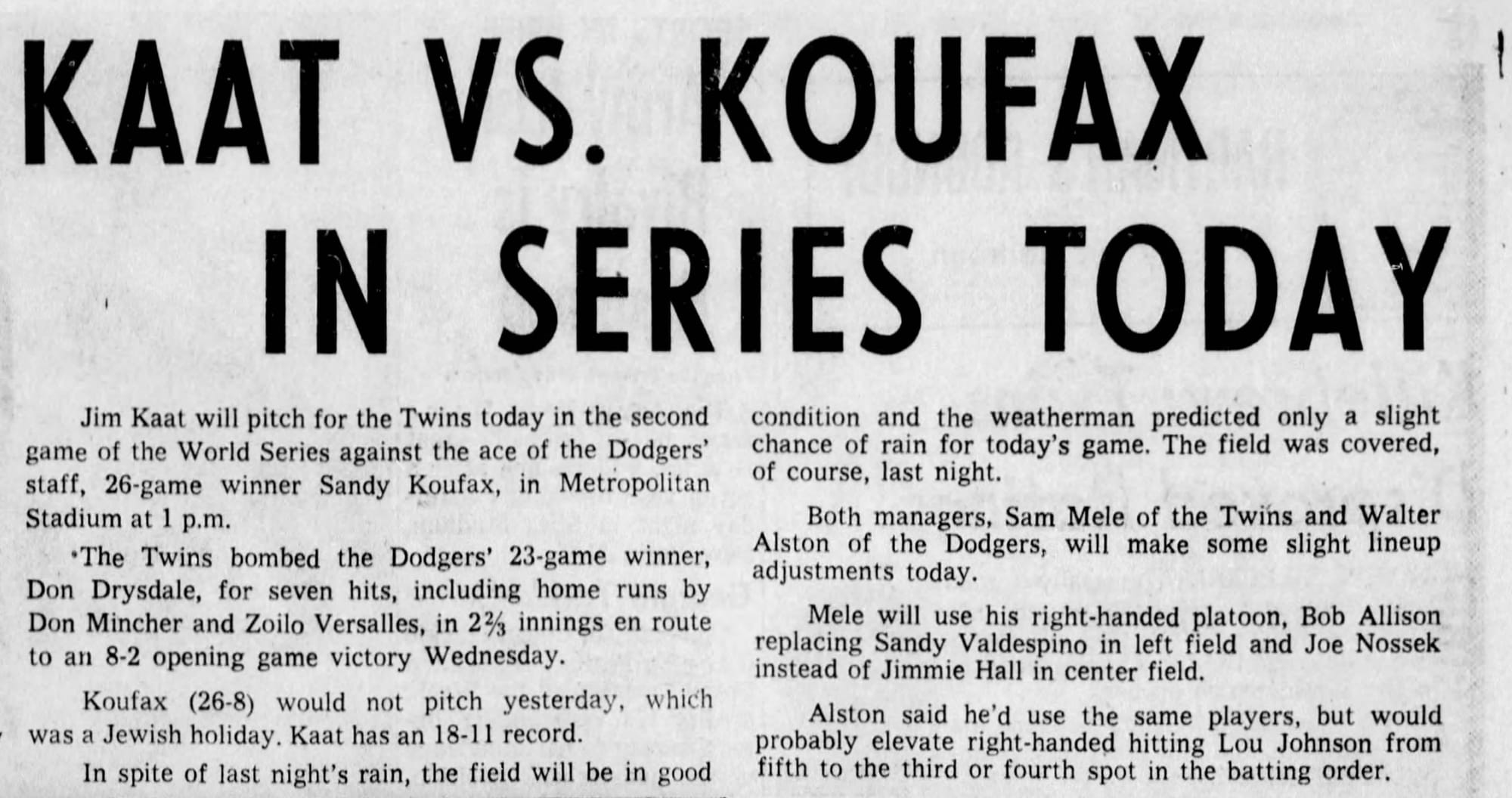
The Tribune's sports front that morning previewed Game 2 and noted, matter-of-factly, that Koufax "would not pitch yesterday, which was a Jewish holiday."
Down 2 games to none
Koufax pitched Game 2 on Oct. 7 and lost. Jim Kaat outpitched him, the Dodgers' defense let him down in the 6th, and the Twins won 5-1. The defending National League champions were down 2 games to none, and they'd lost both games to their 2 best pitchers.

Then the Series moved to Dodger Stadium, and everything turned. Claude Osteen shut out the Twins in Game 3. Drysdale won Game 4. And in Game 5 on Oct. 11, Koufax threw a 4-hitter with 10 strikeouts in a 7-0 win. The Twins won Game 6 back in Minnesota behind Mudcat Grant, which set up Game 7.
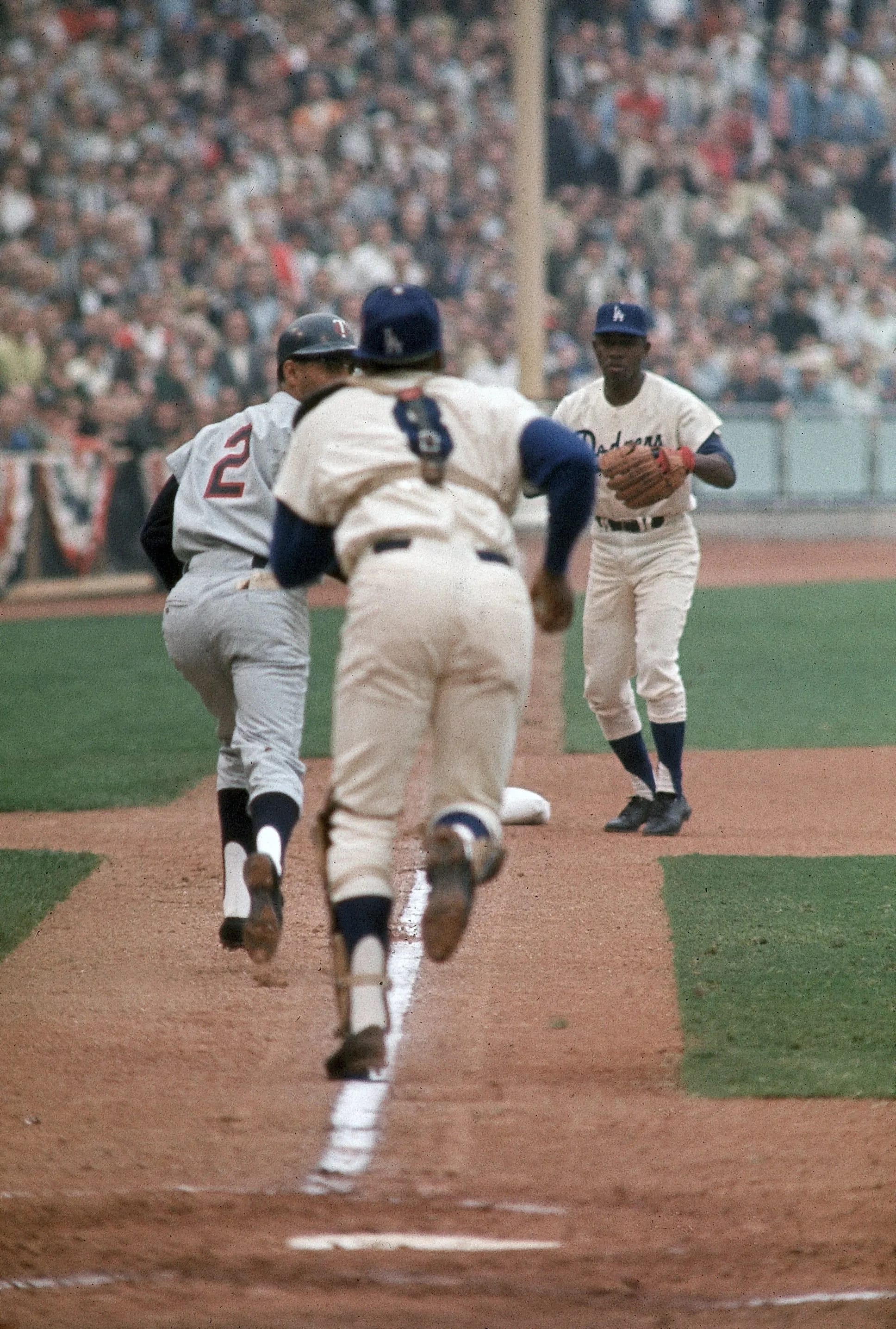
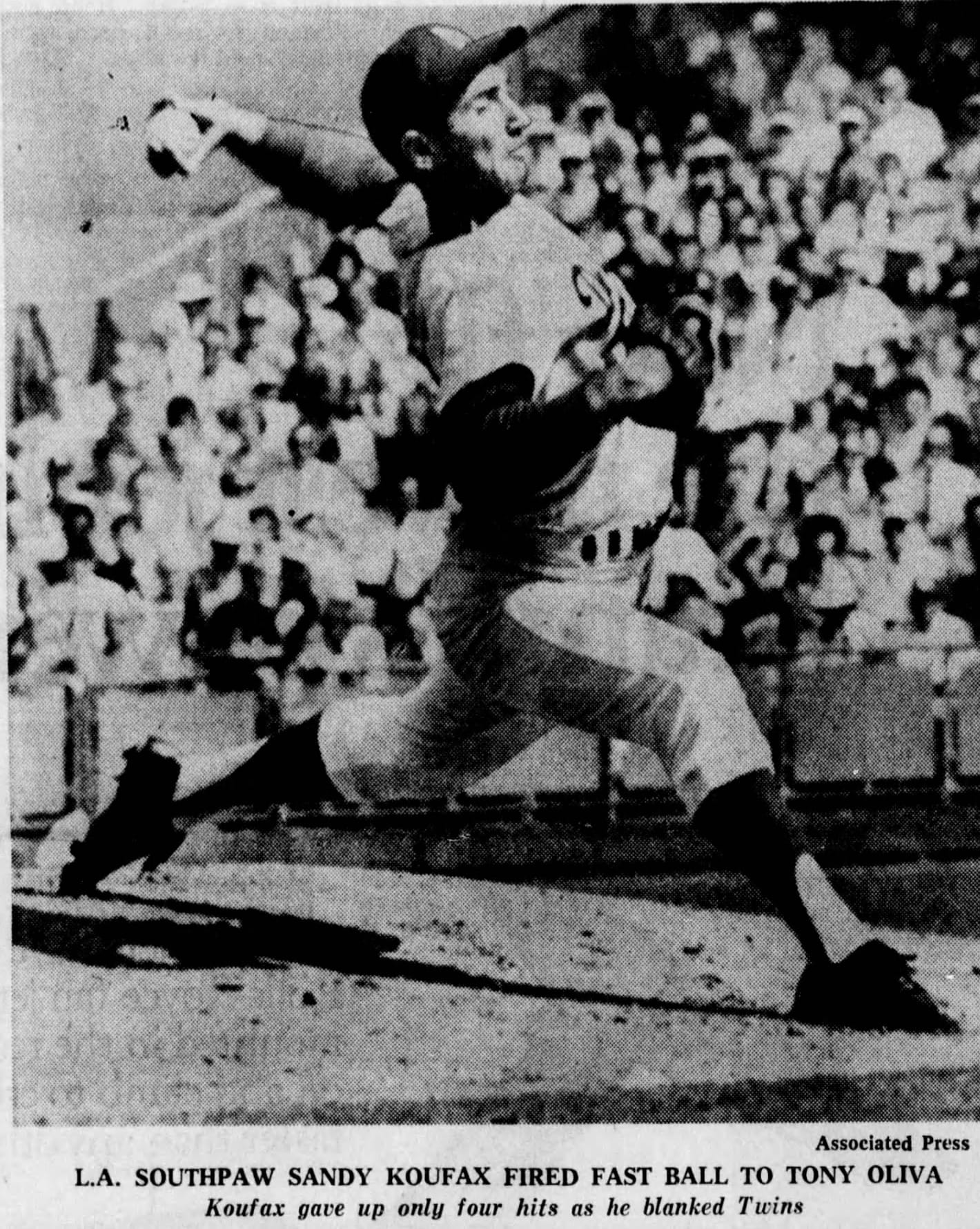
Game 7, on 2 days' rest
Alston had a choice. Drysdale was rested. Koufax had pitched 3 days earlier. Alston went with Koufax, figuring he could bring in the right-handed Drysdale if things went wrong. Both bullpens were warming up from the first inning. Kaat started for Minnesota, also on 2 days' rest.
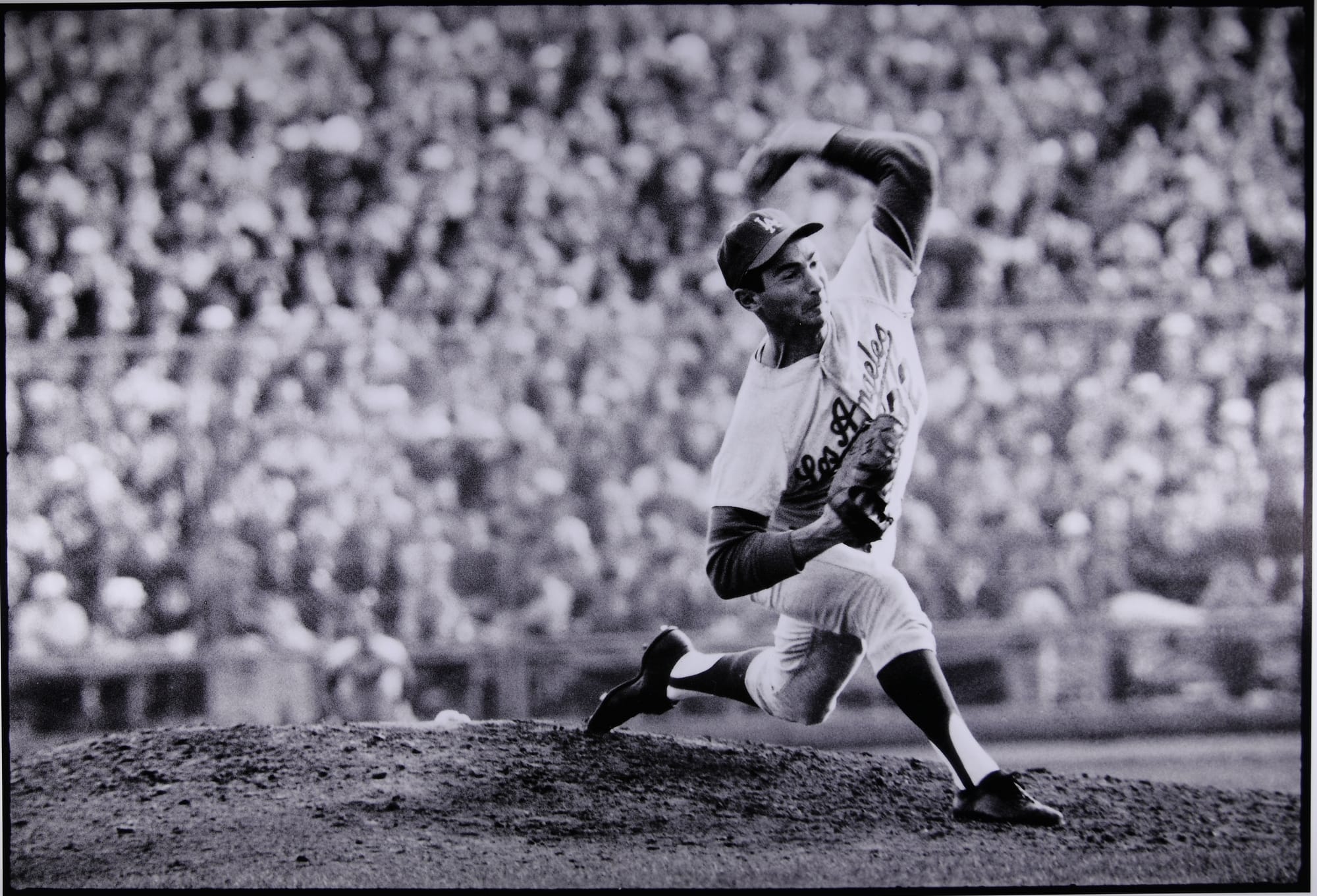
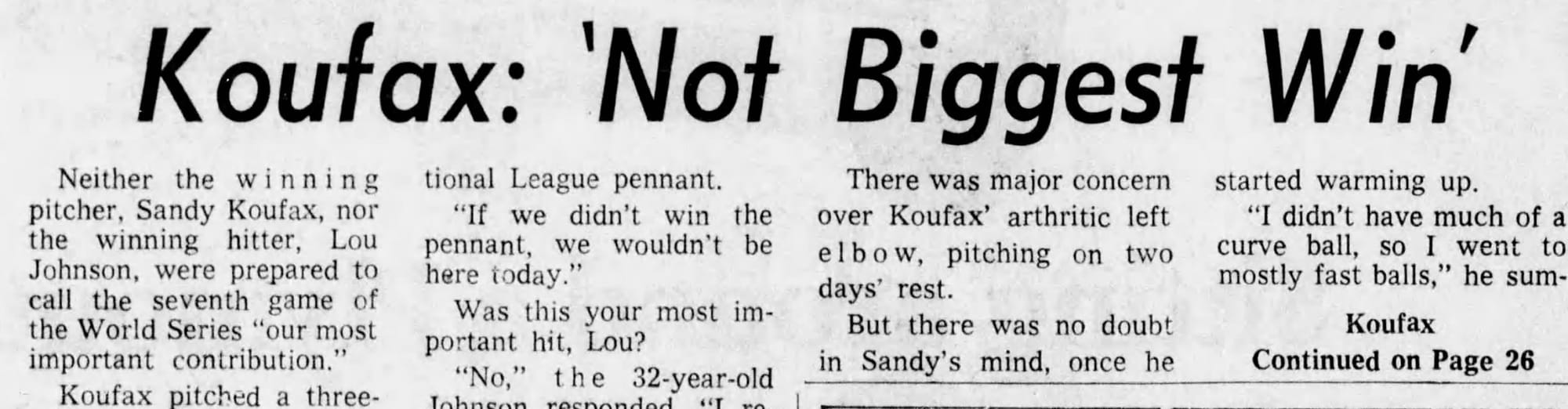
Koufax walked 2 in the first inning and couldn't throw his curveball for strikes. So he more or less stopped throwing it. "I didn't have much of a curve ball, so I went to mostly fast balls," he said afterward.
3 straight pitches
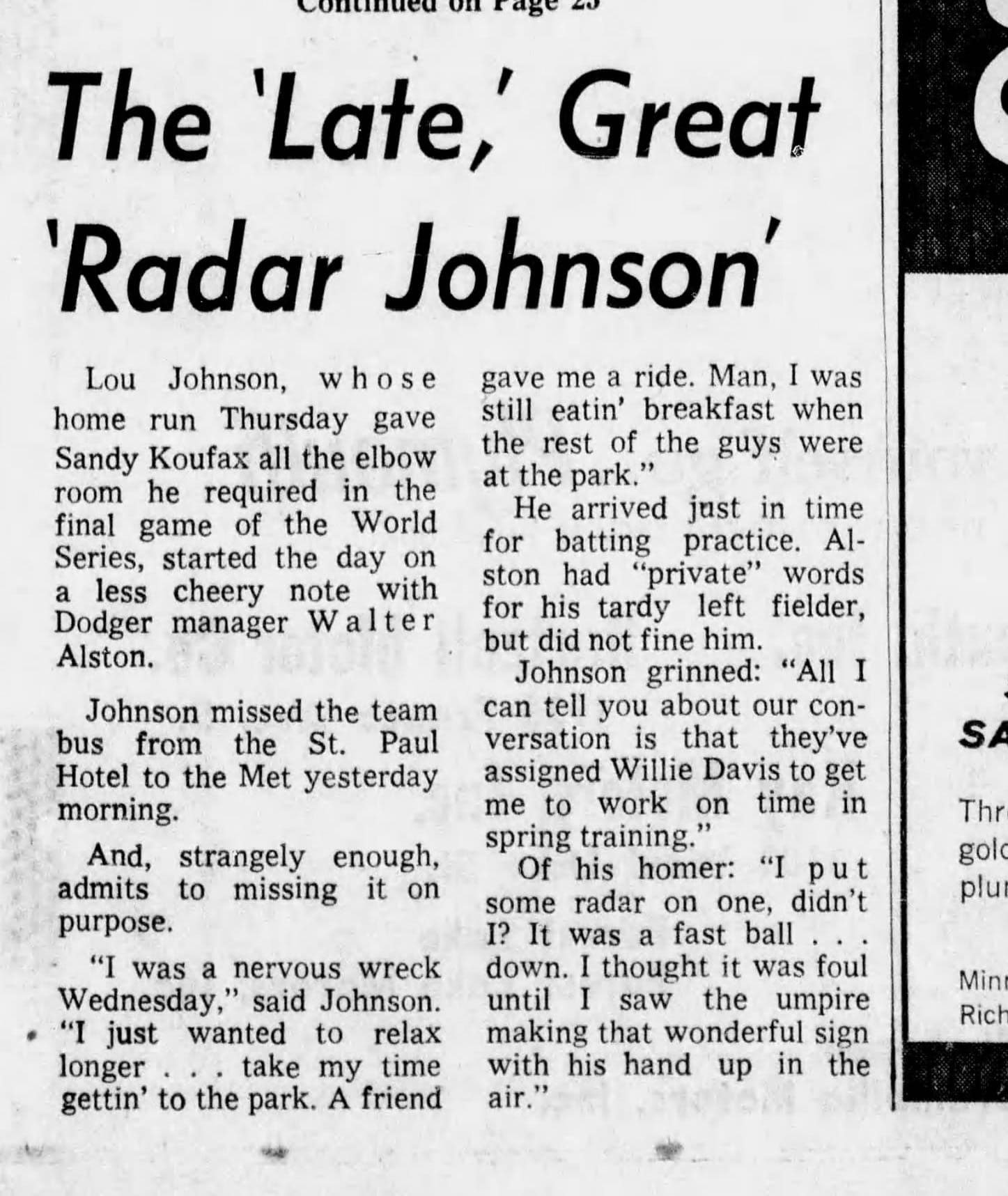
The game was scoreless in the top of the 4th when Lou Johnson, a 31-year-old journeyman the Dodgers had called up in May, lined a home run off the left-field foul pole. Ron Fairly doubled on the next pitch, and Wes Parker singled him home on the pitch after that. Two runs on 3 pitches, and Kaat was gone.
Johnson almost didn't make it to the ballpark. He'd missed the team bus from the St. Paul Hotel that morning and got a ride. "I put some radar on one, didn't I?" he said after the game.
The play that saved it
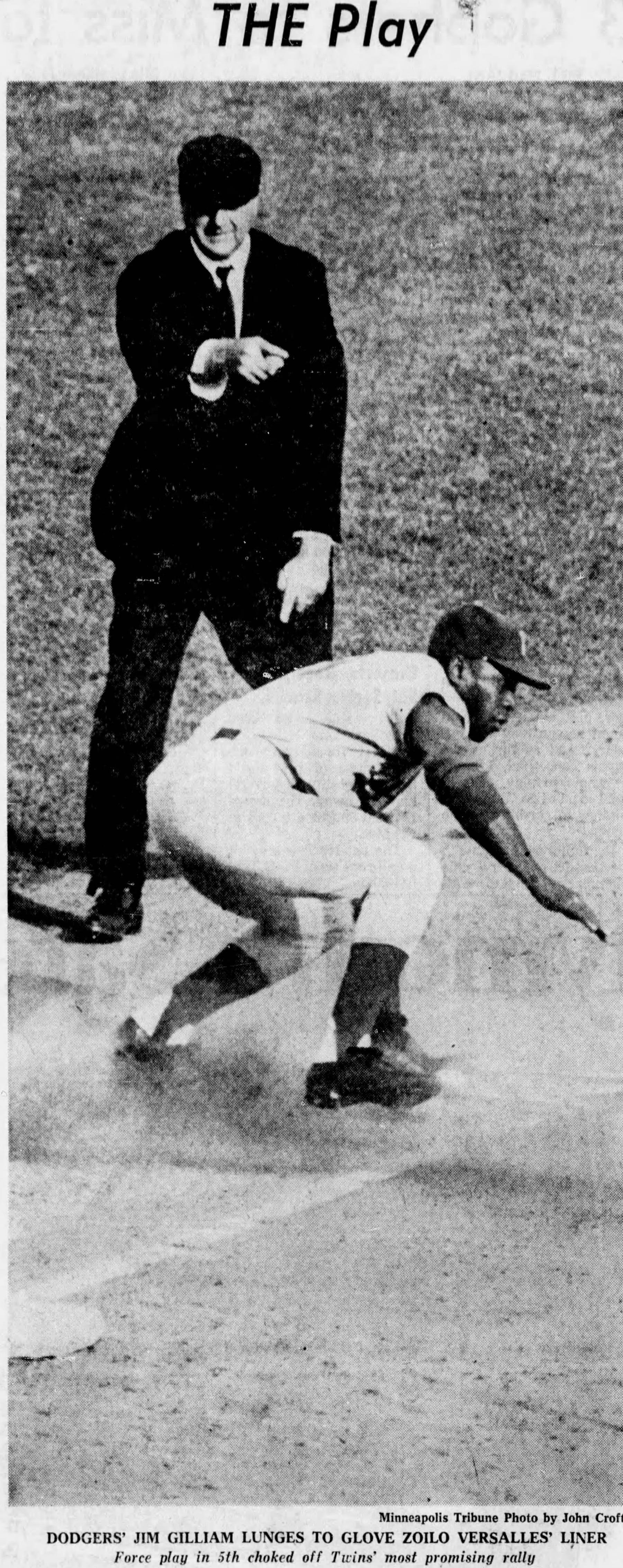
The Twins' best chance came in the 5th. Quilici doubled, Rich Rollins walked, and with one out, Versalles hit a hard grounder down the third-base line that looked like a game-tying double. Drysdale was warming up. Instead, 36-year-old Jim Gilliam, the third baseman Alston usually took out late for defense, dove to his right, backhanded it and stepped on the bag for the force. Koufax got the next out.
After that, Koufax allowed one hit. In the 9th, Tony Oliva grounded out and Harmon Killebrew singled. Then Koufax struck out Earl Battey looking and Bob Allison swinging. Final: Dodgers 2, Twins 0.
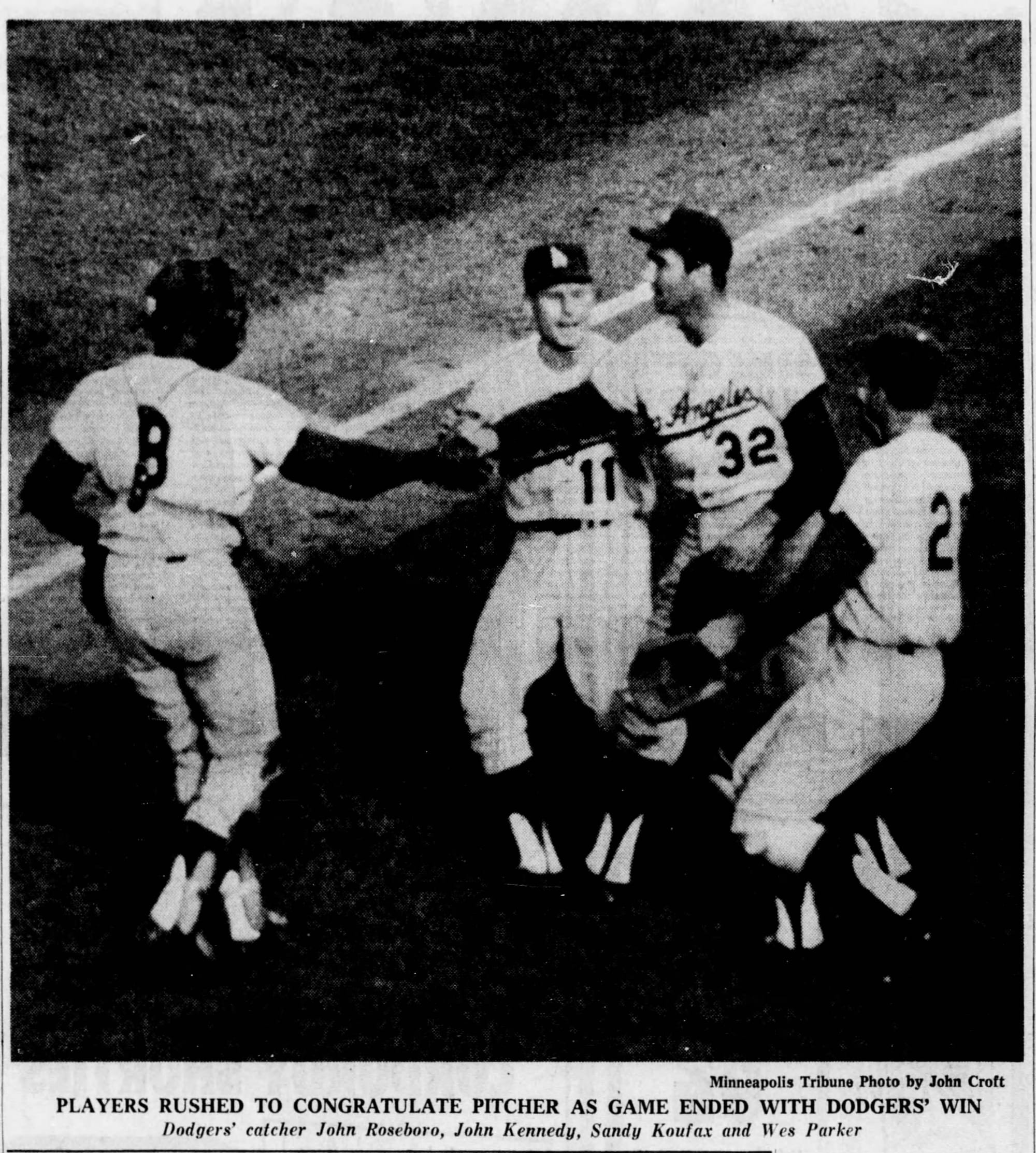
Koufax finished the game with 3 hits, 3 walks and 10 strikeouts. For the Series he pitched 24 innings, allowed 1 earned run, struck out 29 and threw 2 shutouts. He was named MVP. It's still the only World Series game the Twins have ever lost at home.
Where was Koufax on Yom Kippur?
Nobody knows for sure, and Koufax has never said. The Dodgers stayed at the St. Paul Hotel, and the closest synagogue was Temple of Aaron. The St. Paul Pioneer Press reported that morning that Koufax would attend services. Rabbi Bernard Raskas of Temple of Aaron insisted for the rest of his life that Koufax was there, and a few congregants said the same. Others who were outside the synagogue that morning say he never showed up, and friends told biographer Jane Leavy he spent the day in his hotel room.
Koufax's own public account was short. He deflected questions by saying he was praying for rain, and in his 1966 autobiography he wrote that there was never any chance he would pitch that day.
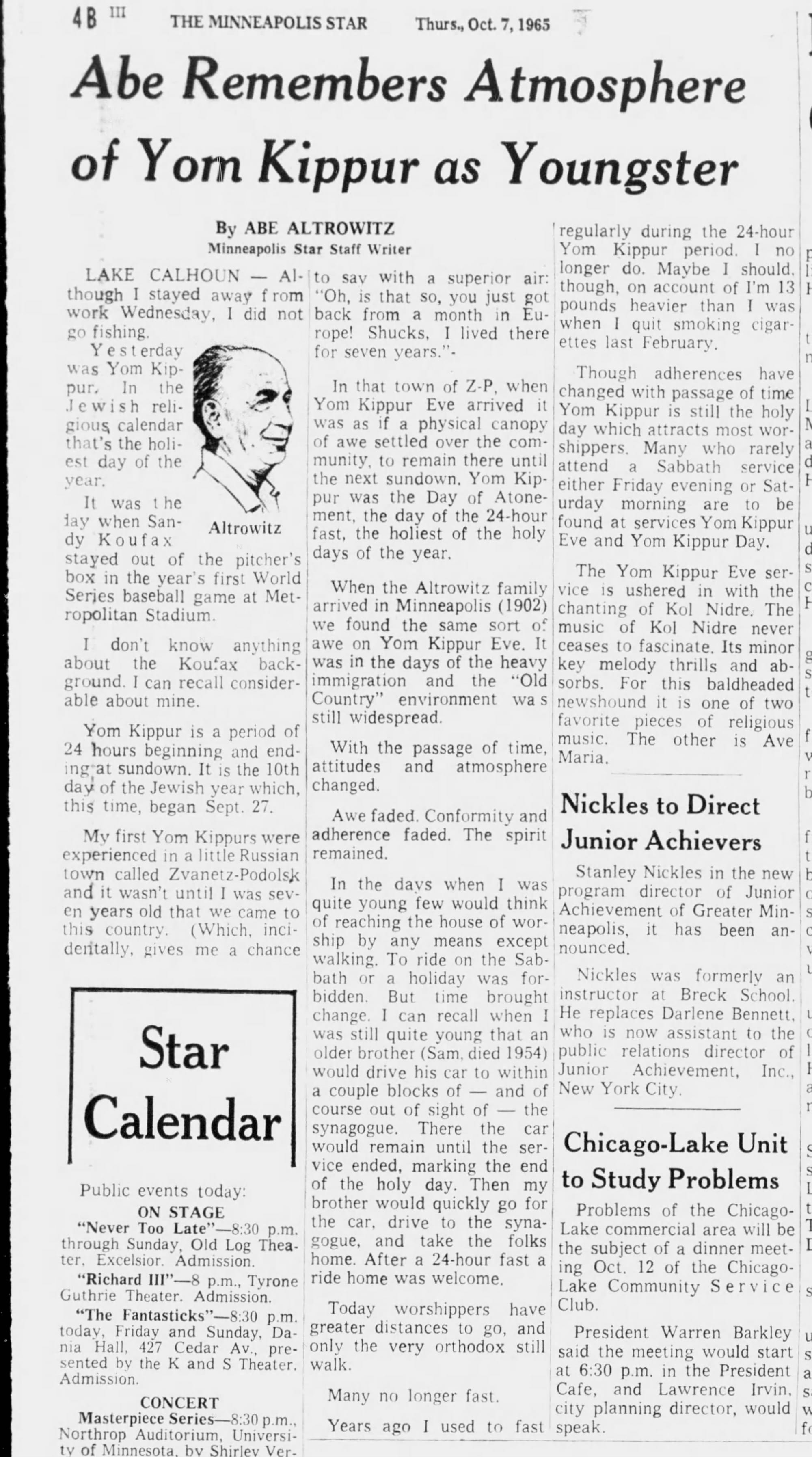
Either way, the decision made him a hero to a generation of Jewish fans. Rabbis built sermons around it. Parents told the story to their kids. More than 60 years later, it's still the first thing many people mention when his name comes up, ahead of the perfect game and the strikeout records.
Sitting out didn't make it easier
There's a popular version of this story where skipping Game 1 somehow freed Koufax up for Game 7. The schedule says otherwise. The Series had off days on Oct. 8 and Oct. 12. If Koufax had started Game 1, he would have been lined up to start Games 4 and 7 on 3 days' rest each. Sitting out Yom Kippur pushed him to Games 2, 5 and 7, which is why he started the deciding game on 2 days' rest.
He did it anyway, and won. It was his last title. Koufax pitched one more season, went 27-9 in 1966, and retired that November at 30, with an elbow that wouldn't let him keep going.
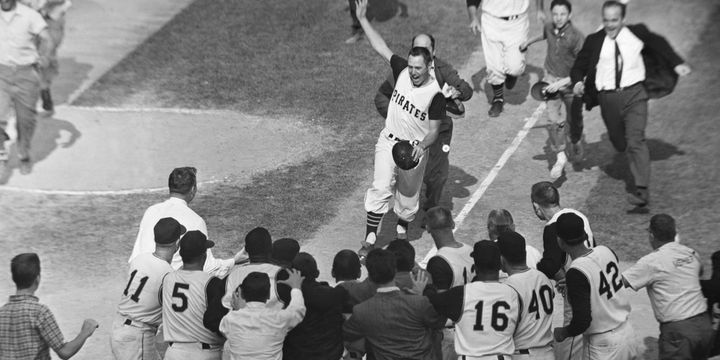
He wasn't the only legend who did something in October that nobody has matched since. Read about Don Larsen's perfect game in the 1956 World Series, and see where Lou Johnson's foul-pole shot would rank among the 10 greatest home runs in World Series history.
What's the greatest Game 7 pitching performance you've ever seen? Let us know in the comments.
Comments ()