
On This Date: The Marshall Plane Crash (Nov. 14, 1970)
On Nov. 14, 1970, a jet carrying the Marshall football team crashed near Huntington, W.Va., killing all 75 aboard. What happened, and how Marshall rebuilt.
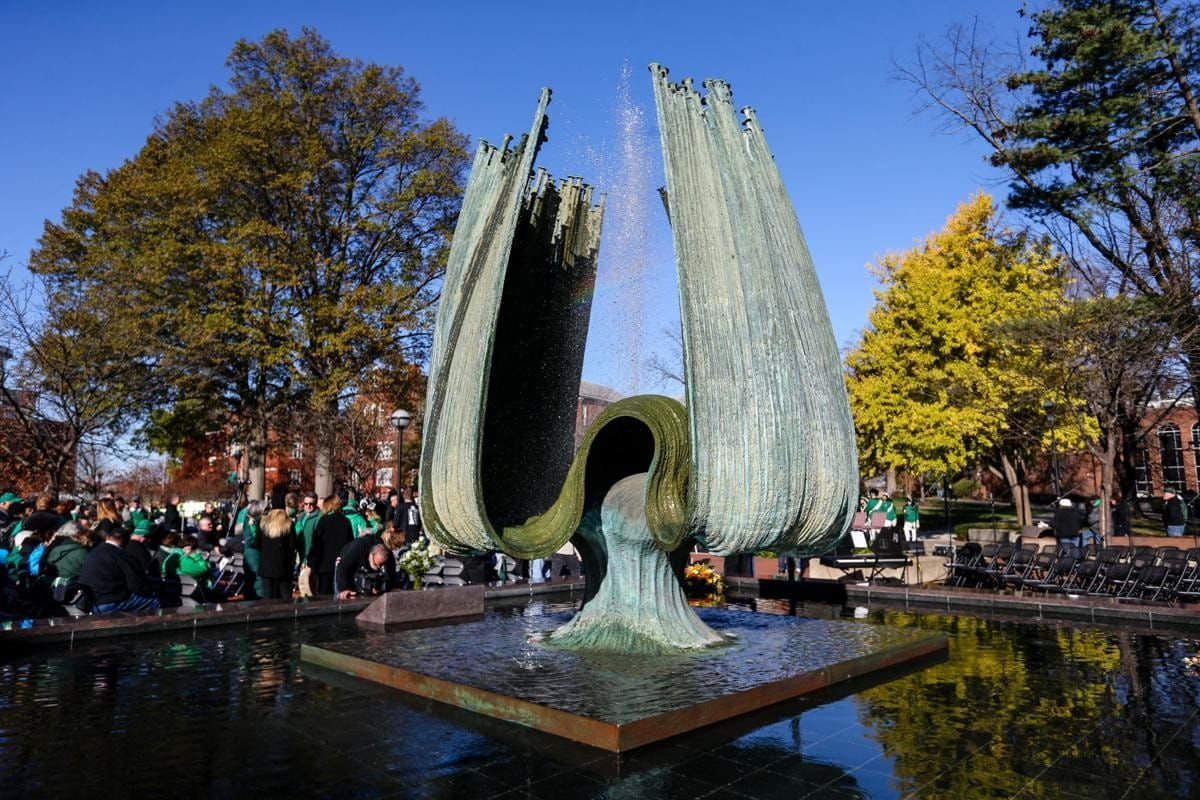
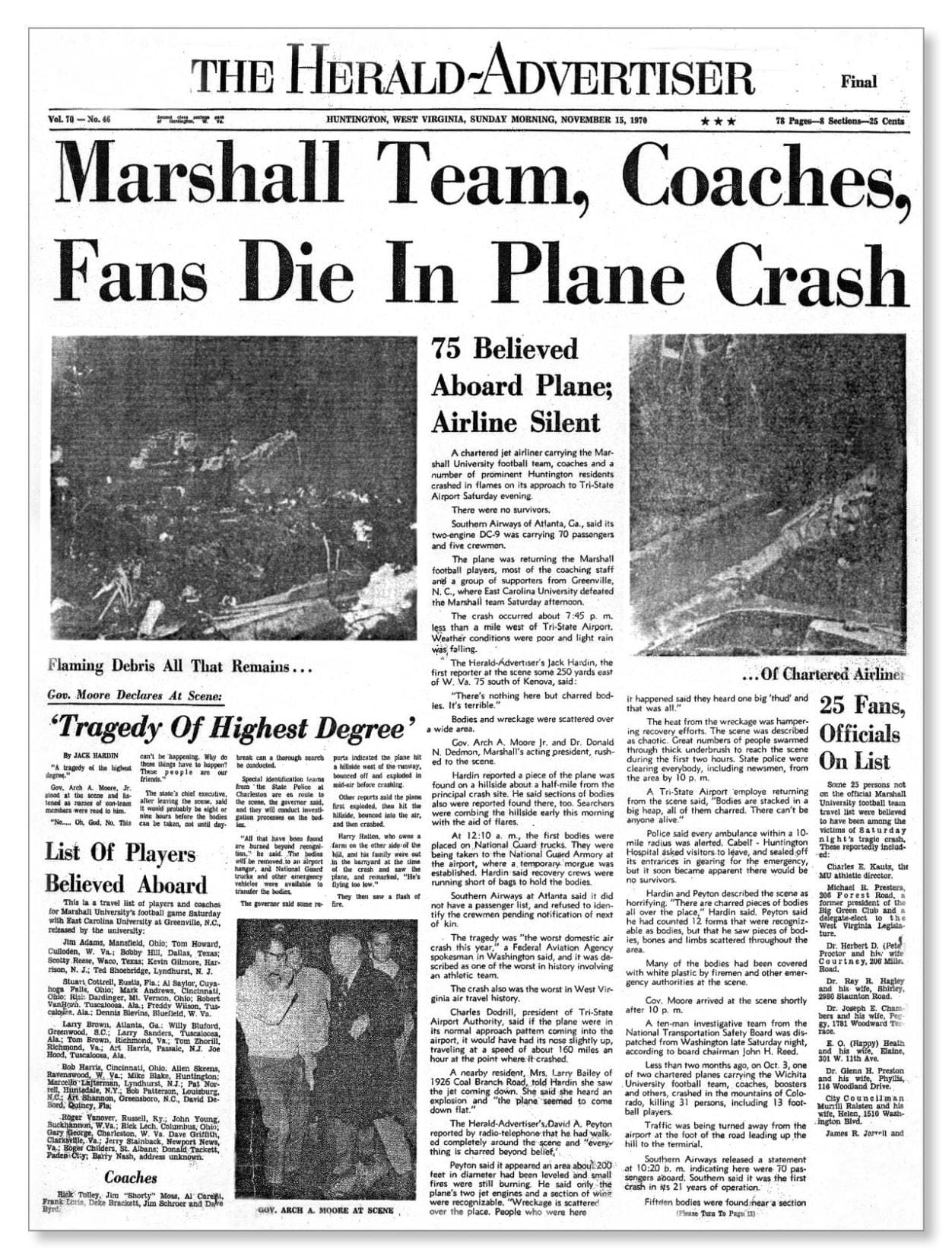
On the night of Nov. 14, 1970, a chartered jet carrying the Marshall University football team home from a game at East Carolina crashed into a hillside near the airport in Huntington, W.Va. All 75 people on board were killed.
It’s still the worst tragedy to strike an American sports team.
The Game
That afternoon, Marshall lost to East Carolina 17-14 in Greenville, N.C. It was the Thundering Herd’s 6th loss of the season.
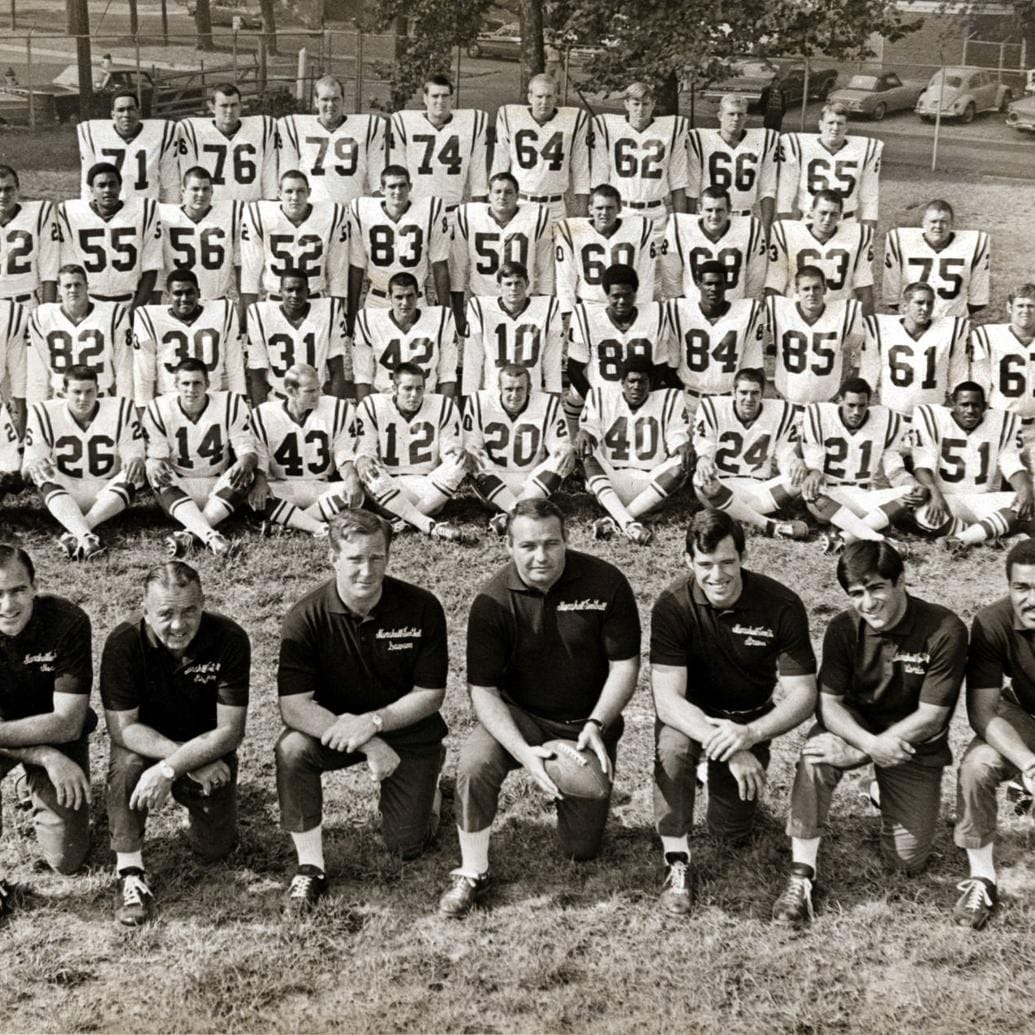
The team almost didn’t fly at all. 6 weeks earlier, on Oct. 2, a plane carrying part of the Wichita State football team had crashed in the Colorado mountains, killing 31 people. Marshall considered canceling the trip, then chartered a Southern Airways DC-9 jet instead of a propeller plane like the one that crashed in Colorado.
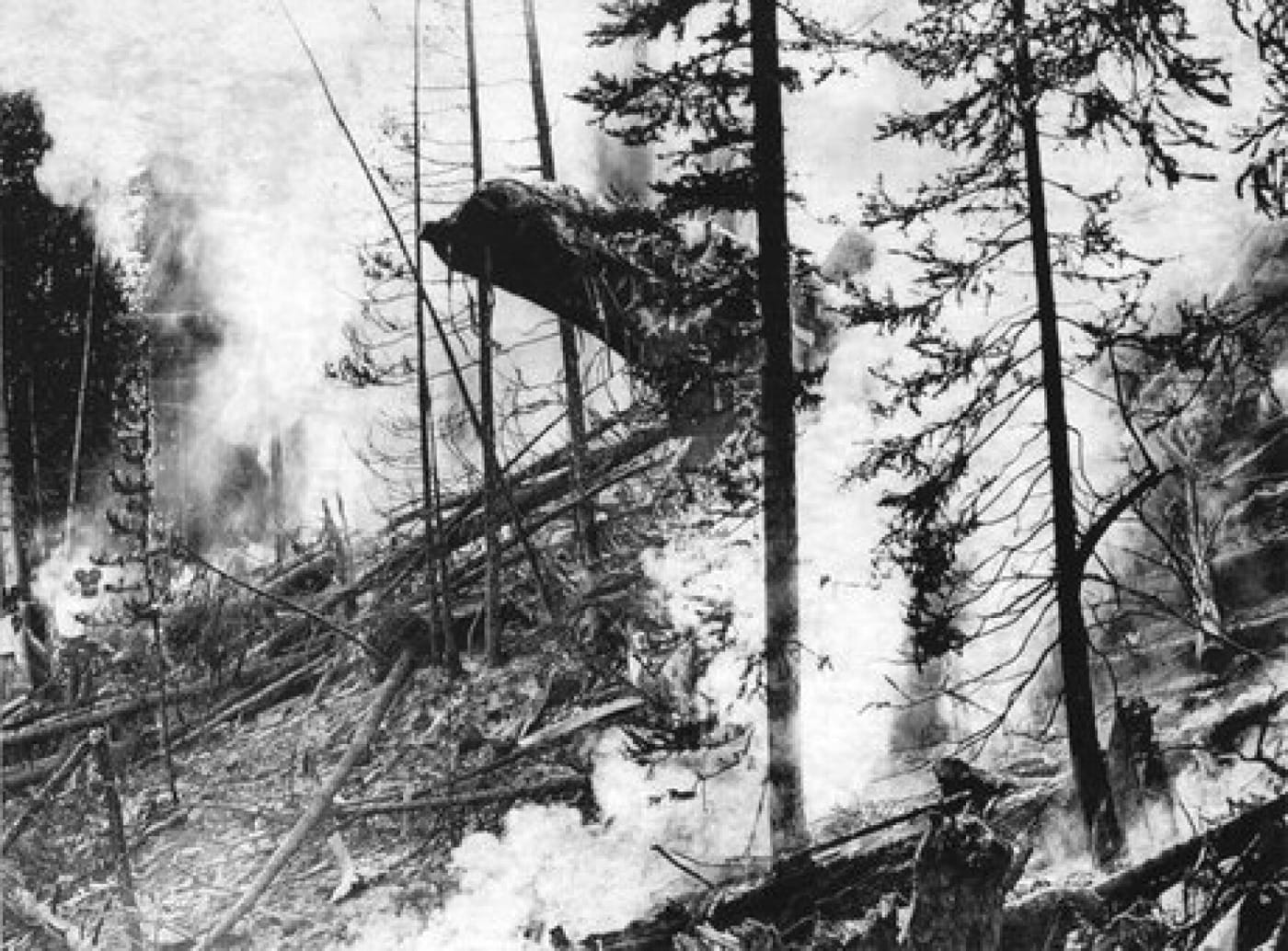
Southern Airways Flight 932 took off from Kinston, N.C., about 30 miles from Greenville, at 6:38 p.m.
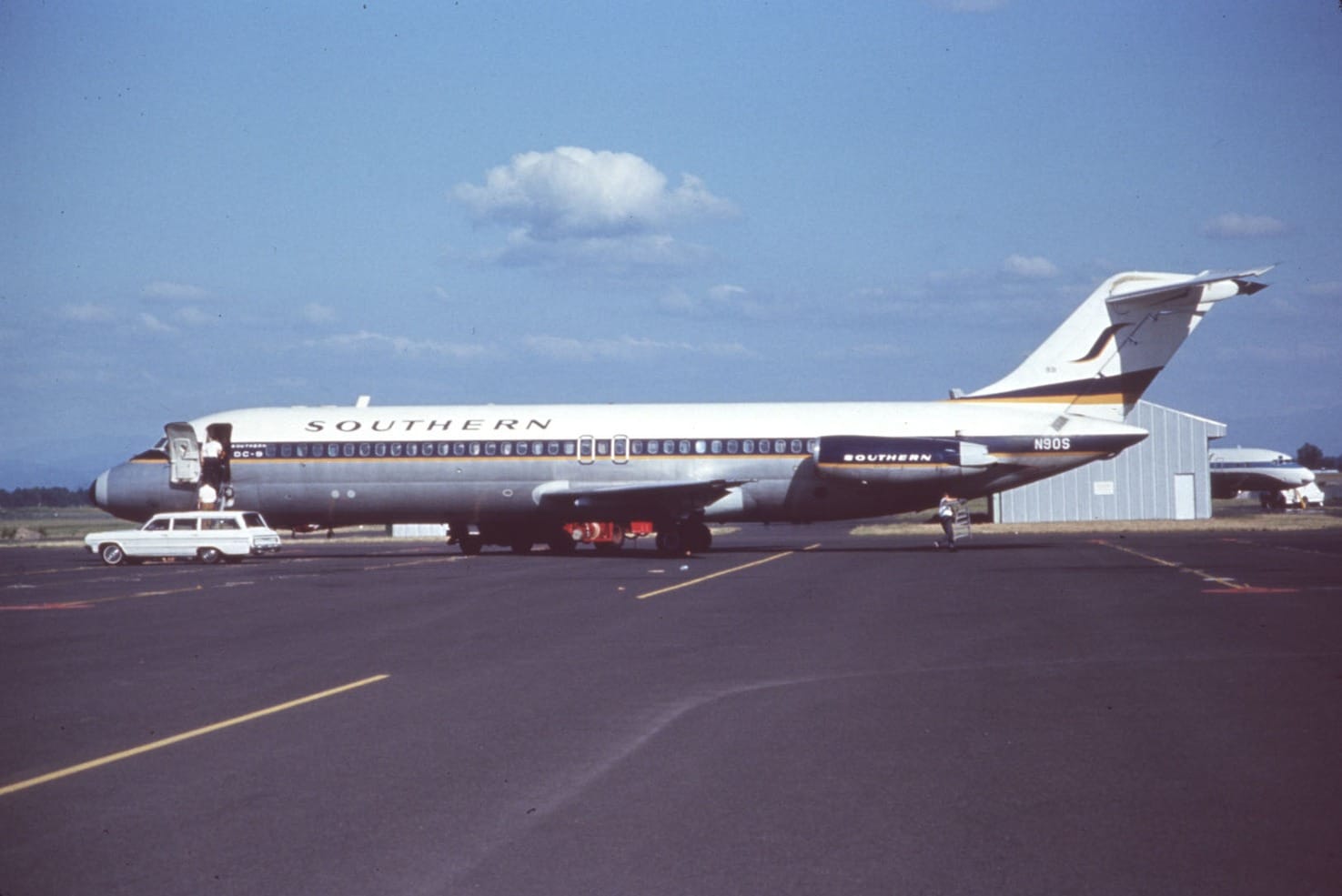
The Crash
The weather in Huntington was bad: rain, mist, and low clouds, after dark. The crew was cleared for an approach to Tri-State Airport, which sits on top of a hill near Kenova and Ceredo.
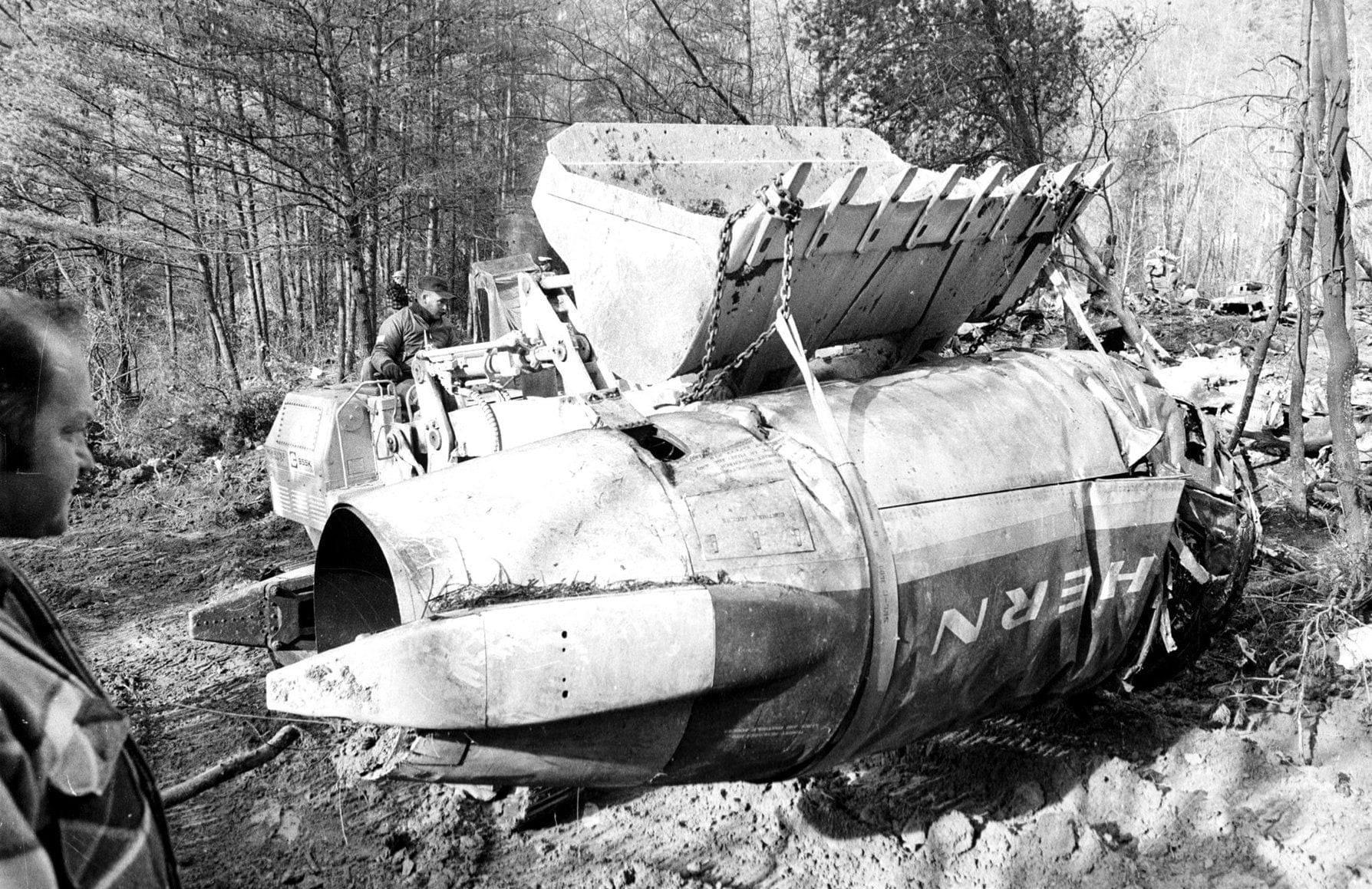
At about 7:36 p.m., the plane came in too low. It clipped the trees on a hillside just west of the runway and crashed short of the airport. There were no survivors.

The 75
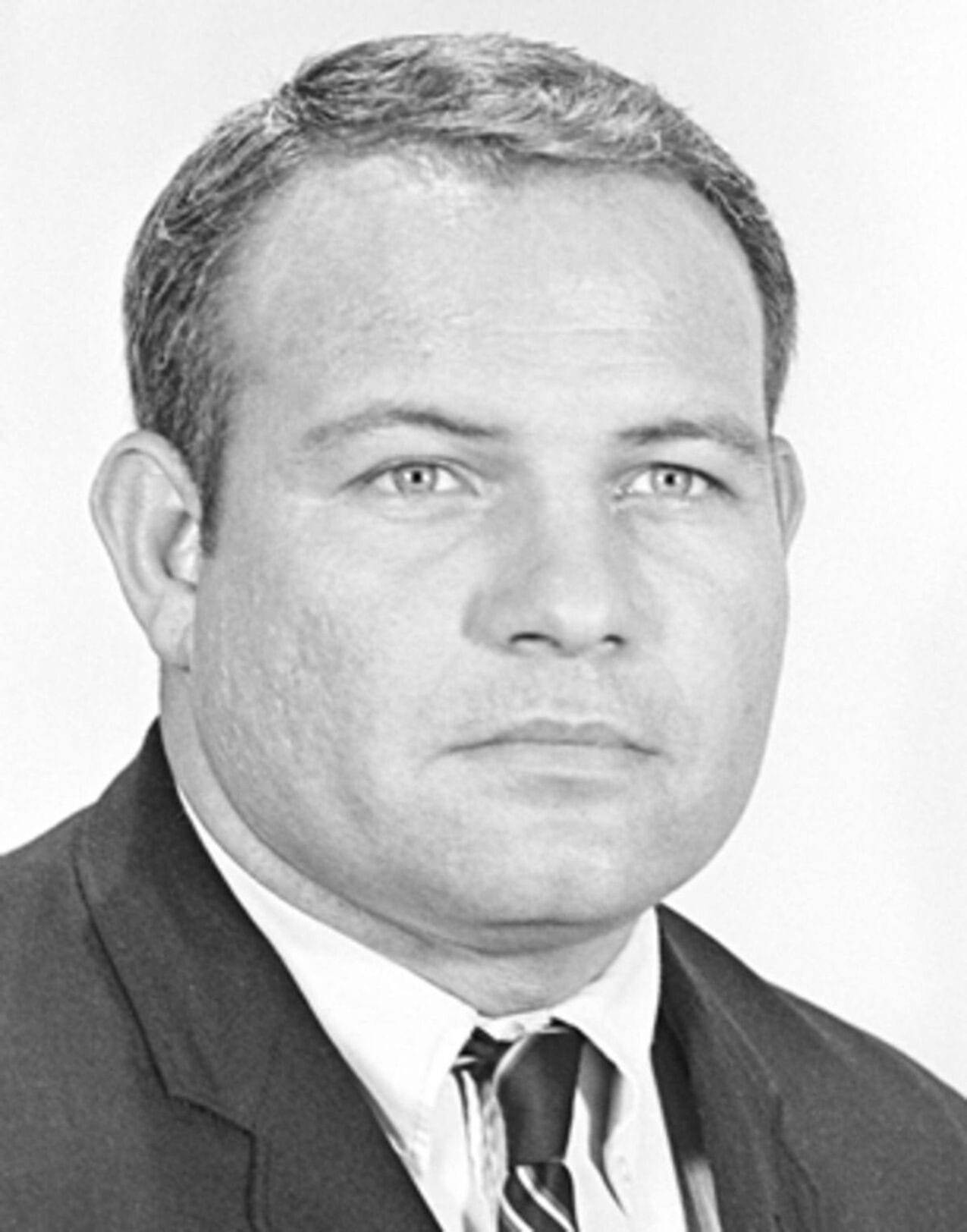
On board were 36 players (some accounts say 37), head coach Rick Tolley and 4 of his assistants, athletic director Charles Kautz, the team’s trainers, its play-by-play announcer, and a student statistician.
The rest were the people who had followed the team to North Carolina: 2 dozen boosters and community leaders, including 3 Huntington doctors and a dentist, a city councilman, and a newly elected state delegate. Several couples died together. More than 60 children lost at least 1 parent, and at least 18 lost both.
The crew of 5 died too.
Some people who would have been on the plane weren’t. Assistant coaches Red Dawson and Gail Parker were on a recruiting trip and drove home. Cornerback Nate Ruffin, a co-captain, was hurt and stayed behind. Under NCAA rules in 1970, freshmen couldn’t play varsity football, so the freshman team never made the trip.
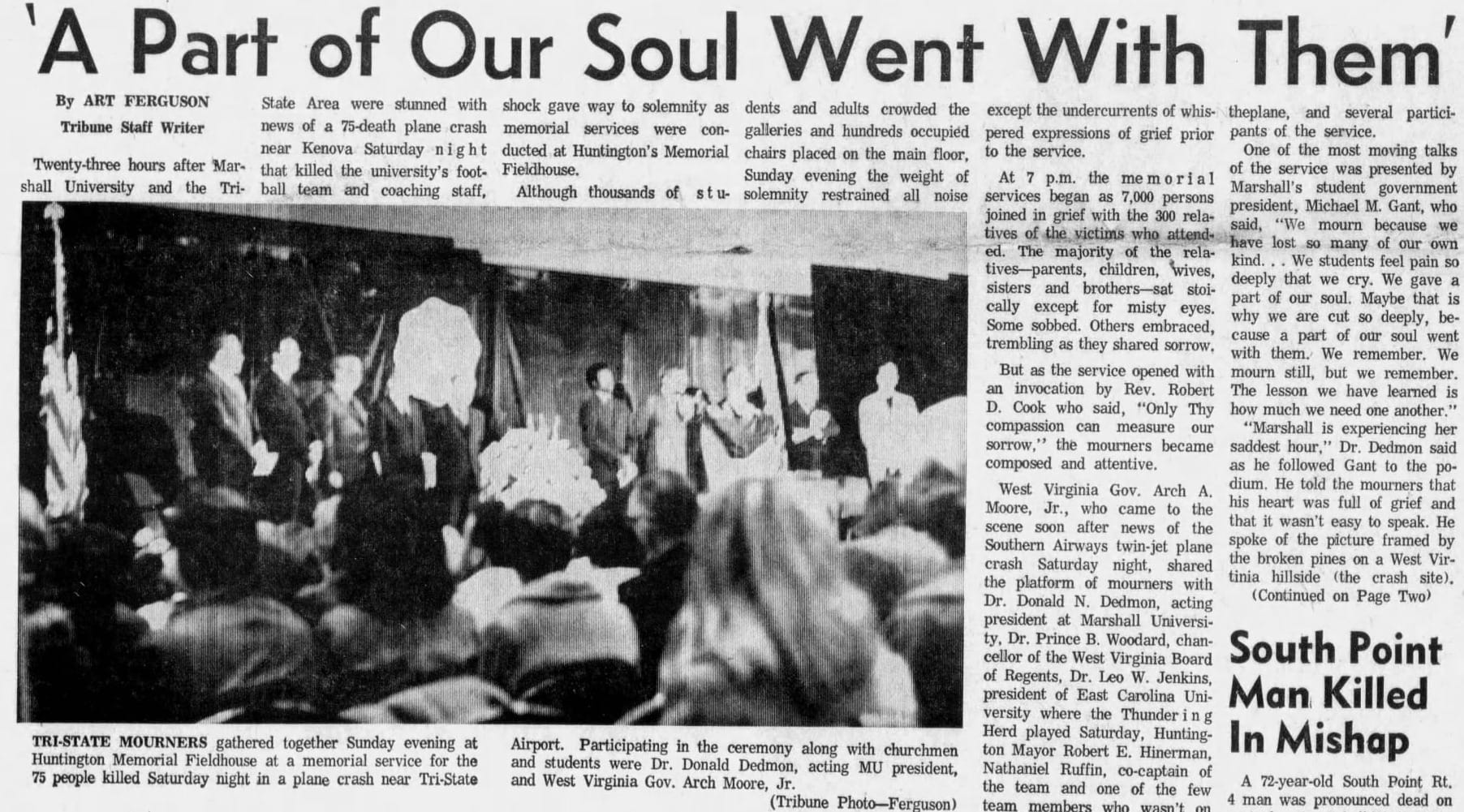
6 of the victims were never identified. They’re buried side by side in Spring Hill Cemetery in Huntington.
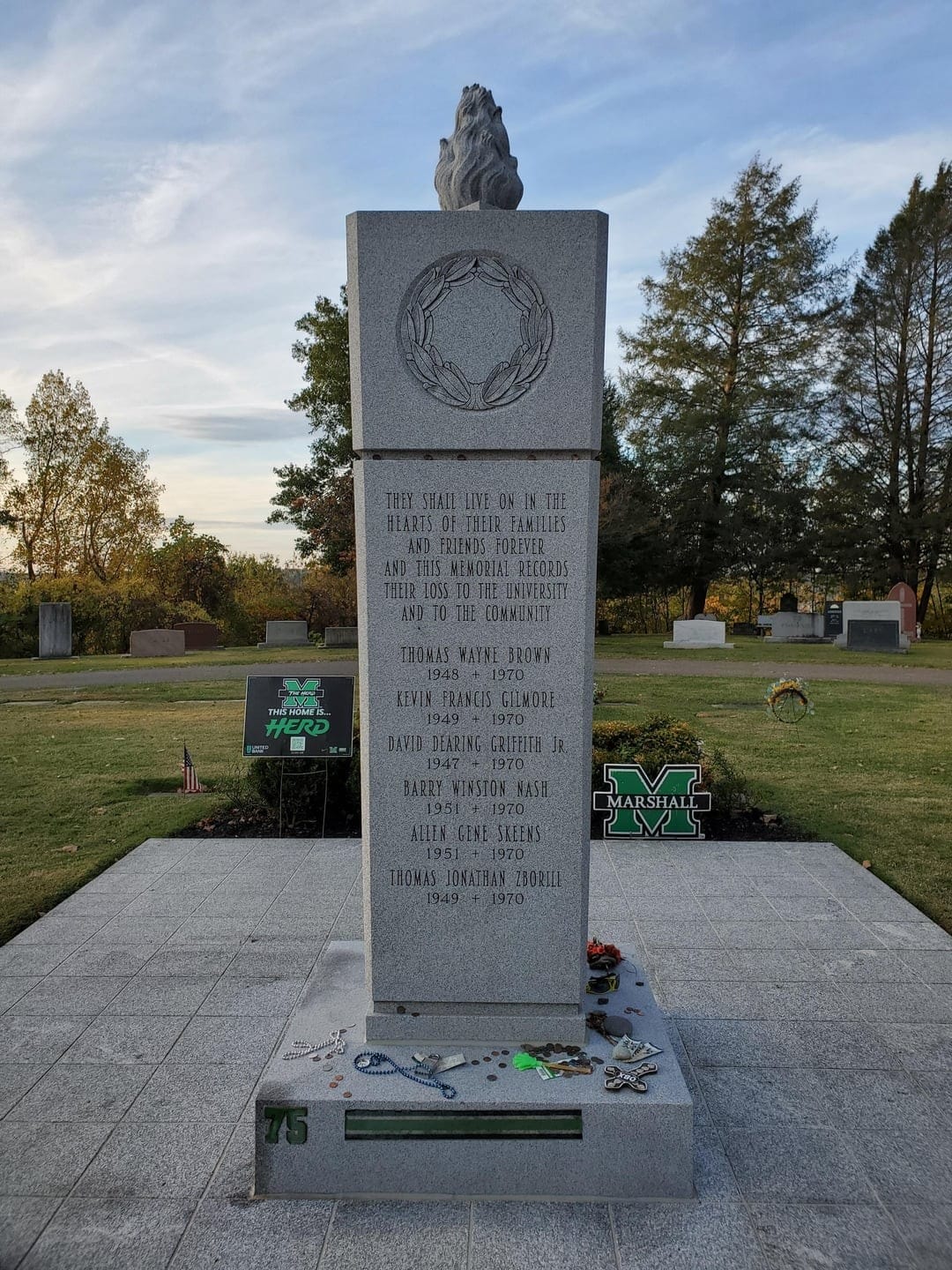
The Cause
The National Transportation Safety Board’s final report came out in April 1972. It found that the plane had descended below the minimum altitude allowed for that kind of approach, in bad weather, without being able to see the runway.
The board couldn’t say for certain why. It named 2 likely explanations: improper use of cockpit instrument data, or an error in the plane’s altitude system.

Starting Over
For a while, it wasn’t clear Marshall could field a team.

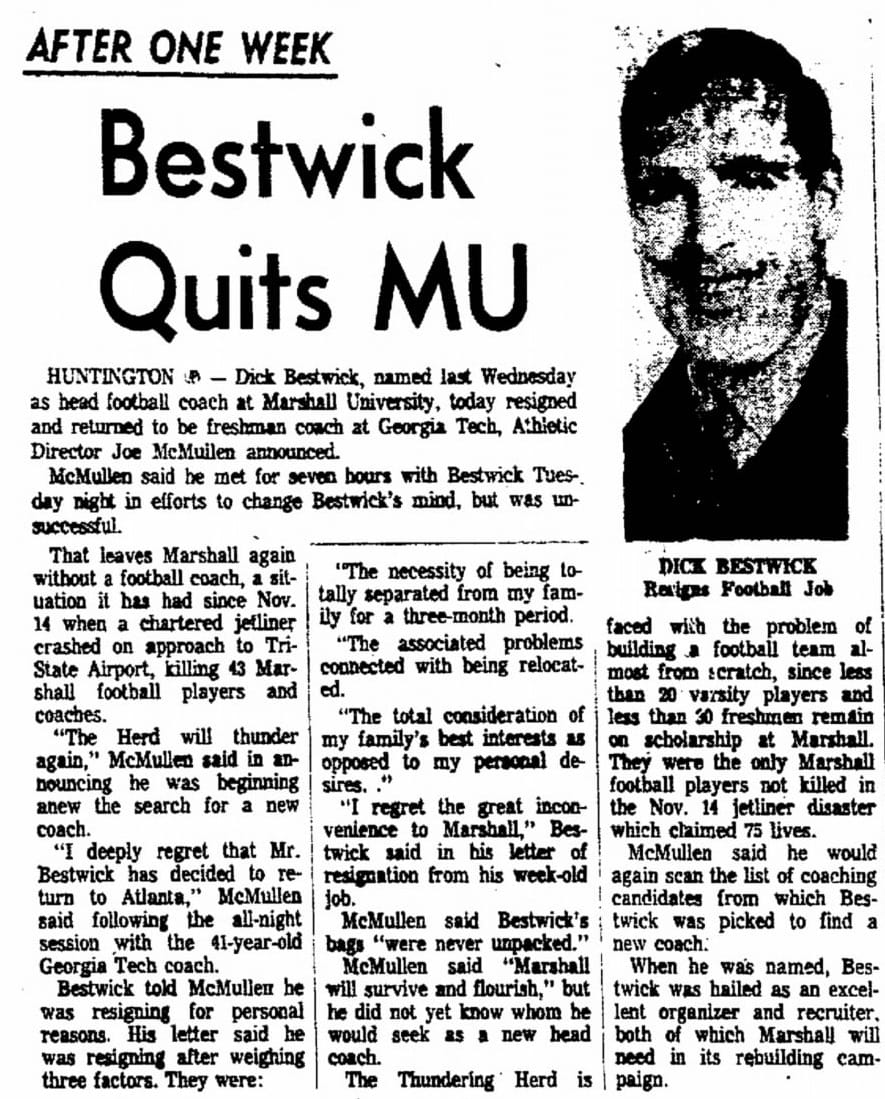
The first coach Marshall hired, Georgia Tech assistant Dick Bestwick, backed out within days.
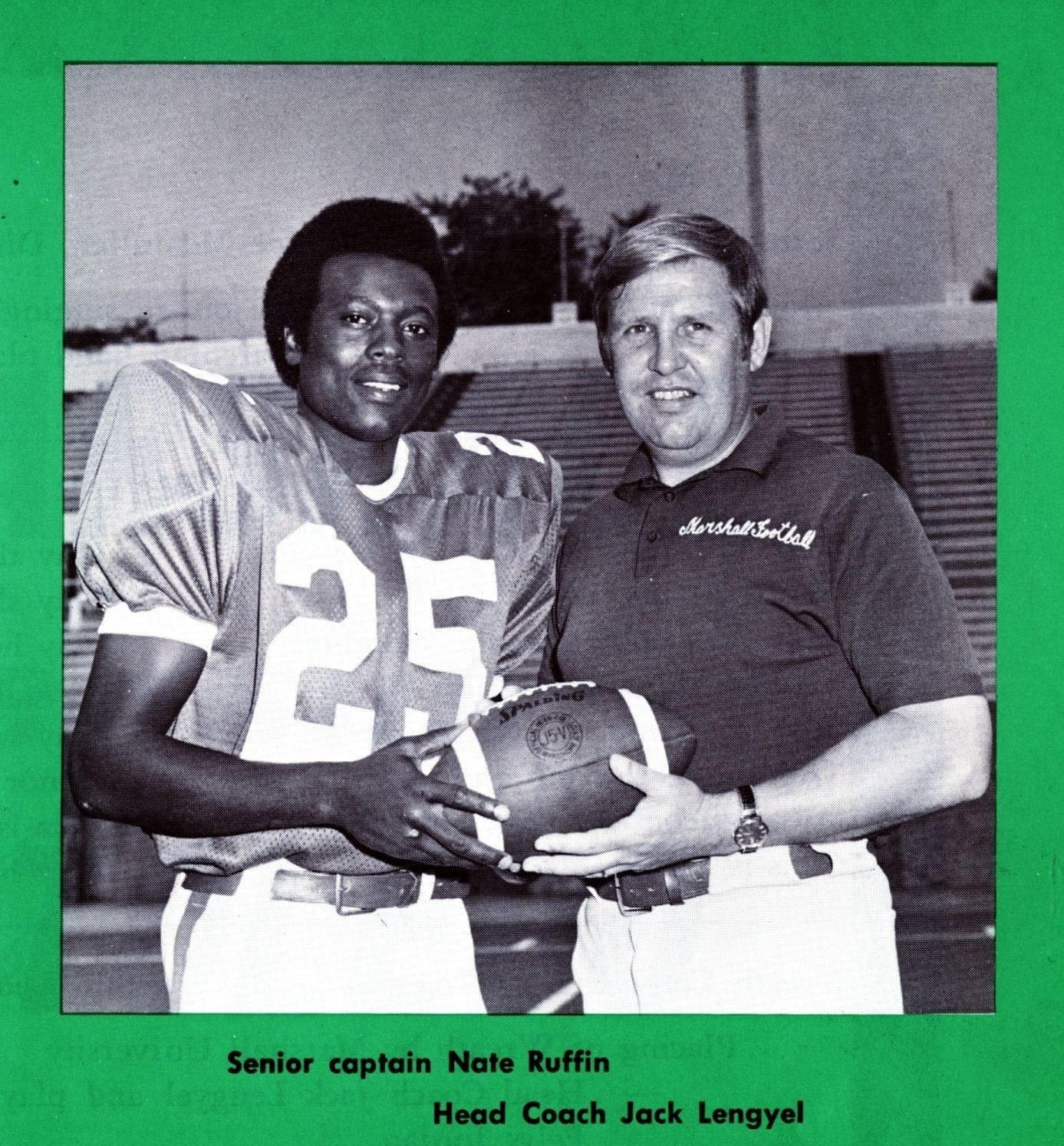
In March 1971, Marshall hired Jack Lengyel from the College of Wooster in Ohio.

The NCAA gave Marshall special permission to play freshmen on the varsity. The roster was filled out with freshmen, walk-ons, players from other sports, and the varsity players who hadn’t been on the plane. Ruffin was the captain.
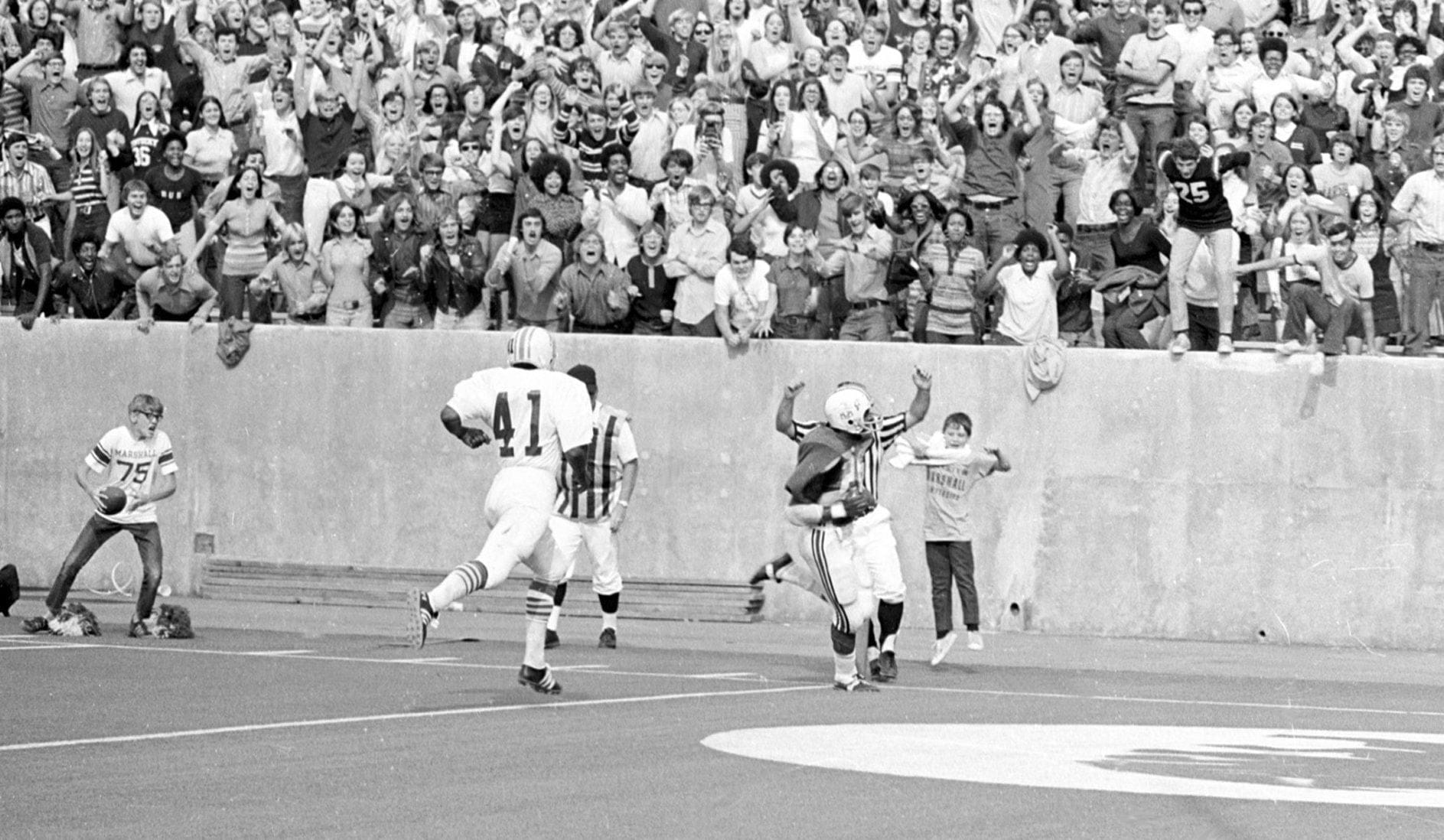
On Sept. 25, 1971, in Marshall’s first home game since the crash, the “Young Thundering Herd” trailed Xavier 13-9 with time for one more play. Quarterback Reggie Oliver threw a screen pass to freshman Terry Gardner, who went 13 yards for the touchdown. Marshall won 15-13.

That team finished 2-8. It would be 1984 before Marshall had another winning season.
What Came After
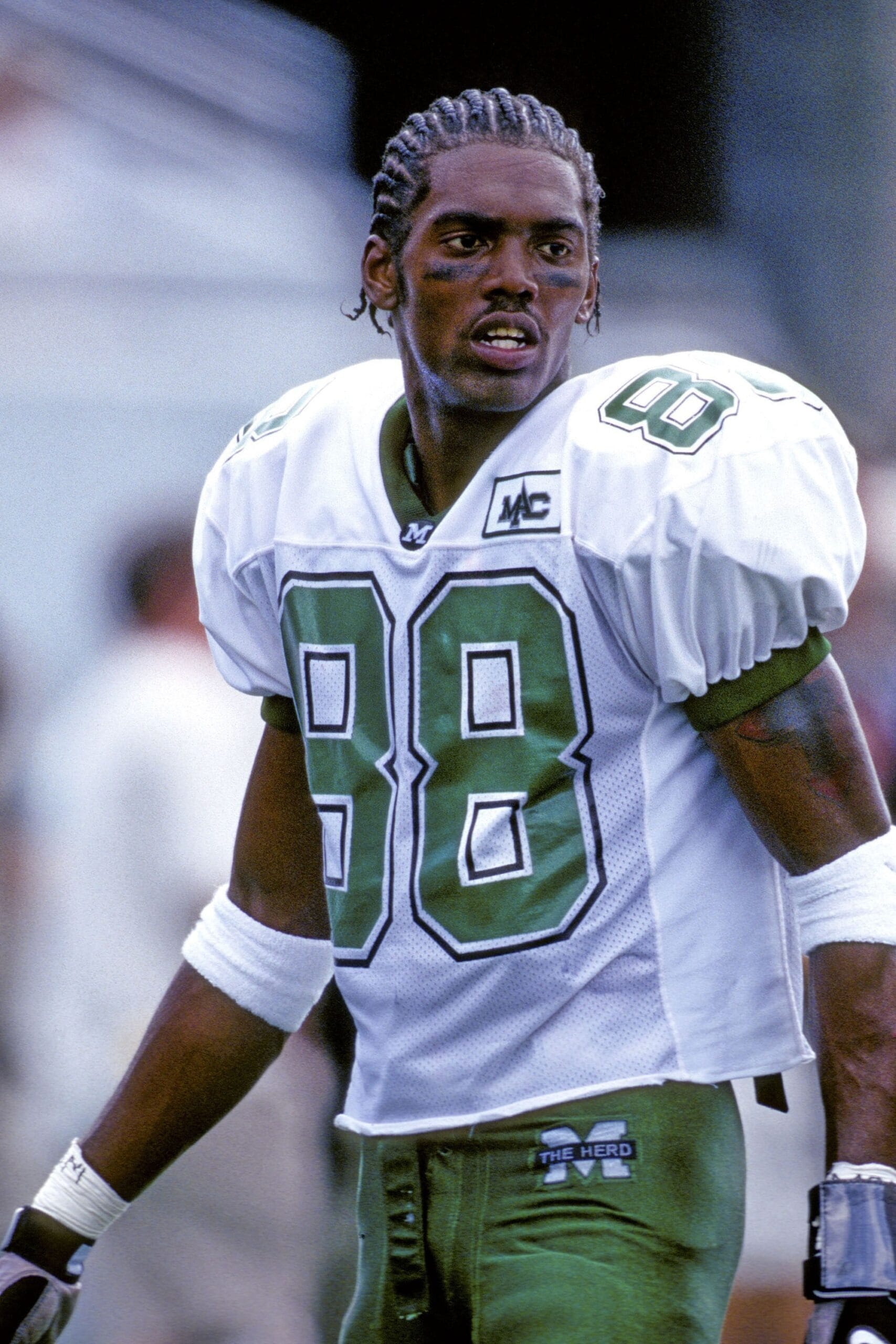
In 1992 and 1996, Marshall won the Division I-AA national championship. The 1996 team, with Randy Moss, went 15-0. The next year, Marshall moved up to Division I-A and rejoined the Mid-American Conference. With Moss and quarterback Chad Pennington, it won the MAC title that season, the first of a string of conference titles.
In 2006, the story became a movie, We Are Marshall, with Matthew McConaughey as Lengyel.
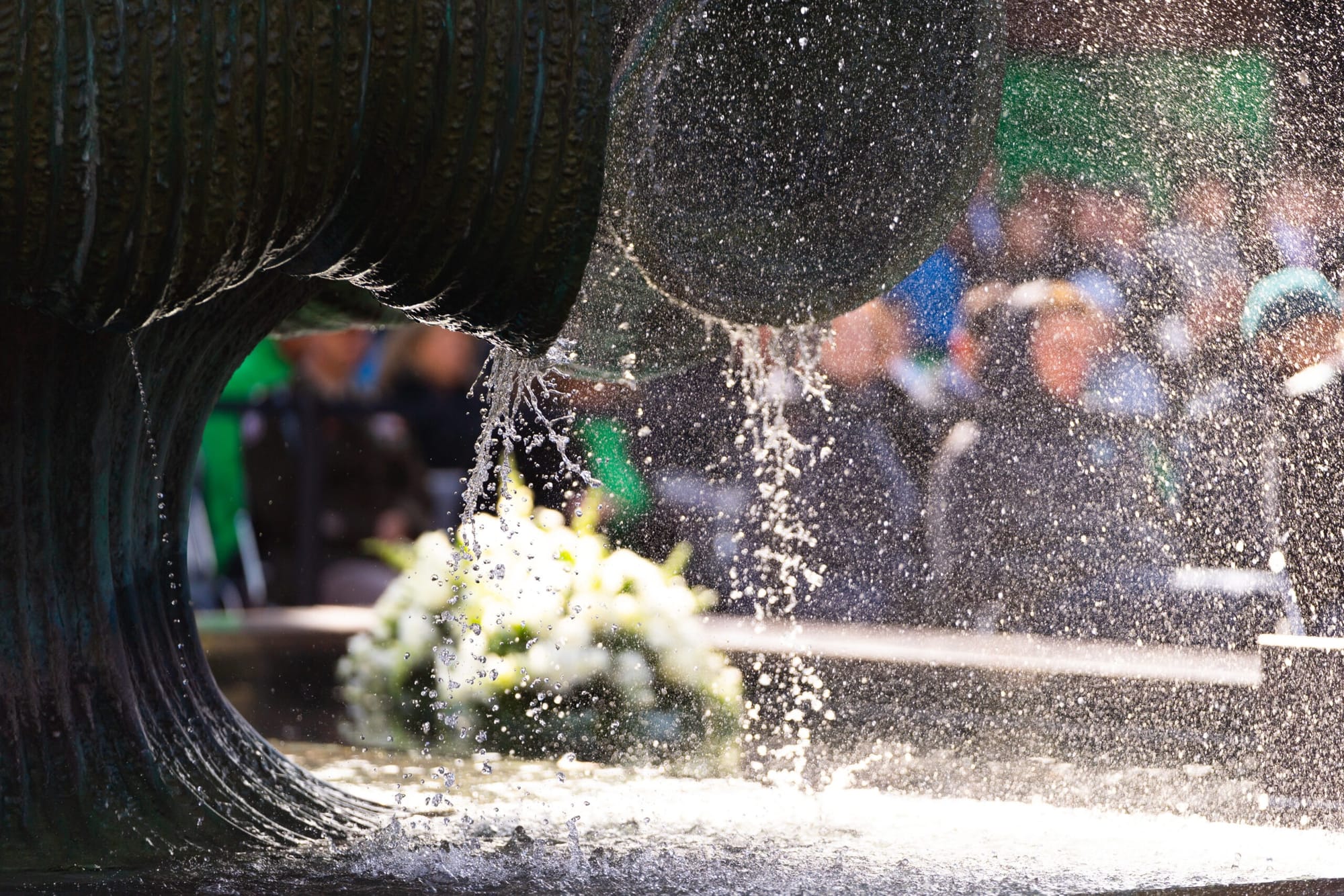
On campus, a bronze fountain by the sculptor Harry Bertoia stands in front of the Memorial Student Center. It was dedicated on Nov. 12, 1972.
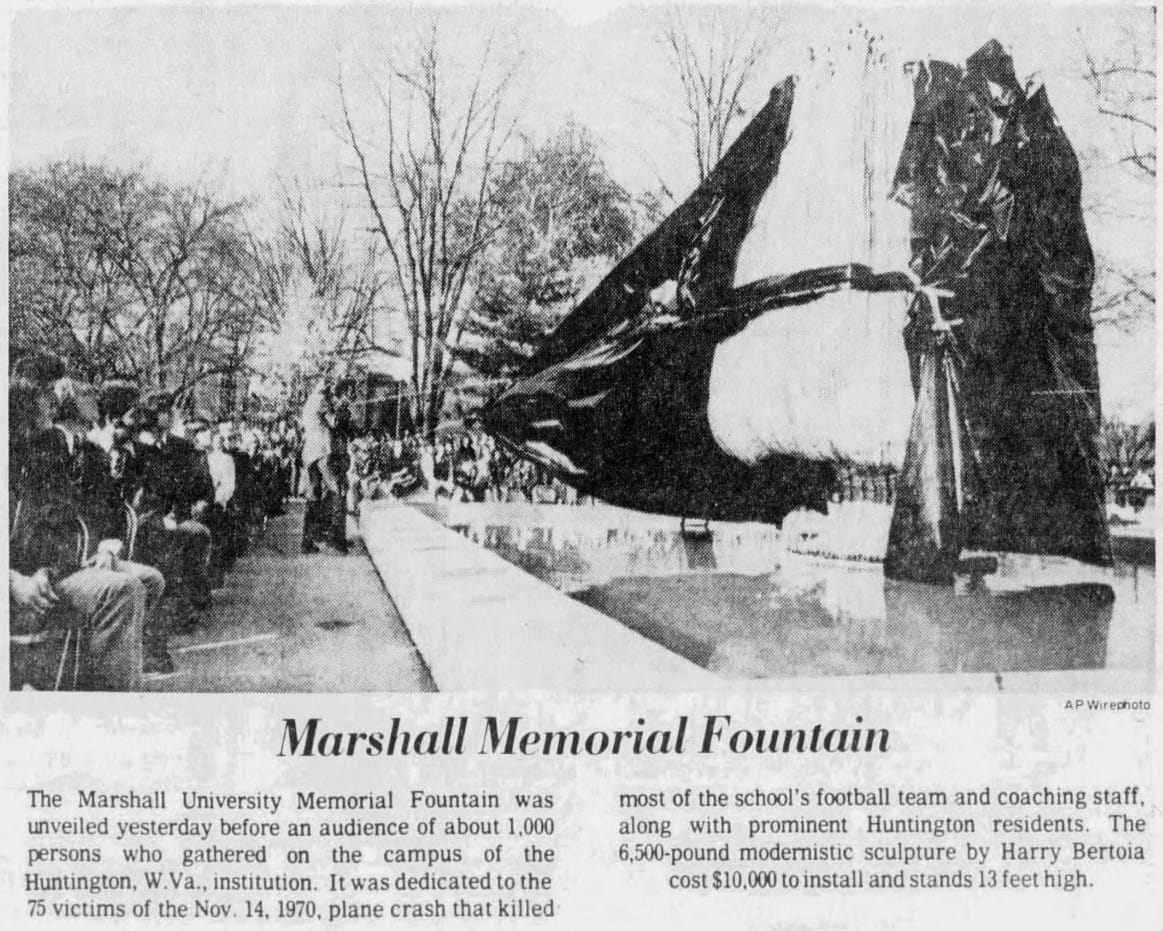
Every year on Nov. 14, Marshall holds a memorial service, and the water in the fountain is turned off. It stays off until spring.
Comments ()