
On This Date: Pudge Heffelfinger Takes $500 to Play One Game and Becomes the First Pro Football Player (Nov. 12, 1892)
On Nov. 12, 1892, the Allegheny Athletic Association secretly paid Pudge Heffelfinger $500 to play 1 game. The receipt is pro football’s birth certificate.
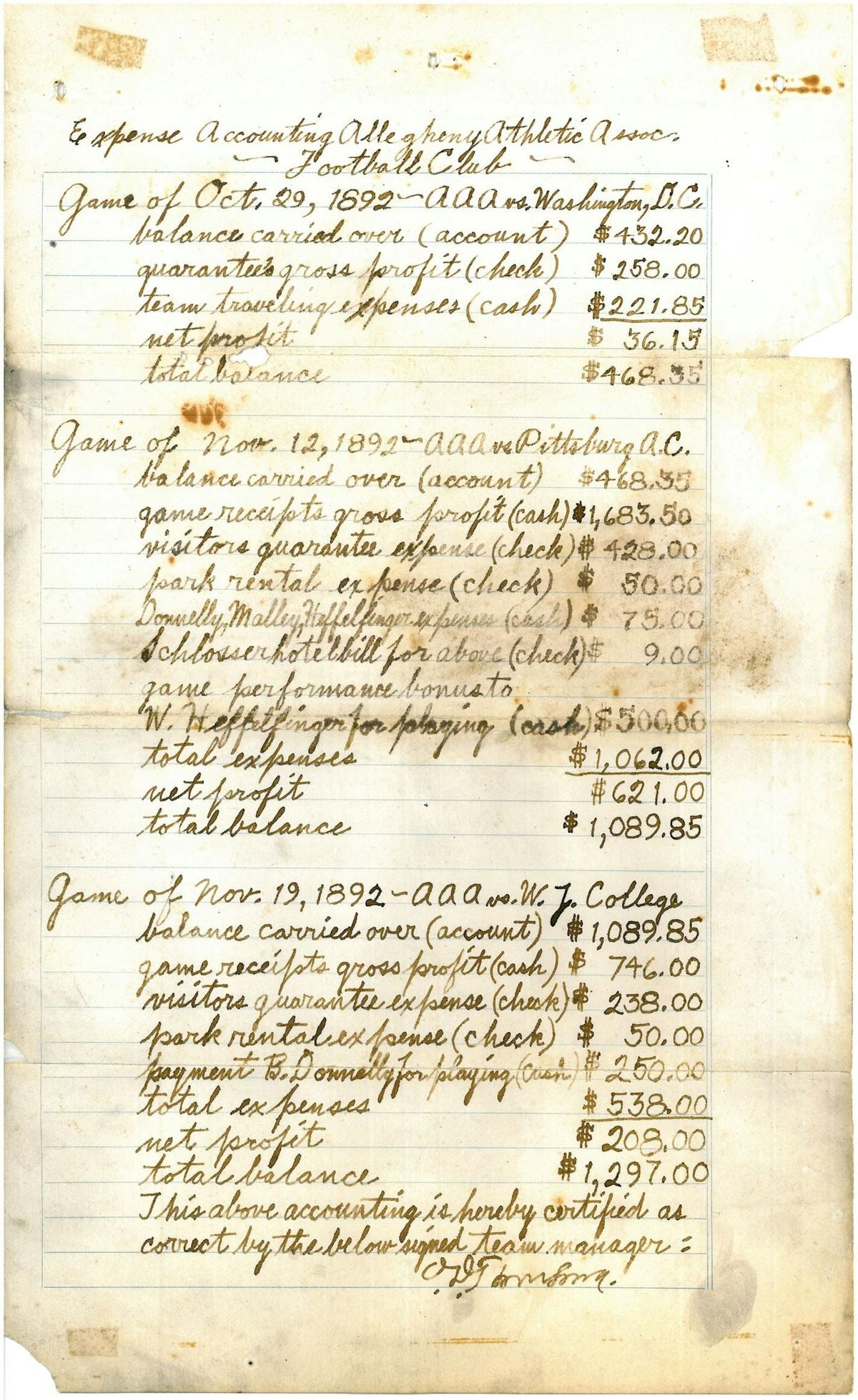
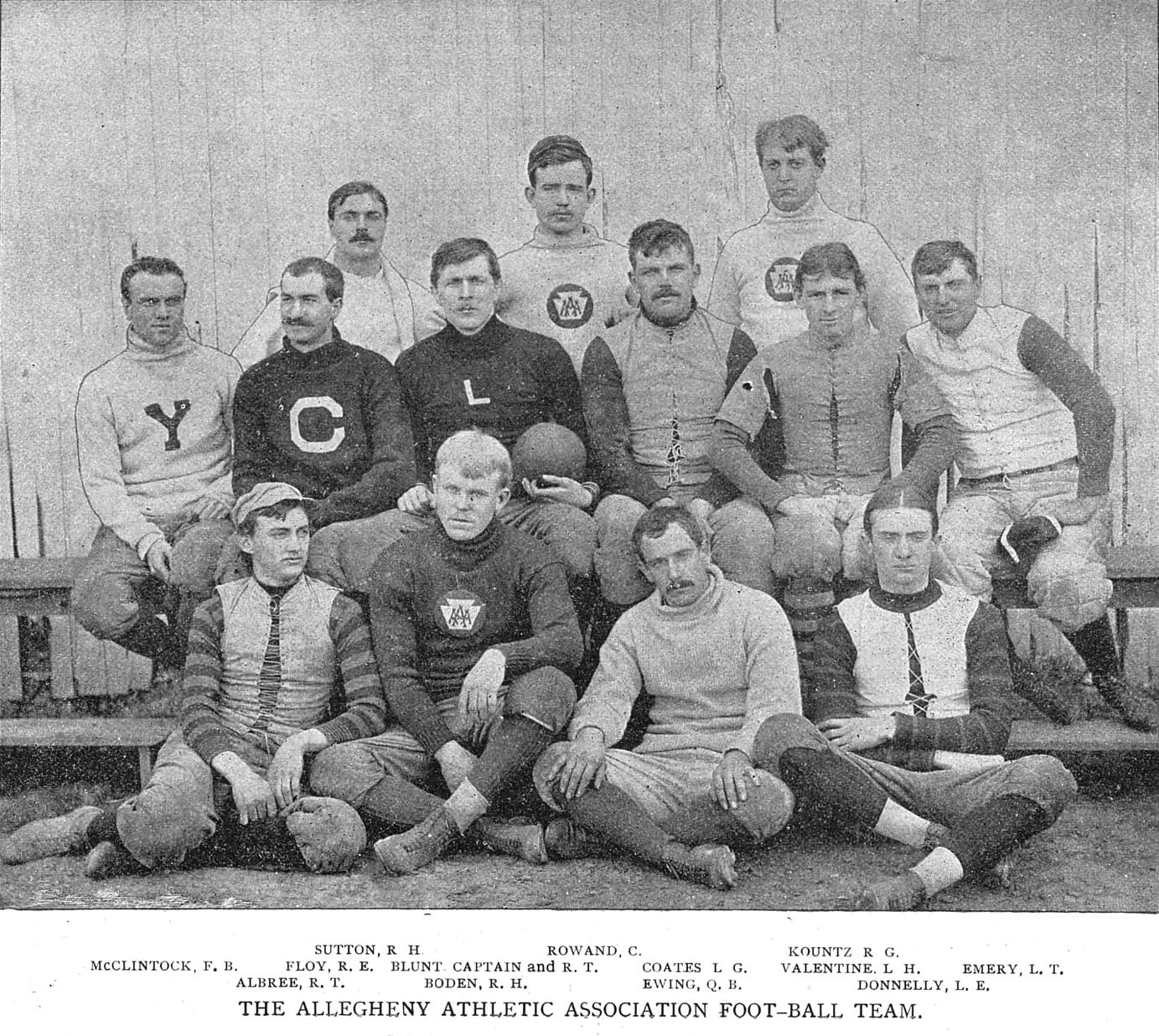
On Nov. 12, 1892, the Allegheny Athletic Association paid a former Yale guard named William “Pudge” Heffelfinger $500 in cash to play 1 football game against its rival, the Pittsburgh Athletic Club.
It was against the rules, so it was supposed to stay secret. Heffelfinger never admitted it. But someone wrote it down, and that page is now in the Pro Football Hall of Fame. The Hall calls it pro football’s birth certificate.
The Best Player in the Country
In 1892, there was no such thing as a pro football player, at least not officially. Football was played by colleges and by athletic clubs, and the clubs competed under amateur rules. A club caught paying a player could be barred from competing against other clubs in any sport.
Heffelfinger was the most famous lineman in America. He was 6-foot-3 and about 200 pounds, huge for the time. He’d played 4 seasons at Yale under Walter Camp, and Yale went 54-2 in those years. He was an All-American 3 times. He’s credited with inventing the pulling guard.
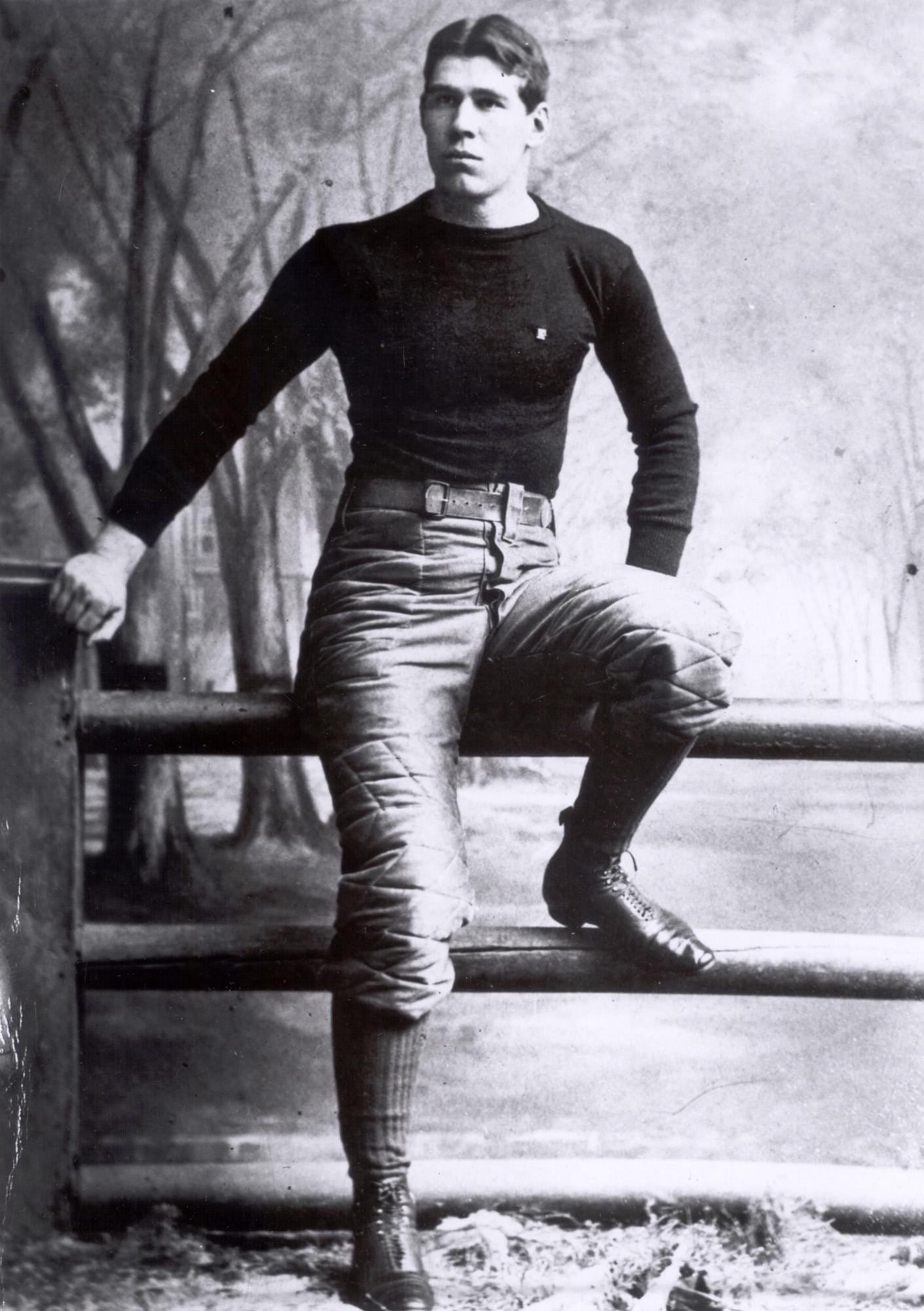
In the fall of 1892, he took a leave from his railroad office job in Omaha to tour the East with the Chicago Athletic Association, which kept its stars happy with “double expense money.”
The Bidding War
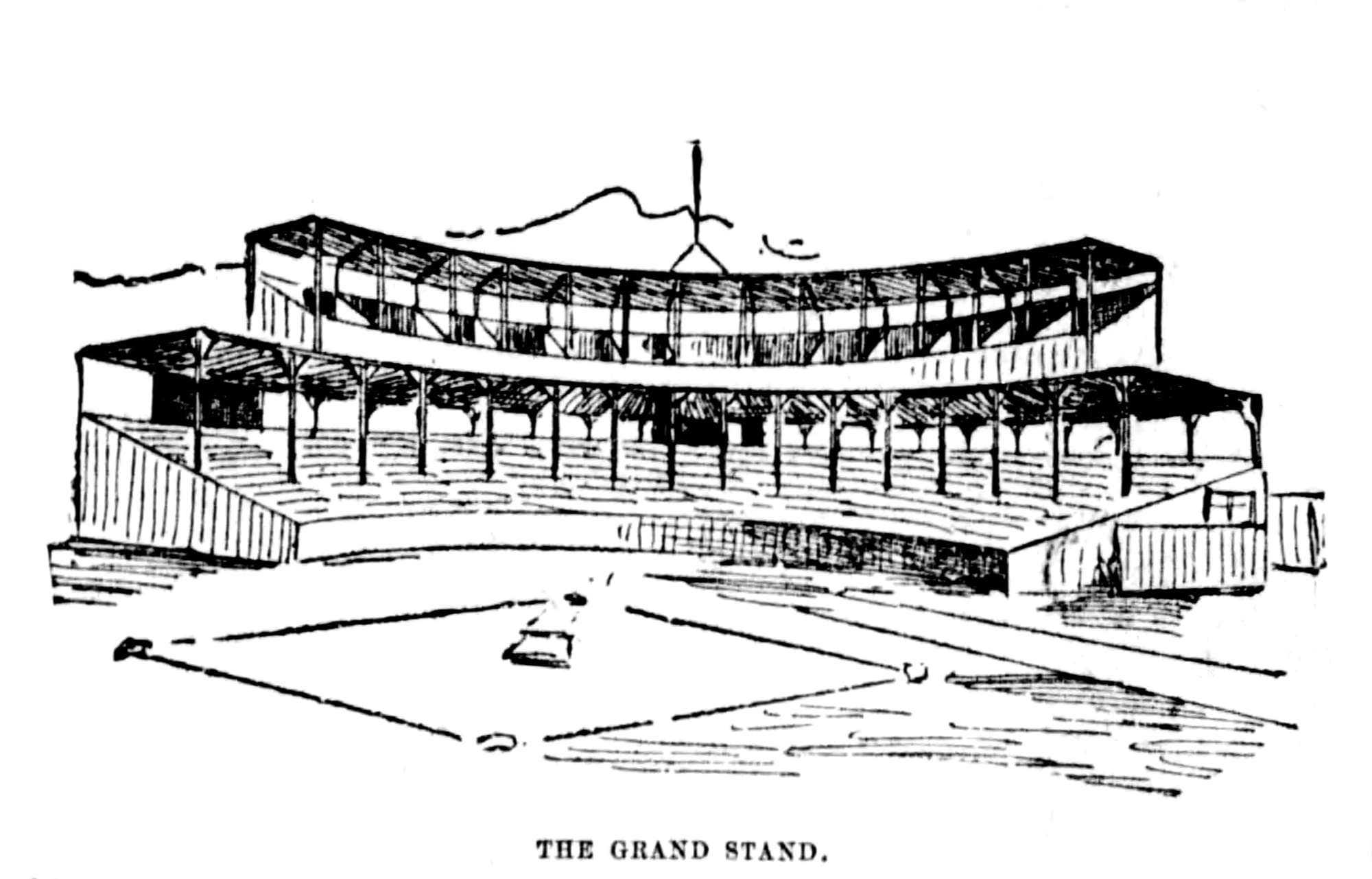
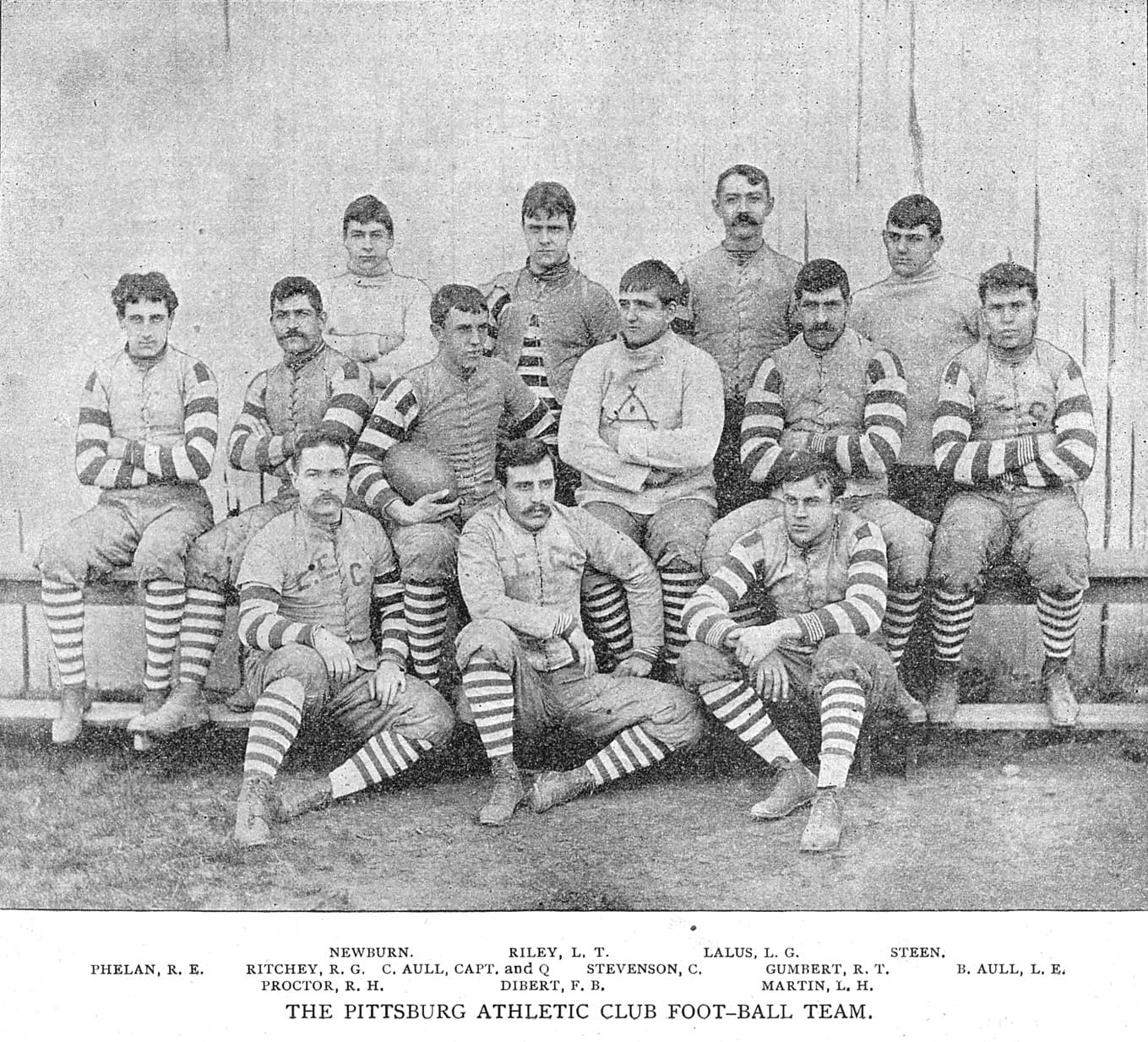
The Allegheny Athletic Association and the Pittsburgh Athletic Club hated each other. They’d played to a 6-6 tie in October, and both sides accused the other of using ringers. A rematch was set for Nov. 12 at Recreation Park in Allegheny City, today Pittsburgh’s North Side.
The Pittsburgh club tried to hire Heffelfinger first. According to the Pittsburg Press, it offered him and a Chicago teammate $250. The teammate wouldn’t risk his amateur standing. Heffelfinger said $250 wasn’t enough to risk his.
Allegheny found out he’d play for $500 and paid it.
Heffelfinger had just put his name to a newspaper essay about why football was so popular. Fans trusted the game, it said, because they knew it was “on the square.”

The essay was datelined New Haven, Nov. 8, 4 days before the game. The St. Paul Daily Globe printed it on Nov. 20, 8 days after it.

The Game
When the Pittsburgh players saw Heffelfinger and 2 other Chicago men, Ben “Sport” Donnelly and Ed Malley, in Allegheny uniforms, they refused to play. They walked off the field and climbed into their omnibus. The referee waited, then gave Allegheny the game 6-0.

Pittsburgh finally agreed to come back if every bet on the game was called off. So the teams played it as an exhibition, with 30-minute halves. The Pittsburg Dispatch counted about 3,000 fans. The Sun in New York said 2,000.
Heffelfinger scored the only touchdown of the day in the 1st half, but the papers didn’t agree on how. The Dispatch said he picked up a fumble by one of his own teammates and ran it in from the 15-yard line. The Sun called it a 30-yard run around left end.

Touchdowns were worth 4 points in 1892. Nobody else scored, and Allegheny won 4-0. The game was called with 11 minutes left, after Pittsburgh’s captain, Charles Aull, was carried off with a back injury.

Allegheny made a profit of $621 on the game, even after paying its star.
The Receipt
The next morning, the Dispatch put the game on Page 1. It called the Chicago men ringers and blamed their “importation” for killing the crowd’s enthusiasm. It didn’t say anyone had been paid.
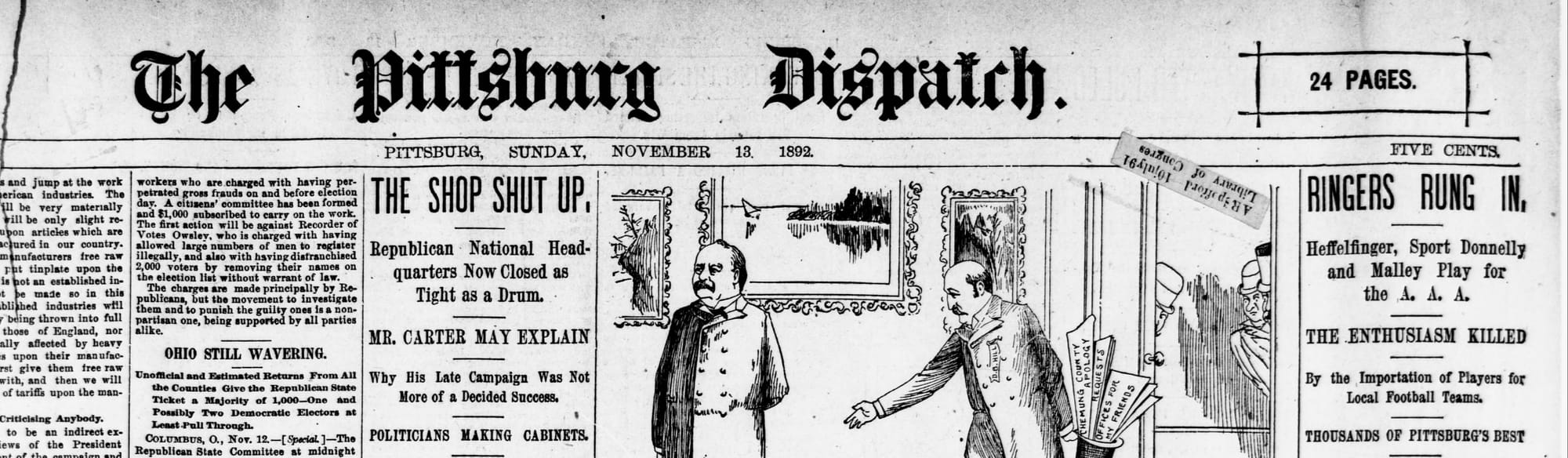
Pittsburgh’s side charged that Heffelfinger had been paid cash. According to the Hall of Fame, O.D. Thompson, one of Allegheny’s leading members, insisted his club had done “what the Pittsburghs tried to do. Only we were successful where they failed.”
Eight days after the game, a Dispatch sports columnist decided the real complaint wasn’t the imports at all. Both clubs had brought in outside help, he wrote. Allegheny’s was just better.

Thompson signed the club’s expense sheet for the game. One line reads: “game performance bonus to W. Heffelfinger for playing (cash) $500.”
The ledger page sat hidden for decades. Around 1960, a researcher handed Steelers owner Art Rooney a thick manuscript on football’s early days that pointed to Heffelfinger. After the Pro Football Hall of Fame opened in 1963, the page turned up and went on display there. The Hall recognizes Nov. 12, 1892, as the birth of professional football.
Heffelfinger probably wasn’t the first player paid under the table. Clubs had been handing out expensive “trophies” and watches that players could pawn. He was the first one anybody could prove.
Who Came Next
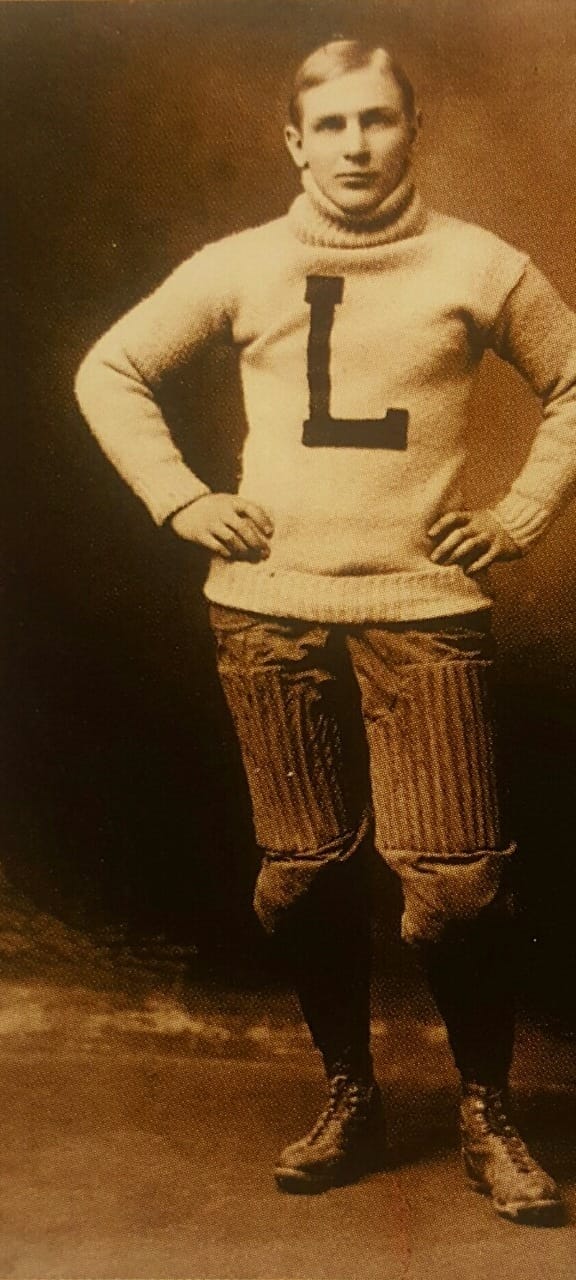
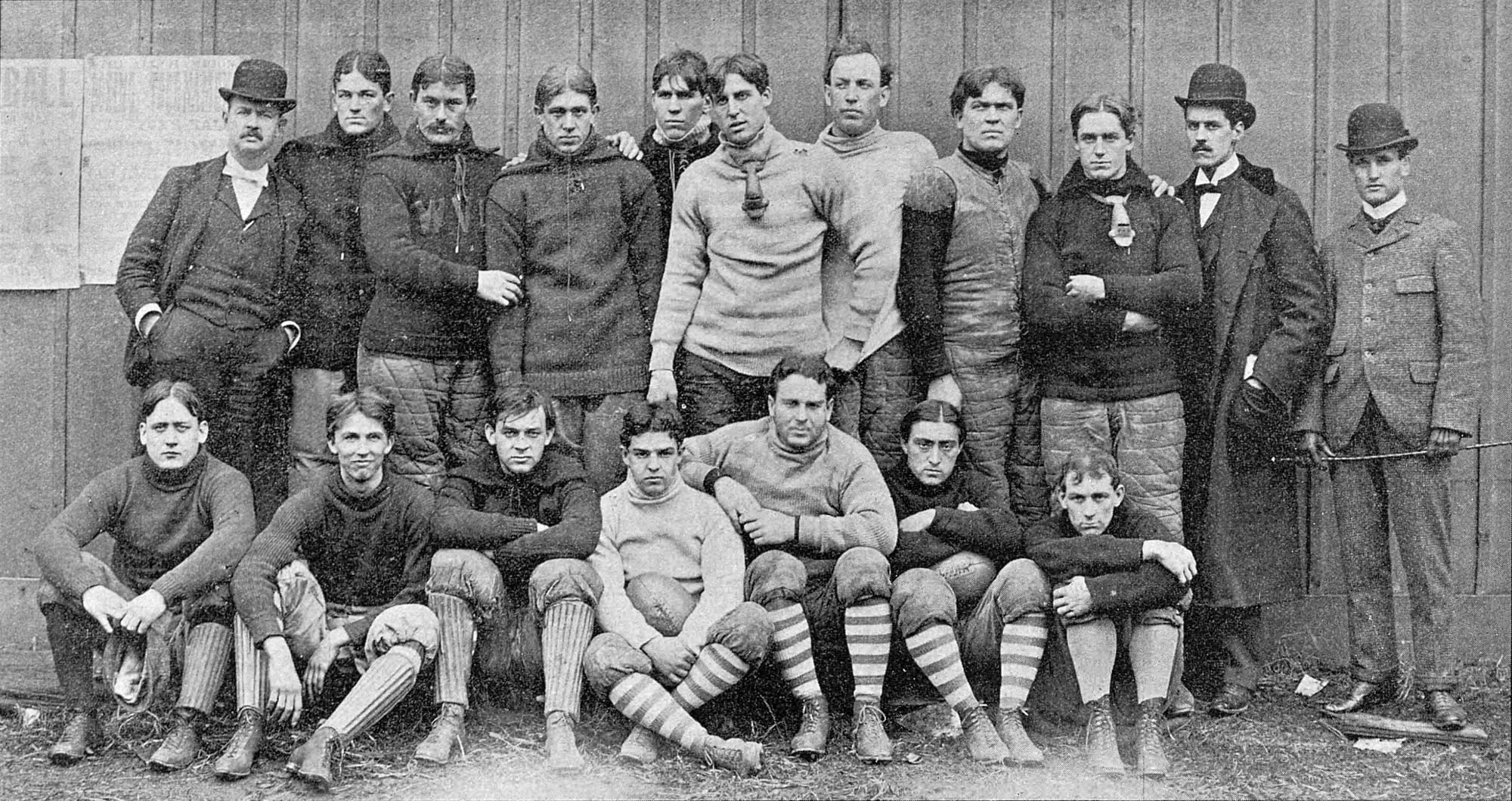
A week later, Allegheny paid another Chicago player, Sport Donnelly, $250 for 1 game. In 1895, a 16-year-old quarterback named John Brallier took $10 plus expenses to play for Latrobe, the first player to be paid openly. In 1896, Allegheny fielded the first all-professional team, for a season that lasted 2 games, and Heffelfinger played on it.
Pro contracts have gotten a lot stranger since.
The Rest of His Life
Heffelfinger coached at California, Lehigh, and Minnesota, then went into business and politics in Minneapolis. He served more than 2 decades as a Hennepin County commissioner.
He never stopped playing. He scrimmaged against Yale in his 40s and 50s, and in 1933, at 65, he played in a charity game in Minneapolis. He was in the first class of the College Football Hall of Fame in 1951, and he died in 1954, at 86.
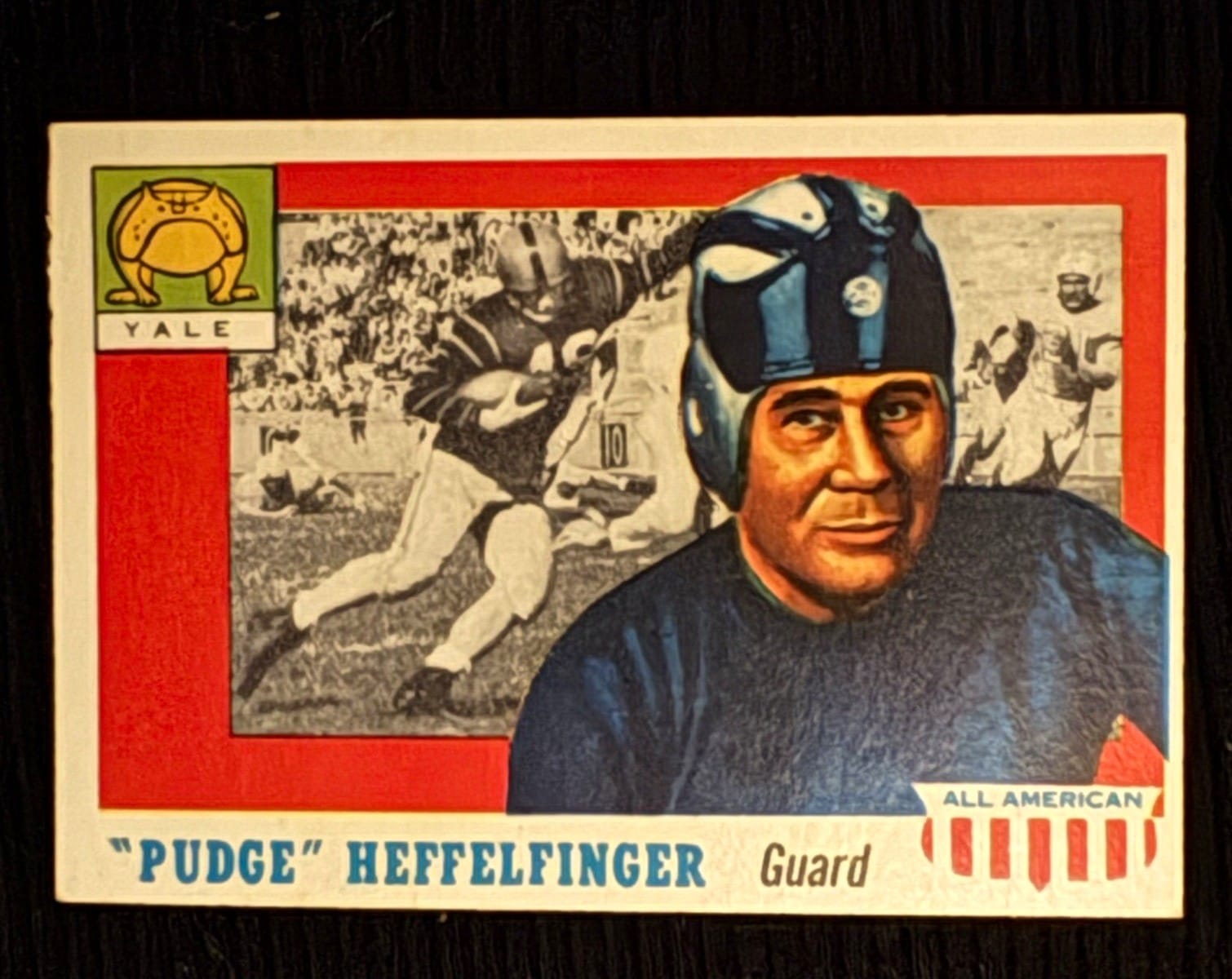
He never said publicly that he’d been paid. And he’s still not in the Pro Football Hall of Fame, the building that keeps his receipt.
Comments ()