
Veterans Day: 10 Athletes Who Put Their Careers on Hold to Serve
Bob Feller, Ted Williams, Yogi Berra, Roger Staubach, Rocky Bleier, Pat Tillman, and more: 10 athletes who left their sports to serve their country.
Veterans Day started as Armistice Day, marking the end of World War I on Nov. 11, 1918. 5 weeks before the armistice, a former New York Giants infielder named Eddie Grant was killed in the Argonne Forest, leading a search for the “Lost Battalion.” He was one of the first major leaguers to die in the war.
He wasn’t the last athlete to trade a uniform for a uniform. Here are 10 who put their careers on hold to serve, from Pearl Harbor to Afghanistan.
1. Bob Feller, Navy (World War II)
Enlisted Dec. 9, 1941.
2 days after Pearl Harbor, Bob Feller enlisted in the Navy, handing his application to Gene Tunney, the former heavyweight champion who ran the Navy’s fitness program. He was sworn in the next day.

He was 23, the best pitcher in baseball, and the first major leaguer to enlist after the attack. (Here’s what he was doing at 19.)
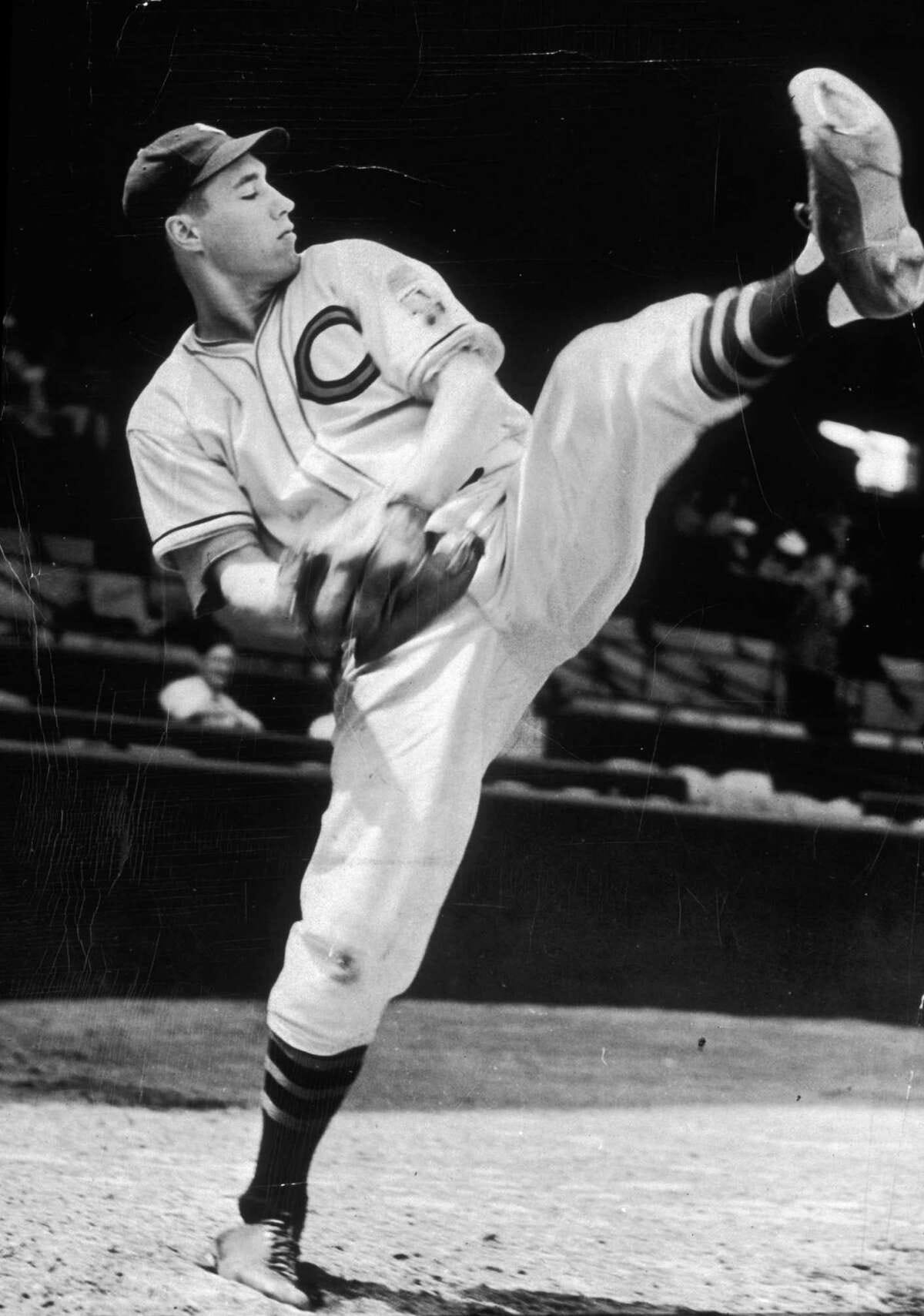
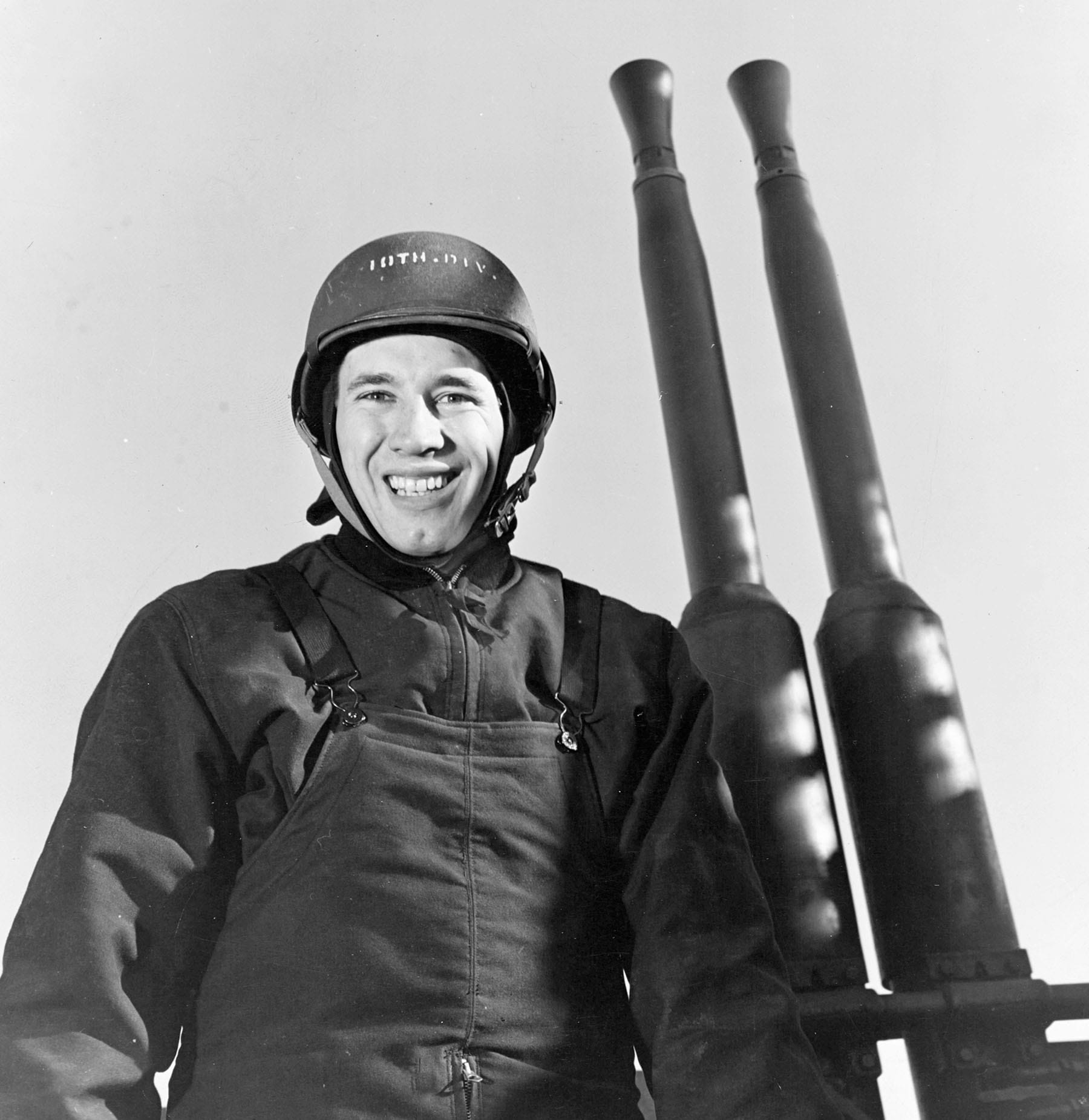
He could have spent the war pitching exhibitions. He asked for combat duty instead and served as a gun captain on an anti-aircraft mount aboard the battleship USS Alabama, rising to chief petty officer and earning 8 battle stars. He missed nearly 4 full seasons in his prime and still won 266 games.
2. Joe Louis, Army (World War II)
Enlisted January 1942.
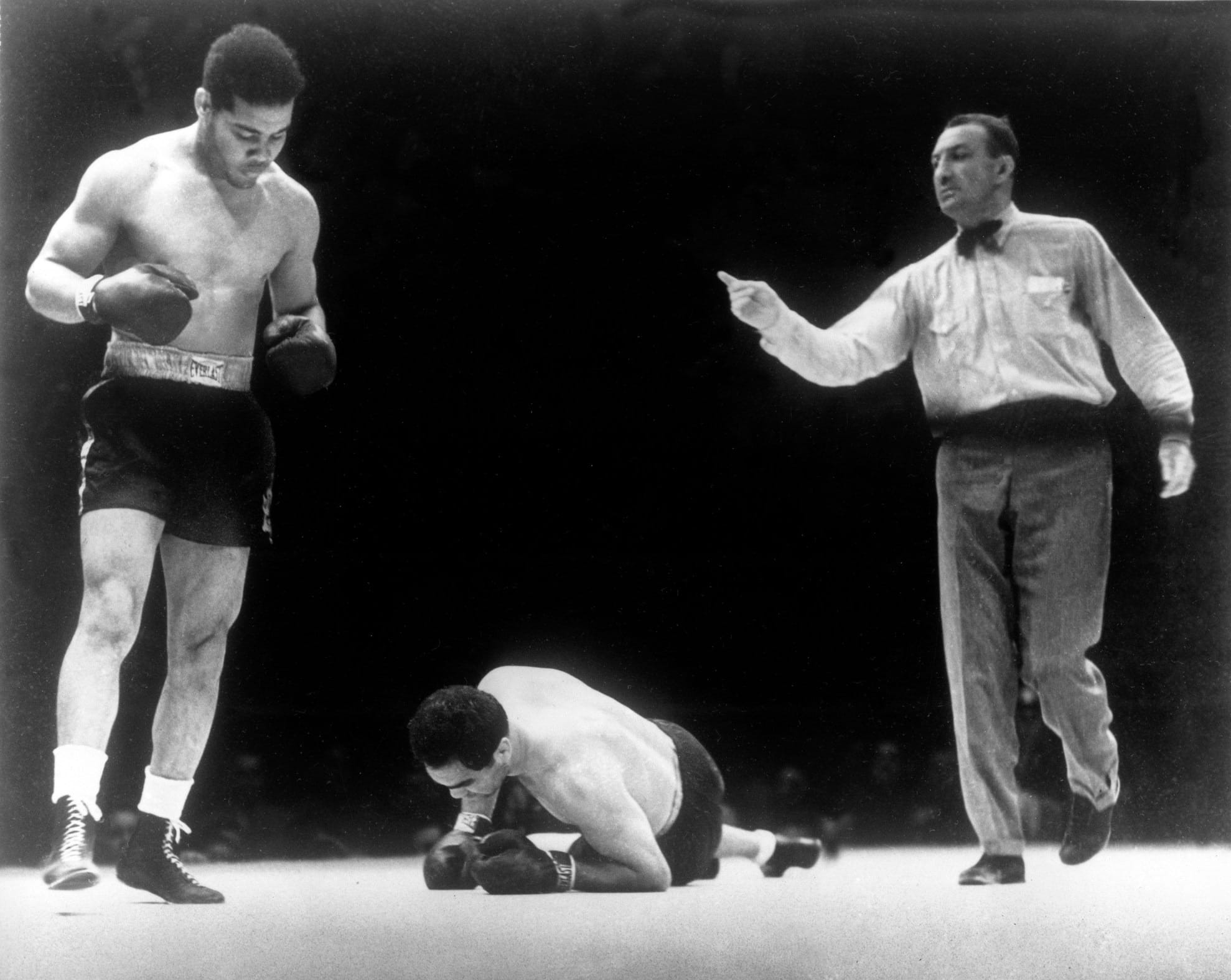
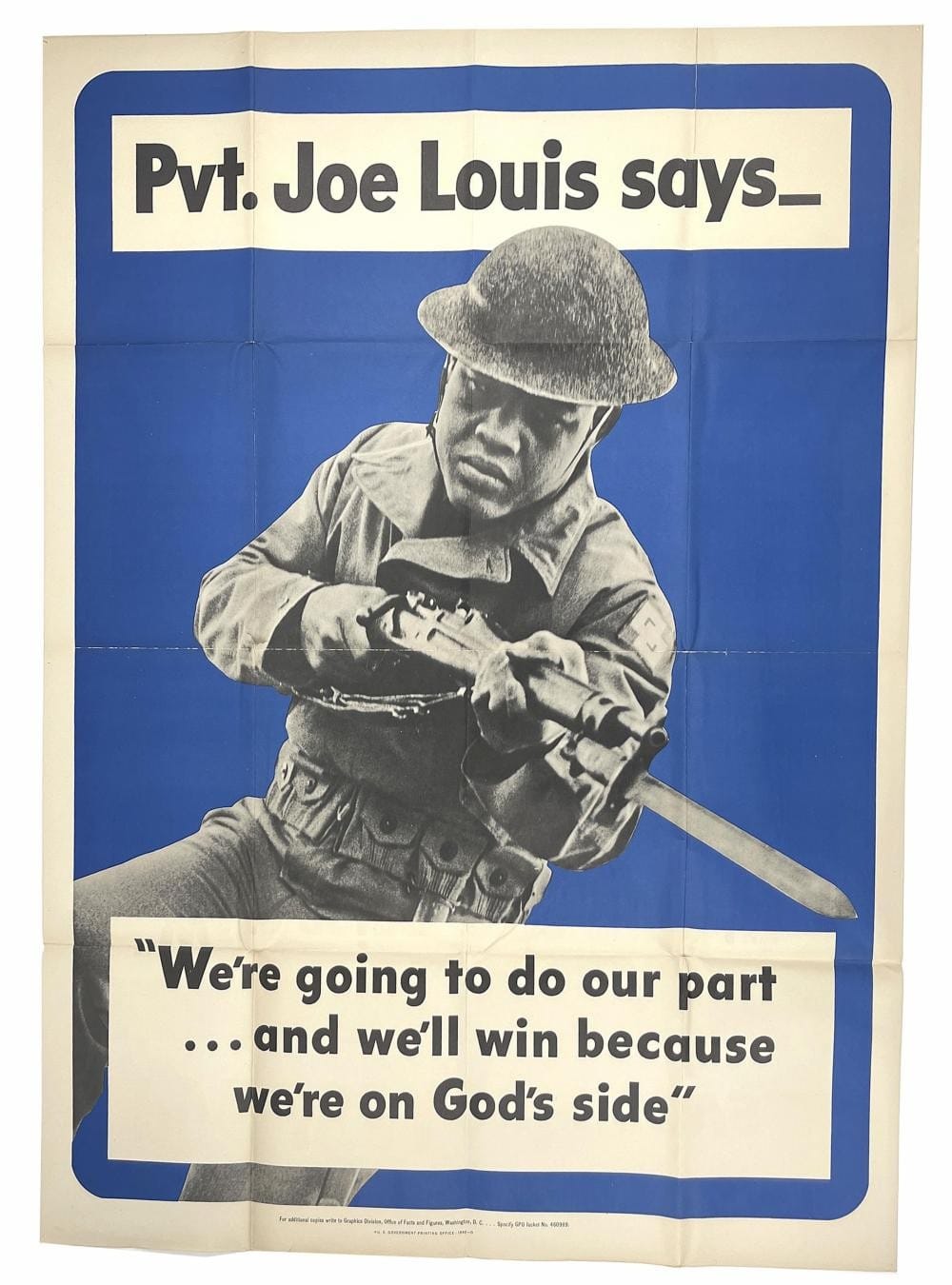
On Jan. 9, 1942, the heavyweight champion of the world fought Buddy Baer at Madison Square Garden and gave his purse to the Navy Relief Society. Days later, he joined the Army.

In March, he fought Abe Simon and gave that purse to Army Relief. Then he spent the war boxing about 100 exhibitions in front of roughly 2 million soldiers. He refused to fight in front of segregated audiences, and he used his fame to help Black soldiers, Jackie Robinson among them, get into officer training. He didn’t defend his title in a real fight for 4 years. “We’ll win,” he said, “because we’re on God’s side.”
3. Ted Williams, Marines (World War II and Korea)
Served 1942-1946 and 1952-1953.
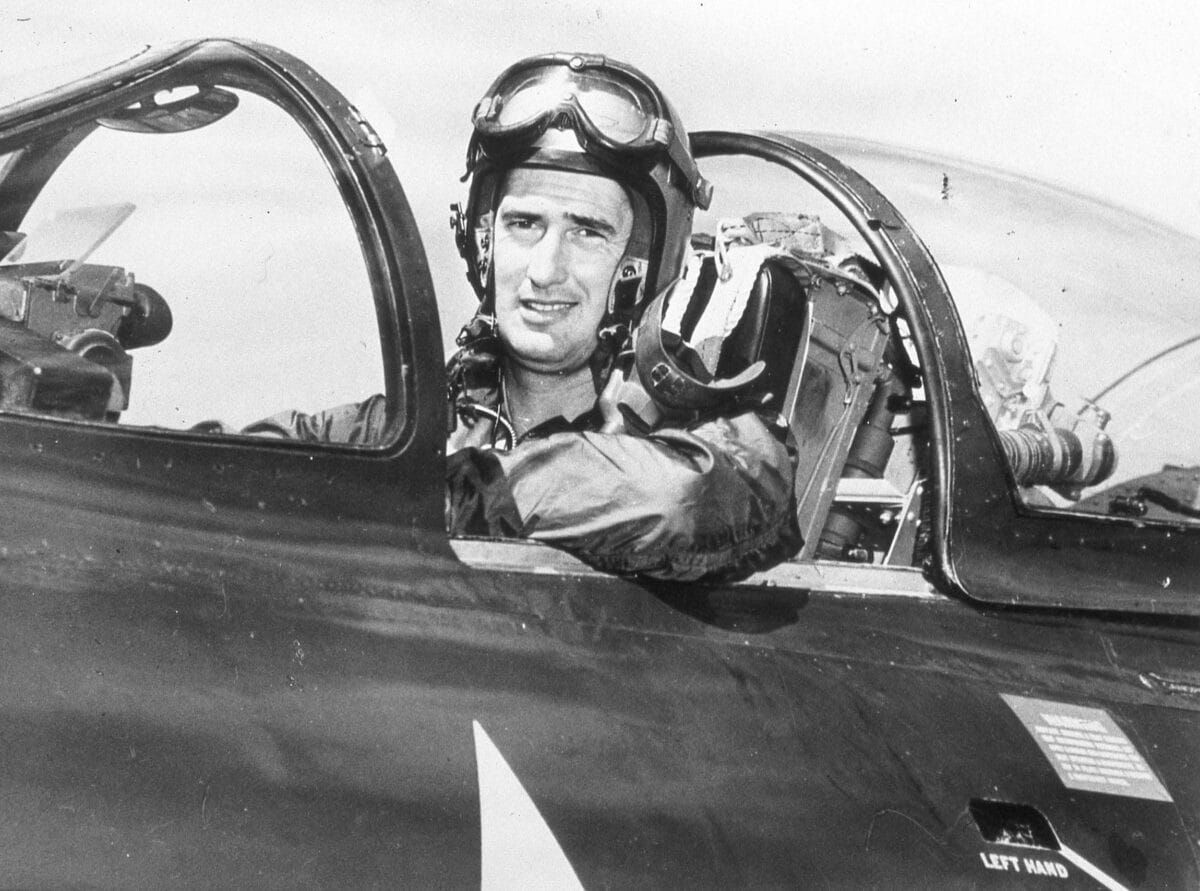
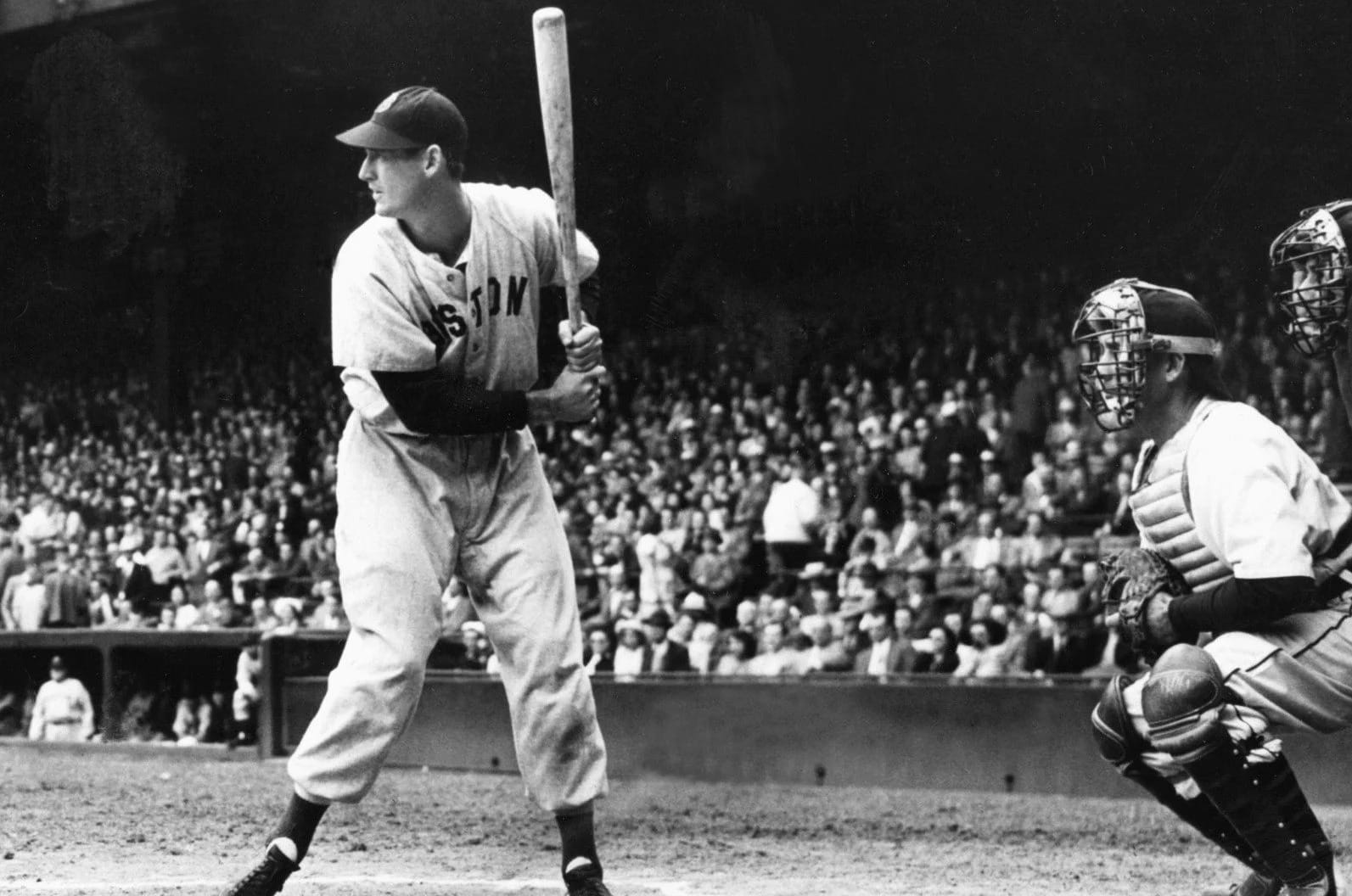
Ted Williams hit .406 in 1941. After the 1942 season, he went into Navy flight training and became a Marine Corps aviator and flight instructor. He missed 3 full seasons, though he never saw combat in World War II.
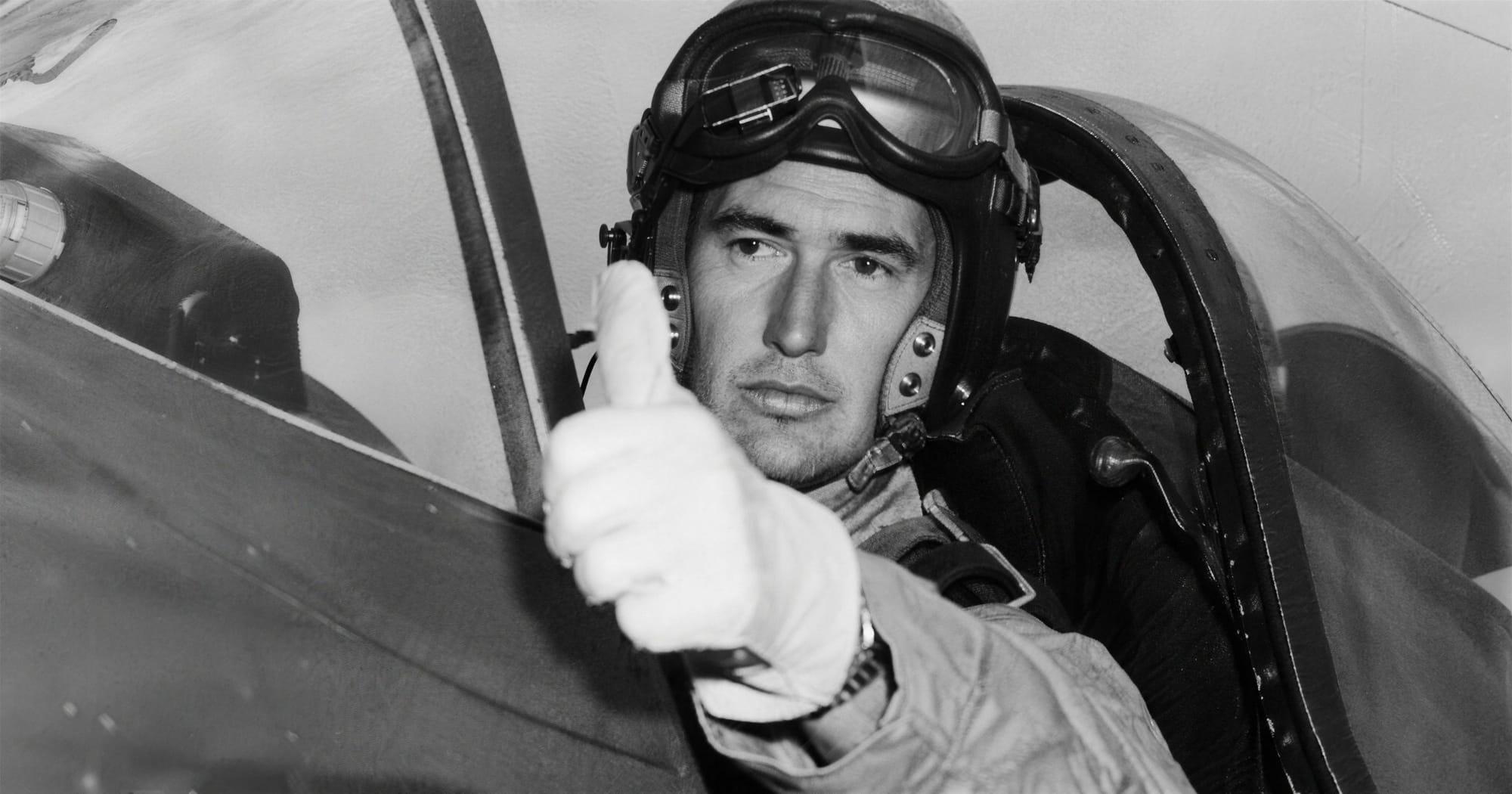
He did in Korea. Recalled in 1952 at 33, he flew 39 combat missions in an F9F Panther jet, some of them as John Glenn’s wingman. On Feb. 16, 1953, anti-aircraft fire knocked out his hydraulics and electrical system near Pyongyang. He belly-landed the burning jet at an airfield and climbed out. He flew again the next day.

Altogether, he lost nearly 5 seasons. He still hit 521 home runs.
4. Warren Spahn, Army (World War II)
Enlisted 1942.
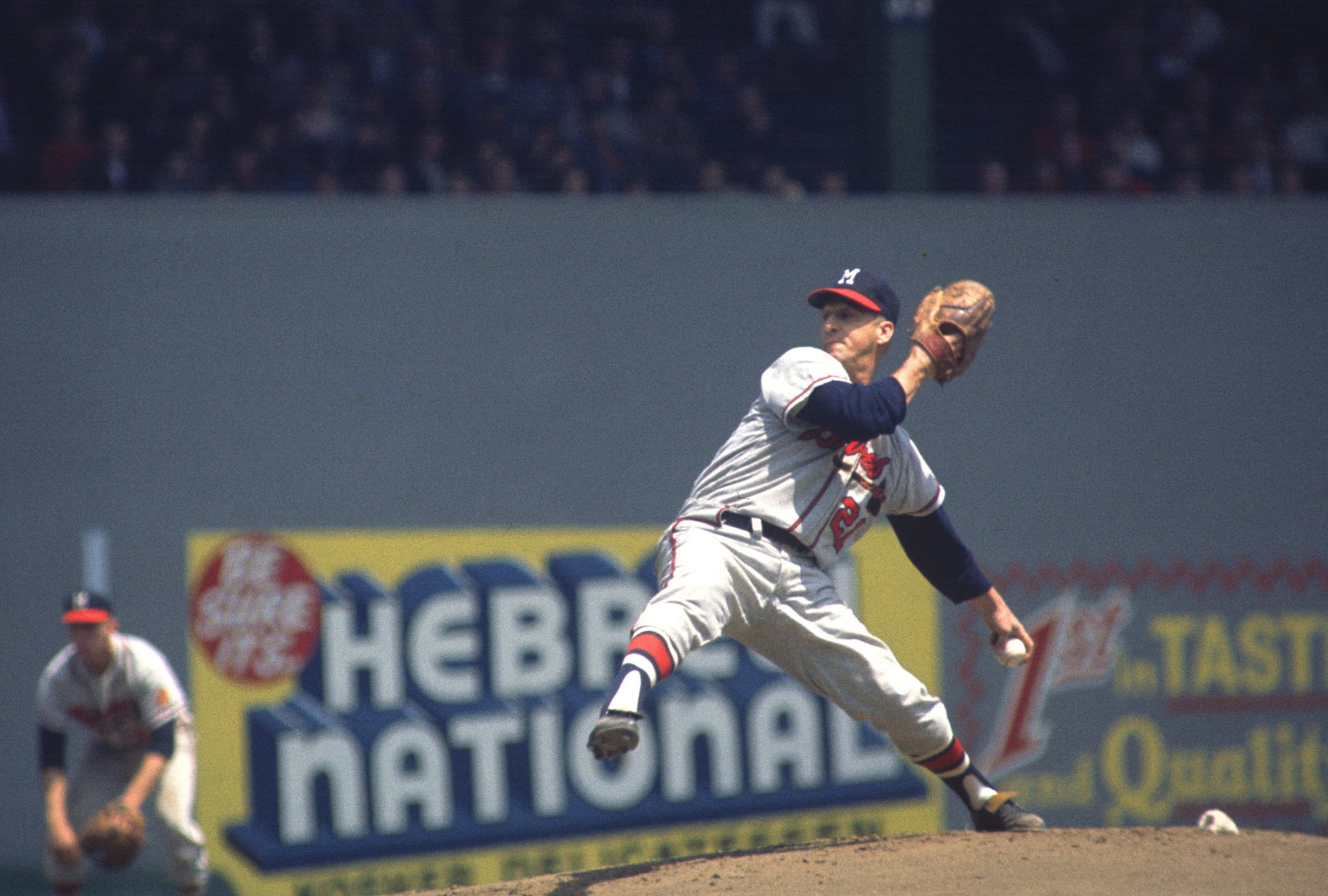
In 1942, Casey Stengel sent a young Warren Spahn to the minors for refusing to throw at Pee Wee Reese. Later that year, Spahn went into the Army.
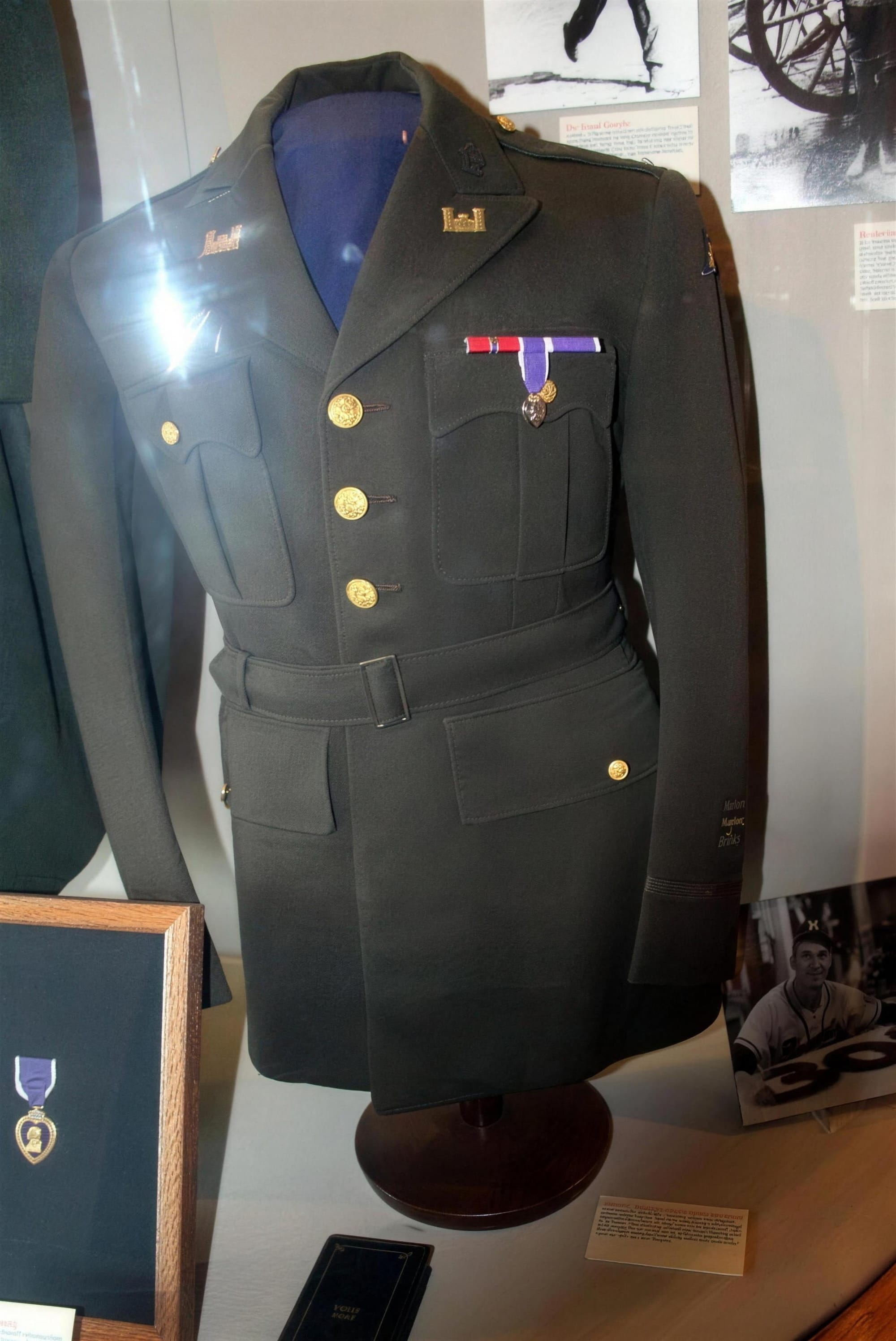
He was a staff sergeant with the 276th Engineer Combat Battalion. Bullets grazed him during the Battle of the Bulge, and he was hit by shrapnel working on the bridge at Remagen. He received a Purple Heart and a battlefield commission to 2nd lieutenant. He didn’t win his 1st major league game until he was 25.

He won 363 of them anyway, the most by a left-hander in history. “If I had not had that maturity,” he said, “I wouldn’t have pitched until I was 45.”
5. Yogi Berra, Navy (World War II)
D-Day, June 6, 1944.
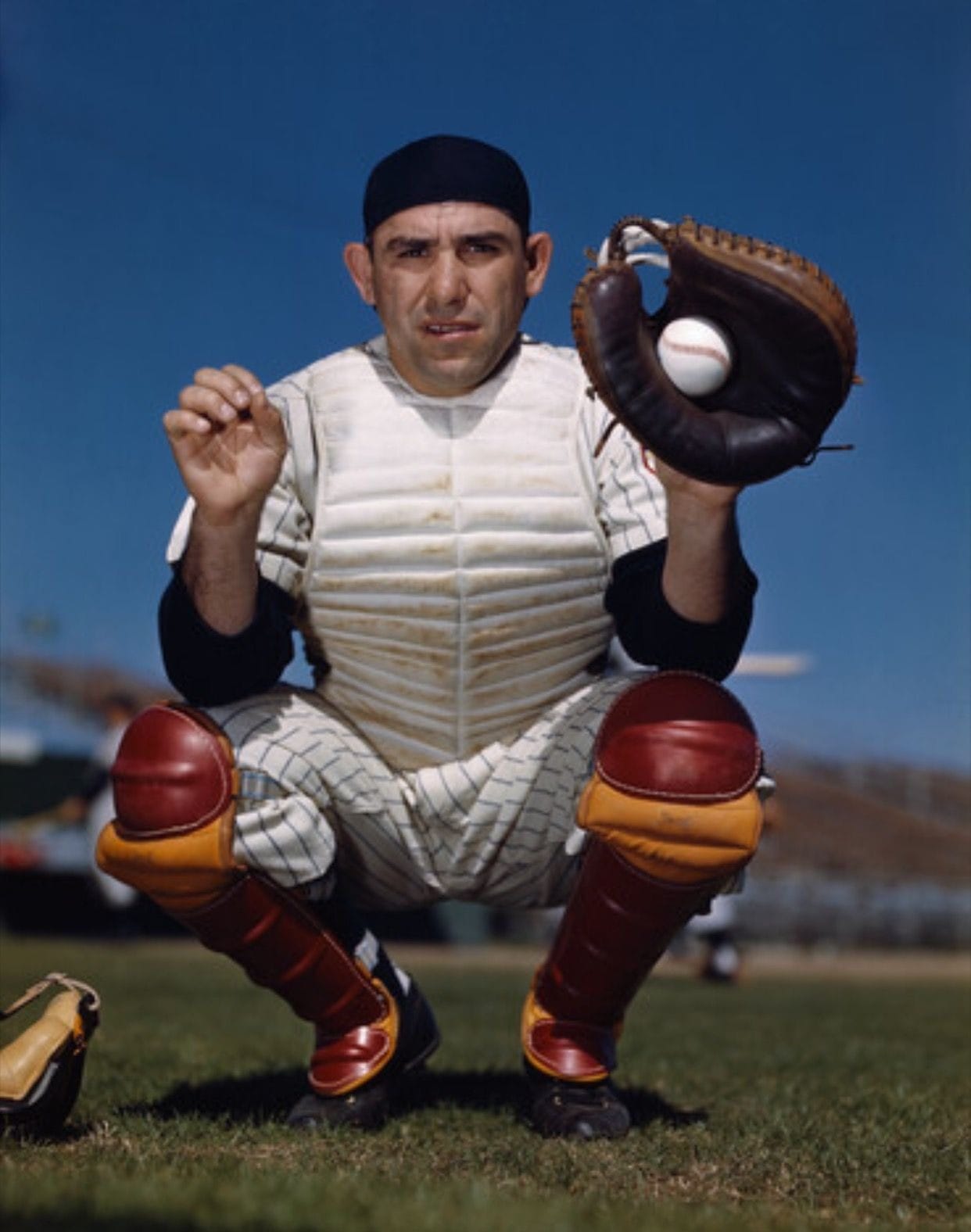
Before he ever played in the majors, Lawrence Berra, still a teenager, volunteered for rocket boats, 36-foot landing craft with crews of 6. On D-Day, his boat sat about 300 yards off the Normandy beaches and fired rockets and covering fire for the troops going ashore.
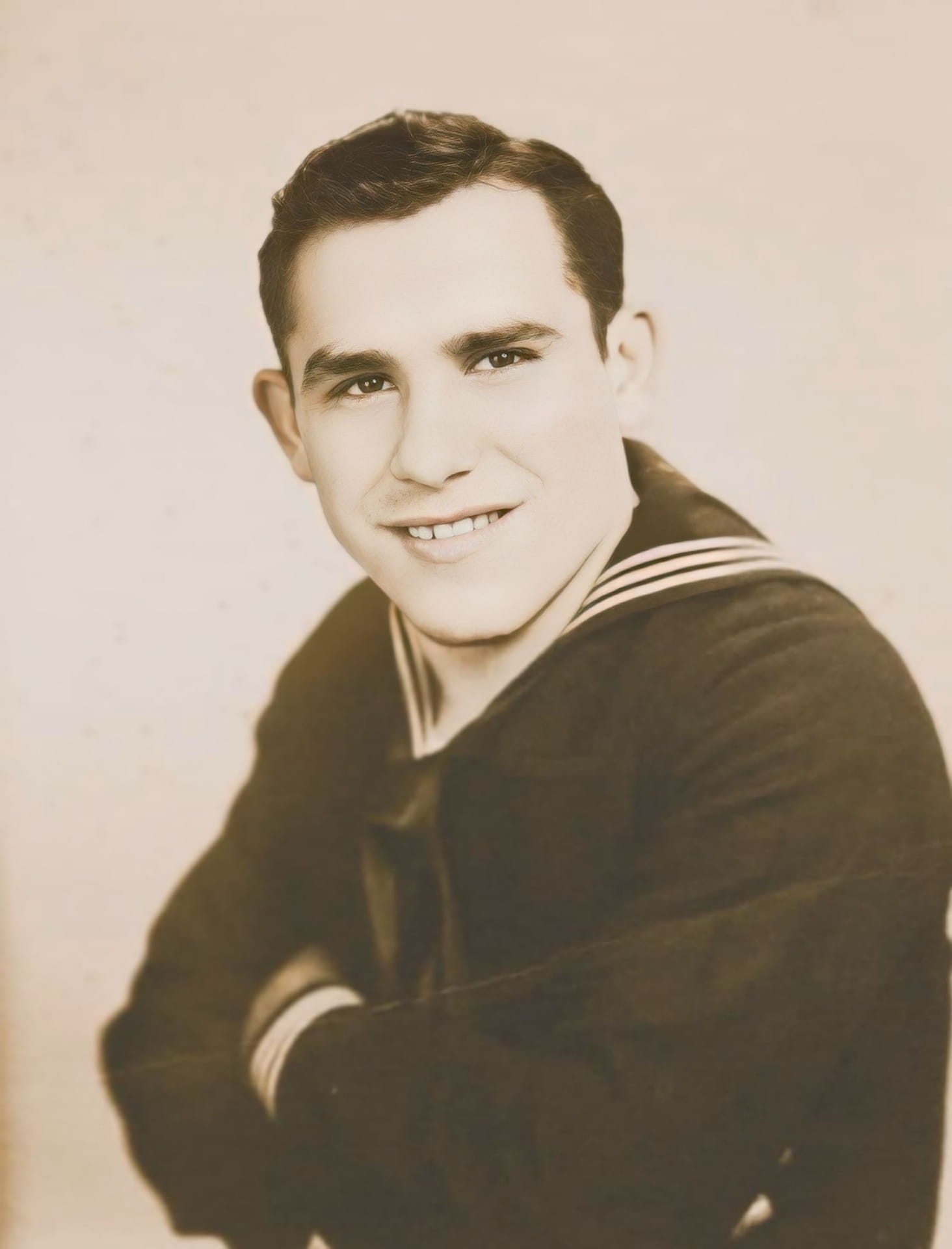
He also took part in the invasion of southern France that August. He made his Yankees debut in September 1946 and went on to win 10 World Series rings, more than any other player.
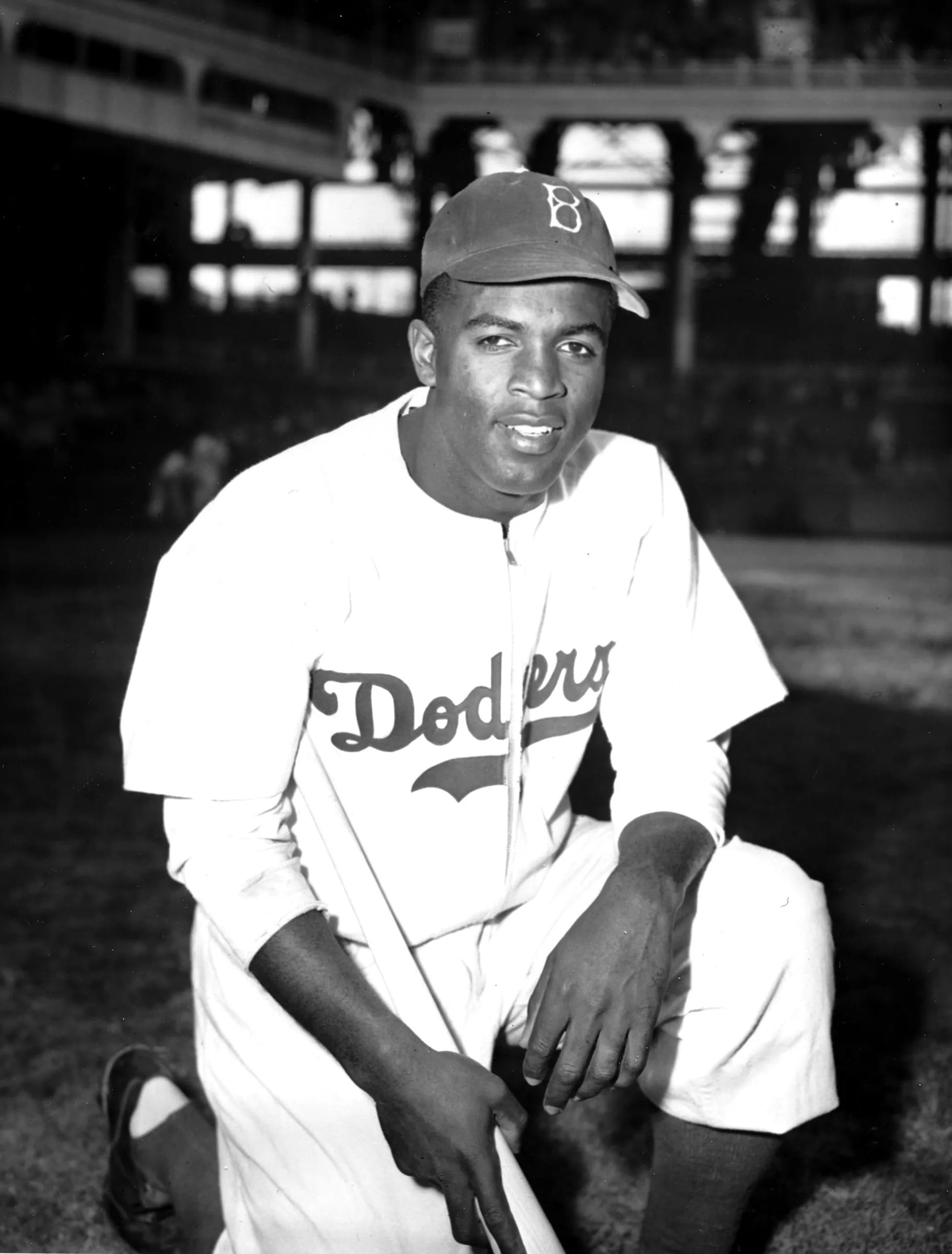
6. Jackie Robinson, Army (World War II)
Commissioned 1943.
Jackie Robinson was drafted in 1942 and became a 2nd lieutenant. On July 6, 1944, at Camp Hood, Texas, he refused a bus driver’s order to move to the back of an Army bus.
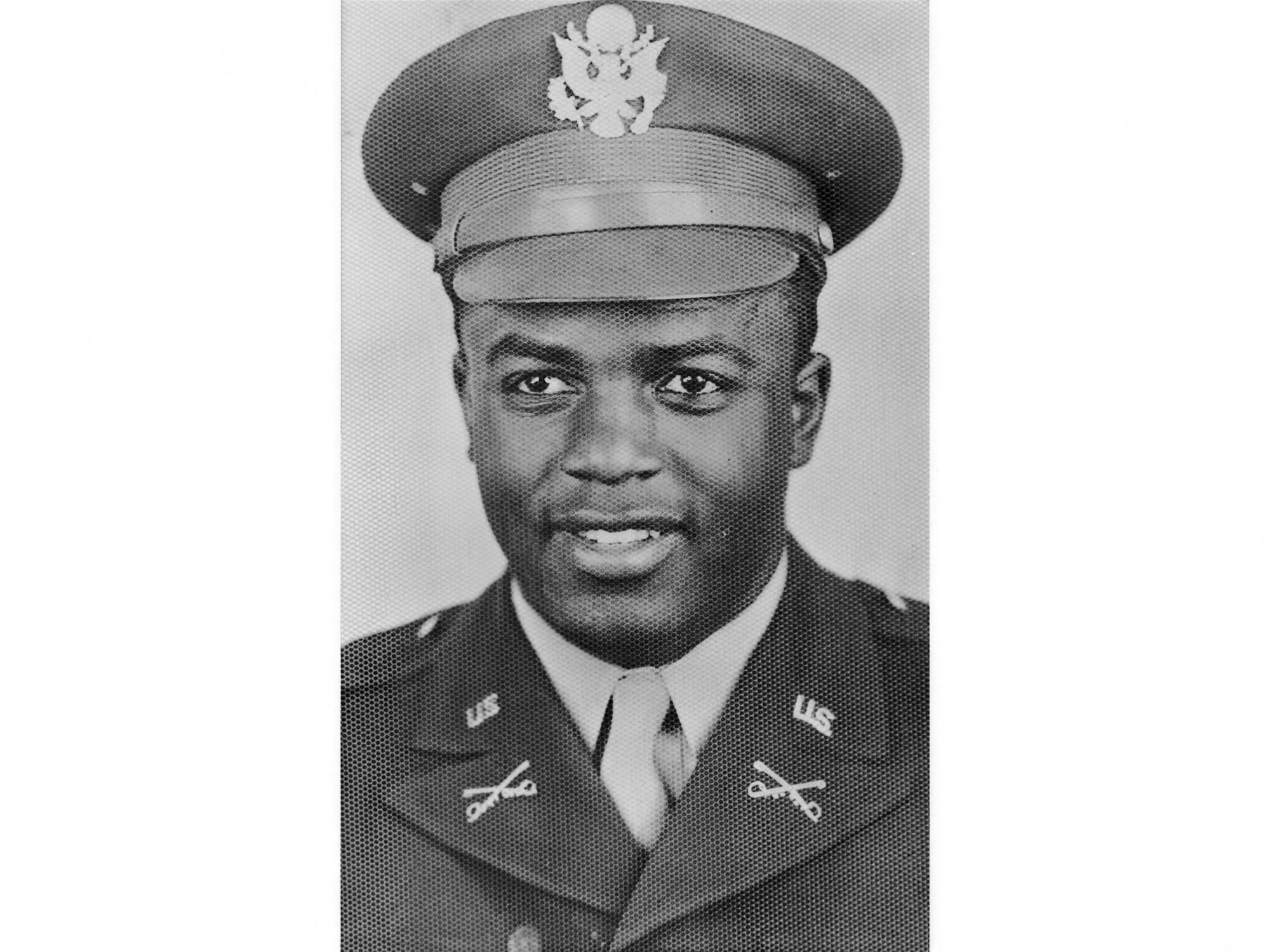
He was court-martialed, not for the bus seat but on charges of insubordination toward superior officers. A panel of 9 officers acquitted him in August 1944.

He was honorably discharged that November. 3 years later, he broke baseball’s color line.
7. Roger Staubach, Navy (Vietnam)
Served 1965-1969.
Roger Staubach won the Heisman Trophy at Navy in 1963. The Cowboys drafted him in the 10th round anyway, knowing he owed the Navy 4 years.
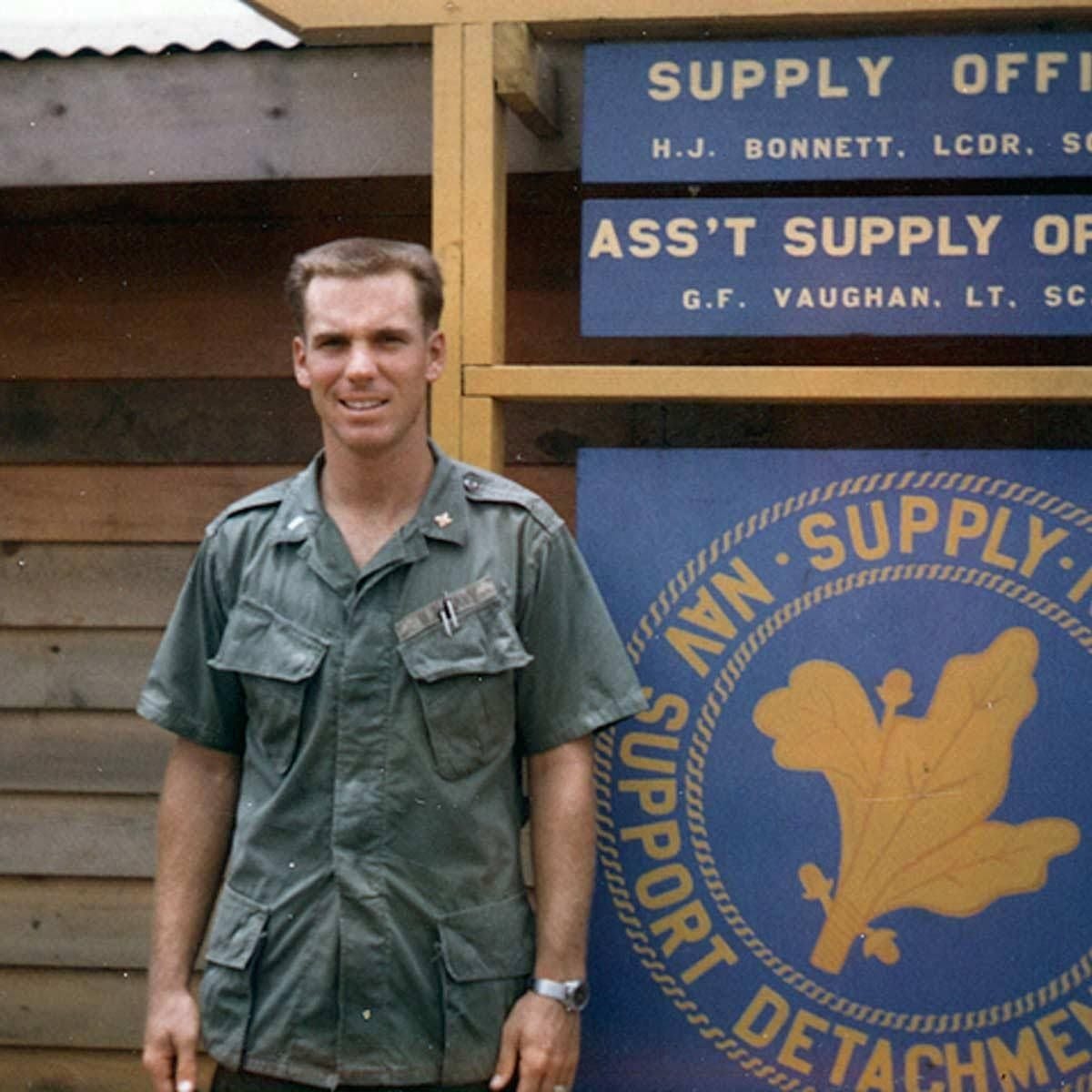
Color blindness kept him from flying, so he became a supply officer, and he volunteered for a year in Vietnam, first at Da Nang and then at Chu Lai.

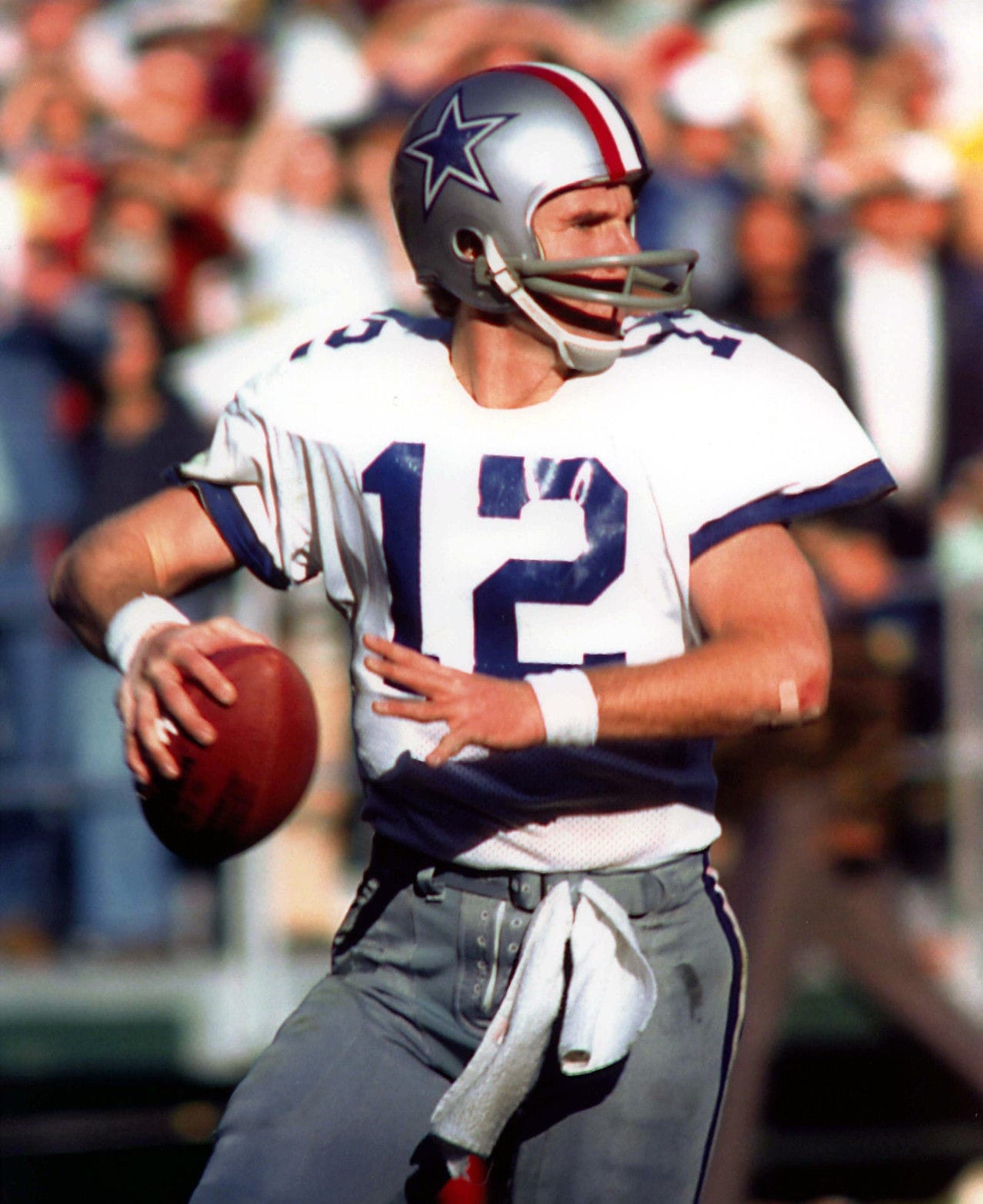
He joined the Cowboys in 1969 as a 27-year-old rookie. He won 2 Super Bowls and made the Hall of Fame.
8. Rocky Bleier, Army (Vietnam)
Drafted December 1968.
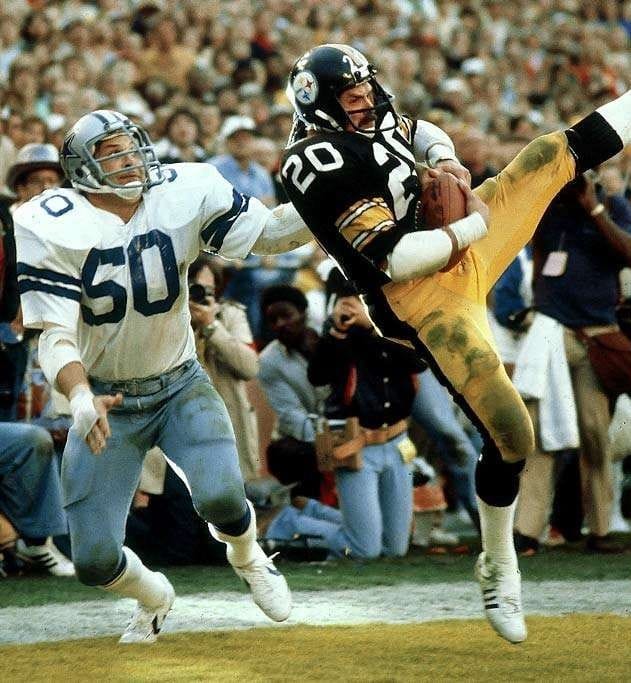
Rocky Bleier was a 16th-round pick of the Steelers in 1968. Before his rookie season was over, he was drafted into the Army and sent to Vietnam as an infantryman.
On Aug. 20, 1969, near Hiep Duc, he was shot in the left thigh, and a grenade blast filled his right leg and foot with shrapnel.

Doctors told him he’d never play football again. He received a Bronze Star and a Purple Heart.
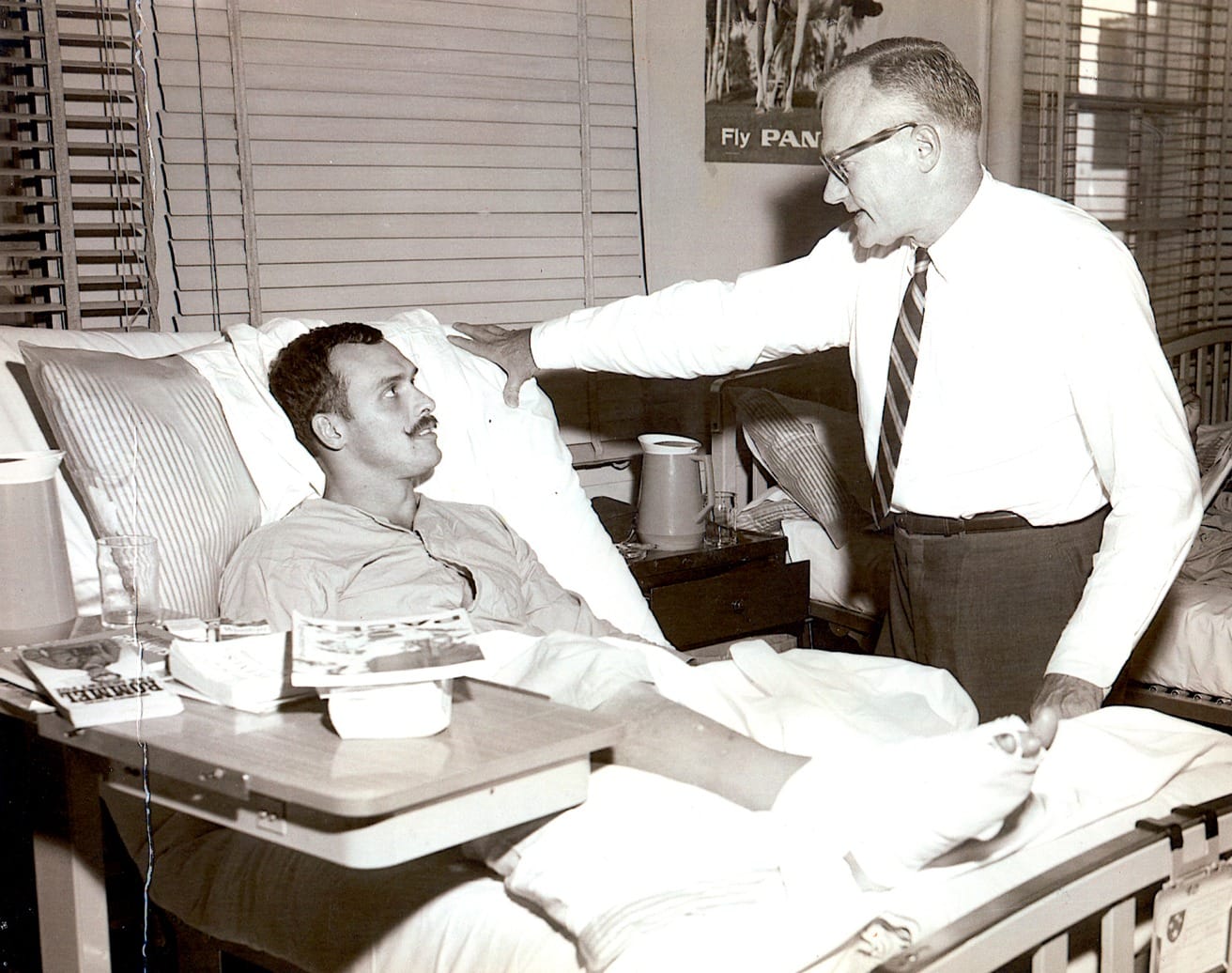
He came back, got cut twice, and kept at it. By 1976 he was a 1,000-yard rusher. He won 4 Super Bowls with the Steelers and caught a touchdown pass in Super Bowl XIII.
9. David Robinson, Navy
Served 1987-1989.
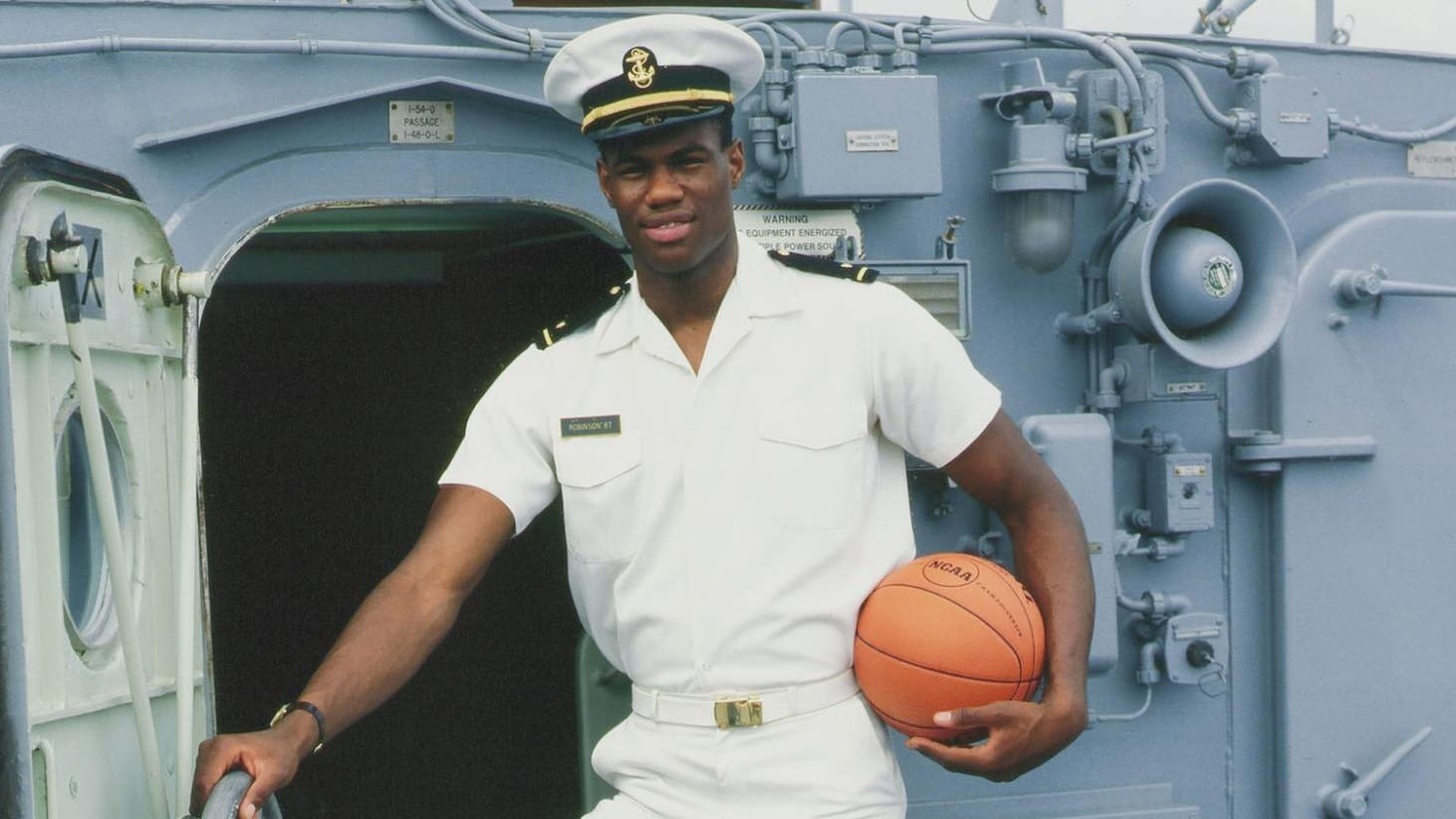
David Robinson grew to about 7 feet tall at the Naval Academy, too big for most Navy jobs. The Navy let him serve 2 years of active duty instead of the usual 5. The Spurs made him the No. 1 pick in the 1987 draft anyway and waited.

He spent those 2 years as a civil engineering officer at the Naval Submarine Base in Kings Bay, Ga.
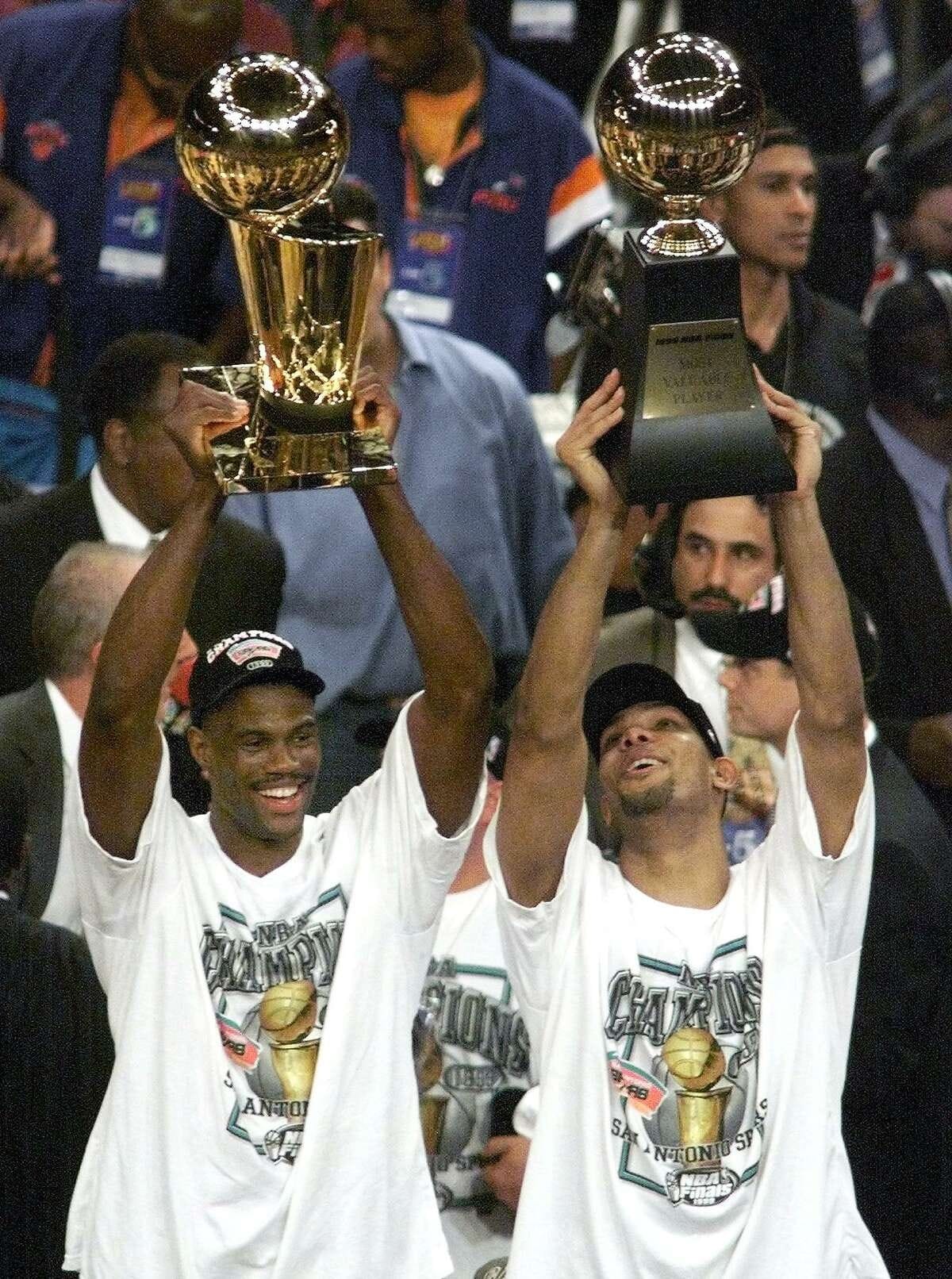
He debuted in 1989 and won Rookie of the Year, an MVP, and 2 championships. Everyone still calls him the Admiral.
10. Pat Tillman, Army (Afghanistan)
Enlisted May 31, 2002.
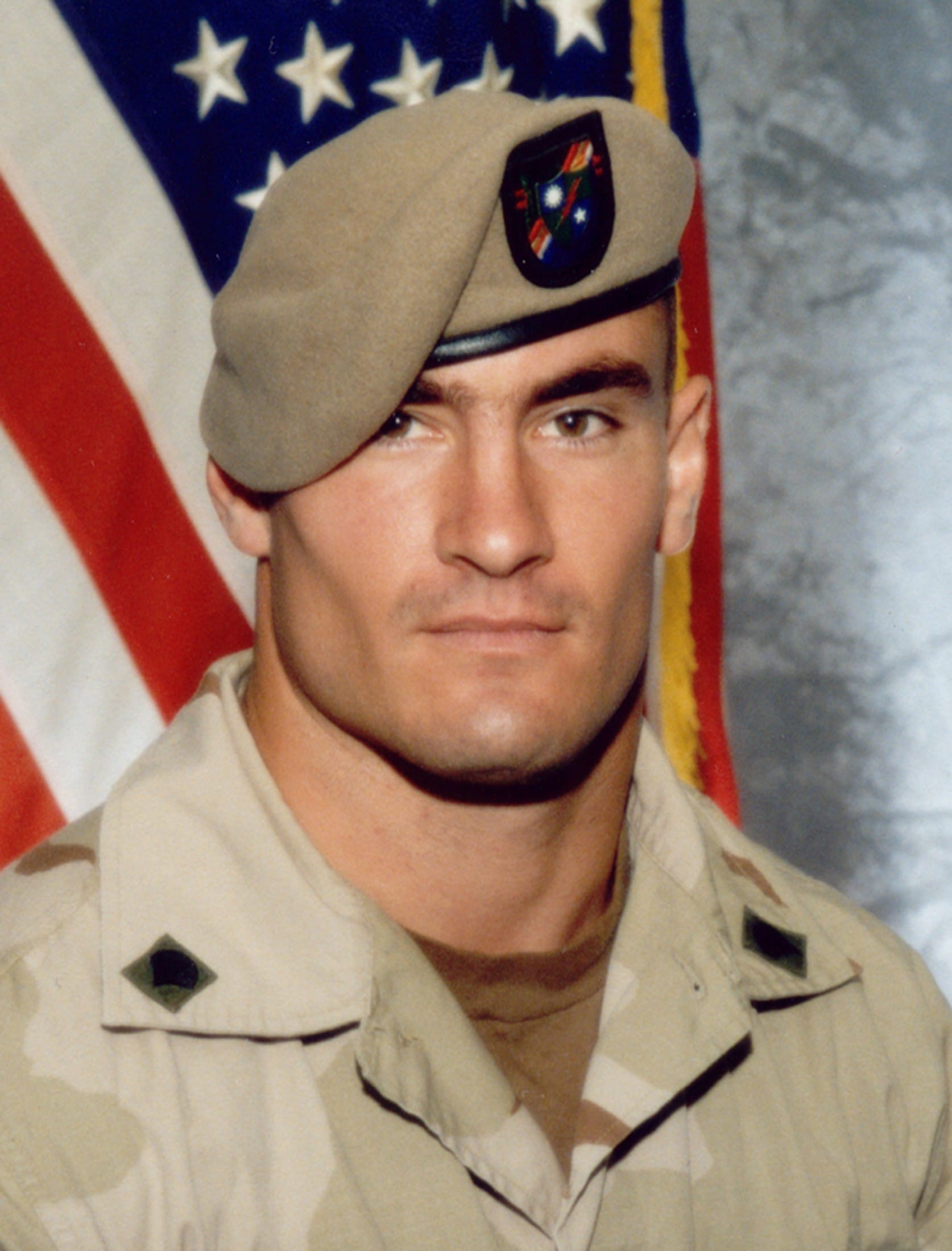
After the Sept. 11 attacks, Arizona Cardinals safety Pat Tillman turned down a 3-year, $3.6 million contract and enlisted in the Army with his brother Kevin. Both became Army Rangers. Pat served in the invasion of Iraq in 2003.
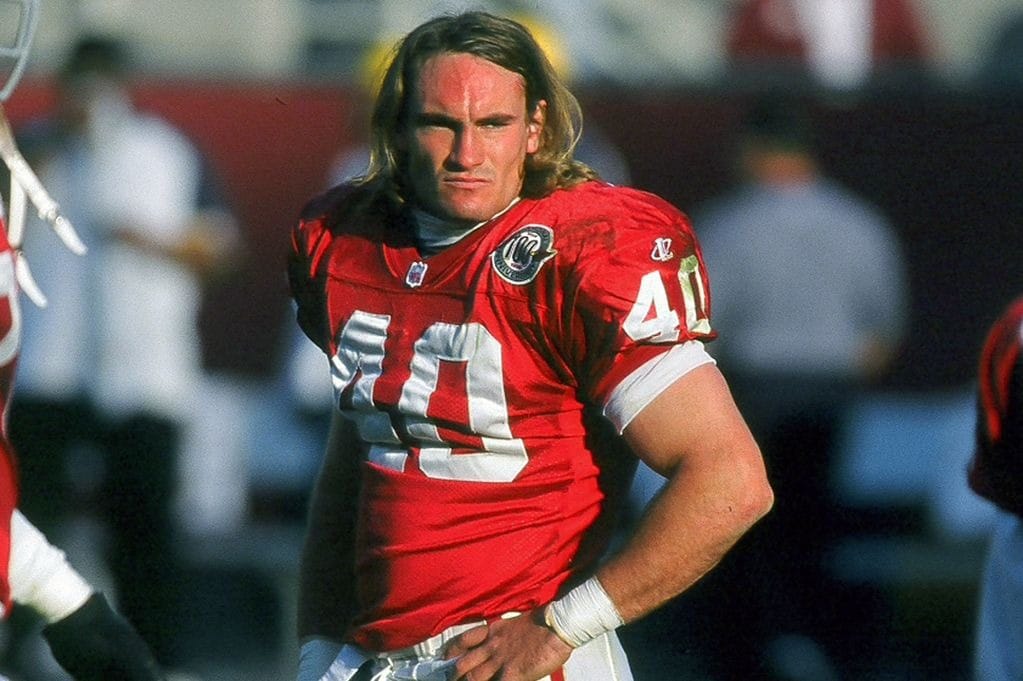
On April 22, 2004, he was killed in eastern Afghanistan. He was 27. The Army first said he had died under enemy fire.

Weeks later, after a nationally televised memorial, his family was told he had been killed by fire from his fellow Rangers. The Army’s handling of his death led to congressional hearings in 2007.
The Cardinals retired his No. 40. His family started the Pat Tillman Foundation, which awards scholarships to service members, veterans, and military spouses.
Honorable Mentions
- Hank Greenberg: drafted in 1941, less than a year after winning the MVP. He came back in July 1945 and hit a grand slam on the last day of the season to win the Tigers the pennant.
- Jerry Coleman: the only major leaguer to fly combat missions in both World War II and Korea, 120 in all.
- Nile Kinnick: Iowa’s 1939 Heisman winner was killed on a Navy training flight in 1943. Iowa’s stadium is named for him.
- Tom Landry: flew more than 25 missions as a B-17 co-pilot and walked away from a crash landing.
- Chuck Bednarik: flew about 30 missions as a B-24 waist gunner before he ever played for the Eagles.
- Christy Mathewson: served in the Army’s chemical warfare unit in World War I, with Ty Cobb and Branch Rickey. Most accounts say he was exposed to gas in training. He died of tuberculosis 7 years later.
Thank you to every veteran, today and every day.
Comments ()