
On This Date: Georgia Tech 222, Cumberland 0 (Oct. 7, 1916)
On Oct. 7, 1916, John Heisman's Georgia Tech beat a Cumberland team of fraternity brothers 222-0, still college football's most lopsided score. It started with a baseball game.
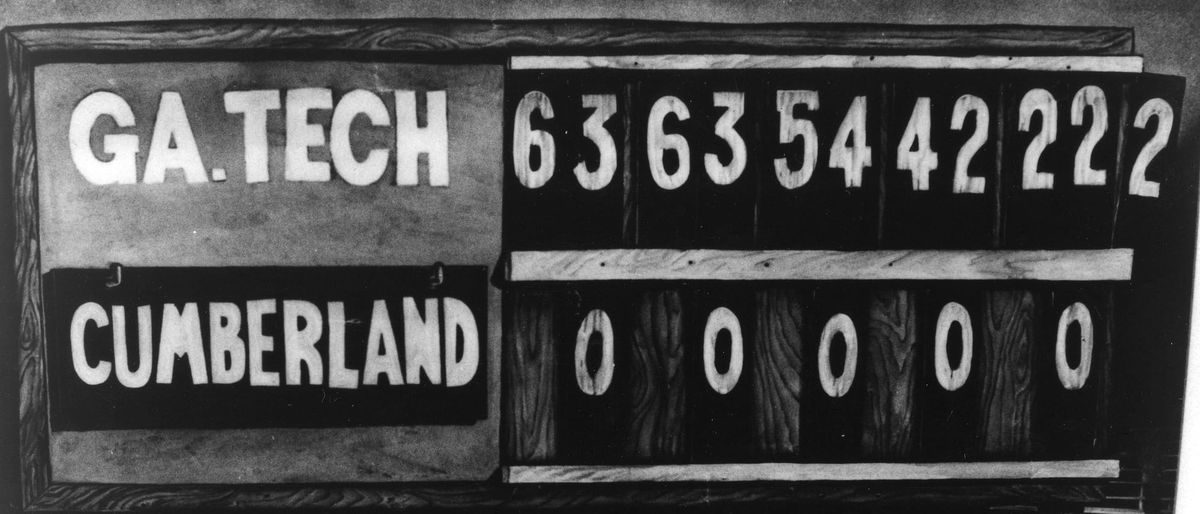
On Oct. 7, 1916, at Grant Field in Atlanta, John Heisman's Georgia Tech team beat Cumberland College of Lebanon, Tenn., 222-0. It is still the most lopsided score in the history of college football, and 110 years later nobody has come close. Tech scored 32 touchdowns. Cumberland didn't make a first down.
The score was the point. Heisman wanted it that way.
The baseball game
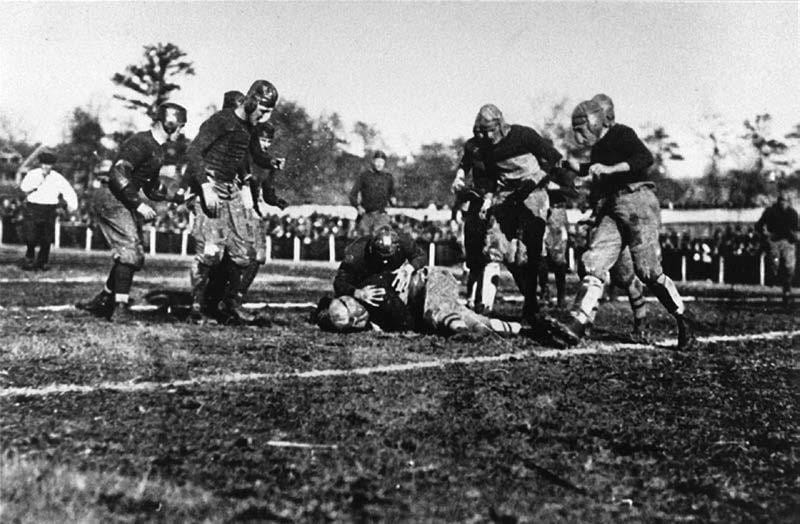
The story starts in the spring of 1916, on a baseball diamond. Heisman coached Georgia Tech's baseball team as well as its football team, and that spring Cumberland beat Tech 22-0. Cumberland had help: the Bulldogs had filled out their lineup with semi-pro players. Heisman did not forget it.
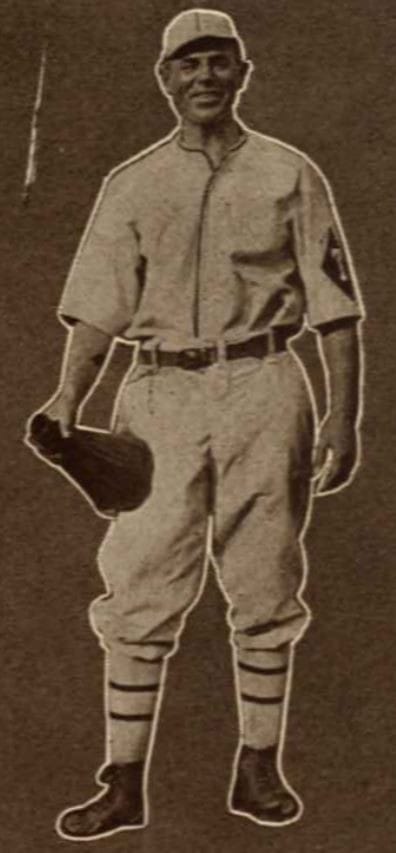
By the fall, Cumberland had dropped football. But the school still had a contract to play at Georgia Tech on Oct. 7, and the contract said a team that didn't show up owed the other $3,000. Tech was also guaranteeing Cumberland $500 and its expenses to make the trip. Heisman made it clear he expected Cumberland to come.
The team
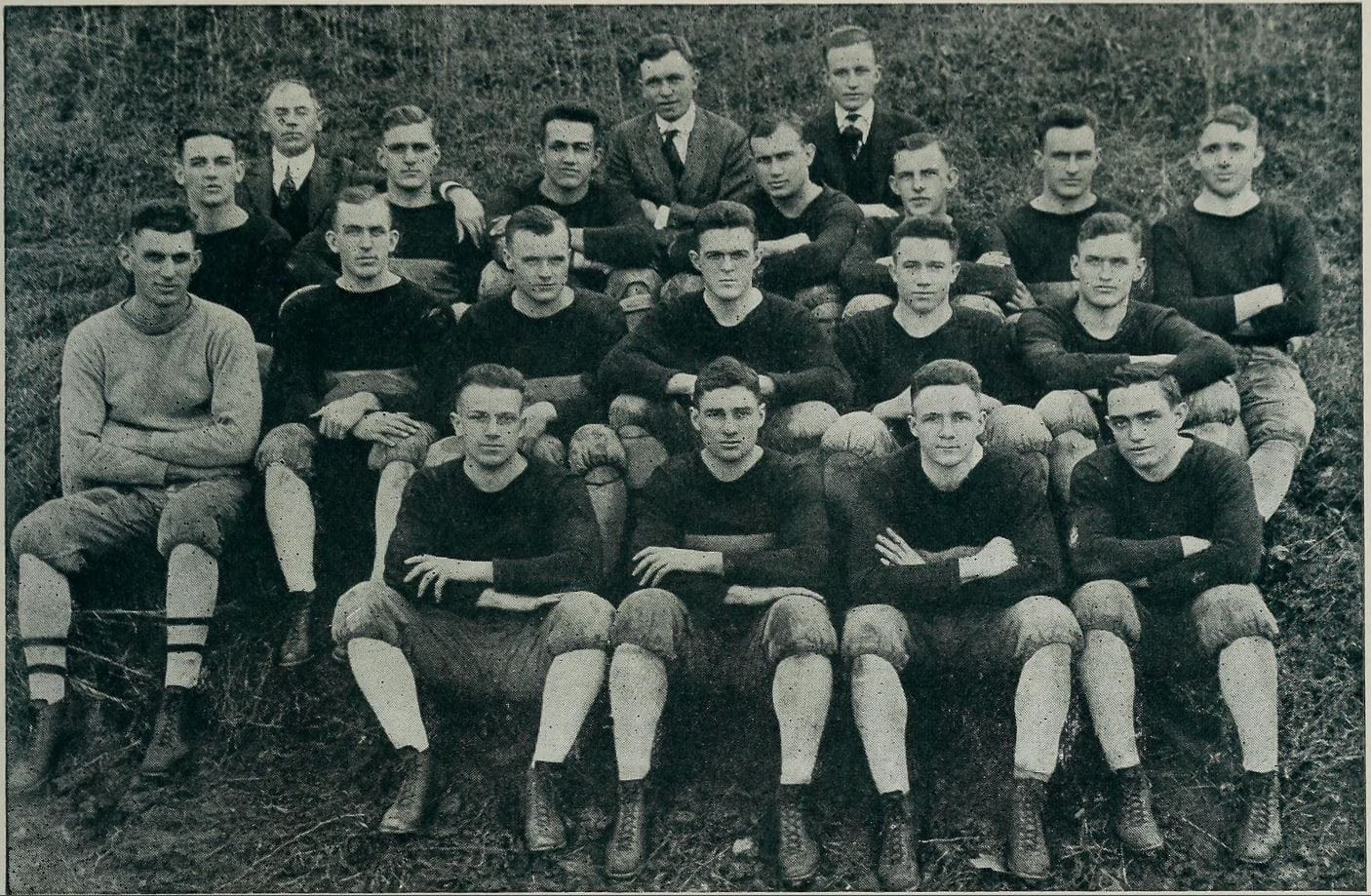
So a Cumberland student manager named George Allen put a team together. Accounts disagree on how many men he brought, anywhere from 12 to 16, and one version has a few of them getting lost changing trains in Nashville. Most of them were his fraternity brothers and students from the law school.
Georgia Tech had one of the best teams in the South. It would go 8-0-1 that season and win the national championship the next year.
The game
Tech led 63-0 after the 1st quarter and 126-0 at halftime. Heisman, by the most repeated account, told his players at the break not to let up. "You're doing all right, team, we're ahead," he said. "But you just can't tell what those Cumberland players have up their sleeves. They may spring a surprise. Be alert, men! Hit 'em clean, but hit 'em hard!"
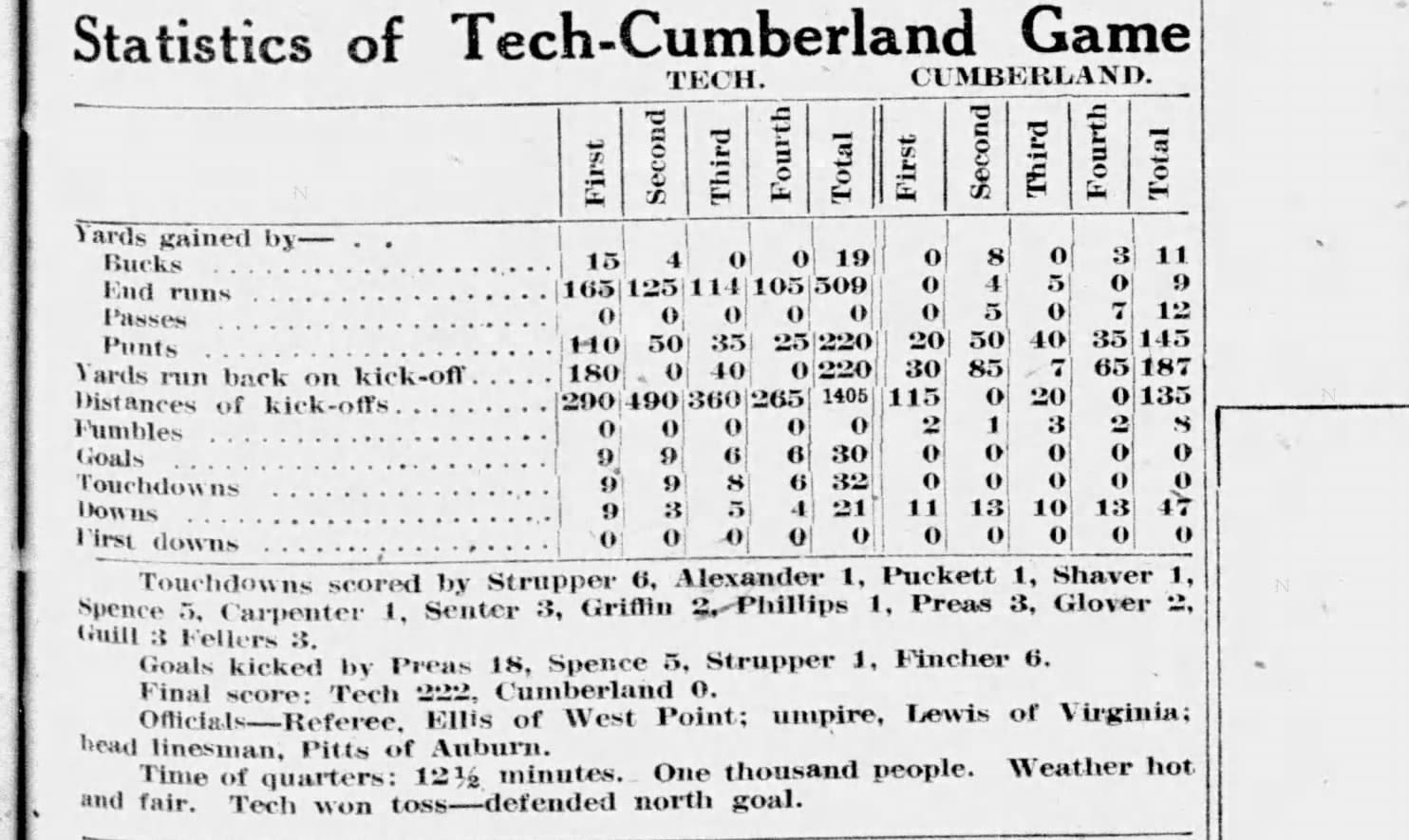
The quarters were cut short. The Atlanta Journal's box score lists all 4 at 12 and a half minutes, about 50 minutes of football. It didn't matter. Tech scored 54 more in the 3rd and 42 in the 4th, in front of about 1,000 people on a hot afternoon. The Journal's Morgan Blake put it this way: "As a general rule the only thing necessary for a touchdown was to give a Tech back the ball and holler, 'Here he comes' and 'There he goes.'"
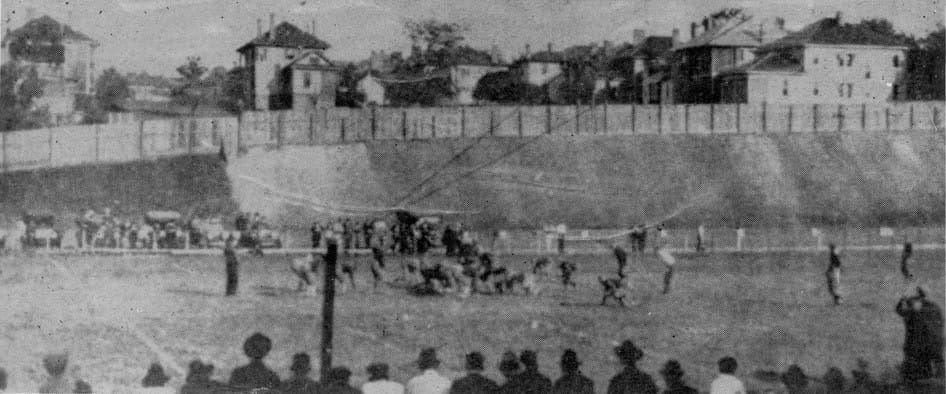
By the end, Georgia Tech had 32 touchdowns and 30 extra points. It never threw a forward pass, and it never punted. Jim Preas, Tech's left end, kicked 18 extra points in 18 tries in the 1st half, then sat down. Everett Strupper, Tech's star halfback, scored 6 touchdowns and a back named Spence scored 5.
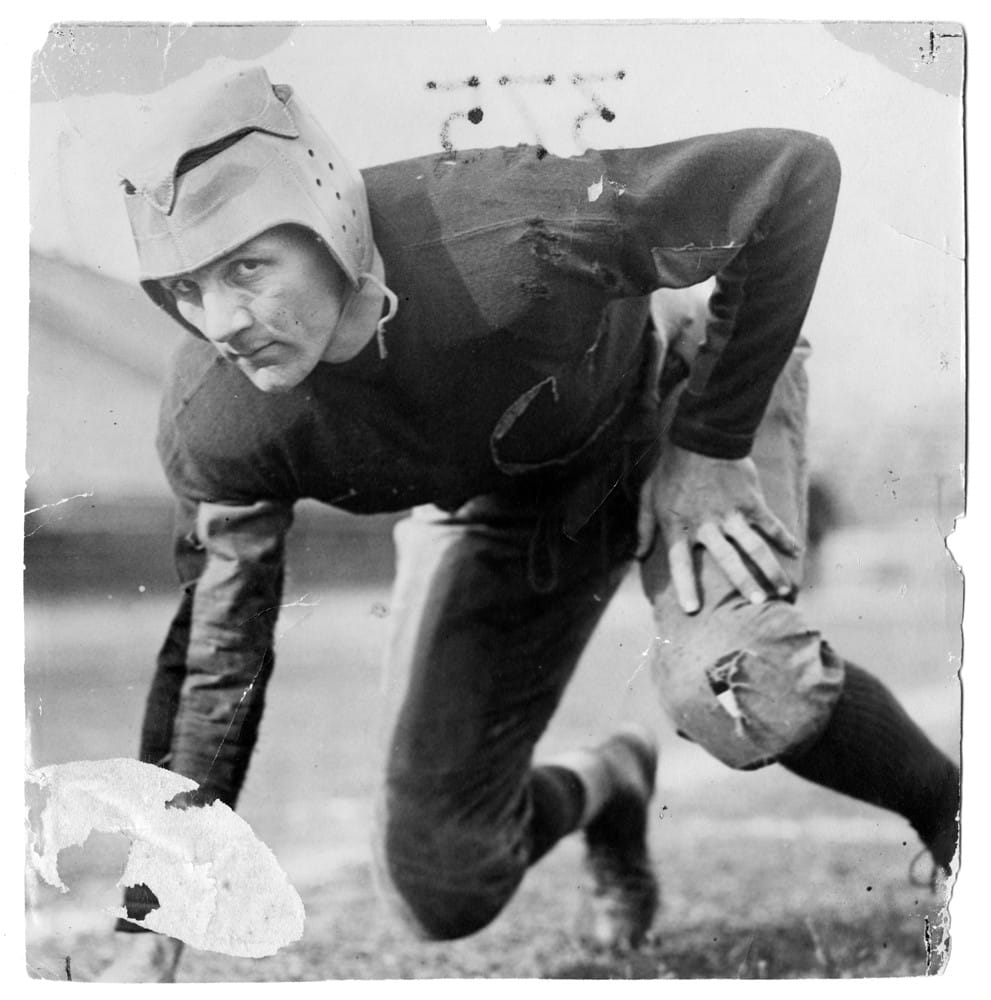
The numbers:
- First downs: Cumberland 0. Georgia Tech 0, too, according to the Journal's box score. It scored before it ever needed one.
- Cumberland's offense: 32 yards gained in the Journal's box, and minus 28 net by the figures usually cited today
- Cumberland fumbles: 8, by the Journal's count
- Tech punts: 0
- Tech forward passes: 0
Its best play of the day, by most accounts, was a 10-yard pass.
The best-known story from the game may or may not have happened, but it has been told for a century: a Cumberland player fumbled and yelled to a teammate to pick up the ball. The teammate yelled back, "Pick it up yourself! You dropped it!"
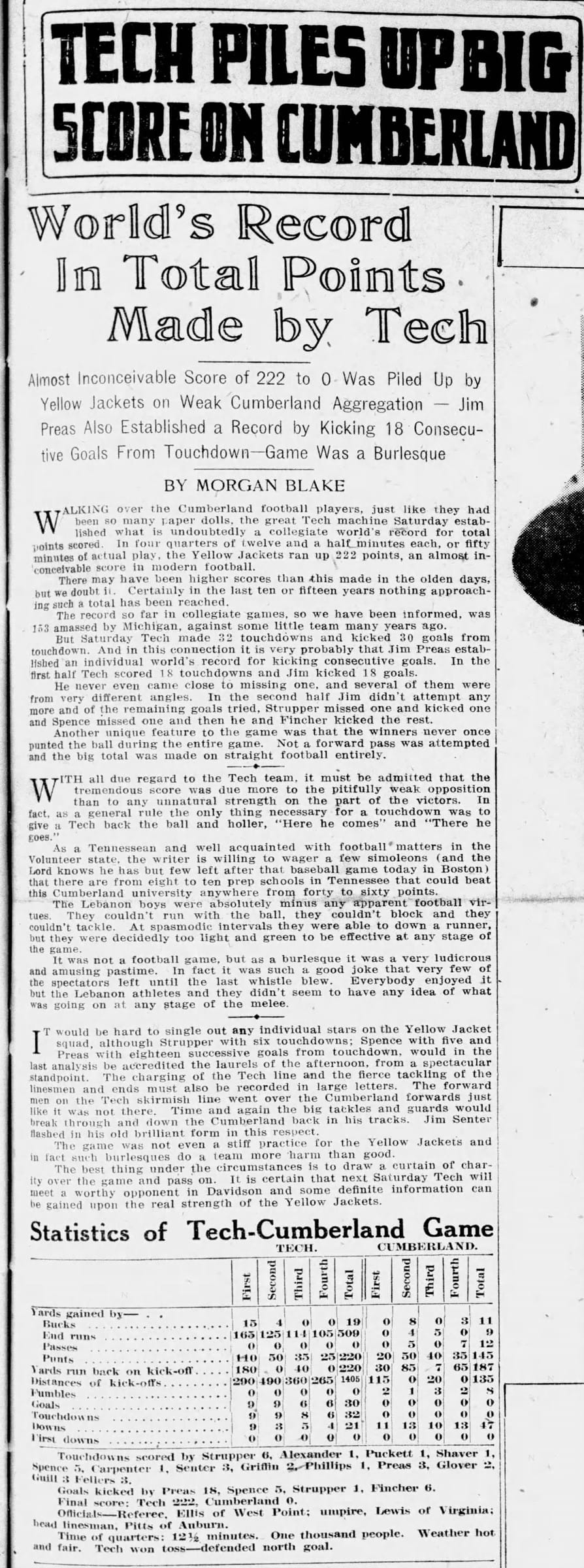
The Atlanta Journal ran it the next morning under "Tech Piles Up Big Score on Cumberland." Blake, a Tennessean, wrote that 8 to 10 prep schools in his home state could have beaten Cumberland by 40 to 60 points. "It was not a football game," he wrote, "but as a burlesque it was a very ludicrous and amusing pastime." He guessed it was a collegiate world record. "There may have been higher scores than this made in the olden days, but we doubt it."
The Associated Press story that ran in Sunday papers around the country was 3 sentences long. It called the score "the 1916 season record, and one of the largest in foot ball," and noted that James Preas, Tech's left end, "kicked eighteen goals from touchdown out of that many attempts."
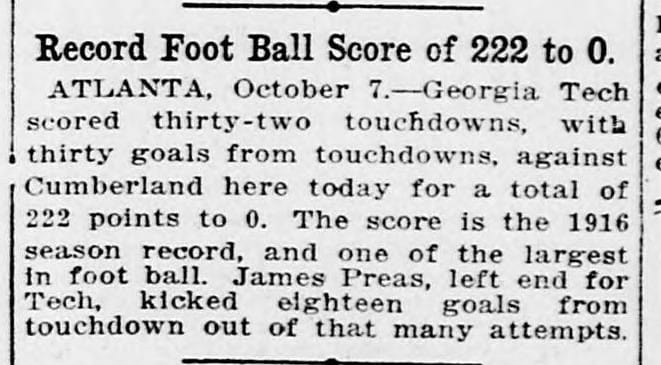
Why 222?
Heisman never apologized for it. Part of it was the baseball game. Part of it, the story goes, was that sportswriters of the day ranked teams partly by how many points they scored, and Heisman wanted to make a point about that too. Either way, more than half of the 421 points Georgia Tech scored all season came in that one afternoon.
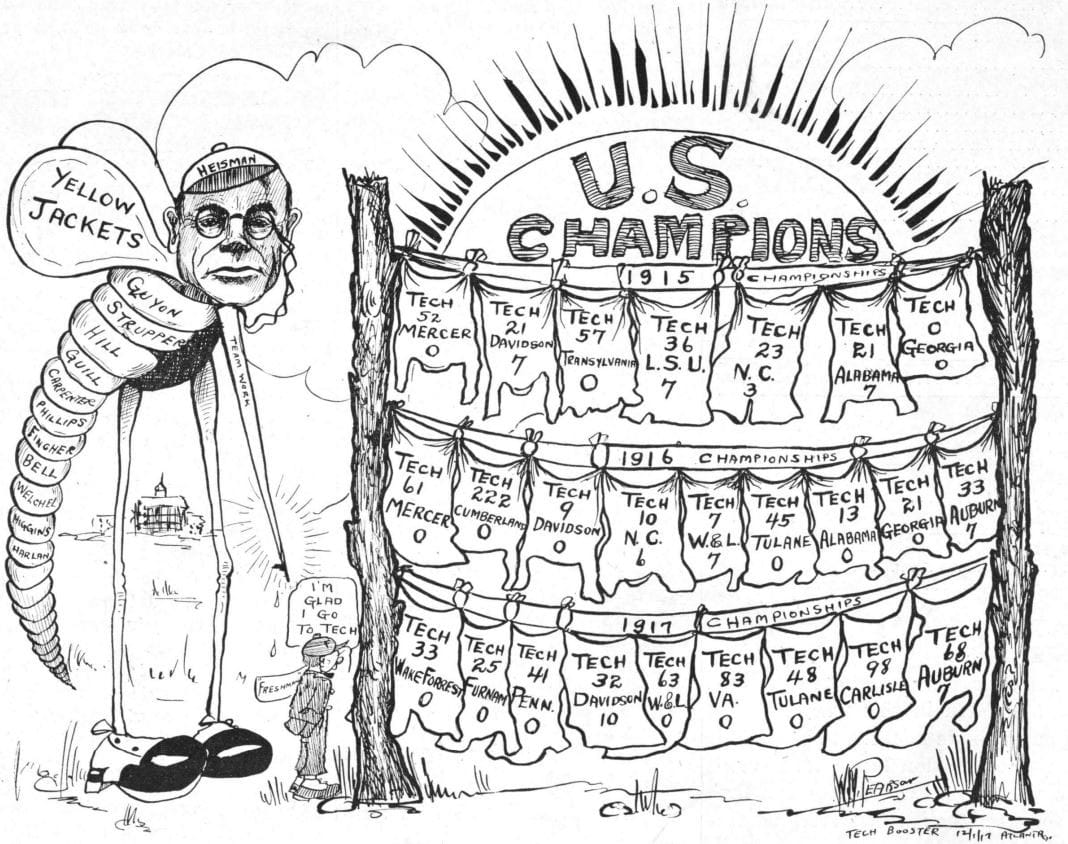
The next year, Heisman's "Golden Tornado" went 9-0, outscored its opponents 491-17 and won the school's first national championship. Cumberland never played Georgia Tech again in any sport.
The name on the trophy

Heisman coached at Georgia Tech through 1919, then at Penn, Washington & Jefferson and Rice. In 1935 he was the athletic director of the Downtown Athletic Club in New York when it began giving a trophy to the best college football player in the country. He died on Oct. 3, 1936, and the club renamed the trophy after him. So the most famous individual award in college football carries the name of the man who ran up 222 points on a team of fraternity brothers.
Meanwhile, that same afternoon
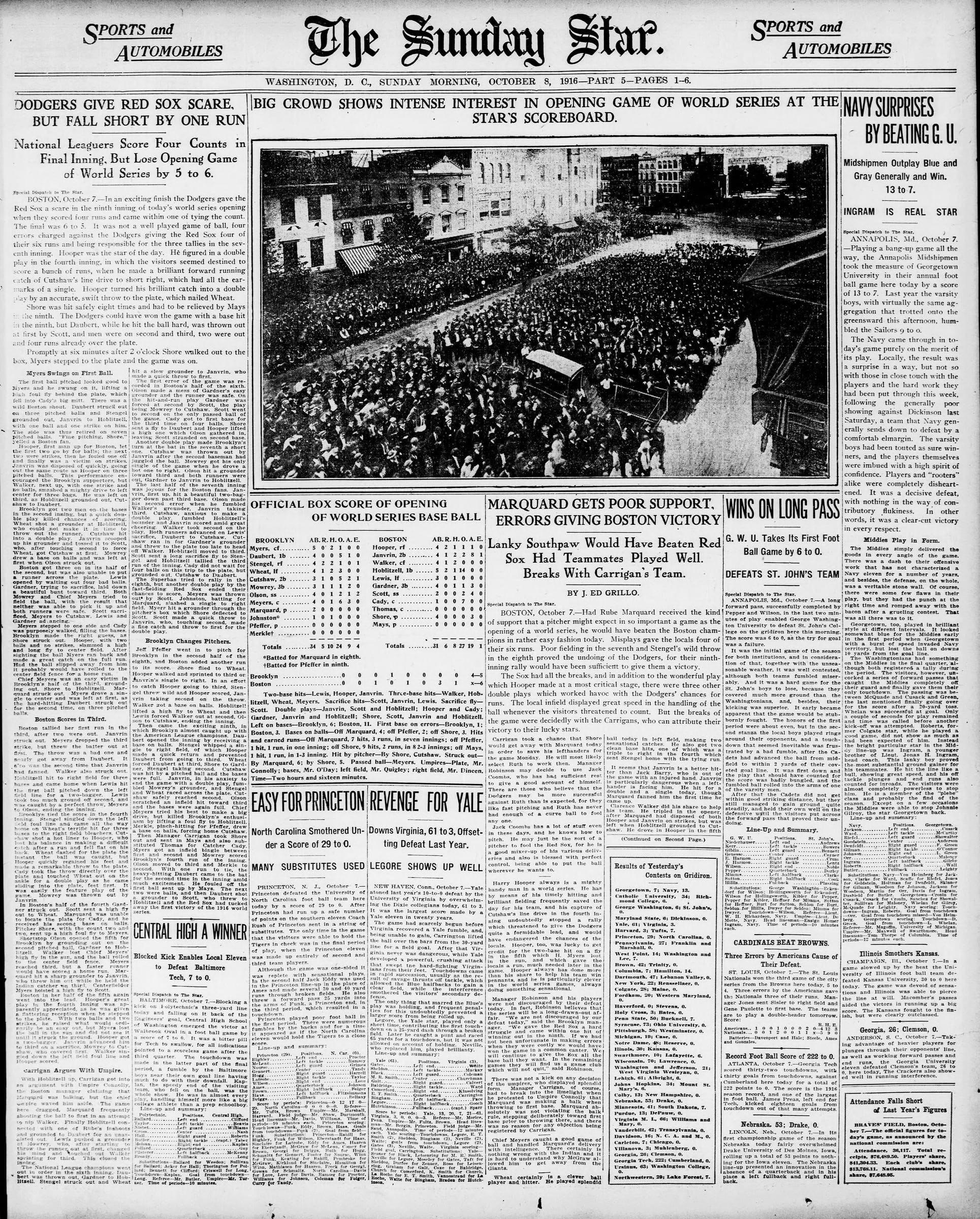
In Boston, the Red Sox beat the Brooklyn Robins 6-5 in Game 1 of the World Series. The Red Sox played their home games that October at the brand-new Braves Field, which held more people than Fenway Park, and 36,117 watched Ernie Shore get the win. Boston won the Series in 5 games. A 21-year-old Red Sox pitcher named Babe Ruth won Game 2 two days later in 14 innings.
110 years later
College football doesn't schedule games like this anymore, and nobody is going to fill out a roster with a fraternity again. That makes 222-0 the safest record in the sport, set by a coach who was still mad about a baseball game.
What's the most lopsided game you've ever seen in person? Tell us in the comments.

Comments ()