
On This Date: The American League Lets the St. Louis Browns Leave for Baltimore, and the Map of Baseball Starts Moving (Sept. 29, 1953)
On Sept. 29, 1953, AL owners approved the Browns' move to Baltimore, two days after refusing Bill Veeck. Every relocation and expansion since, year by year, and the cities in line for the next two teams.
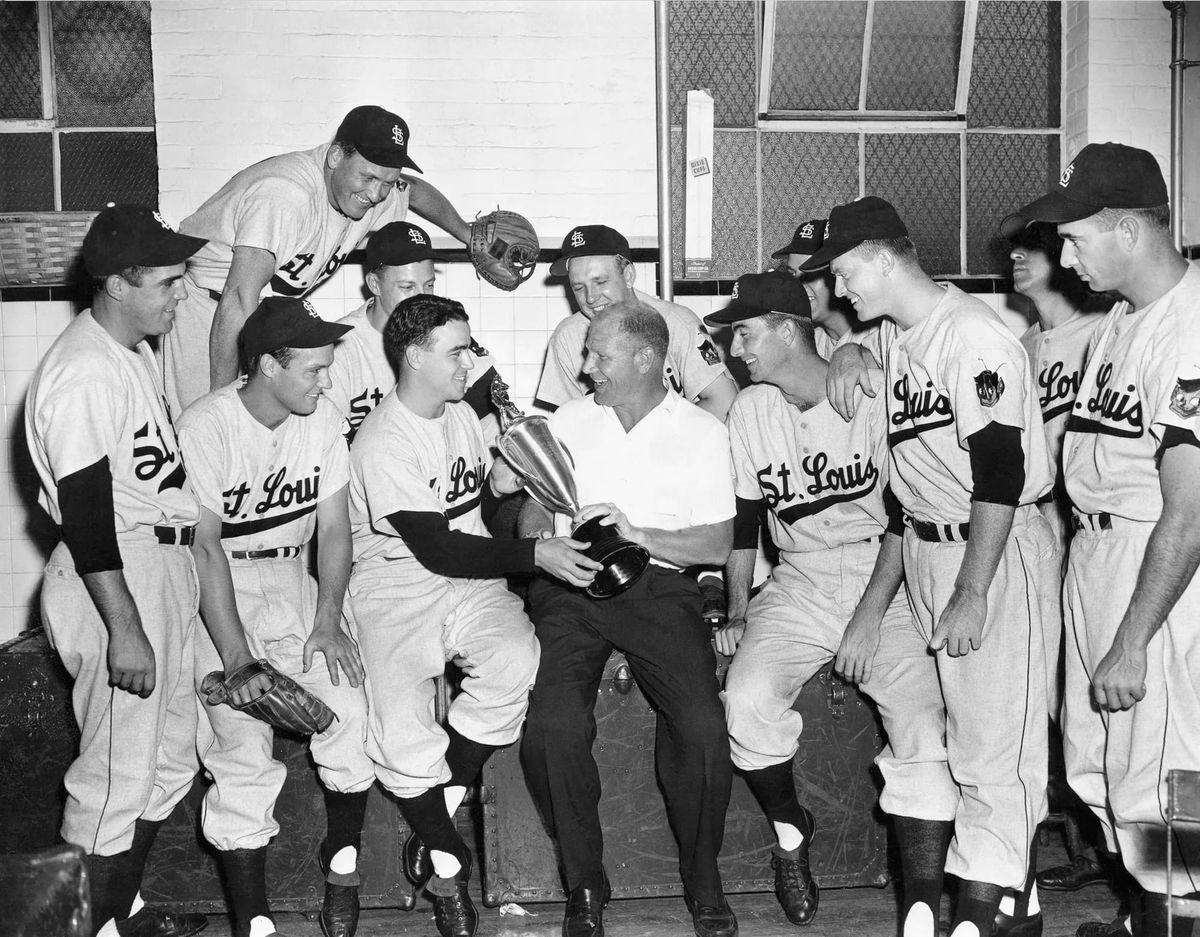
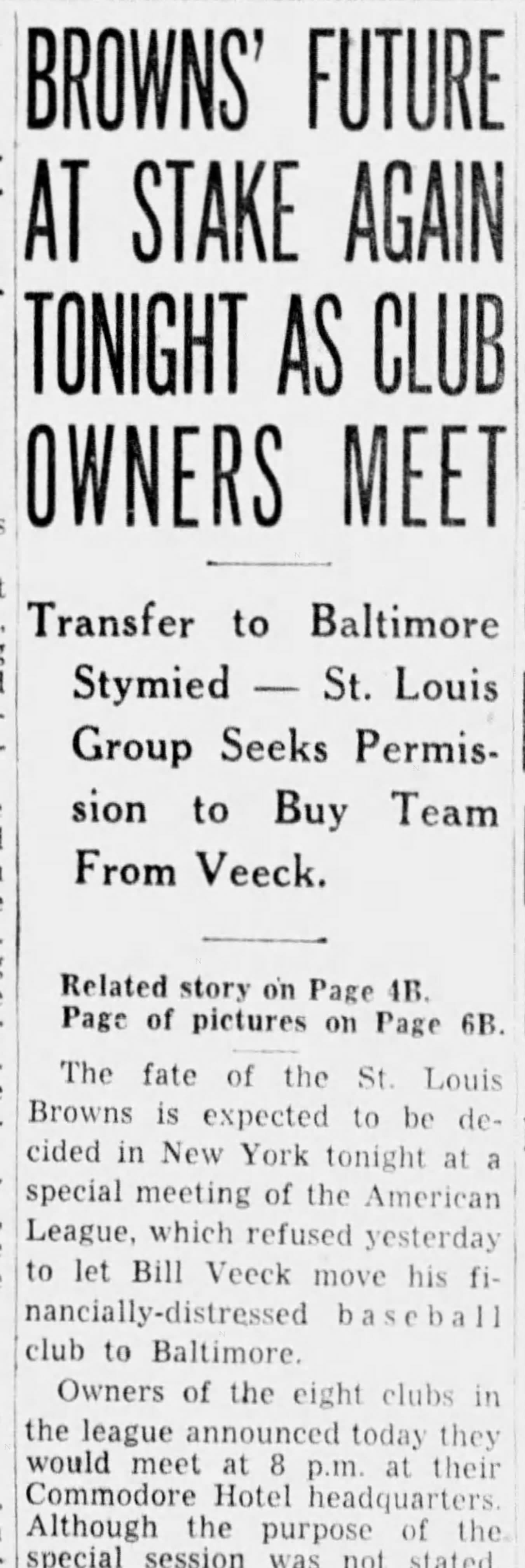
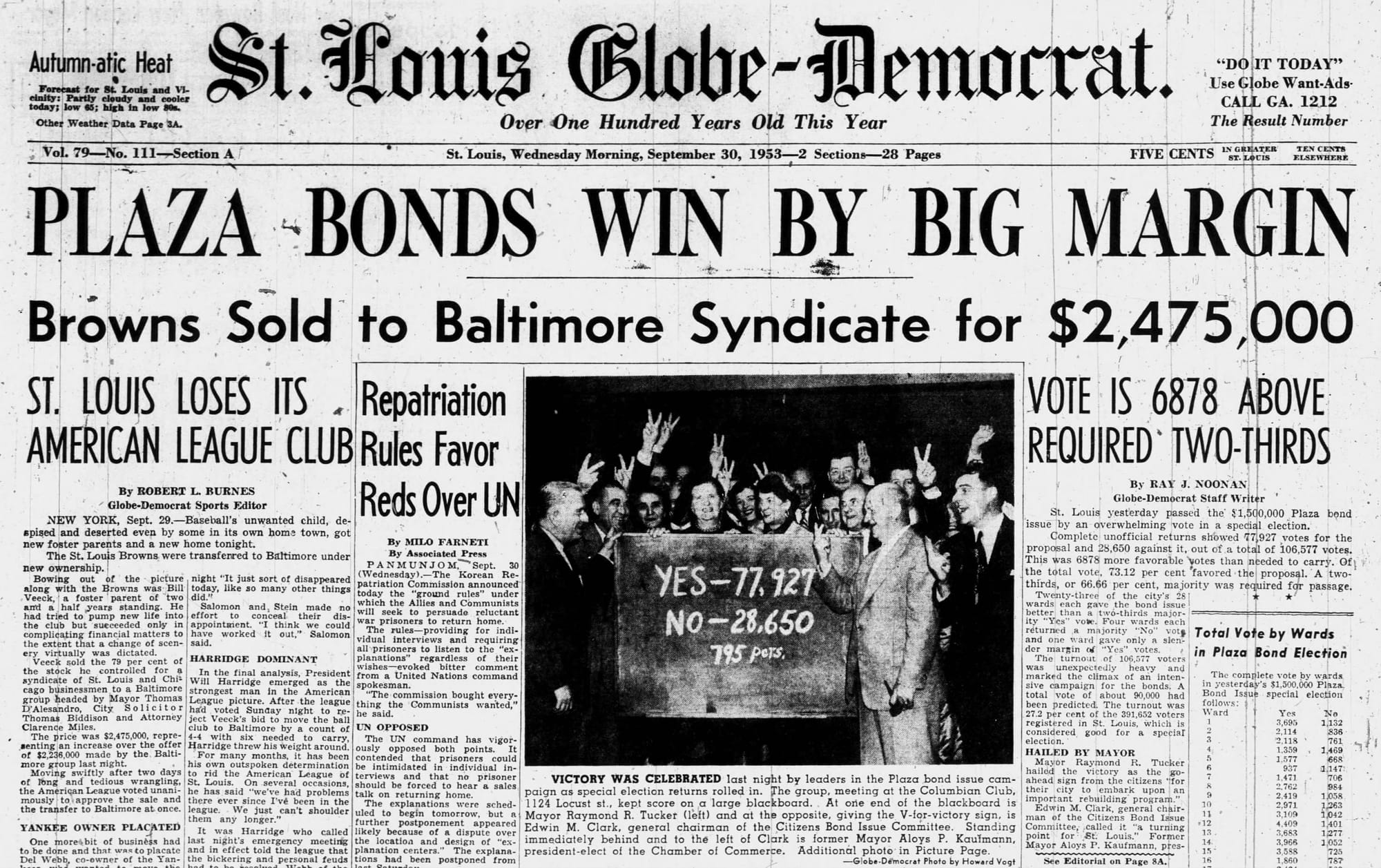
On this date in 1953, at a meeting in New York, the owners of the American League voted to approve the sale of the St. Louis Browns to a Baltimore group for $2,475,000 and to let the new owners move the team. Two days earlier the same men had refused to let Bill Veeck move the same team to the same city. The difference was that Veeck was gone.
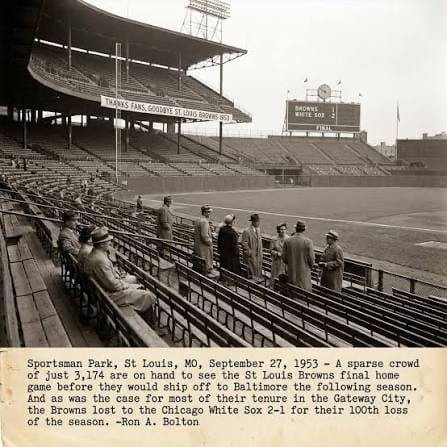
The franchise had lost 100 games that season. It had drawn 297,238 fans, the worst in baseball, playing in a ballpark Veeck had already been forced to sell to the Cardinals. Its last game, on Sept. 27, was a 2-1 loss in 11 innings to the White Sox in front of 3,174 people. When the game ended the umpires had run out of baseballs, and the Browns had run out of city.
Nobody in the room understood it that day, but they had just started a chain reaction. Within fifteen years the two most famous teams in New York would be in California, and baseball would have gone from 16 teams in 10 cities, the same 16 teams and 10 cities it had had since 1903, to 24 teams on both coasts and in Canada. Here's the whole chain, one year at a time.
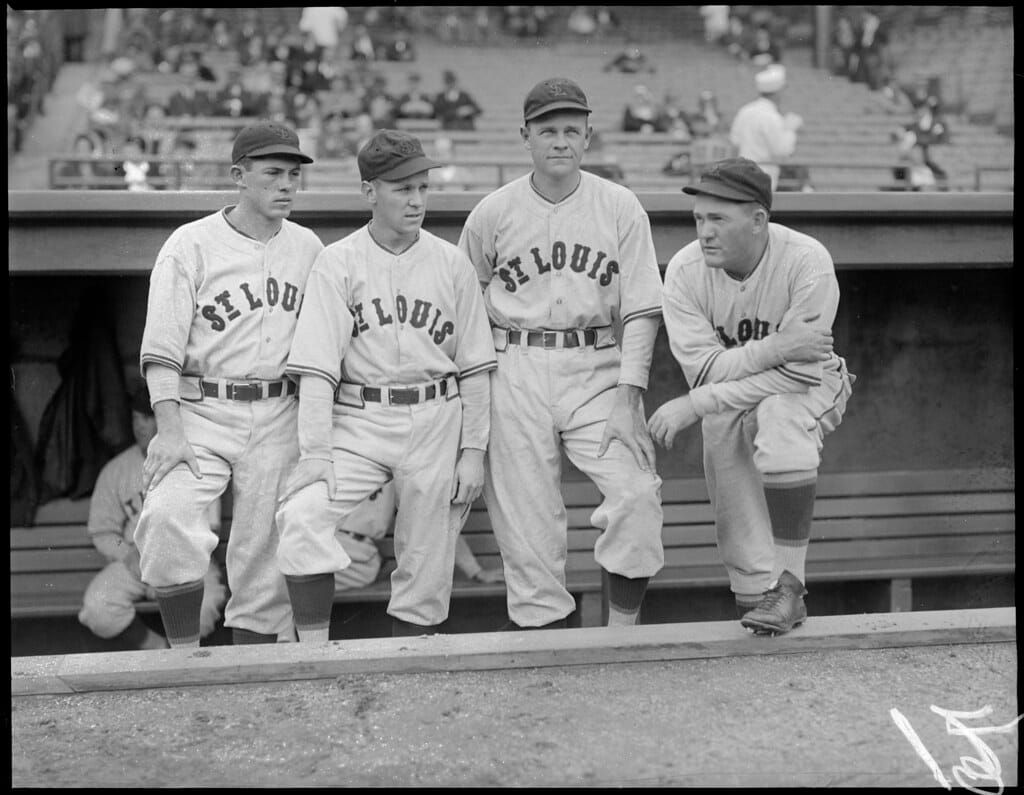
Why the Browns Had to Go
Veeck, the showman who had sent 3-foot-7 Eddie Gaedel to the plate in 1951, bought the Browns in 1951 with the idea of driving the Cardinals out of St. Louis. Instead the Cardinals were bought by Anheuser-Busch in February 1953, and Veeck, who could not outspend a brewery, knew he was the one leaving. He asked the league in March for permission to move to Baltimore. The owners said no. He asked again on Sept. 27, the night of the last game, and got a 4-4 vote, two short of what he needed.
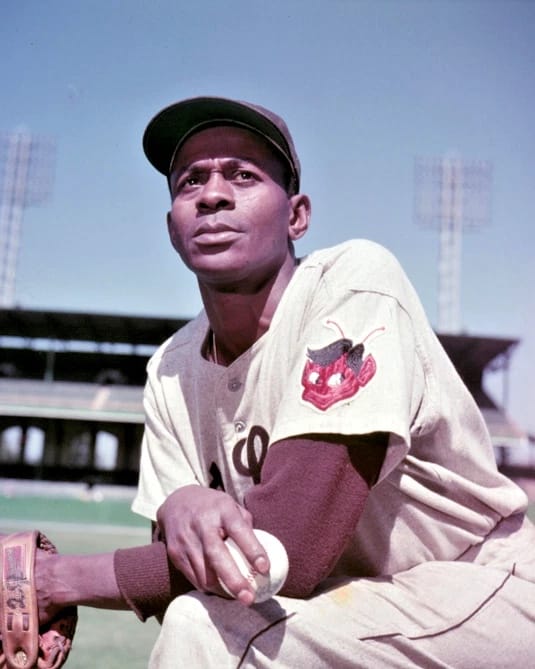
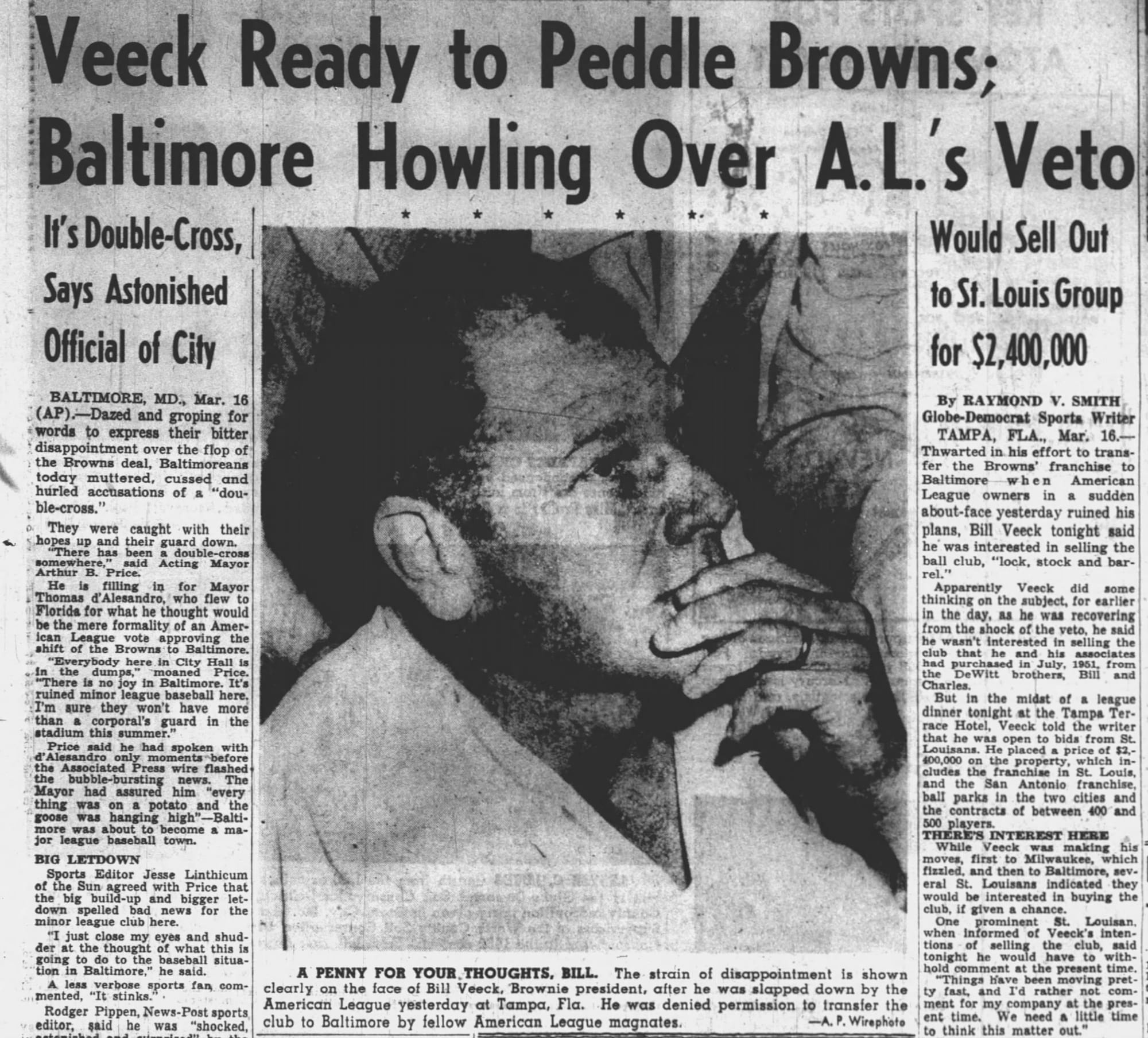
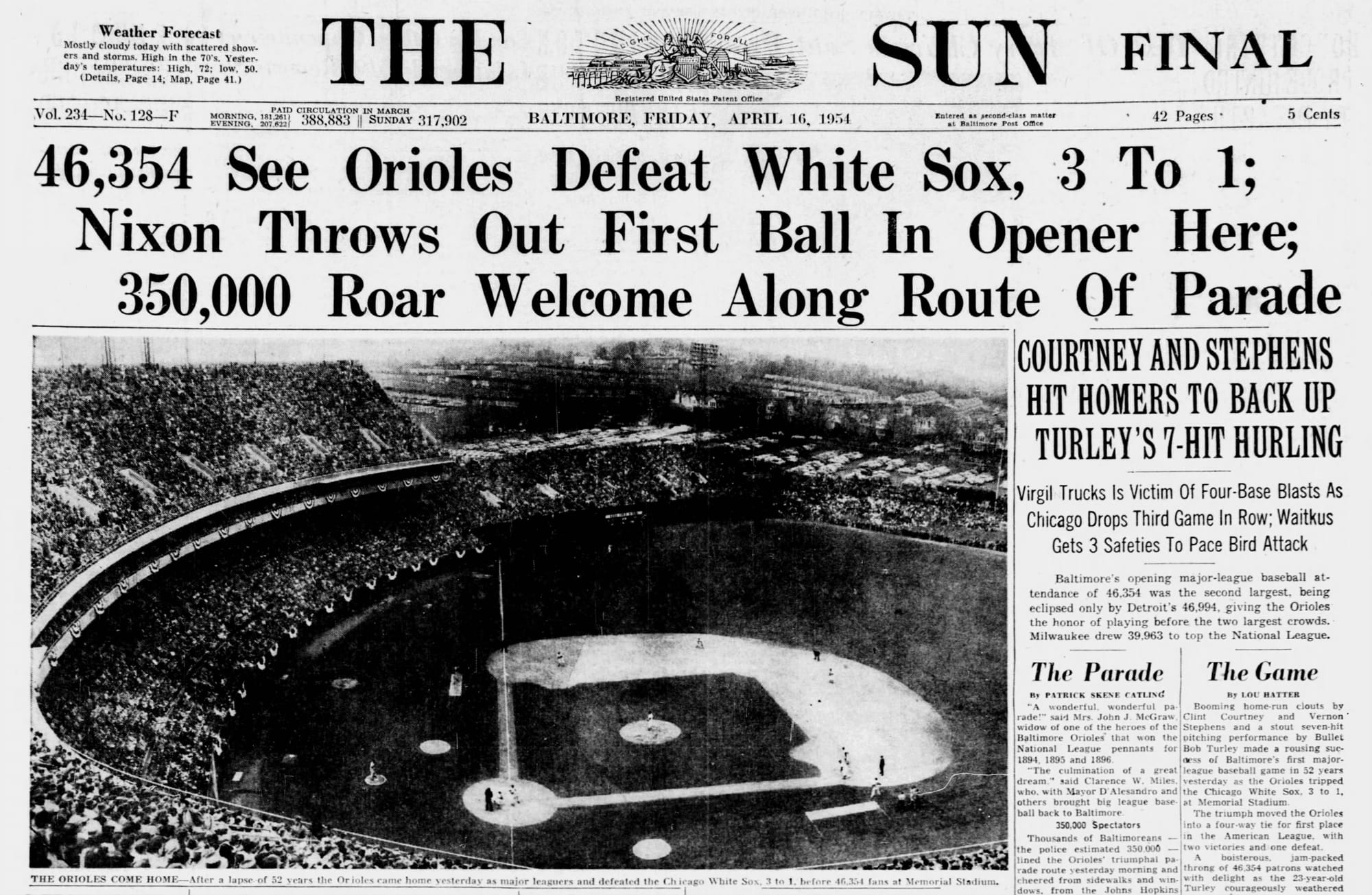
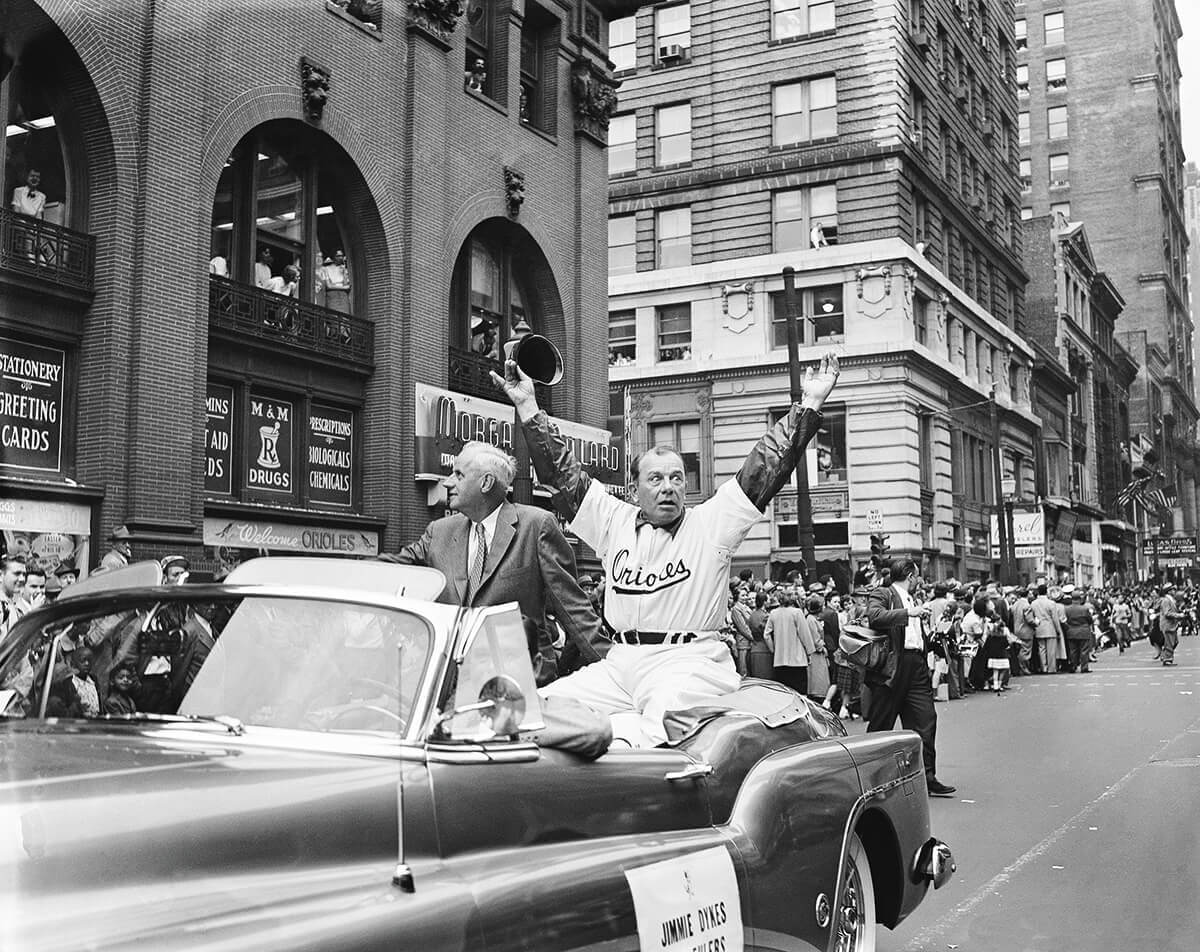
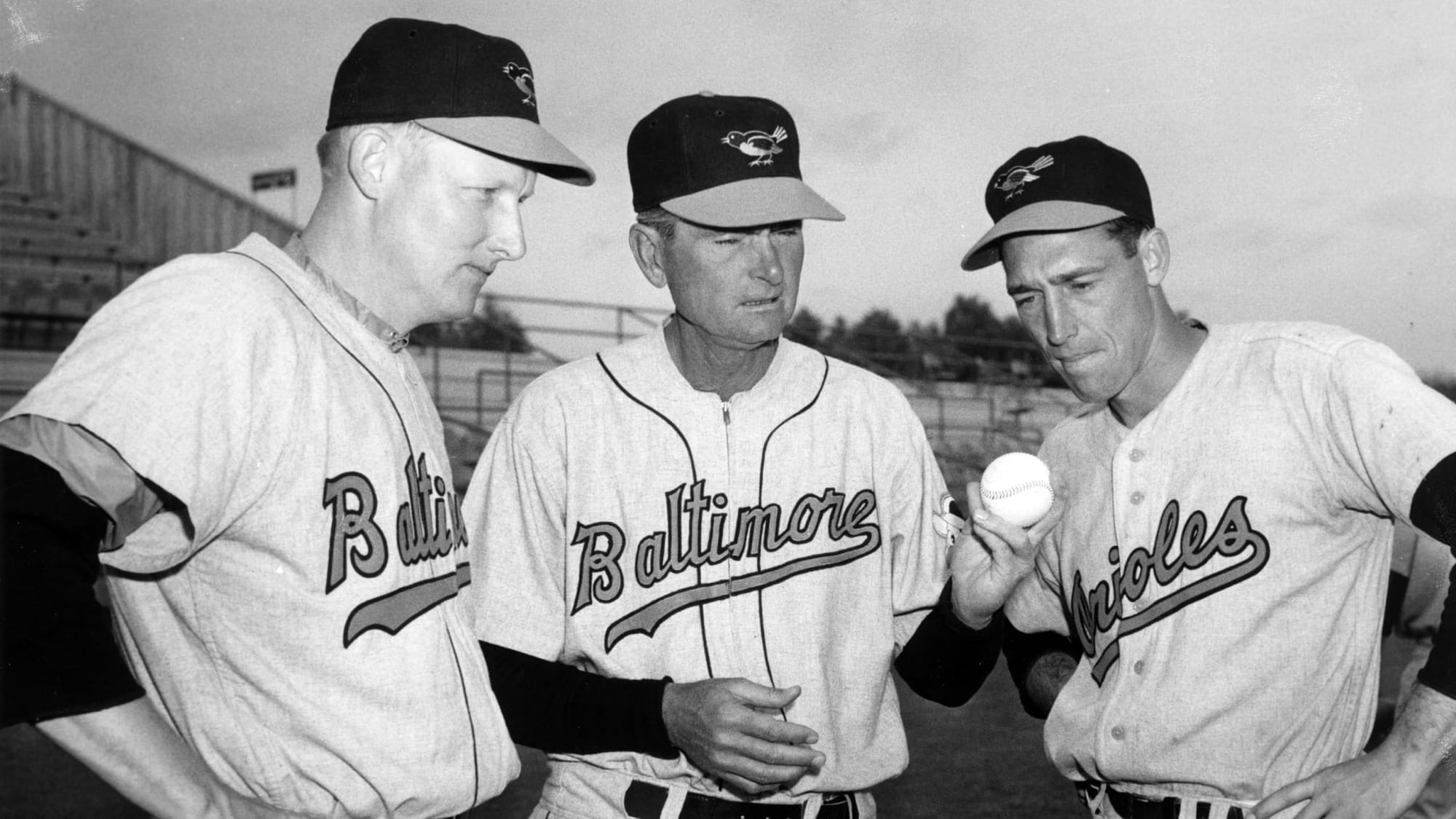
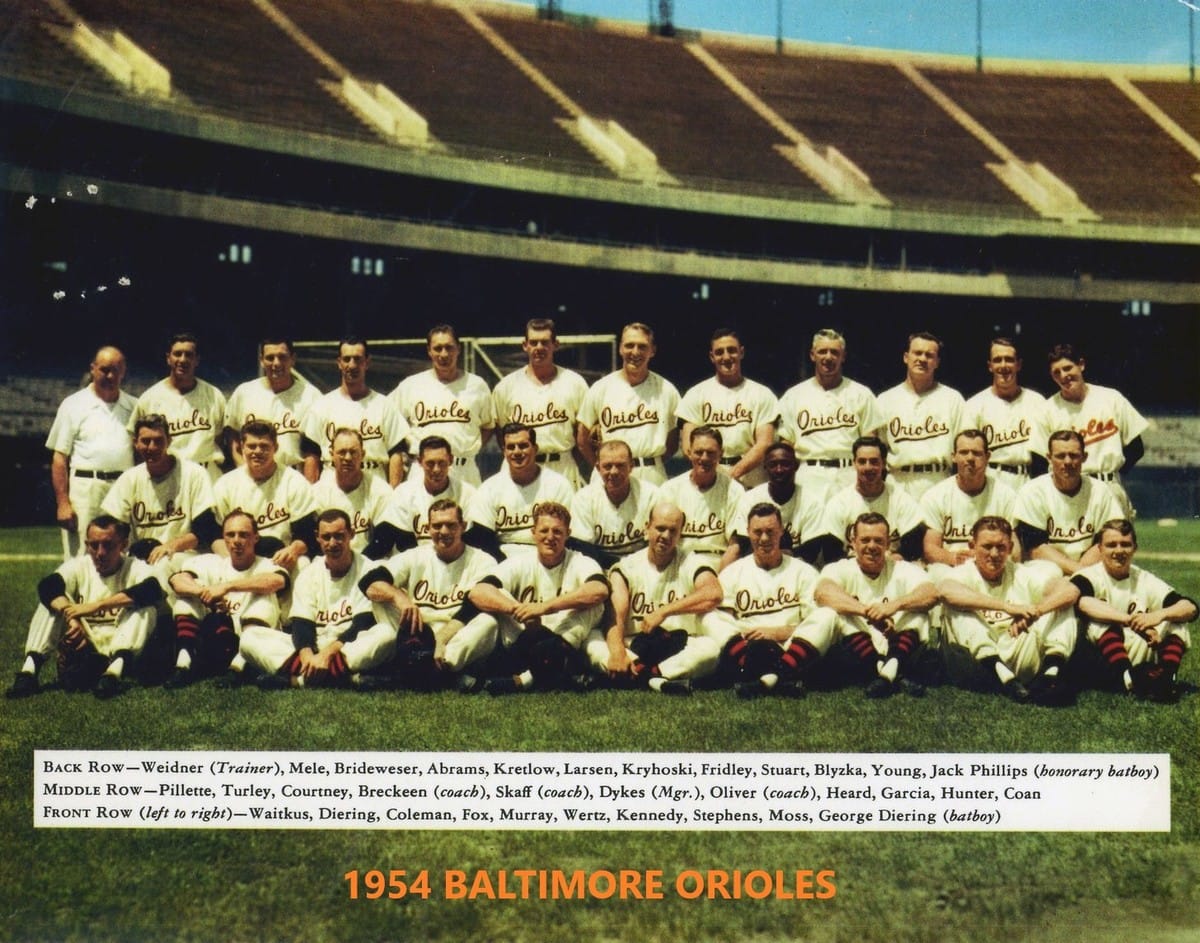
The other owners disliked Veeck, who had spent years insulting them, and they had a plan: force him to sell, then approve the move for somebody else. On Sept. 29 he sold his stock to a syndicate led by Baltimore attorney Clarence Miles and backed by Mayor Tommy D'Alesandro, and the league approved the move unanimously. The Baltimore Orioles opened Memorial Stadium on April 15, 1954, beat the White Sox 3-1 in front of 46,354, and drew more than a million fans that year. The Browns had never drawn a million in 52 seasons.
The Chain Reaction, Year by Year
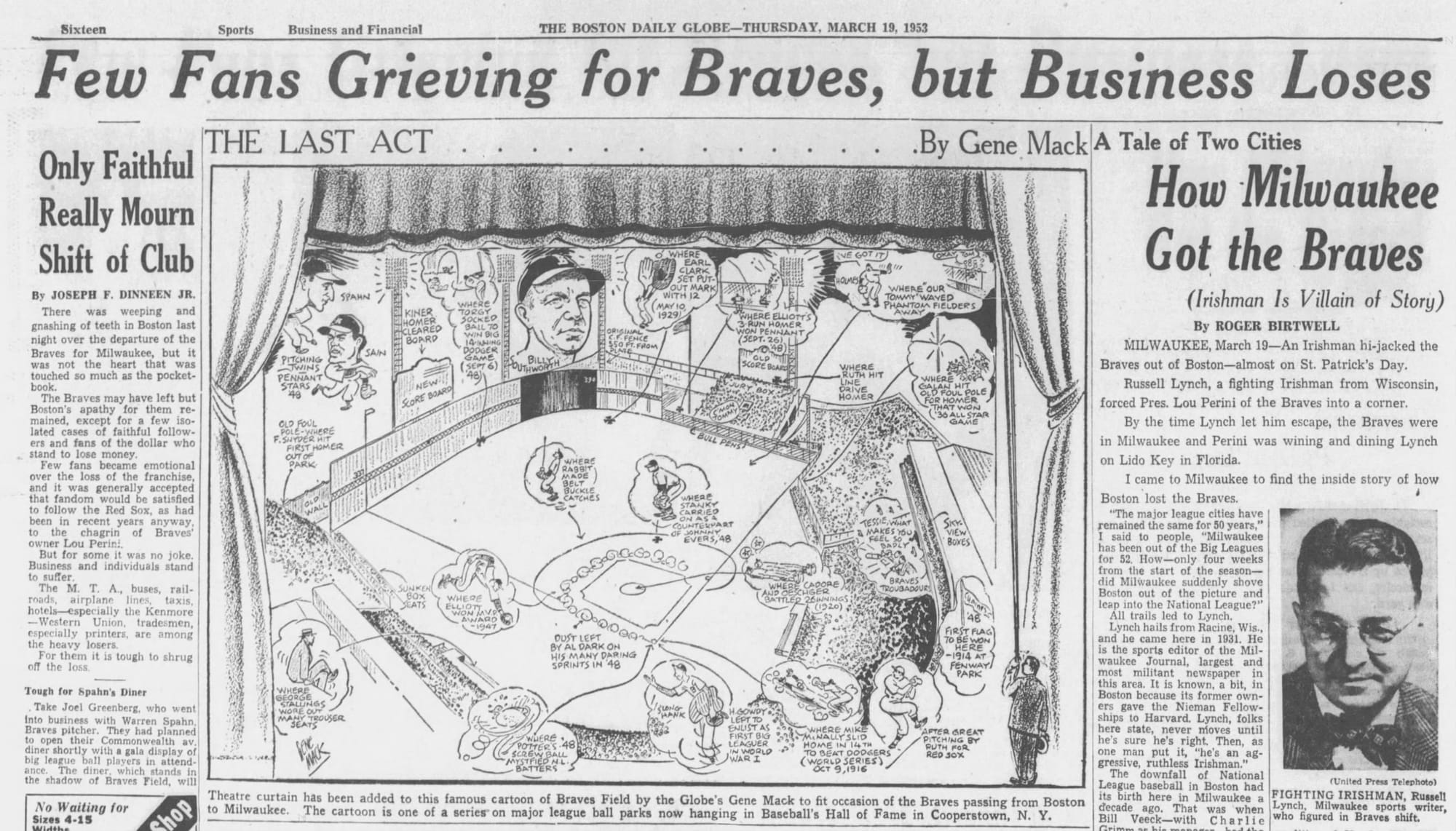
1953: Braves to Milwaukee. The Browns were actually second. On March 18, 1953, the National League let Lou Perini move the Boston Braves to Milwaukee, the first franchise move in 50 years. Veeck had wanted Milwaukee himself; Perini, who owned the territory, took it first. The Braves drew 1.8 million and every owner in baseball noticed.
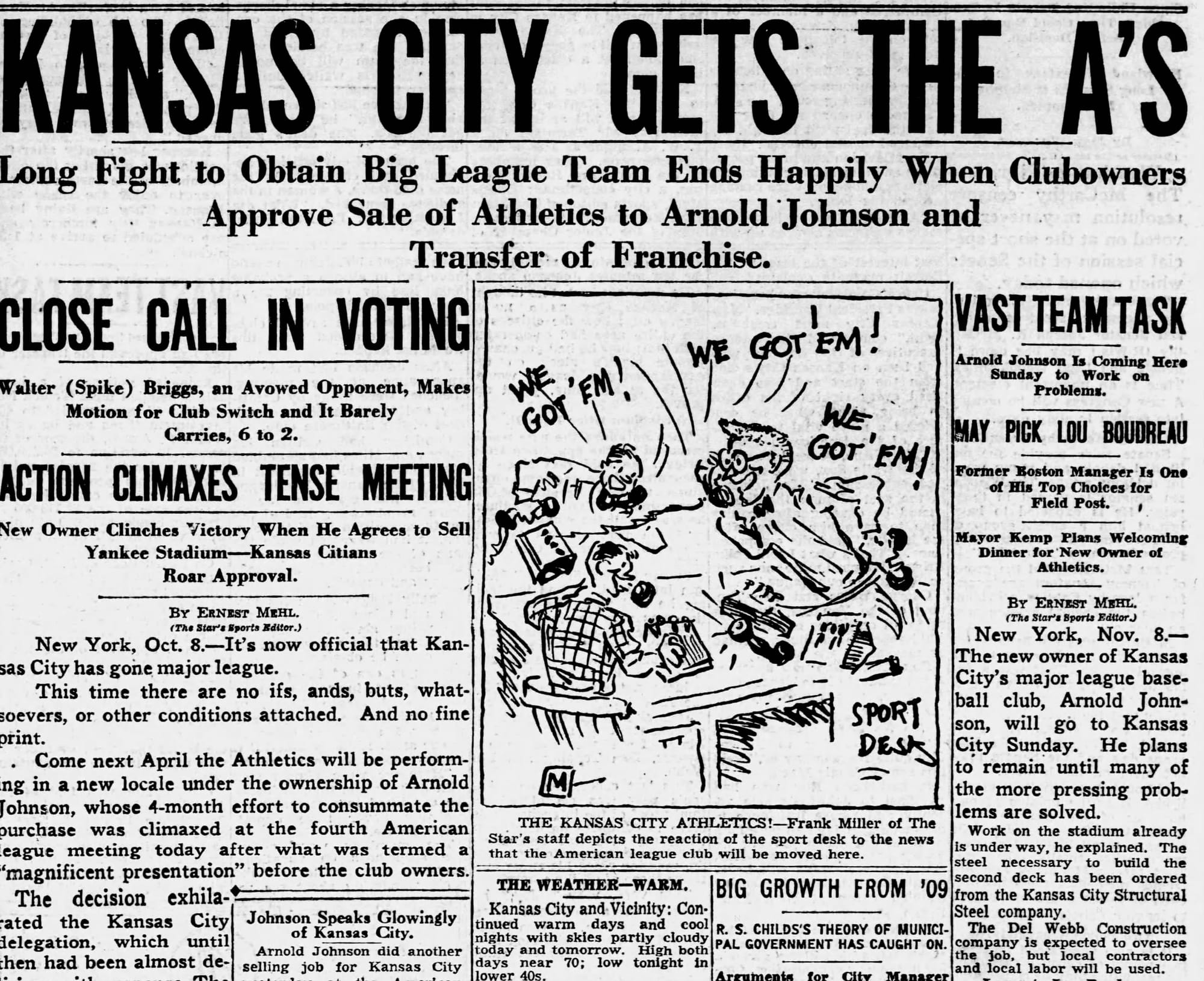
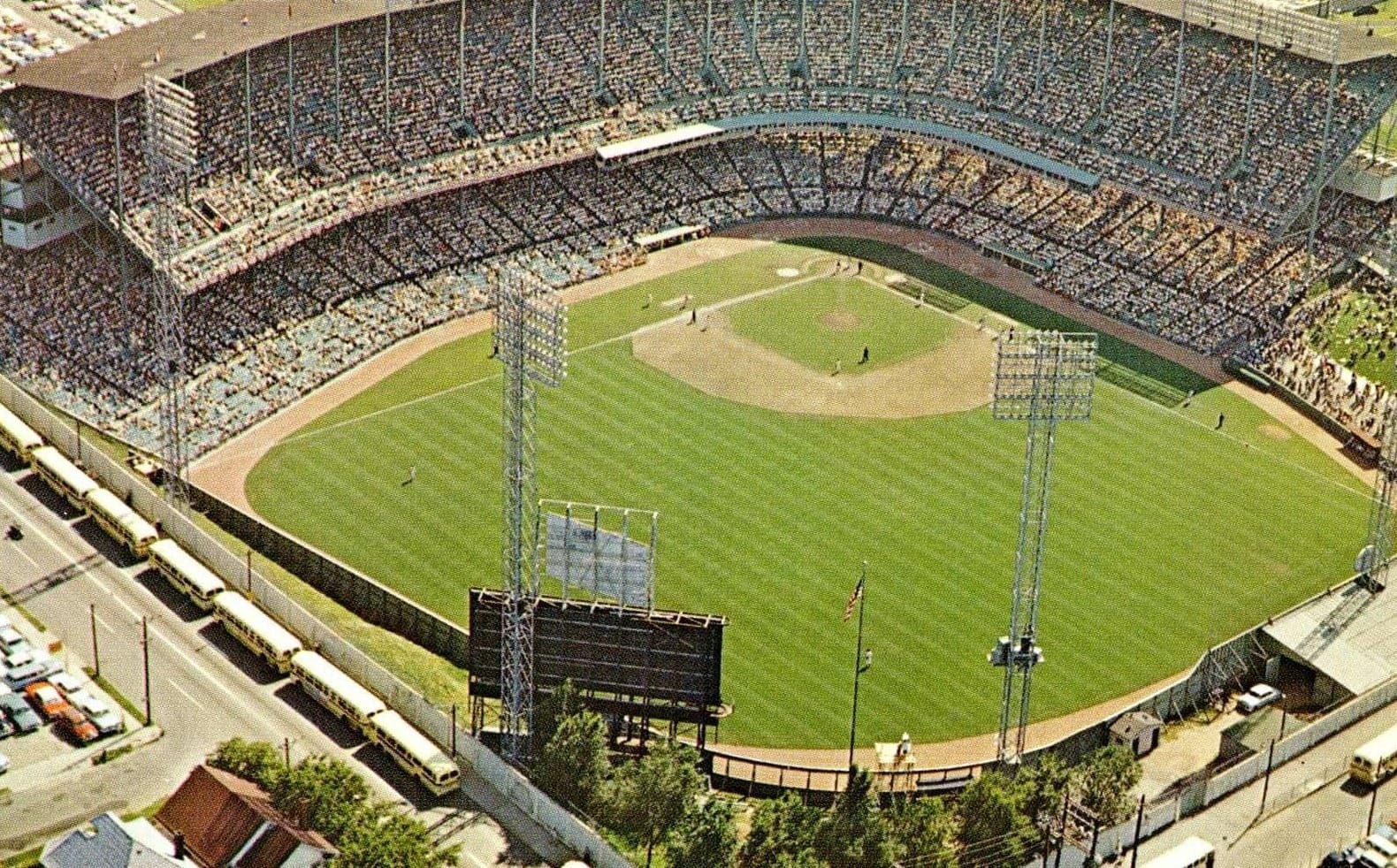
1955: Athletics to Kansas City. With the Browns gone, the Philadelphia A's were the last team sharing a city with a richer neighbor. Connie Mack's sons sold to Arnold Johnson, and the American League approved Kansas City on Nov. 8, 1954.
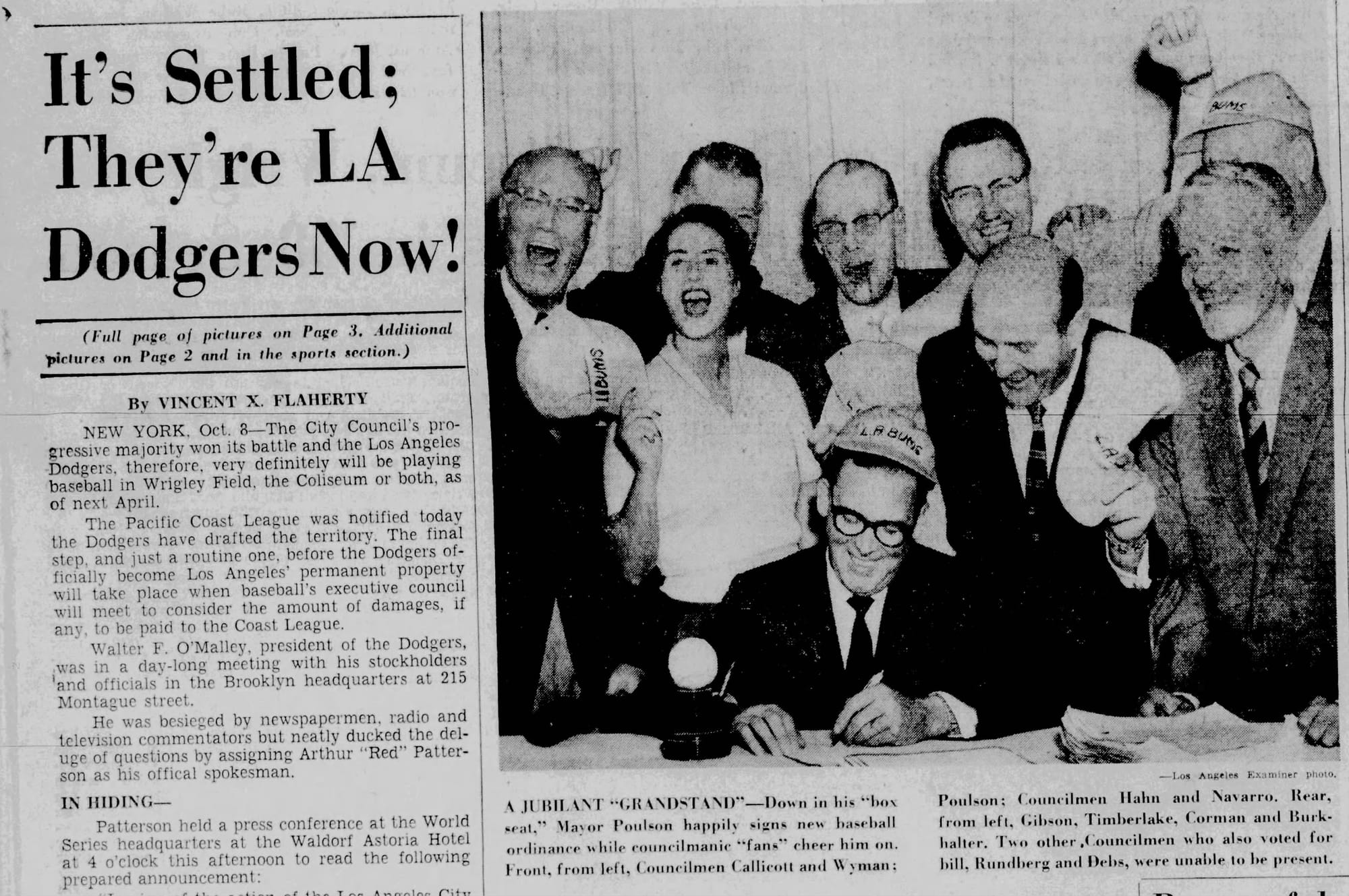
1958: Dodgers and Giants to Los Angeles and San Francisco. Walter O'Malley wanted a new ballpark in Brooklyn and couldn't get the land. Horace Stoneham's Giants were drawing barely 650,000 at the Polo Grounds. On May 28, 1957, the National League gave both permission to go west together; the Giants voted to leave on Aug. 19 and the Dodgers announced Oct. 8. New York, which had had three teams since 1903, had one.
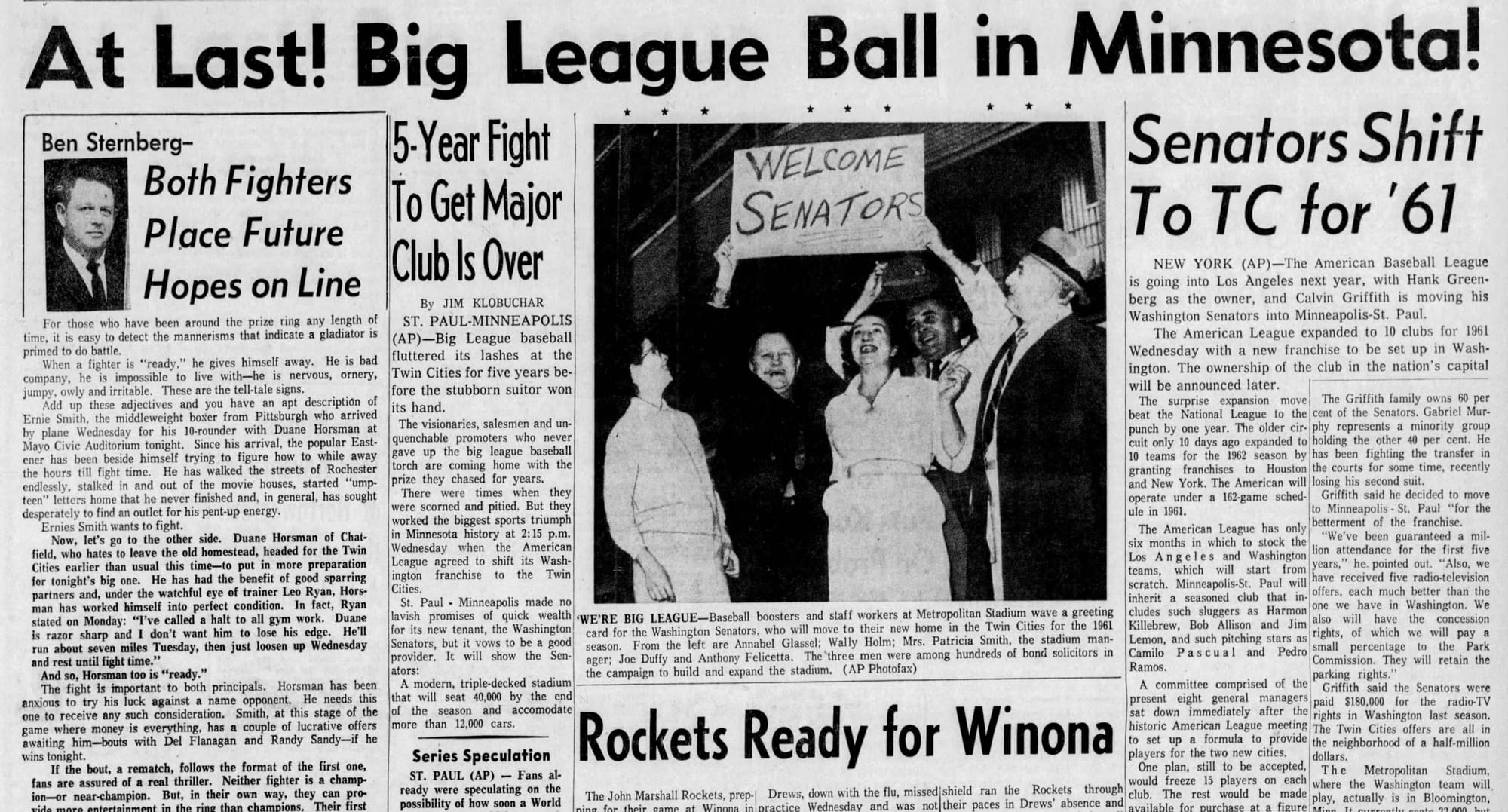
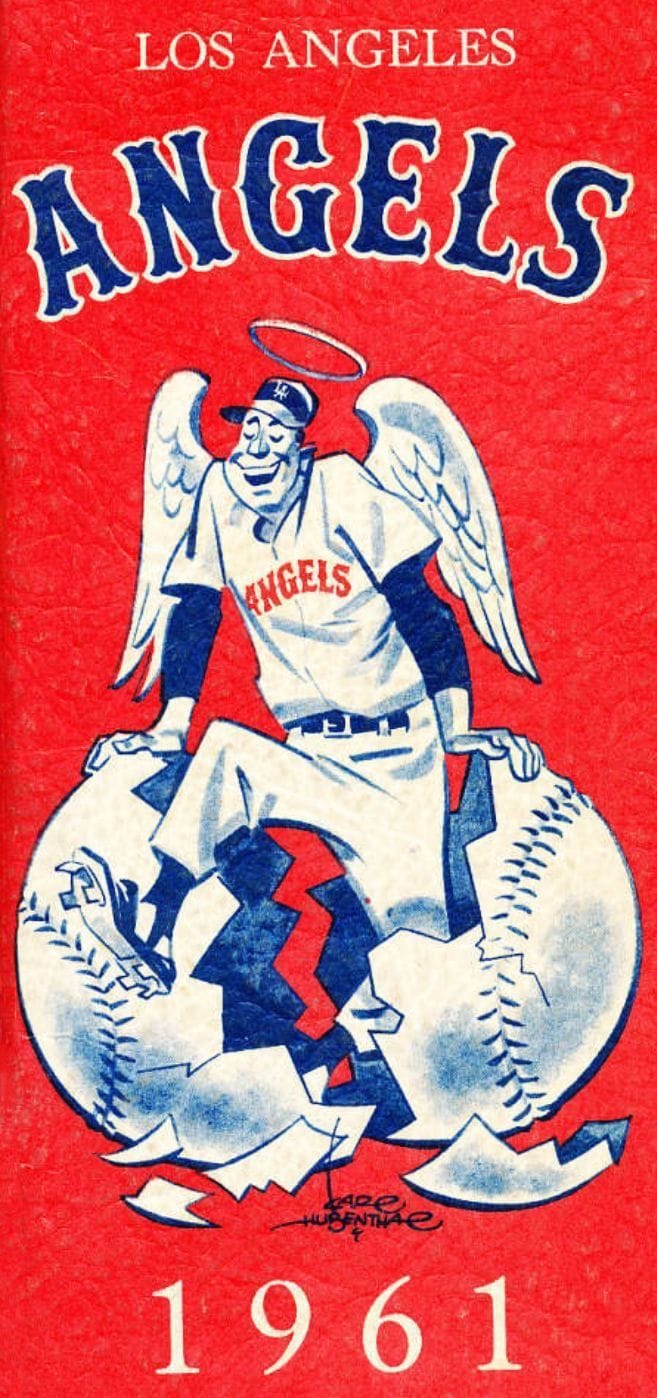
1961: Angels and the new Senators, and the old Senators to Minnesota. The threat of a third major league, the Continental League, forced the issue. On Oct. 26, 1960, the American League let Calvin Griffith move the Washington Senators to Minneapolis, then put an expansion team back in Washington so Congress wouldn't notice, and added a team in Los Angeles owned by Gene Autry. First expansion in the modern game.
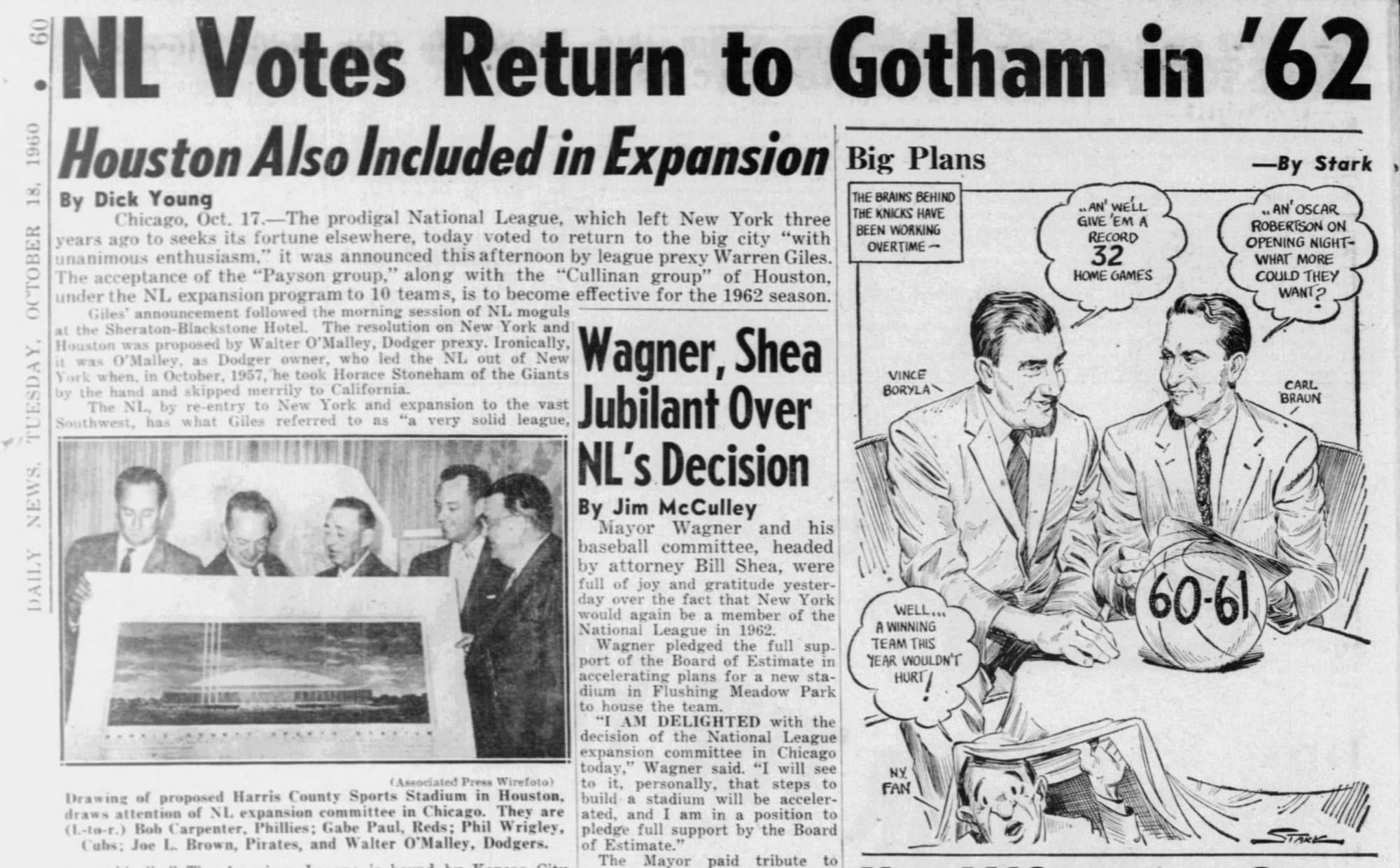
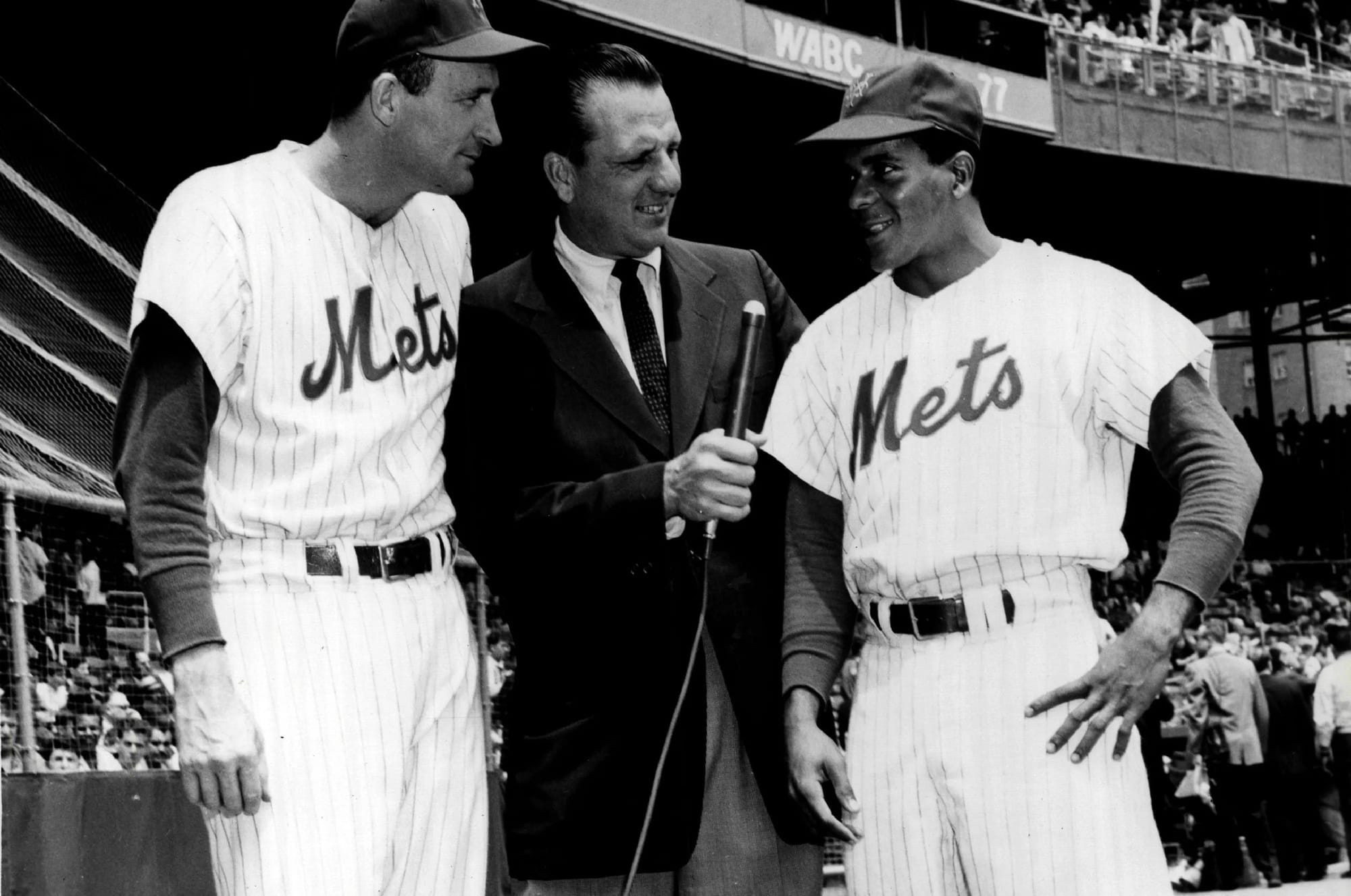
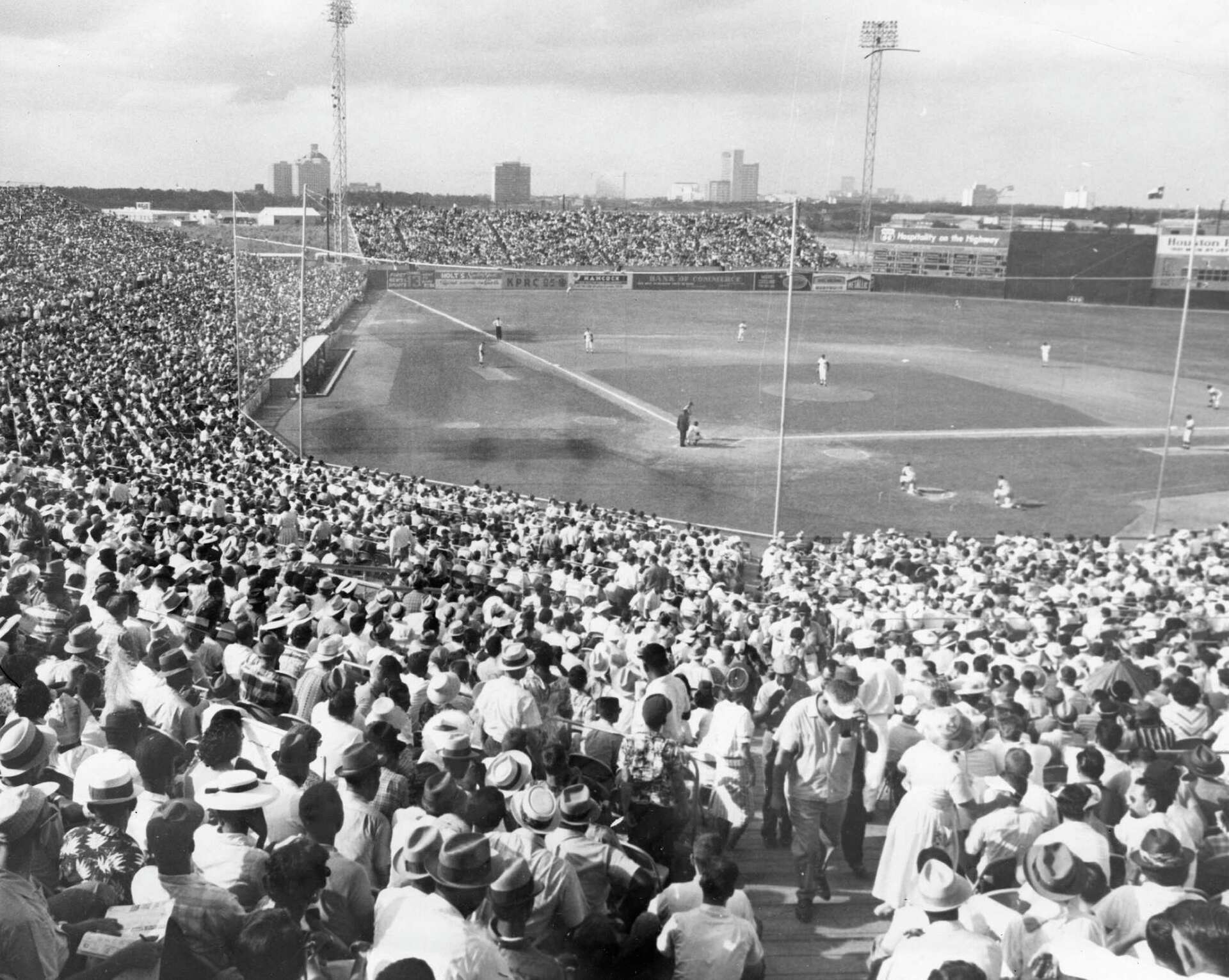
1962: Mets and Colt .45s. The National League had beaten the AL to it, approving New York and Houston on Oct. 17, 1960. The Mets went 40-120. Houston got the Astrodome three years later.
1966: Braves to Atlanta. The team that started the whole thing did it again. Milwaukee's attendance had collapsed, the Braves' owners wanted the South, and a court injunction kept them in Wisconsin for one lame-duck season before they moved.
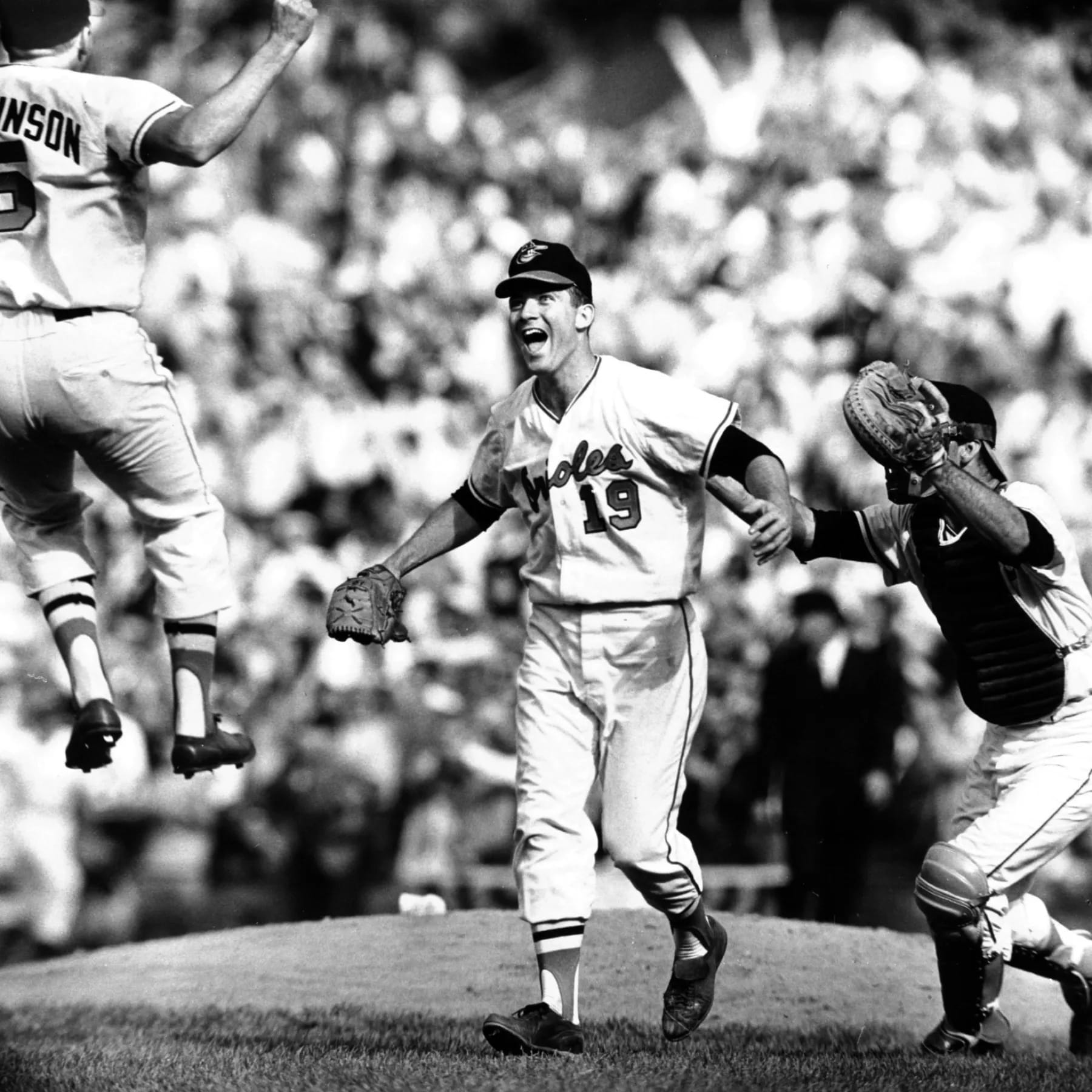
1968: Athletics to Oakland. Charlie Finley finally got out of Kansas City on Oct. 18, 1967. Missouri Senator Stuart Symington called Oakland "the luckiest city since Hiroshima" and threatened baseball's antitrust exemption. The league promised Kansas City a replacement that same day, then moved the date up to 1969 when Symington kept talking.
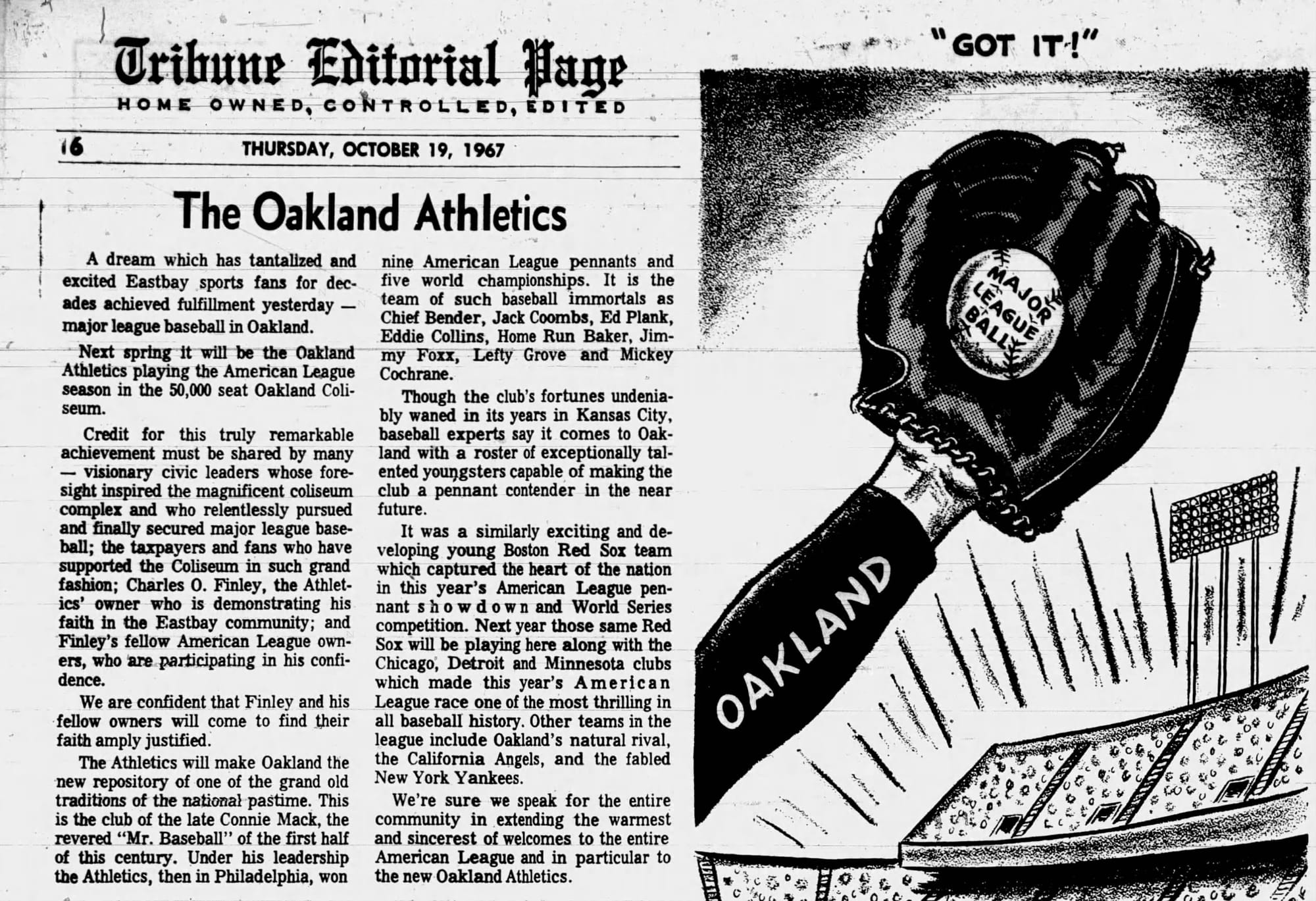
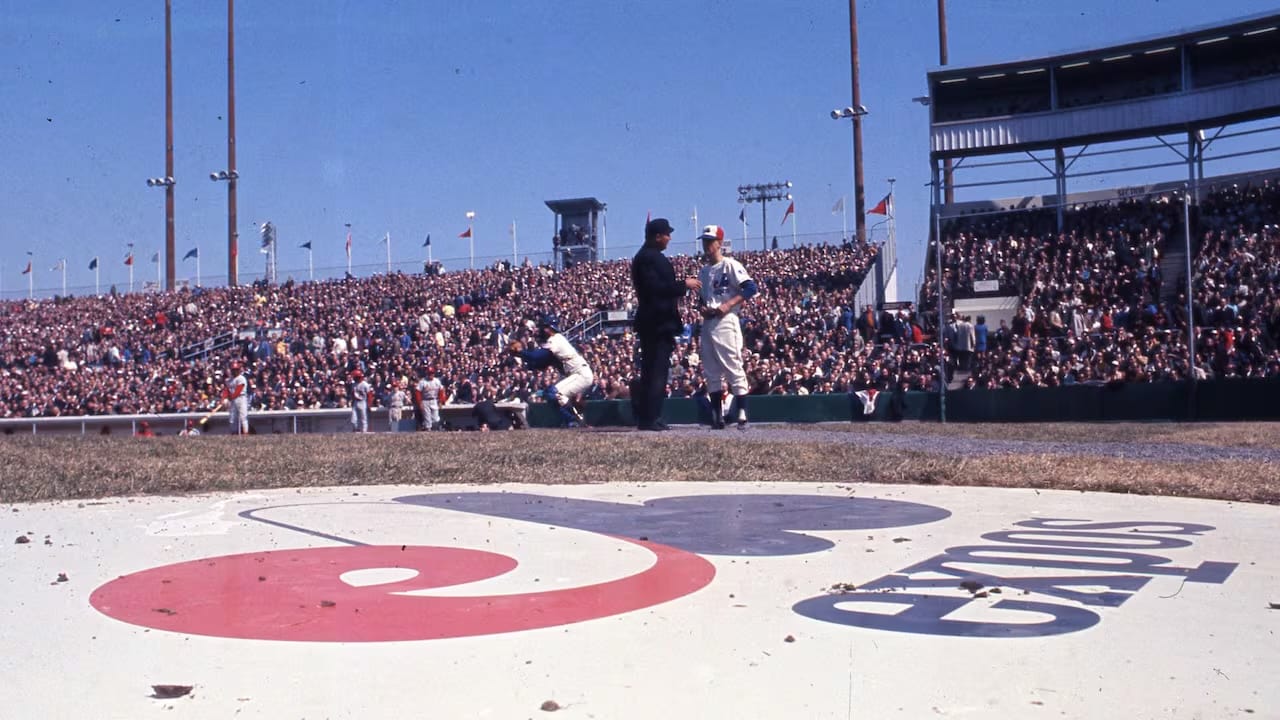
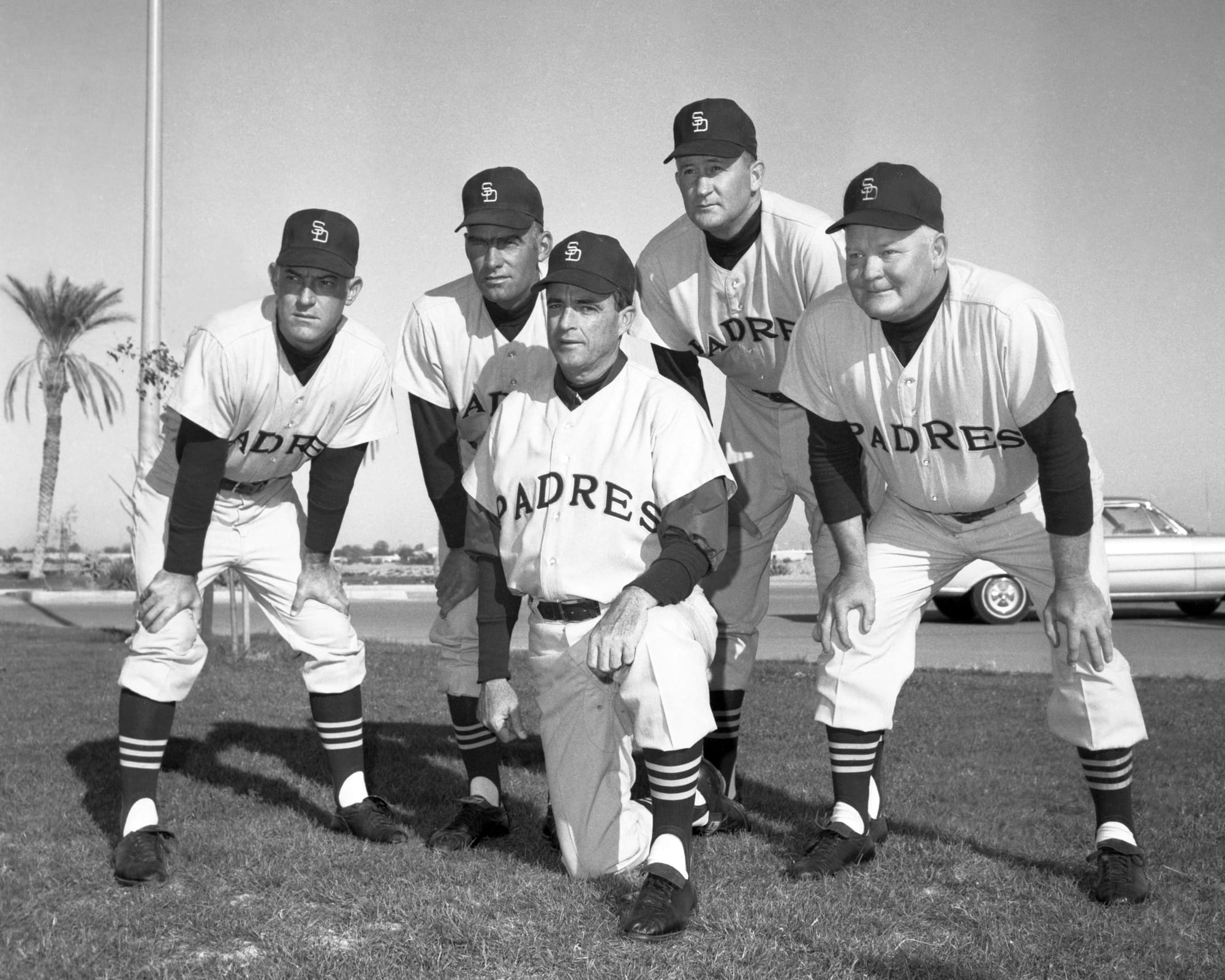
1969: Royals, Pilots, Expos and Padres. Kansas City got the Royals as the price of Symington's silence. Seattle, Montreal and San Diego came along, and baseball went to 24 teams and two divisions per league in one year.
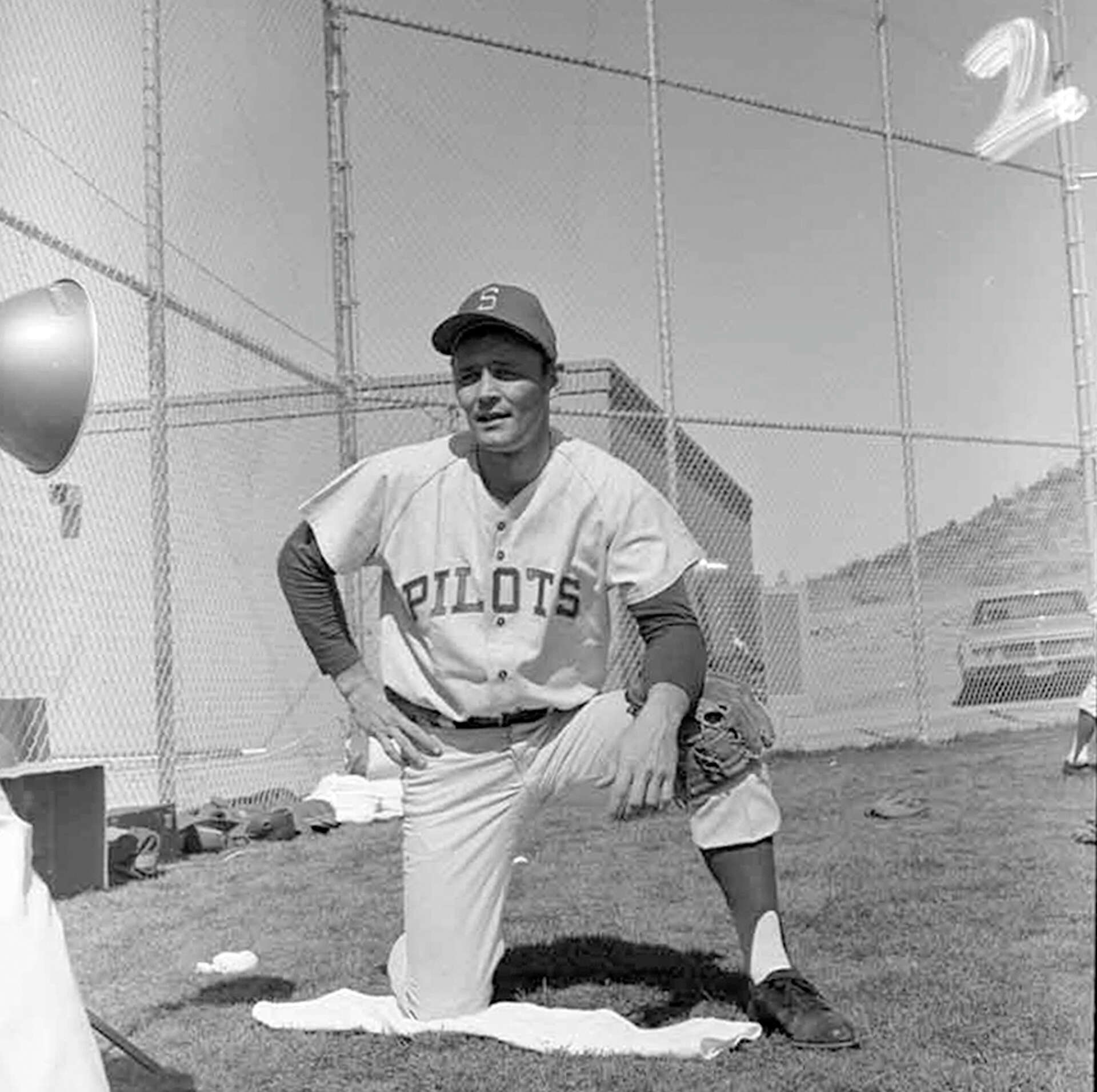
1970: Pilots to Milwaukee. The Seattle Pilots lasted one season and went bankrupt in spring training. On March 31, 1970, a bankruptcy referee sold them to a Milwaukee car dealer named Bud Selig for $10.8 million, a week before Opening Day. The truck carrying the team's equipment was parked in Provo, Utah, waiting to hear which direction to drive.
1972: Senators to Texas. The second Washington Senators lasted eleven years, and on Sept. 21, 1971, Bob Short got permission to move them to Arlington. Washington would wait 33 years.
1977: Mariners and Blue Jays. Seattle sued over the Pilots and got a team as the settlement. Toronto, which had nearly gotten the Giants in 1976, got the Blue Jays instead.
1993: Rockies and Marlins. Chosen June 10, 1991. Denver drew 4.4 million in its first season, still the record.
1998: Diamondbacks and Devil Rays. Approved March 9, 1995, during the strike. Tampa Bay had spent a decade luring the White Sox, Giants and Mariners with a domed stadium nobody wanted. It finally got a team of its own to play in it.
2005: Expos to Washington. Announced Sept. 29, 2004, 51 years to the day after the Browns vote. The one owner who voted against the move was Peter Angelos of the Baltimore Orioles, the franchise the Browns had become.
2025: Athletics to Sacramento, then Las Vegas. The A's, on their fourth city, left Oakland after 57 years to play three seasons in a Triple-A park while a $2 billion domed stadium goes up on the Strip, scheduled to open in 2028.
What's Next: 32 Teams
Commissioner Rob Manfred has said for years that he wants to expand to 32 teams before he retires in January 2029, once the A's and Rays have permanent homes. The A's have a shovel in the ground. The Rays, whose roof blew off in Hurricane Milton in 2024, were sold in 2025, and on Aug. 28, 2026, Tampa and Hillsborough County approved a $2.3 billion domed park to open in 2029. Manfred says he wants the two cities picked before he leaves, with first pitch around 2031, and the expansion fee is expected to top $2 billion per team. The one thing still in the way is a new labor deal; the current one expires Dec. 1.
The cities in line, roughly in order of how ready they are: Salt Lake City (the Larry H. Miller Company has an owner, a site and $900 million in state money, and is by most accounts the front-runner), Nashville (Dave Stewart's Music City Baseball group has been at it longest but still has no owner and no site), Portland (an $800 million state bond and a waterfront site, but no billionaire), Raleigh (Hurricanes owner Tom Dundon, the dark horse), Orlando, Montreal (which would like its Expos back), Charlotte, Austin/San Antonio, Vancouver and Mexico City. Two of them will get a team. The rest will get the same phone call the Browns' fans got in 1953.
Which two cities should get the next teams? Comments below.

Comments ()