
On This Date: The Giants Beat the Packers Without Making a First Down (Oct. 1, 1933)
On Oct. 1, 1933, the Giants beat the Packers 10-7 in Milwaukee with 66 yards, 1 completion and 0 first downs. Why the Packers were there, how the Giants scored, and the 1942 game where they did it again.
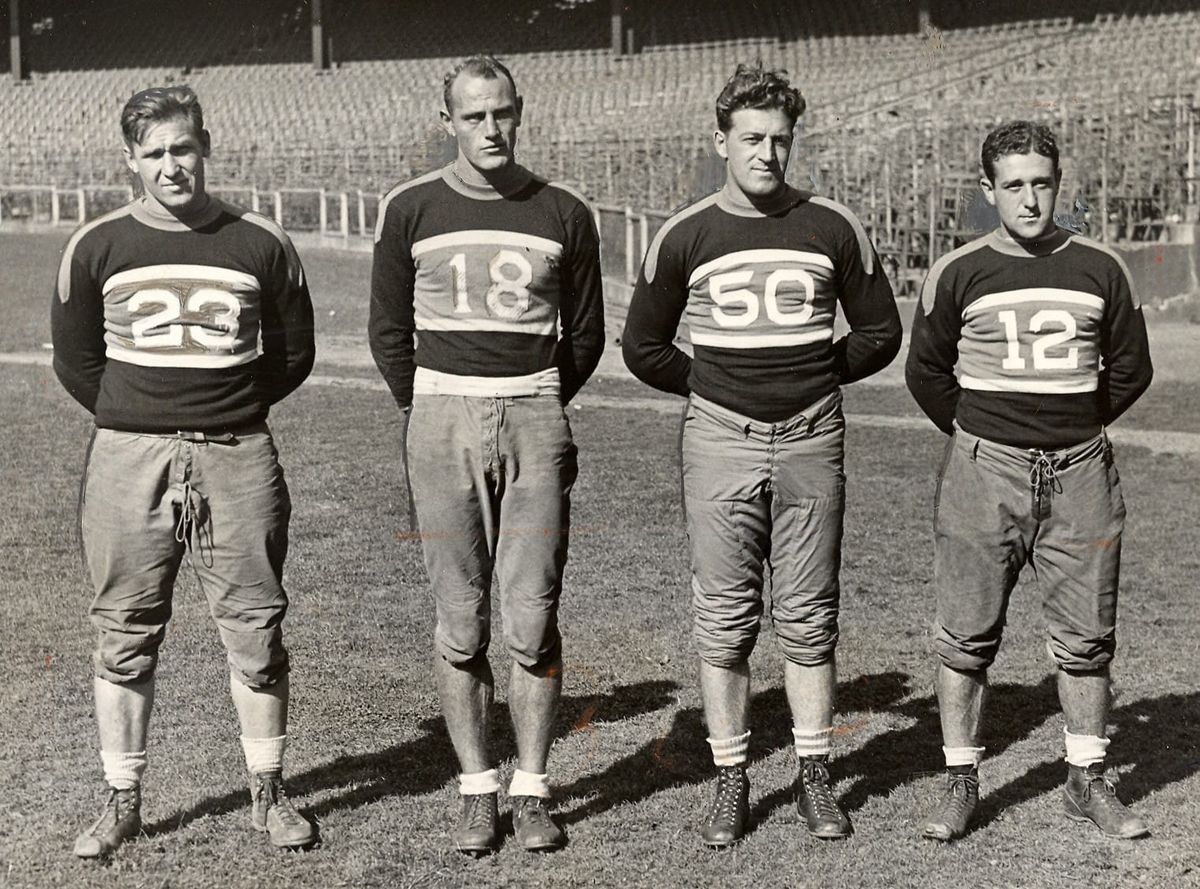
On Oct. 1, 1933, the New York Giants beat the Green Bay Packers, 10-7. They gained 66 yards. They completed 1 pass. They did not make a first down, not one, all afternoon, against a team that had won 3 straight championships 2 years earlier.
It's still one of the strangest lines in an NFL box score, and it happened in Milwaukee, in the first season the league looked anything like the one we watch now.
Why the Packers were in Milwaukee
The Packers were broke. The club had gone into receivership on Aug. 15, 1933, and the only way to make payroll was to sell tickets in a bigger town. So the Packers moved this "home" game 115 miles south to Borchert Field, a minor-league baseball park in Milwaukee, the first time the team had ever played a home game there. It drew 12,467, the biggest crowd the Packers had all year, with about 2,000 fans riding down from Green Bay. The Press-Gazette reported "howls of calamity" back home about the move.
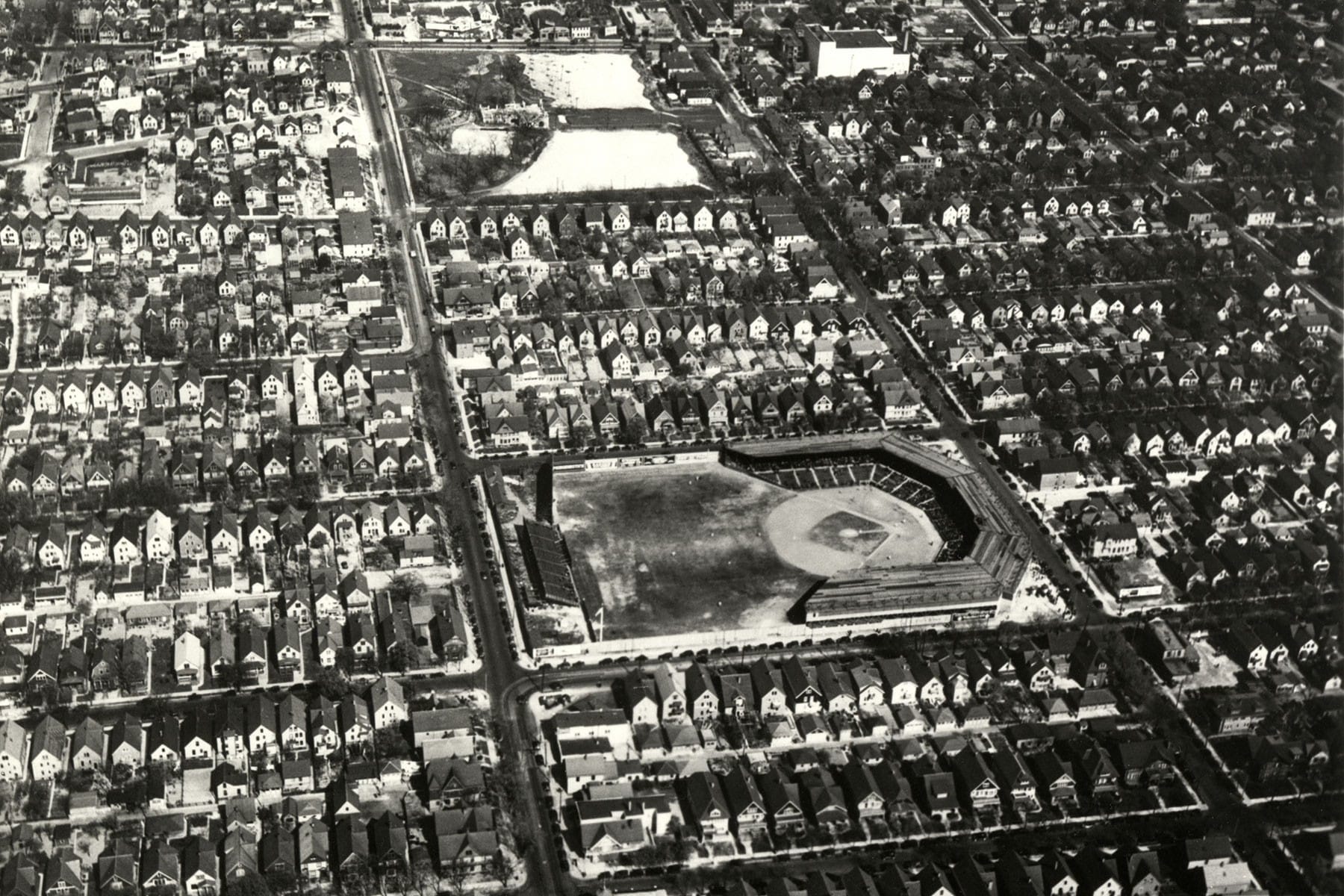
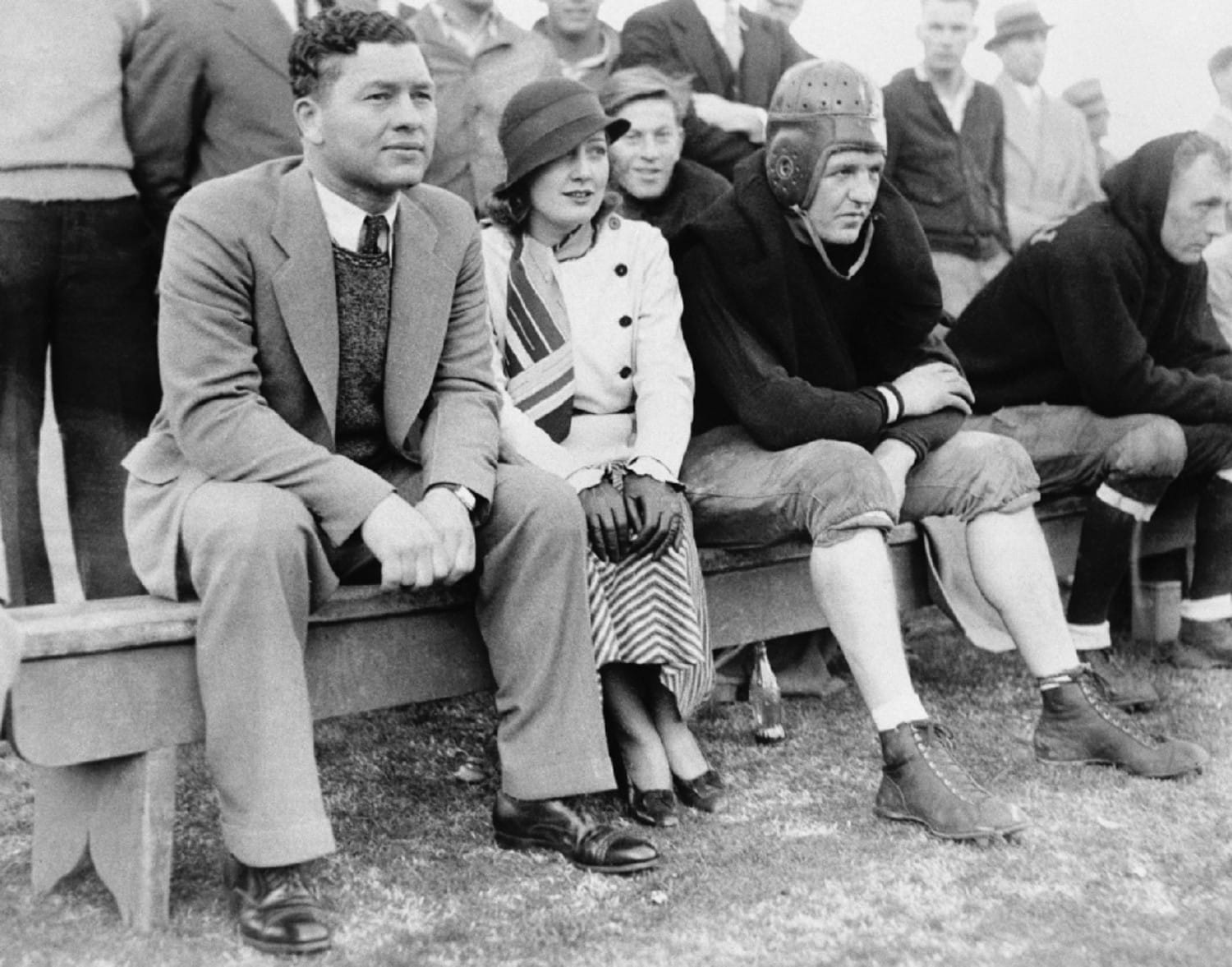
Curly Lambeau hated the place, the temporary bleachers, the parking, all of it. His verdict, per the Milwaukee Journal's sports editor, was "never again." The Packers kept playing in Milwaukee for the next 6 decades anyway.
How you win a game with no first downs
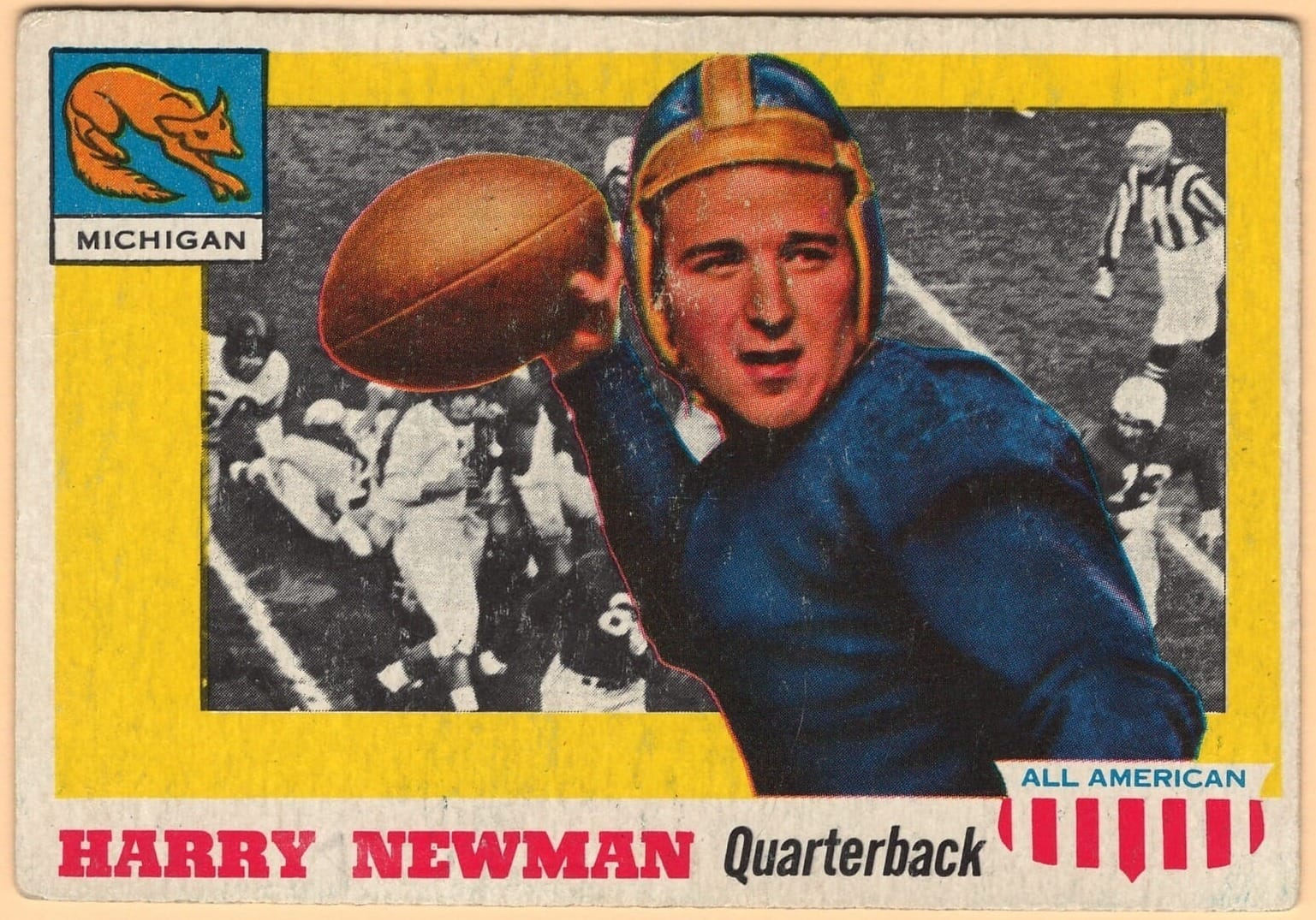
The Giants ran 28 times for 45 yards and threw 7 passes, completing 1. That one was the game. In the second quarter, rookie tailback Harry Newman hit Dale Burnett for a touchdown of about 20 yards, and kicked the point. That was a 10-0 lead, because in the first quarter Ken Strong had already kicked a 39-yard field goal, "from a wide angle into the wind," as the Journal put it.
That was the whole offense. Under the stat rules of the day a touchdown play didn't count as a first down, so the Giants finished with 0. Green Bay made 5 first downs and gained 110 yards, both of which were also terrible, and scored once, late in the fourth quarter, on a Bob Monnett pass to Johnny Blood.
The Milwaukee Journal's account of the Packers: "They fumbled, missed signals, fumbled, missed tackles, fumbled... and then used butter fingers on the ball some more."
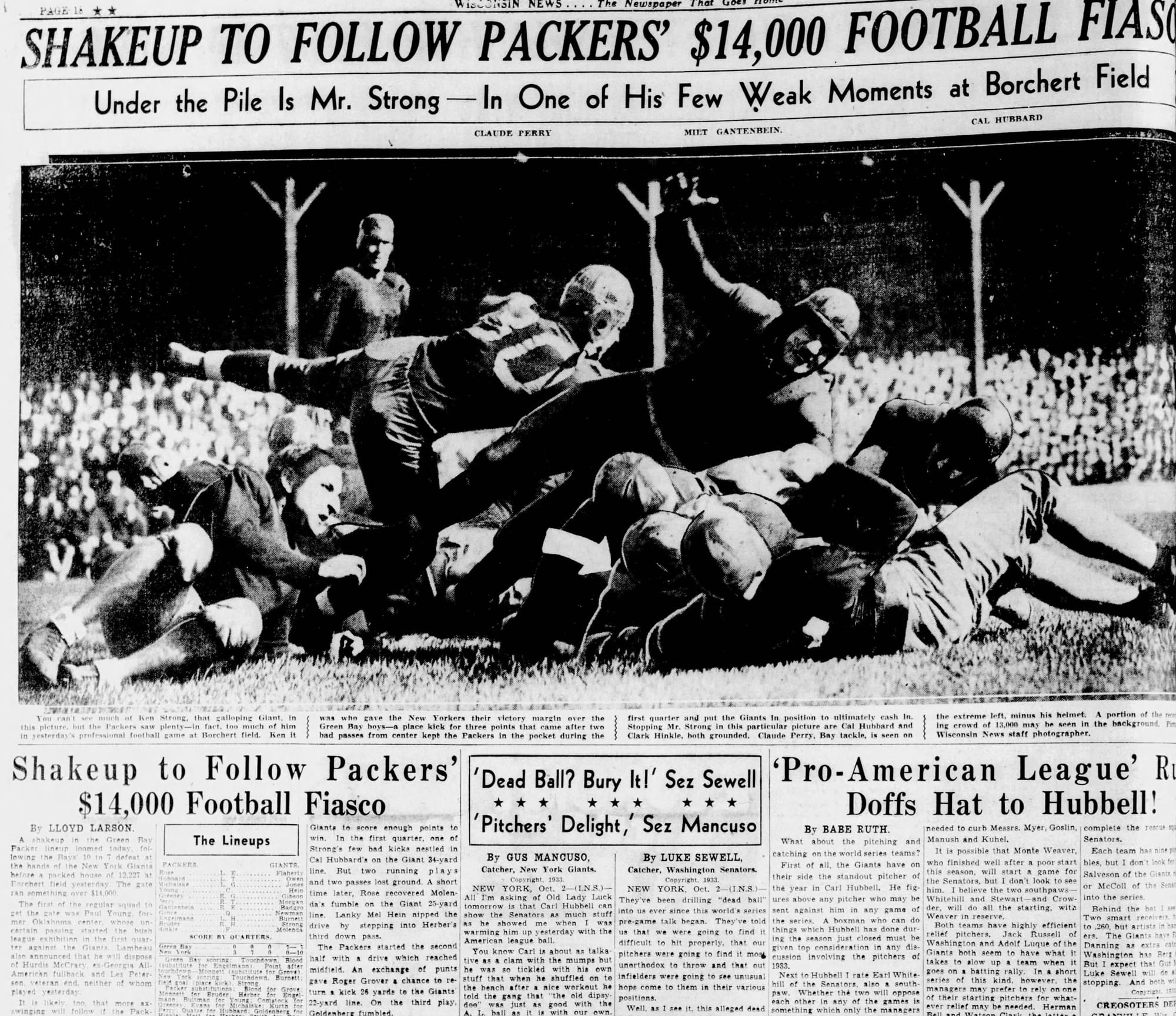
The Wisconsin News went further. Its sports page the next morning called the whole afternoon the Packers' "$14,000 football fiasco," the figure being the gate, and promised a shakeup in the lineup.
The 1933 season, the first modern one
1933 was the year the NFL split into two divisions and staged its first championship game. It was also the year the rulebook changed: the forward pass became legal from anywhere behind the line of scrimmage, hash marks were painted 10 yards in from the sidelines so plays no longer started at the boundary, and the goal posts were moved from the end line up to the goal line, specifically "to increase field goals and reduce ties."
Strong's 39-yarder was measured to the new posts. Under the old rule it would have been a 49-yard try into the wind, and this game probably ends 7-7.
The Giants were coached by Steve Owen. Newman, a rookie from Michigan, led the league in completions, attempts, passing yards and touchdown passes that season. Strong ran, kicked and punted and tied for the league lead in scoring. Mel Hein anchored the line and made first-team All-NFL at center. The Packers had Lambeau on the sideline and Clarke Hinkle, Johnny Blood, Arnie Herber and Cal Hubbard on the field, and finished 5-7-1, the first losing season in the franchise's history.
What it meant
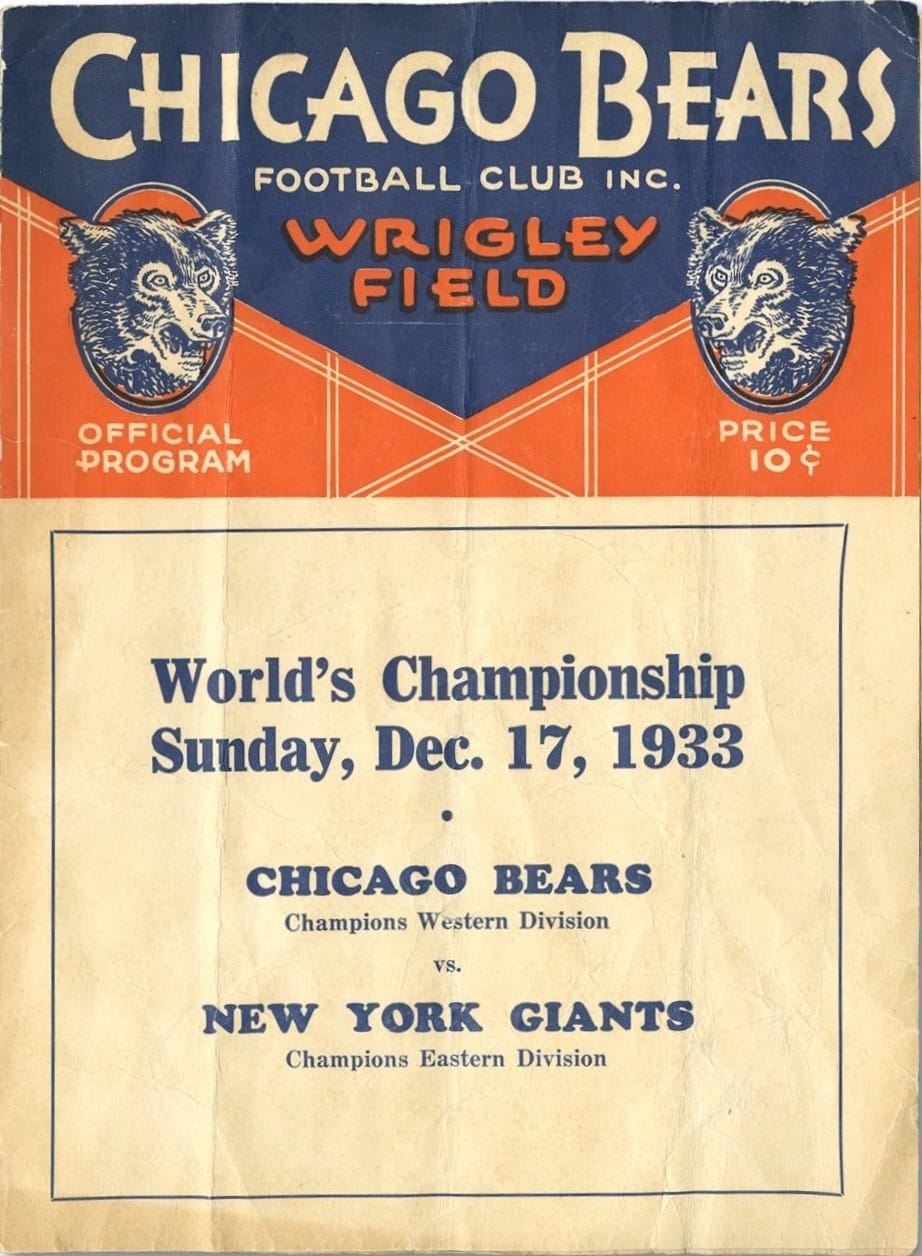
New York went 11-3 and won the East, beating the Packers again in November at the Polo Grounds, 17-6, in front of 35,000. In December, the Giants lost the first NFL Championship Game to the Bears, 23-21, at Wrigley Field, on a Nagurski-to-Hewitt lateral to Bill Karr in the last 2 minutes. That game had 6 lead changes and Hein's hidden-ball play, and it's still on the short list of the best ever played.
As for the box score: the Giants were the first team to win an NFL game without a first down. They weren't the last. Nine years after Milwaukee, on Sept. 27, 1942, the Giants did it again, beating the eventual champion Redskins, 14-7, at Griffith Stadium with 0 first downs and 51 total yards, on a 50-yard touchdown pass on the first play and a 66-yard interception return. No other franchise has won 2.
Have you ever seen a team win without a first down? Tell us in the comments.
Comments ()