
Pudge Heffelfinger Got $500 to Play One Game. Here Are the 10 Strangest Contract Clauses in Sports History
From Bobby Bonilla Day to Kevin Brown’s private jet to Babe Ruth’s 1 a.m. curfew, these are the 10 strangest contract clauses in sports history.
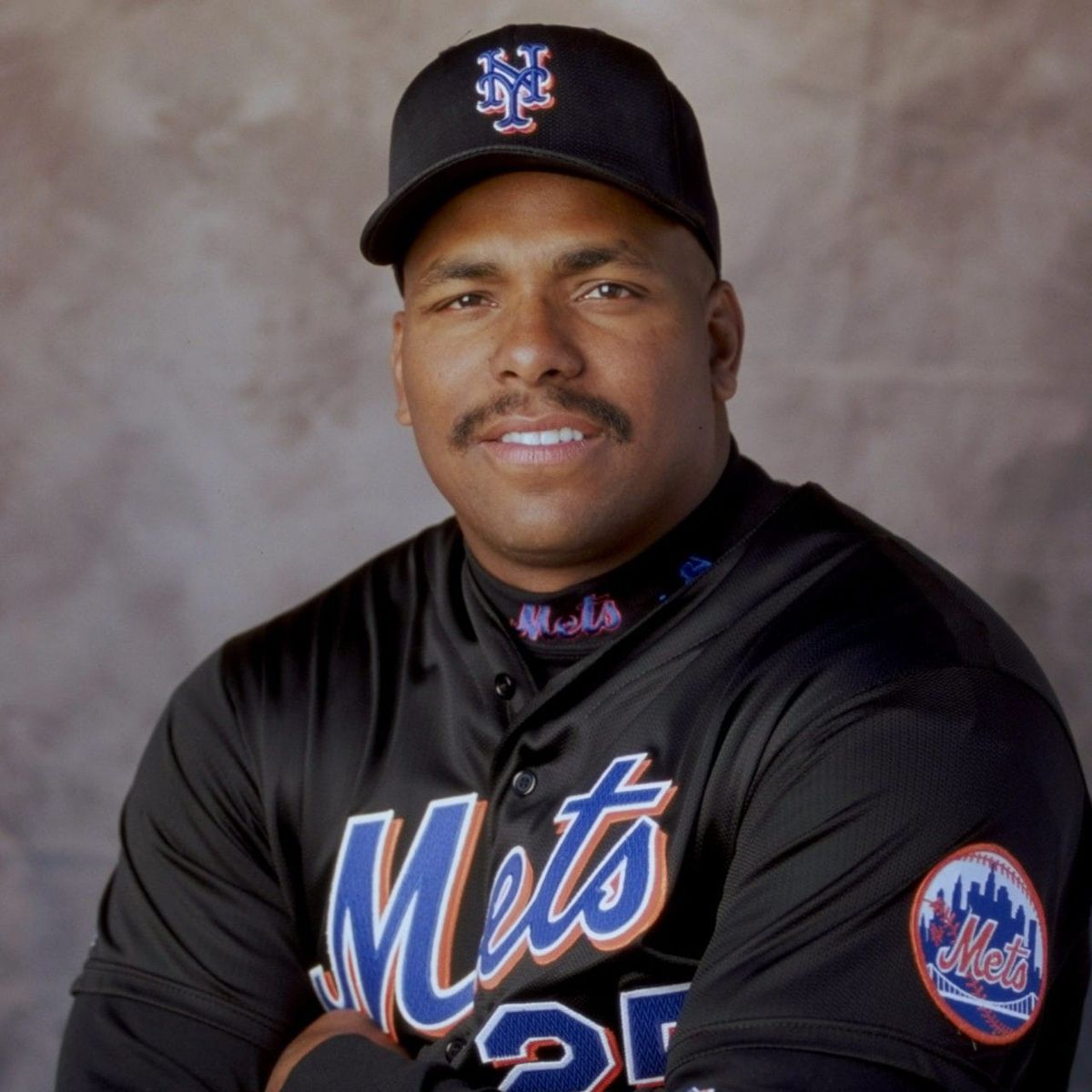
On Nov. 12, 1892, the Allegheny Athletic Association paid Pudge Heffelfinger $500 to play 1 football game. It was against the amateur rules of the day, so nobody announced it. The proof turned up decades later, in a line on the club’s expense sheet. (Here’s the whole story.)
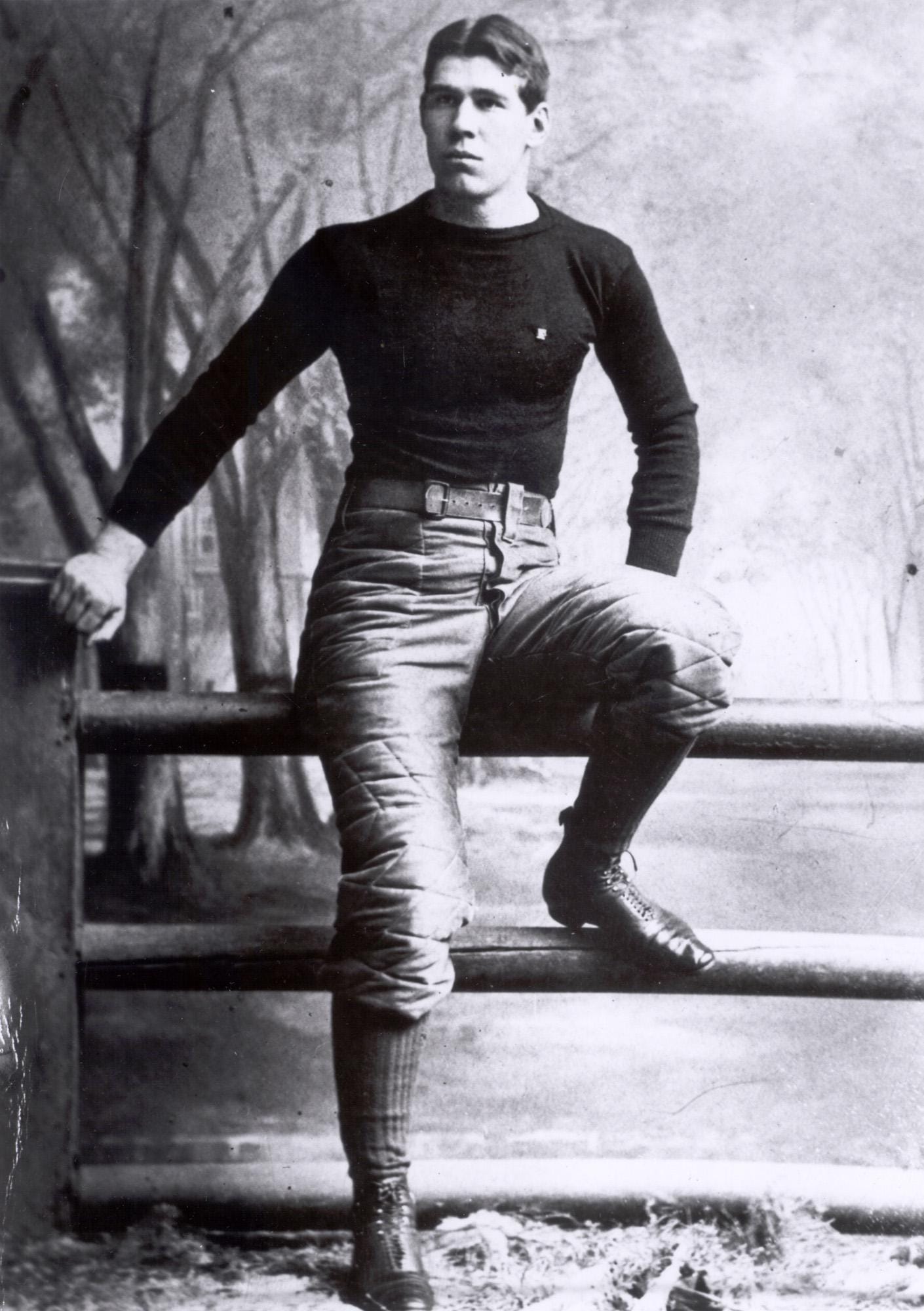
Eight days after the game, the St. Paul Daily Globe ran an essay under his name about why football was so popular.

Contracts have gotten a lot longer since then, and some of them have gotten a lot stranger. Here are the 10 strangest contract clauses in sports history.
10. Kevin Brown’s Private Jet (Dodgers, 1998)
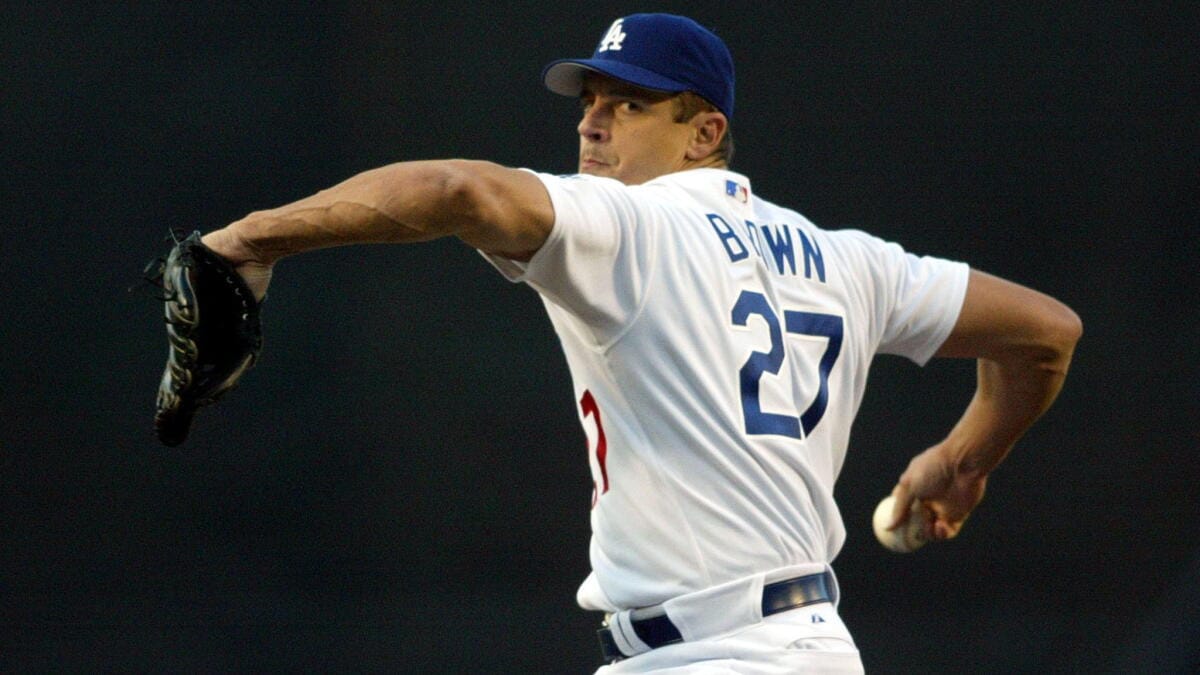
In December 1998, Kevin Brown signed baseball’s first $100 million contract: 7 years, $105 million. Buried in it was the use of a private jet, at the team’s expense, for 12 trips a year, so his family could fly between Los Angeles and his home in Macon, Ga. He also got a free hotel suite on the road and 8 season tickets.
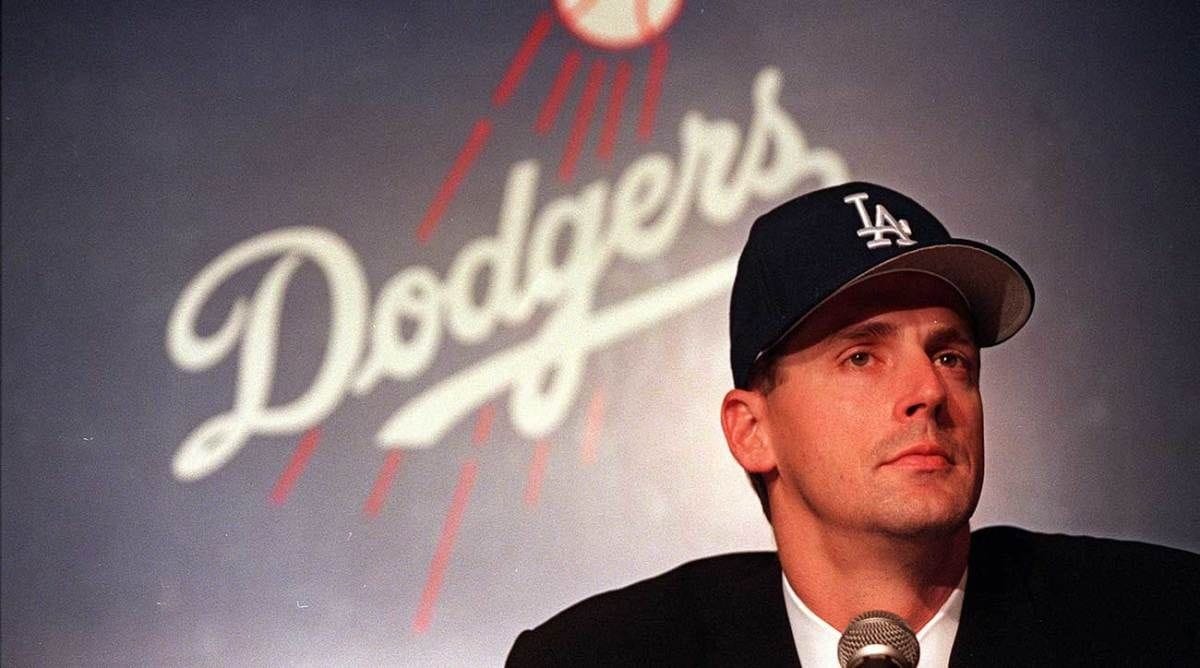
The commissioner’s office valued each round trip at $50,000 and added $600,000 a year to his salary for luxury-tax purposes. That cost the Dodgers an extra $204,000 in tax the first year.

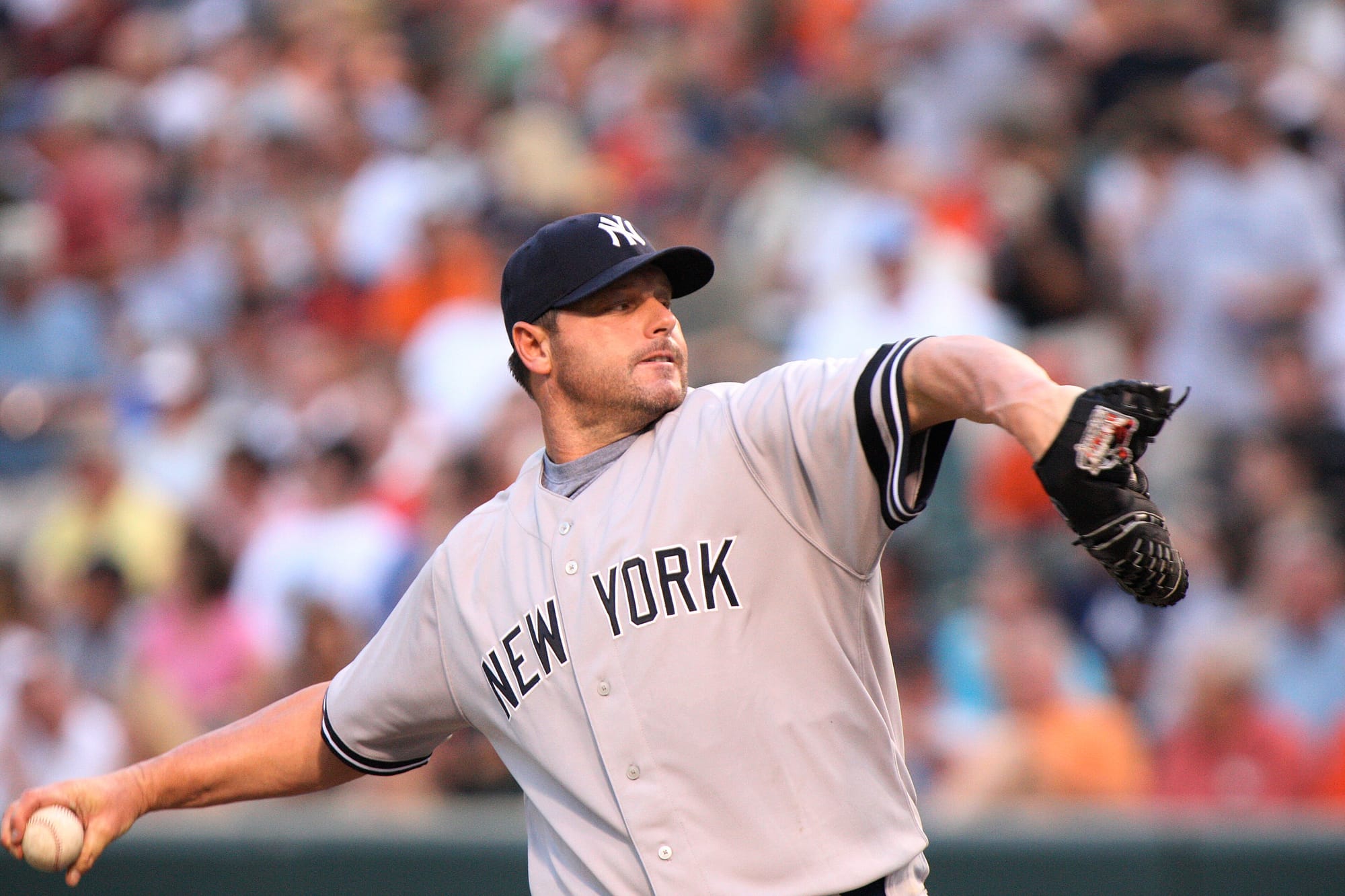
9. Roger Clemens’ “Family Plan” (Astros 2004, Yankees 2007)
When Clemens came out of retirement to pitch for his hometown Astros in 2004, the team agreed he could go watch his sons play when he wasn’t scheduled to pitch. The Associated Press called it an “informal understanding.” “Because of who he is,” Astros general manager Gerry Hunsicker said, “there are a few exceptions we are allowing him to make with our rules.”

At 41, Clemens went 18-4 and won his 7th Cy Young Award.
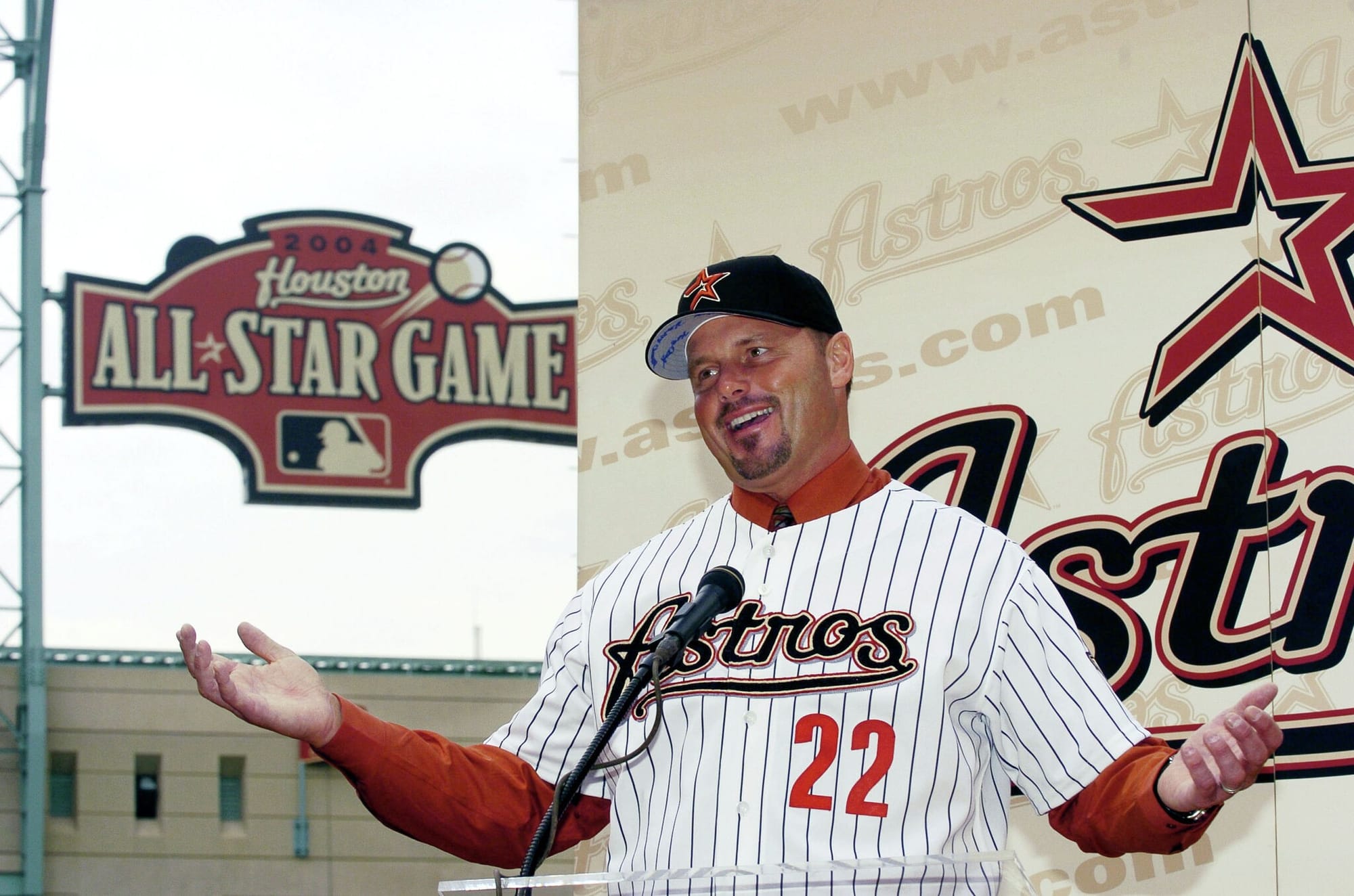
When he went back to the Yankees in 2007, the “family plan” was written into his contract: he didn’t have to travel with the team when he wasn’t starting. Not every teammate liked it. Reliever Kyle Farnsworth said so in public.
8. Albert Belle’s “Top 3” Clause (White Sox, 1996)
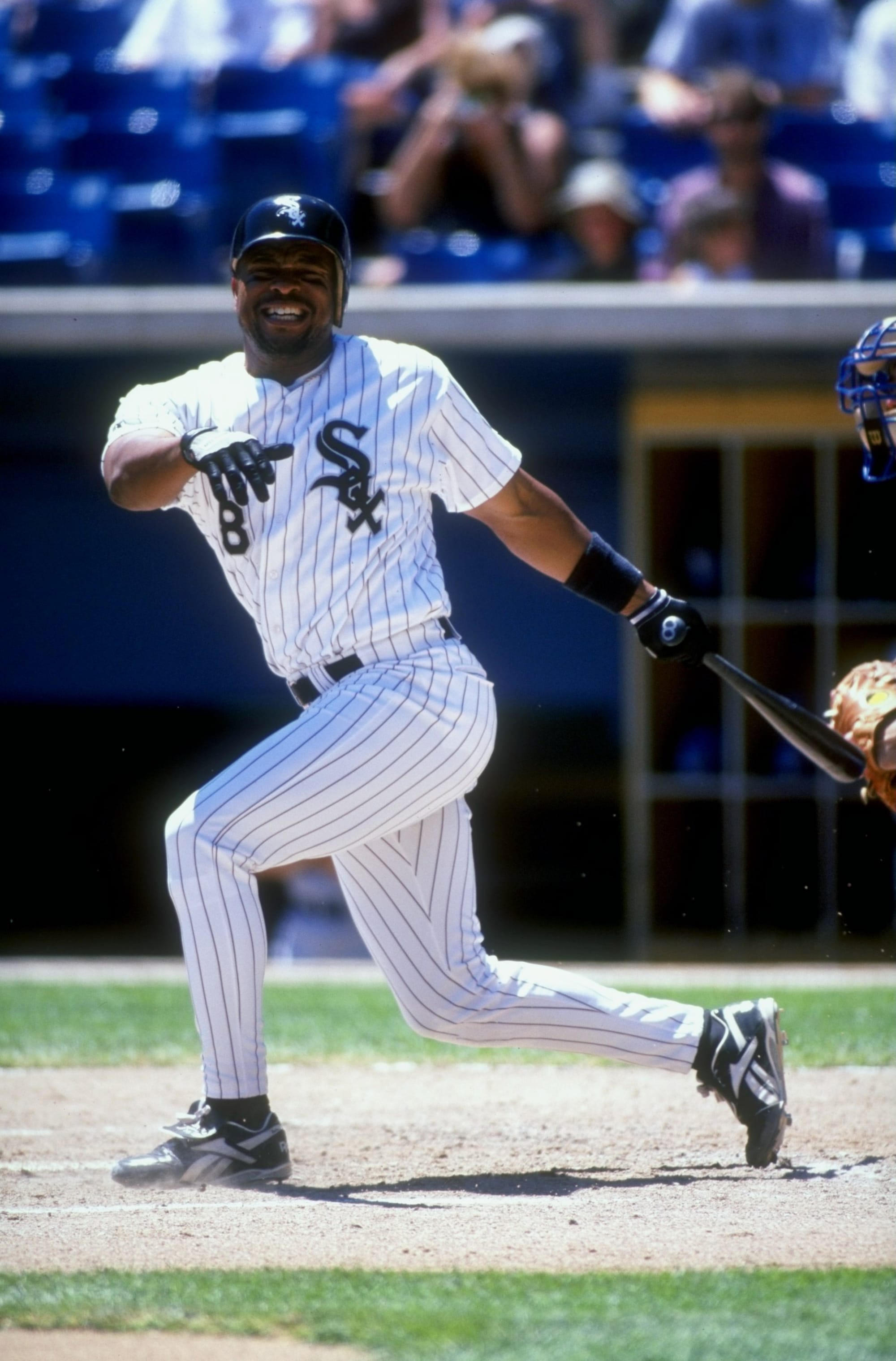
When Albert Belle signed with the White Sox in November 1996, he became the highest-paid player in baseball. His 5-year contract said that if he ever fell out of the top 3, he could demand a raise to get back in. If the White Sox said no, he became a free agent.
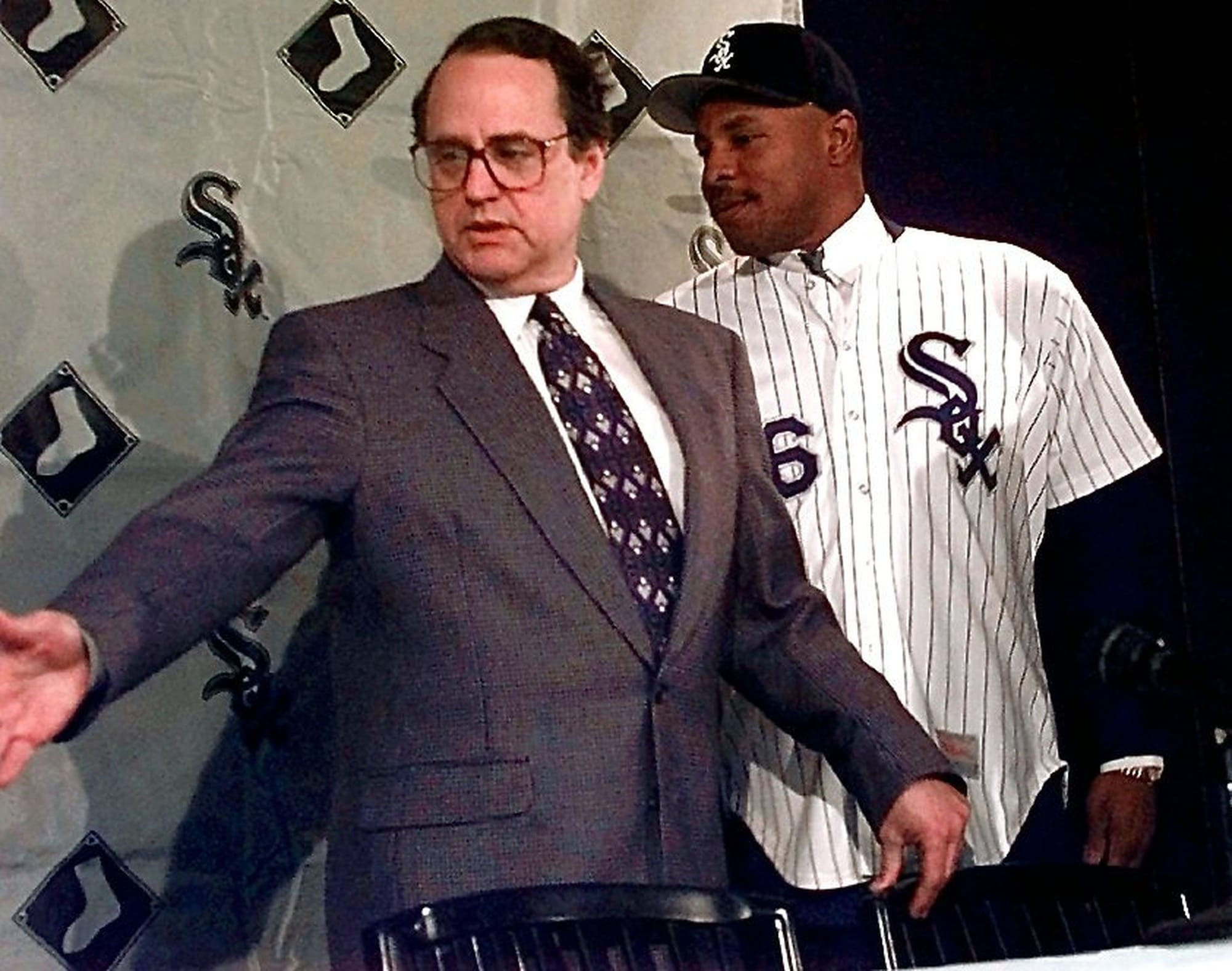
In 1998, Belle hit .328 with 49 home runs. Then a bonus Gary Sheffield got when he was traded pushed Belle down to a tie for 4th. Owner Jerry Reinsdorf declined to raise his pay, and Belle walked.

He signed with the Orioles for 5 years and $65 million. This time there was no top-3 clause.
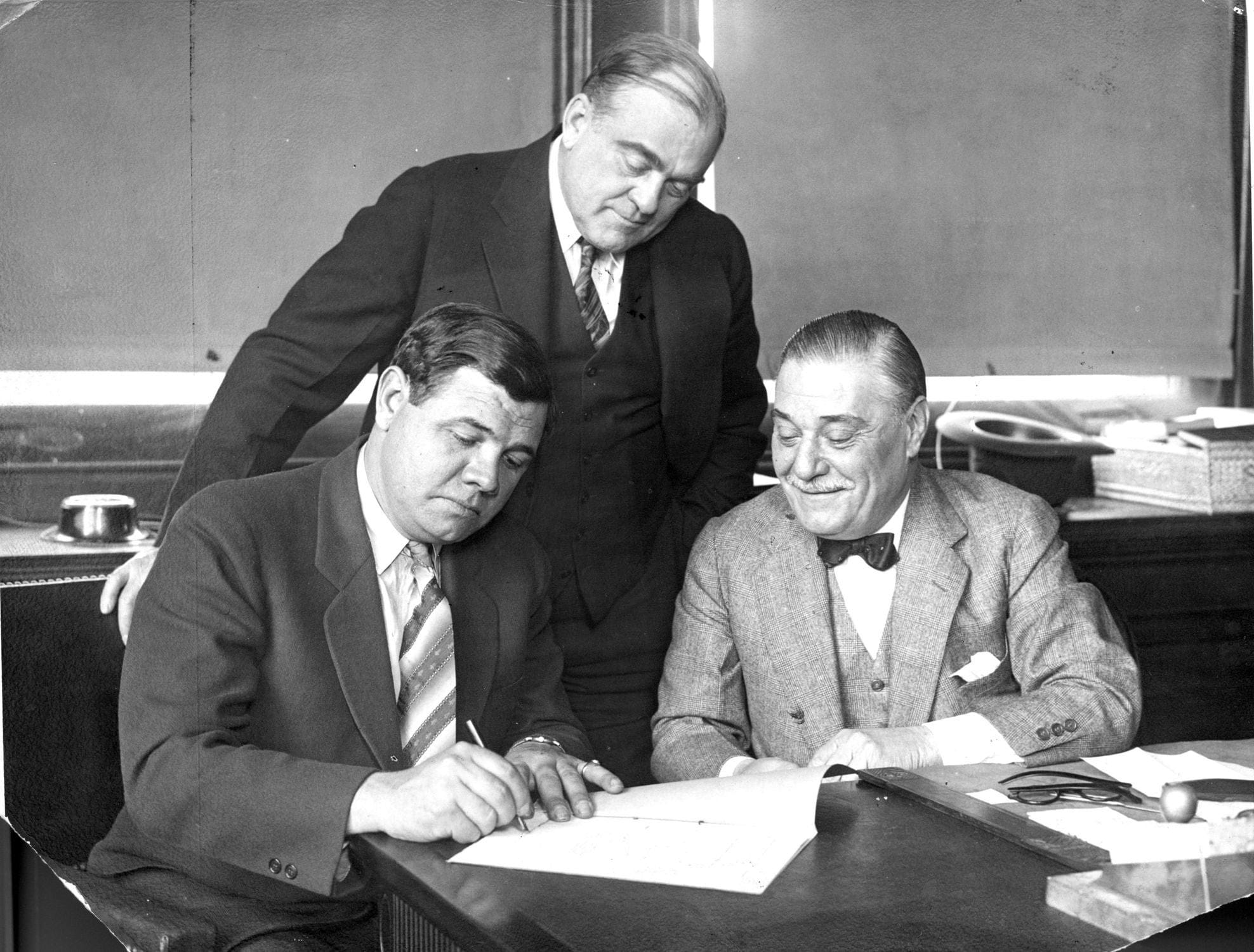
7. Babe Ruth’s Sobriety Clause (Yankees, 1922)
Ruth’s 1922 contract paid him a record $52,000 a season. The price was a secret at first. The New-York Tribune reported that Ruth settled the last argument over money with a coin toss, called tails, and won. Co-owner Til Huston let one term slip: “He is to get $500 for each home run.”

Then he had a bad year, with fines and suspensions and a running feud with manager Miller Huggins. After the season, the Yankees added a clause. Ruth agreed to abstain entirely from “intoxicating liquors” and not to stay up later than 1 a.m. during the season without his manager’s permission. The same amendment let him recover the $9,000 the team had fined him that year.
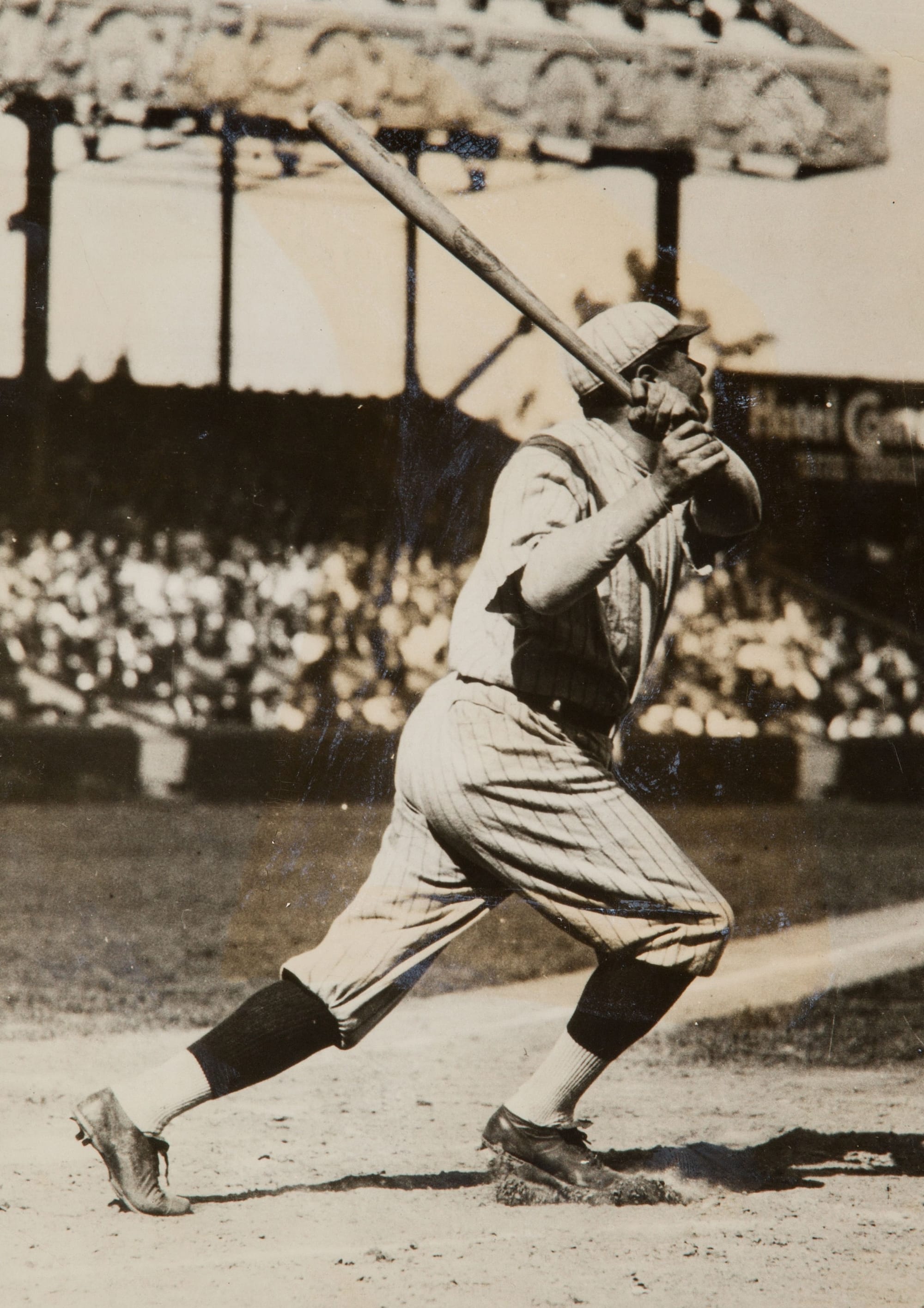
It may have been the first morals clause in pro sports. Sports Illustrated later wrote that Ruth was “happy to accept and quick to ignore” it. He did hit .393 with 41 home runs in 1923 and won the MVP.
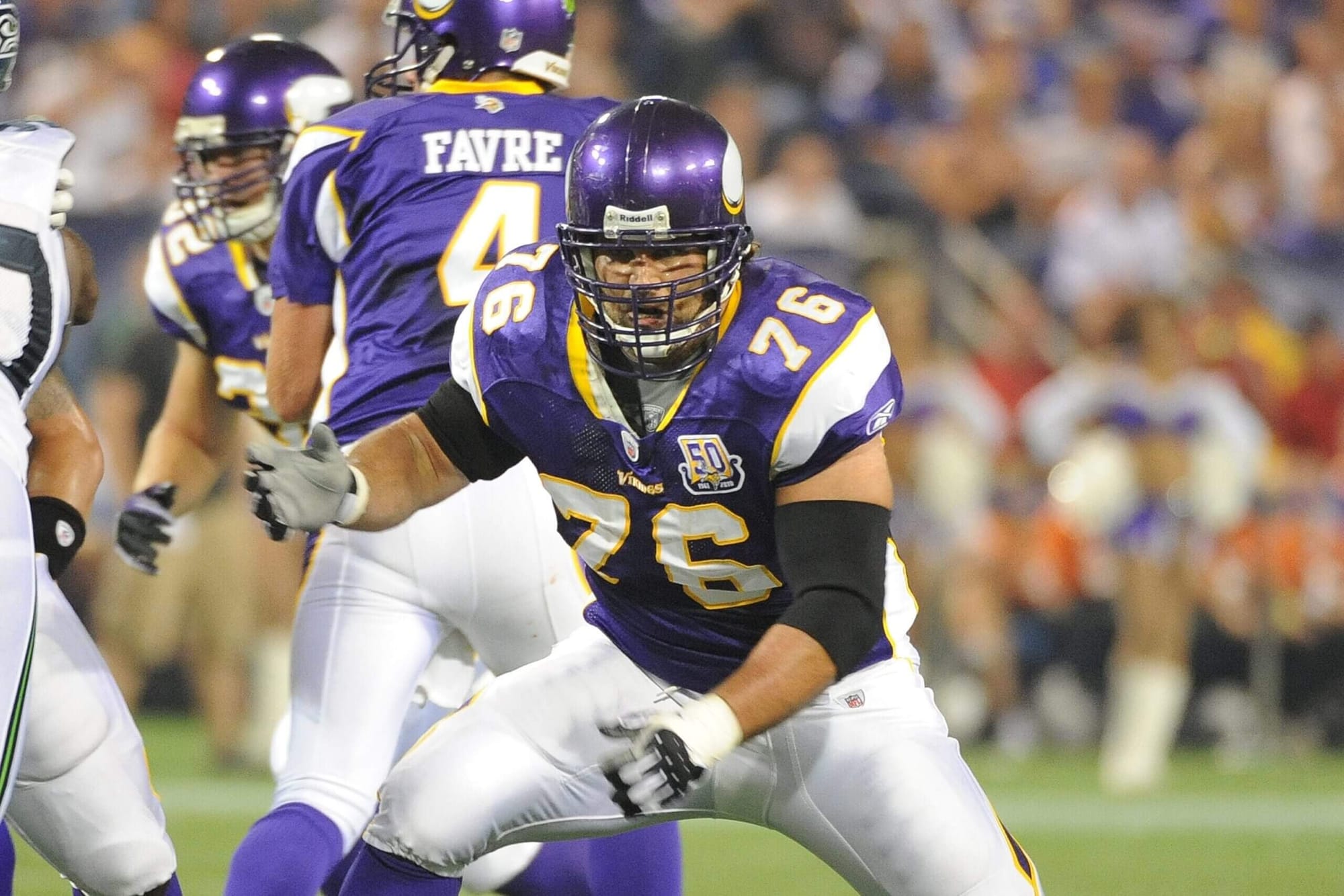
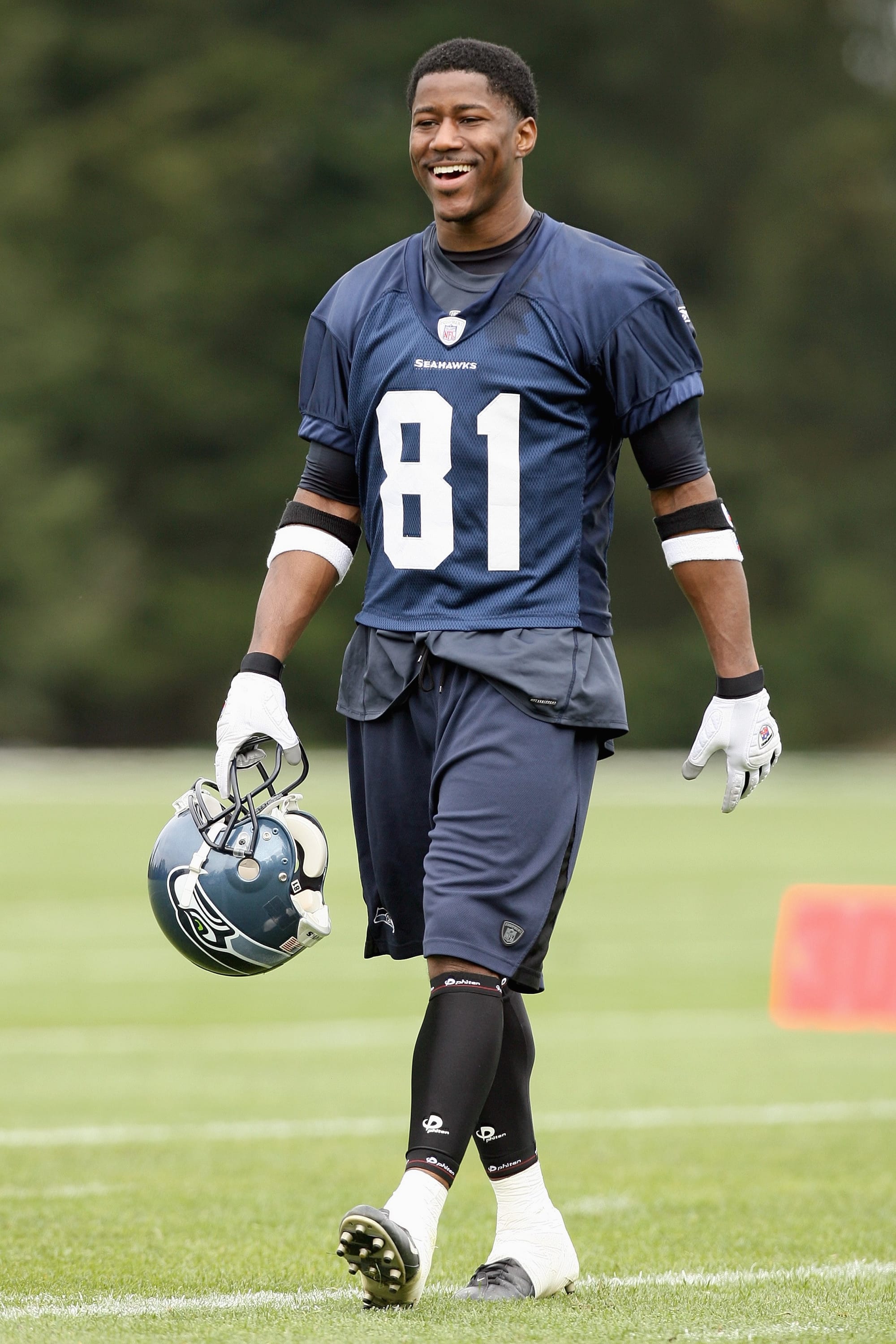
6. The Poison Pills (Vikings and Seahawks, 2006)
In 2006, the Vikings wanted Seattle’s All-Pro guard Steve Hutchinson. Seattle had the right to match any offer, so Minnesota wrote one it couldn’t match: 7 years, $49 million, and the whole thing became guaranteed if Hutchinson wasn’t the highest-paid offensive lineman on his team. Seattle already paid tackle Walter Jones more. The clause held up, and Hutchinson went to Minnesota.
Seattle got even. It signed the Vikings’ receiver Nate Burleson to the same 7 years and $49 million, fully guaranteed if he played a certain number of games in the state of Minnesota in a season. The number was reported to be 5. The Vikings played 8 home games a season. They didn’t match.

Hutchinson made the Hall of Fame. The NFL later banned poison pills.
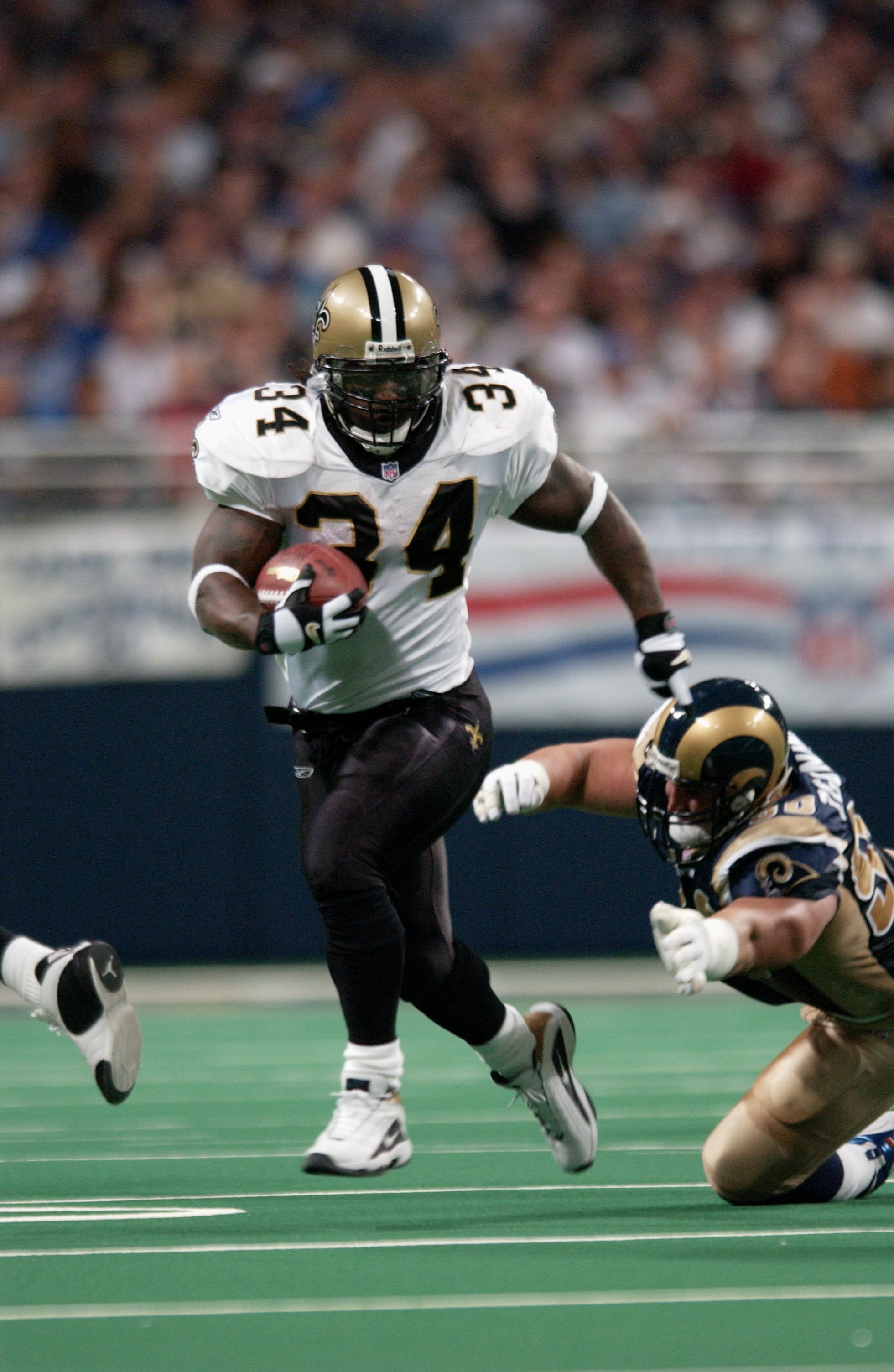
5. Ricky Williams’ Incentives (Saints, 1999)
In 1999, the Saints traded their entire draft, plus 2 future picks, to take Ricky Williams. His contract, negotiated by rapper Master P’s agency, was worth anywhere from $11.1 million to $68.4 million, depending on how he played. The base salary was the league minimum. The rest was incentives: $50,000 for each of 26 performance goals (up to $500,000), escalators for 1,600 and 2,100 rushing yards, and $3 million for breaking Eric Dickerson’s single-season record.

It also paid him $100,000 for not weighing more than 240 pounds at each of 4 weigh-ins.

Williams got hurt as a rookie and earned about $14 million of the possible $68 million in New Orleans. ESPN called it the worst contract for a player in NFL history.
4. A-Rod’s Home Run Bonuses (Yankees, 2007)
When Alex Rodriguez signed his 10-year, $275 million deal in 2007, the Yankees added a separate marketing agreement: $6 million each for tying Willie Mays (660), Babe Ruth (714), Hank Aaron (755), and Barry Bonds (762), and for breaking the record (763). That was up to $30 million more.
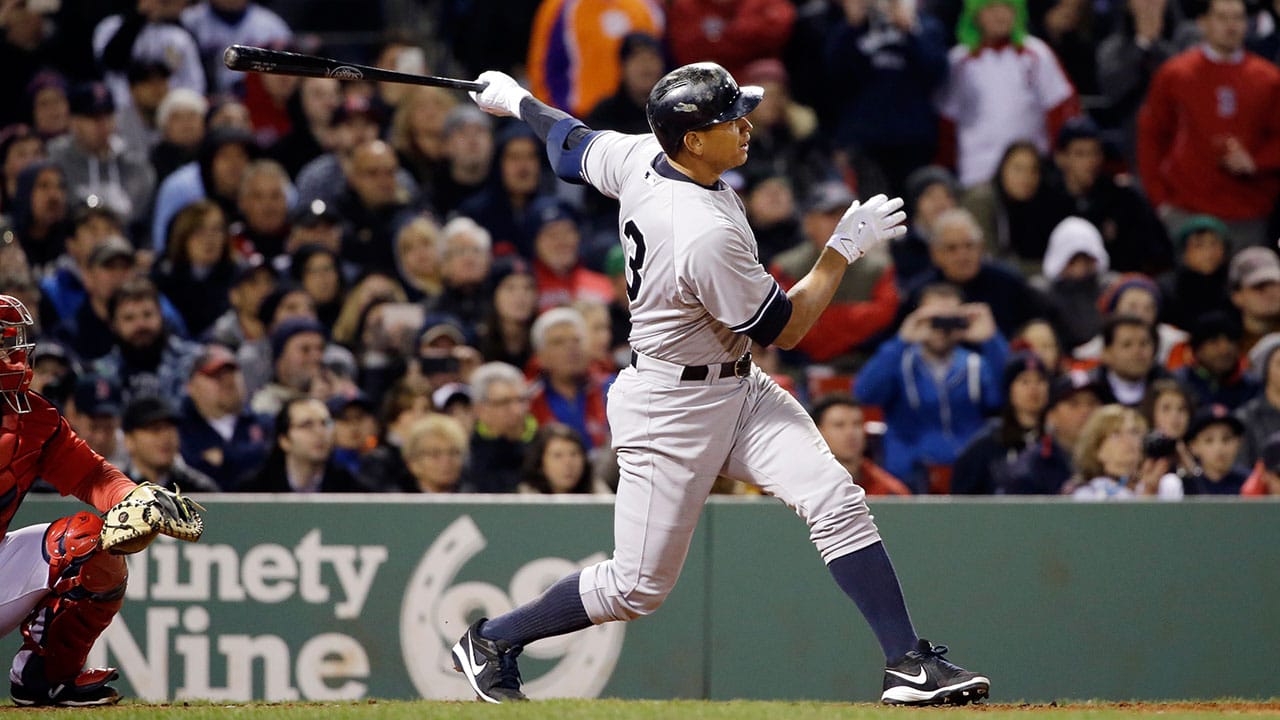
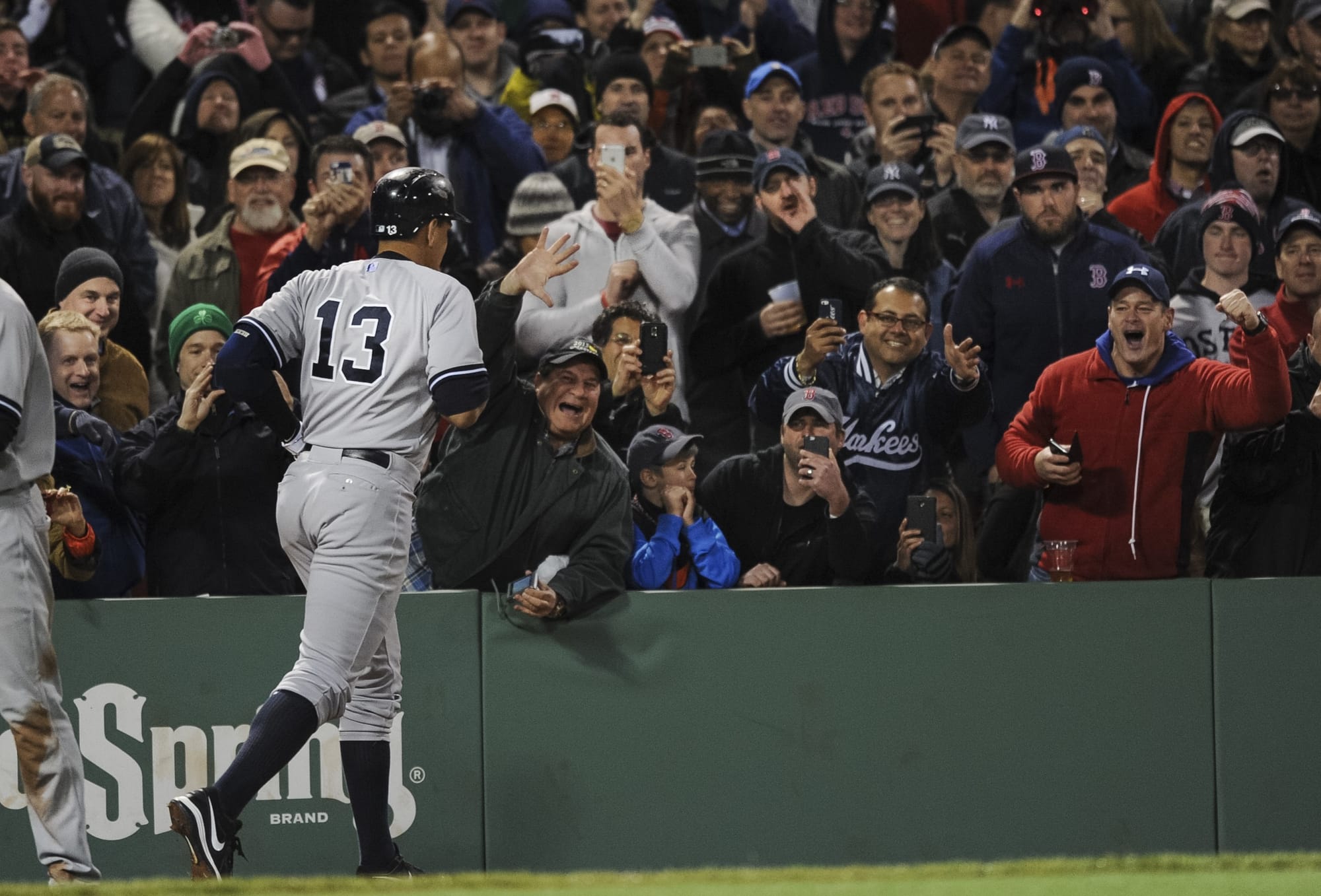
He hit No. 660 on May 1, 2015, after sitting out all of 2014 on a drug suspension.

The Yankees refused to pay, arguing the milestone had no marketing value anymore. They settled by giving $3.5 million to charity. Rodriguez got nothing, and he retired with 696.
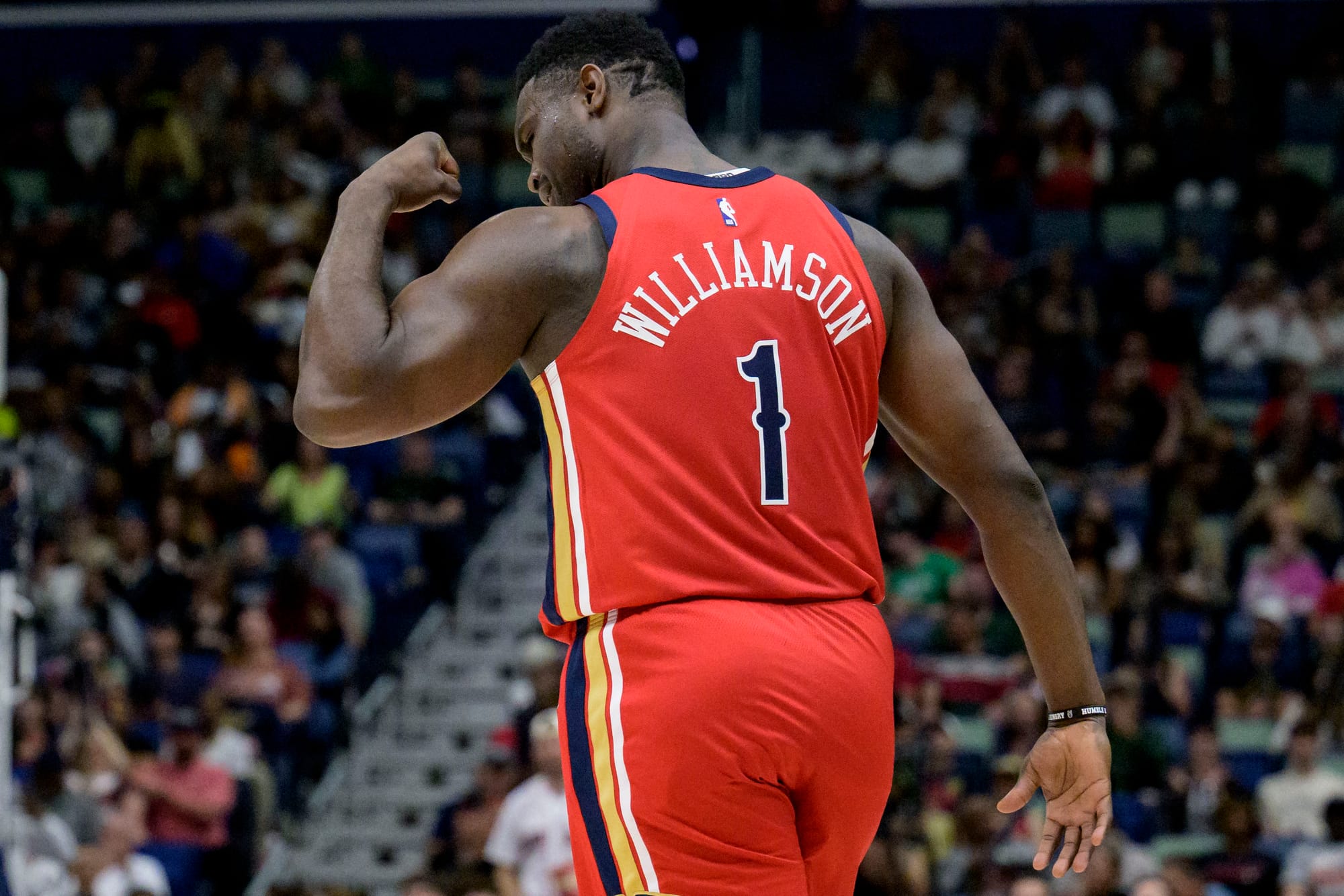
3. Zion Williamson’s Weigh-Ins (Pelicans, 2022)
In 2022, the Pelicans gave Zion Williamson a 5-year extension worth $193 million, with a condition. He’d be weighed throughout the contract, and his weight plus his body-fat percentage had to stay under 295. At 284 pounds, for example, he’d need to be under 10% body fat.
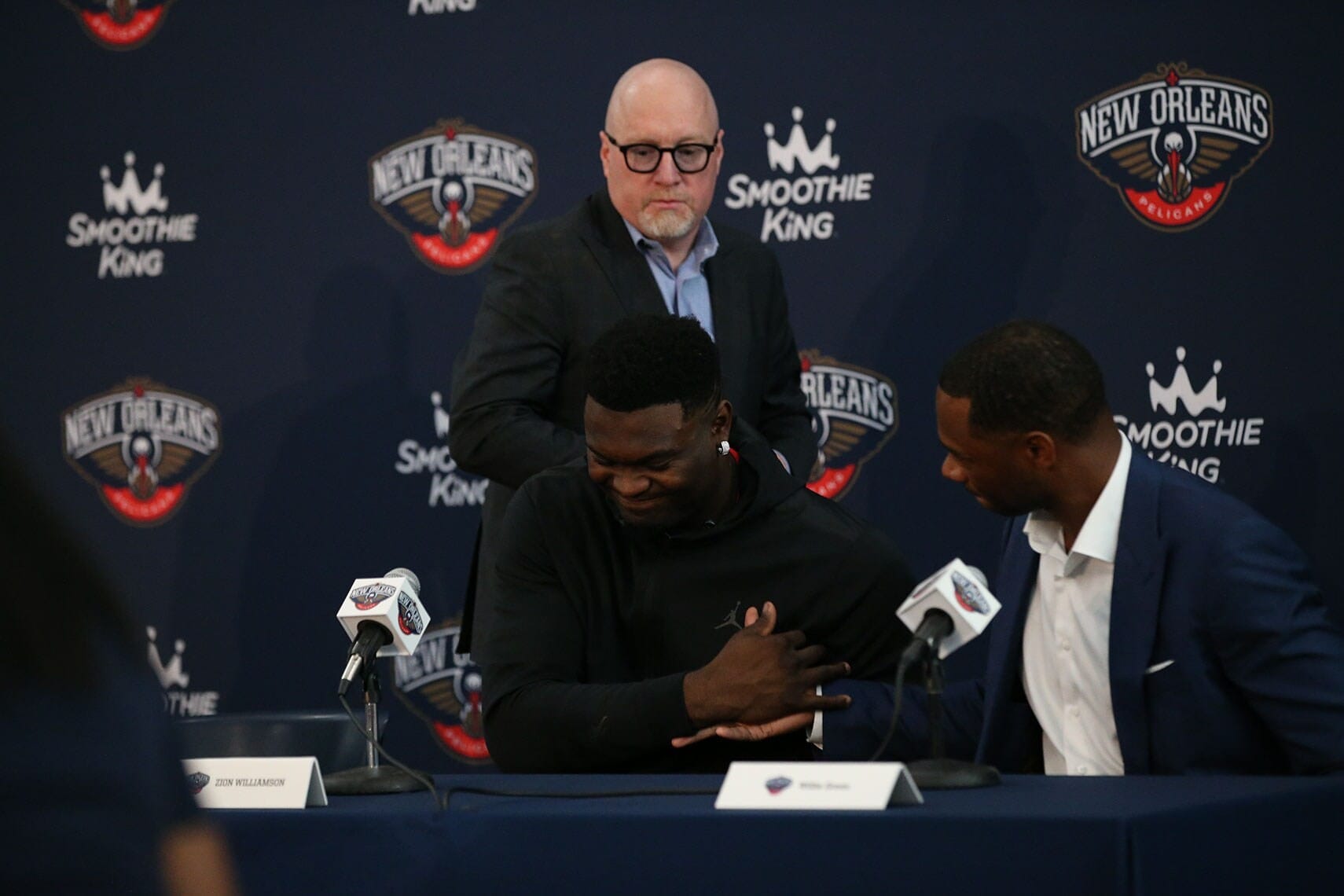
Missing the mark doesn’t cut his salary. It cuts the guaranteed money he’s owed if the Pelicans ever let him go.
2. Shohei Ohtani’s $680 Million IOU (Dodgers, 2023)
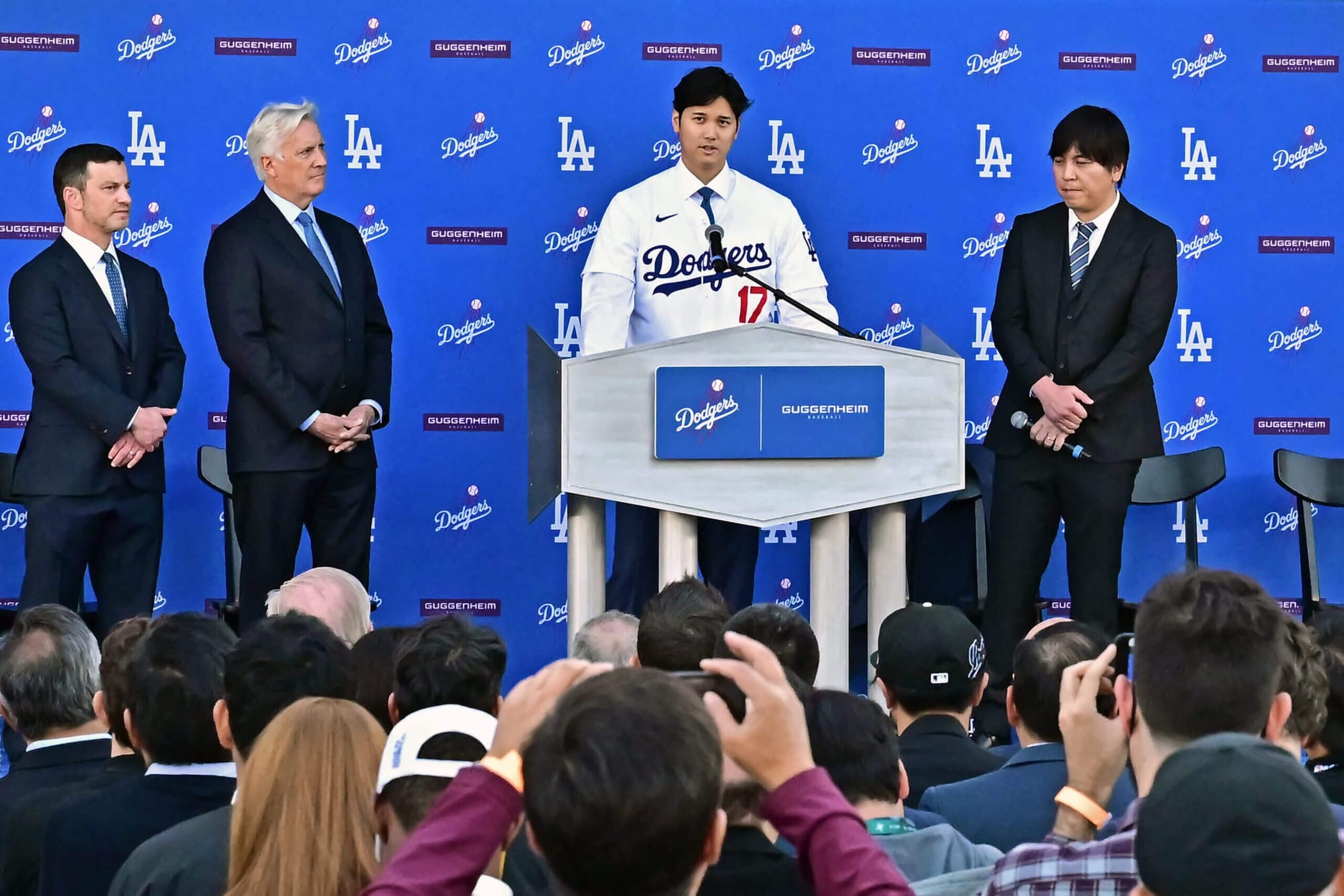
Ohtani’s deal with the Dodgers is 10 years, $700 million, believed at the time to be the biggest contract in sports history. He’s paid $2 million a year. The other $68 million a year is deferred, with no interest, and paid every July 1 from 2034 through 2043.

That’s strange enough. The stranger part: Ohtani can reportedly opt out if owner Mark Walter stops being the team’s controlling owner or if baseball boss Andrew Friedman leaves.
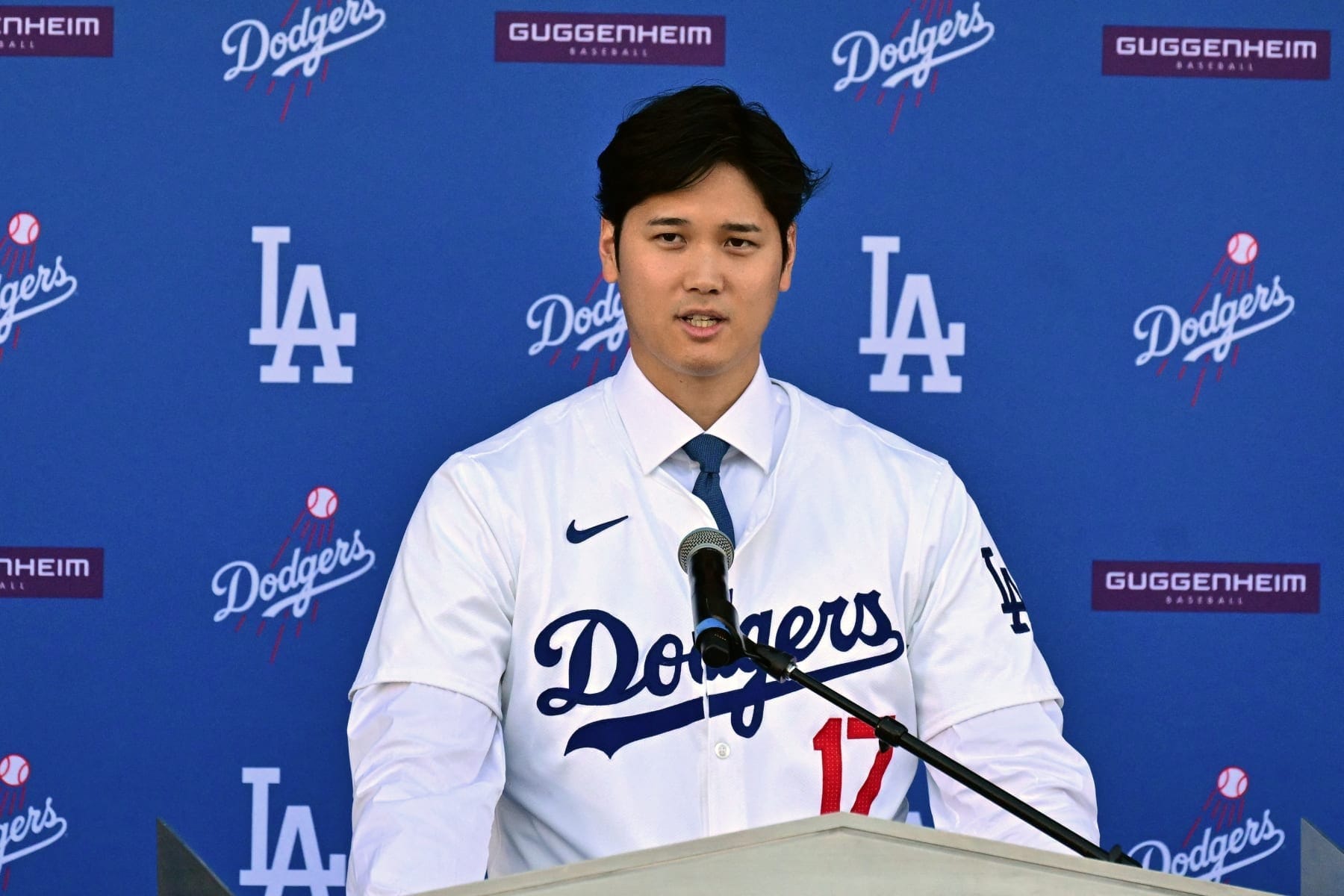
In his first year, he won the World Series and the MVP.
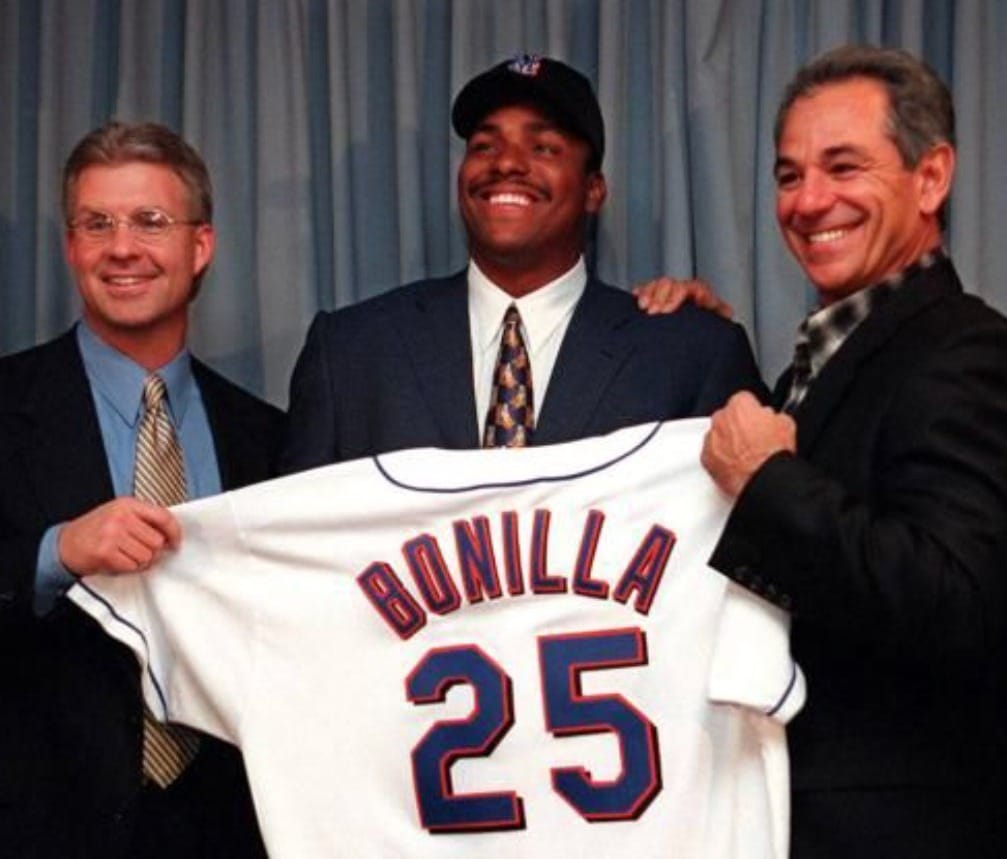
1. Bobby Bonilla Day (Mets, 2000)
In January 2000, the Mets released Bobby Bonilla and still owed him $5.9 million. Instead of paying it, they agreed to defer it with 8% interest: 25 payments of $1,193,248.20, every July 1, from 2011 through 2035. The total is about $29.8 million.

Why would a team do that? Owner Fred Wilpon expected his investments with Bernie Madoff to earn more than 8%. Madoff turned out to be running a Ponzi scheme.
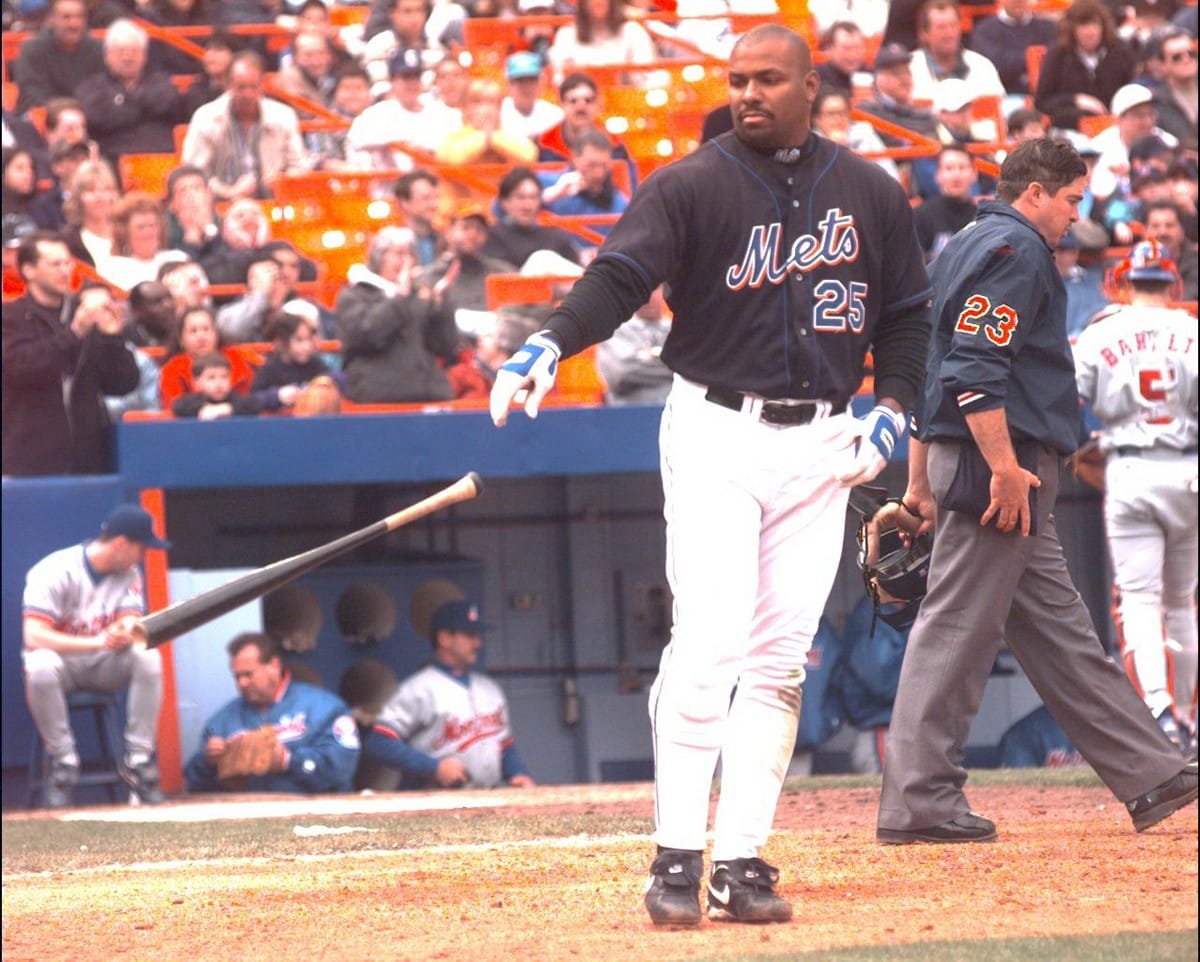
Bonilla retired in 2001. The Mets will pay him until he’s 72. And every July 1, fans celebrate Bobby Bonilla Day.
Honorable Mentions
- Aaron Boone, 2004: his Yankees contract banned playing basketball. He tore his ACL in a pickup game, the Yankees released him, and they traded for Alex Rodriguez to play 3rd base.
- Catfish Hunter, 1974: A’s owner Charlie Finley failed to make a $50,000 annuity payment the contract required. An arbitrator declared Hunter a free agent, and he signed with the Yankees.
- Jeff Kent, 2002: said he broke his wrist washing his truck. Witnesses said he crashed a motorcycle doing wheelies, which his contract banned.
- Max Scherzer, 2015: half of his $210 million deal with the Nationals was deferred. Washington is still paying him $15 million a year, through 2028, years after it traded him.
- Ken Griffey Jr., 2000: $57.5 million of his Reds contract was deferred, which kept him on Cincinnati’s payroll long after he retired.
Which clause did we miss? Tell us in the comments.
Comments ()