
The 10 Most Controversial National Champions in College Football History
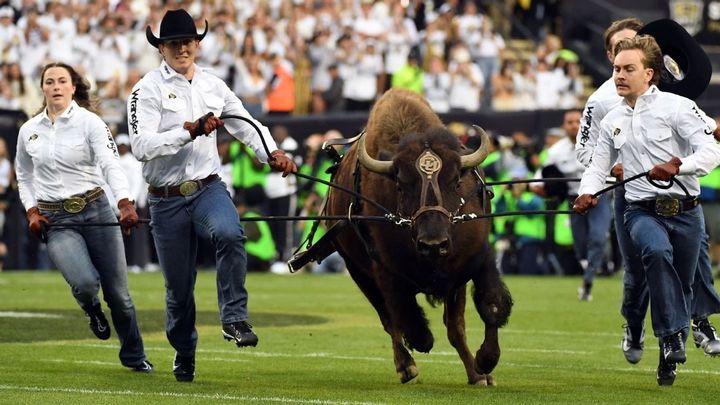
Thursday night in Atlanta, Colorado beat Georgia Tech 14-13 — a freshman touchdown pass with 42 seconds left, a blocked field goal on the final snap. A great finish between two programs who share something stranger than a rivalry: in 1990, they were both national champions. At the same time. In the same sport. Neither one entirely legitimately, depending on whom you ask.
For most of college football history, the national title wasn't won — it was voted, by writers and coaches, sometimes before the season was even finished. Here are the 10 messiest verdicts ever rendered, counting down to the strangest of them all.
10. 1991: Miami and Washington — Two Perfect Teams, Zero Answers
The cleanest controversy on this list: Miami went 12-0 and won the AP poll; Washington went 12-0, shut the door on Michigan in the Rose Bowl, and won the coaches poll. They never played, and they couldn't — the Rose Bowl's Pac-10/Big Ten lock kept Washington in Pasadena no matter what. Two flawless seasons, one trophy each, and an argument that has now lasted 35 years.
9. 1947: The Re-Vote That Didn't Count
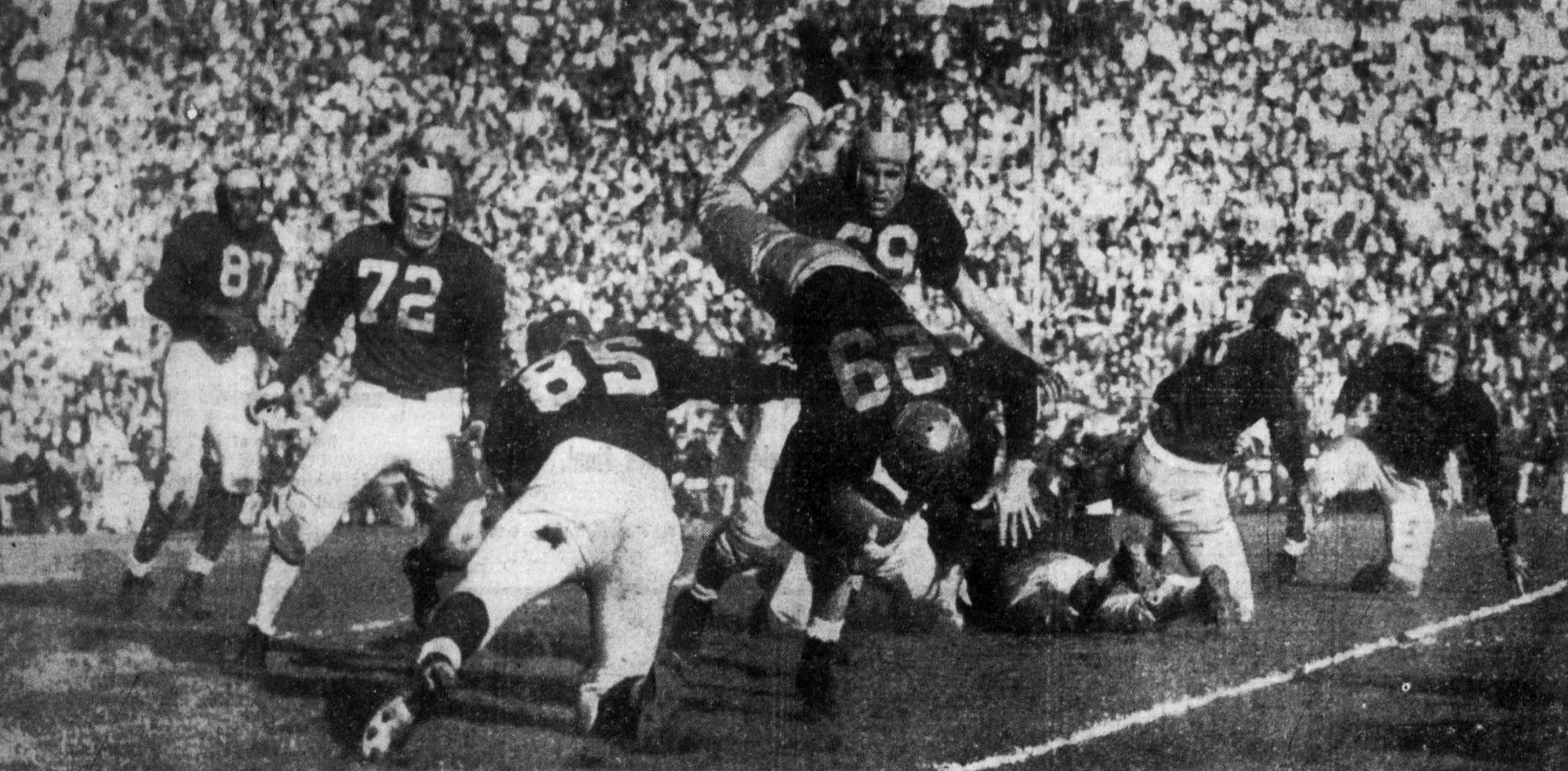
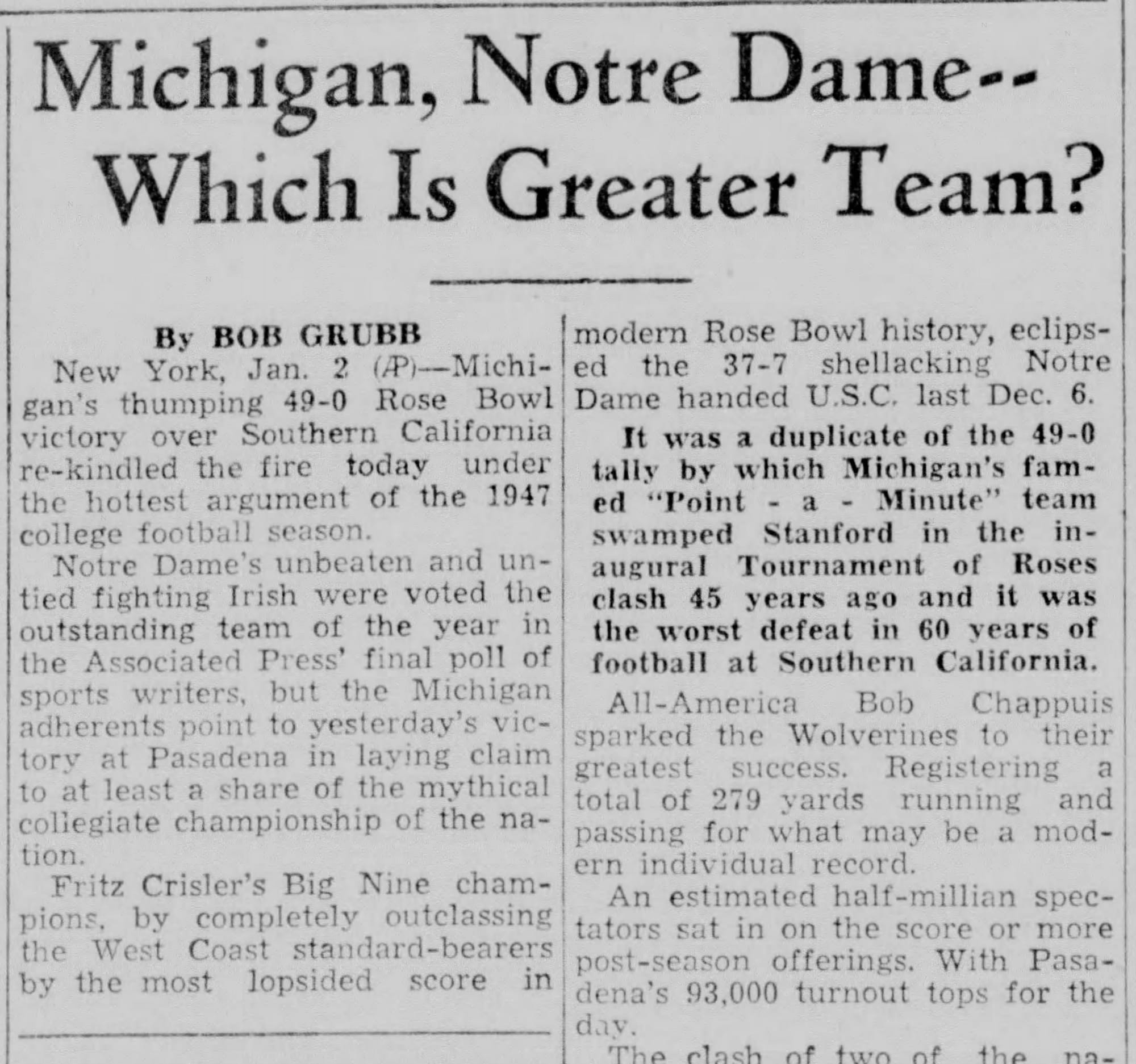
Notre Dame (9-0) won the final AP poll, taken in early December — before the bowls. Then Michigan (10-0) annihilated USC 49-0 in the Rose Bowl; Notre Dame had beaten that same USC team 38-7. The outcry was loud enough that the AP did something it has never done since: it held a special post-bowl re-vote, a straight two-team referendum. Michigan won it 226-119. The AP then declared its own re-vote unofficial, and Notre Dame kept the title. A 2-to-1 verdict, thrown in the trash by the people who ordered it.
8. 1984: BYU Wins It All From the Holiday Bowl
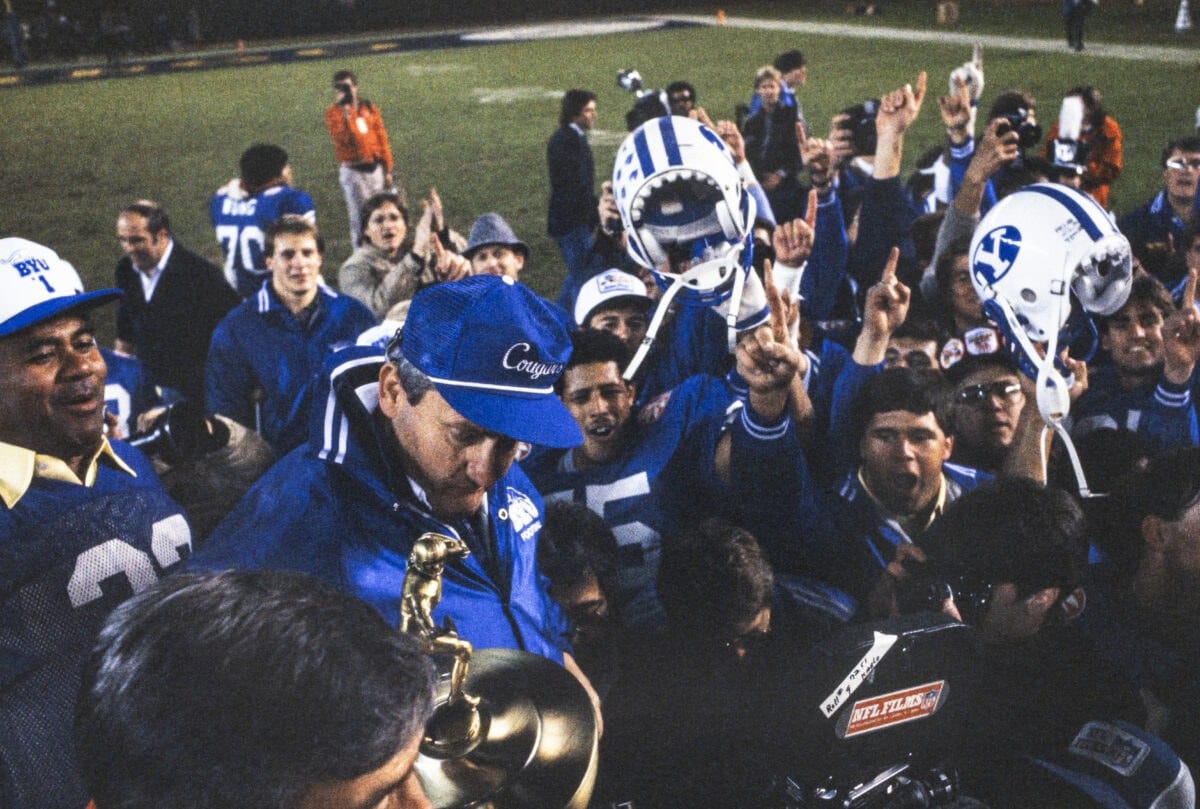
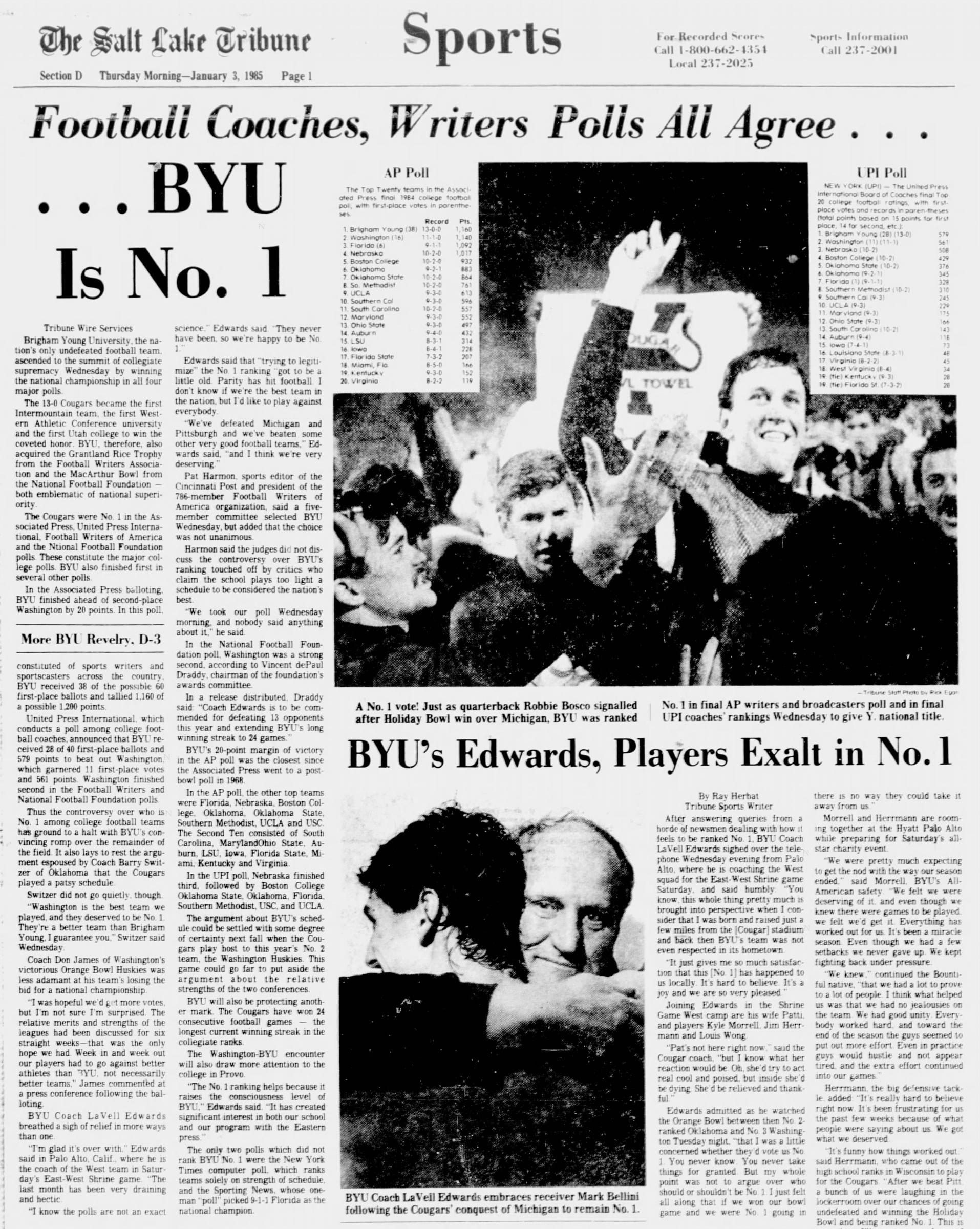
BYU went 13-0 and won the national title after beating Michigan — a Michigan team that finished 6-6 — by a score of 24-17 in the Holiday Bowl, because the WAC's bowl tie-in didn't care who was ranked No. 1. Not one BYU opponent finished with fewer than 4 losses. Washington, 11-1 with an Orange Bowl win over Oklahoma, lost the AP vote by 20 points — one of the closest finishes ever. Was BYU the best team in the country? Almost certainly not. Were they the only unbeaten one? Yes. The voters shrugged and took the zero.
7. 1970: Three Champions, Three Trophies
The season that exposed the whole machine. The UPI coaches crowned Texas on Dec. 5 — before the bowls. Texas promptly lost the Cotton Bowl to Notre Dame. The National Football Foundation had split its trophy between Texas and Ohio State — who promptly lost the Rose Bowl. The AP, voting after the bowls, picked Nebraska, which had actually won its bowl game. Three different champions across the major selectors, two of them with fresh losses. Nebraska coach Bob Devaney's take was simple: they were the ones who finished the job.
6. 1994: The Perfect Team That Finished Second
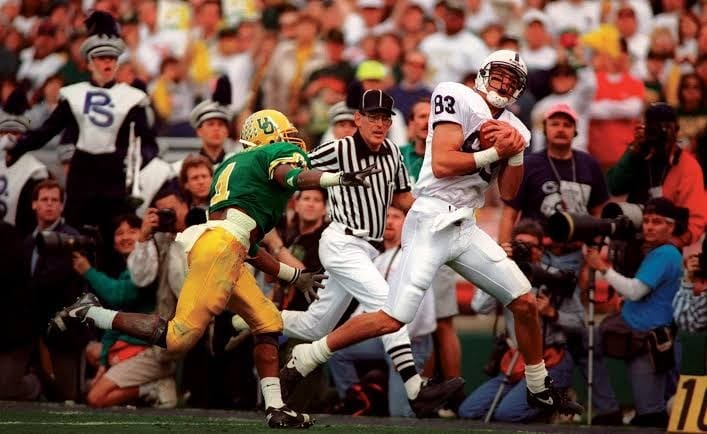
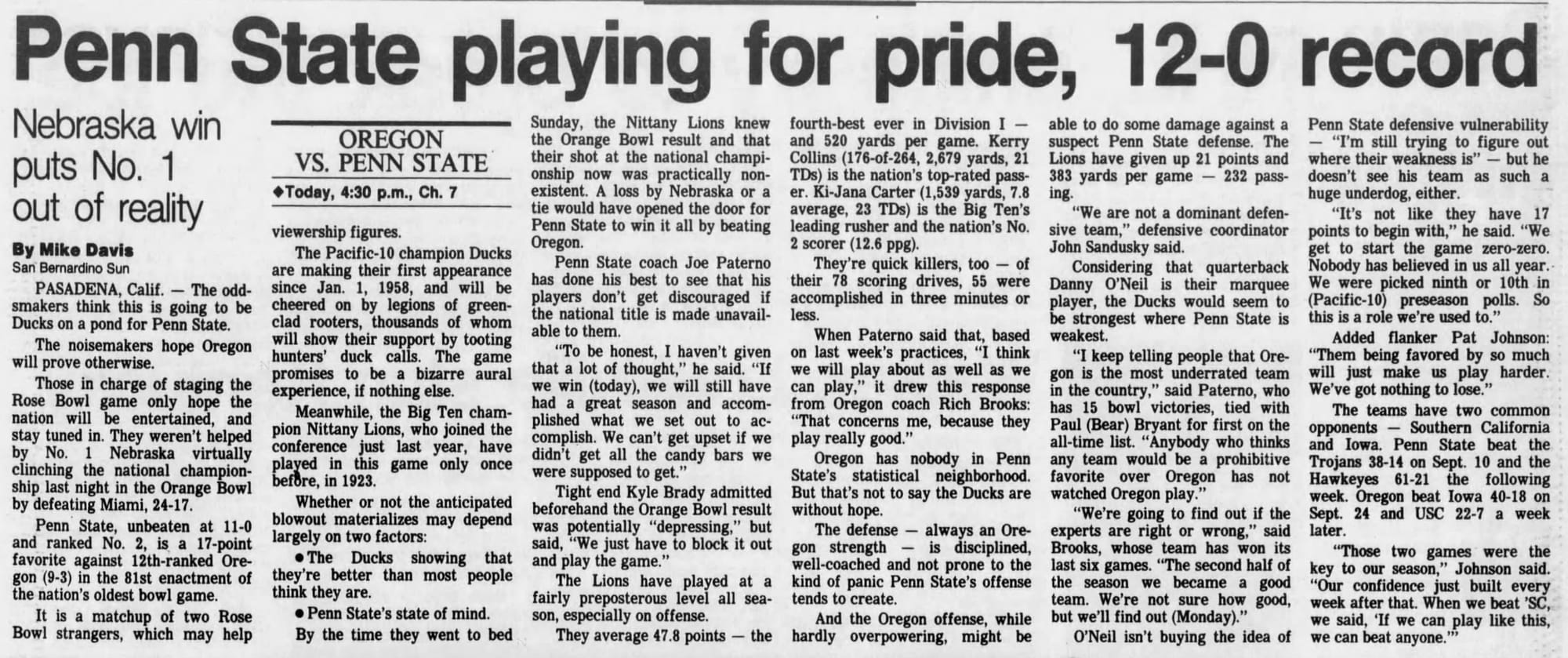
Penn State went 12-0, won the Rose Bowl by 18, led the nation in scoring (47.8 a game) and total offense (520 yards), and produced three first-round picks from one backfield — including Ki-Jana Carter at No. 1 overall. It didn't matter: Nebraska went 13-0, beat Miami in the Orange Bowl, and swept both polls. Somebody unbeaten had to lose the vote. It was the team with maybe the best offense college football had ever seen.
5. 1969: The President Picks a Champion
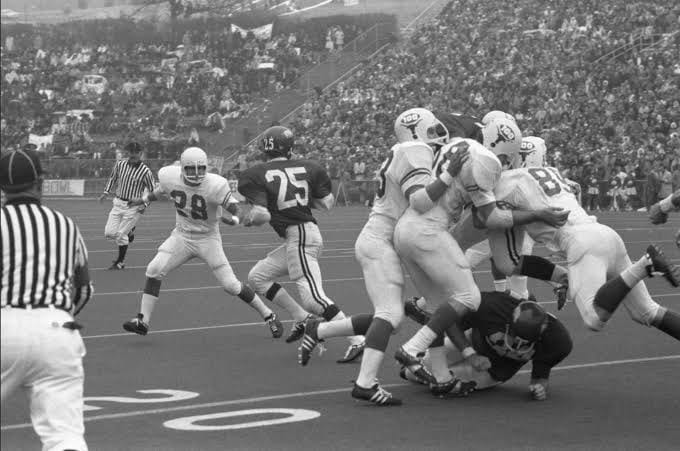
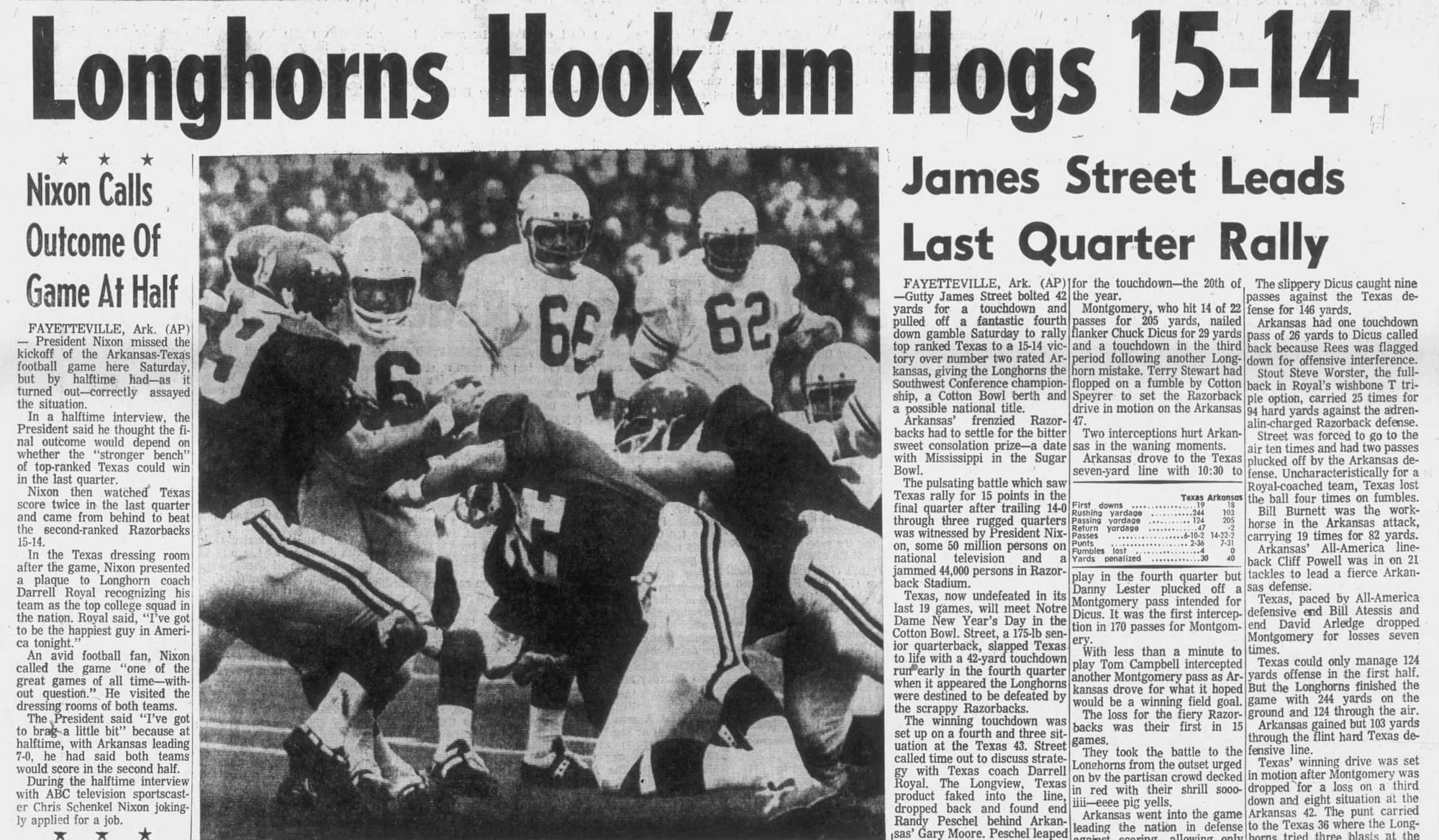
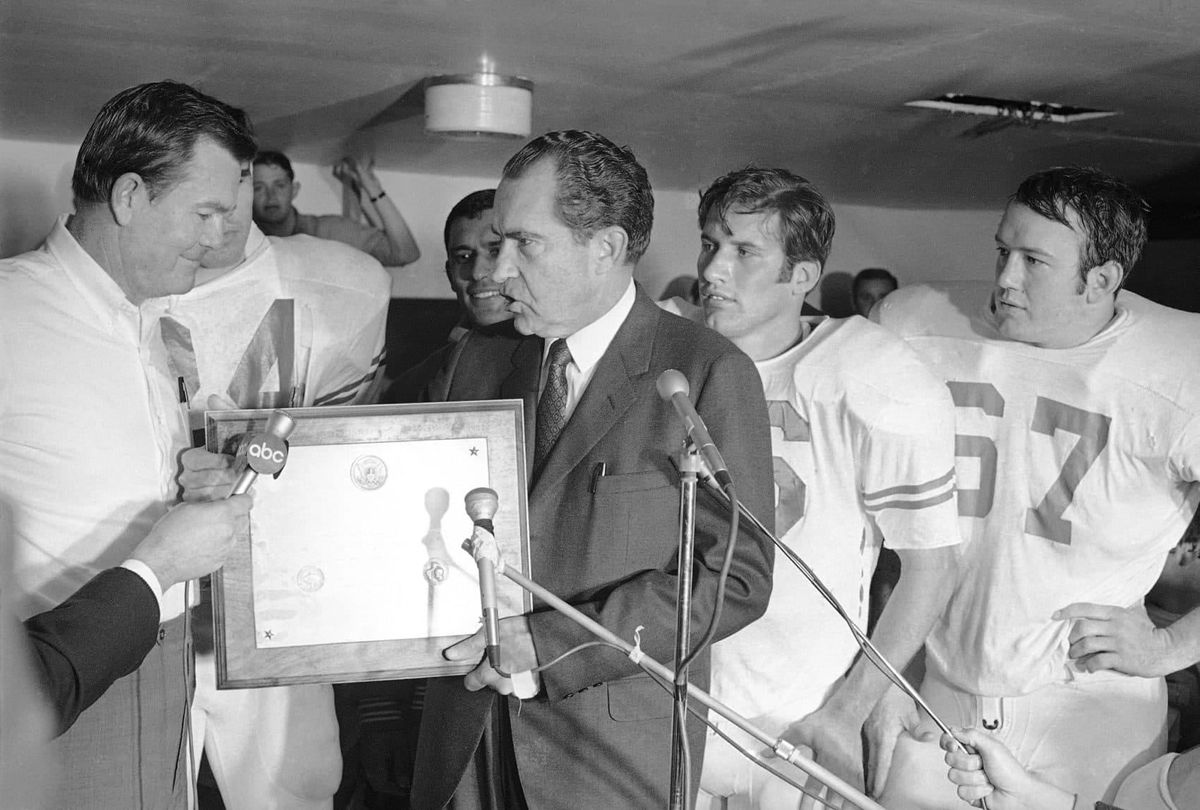
Texas beat Arkansas 15-14 in the "Game of the Century" on Dec. 6 — with Richard Nixon in the stands, and a national championship plaque that Nixon personally presented in the locker room afterward. Penn State was 11-0 and about to win the Orange Bowl. Texas did seal it legitimately, beating Notre Dame in the Cotton Bowl before the post-bowl AP vote — but a sitting president had already called the election. Nixon even offered Penn State a consolation plaque for the nation's longest winning streak; Joe Paterno declined it, and years later delivered the eternal line: "I'd like to know, how could the President know so little about Watergate in 1973, and so much about college football in 1969?"
4. 1997: The Retirement Gift
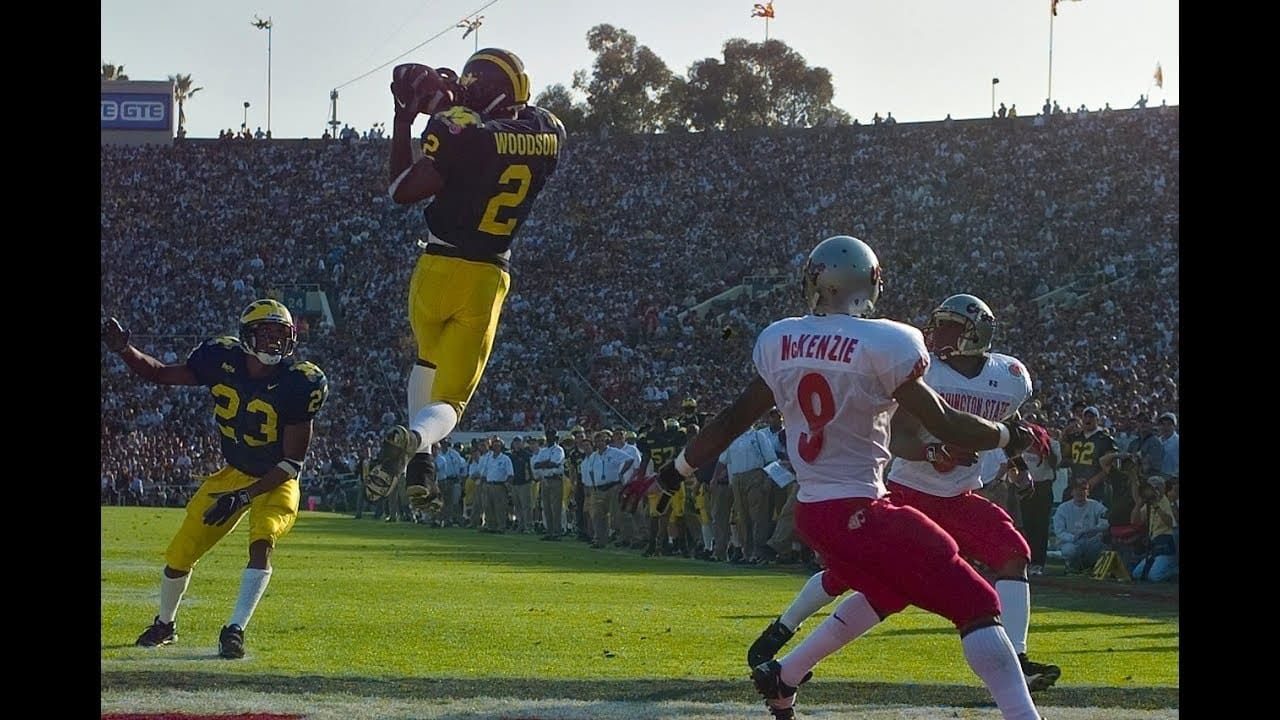
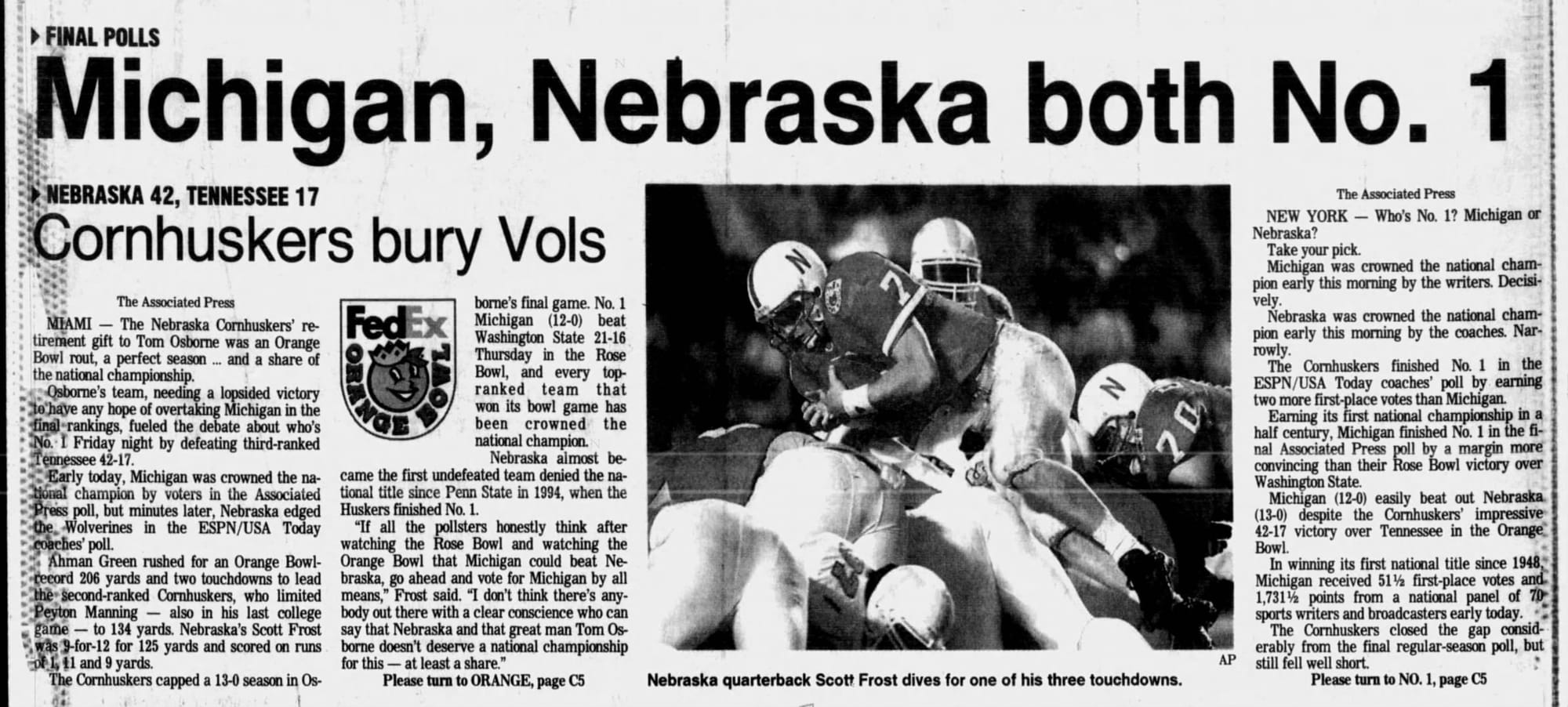
Michigan went 12-0, held the No. 1 ranking in both polls, and won the Rose Bowl. In the old world, that's a wrap. But Nebraska went 13-0, routed Tennessee 42-17 in the Orange Bowl — in Tom Osborne's final game before retirement — and just enough coaches flipped their votes to hand Osborne a farewell share, 1,520 points to 1,516. Osborne, uncharacteristically, campaigned for it openly after the game. Michigan did everything a No. 1 team can do and lost half the title to a going-away party.
3. 1983: The Night the Title Changed Hands Twice
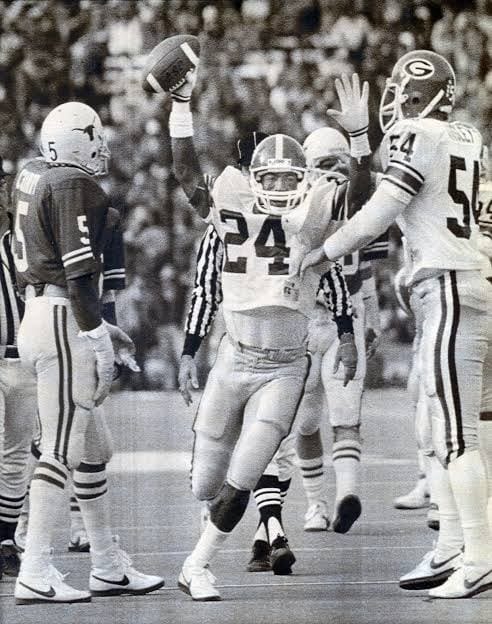
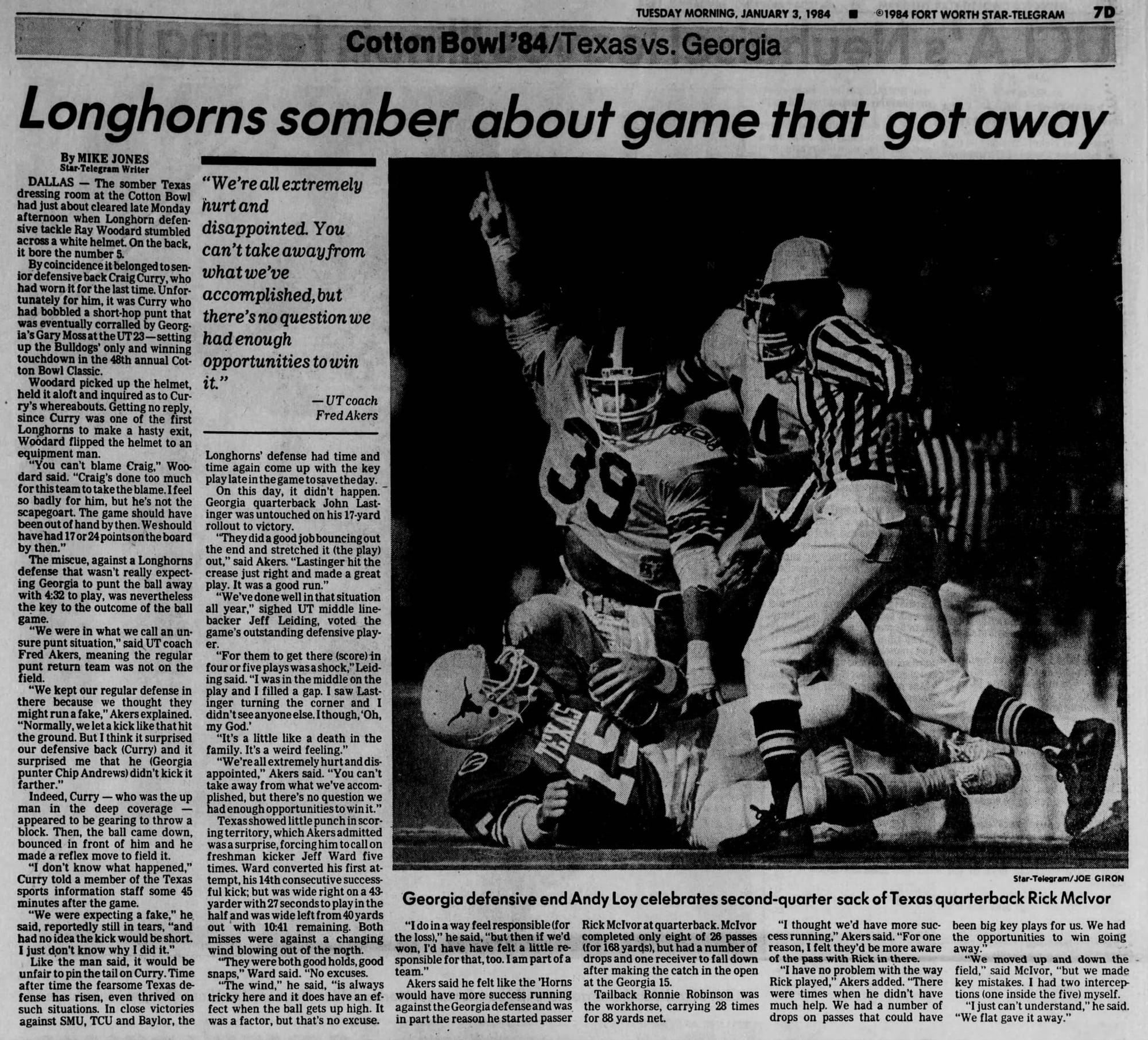
Jan. 2, 1984 might be the wildest single day in poll history. That afternoon, No. 2 Texas — 11-0 — fumbled away the Cotton Bowl, 10-9 to Georgia, on a muffed punt in the final minutes. That night, No. 5 Miami upset No. 1 Nebraska 31-30 in the Orange Bowl, surviving when Tom Osborne — needing only a tie to win the title — went for 2 and the win with under a minute left. The kick-a-PAT-and-take-the-trophy option was right there. He refused it, the conversion failed, and Miami leapfrogged the field from No. 5. Auburn, 11-1 with the nation's toughest schedule, still claims this title via the New York Times computer — one of three programs with a recognized 1983 claim.
2. 2003: The Split That Broke the BCS
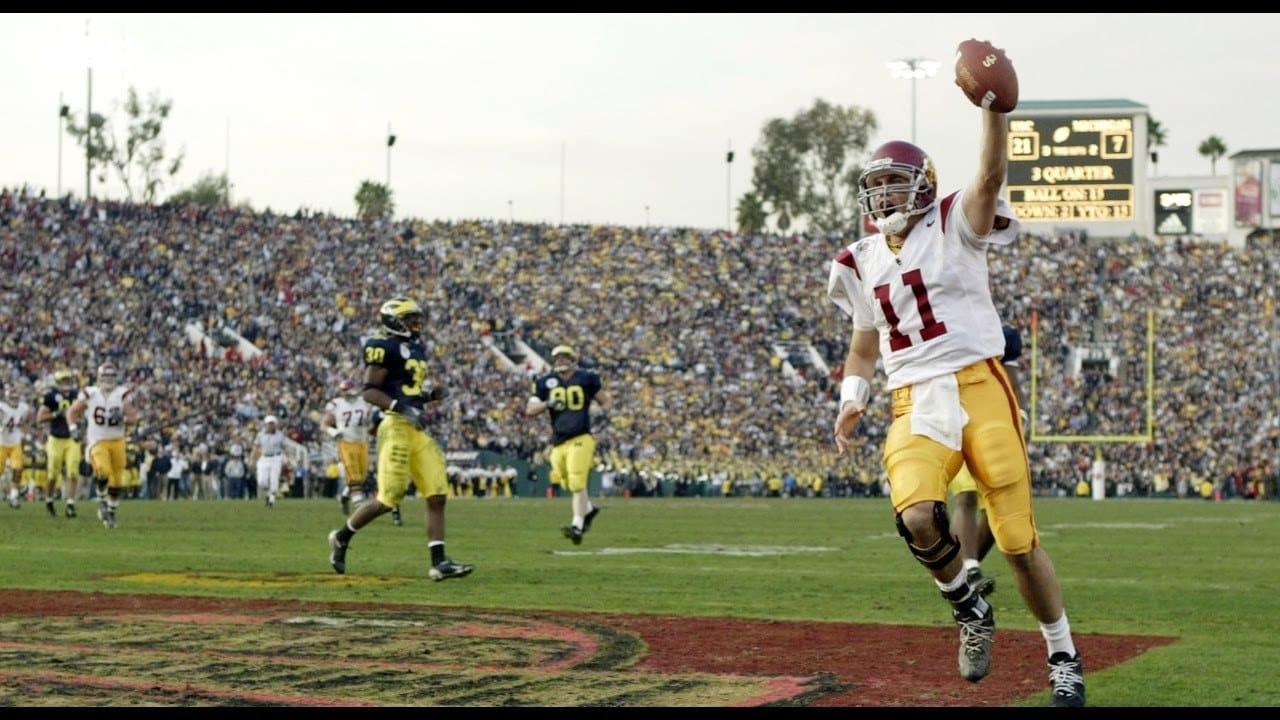
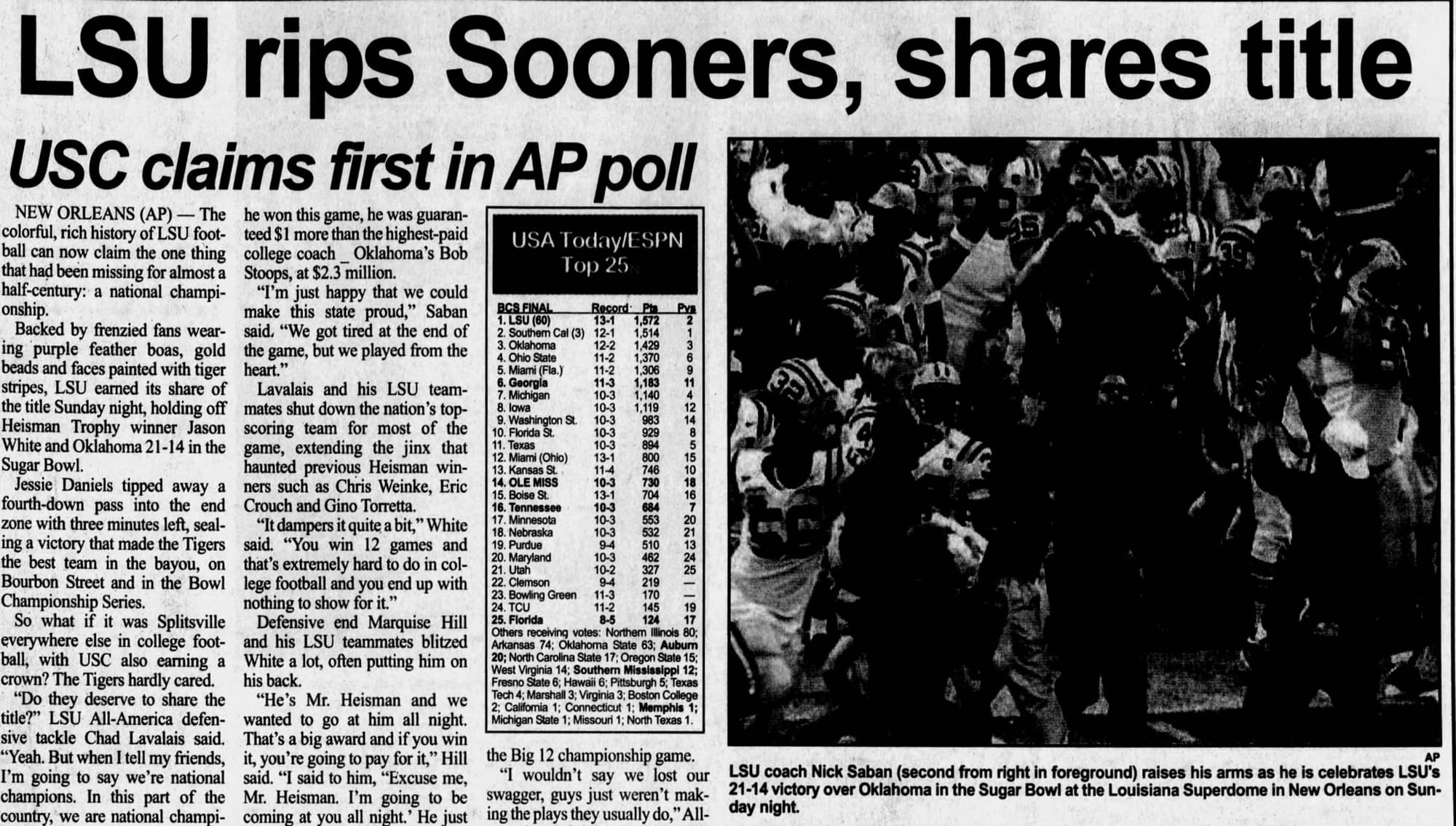
The BCS existed for exactly one purpose: force 1 to play 2. In 2003 it couldn't manage it. USC was ranked No. 1 in both human polls — and finished third in the BCS standings, because the computers preferred Oklahoma, which had just lost its conference title game 35-7, and LSU. LSU beat Oklahoma for the BCS crown; USC won the Rose Bowl and kept the AP title; the coaches were contractually obligated to vote LSU No. 1, and three of them refused. The system built to end split championships had manufactured one, and the formula was gutted the following offseason.
1. 1990: Colorado, Georgia Tech, and the Fifth Down
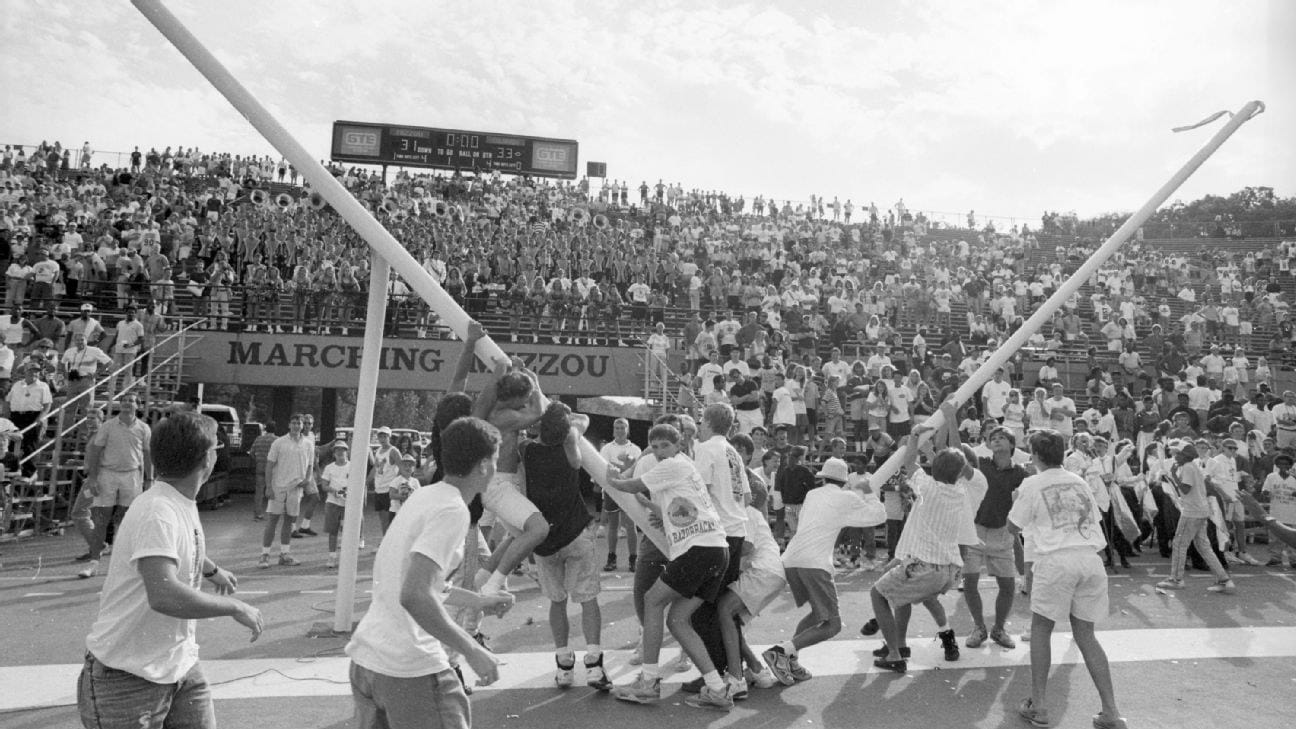
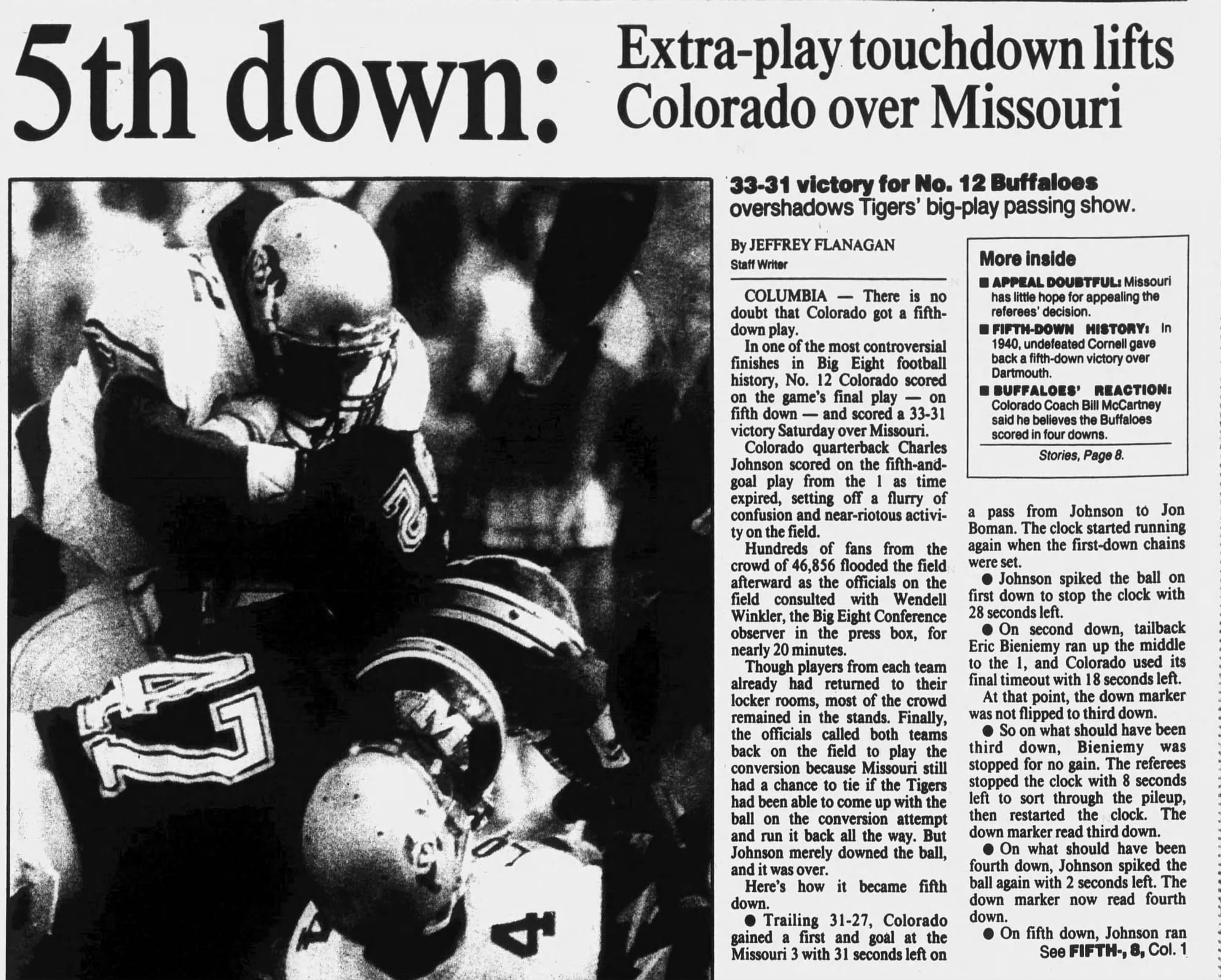
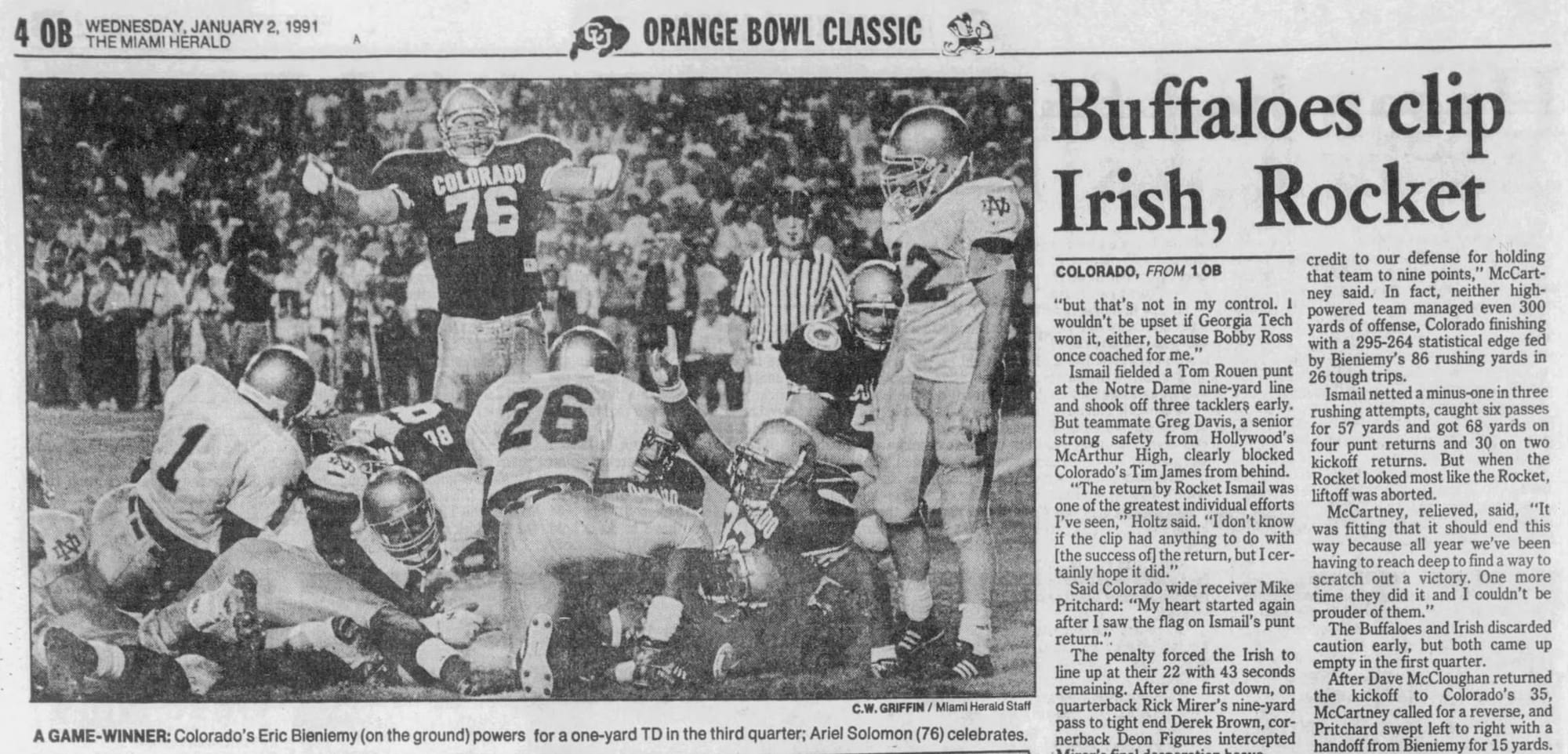
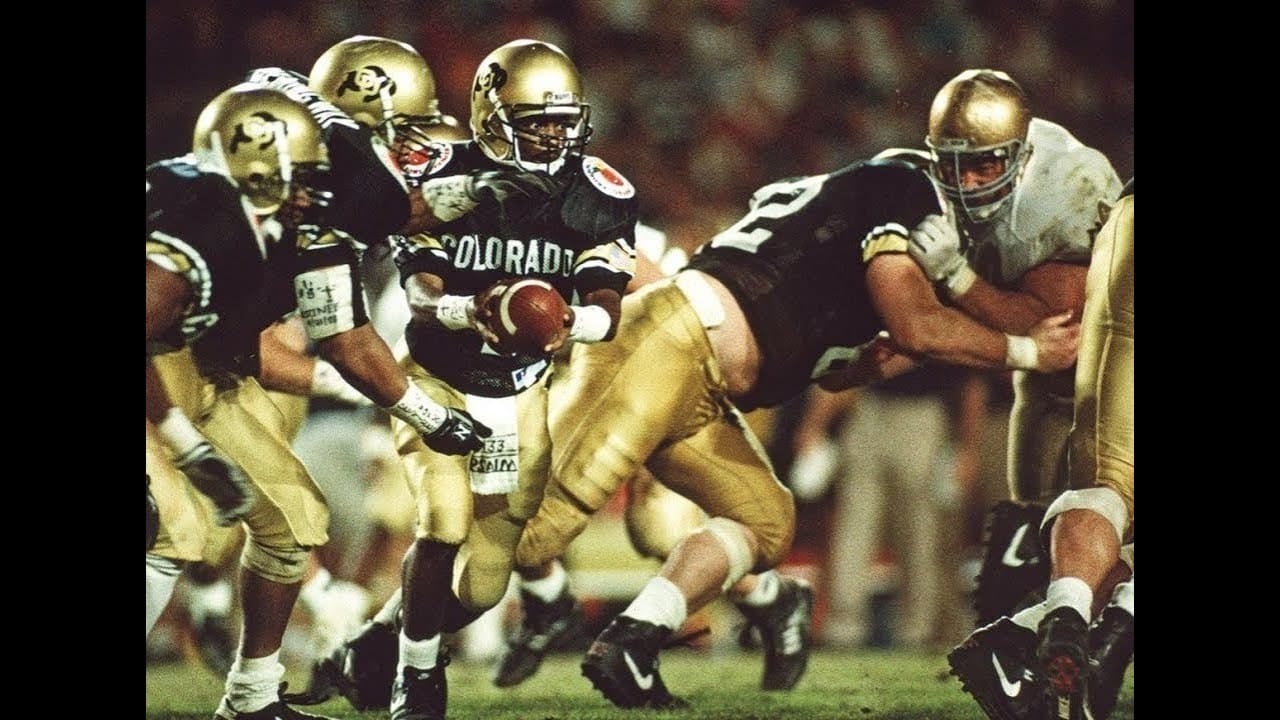
The champion of championship chaos. Colorado's title season included: a 31-31 tie with Tennessee in the opener; the infamous Fifth Down Game at Missouri, won 33-31 on a fifth down the officials accidentally granted (the chain crew lost count amid the chaos — and photos suggest the winning QB sneak may have been short anyway; coach Bill McCartney declined to forfeit, citing the quality of Missouri's turf); and an Orange Bowl won 10-9 over Notre Dame when Rocket Ismail's 91-yard punt-return touchdown in the final minute was wiped out by a clipping penalty. The AP took Colorado anyway. The coaches took 11-0-1 Georgia Tech — by one point, 847-846, the closest finish in the poll's history. And the deciding swing reportedly belonged to one Tom Osborne of Nebraska, who had lost to Colorado in October and watched Georgia Tech shred his team in the Citrus Bowl. Thirty-six years later, the two champions finally settled it on the field Thursday night. Sort of. 14-13. On a blocked kick. Naturally.
Honorable mentions: 1966 (Notre Dame plays for the 10-10 tie against Michigan State and wins the vote anyway, while 11-0 defending champ Alabama finishes third); 1973 (UPI crowns Alabama pre-bowl, Notre Dame beats Alabama in the Sugar Bowl — the fiasco that finally moved the coaches' vote after the bowls); 1993 (Florida State wins the title over a Notre Dame team that beat them head-to-head); 2000 (Florida State gets the title game over a Miami team that beat them head-to-head); 2004 (13-0 Auburn locked out of the title game entirely — and the USC title that kept them out was later vacated); and 2017 (13-0 UCF simply declares itself national champion, hangs the banner, throws the parade at Disney World, and pays the coaches title bonuses — the purest solution on this list).
Which champion was the least legitimate? Fight it out in the comments.
Comments ()