
The 5 Best Topps Traded Sets of All Time (Plus the Two Worst)
From 1981 to 1991, Topps sold a little 132-card box set every fall that fixed everything the base set got wrong — rookies who debuted too late, stars traded mid-season. Some of those boxes became legendary. Two became landfill. Here's the definitive ranking.
From 1981 to 1991, Topps sold a little 132-card box set every fall that fixed everything the base set got wrong — rookies who debuted too late, stars traded mid-season. Some of those boxes became legendary. Two became landfill. Here's the definitive ranking.
5. 1981 Topps Traded — The One That Started It All
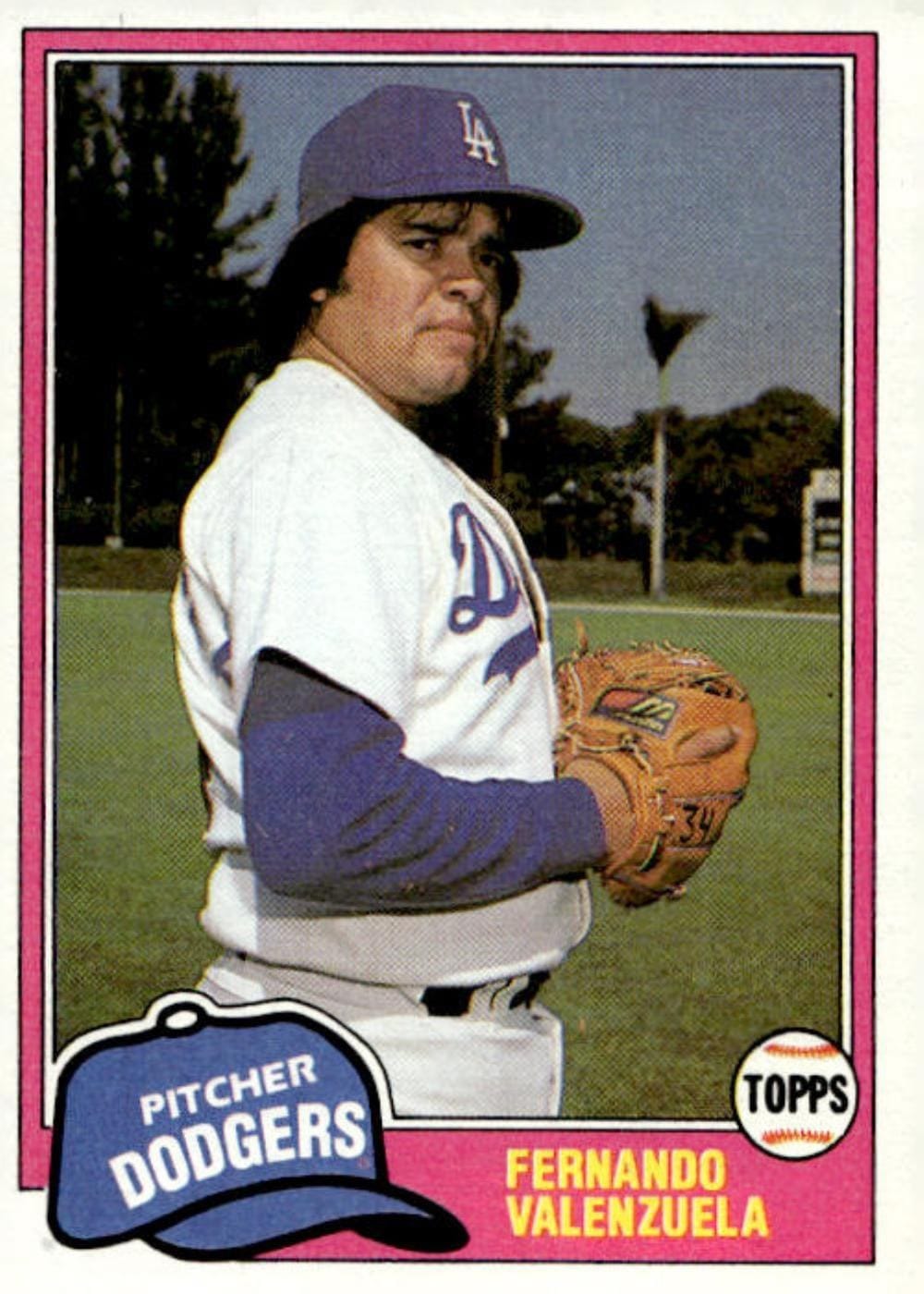
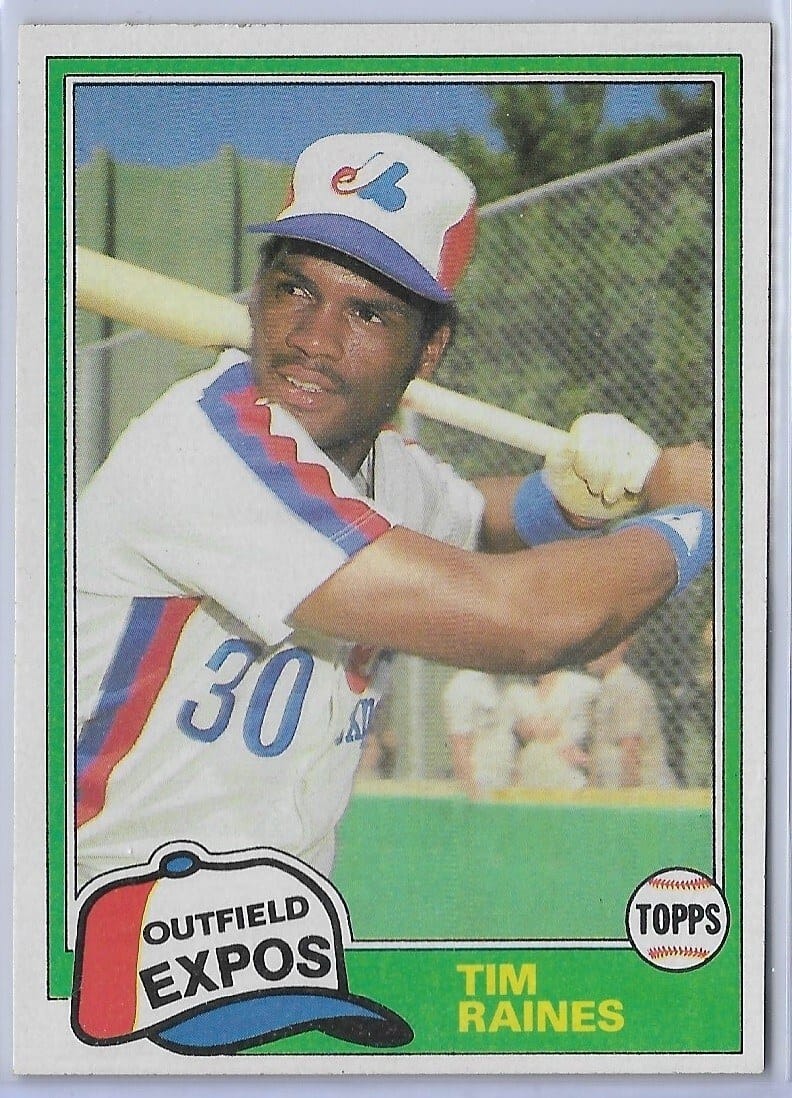
The first standalone Traded box set ever, sold only through hobby dealers, and the only one numbered as a continuation of the base set (727–858 — alphabetical, which is how Danny Ainge, future Celtic, leads off at #727). The headliners were pure 1981: Fernando Valenzuela #850 in the middle of Fernandomania, and Tim Raines #816 getting his first solo card. Nothing in the box is expensive today, but everything in it is historic.
Why it ranks: Every Traded set that follows exists because this experiment worked.
4. 1984 Topps Traded — Doctor K and a Costly Miss
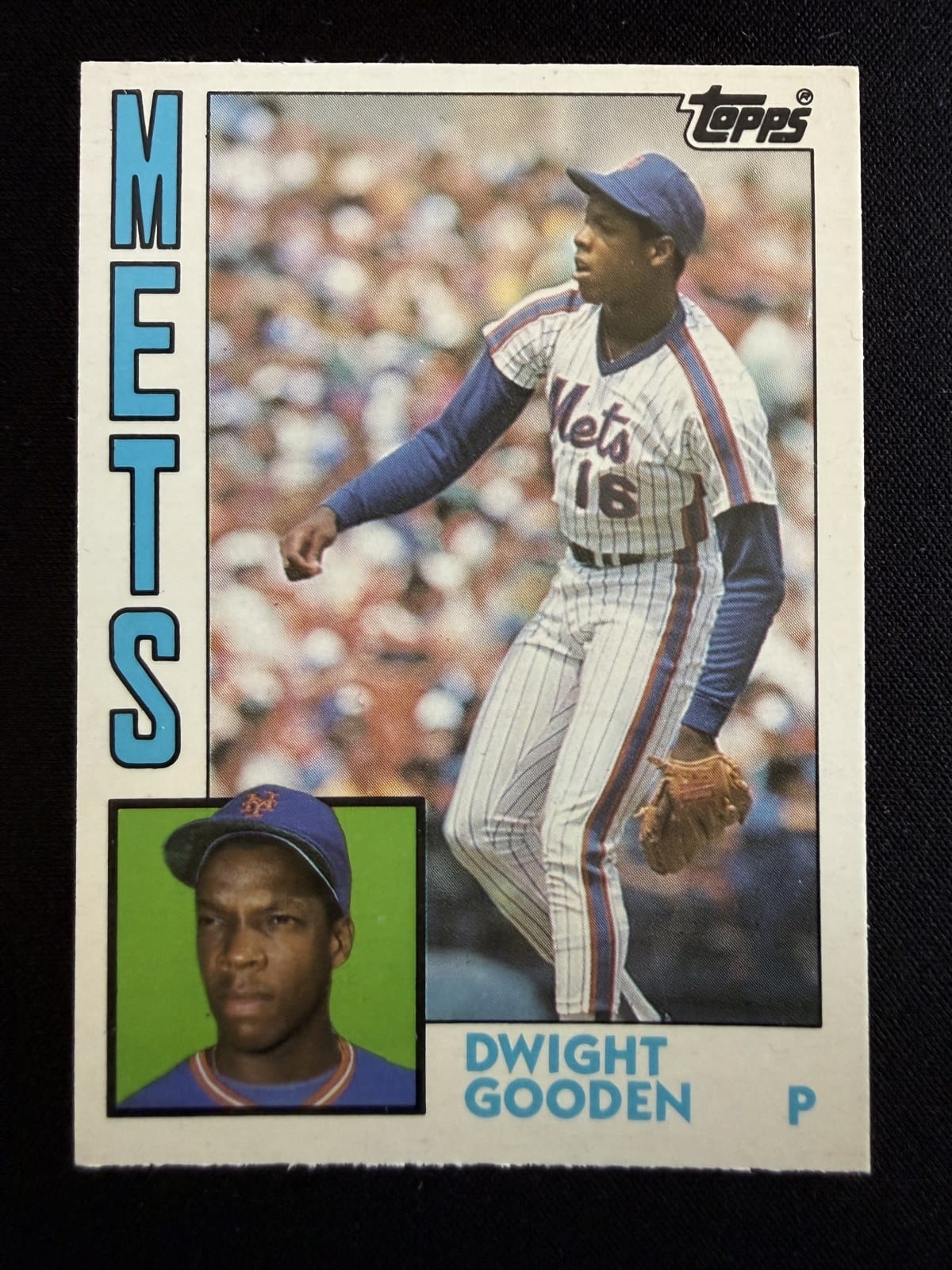
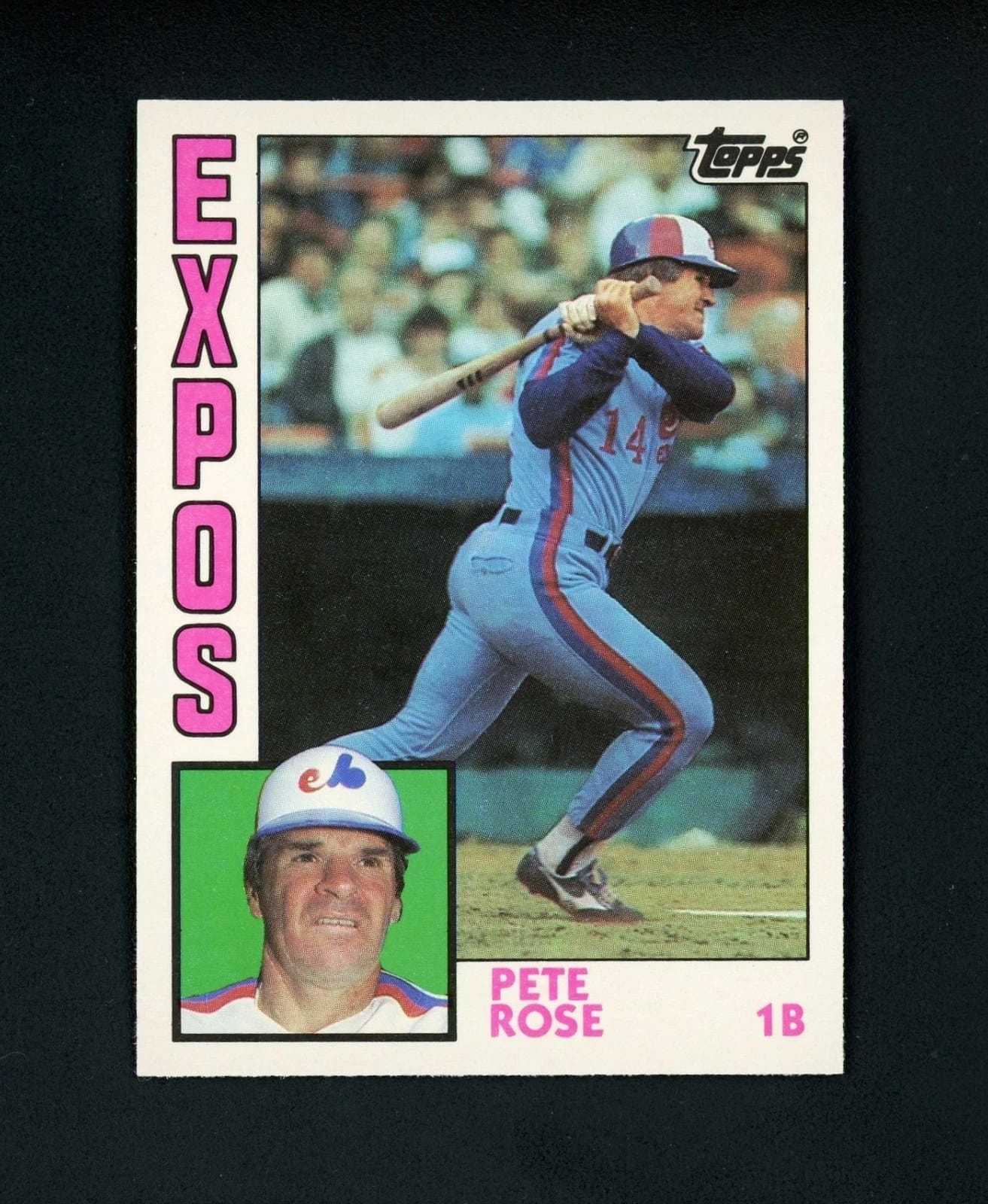
Dwight Gooden #42T — the card of the mid-'80s hobby, full stop — plus Bret Saberhagen's first card and Pete Rose returning as a player-coach. 1984 also introduced the Tiffany parallel: a glossy, ~10,000-run premium version whose Gooden is the set's real money card. The asterisk: Topps somehow left out Kirby Puckett and Roger Clemens, both of whom landed in rival Fleer Update instead — the most expensive omission in Traded history.
Why it ranks: The biggest rookie card of its era and the first Tiffany — docked one spot for the two Hall of Famers that got away.
3. 1986 Topps Traded — The Deepest Box Ever Printed
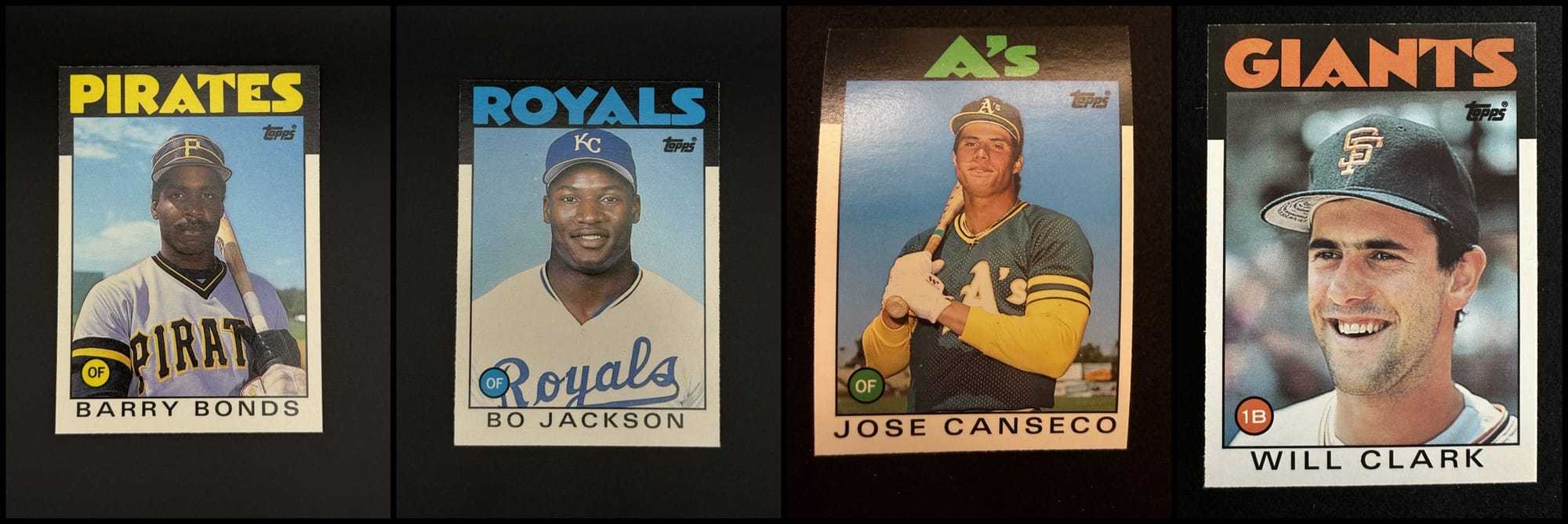
One 132-card box: Barry Bonds #11T. Bo Jackson #50T. Jose Canseco #20T. Will Clark #24T. Plus Bonilla, Kevin Mitchell, Wally Joyner, and Tom Seaver's farewell in a Red Sox uniform. No Traded set before or since packed four era-defining names into one checklist — and Bo's card marks the moment he chose baseball over the NFL.
Why it ranks: Sheer density. If you could only open one Traded box from the '80s, the gambler opens this one.
2. 1983 Topps Traded — The Strawberry
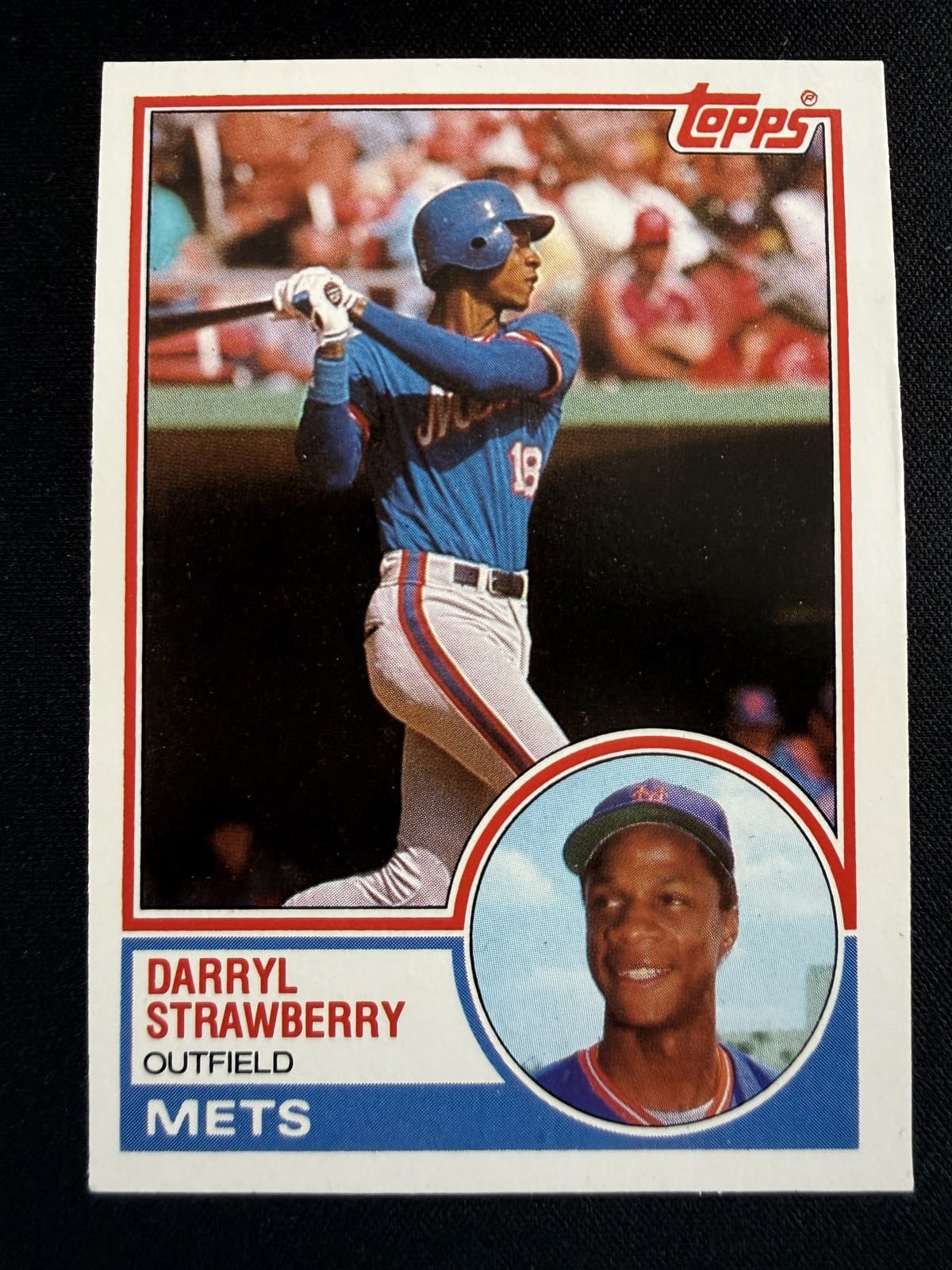
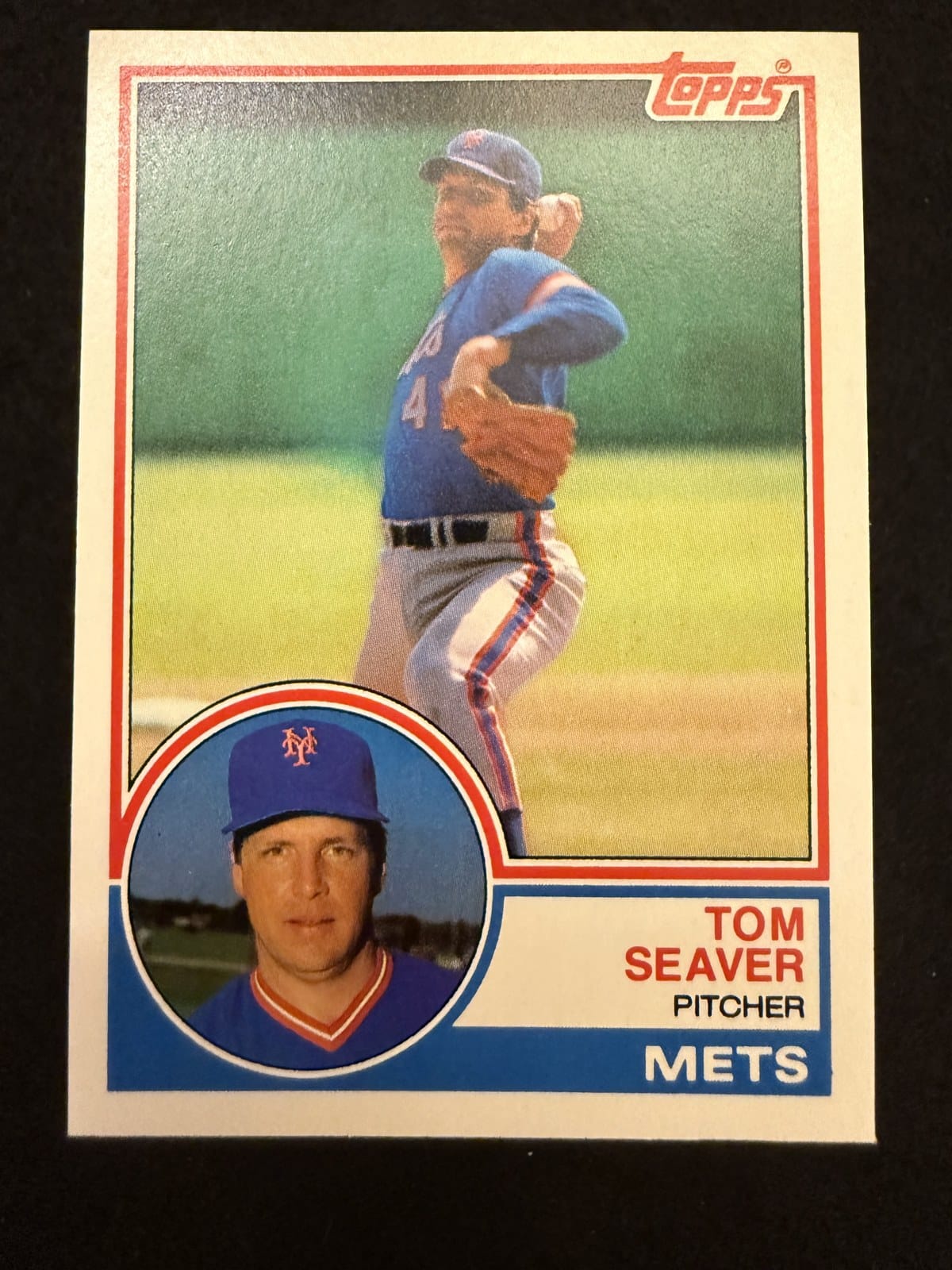
Darryl Strawberry #108T is that rarest thing: a true rookie card with no base-set equivalent — if you wanted Straw's Topps rookie, this box was the only place on Earth to get it, and he won Rookie of the Year the same season it shipped. Julio Franco's Hall of Fame rookie hides at #34T for pocket change, and Tom Seaver's return to the Mets gives the set its veteran heart.
Why it ranks: The perfect Traded story — a superstar rookie the base set completely missed.
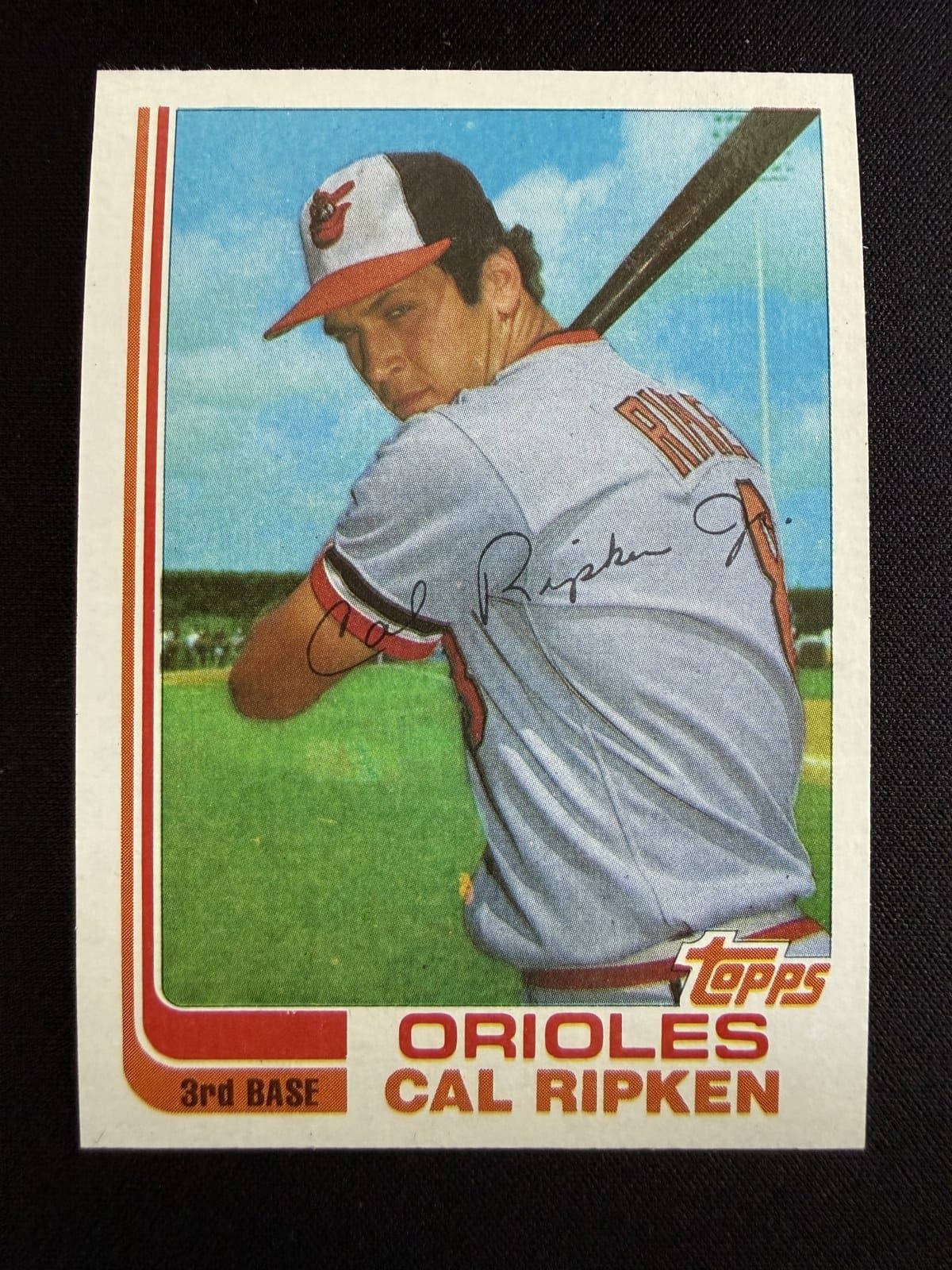
1. 1982 Topps Traded — The Ripken
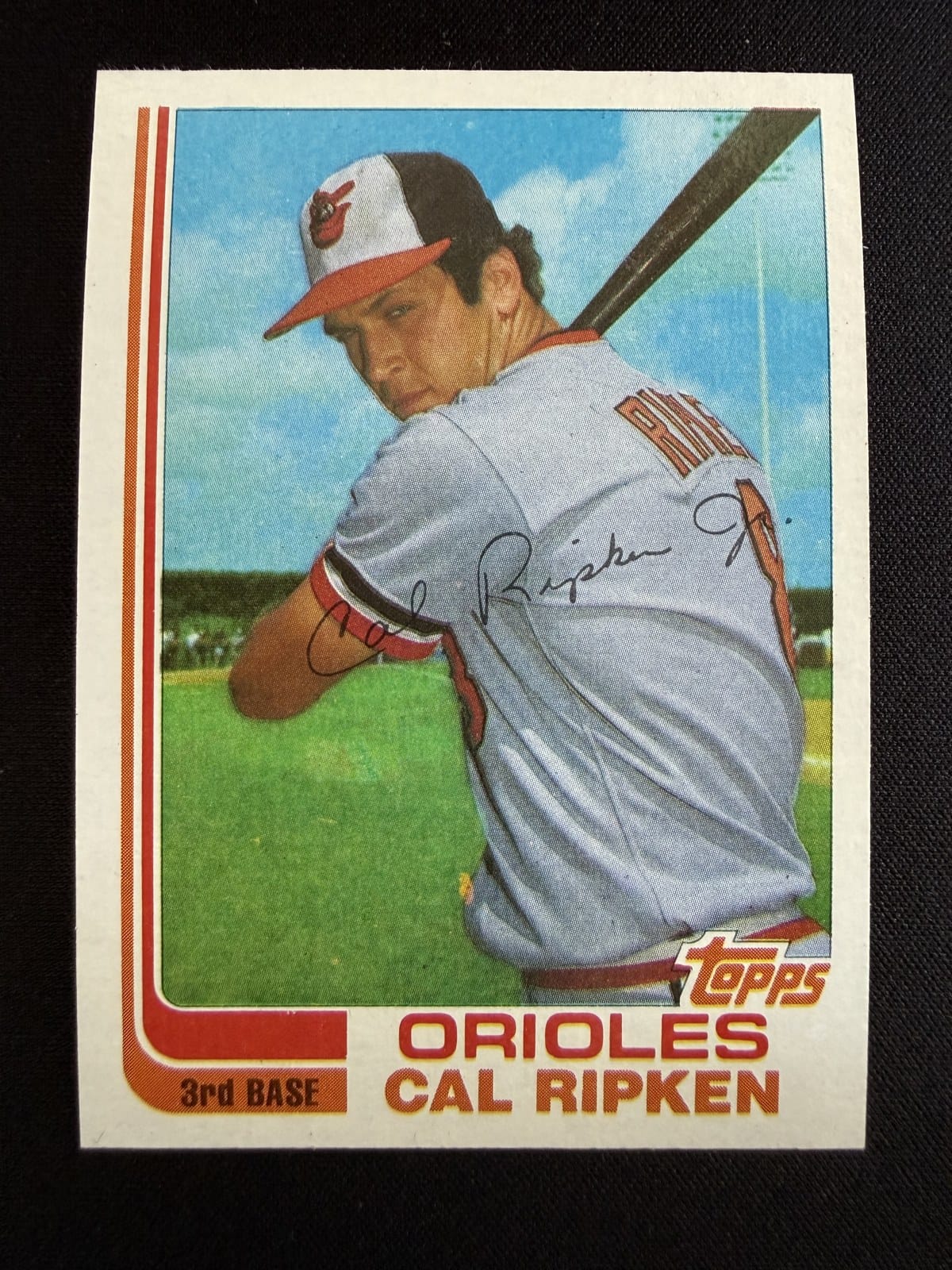
Cal Ripken Jr. #98T. The first solo Topps card of the Iron Man, in a set that also introduced the 1T–132T numbering every later Traded set copied. A PSA 10 runs well into five figures (think $6,600–$8,100), and only about 2% of submitted copies get a gem grade. One card, worth more than most complete Traded sets combined, in the set that invented the format's identity.
Why it's #1: The most important card ever issued in a Traded set, in the set that defined what Traded sets are.
Honorable Mention: 1989 — The Griffey Box
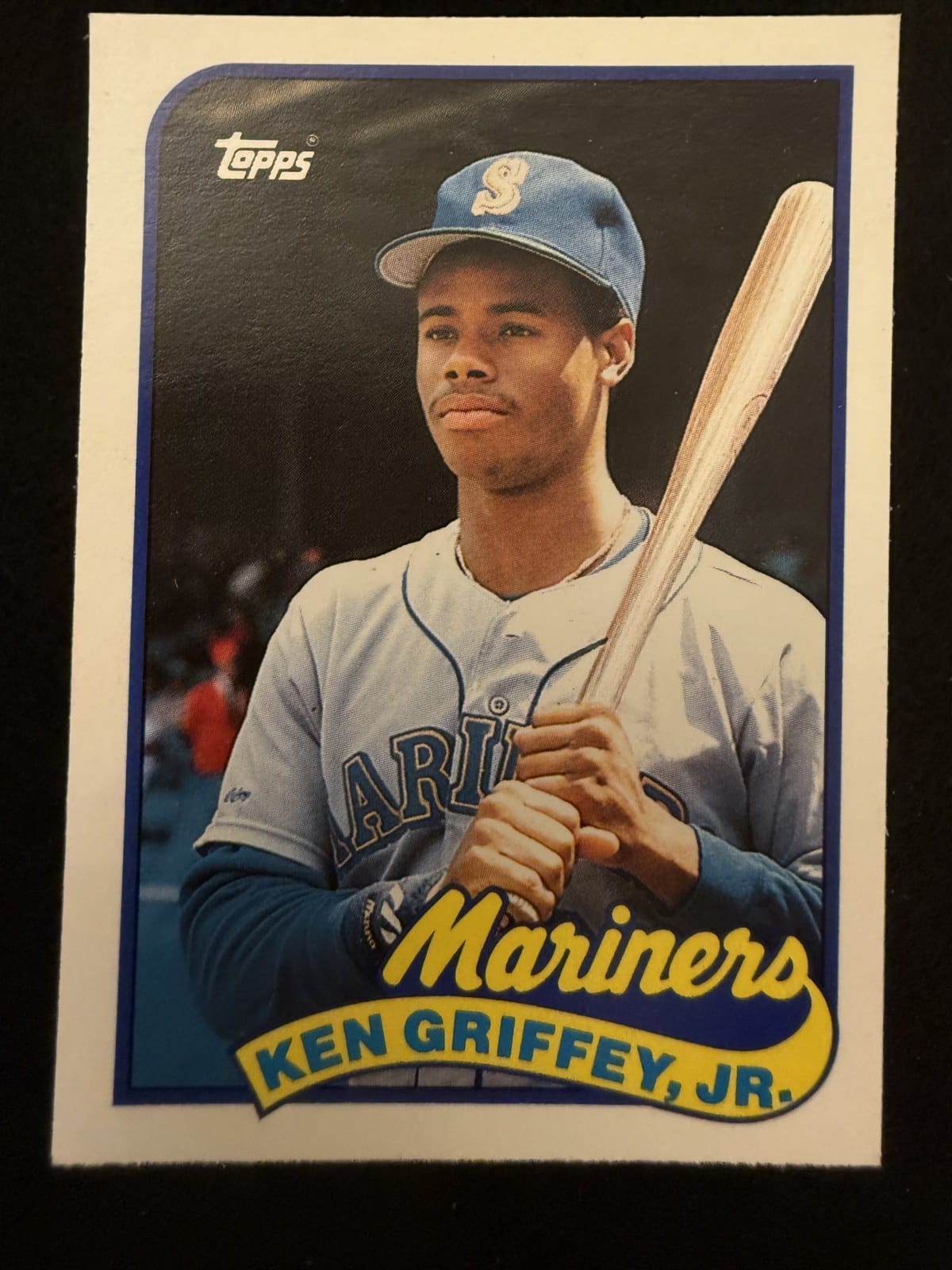
Here's the junk-wax paradox: 1989 Topps Traded was printed to the moon, and it still matters more than almost any set of its era — because Ken Griffey Jr. #41T is his ONLY Topps rookie card. He's not in 1989 base at all. Add Nolan Ryan's first card as a Ranger (#106T), Rickey Henderson returning to Oakland just in time to win the World Series (#48T), and Deion Sanders' rookie (#110T). The Tiffany Griffey — one of the crown jewels of the entire junk-wax era — has sold for as much as $21,000.
The Two Worst
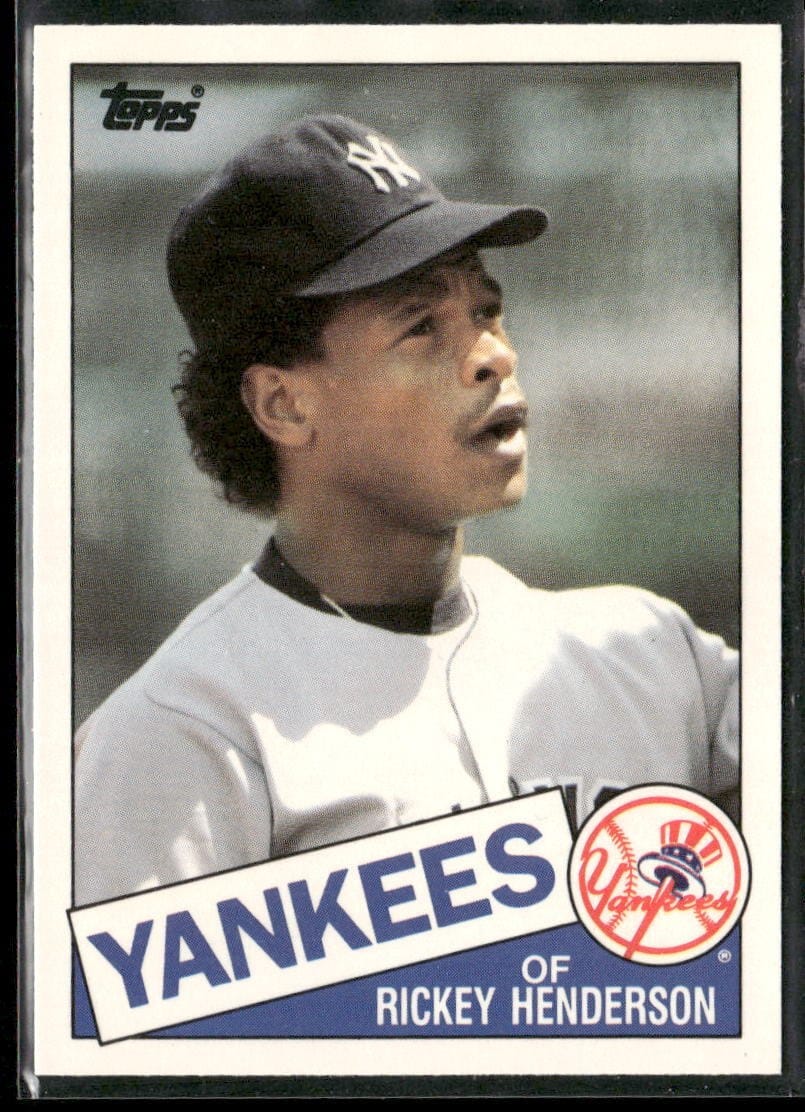
1985 — The Rookie Drought. This one was more overprinted than unlucky. Every 1985 superstar rookie (Puckett, Clemens, Gooden) was already in the base set, leaving Traded with Vince Coleman, Ozzie Guillen, and Mickey Tettleton. Its saving grace: Rickey Henderson's first card in pinstripes (#49T).
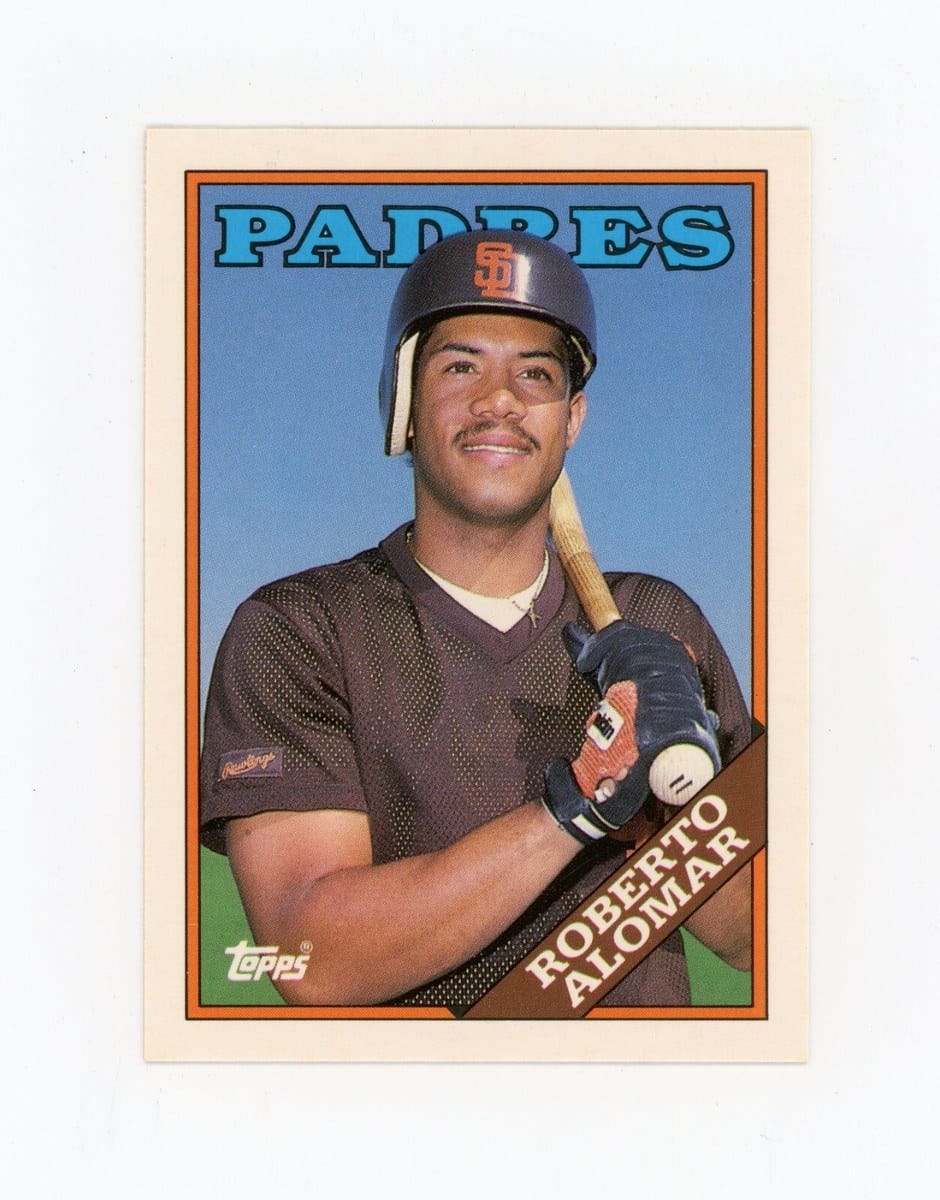
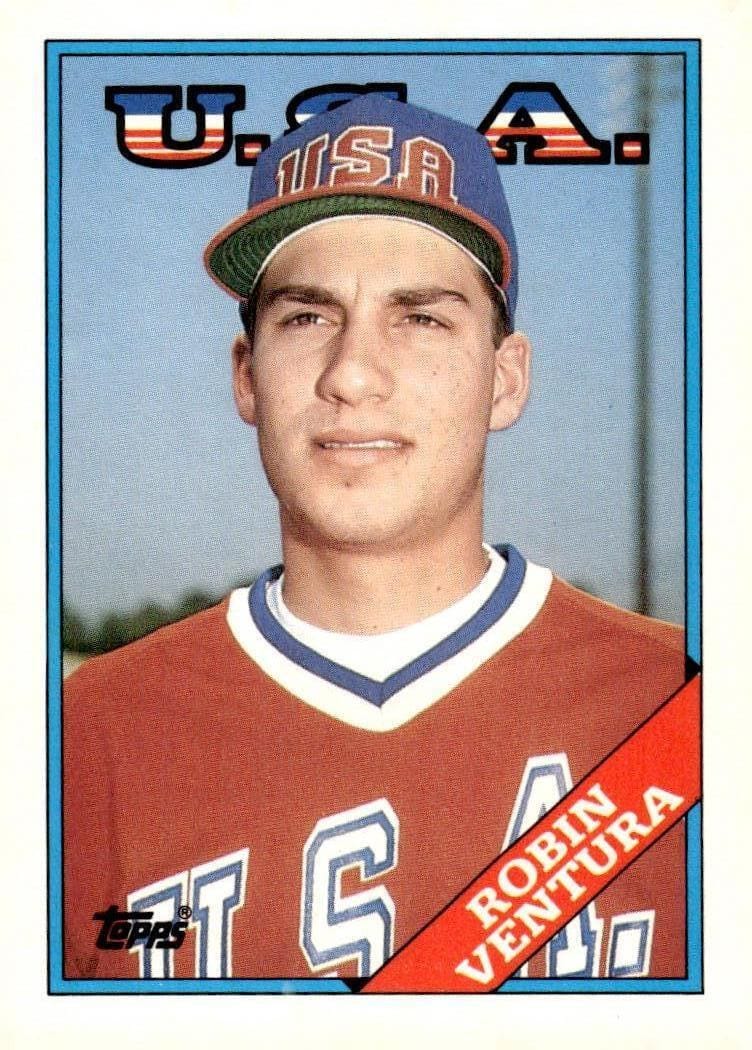
1988 — Proof That Printing Presses Ruin Everything. Here's the cruel one: 1988 Traded has a Hall of Famer's rookie card — Roberto Alomar #4T — plus both Rookies of the Year and the gold-medal Seoul Olympic team (Jim Abbott! Robin Ventura!). And almost none of it will buy you lunch, because Topps printed enough copies for every man, woman, and child in the hobby. Talent didn't fail this set. The supply did.
Rank yours in the comments — and if you say 1988 deserves better, show us your Alomar.

Comments ()