The Brewers Are in the World Series. Here Are 12 Things You May Not Know About Them
A college kid's logo, Orioles who used to be Brewers, a beer-stein slide, a 13-0 start, Uecker, Aaron's 755th, four divisions, the Packers at County Stadium, Yount's odd MVP, the Pilots bankruptcy, and the title drought that could end this month.
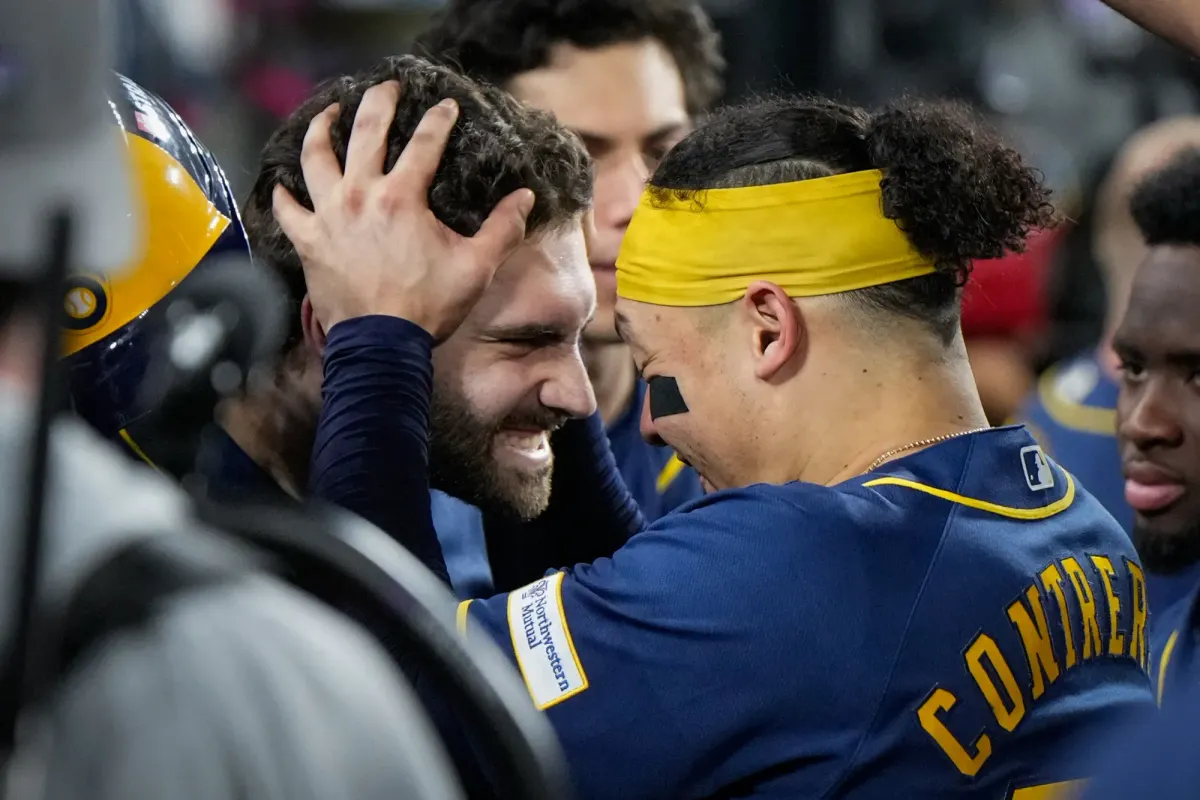
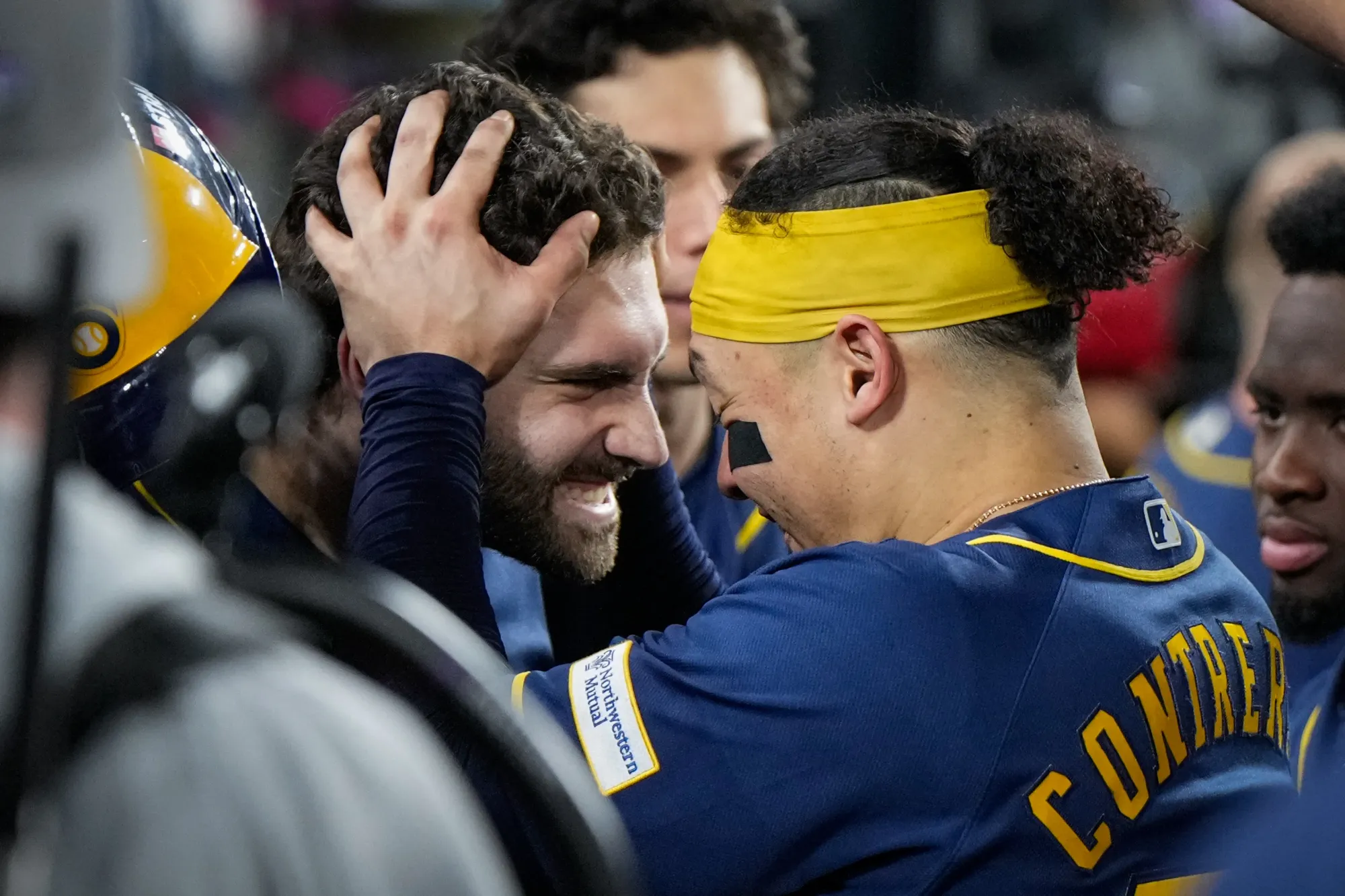
The Milwaukee Brewers won 103 games this year, the most in baseball and the first 100-win season in franchise history. Then they beat the Padres in the Division Series and swept the two-time defending champion Dodgers in the NLCS, four straight wins, every one of them a comeback. Game 1 of the World Series is Friday, Oct. 23, at American Family Field.
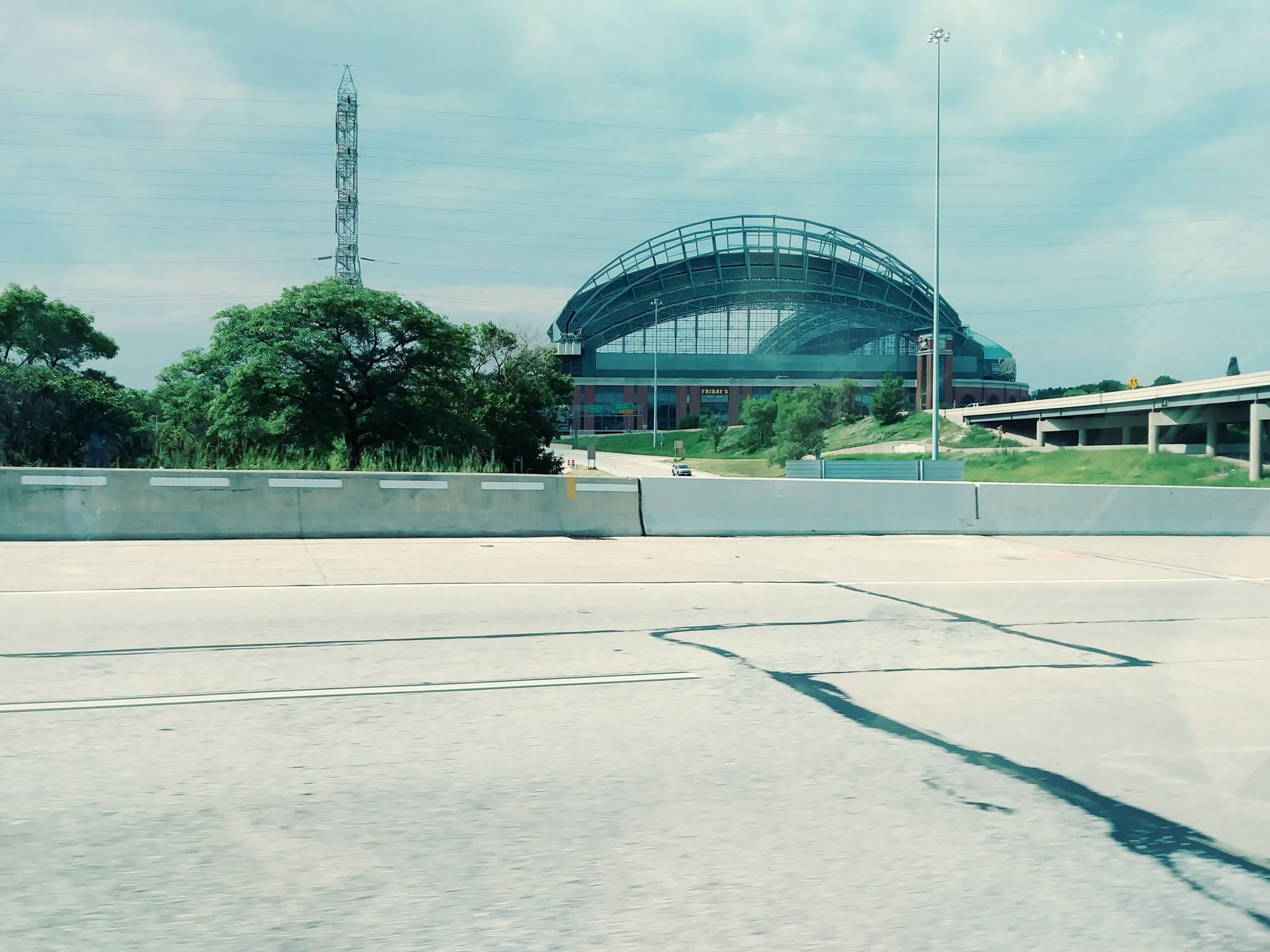
It is the second World Series in the history of a franchise that has been around since 1969. Here are 12 things about the Brewers that even a lot of baseball fans don't know, counting down to the one that matters most this week.
12. The logo was a college kid's contest entry, and it paid $2,000
In the fall of 1977 the Brewers held a contest for a new logo and got close to 2,000 entries. The winner was Tom Meindel, an art student at the University of Wisconsin-Eau Claire, who stacked a lowercase m on a lowercase b and noticed the two letters made a baseball glove. The team gave him a check for $2,000 at a press luncheon. He never received a royalty.
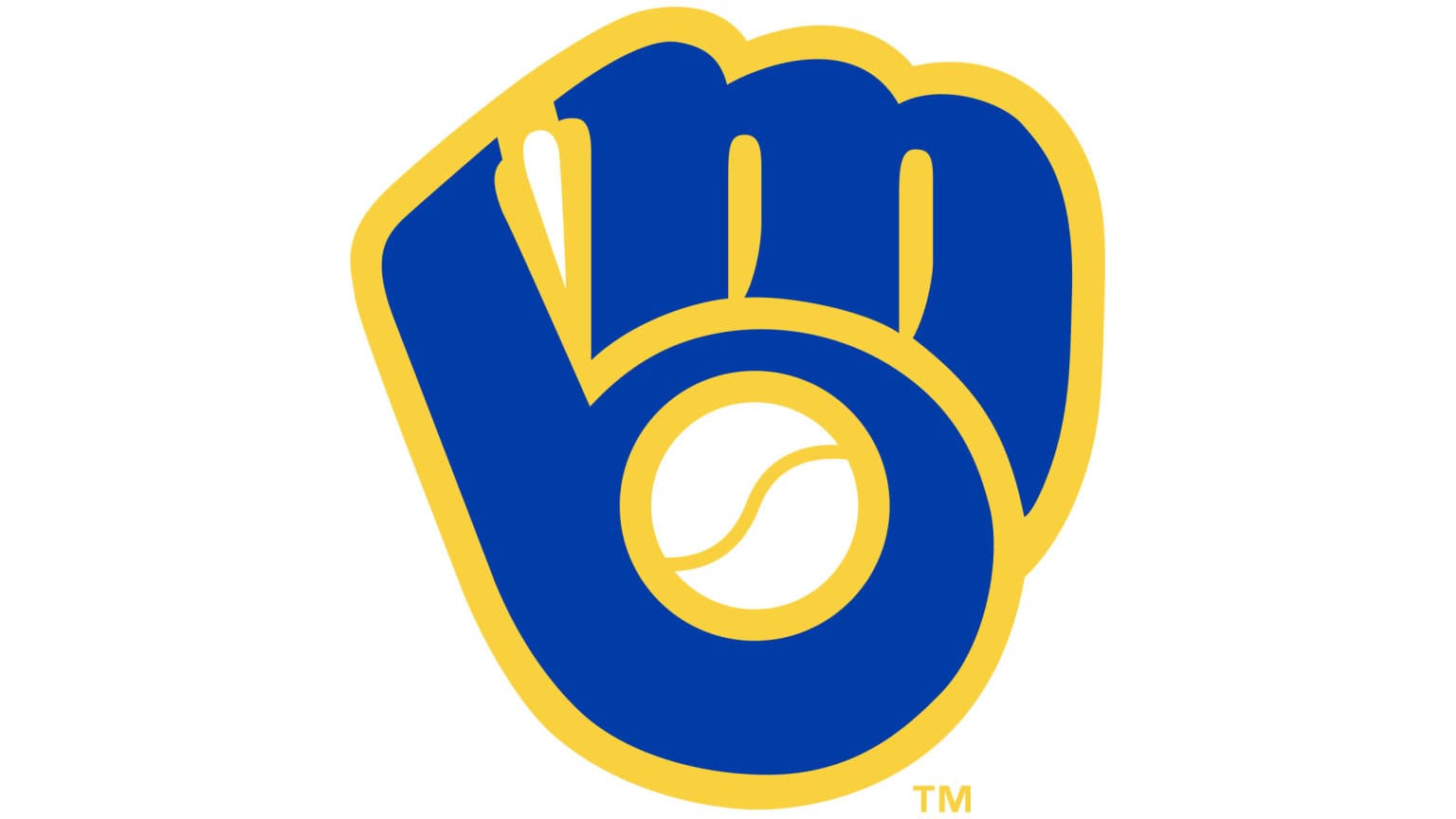
The ball-in-glove logo was on the cap from 1978 through 1993, came back as a throwback, and in 2020 the Brewers made a modernized version their primary logo again. A surprising number of people have looked at it for 40 years without seeing the m and the b.
11. The first Milwaukee Brewers became the Baltimore Orioles
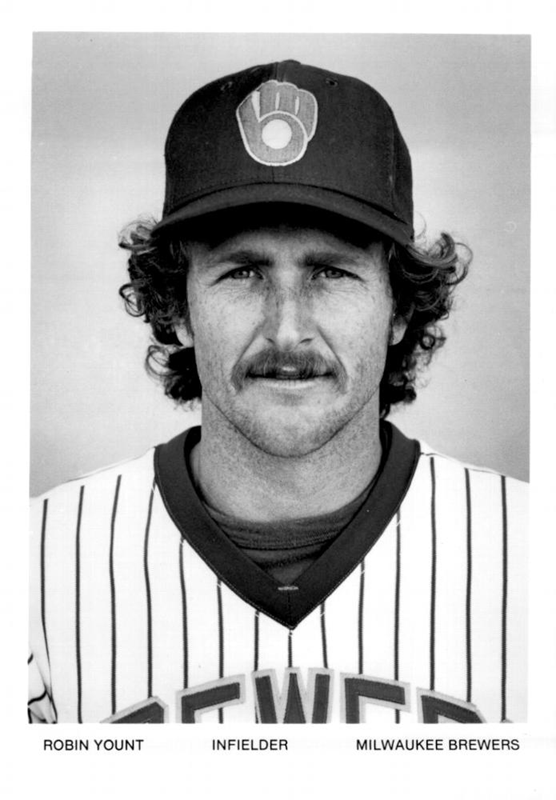
The Brewers you're watching are the third major-league team by that name. The minor-league Milwaukee Brewers were a charter member of the American League when it declared itself a major league in 1901. They lasted one season, finished last, and moved to St. Louis in 1902 to become the Browns. The Browns moved to Baltimore in 1954 and became the Orioles.
So the original American League Brewers have three World Series titles. They just won them as the Orioles.
10. The home run celebration involved a beer stein, and the sausages were a cartoon first
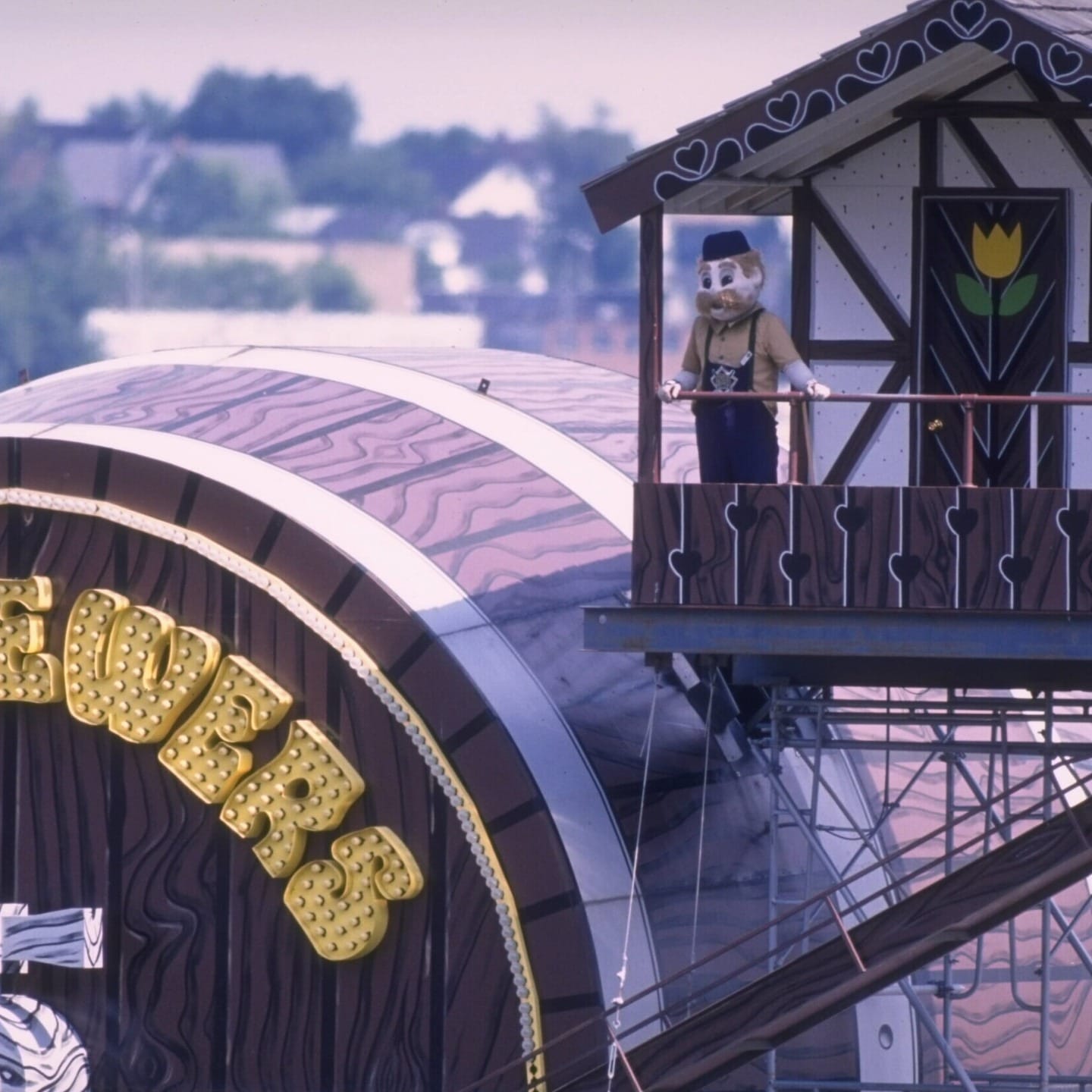
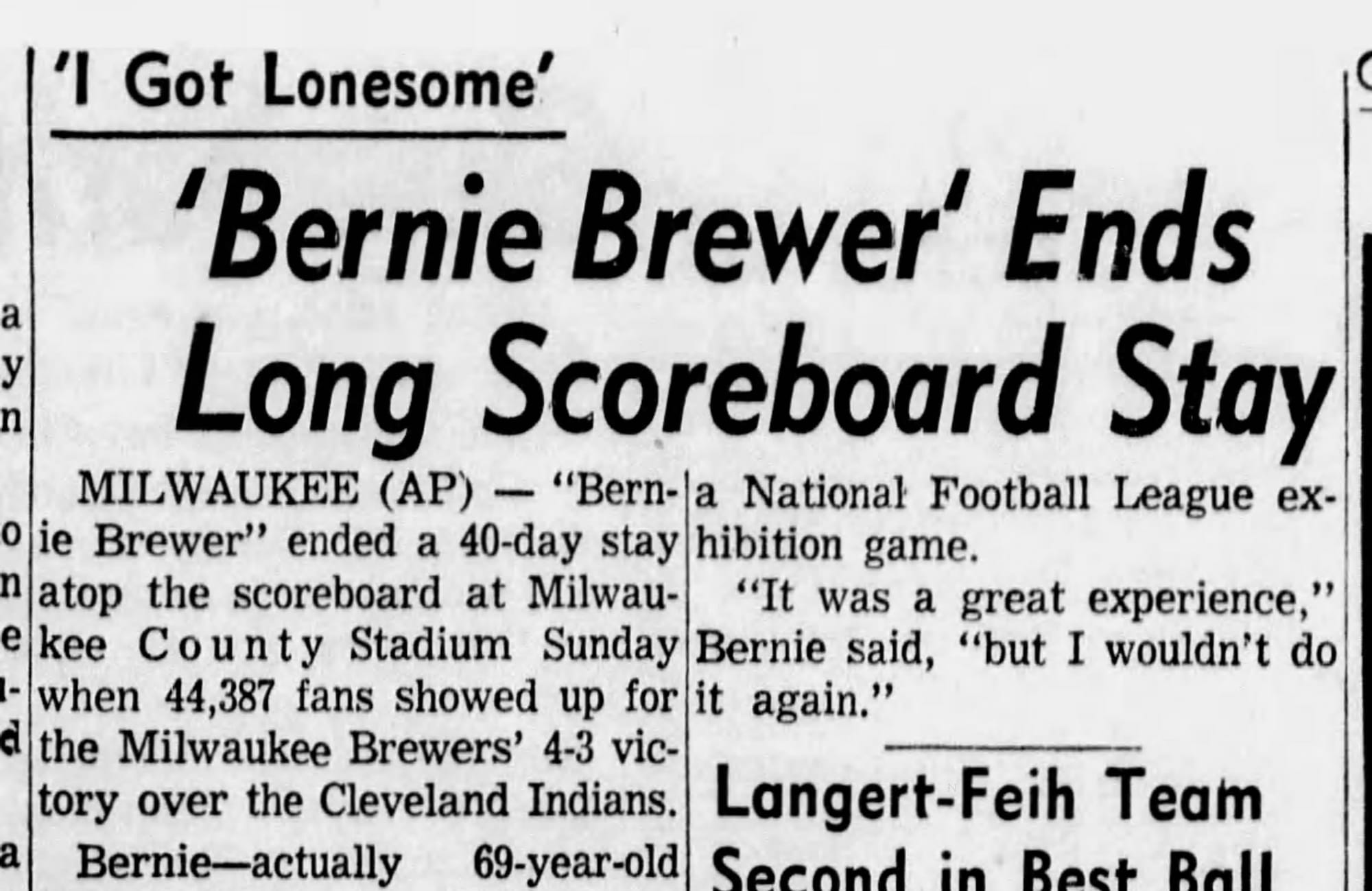
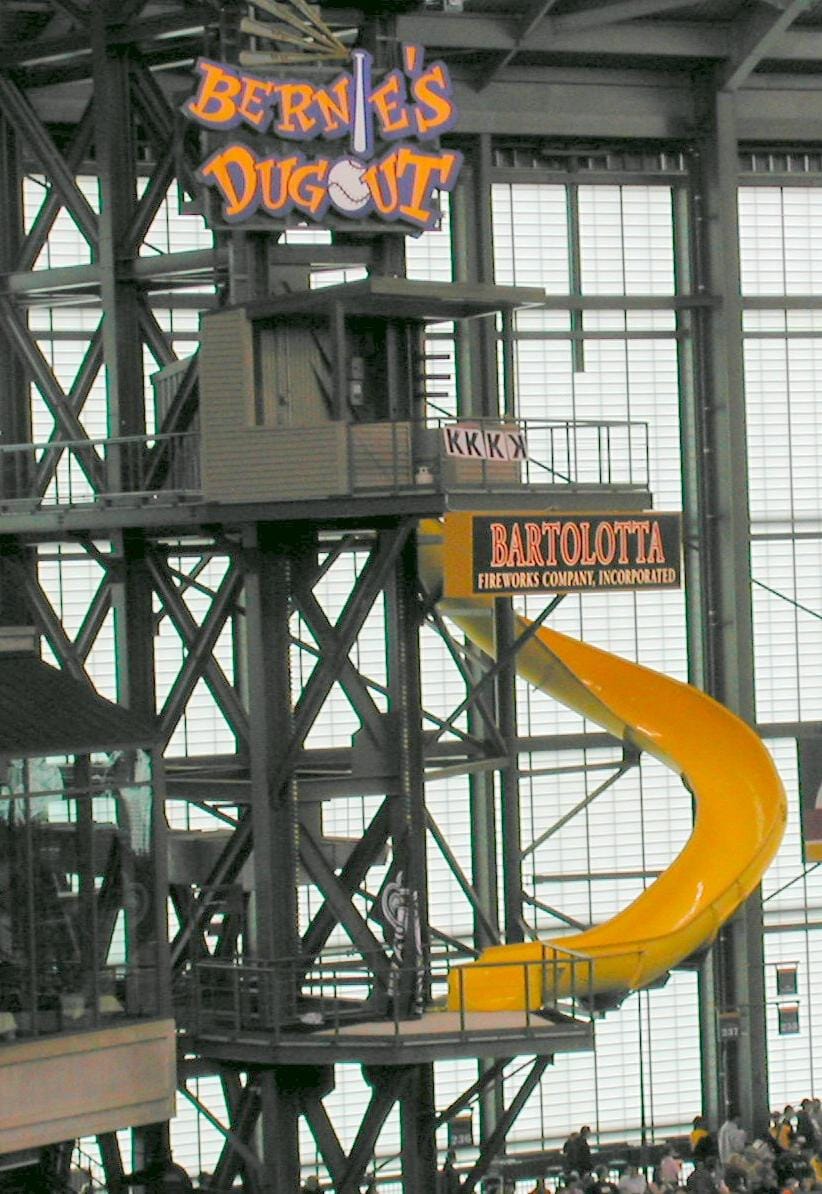
In 1970, a 69-year-old fan named Milt Mason climbed into a trailer on top of the County Stadium scoreboard and vowed to stay until the Brewers drew 40,000. He came down 40 days later, when 44,387 showed up for a game against Cleveland, and slid down a rope, burning his hands. The team named its mascot after him. From 1973 on, Bernie Brewer sat in a chalet above the center-field bleachers and, after every Brewers home run, slid down into an enormous beer mug. The chalet came out when the bleachers were rebuilt in 1984 and came back by popular demand in 1993.
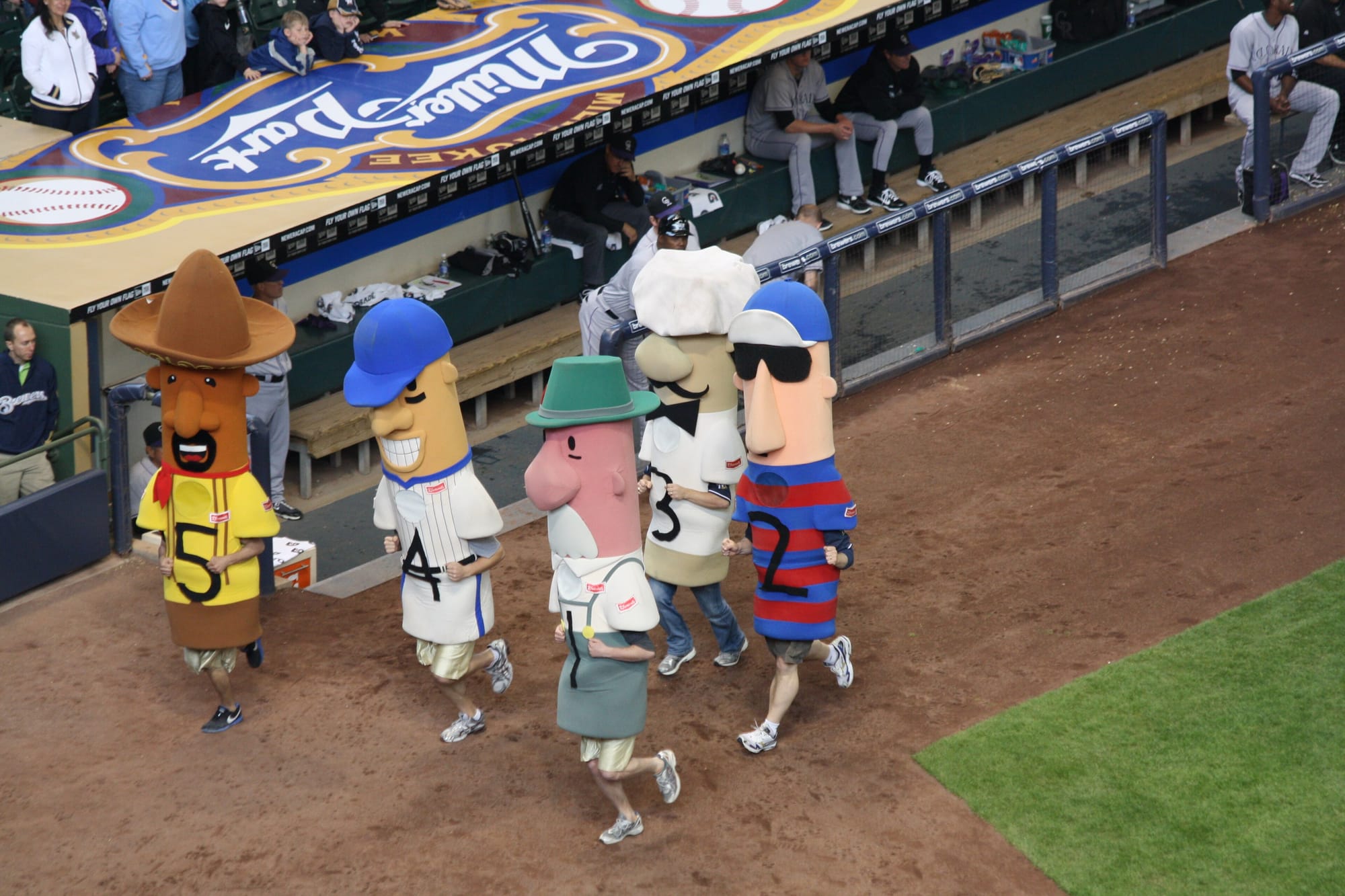
The sausage race started as a scoreboard animation for Klement's in the early 1990s. On June 27, 1993, the animated race ended with three costumed sausages running out of a left-field gate, and the live race has been a middle-innings fixture ever since. The hot dog and the chorizo joined later.
9. Their closer won the MVP and the Cy Young in the same year, then missed the World Series
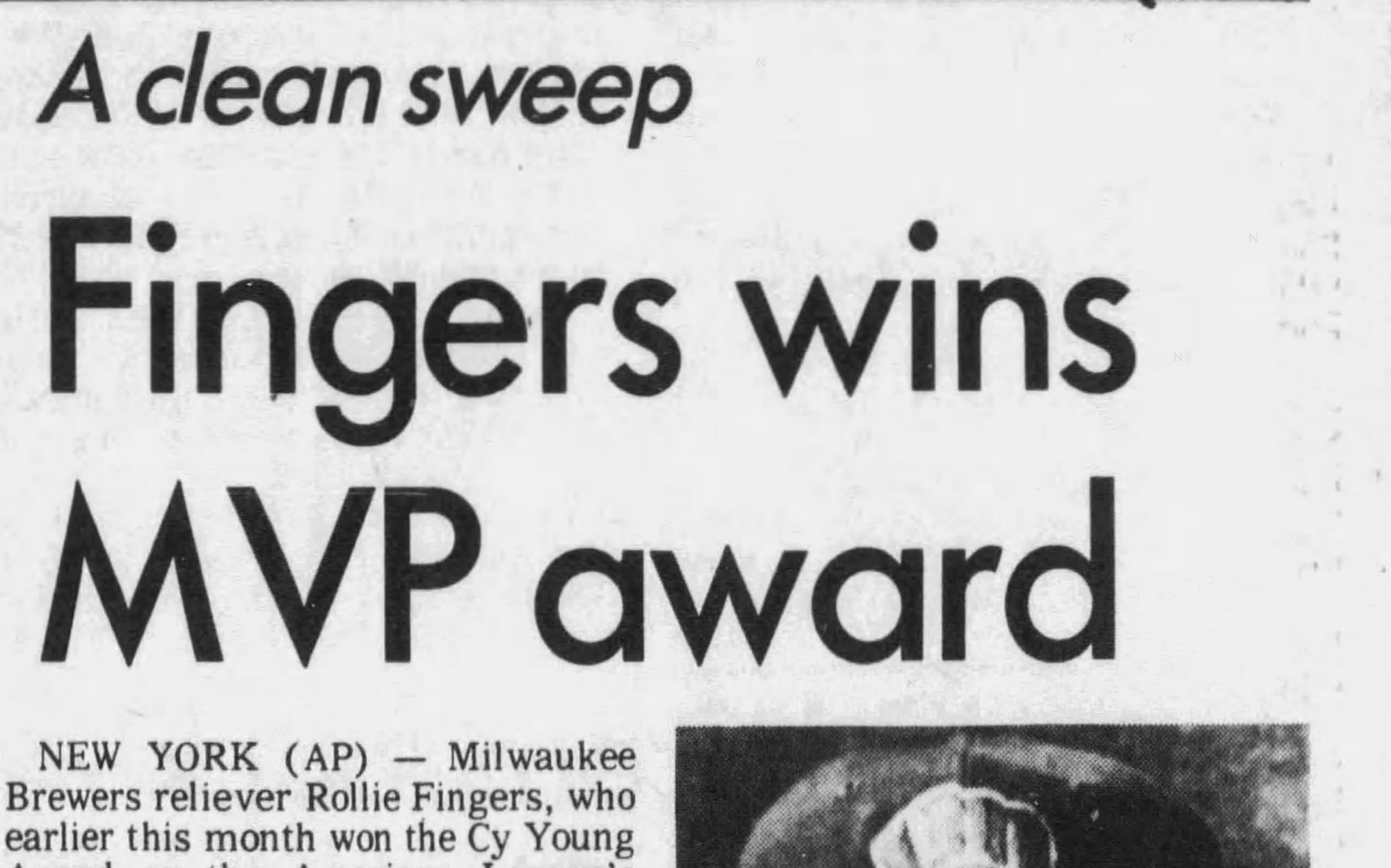
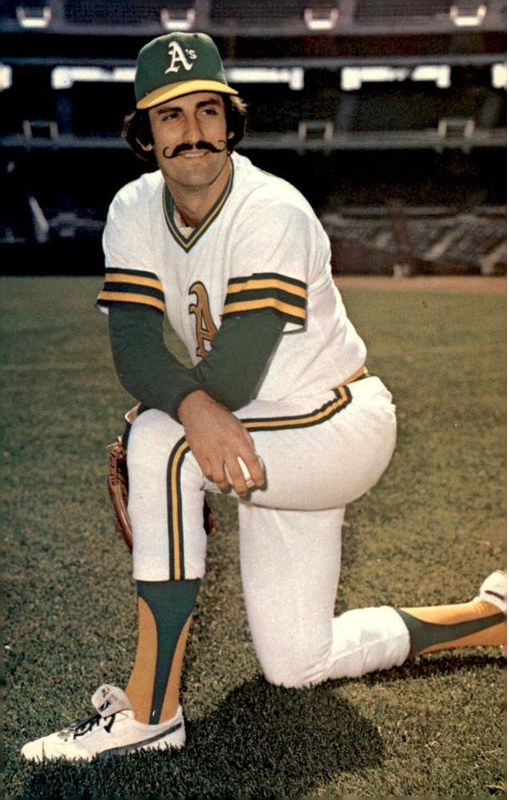
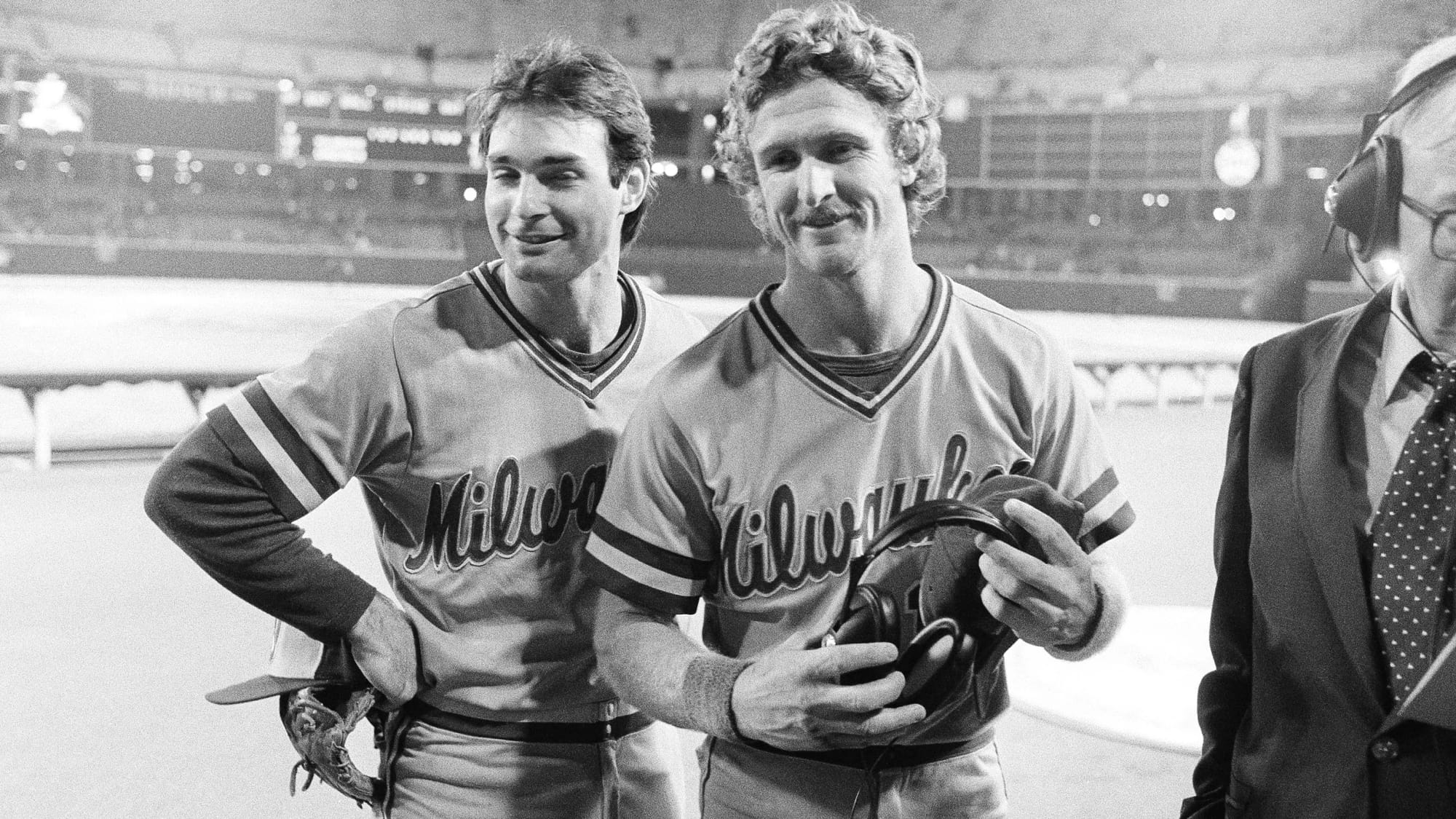
Rollie Fingers arrived in a 1980 trade and in the strike-shortened 1981 season went 6-3 with 28 saves and a 1.04 ERA. He won the American League Cy Young Award and the MVP, the first reliever ever to win the MVP in the American League, and the Brewers made the playoffs for the first time.
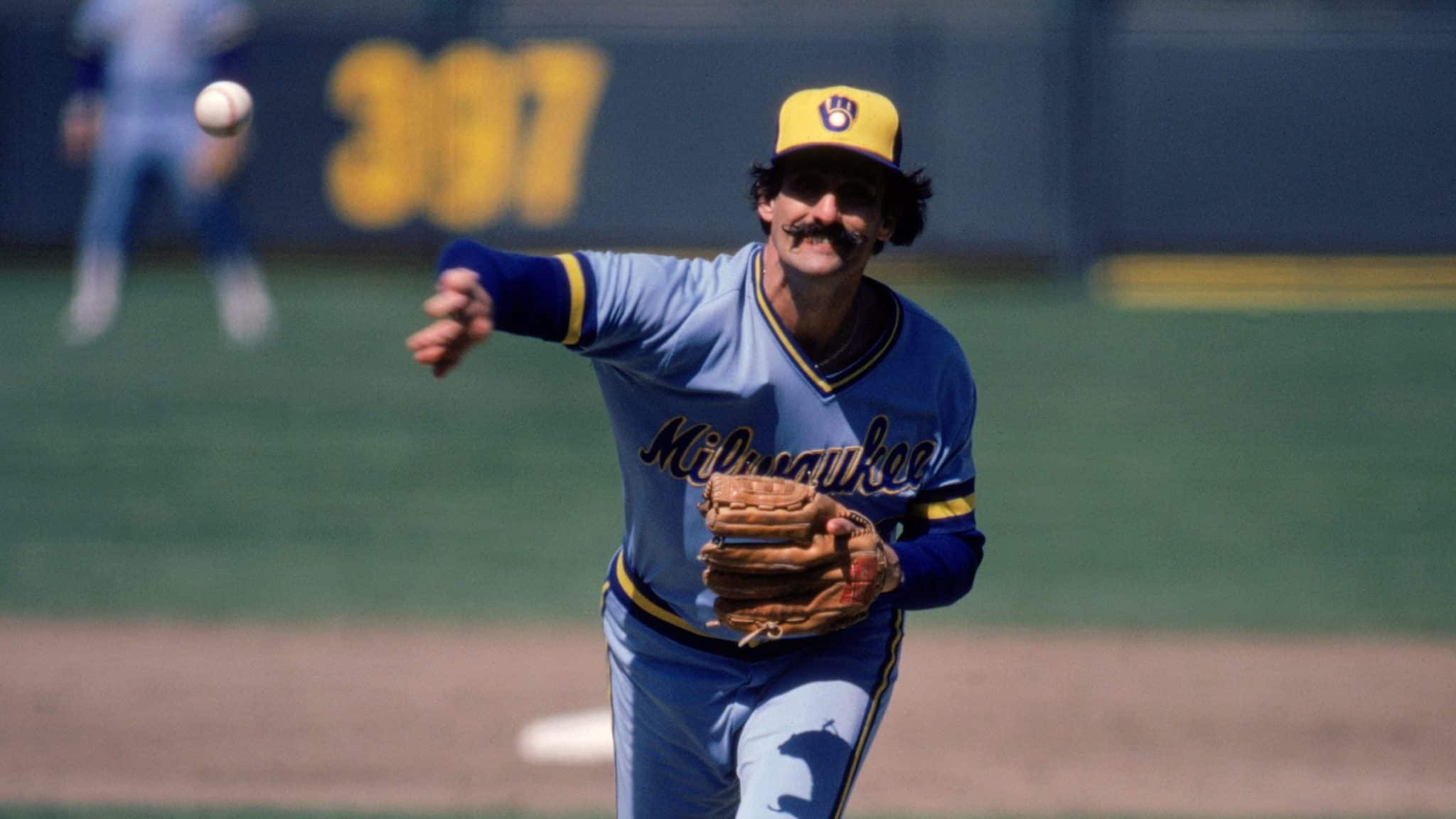
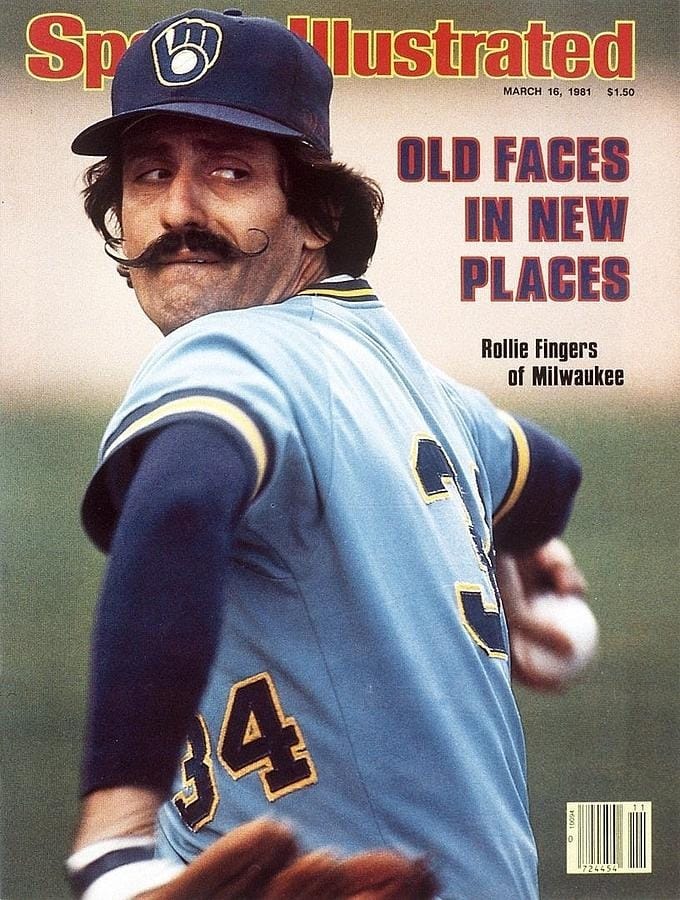
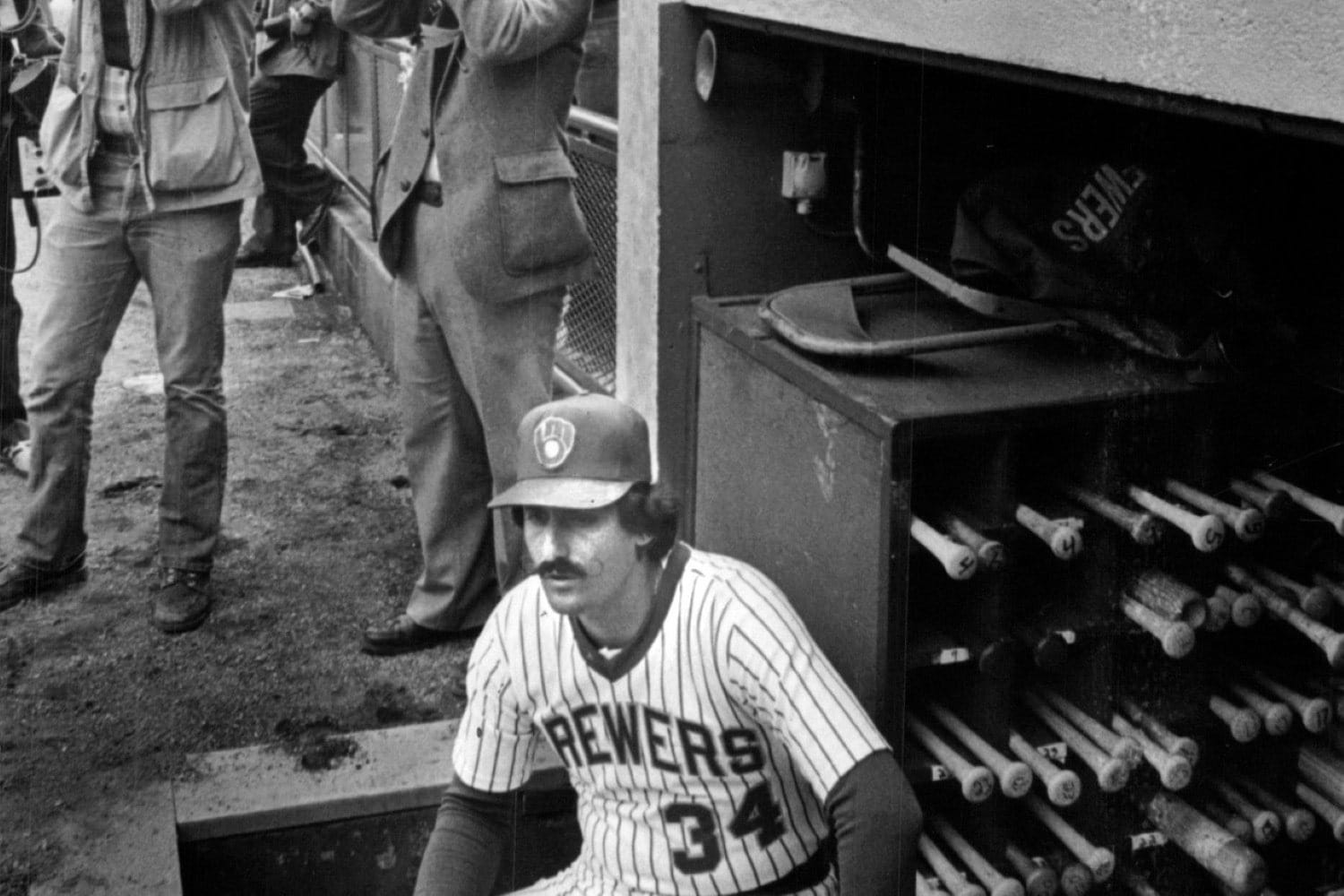
In 1982 he had 29 saves by early September, when he tore a muscle in his forearm. He never threw a pitch in the 1982 postseason. The Brewers lost the World Series in seven games, and Fingers missed all of 1983 too. Milwaukee's only pennant was won with its best pitcher watching from the dugout.
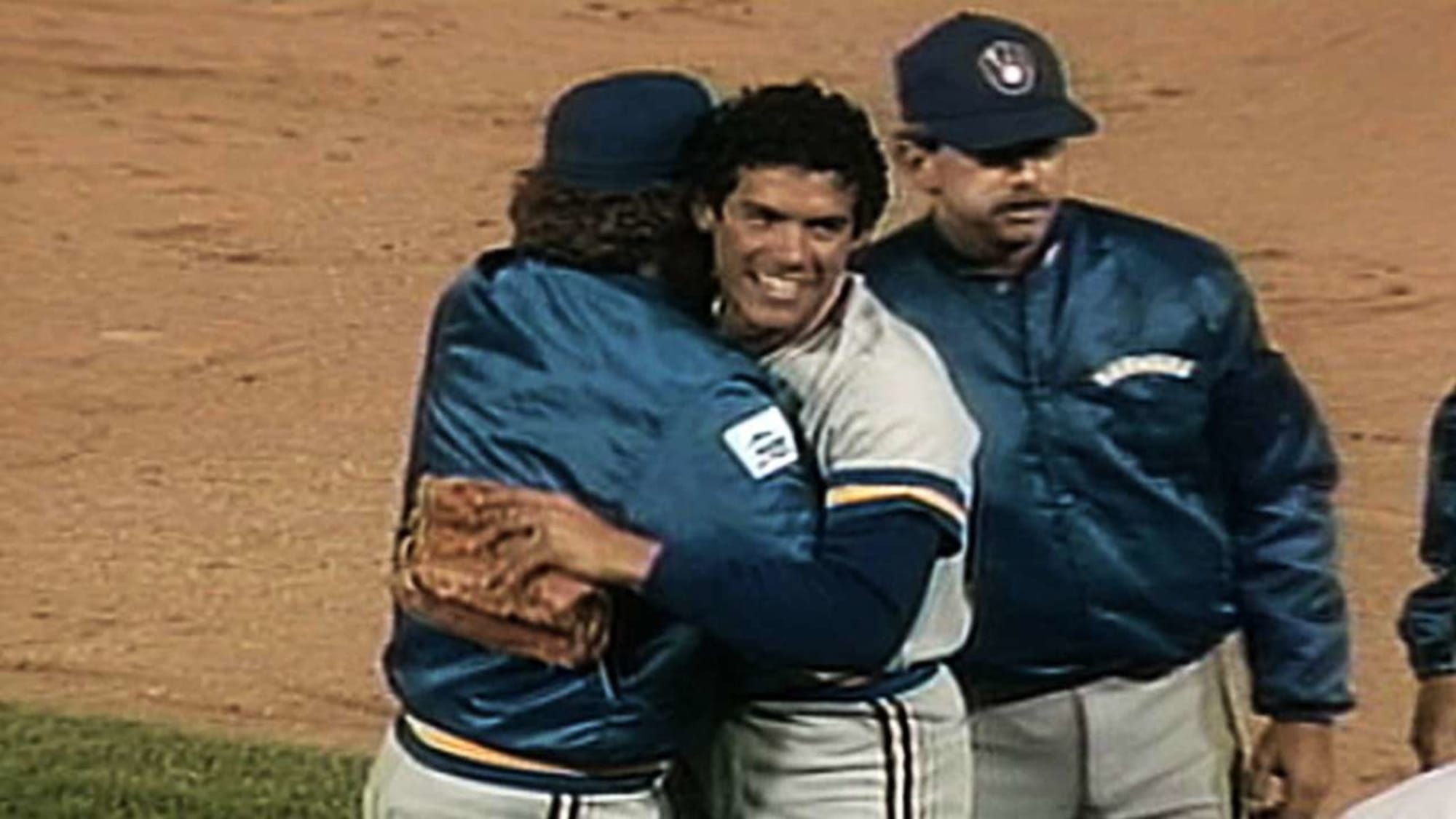
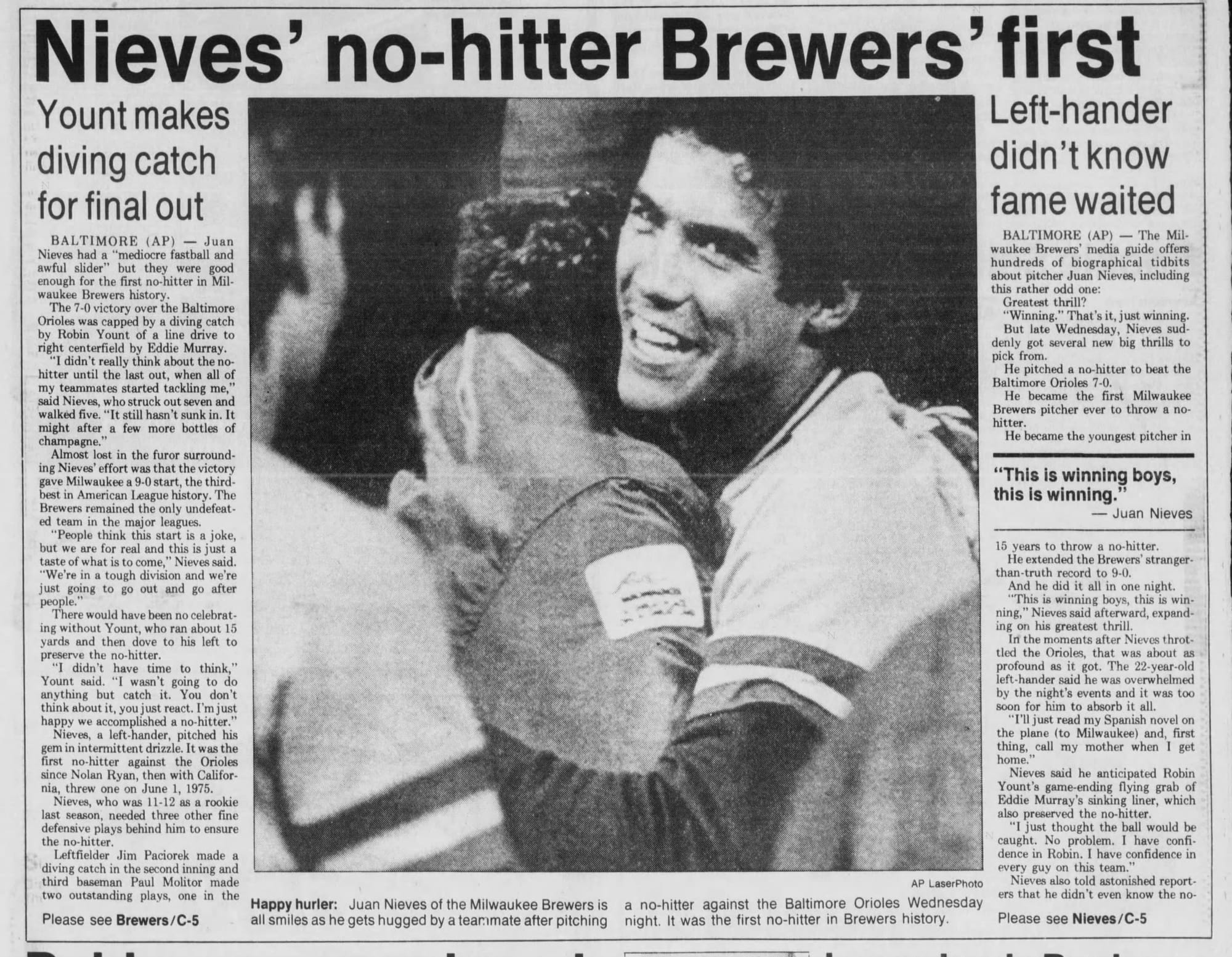
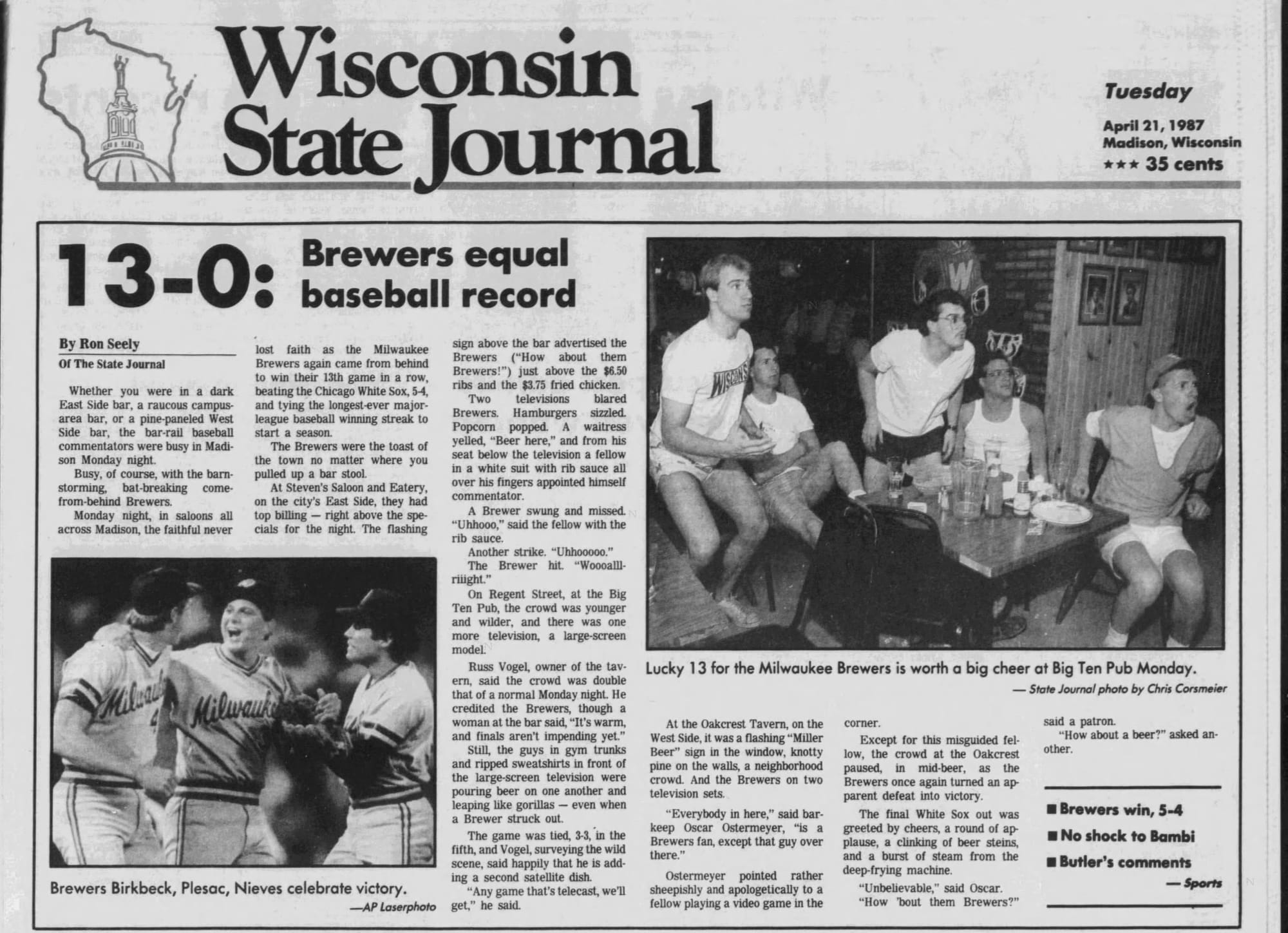
8. In 1987 they started 13-0, threw a no-hitter and had a 39-game hitting streak, and still missed the playoffs
The 1987 Brewers won their first 13 games, which tied the major-league record for a season-opening streak. Win number nine was Juan Nieves' no-hitter in Baltimore on April 15, the first no-hitter in franchise history. Then they lost 12 in a row in May.
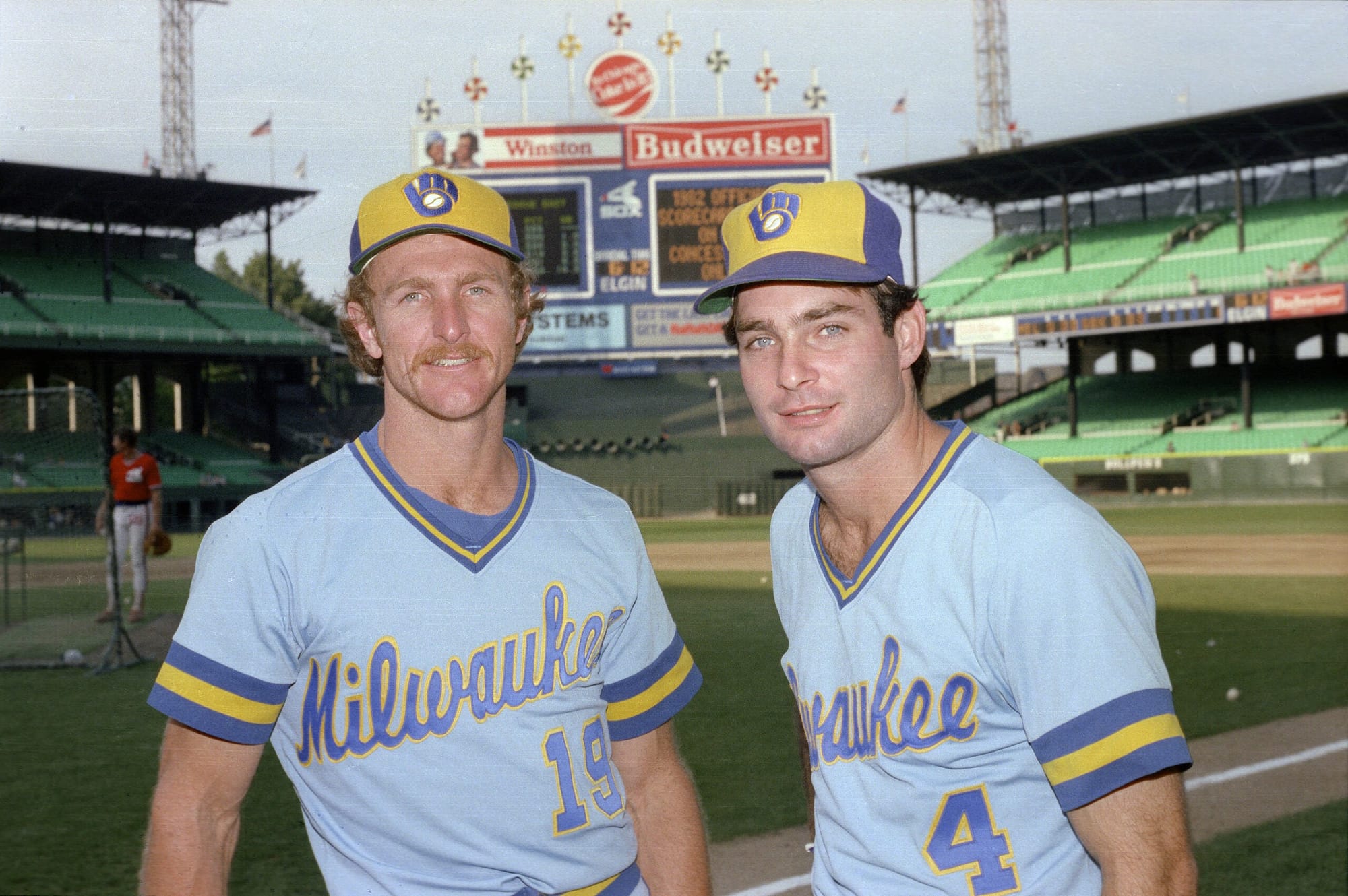
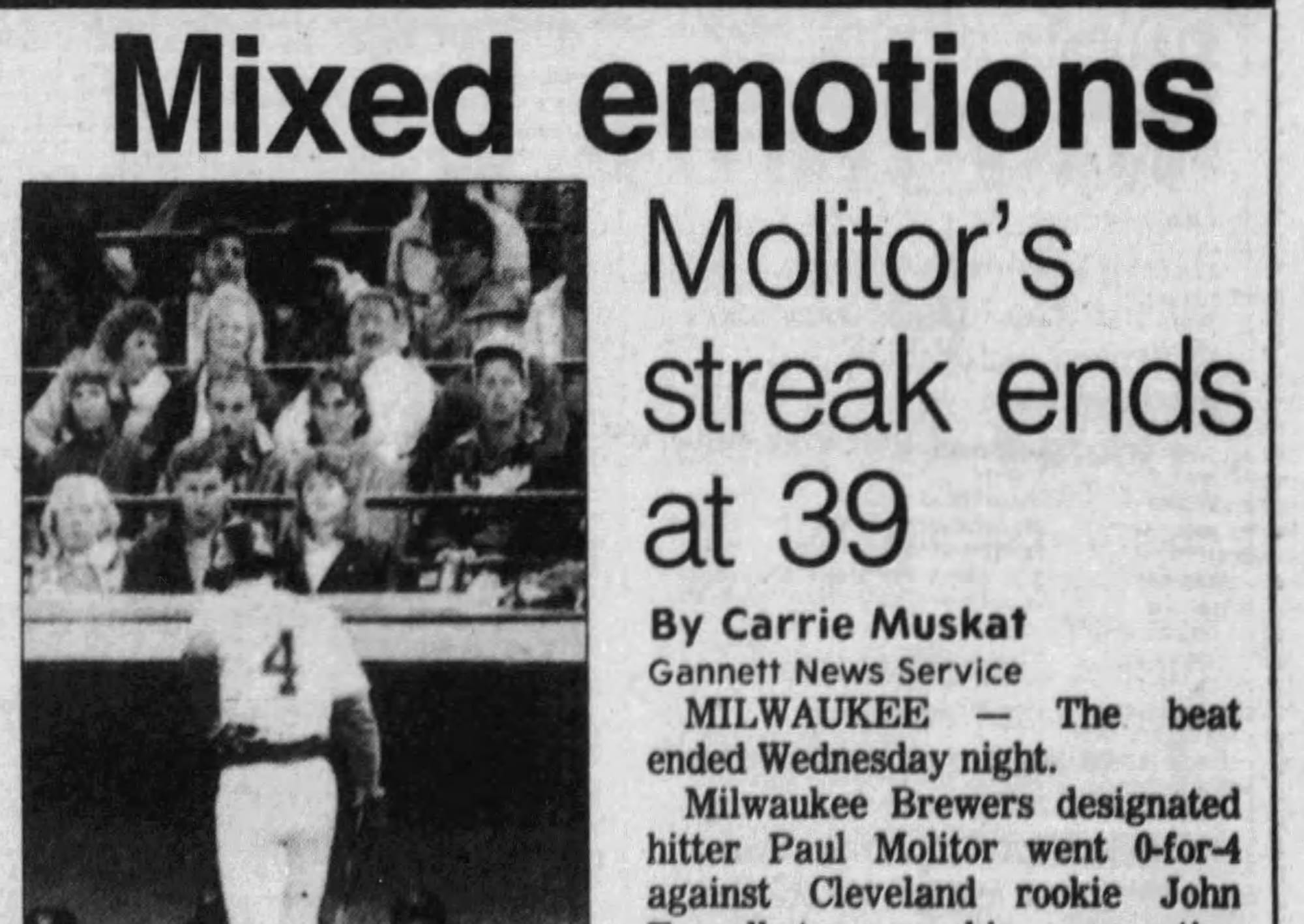
That summer Paul Molitor hit in 39 straight games, the longest streak in the majors since Pete Rose's 44 in 1978. It ended on Aug. 26 when he was in the on-deck circle as the Brewers won in the 10th inning. Milwaukee finished 91-71, third in the American League East, and went home in October.
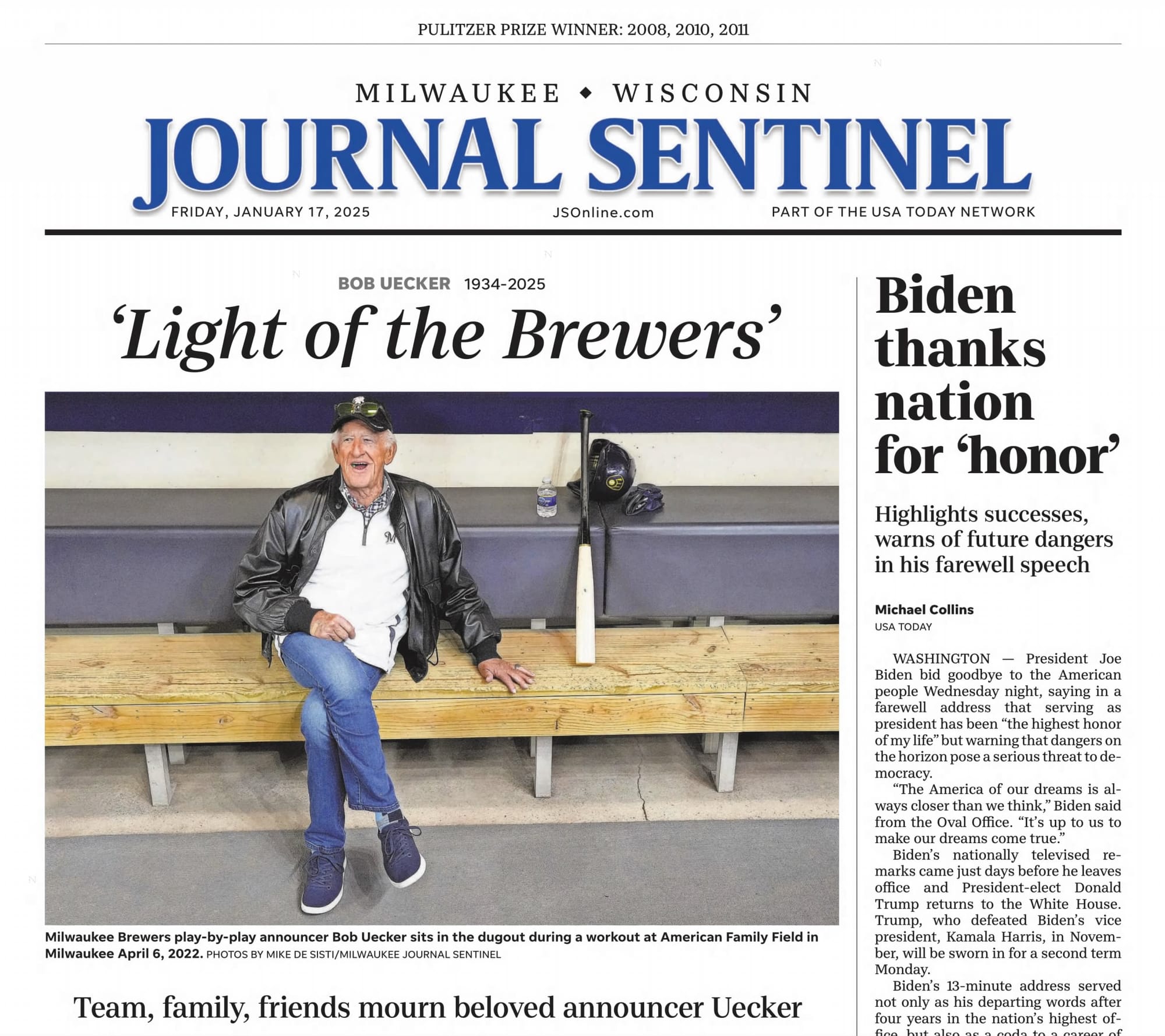
7. Bob Uecker called their games for 54 seasons and played their announcer in the movies
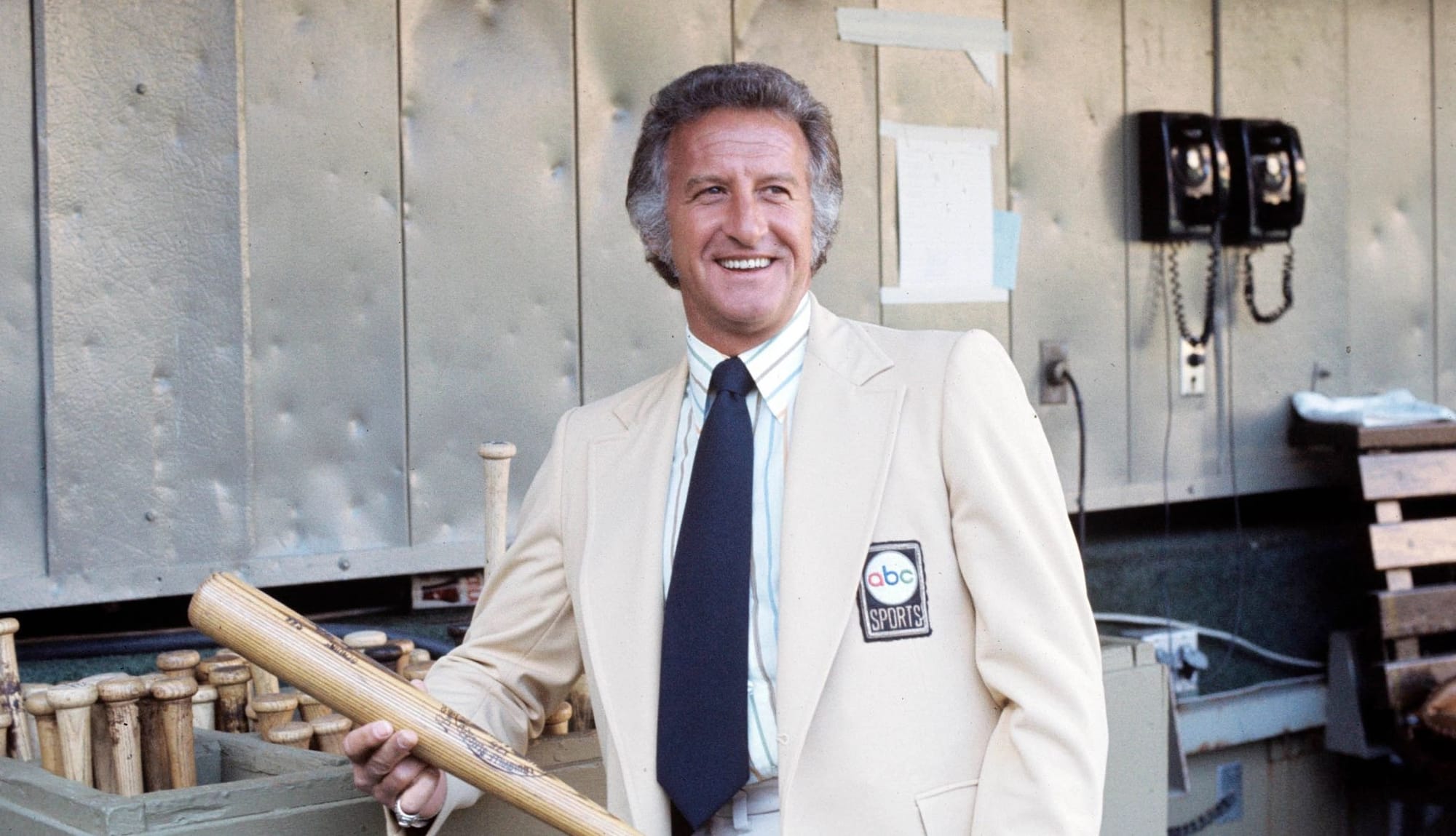
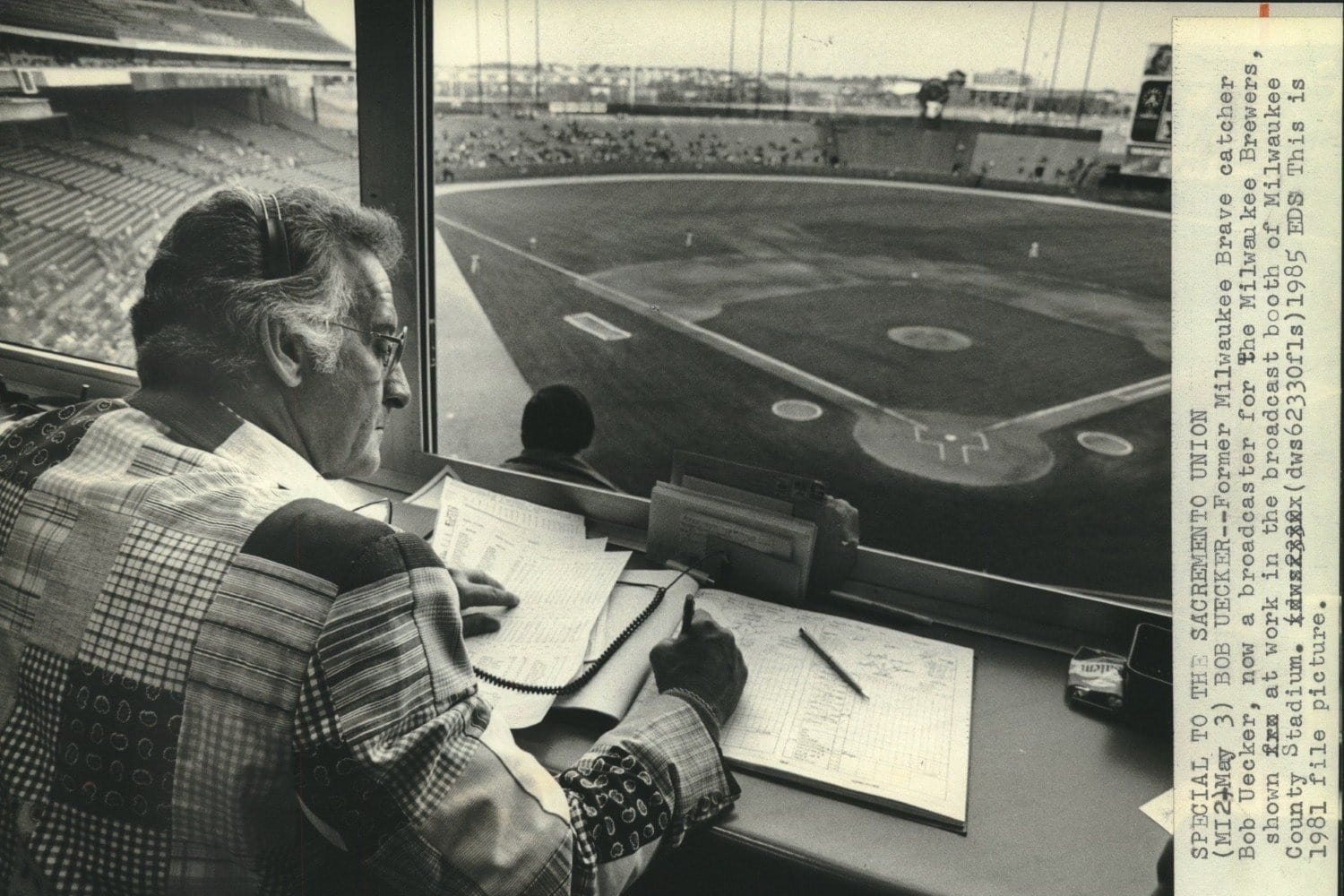
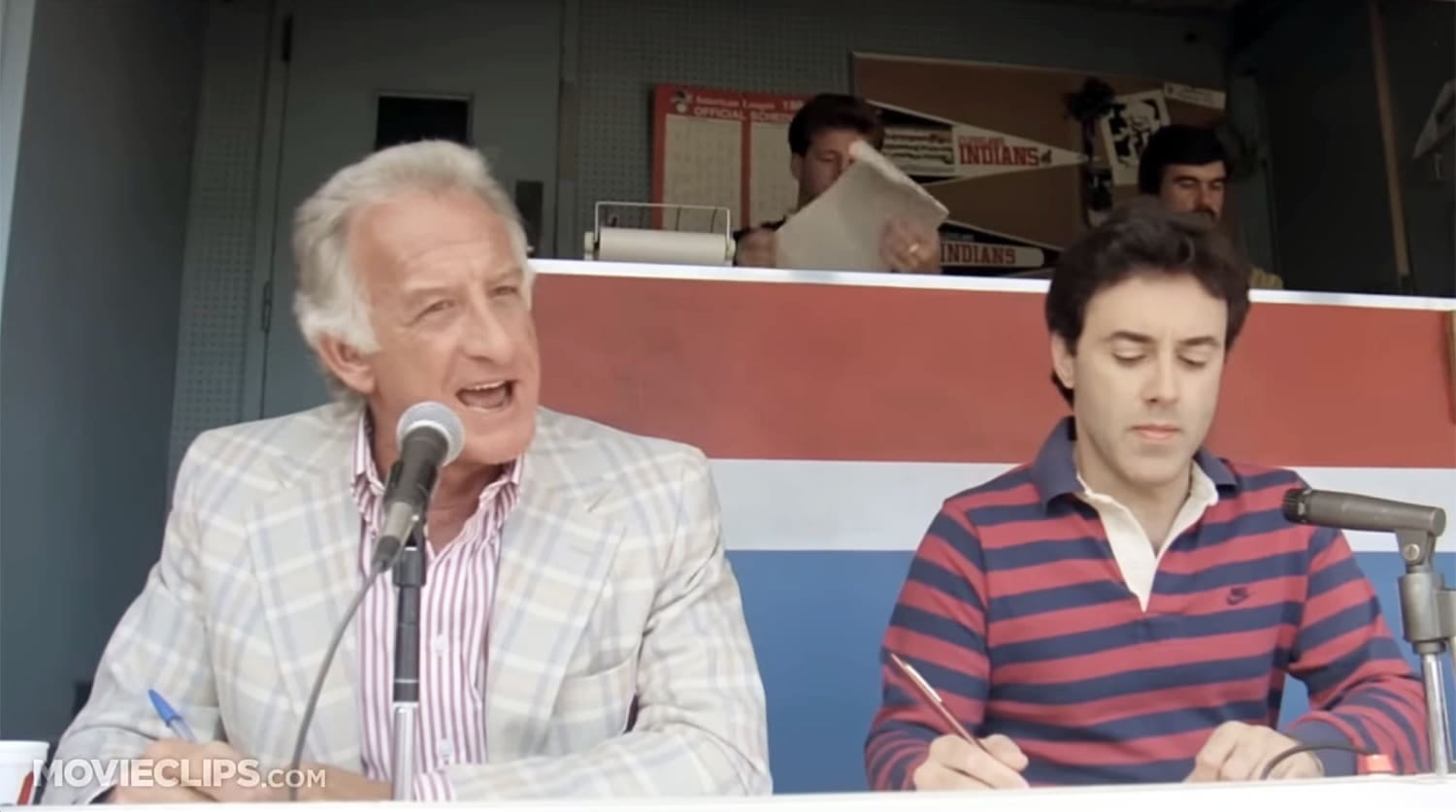
Bob Uecker was a Milwaukee kid and a .200-hitting catcher who joined the Brewers' broadcast booth in 1971, the team's second season in town. He stayed through 2024, 54 seasons, until his death in January 2025. In between he became Mr. Baseball: the Miller Lite commercials, the "Juuust a bit outside" radio man Harry Doyle in "Major League," and a sitcom of his own. The Hall of Fame gave him the Ford C. Frick Award in 2003. The Brewers retired his microphone in August 2025.
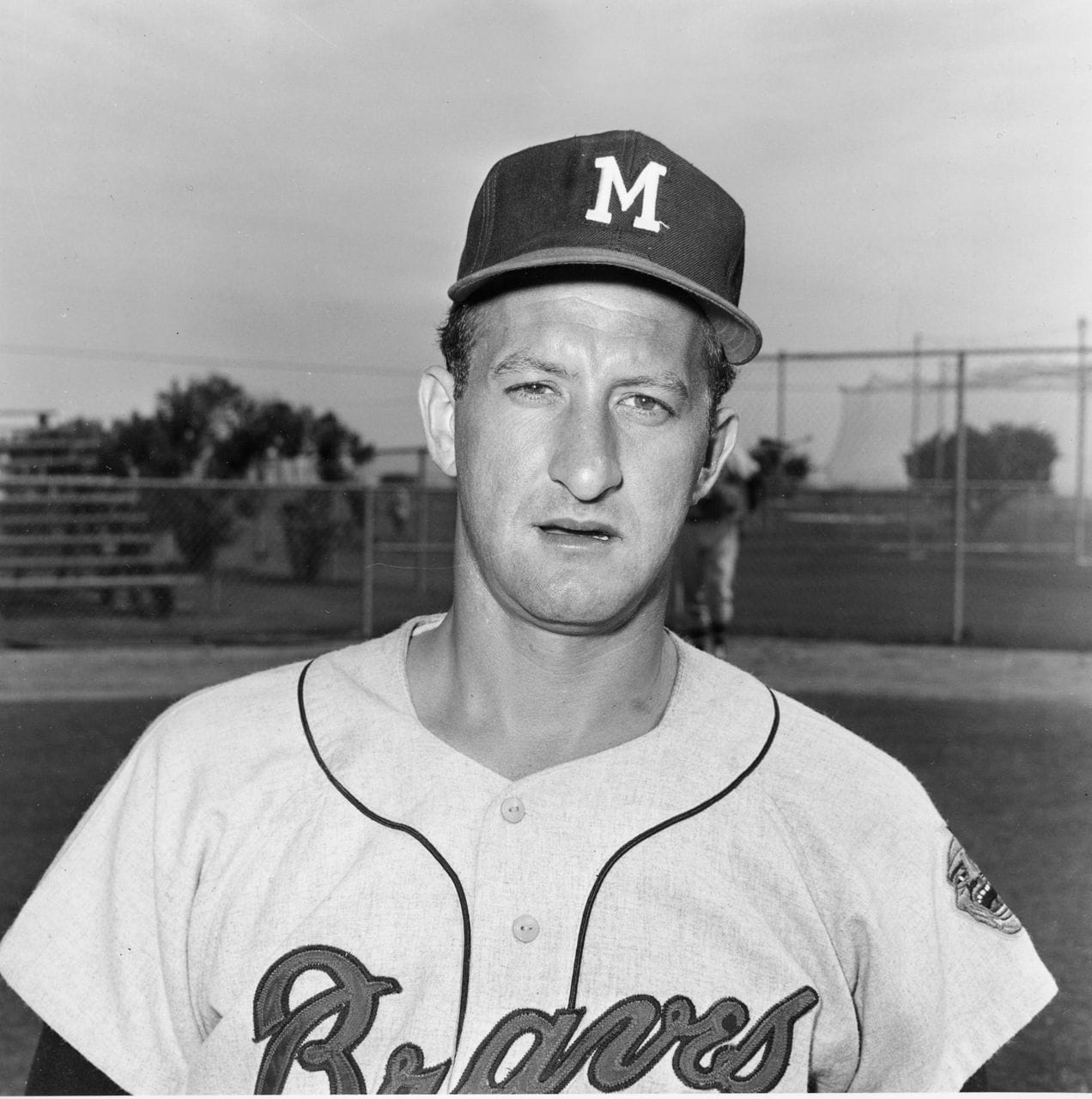
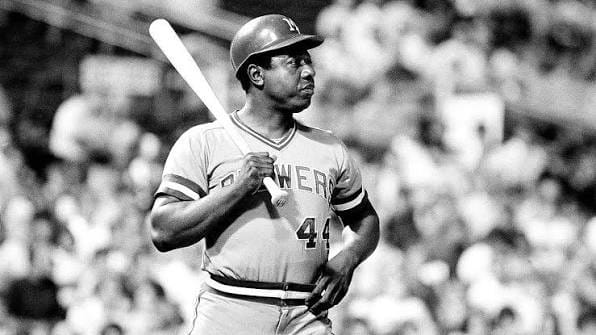
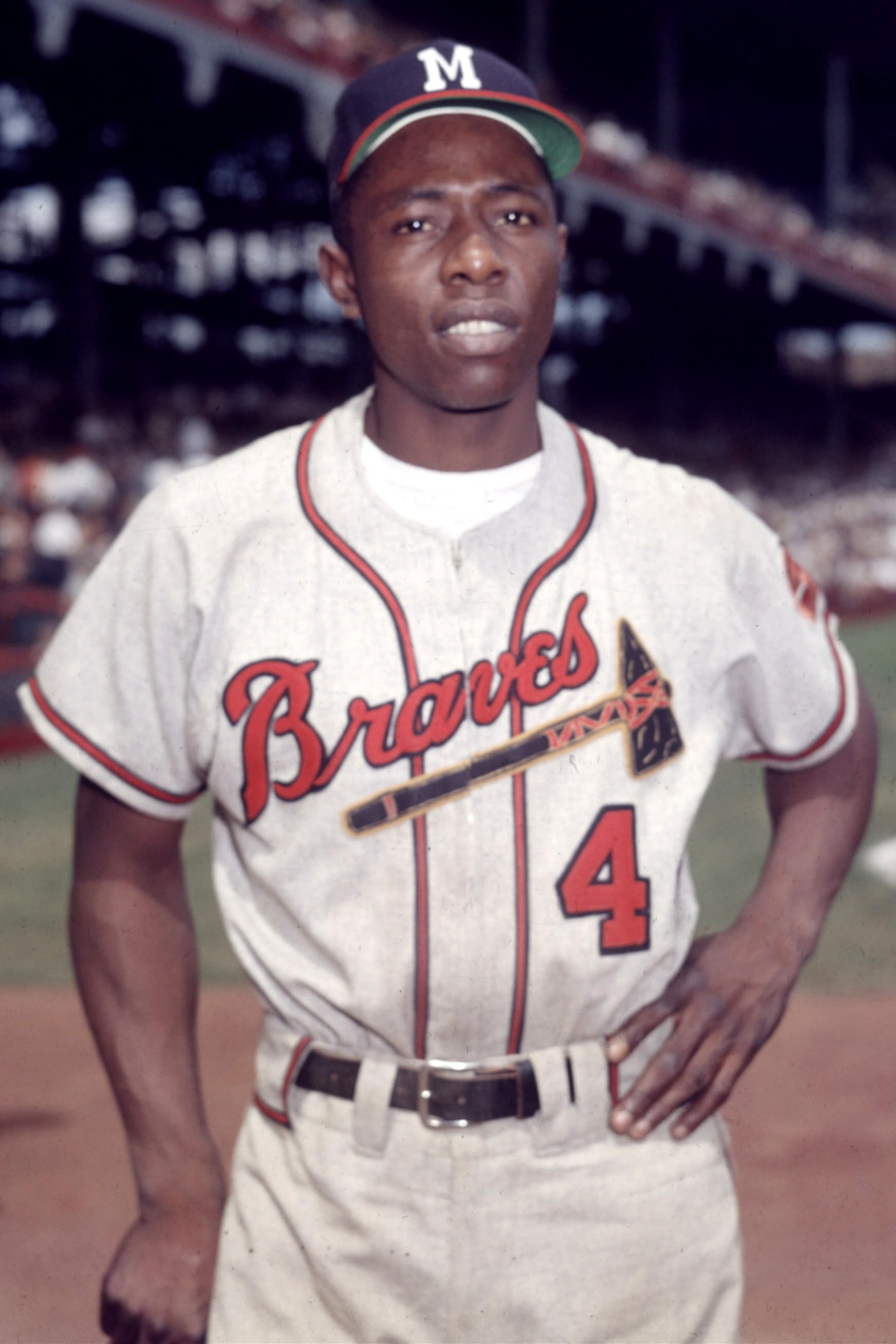
6. Hank Aaron hit his last home run as a Brewer, at County Stadium
Aaron came home to Milwaukee, where he had started with the Braves, to finish his career as the Brewers' designated hitter in 1975 and 1976. On July 20, 1976, he hit a seventh-inning solo home run off the Angels' Dick Drago that curled around the left-field foul pole. It was number 755, and it was the last one. He played 23 more games without another.
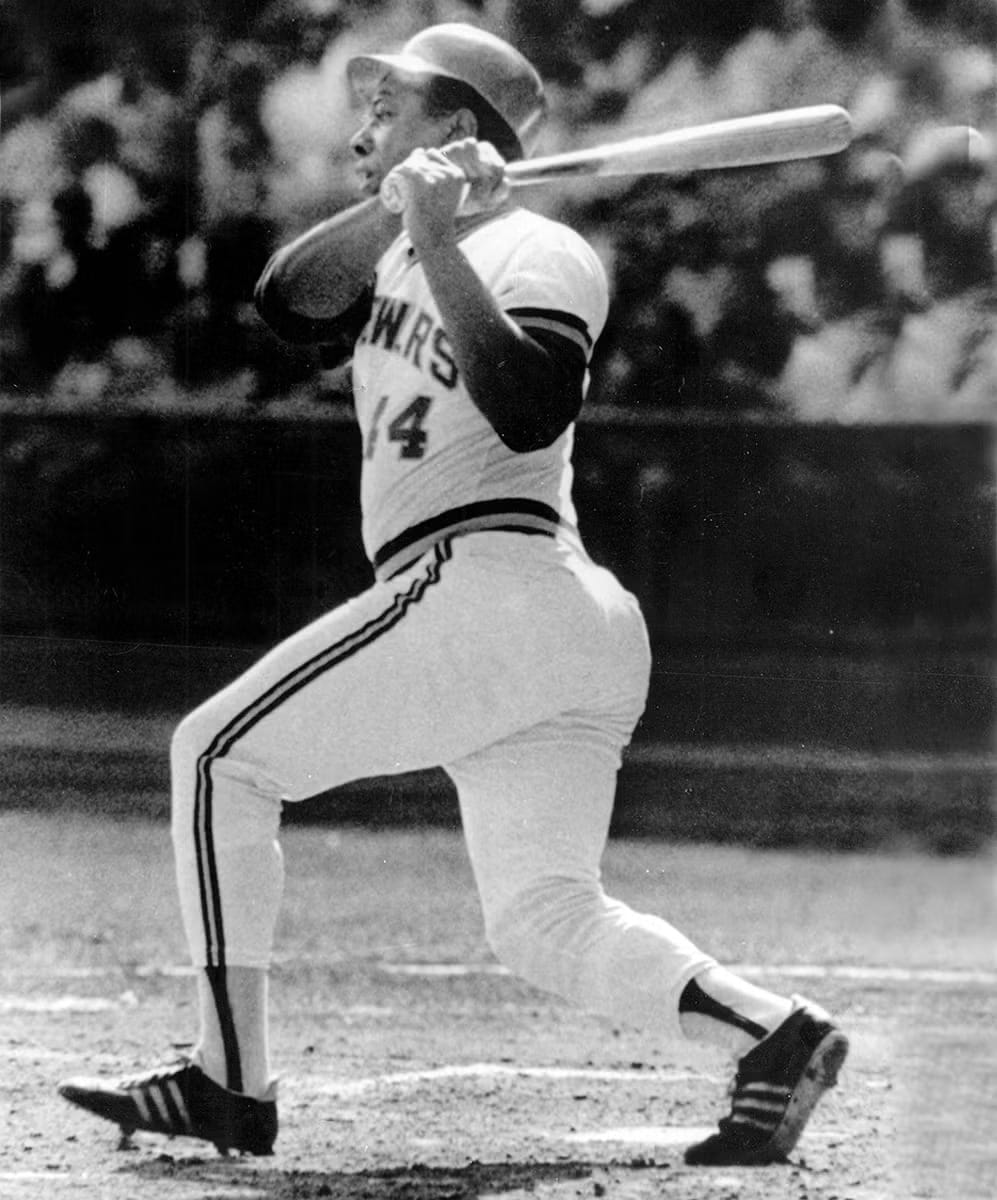
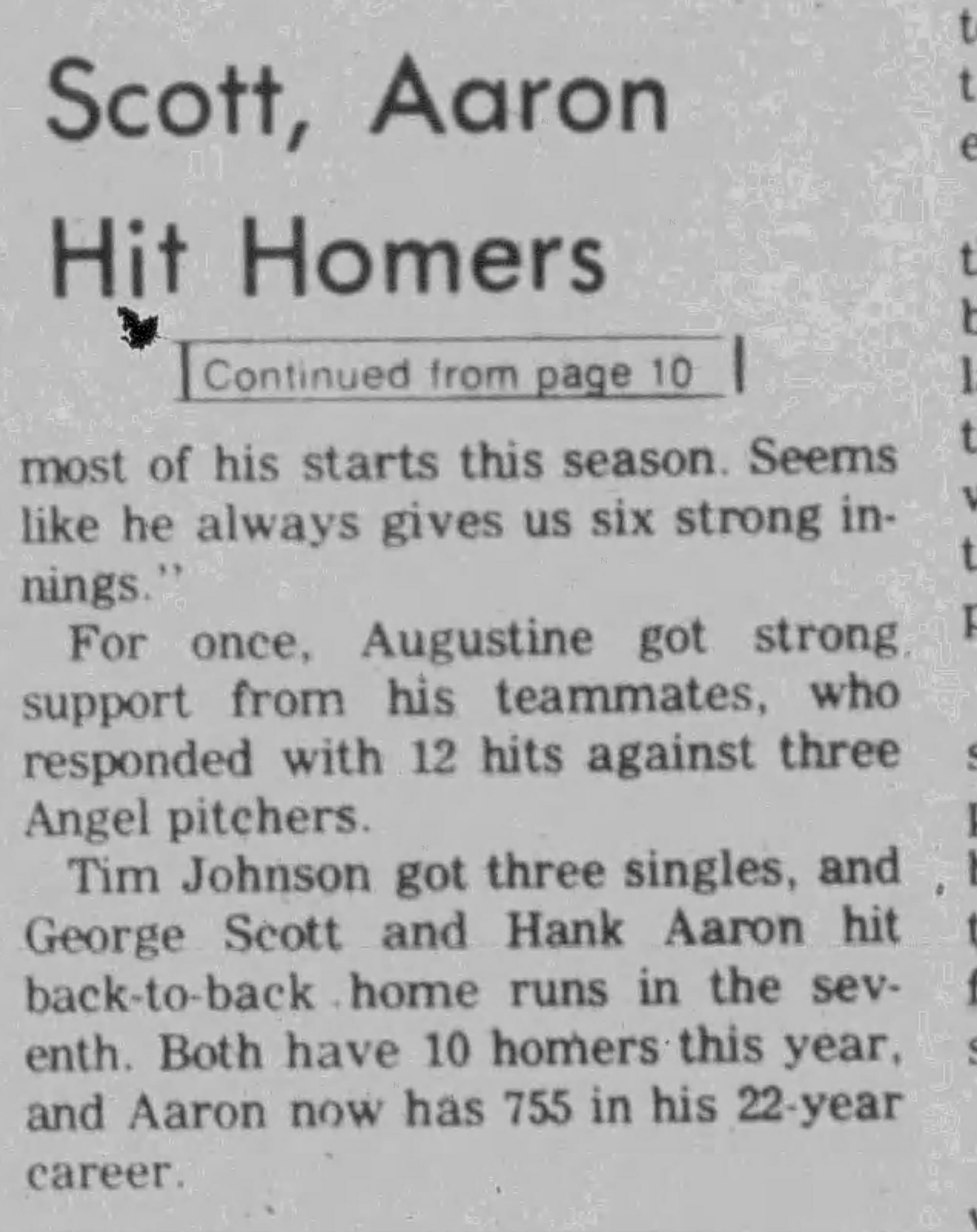
The ball was caught by a part-time groundskeeper named Richard Arndt, who refused to hand it over and was fired. He kept it for 23 years and sold it at auction in 1999 for $650,000. The Brewers retired Aaron's 44 on Oct. 3, 1976, his last day as a player.
5. They have played in four divisions and both leagues
No other franchise in baseball has bounced around like this one. The Brewers have played in the American League West, the American League East, the American League Central and the National League Central. Nobody else has been in four divisions.
The league switch came in 1998. Baseball was adding the Arizona Diamondbacks and Tampa Bay Devil Rays, which would have left 15 teams in each league. An odd number meant somebody would have to play an interleague game every single day, and interleague play was only a year old. Baseball wanted one team to move from the American League Central to the National League Central.
Commissioner Bud Selig, who also owned the Brewers, had the Kansas City Royals offered the chance first to avoid a conflict of interest. The Royals said no. In November 1997 the Brewers took it. Had they passed, the Twins were next in line.
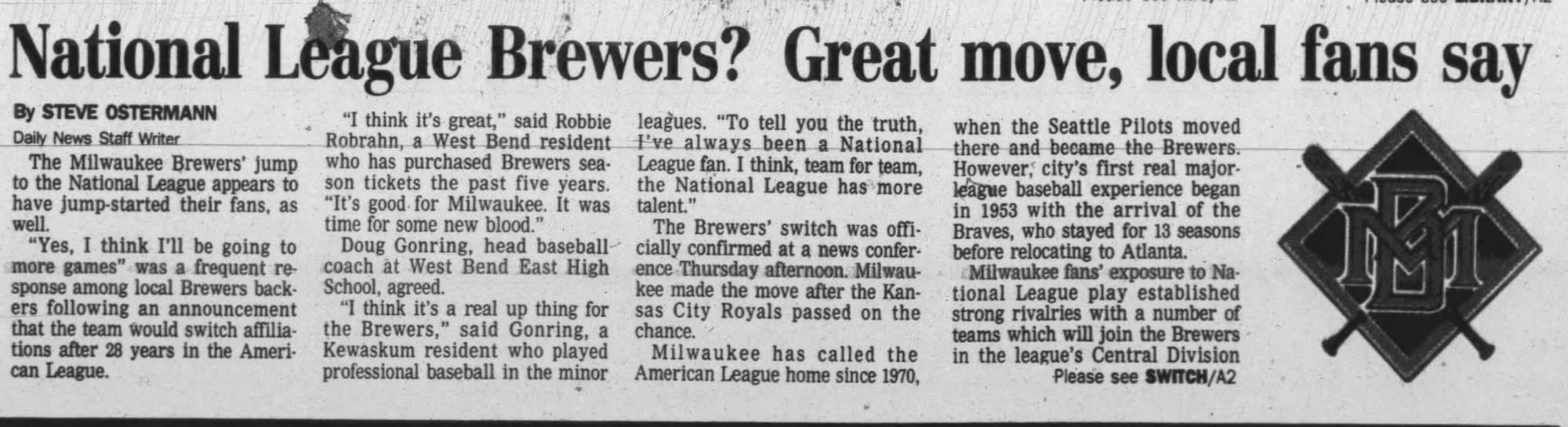

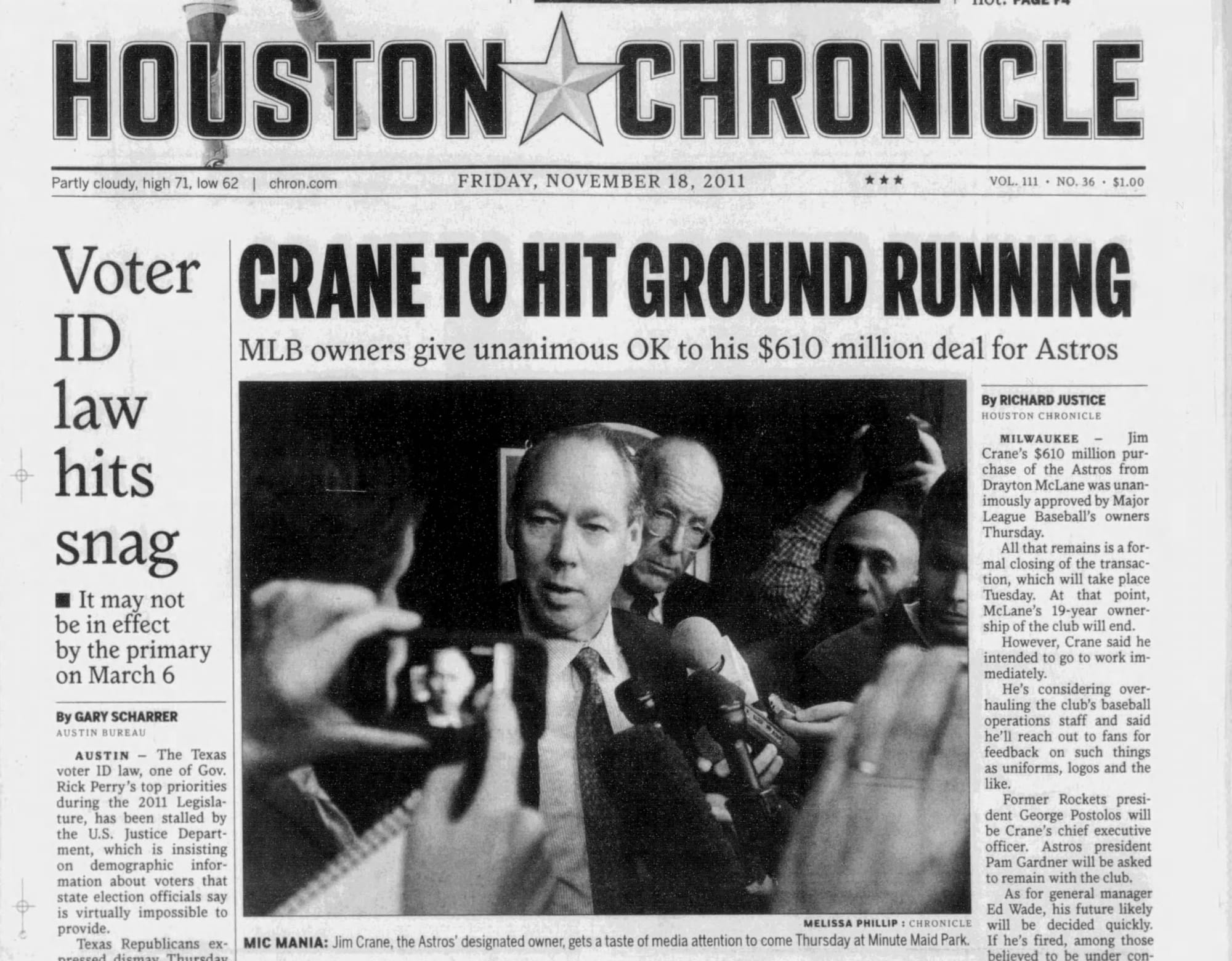
The arrangement lasted 15 years. In 2011, Jim Crane agreed to buy the Houston Astros, and Major League Baseball made its approval of the sale conditional on the Astros moving to the American League West in 2013 to create a 15-15 split. Crane wanted to stay in the National League. He accepted the move, and the purchase price dropped from $680 million to about $610 million. Owners approved the sale on Nov. 17, 2011, at their meetings in, of all places, Milwaukee.
So the Brewers went from the AL to the NL in 1998, and the Astros went from the NL to the AL in 2013. Those are the only two franchises that have played in both the American League Championship Series and the National League Championship Series. And with this pennant, the Brewers join the Astros as the only teams to reach the World Series from both leagues: Milwaukee in 1982 as an American League club, and now in 2026 as a National League club.
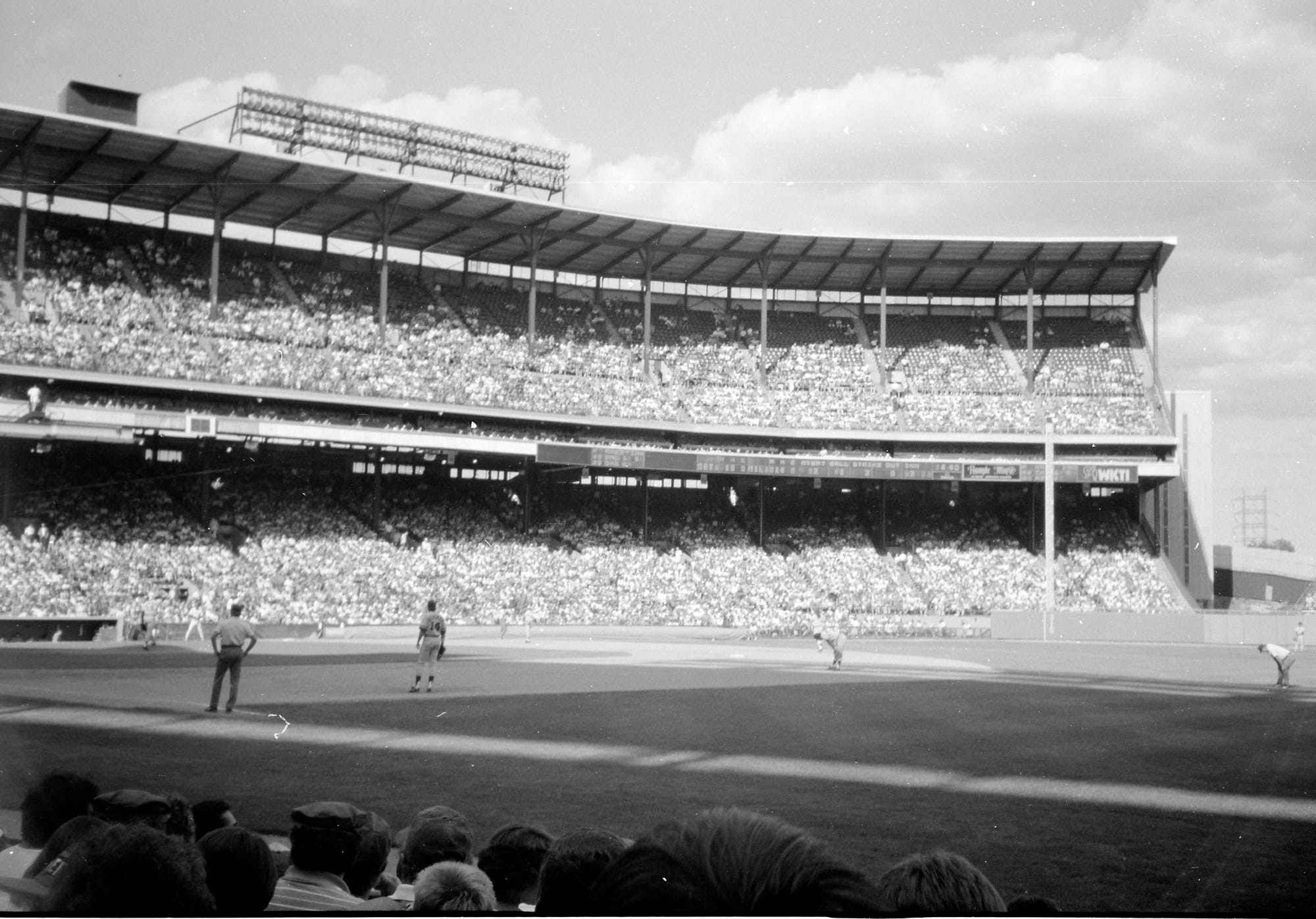
4. Their old ballpark hosted the Packers, the White Sox and a Hollywood version of the Cleveland Indians
Milwaukee County Stadium opened in 1953 for the Braves, who had just moved from Boston, and the Brewers played there from 1970 until Miller Park opened in 2001. In between, the building had some unusual tenants.
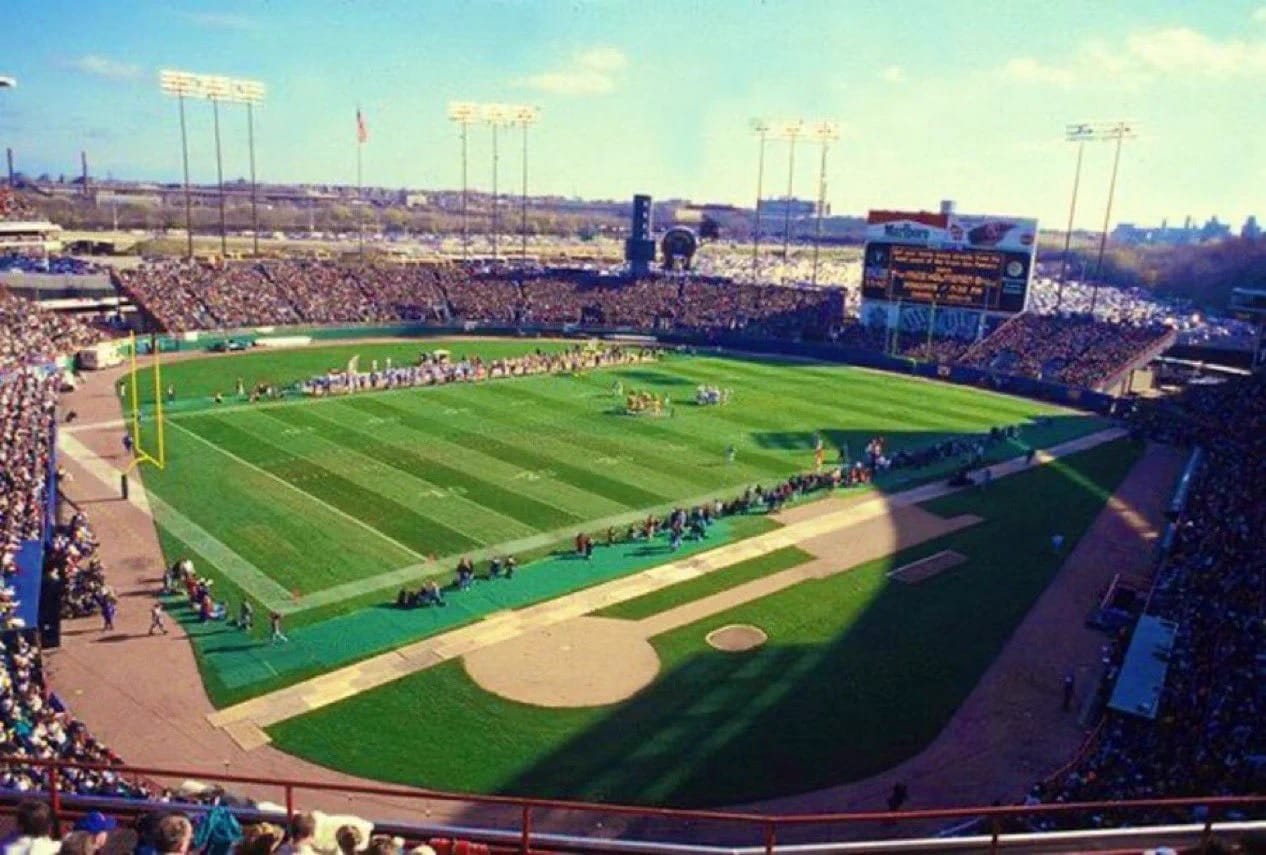
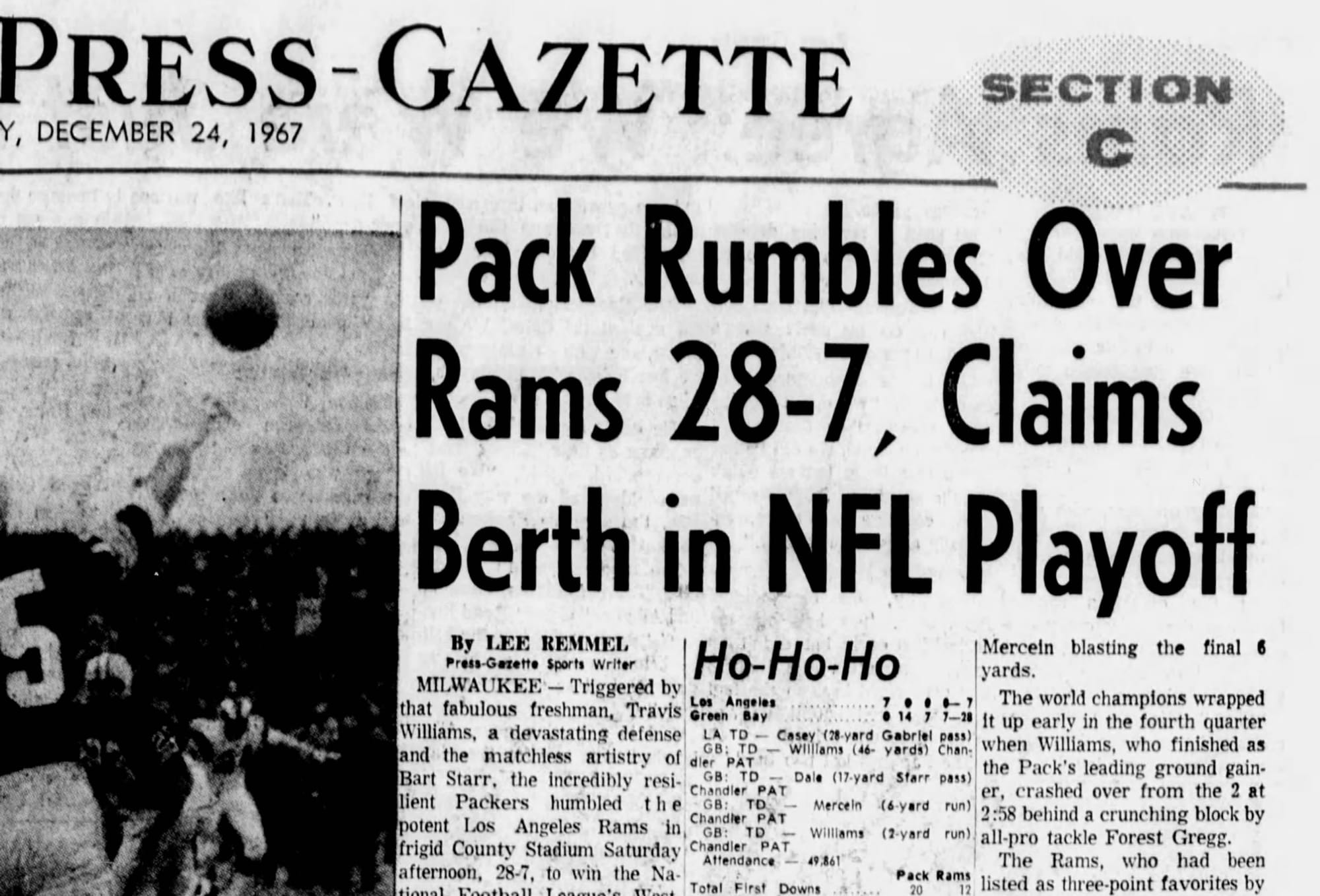
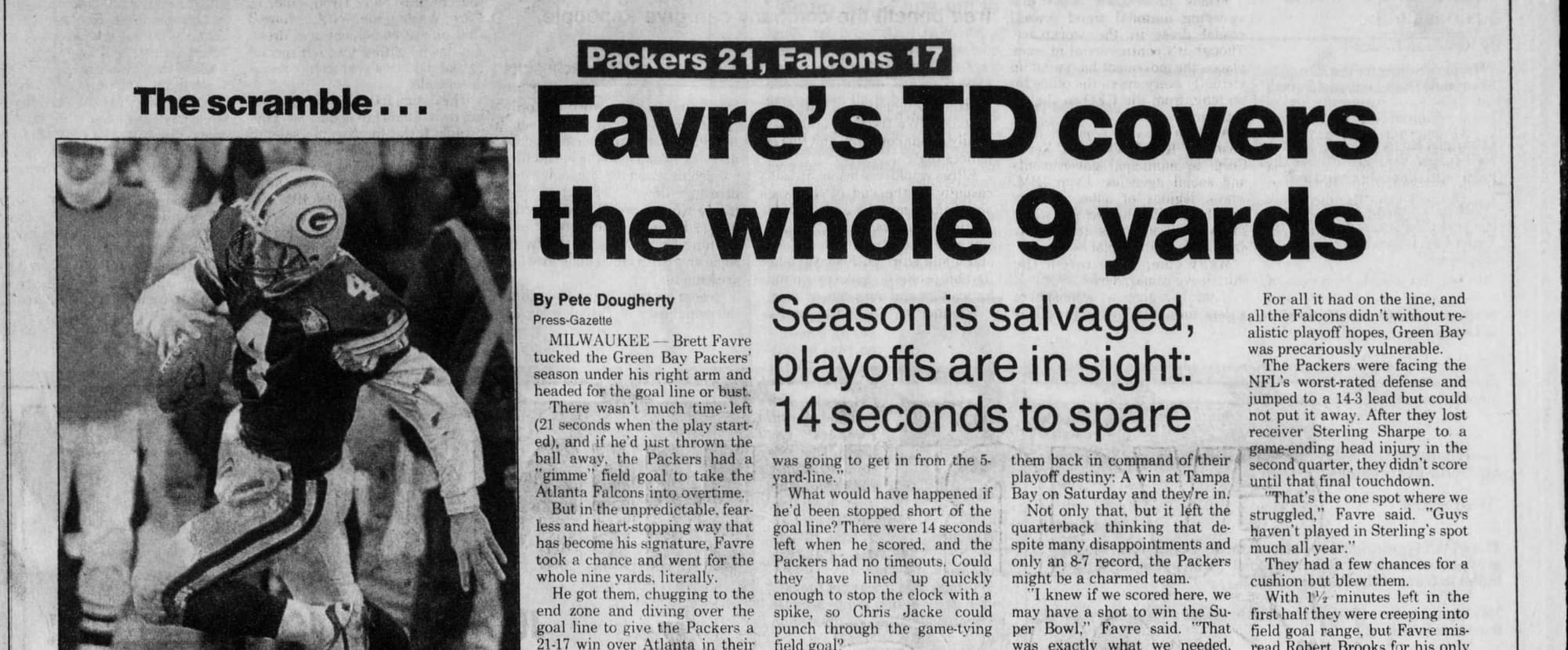
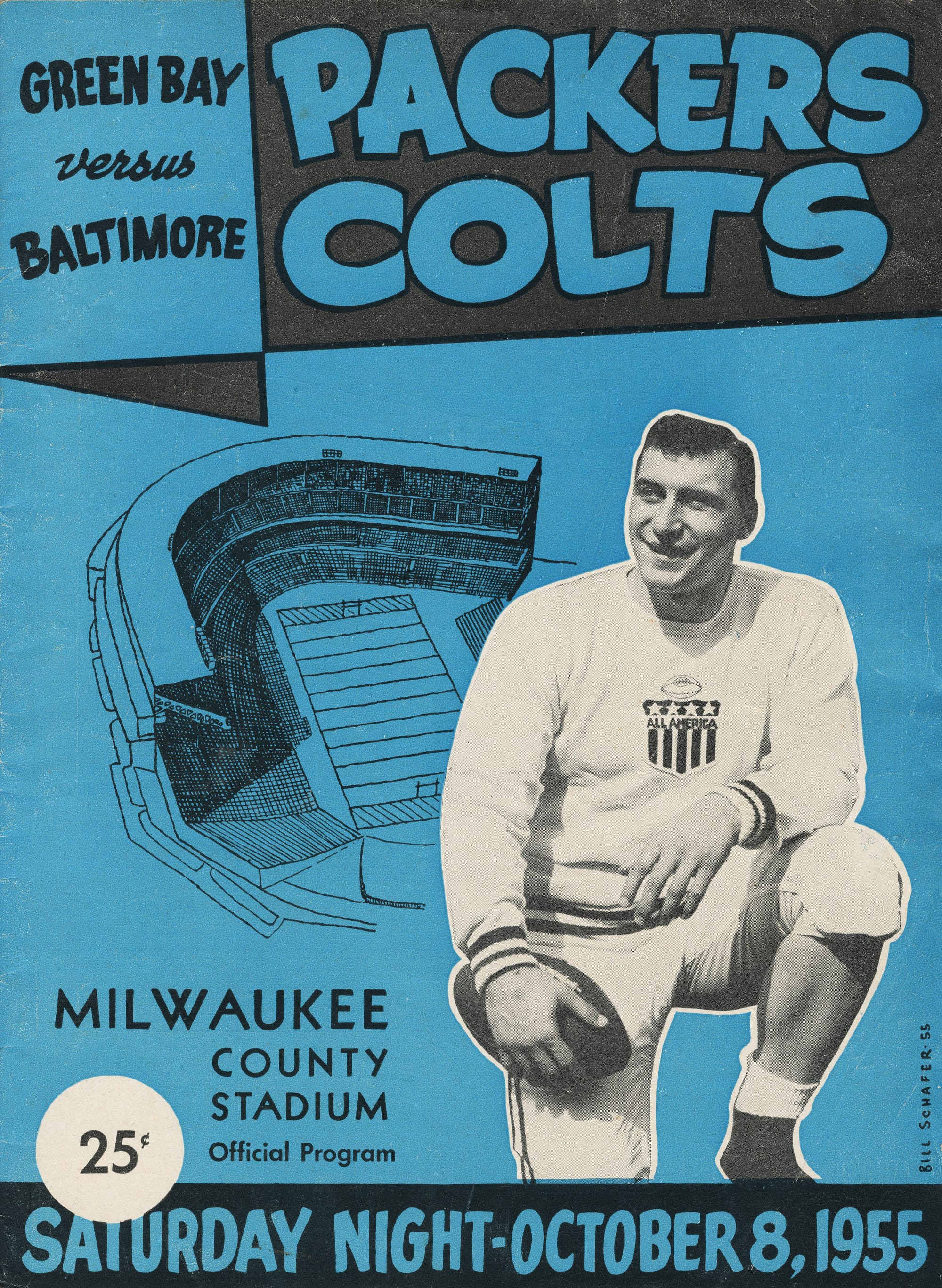
The Green Bay Packers played two to four home games a year at County Stadium every season from 1953 through 1994. That's 42 years of the Packers being, part time, a Milwaukee team. The arrangement included one playoff game: on Dec. 23, 1967, Green Bay beat the Los Angeles Rams 28-7 at County Stadium in the Western Conference championship, a week before the Ice Bowl. The last Packers game in Milwaukee was Dec. 18, 1994, and it ended with Brett Favre scrambling nine yards for a touchdown with 14 seconds left to beat Atlanta, 21-17. Lambeau Field renovations made it more profitable to play every game in Green Bay after that, and Milwaukee ticket holders were folded into the "Gold package," which still exists.
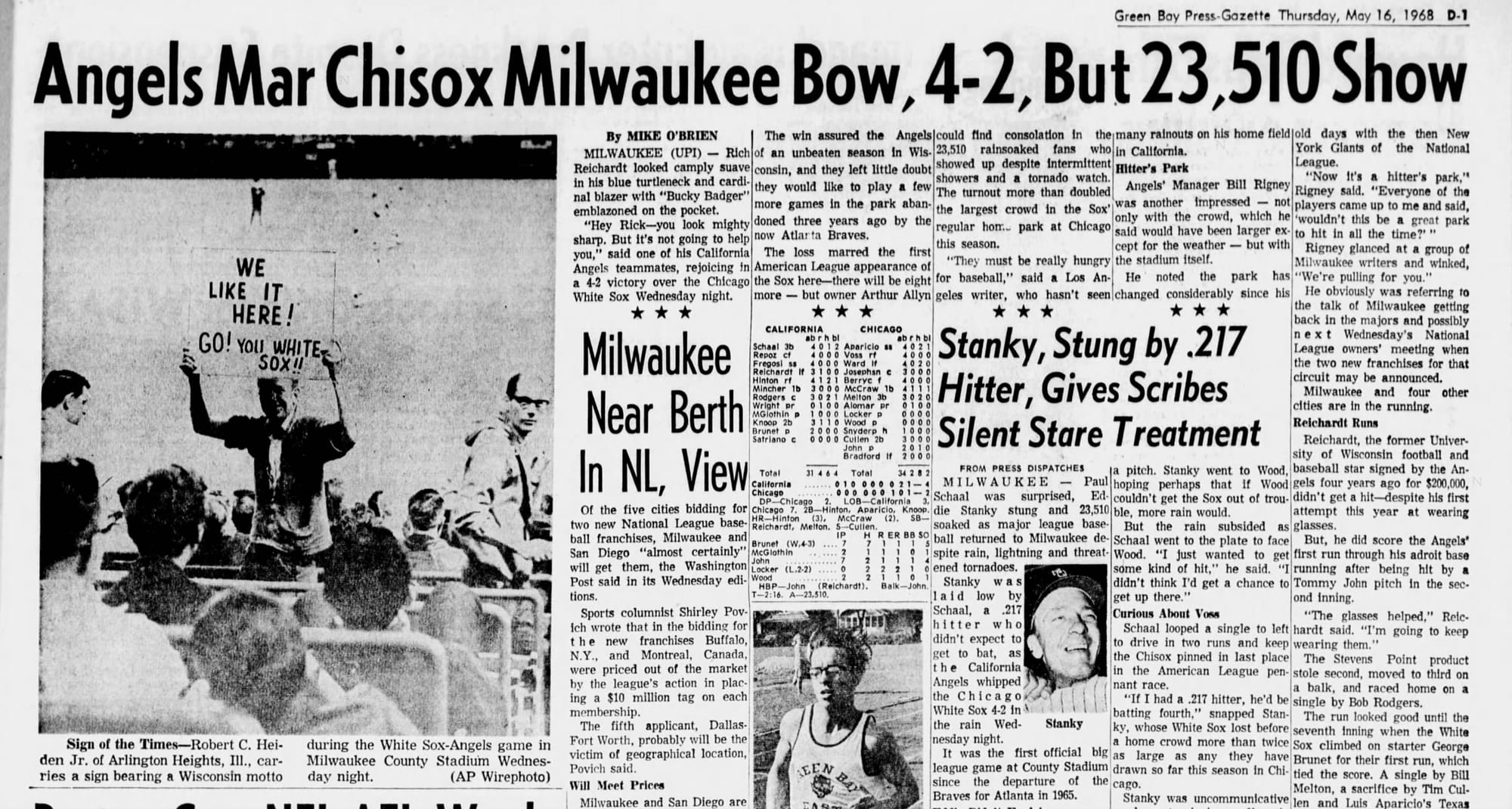
Before the Brewers, the Chicago White Sox played home games at County Stadium: nine in 1968 and 11 in 1969. The games were part of Bud Selig's campaign to prove Milwaukee could support a team after the Braves left for Atlanta, and those 20 dates drew roughly a third of the White Sox's total home attendance in those seasons.
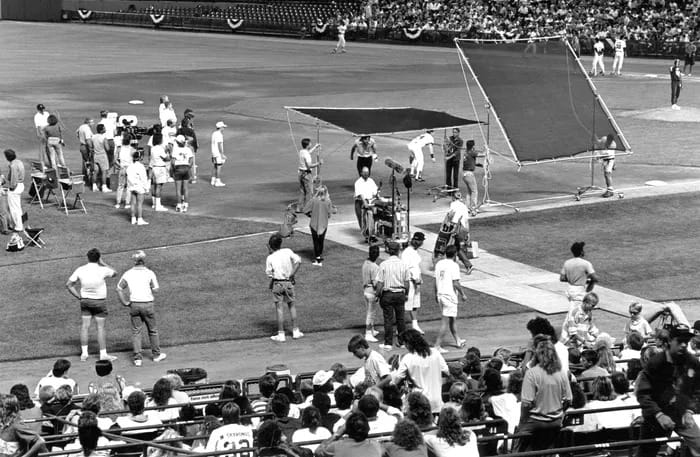
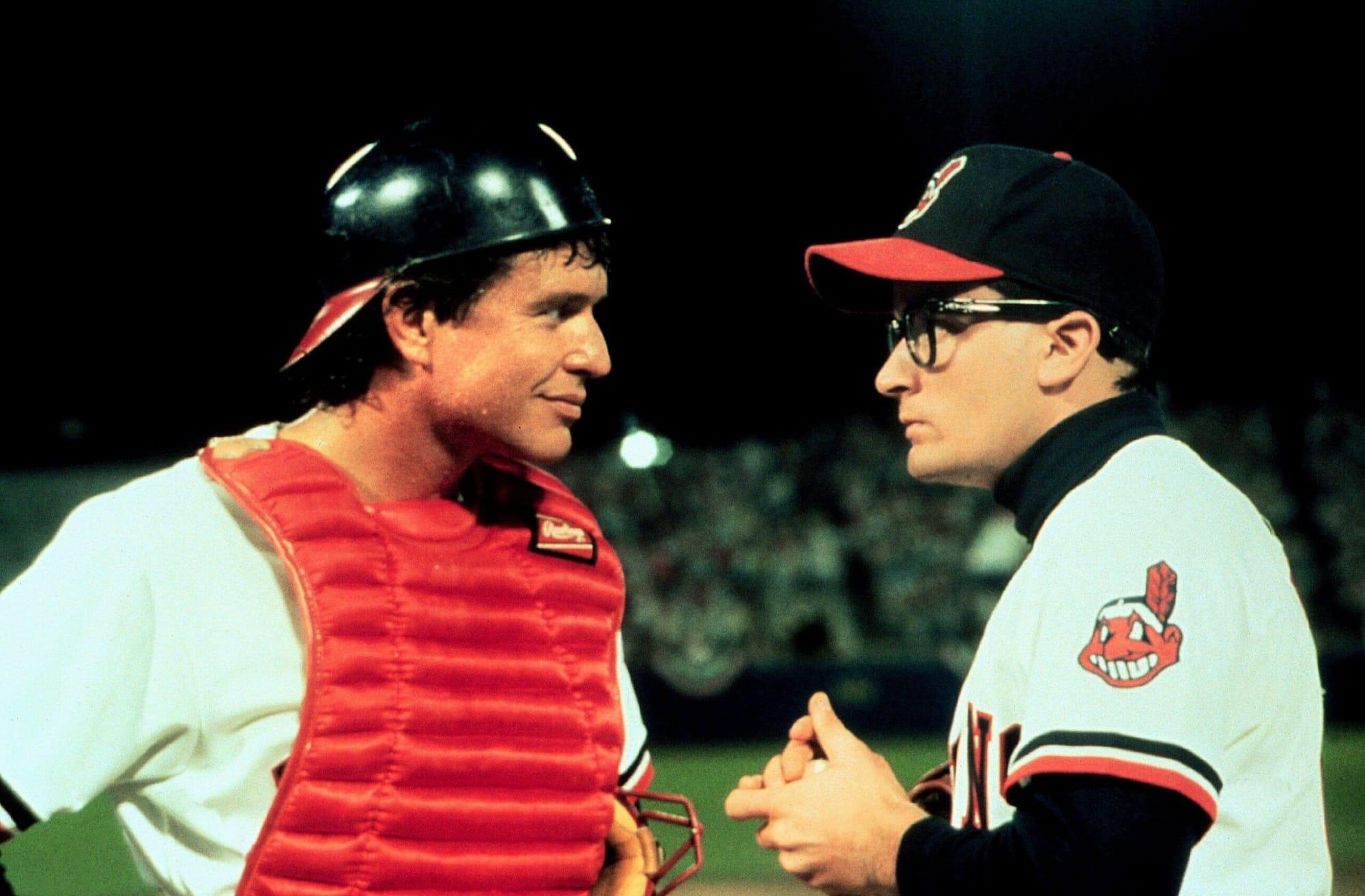
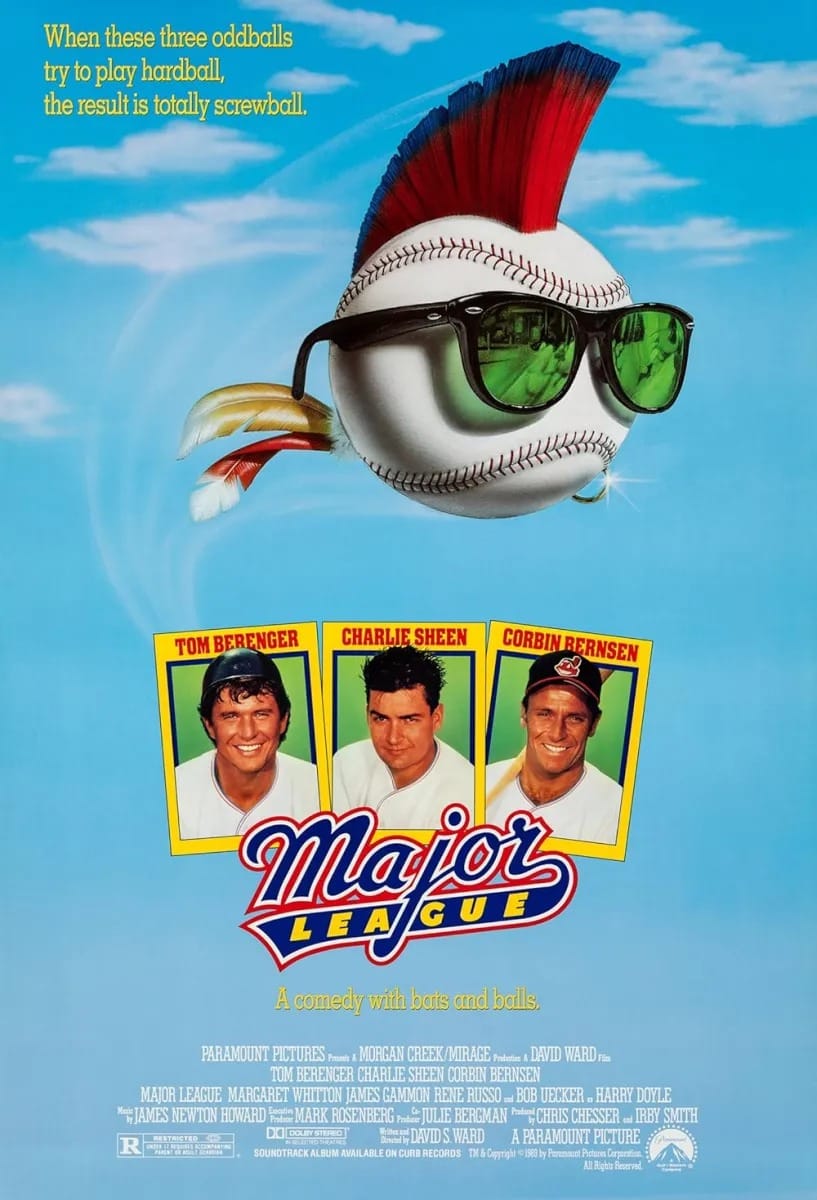
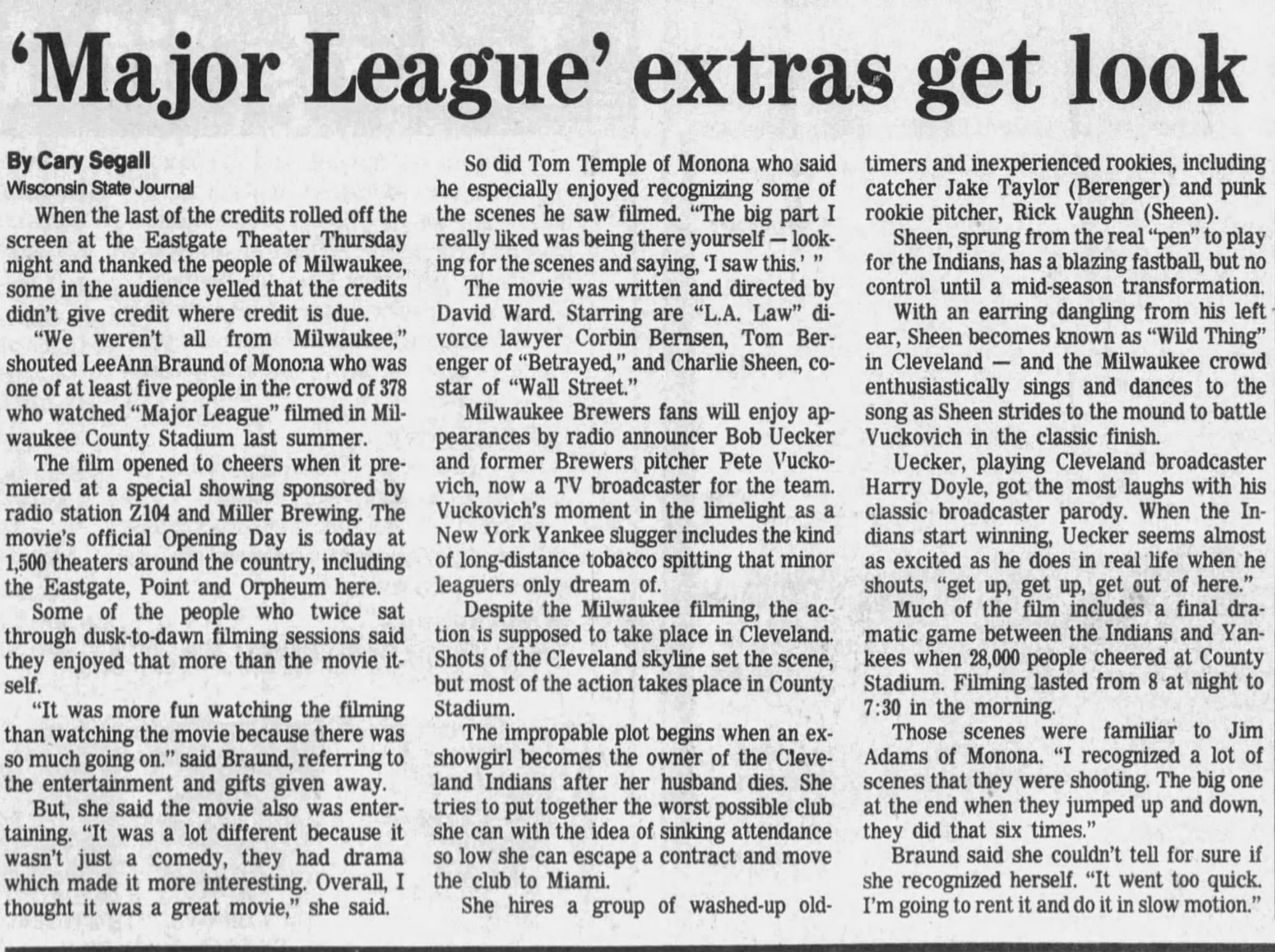
And in 1988, a film crew showed up to shoot "Major League," the comedy about a terrible Cleveland Indians team. Cleveland was a union town with Indians and Browns schedules to work around, so the producers shot in Milwaukee because it was cheaper. County Stadium stood in for Cleveland Municipal Stadium, with a few aerial shots of the real thing cut in. Uecker played Harry Doyle, and Brewers Cy Young winner Pete Vuckovich played the Yankees' slugger Clu Haywood. The movie came out on April 7, 1989, opened at number one and made $75 million on an $11 million budget.

3. Robin Yount won an MVP in a year he wasn't even an All-Star
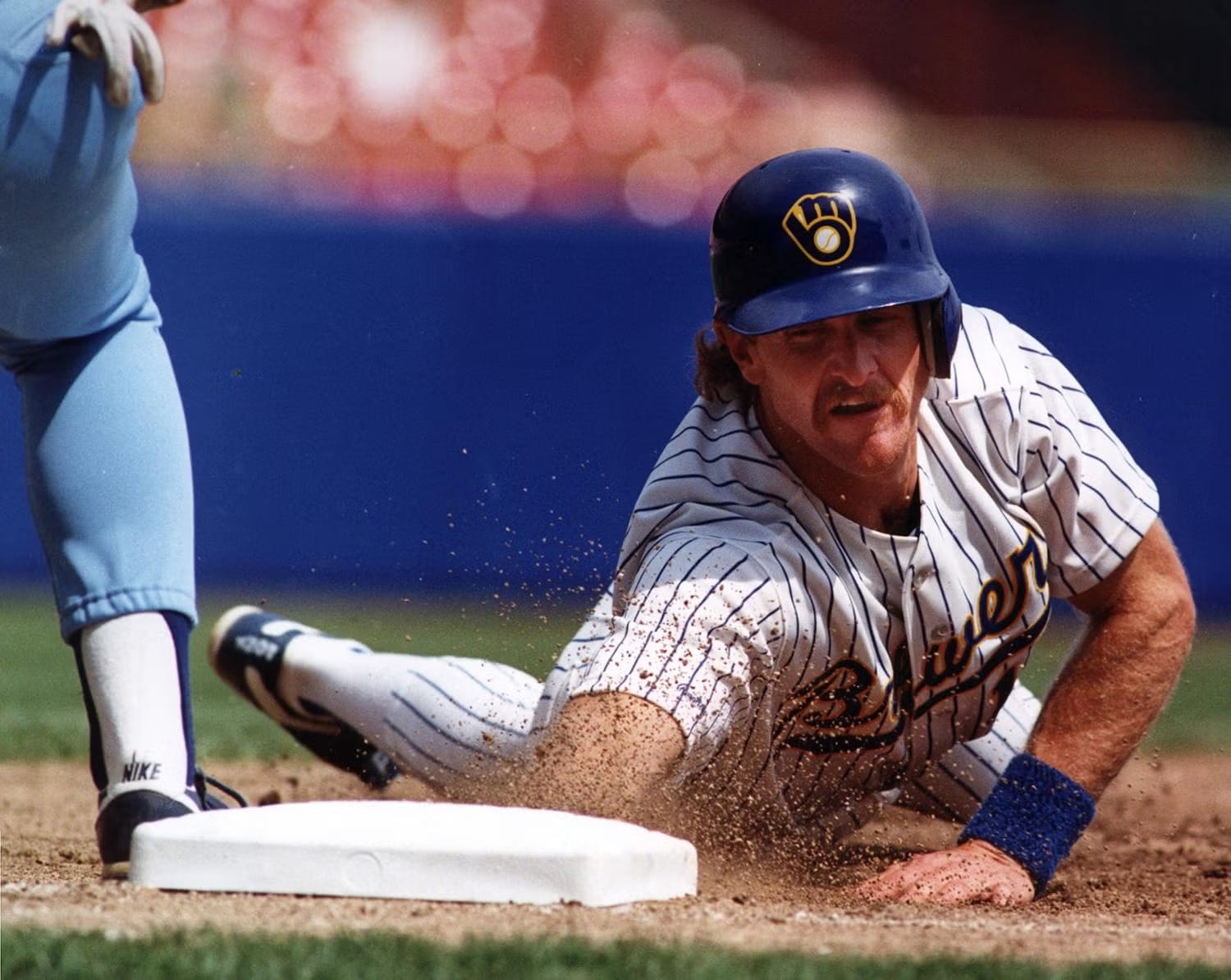
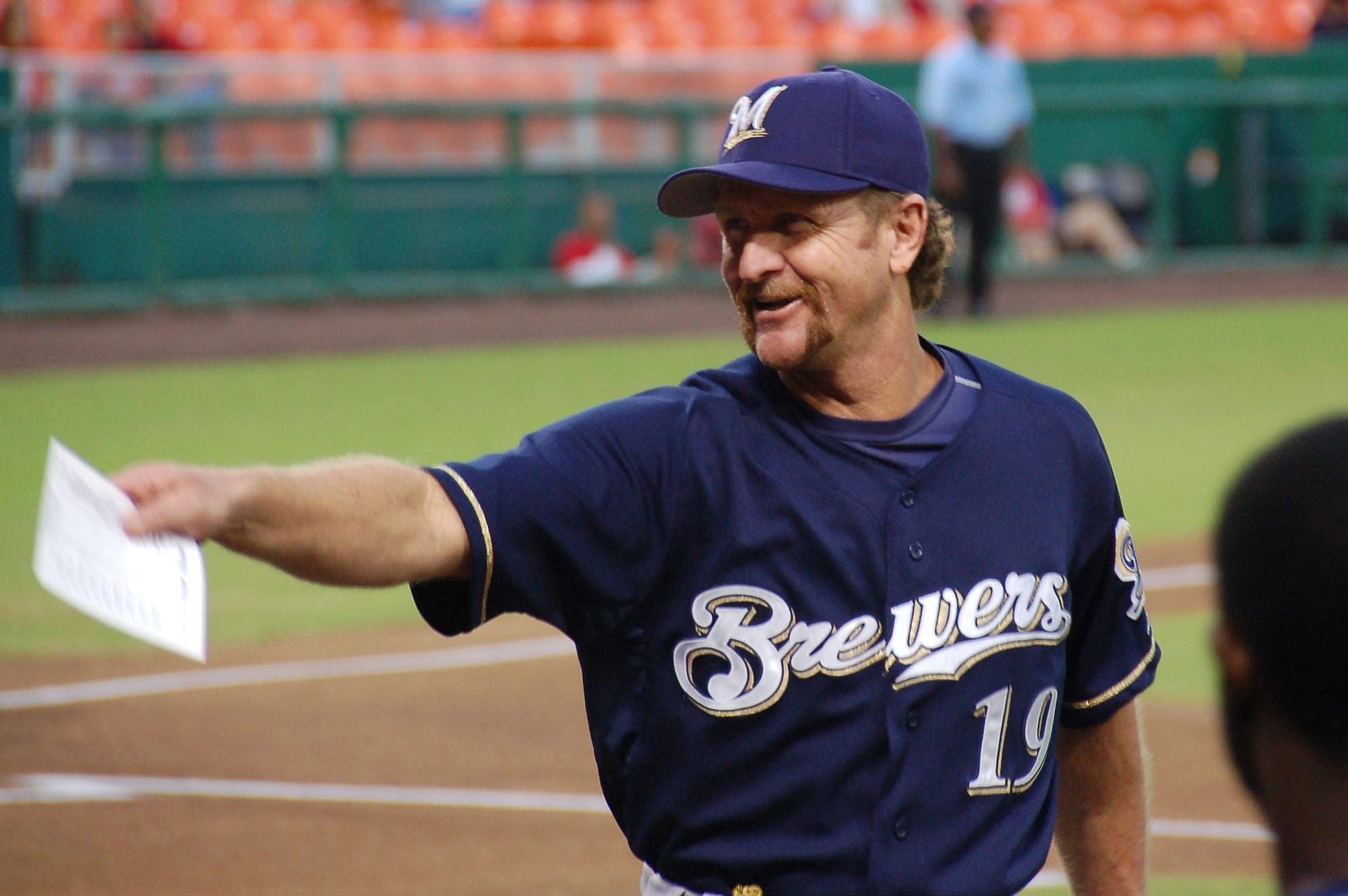
Robin Yount played 20 seasons, all of them in Milwaukee, and he is the greatest Brewer who ever lived. He made his debut at 18 in 1974. He had 3,142 hits when he was done. He was elected to the Hall of Fame on the first ballot in 1999, and his number 19 came off the roster in 1994.
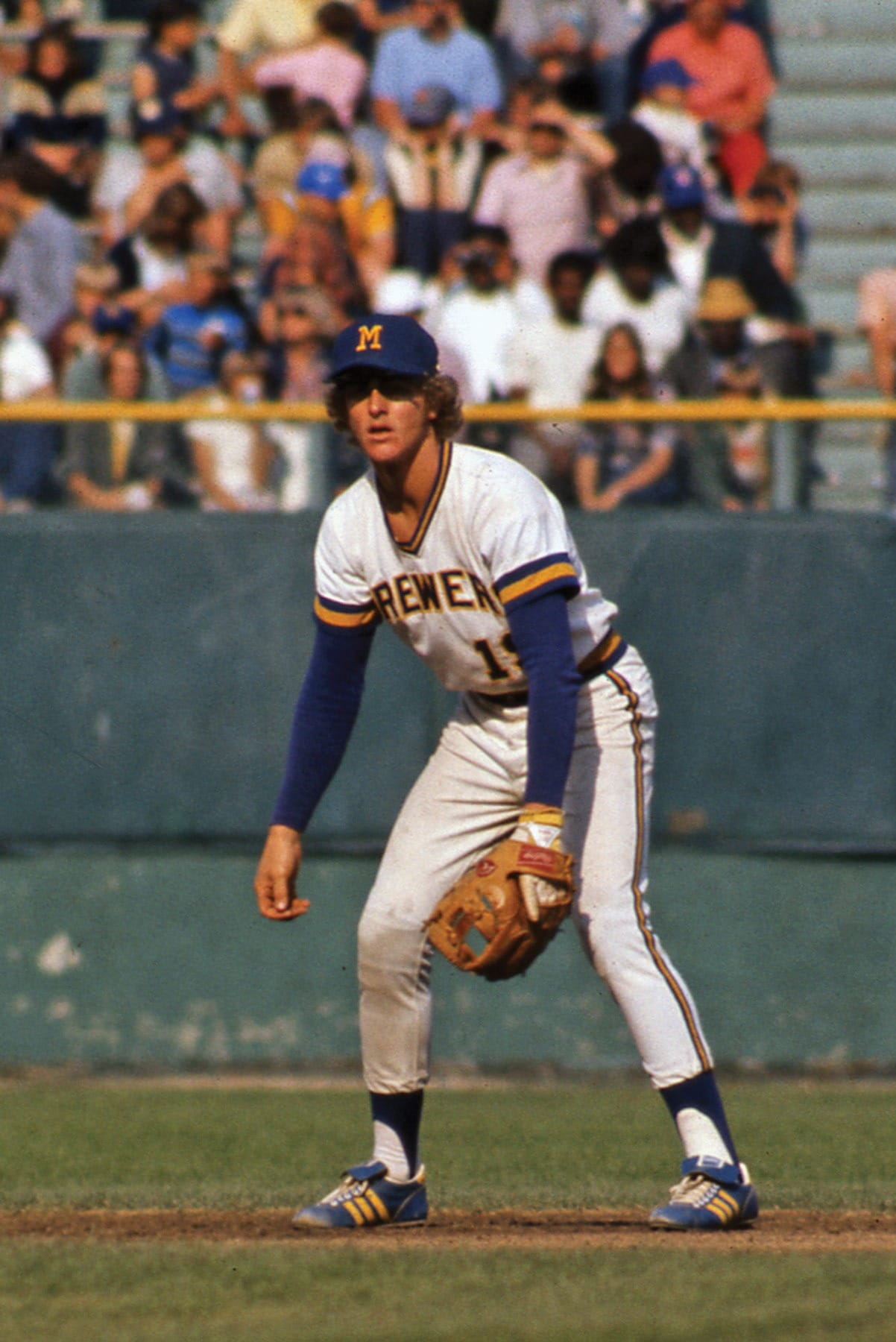
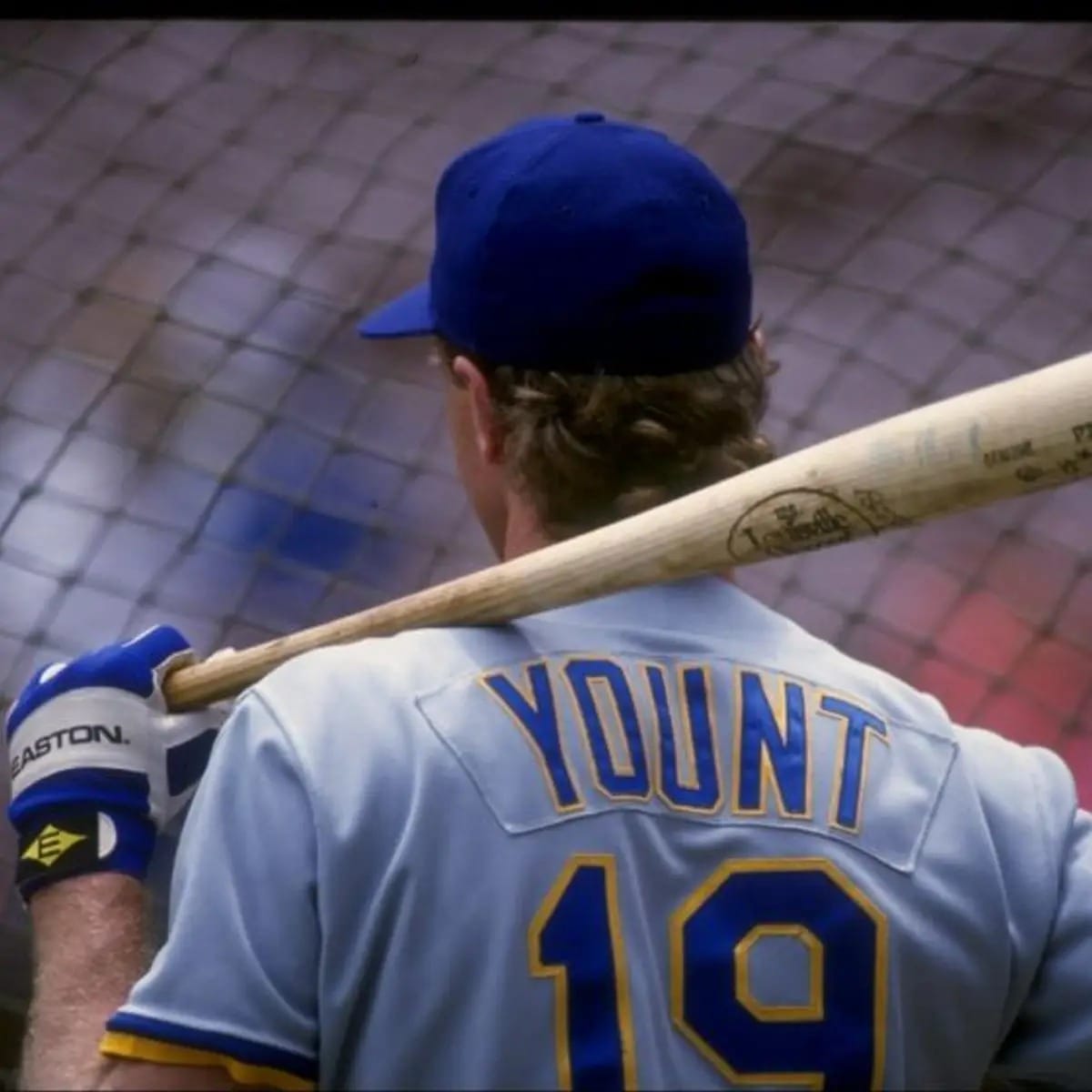
He won the American League MVP twice. The first, in 1982, was no surprise. Playing shortstop, he hit .331 with 29 home runs, 114 RBIs, 210 hits and a .578 slugging percentage, led the Brewers to the pennant, and got 27 of 28 first-place votes.
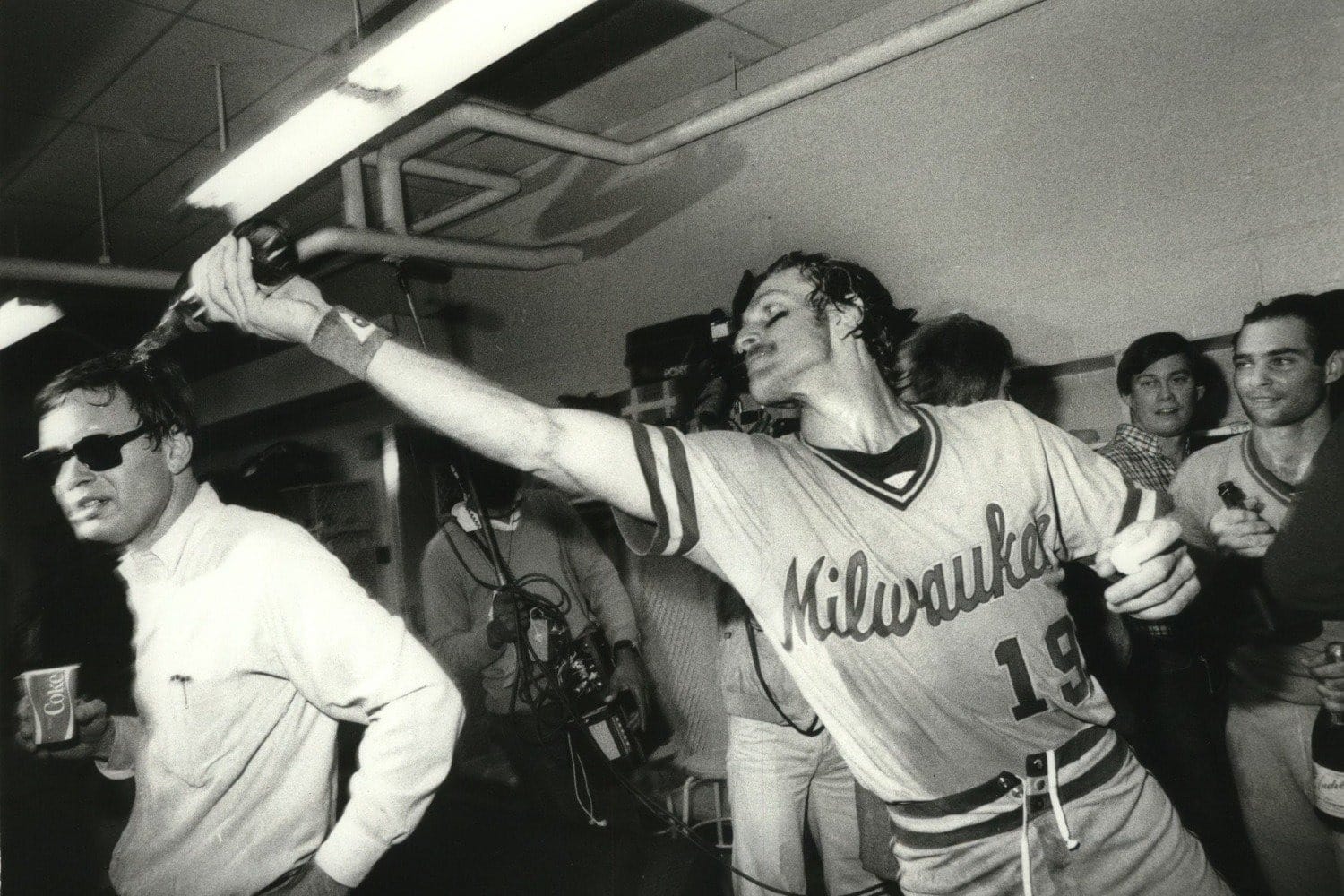
The second one is the strange one. By 1989 Yount had moved to center field. He hit .318 with 21 home runs and 103 RBIs and won the MVP by a nose, 256 points to 228 over Ruben Sierra of the Rangers, with Cal Ripken Jr. third. And he did it without being named to the All-Star team. The American League's All-Star outfielders that July were Sierra, Kirby Puckett and Bo Jackson, with Mike Greenwell, Jose Canseco and Devon White on the bench. Yount was hitting .299 with 10 homers at the break, then hit .339 the rest of the way.
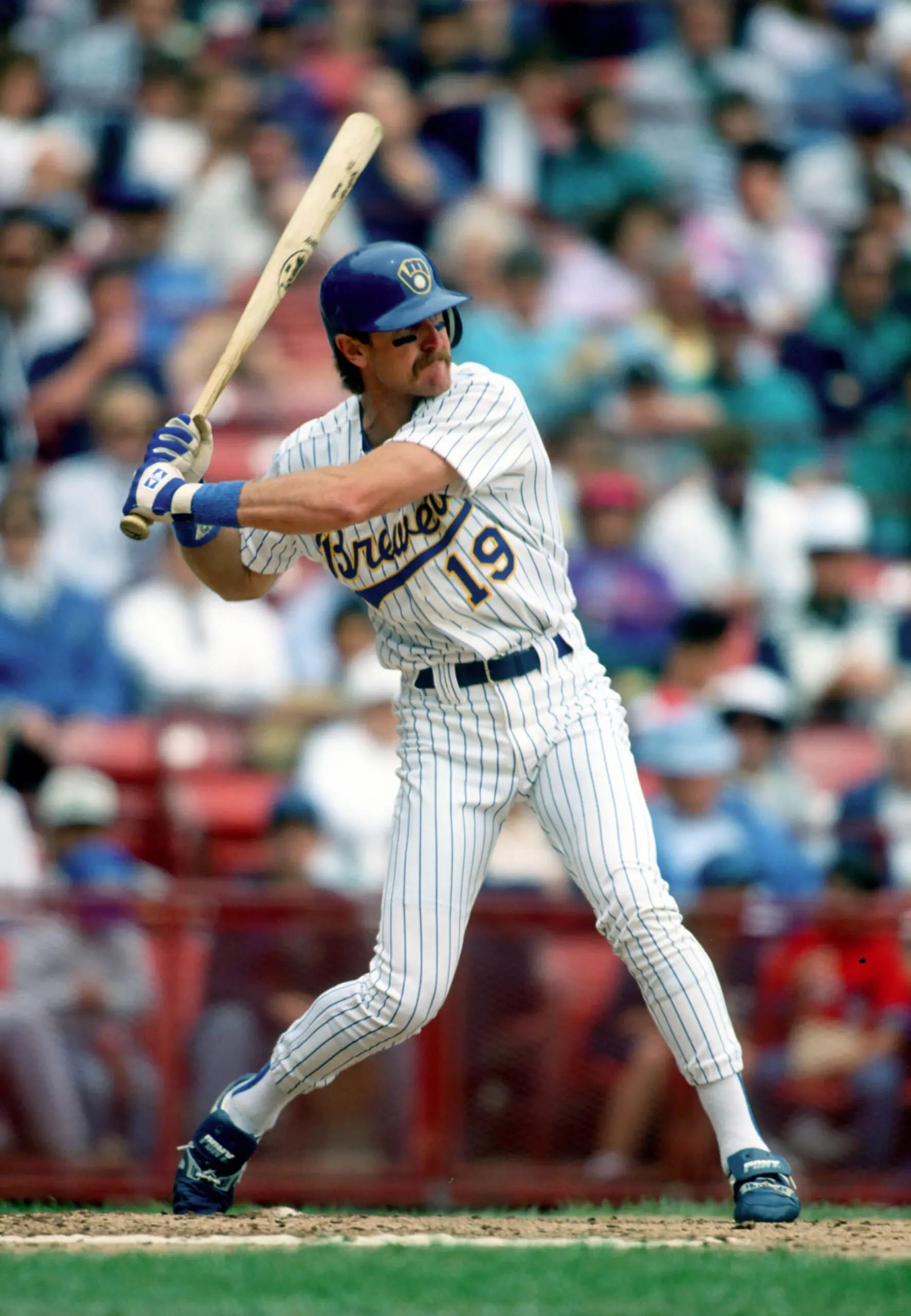
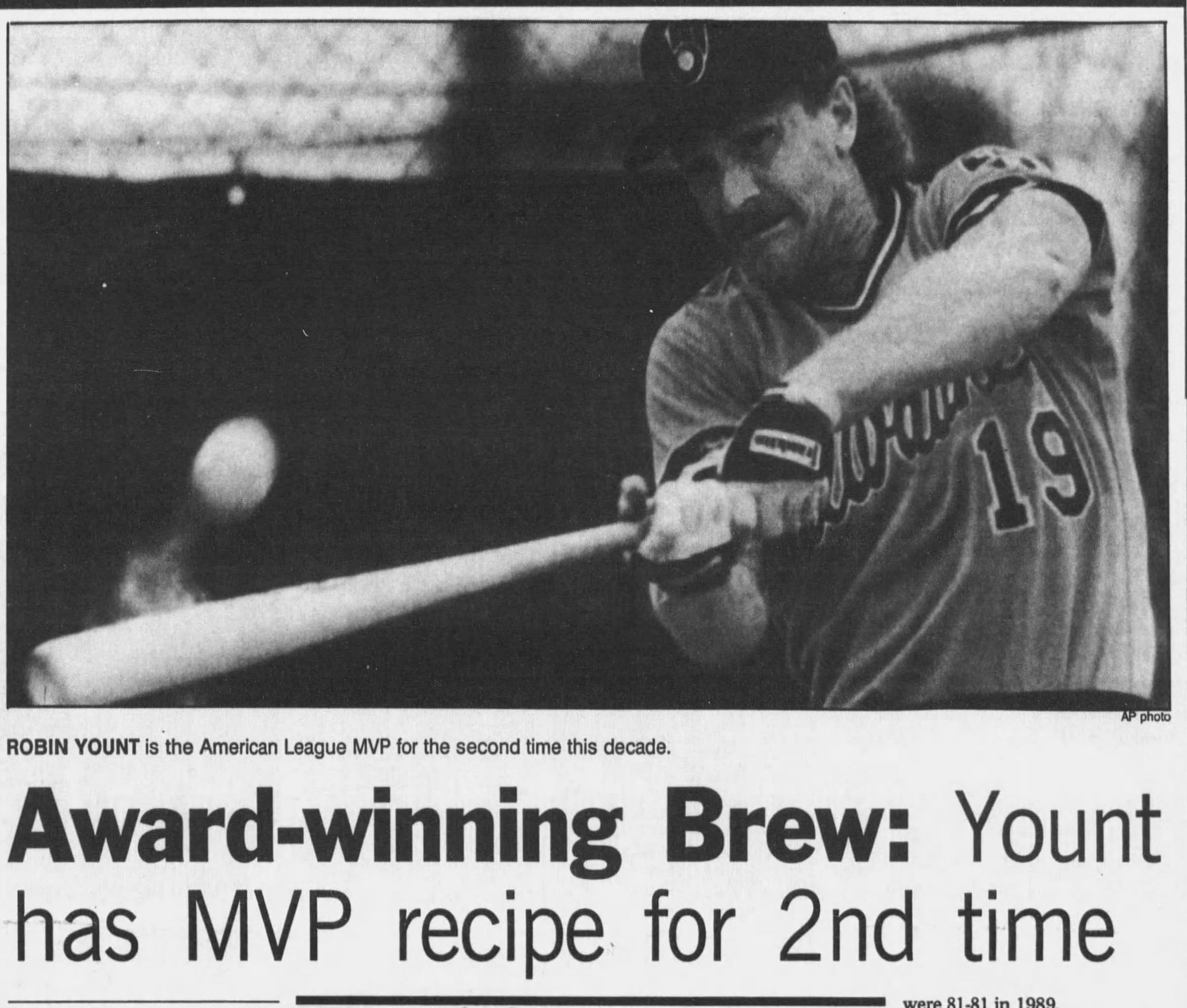
That was the pattern of his career. In 20 seasons, Yount made exactly three All-Star teams, in 1980, 1982 and 1983. The fans never voted him in after he left shortstop. When he won in 1989, he became only the third player ever to win an MVP at two different positions, after Hank Greenberg and Stan Musial. Alex Rodriguez has since joined them.
2. The Brewers were the Seattle Pilots, and the deal closed a week before Opening Day
Milwaukee lost the Braves to Atlanta after the 1965 season. Bud Selig, a Milwaukee car dealer who had been a minority owner of the Braves, put together an investor group to get a team back. He named it the Milwaukee Brewers Baseball Club, after the minor-league Brewers he'd grown up watching.
First he borrowed one. The White Sox played those 20 games at County Stadium in 1968 and 1969, and in 1969 Selig had a handshake deal with owner Arthur Allyn to buy the White Sox and move them to Milwaukee. The other American League owners refused to leave Chicago to the Cubs and killed it.
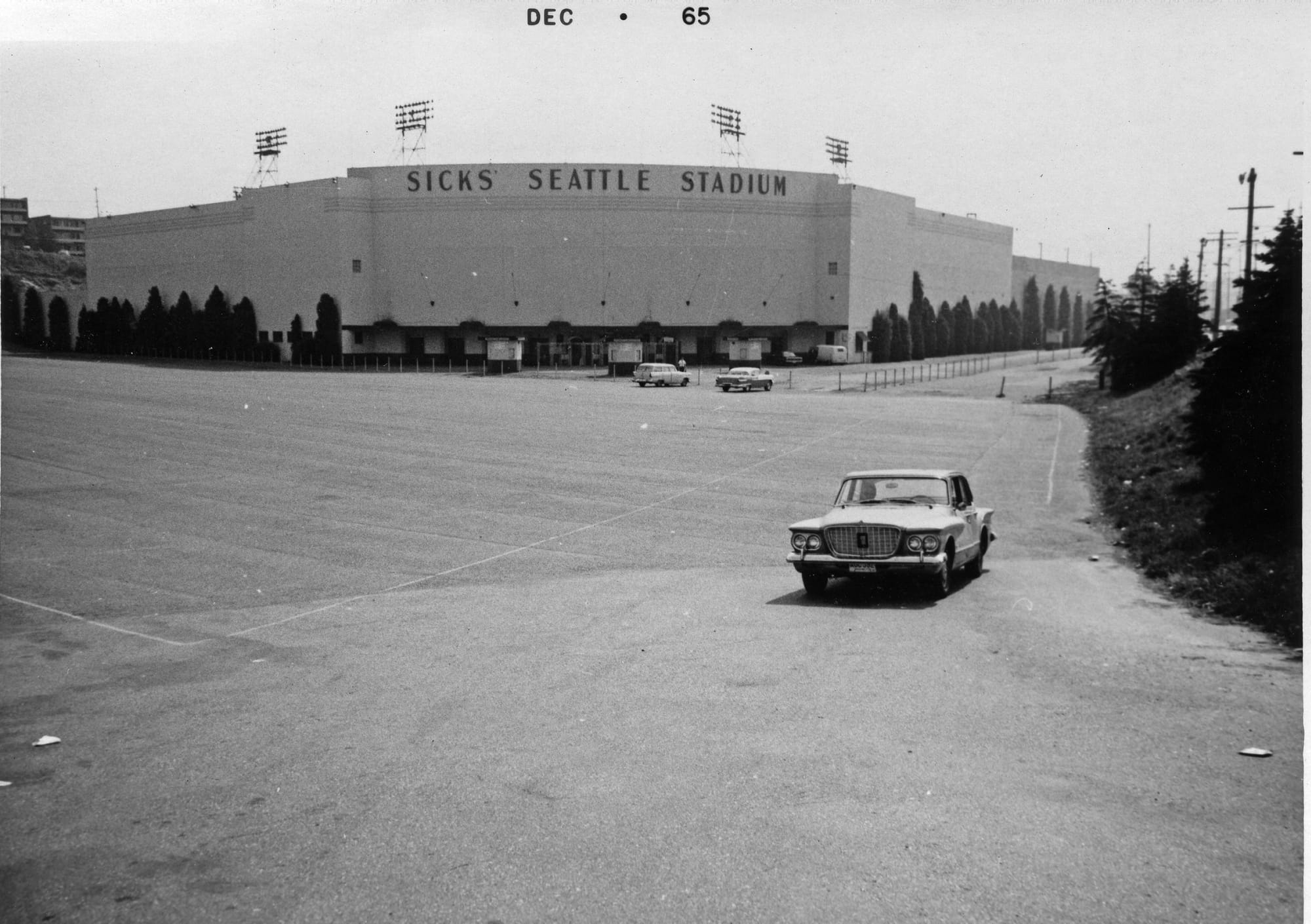
Then came Seattle. The Pilots were a 1969 expansion team, and almost everything about them went wrong. Sick's Stadium, a minor-league park, was supposed to be expanded to 30,000 seats and had only 18,000 to 19,500 ready on Opening Day. The scoreboard was finished the night before the opener. The water pressure failed after the seventh inning. The team went 64-98 and drew 677,944 fans. Their one season produced a classic book, Jim Bouton's "Ball Four," and not much else.
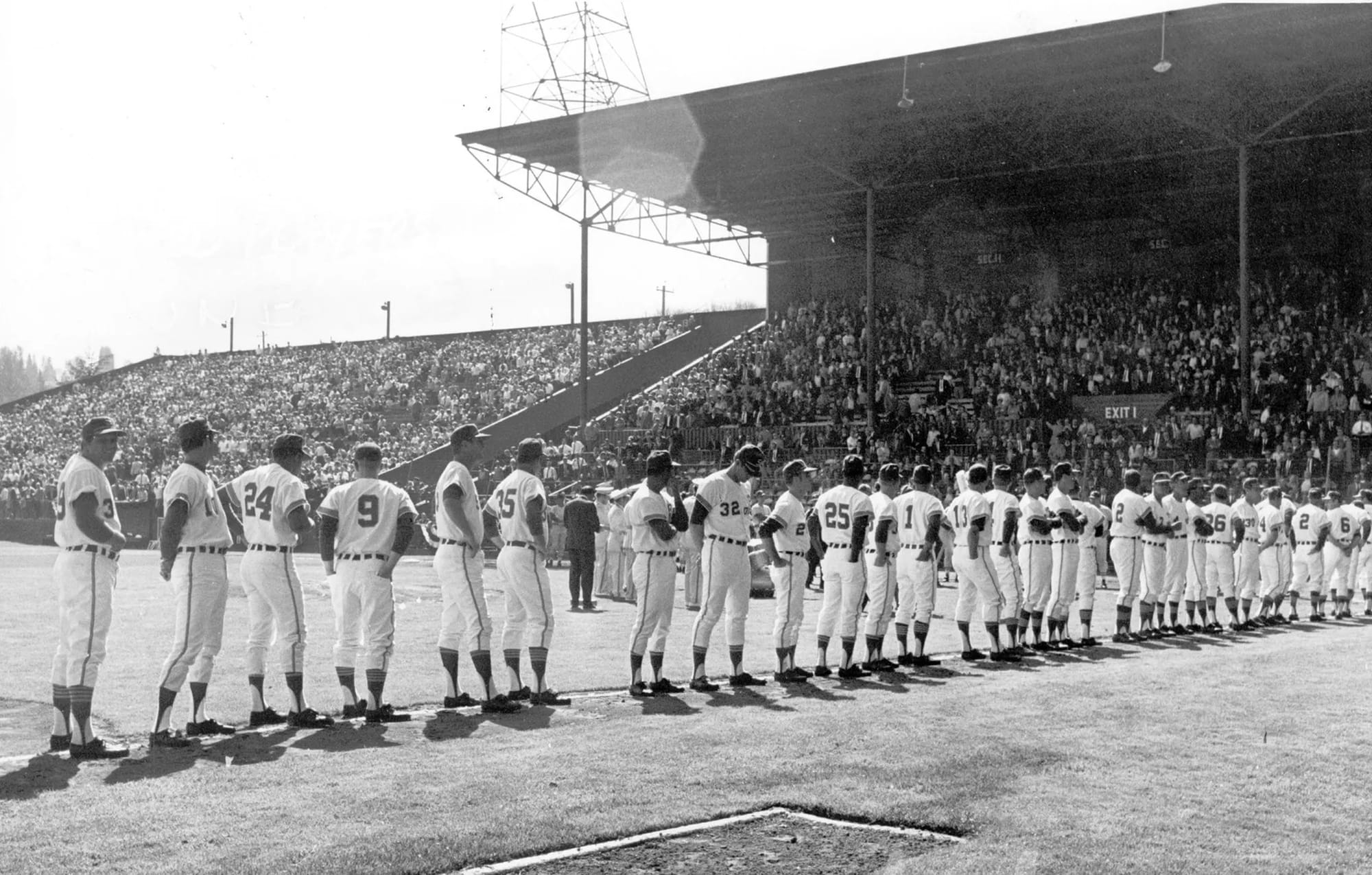
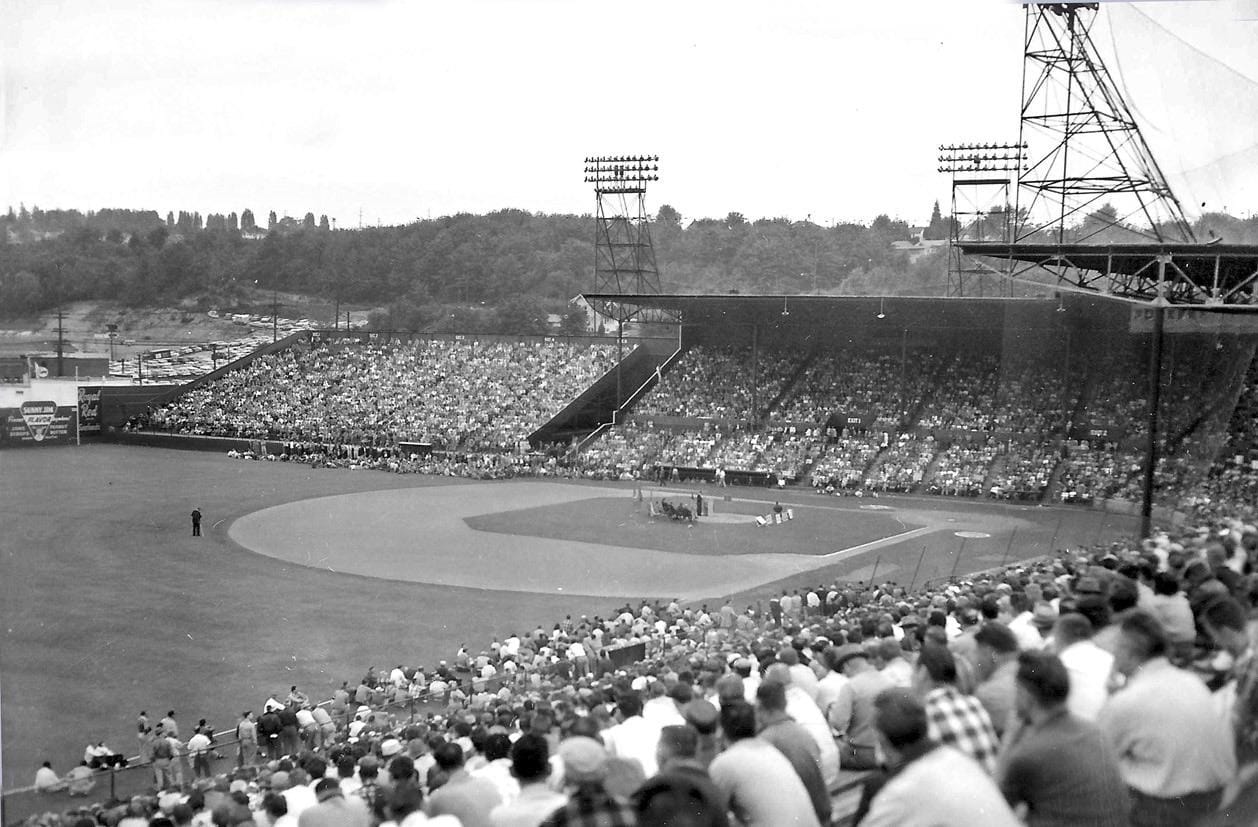
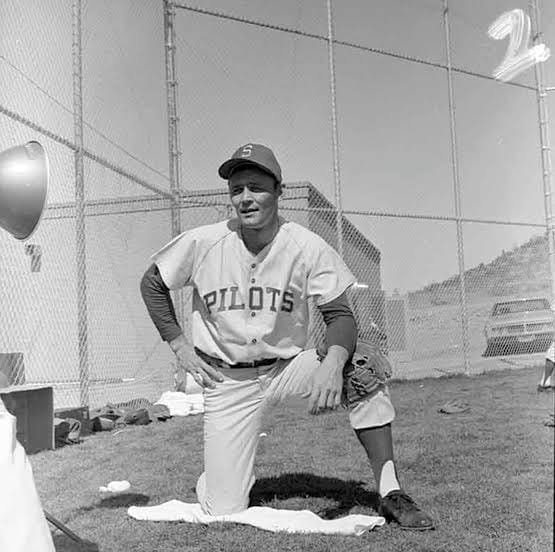
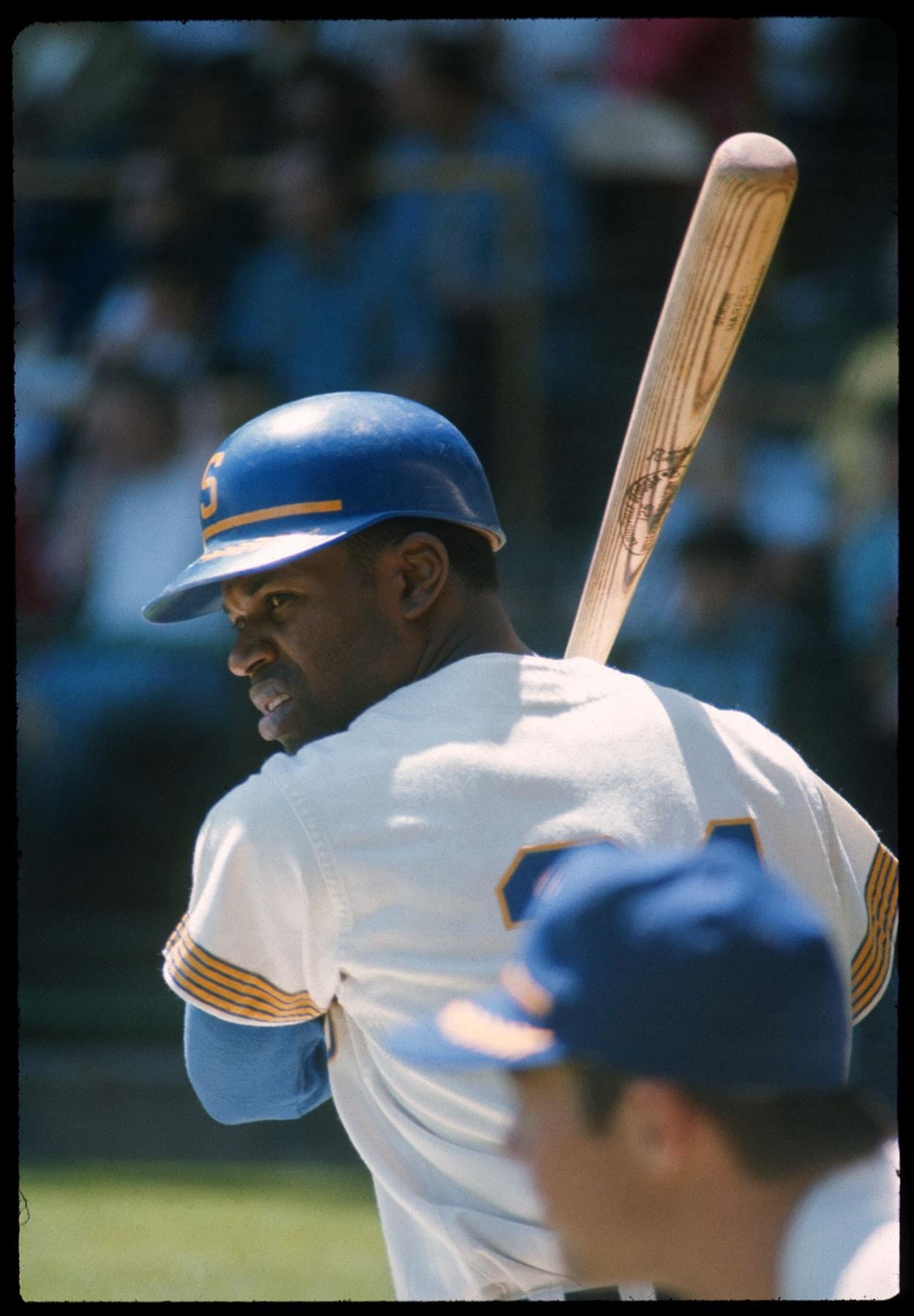

The owners, Dewey Soriano and William Daley, had financed the team with a bank loan the American League didn't know about, and the bank wanted its money. During Game 1 of the 1969 World Series, Soriano agreed to sell the Pilots to Selig for $10.8 million. Washington's two U.S. senators and the state attorney general, Slade Gorton, leaned on the other owners, and the sale was rejected. A local group offered $10 million and fell apart. A nonprofit ownership plan came up one vote short.
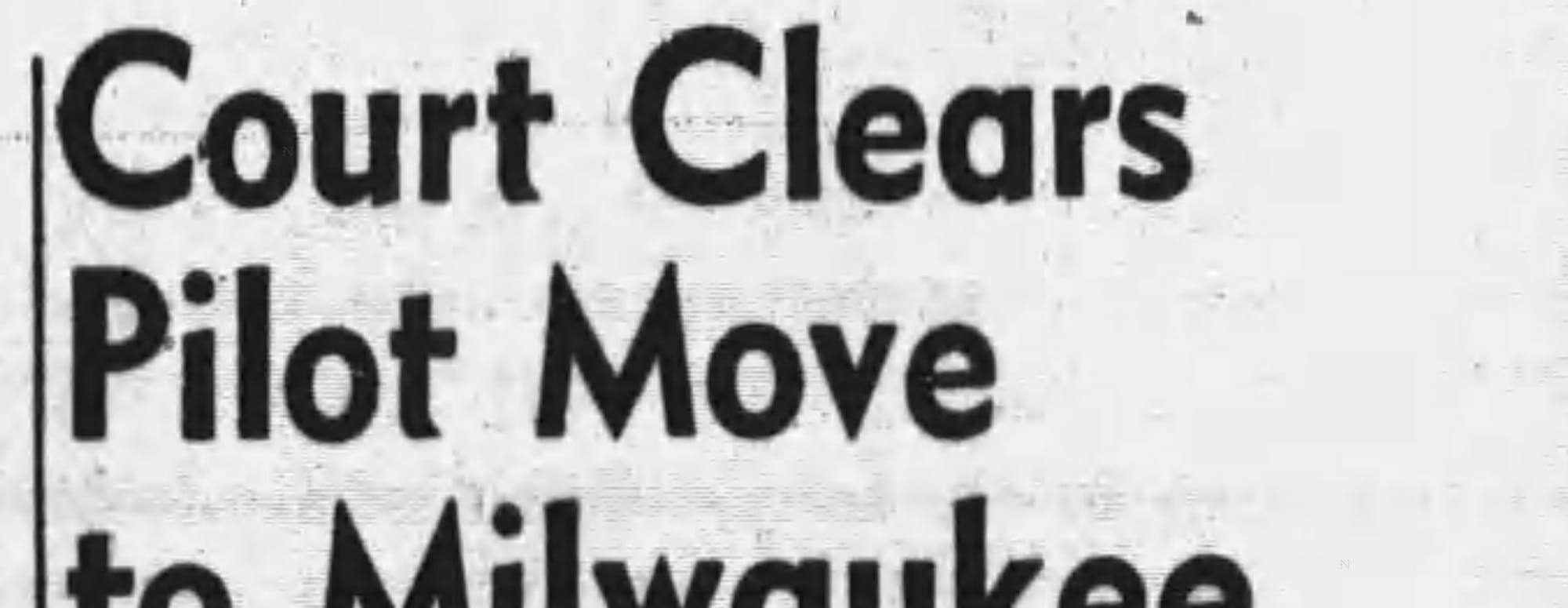
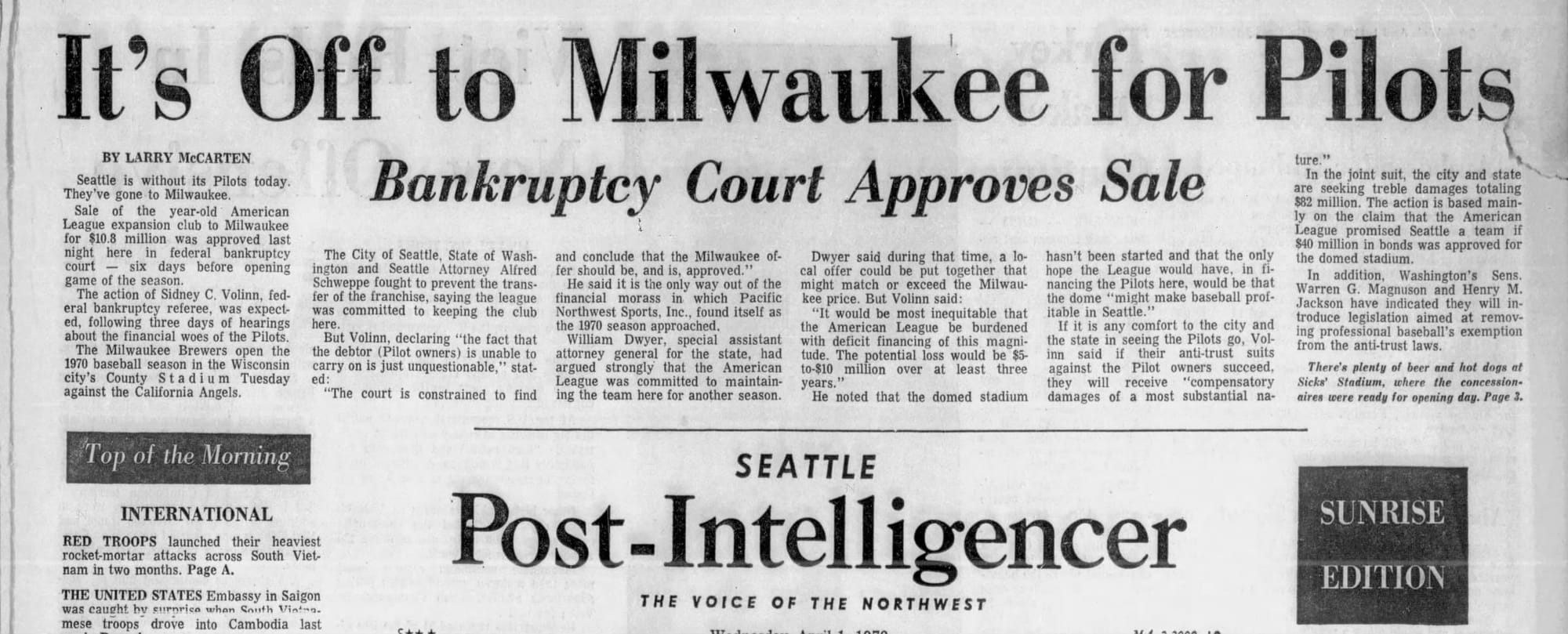
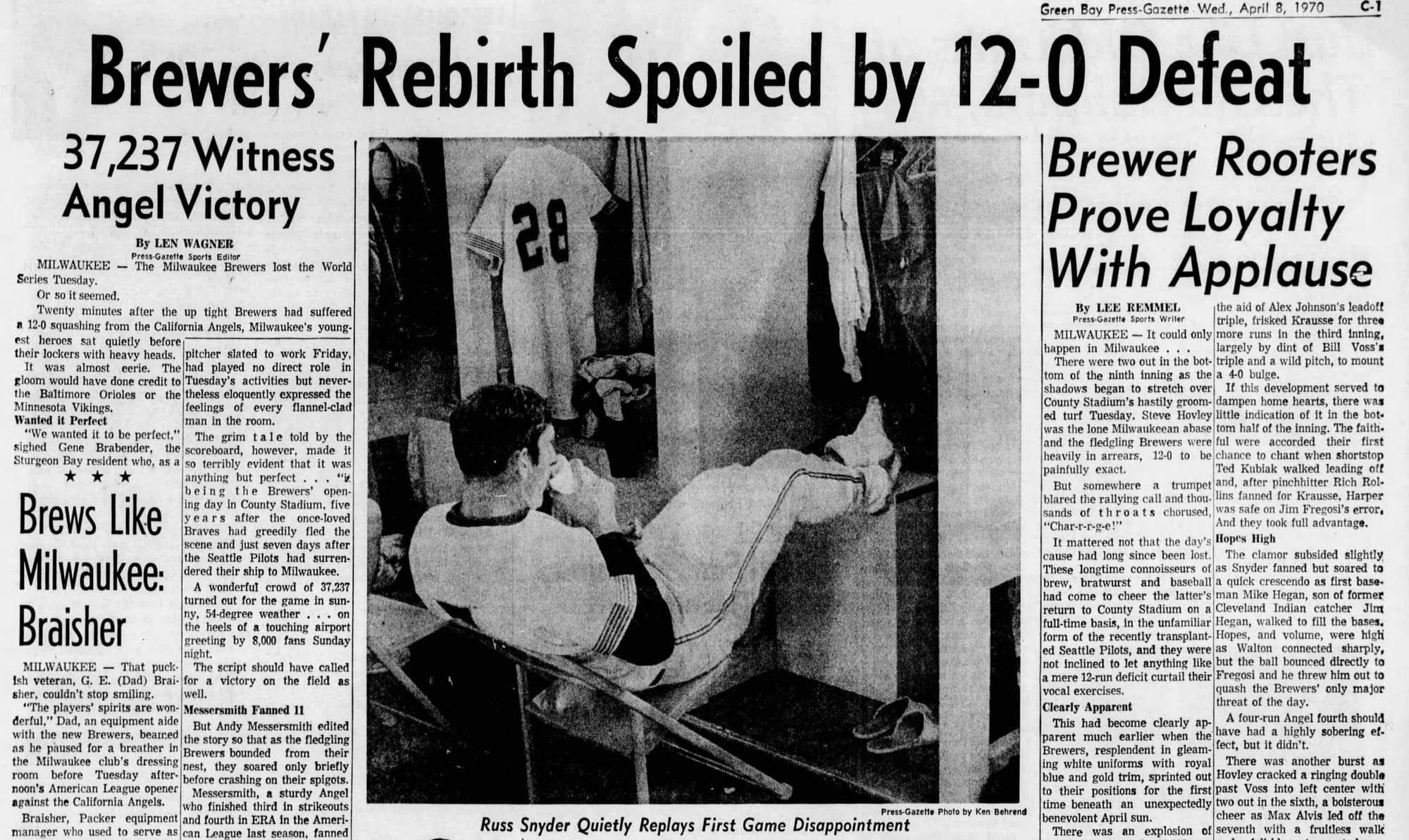
In March 1970, with spring training already underway, the owners filed for bankruptcy. On March 31, 1970, federal bankruptcy referee Sidney Volinn declared the Pilots bankrupt and approved the sale to Selig's group for $10.8 million. Opening Day was a week away. The team's equipment truck was parked in Provo, Utah, with the driver waiting to hear whether to head to Seattle or Milwaukee. The Brewers opened at County Stadium on April 7, 1970, wearing Pilots uniforms with the lettering ripped off and "Brewers" sewn on.
Seattle sued the American League and got the Mariners in 1977. Selig ran the Brewers until he became commissioner, and then his daughter, Wendy Selig-Prieb, ran them. The family sold the team to Mark Attanasio in 2005.
1. They are one of five teams that have never won it all
Twenty-five of baseball's 30 teams have won a World Series. The Texas Rangers were the most recent to leave the list, in 2023. The five that remain:
| Team | Founded | World Series appearances | Record |
|---|---|---|---|
| Milwaukee Brewers | 1969 | 1982, 2026 | 0-1 |
| San Diego Padres | 1969 | 1984, 1998 | 0-2 |
| Seattle Mariners | 1977 | None | — |
| Colorado Rockies | 1993 | 2007 | 0-1 |
| Tampa Bay Rays | 1998 | 2008, 2020 | 0-2 |
The Mariners are the only team in baseball that has never played in a World Series. They came within one game of it last October, losing Game 7 of the ALCS to Toronto. The Padres have been to two and lost both; the Brewers beat them in the Division Series this month. The Rockies went in 2007 and were swept. The Rays have lost in 2008 and 2020.
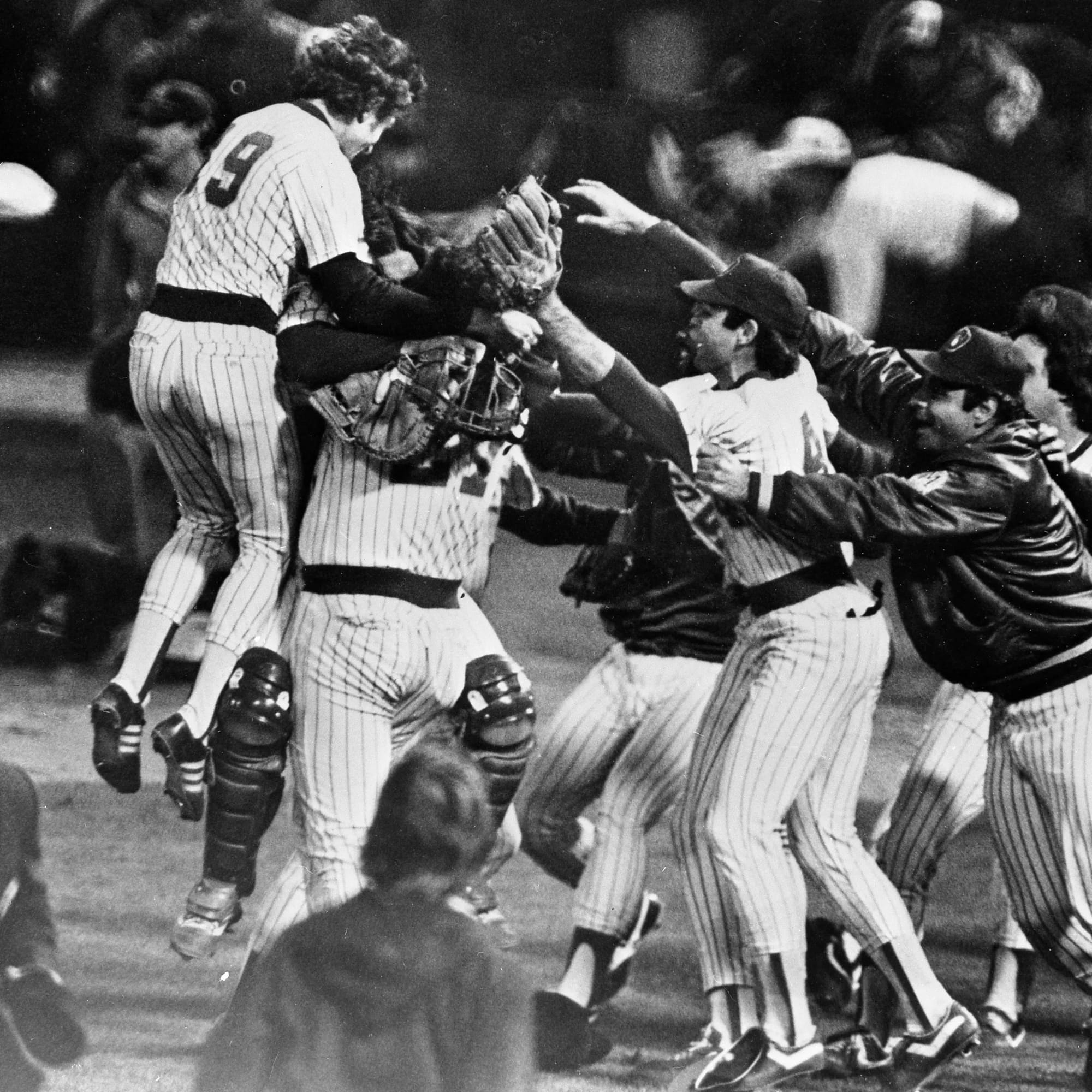
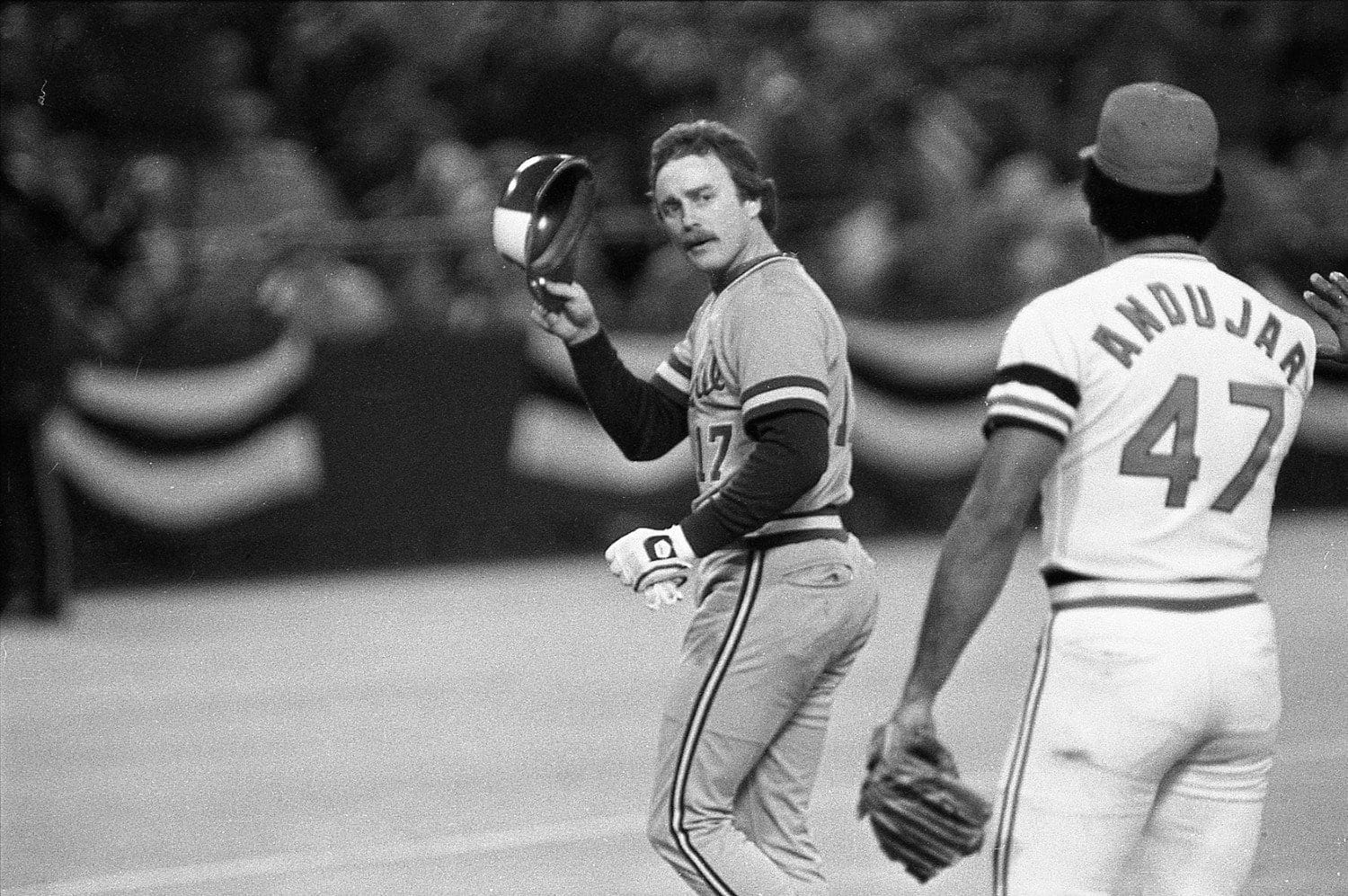
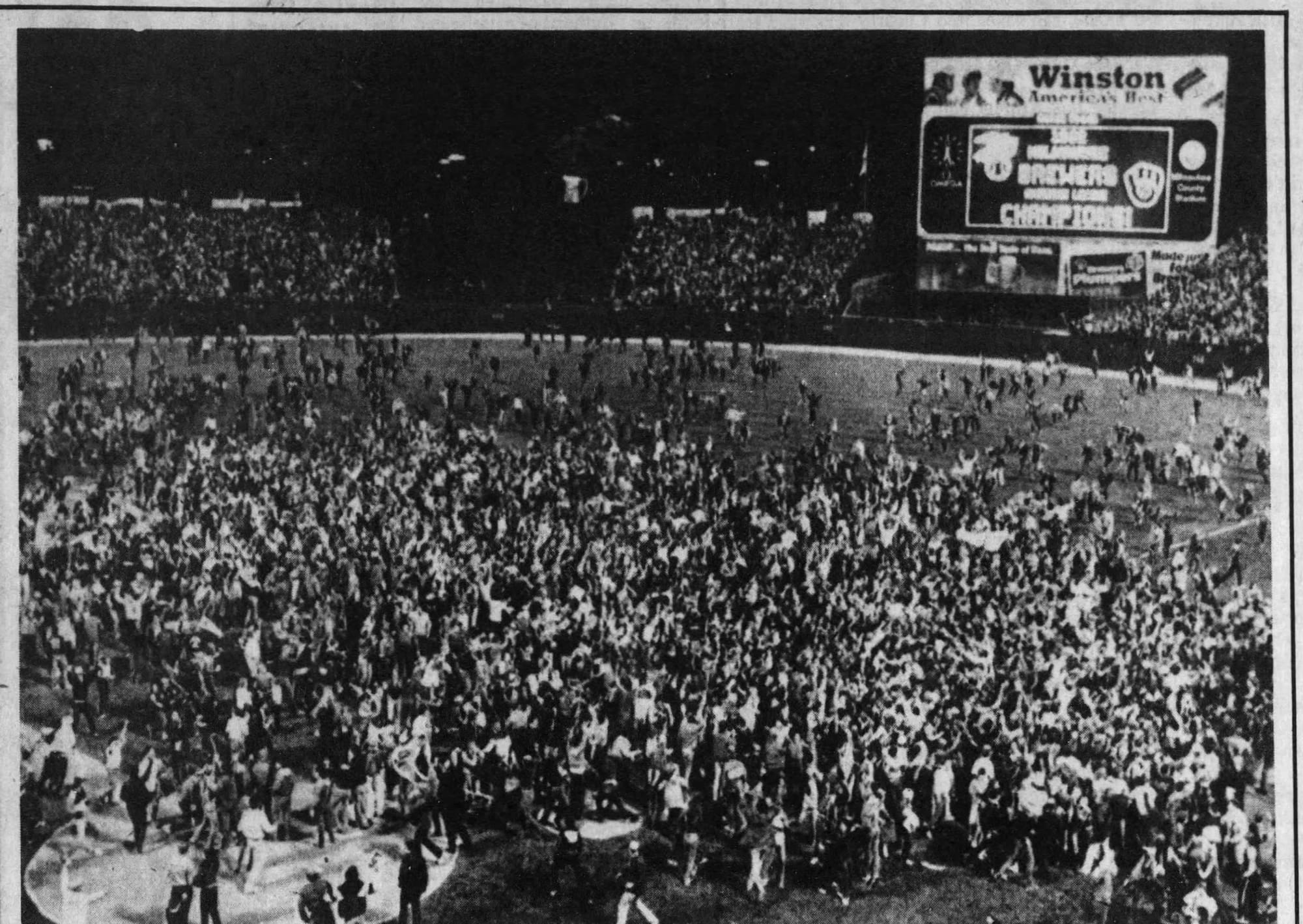
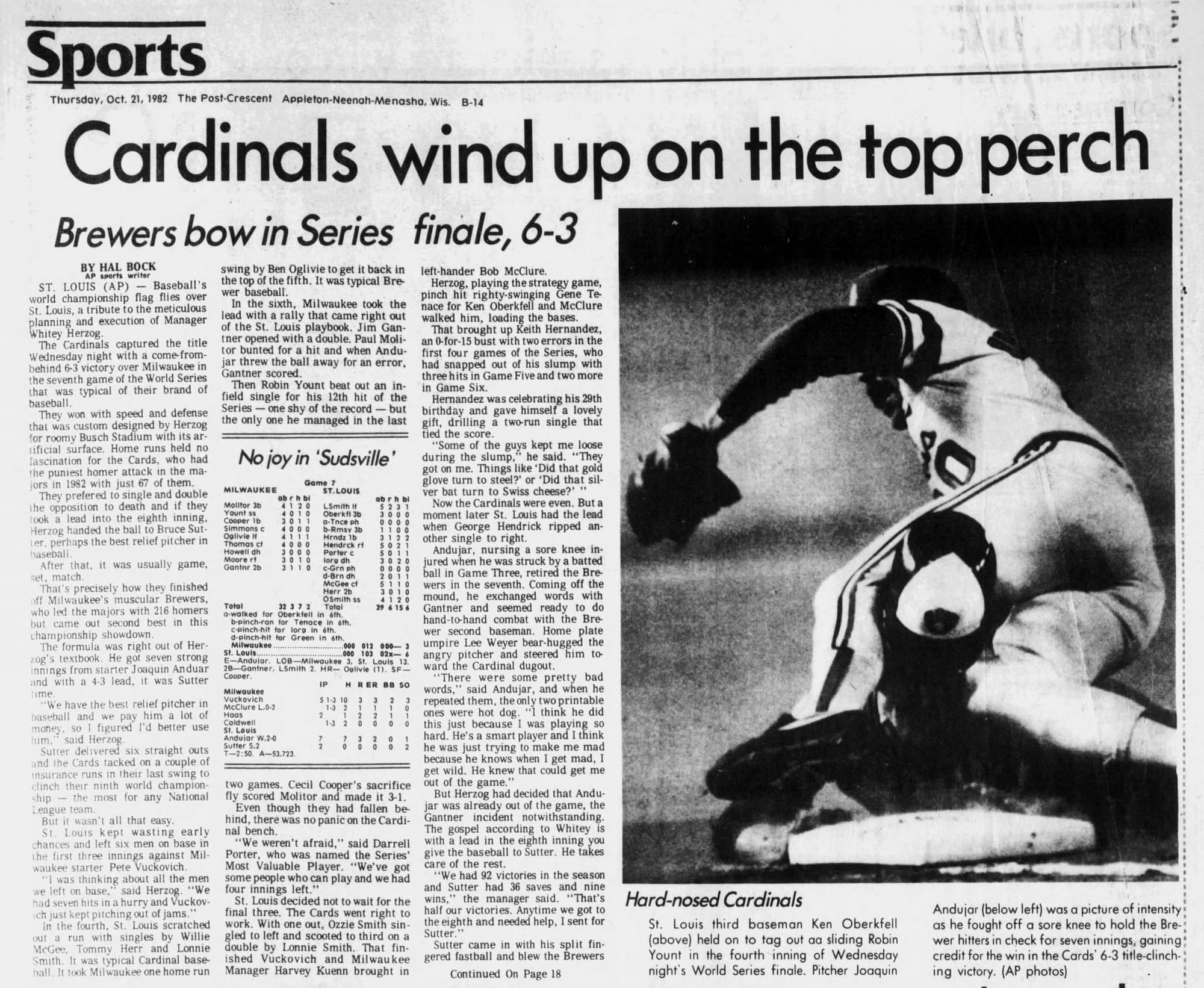
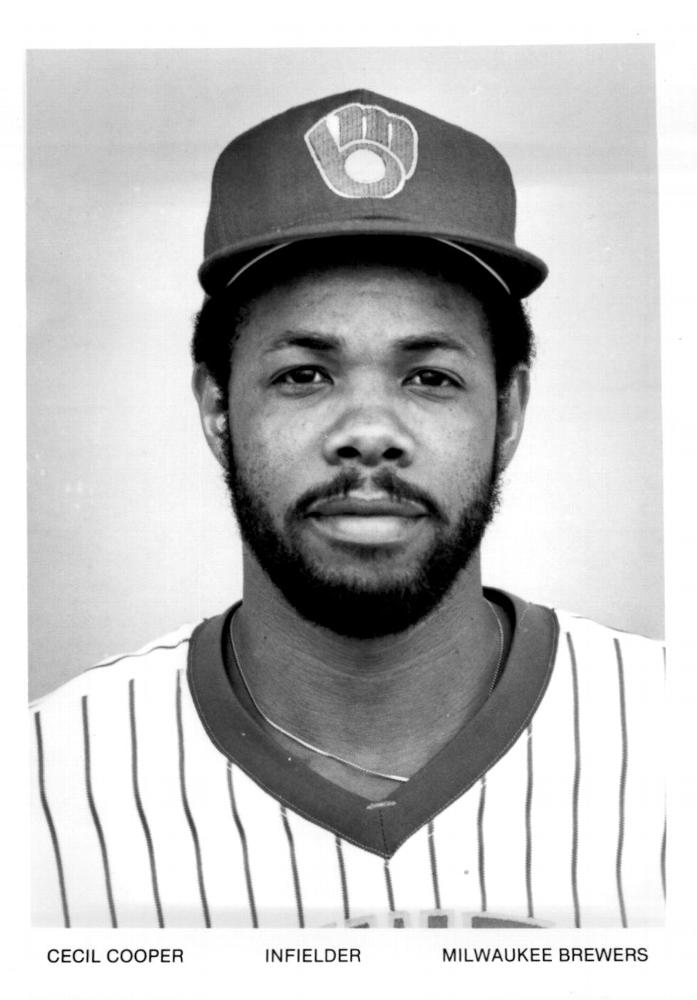
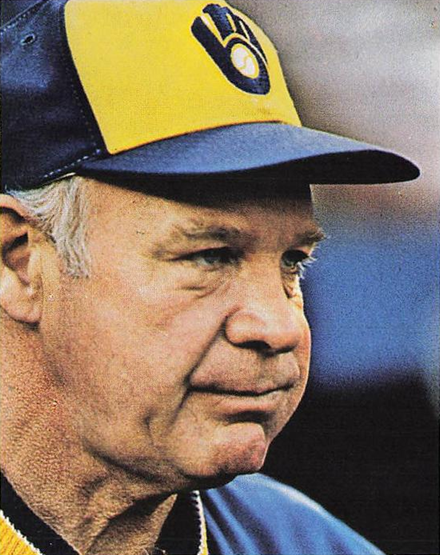
The Brewers' one trip, in 1982, was "Harvey's Wallbangers," the Harvey Kuenn team of Yount, Paul Molitor, Cecil Cooper, Gorman Thomas and Rollie Fingers. They got there the hard way, losing the first two games of the ALCS to California and winning three straight at County Stadium, the first team ever to come back from 0-2 in a League Championship Series. Then they took a 3-2 lead on the Cardinals in the World Series and lost Games 6 and 7 in St. Louis.
Forty-four years later, they're back, this time with the best record in baseball and home-field advantage. And if the Rays finish off Cleveland in the ALCS, the World Series will match two teams that have never won it, which guarantees a first-time champion for the first time since the Phillies beat the Royals in 1980.
Either way, one of those five lines in the table might be gone by Halloween.
Which of these surprised you most? Let us know in the comments.
Comments ()