
Top 5 Oddball Card Sets — And Why "Free With Purchase" Built the Whole Hobby
Before cards were the product, they were the bribe — the thing that made you buy the cereal, the bread, the frozen drink, the cigarettes. These five oddball sets tell that story, and the last one IS the story.
Before cards were the product, they were the bribe — the thing that made you buy the cereal, the bread, the frozen drink, the cigarettes. These five oddball sets tell that story, and the last one IS the story.
5. 1982 Topps Kmart 20th Anniversary — The $1.97 Time Capsule
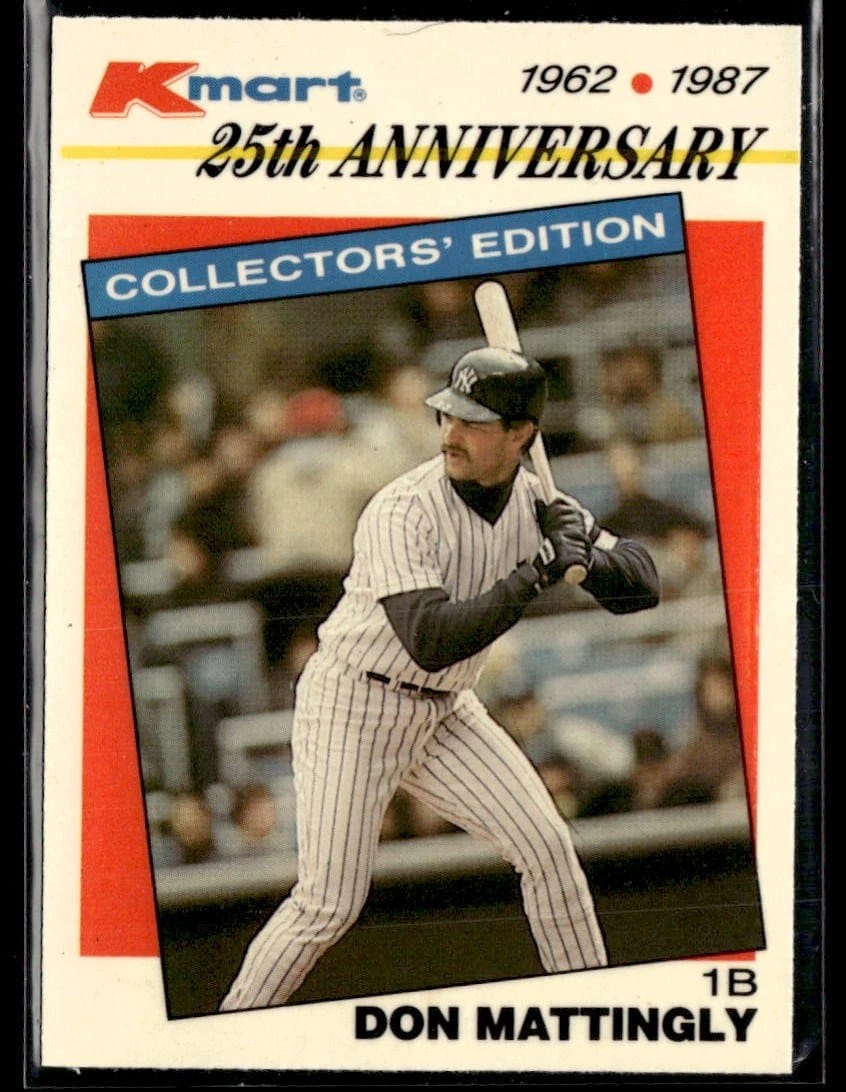
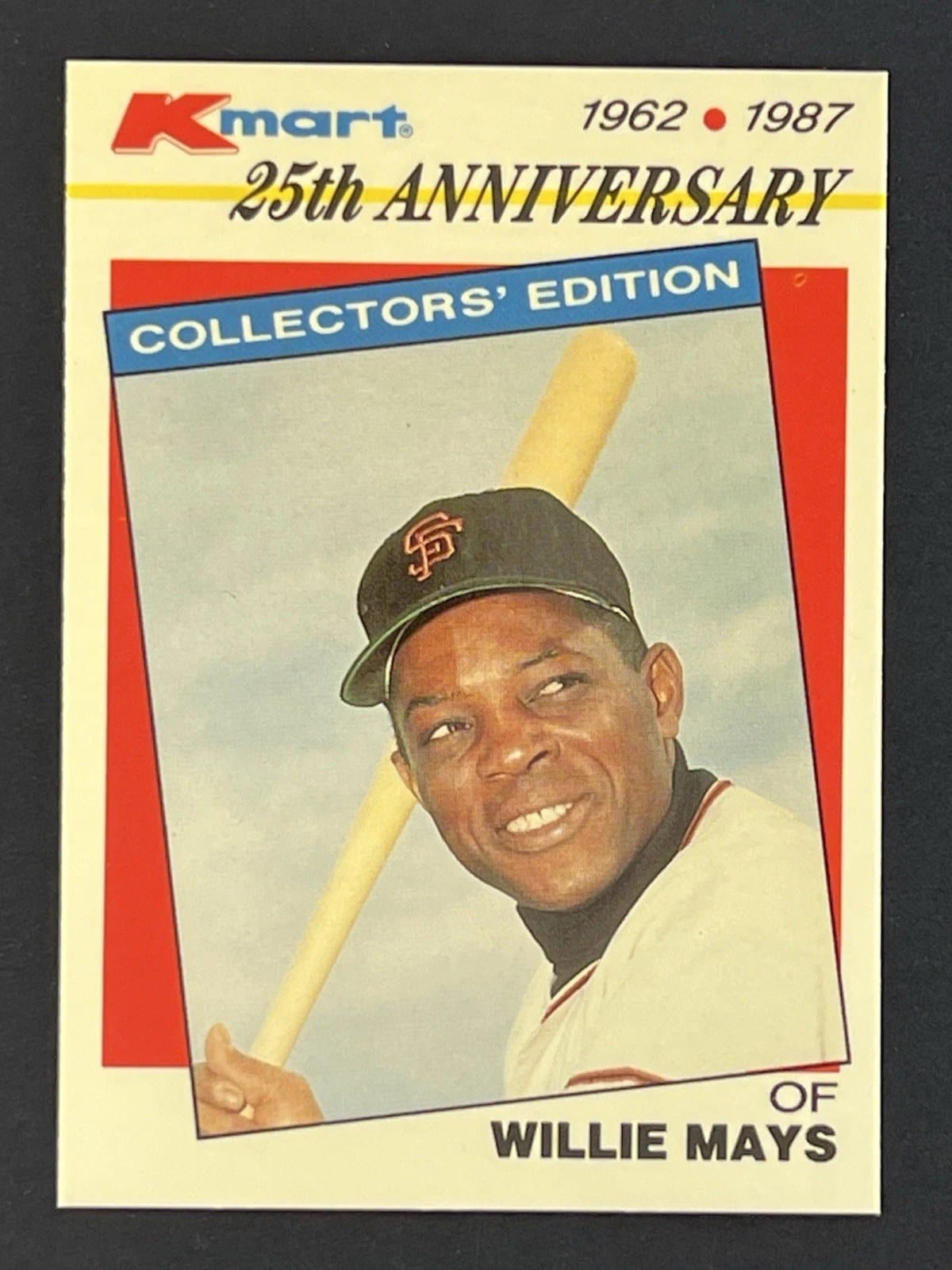
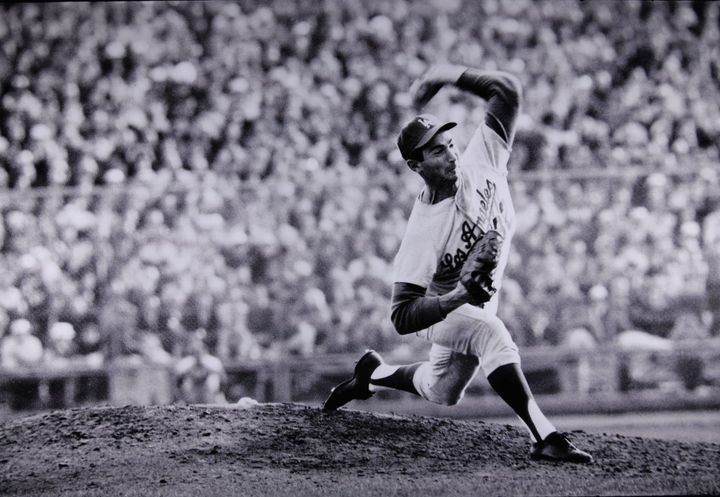
A 44-card boxed set sold at Kmart for $1.97: every AL and NL MVP from 1962–1981 as reprints of their Topps cards. Two delightful problems: Topps never made a 1962 Maury Wills card, so they had to invent one, and Fred Lynn's had to be reconstructed from his multi-player 1975 rookie. Printed in such comical quantities that sealed sets still sell for a few bucks — but historically sneaky-important: it marks the moment Topps cards became the product itself rather than the thing riding along with one.
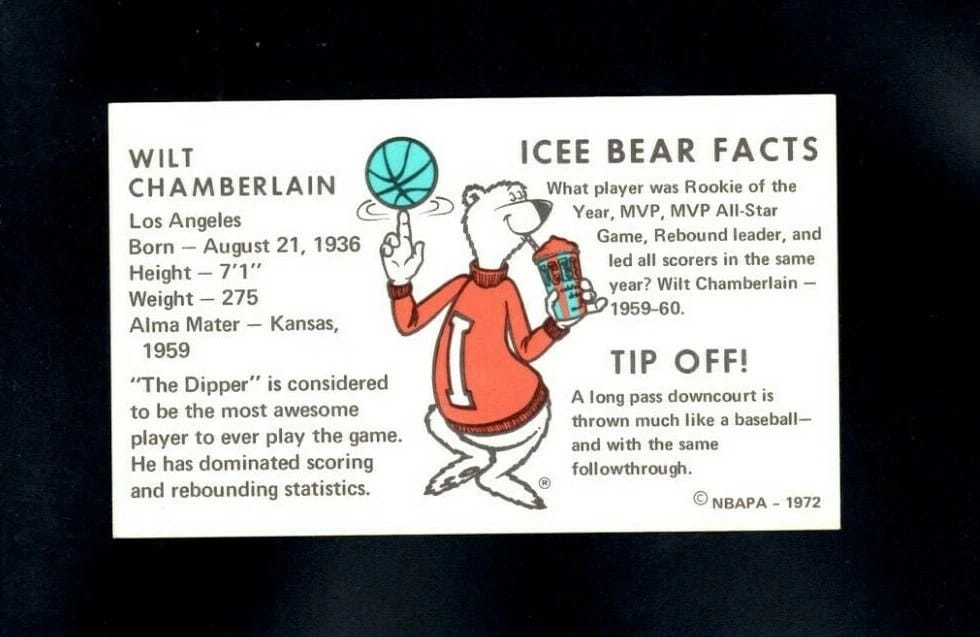
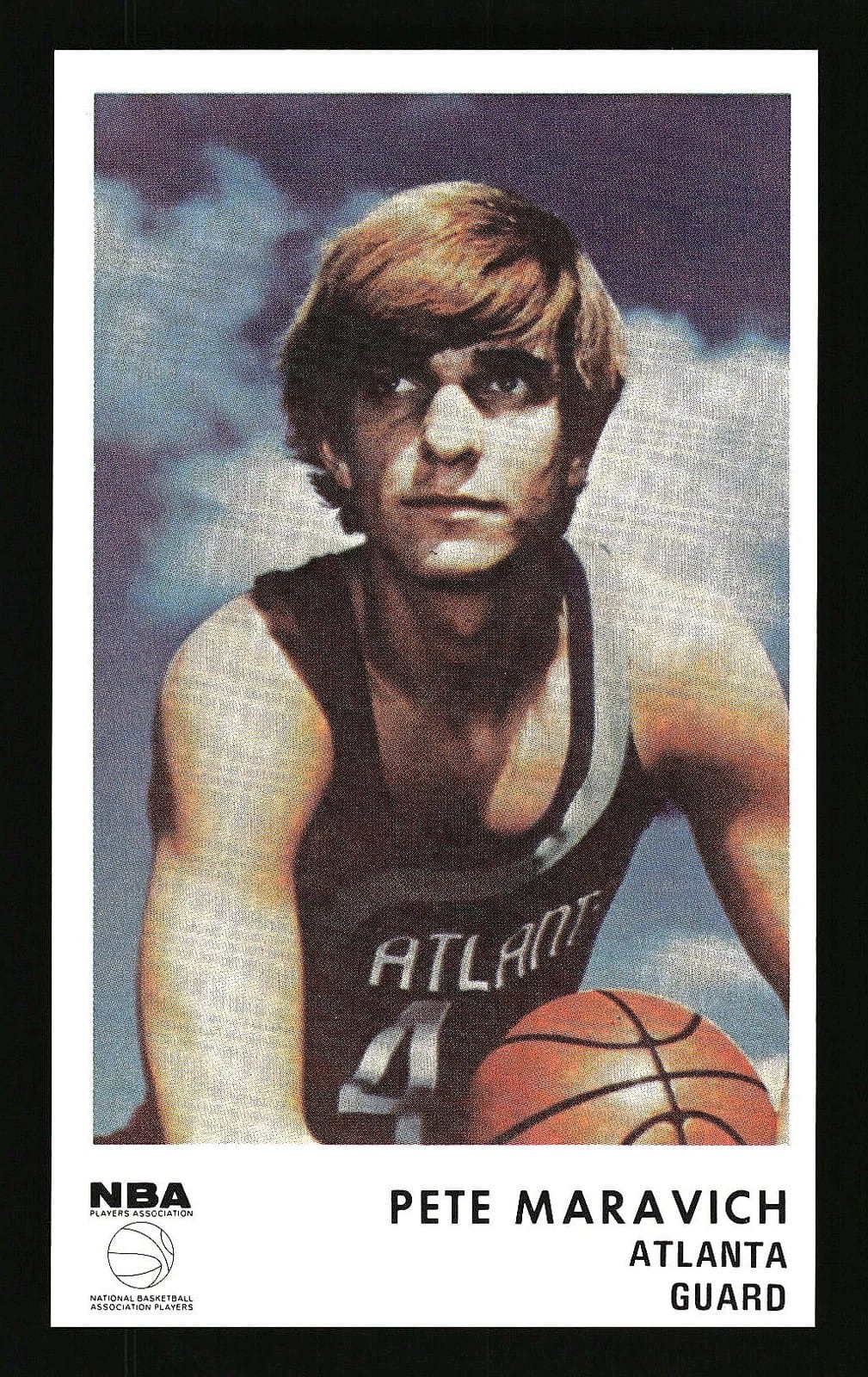
4. 1972-73 Icee Bear Basketball — Free With Your Frozen Drink
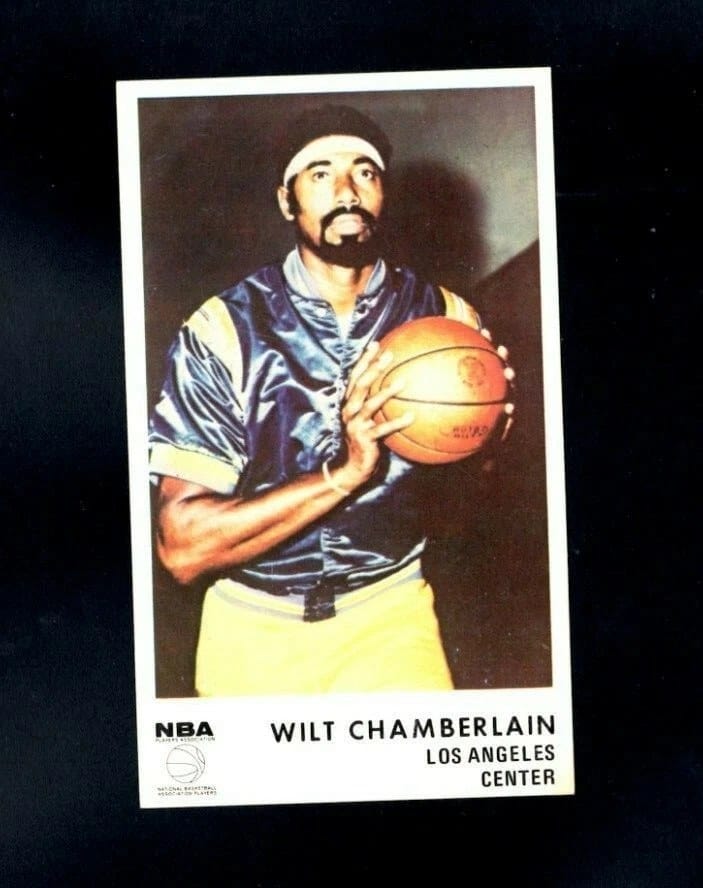
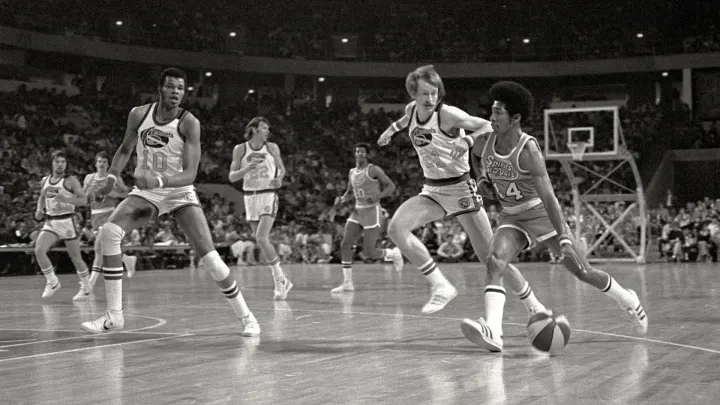
Buy an Icee, get one of 20 oversized (3"×5") cards featuring a preposterous checklist: Kareem, Maravich, Wilt, West, Oscar, Havlicek, Frazier — with a cartoon polar bear holding a basketball on the back. Maravich is one of four short prints, because even a giveaway set needs a chase. NBA cards were an afterthought in 1972; some of the era's best star imagery came free with crushed ice and syrup.
3. 1974–76 Wonder Bread Football — The Playbook in the Bread Bag
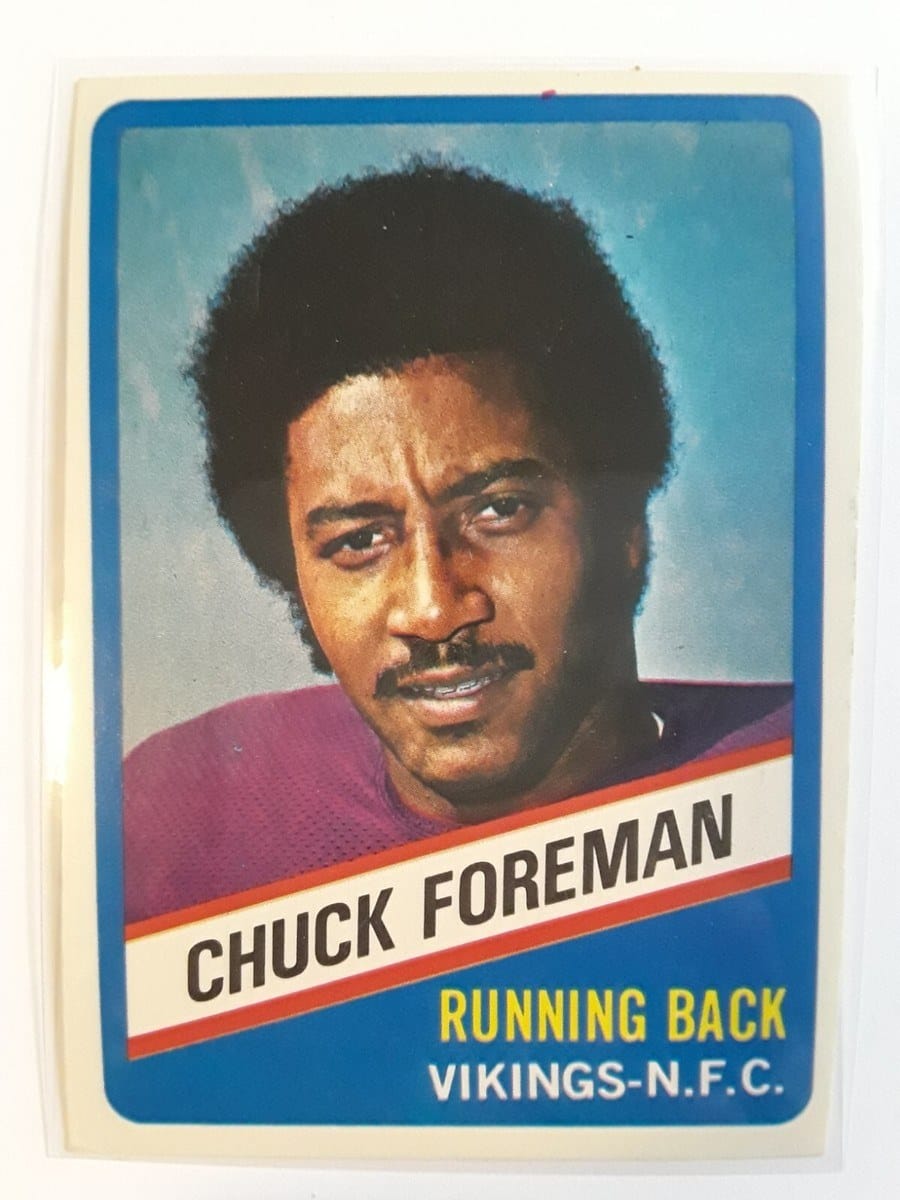
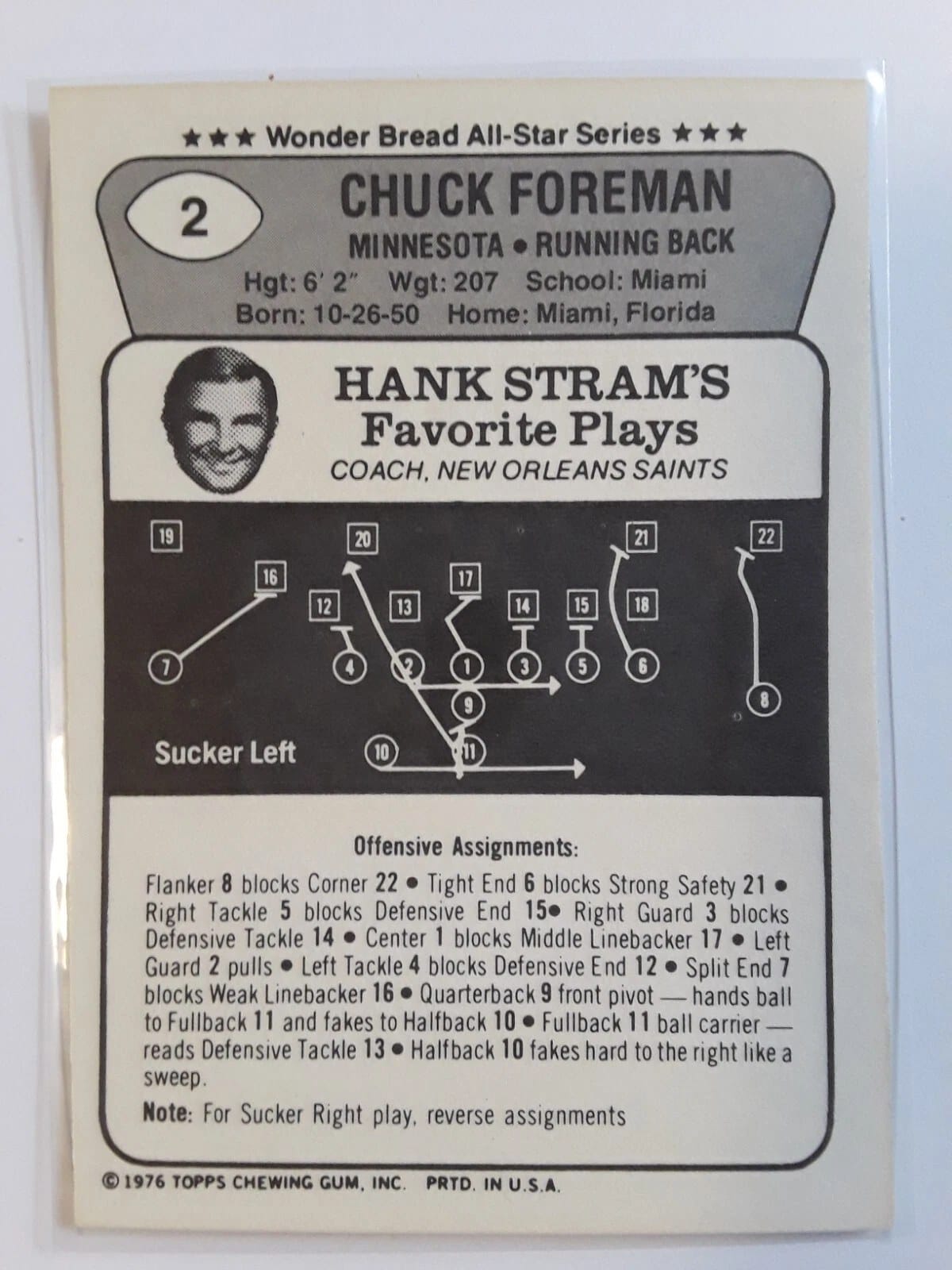
Topps-produced cards packed into loaves of Wonder Bread, and the 1976 set has the greatest card backs of the decade: each one diagrams one of Hank Stram's favorite plays, with every offensive player's assignment — a Hall of Fame coach's playbook, 24 cards at a time, free with sandwich bread. Offense in blue frames, defense in red. Complete sets still cost less than a fast-food lunch, which makes this the best pound-for-pound fun purchase in the hobby.
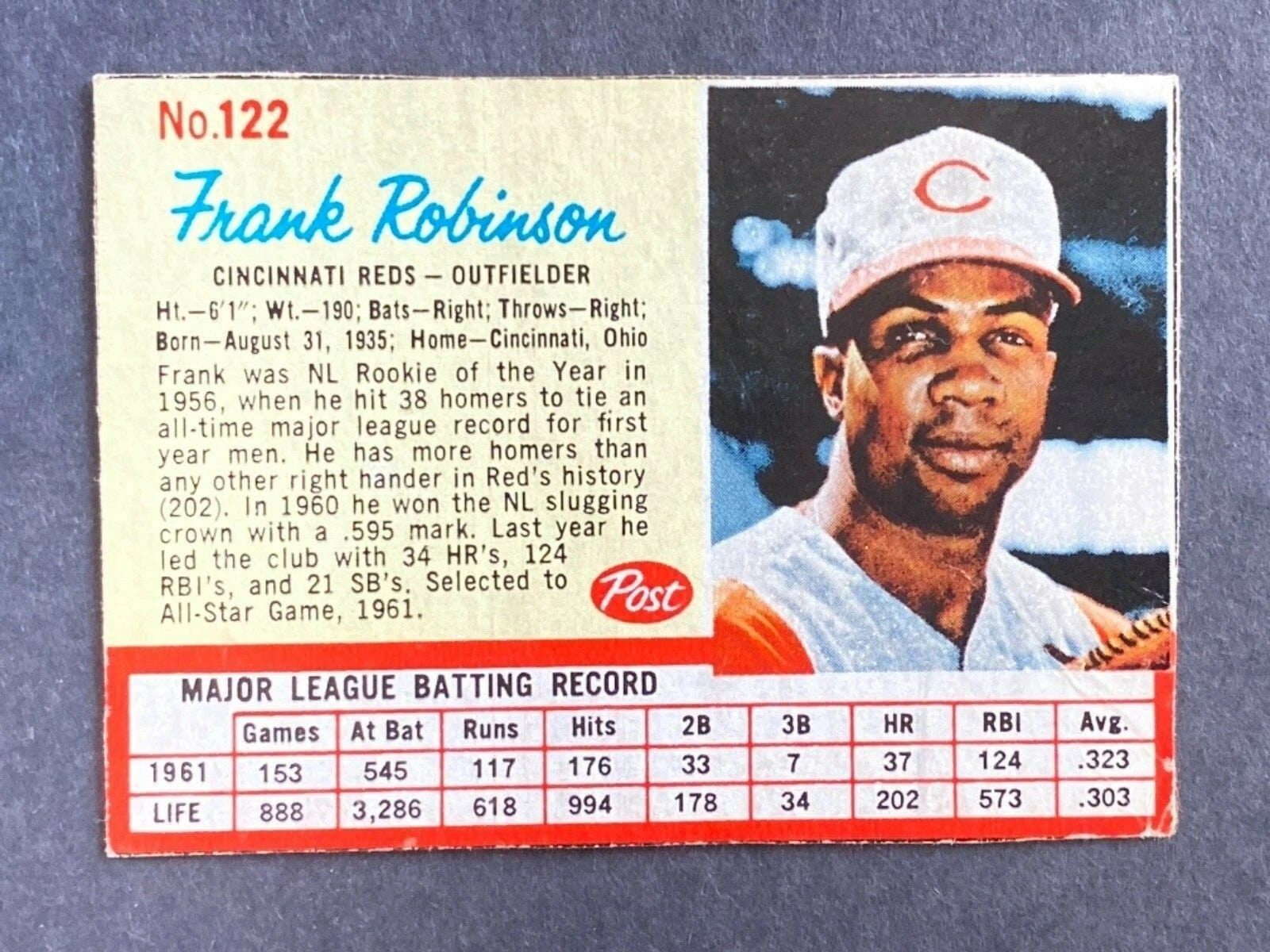
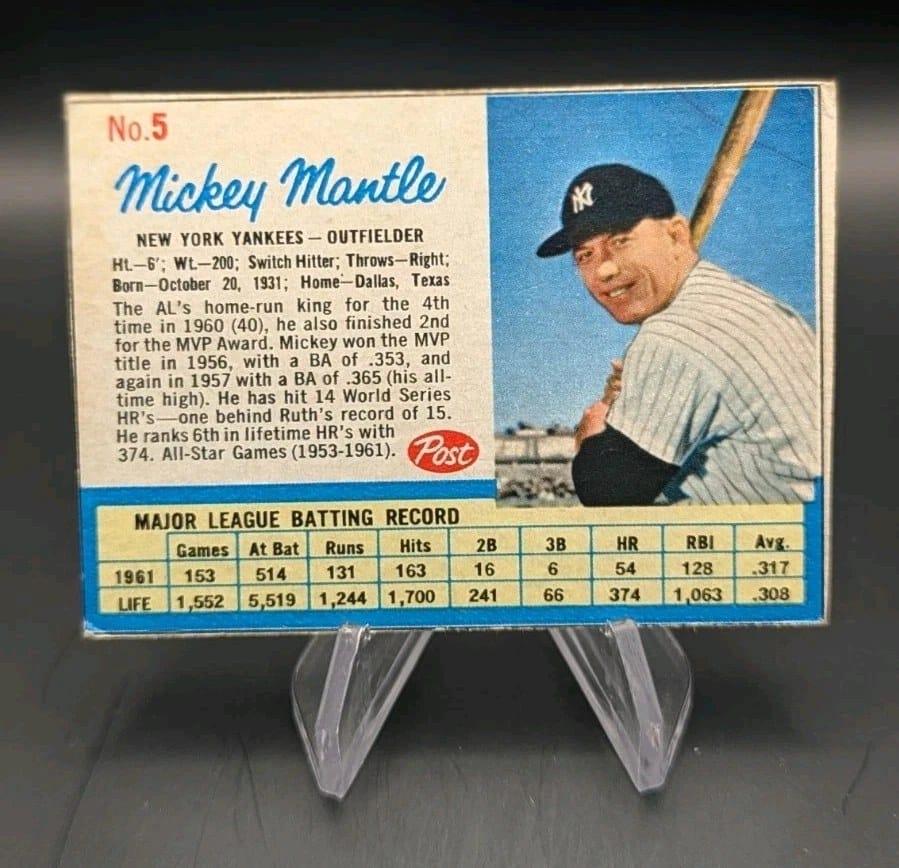
2. 1961–63 Post Cereal Baseball — Cut Carefully, Kid
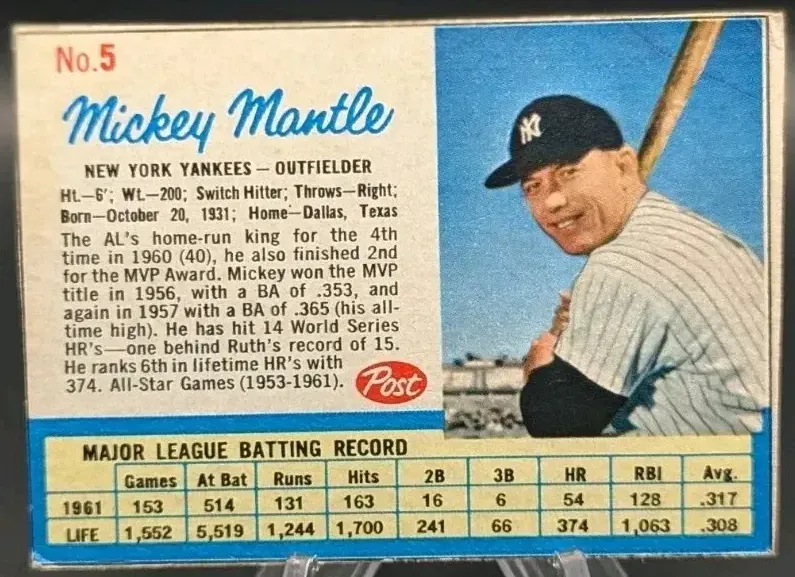
Two hundred cards a year, printed on the backs of cereal boxes, to be cut out by children wielding safety scissors — which is why nice ones barely exist. Every surviving card carries a 60-year-old kid's cutting job; slice into the border and it grades "Authentic" at best. The famous shortcut: the 1962 Mantle and Maris also ran as a perforated panel in the April 13, 1962 issue of Life magazine, and that version remains one of the cheapest real Mantles in the hobby — a PSA 8 for around $700.
1. Tobacco Cards (1880s–1911) — The Reason Any of This Exists
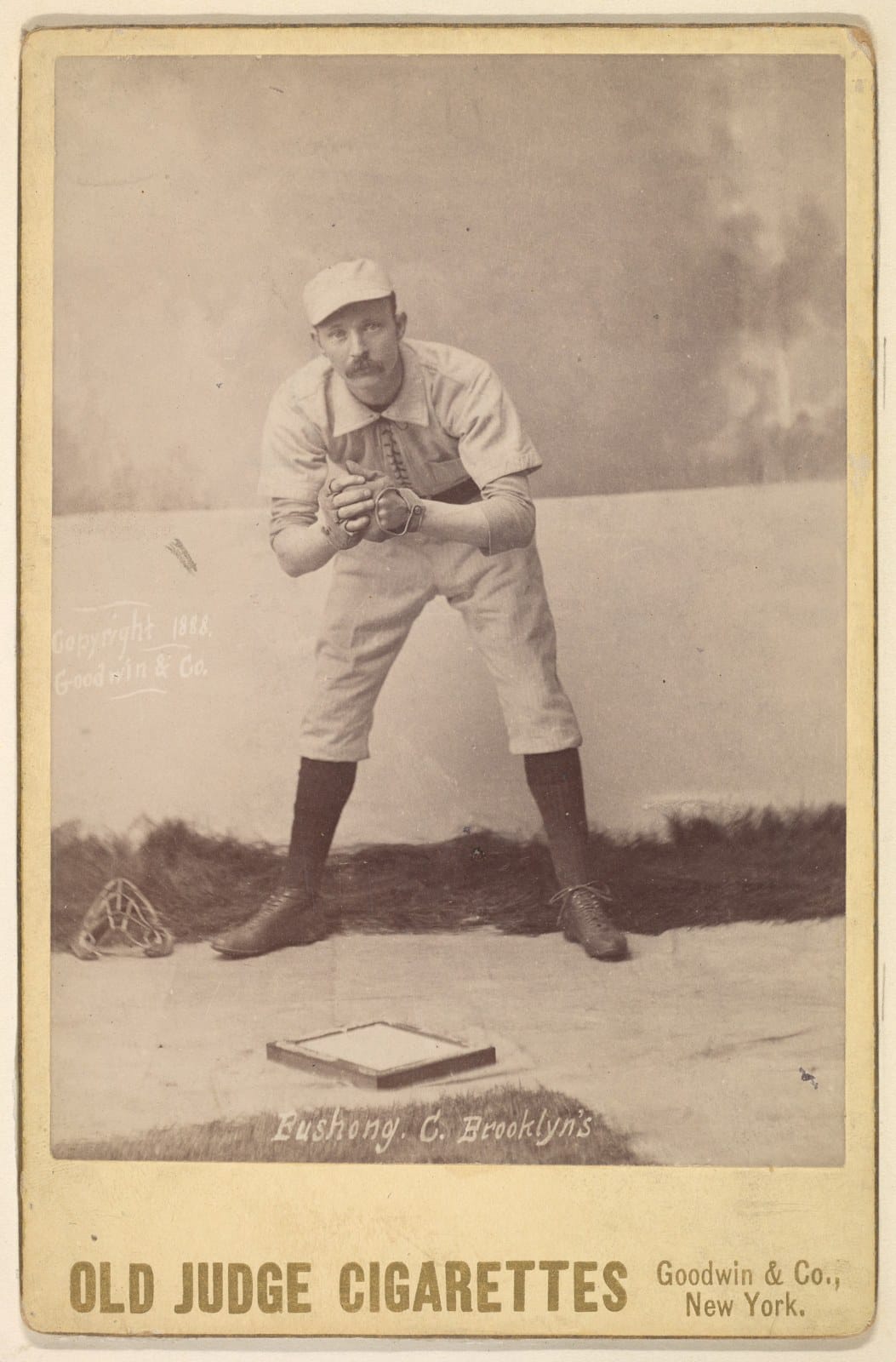
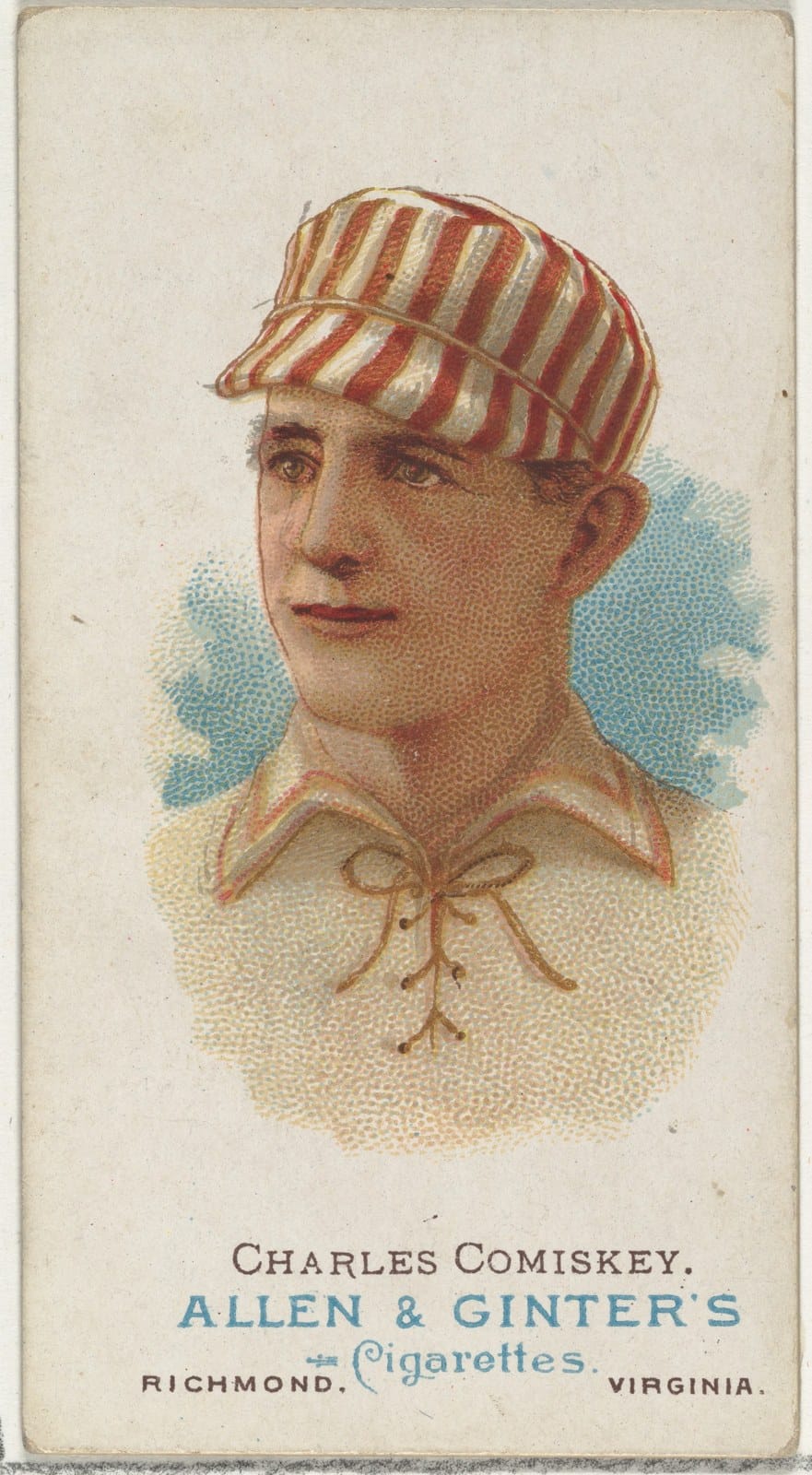
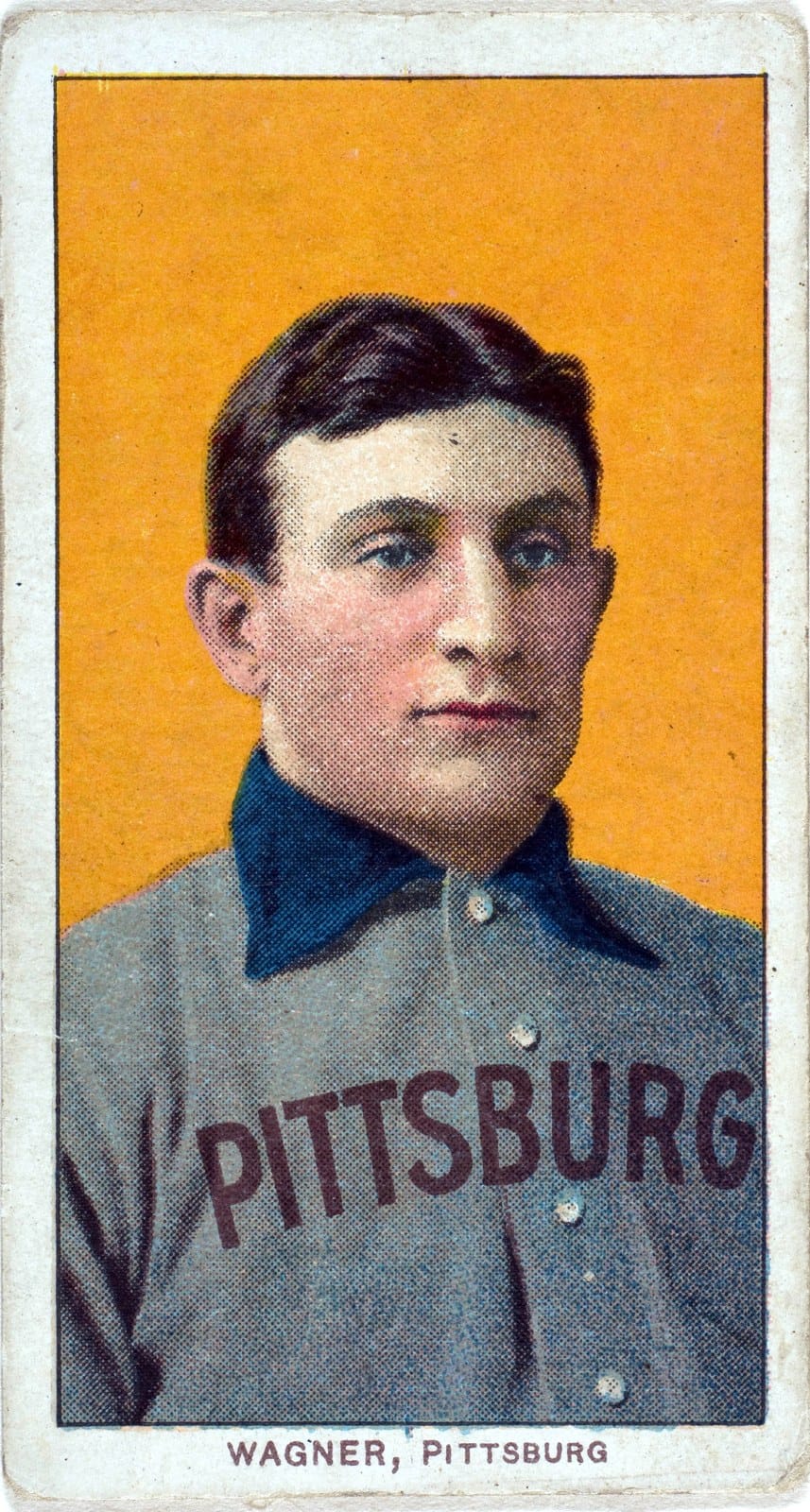
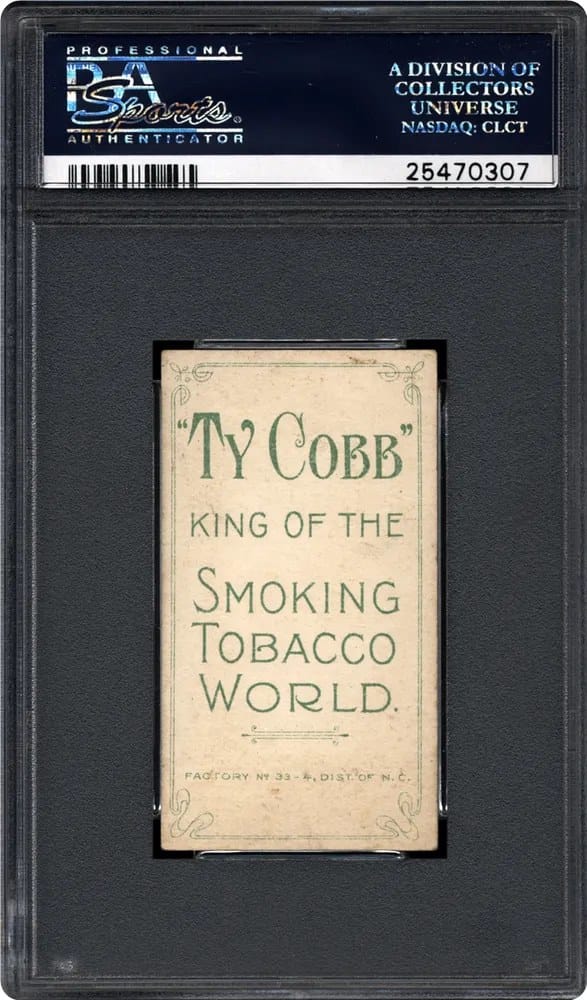
Here's the origin story: in 1875, Allen & Ginter started sliding blank cardboard stiffeners into cigarette packs to keep them from crushing. Somebody realized blank cardboard was free advertising space — and the trading card was born. Goodwin's Old Judge cards (1886–90) became the first great baseball set; Allen & Ginter's 1887 World's Champions the first in color; and the American Tobacco Company's T206 set (1909–11) produced the hobby's Mona Lisa — the Honus Wagner, roughly 50–60 surviving copies, one of which sold privately for $7.25 million in 2022 (the most expensive tobacco card ever — the '52 Topps Mantle holds the overall record).
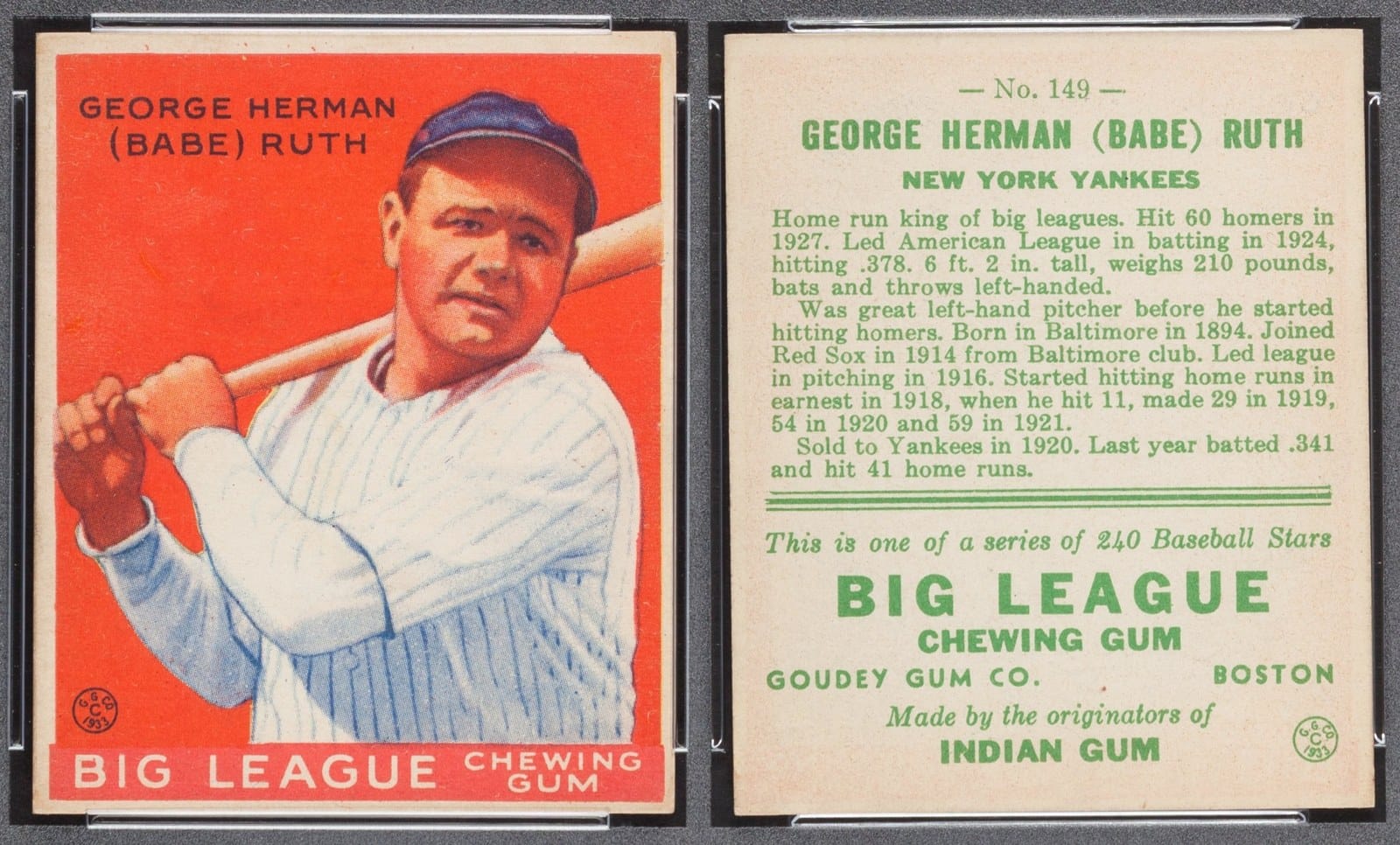
And the thesis holds all the way down: Goudey was a gum company (first gum-pack cards, 1933). Bowman: gum company. Topps itself was founded in 1938 as a chewing gum company — the cards were the premium. For 75 years, every card you ever loved came free with something else. The oddballs aren't the weird cousins of the hobby. They're its ancestors.
Honorable Mentions
1976 Hostess — 150 cards cut from the bottoms of snack cake boxes; some cards are rare purely because nobody bought that flavor. Kellogg's 3-D (1970–83) — 14 straight years of lenticular magic that curls and cracks with age (and 1973, mysteriously, wasn't 3-D). 1977–80 Topps Burger King — team sets free with any sandwich; hyper-regional, gloriously weird.
What's the best oddball in your collection? Cereal-box cutting scars welcome in the comments.
Comments ()