
When Baseball Cards Listed the Player's Day Job
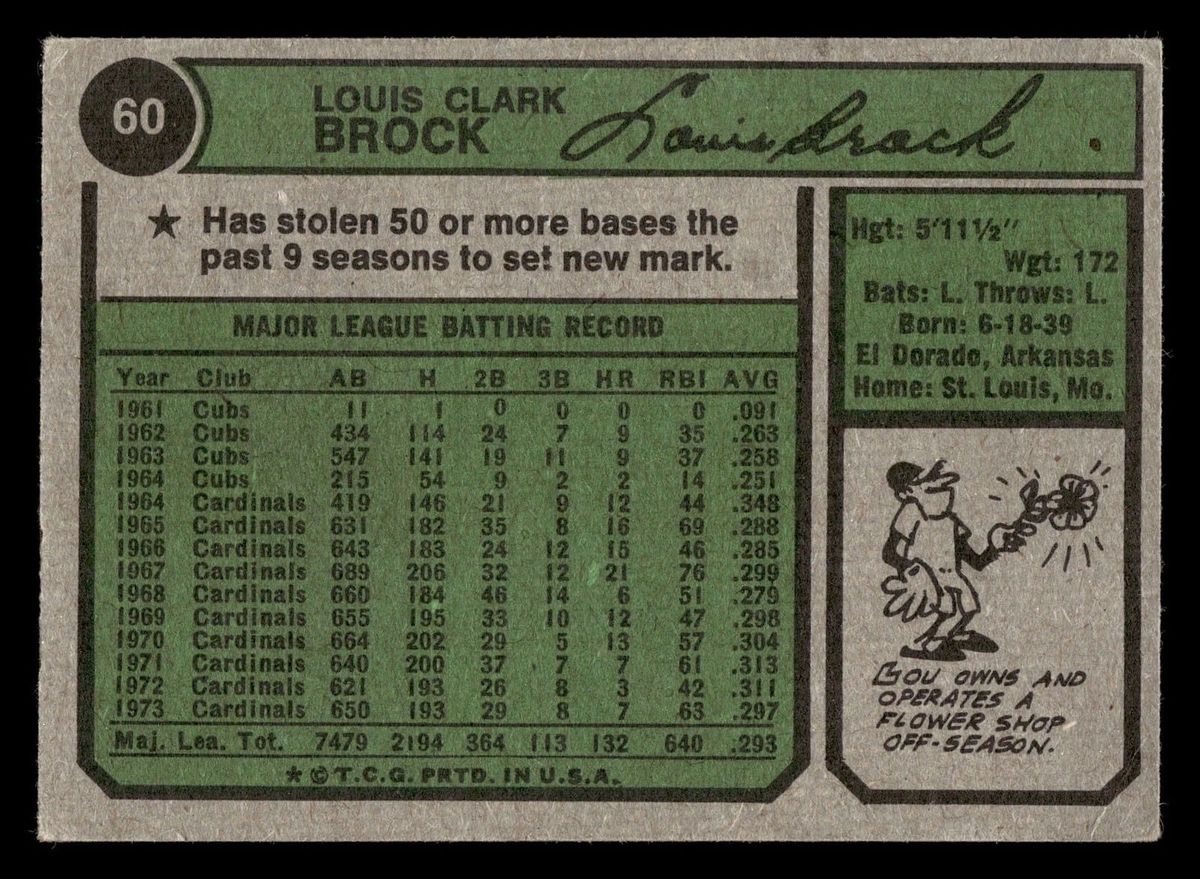
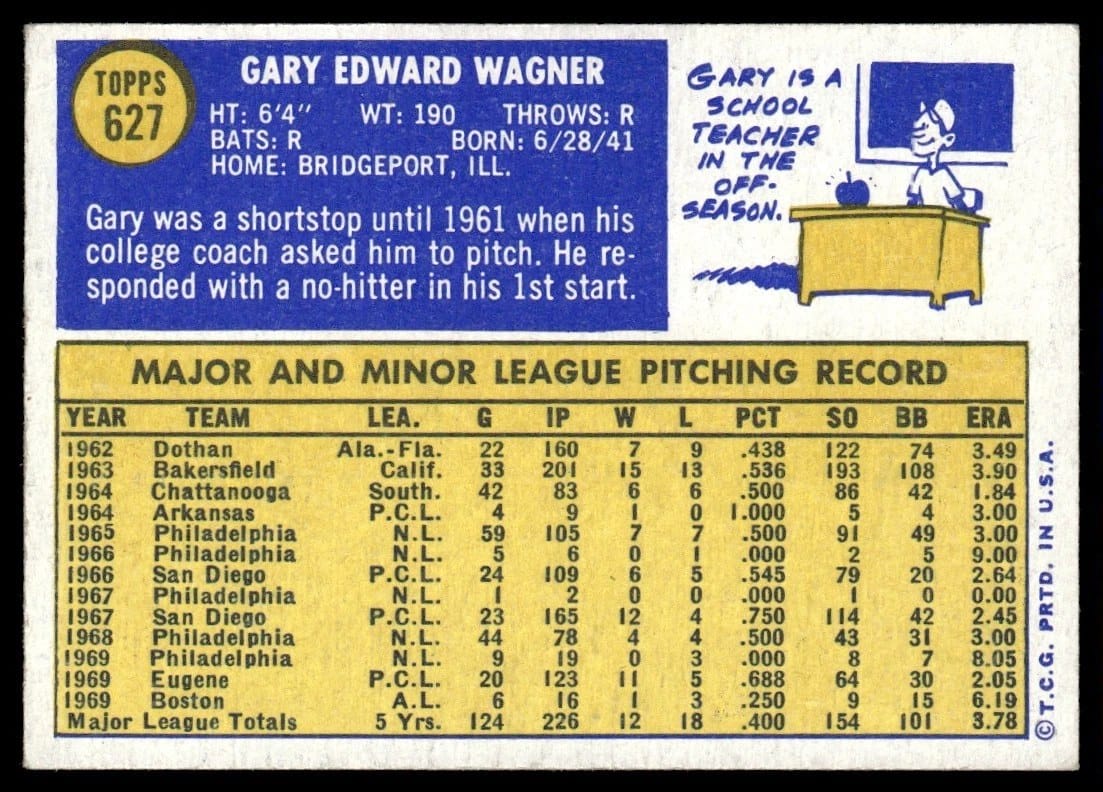
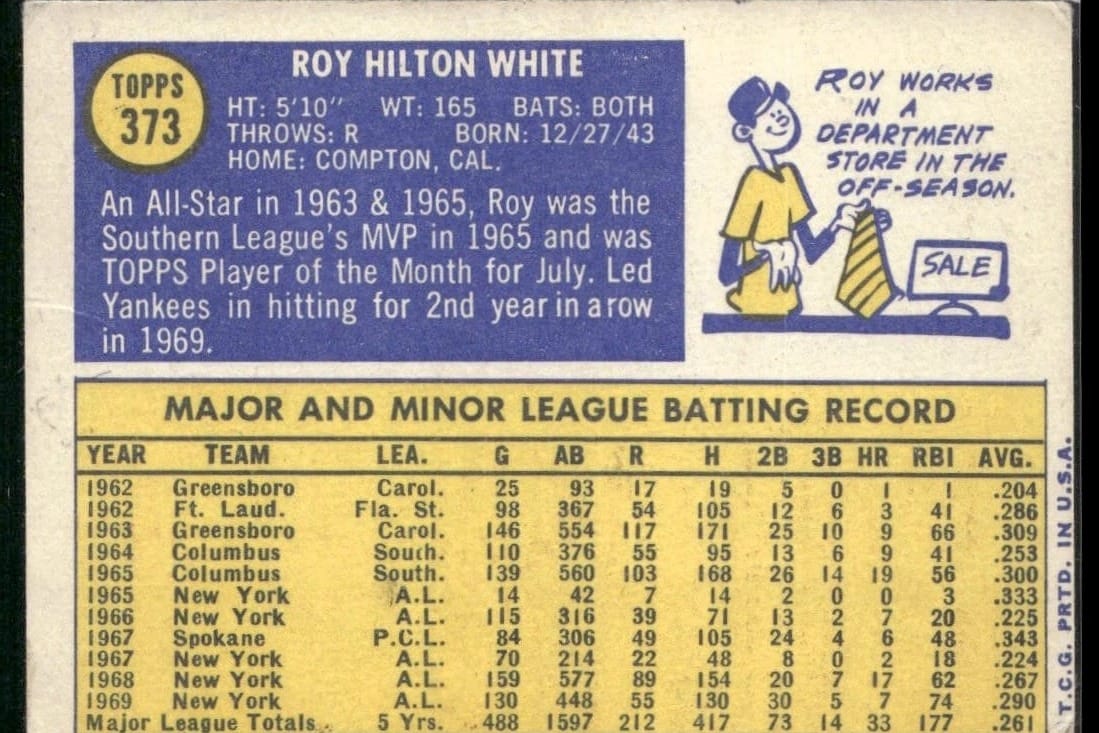
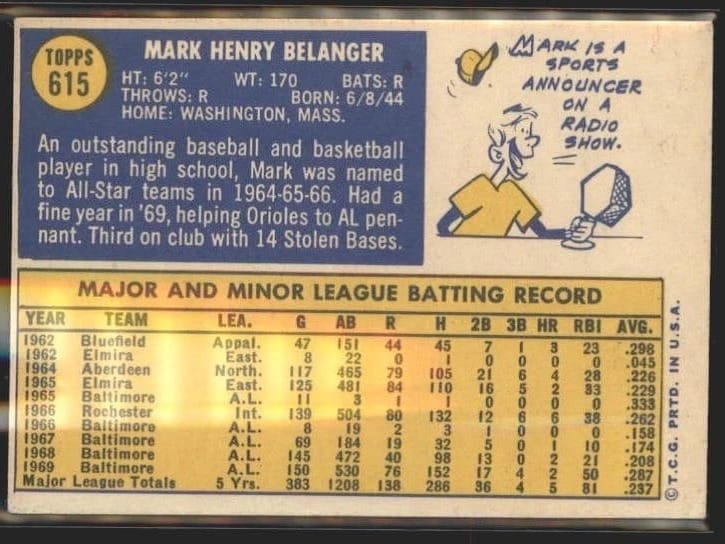
Flip over a 1970 Topps card and you might learn that a big-league ballplayer "manages a super market." That's the actual back of Wayne Comer's card — an outfielder for the Seattle Pilots, and, from October to February, a grocery manager. Roy White of the Yankees "works in a department store." Mark Belanger, the best defensive shortstop of his era, moonlighted as a sports announcer. Gary Wagner of the Red Sox: school teacher.
For about three decades, the backs of baseball cards doubled as a jobs board — little cartoon confessions that the men on the front were, economically speaking, regular guys. It might be the most quietly fascinating thing the hobby ever printed.
The Gravedigger
The most famous day-job cartoon belongs to Richie Hebner, whose 1974 Topps back informed a generation of kids that the Pirates' third baseman dug graves in the offseason. It was true: Hebner's father superintended cemeteries around Norwood, Massachusetts, and Richie earned $35 a grave, about two hours of digging each. When his dad once complained a grave looked shallow, Hebner delivered one of the great lines in baseball history: "I've yet to see one of them come up."
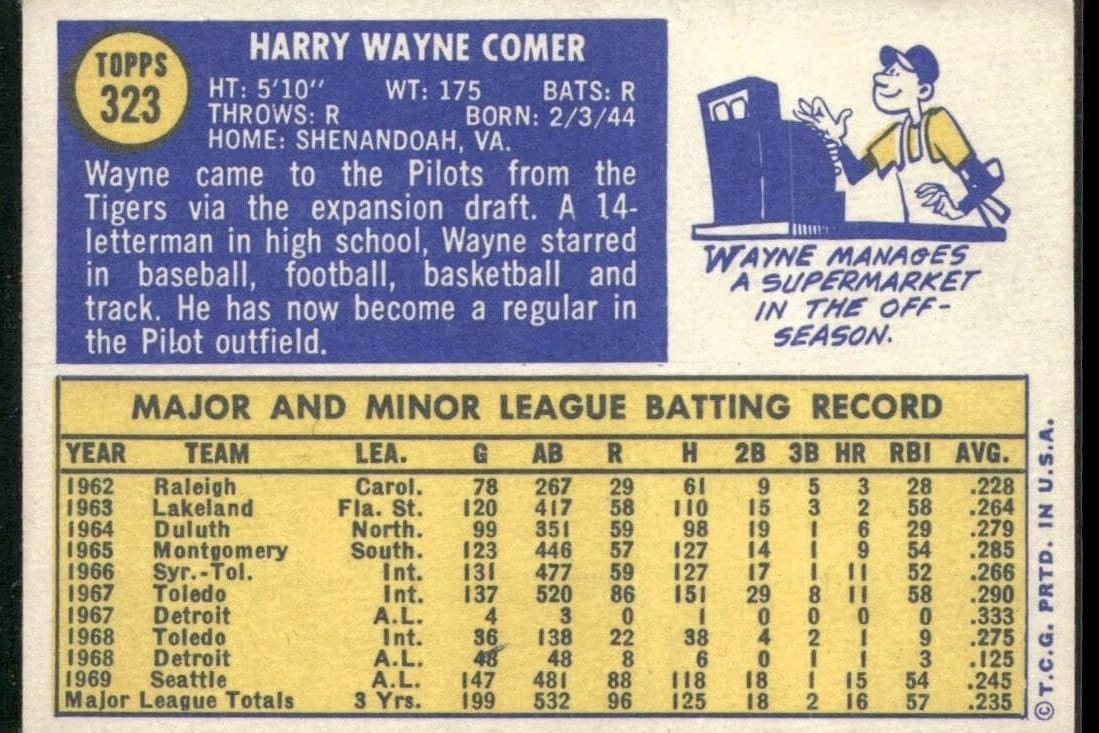
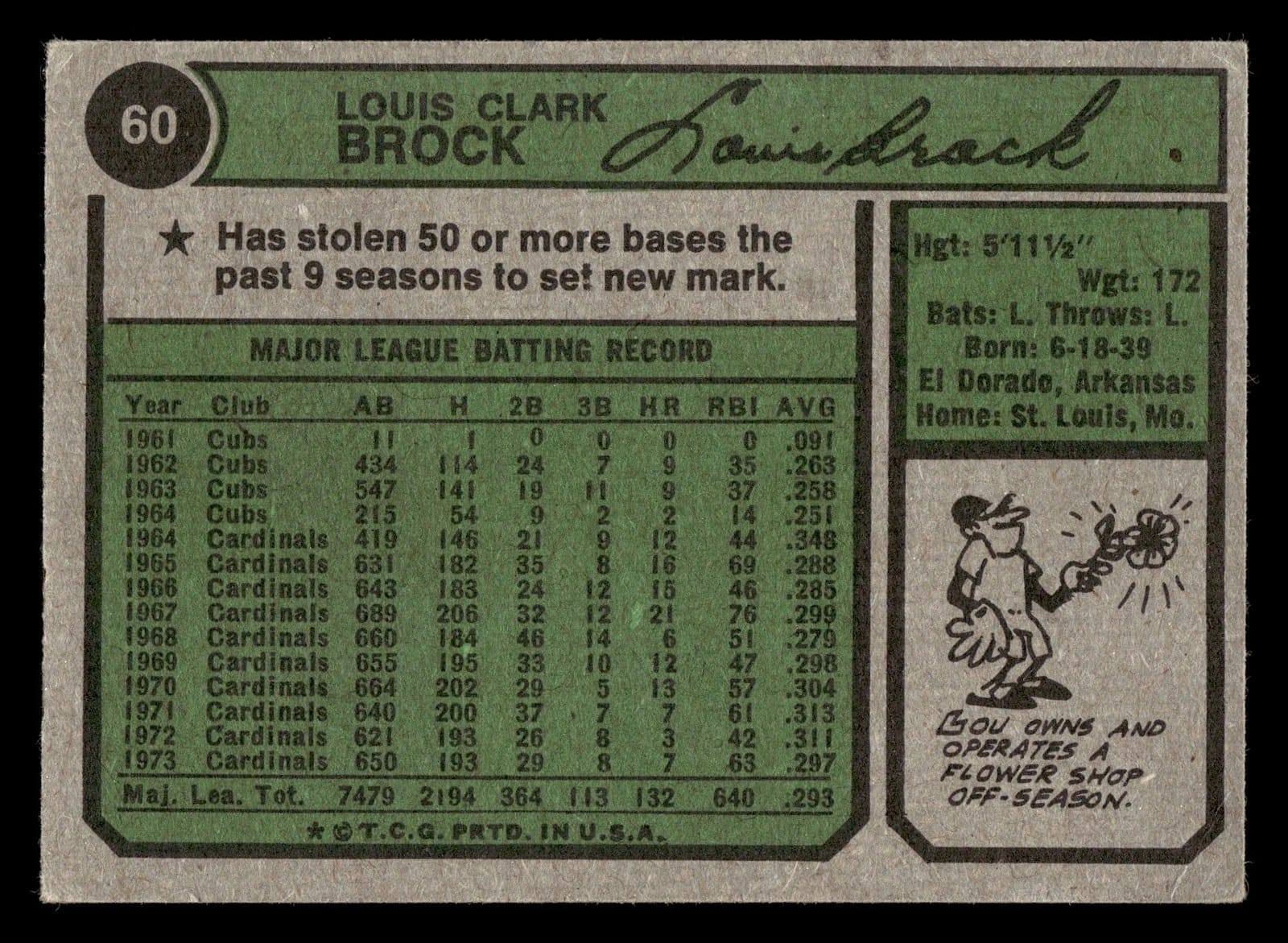
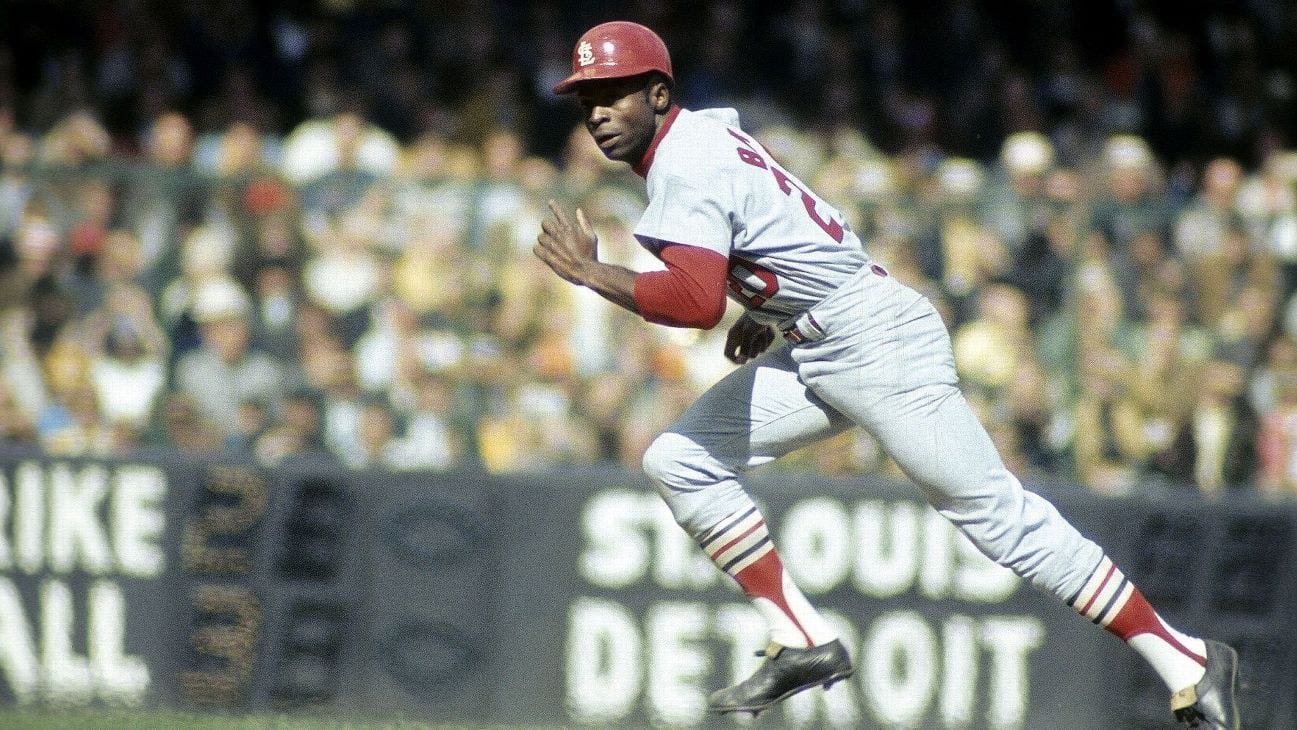
He wasn't an outlier — and this wasn't a benchwarmer phenomenon. Look at Lou Brock's 1974 back: the flower-shop cartoon shares the card with a header noting Brock had stolen 50-plus bases in nine straight seasons, a record. That's the best basestealer alive, mid-prime, arranging bouquets in the offseason. A Topps cartoon celebrated Woodie Fryman's 40-acre Kentucky tobacco farm. The 1970 set alone catalogs announcers, teachers and supermarket managers — all of them All-Star-adjacent, all of them punching winter clocks.
Why Stars Needed Winter Jobs
The card backs were documenting real economics. The major-league minimum salary was $6,000 — and it stayed $6,000 from 1954 until 1967. The median American family income in 1960 was $5,600. In other words: a rookie big-leaguer out-earned the average family by a rounding error, in a career that could end with one bad hamstring, and got paid for only six months of it.
Even the greats clocked in. Yogi Berra sold hardware at Sears — while winning MVPs. Jackie Robinson worked at a Queens appliance store the winter after his 1949 MVP season. Willie Mays sold cars in San Francisco. Stan Musial sold Christmas trees from a parking lot with his Cardinals teammates. And in 1966, a young Jim Palmer beat Sandy Koufax in the World Series in October — then spent the winter selling suits at a Baltimore department store for $150 a week.
The Sporting News used to survey players' winter plans, and the 1958-59 edition reads like a folk song: Rocky Colavito at a Pennsylvania trucking company. Don Newcombe running a Newark liquor business. Warren Spahn working his Oklahoma cattle ranch. And A's pitcher Alex Kellner, who spent his winters in Arizona roping mountain lions alive for zoos. That was the offseason conditioning program.
The $3 Cartoonists
The drawings themselves have a secret history. Topps never credited its cartoonists, but researchers eventually identified several — including Jack Davis, the legendary MAD magazine artist, who drew backs for the 1959-62 sets at about $3 per drawing. Other backs came from comics royalty like Jack Kirby's circle and syndicated cartoonist Murray Olderman. Topps' own executive Sy Berger, asked decades later who drew them, admitted he had no idea. The greatest bargain in publishing: MAD-caliber art, $3 a panel, printed millions of times.
Football and Basketball Punched In Too
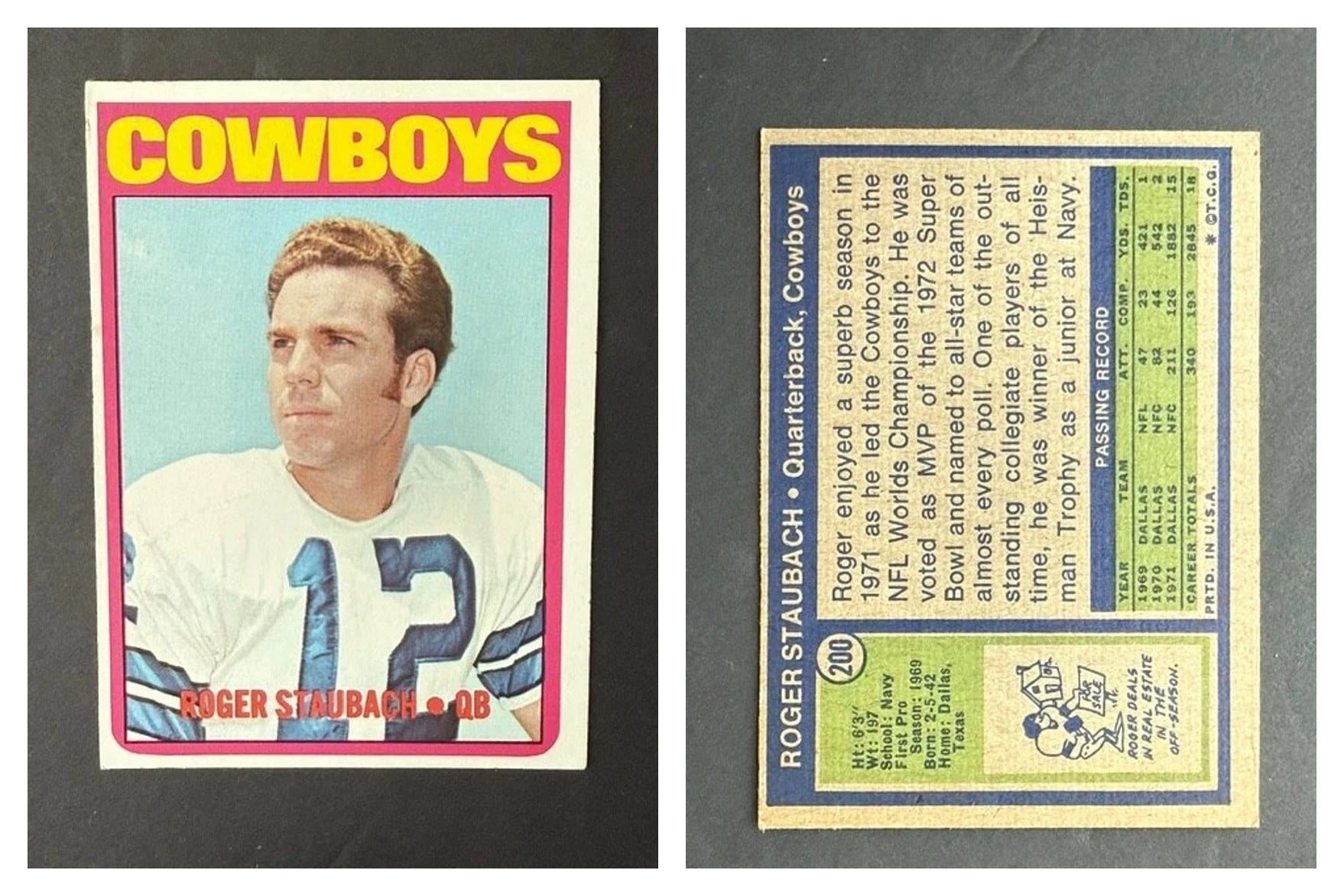
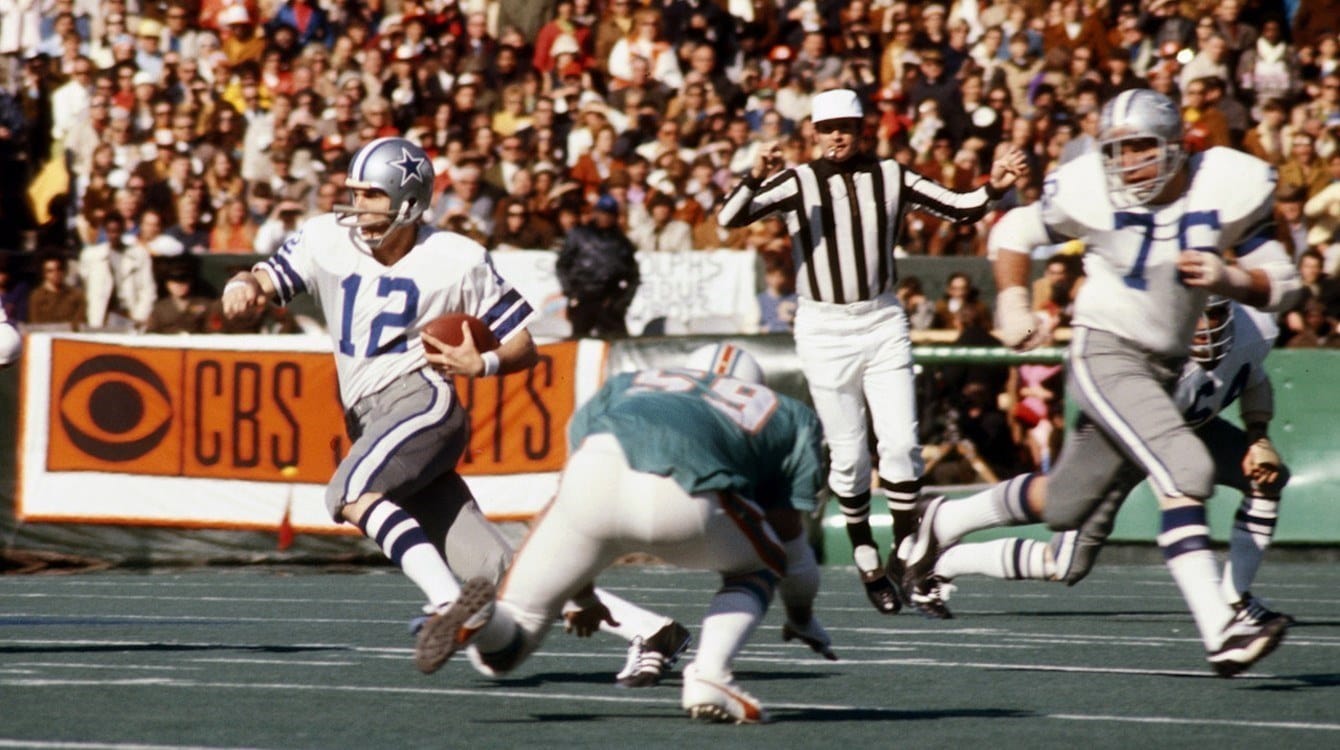
Baseball didn't have a monopoly on the moonlighting — and again, it was the very best who clocked in. Flip the most famous football rookie card of the era — 1972 Topps #200, Roger Staubach — and the cartoon says it plainly: "Roger deals in real estate in the off-season." Read the bio printed an inch away: it's busy bragging that he was MVP of the 1972 Super Bowl. The same rectangle of cardboard announces the best quarterback in football and his winter sales job, and sees no contradiction. It wasn't filler, either — the reigning champion genuinely worked winters at a Dallas real estate firm. The punchline came later: the company he eventually built from that day job, The Staubach Company, sold for roughly $613 million. The best investment advice Topps ever printed, hiding on a card back.
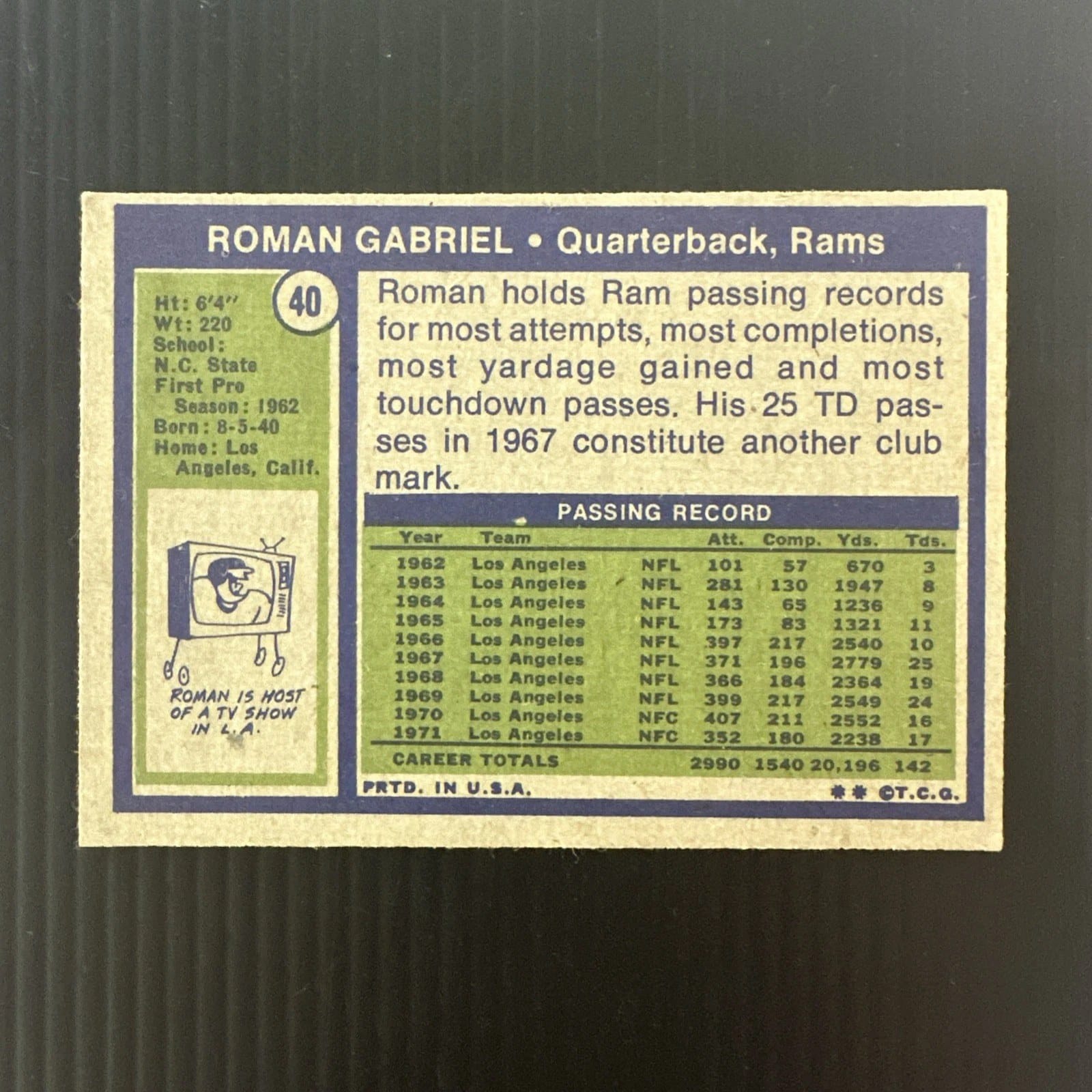
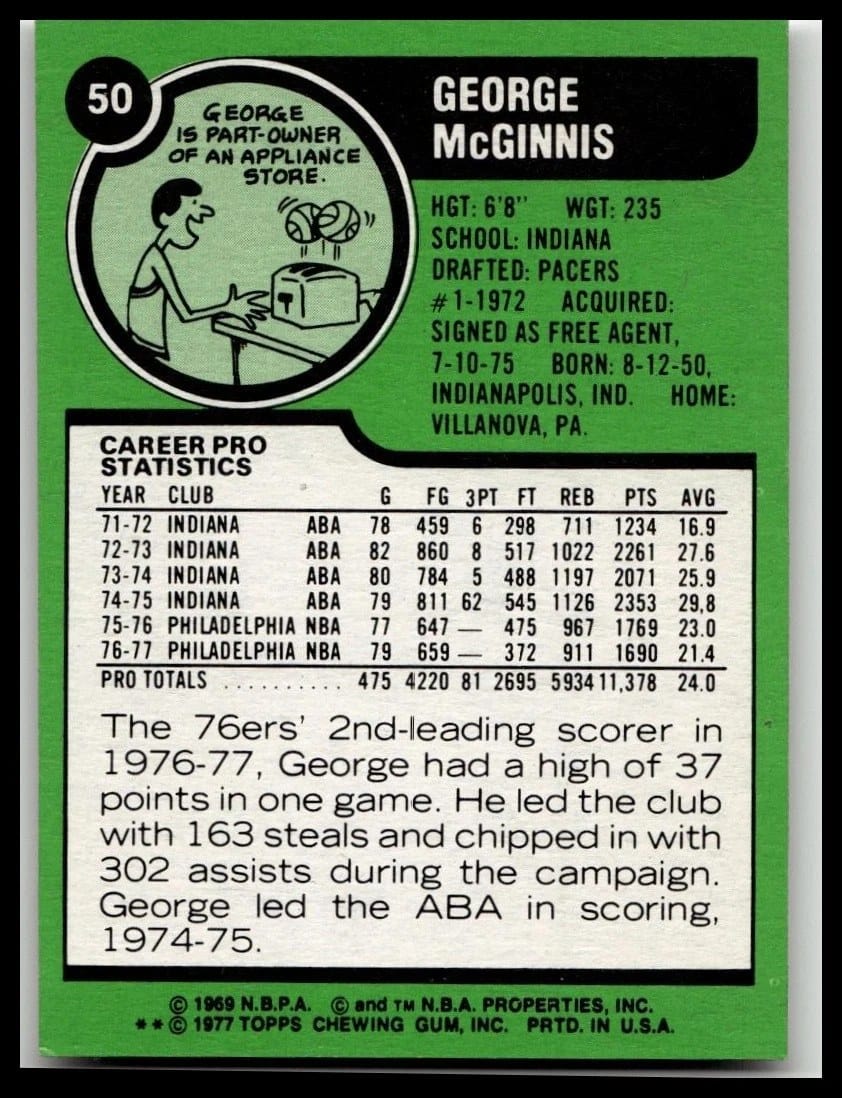
The same 1972 football set has 49ers center Forrest Blue attending law school and Roman Gabriel hosting an L.A. TV show, while Bengals lineman Mike Reid's back notes he "plays piano with the Cincinnati Symphony Orchestra" — a second career that outlasted his first. And basketball's contribution is a masterpiece: George McGinnis' 1977-78 Topps back announces he's "part-owner of an appliance store," illustrated with basketballs popping out of a toaster.
The Day the Day Jobs Died
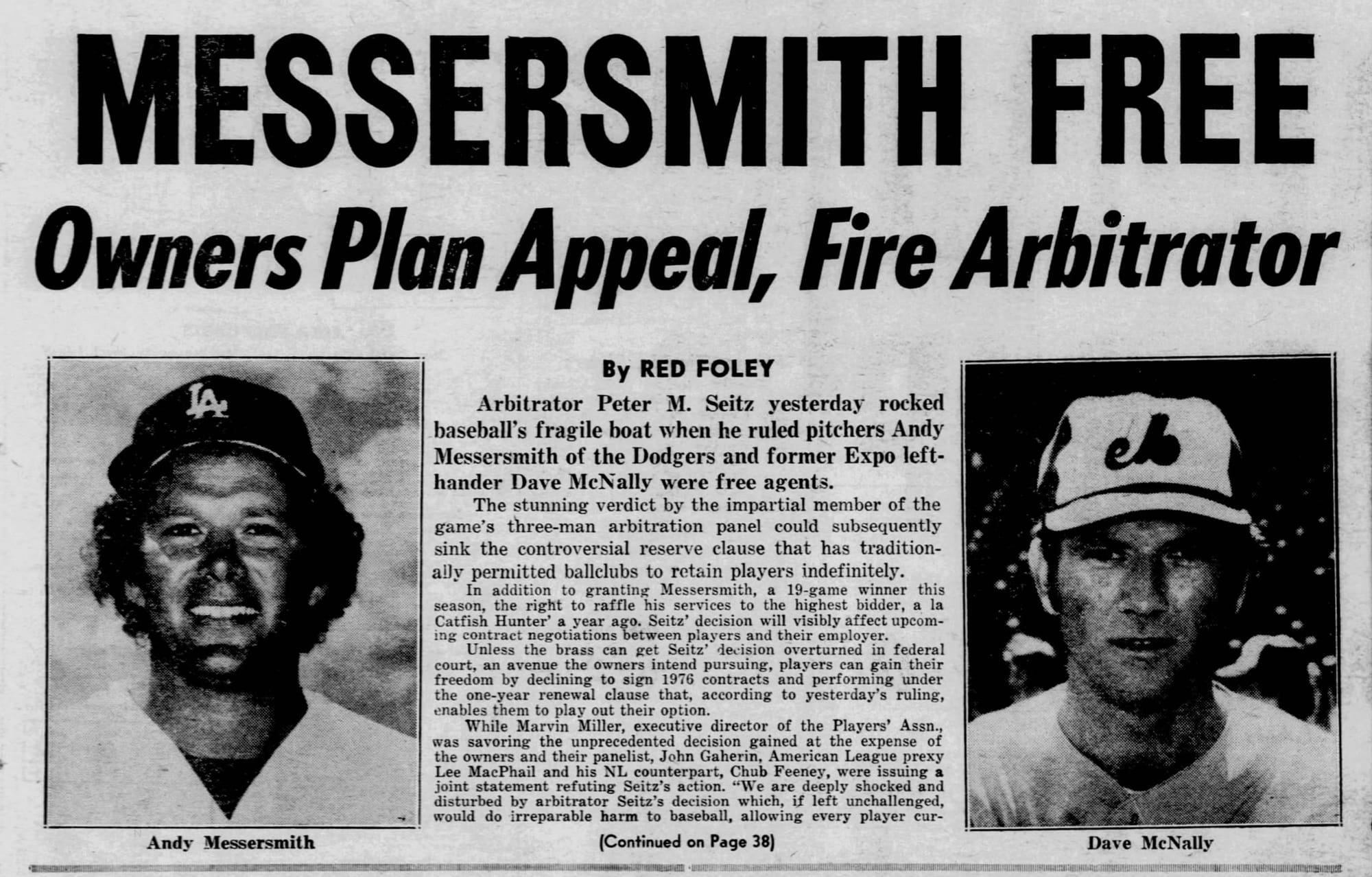
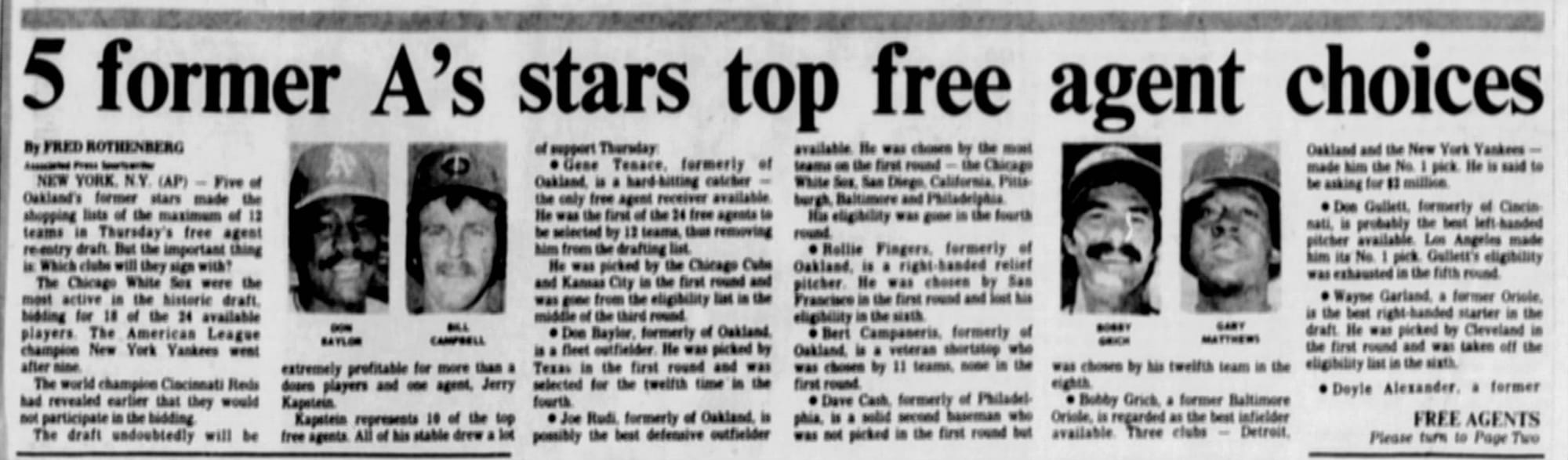
You can date the extinction almost exactly. On Dec. 23, 1975, arbitrator Peter Seitz ruled pitchers Andy Messersmith and Dave McNally free agents, breaking the reserve clause that had bound players to their teams — and their salaries — for a century. The first free-agent class hit the market in November 1976. The league's average salary was $52,300 that year; the first 24 free agents signed for an average of $200,696. By 1980, the league average was $143,756. By 1990, $597,537.
Somewhere in there, the winter job quietly vanished from the card backs — replaced by hobbies, fishing anecdotes and video-game trivia. Nobody was managing a supermarket anymore.
Which is exactly why the old backs matter. A 1970 Topps card is a photograph of a lost economy: a world where the shortstop taught your kids in January, the left fielder sold you a station wagon, and the third baseman who homered off Seaver in July might, come December, be digging a grave in Norwood, Massachusetts — $35 a hole, none of them ever coming up.
Best card-back fact you've ever found? Comments below.
Comments ()