
Why Is It Called Sheffield Wednesday? A Field Guide to Britain's Strangest Team Names
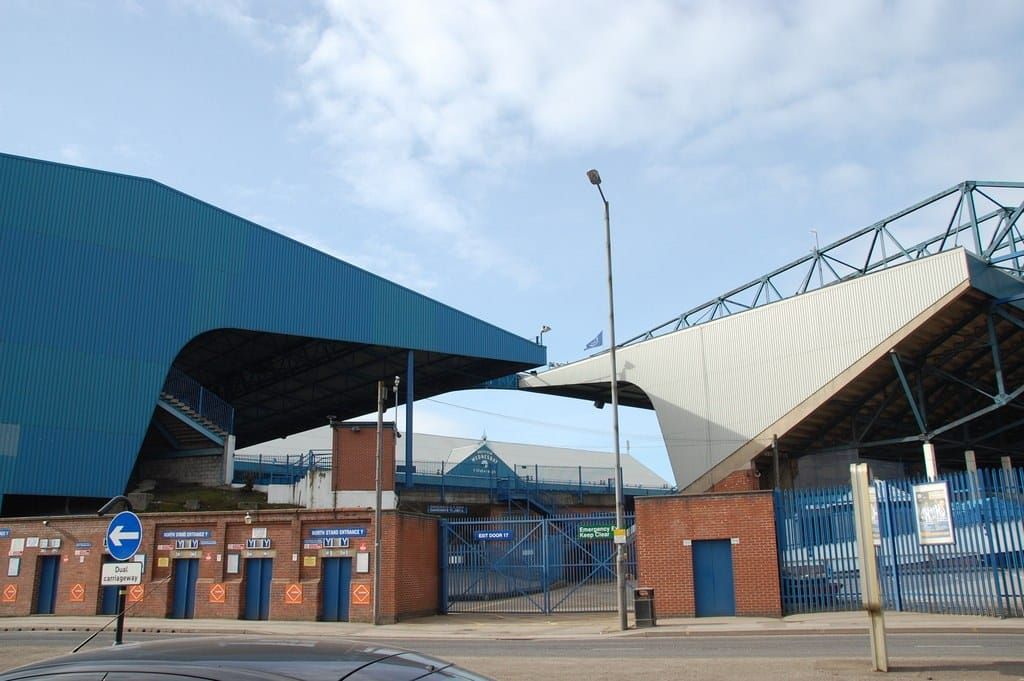
American teams are named like action figures: Giants, Warriors, Raptors. British football clubs are named like clues in a 150-year-old mystery: Sheffield Wednesday. Tottenham Hotspur. West Bromwich Albion. Plymouth Argyle. None of it is random — almost every odd name is a fossil of how the club was born. Here's the decoder ring: 6 constructs that explain most of them.
1. Wednesday: Named After a Day Off
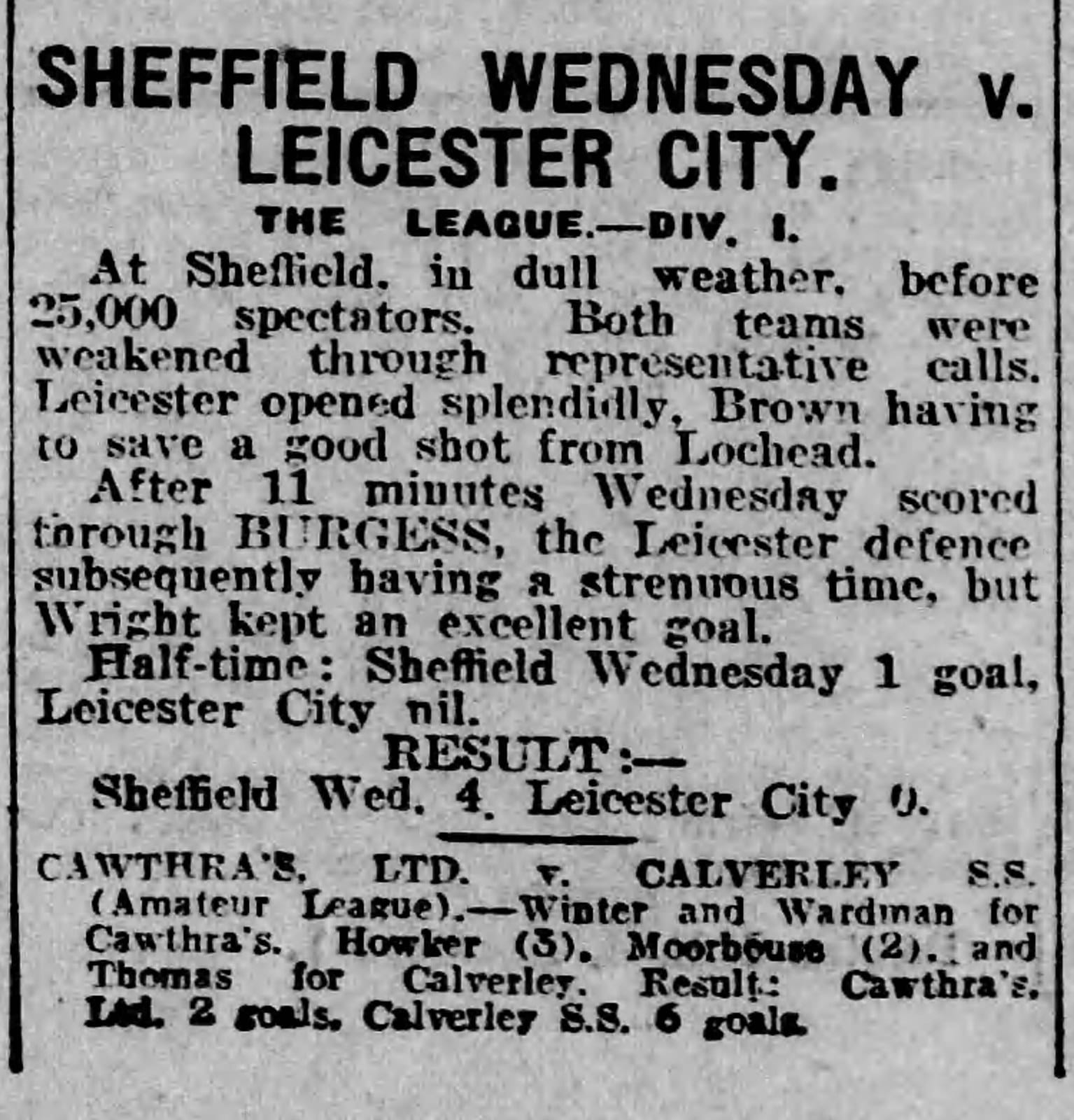
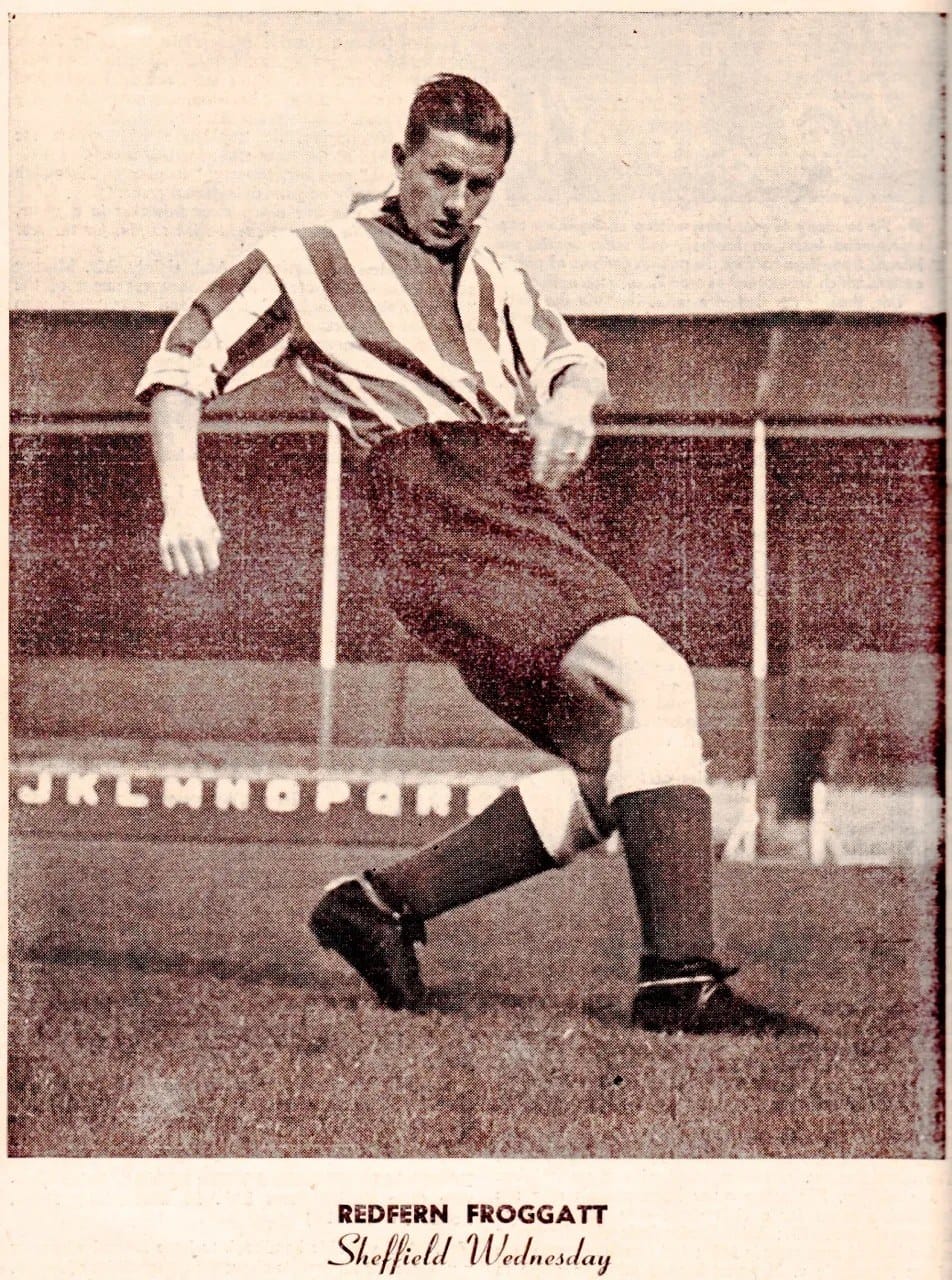
Sheffield Wednesday began life in 1820 as the Wednesday Cricket Club — founded by local tradesmen who named it for the one day of the week they didn't work, because that's when they could play. In 1867 the cricketers added a football side to stay fit through the winter, and the football took over. The club was literally, officially "The Wednesday Football Club" until 1929 — the only league club ever formally named after a day of the week.
2. United: Three Different Stories Wearing One Word
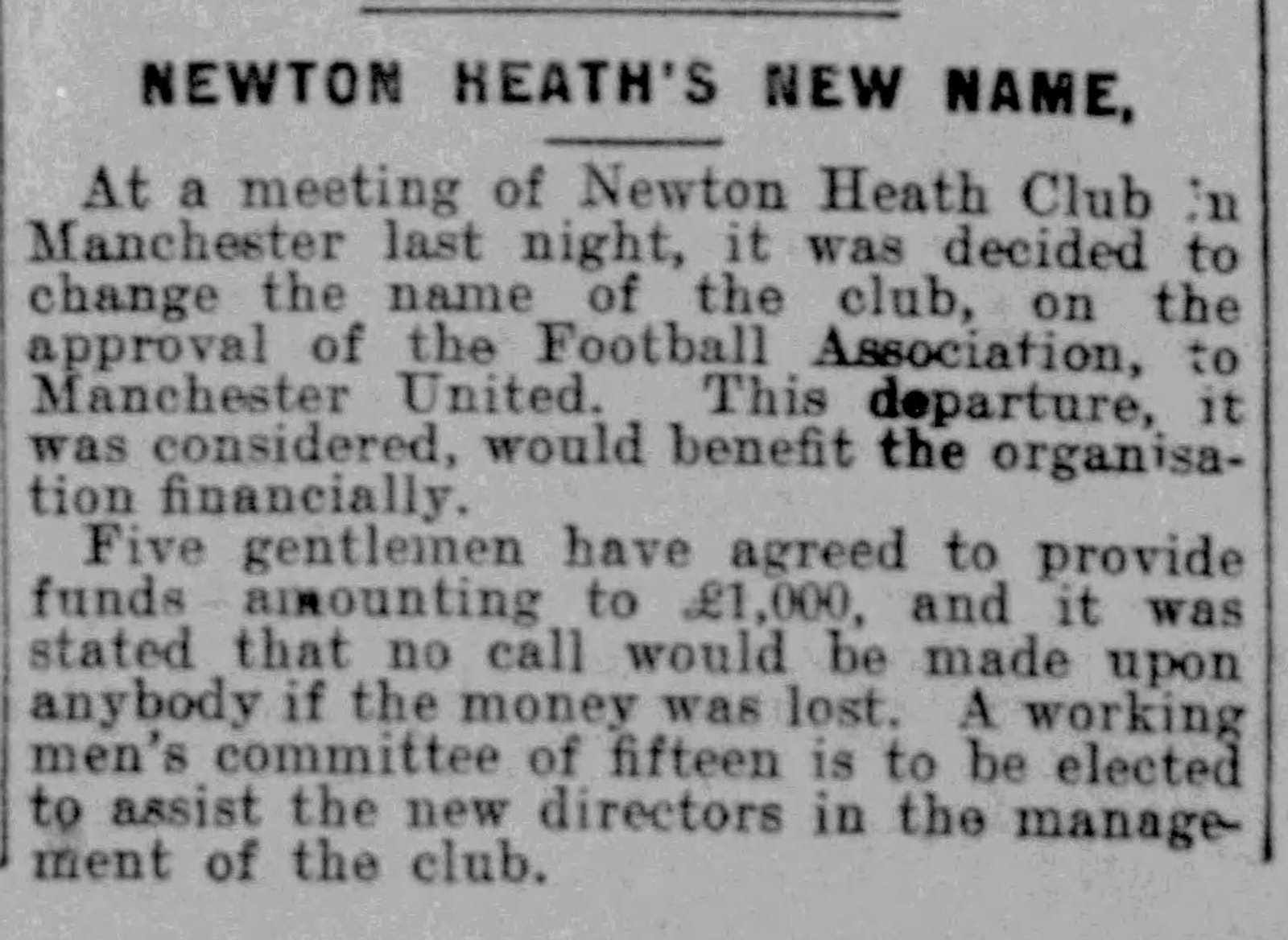
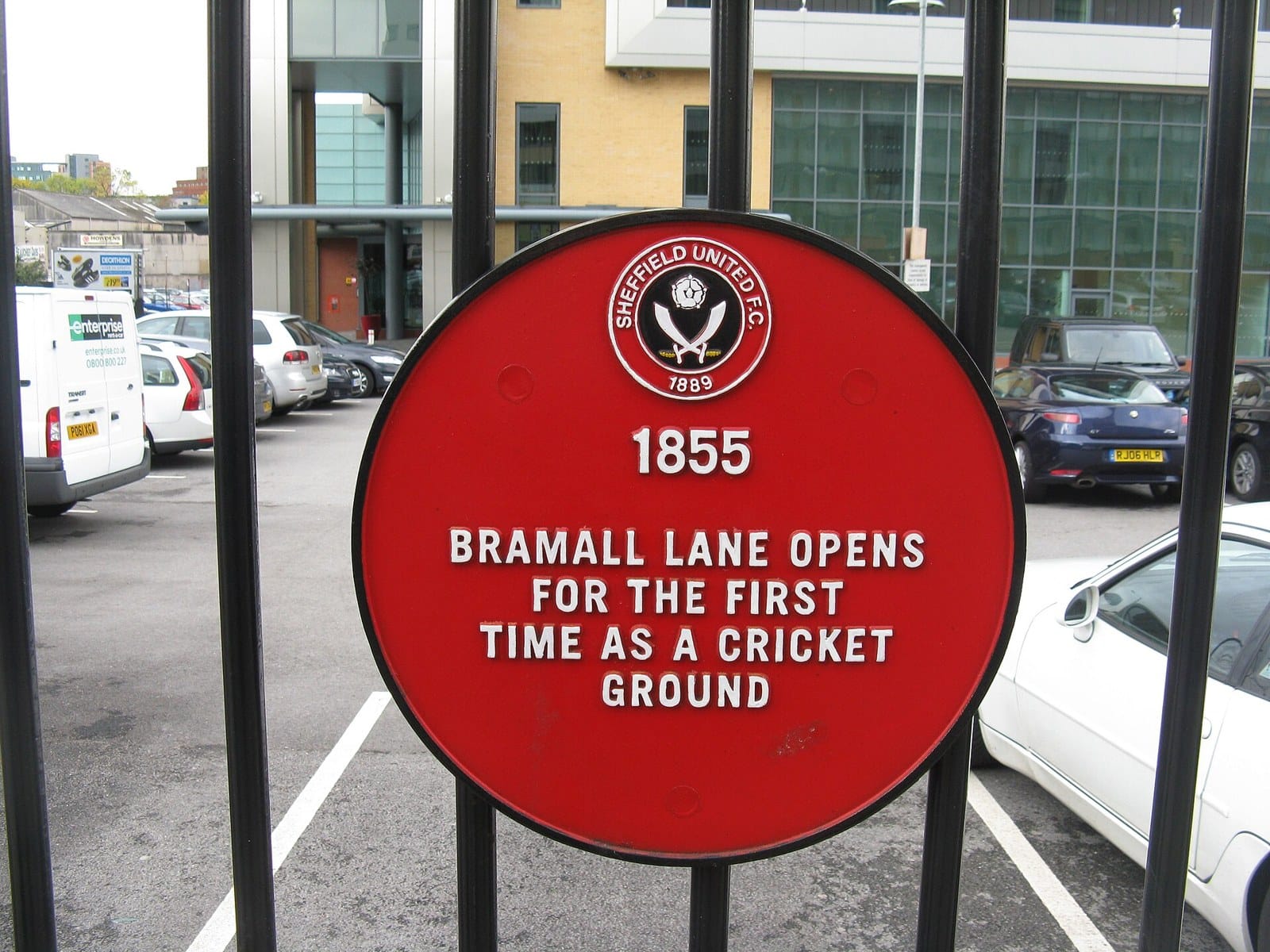
"United" sounds like it always means a merger. Sometimes it does: Newcastle United was born in 1892 when East End took over the failing West End — its ground, its players — and picked a name to claim the whole city. But Manchester United never merged with anyone: it was a bankrupt railway workers' club called Newton Heath, rescued by a brewer in 1902, that simply chose the grandest available name (after rejecting "Manchester Central" for sounding like a train station and "Manchester Celtic" as too sectarian). And Sheffield United took its name from a cricket club — the Sheffield United Cricket Club, itself an amalgam of cricket teams at Bramall Lane. A "United" with zero football mergers in it. Leeds United adds a fourth flavor: the phoenix, formed weeks after Leeds City was expelled from the league in 1919 and its players auctioned off.
3. Wanderers and Rovers: The Homeless Clubs
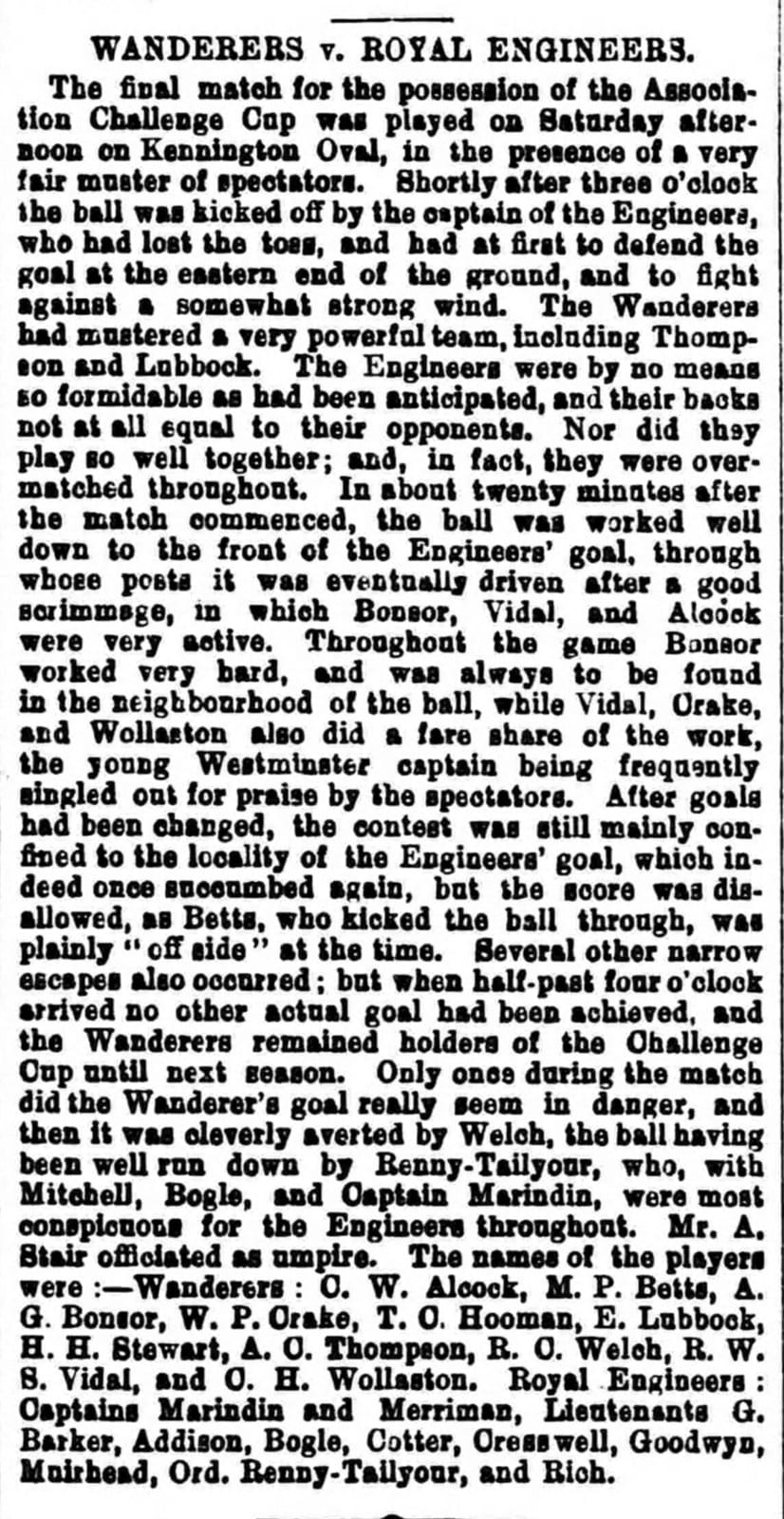
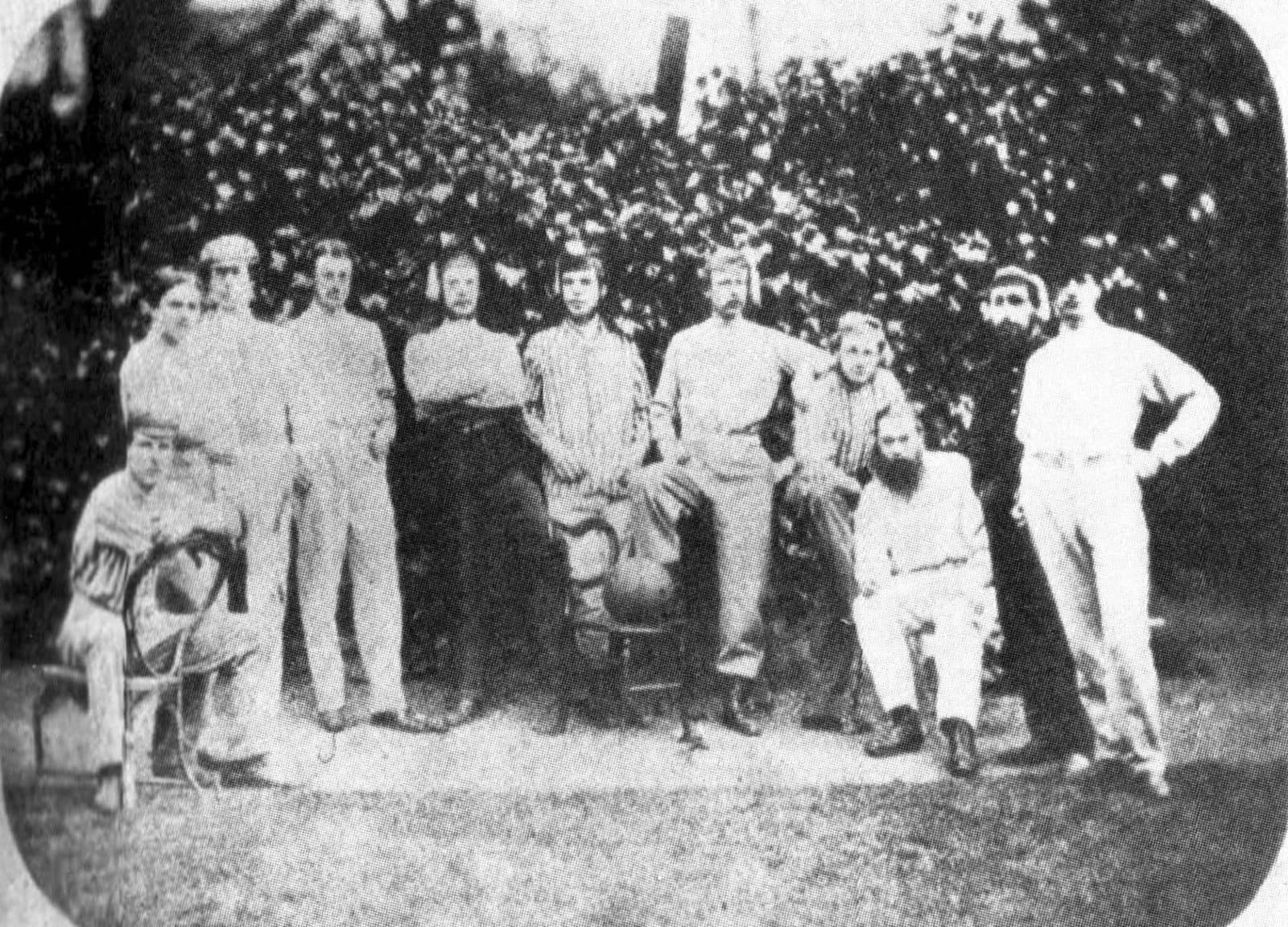
These names mean exactly what they say — clubs with no home. The original Wanderers FC renamed themselves in 1864 because they had no ground at all, drifting across London — and won the first FA Cup ever played, in 1872. Bolton Wanderers earned the name the hard way: founded as a church club in 1874, they split from the vicar in 1877 and bounced between 3 or 4 grounds in 4 years. "Rovers" (as in Blackburn) is the same idea in a different word. The twist: Wolverhampton Wanderers never wandered — they got the name by merging with a local club that was already called The Wanderers.

4. Albion: A Poem, or a Neighborhood?
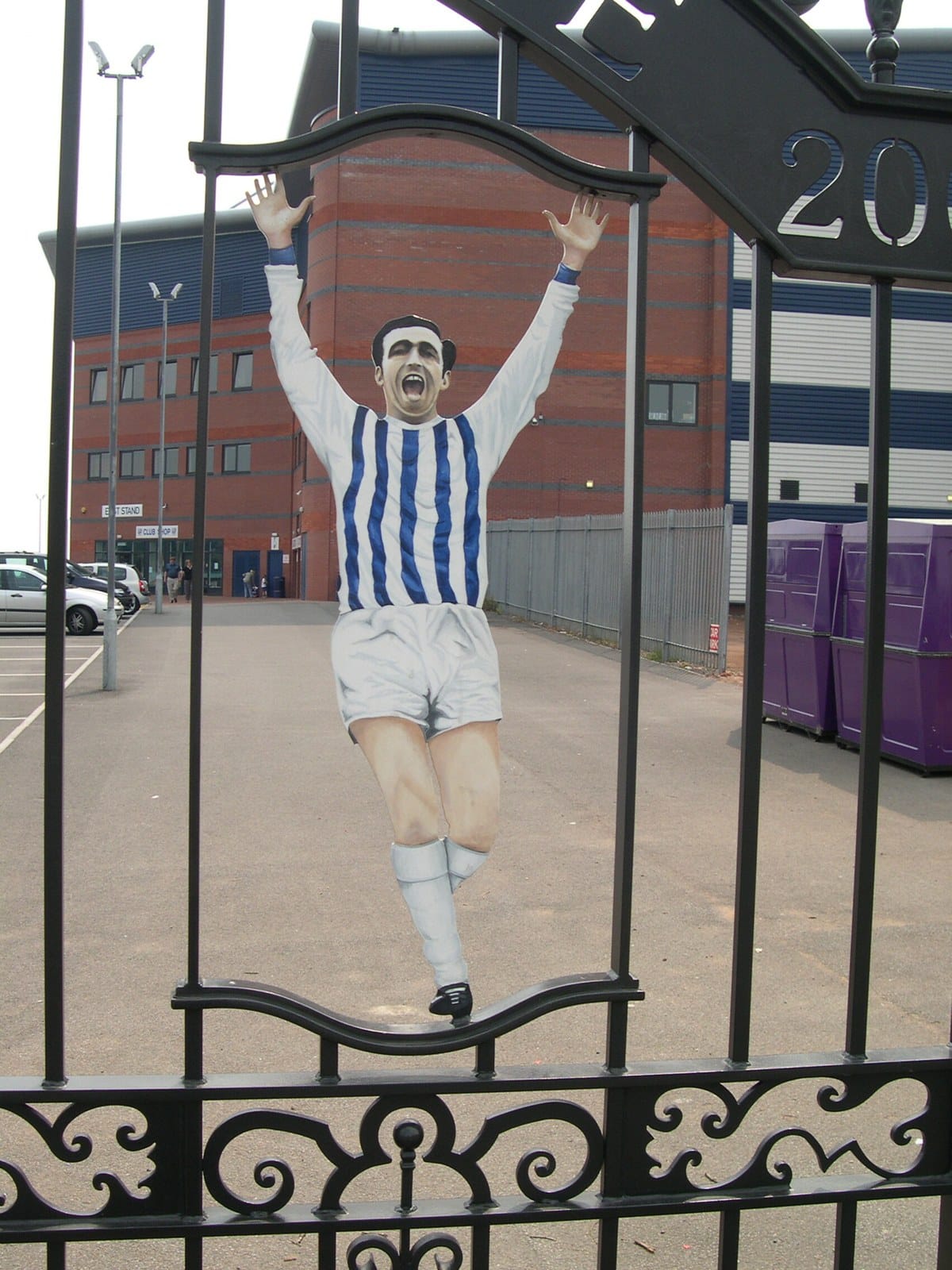
Albion is the ancient poetic name for Britain — but West Bromwich Albion, the club that started the fashion in 1880, was actually named for something much smaller: Albion was a district of West Bromwich where the factory workers who founded the club lived. Brighton & Hove Albion is the fun one: they only became "Albion" because the original name — Brighton & Hove United — drew a protest from Hove FC, and to this day nobody can say for certain why "Albion" was the replacement. A 125-year-old naming mystery, still open.
5. Hotspur: Named for a Shakespeare Character
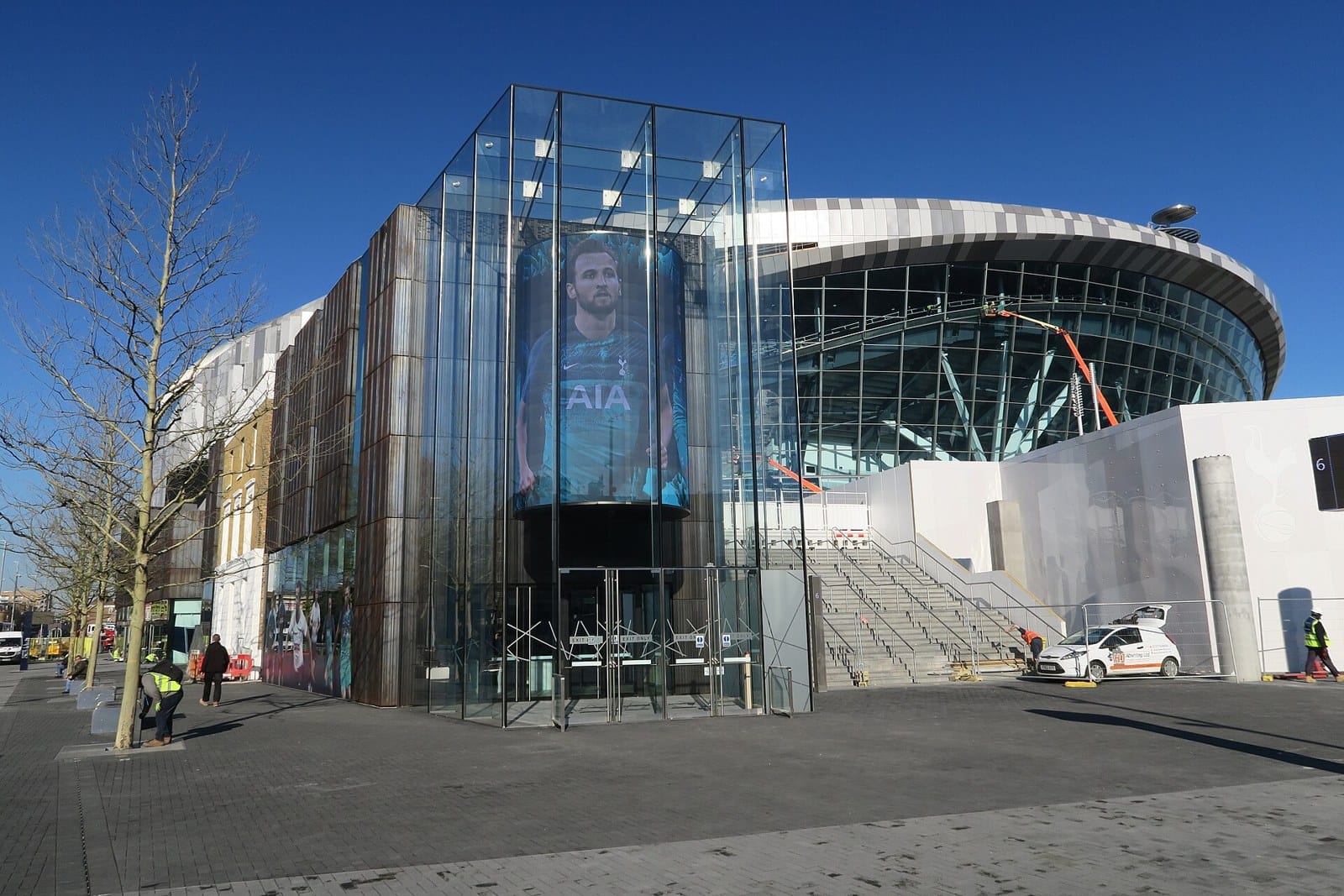
Tottenham Hotspur was founded in 1882 by grammar-school boys who named their club for Sir Henry Percy — "Harry Hotspur," the hot-headed warrior of Shakespeare's Henry IV, nicknamed by the Scots for the speed of his attacks. Why him? The Percy family had owned land in the Tottenham area for centuries. It is, quietly, the most literary team name in world sports.
6. Villa, Orient, Argyle: The Chapel, the Shipping Line, and the Mystery
Aston Villa: founded in 1874 by cricketers from the Villa Cross Wesleyan Chapel, under a gaslight on Heathfield Road — they considered rugby but thought it too rough. Leyton Orient: renamed in 1888 at the suggestion of player Jack Dearing, who worked for the Orient Steam Navigation Company — a football club named after his day job. And Plymouth Argyle: named at a coffee-tavern meeting in 1886, and nobody wrote down why. Argyle Street? The Argyle Tavern? The Argyll and Sutherland Highlanders' crack football team? The club's own historians can't settle it. Another genuine mystery, wearing green.
The Pattern Underneath
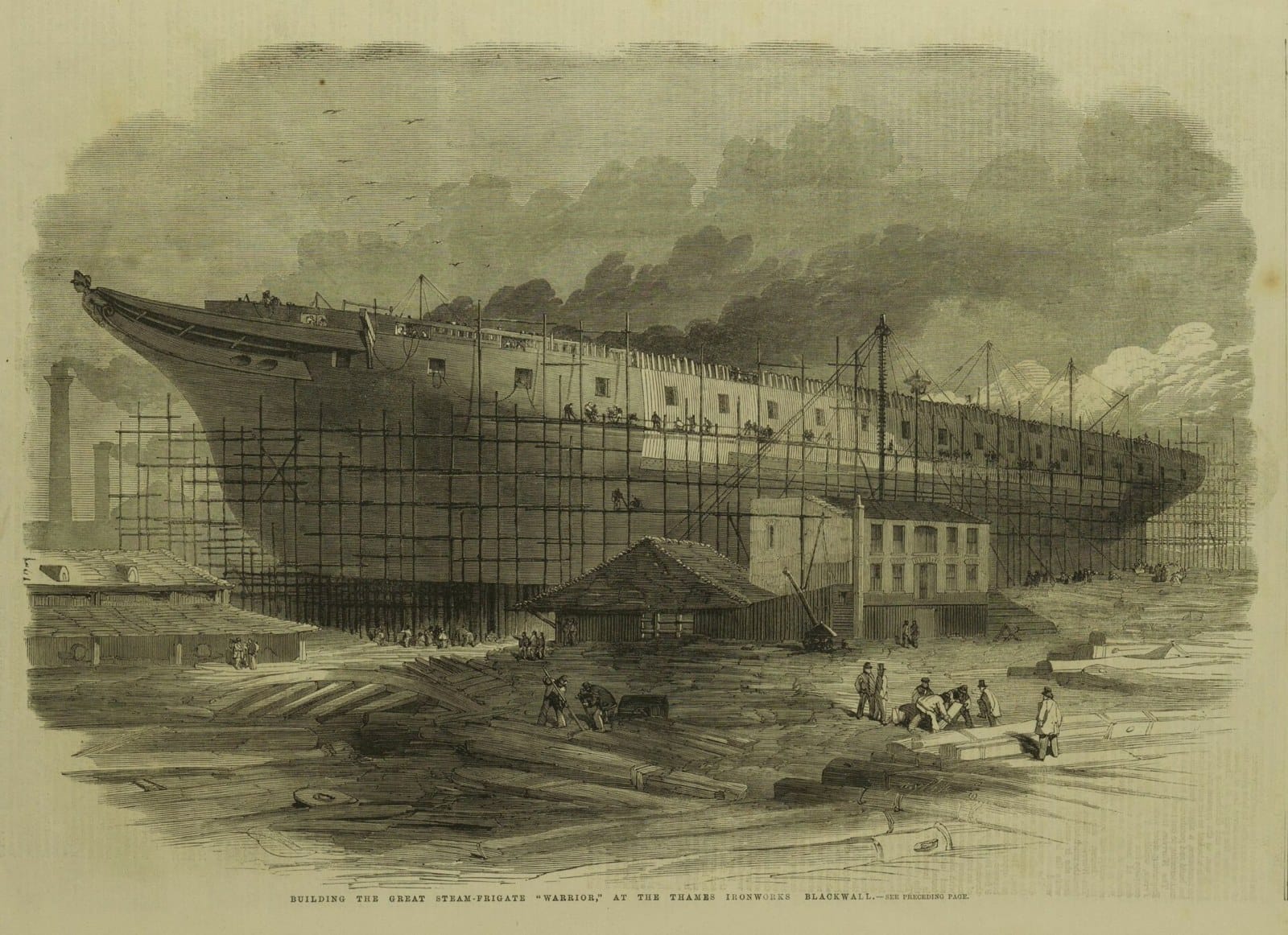
Look closely and almost every club is a fossil of Victorian working life: churches (Aston Villa, Everton, Manchester City — founded by a rector's daughter), factories (Arsenal began as Dial Square FC, munitions workers at the Royal Arsenal; West Ham was Thames Ironworks, hence the Hammers; Coventry City started as Singers FC, bicycle-factory men), cricket clubs killing winter (Wednesday, Sheffield United, Spurs), and railway workers (Newton Heath). The oldest of them all — Sheffield FC, founded 1857 and still playing — helped write the rules everyone else plays by.
American teams tell you what they want to be. British clubs tell you what their founders did on their day off. Wednesday, usually.

Comments ()