
1981: The Year the Baseball Card Monopoly Broke — And the 25-Year War Fleer Fought to Break It
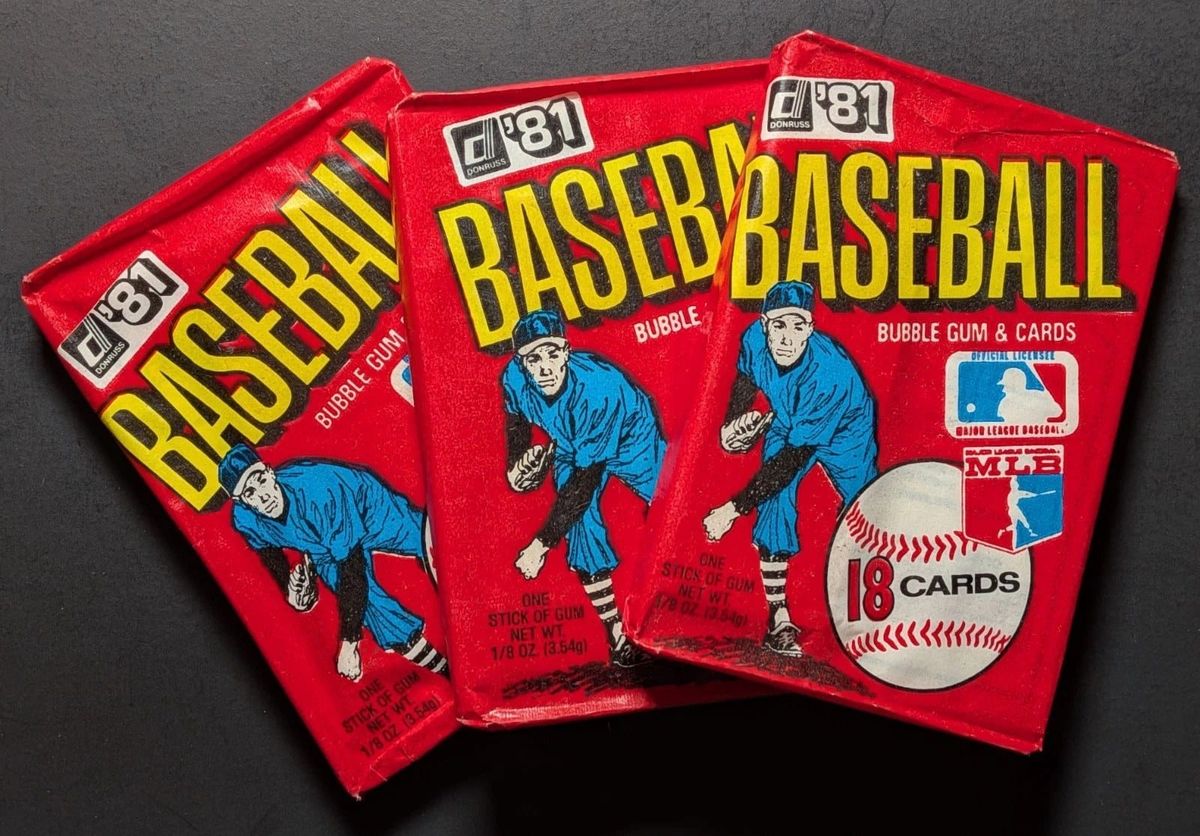
If you opened baseball cards in 1981, you lived through a revolution and maybe didn't know it: for the first time since 1955, there were 3 different companies' packs on the shelf. Topps. Fleer. Donruss.
That shelf took 25 years, a federal antitrust trial, and one truly terrible cookie to build.
How the Monopoly Worked
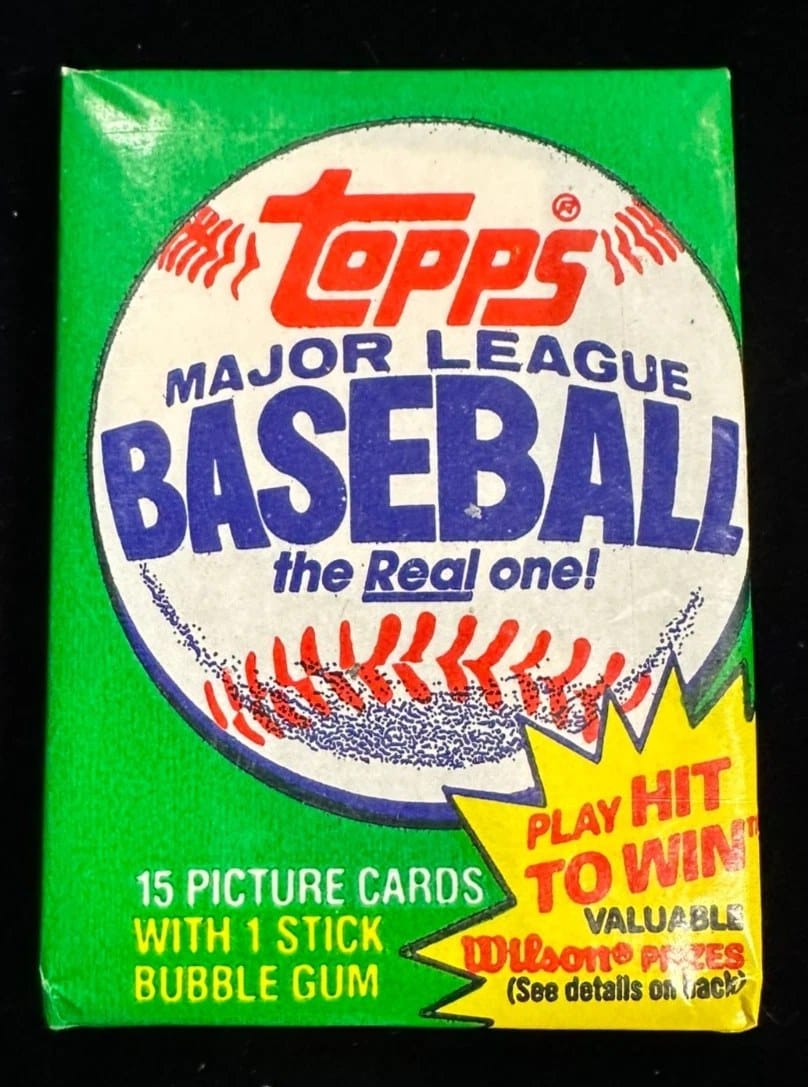
Topps didn't have a license to make baseball cards. It had thousands of them — individual contracts with nearly every professional player, signed in the minor leagues for a $5 binder fee and $125 a year once they reached the majors. The deals were exclusive for cards sold with gum — and Topps kept widening the language year after year: gum, then candy, then "confections," then cards sold without gum at all. After Topps swallowed its 1950s rival Bowman in 1956 (for $200,000), the monopoly was airtight. A federal hearing examiner put it plainly in 1964: 99% of the industry was foreclosed. The FTC still let Topps off the hook a year later.
Fleer's Guerrilla War
The Philadelphia gum maker spent a decade probing for gaps, and the attempts read like a heist movie's failed early jobs:
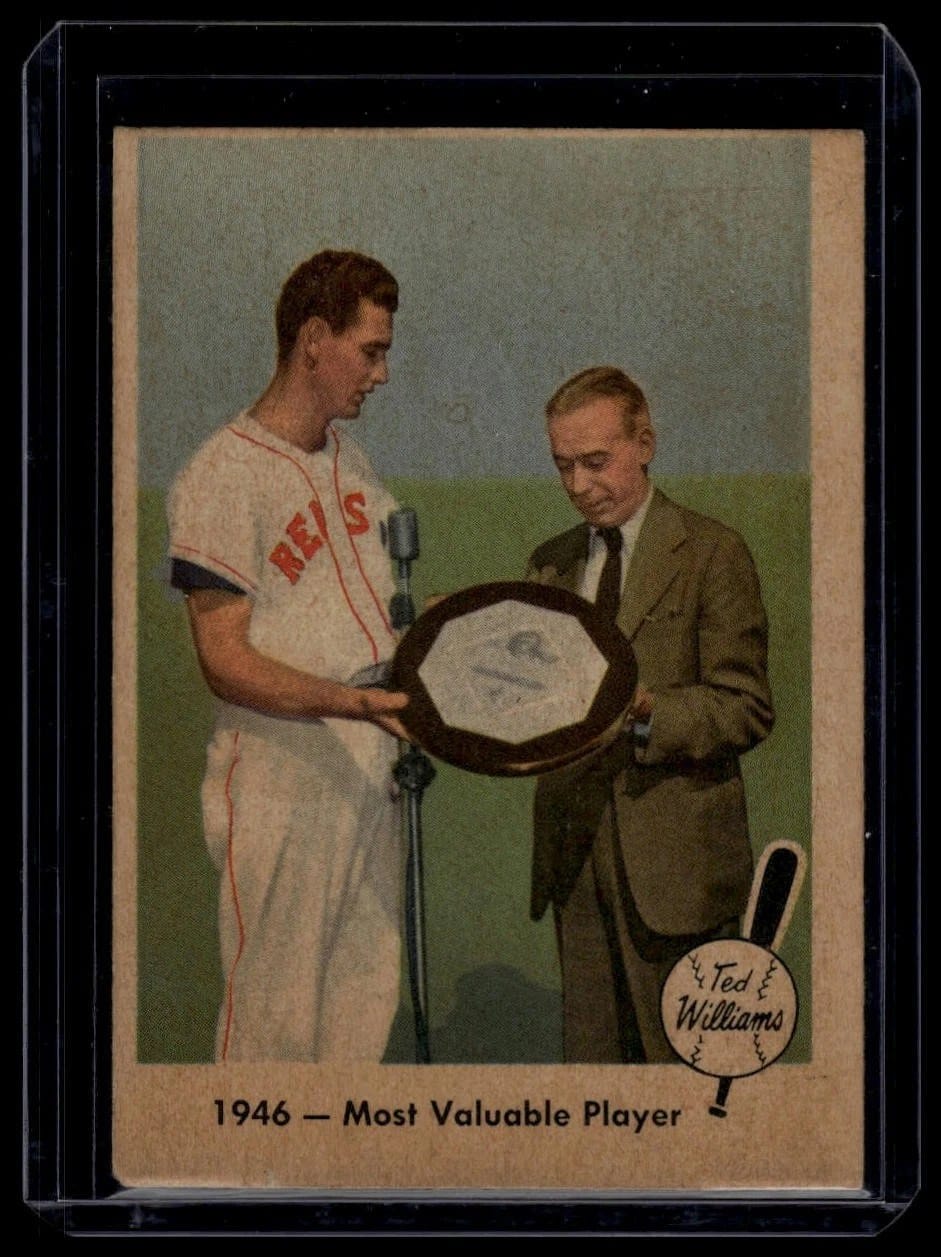
1959: Fleer signs the one superstar Topps can't own outright — Ted Williams, exclusively — and builds an 80-card set around him. One card has to be pulled mid-print because it shows Williams signing his contract next to Red Sox GM Bucky Harris... who was still under contract to Topps.
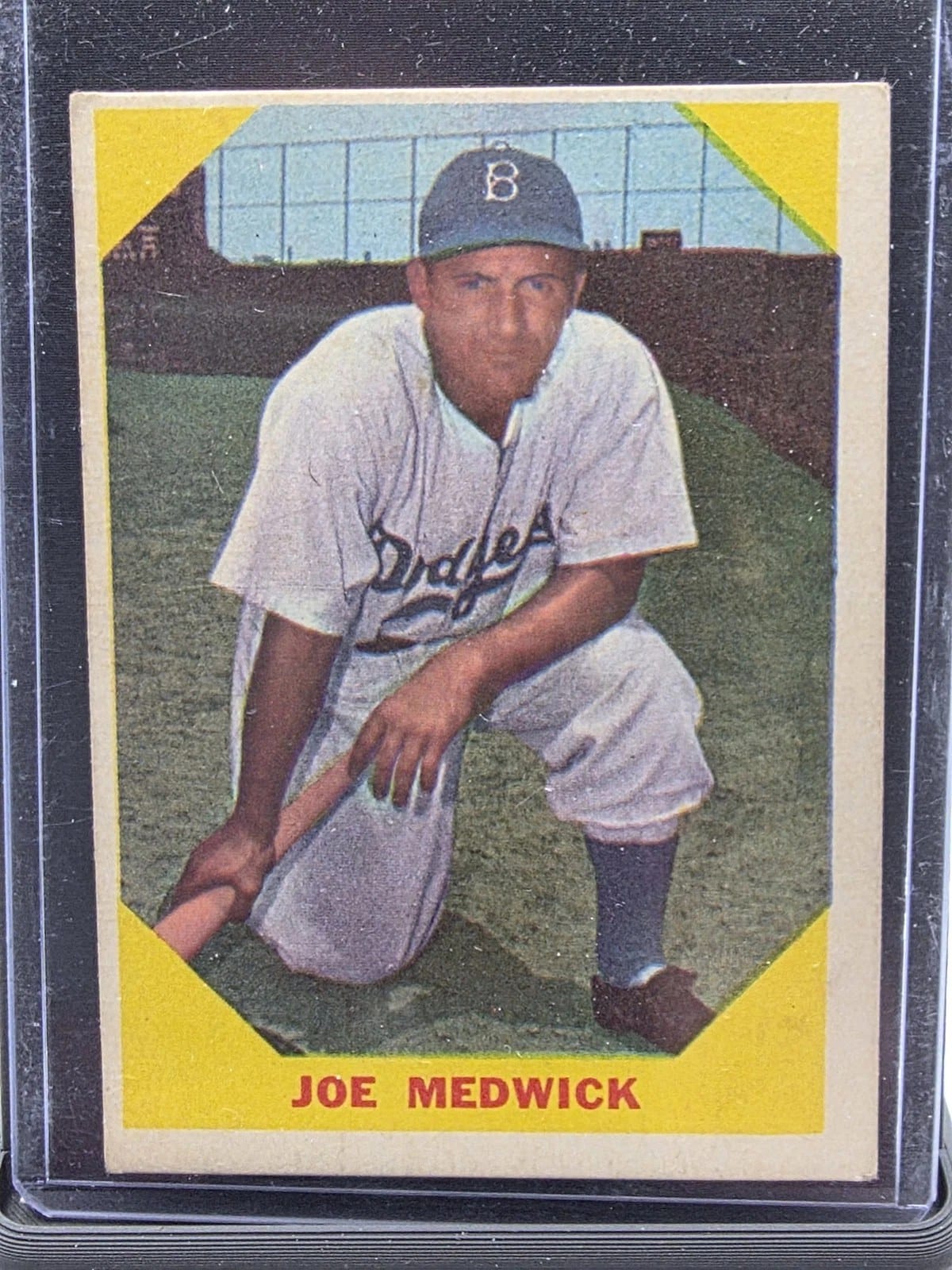
1960-61: The Baseball Greats sets — Ruth, Cobb, Gehrig, Wagner. All retired, all outside Topps's contracts. A loophole, and a sales dud.
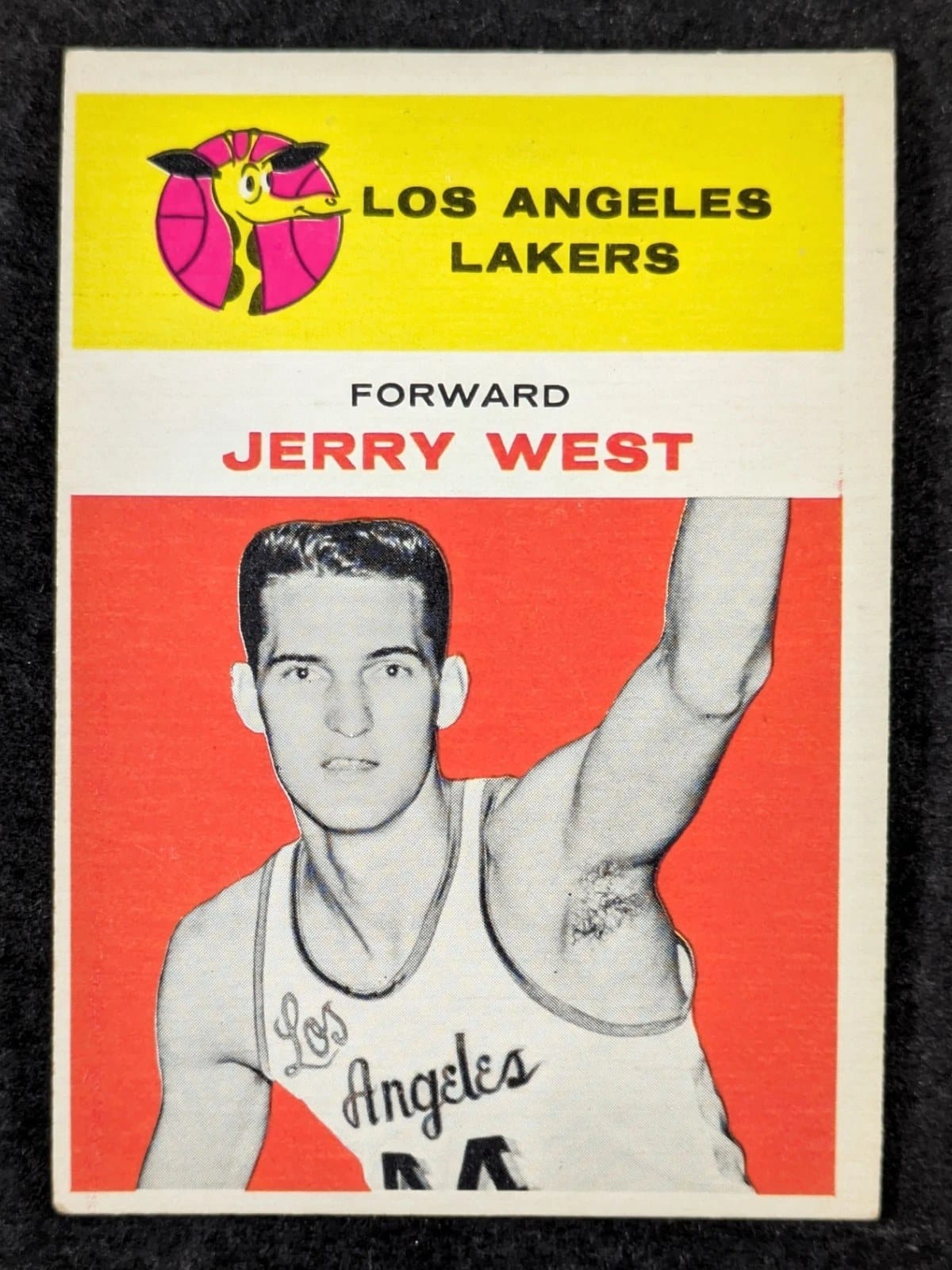
1961-62: Fleer tries basketball instead and produces, in one shot, one of the greatest sets ever printed: the Wilt Chamberlain rookie (a copy sold for $1.7 million in 2024), plus Oscar Robertson and Jerry West rookies. One year, then gone. Its AFL football sets (1960-63) died when Philadelphia Gum took the NFL license and Topps took the AFL for 1964.
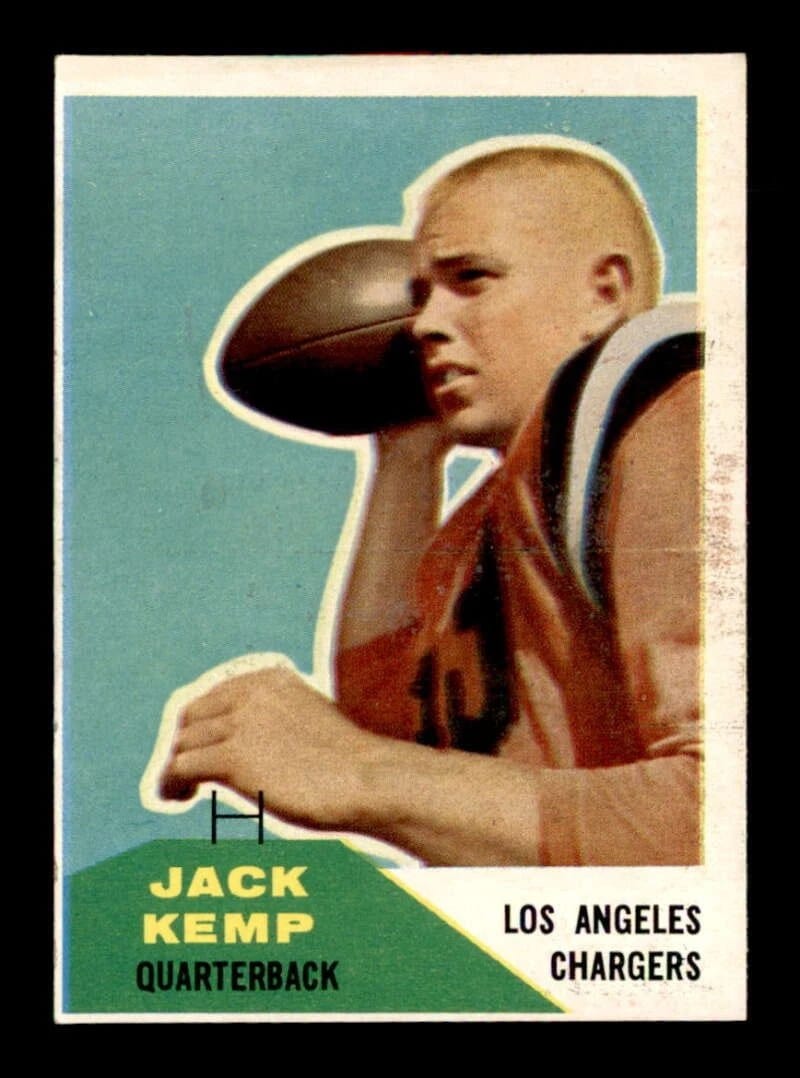
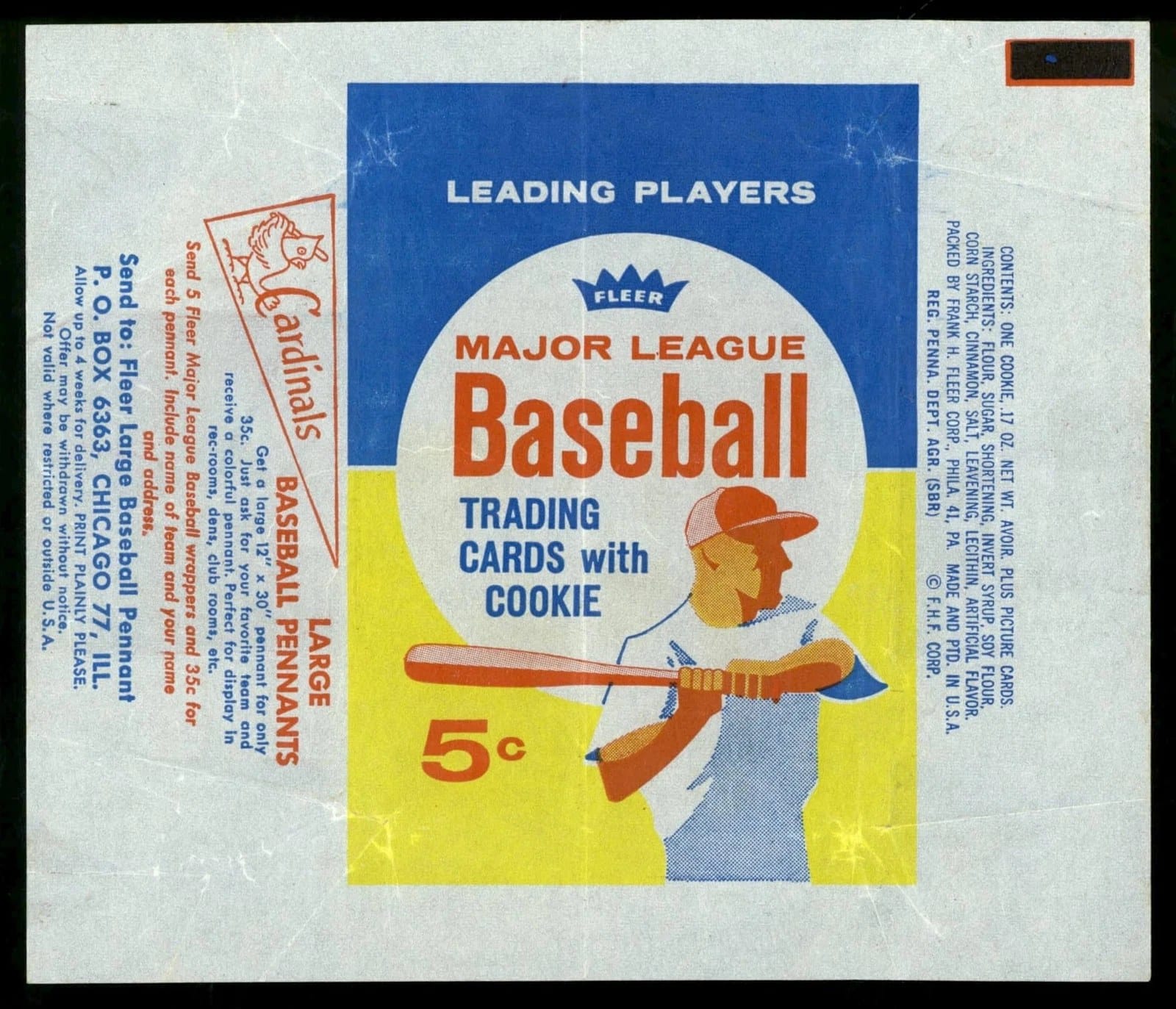
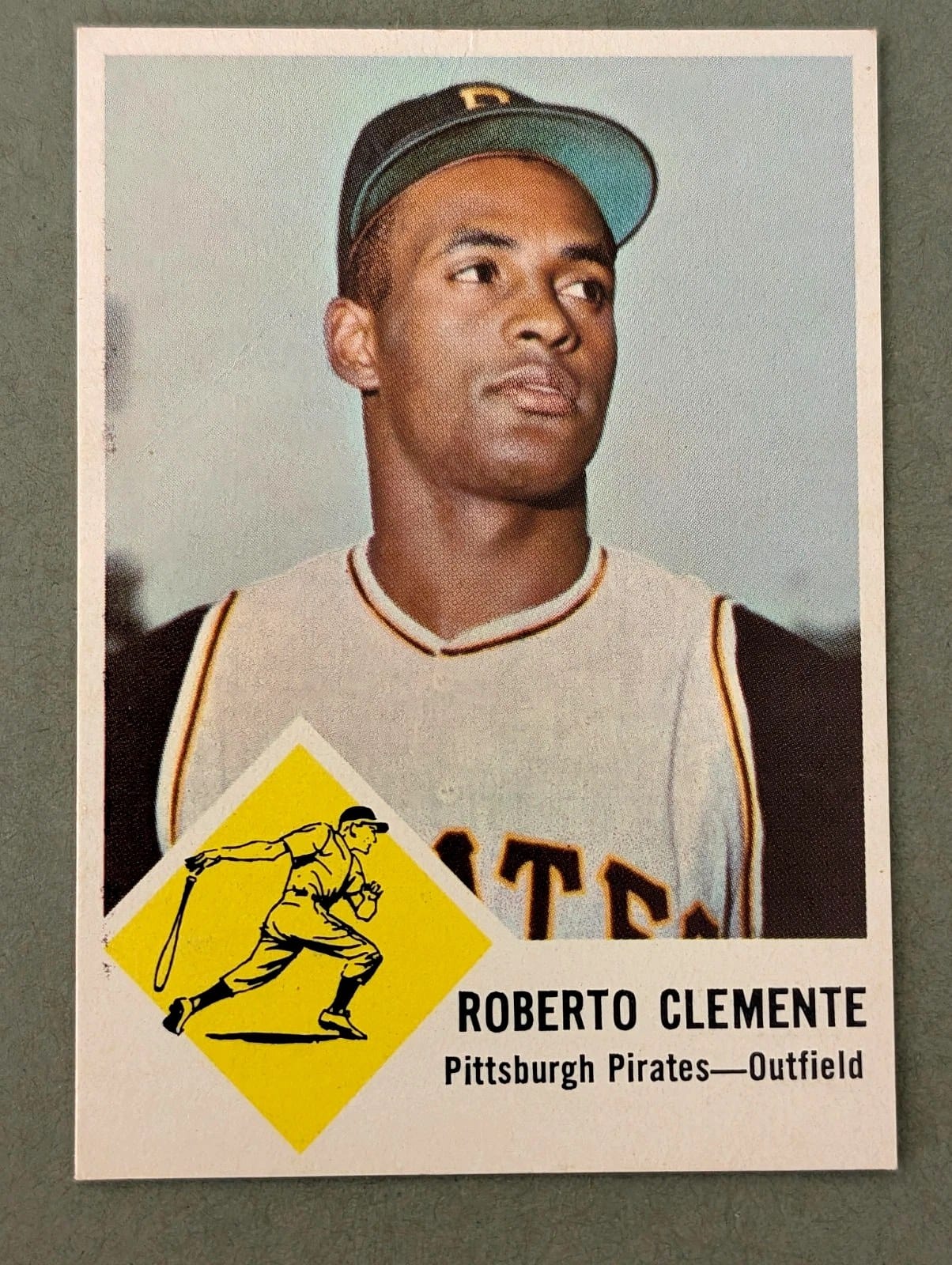
1963: The masterpiece of desperation. Fleer issues 66 cards of active players — legal, in theory, because the packs contained no gum. Instead: a cherry-flavored cookie, so joyless it was compared to a dog biscuit. The set's coup was Maury Wills, the reigning MVP, who reportedly signed with Fleer because Topps had passed on him as a minor leaguer — meaning the best base-stealer alive had no Topps card at all. Topps's lawyers killed the set after one series.
In 1966, Fleer surrendered — selling its entire pile of player contracts to Topps for $395,000 and walking away.
The Lawsuit
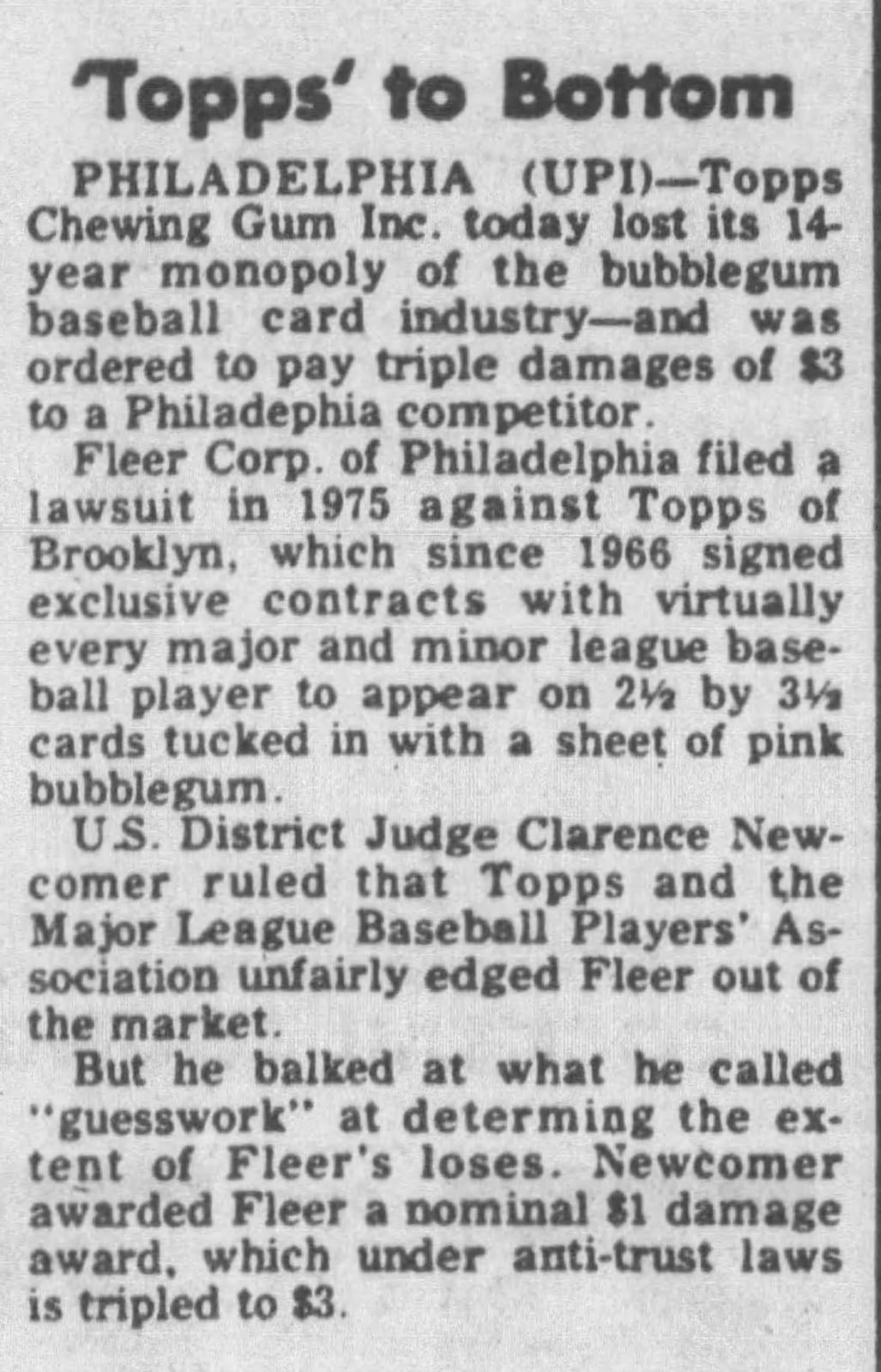
Fleer came back in July 1975 with a federal antitrust suit against Topps and the players' union, and on June 30, 1980, Judge Clarence Newcomer ruled that the two had "acted in concert" to exclude competitors. The remedies were strange and enormous at once: Fleer won damages of exactly $1 (trebled, as antitrust law requires, to $3) — and an order that the union license at least one more card maker by 1981.
Suddenly there were two: Fleer, avenged after 25 years, and Donruss — a Memphis gum company named for brothers Don and Russ Weiner, makers of Super Bubble, who jumped through the open door.
1981: Beautiful Chaos
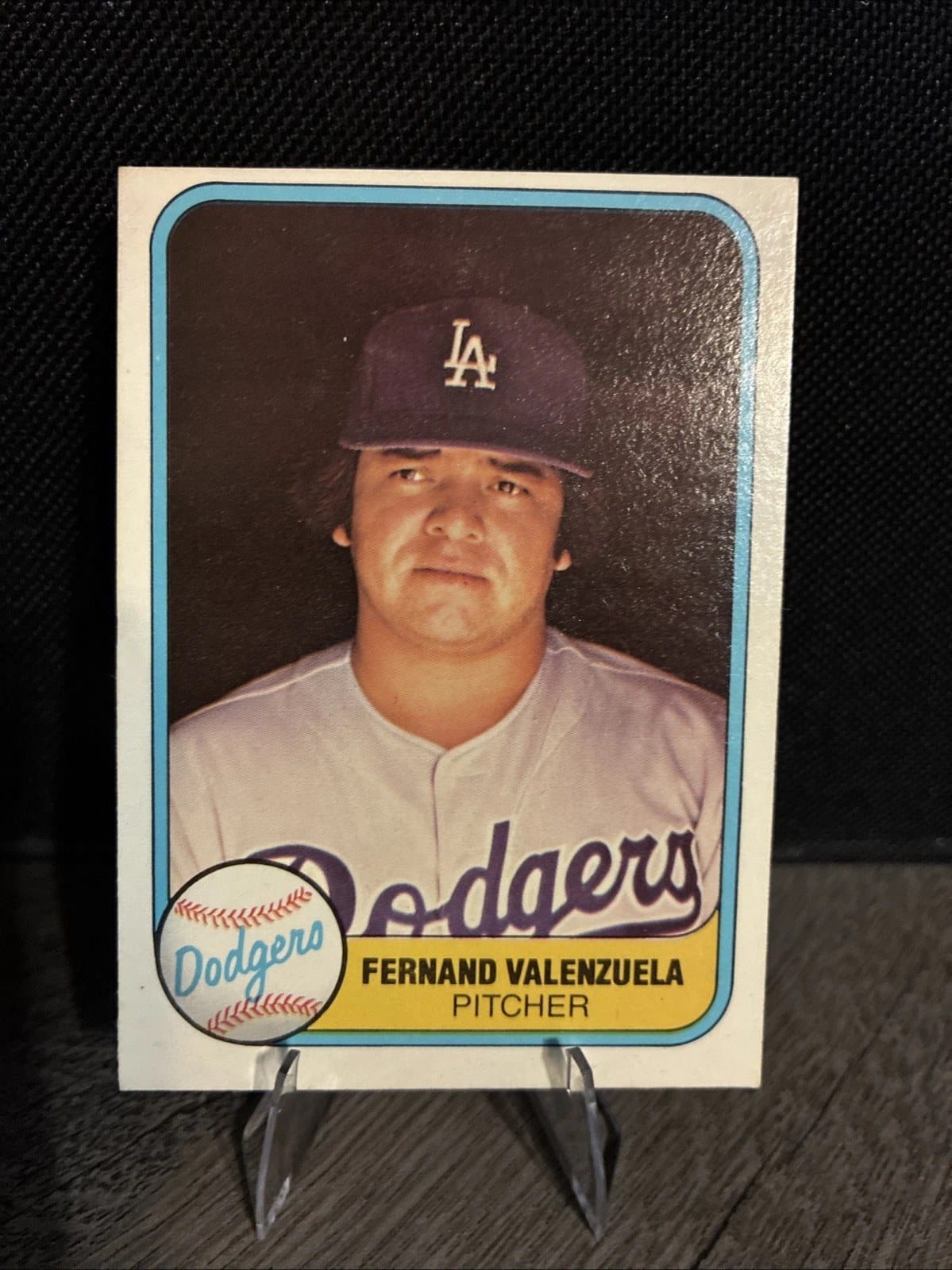
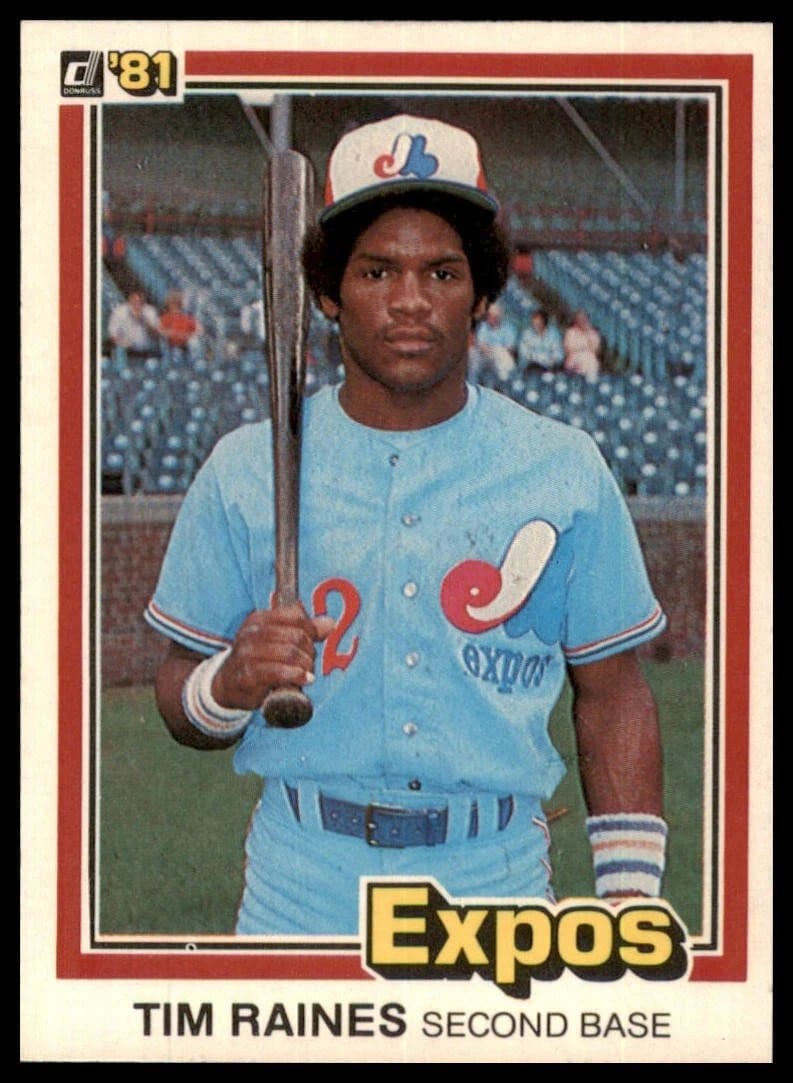
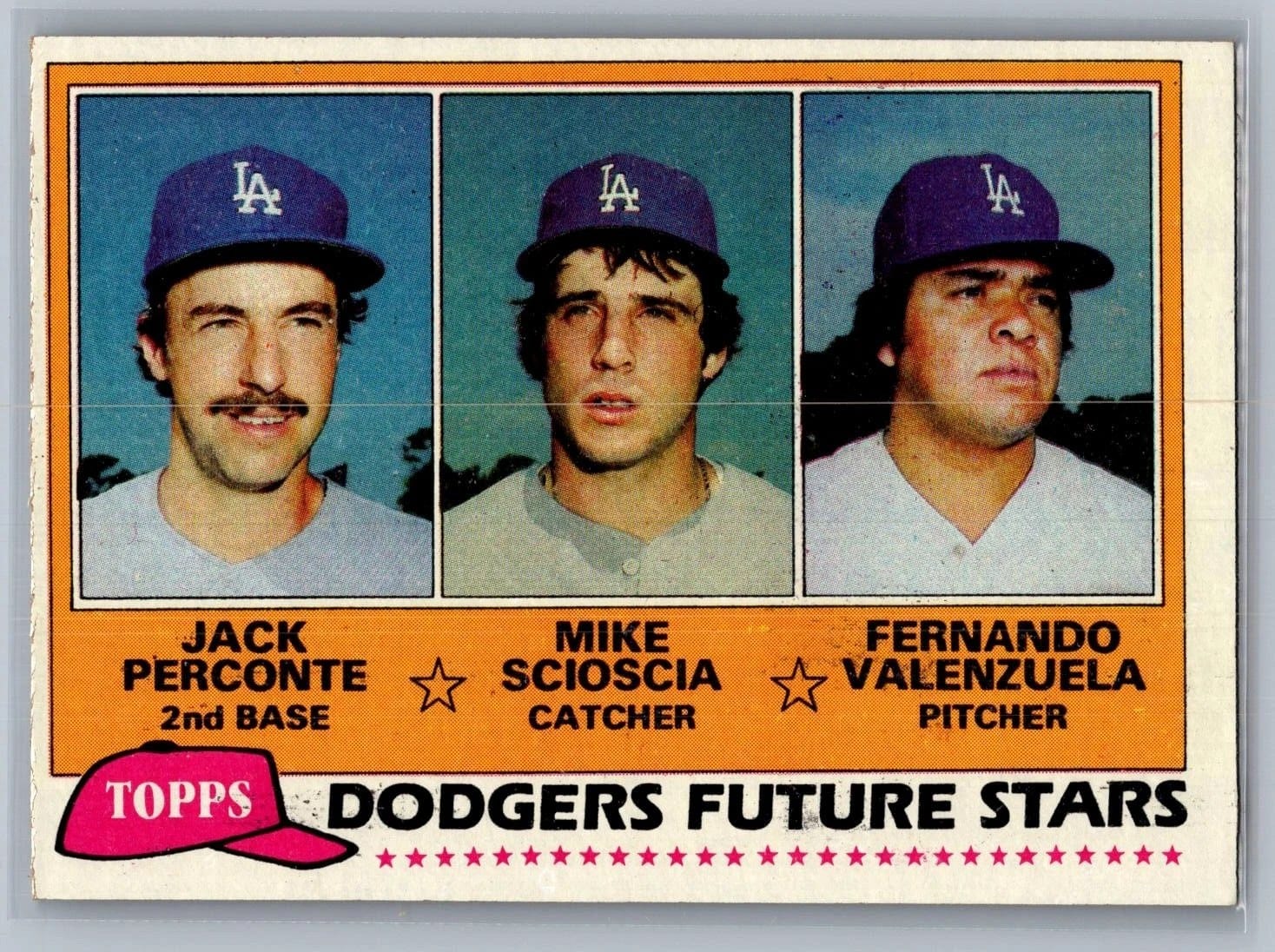
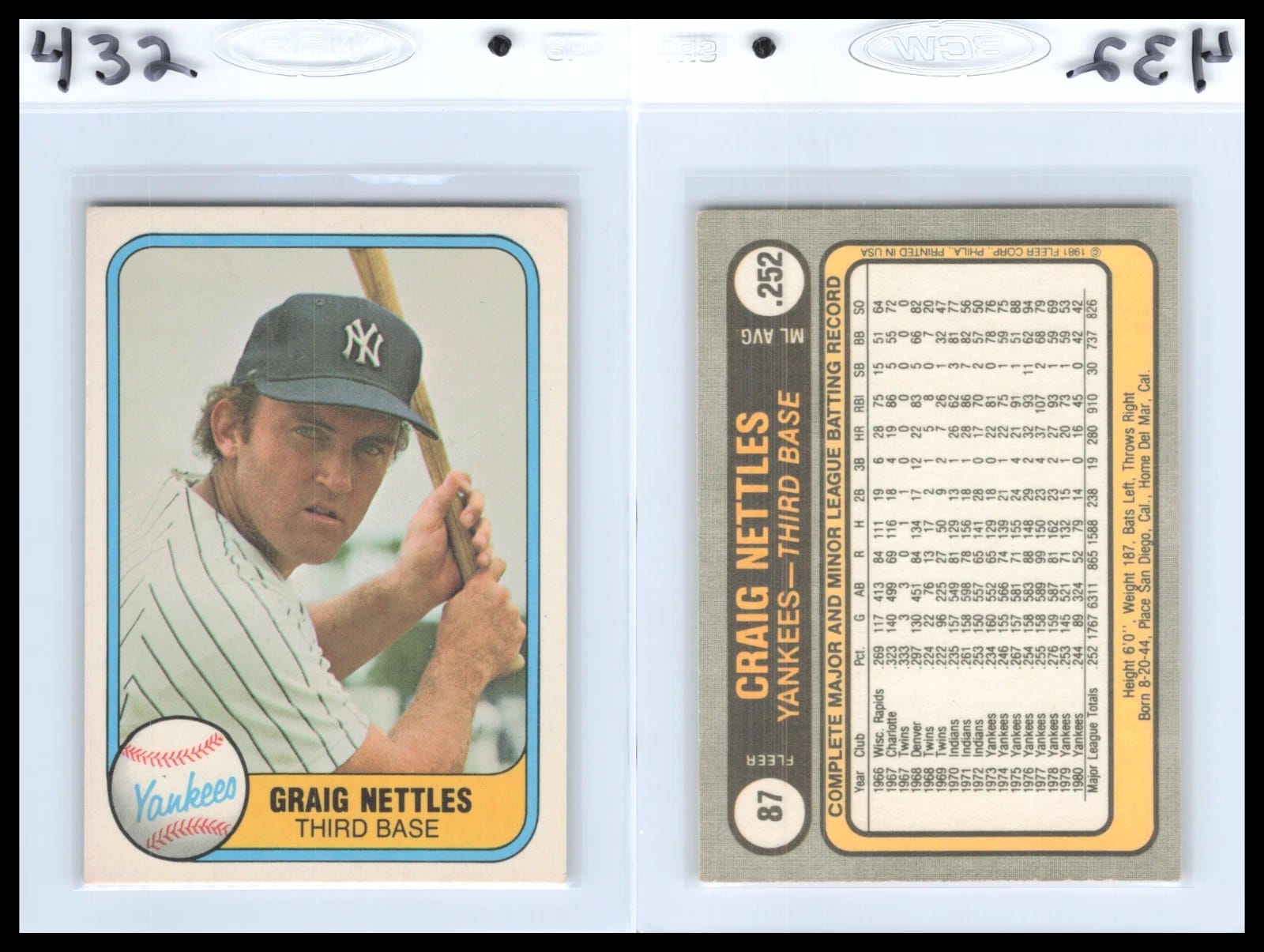
Both challengers built full sets in months, and it showed. Fleer's 660 cards came out riddled with first-run errors — Graig Nettles's back famously read "Craig," Fernando Valenzuela's front read "Fernand" — and when Fleer corrected them mid-print, the errors became the hottest cards in the country ("Nettles-Mania," Sports Illustrated called it). Donruss's 605 cards arrived on paper thin enough to read through, with purple-brown skin tones and its own error pile — plus the only gum Donruss packs would ever contain. Collectors didn't care. It was 1981, Fernandomania was raging, Tim Raines was rewriting the rookie record book, and there were 3 ways to chase them.
The Empire Strikes Back — and Loses Anyway
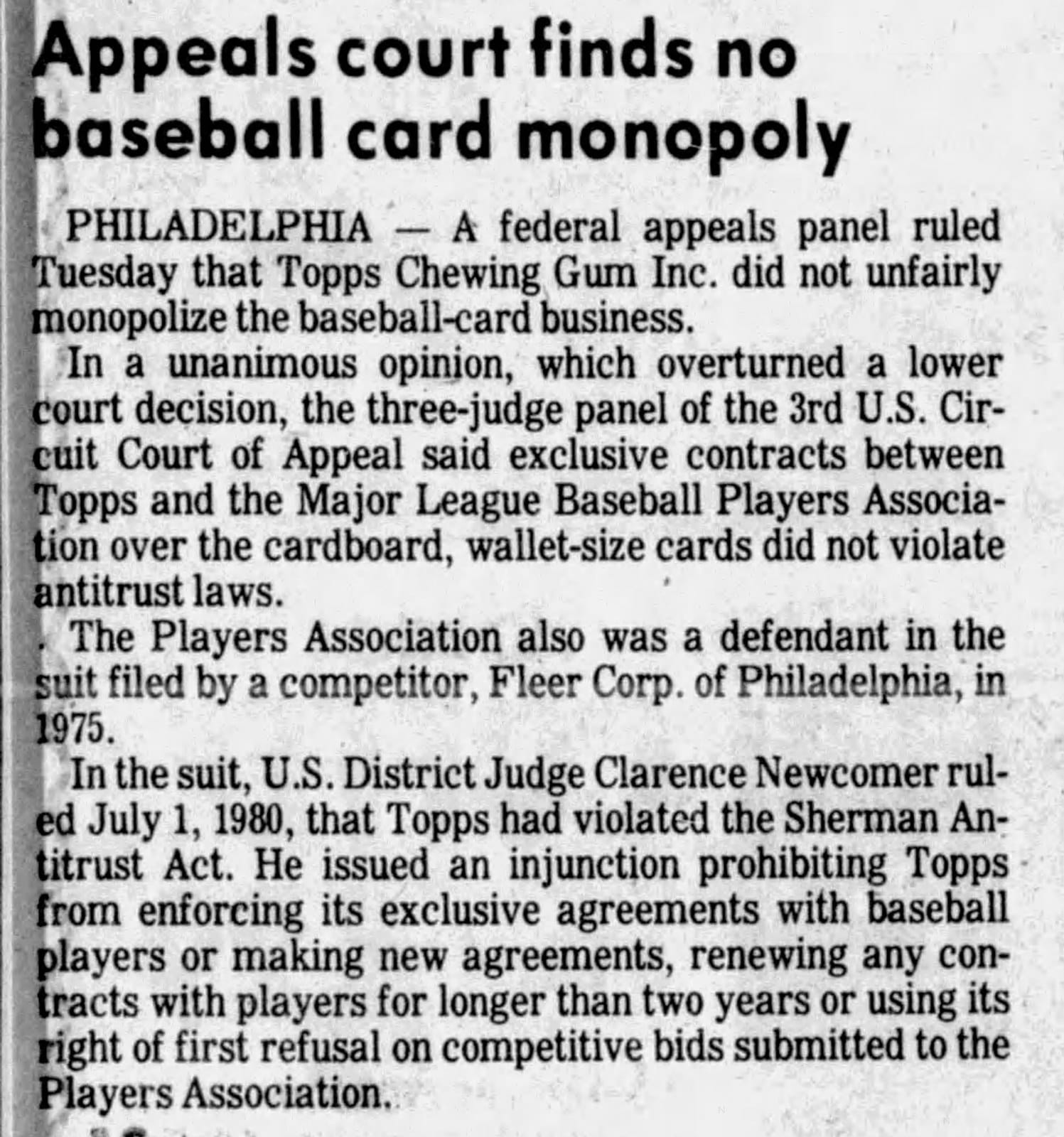
Then the twist: in August 1981, the appeals court reversed the whole ruling. Topps's gum exclusivity was legal after all. Game over?
No — because the exclusivity only covered cards sold alone or with confections. So in 1982, Fleer shipped its packs with team-logo stickers, and Donruss shipped with Babe Ruth jigsaw-puzzle pieces. Not confections. Perfectly legal. The 3-way market survived on a technicality made of stickers and cardboard puzzle pieces, and the modern hobby — Upper Deck, the junk wax boom, all of it — grew out of that workaround.
The final indignity came years later: courts ruled Fleer owed Topps restitution of the roughly $4 million it earned in 1981 under the overturned injunction. Fleer paid for its own revolution — literally. But the shelf never went back to one brand again.
Comments ()