
How to Display Signed Baseballs, Footballs and Jerseys (Without Fading the Autograph)
The UV ball cubes, football cases, jersey frames and autograph pens worth buying, what "98% UV" really means, and where to hang a signed piece so the ink doesn't fade.
The Baseball Hall of Fame has more than 7,000 baseballs in its collection, and the people who look after them start from a gloomy premise. "The minute the pen tip touches the leather of a baseball," the Hall says, "the breakdown process of the signature begins." Ink settles into the leather and keeps spreading. Light speeds everything up. The Hall's collections staff put it bluntly: "any type of light will damage a signature over time."
That's the problem with displaying an autograph. The whole point is to look at it, and looking at it means light. You can't stop the clock, but the right case, the right spot on the wall and the right pen at the signing can slow it down by years.
Here's what we'd use for every kind of signed piece, and what to buy.
The short version
- For a signed baseball: an Ultra Pro UV baseball cube, about $7.
- For a signed football: the BallQube Grandstand football case, about $43.
- For a signed jersey: a Pro Collector's shadow-box jersey frame with 98% UV acrylic, about $50.
- For getting the autograph in the first place: a blue Pilot ballpoint for baseballs, a fine-point Sharpie for photos and footballs, and a paint pen for helmets and dark jerseys.
- For a signed helmet: a full-size acrylic helmet case, about $50, or a BallQube mini-helmet case, about $20.
First, what "UV protection" actually means
Almost every case on the market says "UV" somewhere on the box. Here's how to tell whether it means anything.
The framing industry has a standard. To be sold as UV-protective, glazing has to block at least 97% of UV rays. Acrylic made for the job blocks about 98%. Regular acrylic, the kind in a cheap cube, blocks only a small amount. So the number matters. A listing that says "98% UV" or "99% UV" is making a claim you can hold it to. A listing that says "anti-ultraviolet" with no number is telling you nothing.
Two more things to know before you buy anything:
- UV filtering doesn't stop fading. It slows it. Visible light fades ink too, and no case blocks that, or you couldn't see the ball. A UV cube in a sunny window still loses.
- Where you put it matters more than what you put it in. Direct sunlight can hit about 30,000 lux. A living room in the evening runs about 50. A $7 cube on a shelf across the room from the window will outlast a $50 case on the windowsill.
1. UV baseball cube
Best for: any signed baseball. About $7.
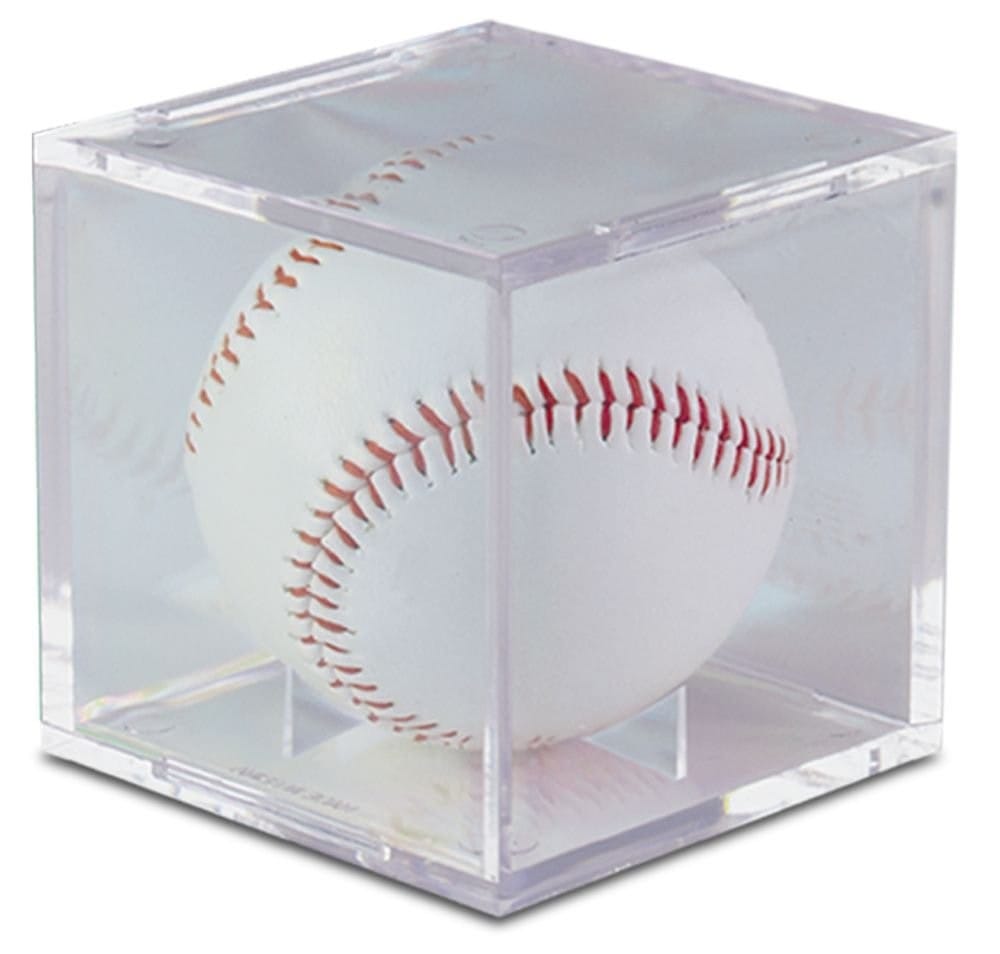
The Ultra Pro Baseball Clear Square UV Holder is the cube you've seen on every collector's shelf. It has a built-in cradle so the ball doesn't roll, a bevel lid that slides on, UV barriers in the plastic, and more than 5,400 reviews averaging 4.8 stars. It's also stackable, which matters once you own more than a few.
If you have a box of signed balls, buy them by the dozen. The BallQube 12-pack runs about $57, under $5 a cube, with UV protection built in and interlocking corners for stacking. BallQube says it's been making them in the USA since 1983.
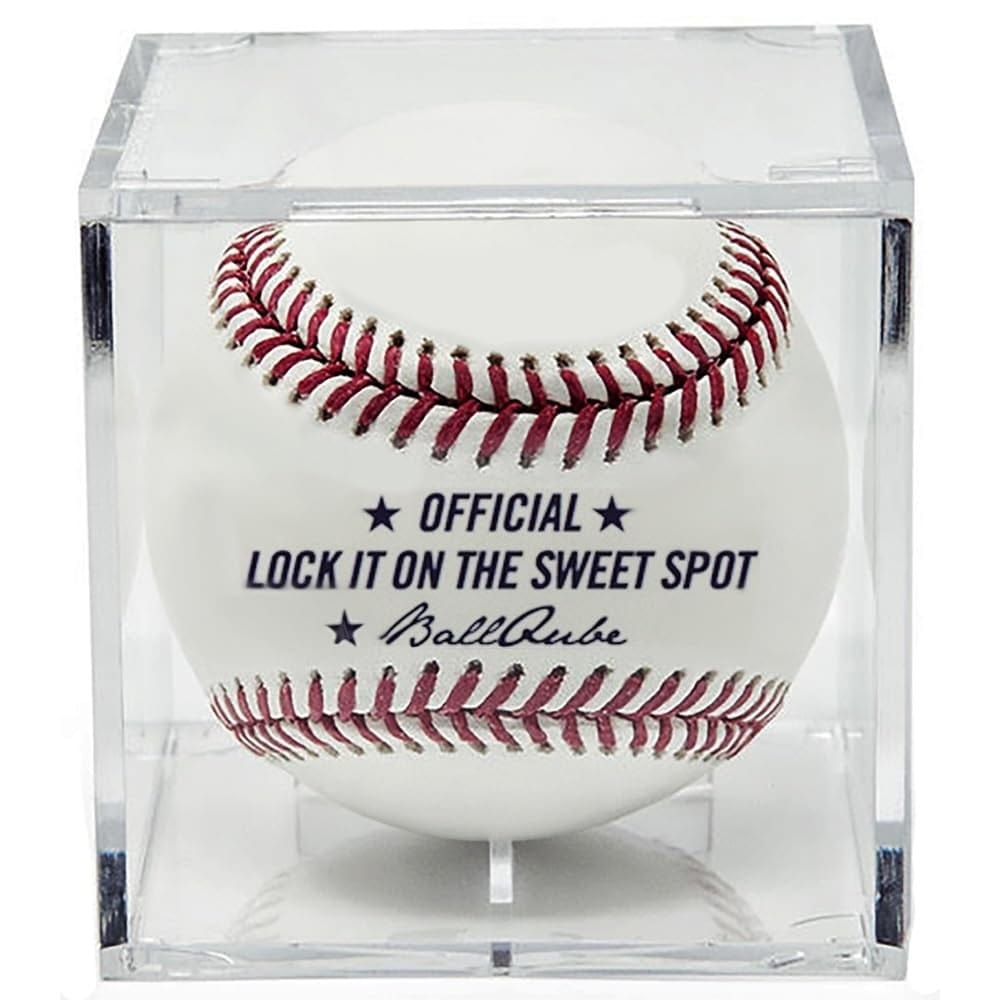
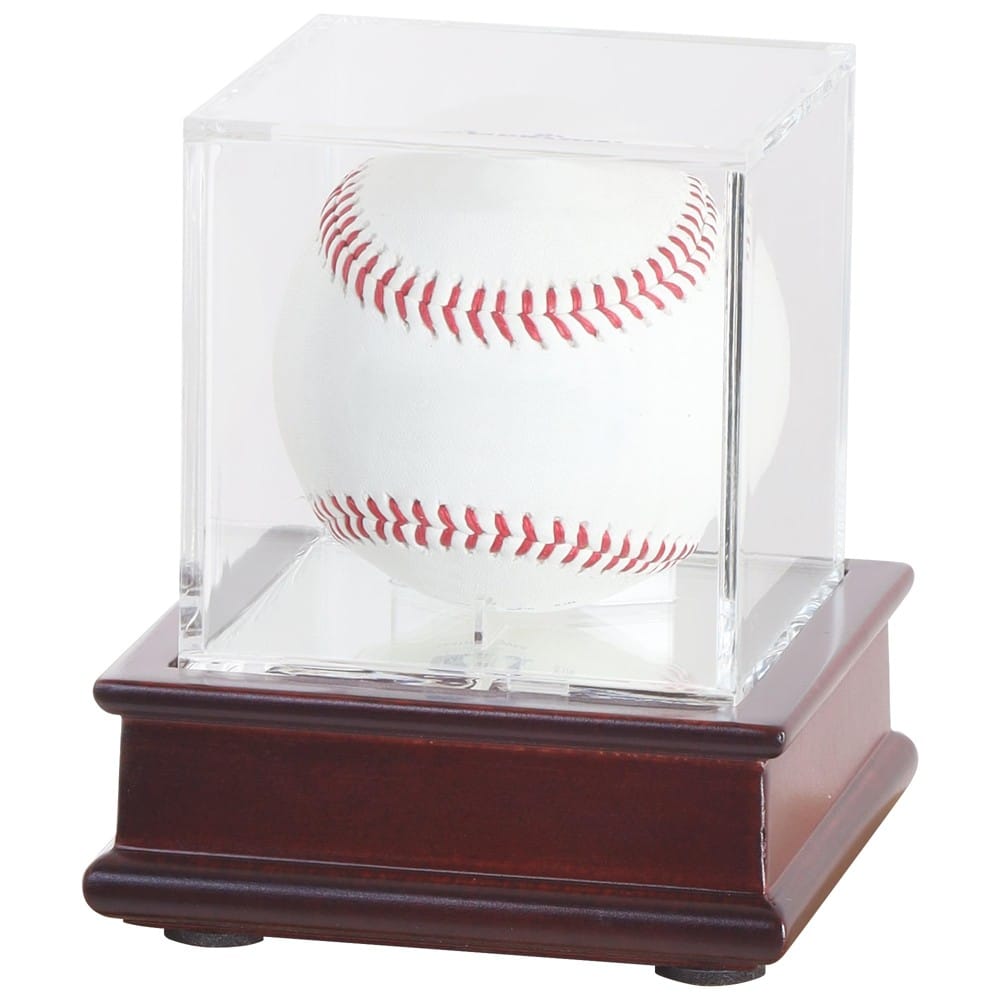
What to know: for the ball that matters most, the one your dad caught or the one signed by a Hall of Famer, step up to the DisplayGifts 99% UV cube on a wood base, about $16. It's sealed on all 6 sides, it lists a real UV number, and it looks like it belongs on a desk instead of in a card shop. And if you want them on the wall, the DisplayGifts 12-ball case, about $43, has a 98% UV acrylic door and a lock.
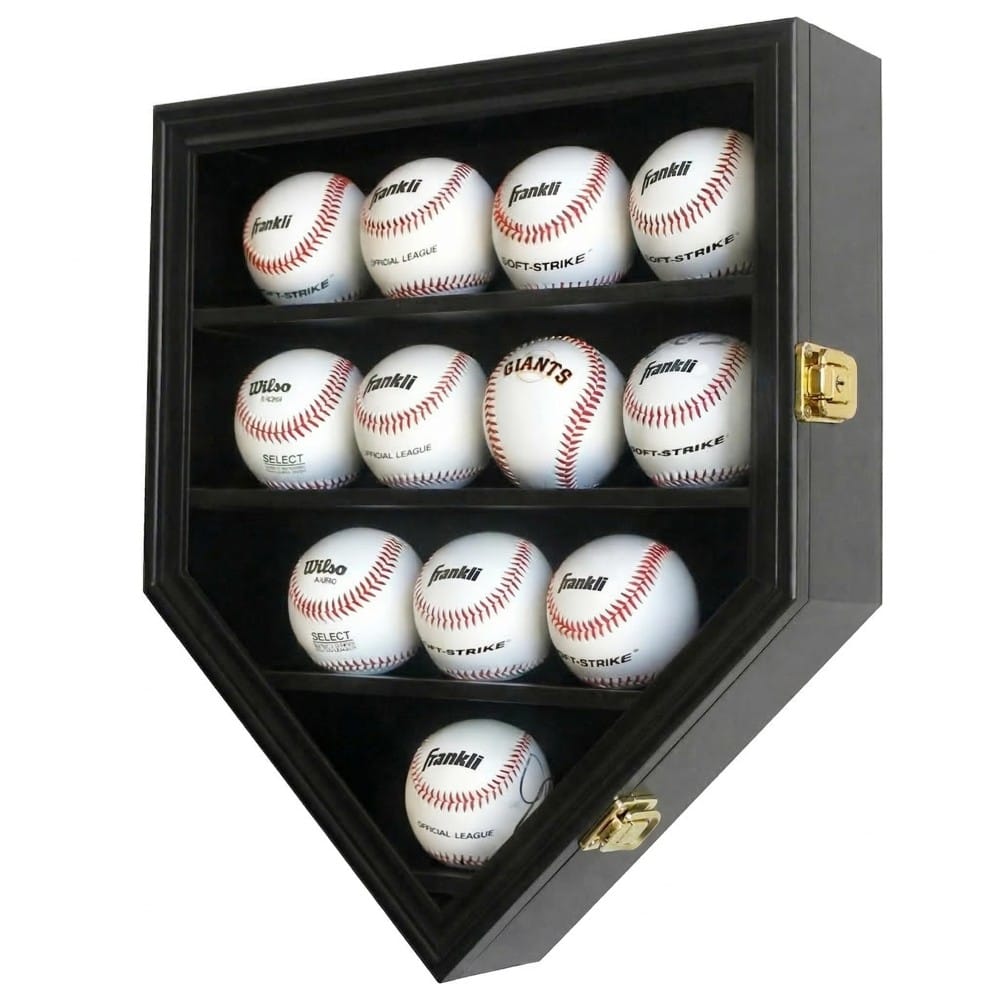
Link: Ultra Pro UV Baseball Cube on Amazon
2. Football display case
Best for: signed full-size footballs. About $43.
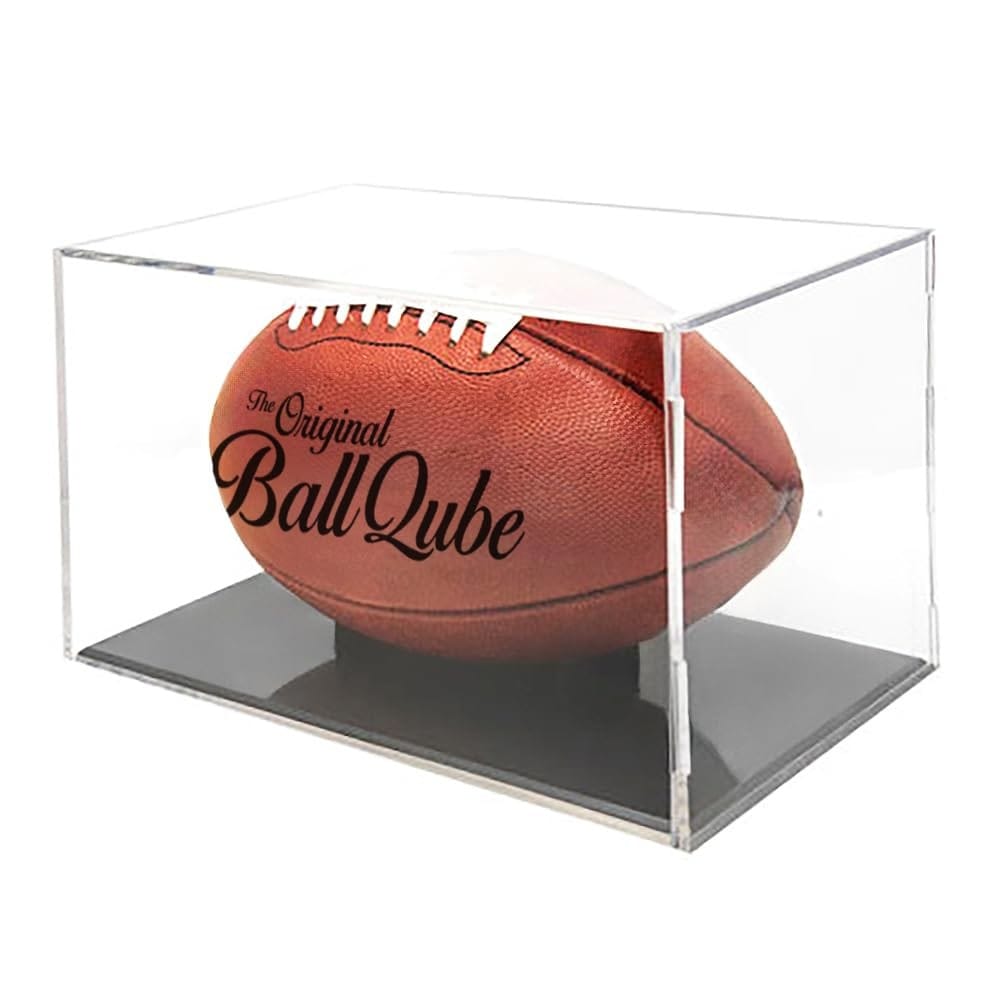
The BallQube Grandstand is the football version of the cube, with built-in UV protection, a removable gloss-black cradle, and more than 3,100 reviews. It's about 11 3/4 inches long and tall and 7 3/8 inches deep, and like the baseball cubes it's made in the USA and stacks.
What to know: it's plastic, not acrylic, and BallQube says itself that it's a little less clear than an acrylic case. If you want the ball to look like it's floating, the JupDec acrylic football case, about $40, has a thick acrylic cover on an acacia wood base. Its listing says it protects from UV but doesn't give a percentage, so keep it out of the sun.
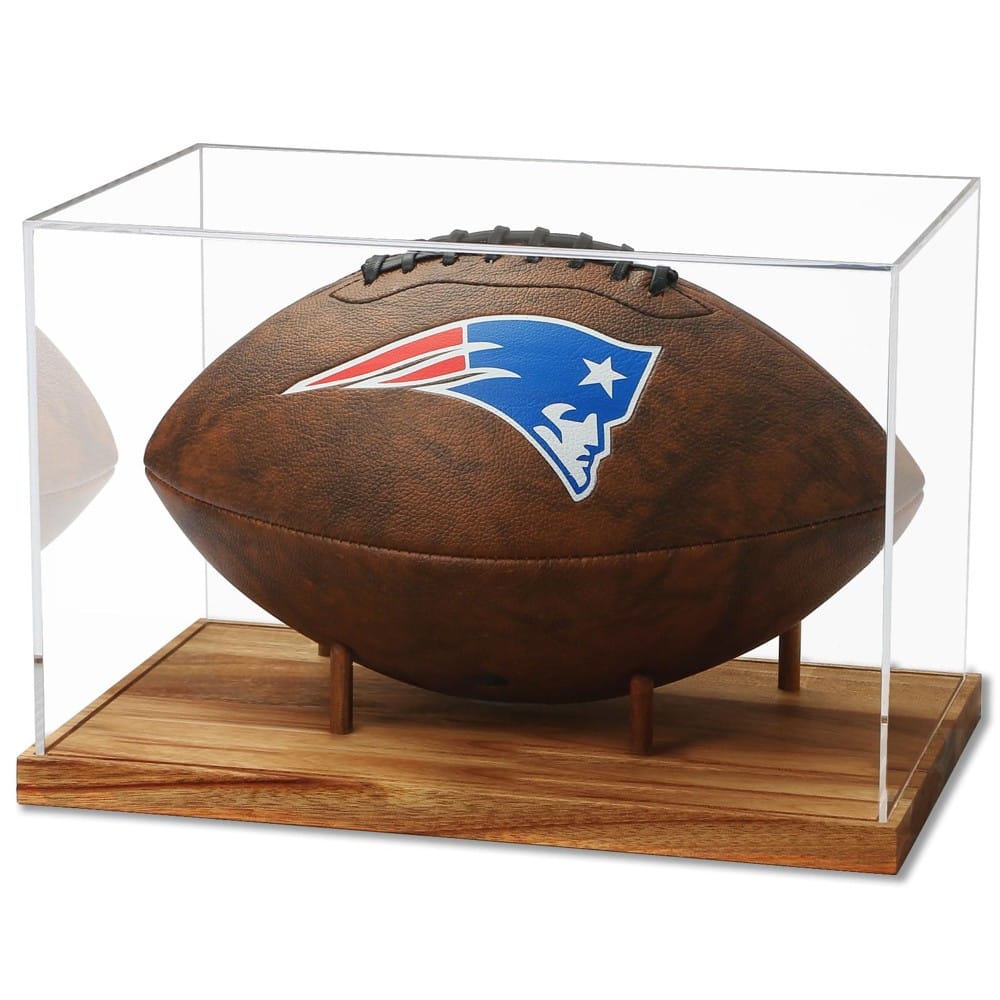
Link: BallQube Grandstand Football Case on Amazon
3. Jersey frame
Best for: signed jerseys you want on the wall. About $50.
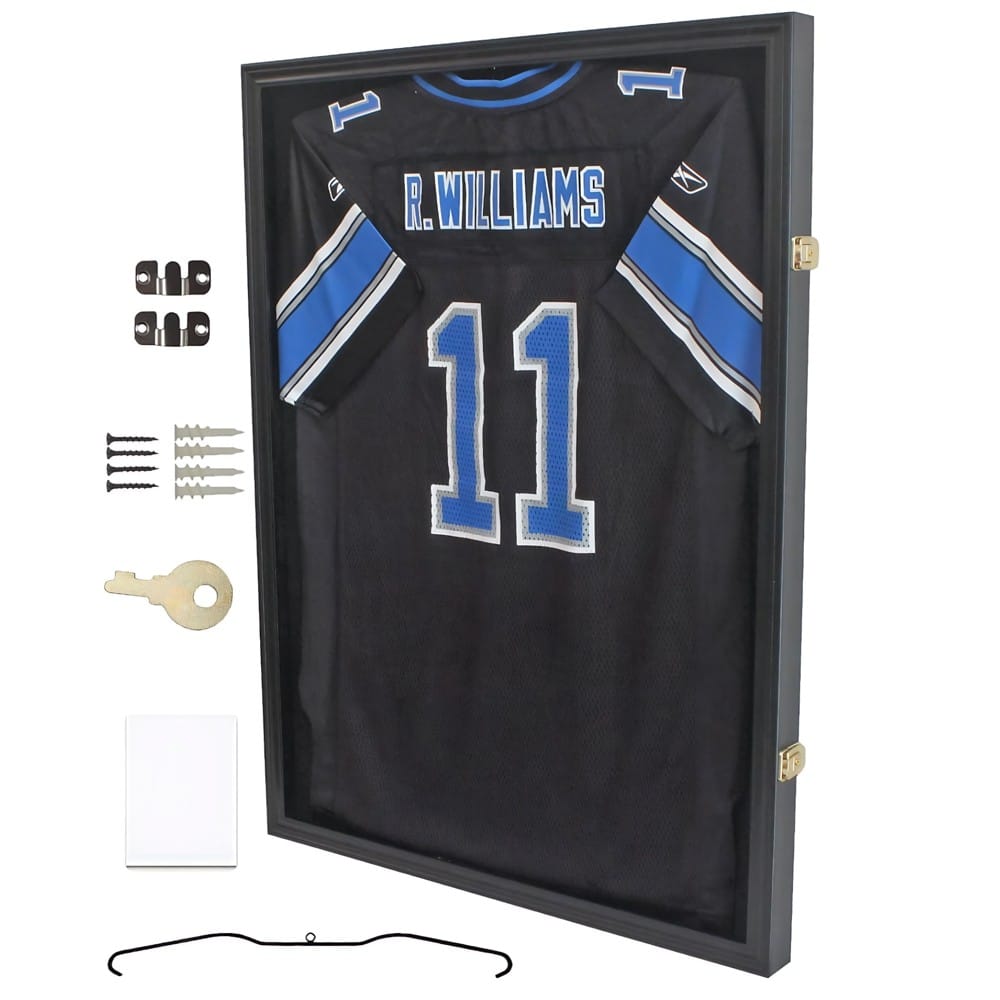
A signed jersey on a hanger in the closet is fading and stretching in the dark. A signed jersey in a frame on a sunny wall is fading faster. The fix is a shadow box with real UV acrylic, hung somewhere the sun never reaches.
The Pro Collector's jersey display case is the one we'd buy. It has a shatterproof acrylic front with 98% UV protection, a felt-lined pin board, a hanger, locks, and a 3-year warranty, with about 2,600 reviews. Outside it measures about 31 by 23 inches, so measure your wall before you order.
What to know: it's acrylic, not glass, and that's a good thing. Acrylic is lighter, and it won't shatter if the frame ever comes off the wall. The IHEIPYE jersey frame, about $48, is Amazon's best-seller in the category and is the same size, but it doesn't list a UV percentage. For a bigger budget, the JupDec jersey frame, about $75, has a padded mat that keeps the jersey off the acrylic.
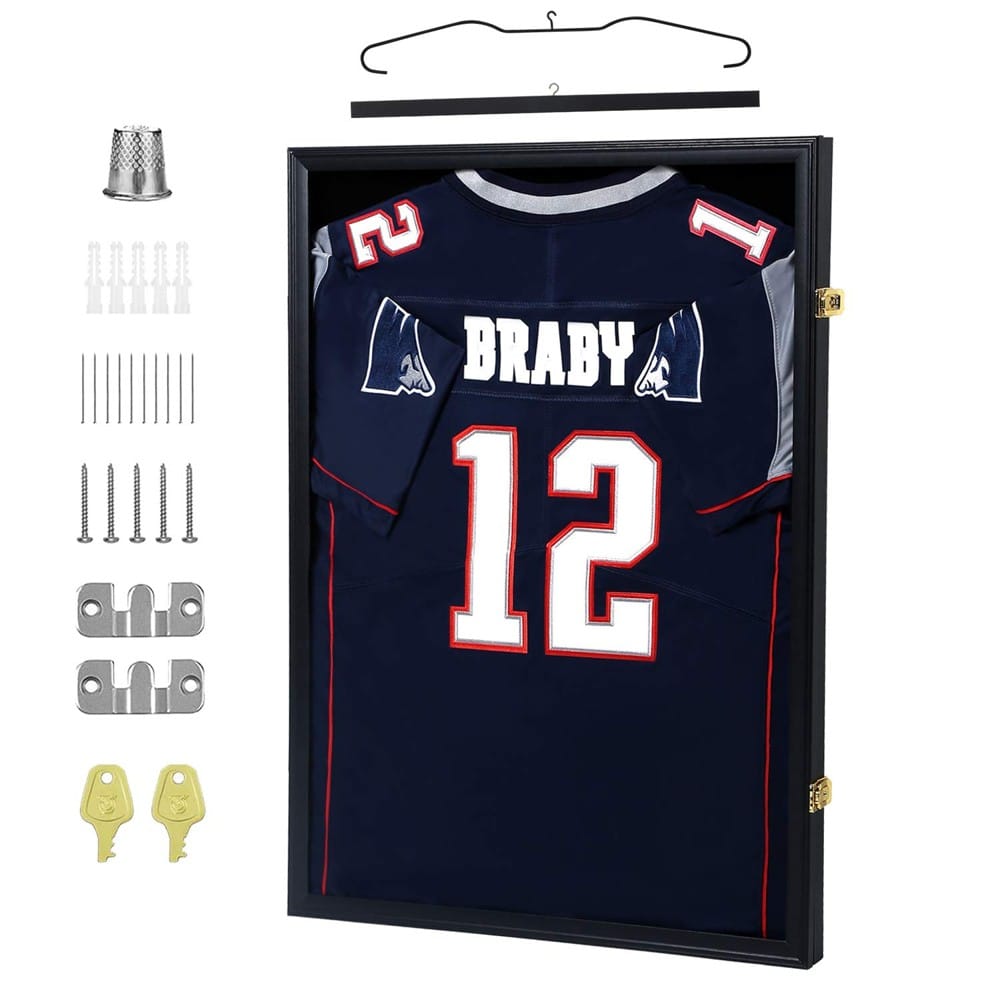
Link: Pro Collector's 98% UV Jersey Frame on Amazon
4. The right pen
Best for: anyone headed to a signing, a card show or batting practice. About $6 to $15.
The best display case in the world won't save an autograph signed in the wrong ink. Each surface has a pen.
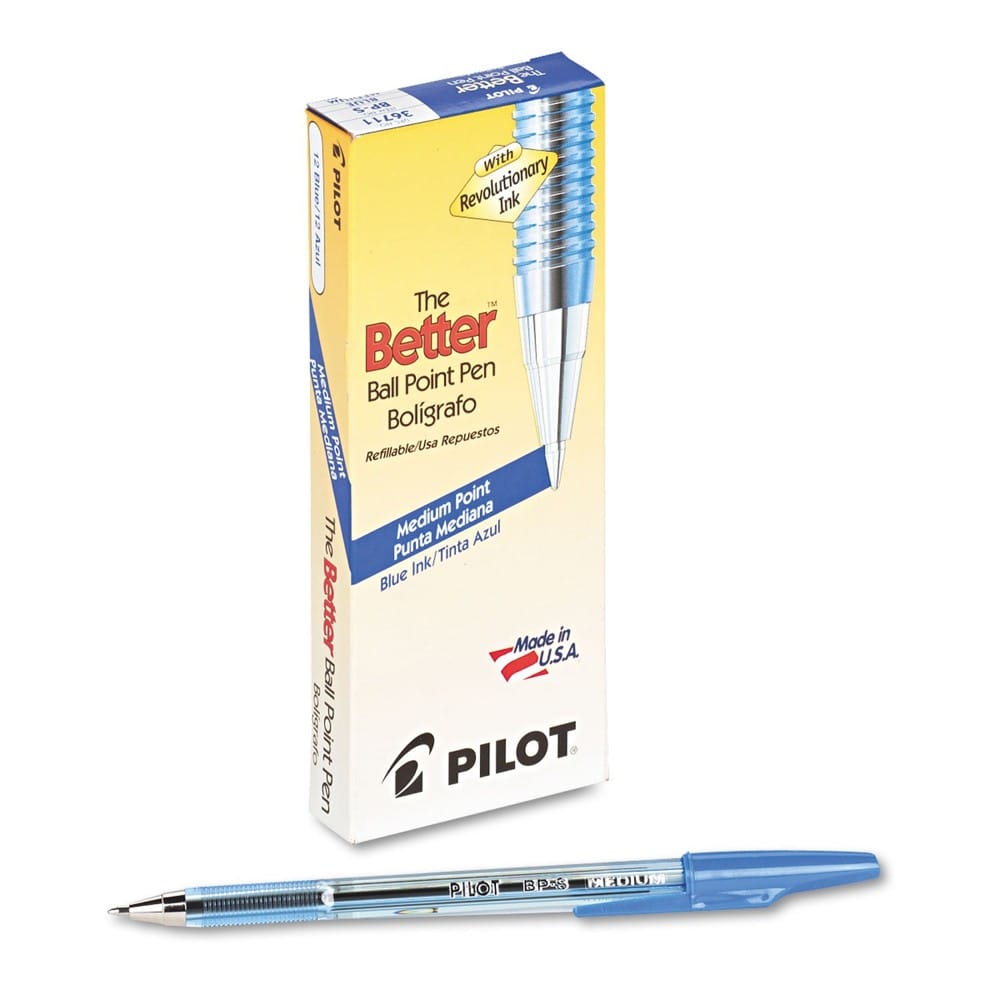
Baseballs: blue ballpoint. The hobby rule is simple: no Sharpies on baseballs. Felt-tip ink is wet, and on leather it soaks in, spreads and blurs into a fuzzy line over the years. That's the same process the Hall of Fame describes, only faster. A ballpoint puts down less ink and a sharper line, and blue reads best on a white ball. The Pilot Better Ball Point is a medium blue ballpoint, about $13 for 12. There's also a retractable version, which is easier to hand to a player.
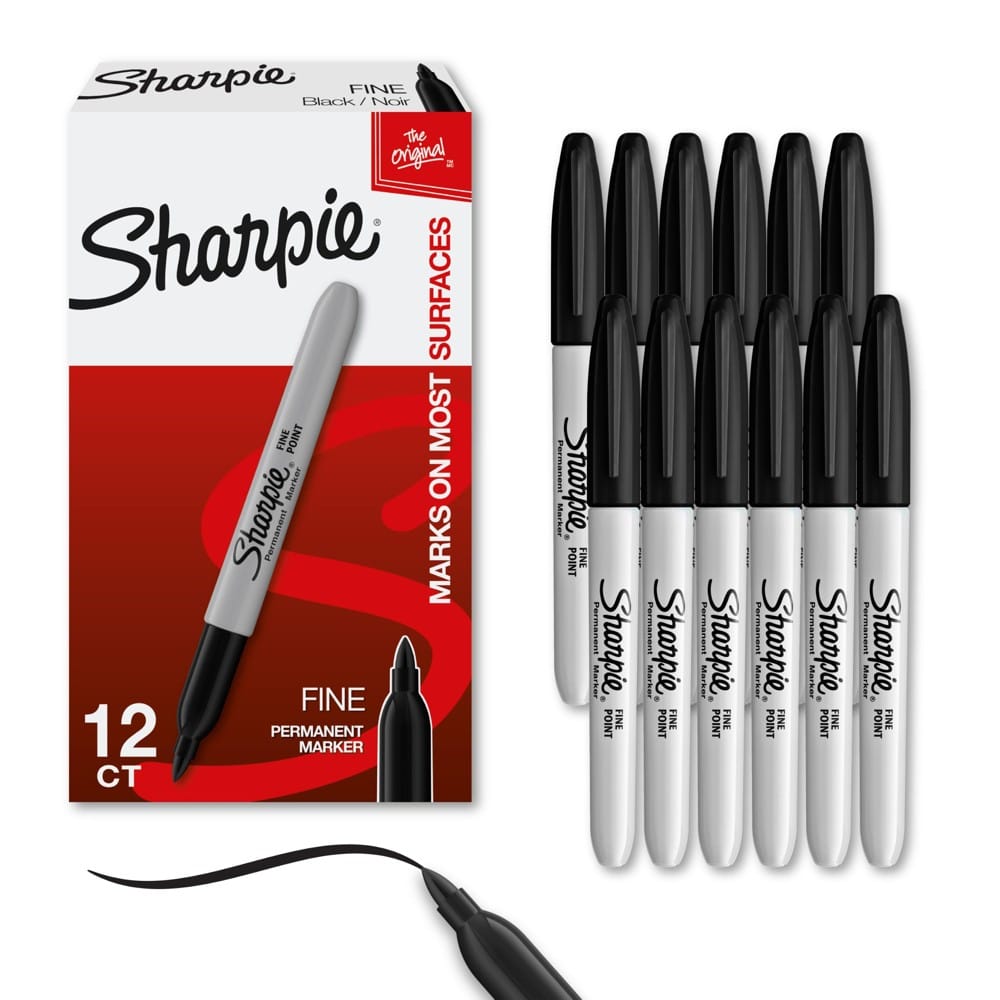
Photos, cards and footballs: a Sharpie. On a glossy photo or a card, a ballpoint skips and a Sharpie doesn't. The fine-point Sharpie 12-pack, about $10, has more than 59,000 reviews. Bring black and blue. For small cards, the Ultra Fine leaves a cleaner line.
Helmets, bats and dark jerseys: a paint pen. A Sharpie disappears on a black helmet or a navy jersey. An oil-based paint pen sits on top of the surface and stays bright. The Sharpie oil-based paint marker 5-pack, about $14, has black, red, white, silver and gold, which covers every helmet and jersey color there is. If you only want one, get metallic silver, about $6.
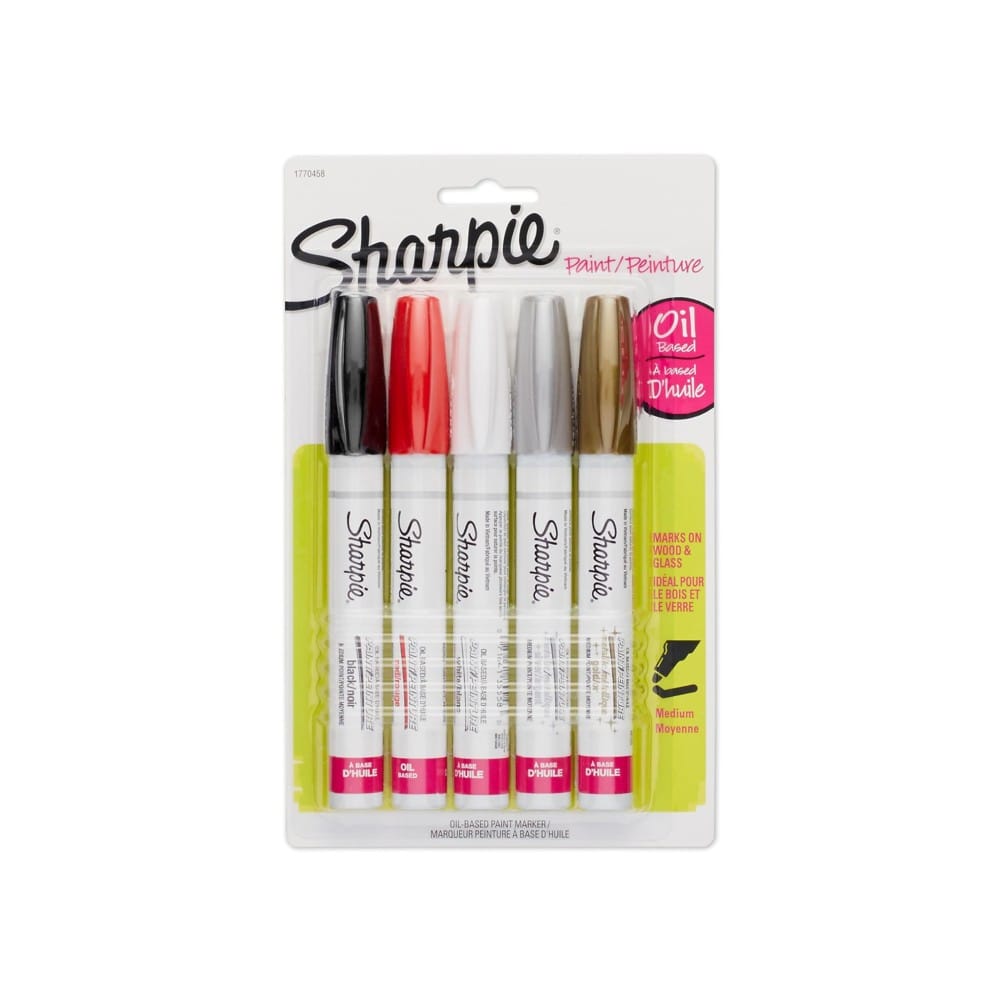
What to know: shake a paint pen hard and test it on paper first, or the first stroke can come out as a blob. And whatever the pen, let the ink dry completely before the ball or photo goes back in a bag.
Link: Pilot Better Ball Point, Blue, on Amazon
5. Helmet case
Best for: signed full-size and mini helmets. About $20 to $50.
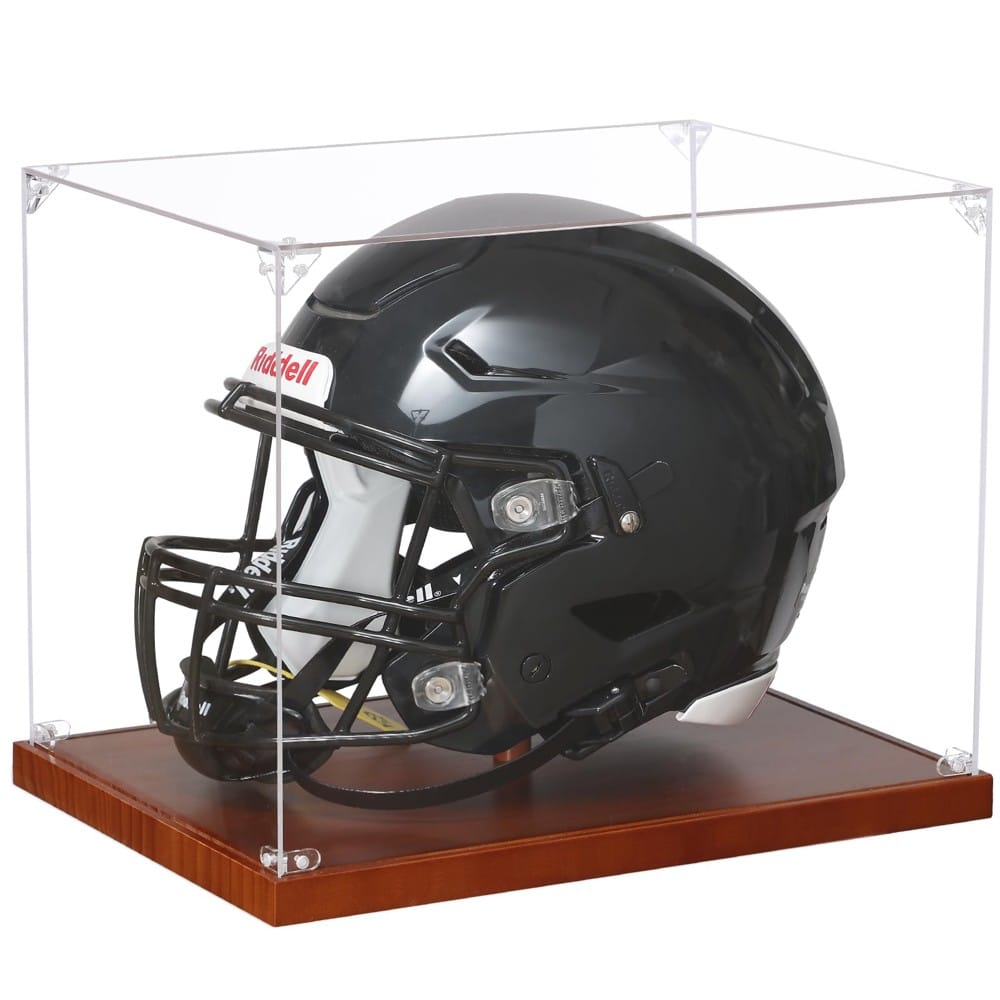
A signed helmet is the biggest thing most collectors display and the hardest to keep dust off. The JupDec full-size helmet case, about $50, is clear acrylic on a solid wood base and riser, with about 15 by 11 by 12 inches inside. The listing says UV protection but doesn't give a number, so this is one for an interior wall.
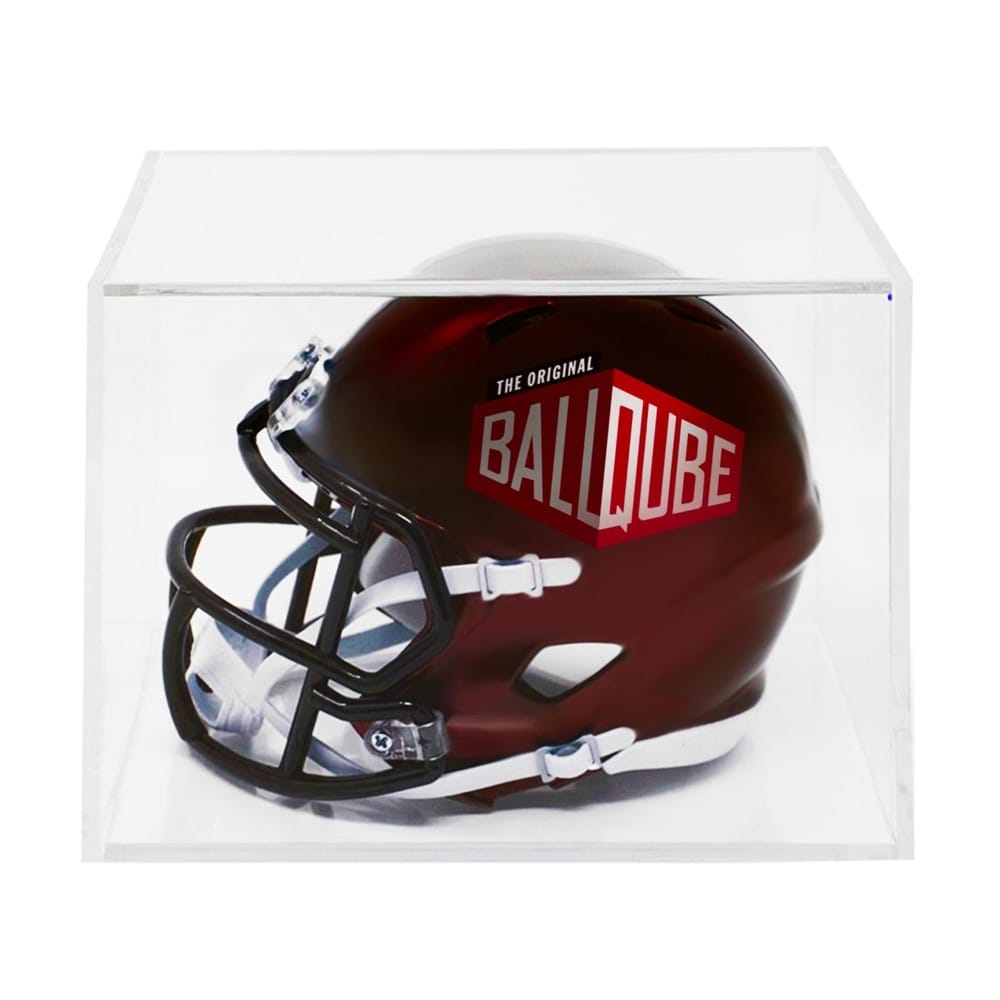
Mini helmets are where most of the signing happens, and the BallQube mini-helmet case, about $20, has built-in UV protection and stacks like the ball cubes.
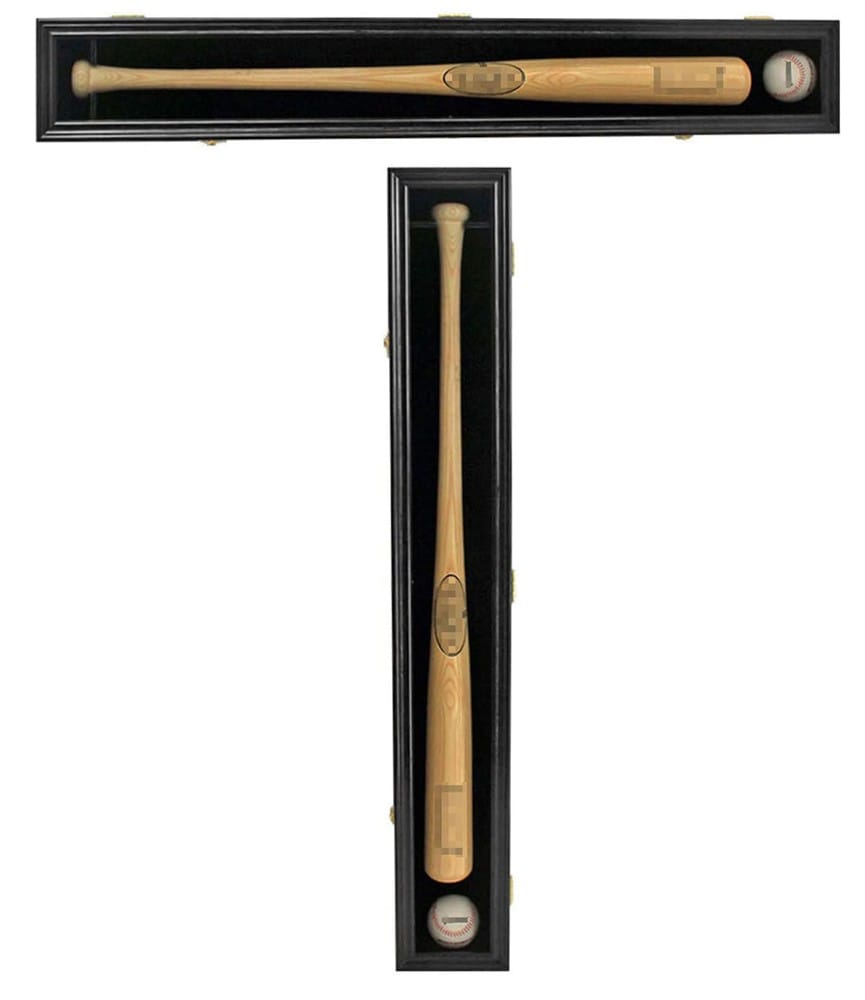
What to know: if your signed piece is a bat, not a helmet, the DisplayGifts bat case, about $44, has 98% UV acrylic, fits bats up to 36 1/2 inches, and hangs vertically or horizontally.
Link: JupDec Full-Size Helmet Case on Amazon
Honorable mentions
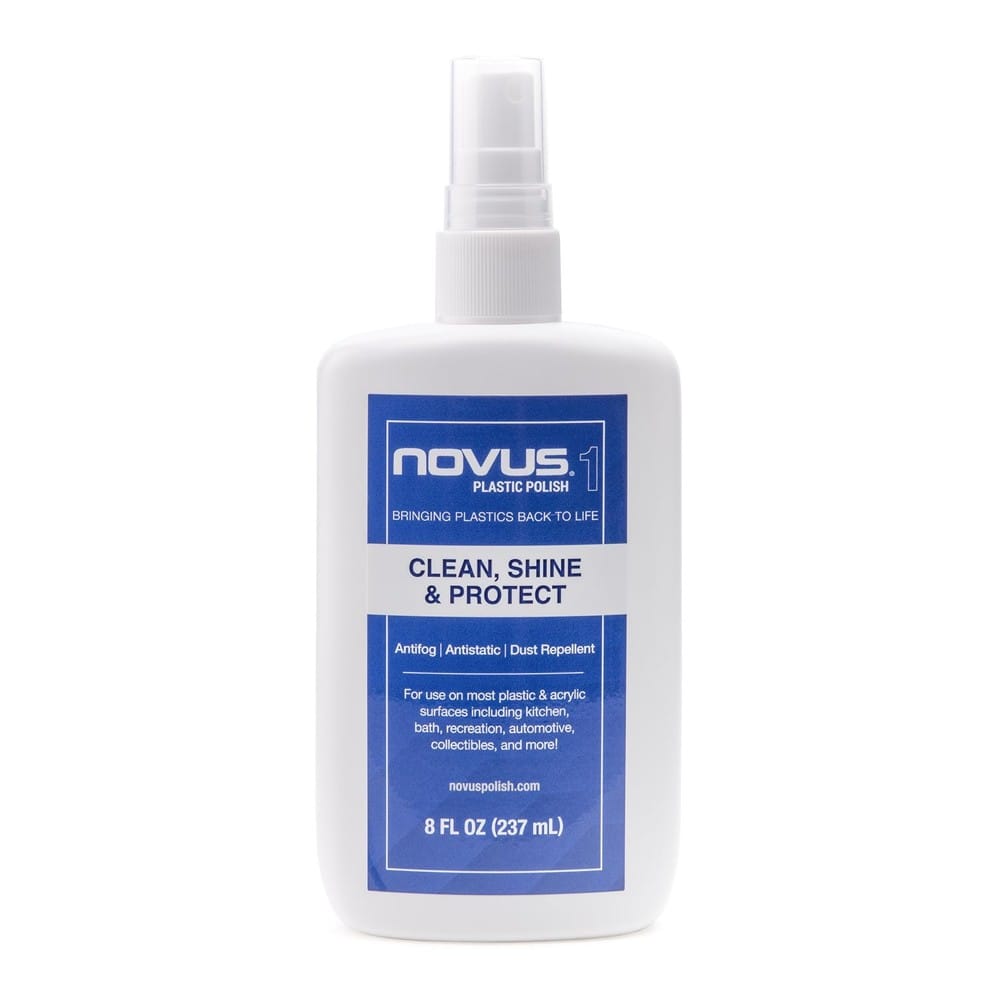
Acrylic cleaner and a microfiber cloth. Paper towels and glass cleaner scratch and cloud acrylic. Novus #1 Plastic Clean & Shine, about $11, and a microfiber cloth keep a case clear. If your old cubes are already scratched, the Novus 3-step kit takes most of it out.
Ball stands. A 12-pack of clear acrylic ball rings is about $11. They're fine for unsigned balls on a shelf. Don't use them for anything signed, because there's no protection at all.
Where to put it
The case is half the job. The other half is the room.
- Out of the sun. No windowsills, and no wall that catches afternoon light. This matters more than anything else on this list.
- Away from fluorescent tubes. Fluorescent light gives off real UV, and collectors have watched autographs fade in rooms with no windows at all. LED bulbs give off almost none, which is why the Hall of Fame switched one of its exhibits to LED lighting in 2015.
- Not in the attic, basement or garage. The National Archives says to keep keepsakes below 75 degrees and below 65% relative humidity, and to keep them out of damp basements, garages and hot attics. The Hall of Fame says the same about attics and basements, and warns that swings in temperature and humidity are hard on signatures too. That rules out the mantel over a working fireplace.
- Handle it as little as possible. The Hall recommends white cotton gloves for handling a signed ball, because the oils on your skin leave residue. At the very least, hold it by the parts nobody signed.
- Rotate. If you have more signed pieces than wall space, swap them in and out. A ball that spends half its life in a dark drawer fades a lot slower than one that never leaves the shelf.
What we'd skip
Plain plastic cubes with no UV number on the listing, for anything you care about. They keep off dust and fingerprints, and that's about it. And glass-front frames sold as "UV" with no percentage. If a case is good, the maker will tell you how good.
If you only buy one
A UV baseball cube. It's $7, it covers the most common signed piece there is, and it does the 2 things that matter: it keeps hands and dust off the ball, and it cuts the UV that fades the ink. Then put it somewhere the sun never hits.
If you've got cards to protect too, here's our guide to top loaders vs. Card Savers, and the 5 tools to own before you grade a card.
What's the best autograph you own, and where do you keep it? Tell us in the comments.
Comments ()