
On This Date: Earl Lloyd Becomes the First Black Player in an NBA Game (Oct. 31, 1950)
On Oct. 31, 1950, Earl Lloyd of the Washington Capitols became the first Black player in an NBA game. Rochester's paper put it in a notes column.
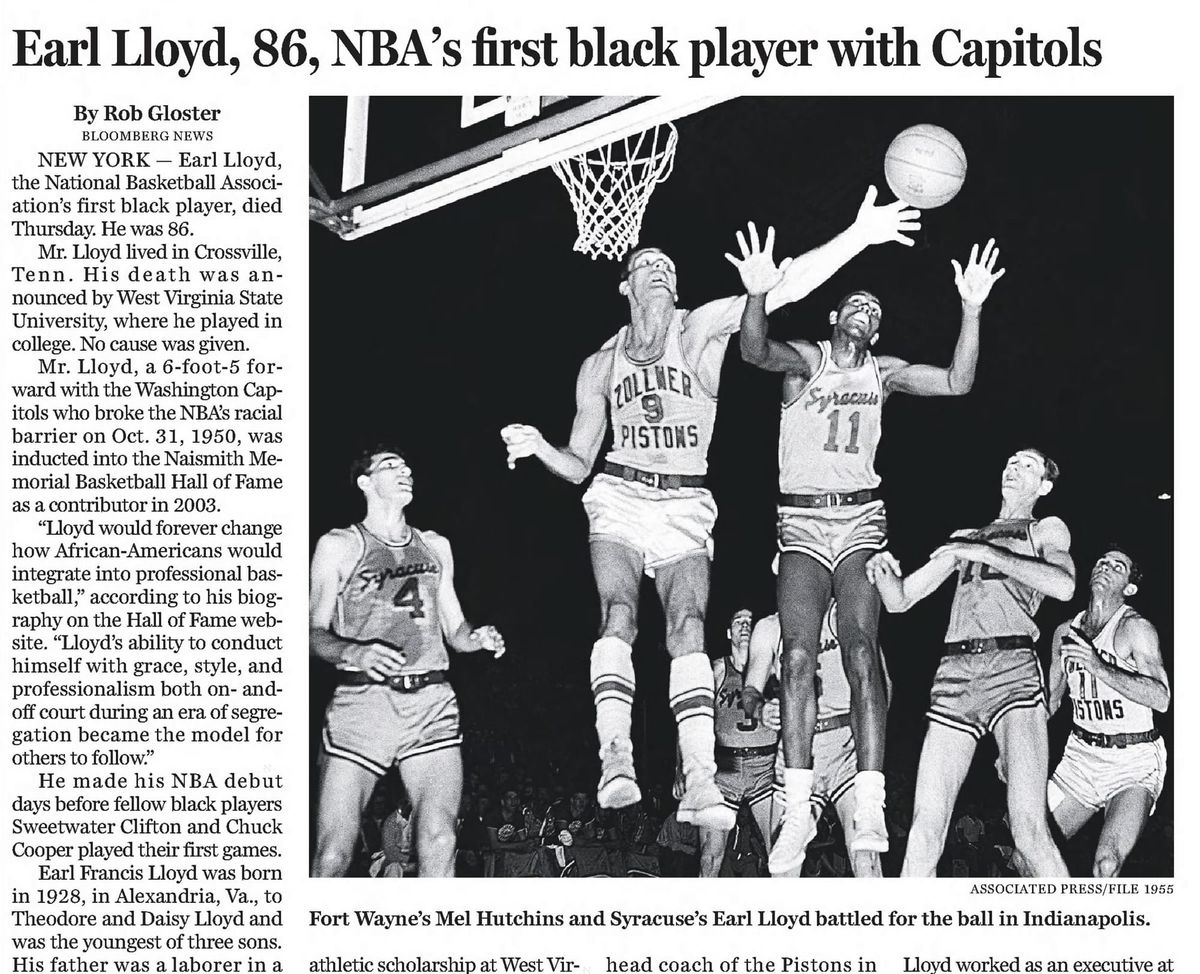
Jackie Robinson’s debut in 1947 made front pages across the country. 3 years later, when the NBA’s color line came down, the hometown paper put it near the bottom of a notes column.
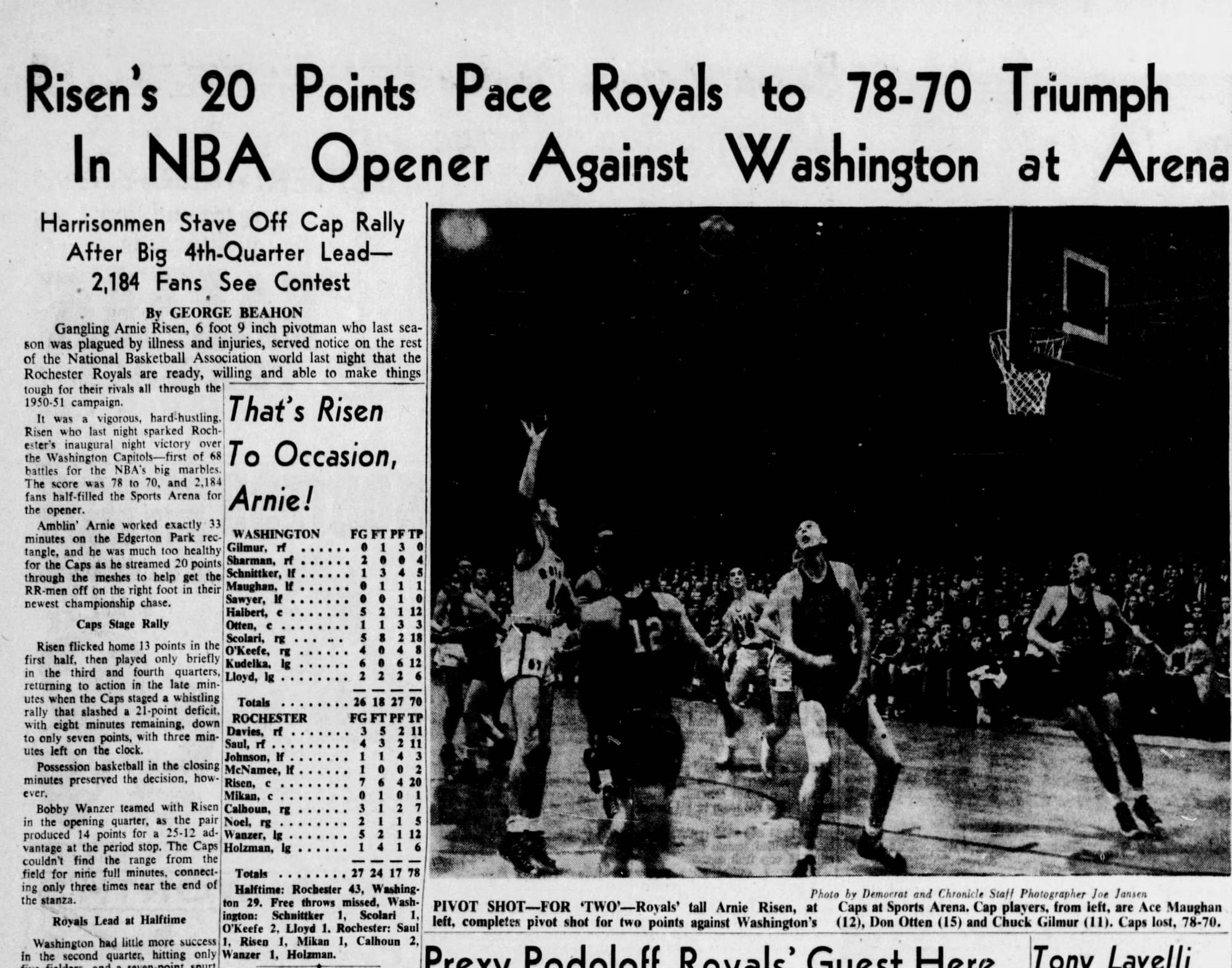
On Oct. 31, 1950, Earl Lloyd of the Washington Capitols became the first Black player to appear in an NBA game.
The Game
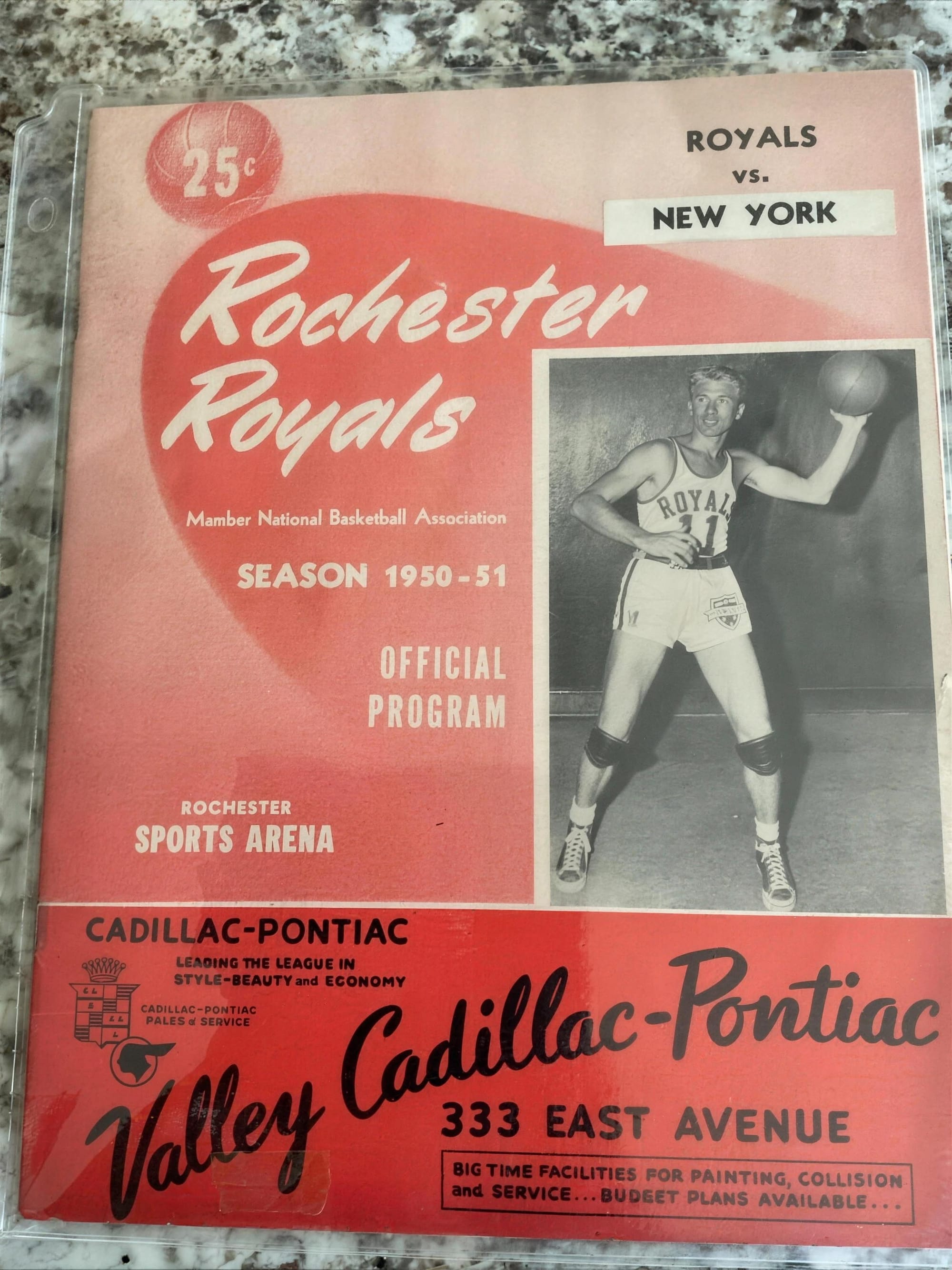
It was Halloween night at the Edgerton Park Sports Arena in Rochester, New York, the opening night of the NBA season. League president Maurice Podoloff tossed up the first ball, and 2,184 fans half-filled the building.
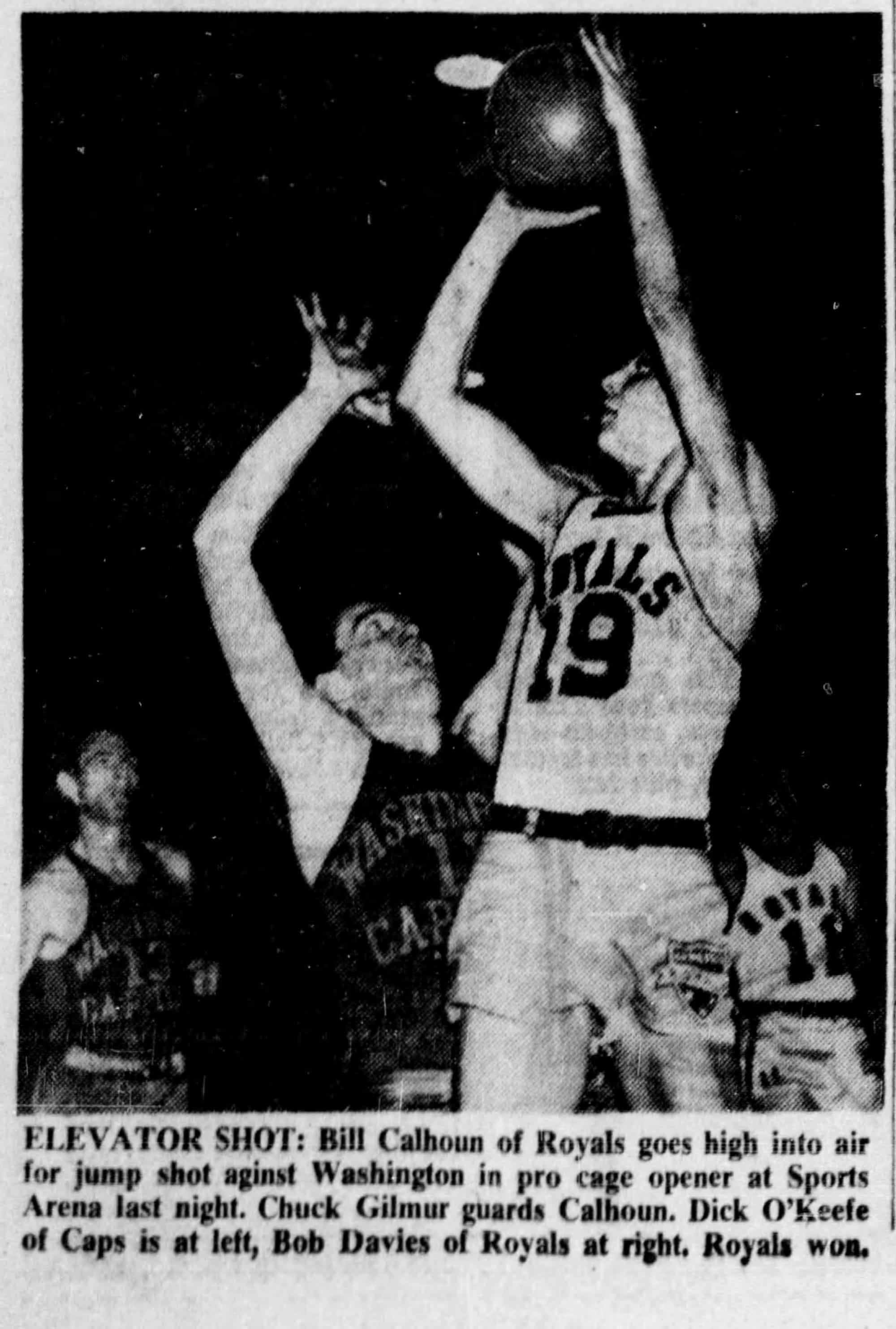
The Capitols didn’t make a field goal for the first 9 minutes and trailed 19-6. They cut a 21-point deficit to 7 late, but the Rochester Royals, who would win the NBA title that season, held on to win 78-70. Lloyd, a 6-foot-5 forward who was 22, made 2 field goals and 2 free throws for 6 points.
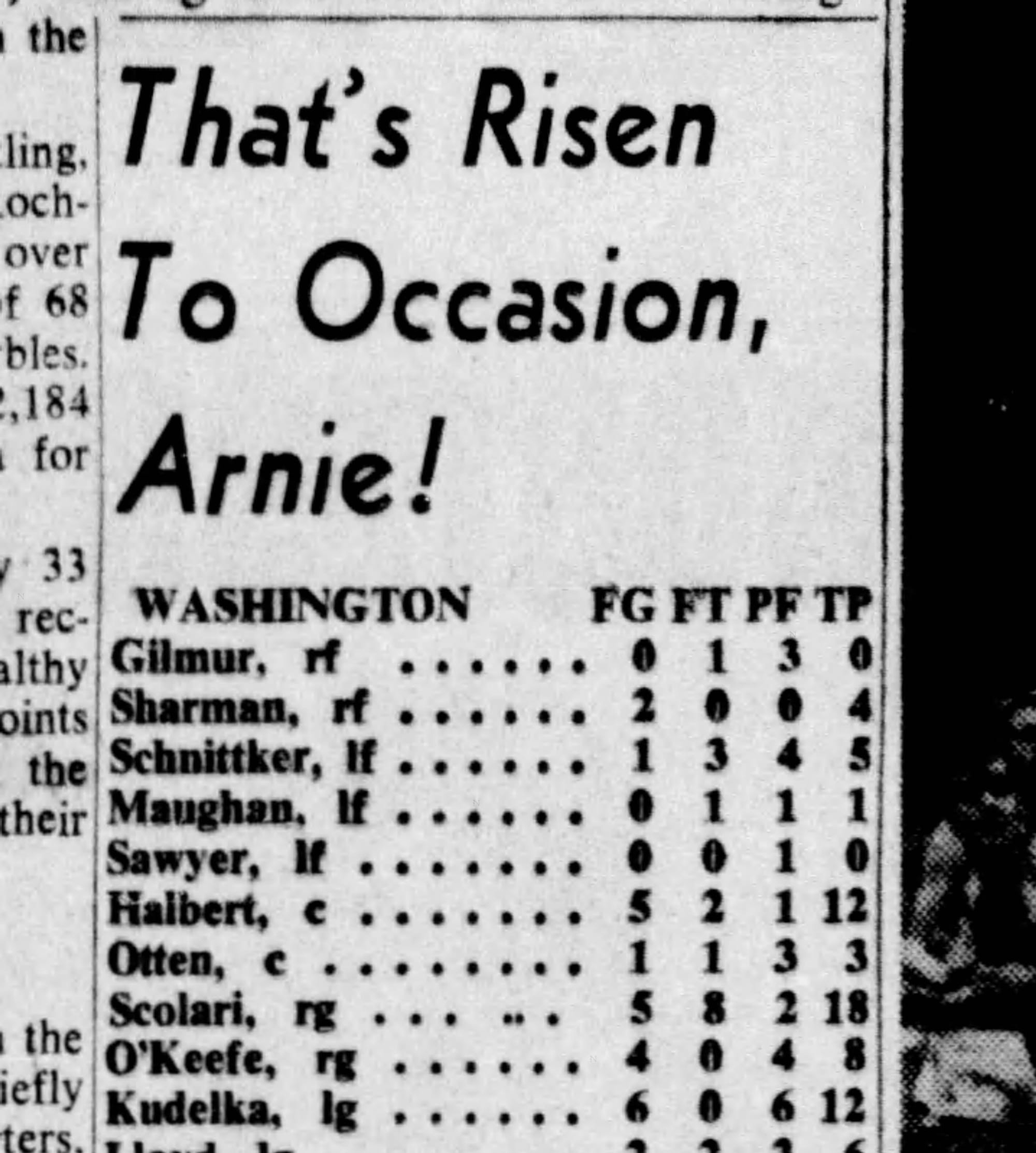
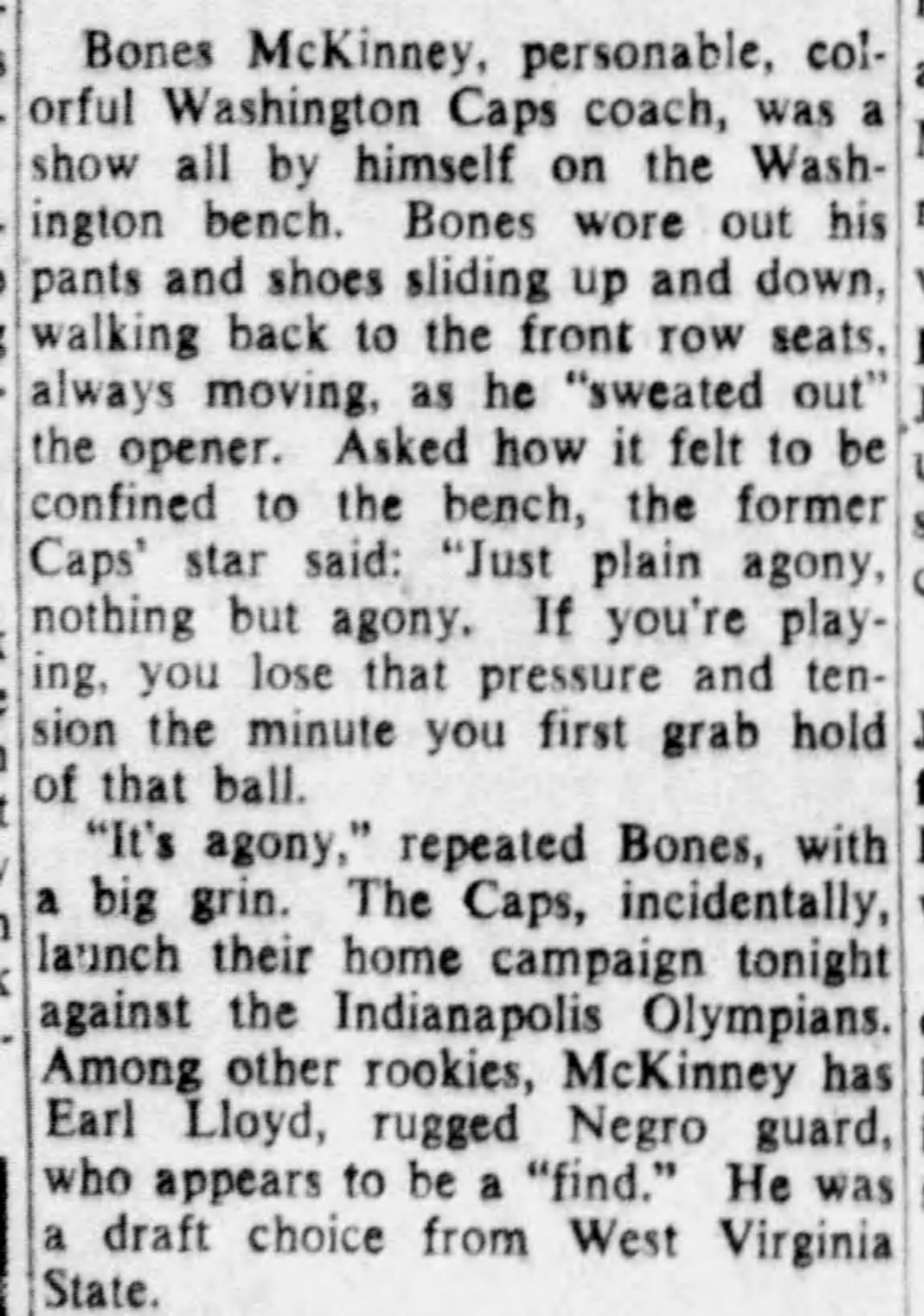
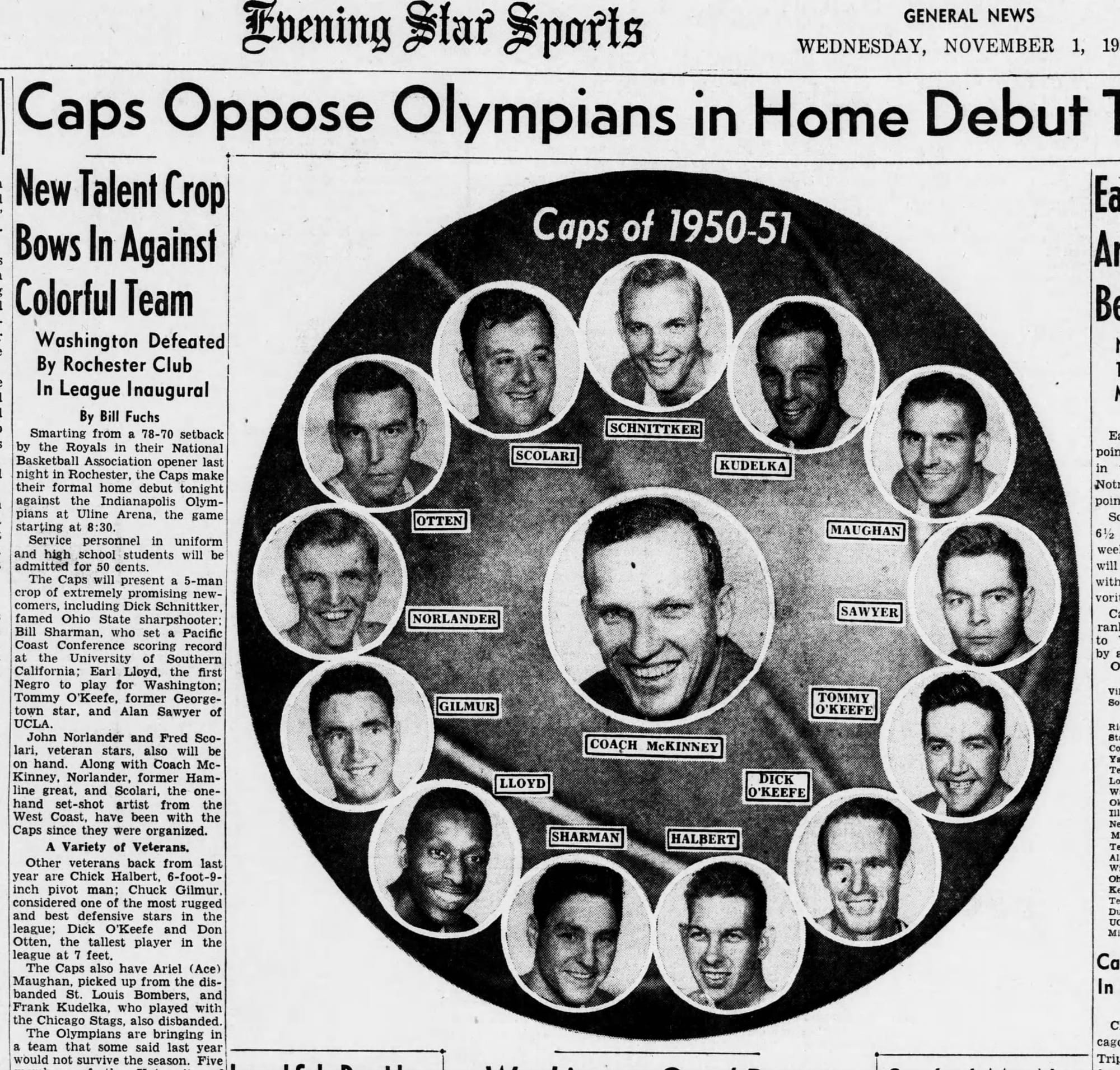
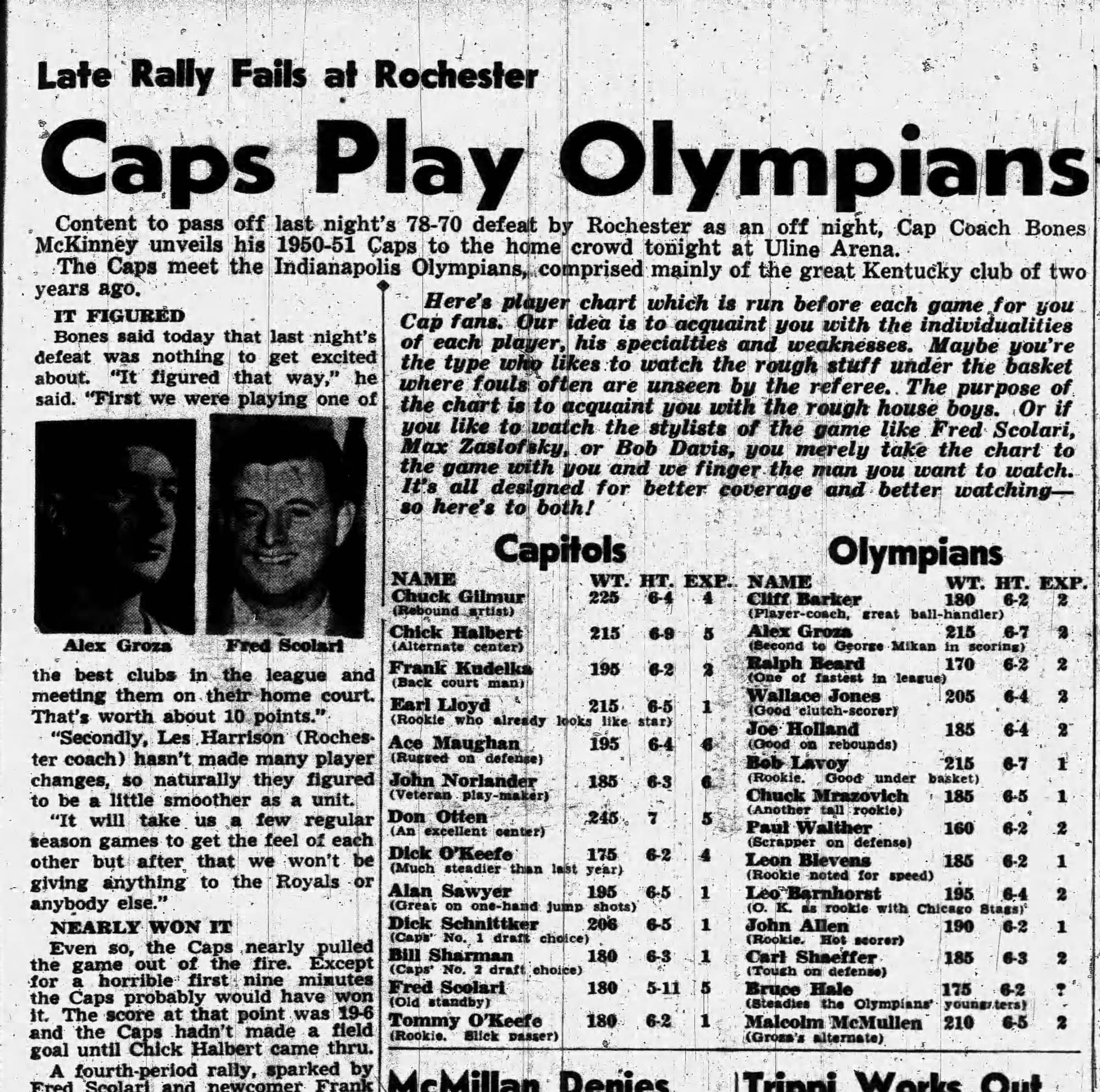
That was about all the attention it got. The next morning’s Democrat and Chronicle led with Arnie Risen’s 20 points. Near the bottom of its notes column, it mentioned that the Capitols had “Earl Lloyd, rugged Negro guard, who appears to be a ‘find.’” The Washington Evening Star called him “the first Negro to play for Washington.” Nobody called it history. Nobody in the crowd made trouble, either, and Lloyd said later that he never felt any hostility in Rochester, that night or after.
Why Him
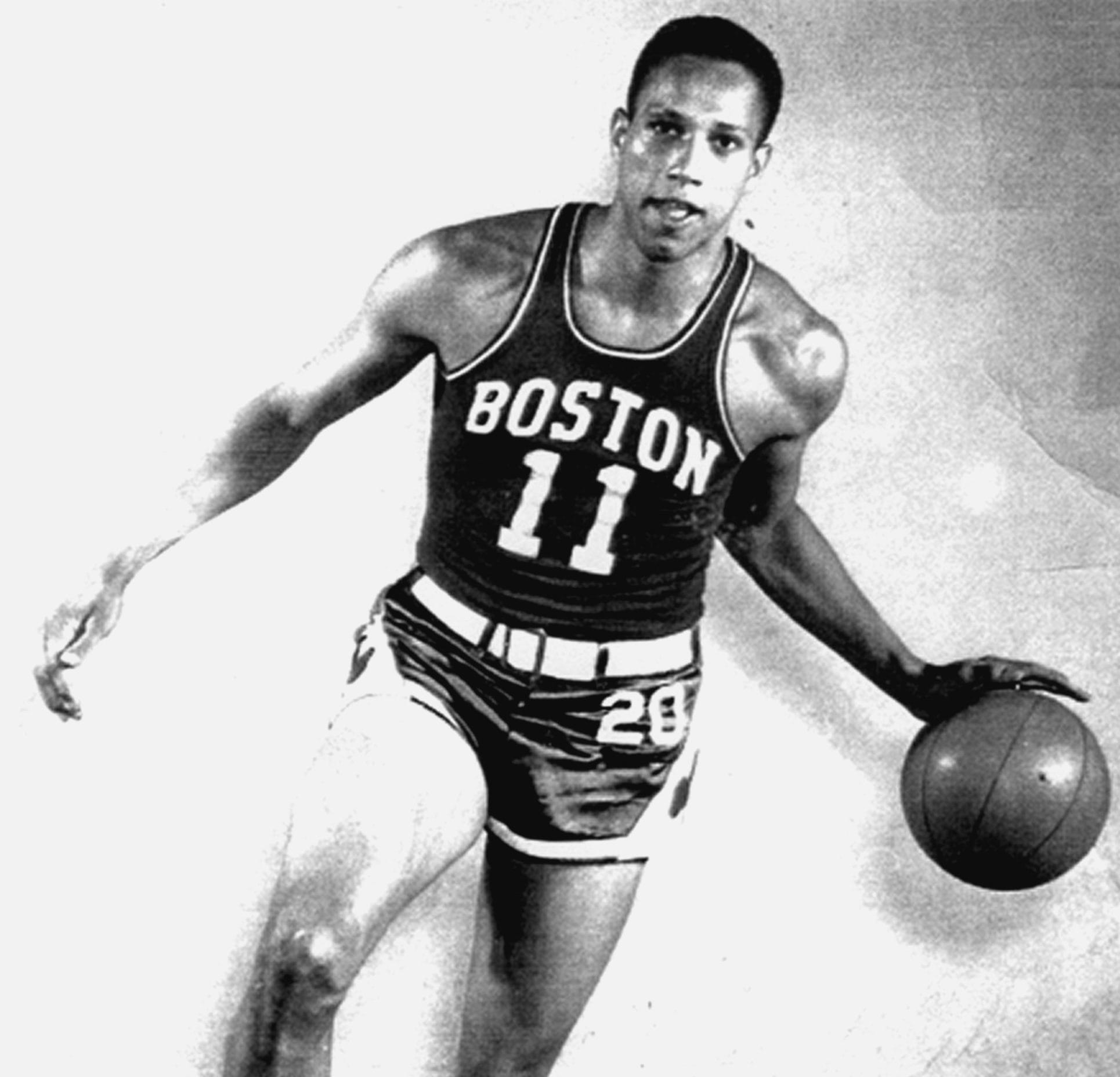
Lloyd wasn’t the only Black player coming into the league that fall. The Boston Celtics had drafted Chuck Cooper of Duquesne in the 2nd round, the first Black player ever drafted. The New York Knicks had bought Nat “Sweetwater” Clifton’s contract from the Harlem Globetrotters. Washington took Lloyd in the 9th round, 100th overall.
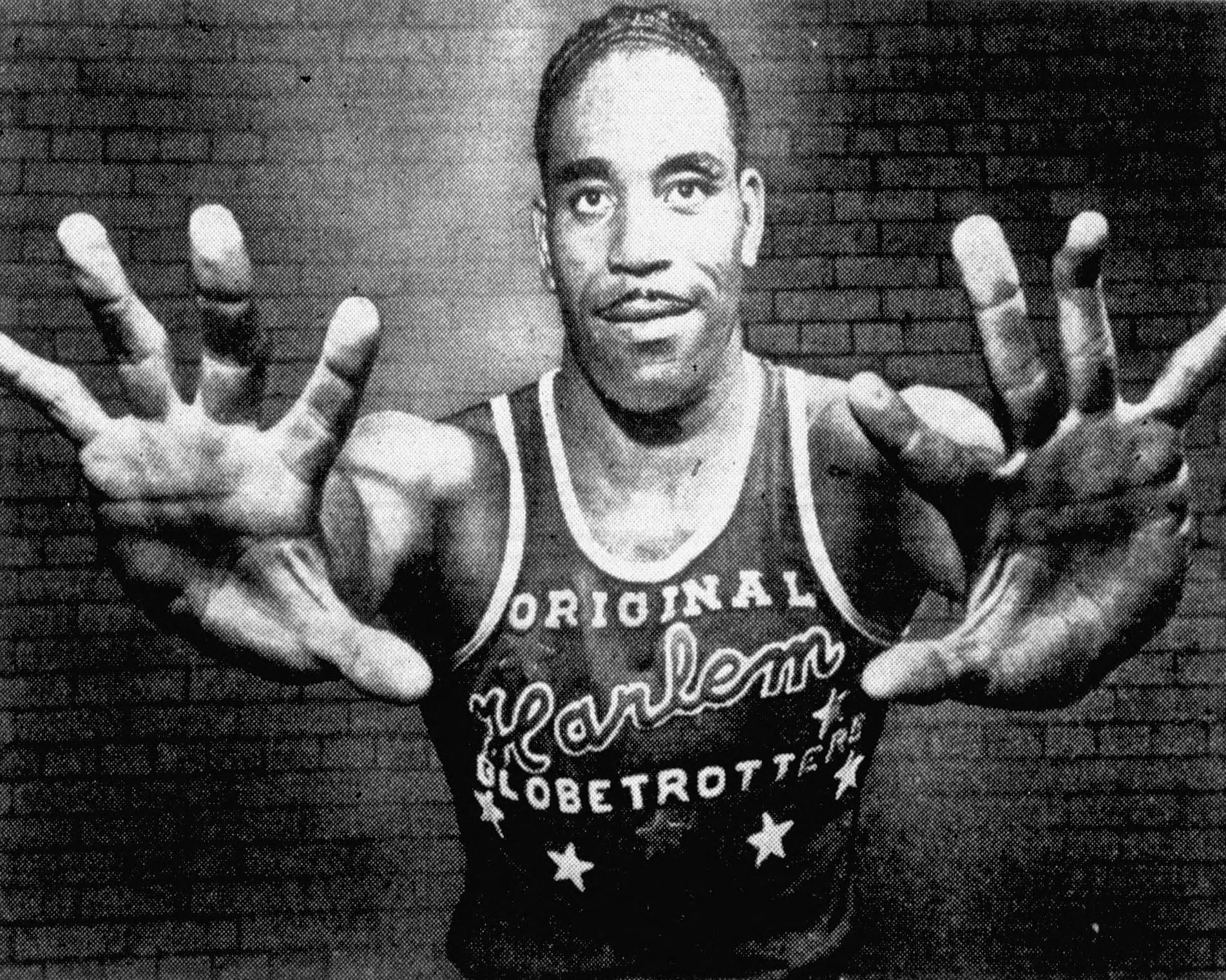
Lloyd got there first because the Capitols’ season started first. Cooper played the next night, Clifton a few days later. Lloyd called it a scheduling quirk.
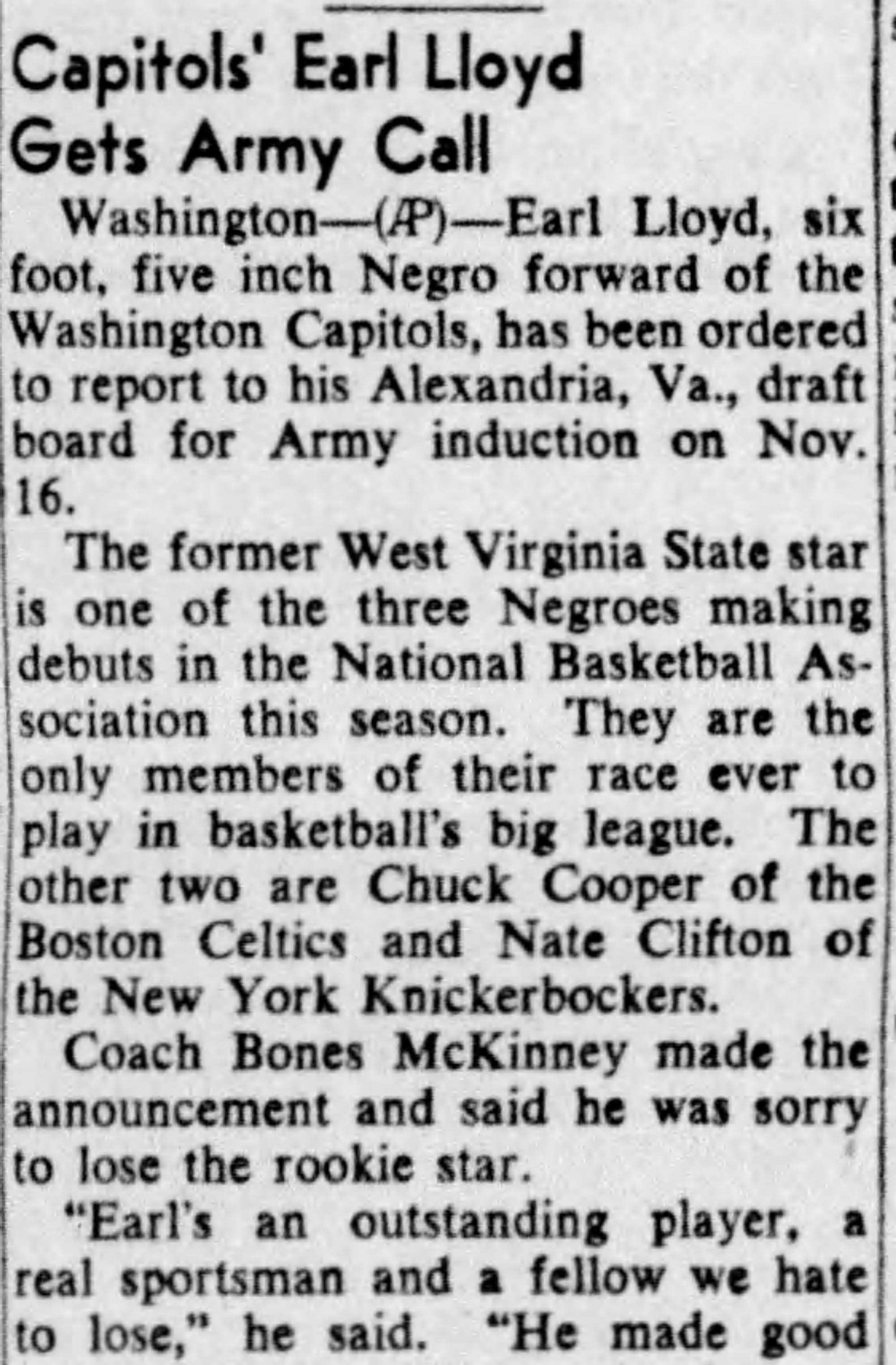
It took the Associated Press another week to put the 3 of them in the same story. They were, the AP wrote, “the only members of their race ever to play in basketball’s big league.”
Where He Came From
Lloyd grew up in Alexandria, Virginia, and went to its segregated Black high school, Parker-Gray. At West Virginia State, a historically Black college, he was big enough that friends called him “Moon Fixer,” and he was good enough to help the 1947-48 team go 30-0. The Pittsburgh Courier named him an All-American twice.
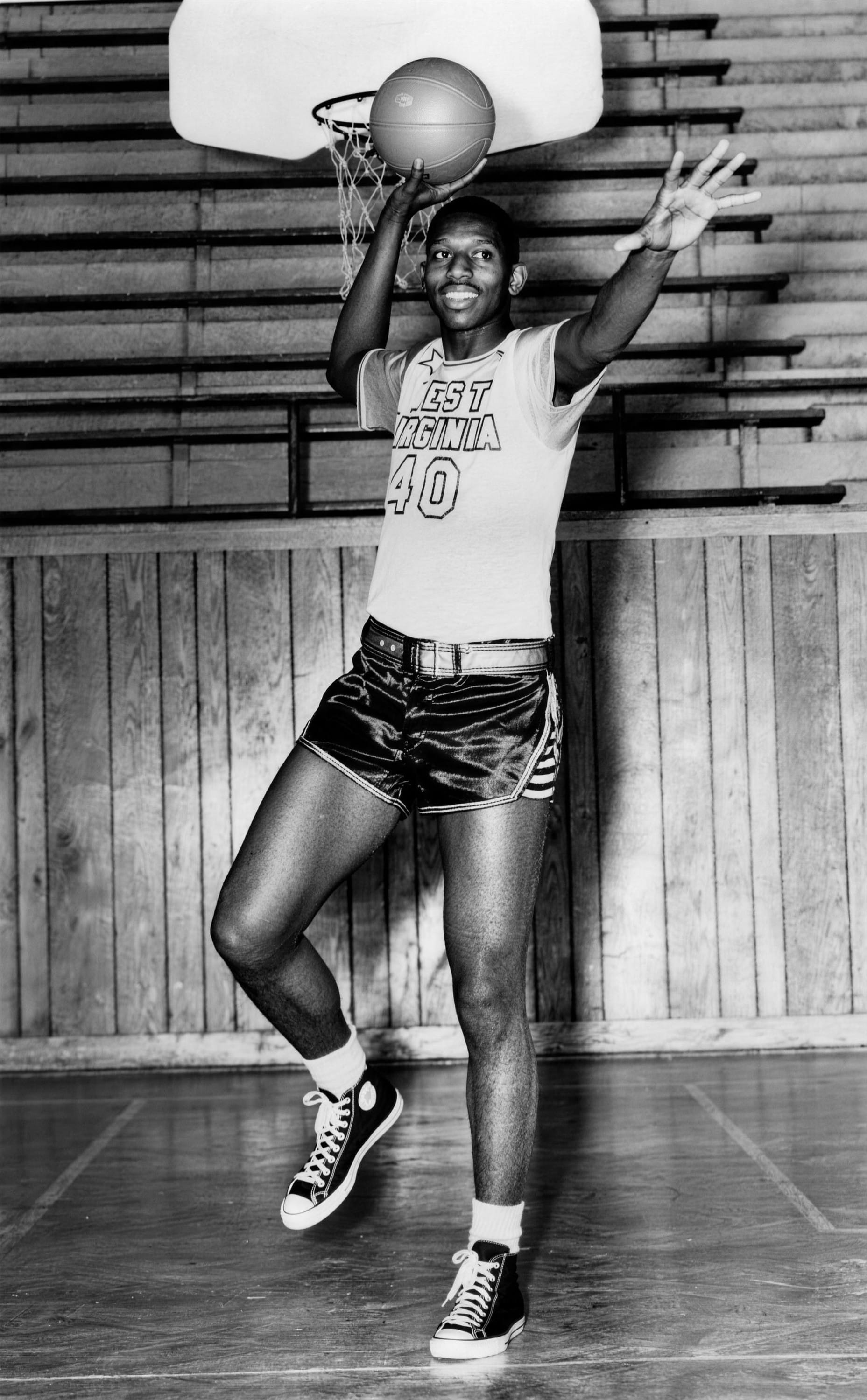
He said his mother gave him the advice he leaned on for the rest of his career. “Stupid people do stupid things,” she told him. “Small people do small things. Don’t let them get to you.”
He needed it. Lloyd was refused service on the road, called names from the stands, and spat on by a fan in Indiana. “When you went to Fort Wayne to play, you had to do some emotional yoga to get ready because you knew what was coming,” he told Sports Illustrated. He said he never had a problem with a teammate or an opponent.
“My philosophy was,” he said, “if they weren’t calling you names, you weren’t doing nothing.”
What Came After
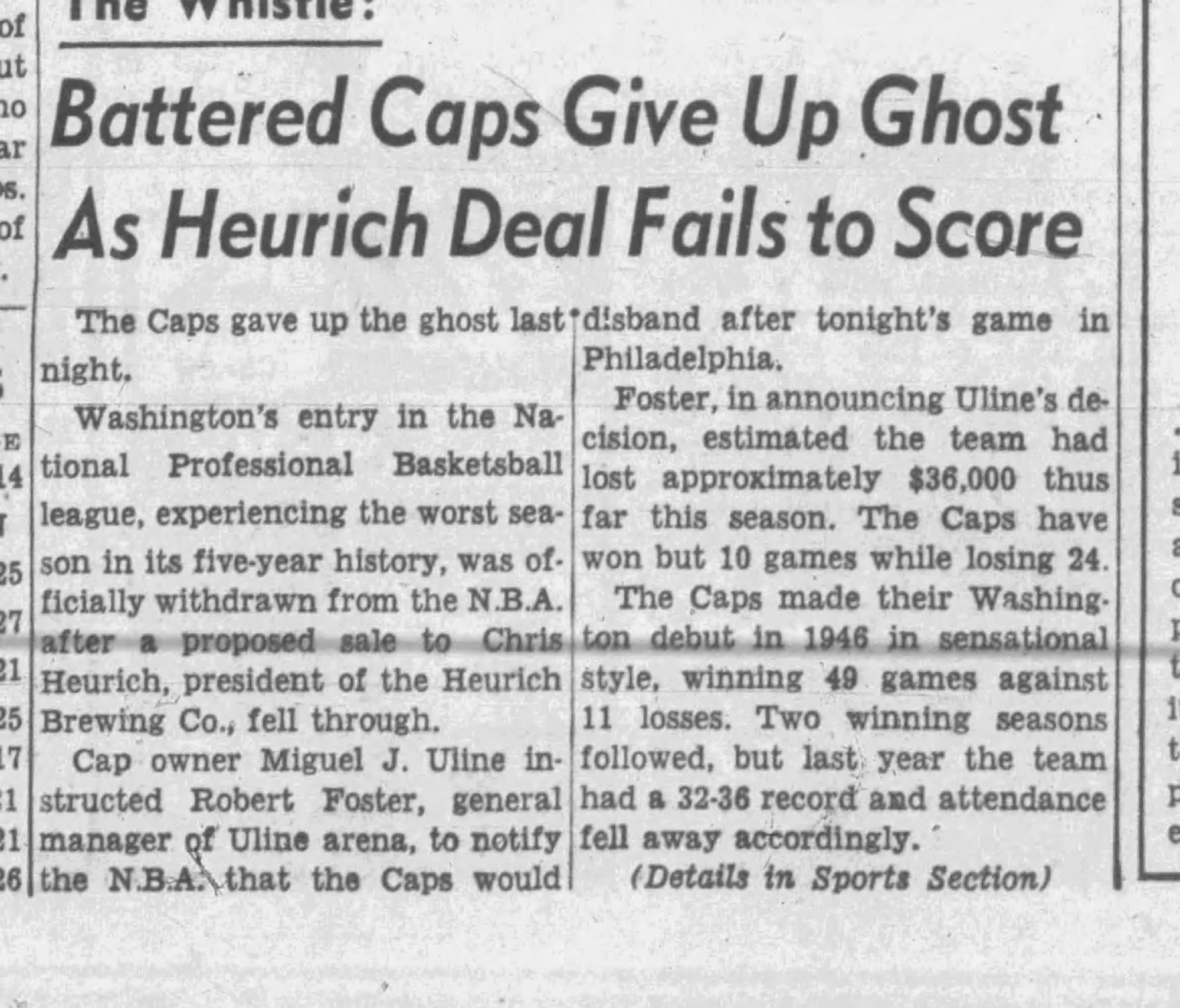
Lloyd’s 1st season lasted 7 games. That same AP story was about his draft notice: he was ordered to report for Army induction on Nov. 16. “Earl’s an outstanding player, a real sportsman and a fellow we hate to lose,” said Capitols coach Bones McKinney. The Capitols folded in January, and by the time Lloyd got out of the Army, the Syracuse Nationals had picked him up.
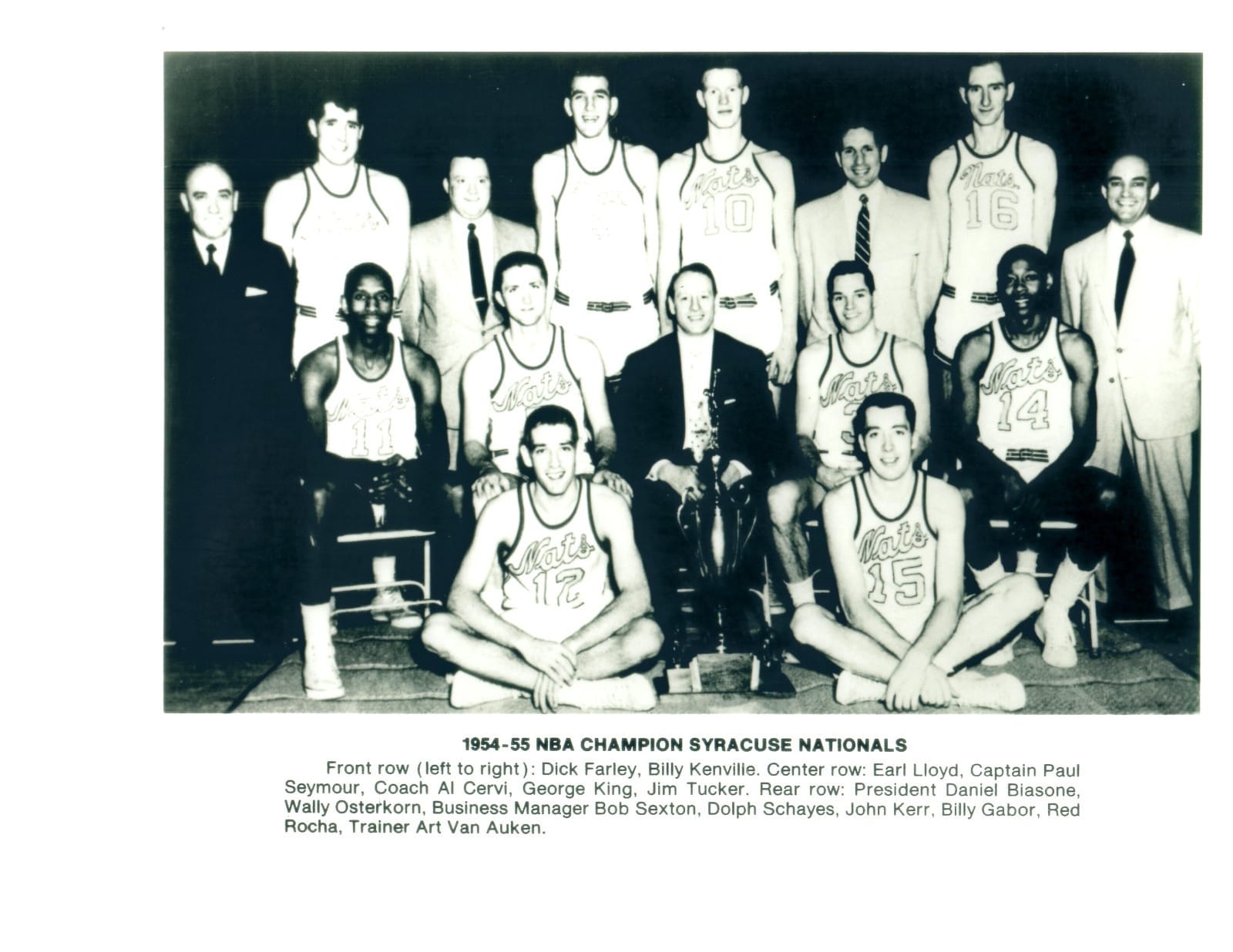
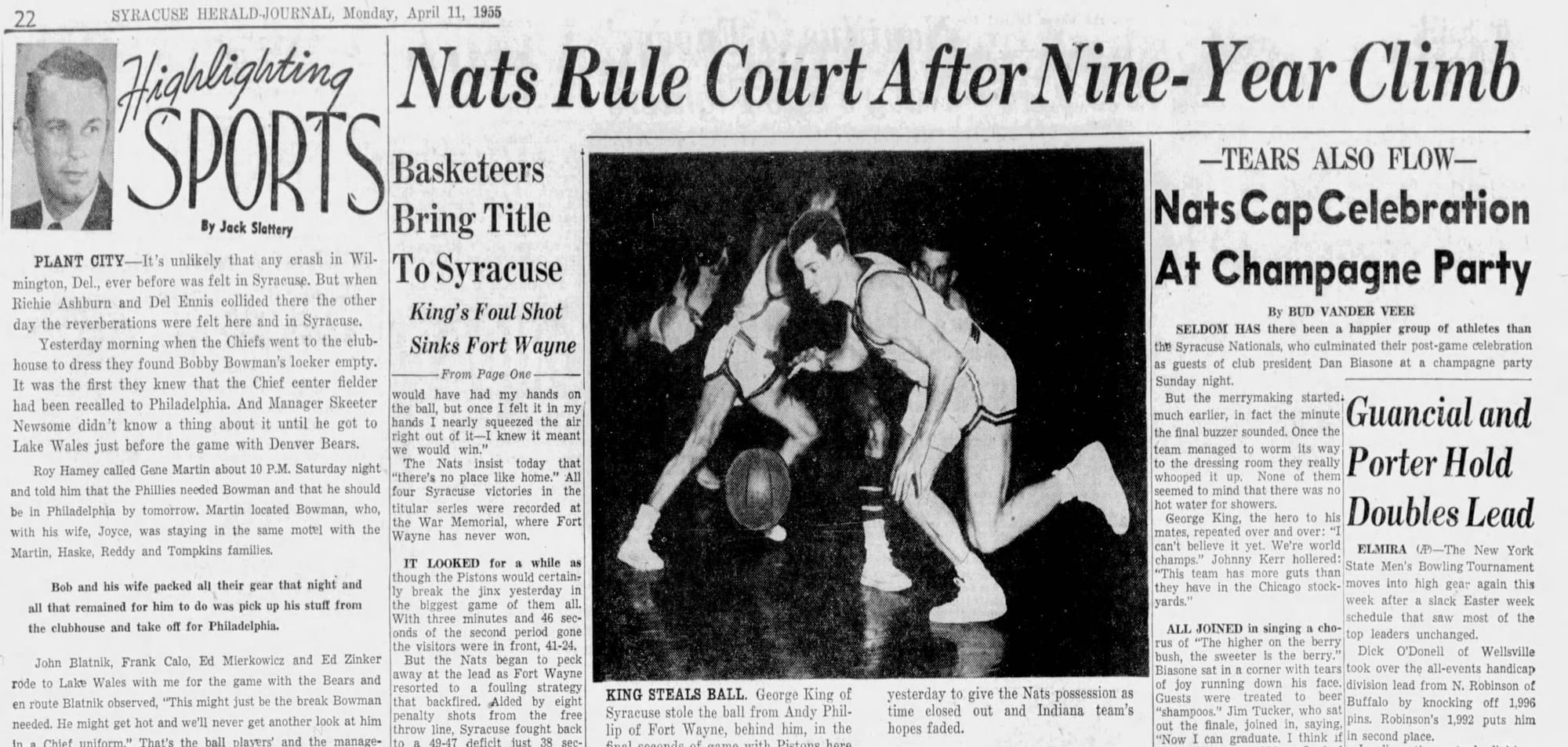
In 1955, Lloyd averaged a career-high 10.2 points and 7.7 rebounds, and the Nationals beat the Fort Wayne Pistons in 7 games for the NBA title. He and teammate Jim Tucker were the first Black players to win an NBA championship.
He played 9 seasons in all, then stayed in the game. With the Detroit Pistons he became the NBA’s first Black assistant coach, and in 1971 he became one of the league’s first Black head coaches.
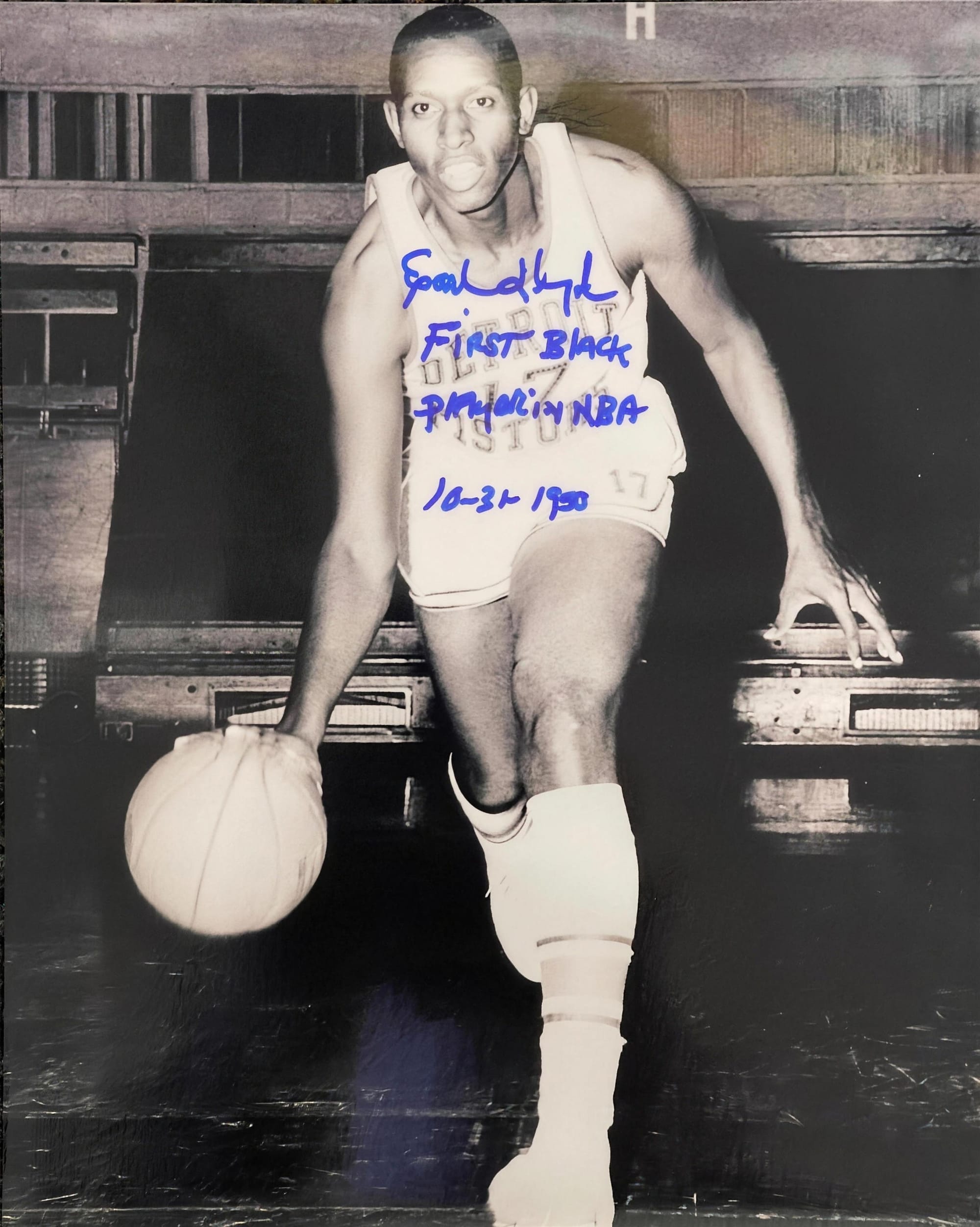
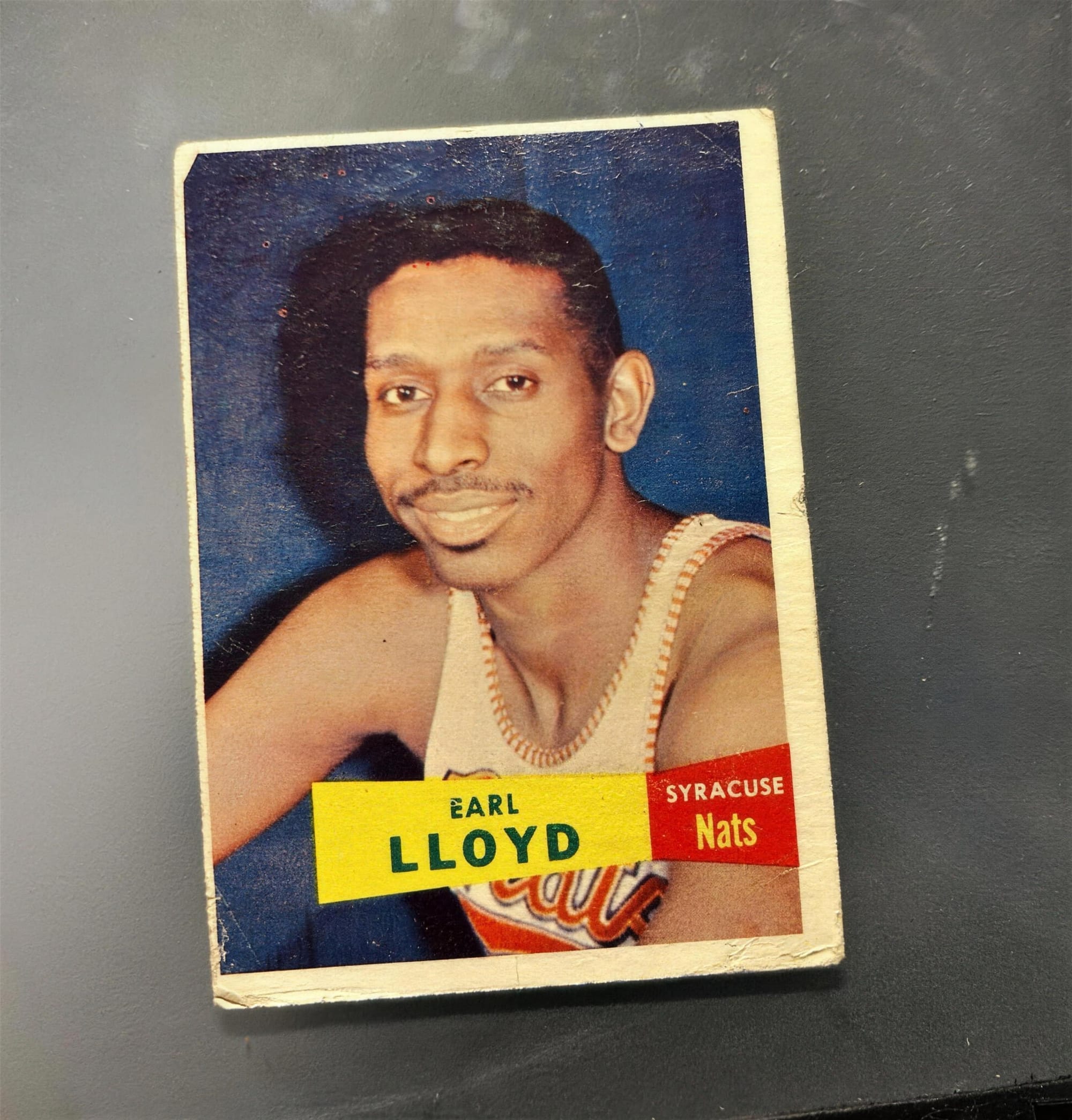
Lloyd went into the Naismith Memorial Basketball Hall of Fame in 2003. He died in 2015 at 86. He never made much of being first. In basketball, he said, people were already used to seeing integrated college teams. “Jackie,” he said of Robinson, “even had to fight his own teammates.”

Comments ()