
On This Date: The $5,000 Hangover That Saved Babe Ruth's Career
August 29, 1925: Babe Ruth strolls in late after a 2:30 a.m. night, and his 5-foot-6 manager fines him $5,000 — setting in motion the greatest recommitment story in baseball history.
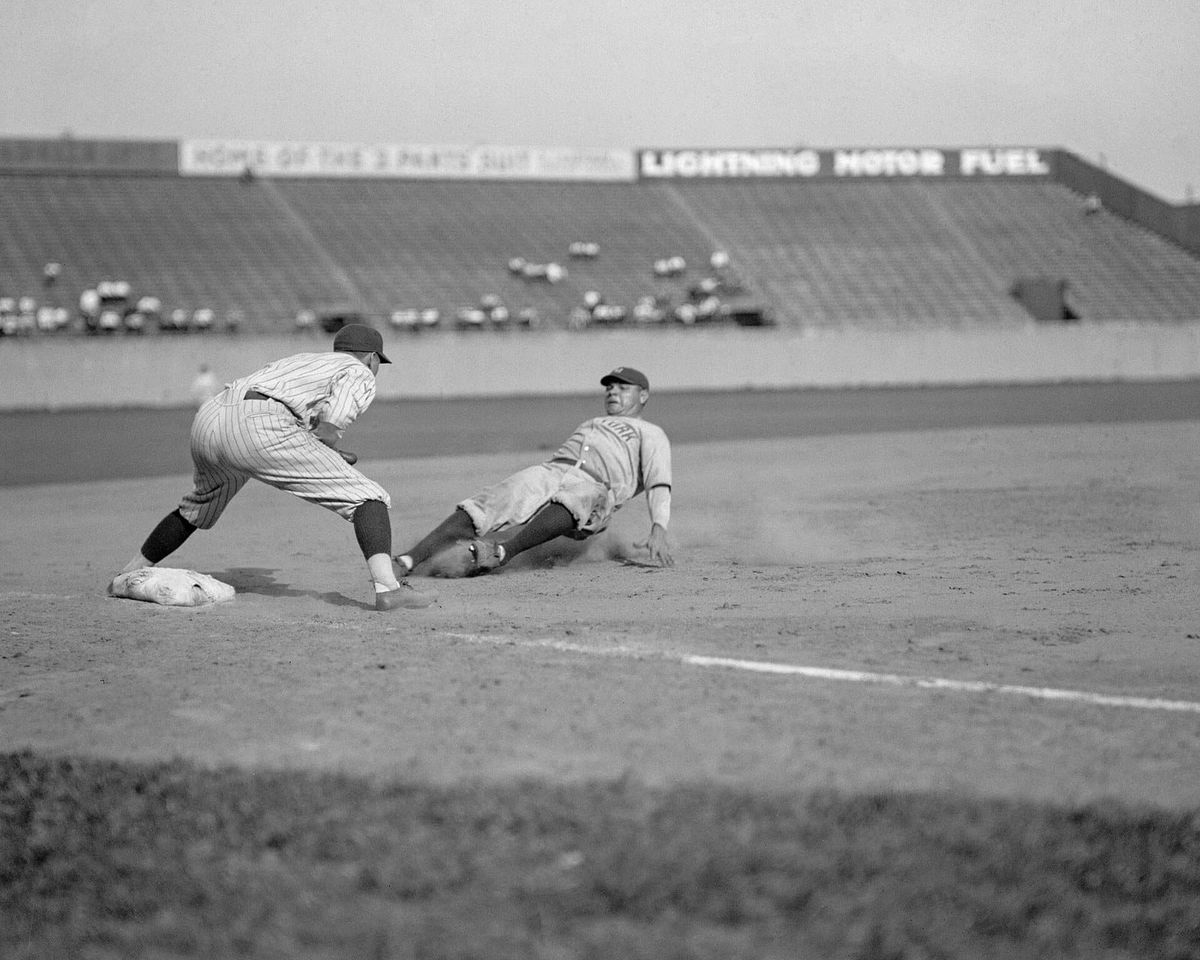
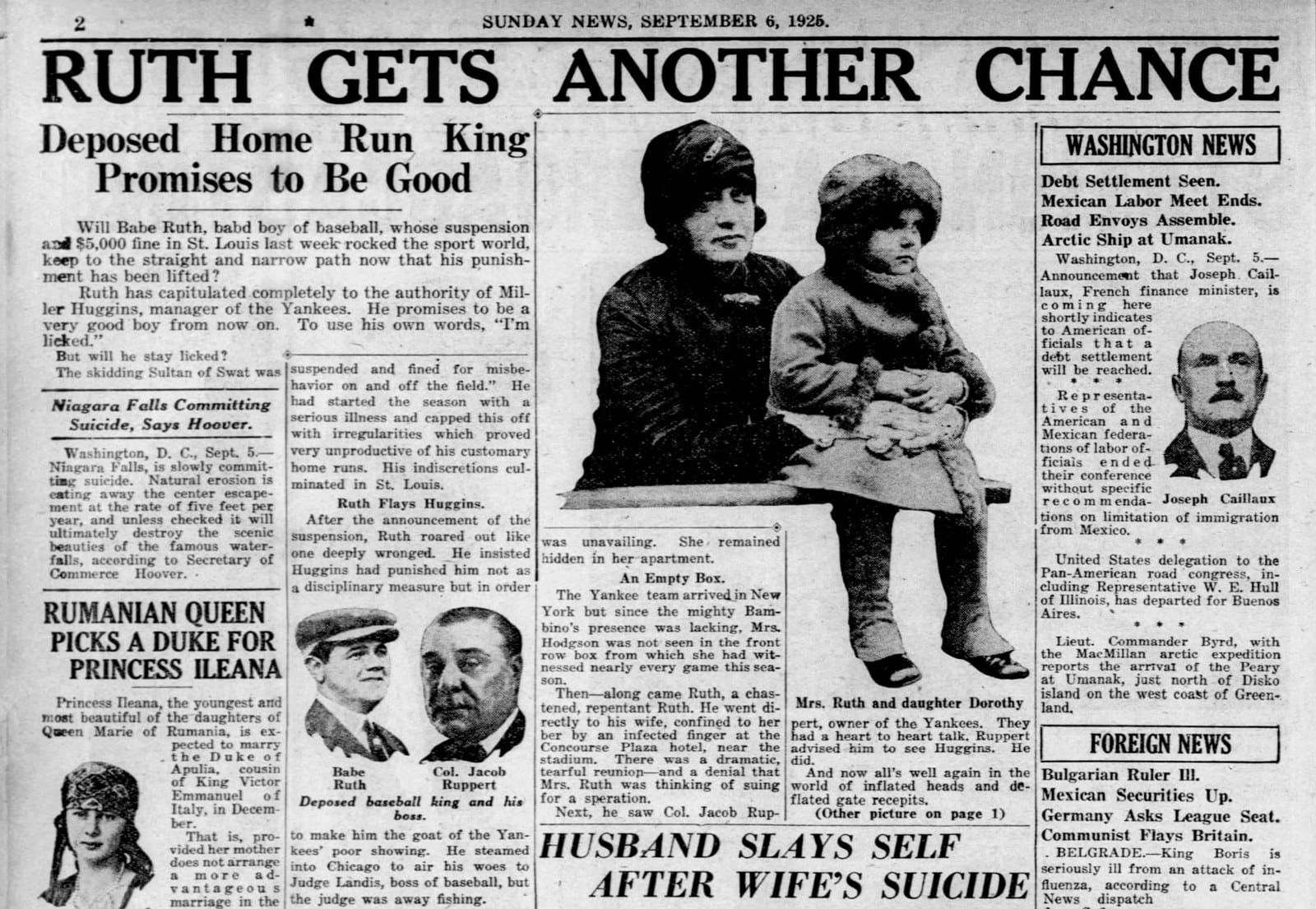
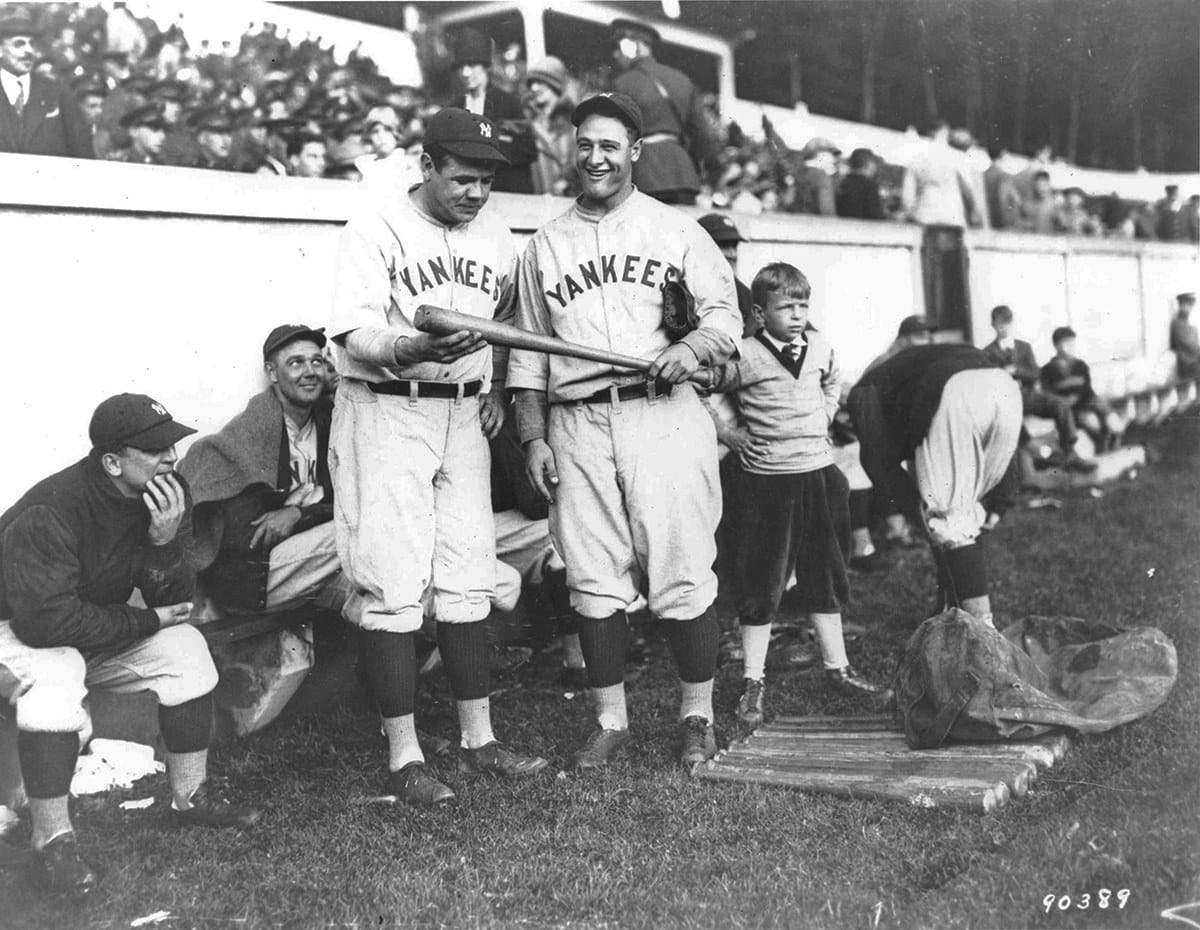
August 29, 1925 — Babe Ruth strolls into Sportsman's Park in St. Louis late for batting practice after a night that ended at 2:30 a.m. His manager — a 5-foot-6 former infielder half his size — fines him $5,000, suspends him indefinitely, and sets in motion the greatest recommitment story in baseball history. Twenty-five months later, Ruth hits his 60th home run.
The Worst Year of the Babe's Life
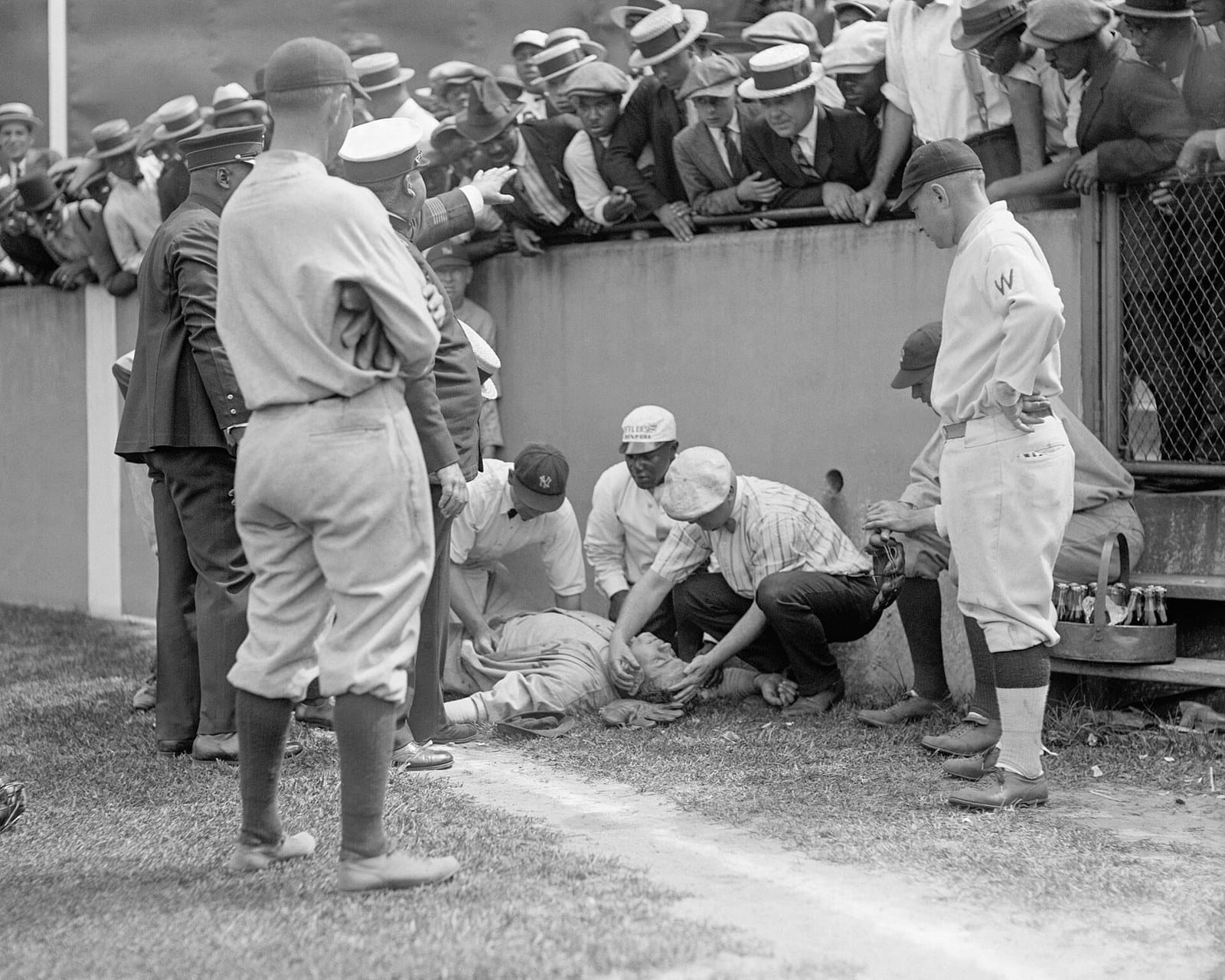
By August 1925, Babe Ruth was a mess. The season had started with "the bellyache heard 'round the world" — a springtime collapse that put him in the hospital for surgery and knocked him out until June. He came back heavy, out of shape, and utterly uninterested in behaving. The Yankees, three years removed from a World Series title, were buried in seventh place. Ruth was hitting .290 — for anyone else a fine year; for Ruth, a crisis.
And the nights were getting longer. Which brings us to St. Louis.
August 29, 1925
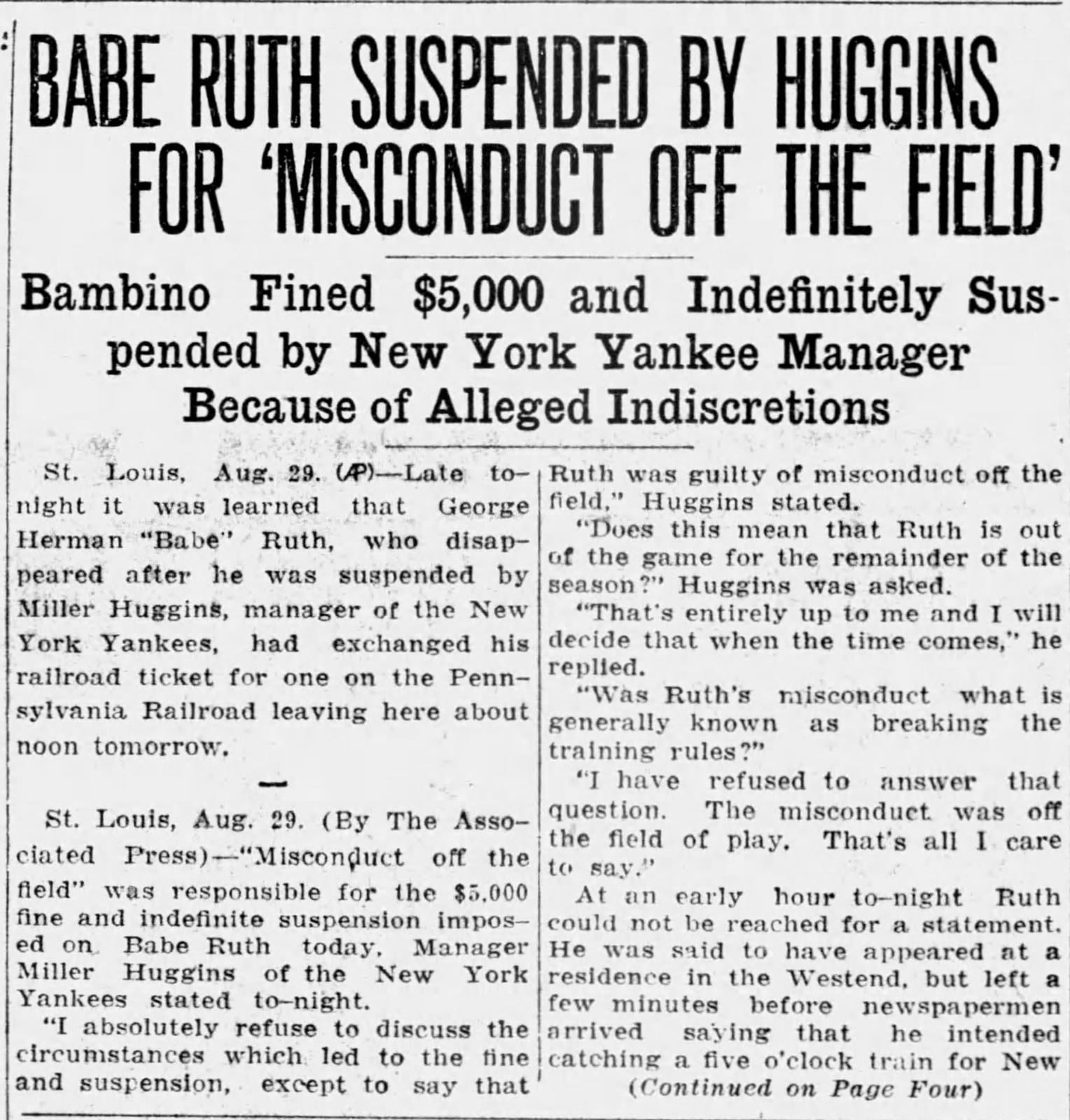
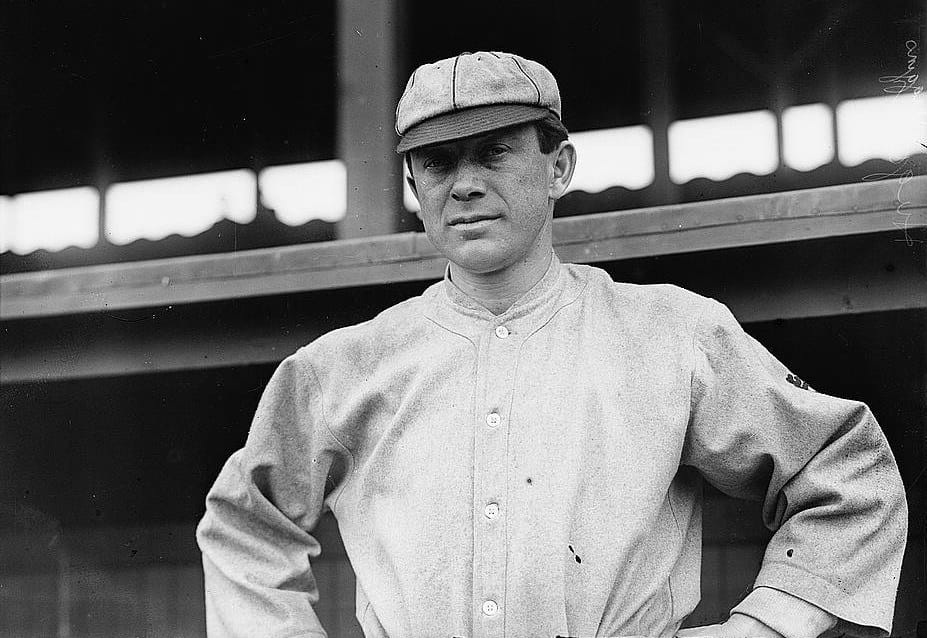
Ruth turned up late for batting practice after admitting he'd been out until 2:30 that morning. For manager Miller Huggins, it was the last straw in a season full of them. Huggins — a mild, diminutive tactician that Ruth had bullied and big-timed for years — hit him with everything he had:
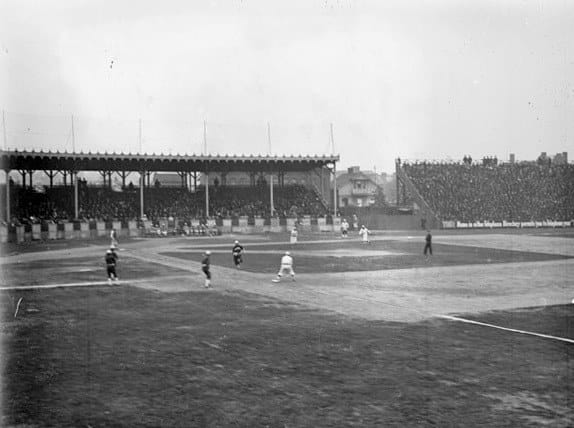
- A $5,000 fine — the largest ever levied on a player at that time, roughly a tenth of Ruth's $52,000 salary
- An indefinite suspension for "misconduct off the playing field"
Ruth's response was pure Ruth: he told the press he would "never play for Huggins again" and stormed off to go over the manager's head to owner Colonel Jacob Ruppert, certain the Yankees would side with their meal ticket over their little manager.
The Twist: The Yankees Backed the Little Guy
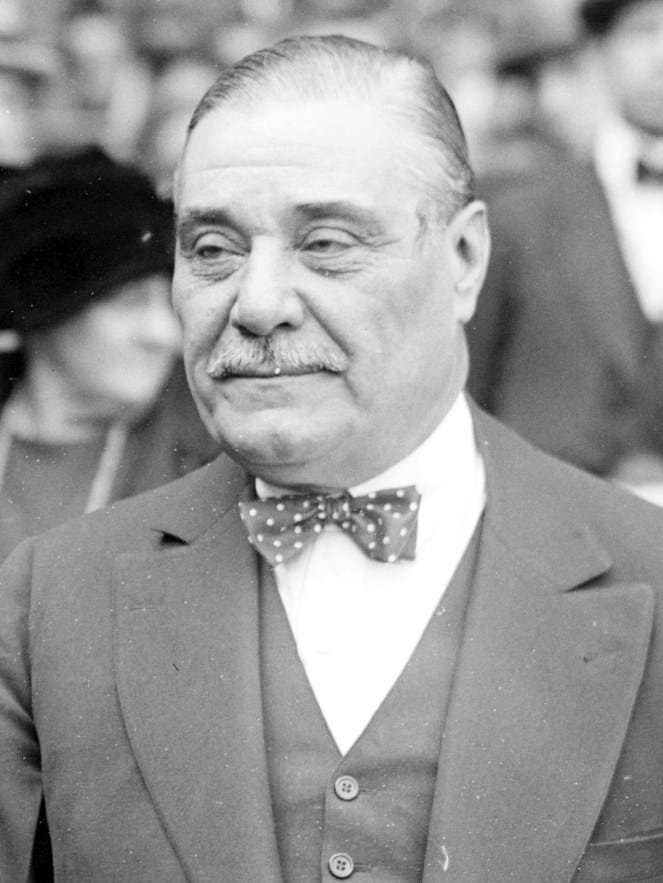
Ruppert didn't blink. The suspension would last, he announced, "as long as the manager sees fit." For maybe the first time in his career, the most famous athlete in America had lost a standoff. Ruth apologized — to Huggins, to Ruppert — and was reinstated on September 5, a week after the fine.
The humiliation was public and complete. He finished 1925 with 25 home runs on a seventh-place team, and much of the sporting press wrote him off. He was 30 years old, fat, and — the consensus went — finished.
The Recommitment
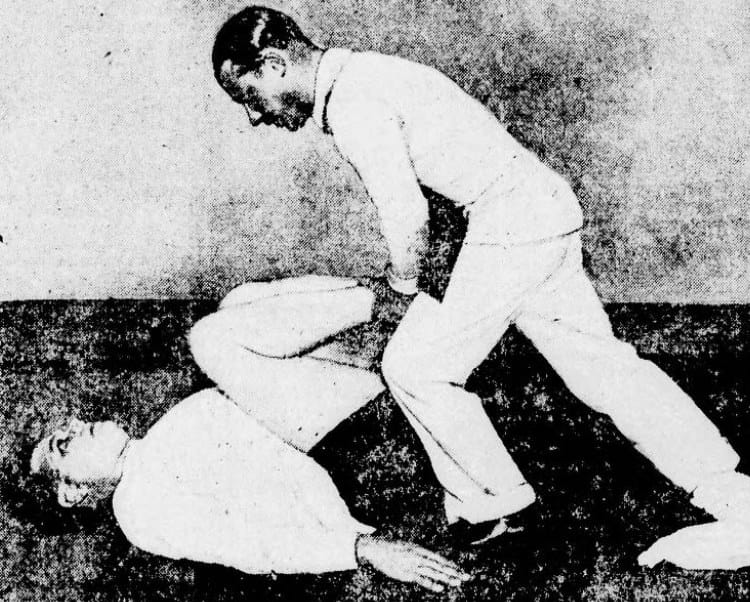
Instead, that winter produced the most famous physical transformation in baseball history. In December 1925, Ruth walked into Artie McGovern's gymnasium on Madison Avenue and surrendered himself to the program: four hours a day of strength work, handball, boxing drills, diet, and enforced sleep. He'd arrived at nearly 260 pounds. Six weeks later he left for spring training 44 pounds lighter, with almost nine inches gone from his waistline.
The 1926 season answered every obituary: .372, 47 home runs, 146 RBIs, and a Yankees pennant. And the year after that came the season no one has ever quite matched — 1927: 60 home runs, the heart of Murderers' Row, a 110-win team that swept the World Series and is still the shorthand for baseball perfection.
The line from the $5,000 fine to the 60 home runs is almost embarrassingly straight. No suspension, no humiliation. No humiliation, no McGovern's gym. No McGovern's gym, no 1927.
The Kicker
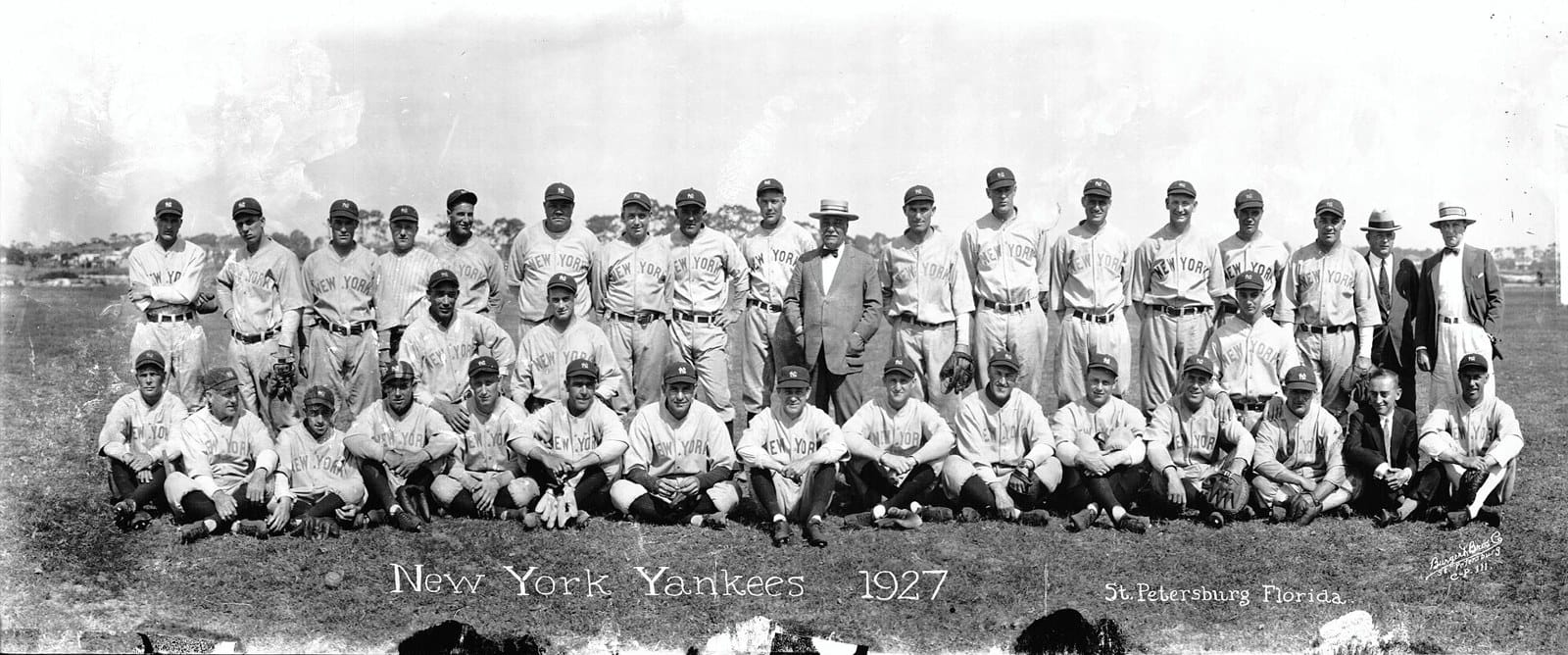
Miller Huggins — the tiny manager who took on the biggest star on earth and won — got his validation in full: pennants in 1926, 1927, and 1928, with Ruth reborn as his centerpiece. When Huggins died suddenly in 1929, the Babe wept openly. The man he swore he'd never play for again turned out to be the man who saved him.
— August 29, 1925. This date in sports history.
Would any team today dare suspend its biggest star over a late batting practice — and would it work?
Comments ()