
On This Date: The Night the World Met Olga Korbut (Aug. 28, 1972)
August 28, 1972. The Sporthalle in Munich. A 4-foot-11, 17-year-old from Grodno, Belarus — pigtails, red leotard — is about to turn women's gymnastics into a different sport in the span of one evening.
August 28, 1972. The Sporthalle in Munich. A 4-foot-11, 17-year-old from Grodno, Belarus — pigtails, red leotard — is about to turn women's gymnastics into a different sport in the span of one evening.
It was only supposed to be the team optionals. The Soviet women were cruising to their usual team gold — they'd win it that night, 380.50 to East Germany's 376.55, and it would be Olga Korbut's first Olympic medal. That's the "on this date" fact. It's also the least interesting thing that happened.
Because optionals — unlike the compulsories the day before — let gymnasts show original elements. And Korbut had brought two things nobody had ever seen at an Olympics.
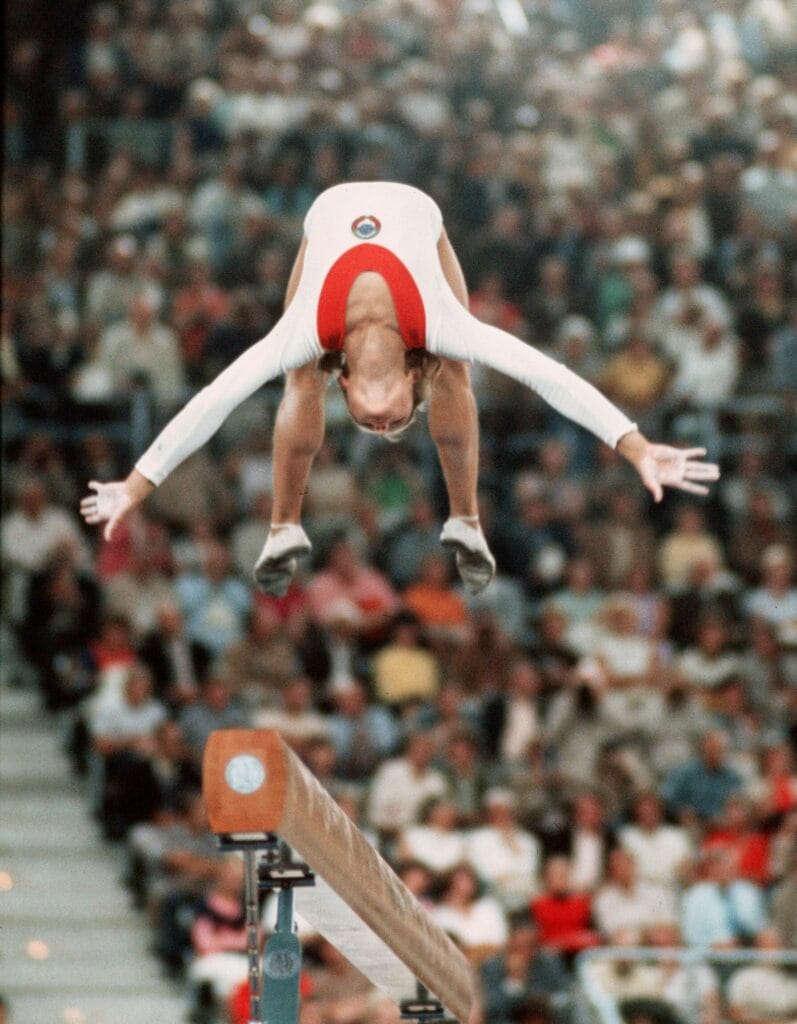
On the balance beam: a standing back somersault. A backflip. On a 4-inch-wide beam. Judges gave it a 9.75; the crowd gave it a gasp that television carried around the world.
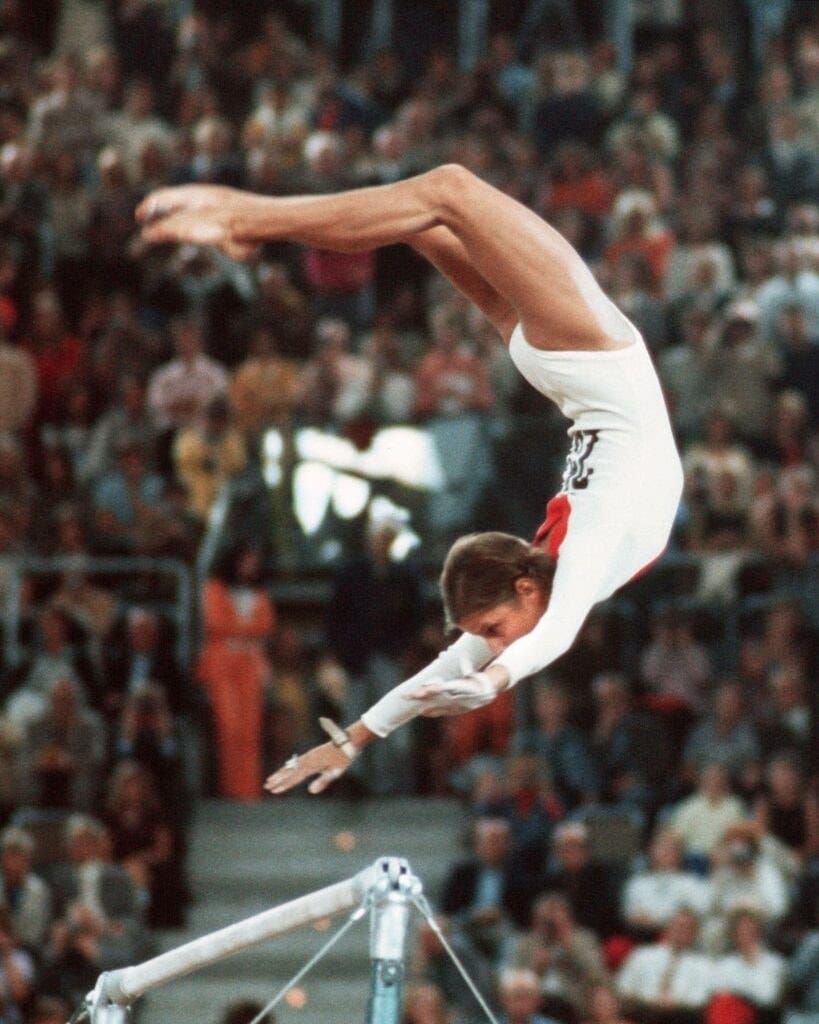
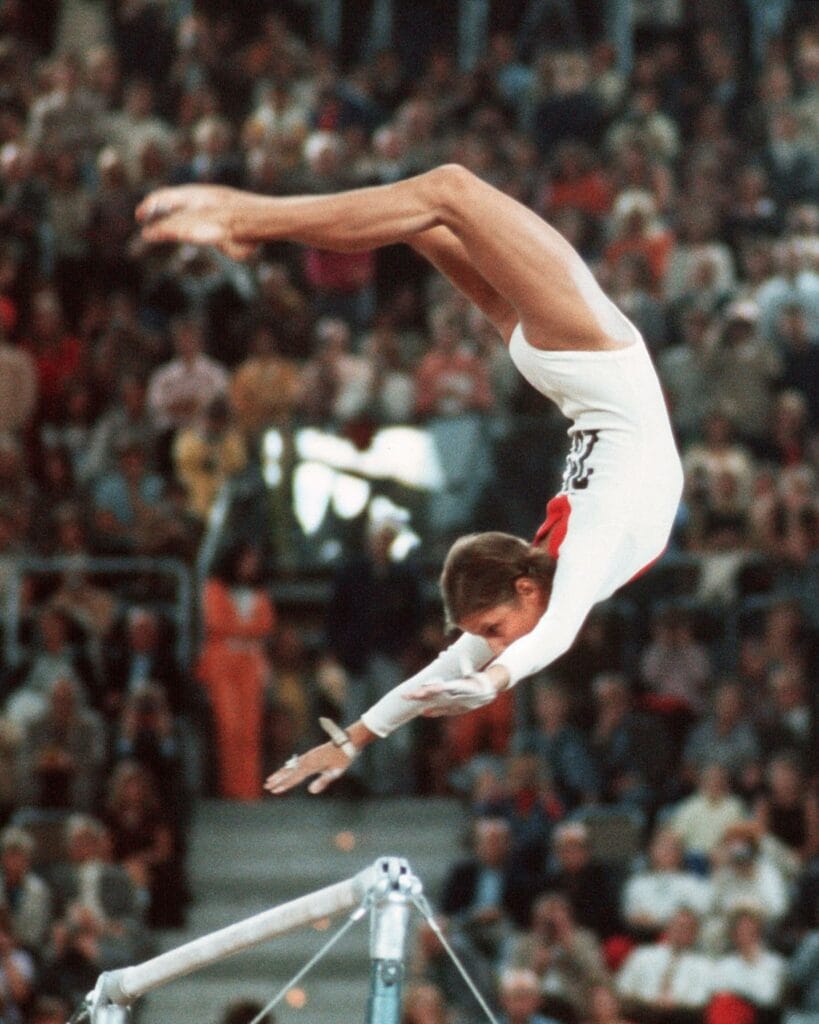
Then, on the uneven bars: she stood on the high bar, flipped backward through the air, and caught the same bar. The Korbut Flip. No one had done a release move like it in Olympic competition. Roone Arledge's ABC cameras knew a star when they saw one — and by morning, a Games being watched by hundreds of millions had a face: the "Munchkin of Munich."
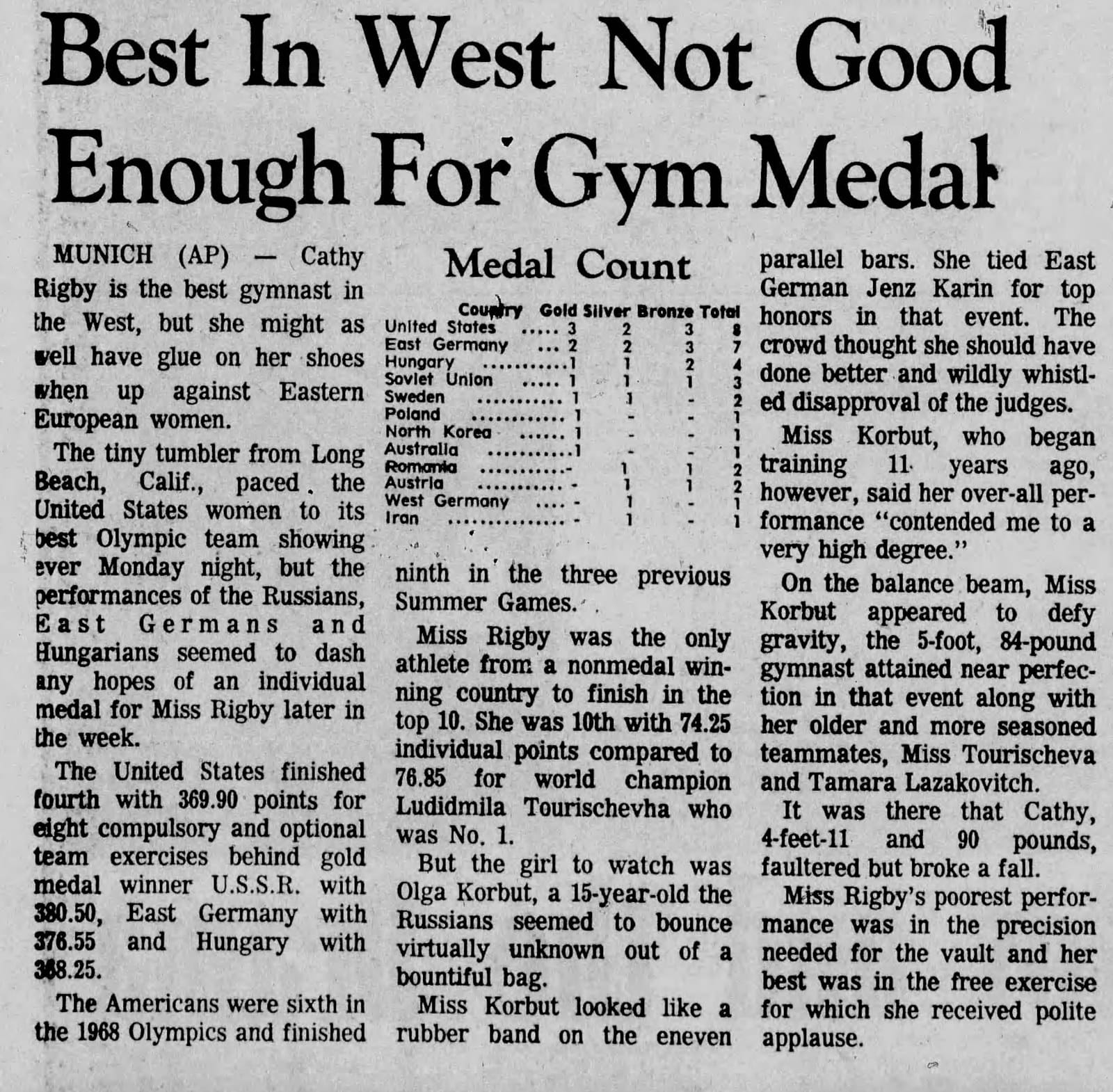
The rest of her week became the template for every Olympic story arc since. Two days later, in the all-around final, disaster: a botched mount on bars, a stubbed foot, a 7.50, seventh place — and a 17-year-old sobbing on the bench in front of the world. The Wall Street Journal put it plainly: "She was simply a 17-year-old girl from a small town, crying in anguish at her failures."
And one day after that: redemption. Gold on beam. Gold on floor. Silver on bars — a silver the crowd protested for 20 minutes with boos and whistles, convinced she'd been robbed of a third individual gold. Final Munich haul: 3 golds and a silver.
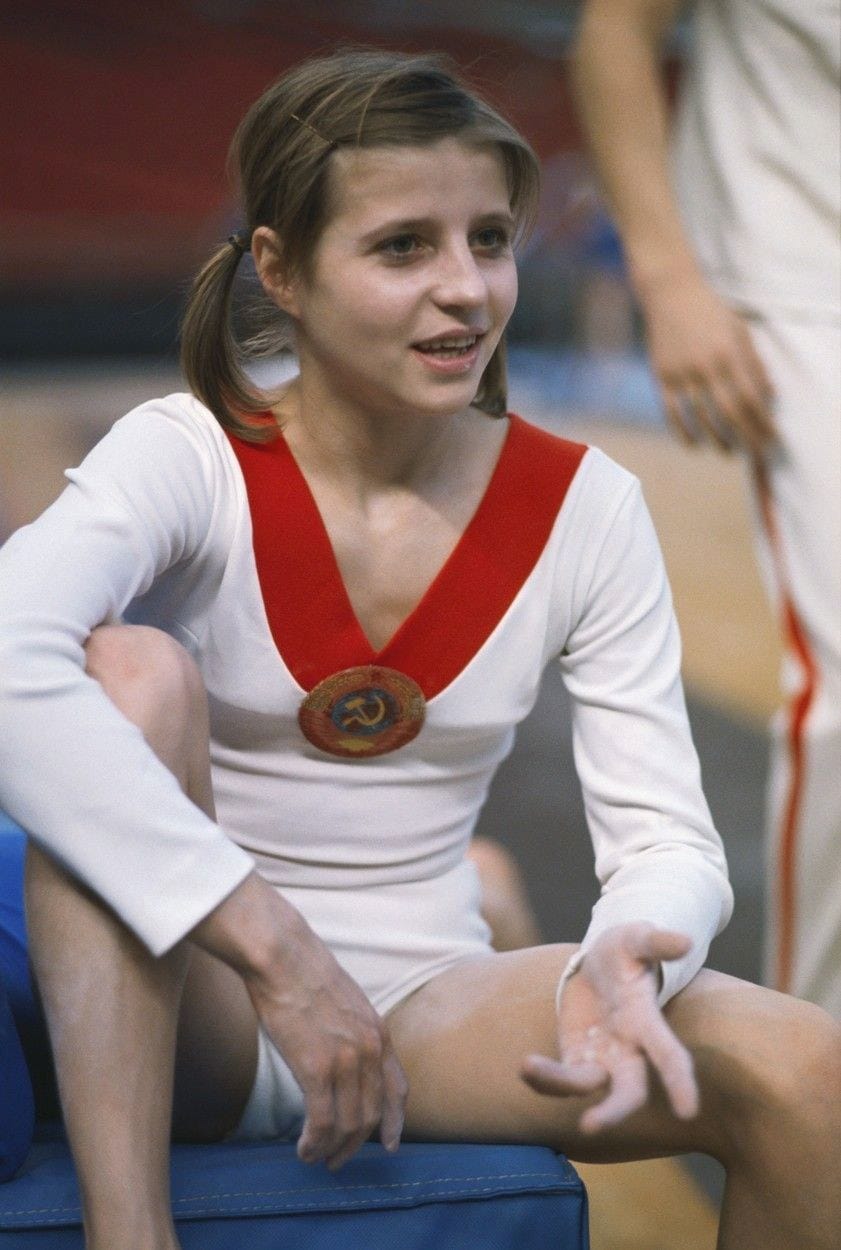
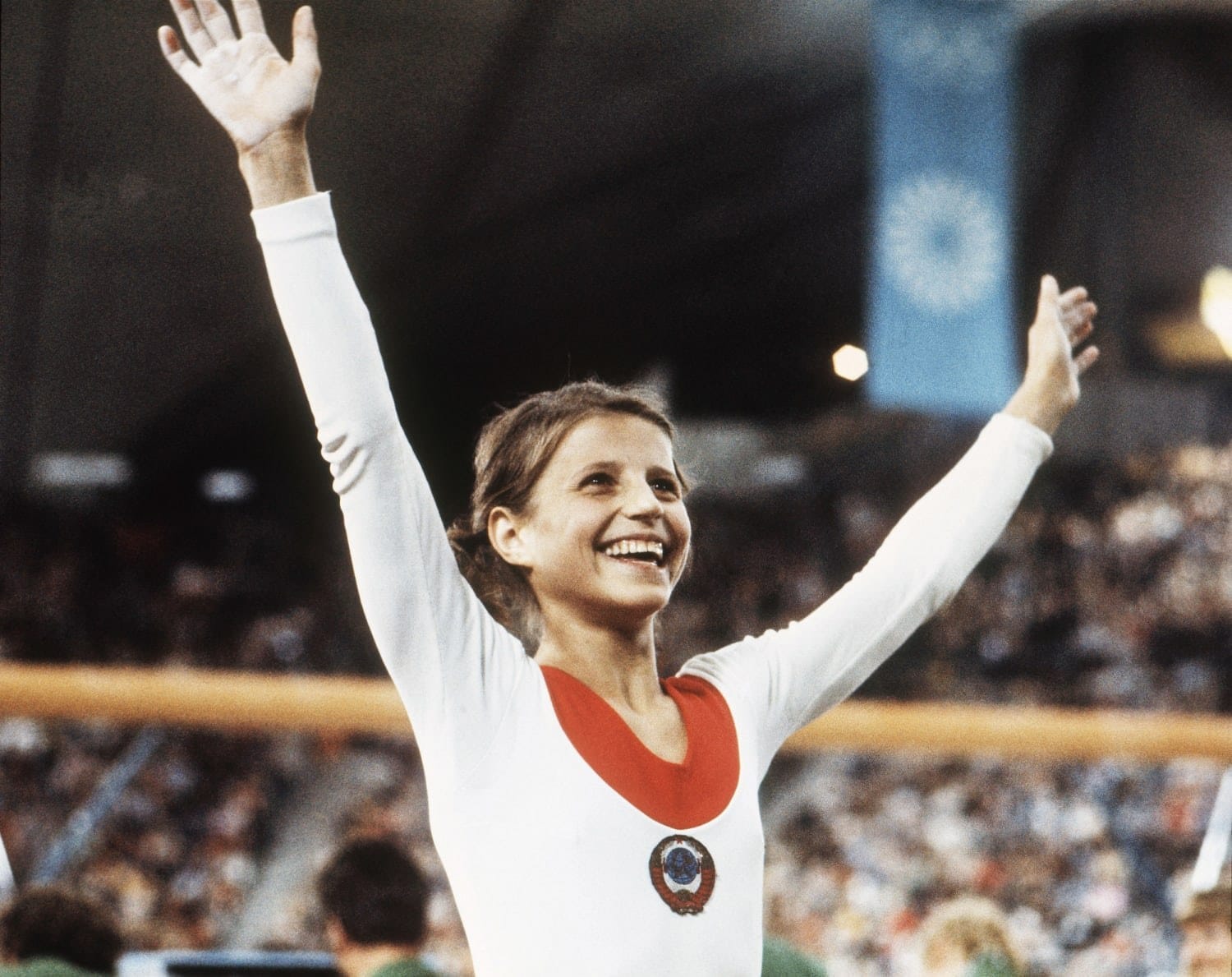
The aftershocks outlasted the Games. Gymnastics pivoted overnight from balletic elegance to acrobatic daring — four years later a 14-year-old named Nadia Comaneci scored perfect 10s at Montreal. Korbut toured America in 1973 and met President Nixon, who — as she recalled it — told her that her Munich performance "did more for reducing the political tension … than the embassies were able to do in five years."
And the move that started it all? The Korbut Flip is now banned — standing on the high bar is illegal under modern rules. The trick that changed the sport is one nobody is allowed to do.
A note on these Games: Korbut's story was the joyful first week of Munich. Eight days after her final routine, the Games turned to tragedy with the September 5 attack on the Israeli team — the shadow that history rightly remembers first. Her week belongs to the before.
— August 28th, 1972. This date in sports history.
Comments ()