
The 10 Best Gifts for Sports Card Collectors (2026 Holiday Guide)
Shopping for a sports card collector? 10 gifts they’ll actually use, from $4 one-touch holders to 2026 Topps hobby boxes, plus what to know before you buy.
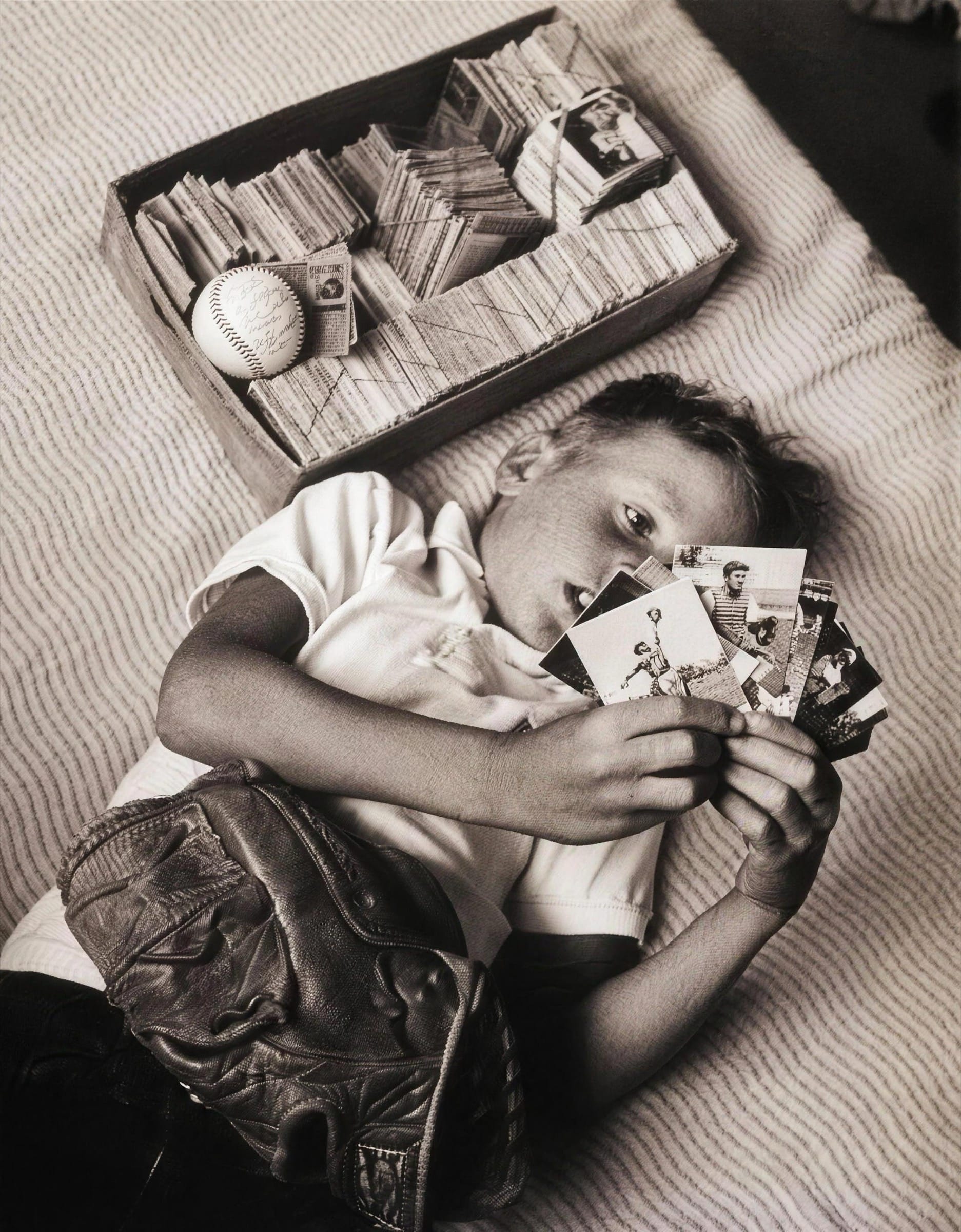
If there’s a card collector on your list, you already know the problem. They have thousands of cards, they talk about “chrome” and “slabs” and “one-touches,” and you have no idea what they already own.
Good news: the best gifts in this hobby aren’t the expensive ones. Most collectors go through supplies like printer paper, and the stuff that protects, stores and shows off cards is cheap, useful and easy to get right. We’ve also got a few bigger-ticket ideas for the collector who has everything.
It’s a big year to be in the hobby. The grading companies slabbed about 26.8 million cards in 2025, a record, according to GemRate data. And for the first time in years, one company makes the licensed cards for all 3 big leagues: Topps, owned by Fanatics, now holds MLB, the NBA (since October 2025) and the NFL (since April 2026).
The short version
- Under $15: magnetic one-touch holders, a 10x LED loupe, a storage box and sorting tray.
- $15 to $50: a zippered binder, a sleeve-toploader-Card Saver kit, a junk-wax rack pack or two, a card show day.
- $50 to $100: the 2026 Topps Complete Baseball Factory Set, a graded-card wall display.
- Splurge: a hobby box of 2026 Topps Update or 2026 Topps Chrome Baseball, or a graded vintage Hall of Famer.
1. Magnetic one-touch holders
Best for: every collector. The perfect stocking stuffer. About $4 each, or $15 for a 5-pack.
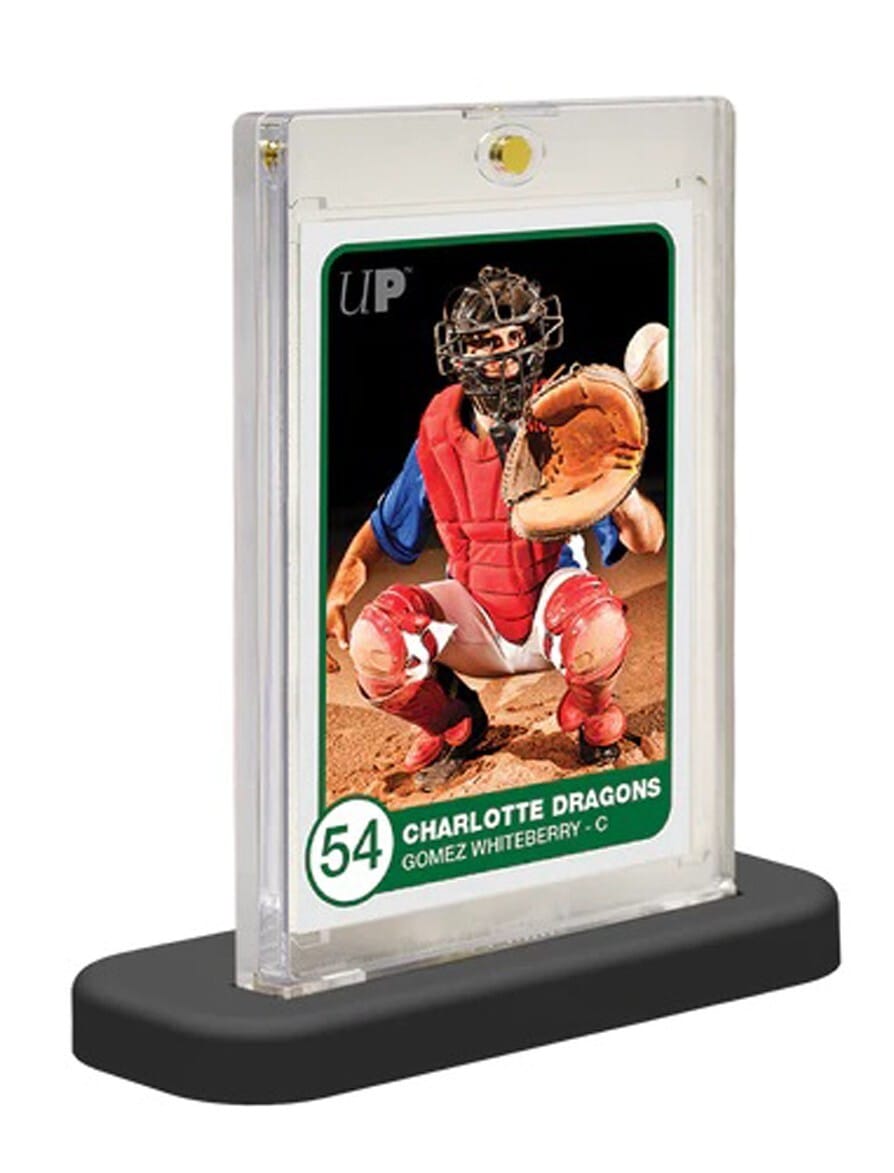
A one-touch is a hard, clear case that snaps shut with magnets and shows off one card. It’s what collectors put their favorite cards in, the ones that go on a shelf or a desk instead of in a box. The Ultra PRO UV ONE-TOUCH is the standard, and it blocks UV light so the card doesn’t fade.
What to know: one-touches come in sizes, measured in “points,” or thousandths of an inch of card thickness. A regular card fits a 35pt holder. Shiny chrome cards usually need a 55pt, jersey cards about 75pt, and thick patch cards 100pt to 130pt. If you don’t know which cards they want to show off, buy 35pt. That covers most cards.
2. A zippered 9-pocket binder
Best for: kids, set builders and anyone just starting out. About $25 to $35.
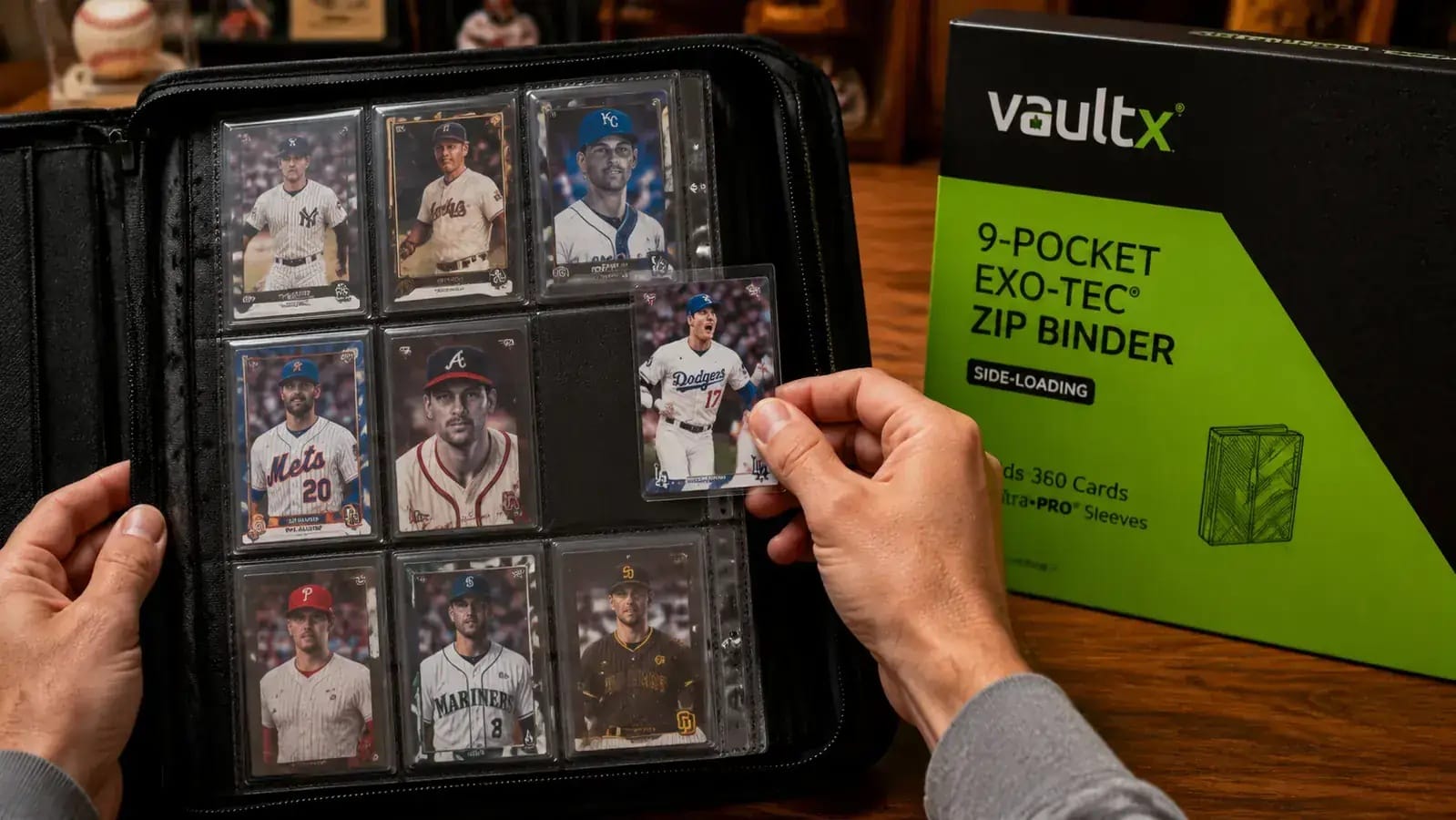
A binder is the easiest way to show off a team collection or a full set. Get one with side-loading pockets, so cards can’t slide out the top, and a zipper to keep dust out. The Vault X Exo-Tec Zip Binder and the Ultra PRO 9-Pocket Zippered PRO-Binder both hold 360 cards and use acid-free pages.
What to know: skip the cheap 3-ring binders from the office-supply aisle. The rings dent the cards closest to the spine.
3. The protection starter kit (and what to do about grading)
Best for: everybody. Under $50 for the whole kit.
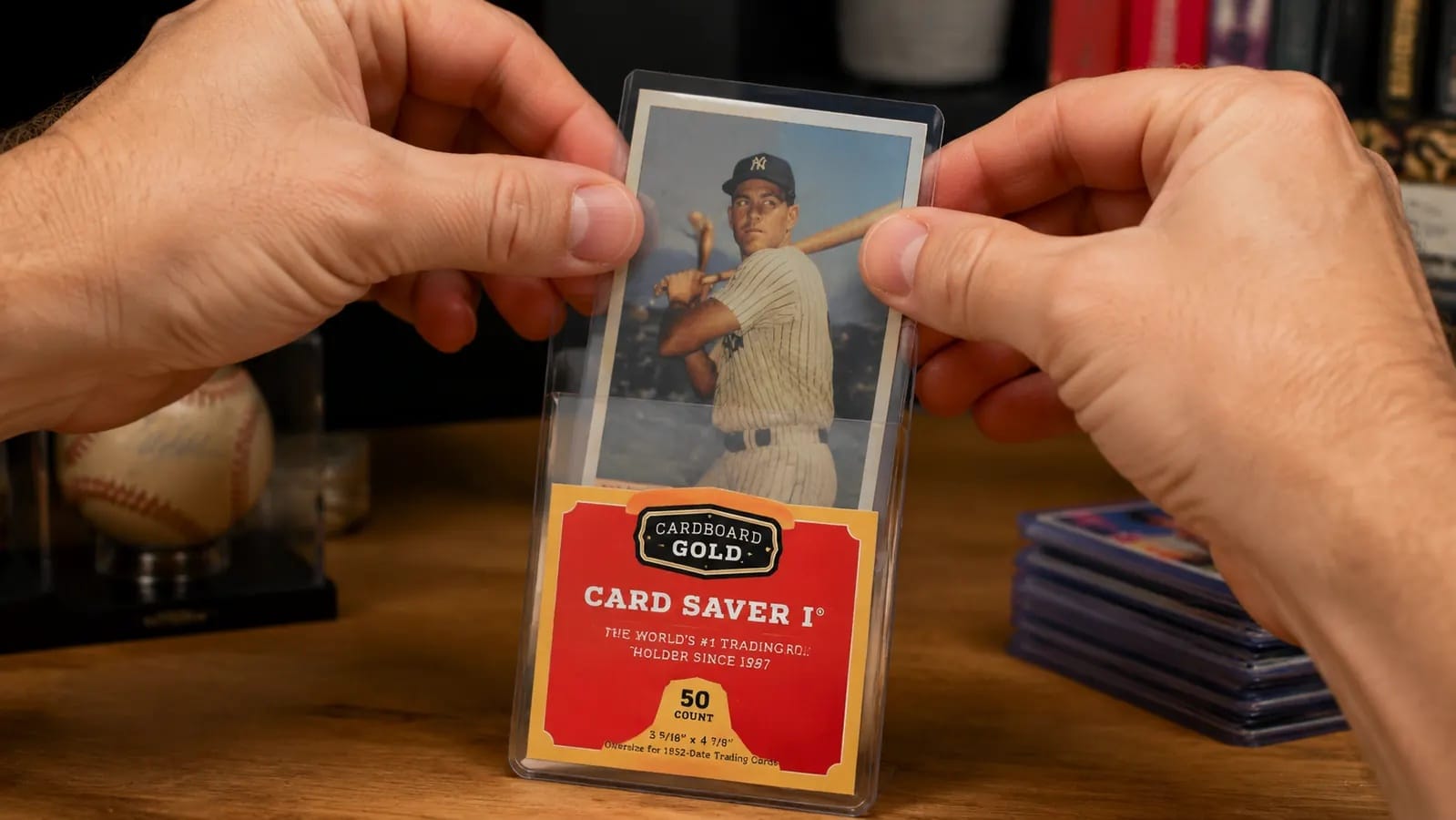
Every good card goes through 3 layers. A penny sleeve is a thin, soft plastic sleeve. A toploader is a rigid plastic holder for storage. A Card Saver 1 is a semi-rigid holder, and it’s the one collectors use when they send cards to PSA to be graded. A BCW 100-count sleeve-and-toploader combo pack is about $15, and a 200-count of Card Saver 1s is about $35. (We wrote a whole guide on top loaders vs. Card Savers if you want the details.)
What about giving grading itself? There’s no PSA gift card. And grading is slow right now: PSA’s backlog hit about 14 million cards this summer, and its cheapest tier, $39.99 a card, just reopened with a wait of 90 to 100 business days. A card sent in December won’t come back until spring. If your collector grades cards, put cash in an envelope marked “for your next PSA submission” and tuck it in with a box of Card Savers. They’ll know exactly what it means.
4. A 10x LED jeweler’s loupe
Best for: anyone who buys raw cards or thinks about grading. About $10 to $35.
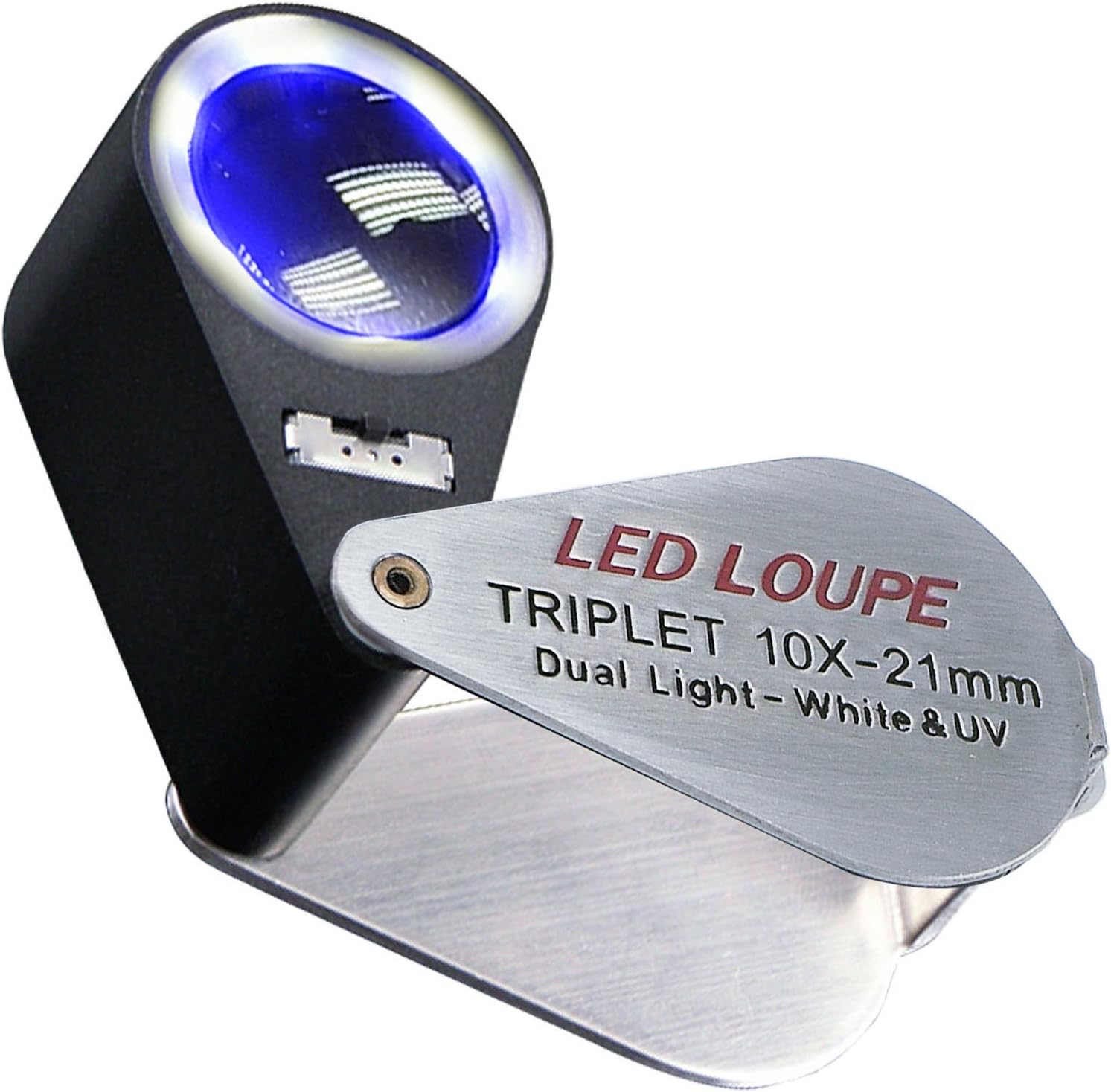
Collectors check corners, edges and surfaces before they buy a card or pay to grade one, and the flaws that cost a grade are usually too small to see without magnification. A 10x triplet loupe with a built-in LED light is the hobby standard. Brands like SE, Gesswein and Otto Frei run about $29 to $38, and cheap LED loupes on Amazon run about $10.
What to know: 10x is the sweet spot. A 30x or 60x loupe sounds better, but the view is so small you can’t see a whole corner at once. (More on loupes and other tools in our guide to sports card grading tools.)
5. A storage box and a sorting tray
Best for: kids and anybody who opens a lot of packs. About $10 to $25.
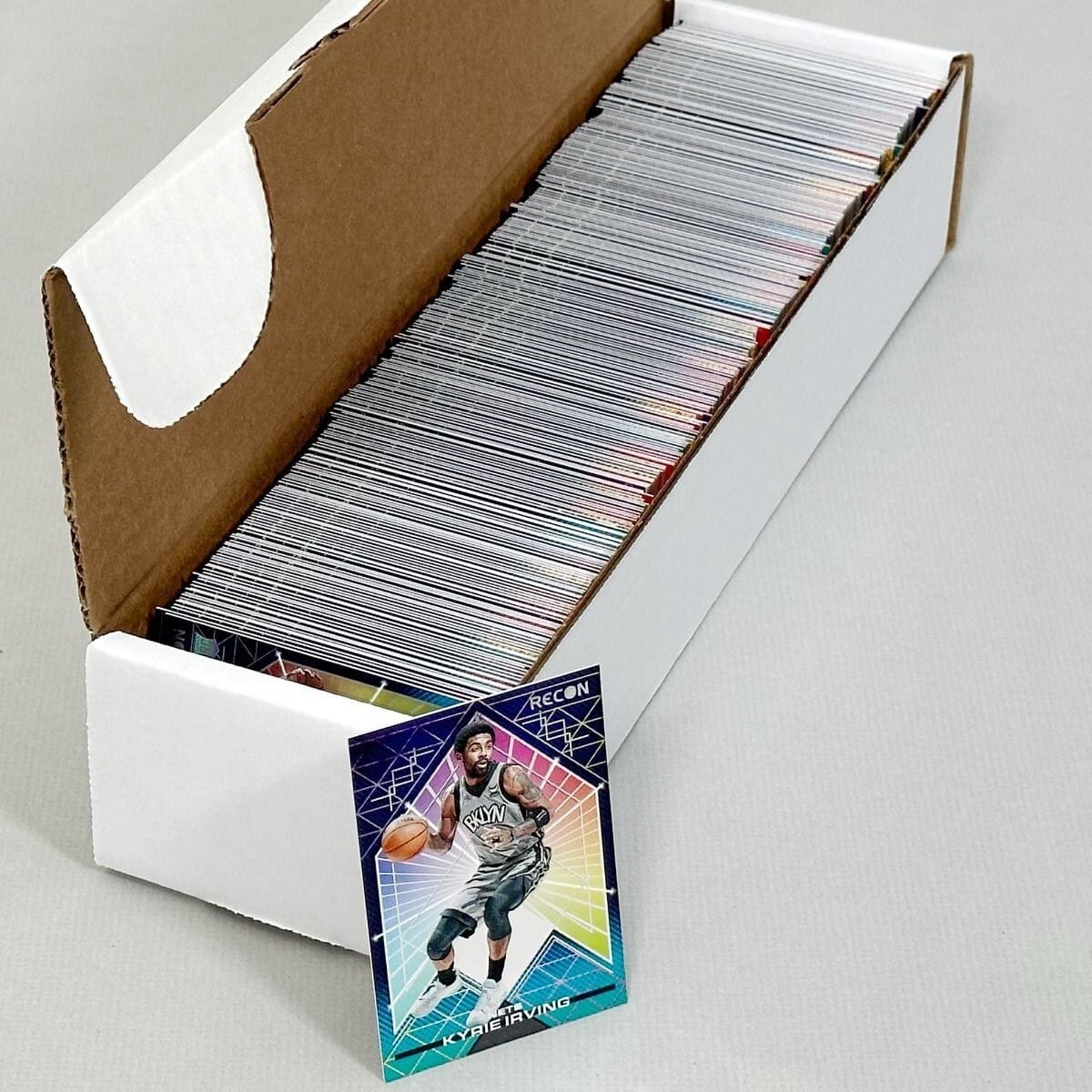
Every collector has thousands of “commons,” the cards that aren’t stars or rookies, and they all need somewhere to live besides a shoebox. BCW’s cardboard storage boxes are the hobby standard: about $2.50 for an 800-count box, $8 for a 3,200-count and $11 for a 5,000-count, straight from BCW. Add a pack of dividers to sort by team.
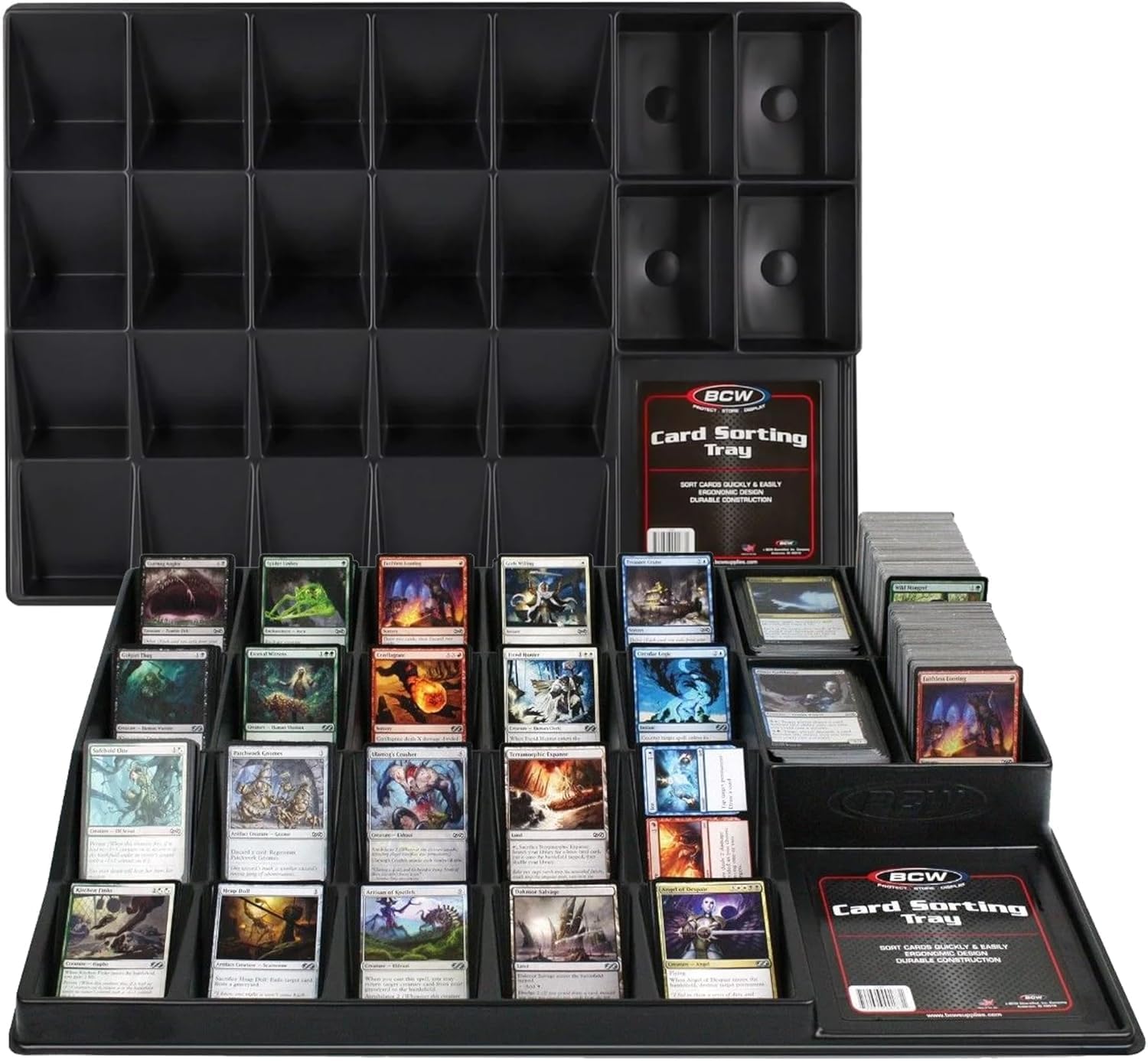
Then add a sorting tray, about $10 to $13 from BCW or Ultra PRO. After a pack-opening session, collectors sort by team, player or card number, and a tray keeps the stacks from sliding all over the table.
What to know: buy storage boxes from BCW or a card shop. Big-box marketplaces often charge 2 to 3 times as much.
6. The 2026 Topps Complete Baseball Factory Set
Best for: a non-collector buying for a collector, or a kid. About $60.
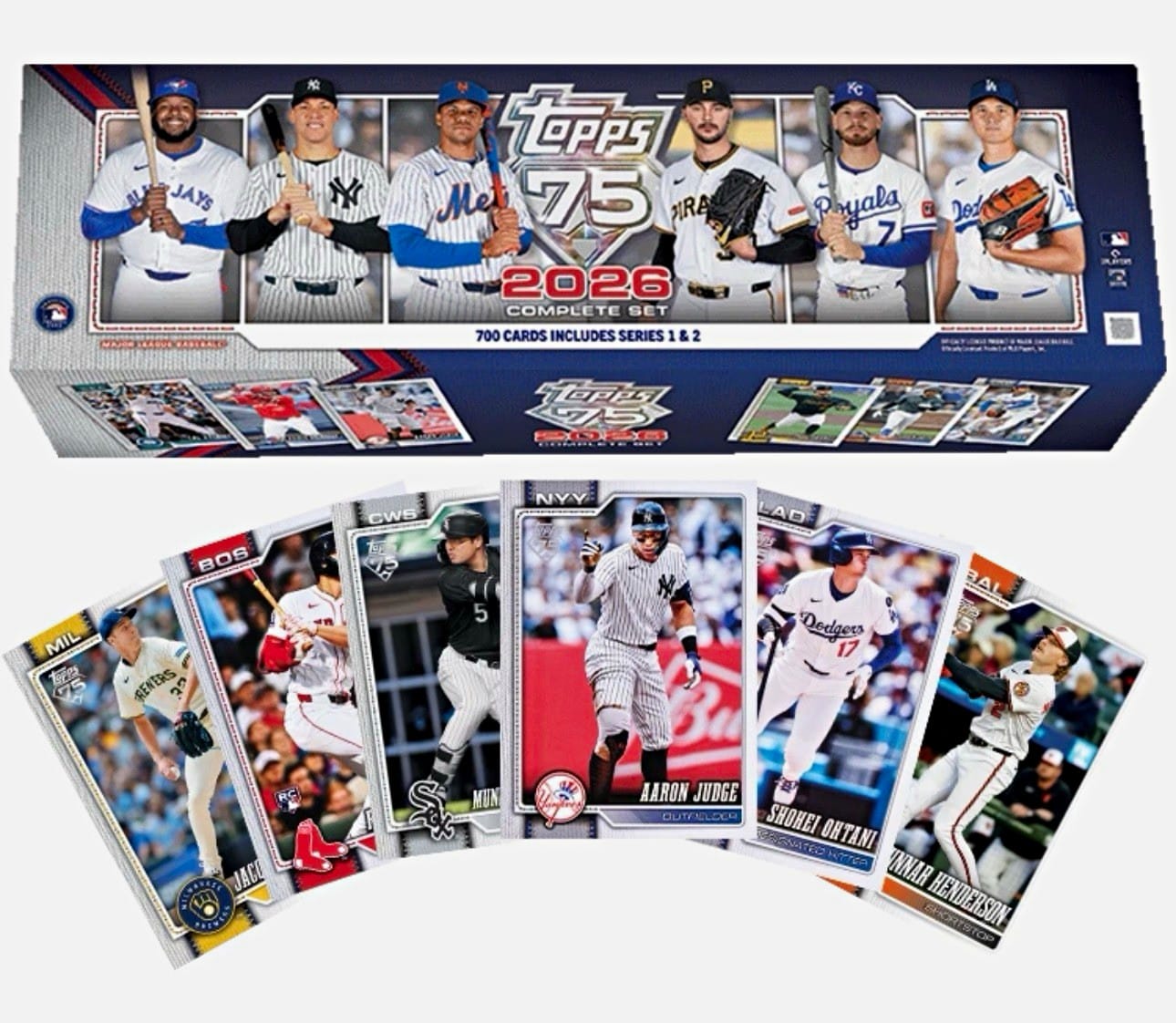
This is the classic under-the-tree card gift. A factory set is every card in the year’s main Topps baseball set, 700 cards from Series 1 and 2, sealed in a box straight from the factory. There’s no gamble and nothing to figure out. It’s a whole season in a box, and it’s the kind of thing that’s still on a shelf 30 years later.
7. A hobby box
Best for: the collector who loves opening packs. About $25 to $400, depending on the box.
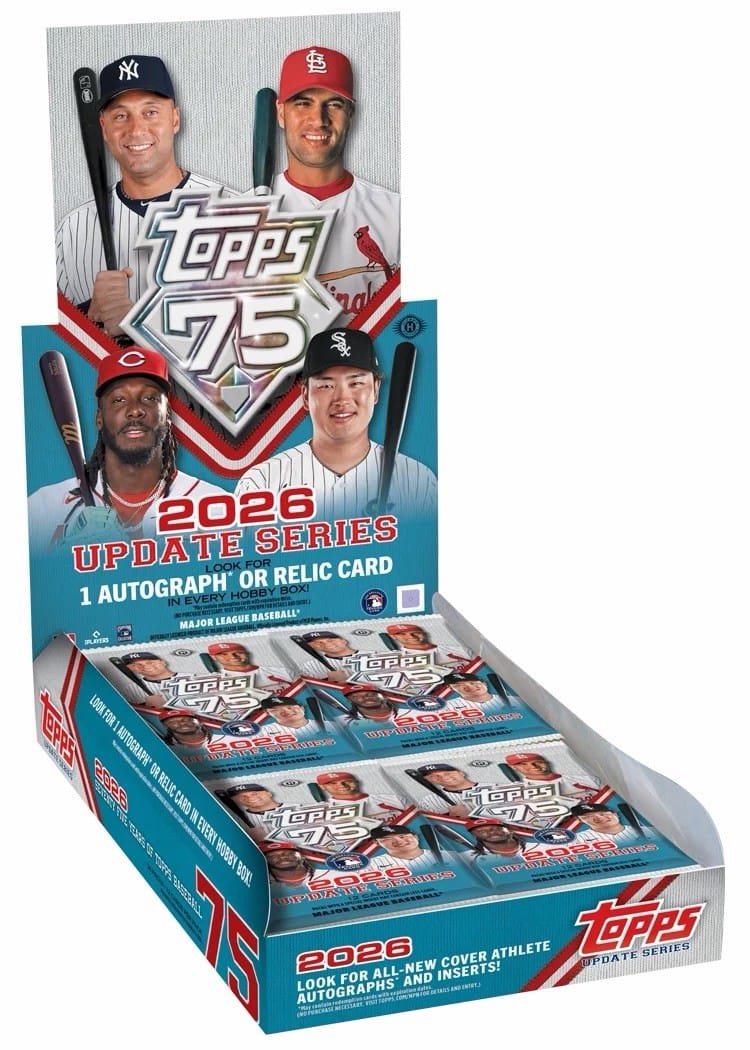
Opening packs is the fun part of the hobby, and a sealed box is the gift most collectors would never buy for themselves.
- Best value: 2026 Topps Update Series. Released Oct. 14, with the year’s rookie debuts and traded players. A hobby box has 20 packs and 1 autograph or relic card. It was $129.99 from Topps and runs about $150 to $200 now.
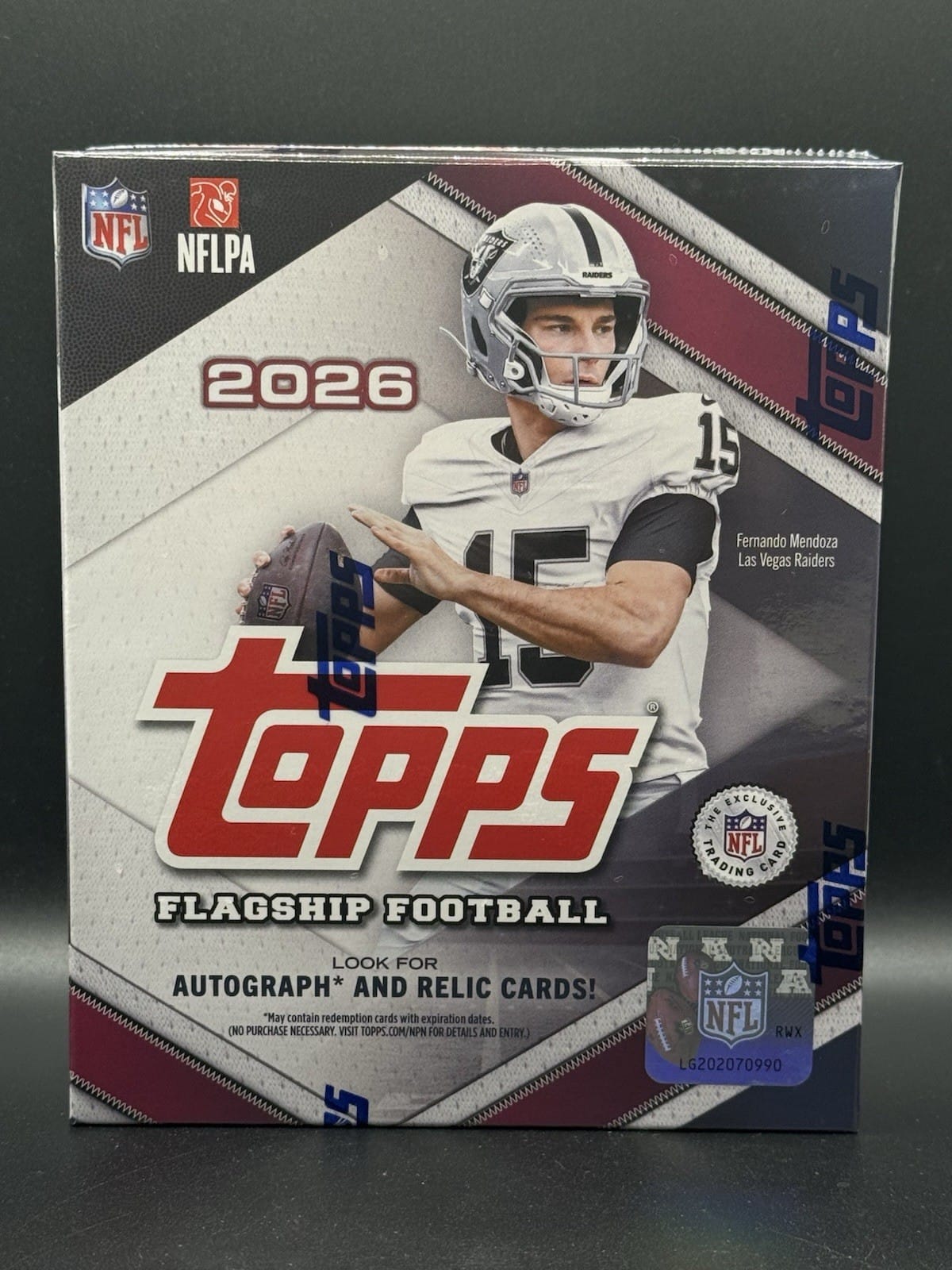
- For football fans: 2026 Topps Football. Topps has the NFL license again, and this is its first football flagship set since 2015. A mega box is $49.99 and a value box is $24.99 at Topps and Target.
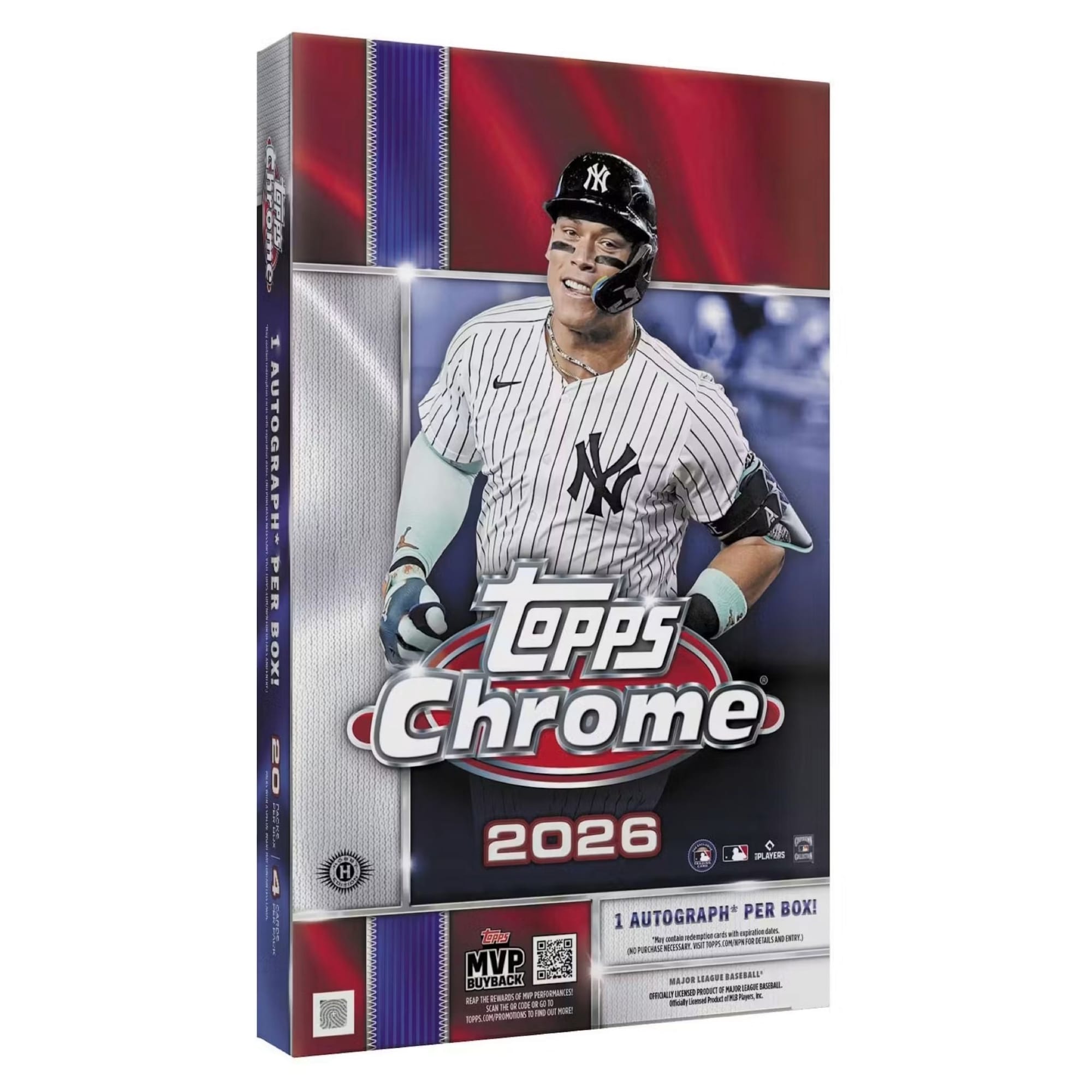
- The splurge: 2026 Topps Chrome Baseball. The most popular baseball product of the year. It was $239.99 from Topps and sold out, and hobby boxes run about $335 to $400 now.
What to know: resealed boxes are a real scam. Sellers cut the shrink wrap, swap out the good packs and reseal it. Buy from Topps.com, Fanatics, a store shelf or an established card shop, not a random marketplace seller. And buy it for the fun of opening, not as an investment. Most boxes are worth less than you paid once they’re opened.
8. A graded-card wall display
Best for: collectors who already own graded cards. About $16 to $60.
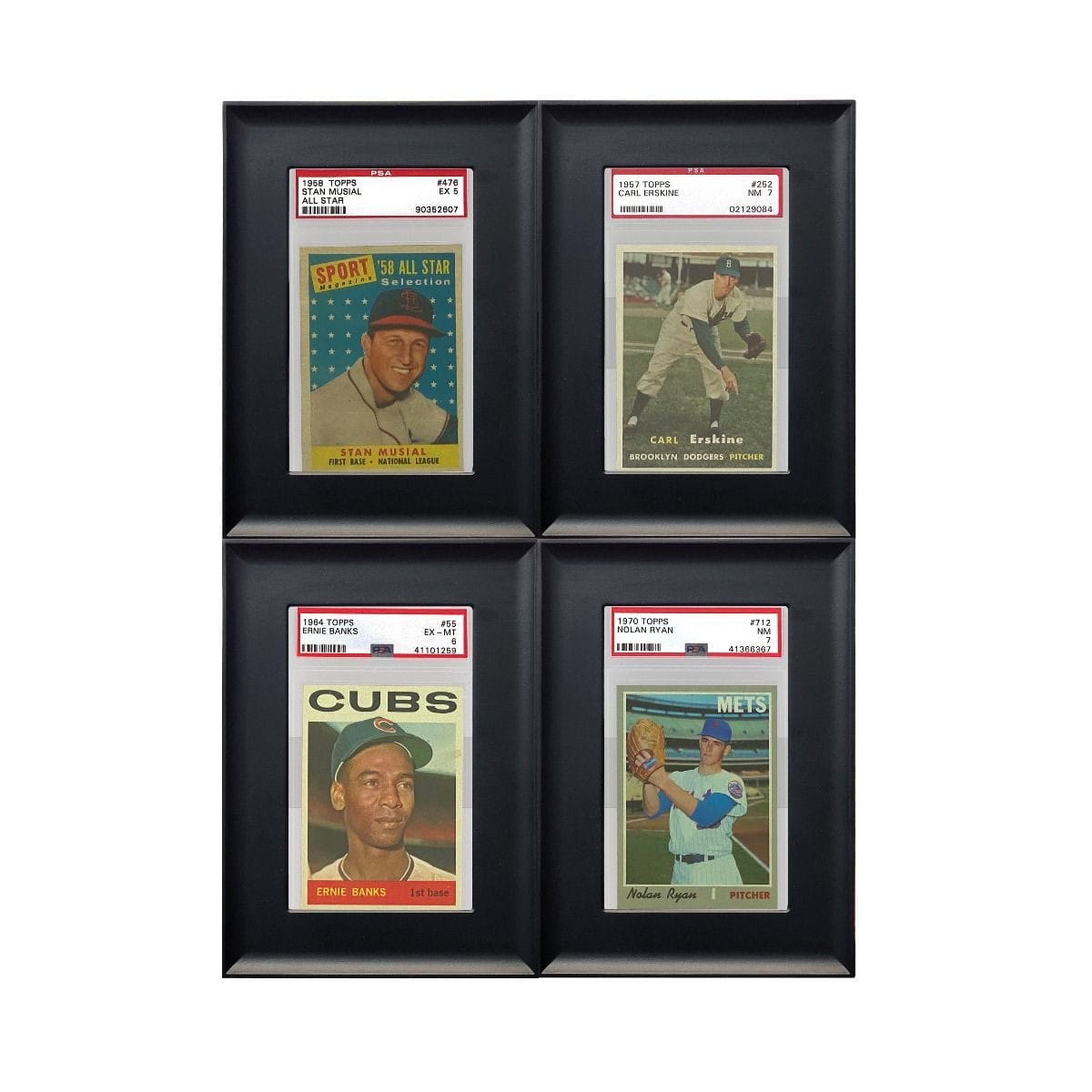
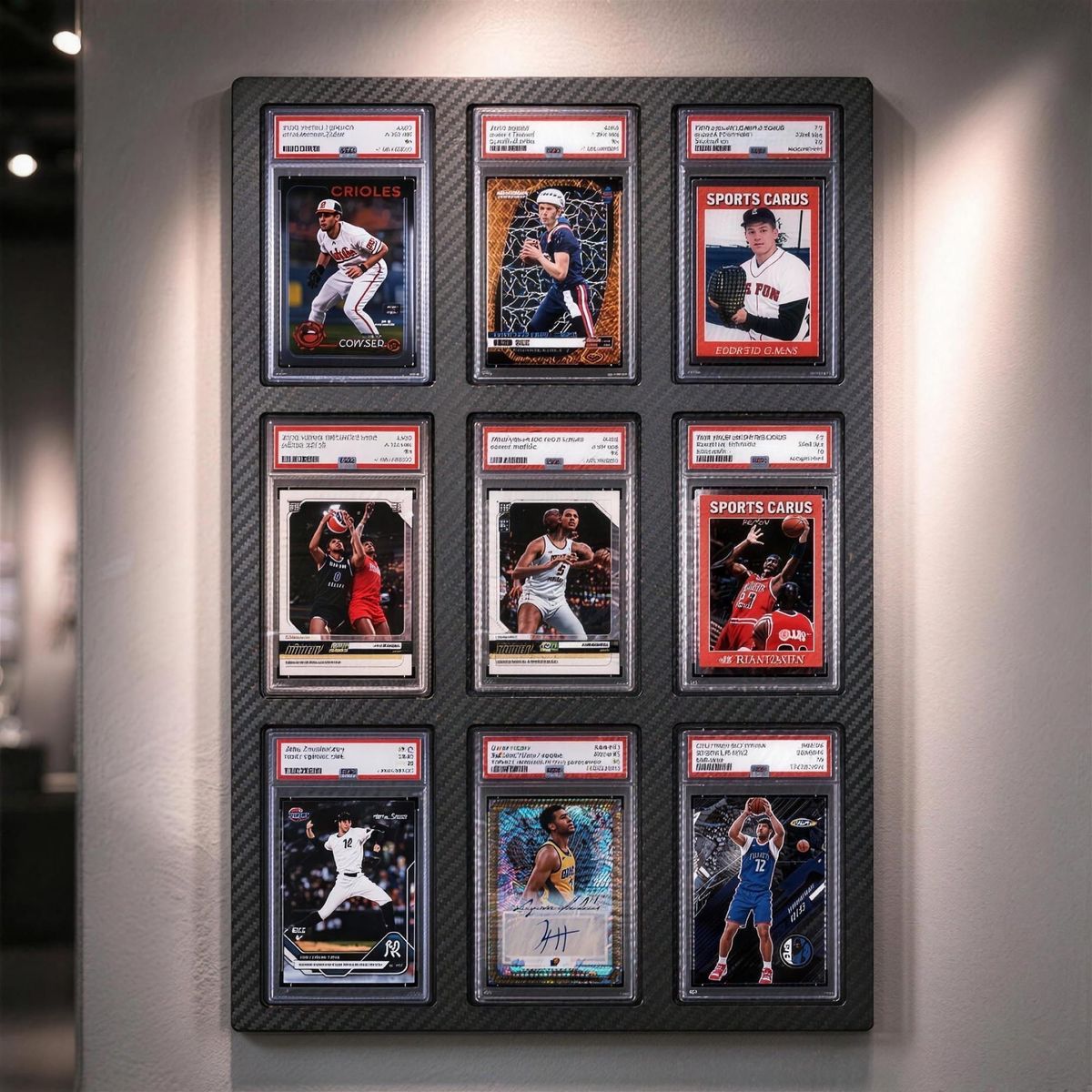
Graded cards, sealed in hard plastic cases called slabs, usually end up stacked in a box. A wall frame turns them into décor for an office, a man cave or a kid’s room. PSA’s own Vaulted Card Display holds 9 slabs for $59.99, and BCW’s interlocking graded-card frames, about $16 to $25 each, snap together into a wall as big as you want.
What to know: slabs aren’t all the same size. PSA, Beckett, SGC and CGC cases are different, so find out which company graded their cards before you buy. And hang it out of direct sunlight. (Signed balls and jerseys need the same care. See our guide to displaying autographs without fading them.)
9. A day at a card show
Best for: kids, and anybody who’d rather dig through boxes than shop online. $5 to $15 to get in, plus spending money.
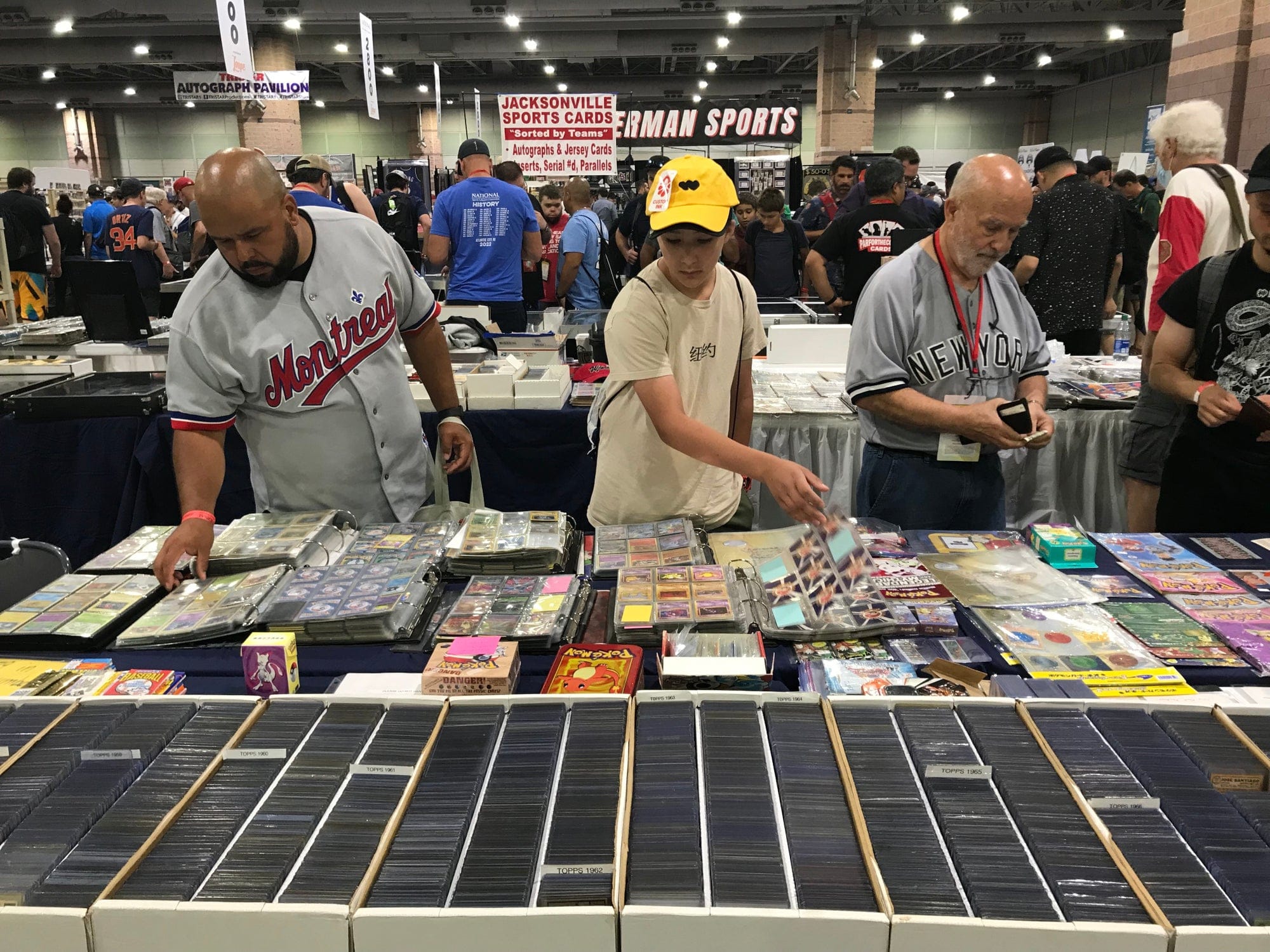
Most cities have a card show every month or two, usually in a hotel ballroom or a convention center, with dozens of dealers at folding tables. Admission at a local show is usually $5 to $15, and kids often get in free. Wrap up a printout of the date with $20 or $50 in spending money, and plan on going with them. It’s the best way to see the hobby the way collectors do.
10. Something with a story
Best for: anyone over 40, or a kid who wants “cards from the year Dad was born.” $5 to $200 and up.

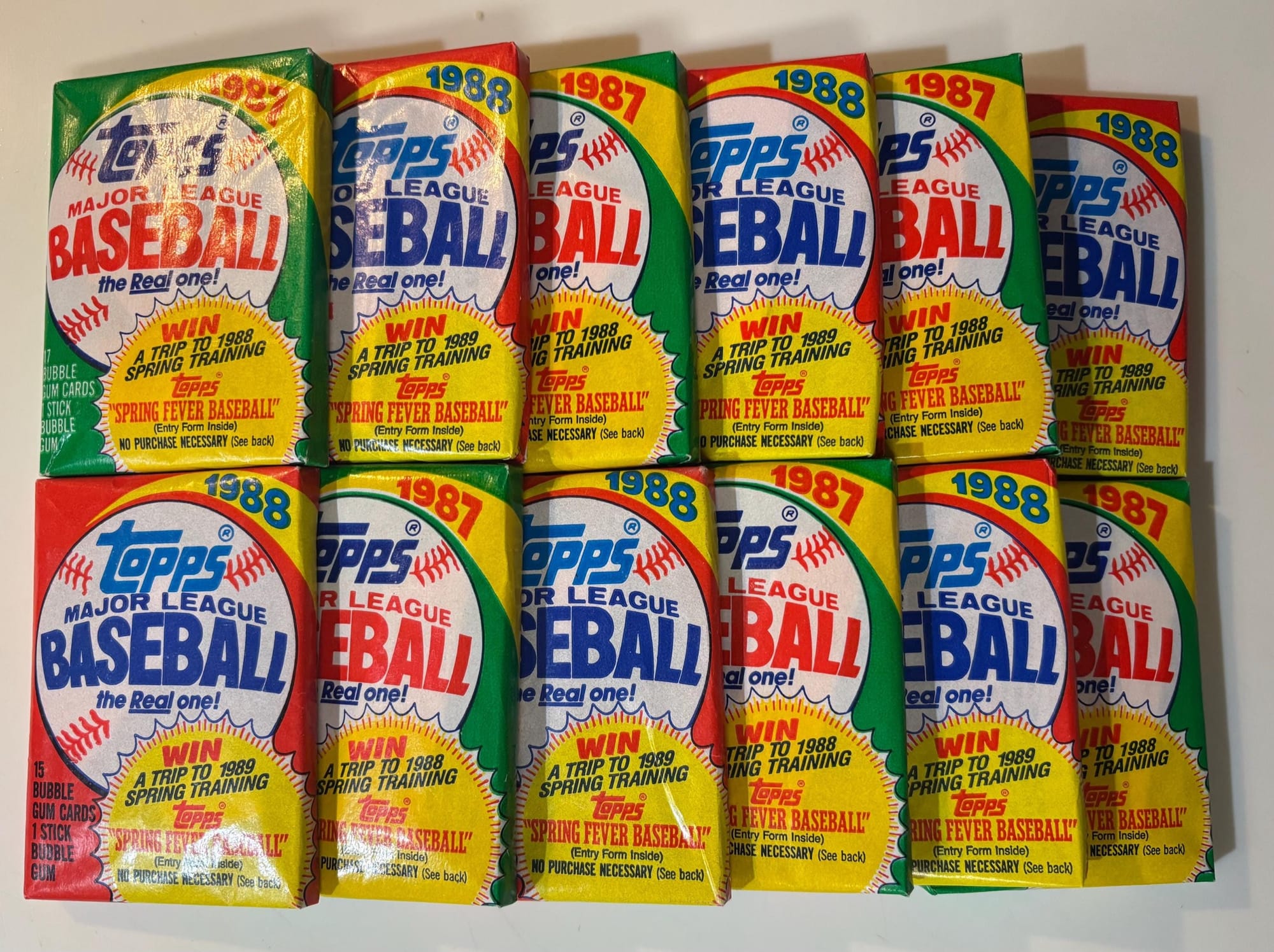
The cheapest version is a pack from the “junk wax” era, roughly 1986 to 1991, when card companies printed so many cards that almost none of them are worth much today. That’s the point. A 1988 Topps rack pack costs about $4 to $6, it smells like 1988, and it’s a time capsule. (Don’t eat the gum.)
The step up is a graded vintage card of a Hall of Famer. A regular-issue 1970s card of a Hall of Famer in mid-grade condition (PSA 4 to 6) typically runs about $25 to $75, and bigger names or older cards run $75 to $200 and up. Look for the card from the year they were born, or their favorite player when they were a kid.
What to know: buy vintage cards already graded by PSA, SGC or Beckett, and check the certification number on the grader’s website. For sealed vintage packs, buy product sealed by the Baseball Card Exchange (BBCE). Loose “unopened” packs from random sellers are too easy to reseal.
One last tip
If you’re still stuck, ask the collector one question: who do you collect? A $4 one-touch with one card of their favorite player in it beats a $200 box of somebody else’s team. What’s the best card gift you’ve ever gotten? Tell us in the comments.


Comments ()