
The 5 Worst Work Stoppages in Sports History (Read Before December)
Baseball's labor deal expires Dec. 1, and a lockout is widely expected — the owners want a salary cap for the first time since the fight that canceled a World Series. Whether 2027 games are actually lost depends on what happens by spring. Before we find out, here's the historical yardstick: the 5 work stoppages that did the most damage, ranked.
5. The 1998-99 NBA Lockout
Two hundred four days over how to split the money, settled in January, leaving a sprint of a 50-game season and the only canceled All-Star Game in NBA history. The chaos was the content: Shawn Kemp reported to camp catastrophically out of shape ("I didn't think we were coming back," he told his coach), Michael Jordan announced his second retirement days after the handshake deal — and the season ended with the strangest Finals ever: the Spurs' first title, over a Knicks team that remains the only 8-seed ever to get there. An asterisk year that San Antonio spent 4 more championships erasing.
4. The 1981 MLB Strike
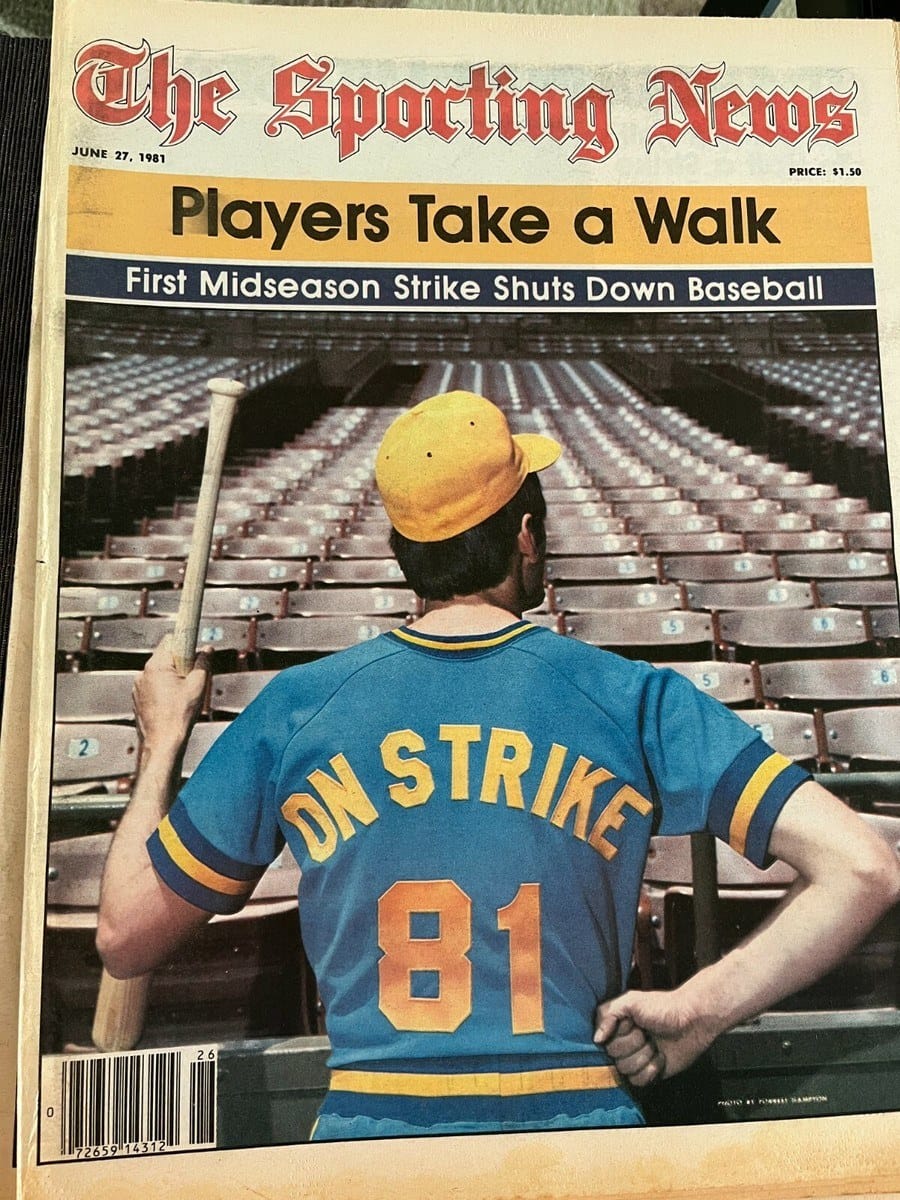
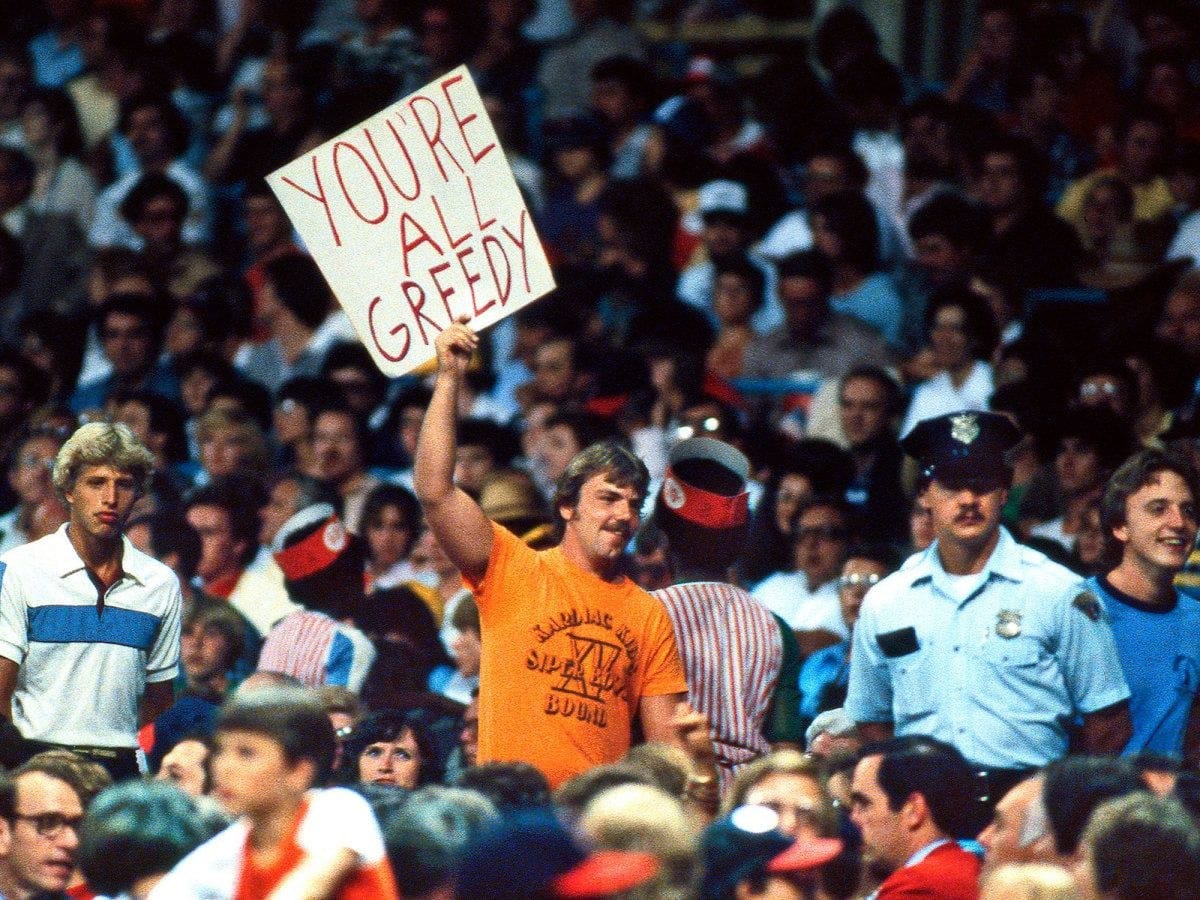
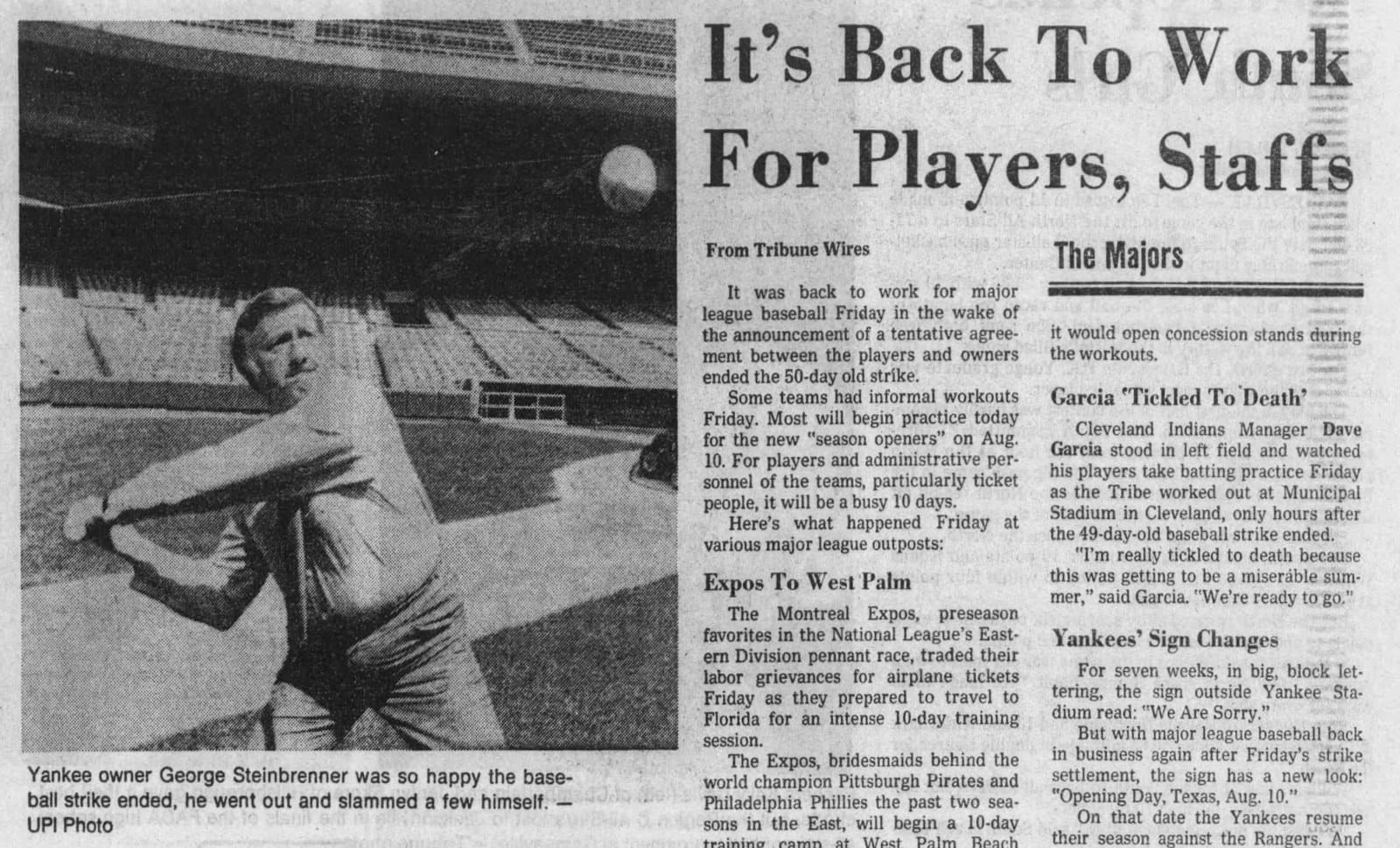
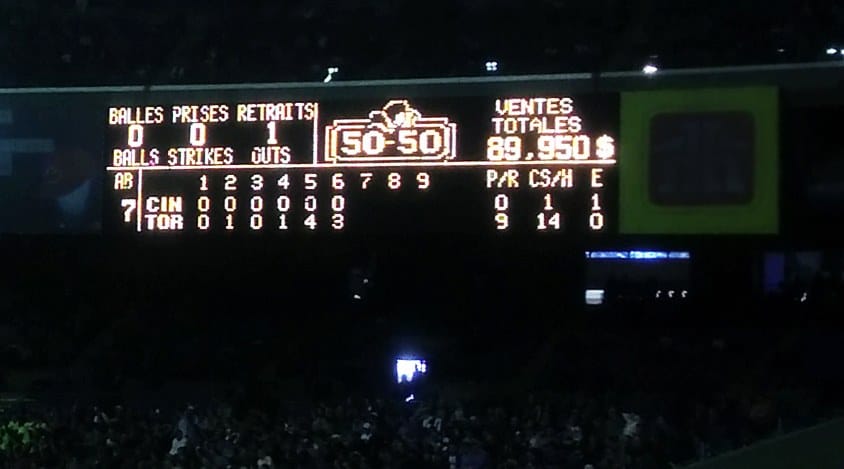
Fifty days and more than 700 games, gone in midsummer over free-agent compensation. But 1981 makes the list for the fix, not the fight: baseball invented a "split season" where the winners of each half made the playoffs. Result: the Cincinnati Reds posted the best overall record in all of baseball — 66-42 — finished second in both halves, and missed the playoffs entirely. The Cardinals, best in the NL East, same fate. The Reds hung a banner anyway. The lesson: the stoppage is bad; the improvised format after the stoppage can be worse.
3. The 1987 NFL Strike
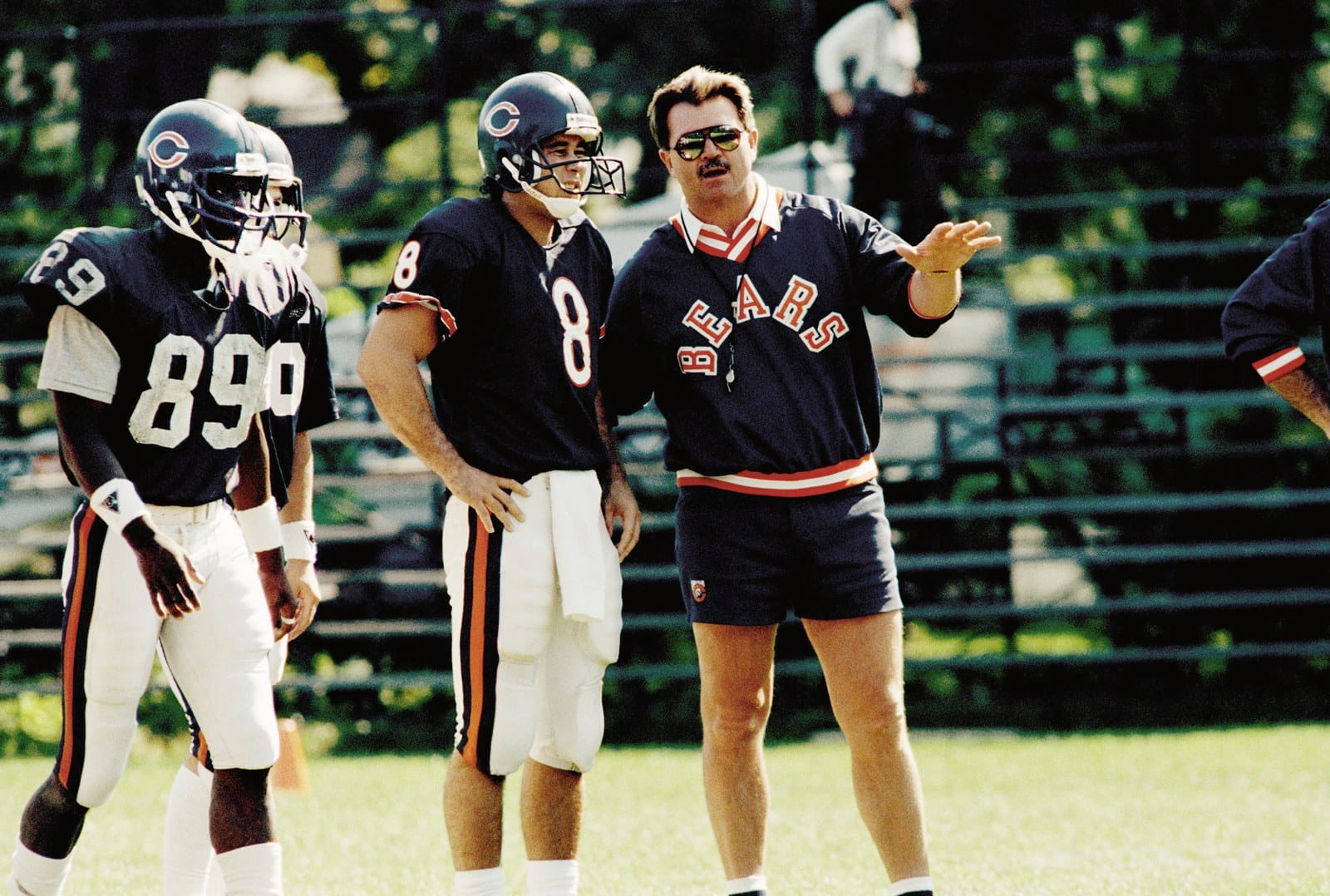
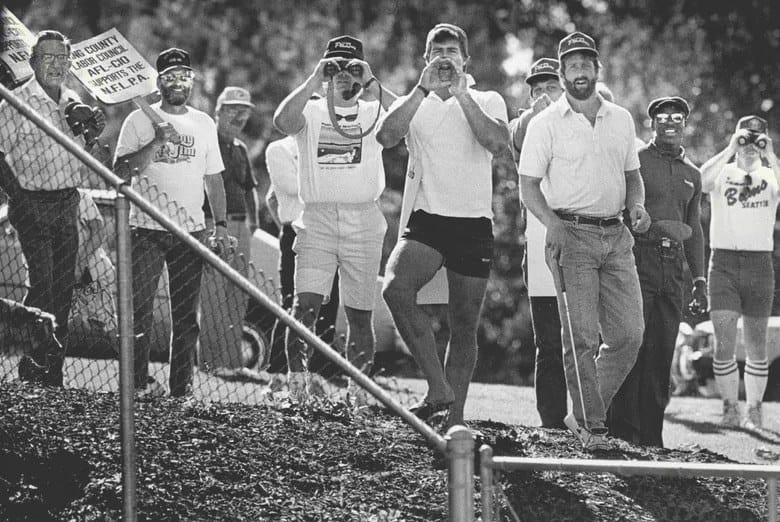
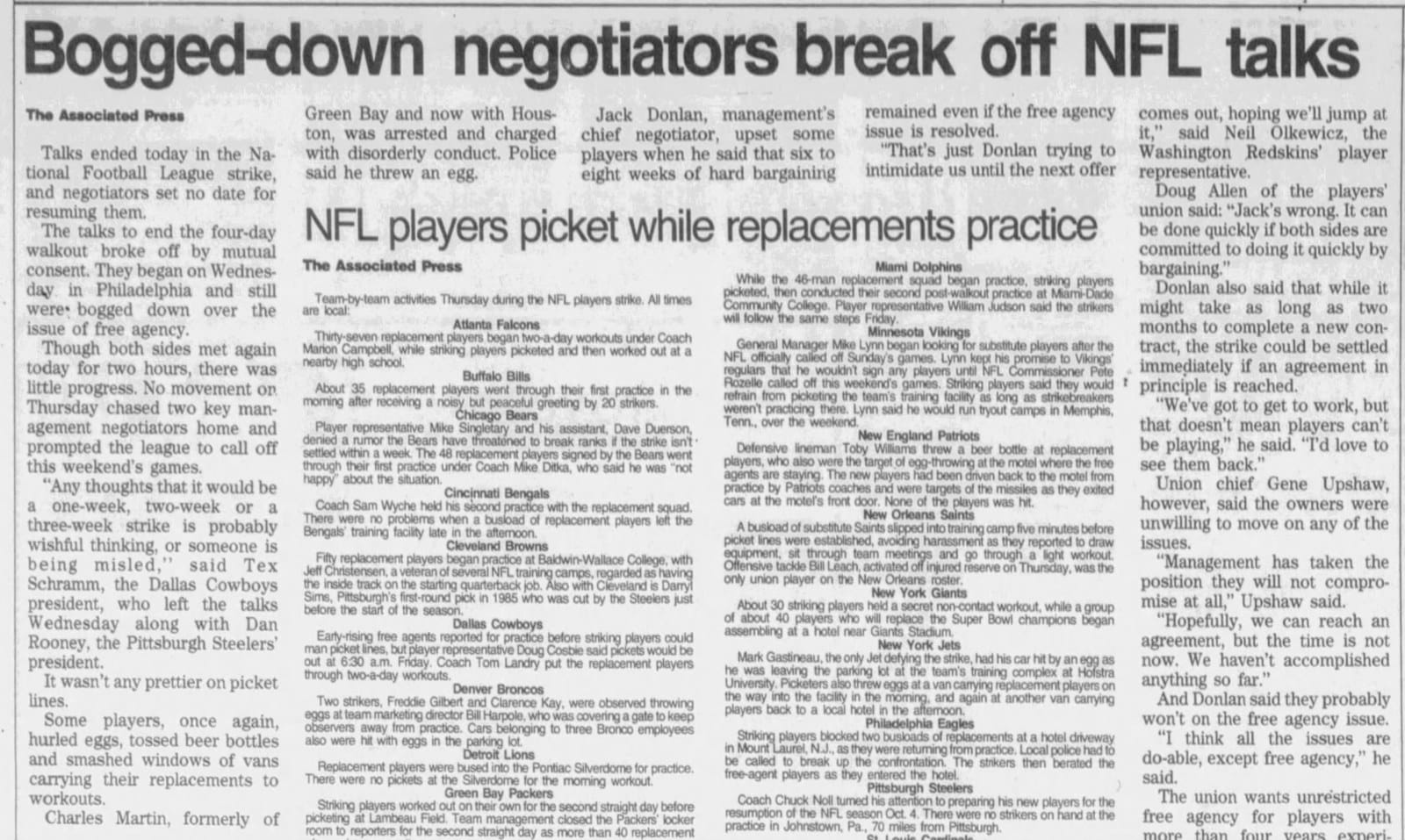
The strangest 24 days in league history. When the players walked, the owners didn't cancel games — they hired replacements, and the games counted. America got the Spare Bears and the Rhinestone Cowboys, while stars like Joe Montana and Lawrence Taylor crossed their own picket lines. The moral center of the story: not a single Washington veteran crossed — and Washington's all-replacement squad went 3-0, including a Monday-night win in Dallas over a Cowboys team stuffed with returned stars. That 3-0 held up the tiebreakers all the way to a Super Bowl title. In 2018, 31 years late, the franchise finally gave its replacement players rings.
2. The 2004-05 NHL Lockout

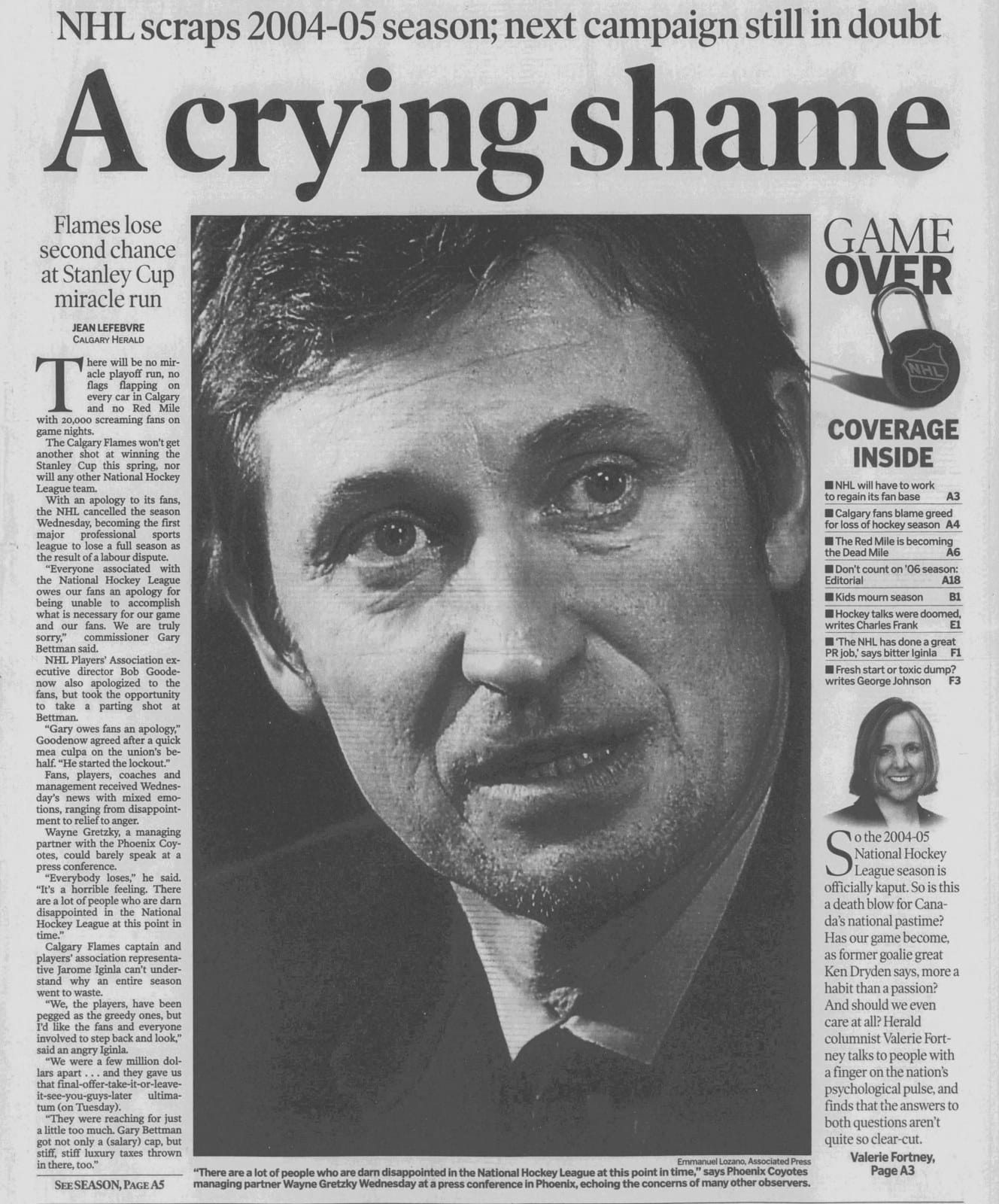
The biggest raw loss in sports labor history — and it isn't close. The NHL is the only major North American league ever to cancel an entire season: all 1,230 games, gone, and for the first time since the 1919 flu pandemic, no Stanley Cup was awarded. The truly maddening part: the two sides died roughly $6.5 million apart — the union's final cap offer was $49 million, the league's was $42.5 million, and neither side moved. An entire sport dark for a year, over a gap smaller than one good defenseman's contract.
1. The 1994-95 MLB Strike
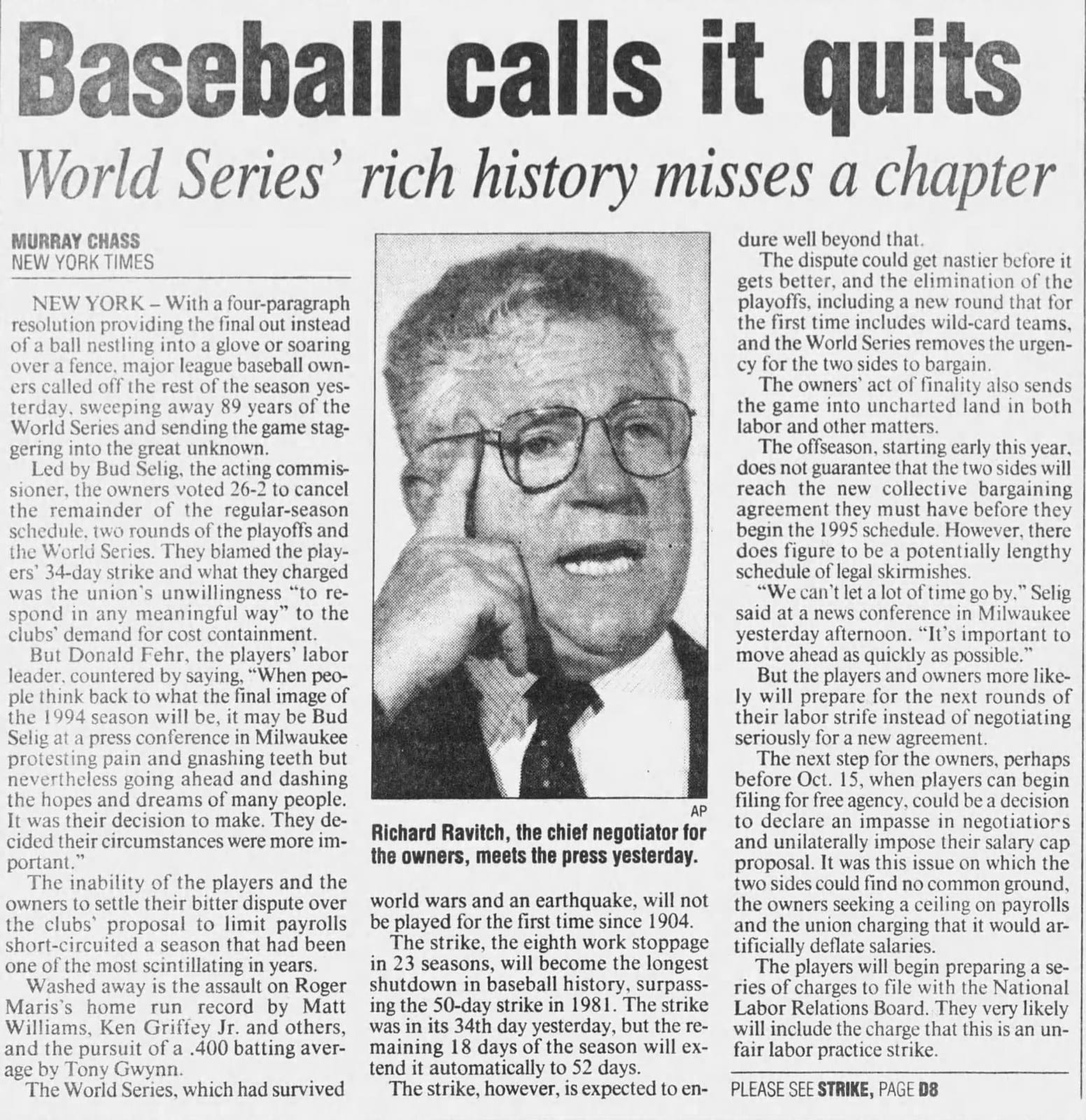
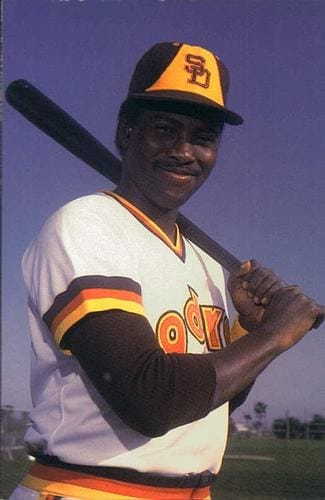
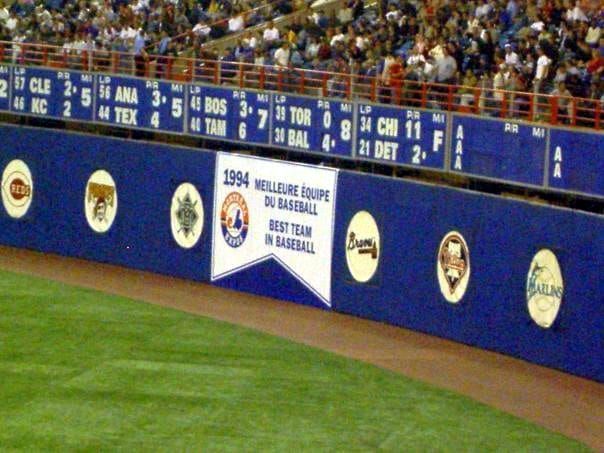
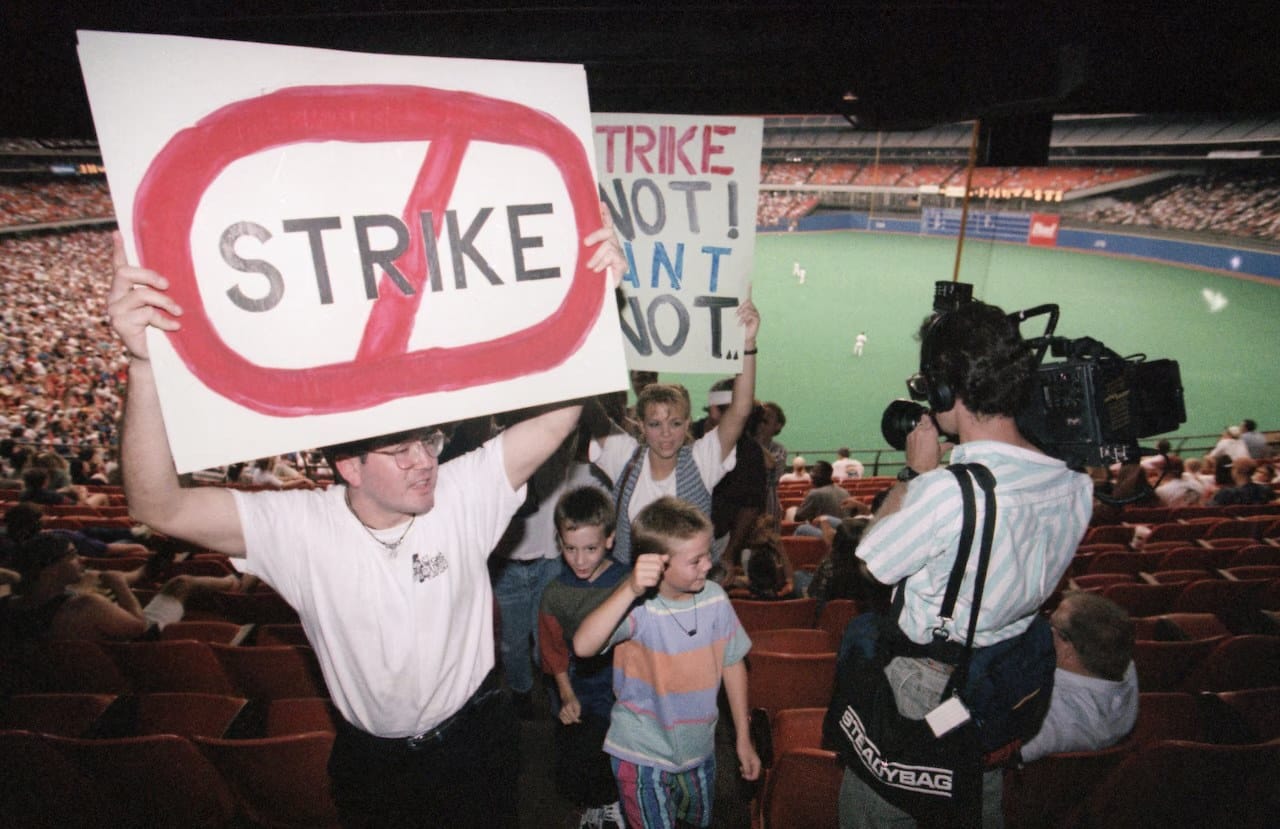
The NHL lost more games. Baseball lost more history. The strike began Aug. 12, 1994; on Sept. 14, Bud Selig canceled the World Series — the first missed Series in 90 years, a streak that had survived 2 world wars and an earthquake. Frozen mid-sentence: Tony Gwynn hitting .394, the best shot at .400 since Ted Williams. Matt Williams at 43 homers, on pace for Maris. And the Montreal Expos at 74-40, the best team in baseball — a franchise that never recovered, sold off its stars, and left Canada a decade later. The 232-day strike ended only when a federal judge named Sonia Sotomayor — yes, that one — issued an injunction against the owners in a hearing that took about 15 minutes. Attendance fell 20% the next year and took the better part of a decade (and, uncomfortably, a home-run boom) to recover.
Honorable Mentions
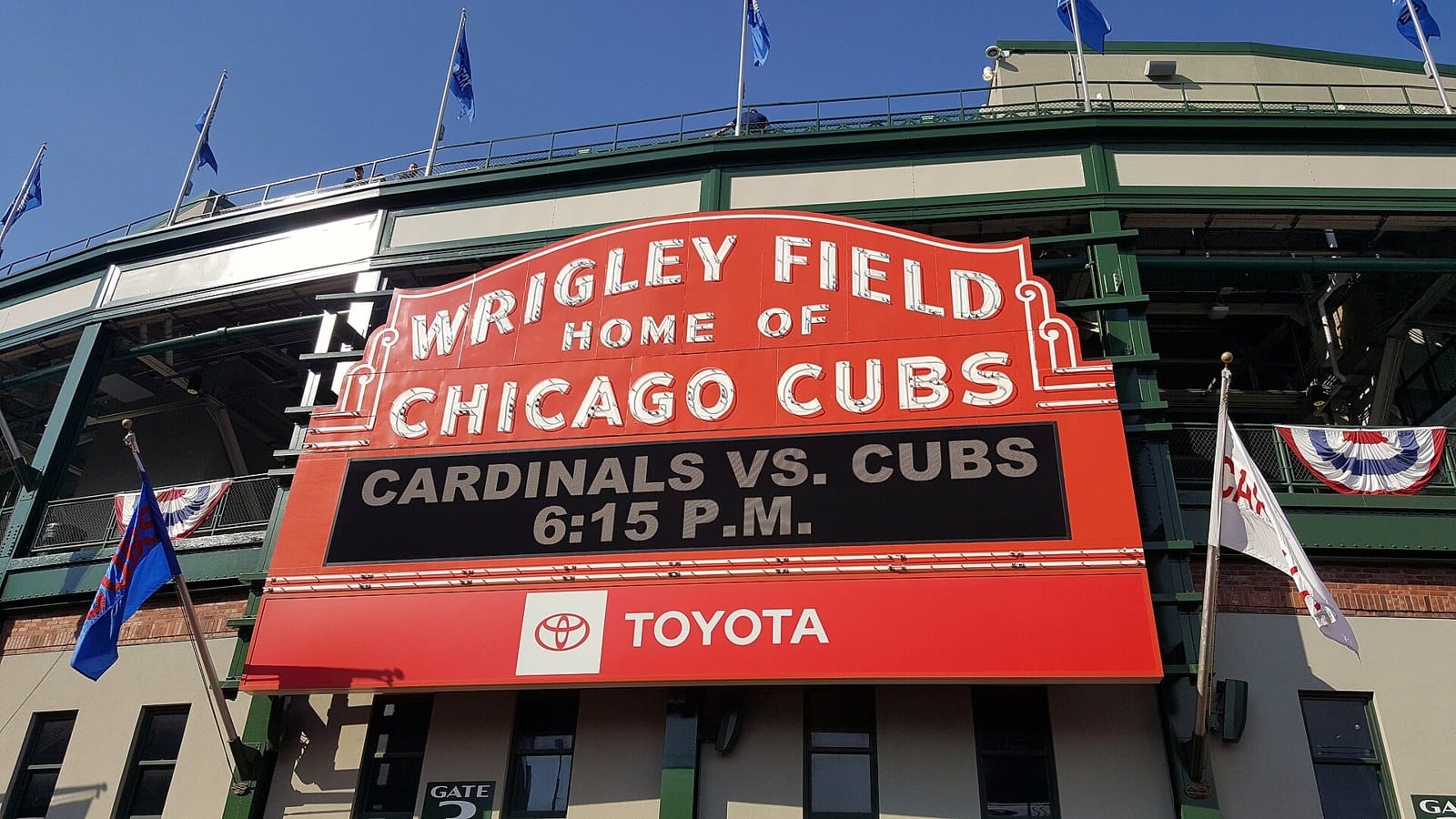
The 1982 NFL strike cut the season to 9 games and produced a one-off 16-team "Super Bowl Tournament" that let 2 losing teams into the playoffs. And the 1972 MLB strike — the first ever — canceled 86 games that were never made up, so teams played unequal schedules: Detroit won the AL East by a half game over Boston, which played 1 fewer game. A pennant decided by a game that never happened.
The Moral, Heading Into December
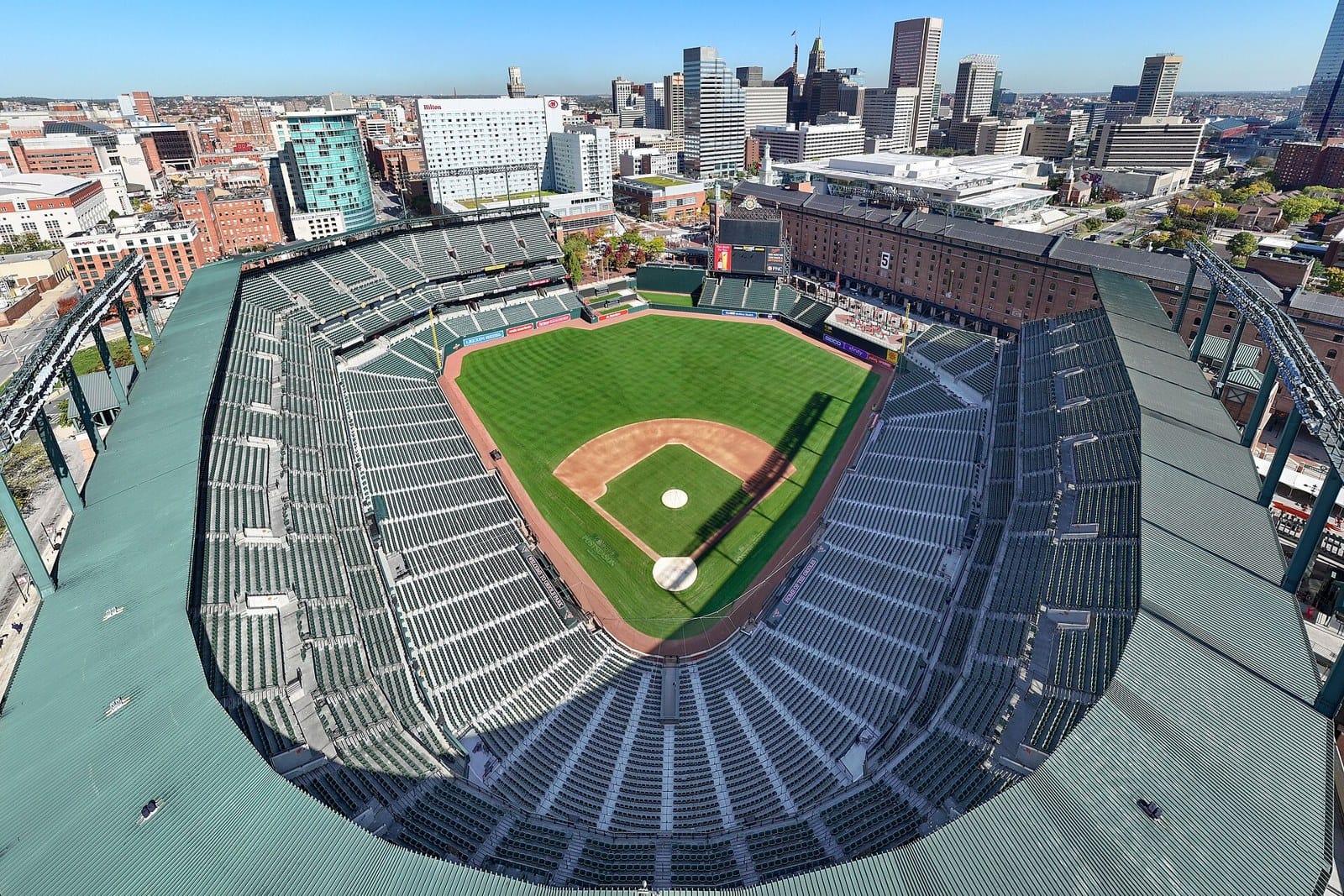
Every one of these fights was, underneath, the same fight baseball is about to have again: how to split the money, and whether a cap is worth burning a season over. History's answer is consistent — the sport always loses more than either side wins. Ask Montreal.

Comments ()