
The US Open Wasn't Always a Hard-Court Tournament — It Changed Surfaces Twice in 4 Years
Ask any tennis fan what the US Open is played on and they'll tell you: hard courts, blue paint, night matches under the lights in Queens. All true — since 1978.
But the tournament is nearly a century older than its surface. The US Open spent 93 years on grass, took a strange 3-year detour onto green clay, and only then became the hard-court major we know. It's the only Grand Slam that has been played on all 3 surfaces — and exactly one player ever conquered every version of it.
93 Years on Grass (1881-1974)
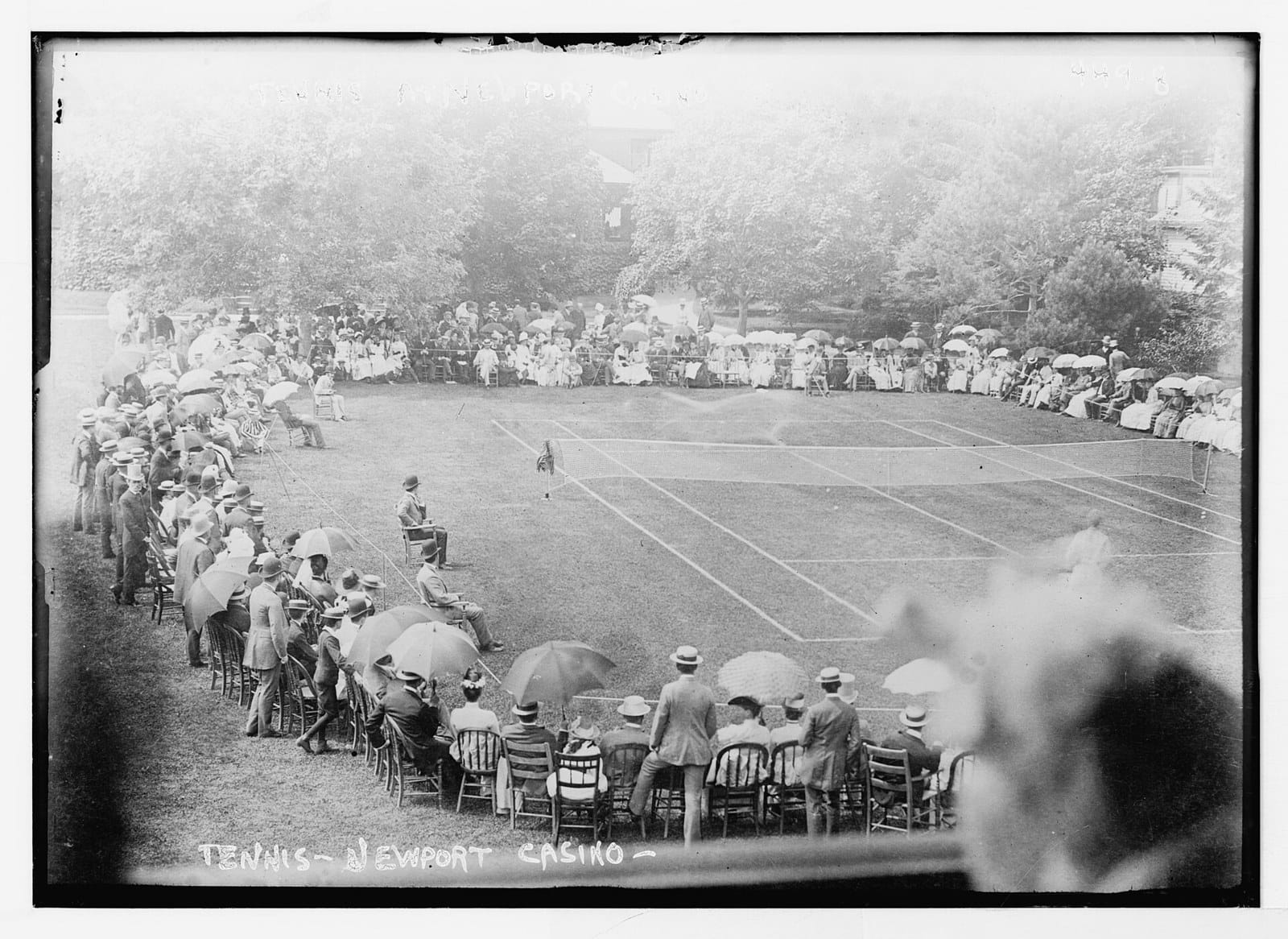
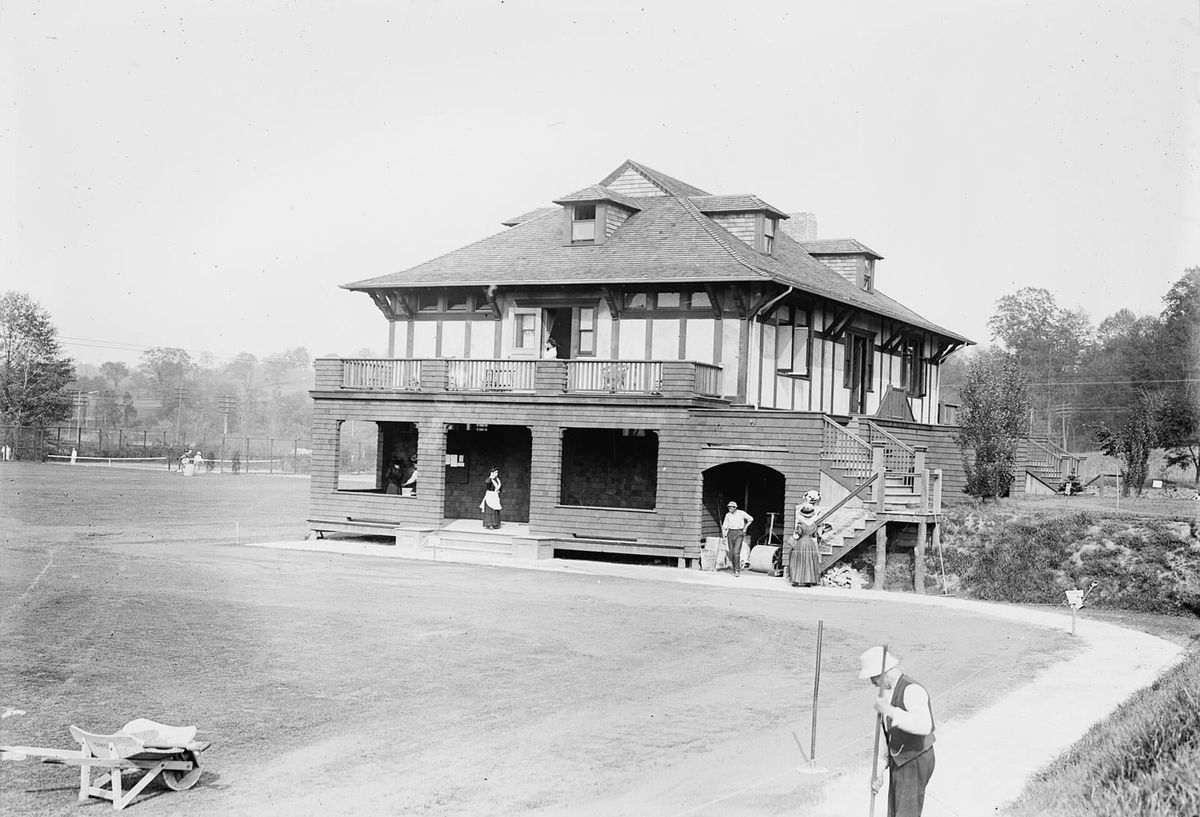
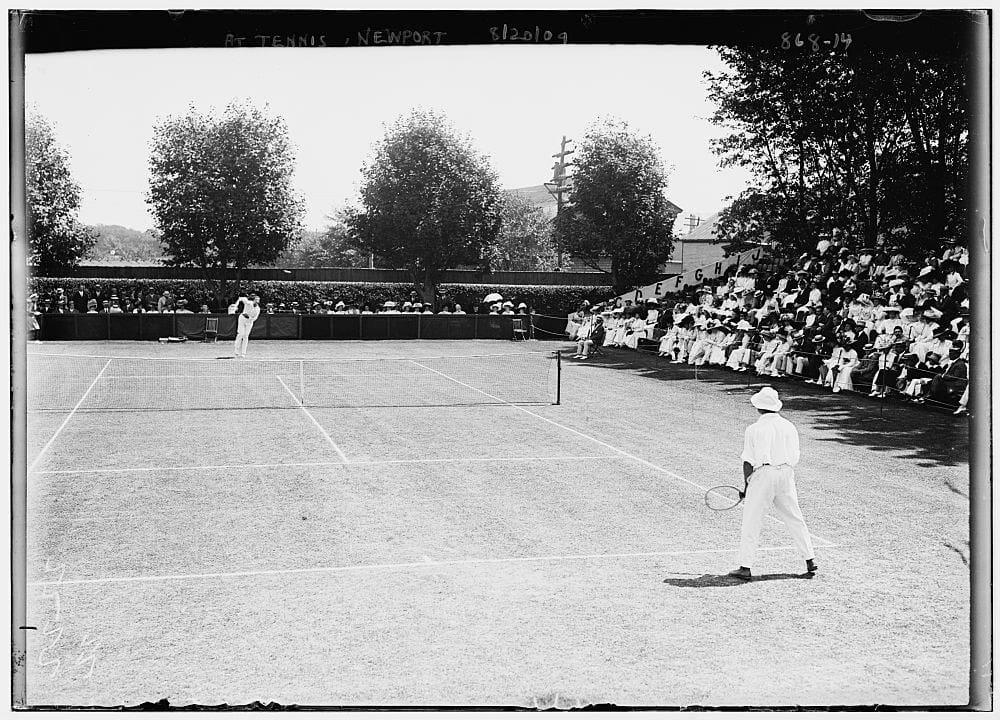
The US National Championships began in 1881 at the Newport Casino in Rhode Island, on grass — and stayed on grass through Bill Tilden, Don Budge, and Billie Jean King. The men's event moved to the West Side Tennis Club at Forest Hills in 1915 (with a brief Philadelphia stint in the early 1920s), and Forest Hills became the tournament's spiritual home for 6 decades.
By the early 1970s, though, the famous lawns were the problem. Players complained openly about the worn, patchy grass and its unpredictable bounces. Something had to give.
The Weird Clay Years (1975-1977)
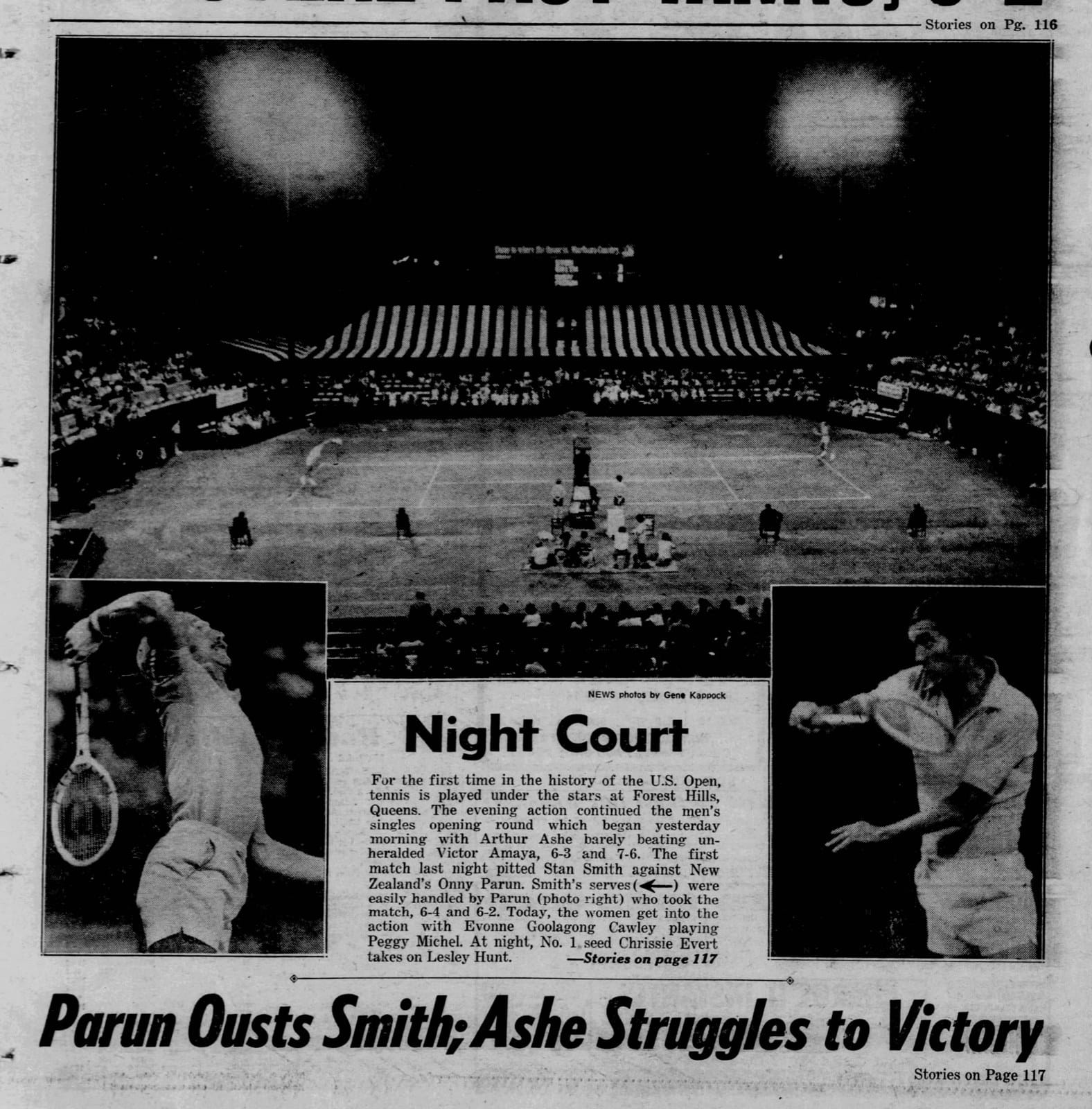
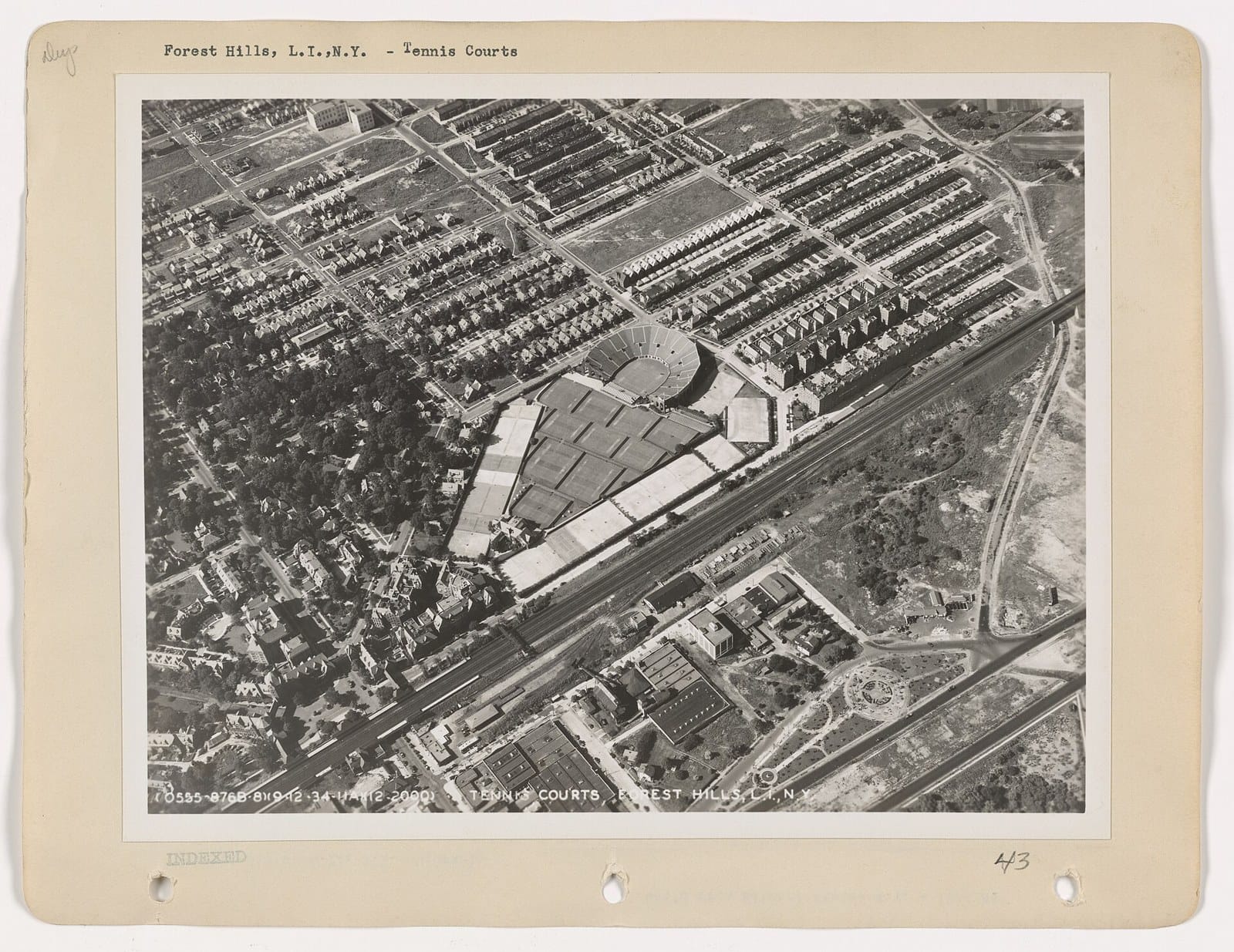
The fix was one of the strangest surface decisions in tennis history: in 1975, the tournament stayed at Forest Hills but ripped out the grass and installed Har-Tru — the green, gritty American clay. Same stadium, same clubhouse, completely different sport. That same summer the club added floodlights, and the US Open became the first major with scheduled night tennis.
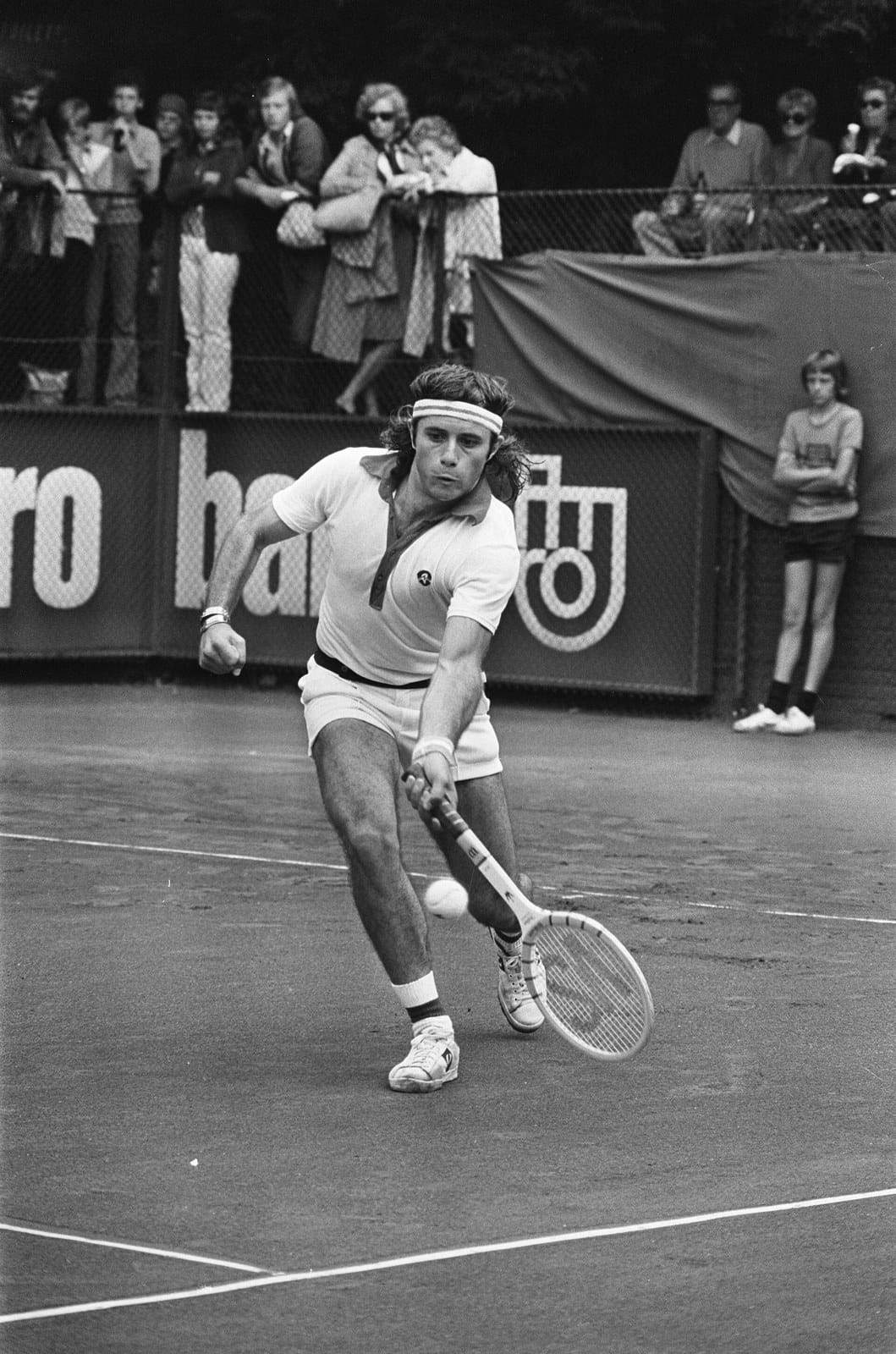
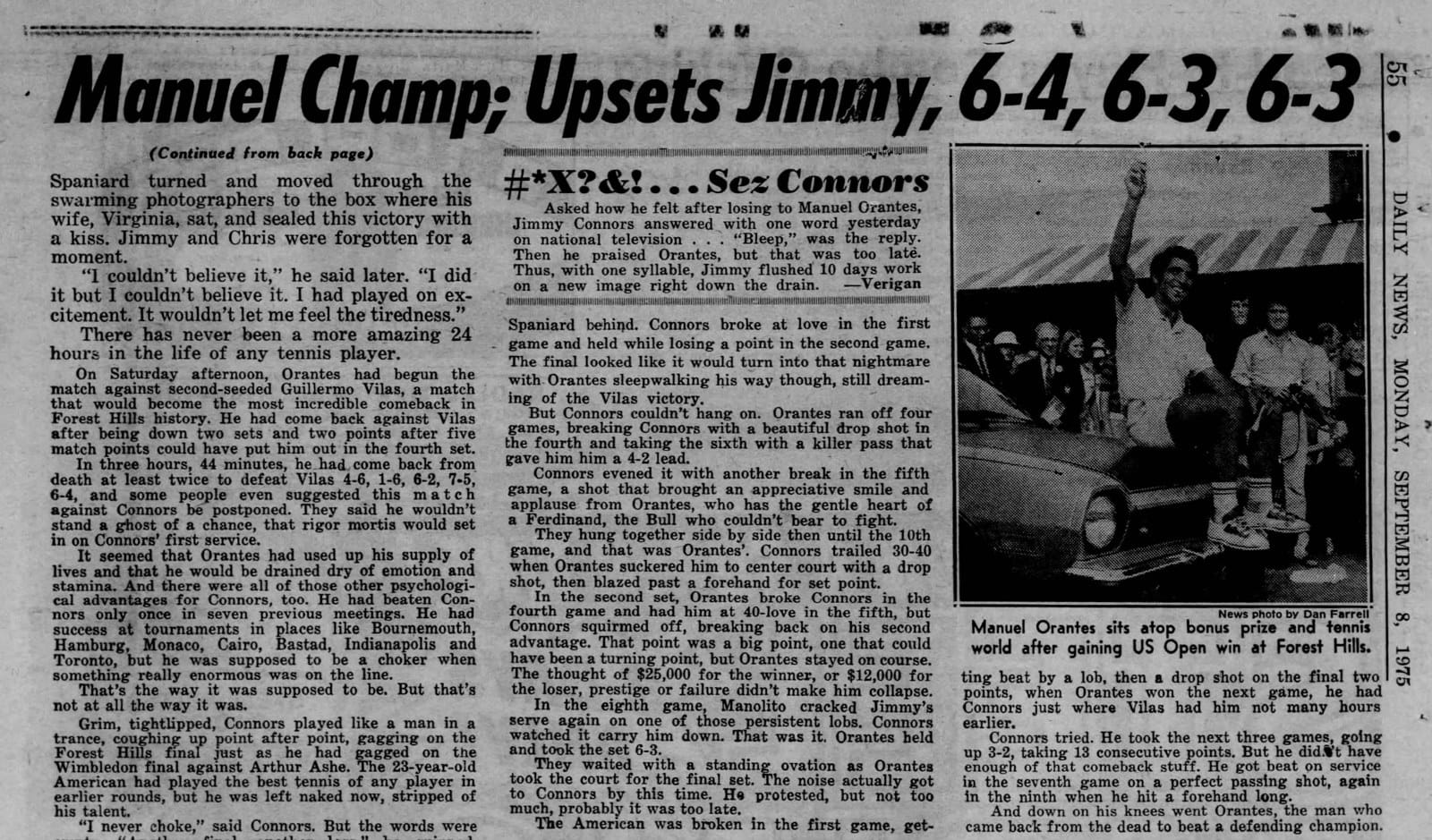
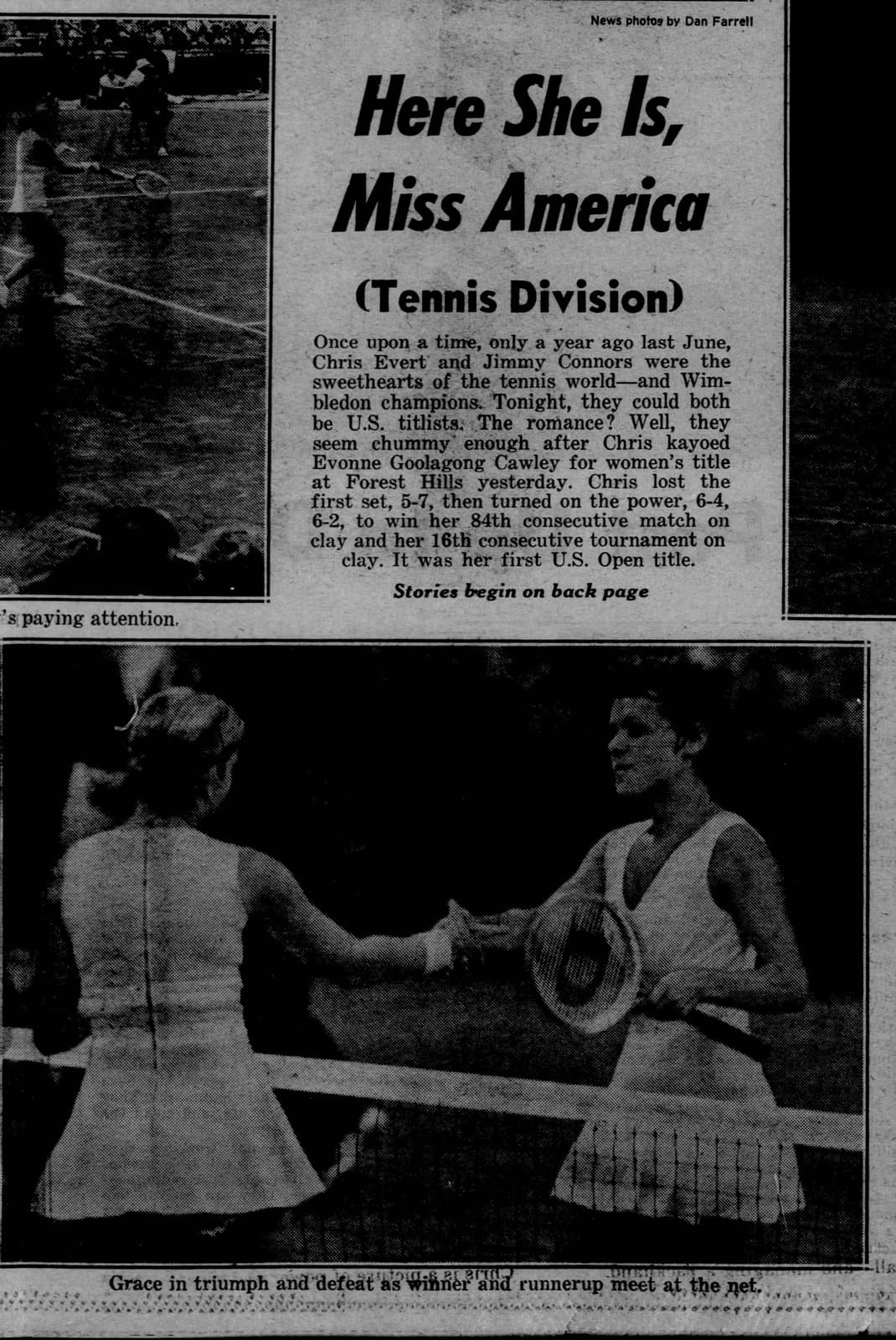
The clay era lasted just 3 editions, and it rewrote results. Manuel Orantes, a Spanish clay specialist, beat defending champion Jimmy Connors for the 1975 title — a day after saving 5 match points in a semifinal that ended near midnight. Chris Evert, who had lost 4 straight semifinals on the Forest Hills grass, won all 3 clay editions. And Guillermo Vilas closed the era — and Forest Hills' Grand Slam history — by beating Connors in the 1977 final, the last major ever played there.
The Move to Queens (1978)
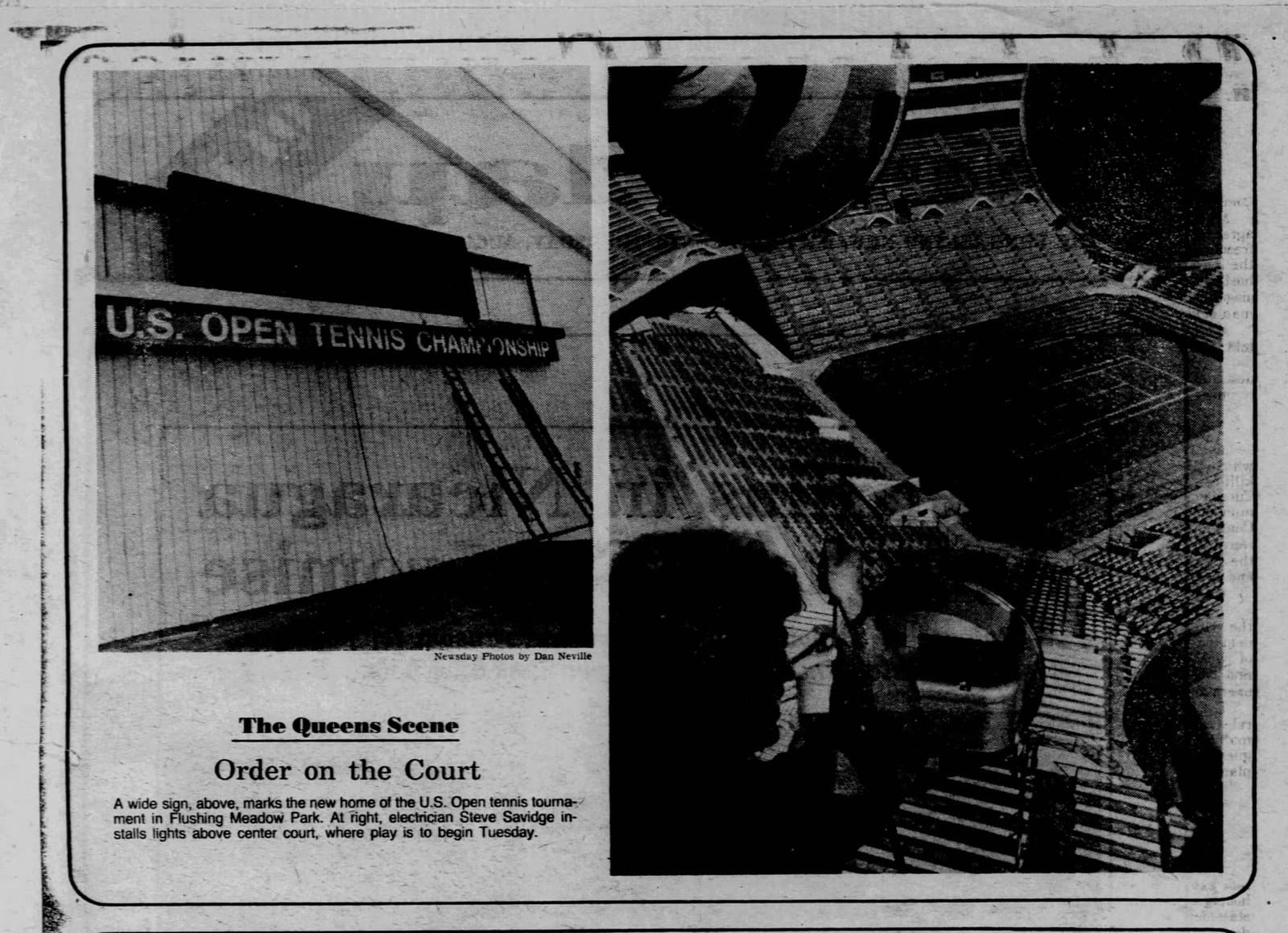
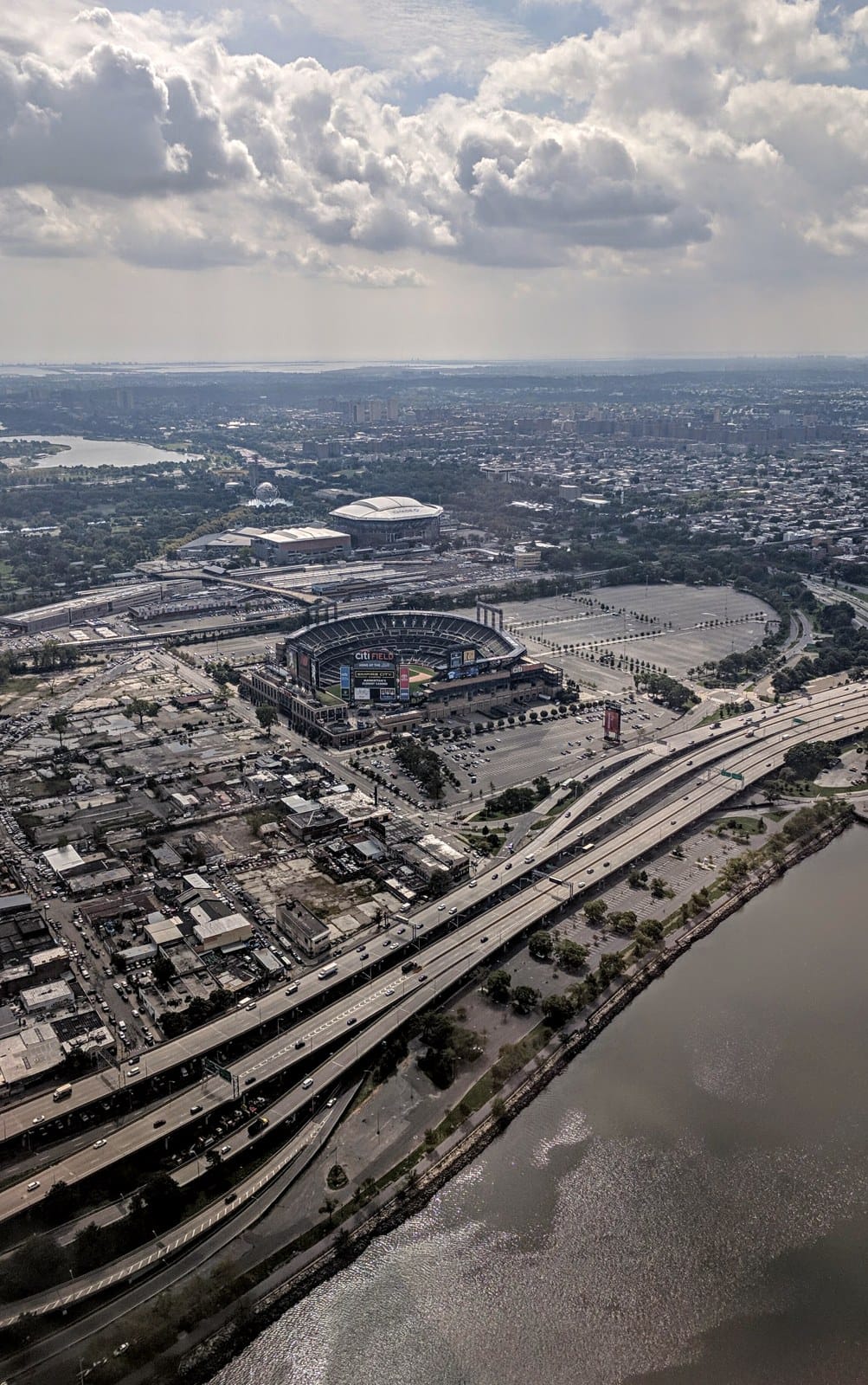
The tournament had simply outgrown the West Side Tennis Club. USTA president W.E. "Slew" Hester famously spotted the old 1964 World's Fair grounds at Flushing Meadows from a plane descending into LaGuardia in January 1977 — and had a new National Tennis Center built in roughly 18 months, over the objections of the club being left behind. The 1978 Open debuted on DecoTurf hard courts, and hard it has stayed (the acrylic changed brands to Laykold in 2020, but it's been a hard-court major for close to 50 years).
The Only Man Who Won Them All
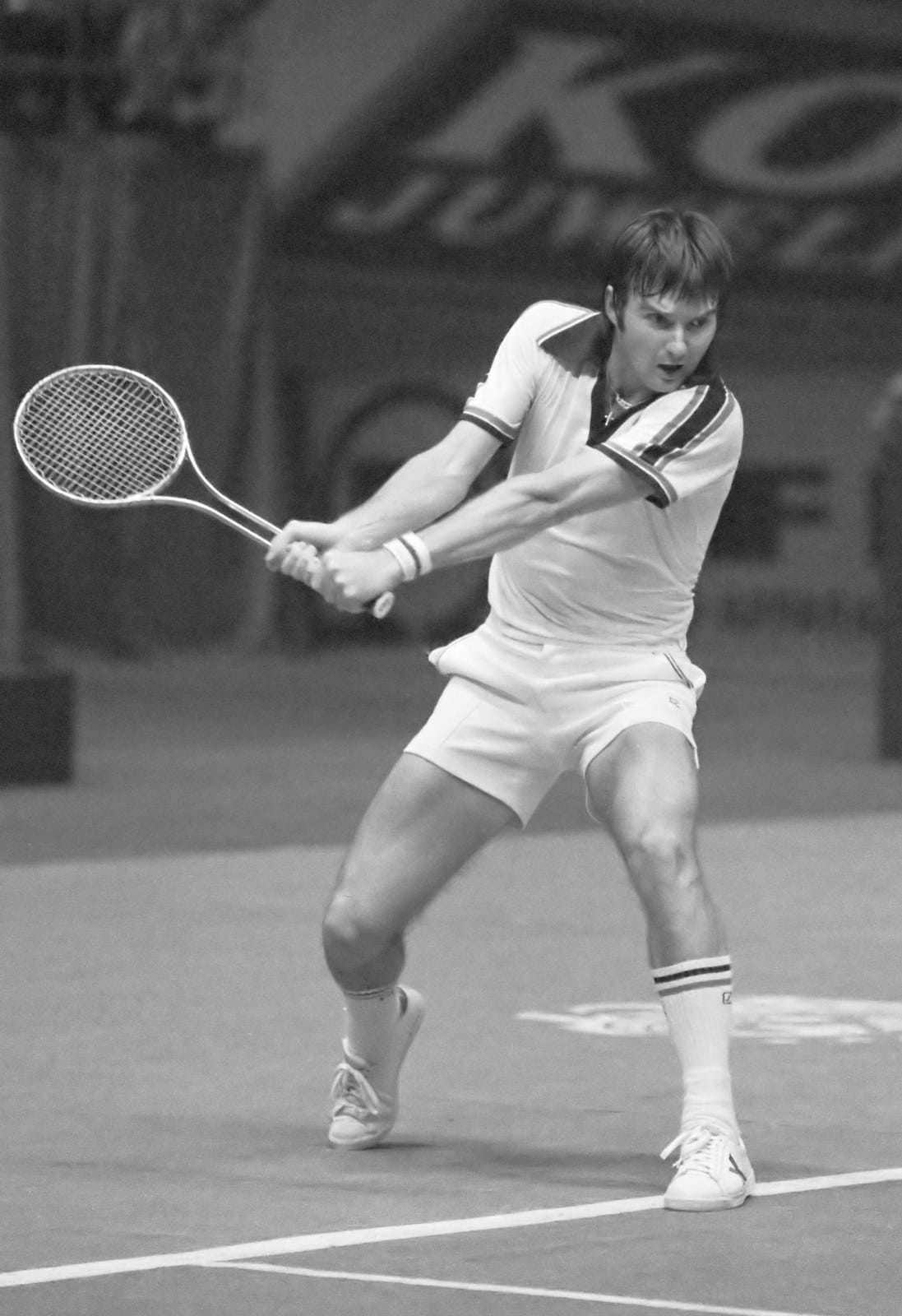
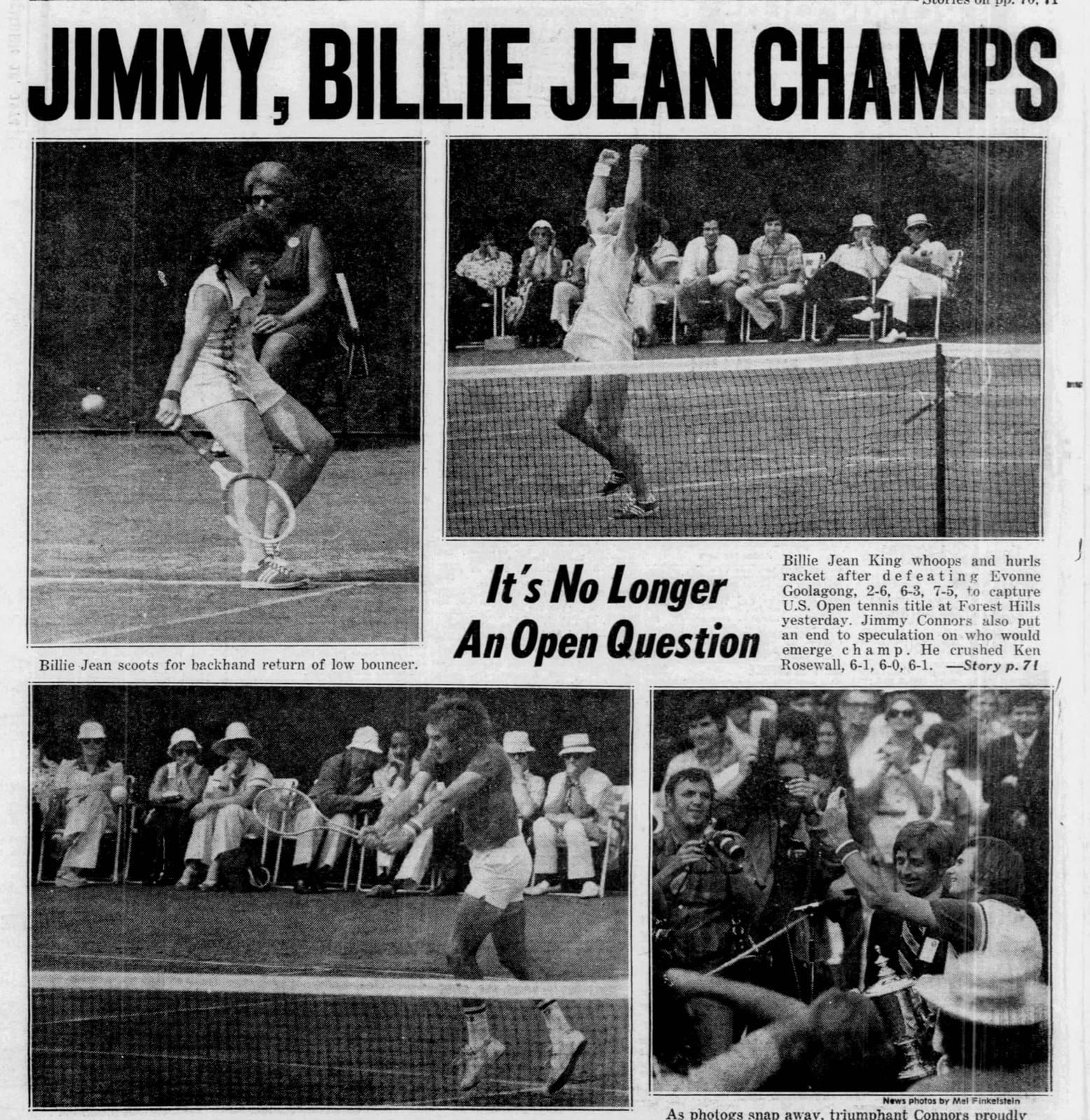
Here's the fact that makes the whole saga worth knowing: Jimmy Connors is the only player ever to win US Open singles titles on all 3 surfaces — grass in 1974, clay in 1976, and hard in 1978, 1982 and 1983. Nobody else has even won it on 2, except Chris Evert (3 on clay, 3 on hard).
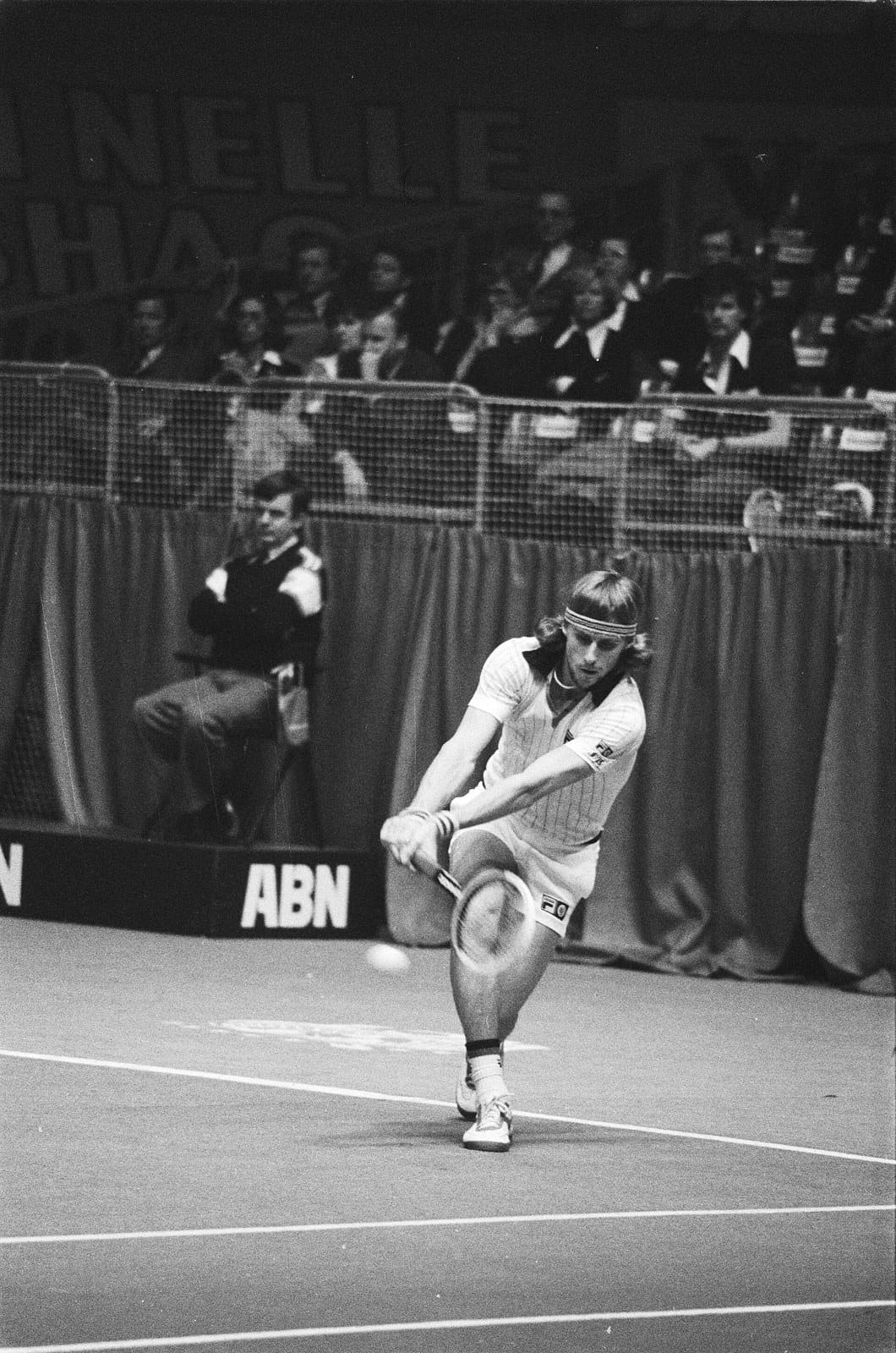
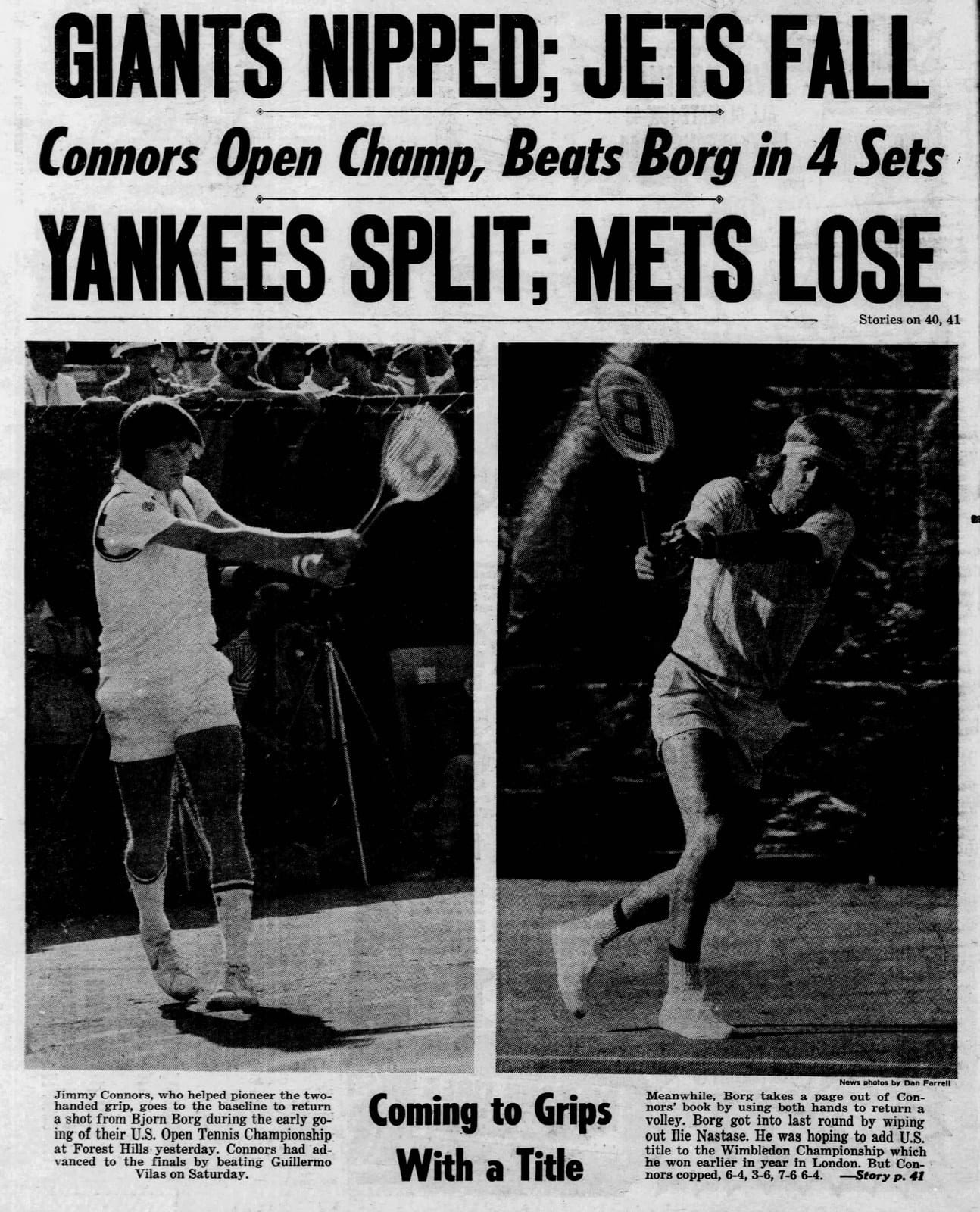
And the surface carousel has a villain's arc too: Bjorn Borg went 0-for-a-career at the US Open, losing 4 finals on 2 different surfaces — to Connors on clay in 1976 and on hard in 1978, then to McEnroe in 1980 and 1981. Eleven majors everywhere else, and the shape-shifting tournament in New York never let him have one.
The Punchline
Three surfaces, 3 venues, 1 tournament. The next time someone calls the US Open a hard-court event, you can tell them: for most of its life, it wasn't — and the only man who ever solved all 3 versions of it did it with the same steel racquet and the same scowl.
Comments ()