
When the NFL Champs Had to Play the College Kids — Every August, for 42 Years
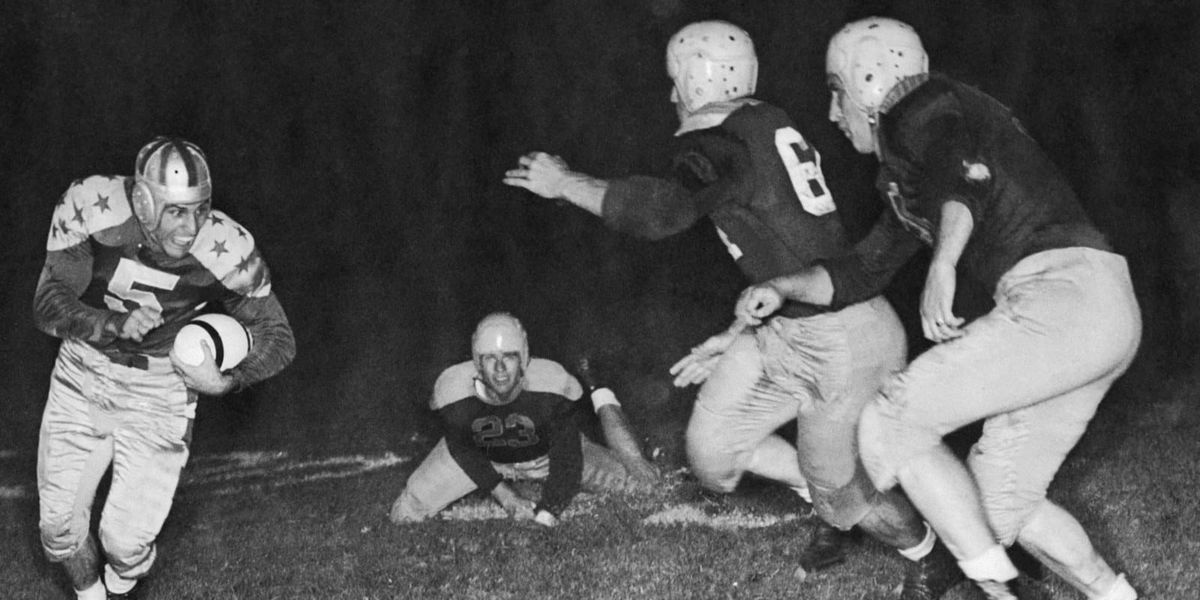
Imagine this today: the Chiefs win the Super Bowl, and their reward is an August exhibition against a team of unsigned draft picks — Caleb Williams, Marvin Harrison Jr., a coaching staff of legends — in front of 90,000 people. And if they lose, it counts. Not in the standings. Forever, in the newspapers.
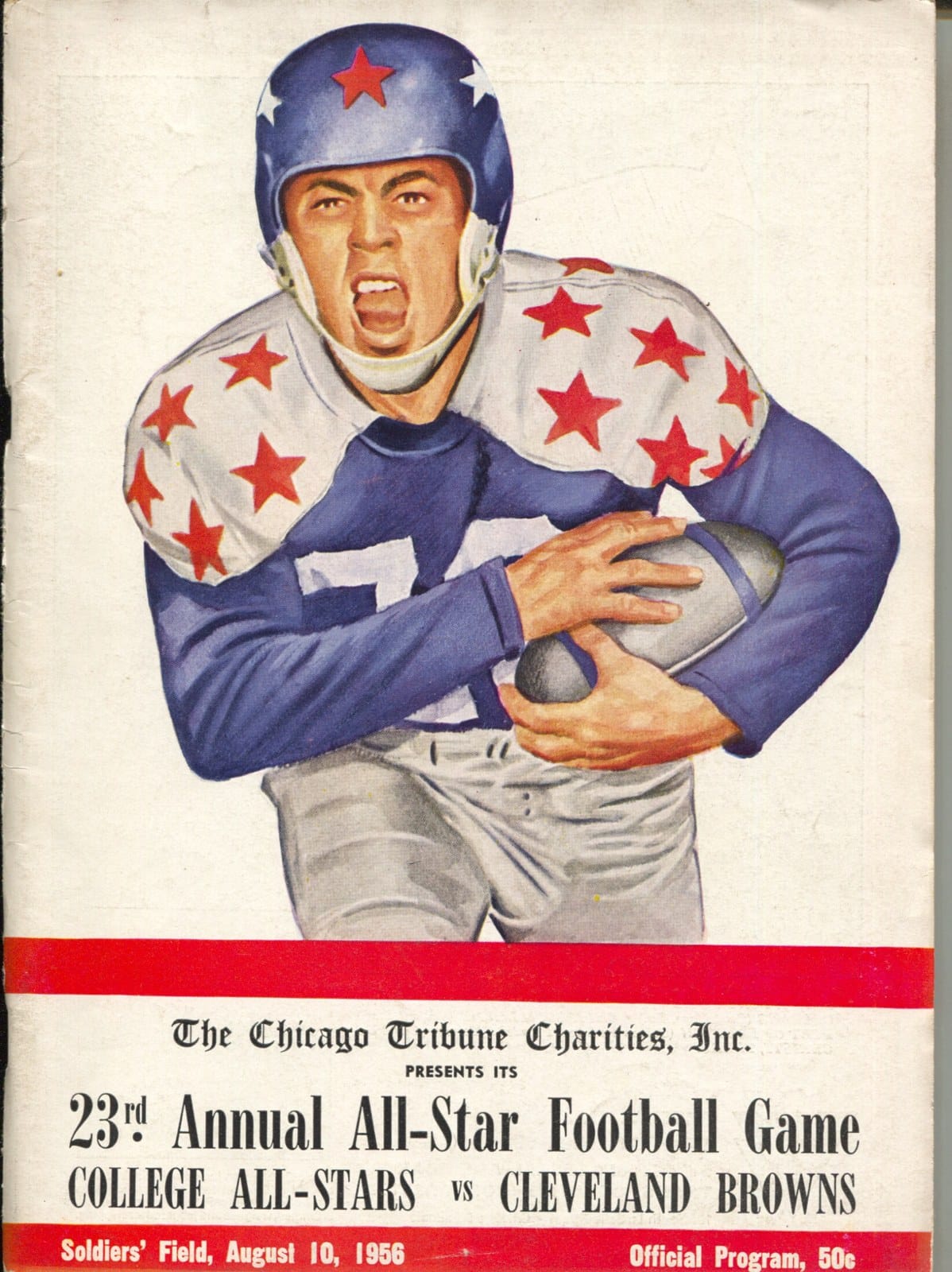
That game existed. It was called the Chicago College All-Star Game, it ran from 1934 to 1976, and the college kids won it 9 times.
The Invention
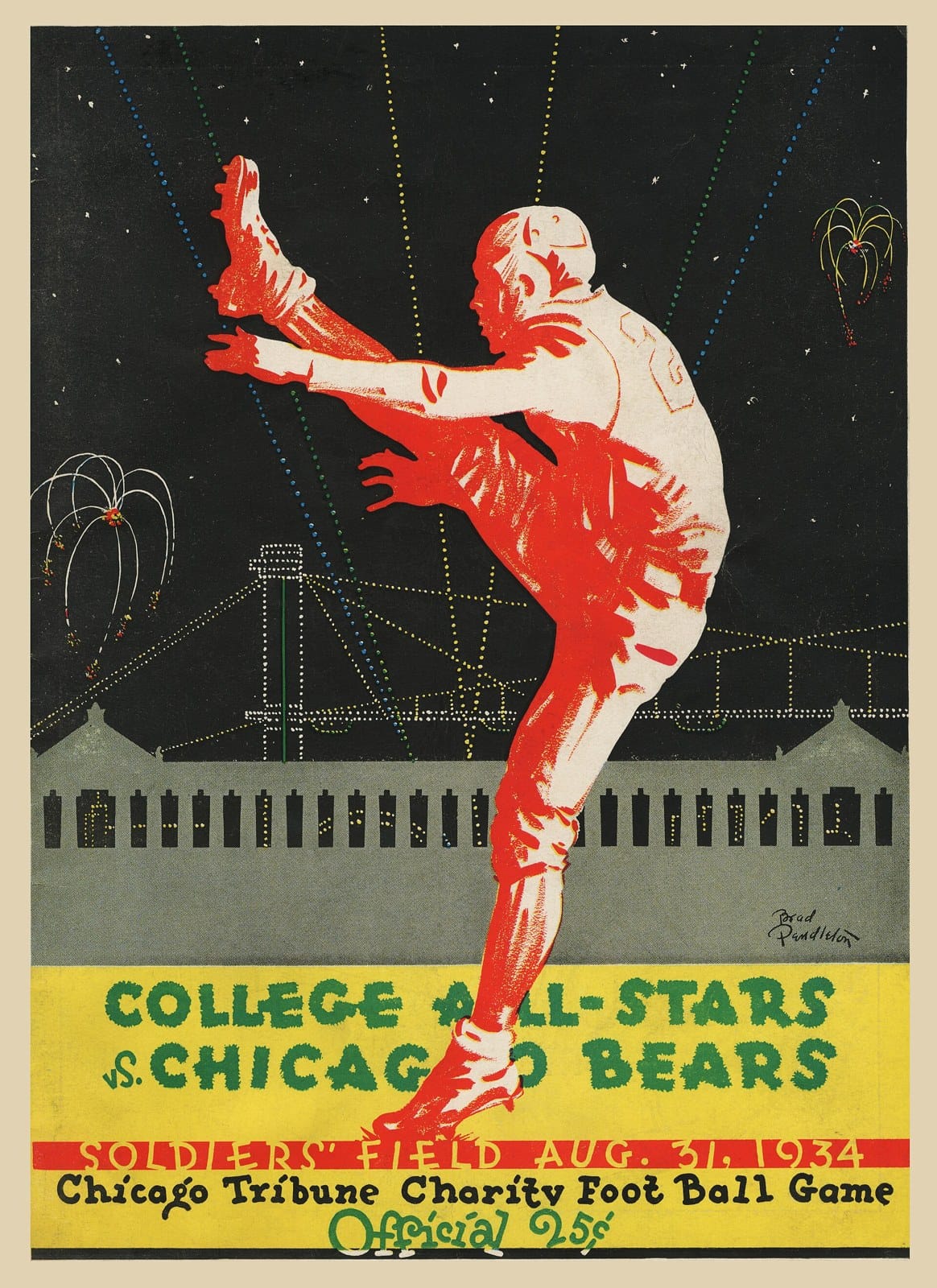
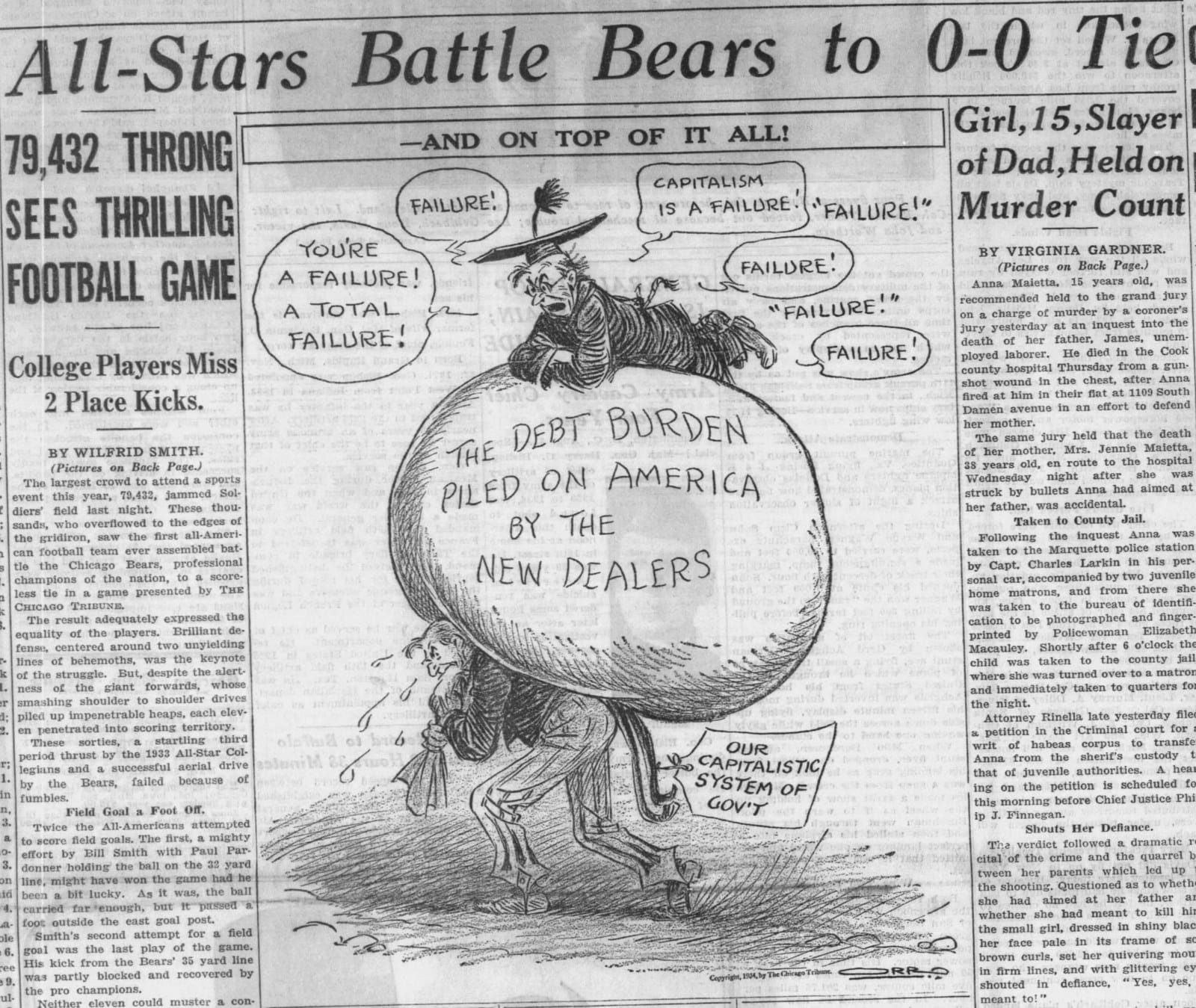
The game was dreamed up by Arch Ward, the Chicago Tribune sports editor who had just invented baseball's All-Star Game the year before. His football version: the reigning NFL champion vs. a hand-picked squad of the best graduating college players, at Soldier Field, with the gate going to Chicago charities. The first edition, on Aug. 31, 1934, drew 79,432 people and ended 0-0 against the Bears — a tie that told you everything about how close the college game still was to the pros.
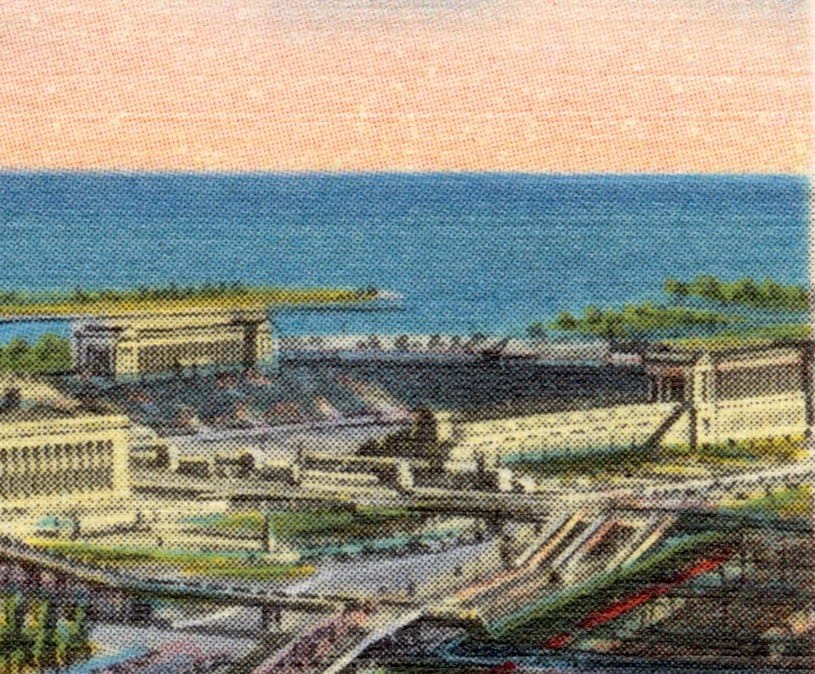
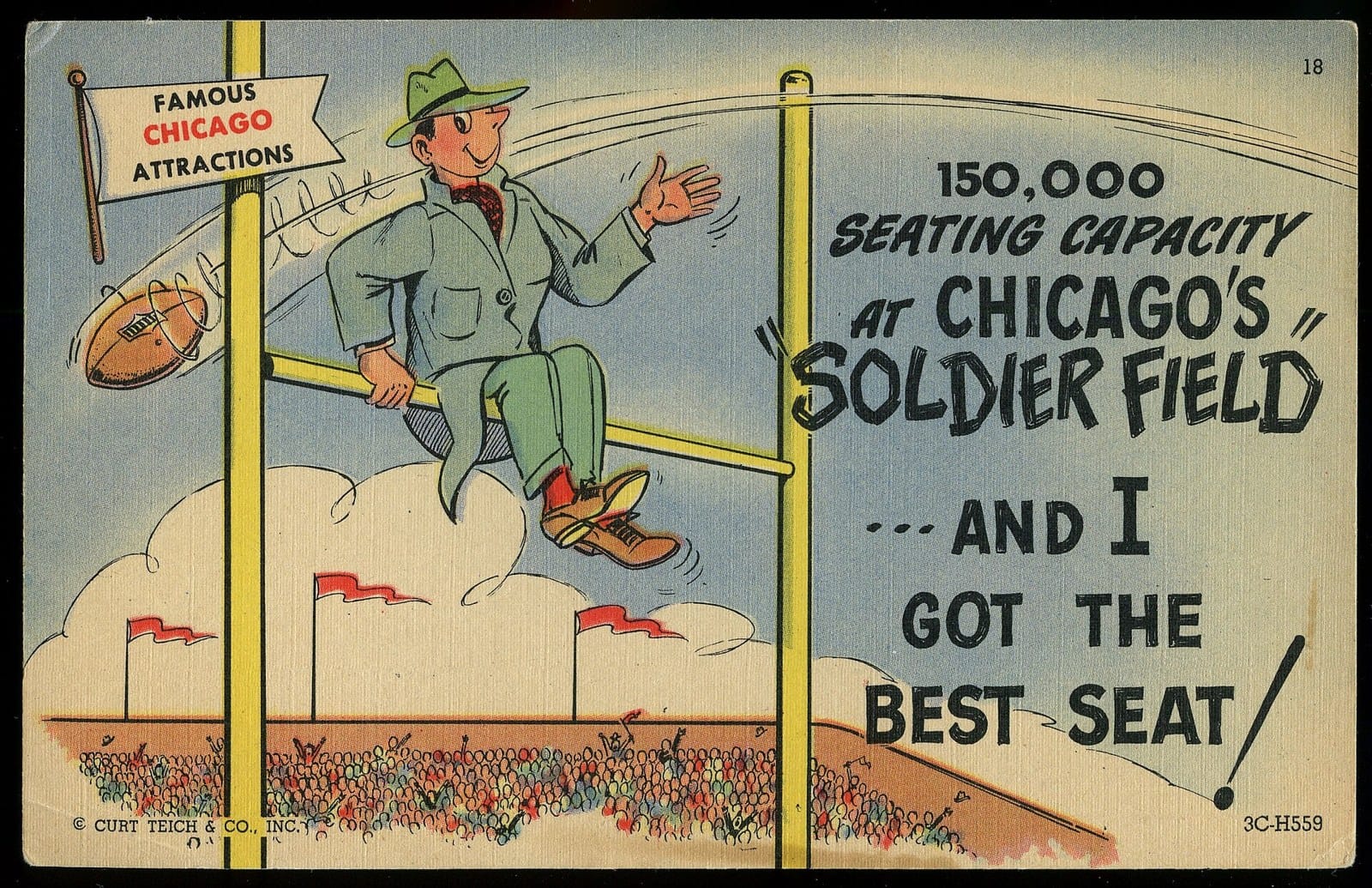
And that's the part that's hard to imagine now: in the 1930s, college football was the bigger draw. The young NFL needed this game more than the students did. Over its run the series put 3 crowds of 100,000-plus into Soldier Field (1942, 1947, 1948) and raised more than $4 million for charity. The record gate: 105,840, in 1947 — to watch Heisman winner Johnny Lujack and the All-Stars shut out the Bears 16-0.
The Kids Kept Winning
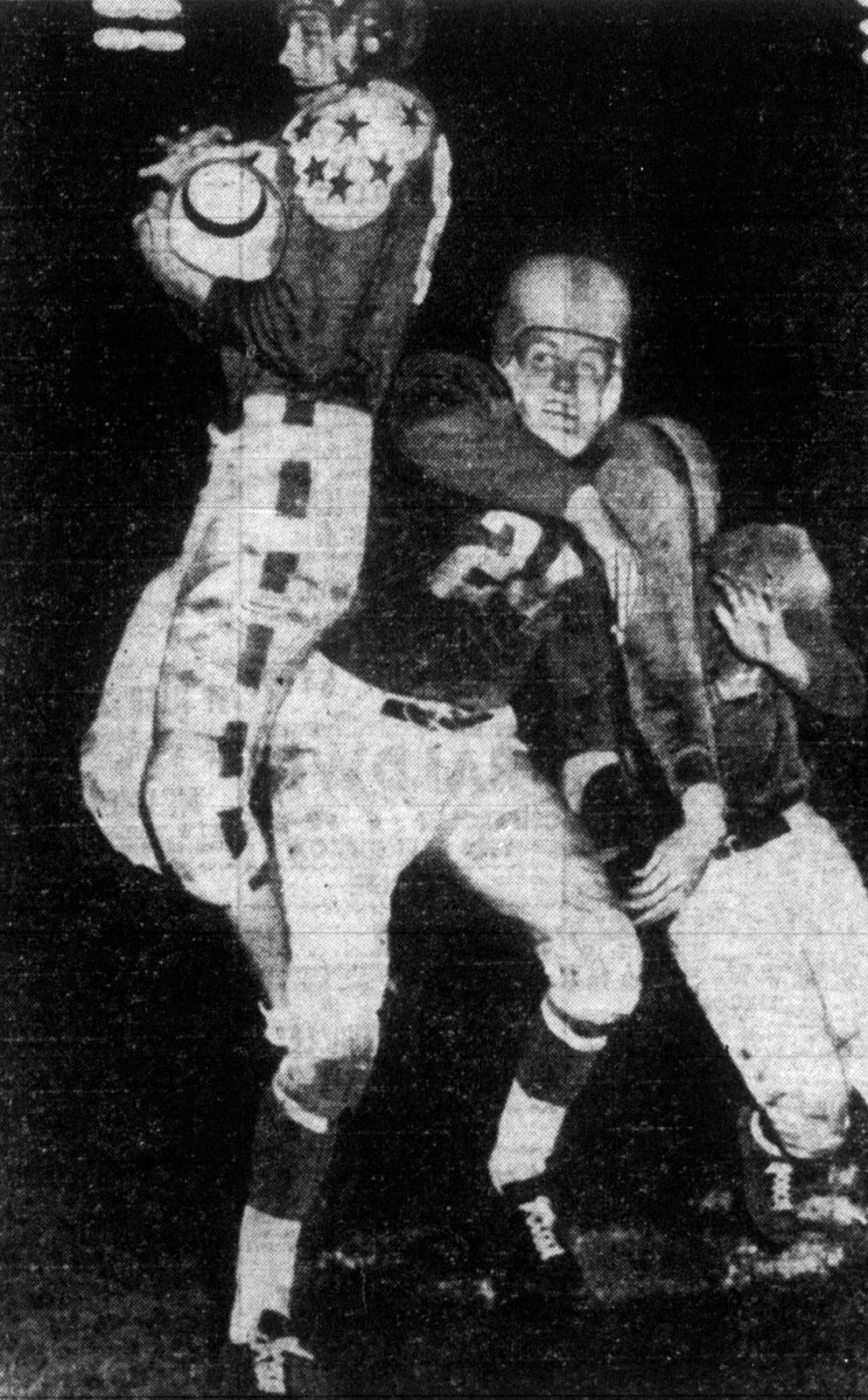
The final series ledger reads NFL champions 31, College All-Stars 9, with 2 ties — much closer than anyone today would guess. Sammy Baugh announced himself by beating the Packers 6-0 in 1937 before he'd played an NFL down. The 1946 All-Stars blanked the Rams. The 1958 kids hung 35 on the champion Lions.
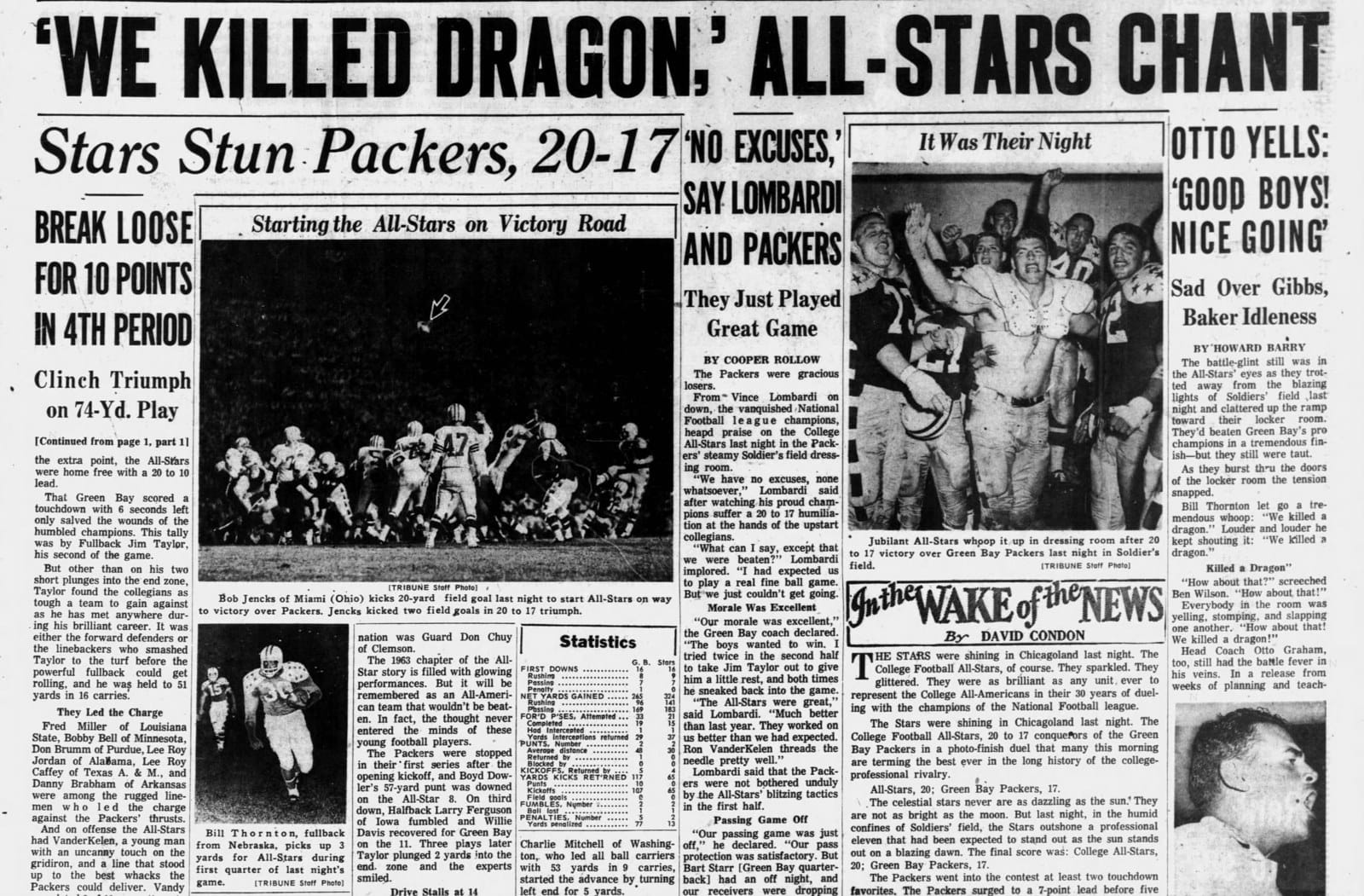
The last and greatest upset came in 1963: the All-Stars 20, Vince Lombardi's two-time defending champion Packers 17. The hero was Ron VanderKelen, a Wisconsin quarterback the NFL hadn't even drafted, who went 9-of-11 and hit his old Badger teammate Pat Richter for a 73-yard go-ahead touchdown. Lombardi took it graciously in public. Privately, he reportedly called it his most embarrassing loss. The pros never lost the game again.
The Roster Time Forgot
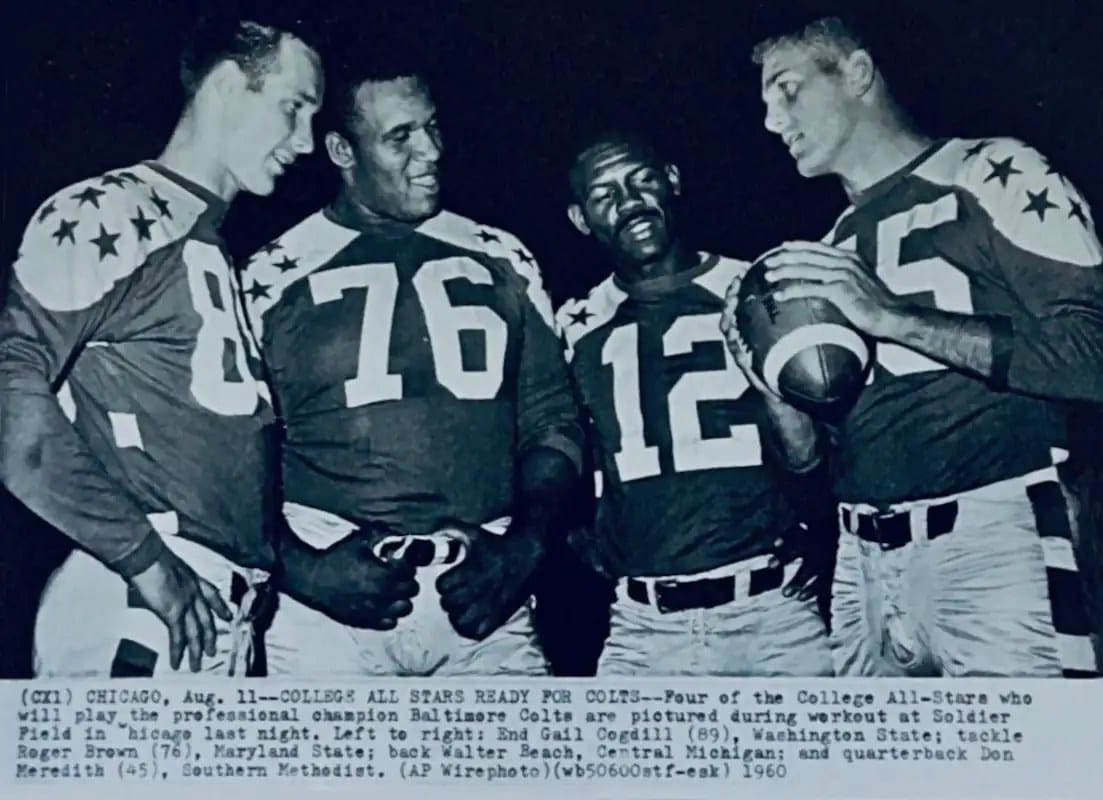
The All-Star alumni list is its own museum. A Michigan lineman named Gerald Ford played in 1935. Jackie Robinson scored a touchdown in the 1941 game — 6 years before he broke baseball's color line. Sammy Baugh, Kenny Washington, Bubba Smith, Larry Csonka — the game's MVP list doubles as a football hall of fame wing.
Why It Died
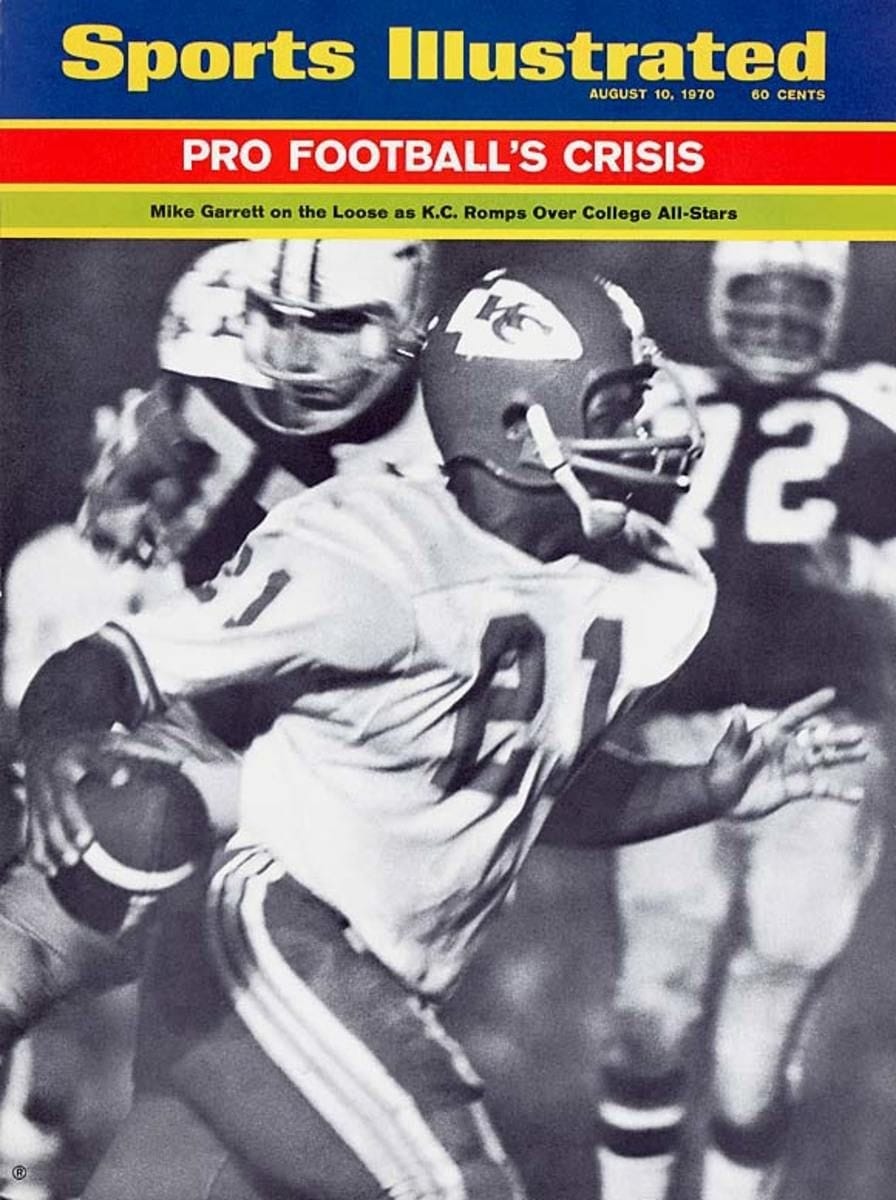
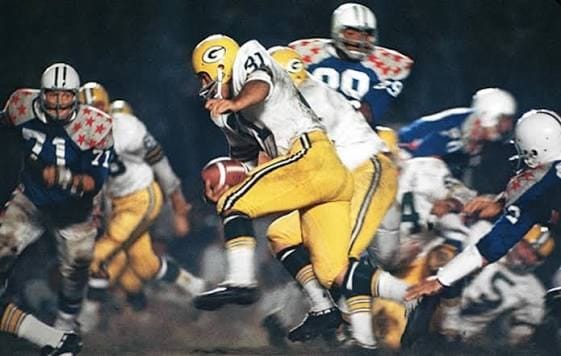
The same forces that built the modern NFL killed the game. The pros pulled away on the field — they won 16 of the last 17 played. Training camps got serious, and champions resented losing 2 weeks of prep. Most of all, the economics flipped: once draft picks started signing big contracts, nobody wanted a first-rounder risking his knee in an exhibition. The 1974 game was wiped out by the NFL players' strike, and the whole institution was running on fumes by the Bicentennial.
The Ending Nobody Could Script
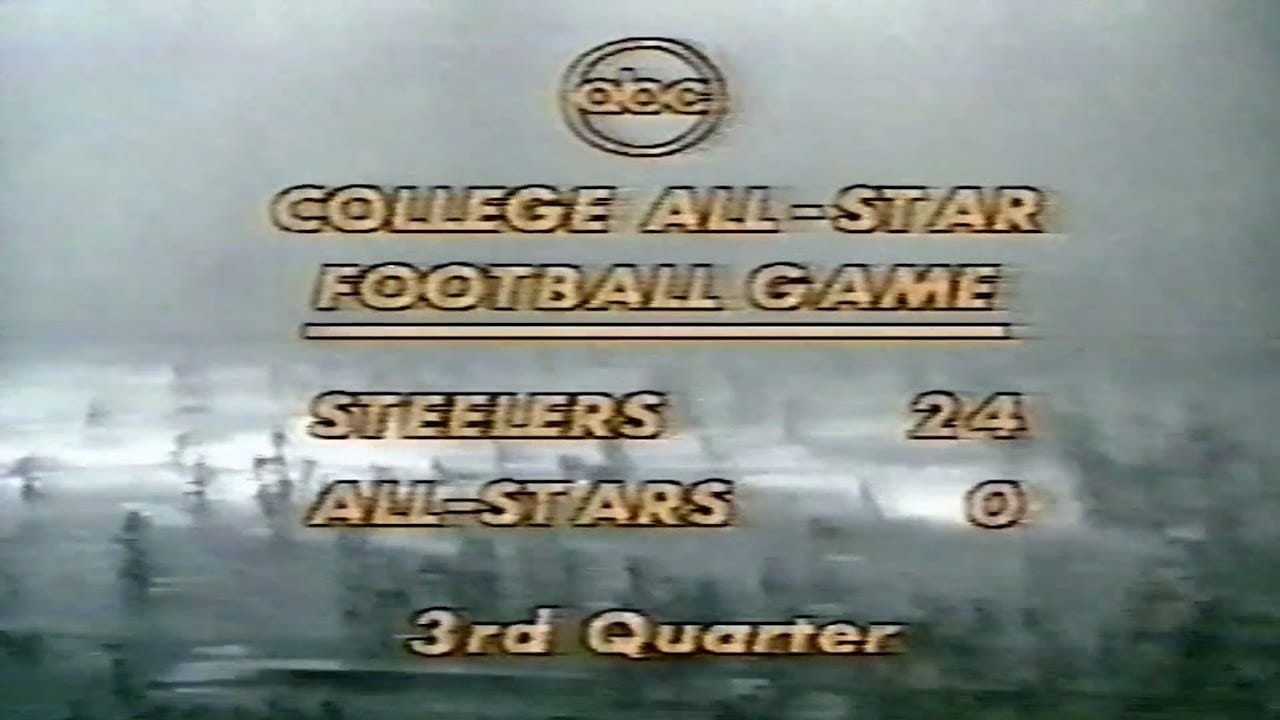
July 23, 1976. Steelers 24, All-Stars 0, 1:22 left in the 3rd quarter — and a biblical thunderstorm hits Soldier Field. Lightning, sideways rain, parts of the field underwater. During a timeout, fans pour out of the stands, storm the flooded field, and tear down the goalposts. At 11:01 p.m., Pete Rozelle calls the game off. It was never resumed — and 5 months later, the Tribune's charity arm quietly announced there would be no 43rd edition.
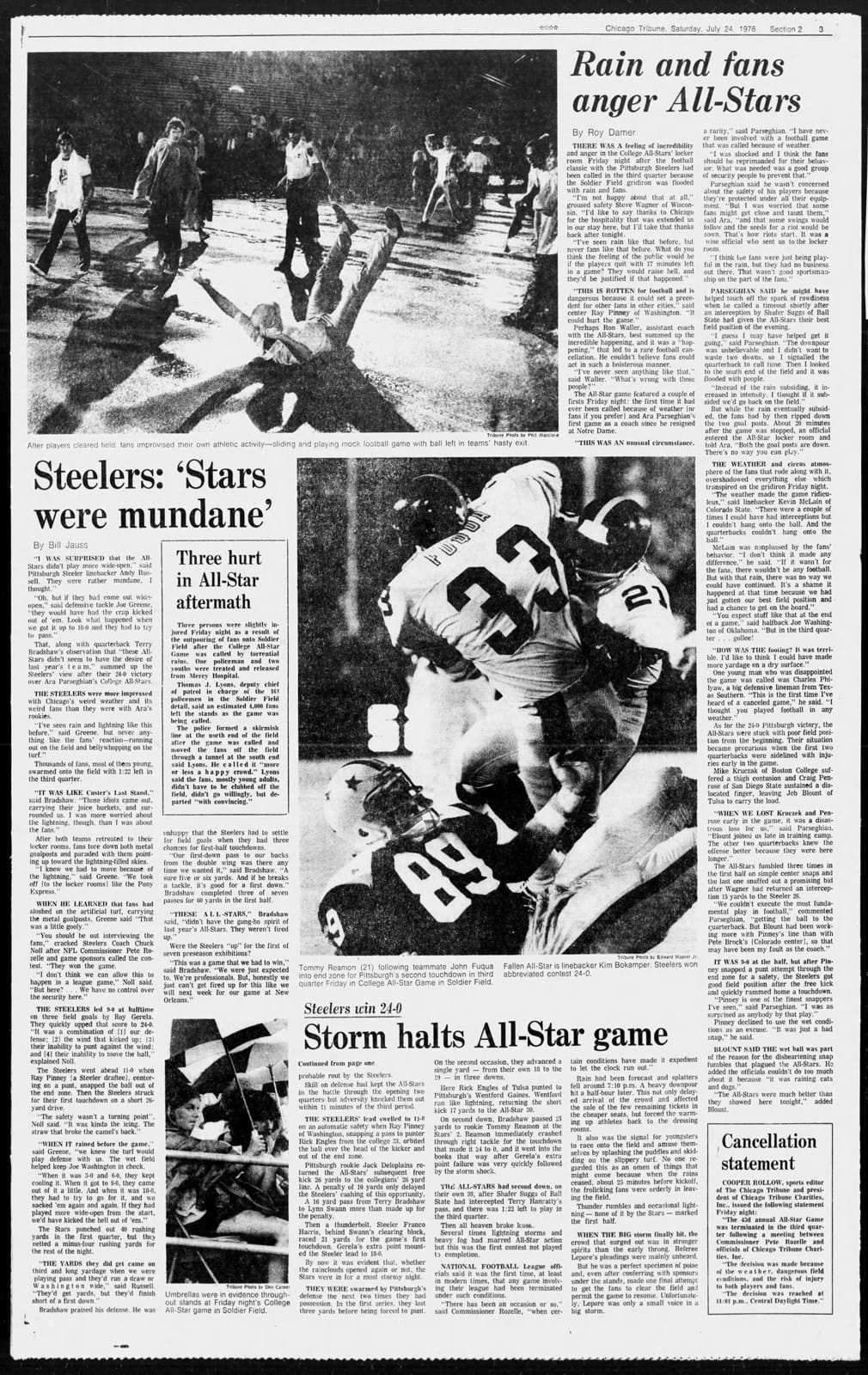
The NFL champion vs. the college kids: born with a 0-0 tie in front of 79,000, dead in a thunderstorm with fans on the field. In between, it might have been the most charming mismatch in American sports — the one exhibition where, 9 times, the kids actually won.
Comments ()